
Located at the picturesque source of Xiaoxiang and nestled deep within the vast Nanling Mountains, the expanded Hunan Xiaoshui Centianhe Reservoir stands as a shining jewel, embodying the expertise of water conservancy professionals. This expansion project represents a significant advancement in the region’s water management infrastructure.
The Centianhe Reservoir expansion is a major water conservancy initiative designated by the State Council. Situated in Jianghua Yao Autonomous County, Yongzhou City, it lies upstream within the Xiaoshui River Basin along the main stream of the Xiang River. Serving as the first phase of cascade development in the Xiaoshui River Basin, it is the leading reservoir project highlighted in the province-approved “Xiaoshui River Basin Planning Report.” Preliminary work began in 1990, and after sustained efforts from provincial and municipal authorities, construction officially commenced in August 2012.
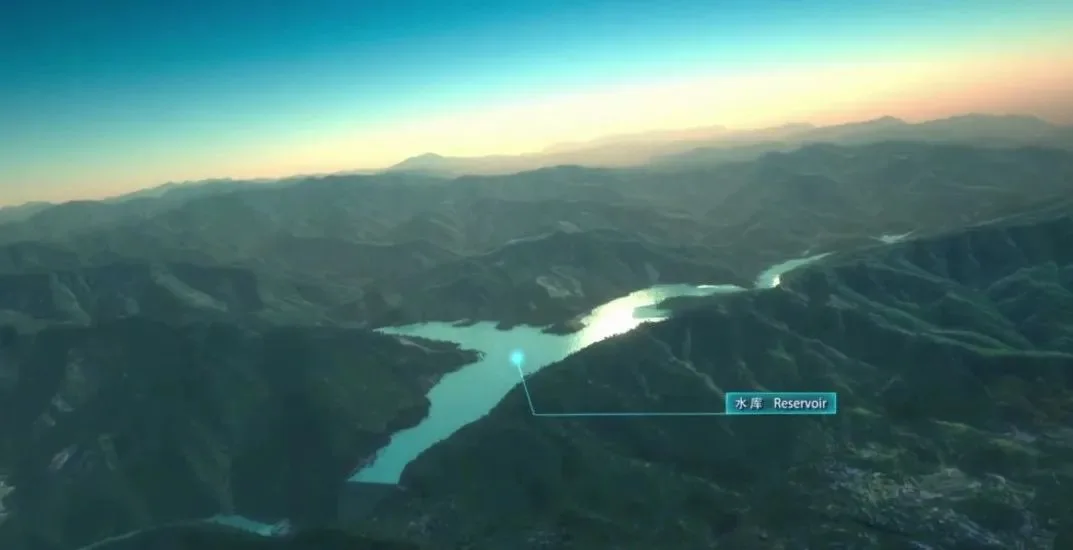
The Centianhe Reservoir expansion is classified as a large (I) type water conservancy and hydropower hub project, delivering comprehensive benefits including irrigation, flood control, downstream water replenishment, power generation, and navigation. The power station boasts an installed capacity of 200 megawatts, with the reservoir’s normal water level at 313 meters and a maximum dam height of 114 meters. It holds a total storage capacity of 1.51 billion cubic meters and irrigates approximately 1.44 million acres.
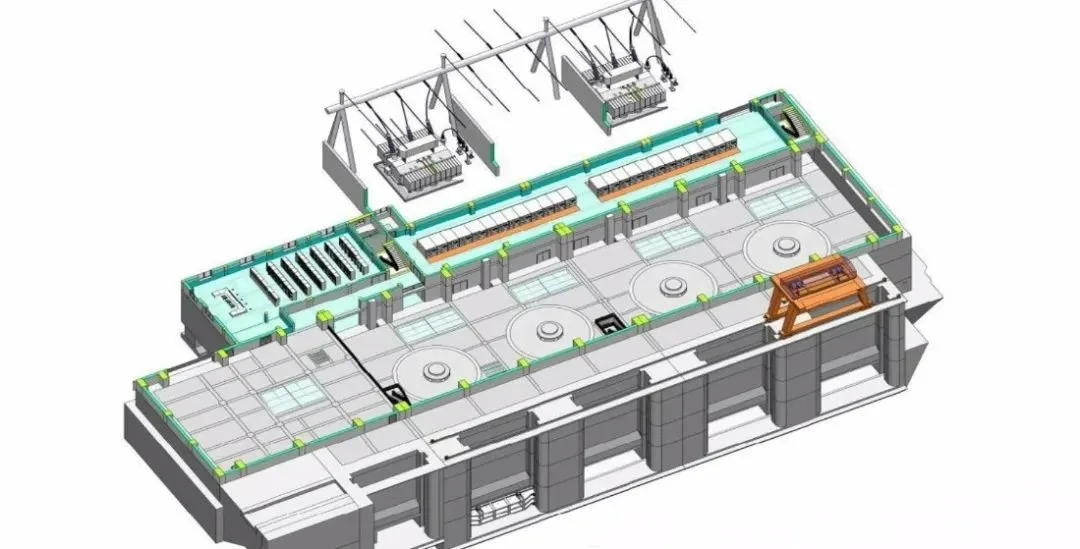
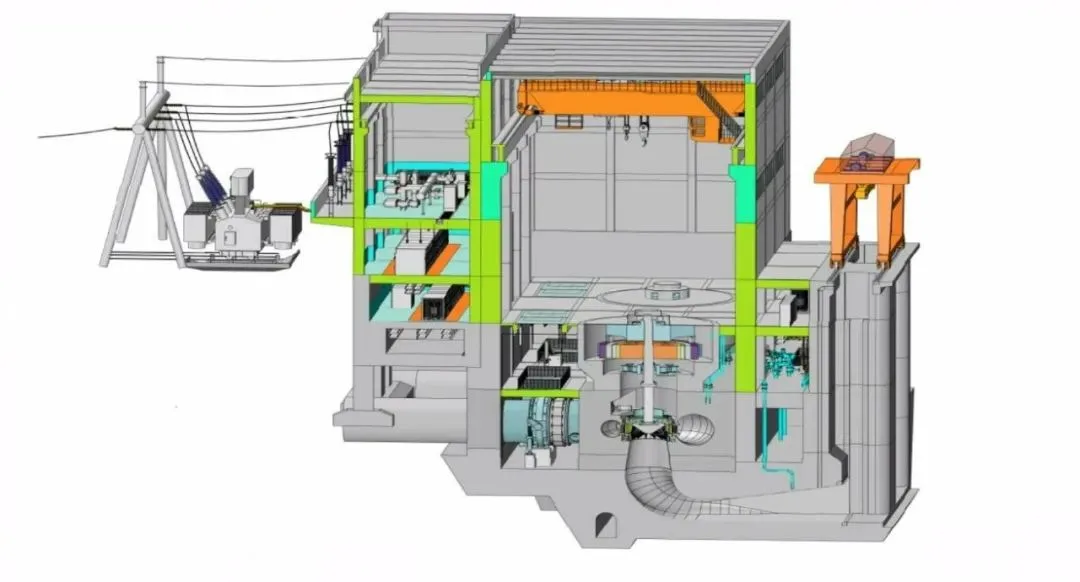
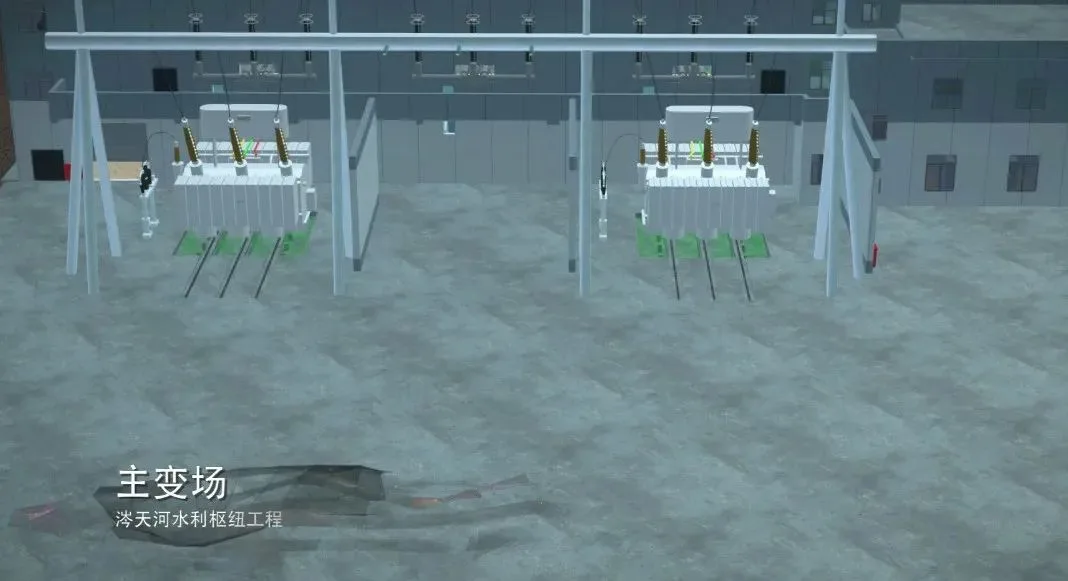
The project features a concrete face rockfill dam, a diversion power tunnel, two spillway tunnels (#1 and #2), an emptying tunnel, irrigation tunnels on both left and right banks, a left canal head power station, a drop hydropower station, and the main power station building. Positioned downstream of the dam, the power station operates as a diversion-type riverbed ground plant, comprising a main power plant, auxiliary power plant, installation site, central control room, and main transformer yard. The facility’s structure is vertically divided into generator, turbine, shell, and tailwater pipe layers.
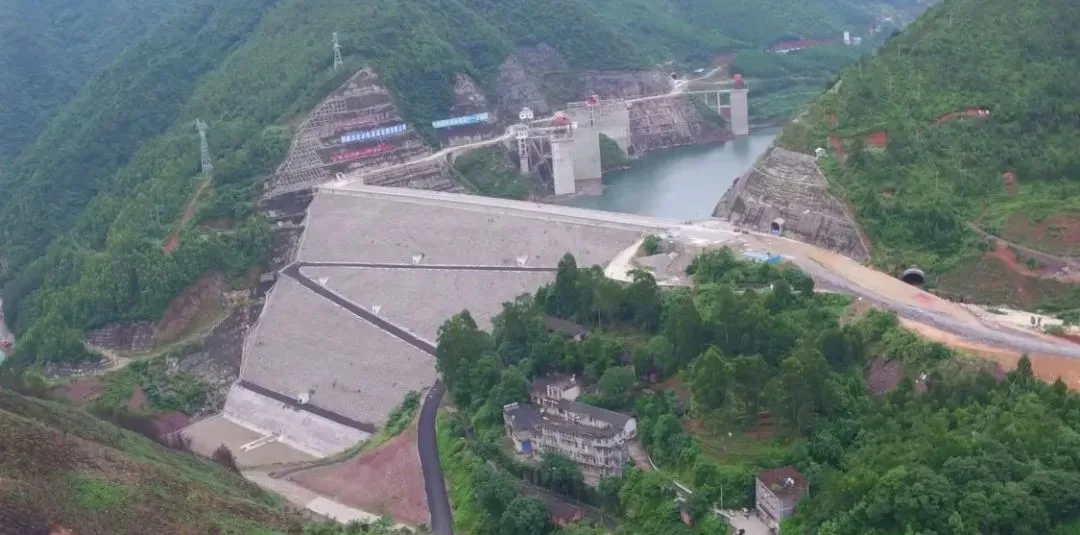
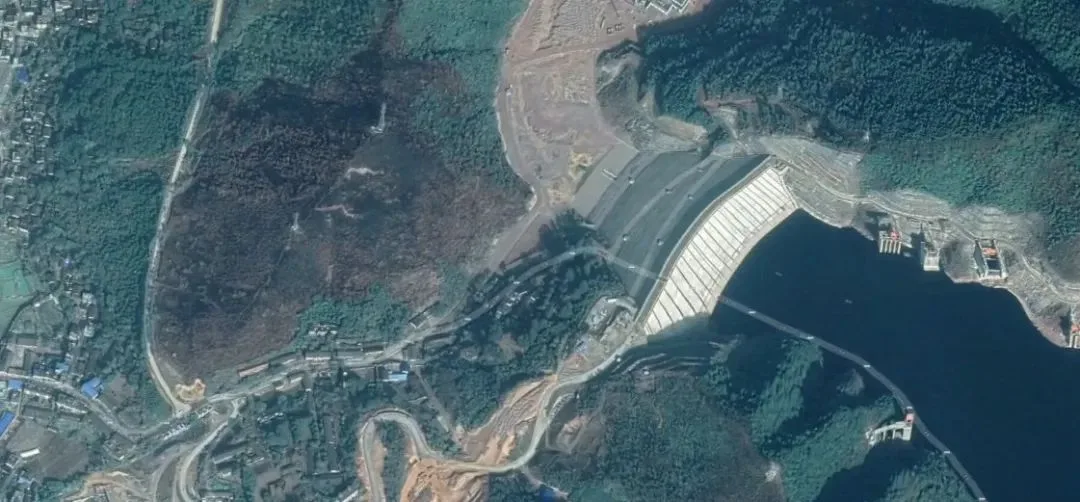
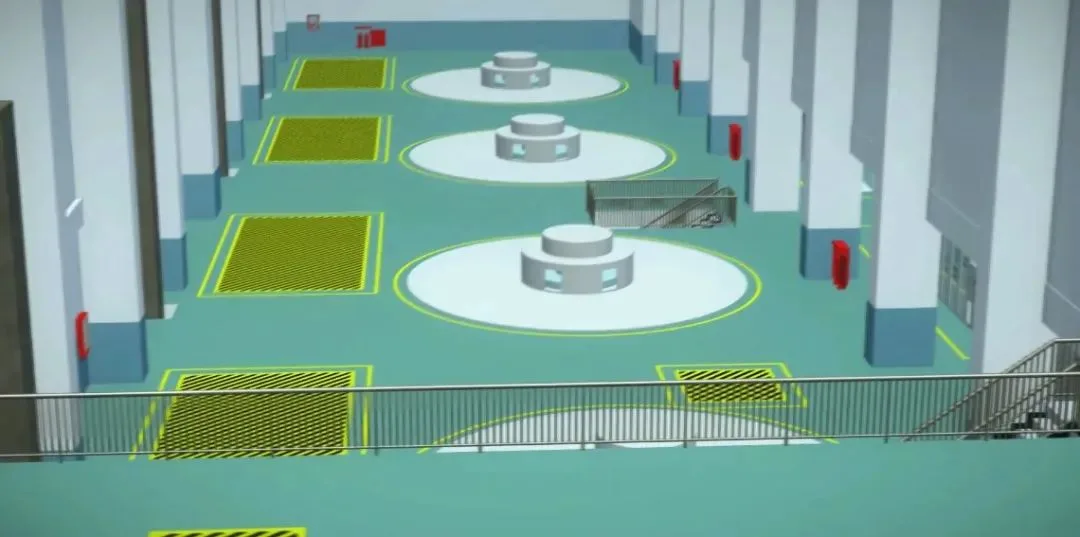
The main plant houses four vertical shaft mixed-flow water turbine generator units, each with a capacity of 50 megawatts, totaling 200 megawatts. The facility generates an average annual output of 455.6 million kilowatt-hours. A 200-ton bridge crane with integrated side screen cabinets is installed on the downstream side.
The turbine floor includes cylindrical turbine piers and wind covers, with turbine runner diameters measuring 2.9 meters. This floor also contains essential equipment such as a common box enclosed busbar, hydraulic station, speed regulator, leakage and maintenance drainage systems, unit technical water supply, and fire water supply.
The snail shell layer features a butterfly valve chamber equipped with four butterfly valves, each 4.1 meters in diameter, along with dehumidifiers. The installation site, located at the main plant building’s right end, houses high and low compressor rooms, oil tanks, oil treatment rooms, and ecological base flow bypass pipes beneath it.
The auxiliary plant building sits upstream from the main plant, spread over four floors. The first floor functions as a cable interlayer with cable trays; the second houses a diesel generator room, near-field distribution room, low-voltage distribution room, cable room, and battery room. The third floor contains a central control room and a 10 kV high-voltage switch room, while the top floor is fitted with a GIS room connected to two outdoor main transformers via an outgoing rack. A tailwater maintenance gate, operated by a mobile gantry crane, is installed at the unit’s tail water.
2. BIM Design and Application
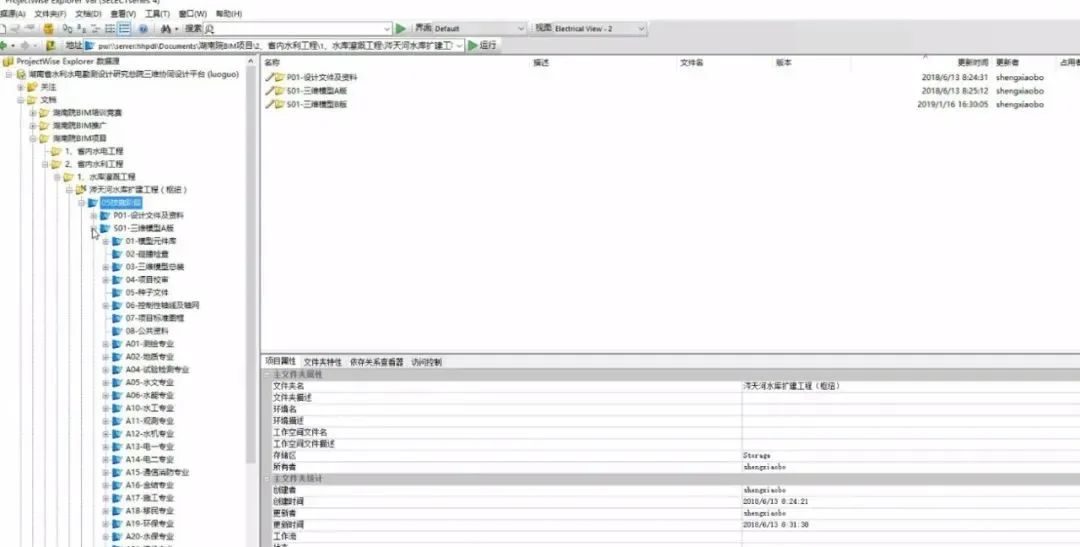
This project employs the HNY HydroBIM solution for 3D collaborative design, supported by a comprehensive implementation plan and a standardized collaborative environment. Throughout the project, multiple specialties coordinated their 3D designs via the ProjectWise platform, producing digital terrain models, hydraulic models, and electromechanical models, which formed the foundation for further BIM applications.
Three-dimensional geological excavation allows real-time visualization and querying of weak interlayers and faults within the geological strata using detailed 3D models. This approach facilitates slope excavation planning by visually representing geological conditions at excavation faces. Additionally, 3D geological sectioning accelerates the generation of accurate geological maps, significantly boosting mapping efficiency.
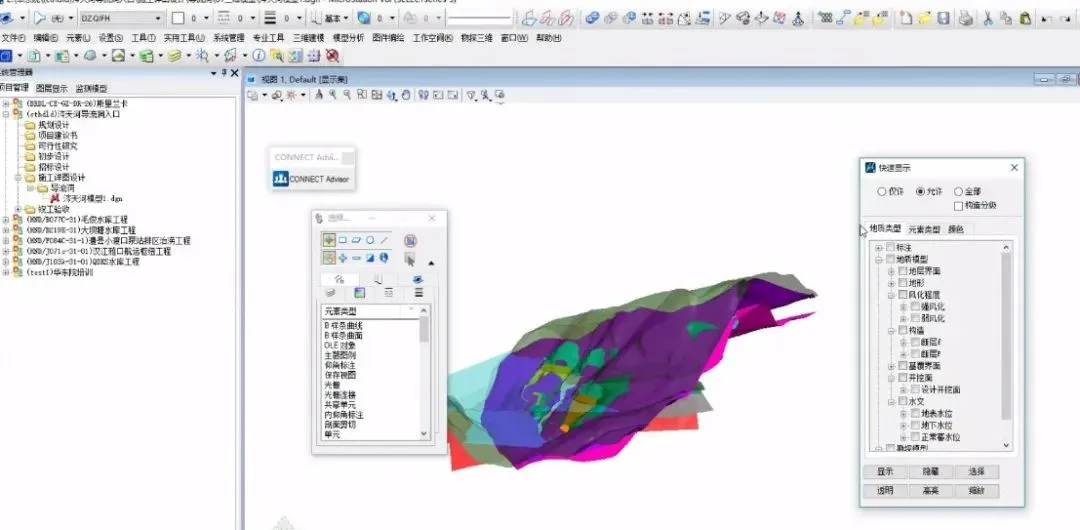
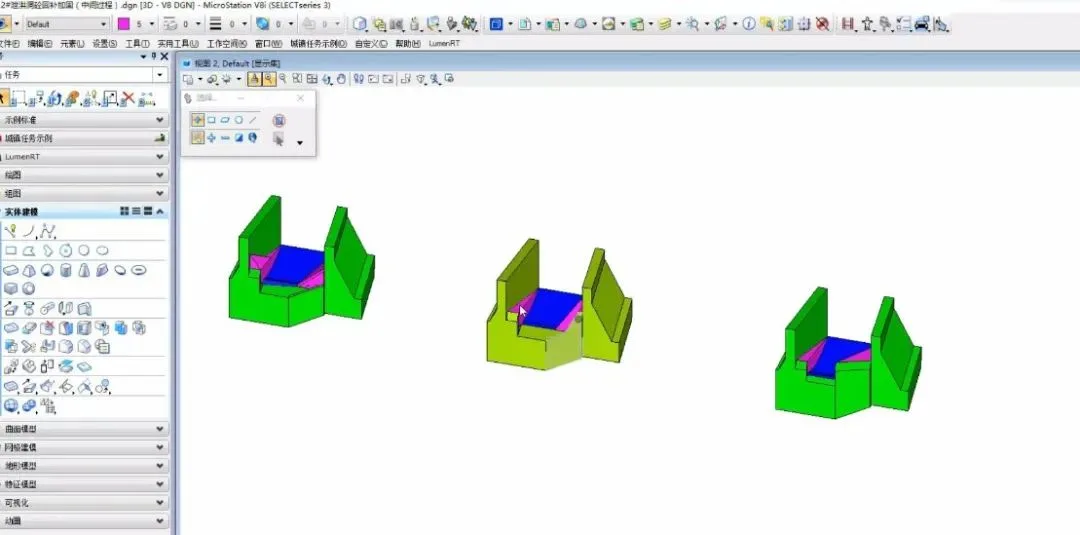
The renovation of the spillway tunnel outlet flip bucket, a complex structural challenge, was aided by Bentley software which created a precise 3D model. This enabled the construction team to efficiently locate and arrange components, shortening construction timelines and improving efficiency. Quantity statistics for renovation parts derived from the 3D model proved faster and more accurate than traditional methods.
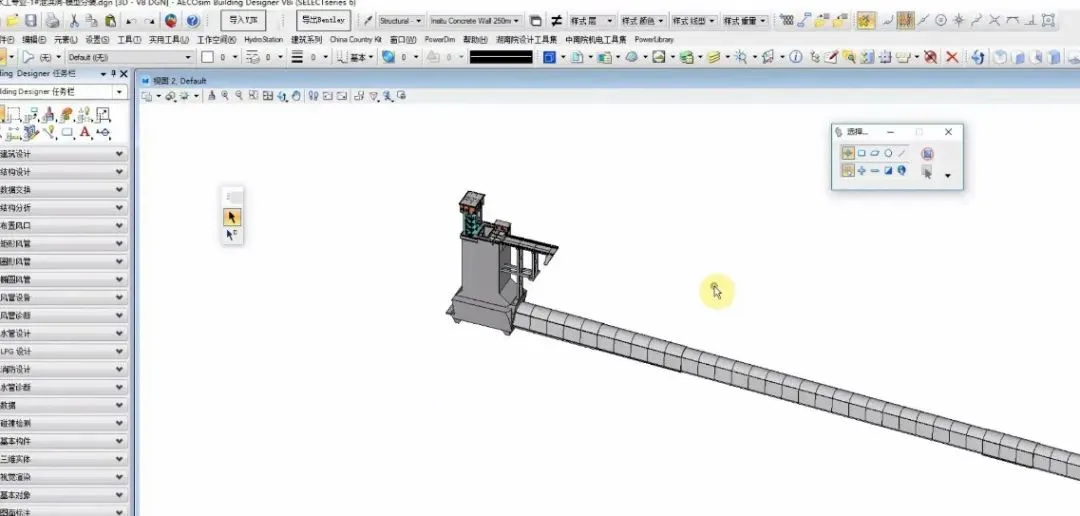
Engineering quantity statistics are enhanced by designers defining component attributes and classifications, which enable customized lists for individual or batch components. By setting engineering quantity metrics and output rules aligned with project list formats, model-based quantity statistics and report generation were streamlined, considerably improving efficiency.
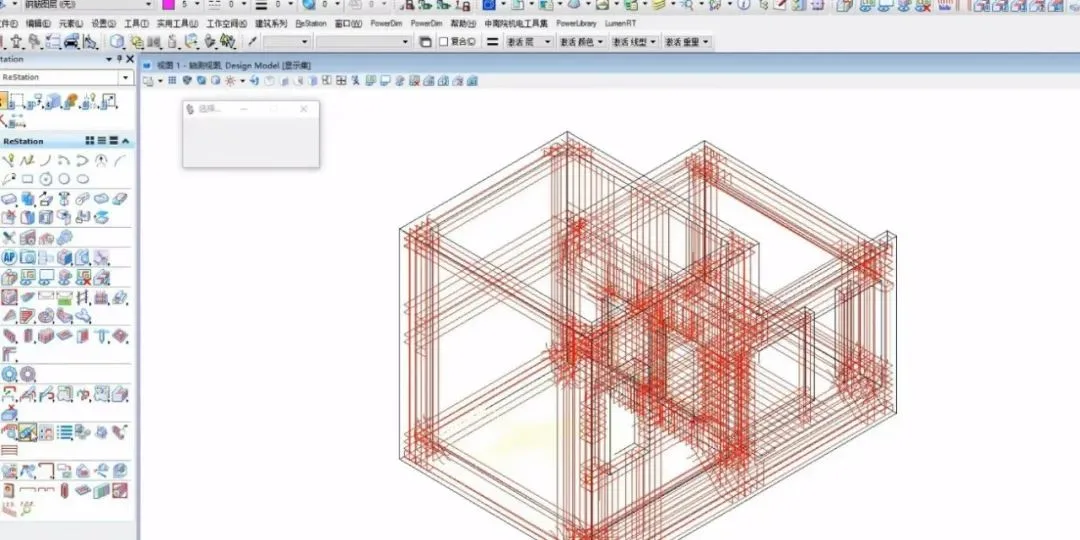
Three-dimensional reinforcement modeling leverages the built 3D model to generate steel bar reports and drawings with a single click, increasing drawing efficiency by 60% compared to traditional 2D methods.
Collision detection is performed using Navigator software, enabling identification of errors, omissions, clashes, and missing elements among various professional 3D models, significantly enhancing the accuracy of design deliverables.
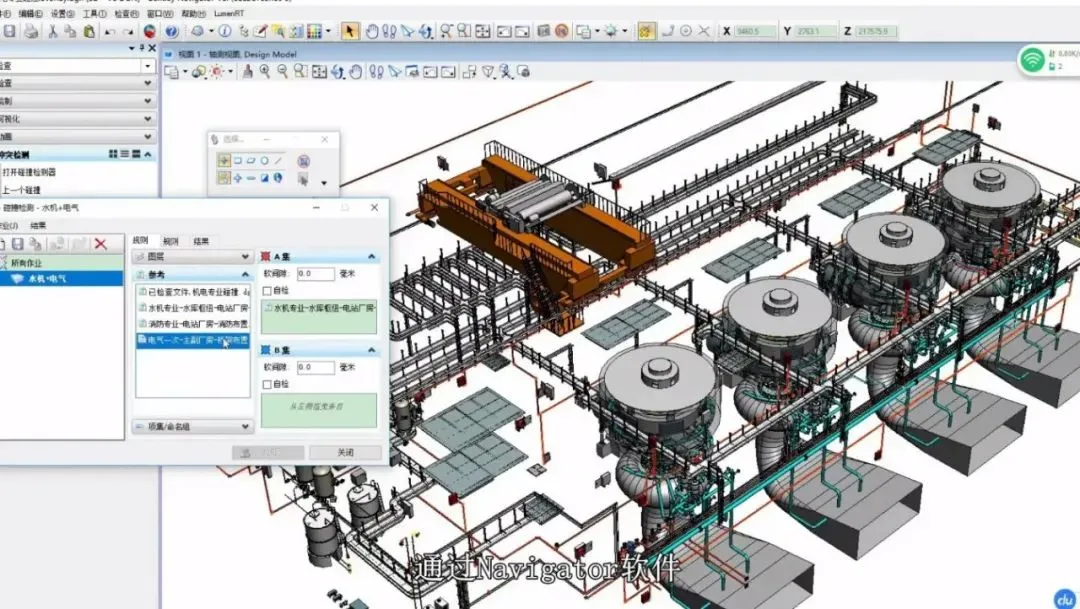
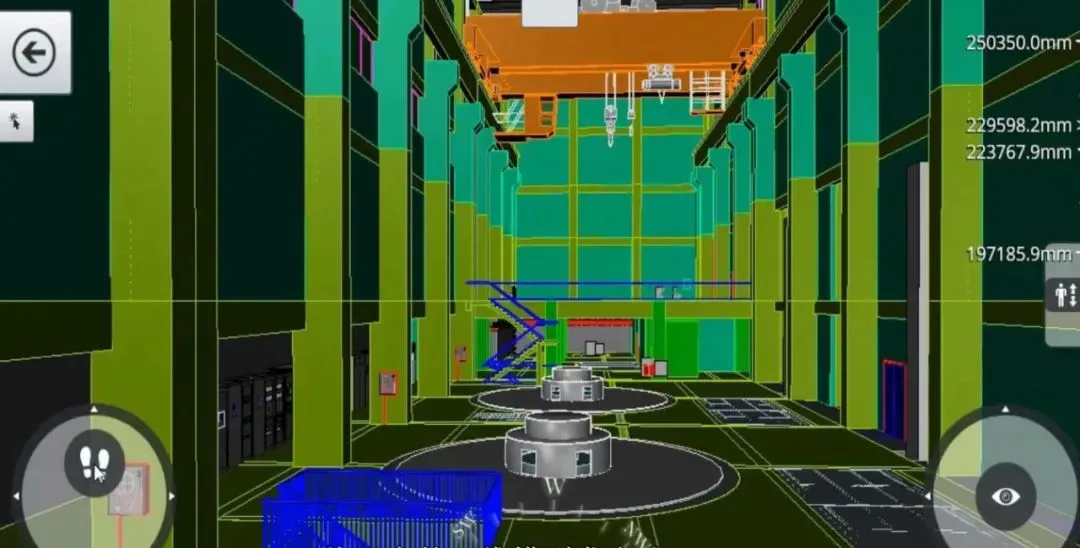
Dynamic browsing is enabled by publishing existing 3D models as i-models, allowing interactive viewing and slicing on PCs or mobile devices. This facilitates on-site querying of relevant engineering data, supporting real-time information access and comparison by engineering management personnel.
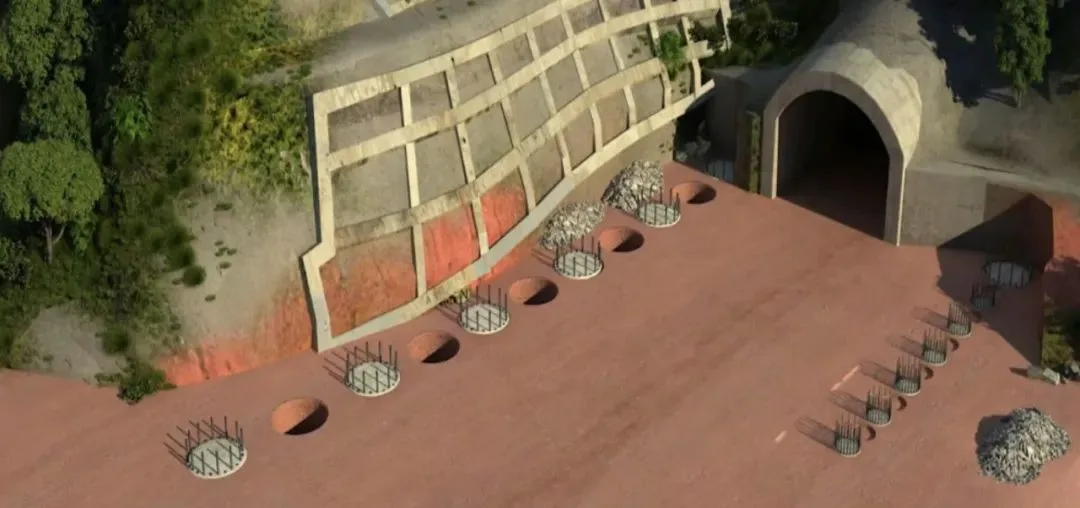
Construction simulation uses 3D modeling to replicate the installation of anti-slip piles in the outlet channel of Spillway Tunnel #1, reducing rework and delays while simplifying complex construction procedures for non-experts.
3. BIM Innovation Highlights
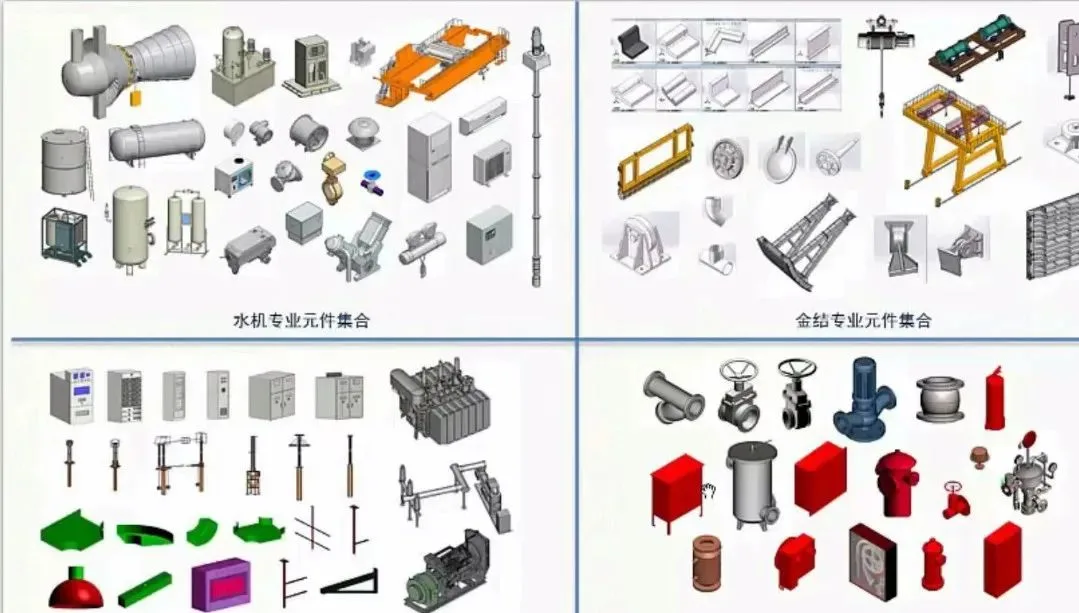
Component library management was enhanced by developing a 3D component library management tool based on Microstation for the Hunan Institute of Water Resources and Hydropower Engineering. This tool covers disciplines including hydraulic engineering, construction, water machinery, electrical engineering, fire protection, and metal structures. Compatible with all Bentley platform software, it offers functions such as component addition, search, information querying, and calls, encompassing nearly all commonly used components in water conservancy and hydropower projects. This greatly boosts design efficiency and standardizes component models.
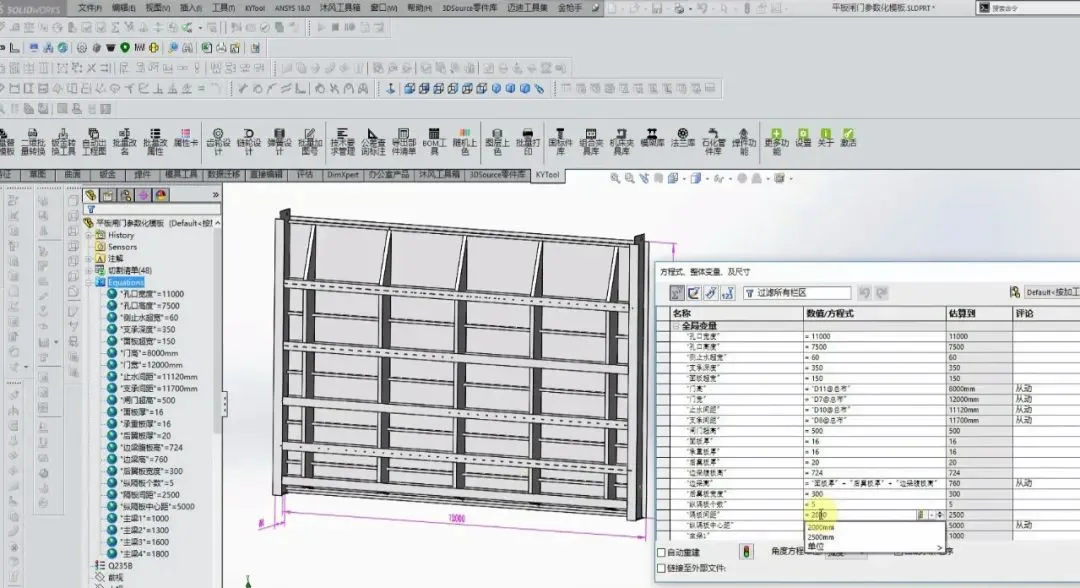
Parameterized design was completed for the mixed-flow unit of the Centian River Reservoir expansion project, enabling rapid 3D modeling of the snail shell. Through structural segmentation, selection, and parameter-driven adjustments, the parameterized design of the flat gate was also achieved.
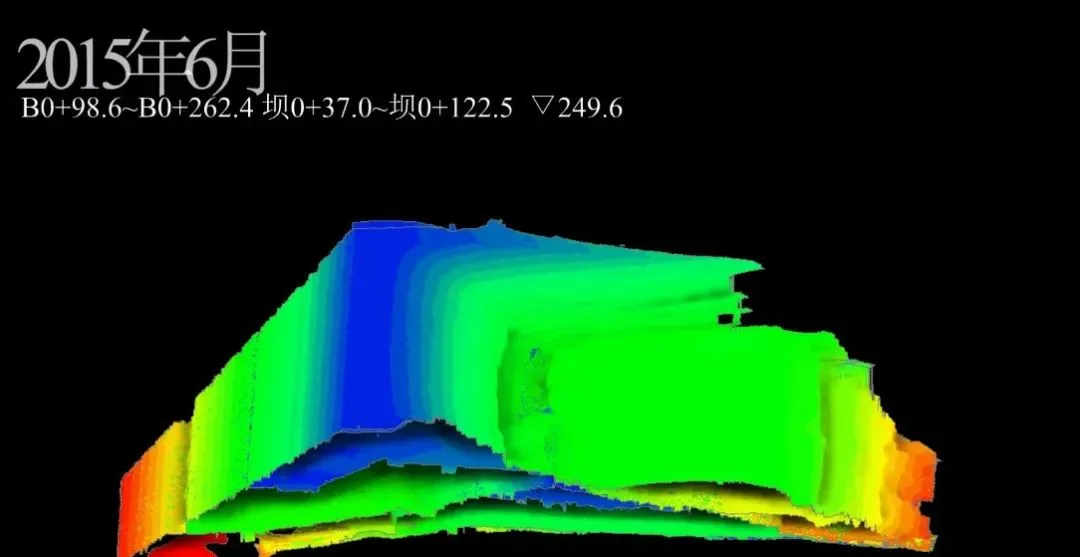
The dam filling process was simulated by synchronizing the dam model with construction progress schedules, offering a clear and intuitive visualization of the layered dam filling phases throughout the construction period.
Intelligent compaction technology integrates GPS real-time dynamic differential positioning with compaction sensor monitoring to ensure precise dam compaction and immediate feedback on compaction quality. On-site managers can visually identify weakly compacted areas and promptly apply supplementary compaction, significantly enhancing compaction quality.
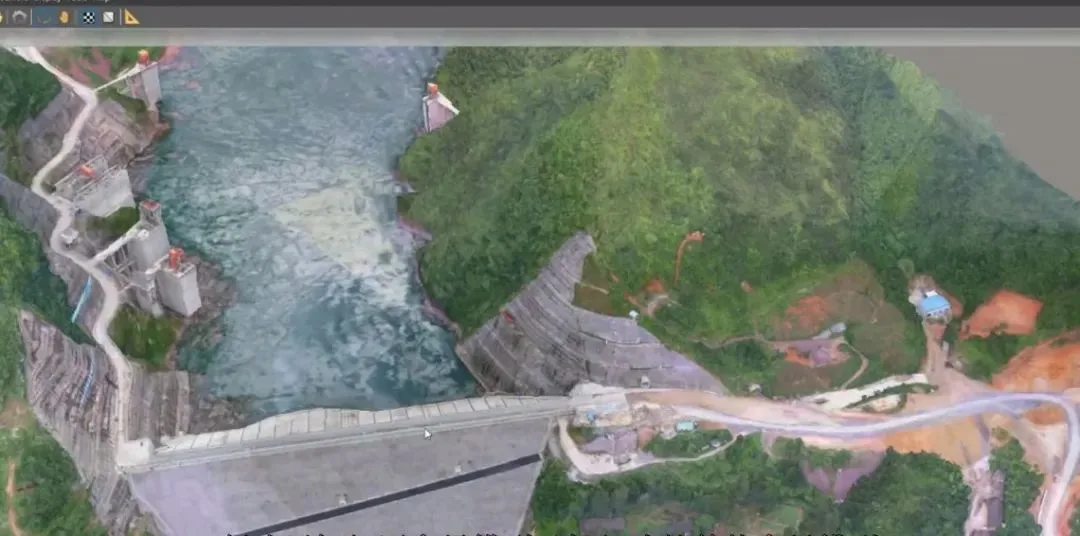
Real-life modeling technology was applied using high-altitude aerial and low-altitude supplementary photography, creating detailed real-life models of the hub area and individual buildings via ContextCapture modeling and model refinement. These models allow queries for elevation, height differences, distances, areas, and volumes. The 3D dock design on these models provides a visual representation of dock location and layout, earning unanimous praise from project owners.
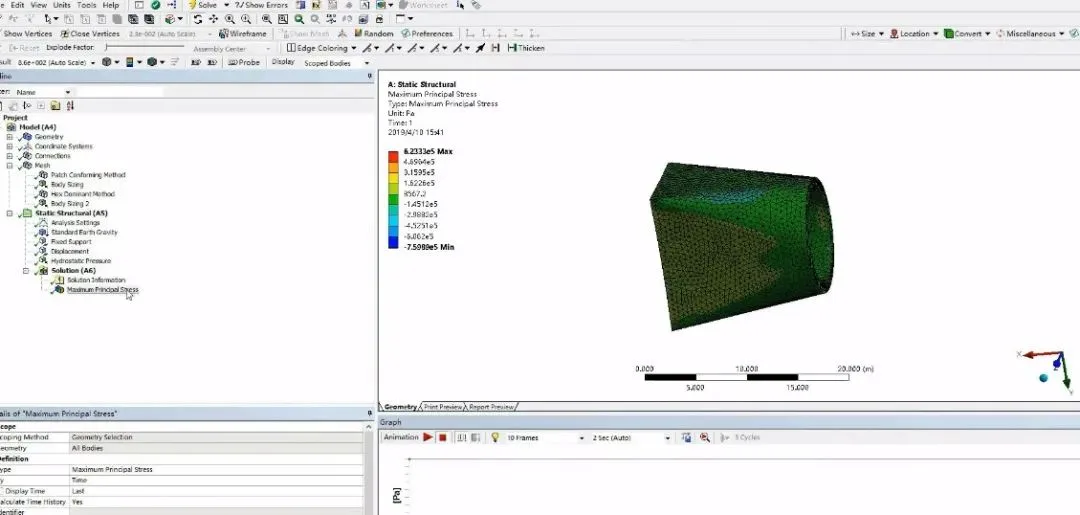
Finite element analysis was optimized using BIM/CAE integrated software developed in-house. The newly built power tunnel inlet model was converted within Microstation and imported into ANSYS finite element software for further processing and calculation. This workflow significantly reduced modeling time and enhanced computational efficiency.
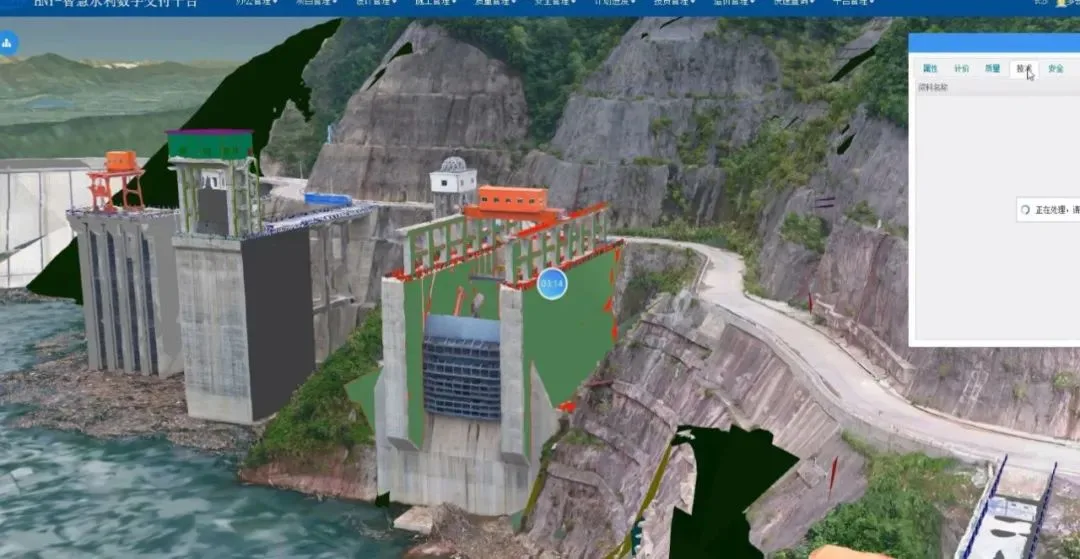
To address challenges in BIM project delivery and maximize BIM product value, the project team developed the Centianhe Smart Water Conservancy Engineering Digital Interaction Platform. This platform integrates real-life and lightweight digital models, linking 2D drawings, technical requirements, and BIM models to offer comprehensive 3D visualization, interactive navigation, and functionalities such as data querying, retrieval, and construction information summaries.
4. Application Summary
By leveraging a unified platform and architecture, the project significantly reduced professional coordination time, improved design efficiency by approximately 20%, and decreased design errors by over 80%, enhancing the overall effectiveness of BIM applications. The 3D collaborative design facilitated model and data sharing, optimized equipment and pipeline layouts, and seamlessly integrated simulation analysis, geographic information, and 3D reinforcement within a single platform. These advancements markedly improved design quality and allowed all construction stakeholders to access project information from multiple perspectives, reducing communication costs and boosting work efficiency.
The successful BIM implementation in the Centianhe Hub Project has been widely acknowledged by all participants. The 3D design results have provided critical technical support for the smart water conservancy digital interaction platform, laying a strong foundation for refined design, standardized construction, and scientific management. This success sets a valuable precedent and offers important insights for future water conservancy projects.
















Must log in before commenting!
Sign Up