
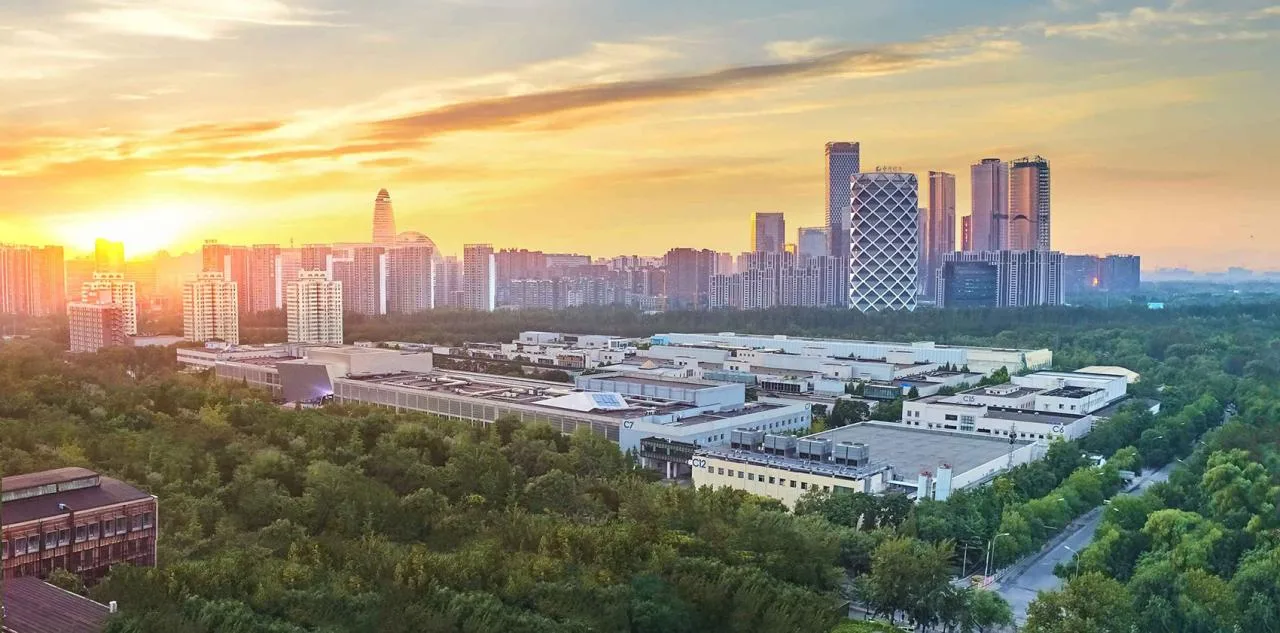
Located at No. 9 Jiuxianqiao North Road in Beijing’s Chaoyang District, the Beijing UCP Hengtong International Innovation Park spans approximately 314.8 acres, including a public landscape area of about 50,000 square meters. This park is dedicated to revitalizing and repurposing large-scale industrial heritage sites through a comprehensive approach that integrates positioning, planning, architecture, landscape, interiors, visual identity, and public art. The goal is to establish an innovative demonstration park that attracts cultural and technology enterprises.
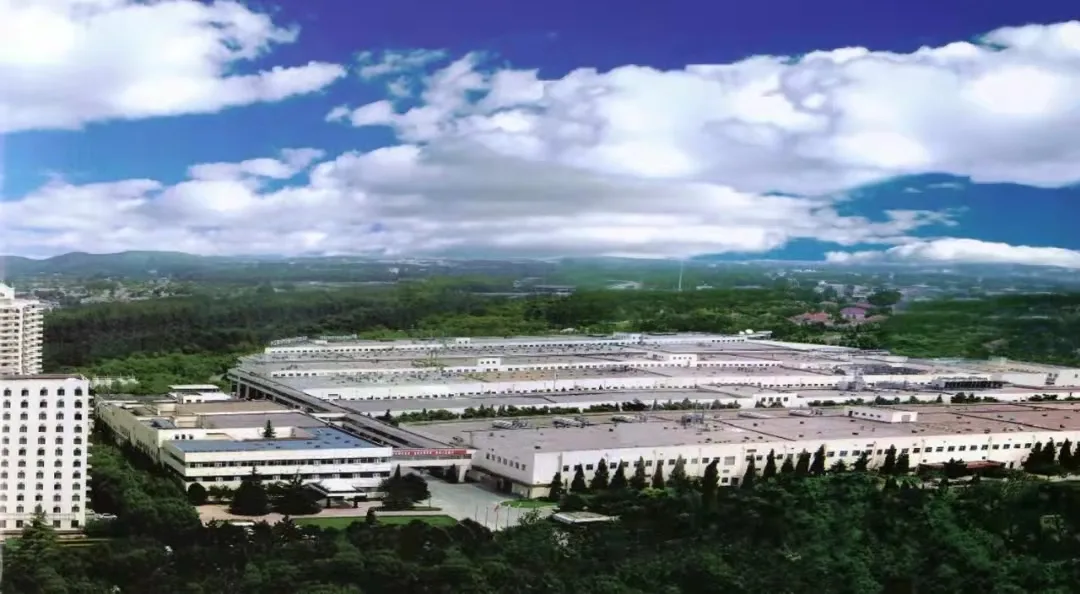
△ Aerial view before renovation
Revitalization and Adaptive Reuse of Industrial Heritage
The UCP Park was originally the factory site of Beijing Panasonic Color Picture Tube Co., Ltd., established in 1987 — a significant relic of China’s industrialization history. As urban industries evolve, these factory areas require a functional transformation from single manufacturing centers to diversified tertiary industry hubs.
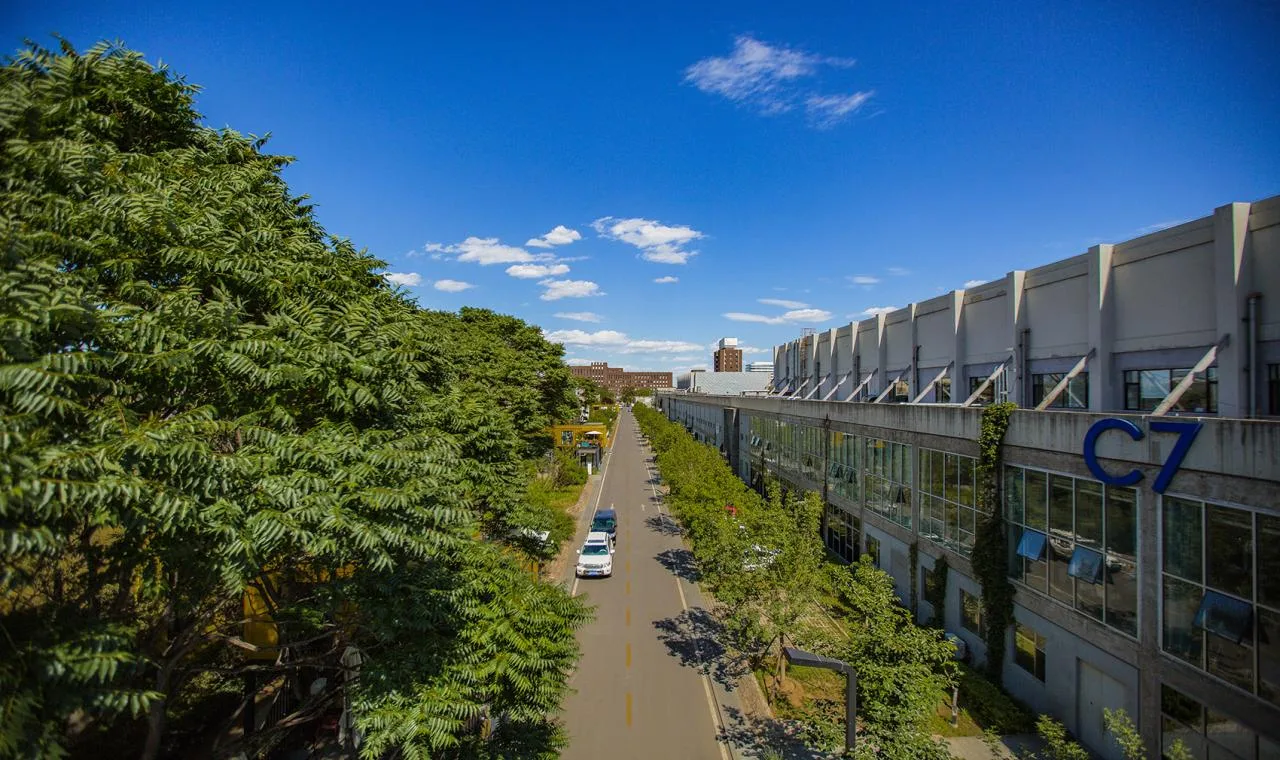
The revitalization and reuse process has been ongoing since 2011, spanning eight years of continuous research and renovation. Centered on the principles of “cultural innovation, structural innovation, and profit innovation,” the project addresses four key dimensions: diversified industrial structures, phased development, artistic landscape design, and balanced building utilization. It implements three activation strategies: overall environmental planning of industrial heritage, preserving cultural context and heritage value in public spaces, and adaptive reuse of individual heritage buildings. This approach fosters a sustainable economic circulation system for industrial heritage. Additionally, the UCP campus regularly revitalizes and reuses outdated resources on-site to maximize their value.
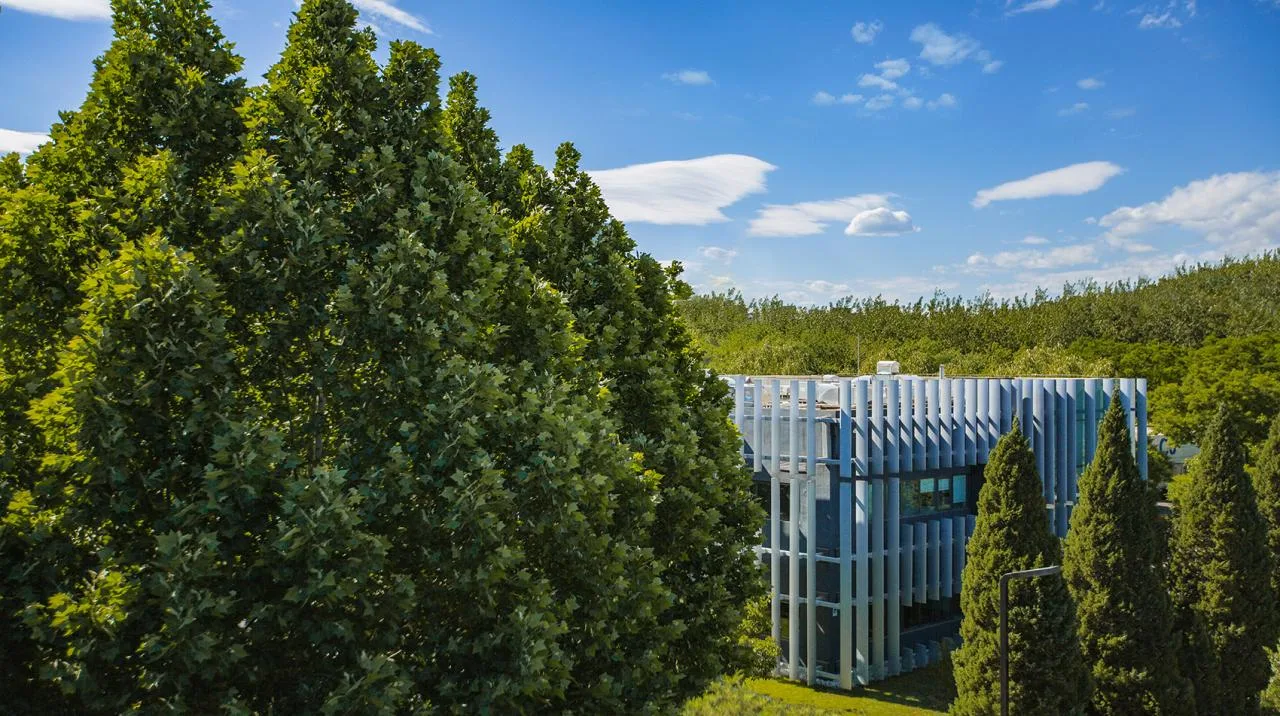
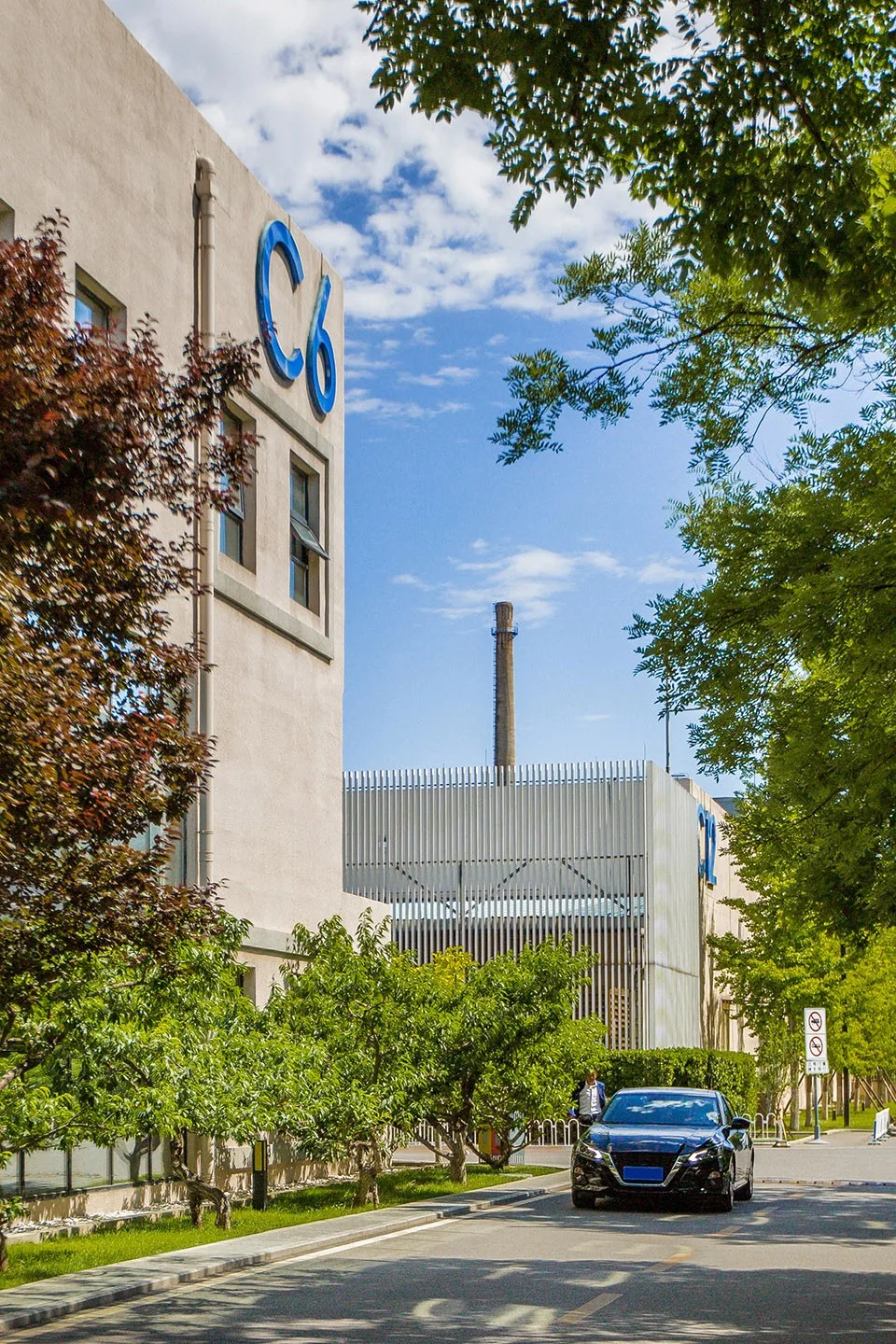
The renewed UCP Park preserves its expansive, low-density spatial qualities and original industrial features, seamlessly blending historic industrial relics with innovative environments. It is now Beijing’s largest cultural and creative industry park and, in 2018, was recognized as one of the first “Cage for Bird” industrial upgrading demonstration parks in the city.
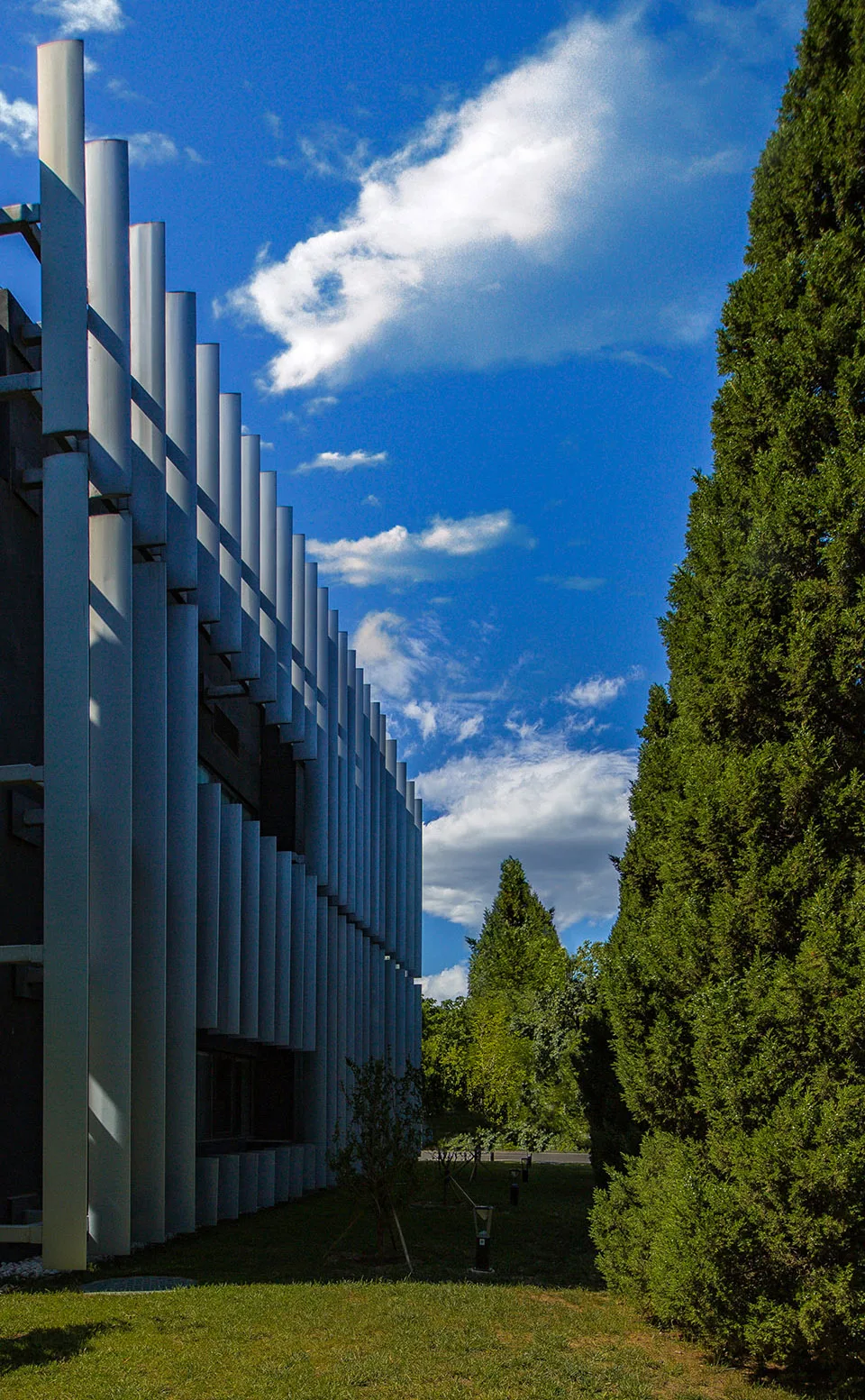
The renovation’s hallmark is its integrated planning and design approach. The comprehensive upgrade covers planning positioning, conceptual design, landscape renovation, self-operated building redesign, landscape art interventions, entrance and perimeter image, signage systems, and space management manuals. This professional oversight ensures maximum preservation and activation of the original factory area’s value. The factory’s spatial structure has been reorganized into six core zones: cultural and artistic exhibitions, cultural industry commerce, film director studios, international corporate culture expos, information media, and comprehensive support facilities.
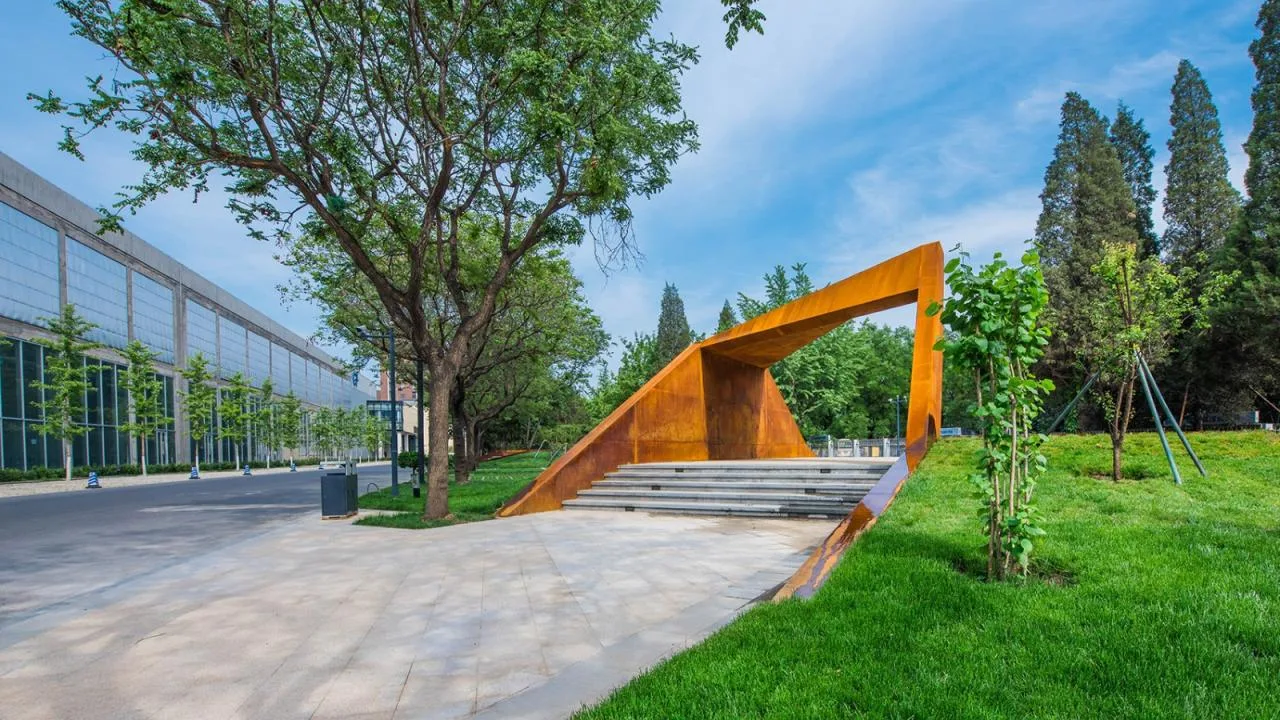
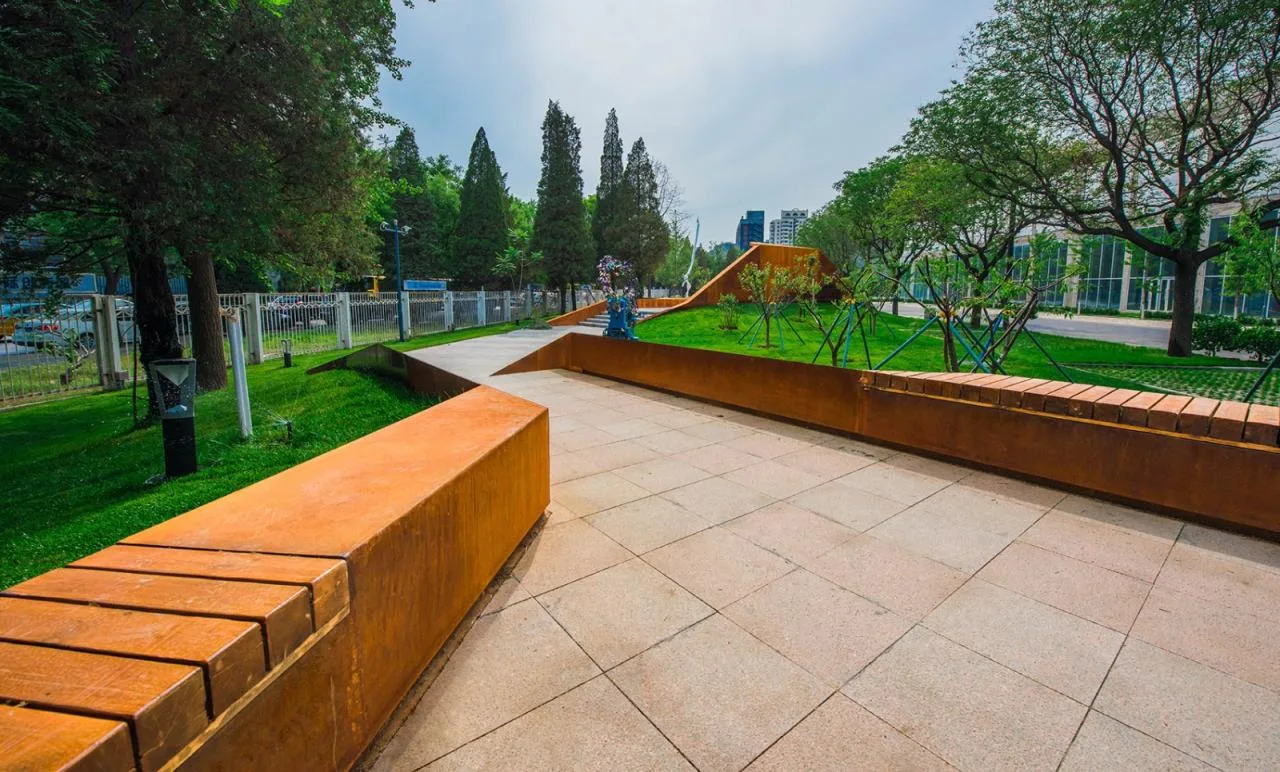
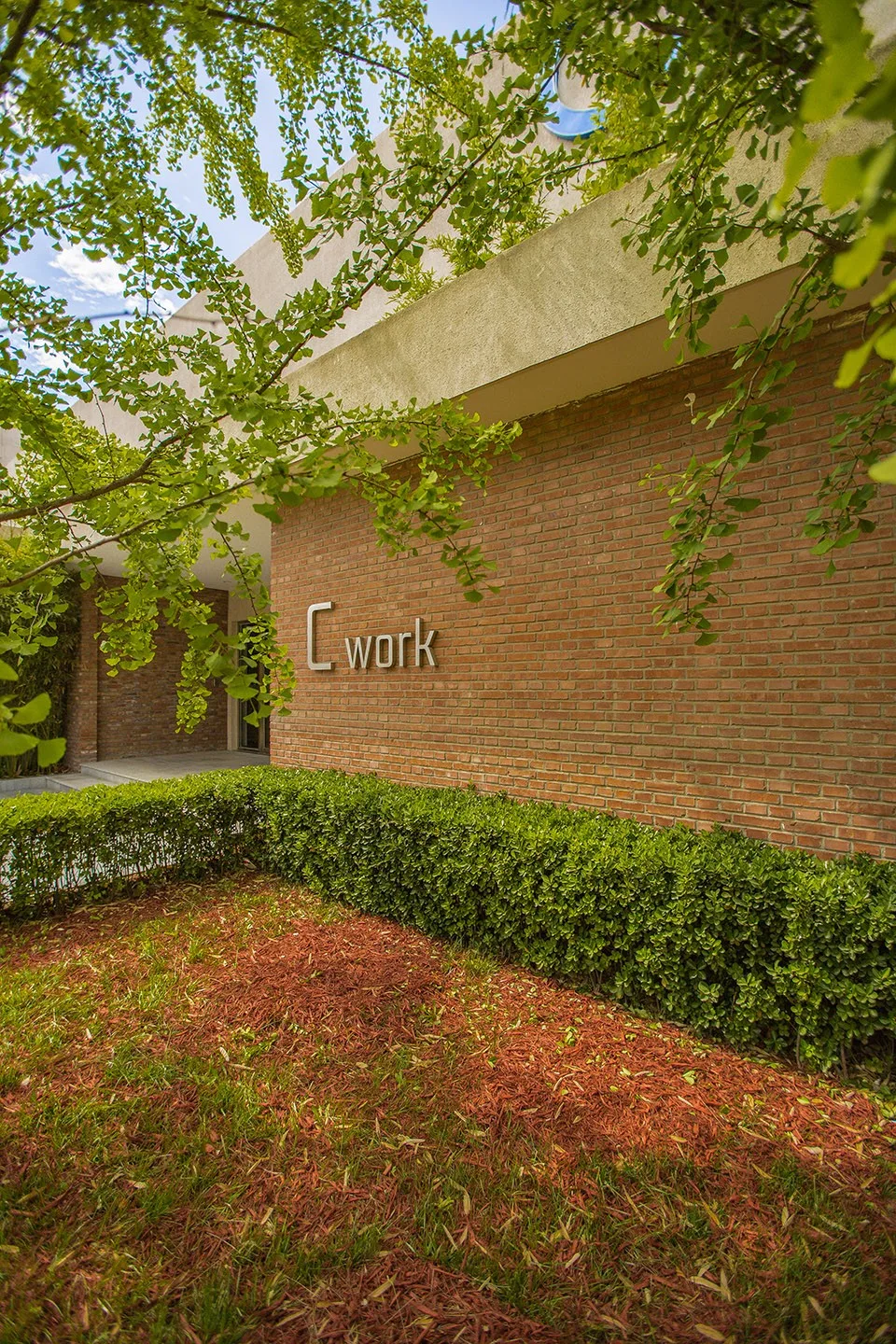
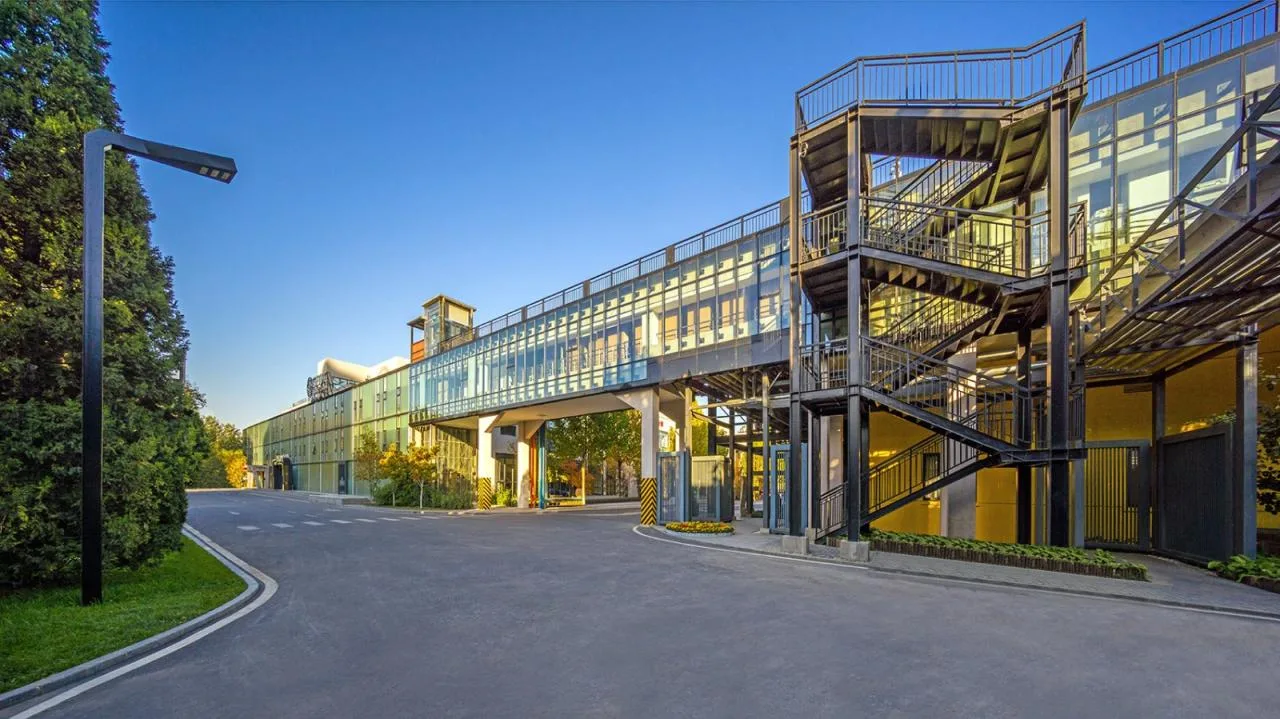
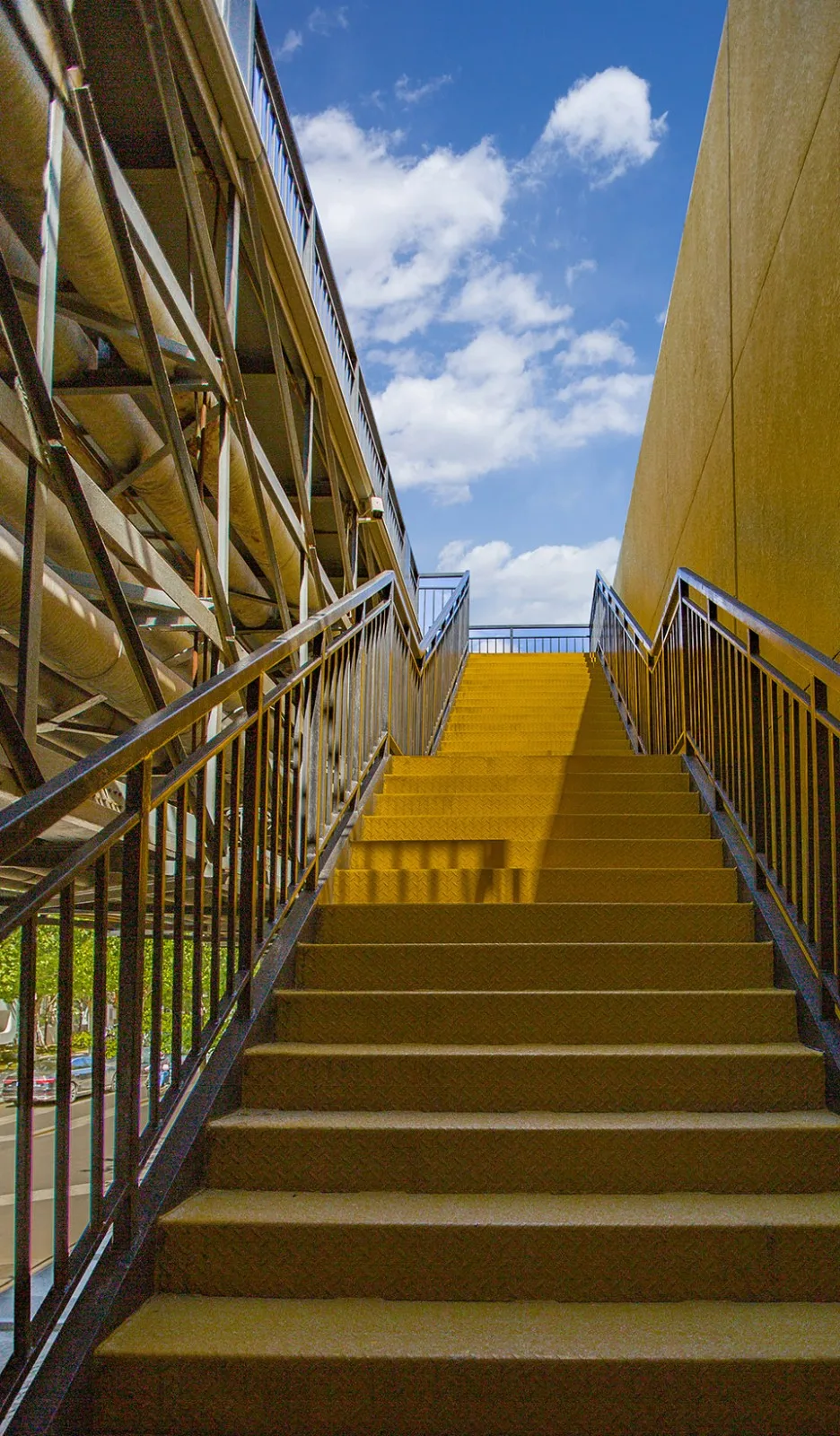
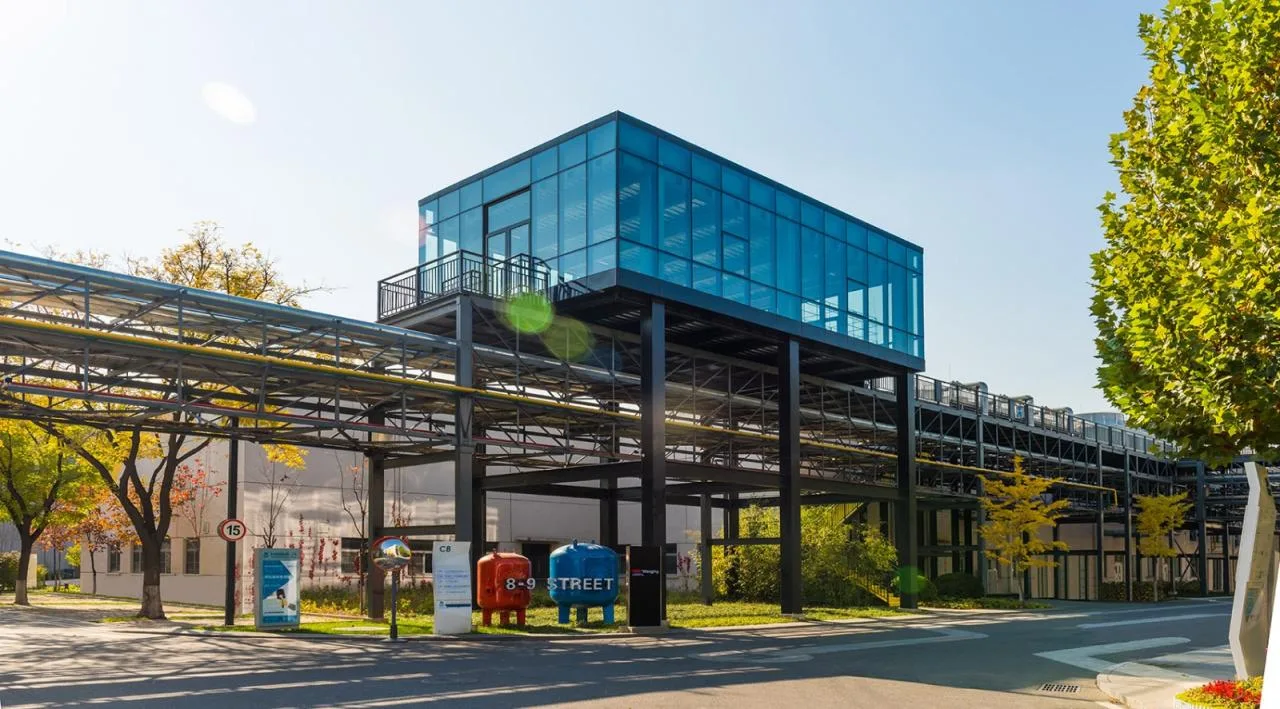
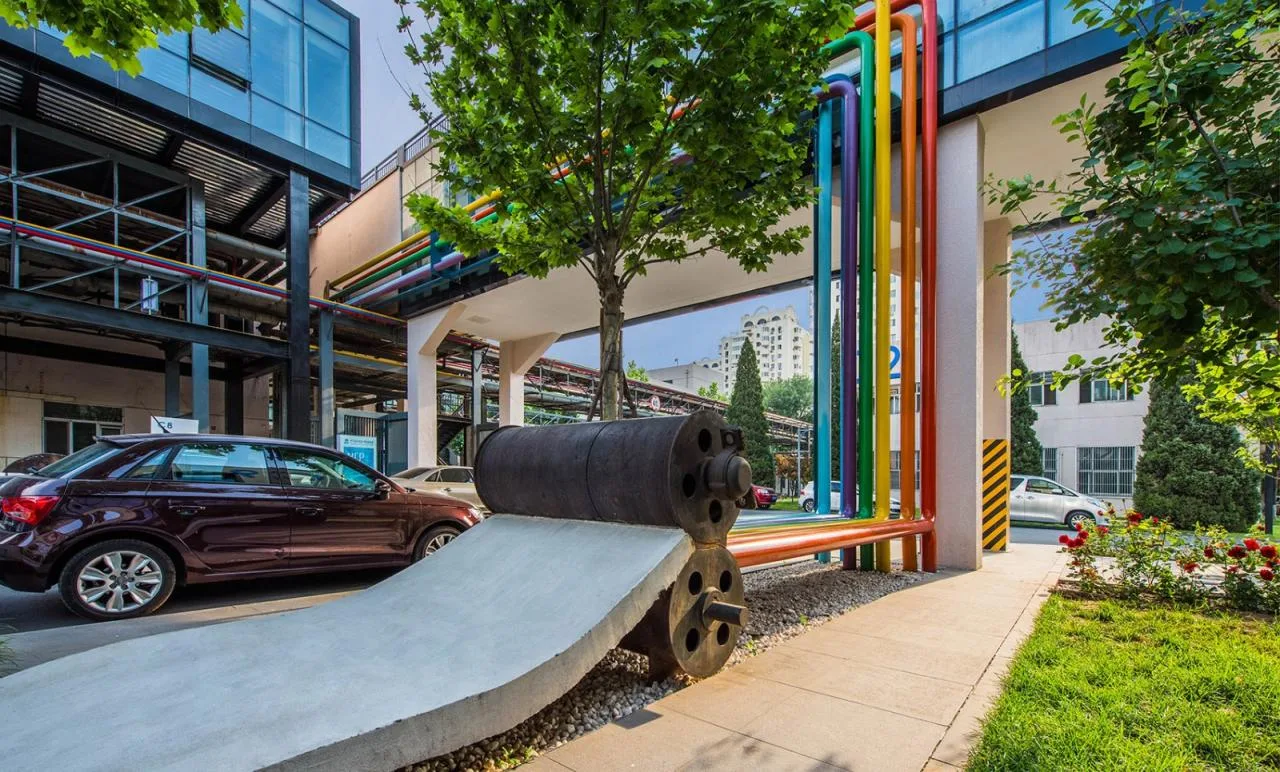
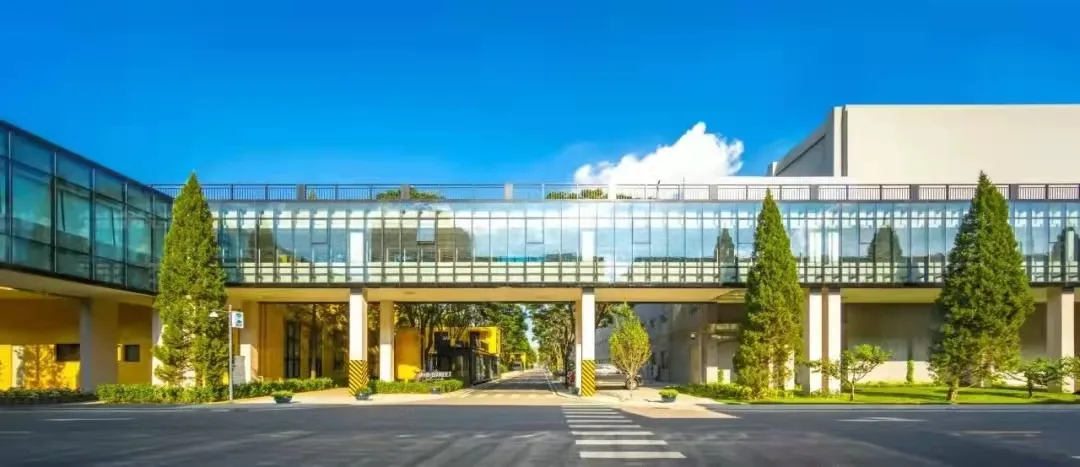
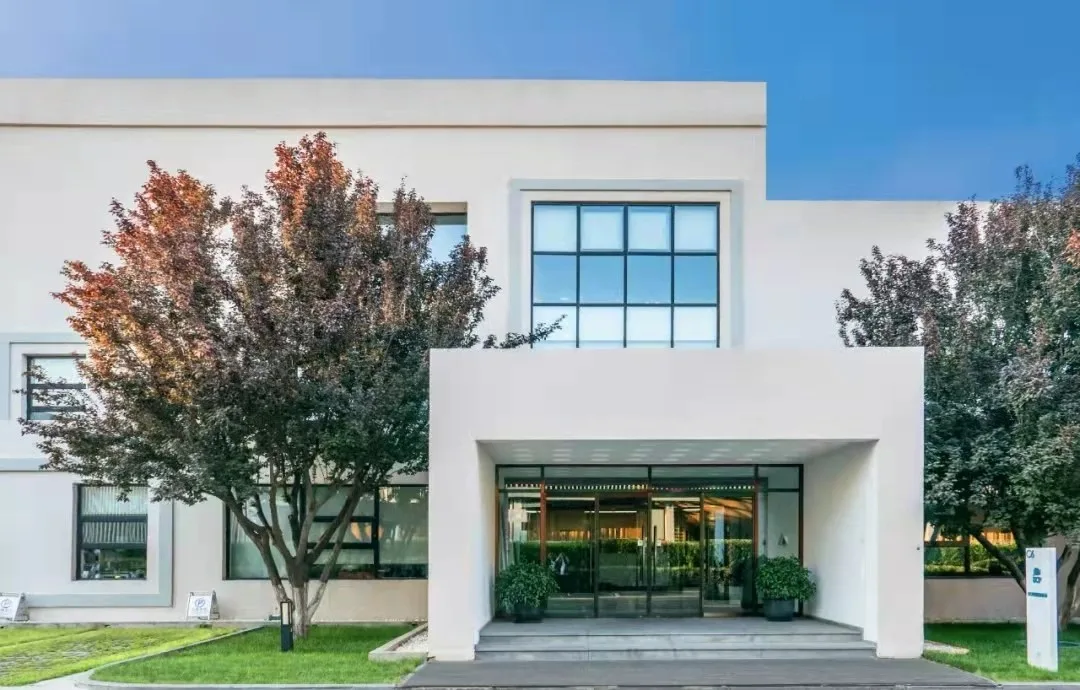
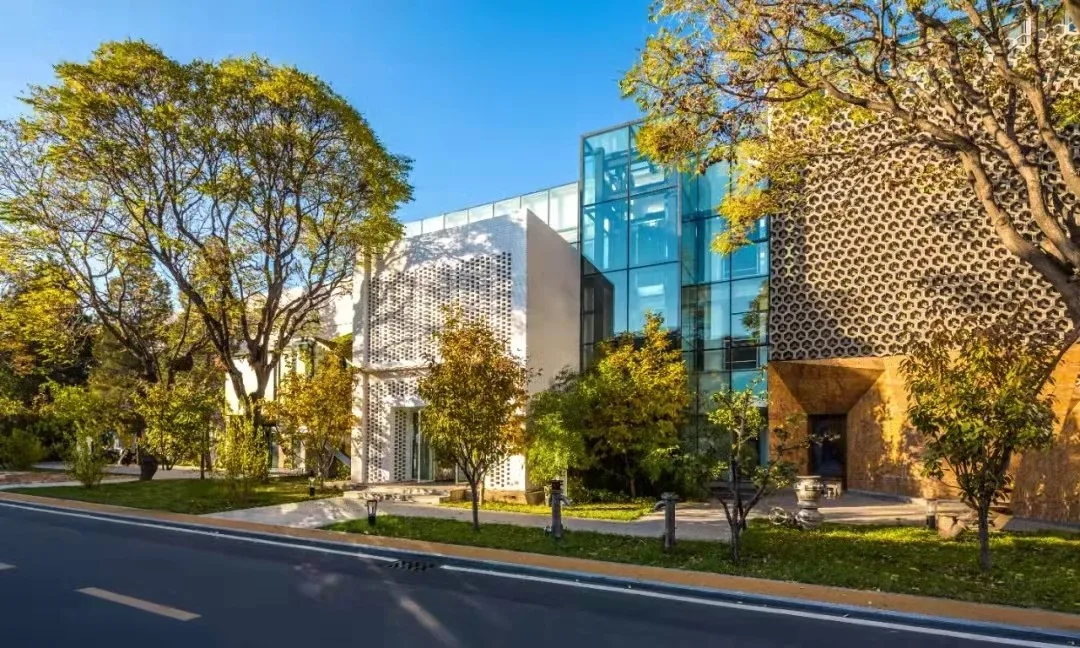
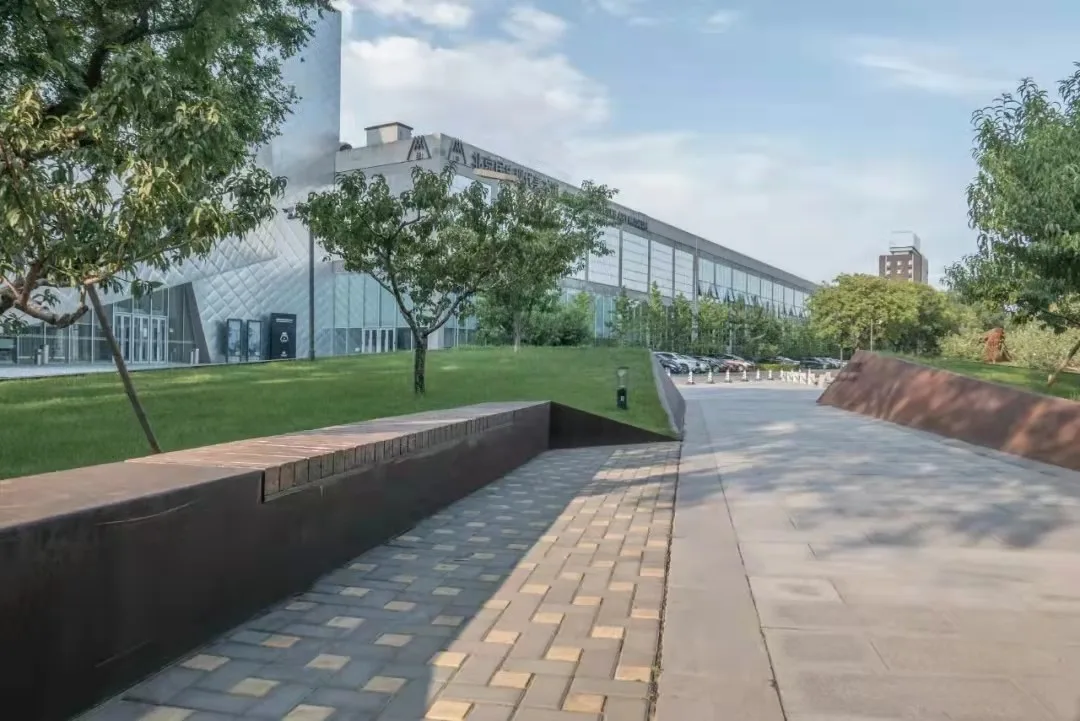
Most original factory buildings were industrial plants with simple colors and distinctive structural features. The renovation preserved these structures while integrating new functional uses. Facades and storefronts along the streets were upgraded to fit these new purposes. Adaptations include a sports center within a large warehouse, commercial facilities built from containers, and an industrial museum focused on environmental protection. These interventions enhance the park’s overall visual appeal while maintaining balanced utilization of the old buildings. Additionally, based on existing factory pipeline structures, a two-story installation building and an elevated corridor were constructed to enrich the park’s spatial experience and artistic atmosphere.
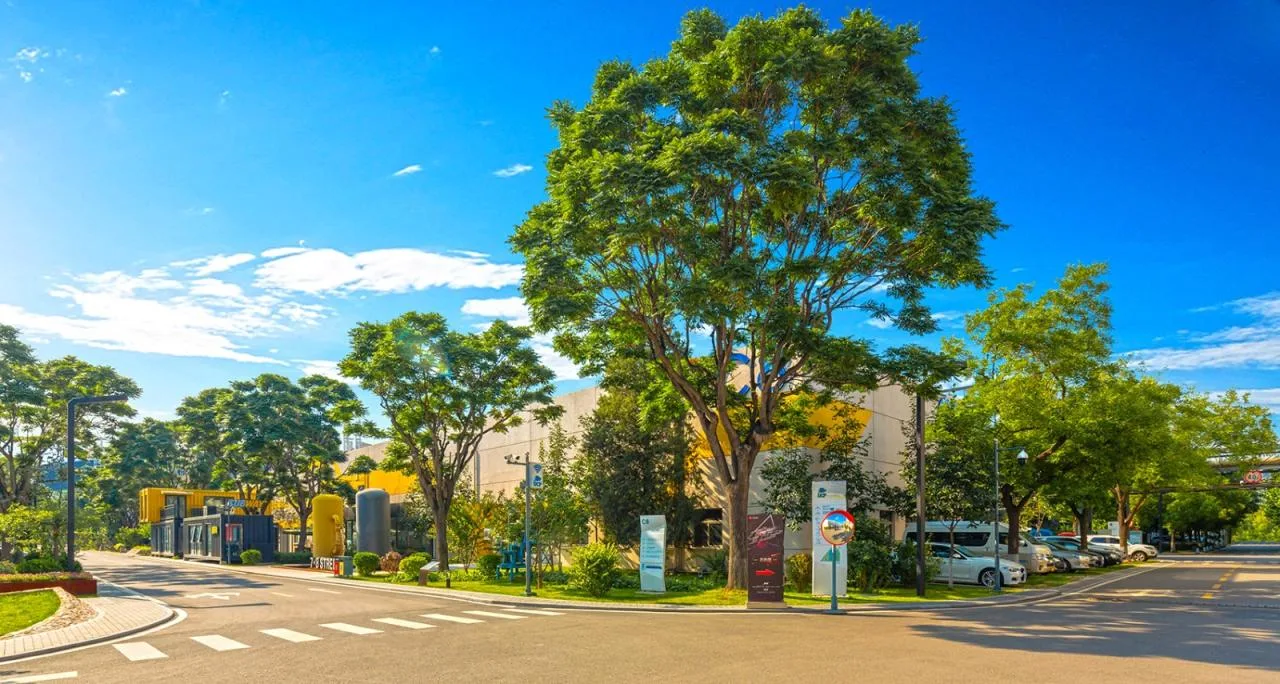
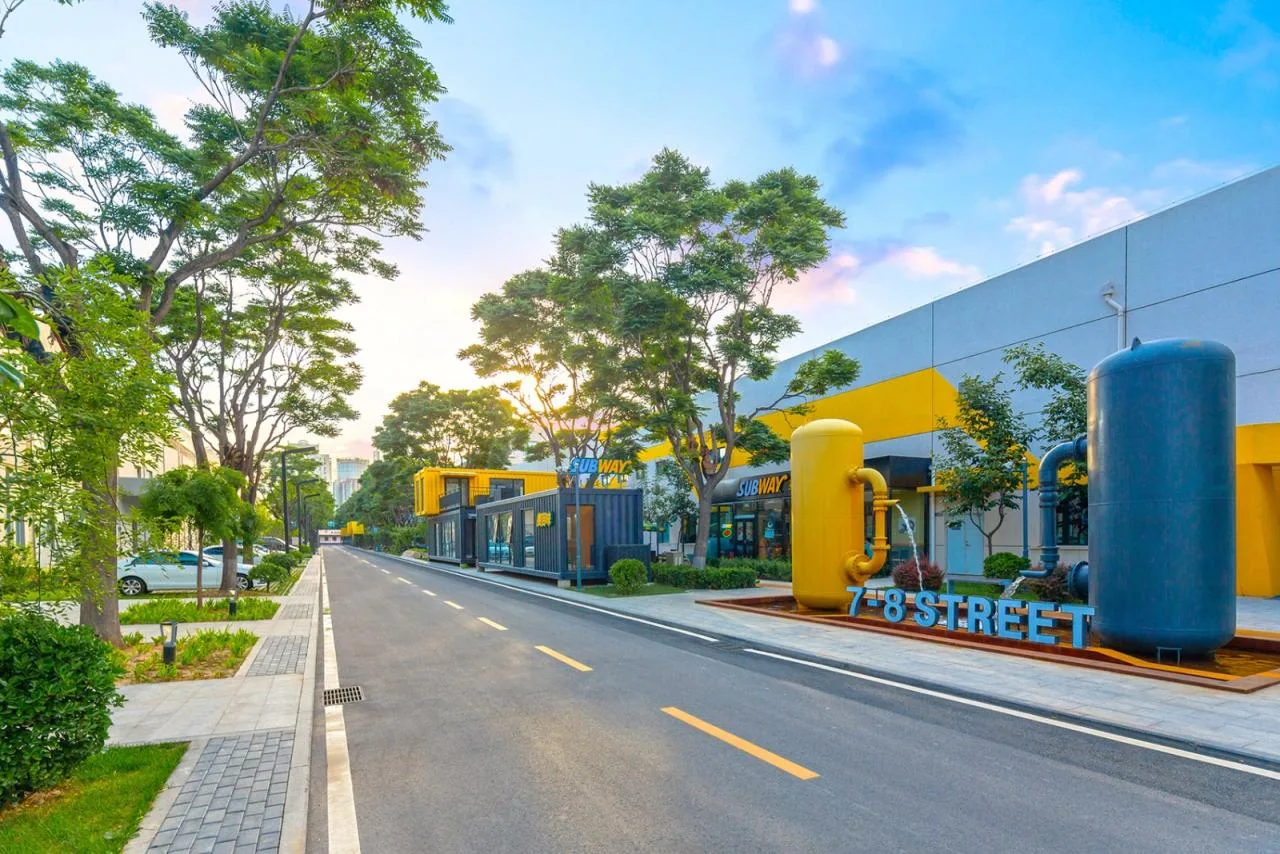
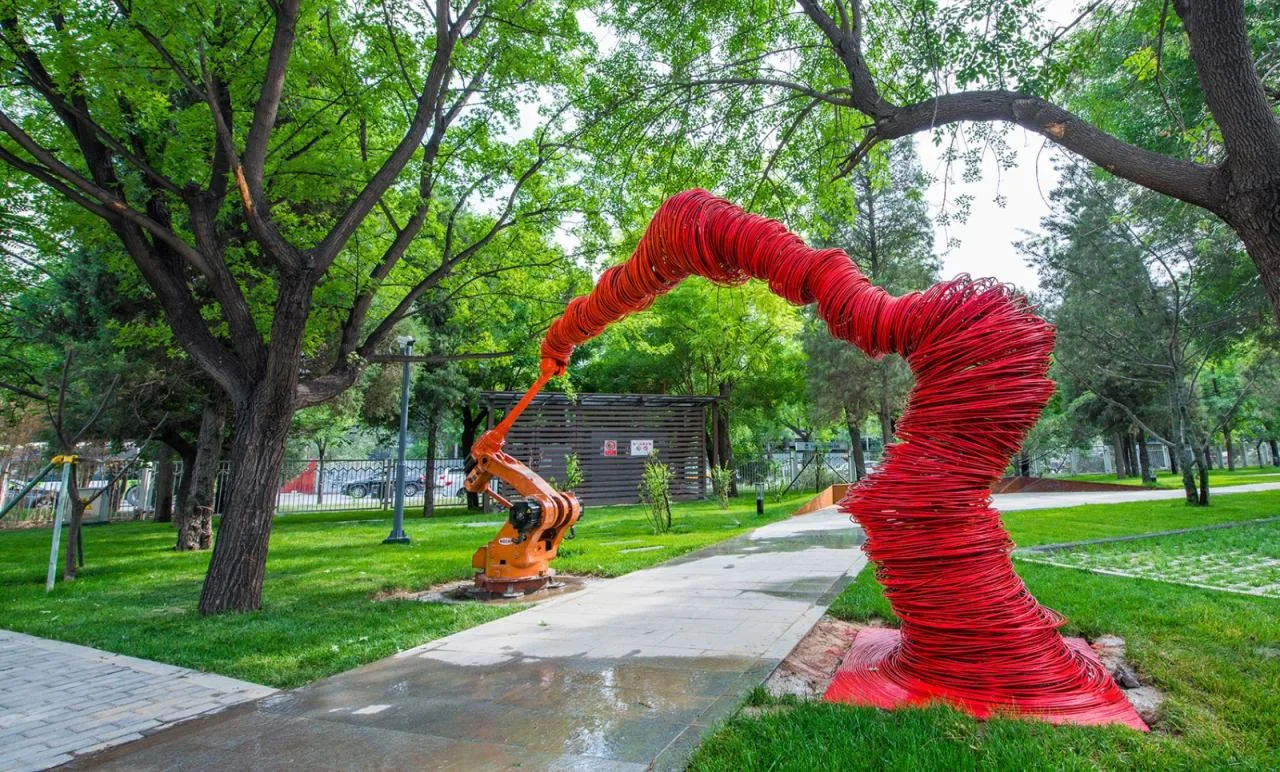
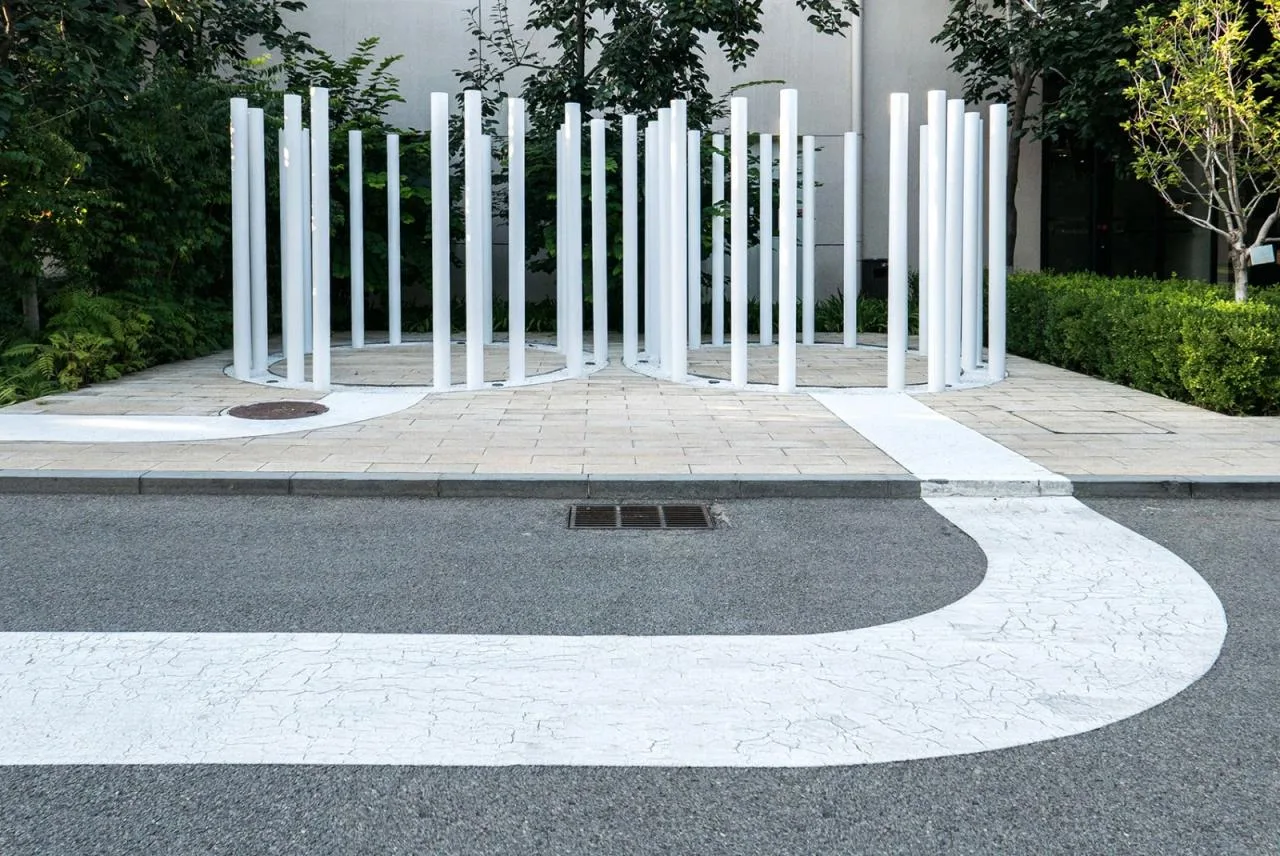
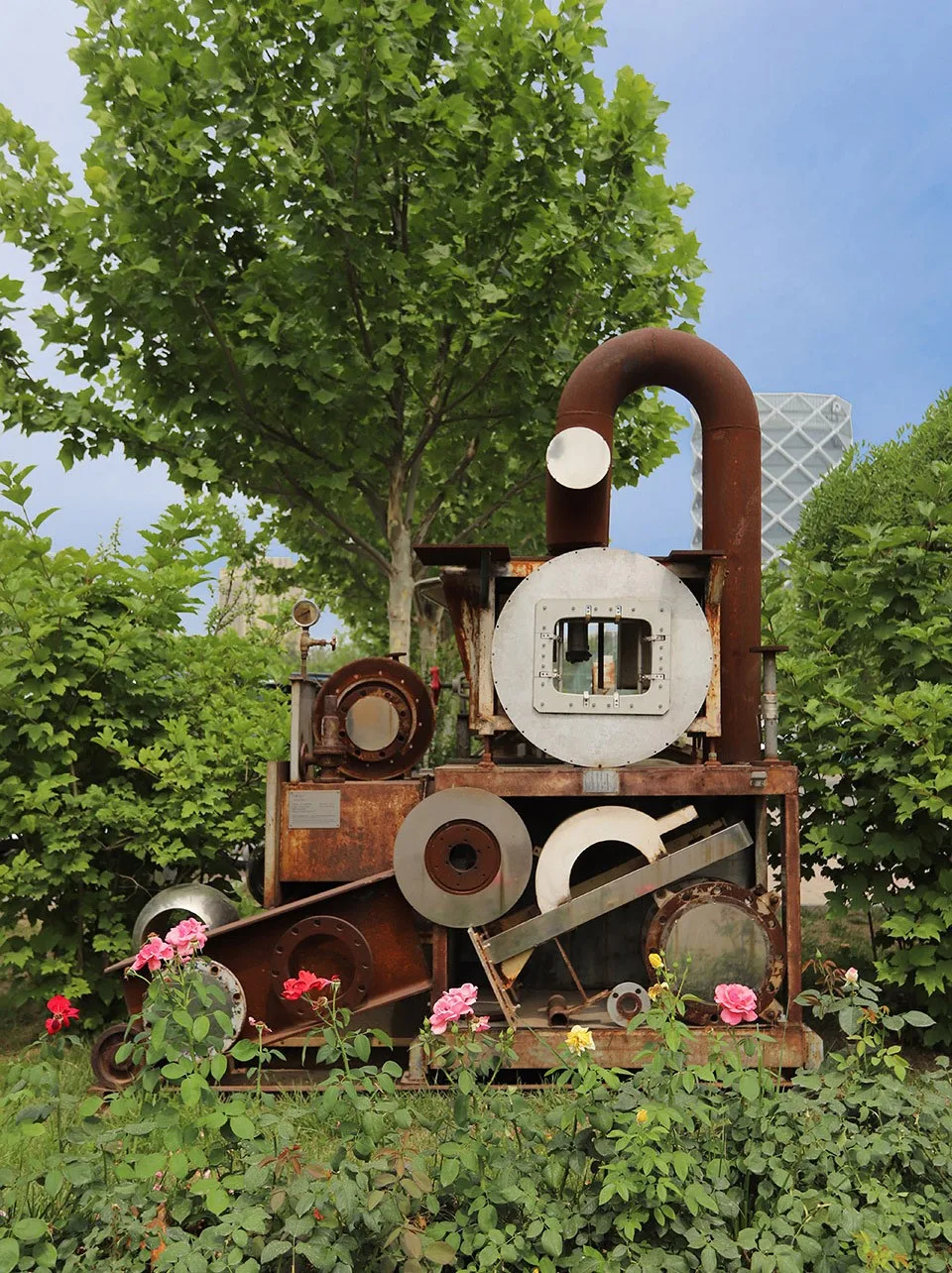
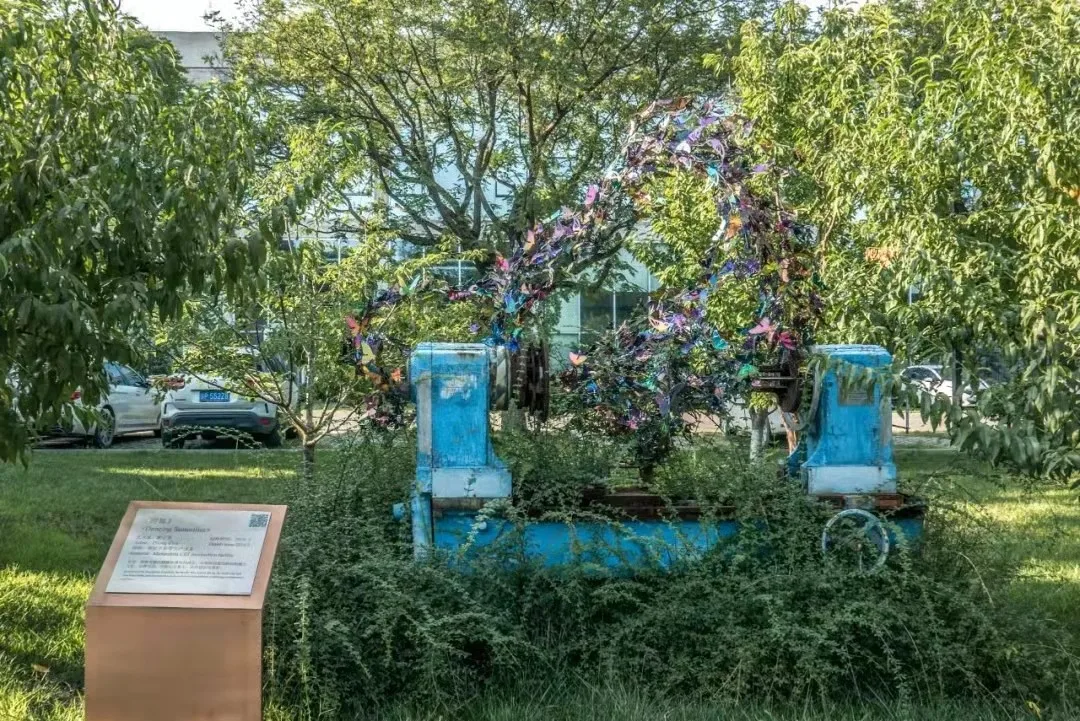
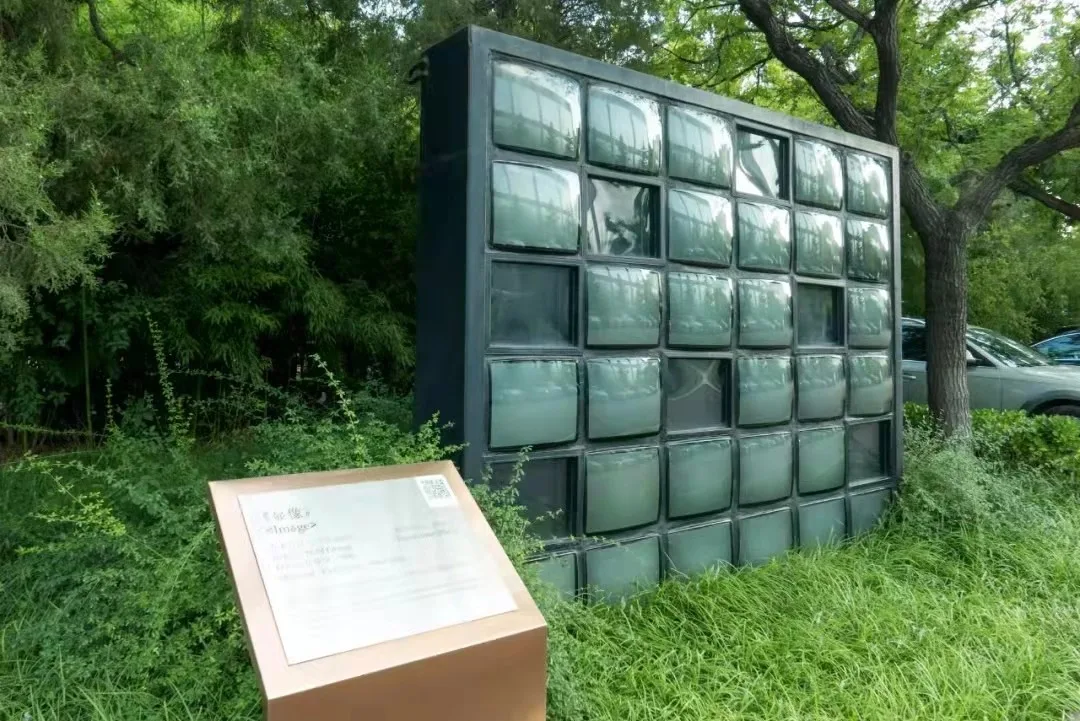
High-quality public landscapes play a vital role in enhancing park competitiveness. The park’s public space renovation focuses on user visual and spatial experiences, incorporating existing industrial equipment into landscape art to create a “borderless art museum” environment. This approach introduces dynamic, influential public art, fostering an immersive, participatory, and interactive artistic atmosphere for visitors.
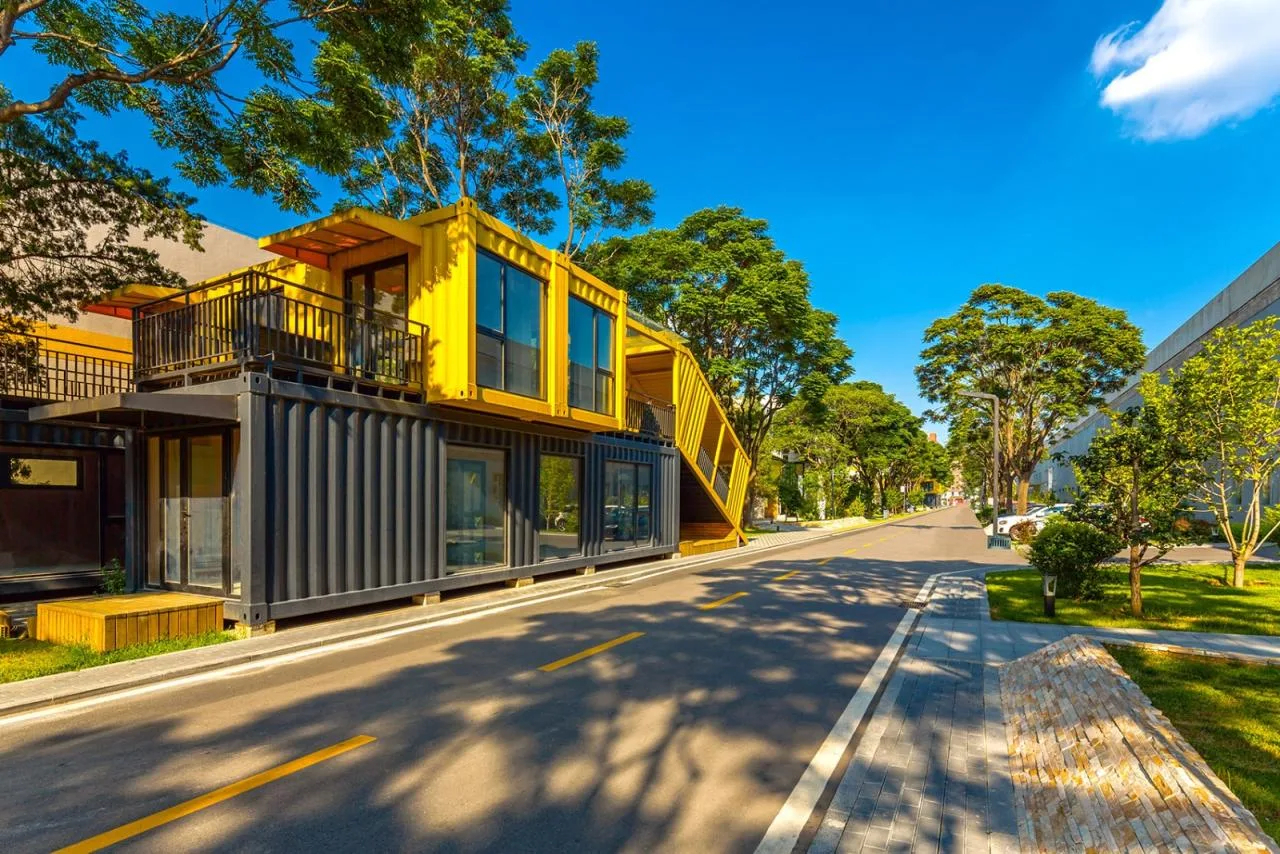
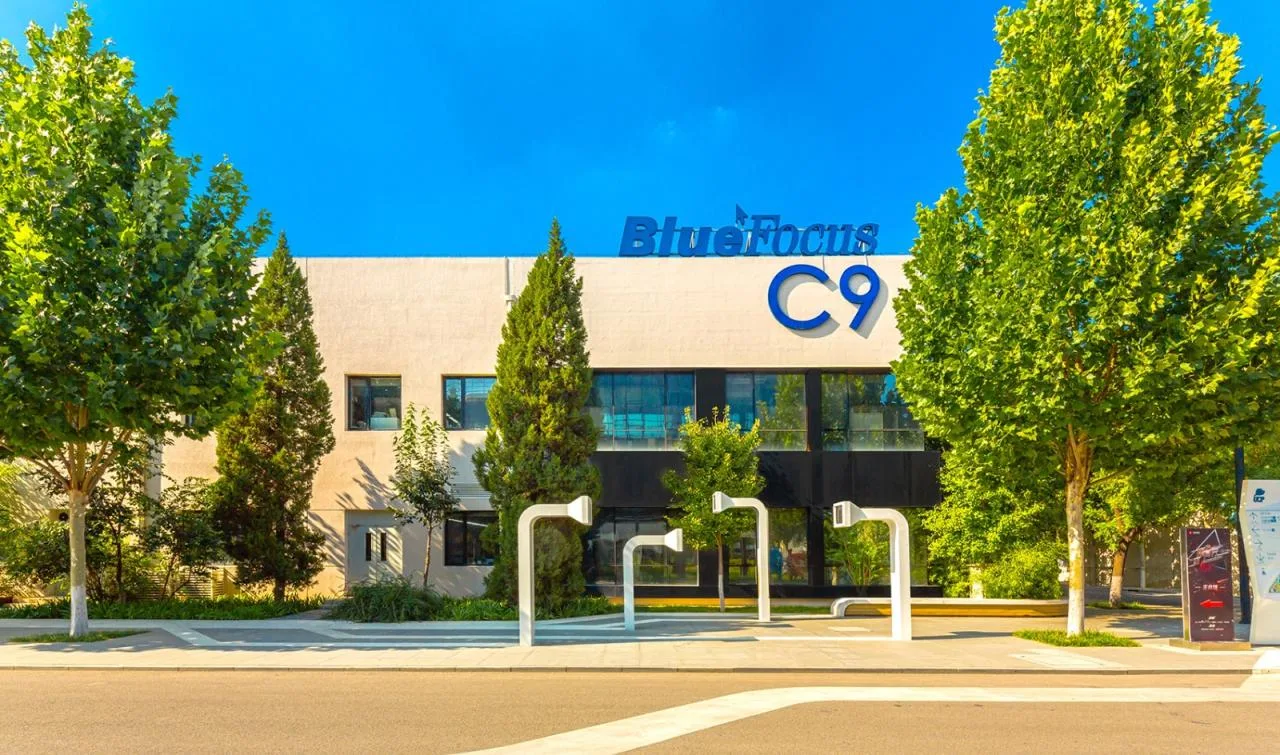
Cultural and Creative Enterprises Thrive in Innovation Hub
The Beijing UCP Hengtong International Innovation Park emphasizes the preservation and interpretation of its industrial culture, leveraging surrounding artistic and cultural resources alongside the heritage of the old factory site. By retaining the core value of large-scale factory spaces, improving land use efficiency, and elevating environmental quality, the park has developed a unique and distinctive brand identity. This synergy of protecting and revitalizing old factory buildings, fostering a technology-culture integrated industrial structure, and promoting urban cultural growth has revitalized the area, establishing a model innovation park for large industrial relic reuse.
Project Drawings
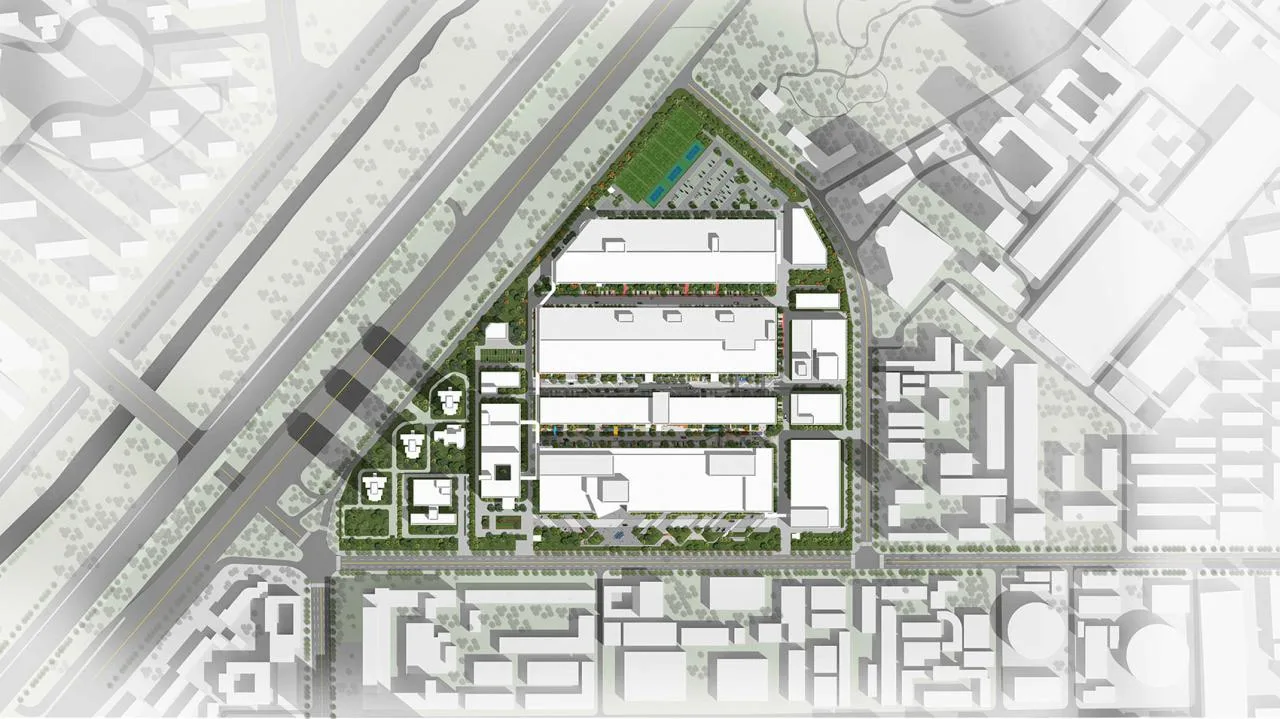
△ General layout plan
Project Information
Project Name: UCP Hengtong International Innovation Park
Location: No. 9 Jiuxianqiao North Road, Chaoyang District, Beijing
Client: BOE (BOE)
Floor Area: 220,000 square meters, including 50,000 square meters of landscape space
Project Type: Urban Renewal, Landscape Art
Design Team: Beijing Fangcun Practice Architectural Design Consulting Co., Ltd
Design Period: 2011–2019
Project Leaders: Ding Yuan, Zhao Zhongyuan
Landscape Architects: Lu Wenlong, Hao Long, Cheng Wangzhe, Zhao Zhiran, Cao Fang, Wang Huashi
Architectural and Interior Designers: Cao Xiaofei, Zhang Hanyun, Huo Xinghai, Zhang Yuetong
Visual Identity Designers: Li Jing, Jiang Tianzhu
Landscape Construction Drawings: Beijing Dongfang Huamai Engineering Design Co., Ltd
Construction Drawings: China Academy of Building Research Co., Ltd., Beijing Long’an Huacheng Architectural Design Co., Ltd., Beijing Zhongjian Architectural Design Institute Co., Ltd
Landscape Art Team: Fangcun Art Team — Ren Jun, Cheng Jian, Xiao Bin, Guo Zilong
Photography: Evan, Liu Chang
Communication Planning: Essence Brand















Must log in before commenting!
Sign Up