
During construction, deviations or omissions between the original design drawings and the actual site conditions are inevitable. In such cases, modifications to the design drawings become necessary. These changes often impact both the quantity of work and the construction schedule. For construction companies, managing changes is a critical aspect of project management. Effective change control can bring additional benefits to the project, whereas poor management may result in significant losses. Therefore, change management plays a vital role in controlling costs during the construction phase.
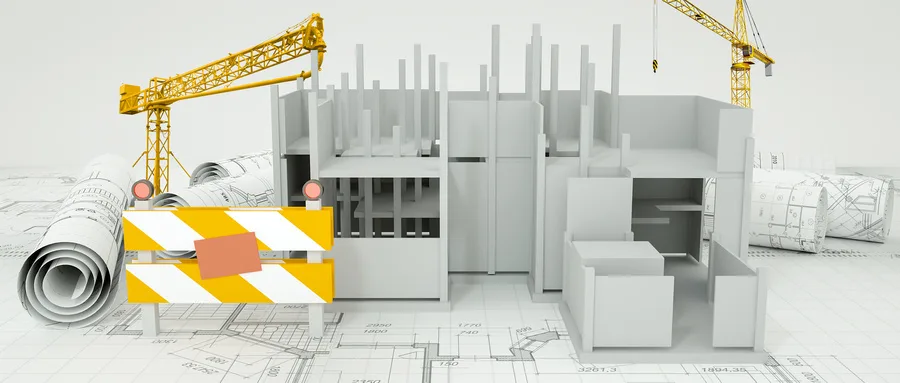
Traditionally, managing design changes requires remeasuring the project scope affected by the change and preparing a budget for the additional work based on contract pricing methods. This budget serves as the basis for project completion settlement only after it is mutually agreed upon by the construction party, contractor, and supervision team within a specified timeframe.
Change control focuses mainly on three key points:
First, the time limit for claims. Typically, the construction unit must report any increase in work quantity and submit the corresponding budget to the construction and supervision teams within 14 days of receiving the change order. The construction unit then has 14 days to respond to any claims related to the change. Failure to report within this period is considered a waiver of claims regarding costs or schedule extensions. If the construction unit does not respond within the given timeframe, reminders are issued; if there is still no response within 7 days after the reminder, the claims made by the construction unit are assumed to be accepted. Therefore, timely calculation of change quantities and budget submission is essential.
Second, the visibility of changes is often poor. Currently, changes are mainly documented through written signatures, with descriptions and black-and-white drawings on two-dimensional paper. Usually, only the updated design drawings are presented, lacking a clear comparison between the original and revised versions, making it difficult to visualize the changes. Although signatures may be complete, disputes frequently arise due to unclear explanations or insufficient precision in the 2D paper drawings.
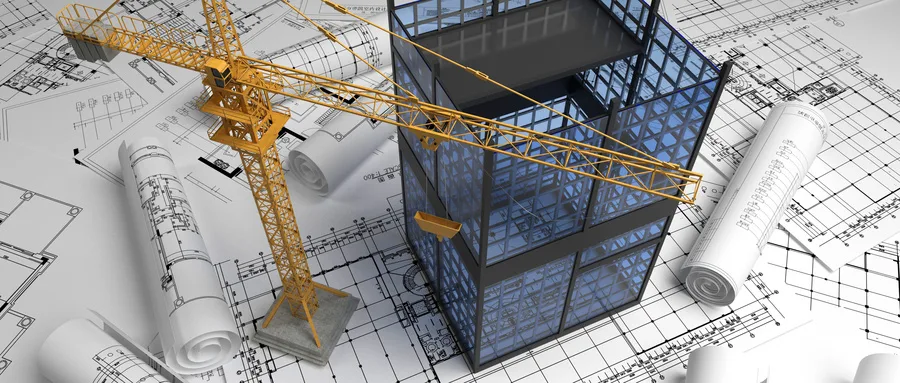
The application of BIM technology in change management plan design offers significant improvements in three main areas:
First, leveraging BIM’s powerful visualization capabilities makes change management more intuitive and modifications easier to understand. BIM’s 3D modeling supports not only external perspectives but also cross-sectional views at any angle, accurately illustrating the relationships among various design components. This is especially valuable in complex pipeline engineering, where the intersections of different professional installation pipelines are clearly visible.
Second, BIM’s collaborative sharing feature allows all project participants to access the same BIM model platform simultaneously, within their permission levels. This enables timely feedback on discrepancies, ensuring efficient communication among stakeholders, improving work efficiency, and enhancing management quality.
Third, BIM enables the development of a dynamic management platform by integrating 3D models with construction schedule and cost data, creating a 4D cost model. This model allows comparison and optimization of resource usage based on the actual construction timeline. The dynamic platform provides real-time monitoring of construction progress, costs, and quality, helping to identify and resolve issues promptly, thereby reducing the frequency of changes. Additionally, timely uploading and effective sharing of change data minimize the cost impact of changes, achieving more effective dynamic cost control.
















Must log in before commenting!
Sign Up