
Source: CCCC Fourth Highway Engineering Co., Ltd
1. Project Overview
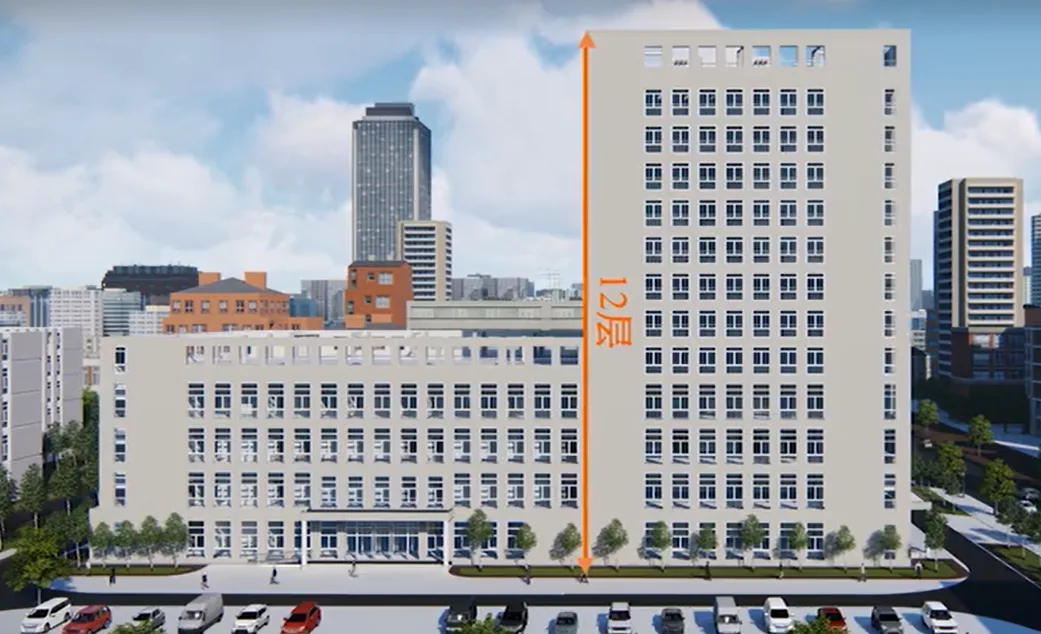
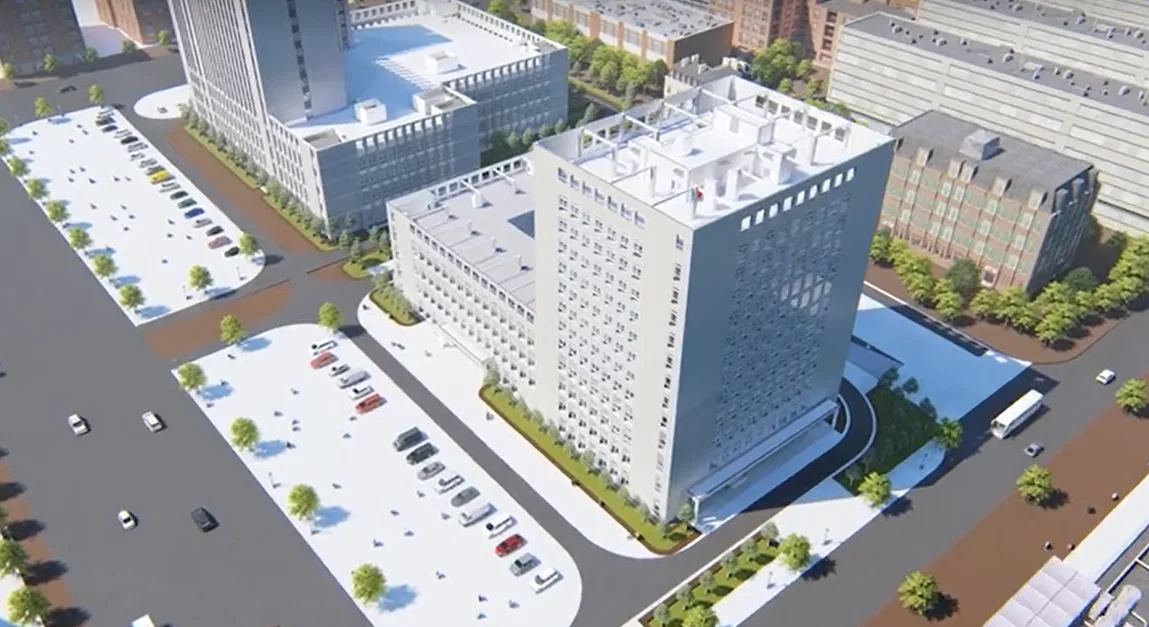
The PPP project for Penglai Chuangfa New Area includes Incubation Buildings 3 and 4, situated in the Penglai City development zone, south of Beijing Road and west of Xi’an Road. This location offers convenient transportation and a prime geographical setting. The project features an underground garage with 12 floors in the main building, a 4-floor podium, and 2 additional floors, totaling 38,000 square meters of construction area.
This development emphasizes technology innovation, culture, ecology, and industrial integration. It also provides public and supporting services that offer leisure and recreational facilities for both residents and tourists.
2. BIM Implementation Plan
Immediately after winning the bid, the project team initiated BIM work by developing project-level technical specifications and standardized workflows. These included BIM implementation guidelines, technology application standards, and modeling and delivery standards specifically tailored for the Penglai Chuangfa New Area PPP project.
A dedicated BIM working group was established within the project department to conduct systematic training and assessments on BIM expertise. This team explored BIM applications in building construction to enhance quality control and safety management on-site, gradually advancing the project’s refined management capabilities.
3. BIM Applications
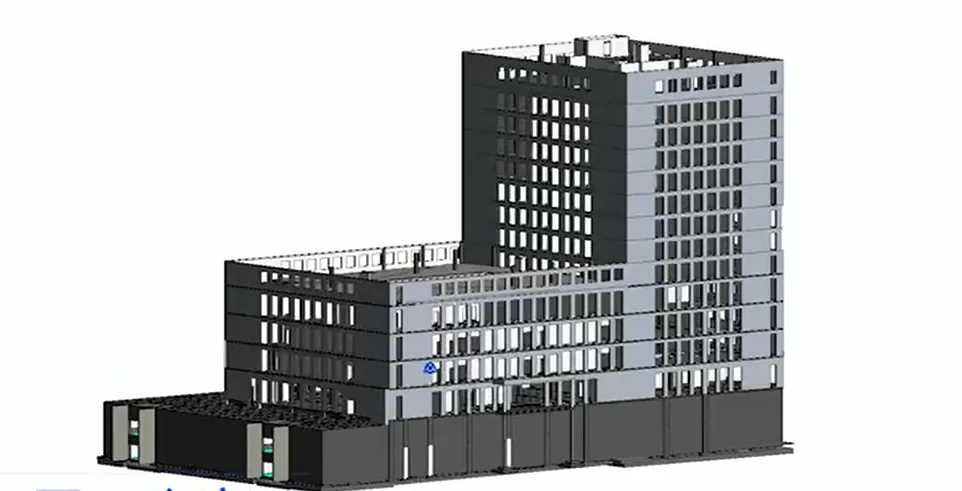
Drawing Review: Using BIM models, design schemes can be intuitively visualized, allowing for thorough feasibility checks and early detection of issues across various professional drawings. This process creates comprehensive review records, significantly reducing construction changes and saving both time and costs.
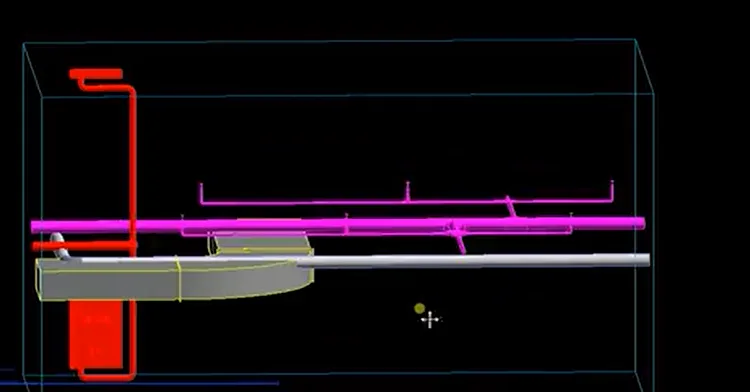
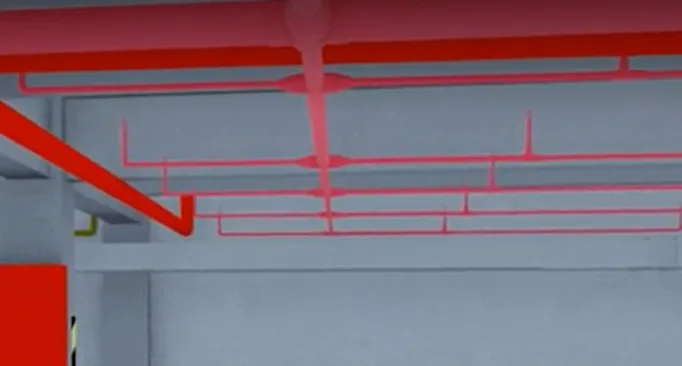
Design Coordination: Due to the project’s complex piping and multidisciplinary nature, BIM models are used to detect clashes, leaks, and deficiencies in mechanical and electrical systems. This enables optimization of pipeline layouts, proactively managing risks of rework in densely packed areas and reducing changes during design and construction phases.
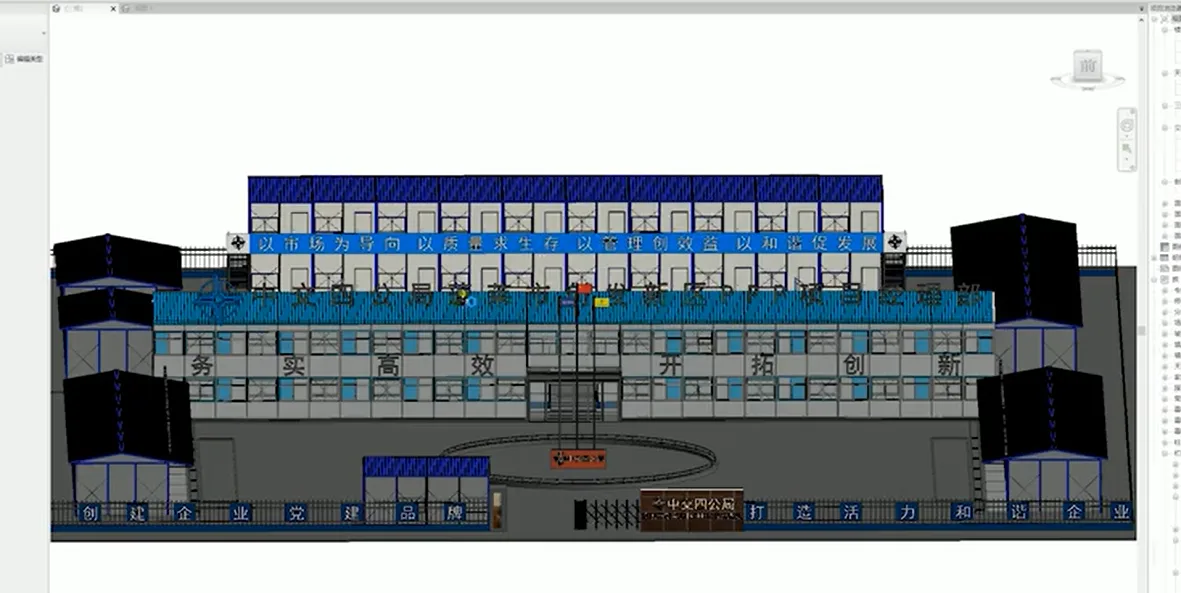
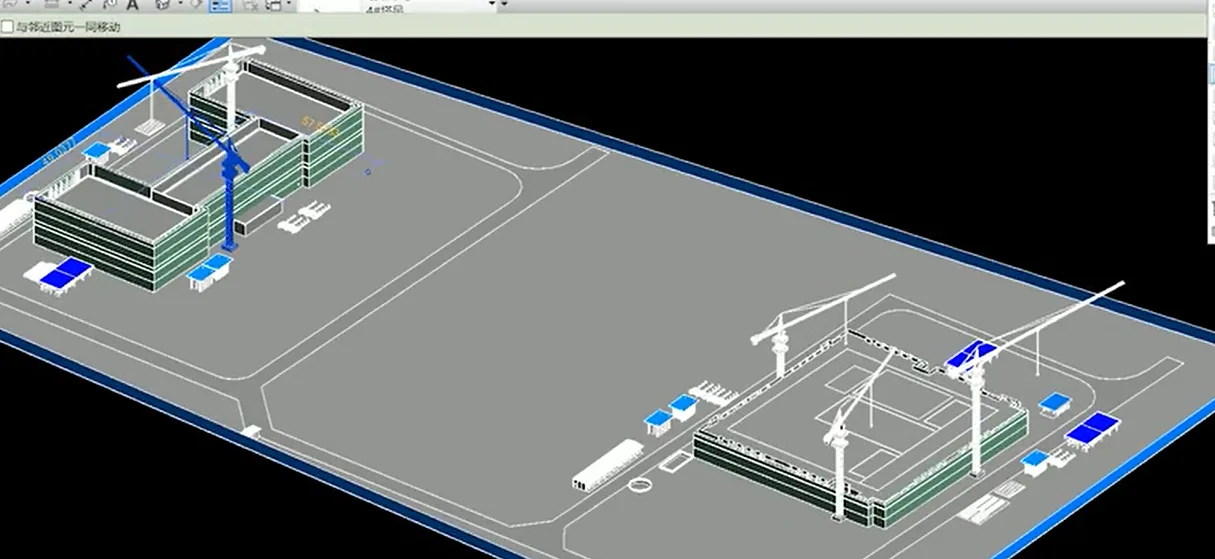
Site Layout Simulation: A BIM model simulating the construction site and surrounding roads helps to strategically arrange office and living areas, material yards, vehicle access points, and tower crane placements. This 3D planning minimizes land use, ensures smooth on-site traffic, facilitates personnel management, and effectively prevents rework and accidents.
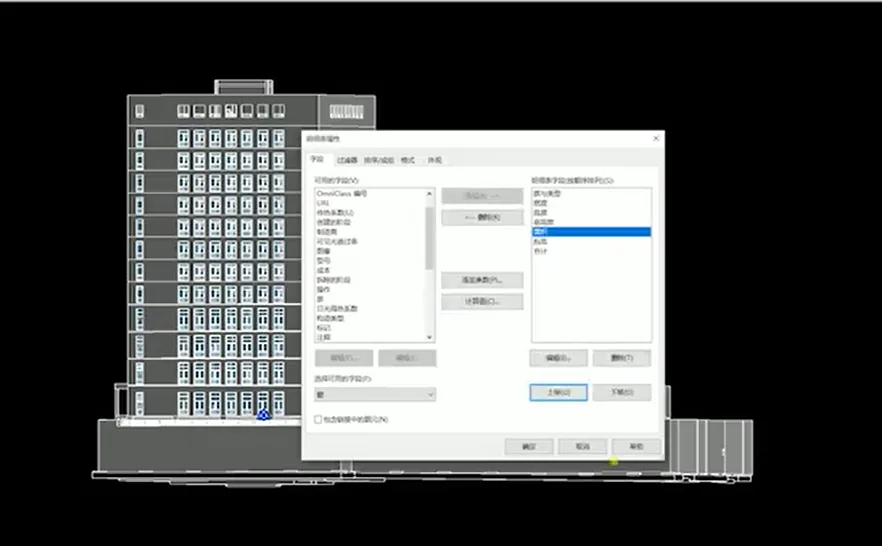
Quantity Takeoff: BIM models enable rapid extraction of material quantities based on component attributes. The generated material lists are provided to the procurement team, serving as a basis for cost control and significantly improving engineering management efficiency.
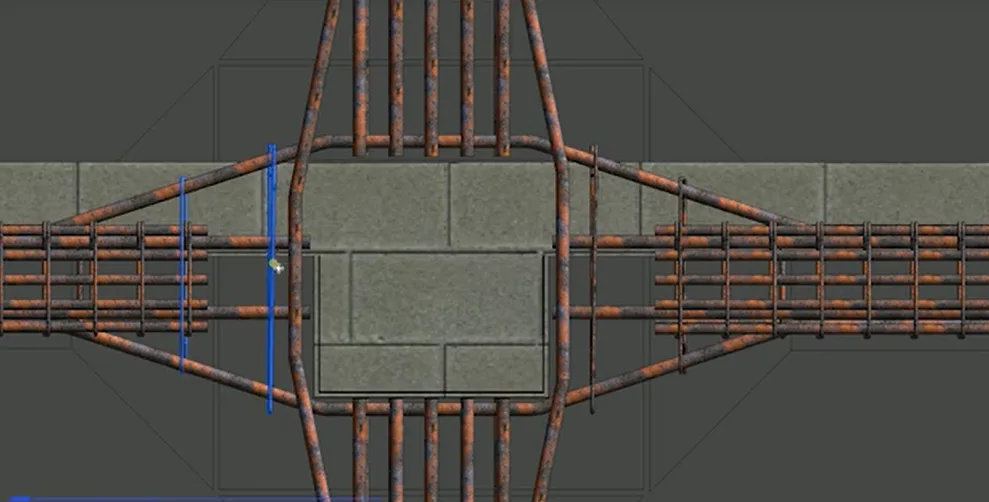
Complex Node Visualization: BIM modeling combined with construction simulation helps identify the best construction methods for complex engineering nodes. Visual disclosure meetings allow on-site personnel to better understand these nodes, improving quality and safety on the job.
Construction Progress Simulation: By linking the 2D construction schedule with the BIM model, the project progress is visually represented in 4D. This enables the management team to adjust schedules clearly, identify critical challenges at each phase, and develop practical plans to optimize manpower, materials, and equipment throughout the project.

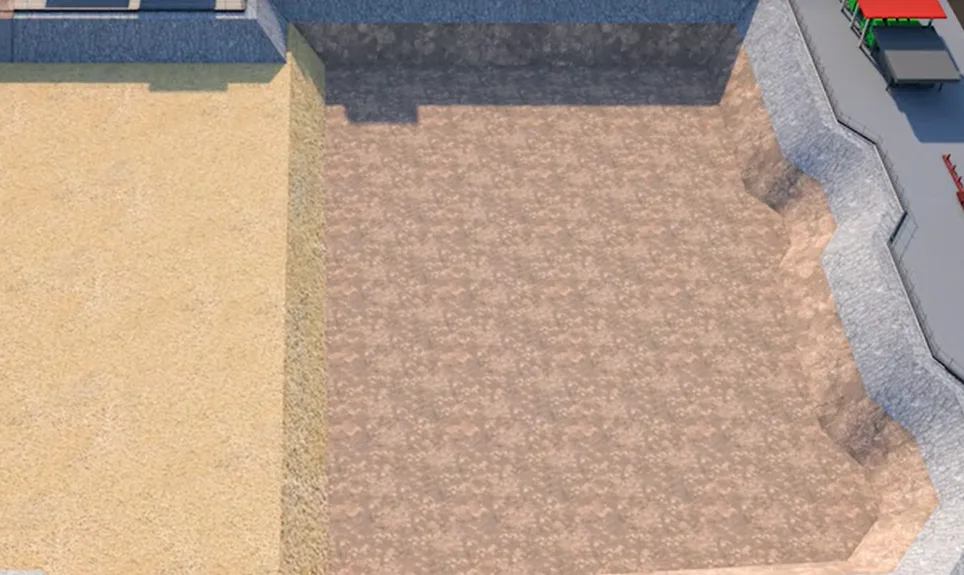
Process Simulation: The excavation of the foundation pit is simulated based on site requirements. Starting from a leveled elevation of 19.6m, the excavation reaches a depth of 10m with a 1:1 slope. Excavators work from the northwest to southwest corner, progressing layer by layer with slope support and road repairs in between. Manual excavation is used for precise areas like collection wells and elevator shafts, with positioning measurements done before each dig.
Dynamo Visualization Programming: To address tower crane layout challenges, the BIM team applied Dynamo visualization programming to parameterize the surrounding environment and crane positioning. Complex geometric problems were converted into parameterized data, allowing real-time site layout updates, ensuring precise tower crane placement. After extensive data analysis, the optimal crane location was determined.
BIM + VR Integration: Combining VR technology with BIM models enables immersive 360-degree viewing of complex project details without blind spots. This integration increases stakeholder engagement, breaks down professional barriers, and enhances communication efficiency across teams.
4. BIM Application and Next Steps
The successful early-stage implementation of BIM technology on this project has led to the development of practical BIM standards and procedures tailored for PPP projects. It has also helped cultivate a team of specialized BIM professionals within the company.
Moving forward, the project department plans to deepen BIM applications further. Building on the existing models, they aim to extend BIM use to enhance safety, quality, scheduling, cost management, material tracking, and overall information management throughout the project lifecycle.
















Must log in before commenting!
Sign Up