
In a people-centered country, safety holds a critical role throughout the construction process. Due to the nature of the construction industry, on-site elements such as construction waste, materials, and large machinery present significant risks to safety management. Traditional safety education alone cannot fully equip construction workers with the necessary knowledge to address these hazards.
The following outlines the key applications of BIM technology in enhancing safety management during construction projects:
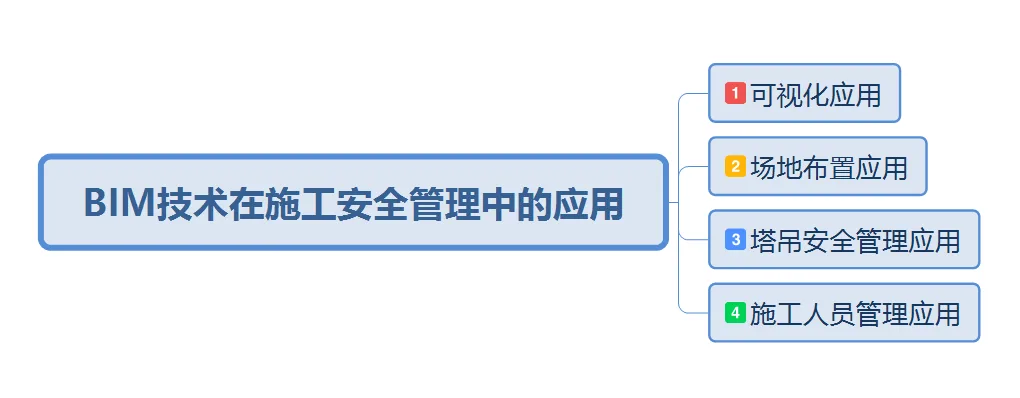
01 Visualization Application
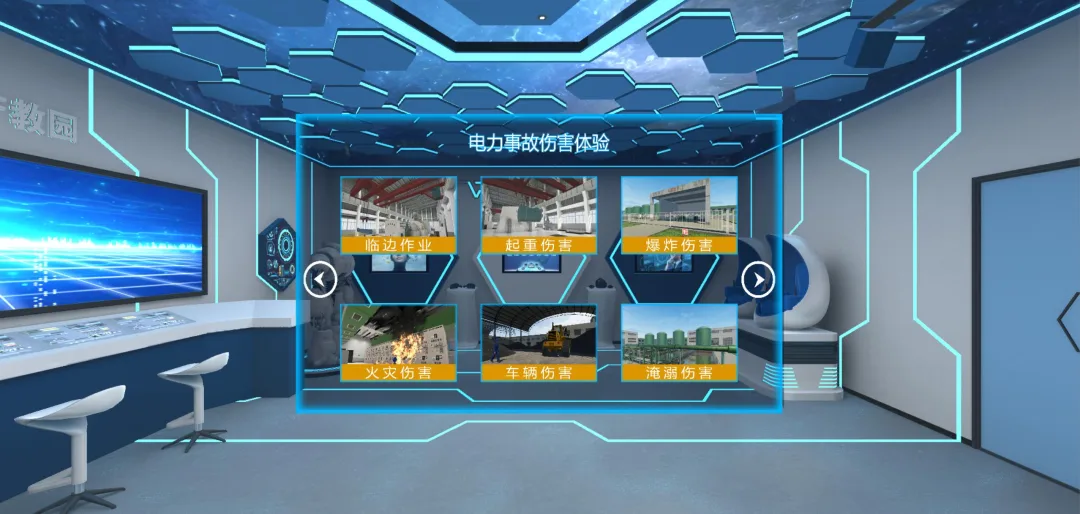
Firstly, BIM’s visualization capabilities, combined with hardware like VR devices, immerse construction workers in a realistic 3D environment. This vivid representation clearly highlights safety hazards, allowing workers to experience firsthand the potential dangers and injuries caused by construction errors. This immersive approach significantly boosts the effectiveness of safety training.
02 Site Layout Management
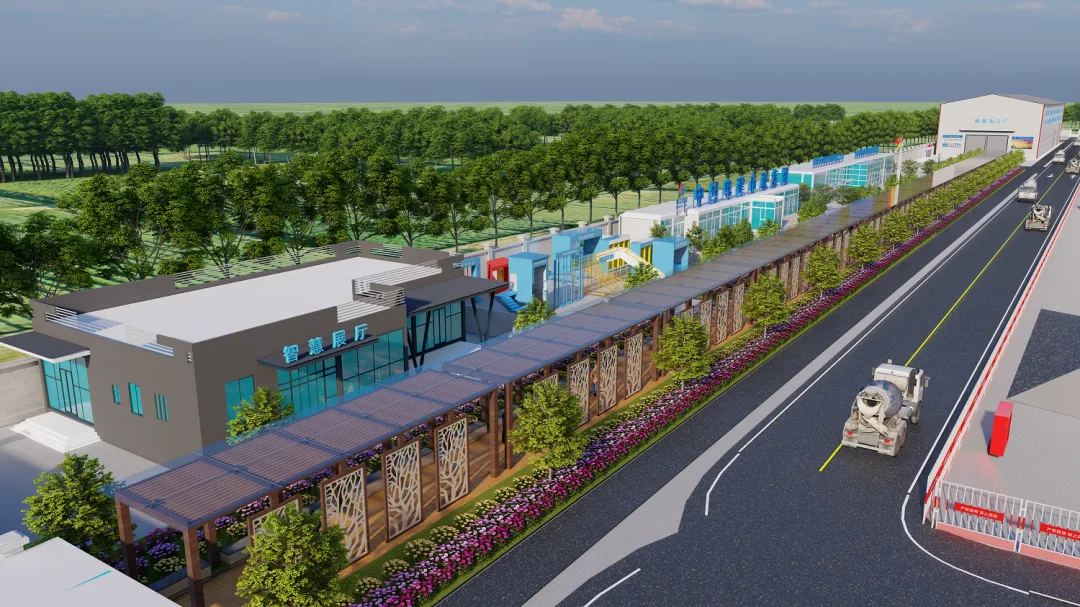
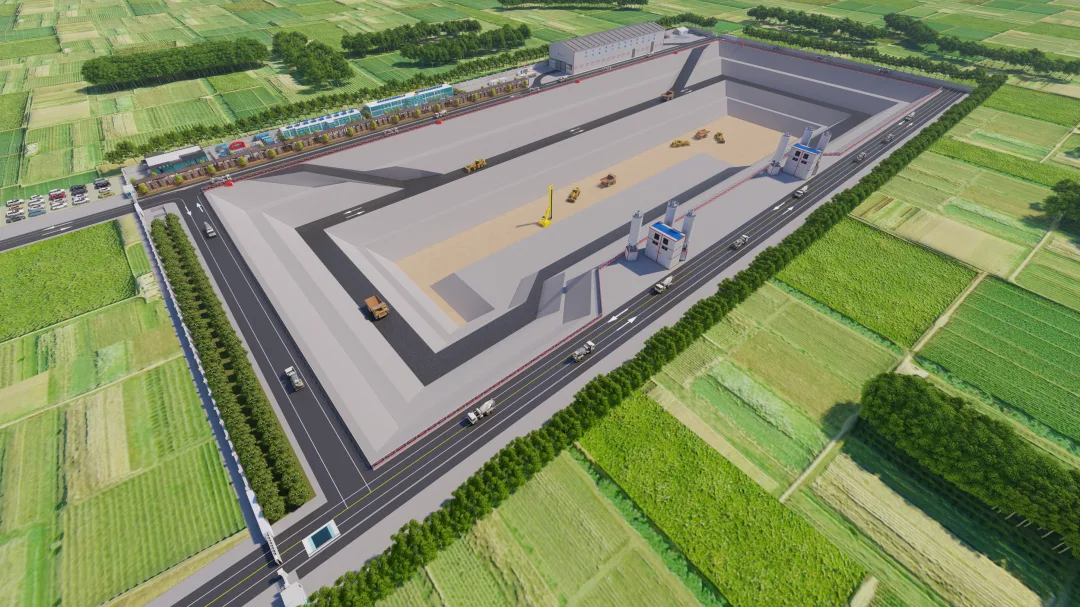
Secondly, advancements in computer and information technology have transformed construction site management. BIM software enables simulation of equipment and material operations across the entire site layout. By aligning with specific construction processes, the software helps designate and manage safe zones effectively. Referring to BIM’s virtual construction operations when planning not only enhances worker safety but also maximizes site utilization.
03 Tower Crane Safety Management
Tower cranes are indispensable in construction but pose safety risks such as collisions between cranes and conflicts with existing structures due to improper height settings. BIM technology, along with site layout software, allows for detailed simulation and operation of tower cranes on-site. This approach not only improves the safety of crane operations but also enhances their work quality and efficiency.
04 Construction Personnel Management
Construction projects involve numerous subcontractors and complex personnel arrangements, making personnel safety management a significant challenge. For example, ensuring workers wear safety helmets is critical. BIM software, when integrated with facial recognition technology, can detect whether workers properly wear helmets. If not, it triggers an immediate alert to improve helmet compliance, thereby supervising personnel and enhancing their safety on-site.
















Must log in before commenting!
Sign Up