
The BIM-based project management approach led by design units (see Figure 1) represents the earliest application of BIM in engineering projects. This mode primarily offers the following key functions:
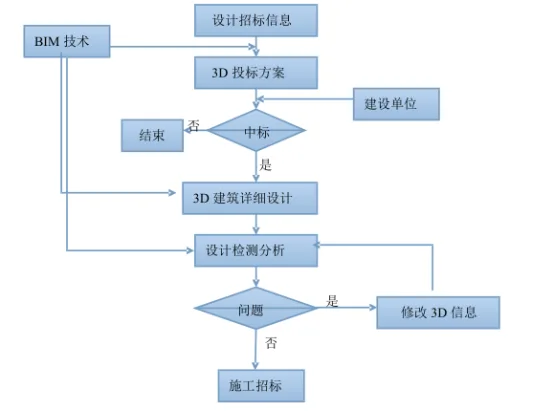
Figure 2: Flow Chart of the BIM-based Project Management Mode Led by Design Units
1) Assisted Bidding: To better showcase their design proposals, design units often use 3D technology for architectural design and visualization. This is especially useful for large and complex construction projects to enhance their chances of winning design bids.
2) Auxiliary Design Management: Traditional design processes are typically segmented by discipline, with limited cross-disciplinary communication. Using a BIM platform enables collaborative design across different disciplines, facilitating integrated design solutions. This BIM application mode driven by design units is usually applied during the early stages to present project design proposals.
After winning a bid, design units generally do not further develop the preliminary building information model due to practical implementation costs. Consequently, this model does not guide later construction or operational phases. While the BIM-based project management mode led by design units has advanced BIM development to some extent, it faces inherent limitations. Design units maintain only a contractual relationship with the project owner and cannot compel other stakeholders to engage with their BIM models.
Therefore, this BIM application mode cannot extend throughout the entire lifecycle of engineering projects. It primarily leverages BIM’s 3D visualization capabilities during the early design stages.
















Must log in before commenting!
Sign Up