
Feasibility analysis involves studying and demonstrating the feasibility of a project’s construction direction by evaluating land resources and market conditions. This includes assessing construction scale, project product plans, main building materials and methods, investment returns, total investment amount and duration, as well as the social benefits generated in the surrounding area.
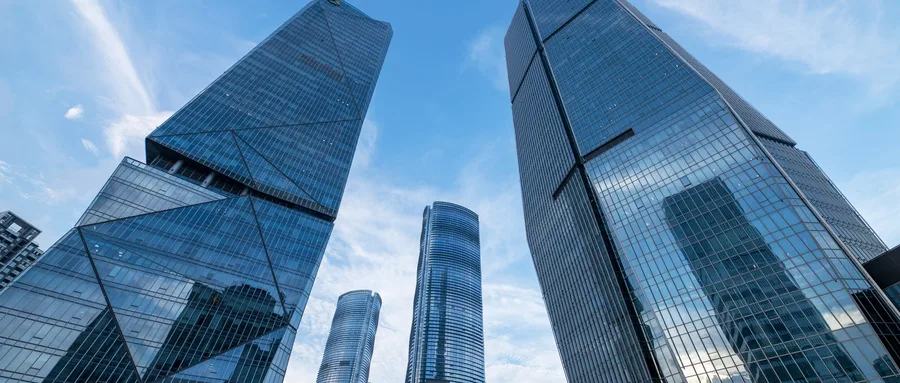
For construction units, the more precise the early-stage planning, the greater and more controllable the benefits in later phases. Taking the CDD Jiayue Plaza project as an example—a commercial real estate development—what key factors should be managed early on?
In commercial real estate projects, after finalizing the location and planning parameters, the following factors significantly impact the project’s revenue:
A. Building Appearance and Performance:
The building’s facade is the most visible element and directly influences external perception, landmark status, rental rates, and sales prices. Considerations include regional classification, functional zoning, and market positioning for rental and sales targets. Green building standards also affect investment levels; often, high input with low immediate returns is required to meet government approvals or environmental goals.
Design firms frequently prioritize maximizing profits, which can lead to hidden challenges such as increased construction complexity, higher costs, and extended timelines due to overly elaborate designs. Therefore, green building practices are essential to maximize energy efficiency, reduce investment risks, protect the environment, and minimize pollution.
B. Rental and Usable Area:
The status of rental and sales directly impacts return on investment. From the construction phase, it is crucial to design efficiently by maximizing usable space and minimizing shared areas. While these details may not always appear in feasibility reports, development teams should ensure proper implementation, considering factors like room orientation, views, commercial accessibility, and overall convenience.
C. Energy Efficiency:
Maintenance and operation represent the longest phase in a building’s lifecycle, involving continuous energy use. Mechanical and electrical systems must minimize energy consumption while meeting performance requirements.
D. Building Information Management:
After construction is complete, building information is often incomplete. For instance, sudden failures in local water pipes may occur without clear documentation of shutoff valves, forcing a complete water shutdown and drainage to perform repairs. Accurate and comprehensive information is also critical for project financing, as incomplete data can reduce a project’s valuation.
Typical building information includes renderings, photographs, CAD drawings, engineering data, financial reports, and budget spreadsheets.
Controlling these aspects during the feasibility study phase can be challenging.
For example, when selecting facade materials such as glass curtain walls, aluminum panels, stone cladding, or painted curtain walls with secondary structures, it’s important first to determine whether the project targets a high-end, mid-range, or budget market. Material options and methods should then be compared accordingly.
At this stage, detailed construction drawings are usually unavailable, so renderings are used to compare visual effects and estimate costs based on experience. However, factors like framing systems and glass thickness are often overlooked.
BIM modeling addresses these challenges by providing proportional renderings that illustrate how different curtain wall options will appear in the building’s environment. Additionally, BIM allows curtain walls to be defined as components, enabling detailed calculations of materials such as framing and insulation.
This approach improves early-stage cost estimation and supports decision-makers in making well-informed judgments on project feasibility by considering aesthetics, costs, and overall benefits.
















Must log in before commenting!
Sign Up