
The traditional architectural design process is quite complex and typically divided into four main stages: conceptual design, preliminary design, detailed design, and construction drawing design. This process demands a high level of expertise from designers and involves a lengthy design cycle prone to errors. Most designers rely on CAD software for drafting. However, when errors are detected, the entire design must be reviewed and revised, which complicates the workflow and often fails to meet the construction team’s requirements. This can delay the construction schedule and the completion of design drawings, potentially causing issues during the building phase. Although construction teams can address problems through timely communication and feedback with designers, such delays may still impact the overall construction progress and quality.
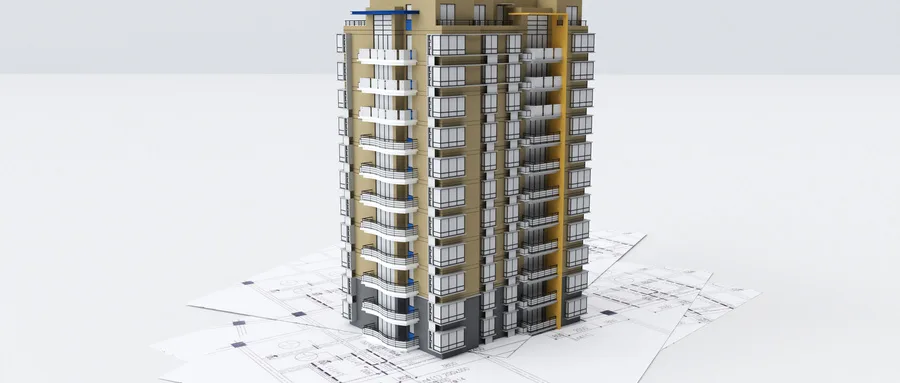
Building Information Modeling (BIM) is a method that integrates various stages of the construction process. By leveraging electronic information technology, BIM replaces traditional paper-based data with centralized digital databases, establishing a strong foundation for information management throughout engineering projects.
When BIM technology is applied to design drawings, designers can complete tasks more quickly while meeting construction requirements and performing thorough checks on their work. BIM software offers a range of powerful tools, allowing designers to shift from traditional two-dimensional views to three-dimensional models for detailed inspections or layer-by-layer reviews. If any design errors are detected, they can be promptly corrected without disrupting construction progress or increasing manual labor.
Moreover, BIM automates information organization and error detection, significantly reducing the complexity and workload for designers. This streamlines the design process, enabling designers to focus more on creative aspects rather than repetitive revisions. The continuous integration of various design stages through BIM helps satisfy construction demands and ultimately enhances building quality.
















Must log in before commenting!
Sign Up