
BIM enables construction projects to achieve their expected results within a digital environment before actual implementation. This allows all stakeholders to understand and evaluate the design intent throughout the entire project lifecycle. By clearly expressing various architectural features and functional requirements, BIM facilitates quick and intuitive communication, reducing information transmission challenges—especially for non-architectural clients who can better grasp the design vision.
During the design phase, BIM technology primarily supports real-time visual collaborative design, parametric modeling of building components, building performance optimization analysis, and design verification and refinement.
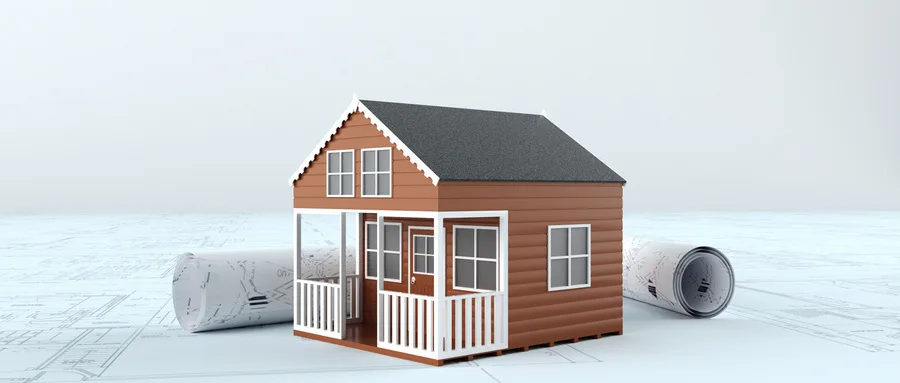
1) Visual Real-Time Collaborative Design: Using BIM software and technology, a 3D collaborative platform is created to enable multidisciplinary teams to work together seamlessly. This environment supports real-time design feedback, comprehensive inspections, and promotes knowledge sharing and integration. Such collaboration is especially valuable in complex projects like power plants and industrial facilities.
2) Parametric Design of Building Components: Parametric design applies object-oriented principles by assigning geometric properties to building elements, allowing dynamic modifications. Changing one parameter updates all related components automatically. This approach simplifies the design of complex elements in power plants and significantly enhances overall design quality.
3) Building Physical Performance Analysis: BIM enables visualization and analysis of a building’s physical performance before construction, moving beyond traditional mental estimations. It supports green building requirements by simulating various factors such as factory layout, transportation routes, production lines, natural lighting, wind conditions, noise levels, thermal behavior, and indoor ventilation. For example, it can evaluate acoustic performance through material and interior design variations, optimize thermal conditions to reduce heat island effects, and improve indoor airflow by adjusting ventilation openings—all contributing to a more sustainable and comfortable environment.
Additionally, BIM facilitates design verification and optimization for plant layouts and individual buildings. This includes earthwork planning, vertical design, material storage, process layout, large-span structures, underground pipelines, mechanical and electrical systems, curtain walls, and other façade elements. These complex engineering tasks often face significant design challenges and implementation risks. By applying BIM for comprehensive optimization of the entire plant and building designs, projects gain considerable economic and technical advantages.
















Must log in before commenting!
Sign Up