
1) This project utilizes BIM5D technology and employs the “push pin method” for tracking and management, as illustrated in Figure 9. By the time the structural main body was sealed, over 160 on-site quality issues had been tracked and resolved, resulting in an estimated saving of around 3 million yuan in repair costs.
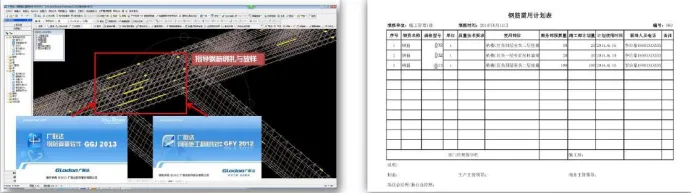
Figure 9: Cost Measurement Chart
2) Steel bar measurement and sampling software were used to layout and cut complex nodes, while BIM5D generated the corresponding measurement tables.
For Building 3, floors 7 through 23 saved 29.4 tons of steel bars compared to the planned material quantity, achieving a saving rate of approximately 1.5%. Building 4, floors 6 through 22, saved 34.3 tons of steel bars, with a saving rate around 1.7%. Comparing the steel reinforcement samples from floors 5 to 22 of Building 6 with the bill of materials, approximately 27.8 tons of steel reinforcement were saved, reflecting a saving rate near 1.6%.
3) Collision detection and design refinement were conducted using BIM technology. The project identified and resolved over 2,540 collisions, including more than 30 major ones, leading to estimated savings of about 2 million yuan.
4.2.3 BIM Progress Simulation During Construction
The construction progress simulation primarily utilized Navisworks software to simulate the entire construction schedule. Through 3D animation, the schedule plan was visually represented, making the on-site scheduling more intuitive and clear. This allowed construction management personnel to effectively oversee factors such as labor, materials, and machinery.
When discrepancies arise between on-site progress and planned schedules, BIM progress simulation provides timely warning alerts. This enables prompt adjustments to address any shortcomings in construction, ensuring that progress remains under control by continuously comparing actual conditions with the simulated schedule.
Material and entry planning was based on the simulated schedule created with Navisworks, combined with precise cost calculations performed using Luban budget software. This included materials, labor, machinery, and other necessary investments, allowing for real-time dynamic cost management throughout the project timeline. By comparing planned usage with actual quantities, the project optimized material procurement, personnel allocation, and machinery deployment.
For example, in wind control systems, the project completed mechanical and electrical installation modeling and developed material plans based on BIM-generated quantity lists. This approach helped avoid issues of overstocking, shortages, or missed processing, ultimately saving construction costs.
Traditional engineering data management on BIM platforms often relies only on paper and electronic archives. This sometimes limits the ability to retrieve information for components that have already been concealed.
By establishing detailed building model information, this project defined component data comprehensively, facilitating easier extraction and filtering of component details by the owner during operation and maintenance, as shown in Figure 10.
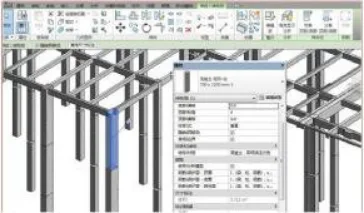
Figure 10: Platform Data Management Chart
Simulation roaming and animation generation allow on-site management staff to inspect and verify pipeline layouts using mobile electronic devices. This makes on-site management more convenient and intuitive, as demonstrated in Figure 11.
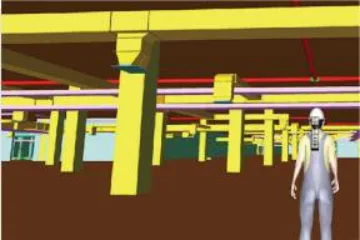
Figure 11: Simulation Animation
Safety Management
Construction site layout was planned using Revit software, providing intuitive and accurate 3D models for site organization. Luban construction software was used for automatic recognition of edges and openings on-site.
On-site safety monitoring employed a continuous 24-hour video surveillance system to oversee construction activities. The Luban application platform unified management of quality, safety, and civil construction issues detected on-site, linking them directly to the BIM model. Site personnel could capture photos of construction nodes with mobile devices, associating these images with relevant BIM model locations.
1) Early in the construction phase, standardized quality control procedures for project safety management were established, as depicted in Figure 12.
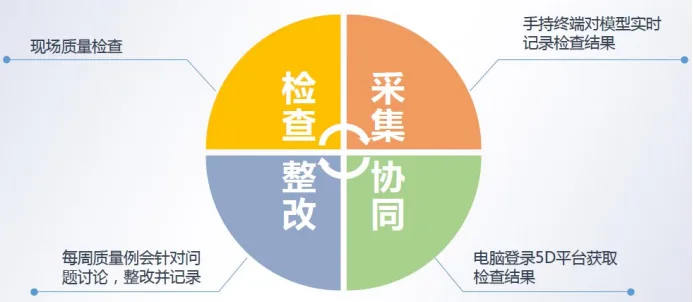
Figure 12: Safety Management Standards Flow Chart
2) Comprehensive and timely safety inspections and data collection were carried out to ensure overall project safety.
3) Data collaboration was facilitated through a computer login platform, enabling access to inspection results and process information. This allowed for prompt safety reviews and risk prevention, as shown in Figure 13.
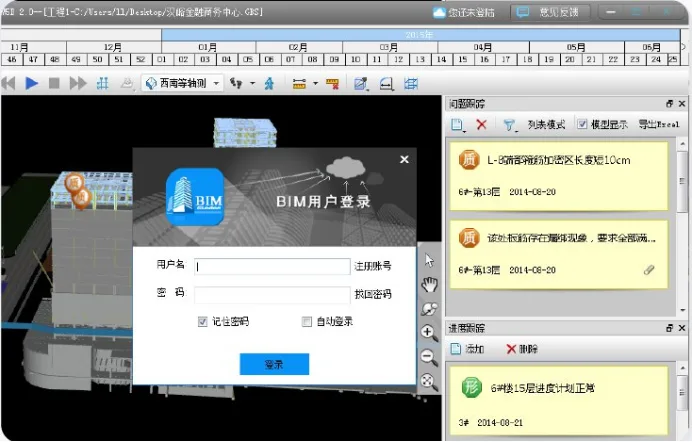
Figure 13: Data Collaboration Diagram
4) During the design phase, meeting plans were developed and scheduled. After construction began, specific meetings were arranged based on actual progress to discuss issues and report work promptly.
5) Problem rectification involved real-time recording and transmission of on-site issue resolutions.
Analysis of Collaborative Management Effectiveness
Improved information coordination and communication efficiency were achieved by using BIM models as a shared platform among the construction team, designers, supervisors, and subcontractors. This enhanced communication, preventing errors and misunderstandings.
Support for drawing review and design optimization was provided through Revit 3D models, which clearly revealed design issues and deficiencies. Given the project’s complex reinforced concrete and steel structure, with many irregular columns, beams, and multiple vertical elevations on the same floor, numerous design problems existed in the original drawings. The BIM 3D model identified 18 unreasonable design areas on the basement floor alone.
Integrated cabling and collision inspections addressed challenges posed by rough mechanical and electrical installation drawings and unclear pipeline elevations. Using BIM technology and RevitNep 3D comprehensive cabling, construction drawings were progressively refined through 3D visualization. After confirming the model was collision-free, 2D construction drawings were exported to guide on-site work. This approach minimized rework, saving labor and financial resources, and significantly advanced project progress.
Quantity statistics and material management were conducted using BIM technology in a layered and zoned manner, closely aligned with on-site construction activities. This enabled precise issuance and requisition of materials. Leveraging BIM 3D models, accurate material demand plans were created, facilitating precise layout and cutting to limit material loss and prevent waste.
3D disclosure of complex engineering nodes was achieved using BIM technology to automatically generate detailed node profiles. This 3D visualization enhanced communication, increased enterprise competitiveness, reduced information requests, shortened construction periods by 4% to 8%, and decreased coordination time between specialties by 18% to 20%.
Furthermore, the successful BIM application in this project helped develop a professional, comprehensive, and practical BIM implementation system and corporate standards, laying a strong foundation for the broader adoption and promotion of BIM technology.
Liu Yu (Dalian University of Technology)
For learning and communication purposes only. Copyright belongs to the original author. If there is any infringement, please contact us for removal.
















Must log in before commenting!
Sign Up