
At the core of BIM technology lies informatization.
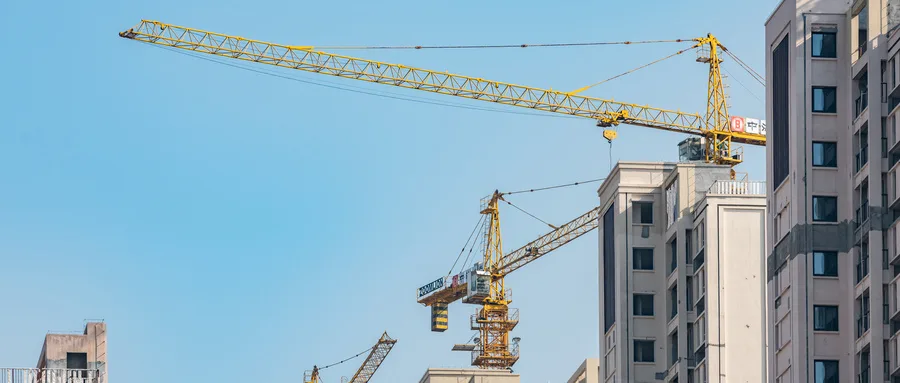
Throughout a building’s entire lifecycle, the initial building information database is continuously updated and supplemented with relevant data from various stakeholders involved in the project. This process ultimately creates a comprehensive building information database that spans the building’s full lifecycle, enhancing both the database itself and the overall project relevance.
BIM technology serves as a platform to integrate and coordinate information across all building aspects. It facilitates smart construction by shifting parametric building disciplines from isolated stages to a collaborative model involving multiple project participants. This enables timely and efficient information exchange, improving decision-making processes.
Prefabricated buildings introduce unique industrialized elements. By integrating models with building information, BIM technology supports the combined design and construction process. For instance, it aids in designing, disassembling, and optimizing precast concrete (PC) components. It also helps optimize construction site layouts by managing the transportation, storage, and usage of these PC components.
Additionally, BIM allows for simulation and analysis of the overall construction progress by linking various construction parties. It supports clash detection across different disciplines and integrates project digital management platforms into construction oversight. By embedding QR codes and wireless radio frequency identification (RFID) tags into BIM models, detailed information about prefabricated components can be tracked, including their basic properties and current status, enabling comprehensive component tracking.
Given the complex functions of prefabricated buildings—including three-dimensional design, industrialized manufacturing, and on-site assembly—traditional management approaches fall short in meeting the demands for construction duration, cost, quality, safety, and scheduling.
Prefabricated buildings are characterized by short construction timelines, high efficiency, energy conservation, environmental friendliness, and digital integration. Applying advanced BIM technology significantly enhances management efficiency, reduces pressure on project stakeholders, and ensures smooth information flow. This ultimately enables effective control over technical aspects, quality, safety, progress, and costs throughout the project.
















Must log in before commenting!
Sign Up