
Revit is a 3D building modeling software developed by Autodesk. It encompasses three main modules: Autodesk Revit Architecture, Autodesk Revit MEP, and Autodesk Revit Structure. The software package also includes Autodesk Revit Content Libraries and the Autodesk Material Library shared components.
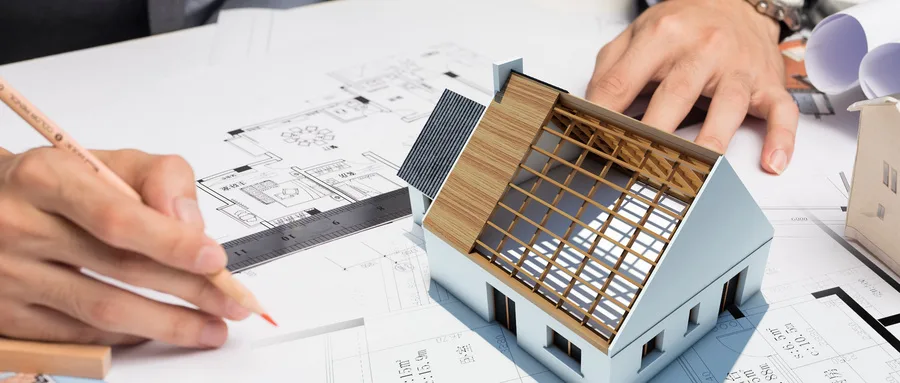
Primarily, Revit is used for 3D building information modeling, enabling designers to create detailed models for architectural design, piping layouts, structural engineering, and MEP (mechanical, electrical, and plumbing) systems. This collaborative platform facilitates seamless coordination among architects, structural engineers, HVAC specialists, electrical engineers, and piping designers. By enabling information sharing and integrated design workflows, Revit helps eliminate communication silos, reduces risks and errors, and prevents resource waste.
Beyond modeling, Revit offers advanced features such as building energy consumption analysis, construction simulation, and operational performance simulation. These tools empower designers and engineers to select energy-efficient, environmentally friendly, and low-energy building solutions. Revit’s capabilities promote sustainable design practices and support the creation and maintenance of higher quality, energy-efficient buildings. Its powerful functionality combined with a user-friendly interface has made Revit an essential tool in BIM (Building Information Modeling) technology.
The Architecture module focuses on 3D building modeling, allowing structural designers to apply interactive design techniques that align closely with their design habits. It includes a wide range of family files, which save designers considerable time. Additionally, the module offers various analysis tools, such as sunlight and facade analysis, to assist in the rational design of buildings.
The MEP module caters specifically to the mechanical, electrical, and plumbing disciplines. It enables designers to perform electrical and piping layout within the context of the building model, which helps prevent collisions and optimizes resource use during construction and maintenance.
The Structure module is tailored for structural engineers. Unlike the Architecture module, it focuses on modeling structural components like beams, slabs, and columns. Revit provides an extensive family library and collision detection features to support structural design. It also offers structural analysis and construction simulation tools, significantly reducing resource waste and improving accuracy throughout the building process.













Must log in before commenting!
Sign Up