
The BIM Design 2.0 approach represents a true integration of BIM technology into the design process. Designers work directly with BIM software to create and build discipline-specific BIM models, enabling 3D collaborative design. All design tasks, calculations, and construction drawings are based on these BIM models. Known as the forward design mode of BIM, this method centers the design around 3D models specific to each discipline, where professional designers act as the creators of their respective models. BIM technology thus becomes fully embedded in the design workflow, transforming the traditional collaborative design methods.
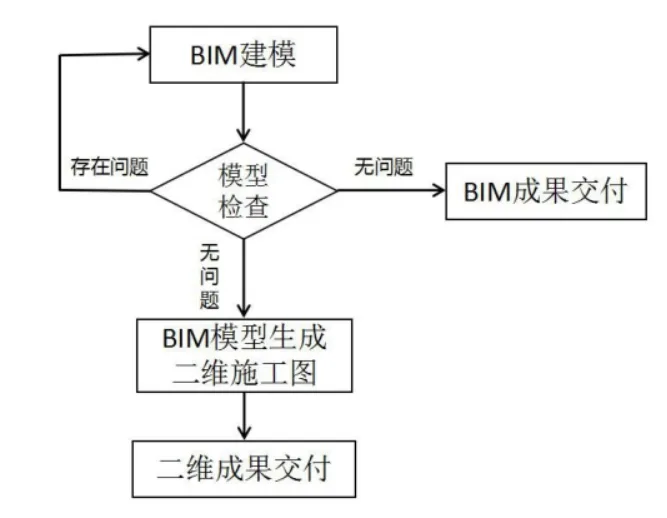
In traditional 2D design workflows, communication between different disciplines occurs at fixed intervals, often leading to delays. In contrast, the BIM Design 2.0 mode allows each discipline to build its own professional model during the design process and update it in real time to a centralized model that integrates all professional models. This central model enables immediate access to design information from other disciplines, supporting more informed decisions within each specialty.
Once each discipline completes its model, all models are aggregated for a comprehensive clash detection and coordination review, aiming for zero conflicts across disciplines. After this model validation, each discipline can generate various plan views directly from their models and add simple 2D annotations to produce their respective construction drawings.
This forward design mode introduces model-based real-time collaborative design, fundamentally changing traditional design collaboration. The adoption of BIM in this way is not just a shift from 2D to 3D design methods but a complete upgrade of the entire design process. BIM Design 2.0 is the result of mature BIM technology applications and a deep understanding of BIM principles within design firms. While implementing this mode requires significant changes to existing workflows—potentially causing some resistance and temporary drops in efficiency—the long-term benefits and technical advantages are substantial once fully established.
















Must log in before commenting!
Sign Up