
Revit is a comprehensive suite of architectural design software developed by Autodesk, encompassing Revit Architecture, Revit Structure, Revit MEP, and other modules. These correspond to BIM solutions tailored for architecture, structural engineering, and building systems such as water, heating, and electricity. The primary goal of Revit is to provide a robust platform for building information modeling (BIM), enabling architects to design higher-quality, more energy-efficient, and environmentally sustainable buildings.
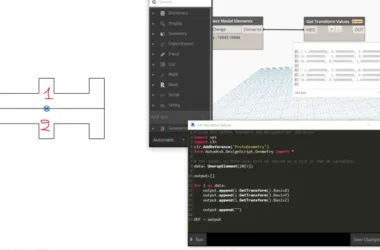
As a mature BIM software, Revit offers powerful design capabilities and includes numerous readily accessible application programming interfaces (APIs). These APIs enhance the software’s versatility and solidify Revit’s position as a leading platform-level tool in the industry.

Thanks to these APIs, information generated by Revit models can seamlessly integrate with other software, eliminating compatibility concerns. They also allow for automation of repetitive modeling tasks and enable the integration of mature external software functionalities directly within Revit. This unified platform approach streamlines workflows and enhances productivity. Additionally, Revit comes with a Software Development Kit (SDK) that includes numerous application examples, allowing developers to apply or customize these tools for advanced secondary development.
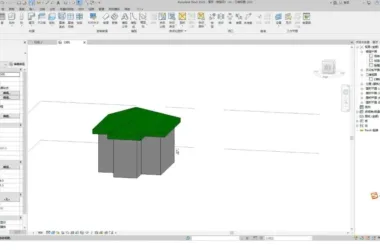
Revit designs exist in a parametric form, meaning that the relationships between all elements in the model are defined and managed. These parameters enable coordination and dynamic modification of the design. Unlike traditional CAD software, which relies on sketches, Revit employs multidimensional modeling techniques to create realistic representations of building elements such as columns and walls. This parametric approach not only automates relationship creation but also allows designers to establish custom links during project development.
Once a model is created in Revit, it can generate various types of output based on client requirements, including 2D drawings and detailed schedules. All project data is stored within a single database, ensuring consistency across different representations. For example, when parameters are set in drawing or schedule views, Revit collects and synchronizes building information, enabling real-time updates across all model views.
Internally, Revit uses a parametric modification engine that coordinates changes made anywhere in the model—whether in views, schedules, drawings, sections, or plans—ensuring that updates are reflected instantly throughout the project.













Must log in before commenting!
Sign Up