
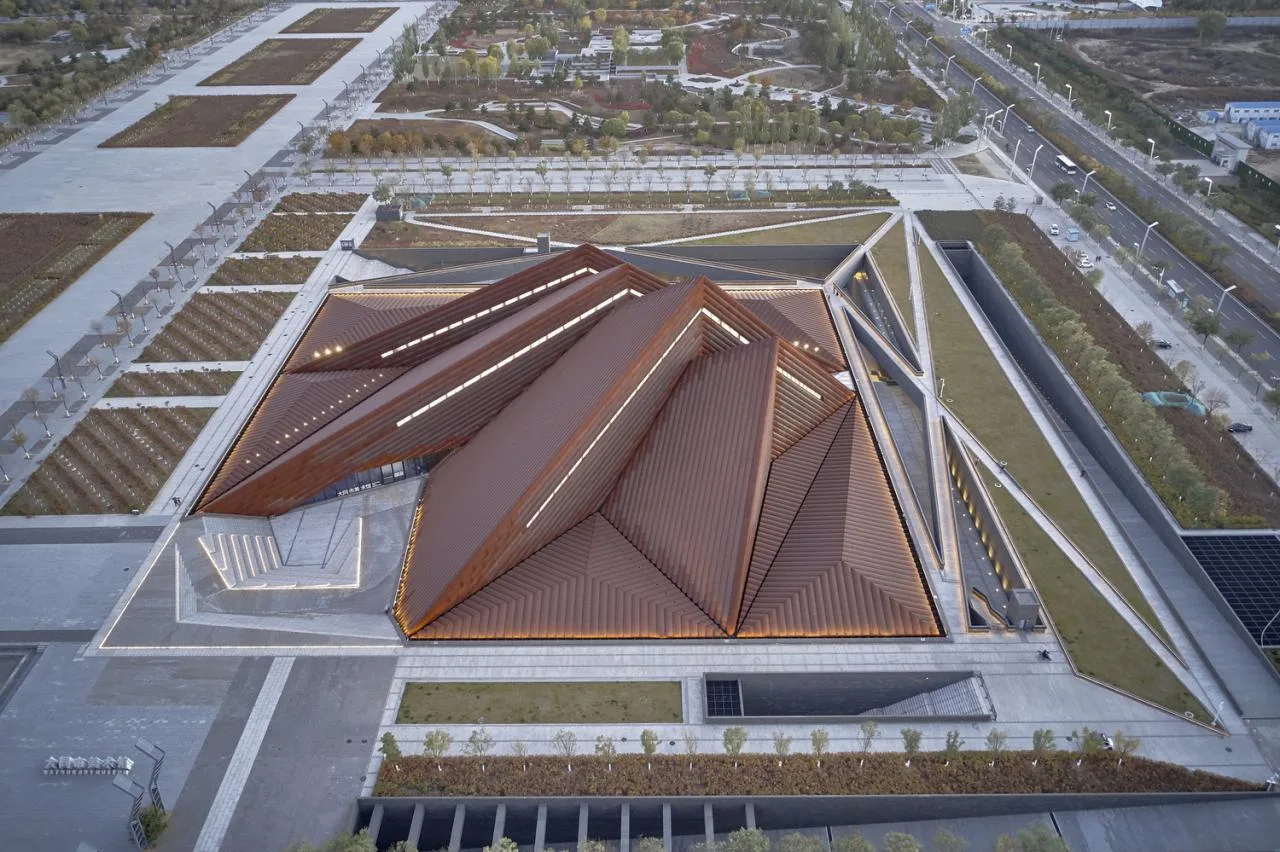
As a key new cultural destination in China, the Datong Art Museum is set to open soon, showcasing oil paintings by local artists in its inaugural special exhibition. This museum is one of four major buildings within the Cultural Square of Datong New City and aims to become a regional hub for creative industries.
The museum’s sculptural form emerges naturally from the landscape, resembling a series of interconnected pyramids that reveal their ‘tip of the iceberg.’ Several exhibition spaces are partially submerged underground and surrounded by a landscaped square. In addition to exhibition areas, the museum includes educational facilities such as children’s art galleries, media museums, archives, and art storage, enhancing its cultural and learning functions.
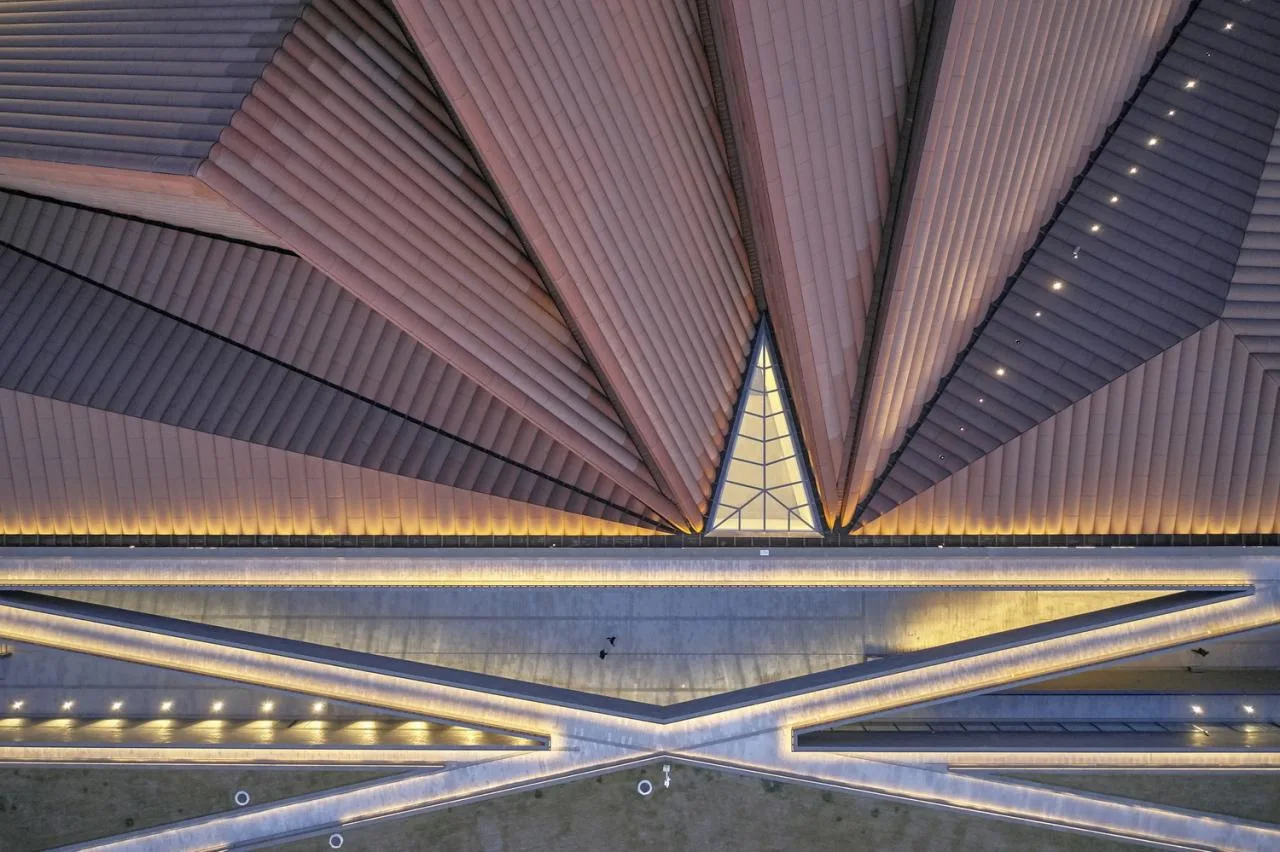
Luke Fox, head of the studio at Foster+Partners, explains, “Museums often serve as social hubs. As the ‘urban reception room’ of Datong, the Art Museum is designed to bring together people, artworks, and artists in a dynamic space for interaction. The core of the museum, the ‘Central Gallery,’ embodies this spirit with its spacious and flexible design, accommodating large-scale commissioned artworks, performances, and special events.”
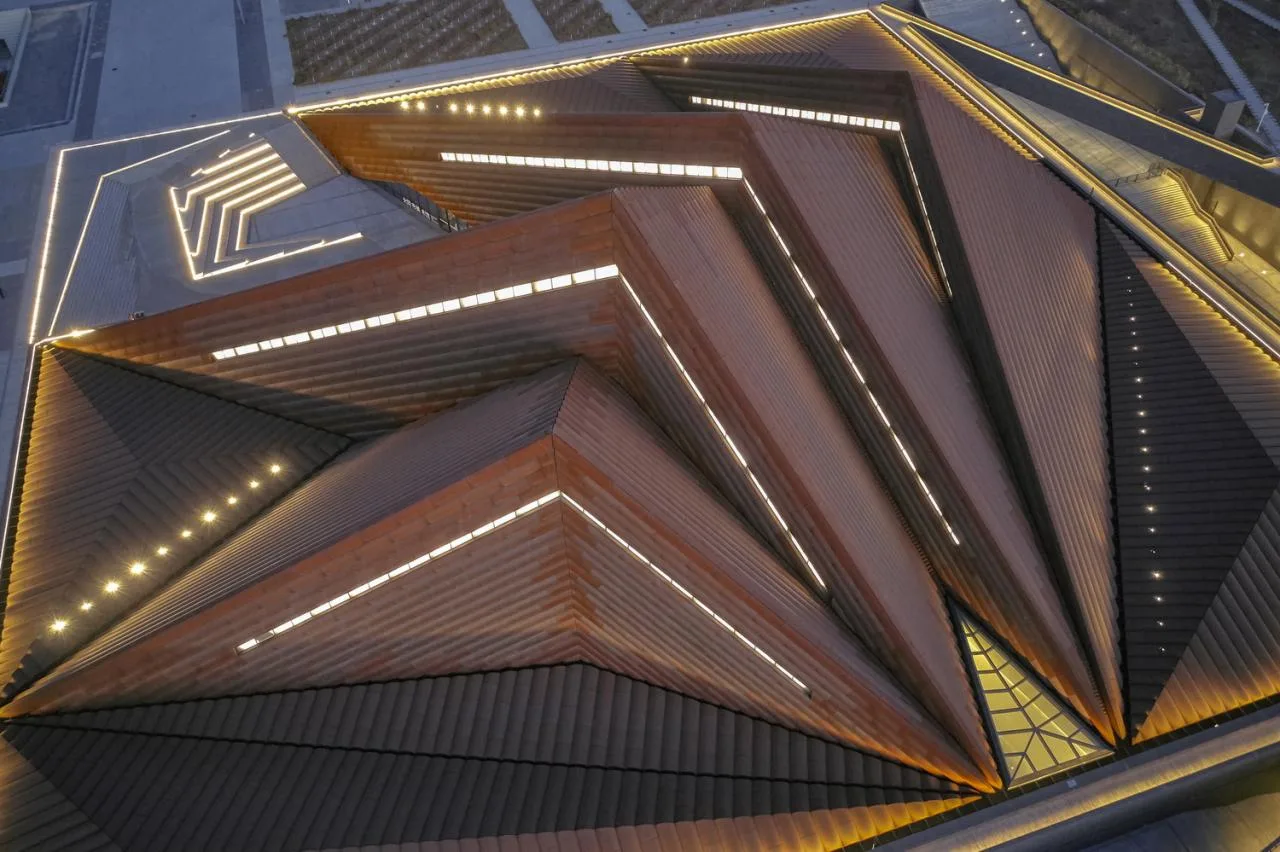
The surrounding landscape features diagonal pathways that guide visitors gradually into the museum. The main entrance is marked by a winding ramp leading to an open sunken plaza, which doubles as a circular outdoor theater for performances. Upon entering, visitors arrive at the mezzanine level, which offers panoramic views of the central gallery. This mezzanine serves as the museum’s social heart, boasting a 37-meter height and an 80-meter span.
To optimize climate control, the microclimate management area is located on the first floor, outside the main exhibition spaces, allowing easy access for staff. Education is a key focus of the museum’s design, featuring a dedicated children’s art gallery with tall, south-facing windows that flood the space with warm, natural light. Additional smaller educational centers and media libraries complement the museum’s broader educational offerings, supporting artist residencies, lectures, and conferences.
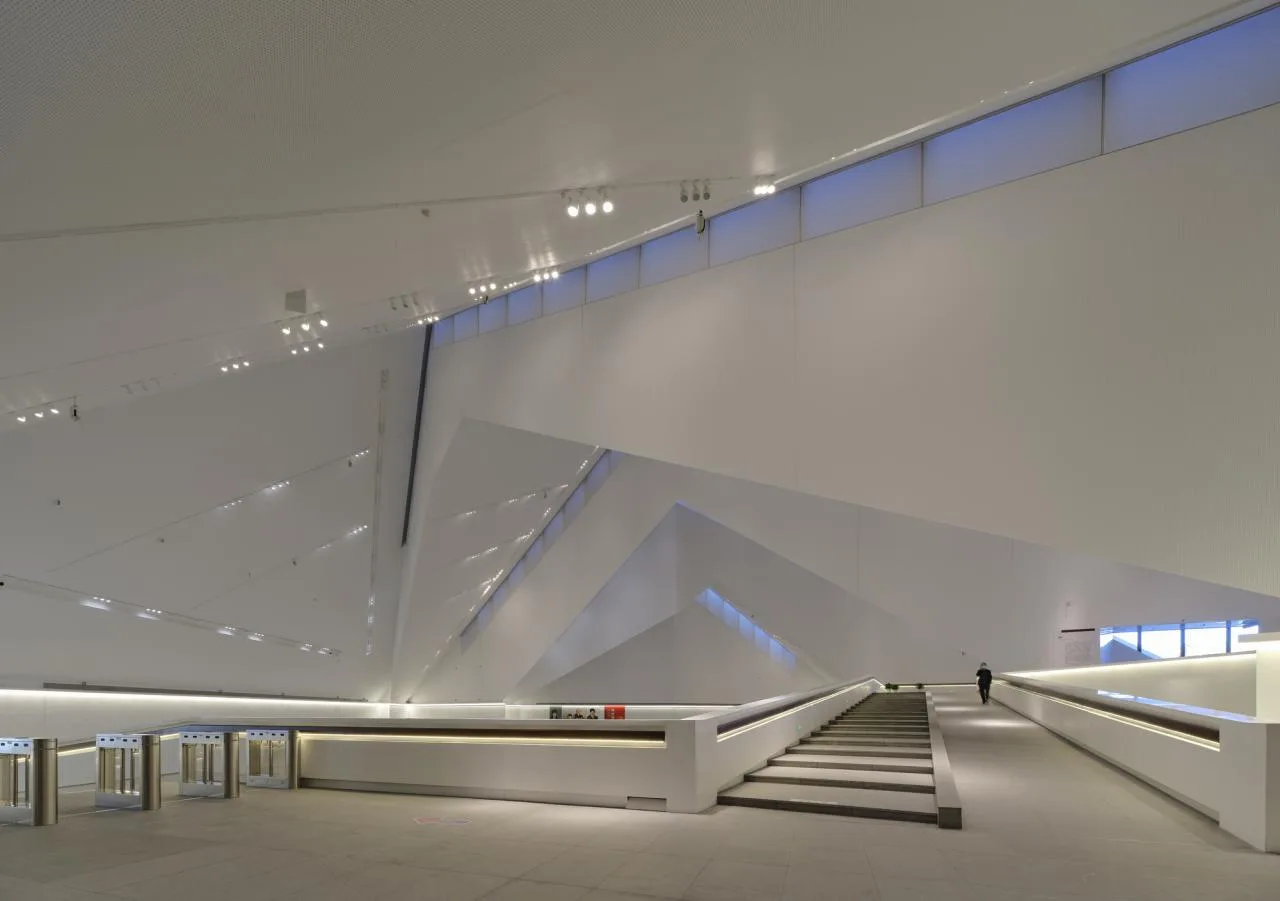
The museum’s roof is formed by four interconnected pyramids, with heights incrementally increasing toward the corners of the Cultural Square. Natural light pours into the interior through skylights positioned atop each pyramid. The folded roof design corresponds directly with the expansive internal structure, creating a vast, column-free volume that enhances flexibility for exhibitions.
Smaller exhibition spaces are arranged around the perimeter, centered on the main gallery. The roof is clad in naturally oxidized curved metal steel plates, which facilitate drainage and add rich textural depth to the building’s surface. The panel proportions are well-suited for a large-scale museum, and their linear layout further accentuates the pyramid shapes.
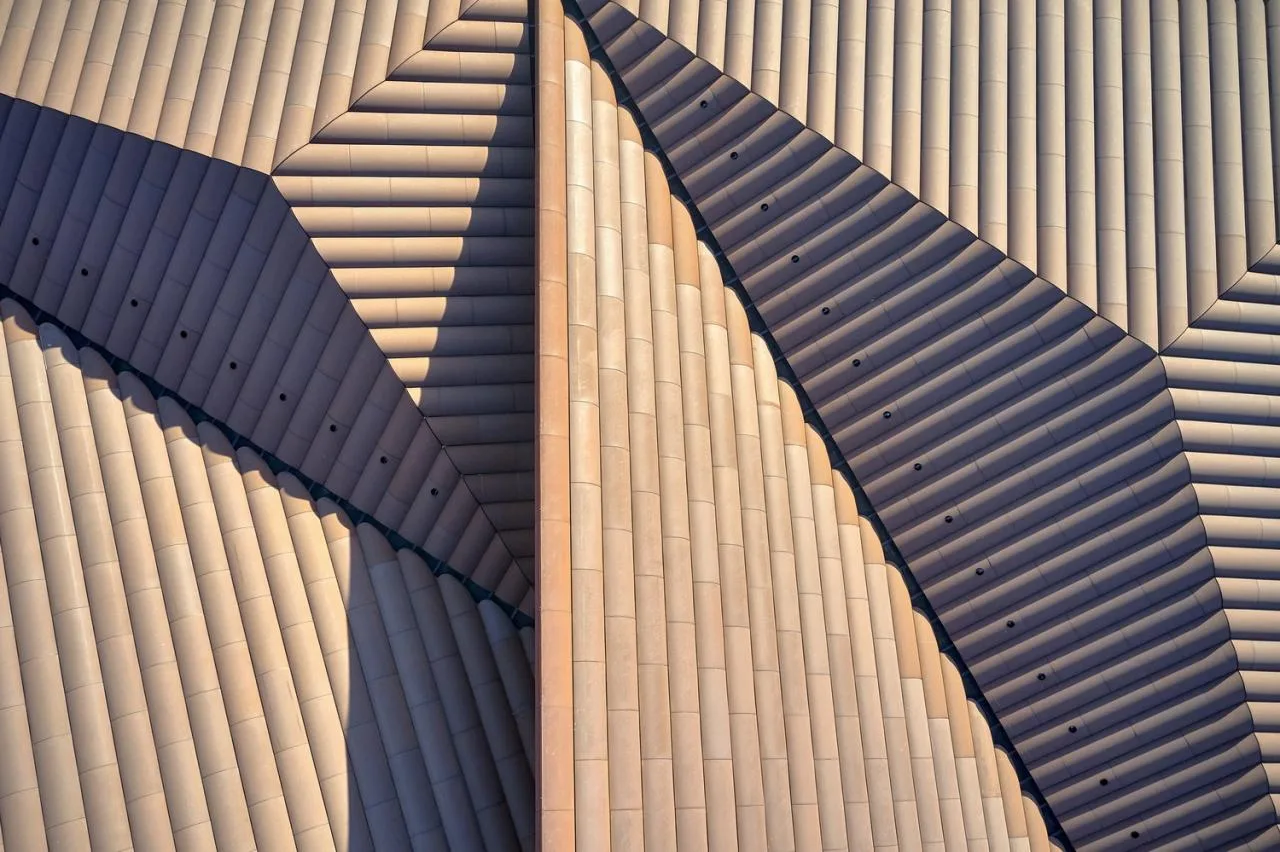
The architecture appears to be partially sunken into the urban cultural square, its scale carefully designed to complement adjacent cultural facilities. This balance enhances the overall composition of the area while maximizing internal volume. During the day, skylights in each pyramid flood the interior with natural light. At night, the illuminated building becomes a distinctive beacon in the cultural district.
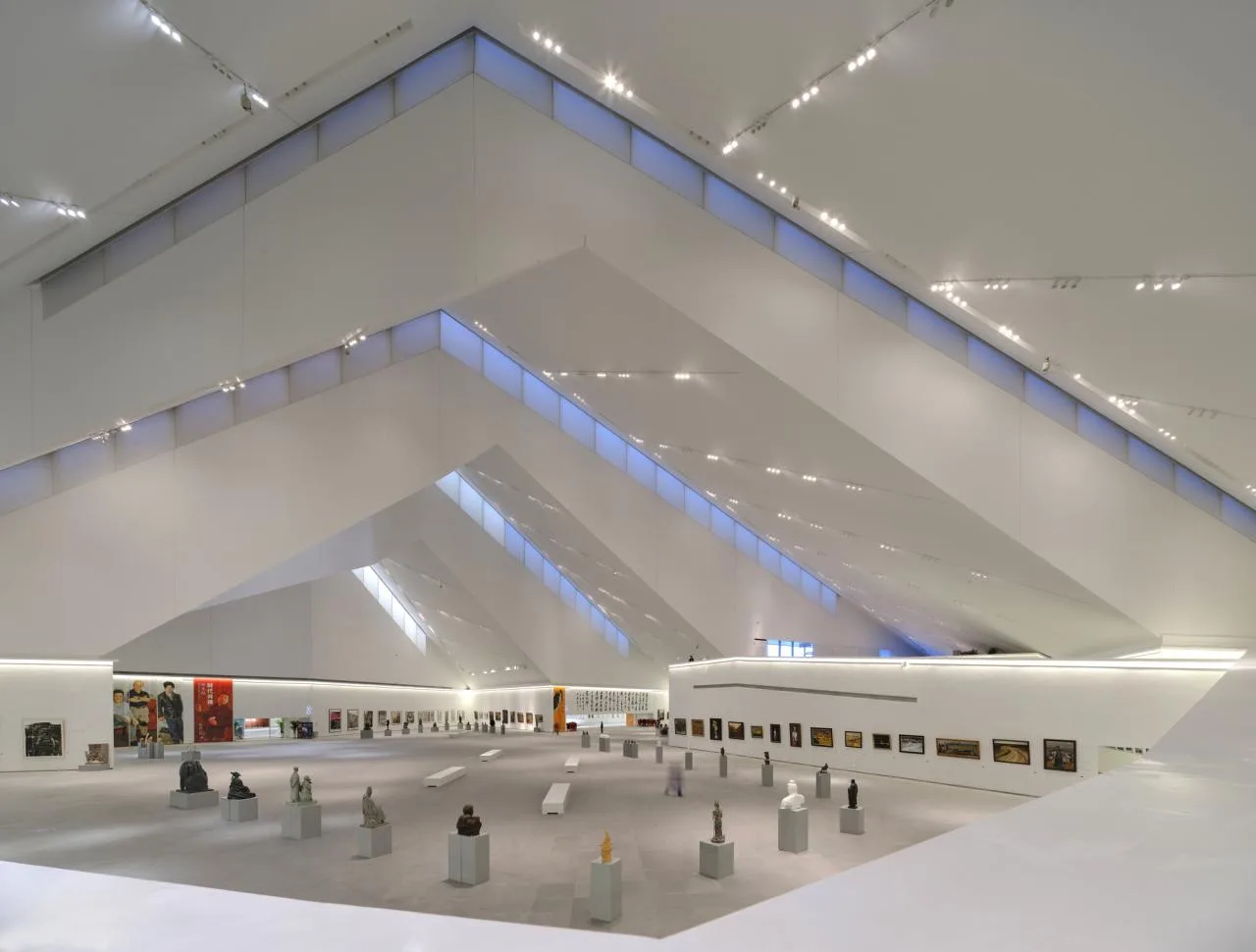
The museum incorporates efficient passive design principles tailored to Datong’s local climate. High-rise skylights on the north and west sides allow natural light to enhance window illumination while minimizing solar heat gain, creating optimal conditions for art exhibitions. The building’s partial submersion underground, combined with a high-performance facade, significantly reduces energy consumption. Most roofs feature insulation layers that exceed building code requirements by twofold.
Luke Fox adds, “Our design looks to the future. We hope the Datong Art Museum will become the cultural heart of the city, as well as a vibrant destination for public engagement.”
Project Drawings
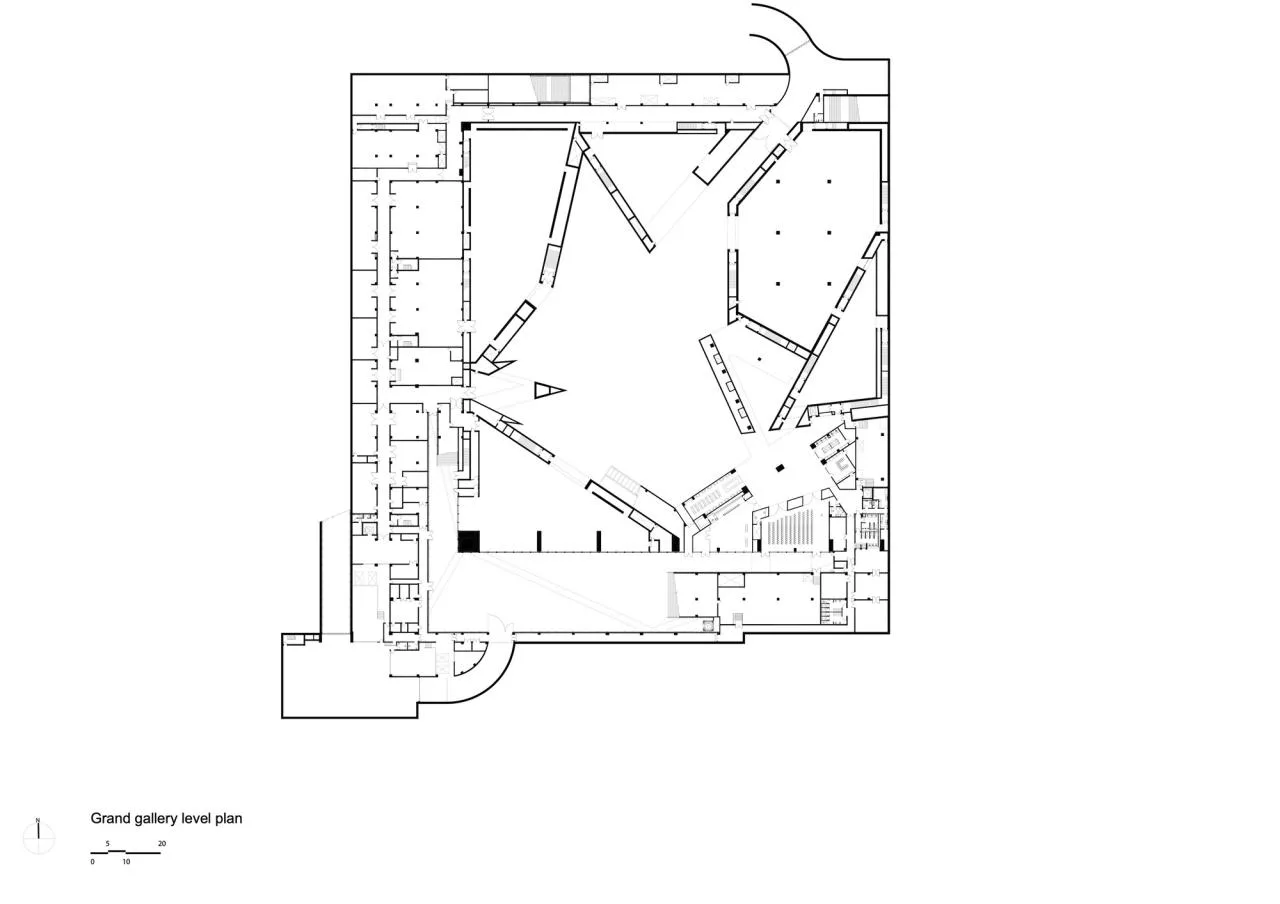
△ First Floor Plan
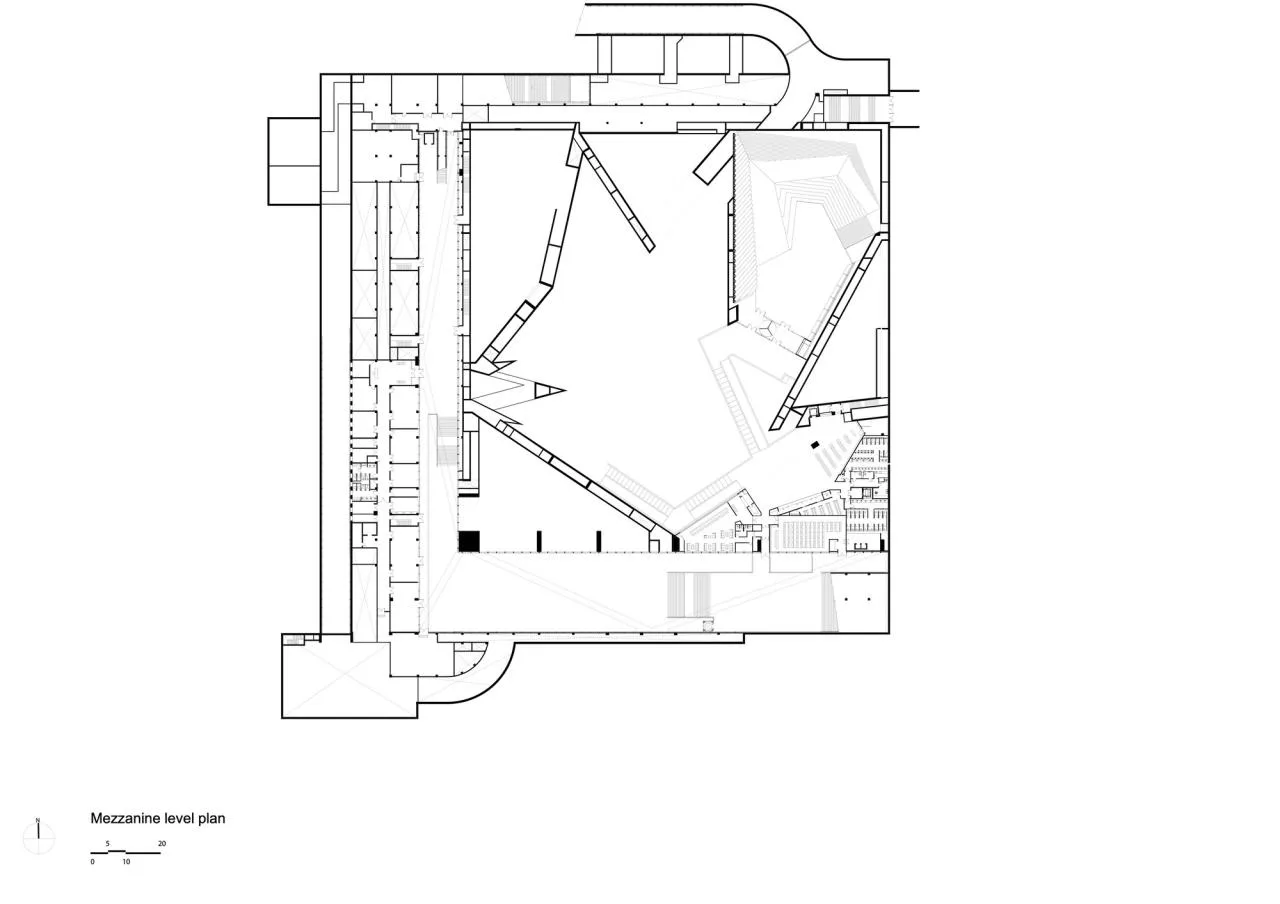
△ Second Floor Plan
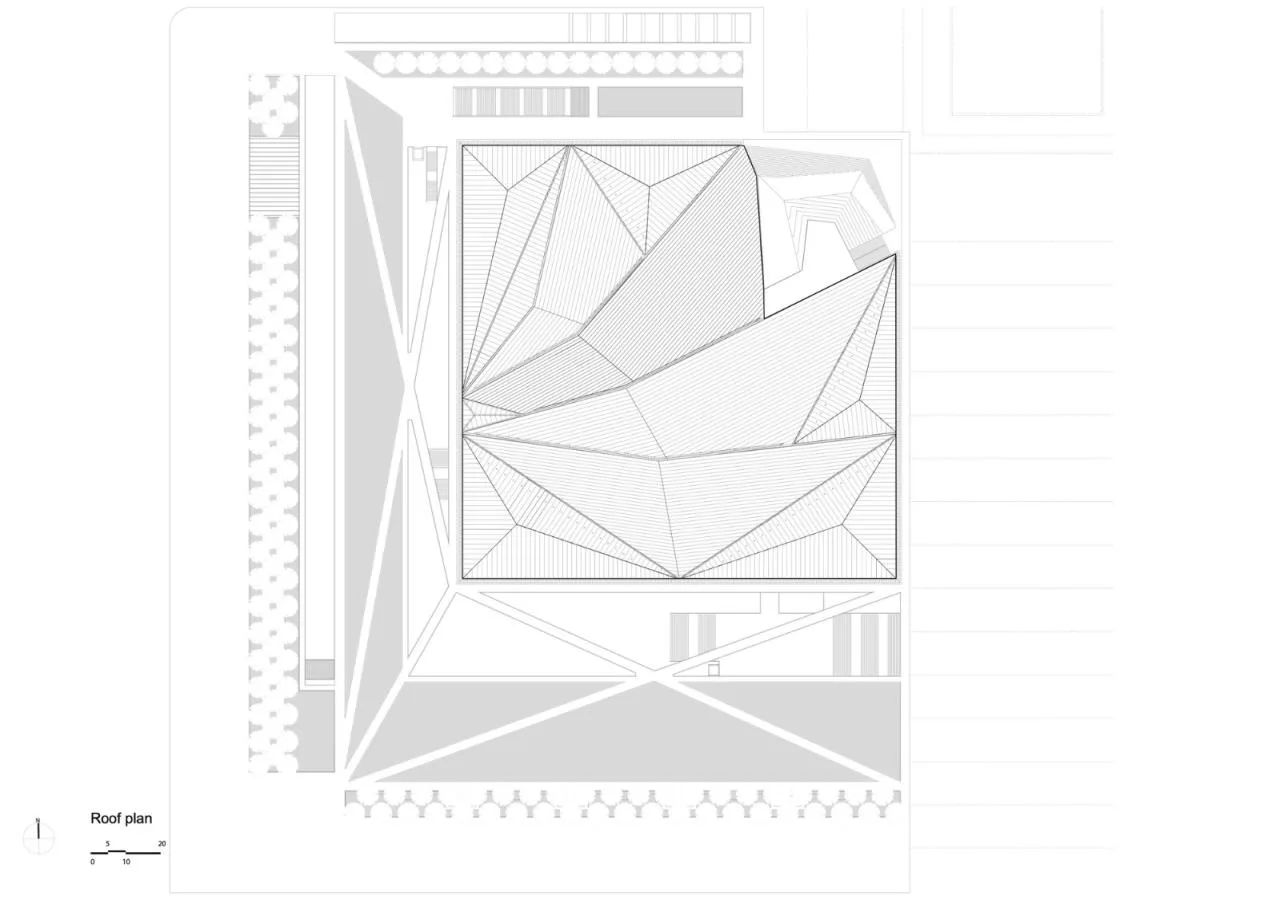
△ Roof Plan
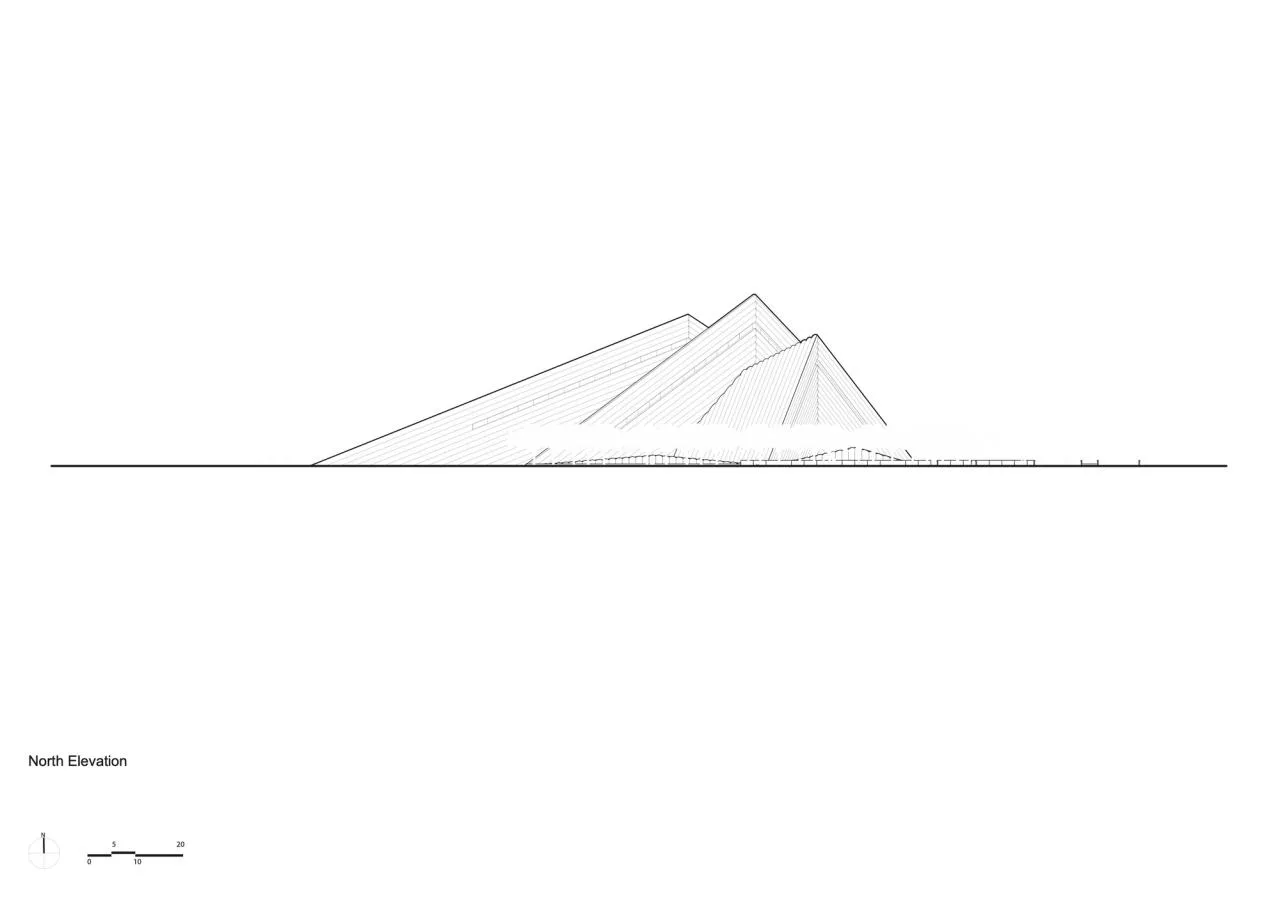
△ Elevation Drawing
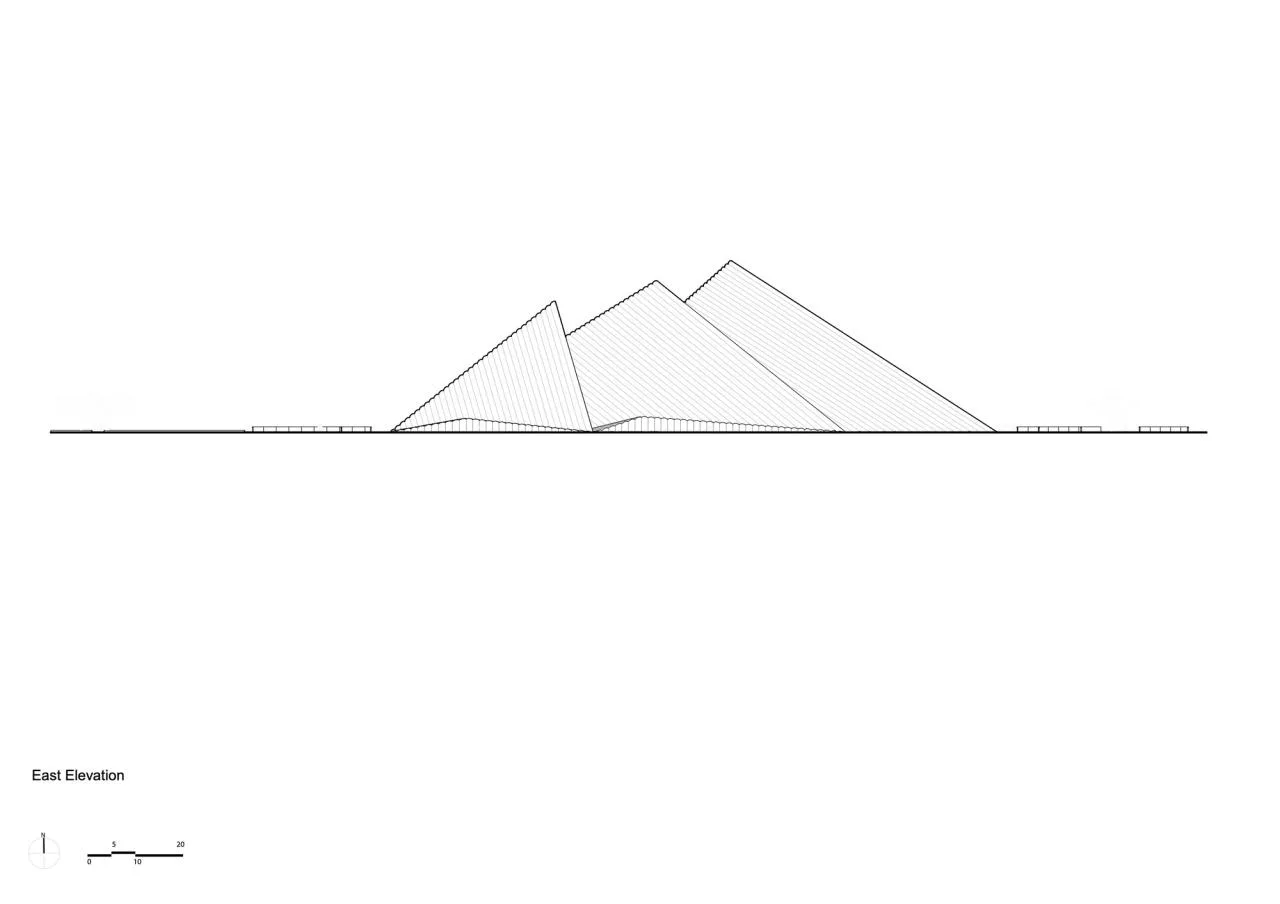
△ Elevation Drawing
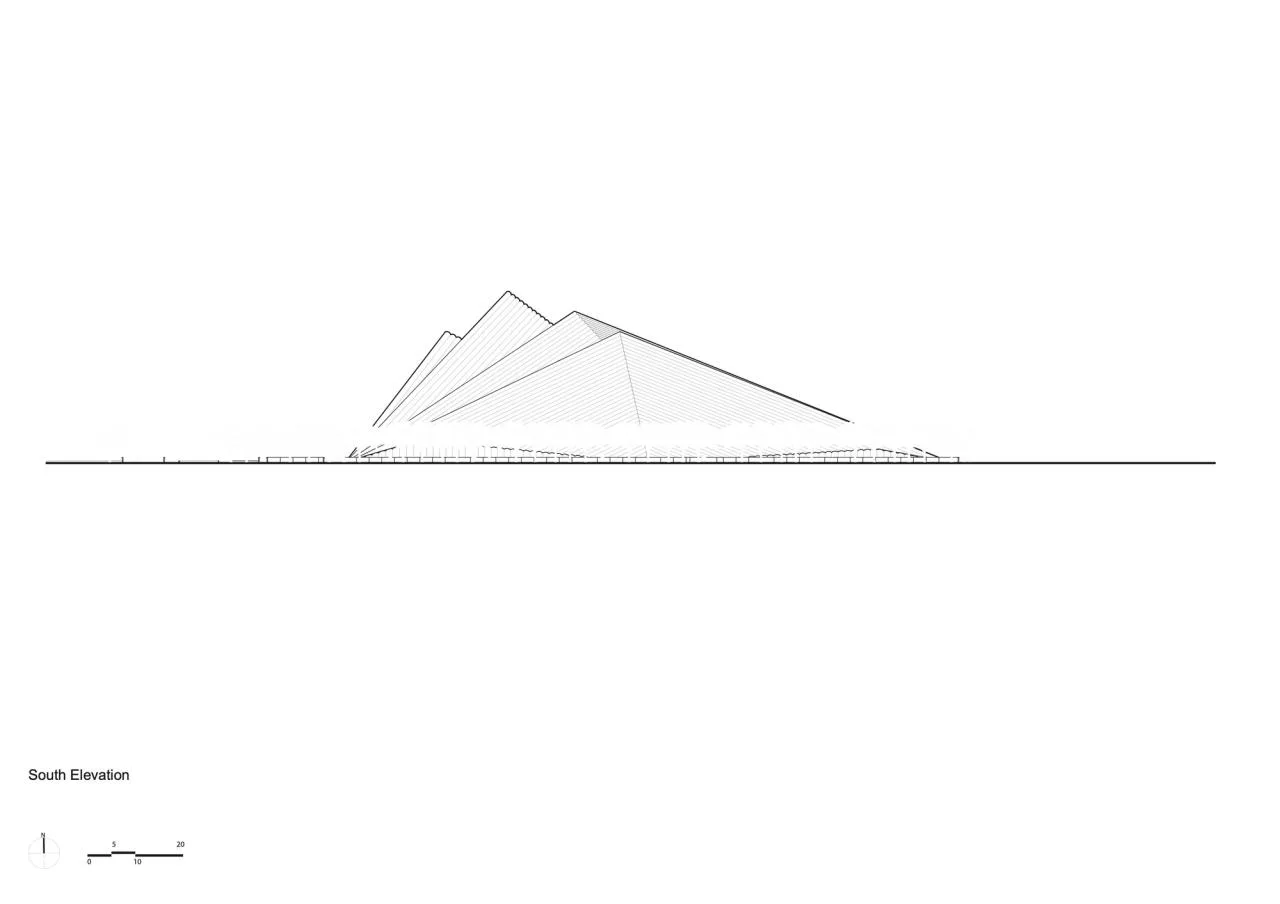
△ Elevation Drawing
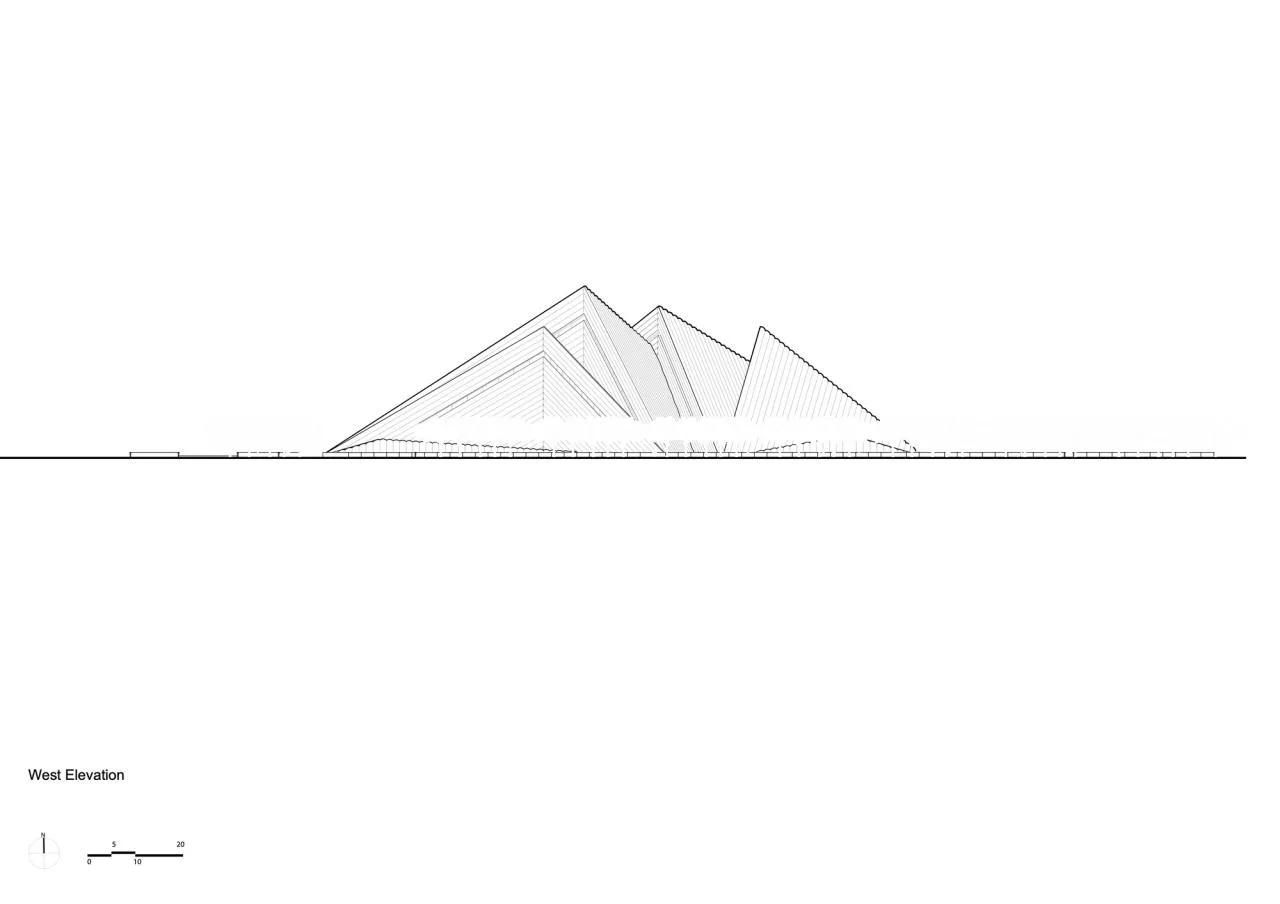
△ Elevation Drawing
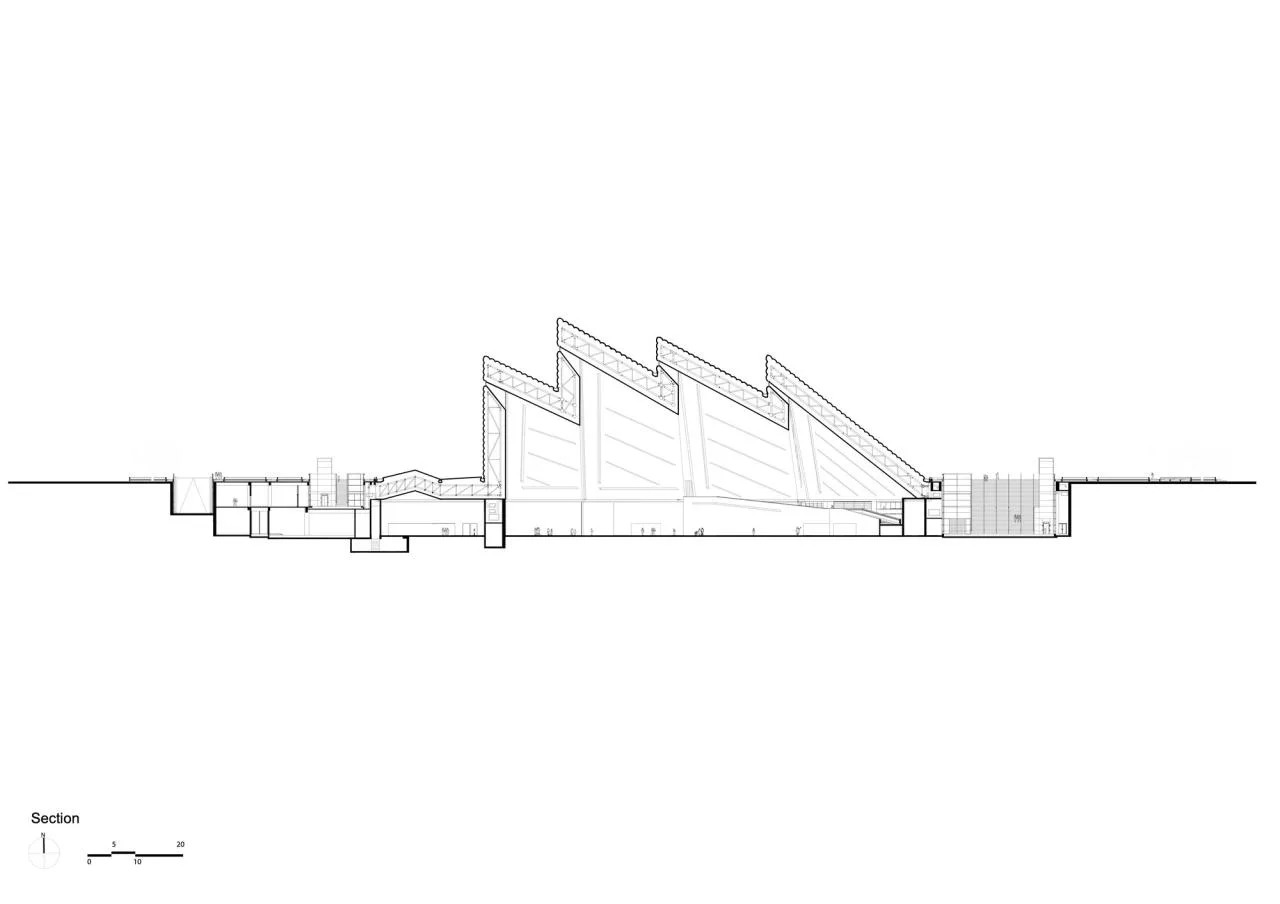
△ Section Diagram
Project Information
Architectural Design: Foster+Partners
Area: 32,000 m²
Project Year: 2021
Photographer: Yang Chaoying
Design Team: Norman Foster, David Nelson, Spencer de Grey, Luke Fox, Michael Gentz, Zheng Yu, Meng Xia, Loretta Law, Bartenis Siaulytis, Yasuko Tarumi, Ahmed Hosny, Mitsunori Sano, Pil-Joon Jeon, Yung Kim
Collaborative Architect: China Academy of Architectural Design and Research
Main Contractors: China Railway Airport Construction Group
Structural Engineering: China Academy of Architectural Design and Research
Lighting Consultant: Claude Engle BPI + Tsinghua University
Landscape Design: AECOM
Museum Advisor: Lord
Location: Datong City, China














Must log in before commenting!
Sign Up