
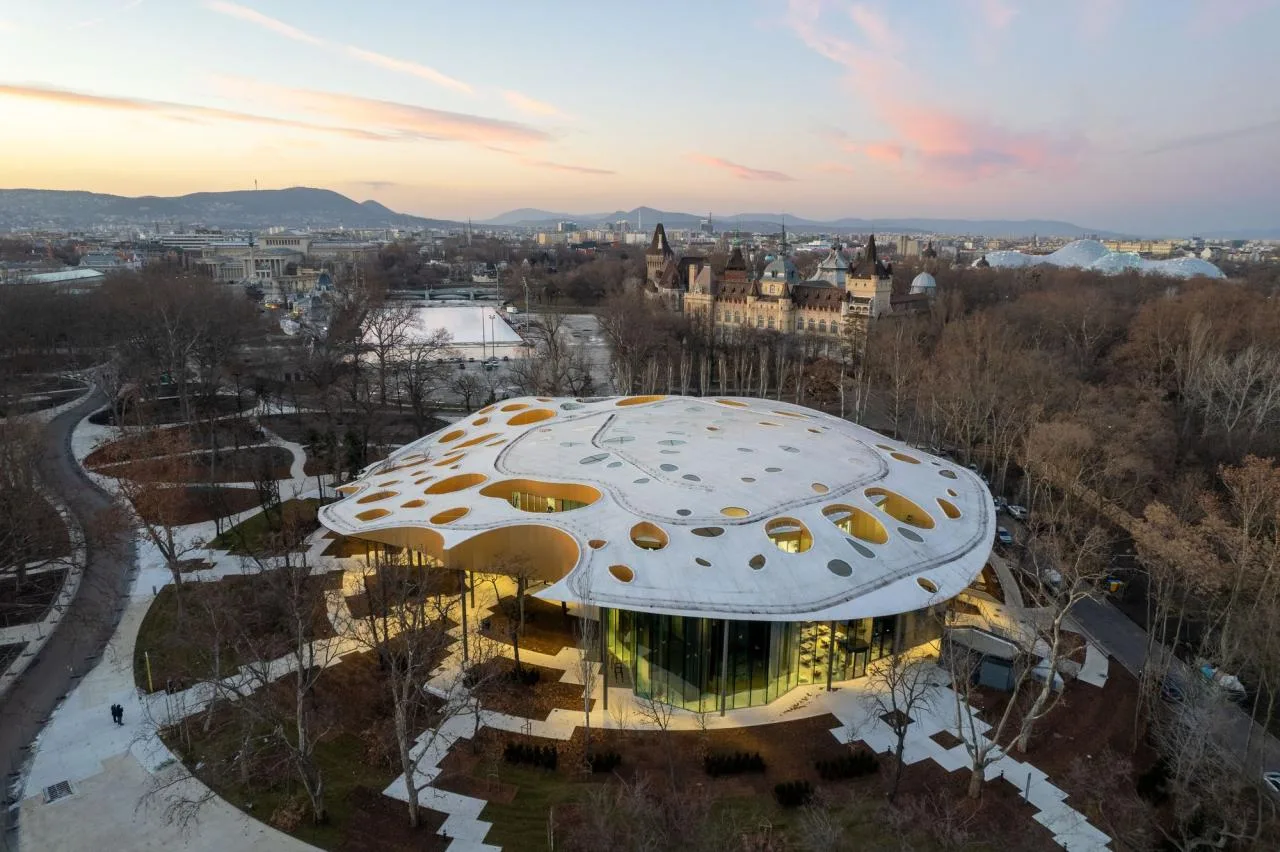
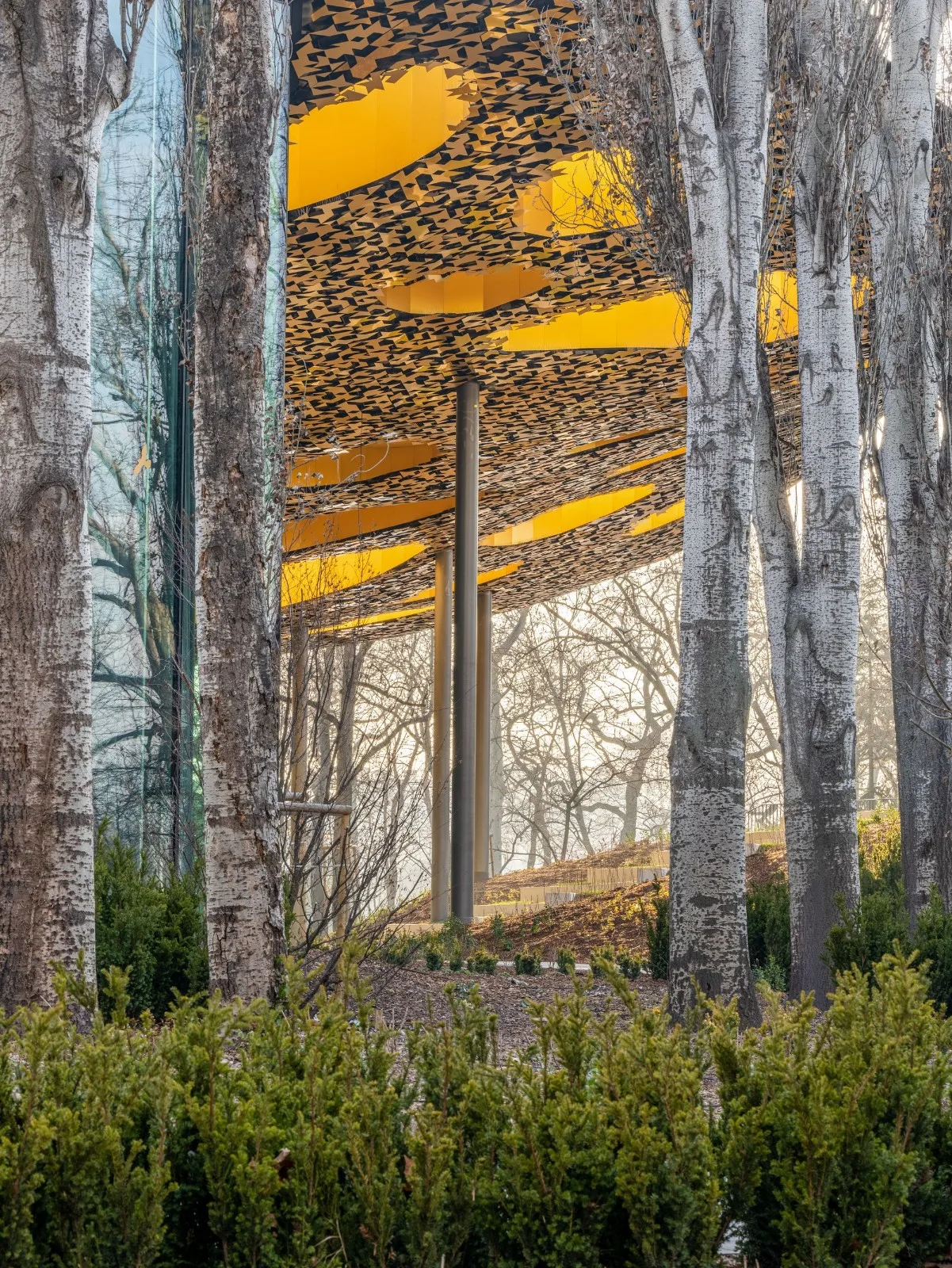
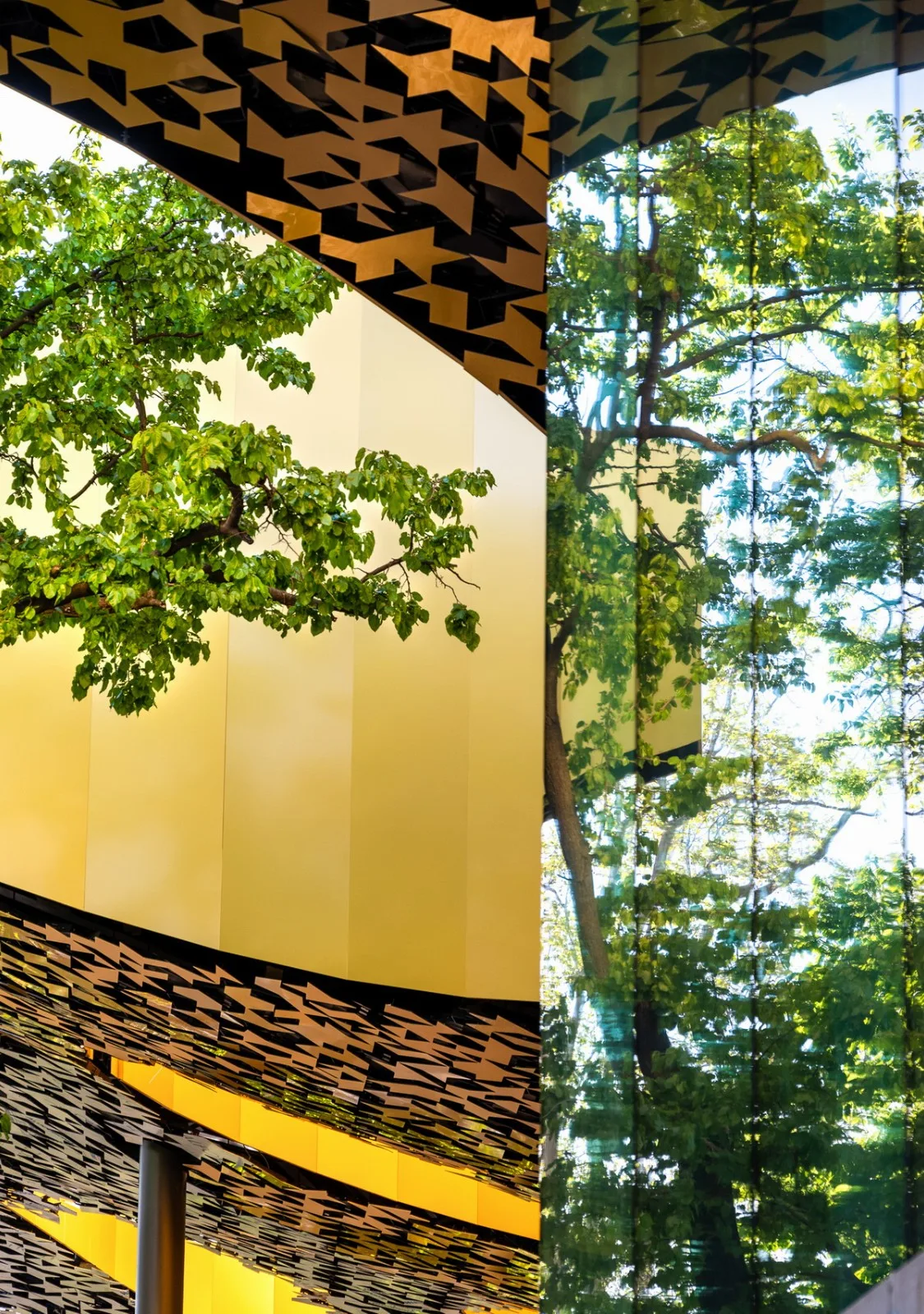
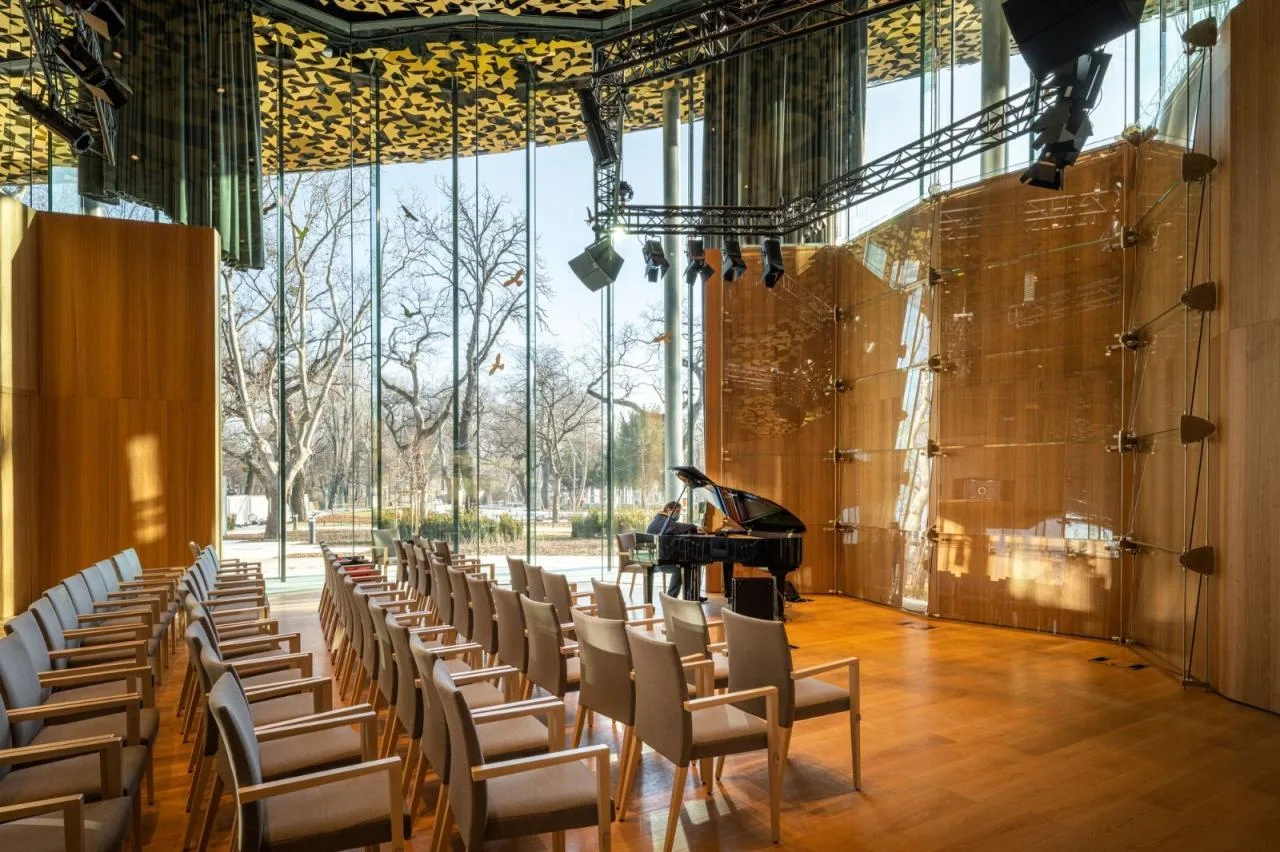
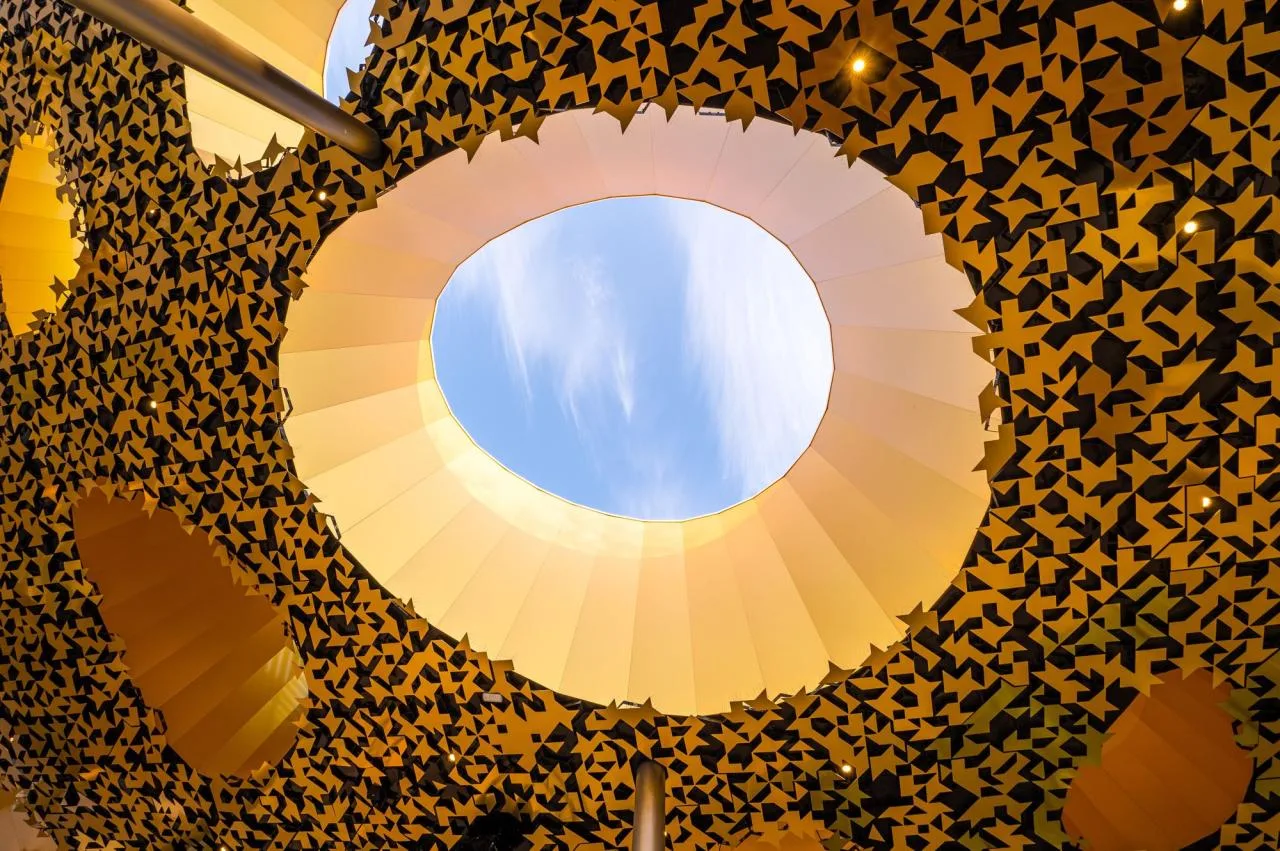
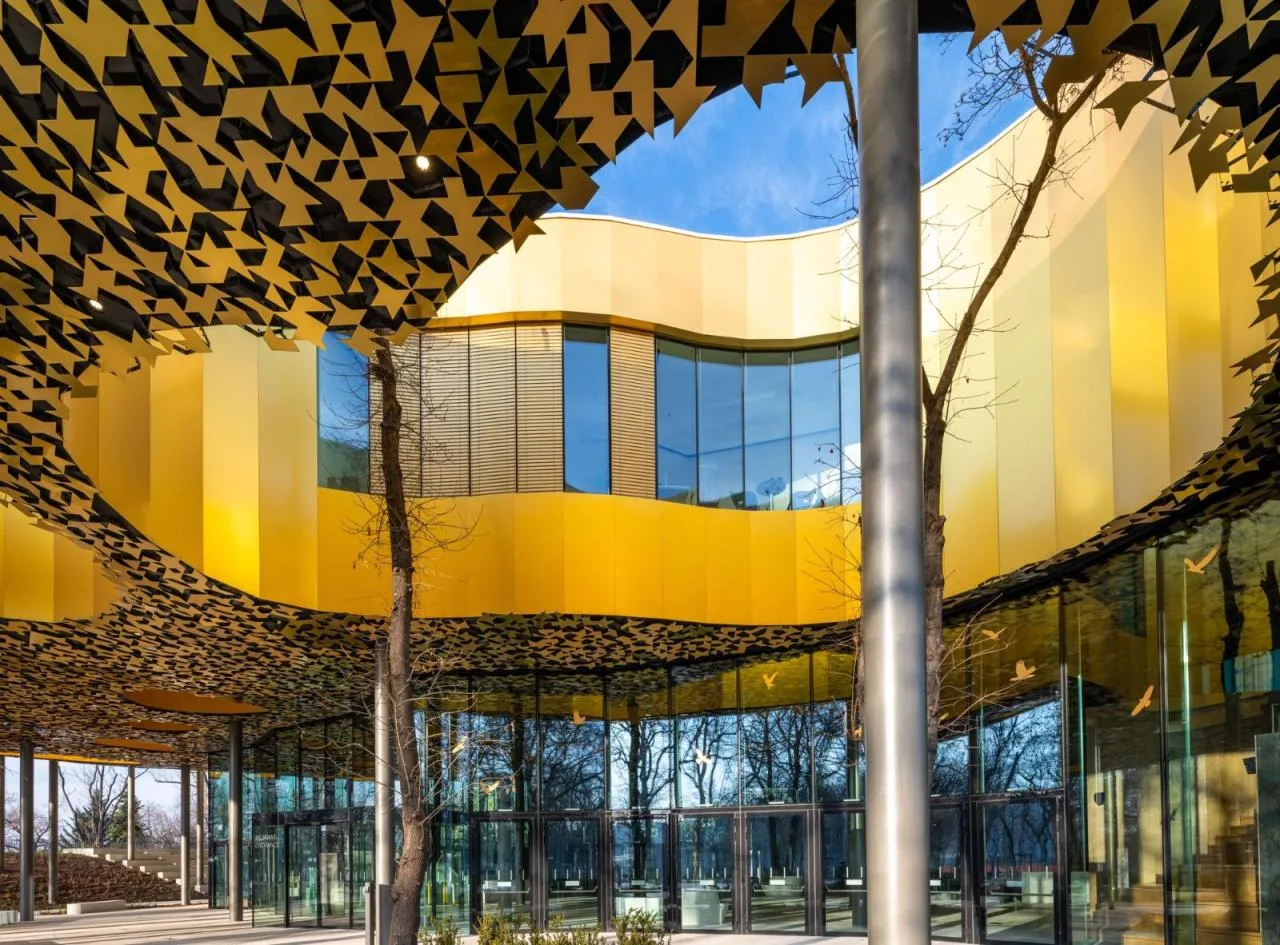
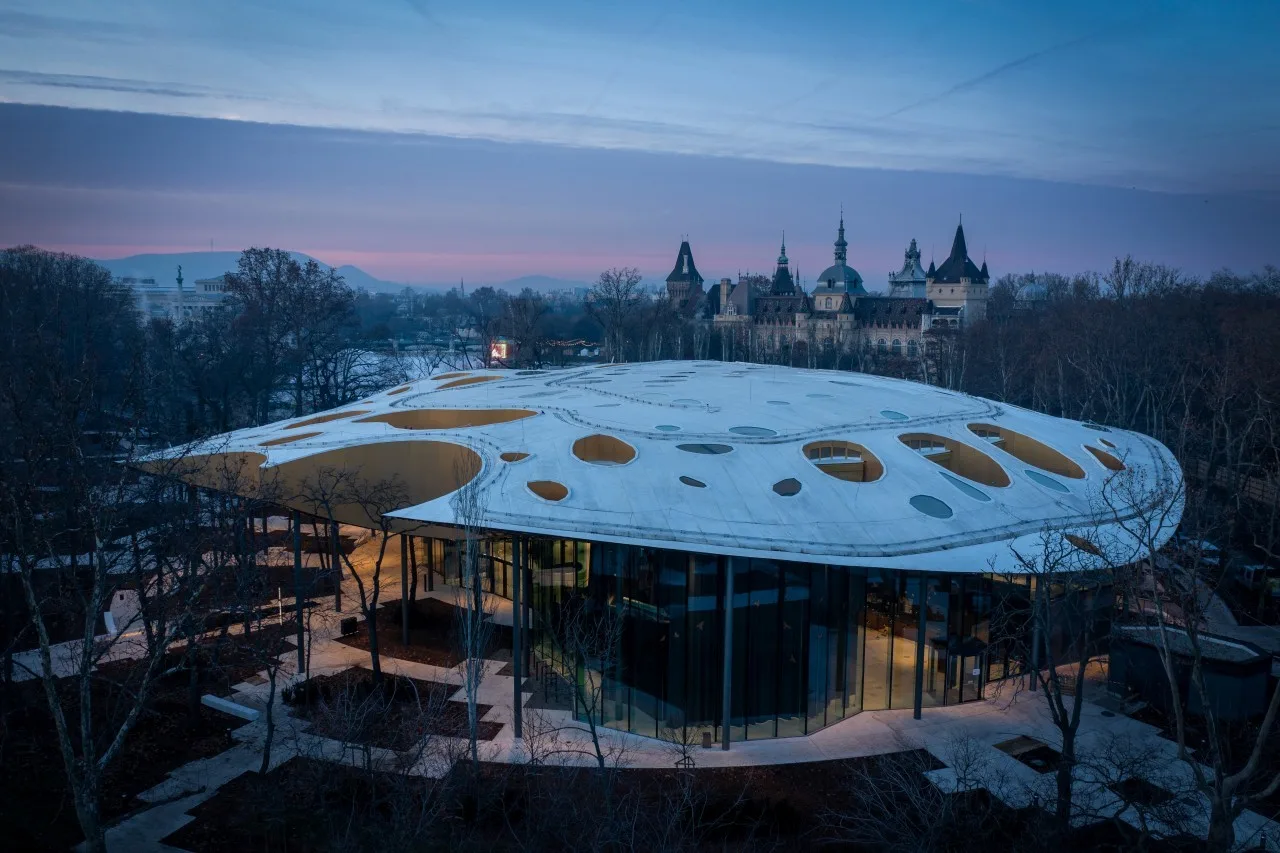
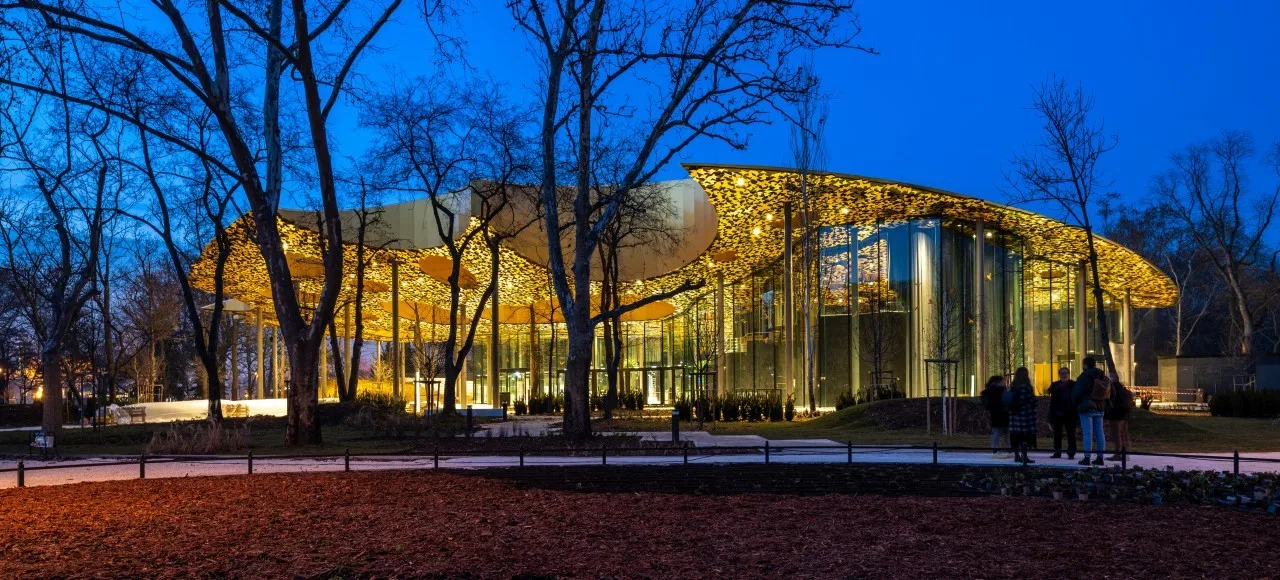
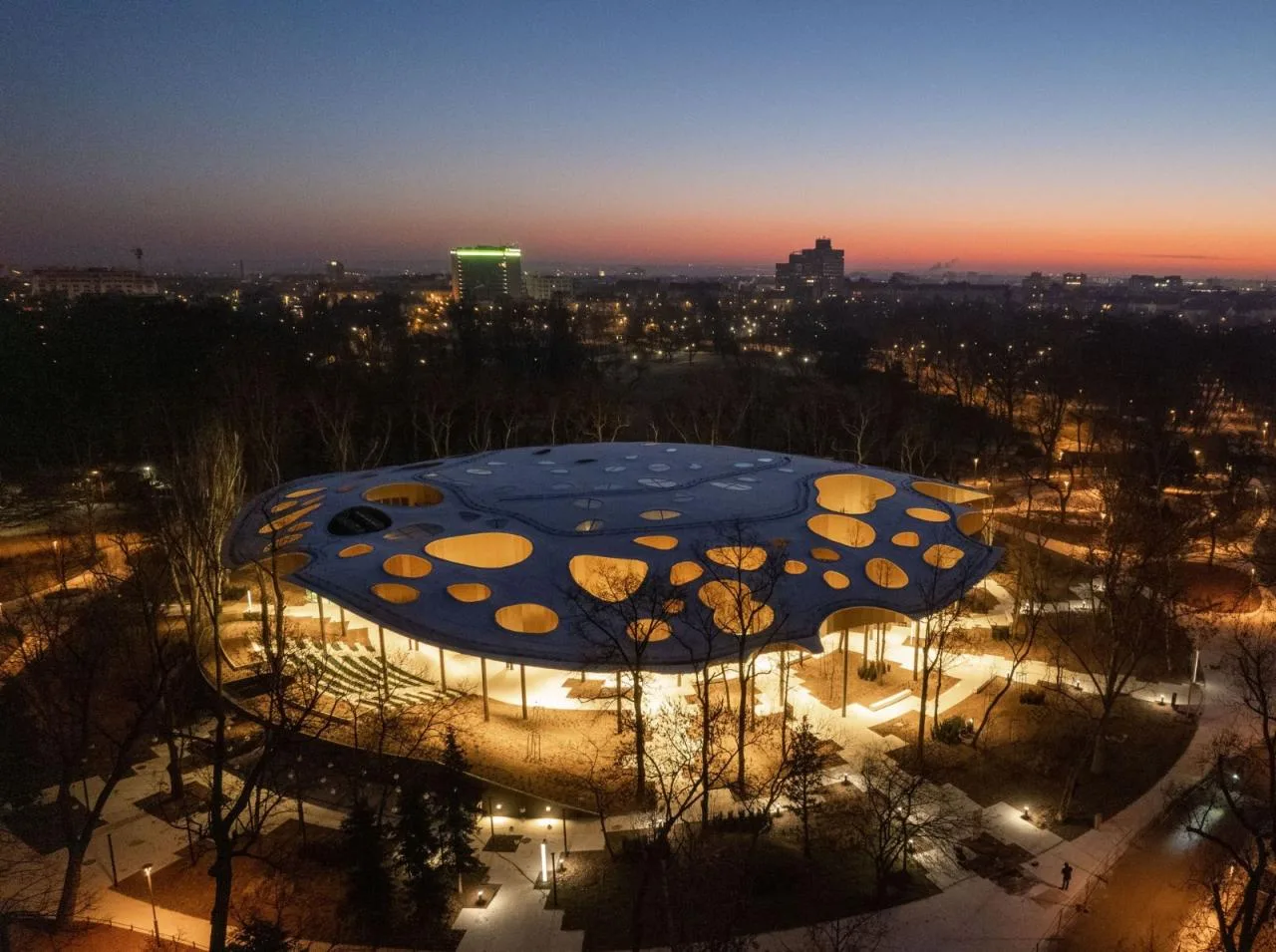
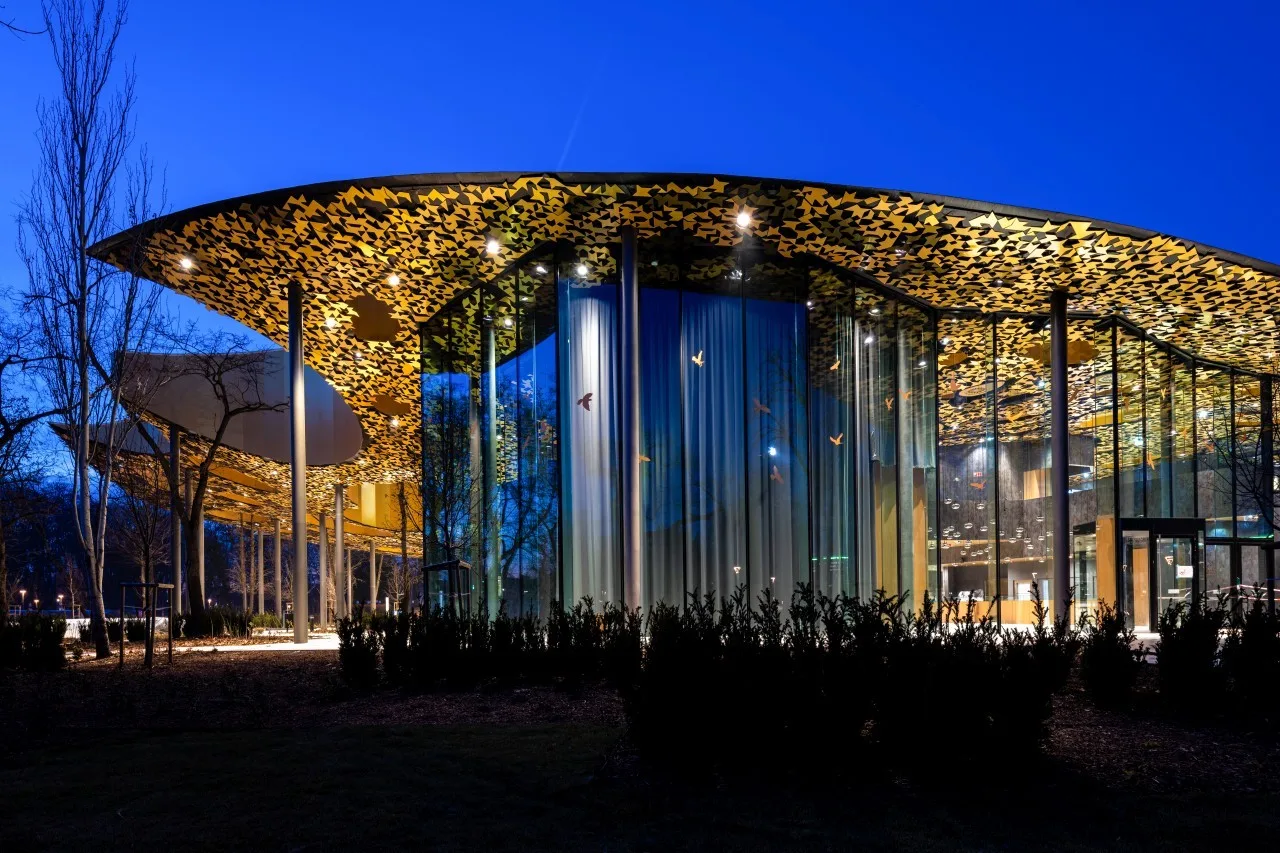
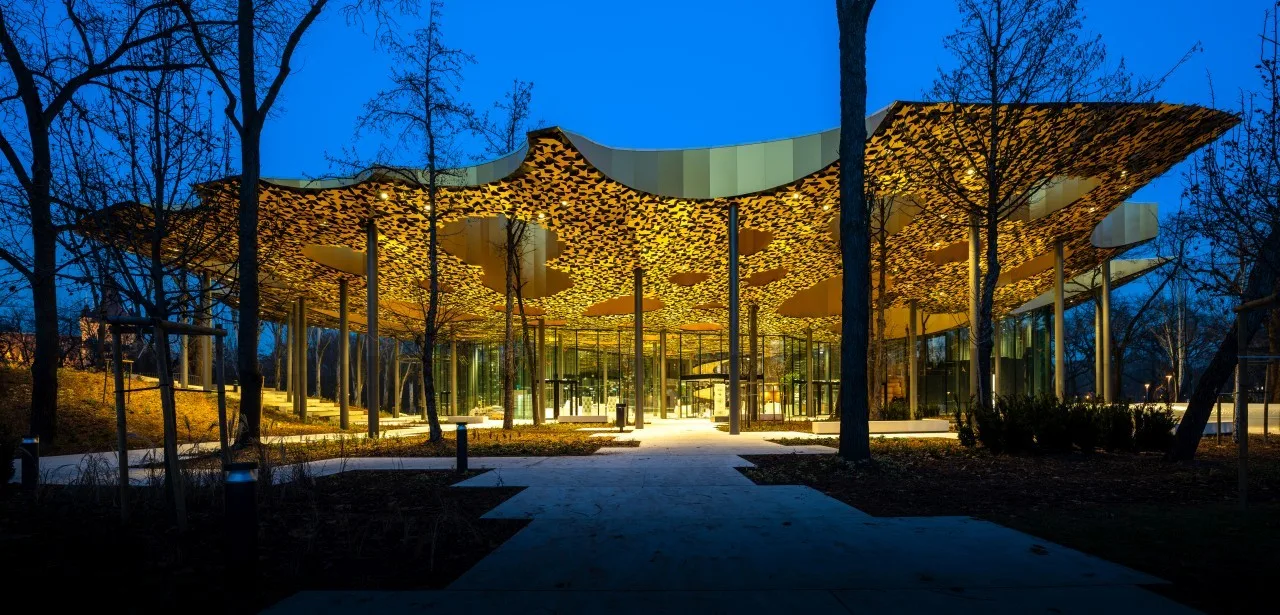
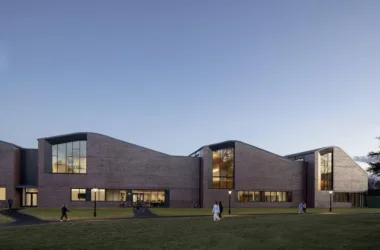
Shosuke Fujimoto’s Hungarian “Music House” is a modern cultural landmark dedicated to music, located in a city park in Budapest. Recently opened to the public, it stands as one of the most anticipated buildings of 2022. Nestled within the park’s forest, the building features expansive horizontal glass block facades and a roof made of perforated panels, seamlessly blending the structure with its natural surroundings.
The Music House offers a unique artistic experience by integrating architecture, curation, and landscape design, all crafted to enhance the effects of music and sound.
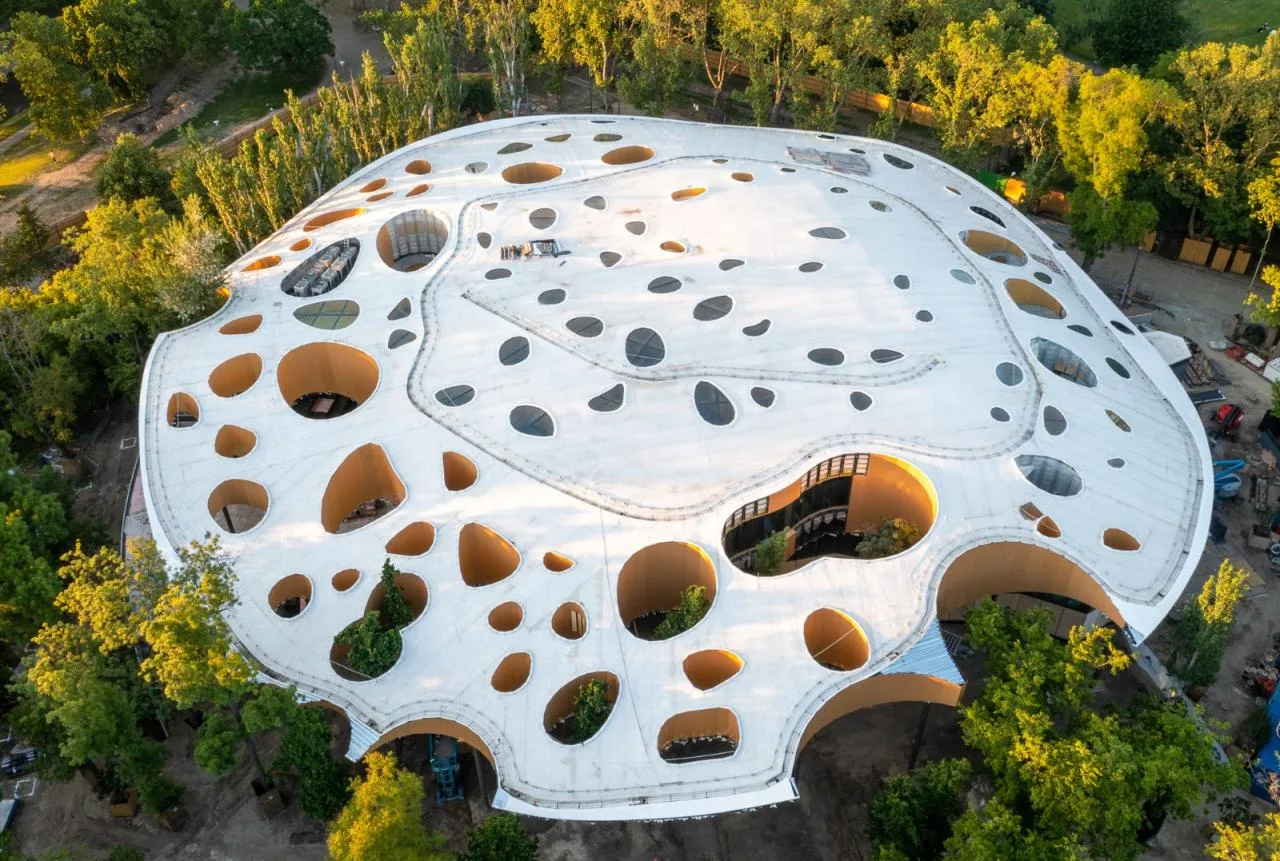
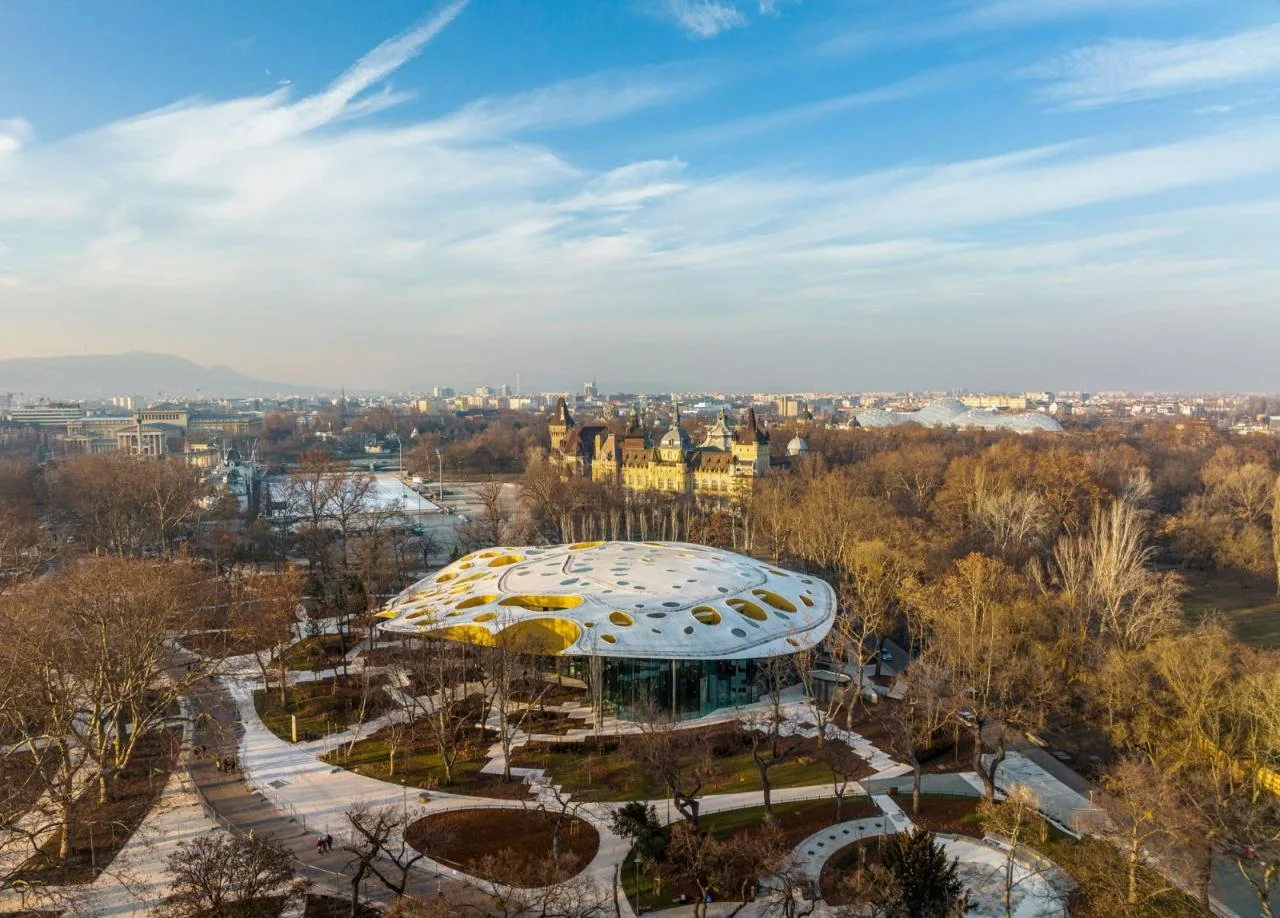
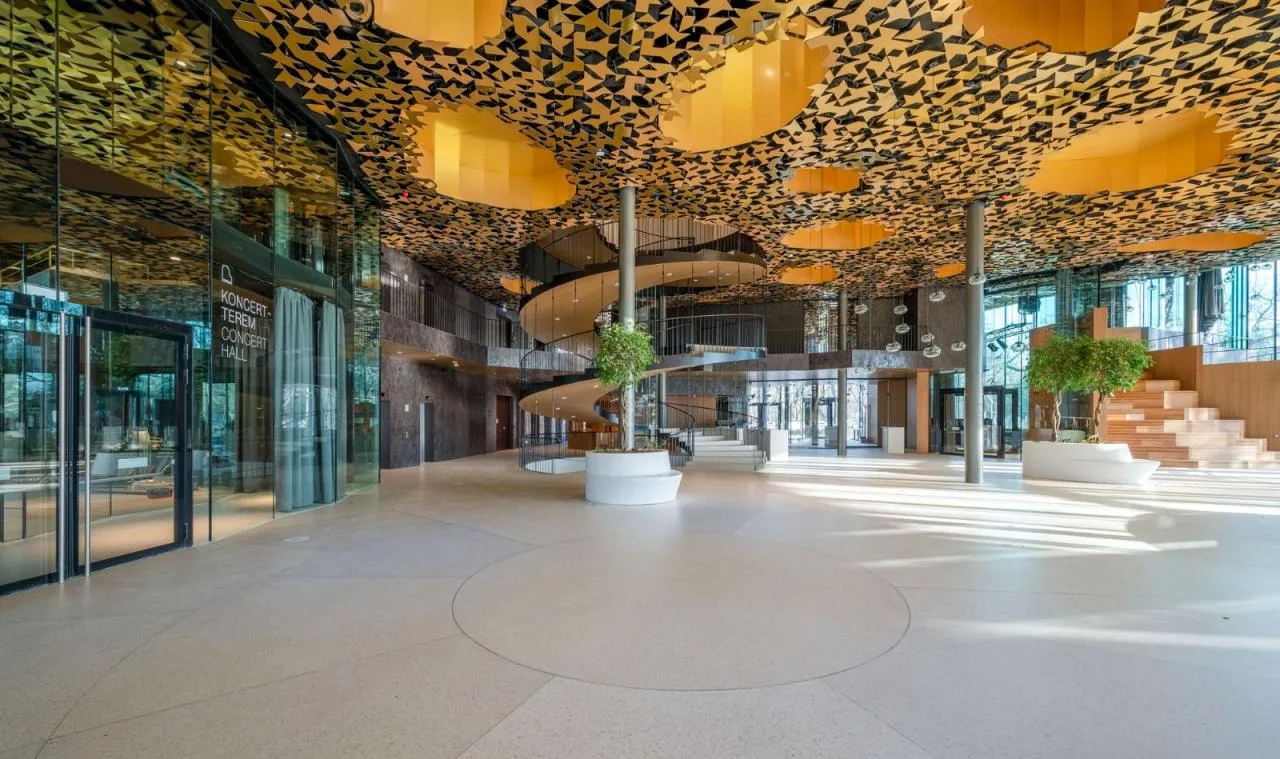
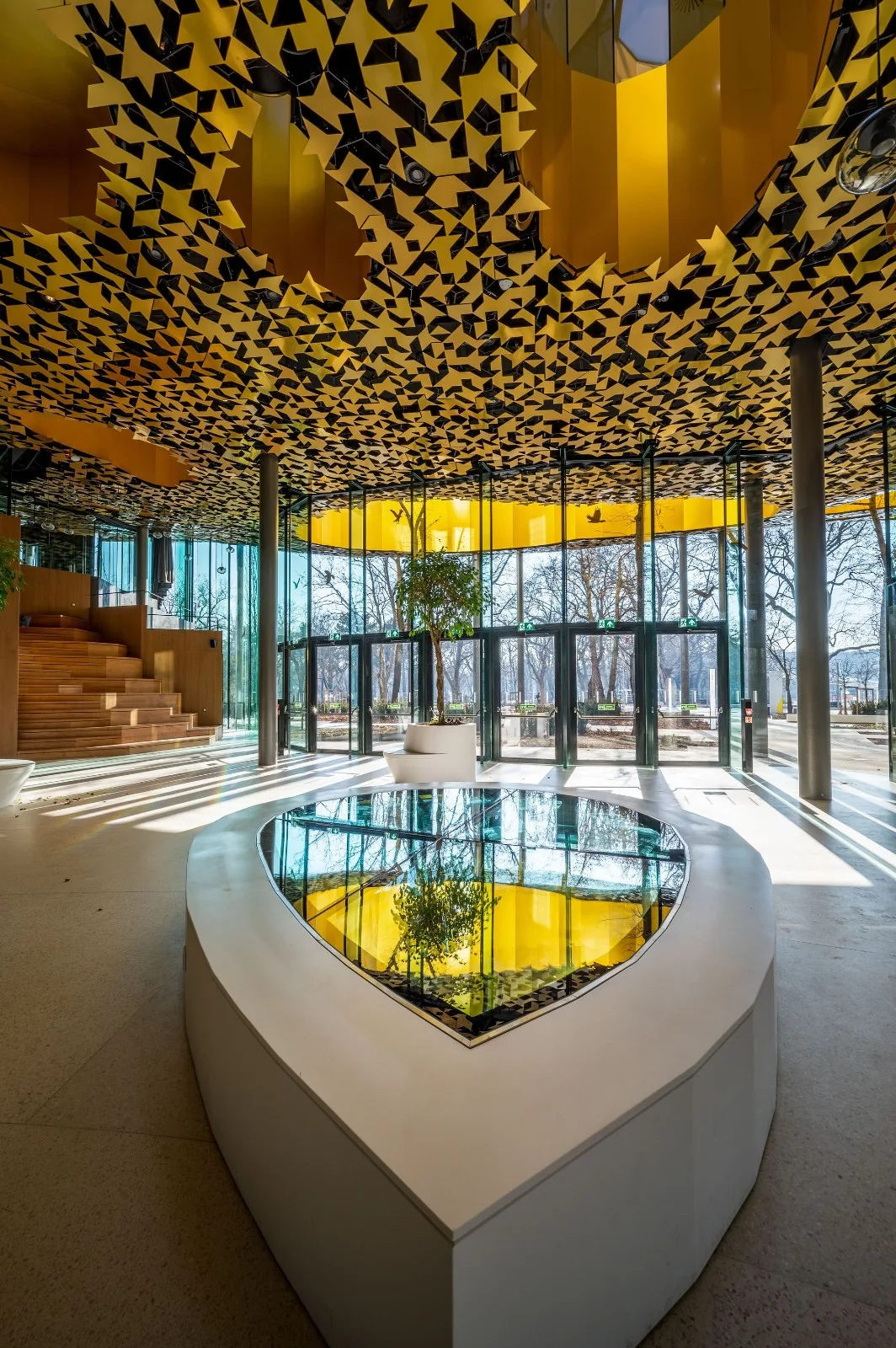
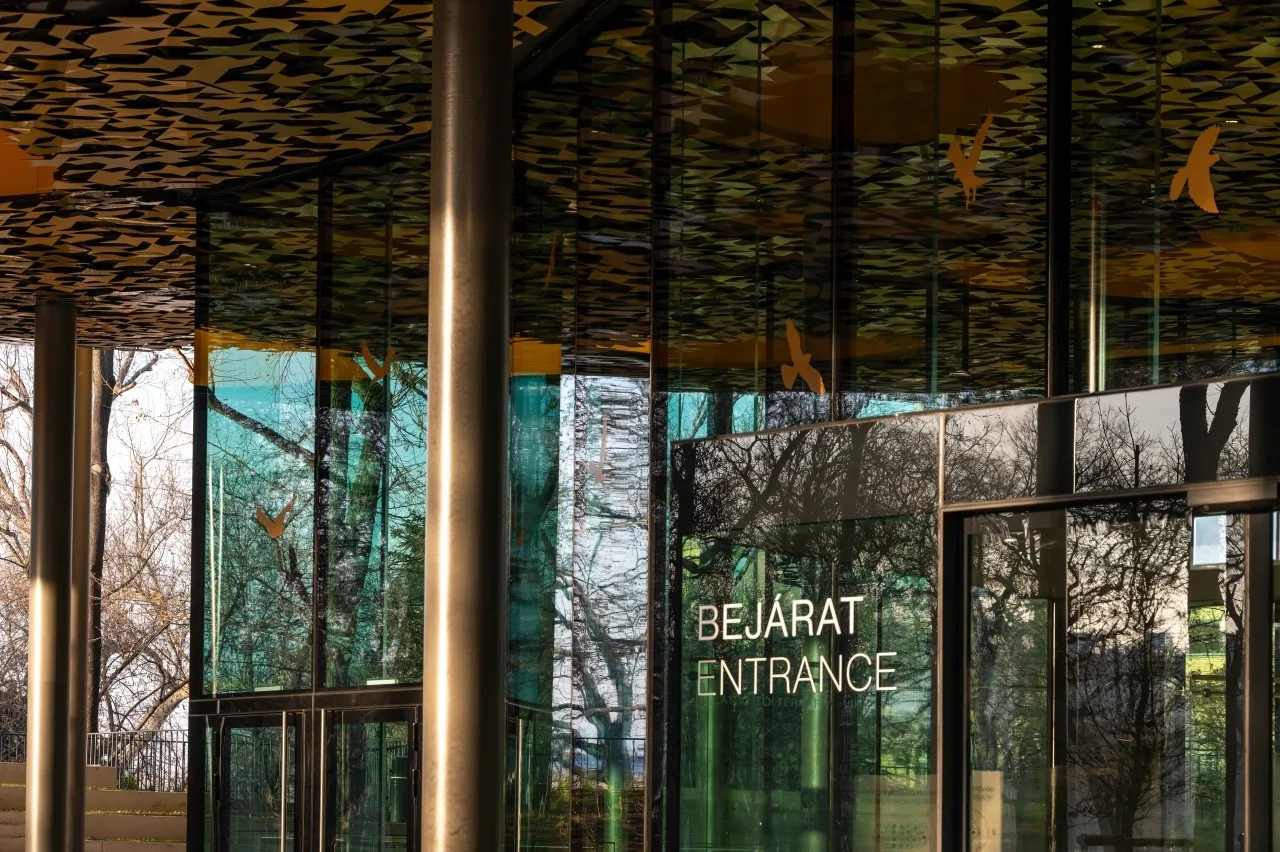
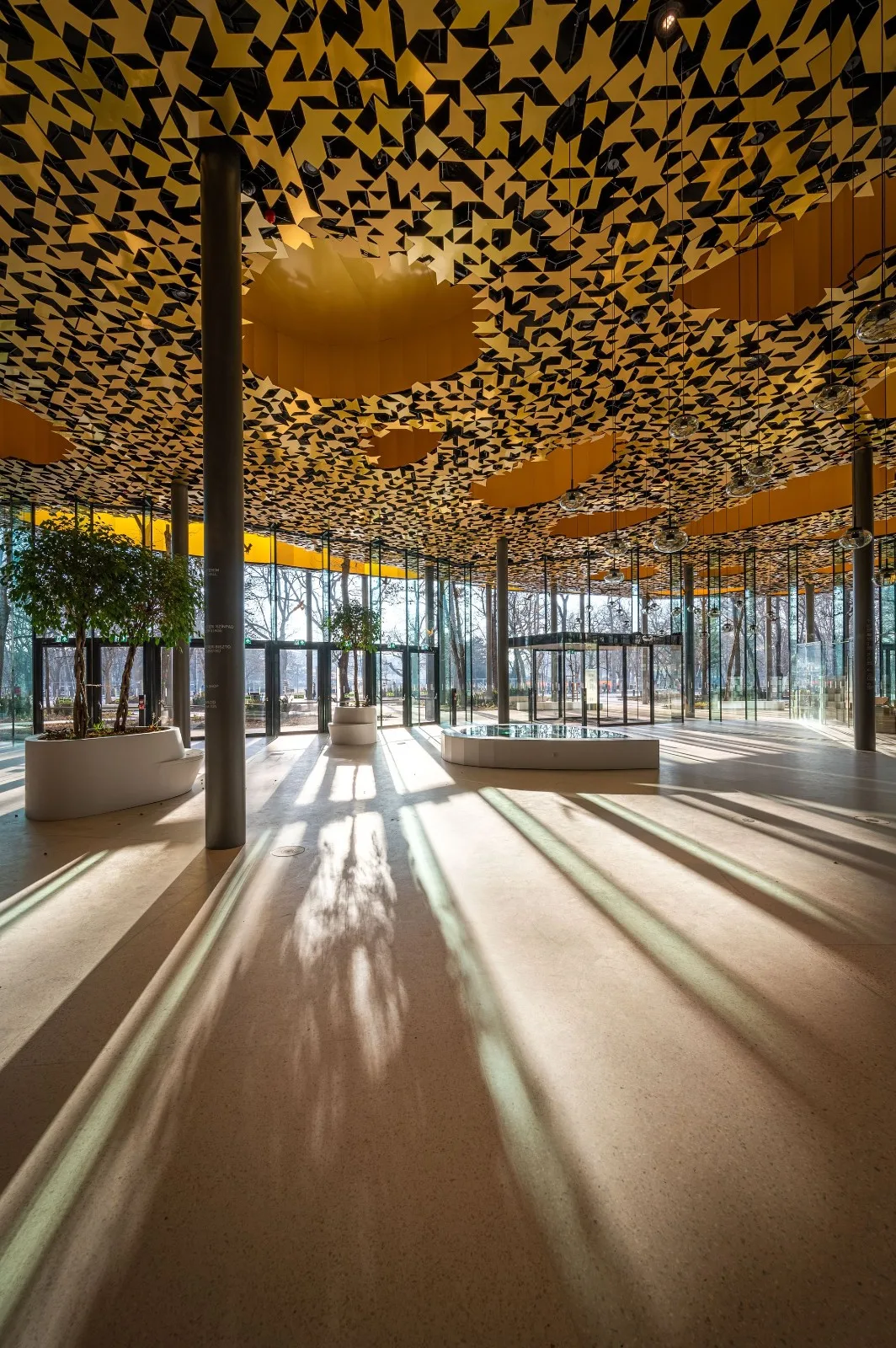
At Music House, Fujimoto’s architectural approach emphasizes synergy and harmony with nature, bringing the music experience to life through the interaction of light, sound, and the natural environment. To realize this vision, the design incorporates 94 custom-made, seamless insulated glass panels forming a semi-transparent facade that blurs the boundaries between indoors and outdoors.
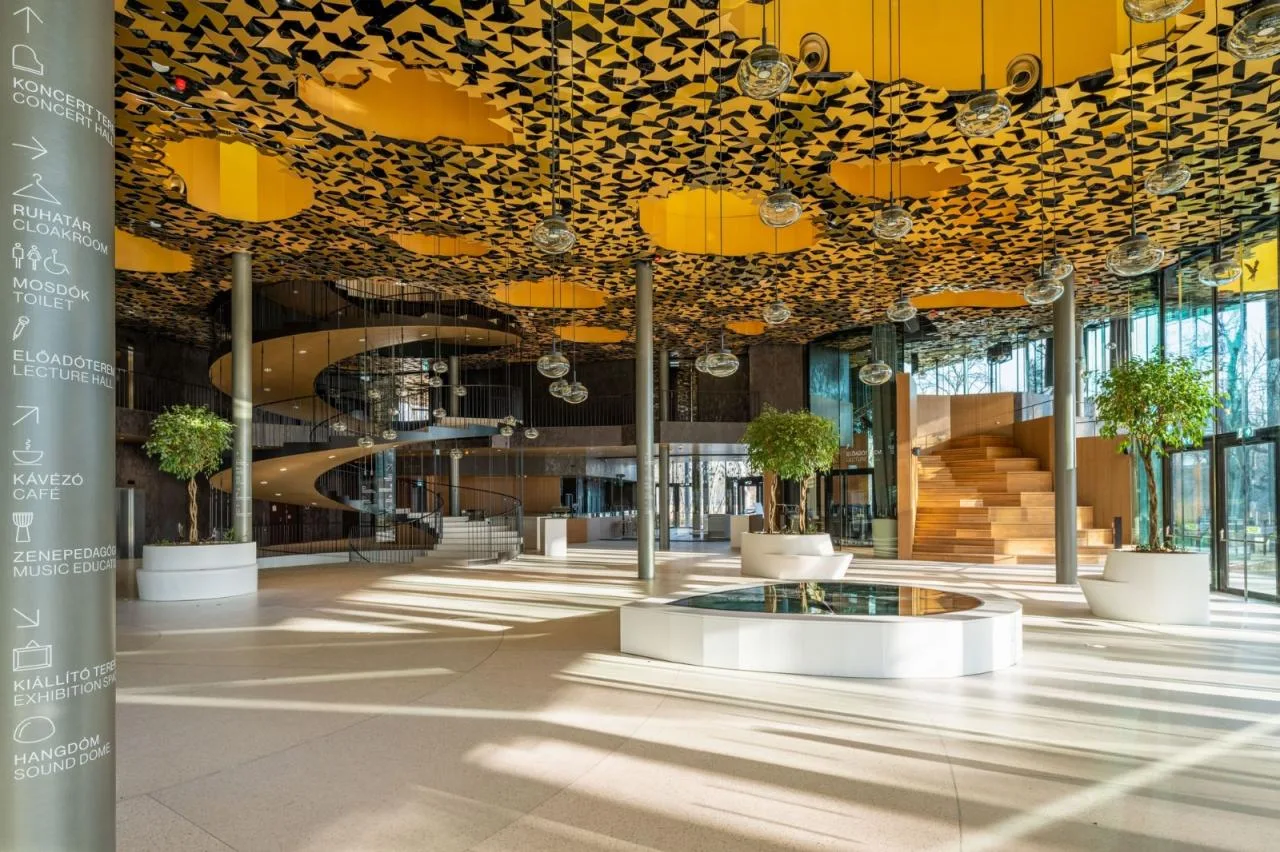
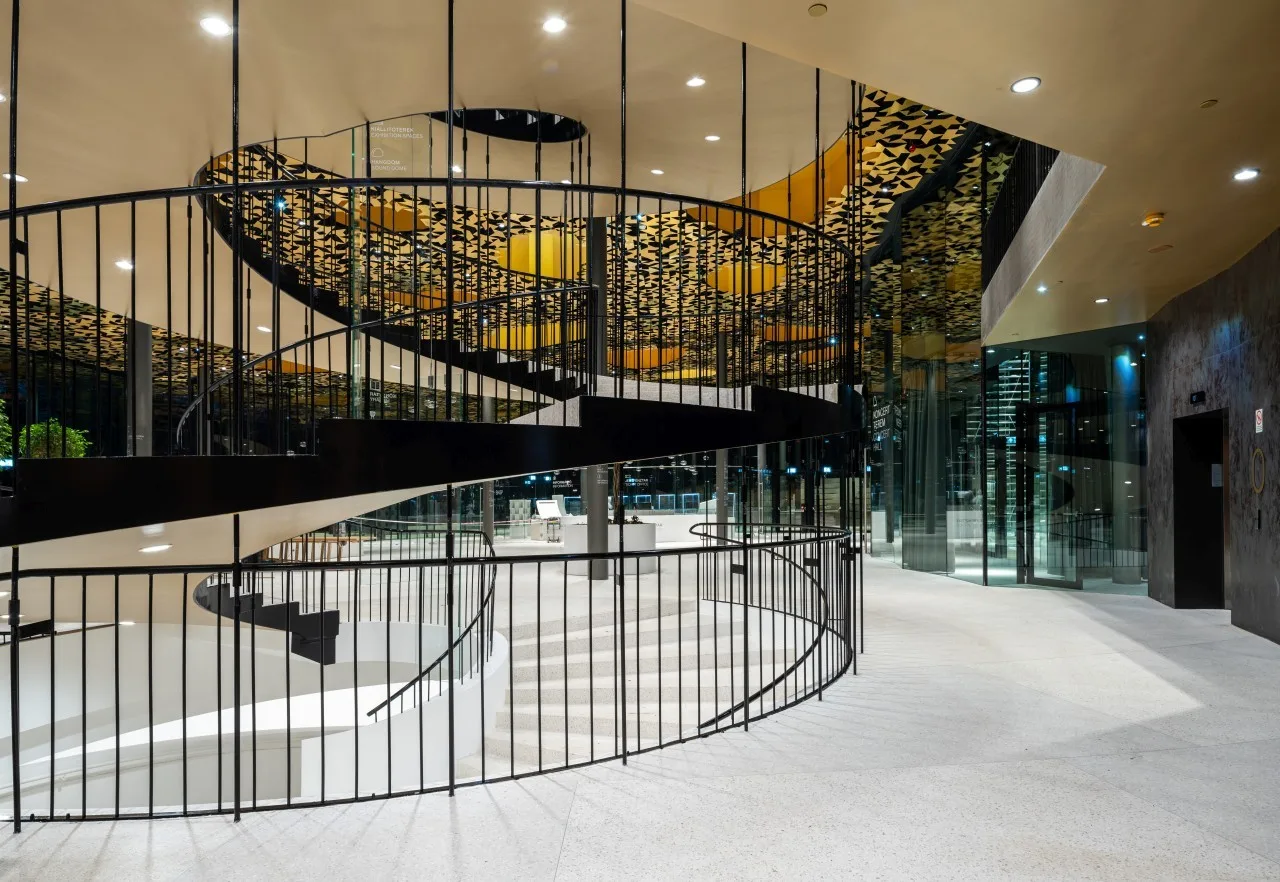
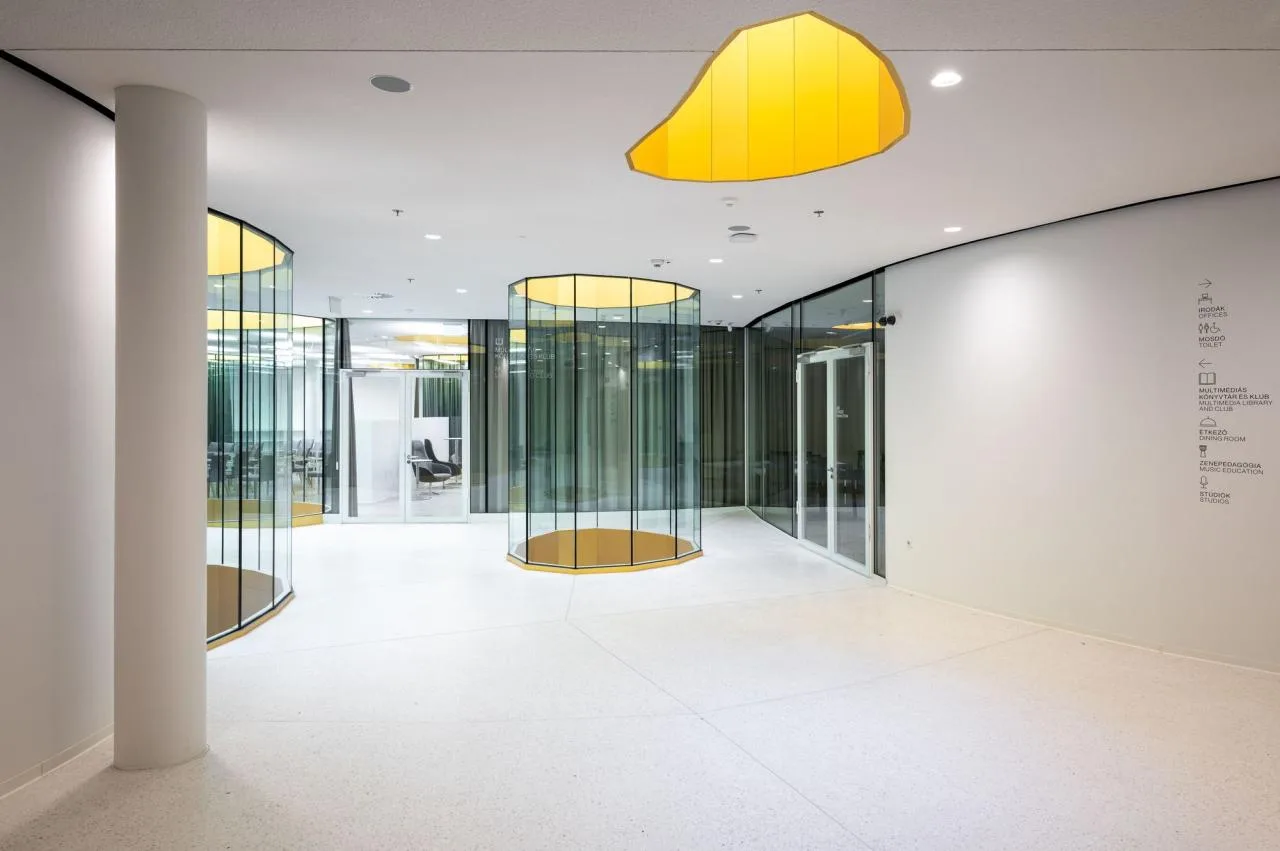
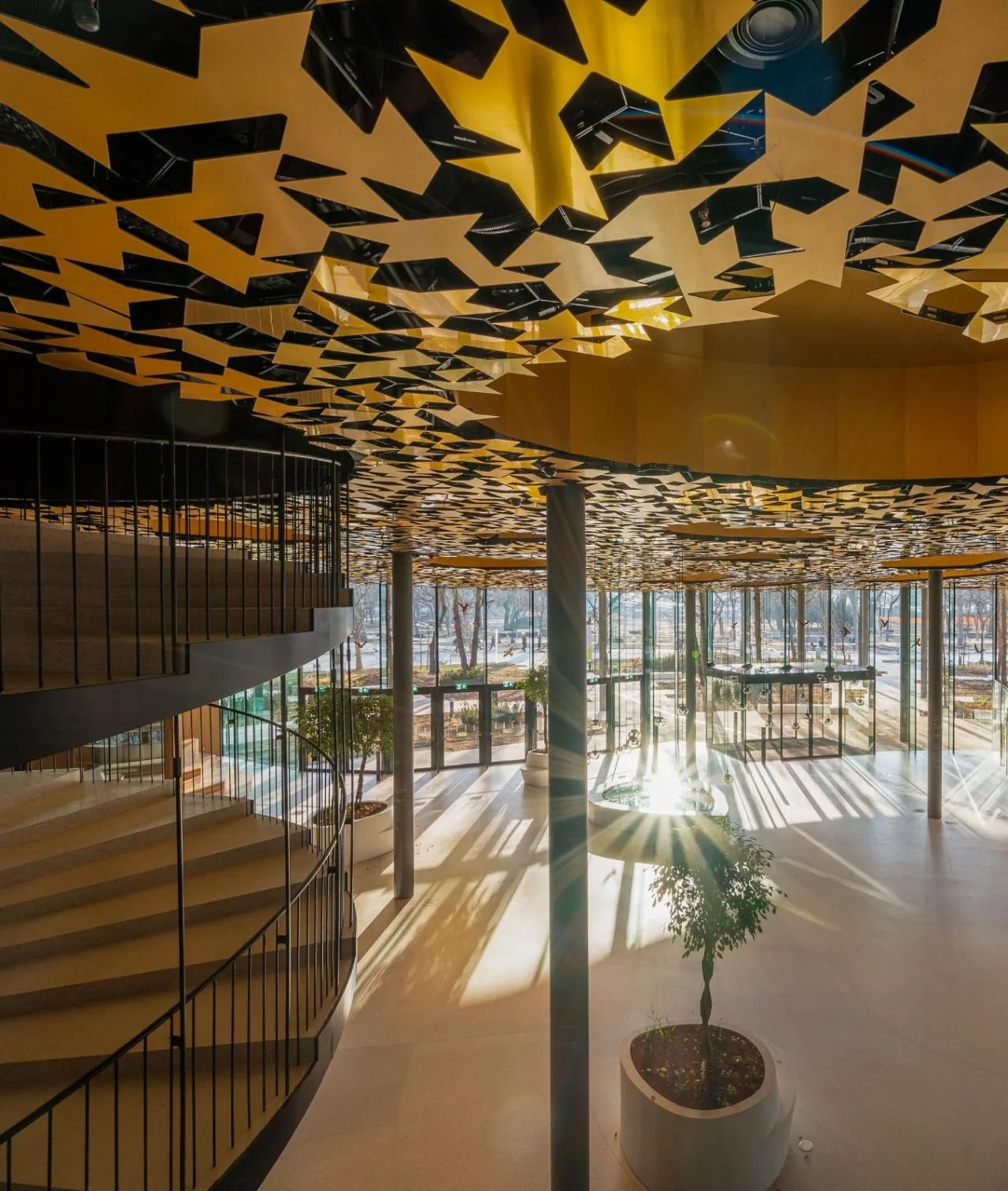
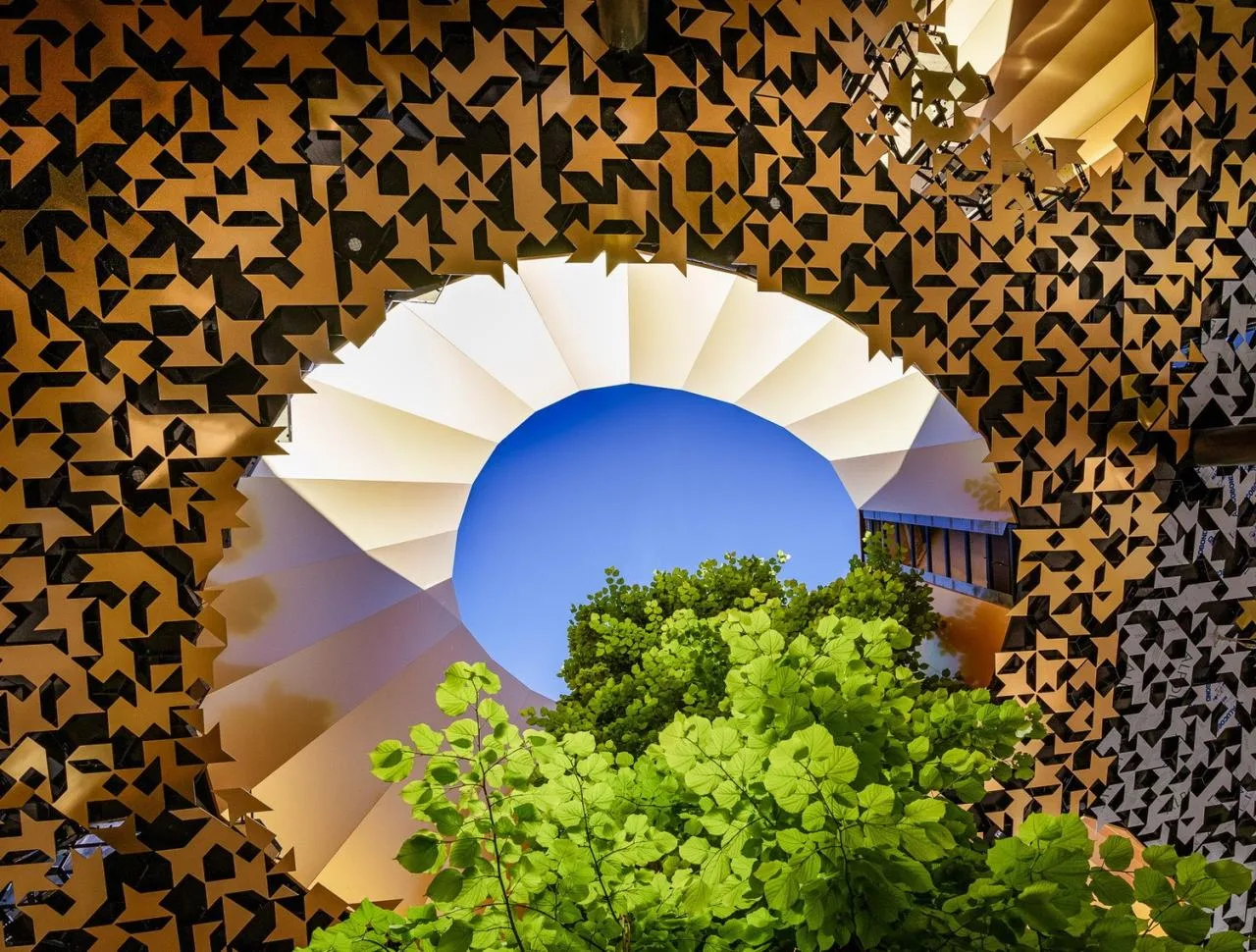
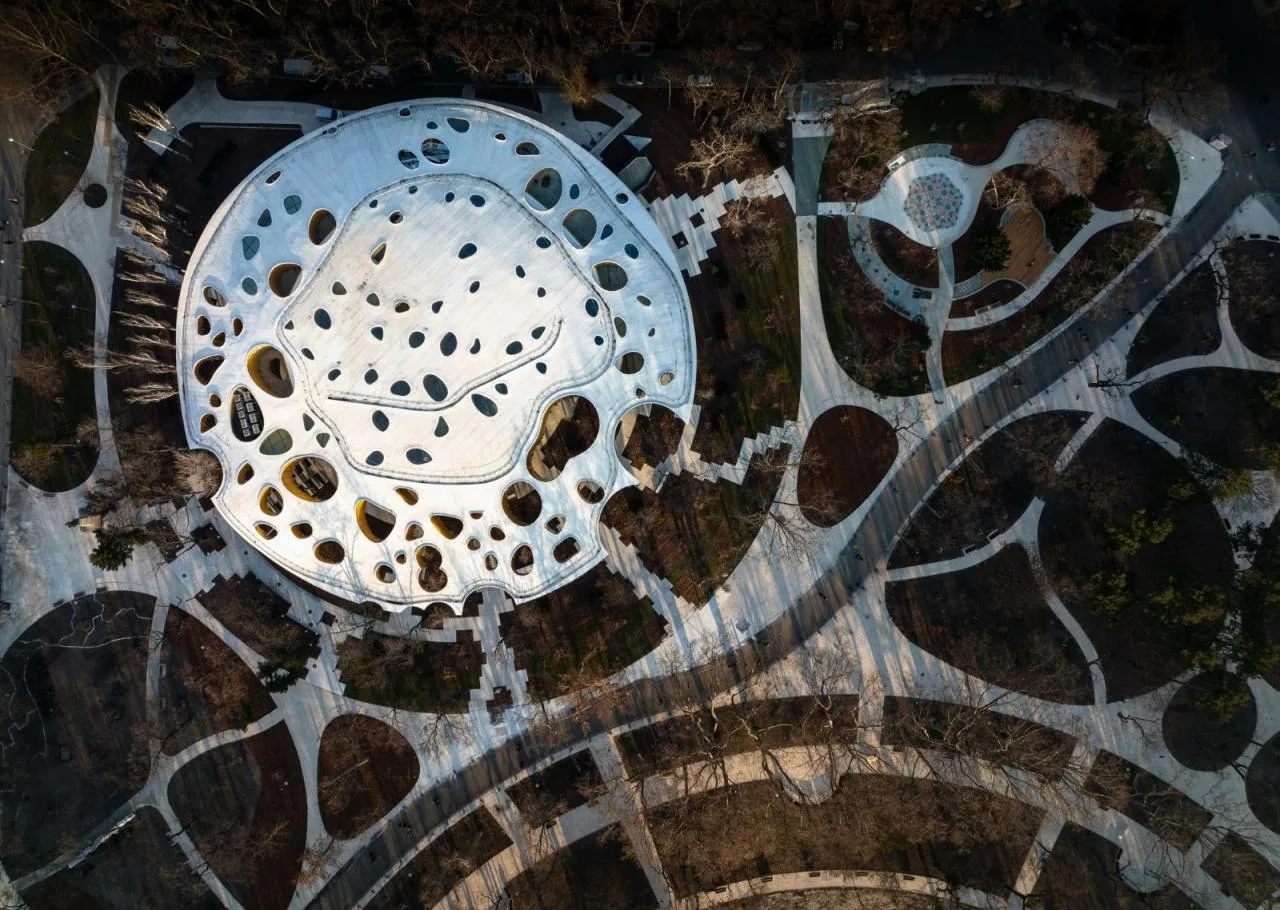
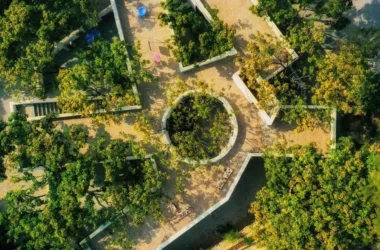
The roof features 100 openings inspired by volcanic vents and various sound wave forms. These openings vary in depth and allow trees from the park to grow through the structure, while sunlight filters onto each floor, interacting with the tree leaves to create a unique atmosphere. Walking through the building evokes the sensation of moving through a forest.
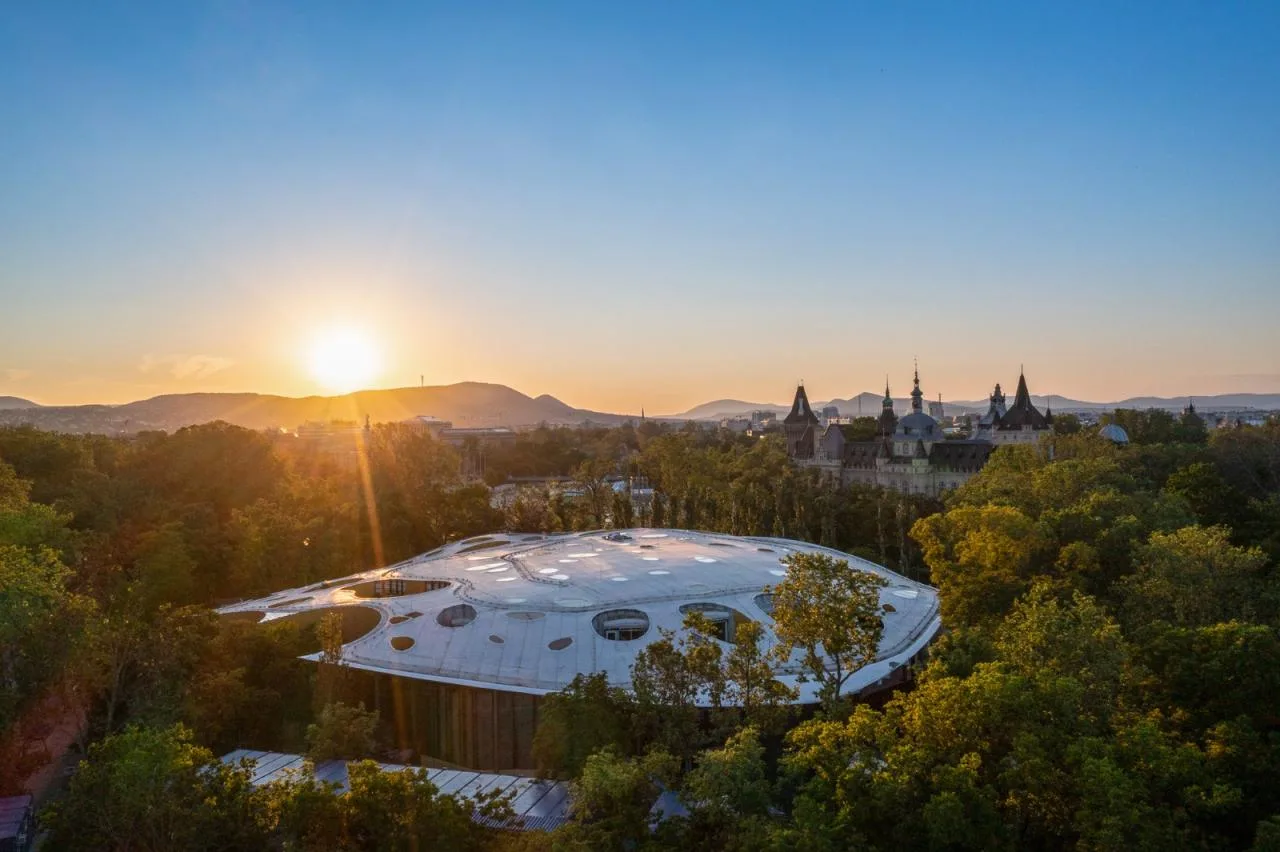
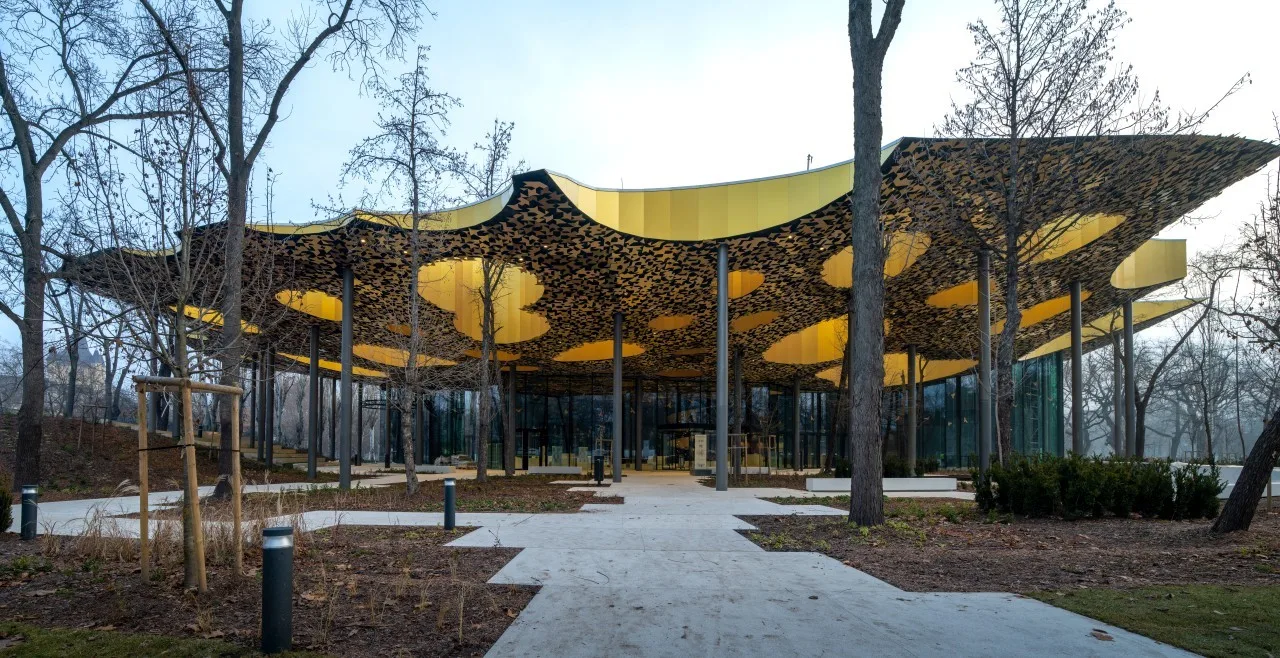
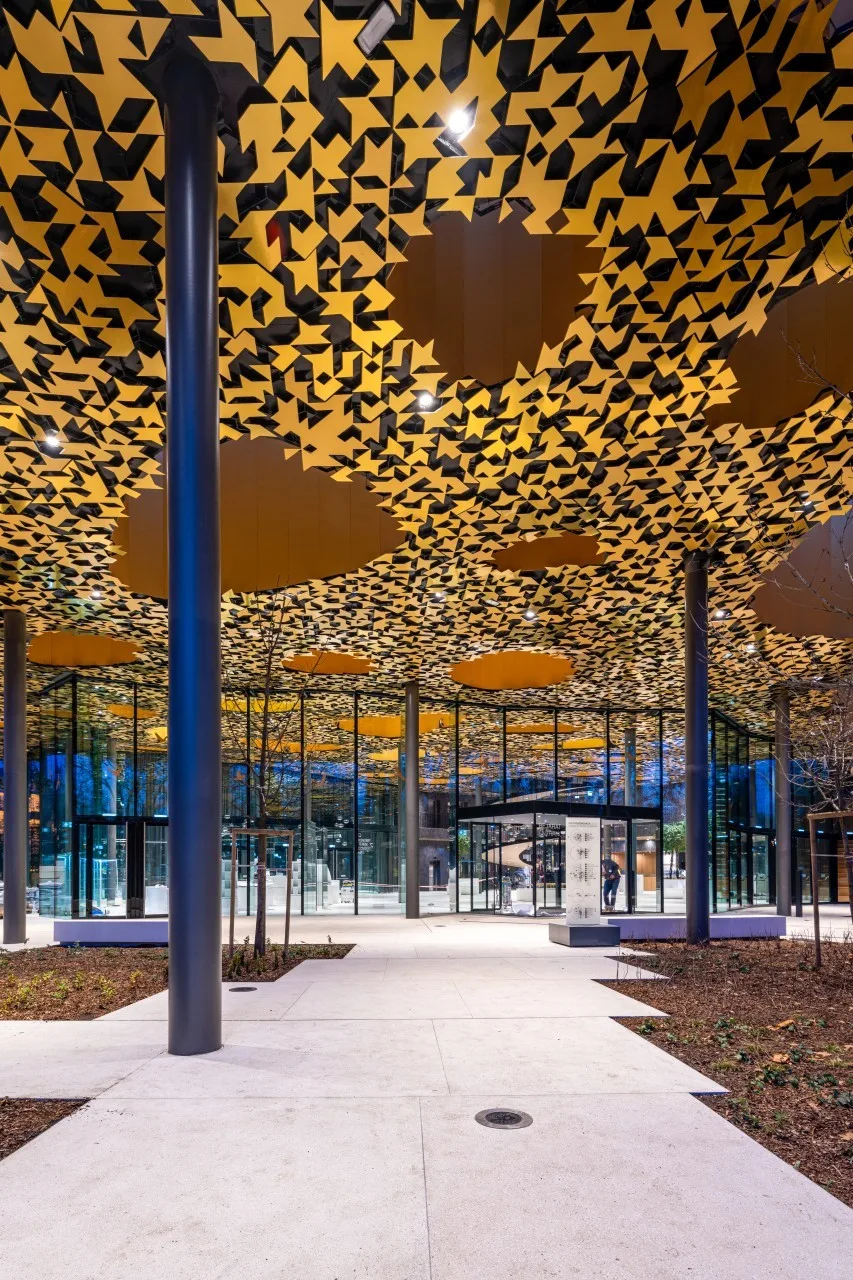
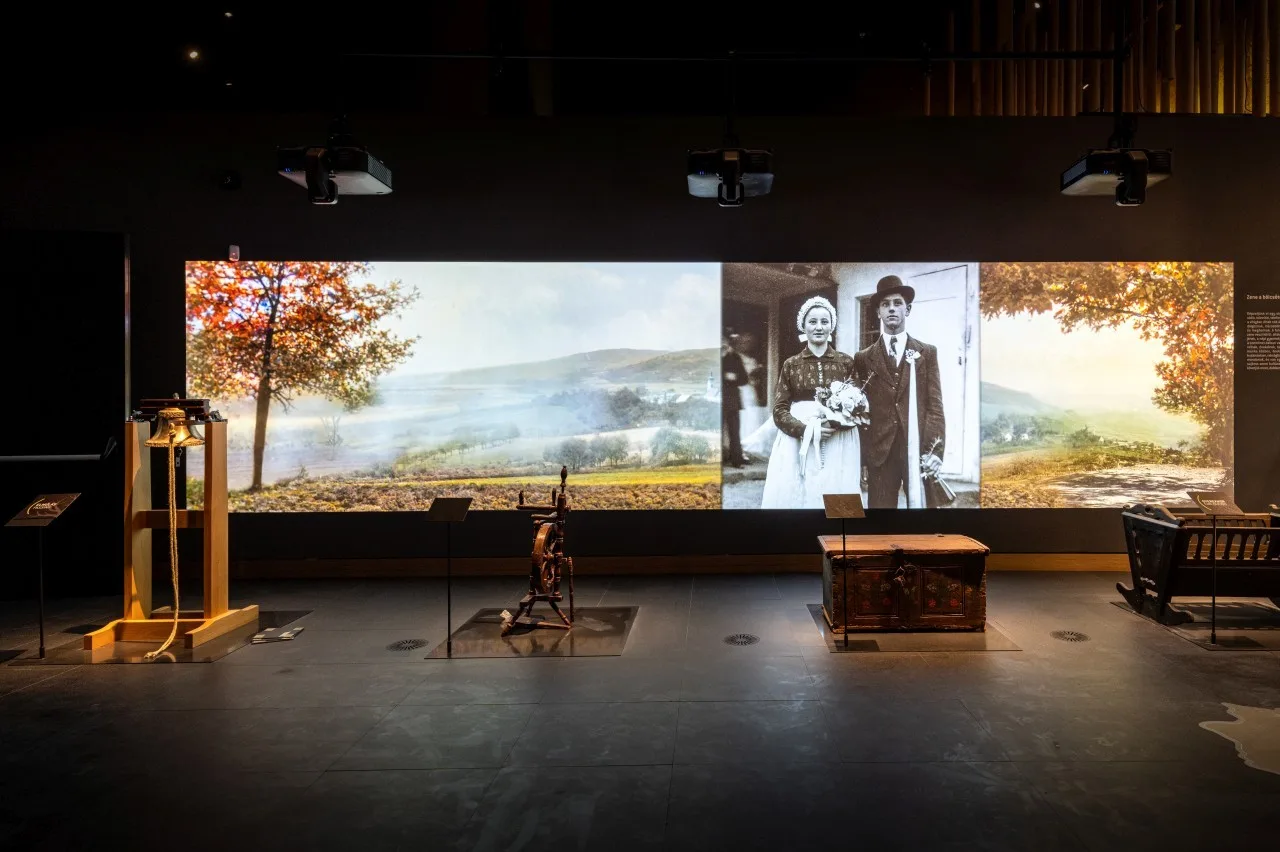
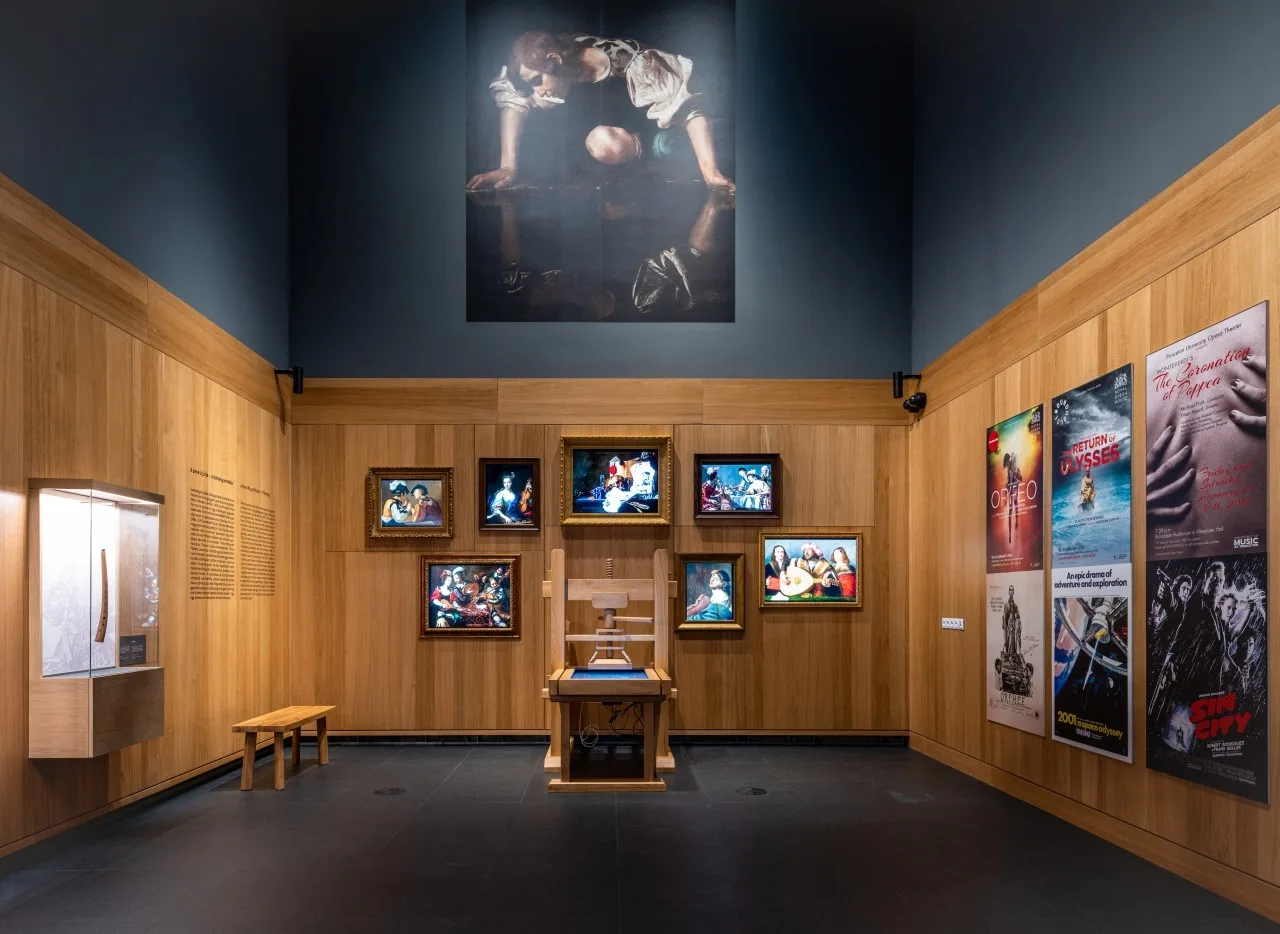
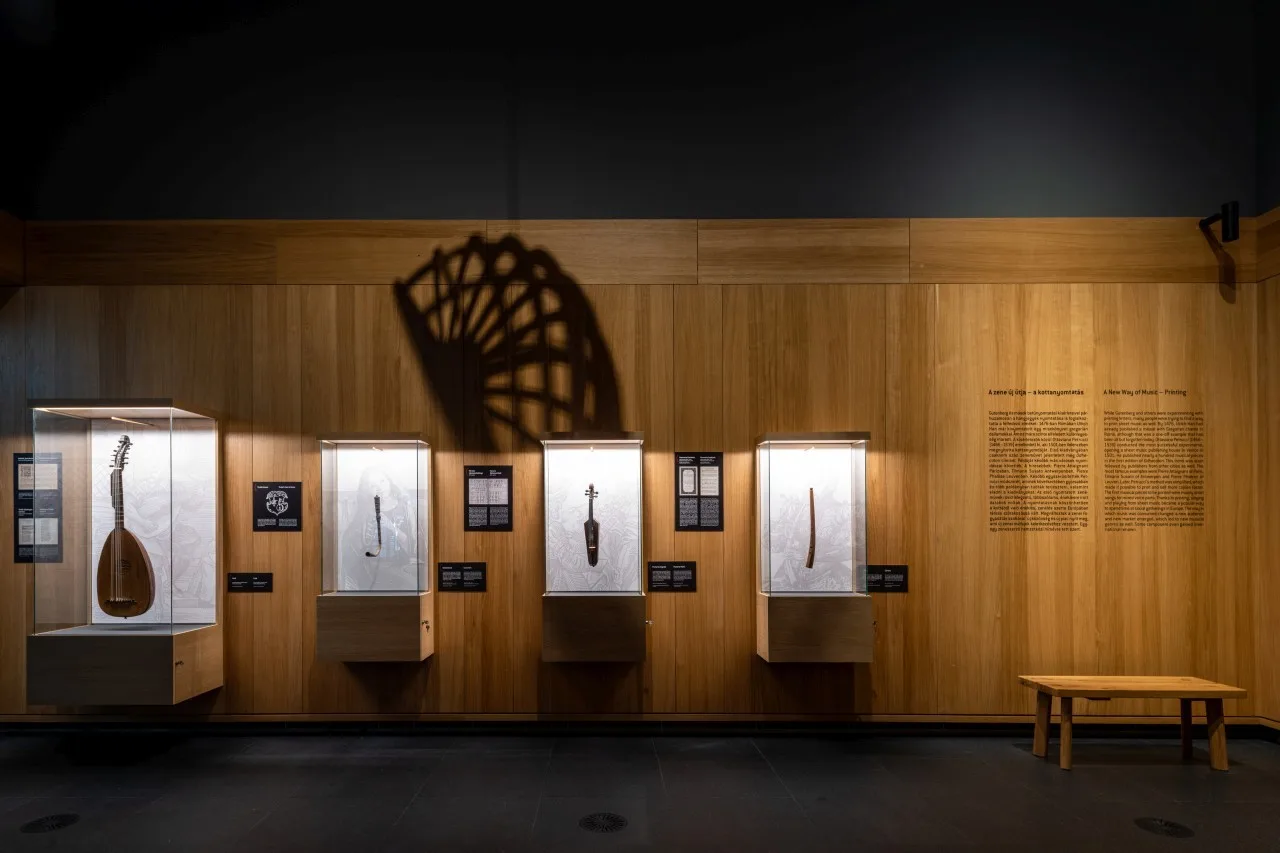
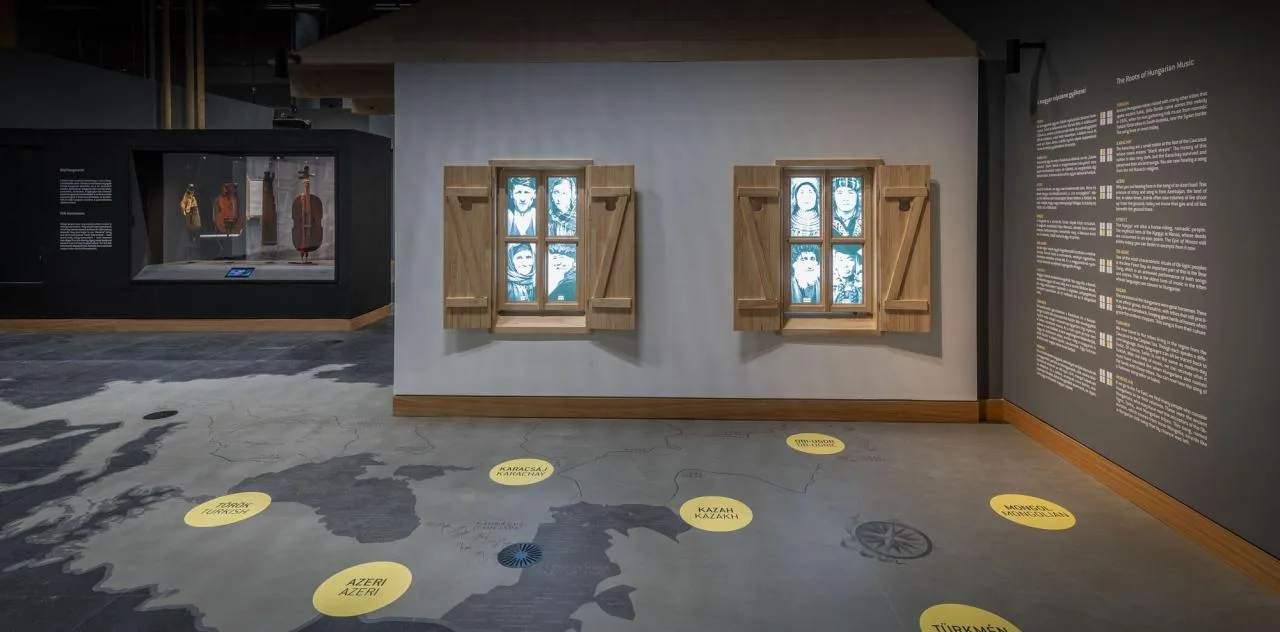
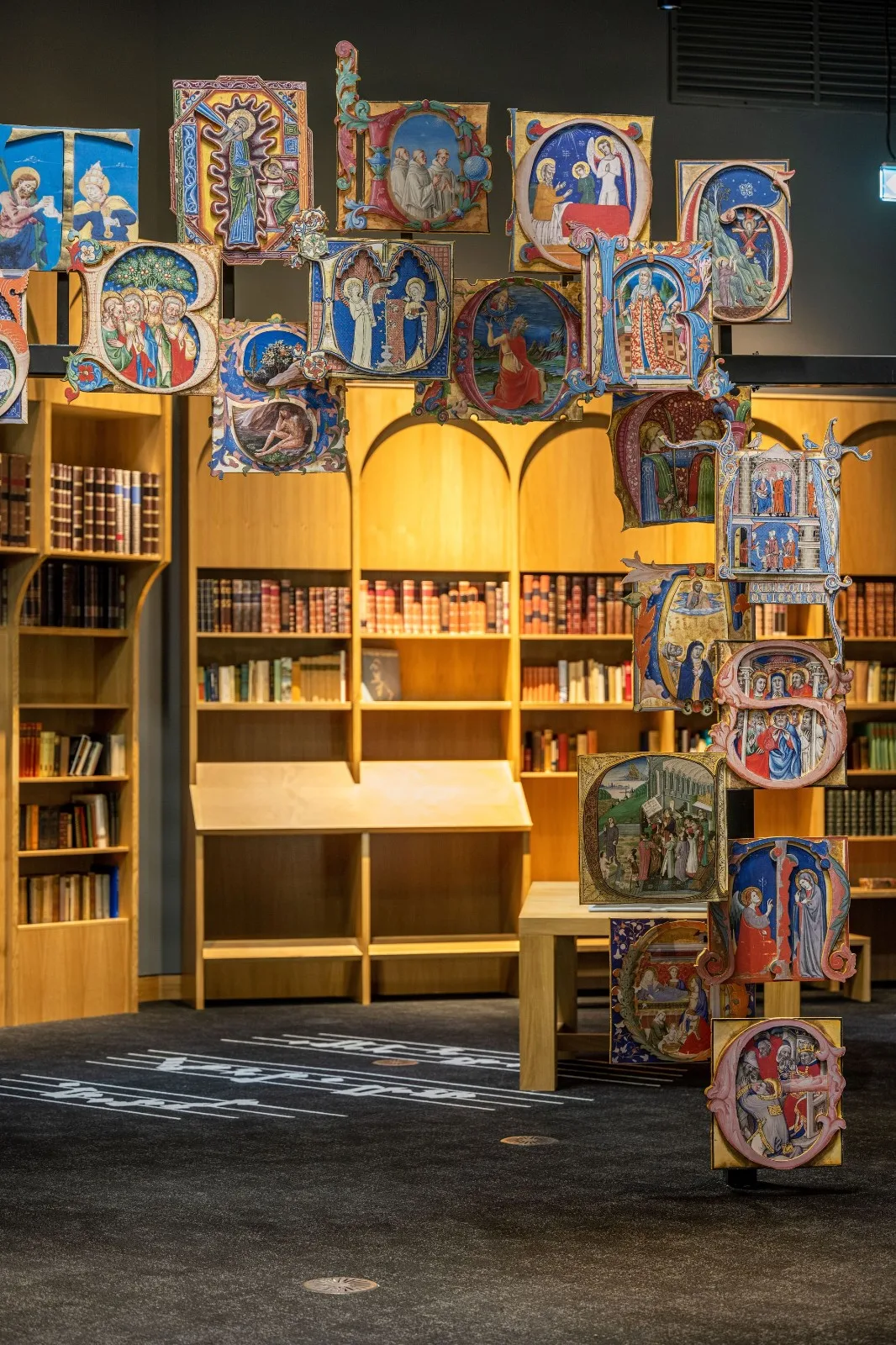
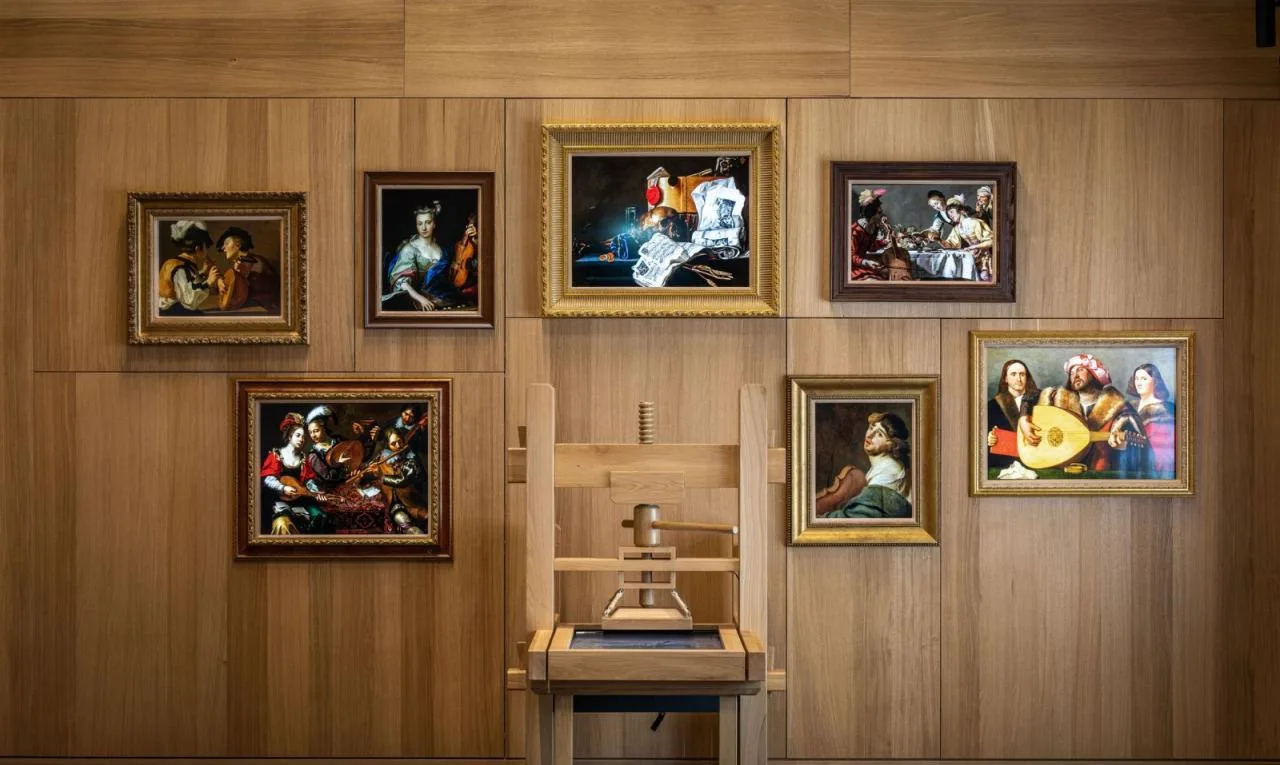
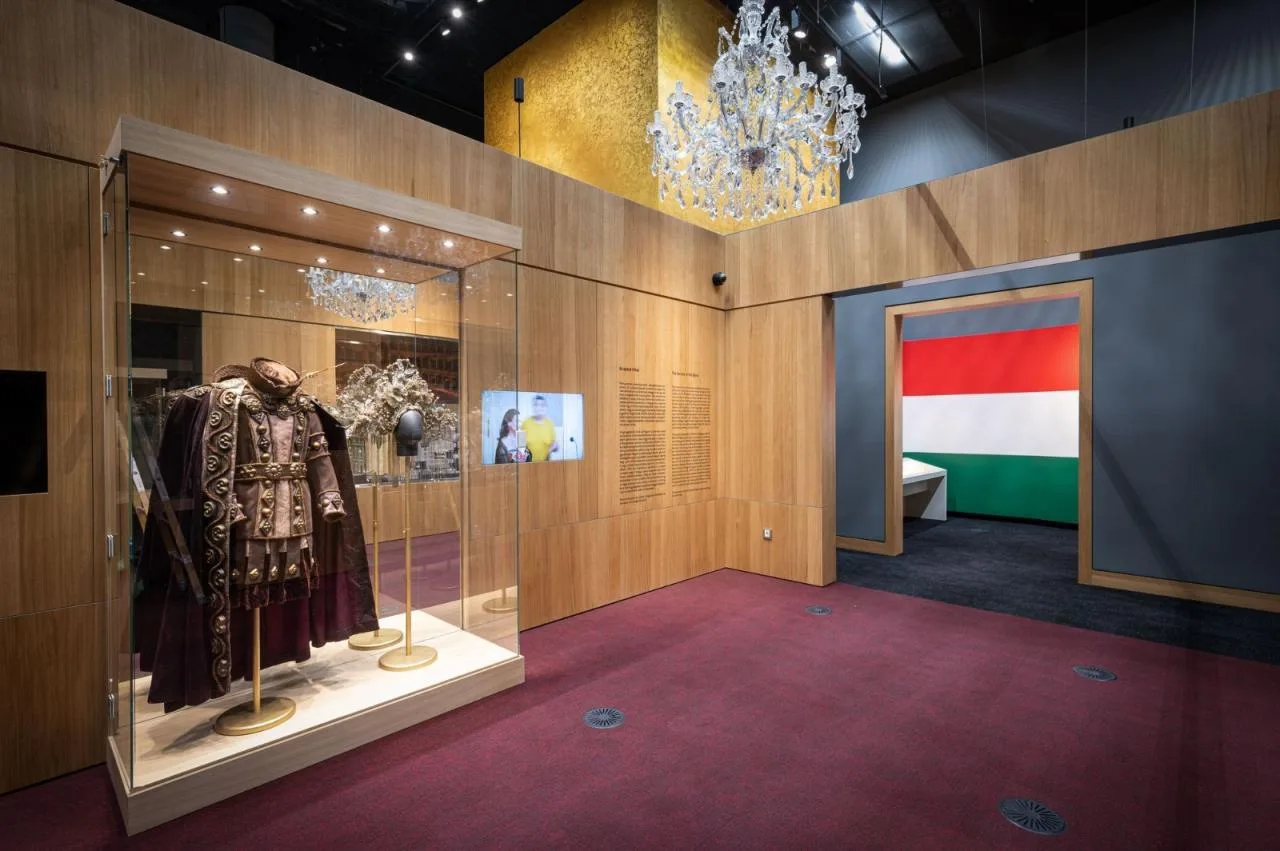
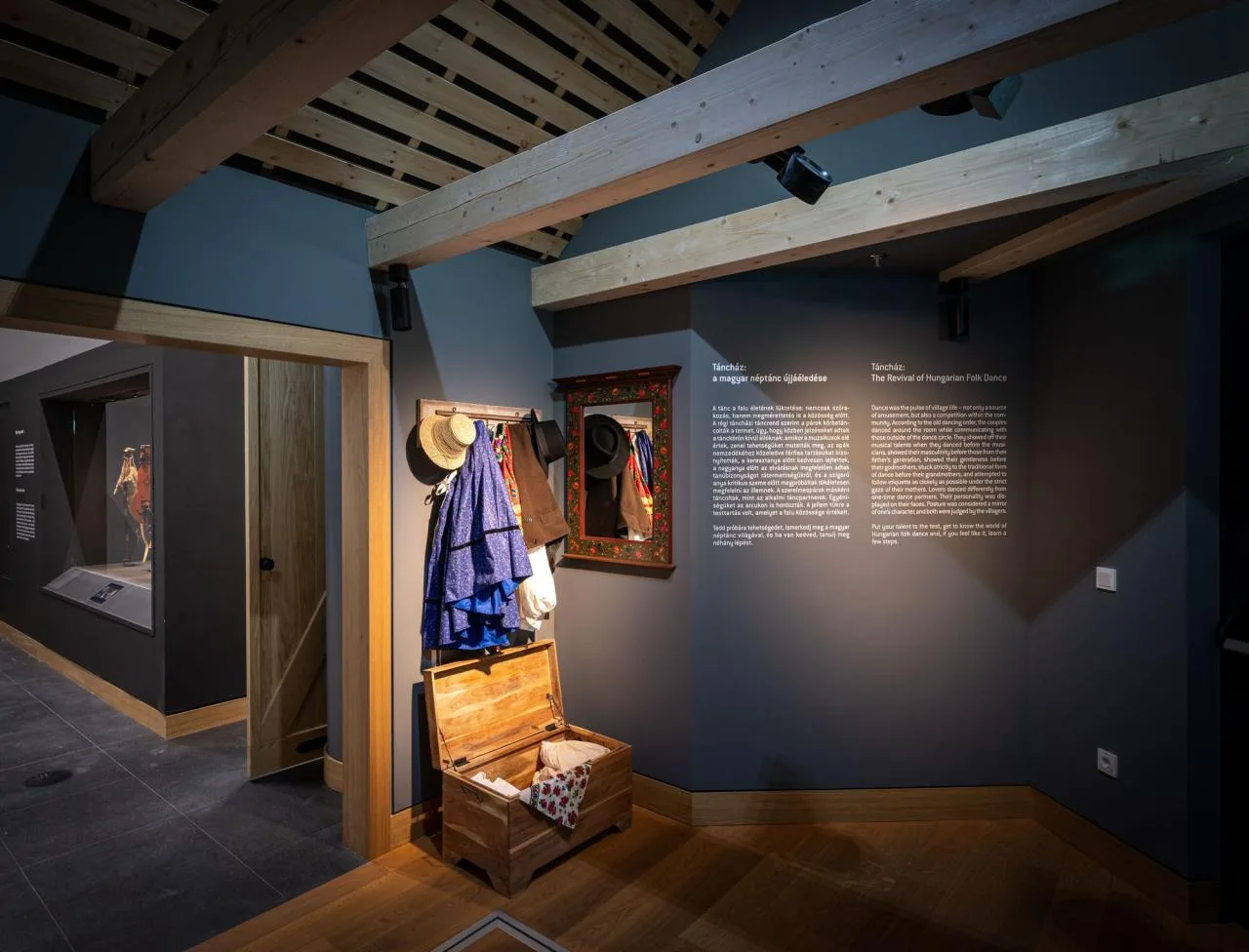
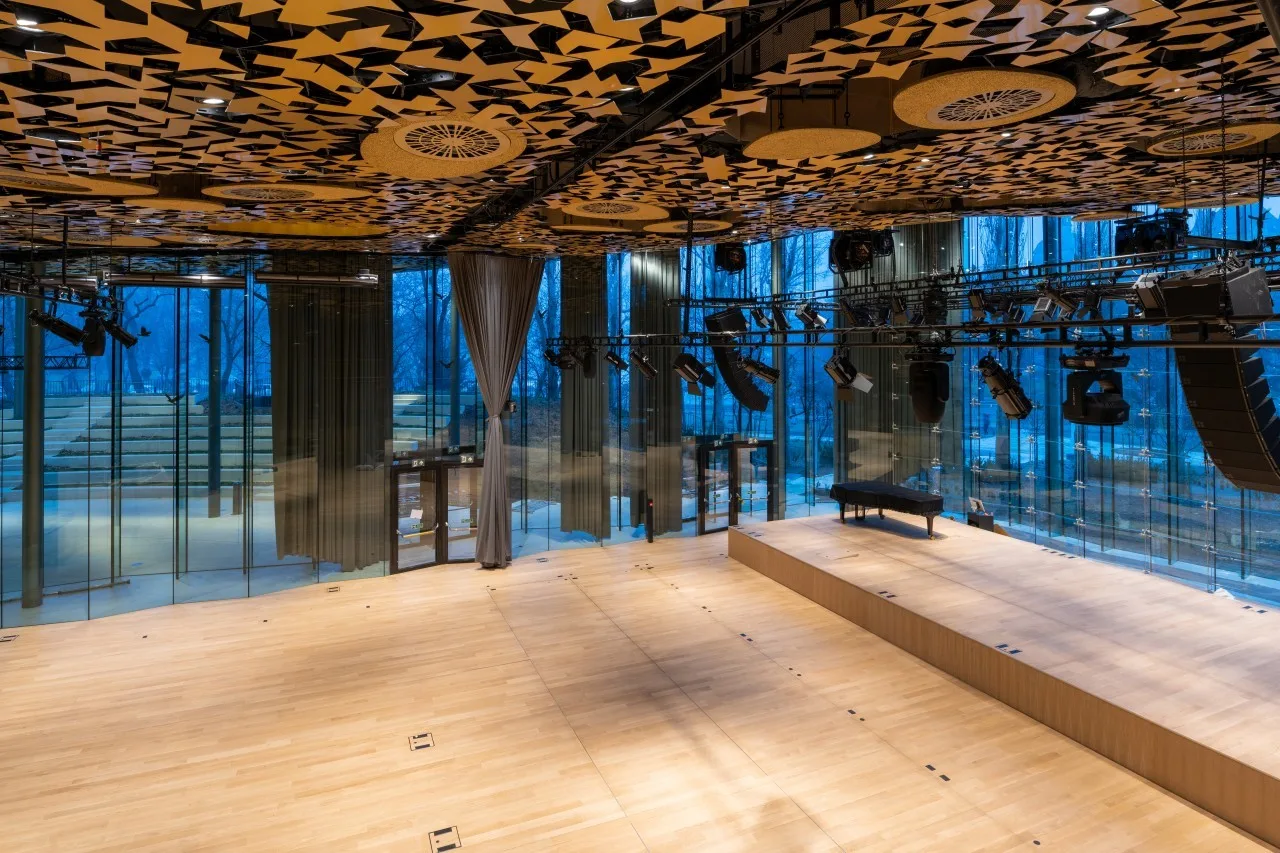
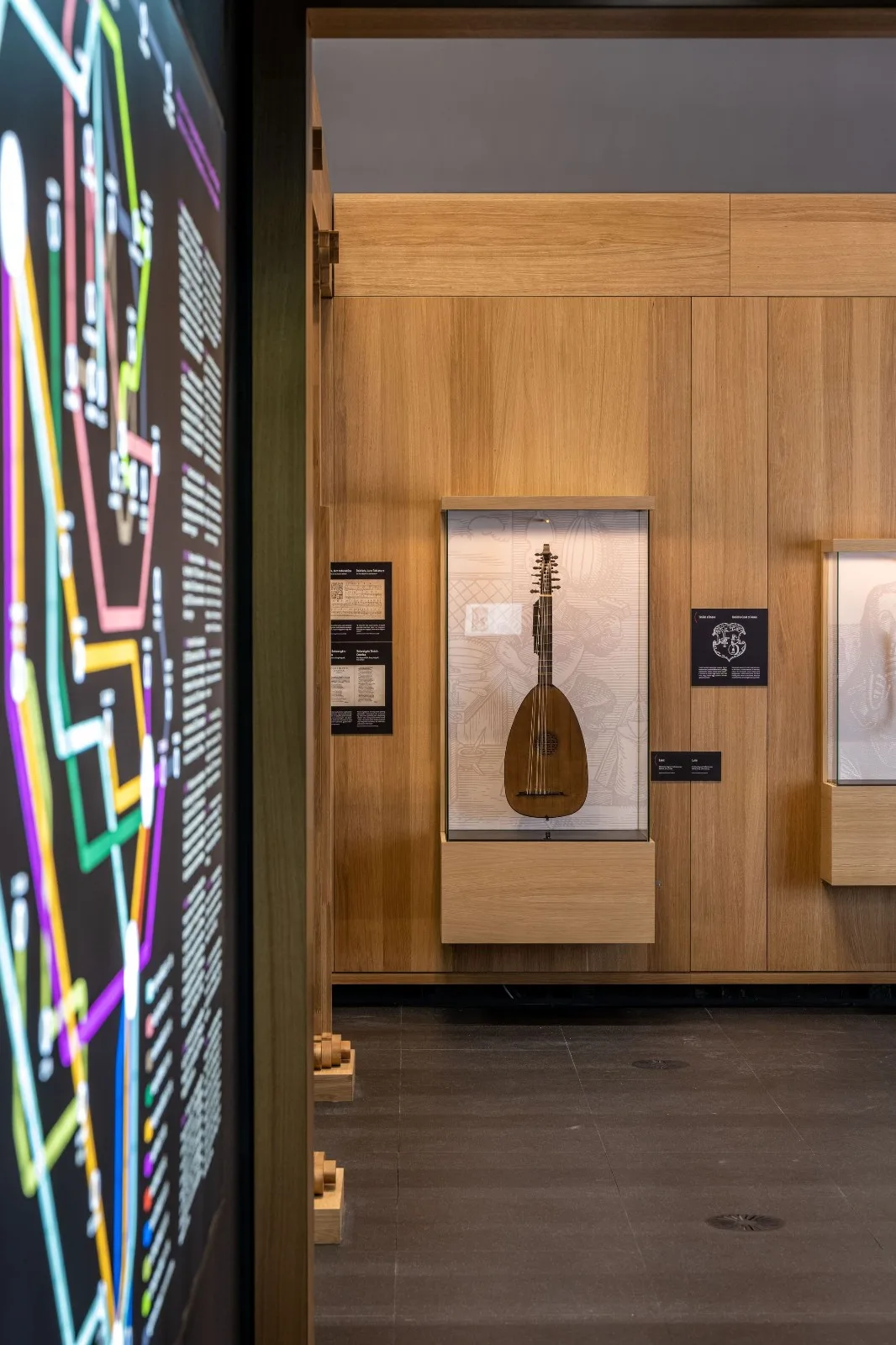
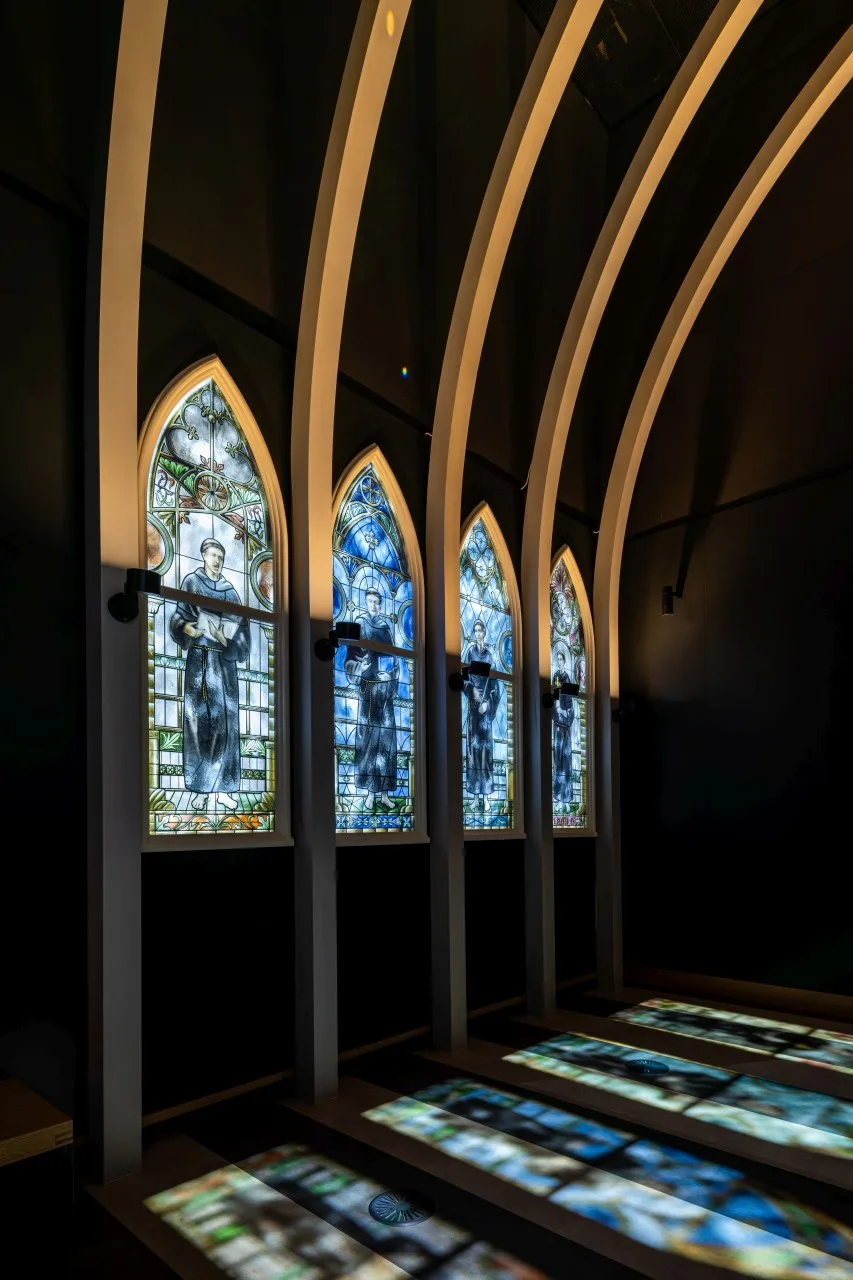
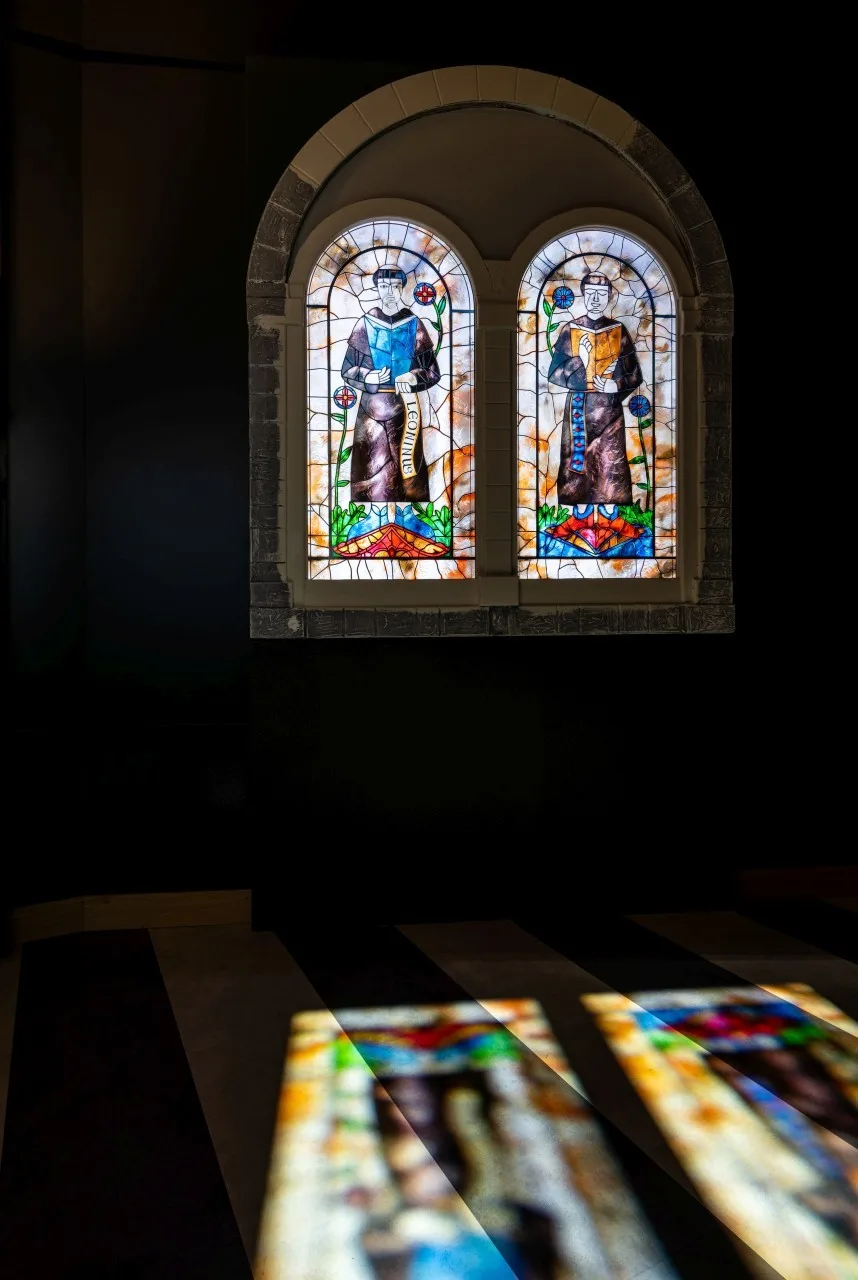
Covering 9,000 square meters, the building includes a concert hall, exhibition spaces, and an outdoor stage. Visitors are invited on an exclusive journey through European music history, highlighting the evolution of Hungarian popular music from 1957 to 1993.
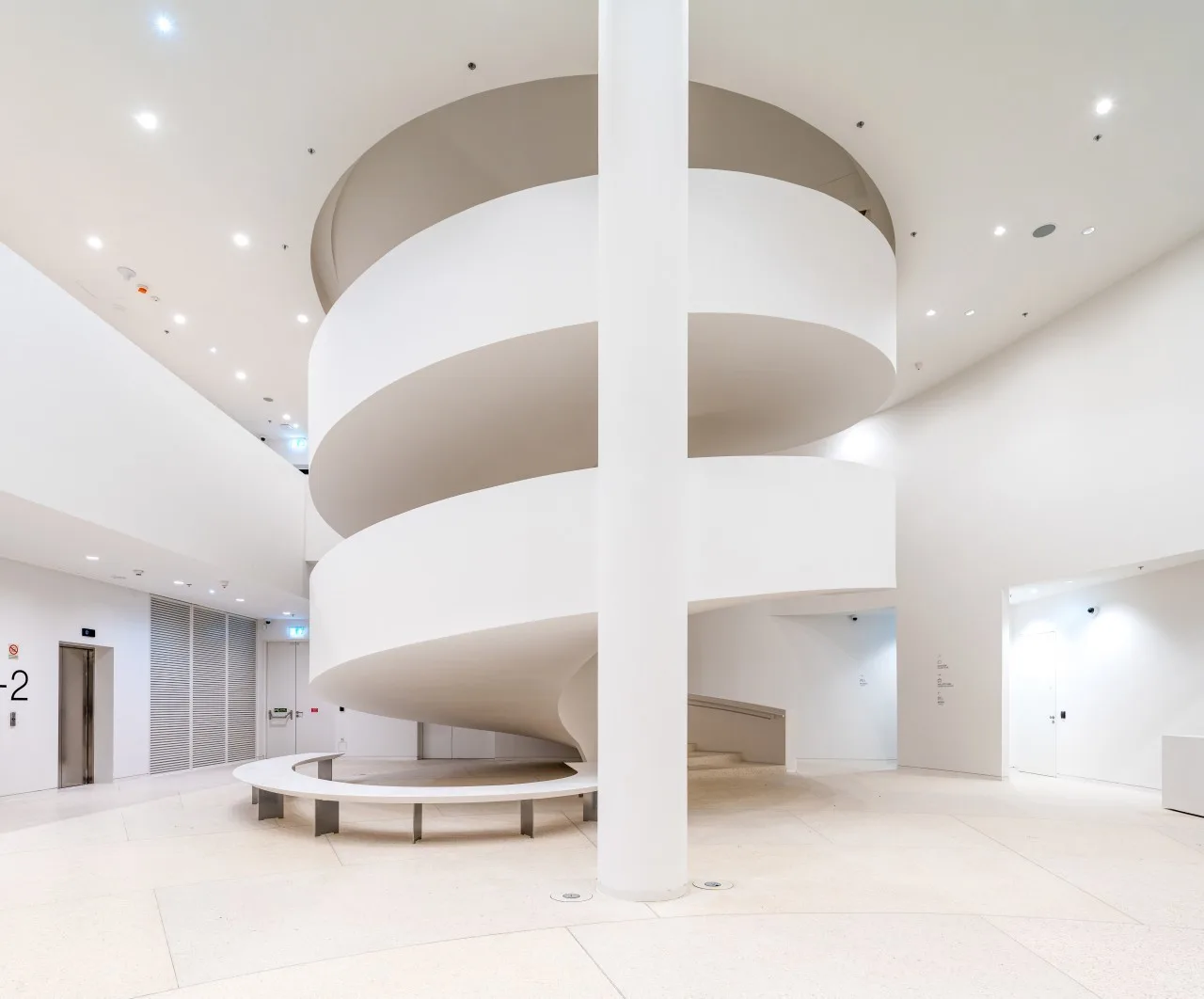
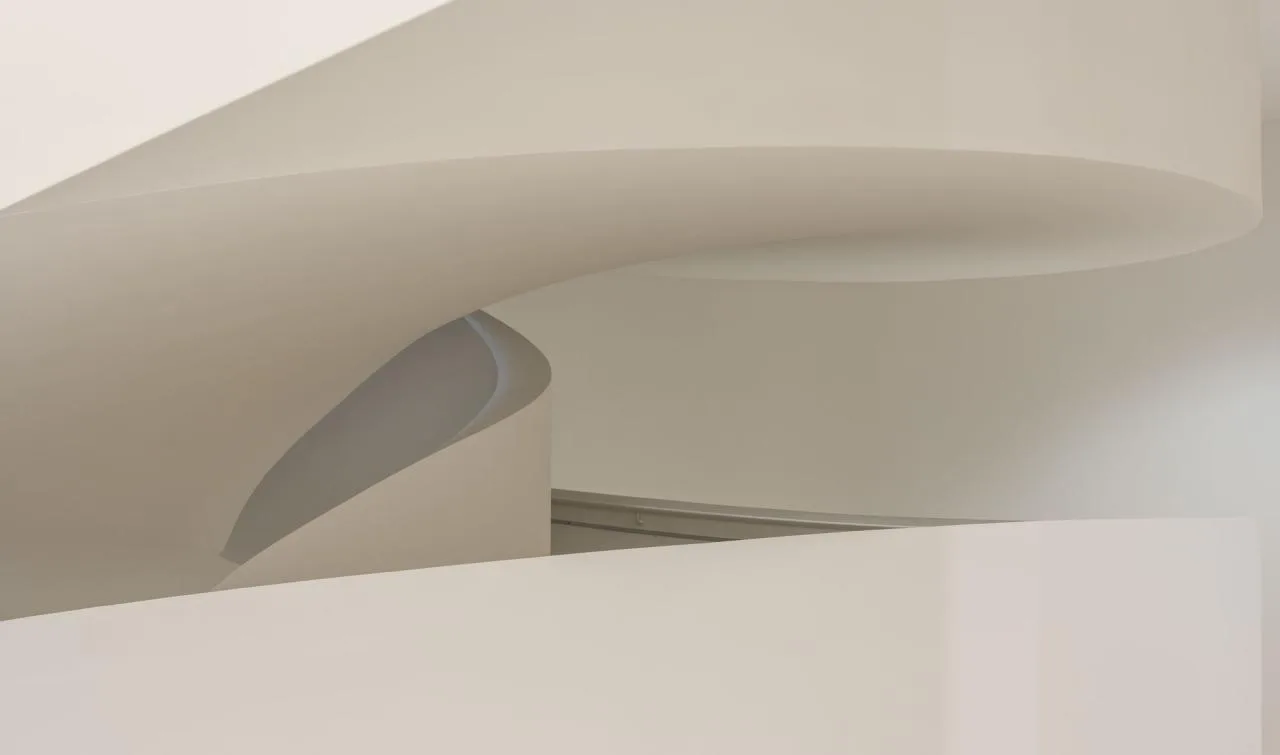
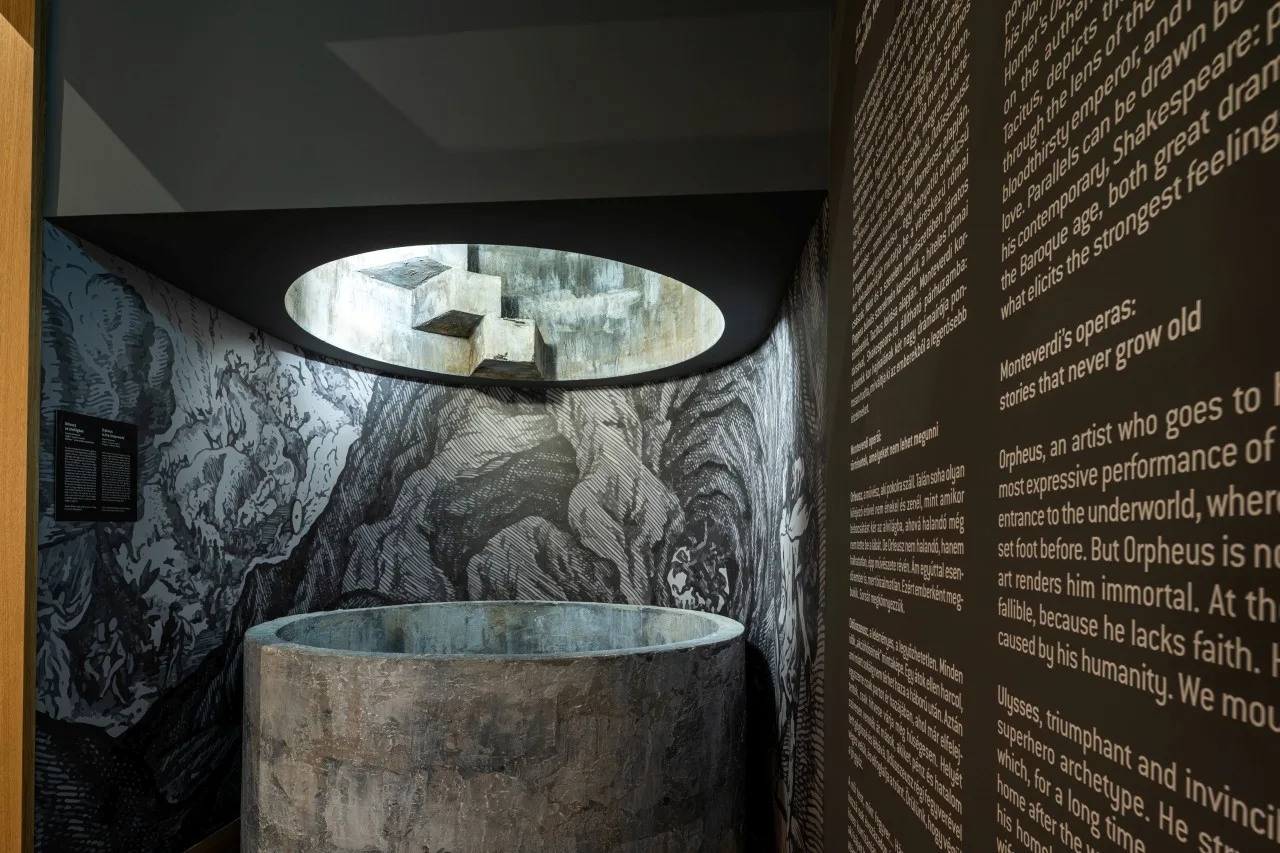
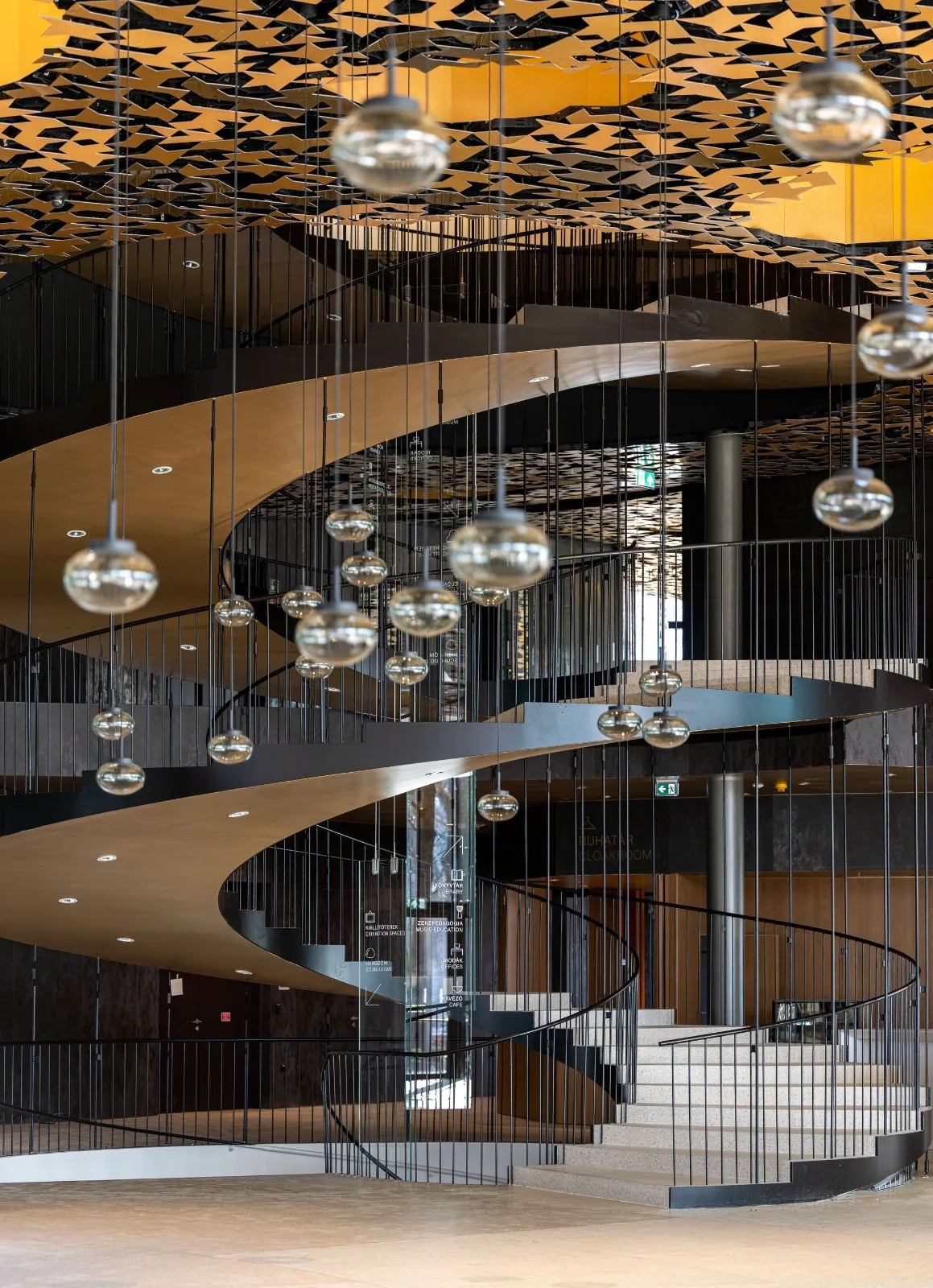
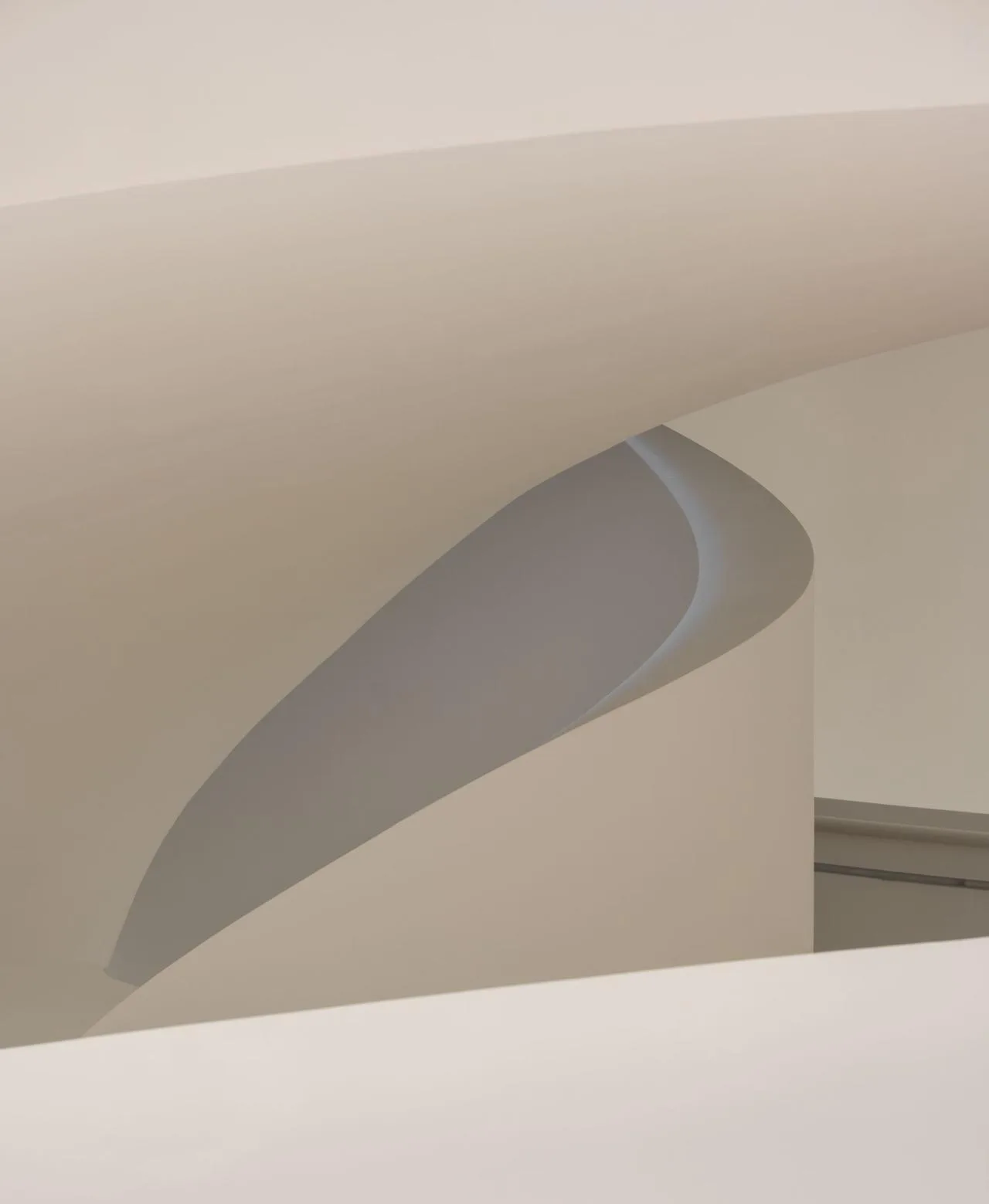
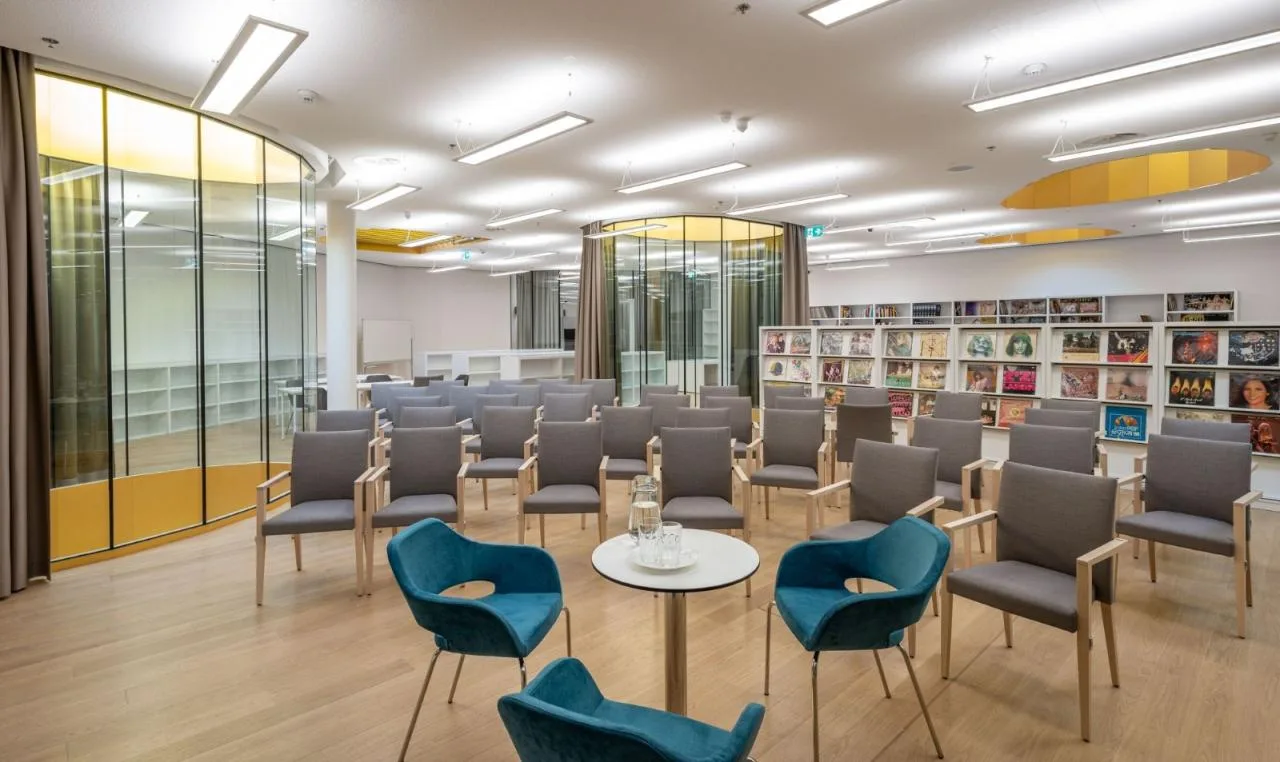
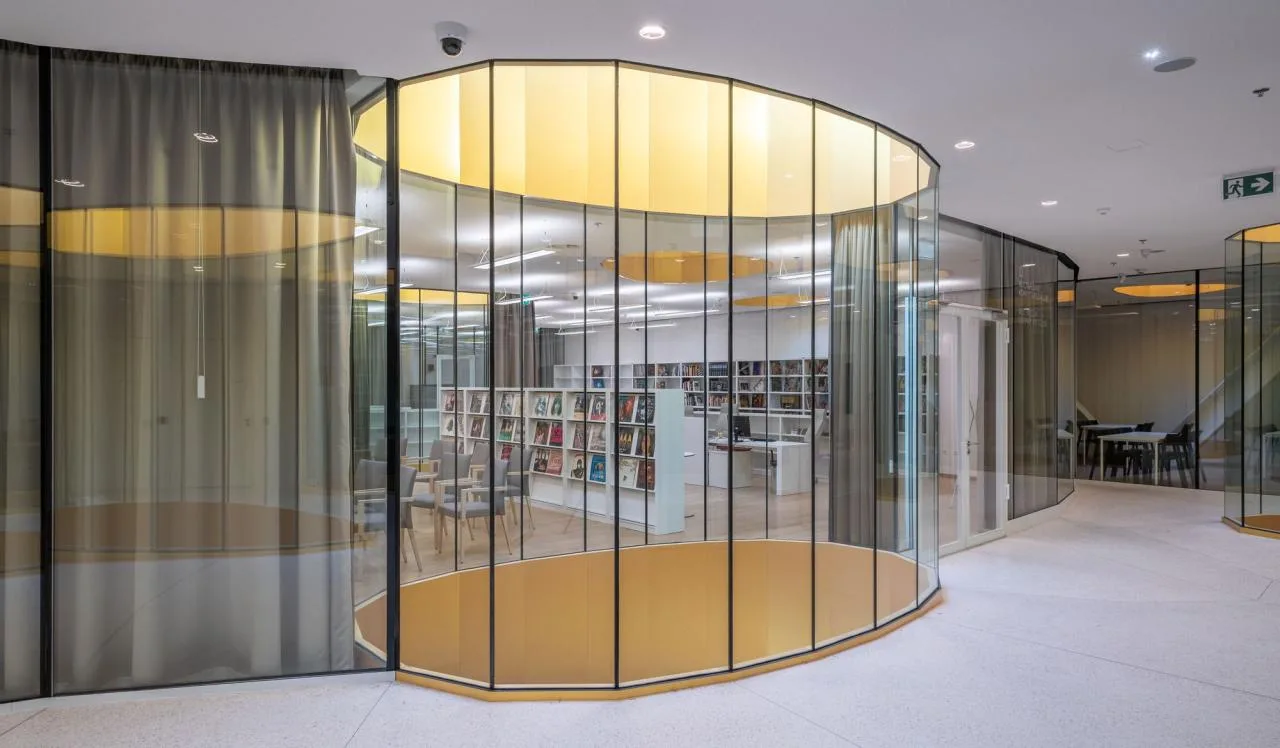
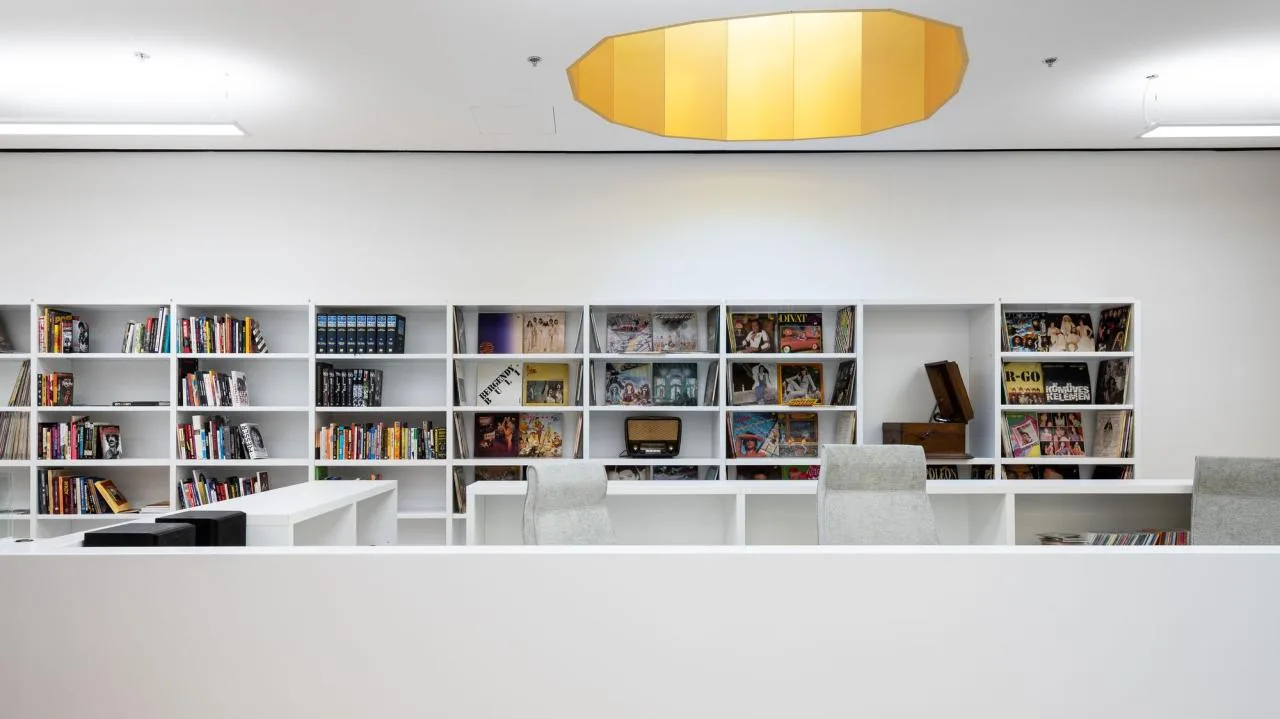
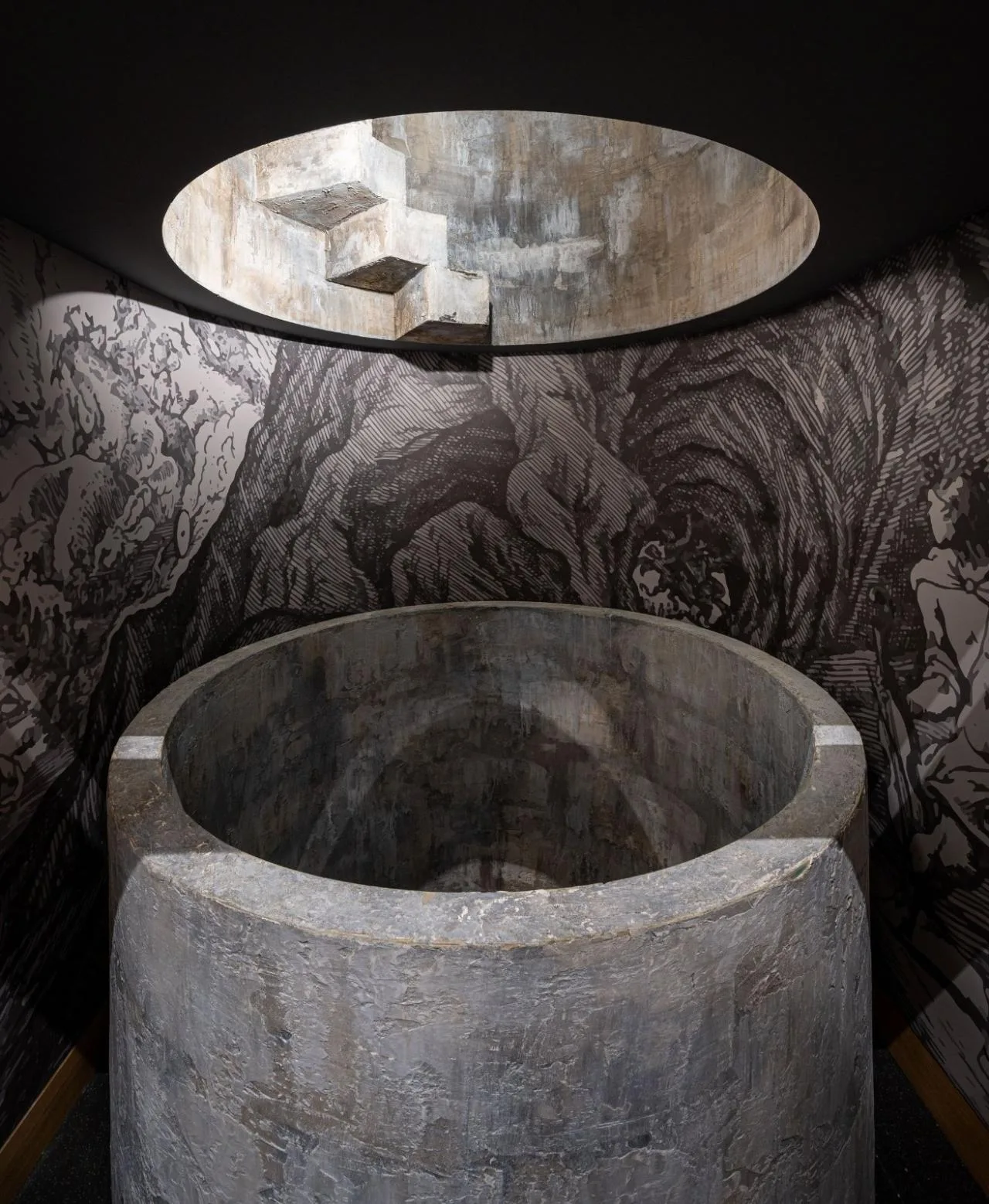
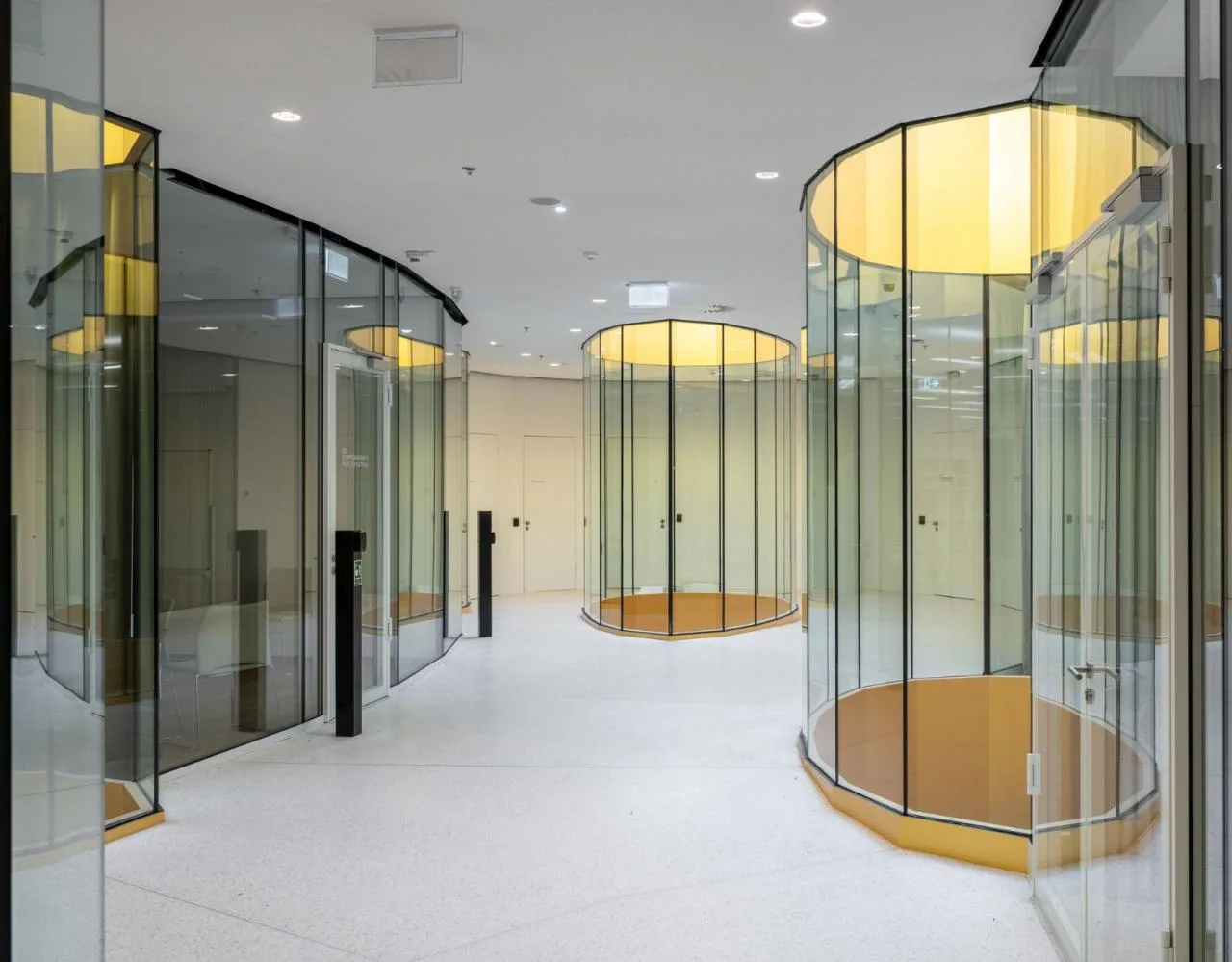
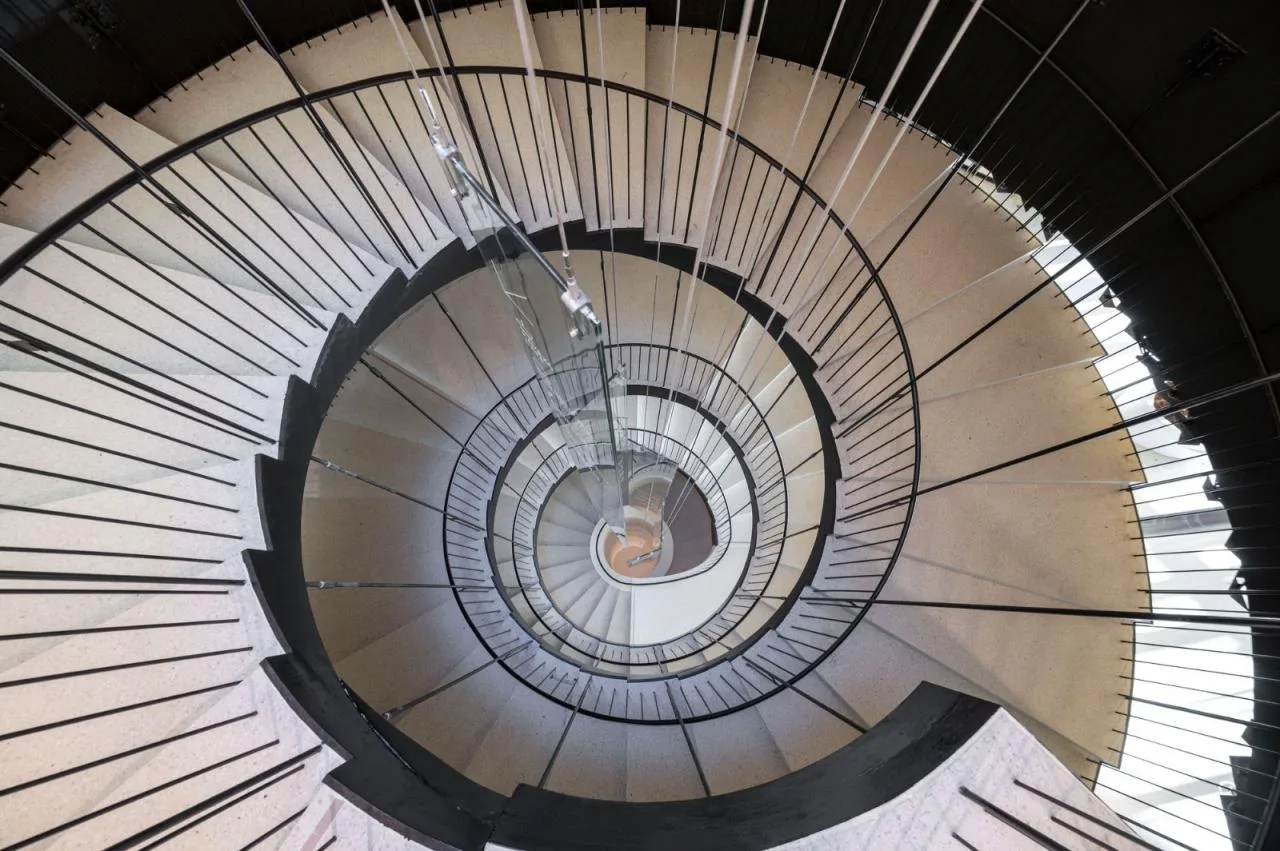
The first floor houses two performance venues, while the upper level contains classrooms, a library, offices, and a spiral staircase linking the different areas. The underground level is dedicated to exhibitions focusing on European and Hungarian music heritage.
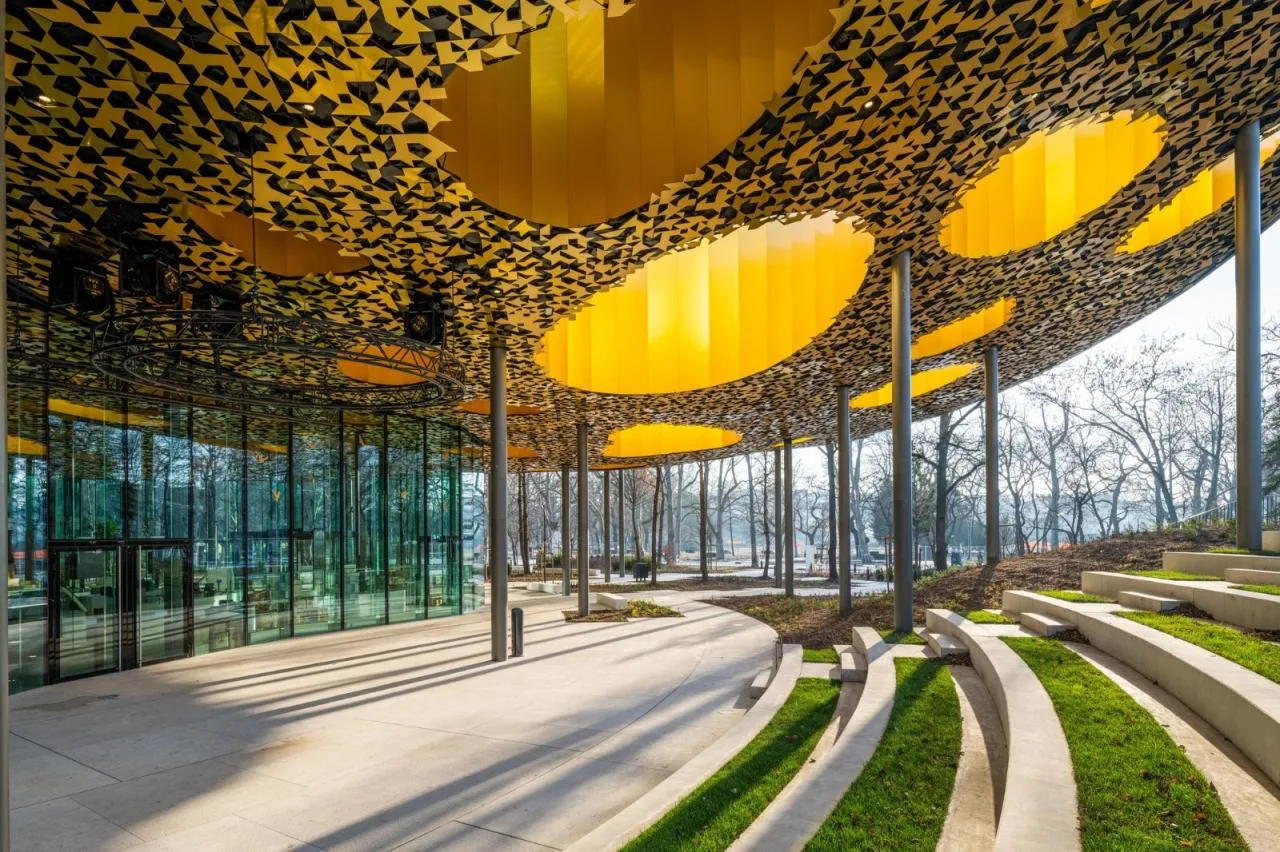
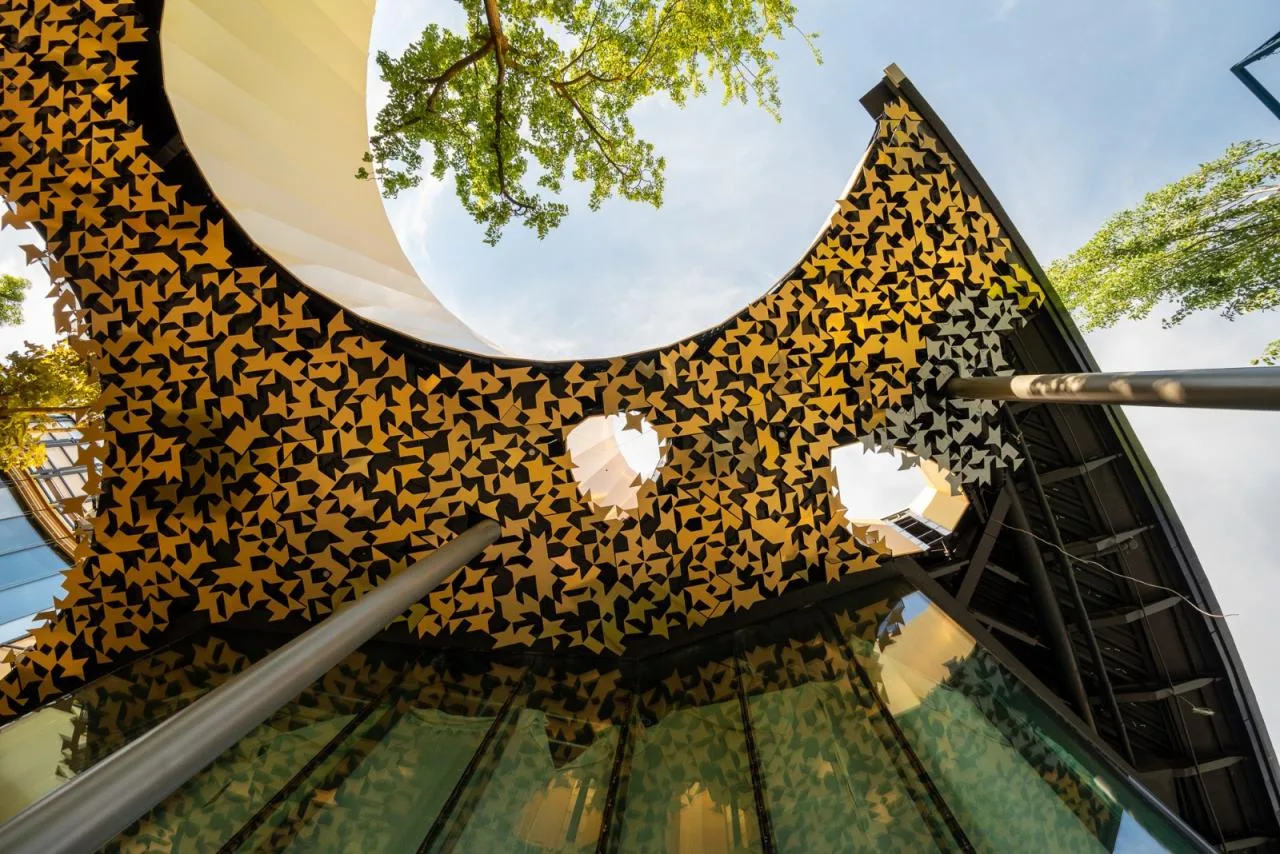
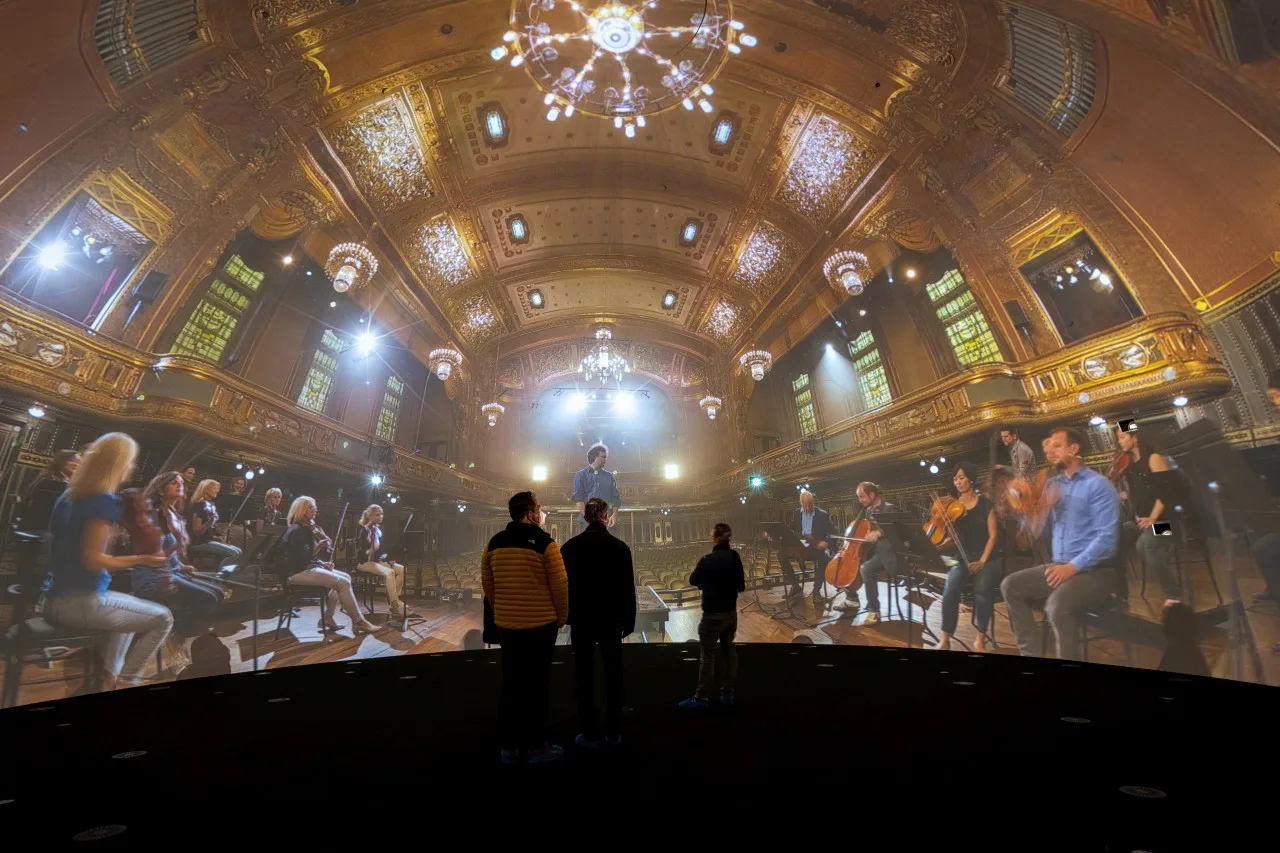
A standout feature of the Hungarian Music House is its hemispherical sound dome, inspired by 20th-century German composer Karlheinz Stockhausen. Stockhausen created the first 3D auditory experience with a spherical music hall exhibited at the 1970 Osaka World Expo in Japan.
The roof is equipped with a 360-degree surround sound system, delivering an immersive experience for up to 60 visitors. Over 31 speakers emit sound from various directions, creating a “holographic” sound wall that envelops the audience.
The project aims for sustainability certification and has already achieved BREEAM certification. The building incorporates advanced heating and cooling systems, rainwater harvesting, and landscaping with locally sourced, drought-resistant plants.
The Hungarian Music House is part of the Liget Budapest project, one of Europe’s most significant museum development initiatives. This project is transforming the 200-year-old city park into a vibrant new space for leisure and cultural activities.

Project Information
Project Name: Music House, Hungary
Designer: Shosuke Fujimoto
Year: 2022
Special Material: Insulated Glass
Location: Budapest, Hungary














Must log in before commenting!
Sign Up