
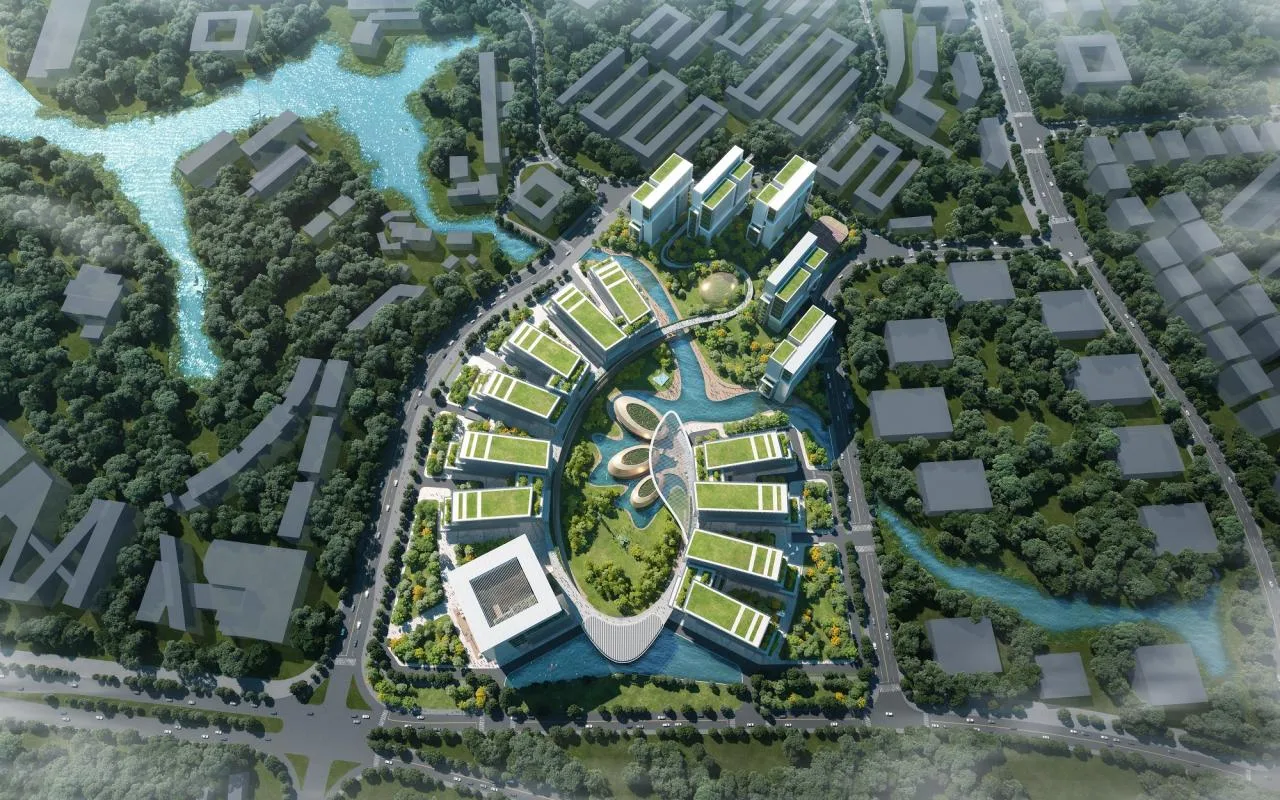
10 Design, a member of the Egis Group, collaborated with Beijing Institute of Architectural Design and Research Co., Ltd. to win the design competition for the International Cooperation Innovation Zone at Dongguan University of Technology in China. They are responsible for the overall master planning and architectural design for this phase.
In September 2015, the Guangdong Provincial Party Committee and Provincial Government designated Dongguan University of Technology as one of the first high-level universities focusing on science and engineering development. They implemented joint construction policies between provinces and cities, providing critical support in policy, funding, and land resources. The university conducted detailed research on new land use planning and proposed the overall master plan for the “International Cooperation Innovation Zone” project.
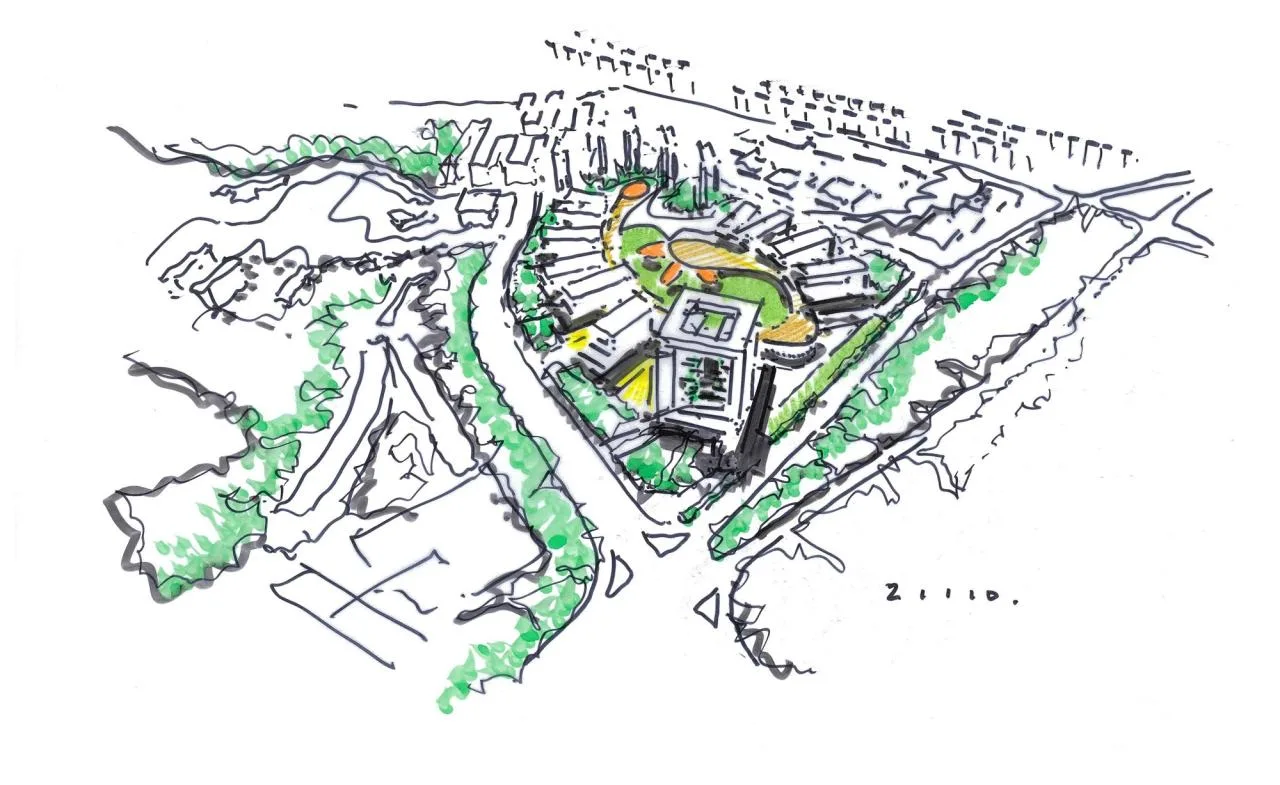
The International Cooperation Innovation Zone is a key component in establishing Dongguan University of Technology as a high-level science and engineering institution. The project was listed among the major construction initiatives of Dongguan City and key projects for Guangdong Province in 2021. The planning and design emphasize a people-centered approach, openness, shared resources, and ecological sustainability. The goal is to develop an internationally recognized innovation zone with high standards and strategic positioning.
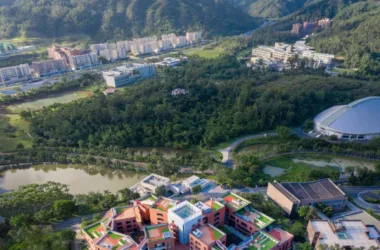
Located in the central area of Songshan Lake Science City, Dongguan, the zone covers 137,273 square meters. It features large-scale shared facilities and world-class laboratories aimed at fostering collaboration, interaction, and knowledge exchange. This creates a premier research destination designed to attract top global research talent.
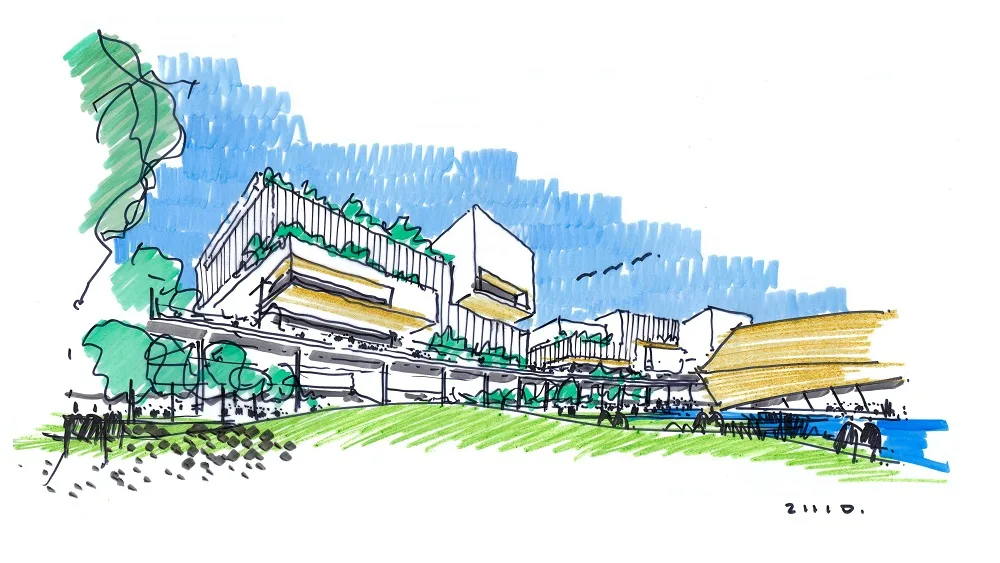
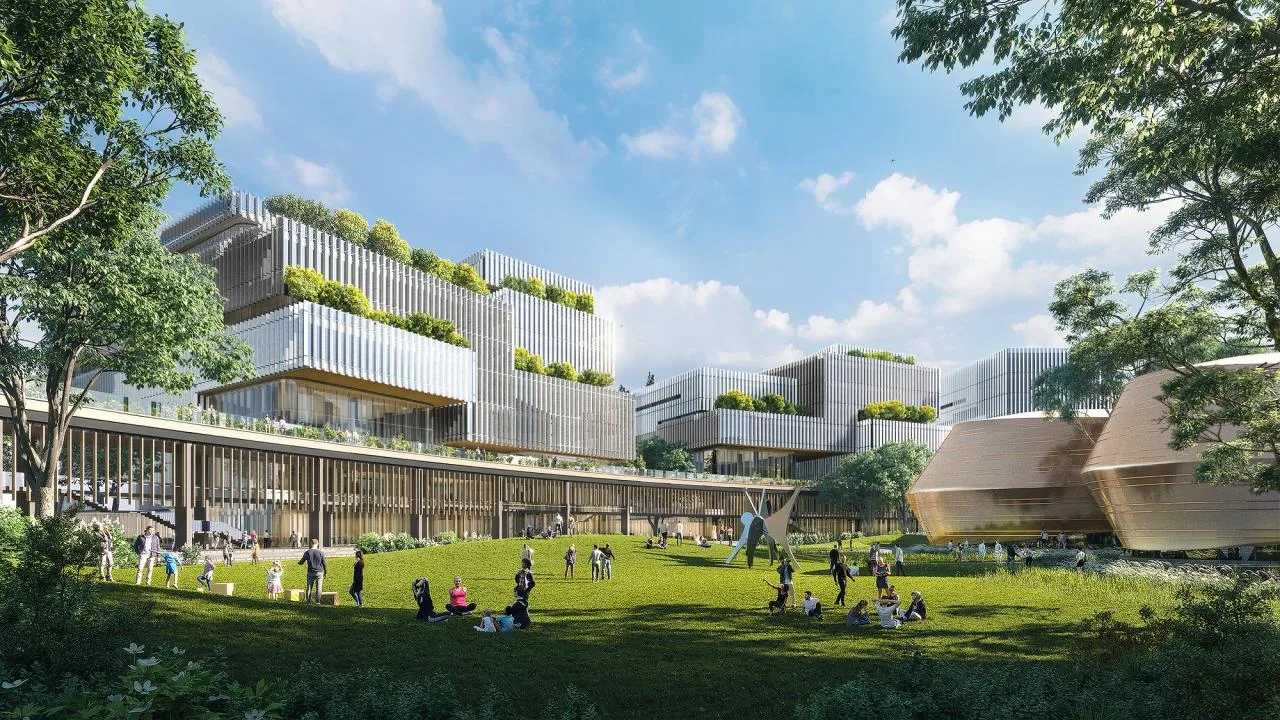
This phase includes the construction of a demonstration zone integrating science and education, a leading zone for new engineering education, an international high-end talent training zone, along with associated basement and outdoor facilities.
“Our design proposal takes full advantage of the site’s natural environment to create a people-centered, sustainable, and technology-driven campus. The main facilities blend seamlessly with the existing landscape, offering a healthy, flexible, and dynamic environment for scientists and researchers,” said Nick Cordingley, Design Partner.
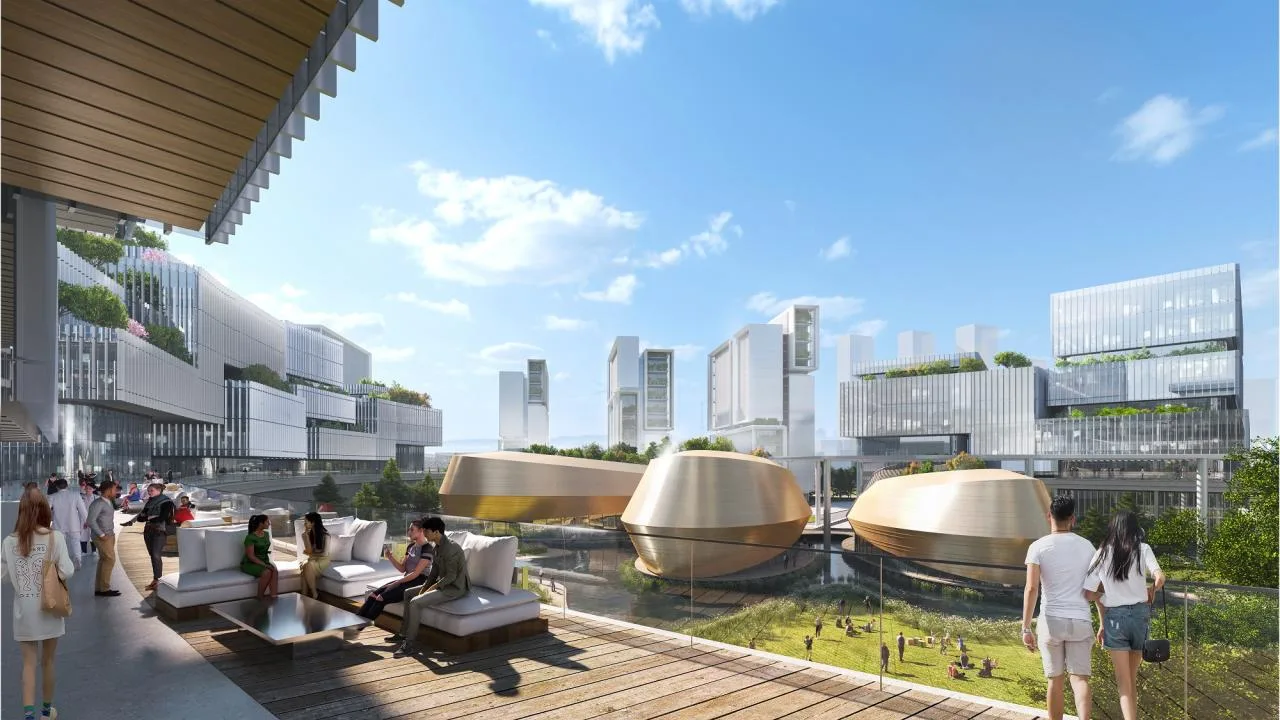
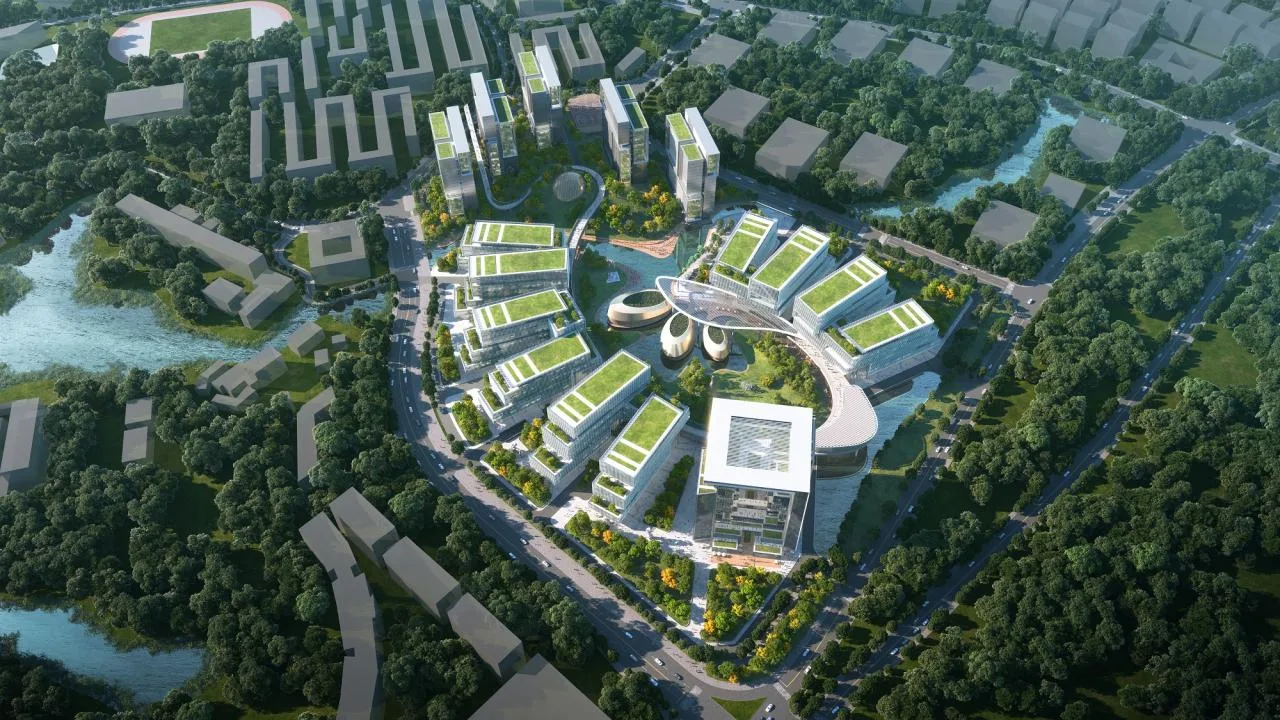
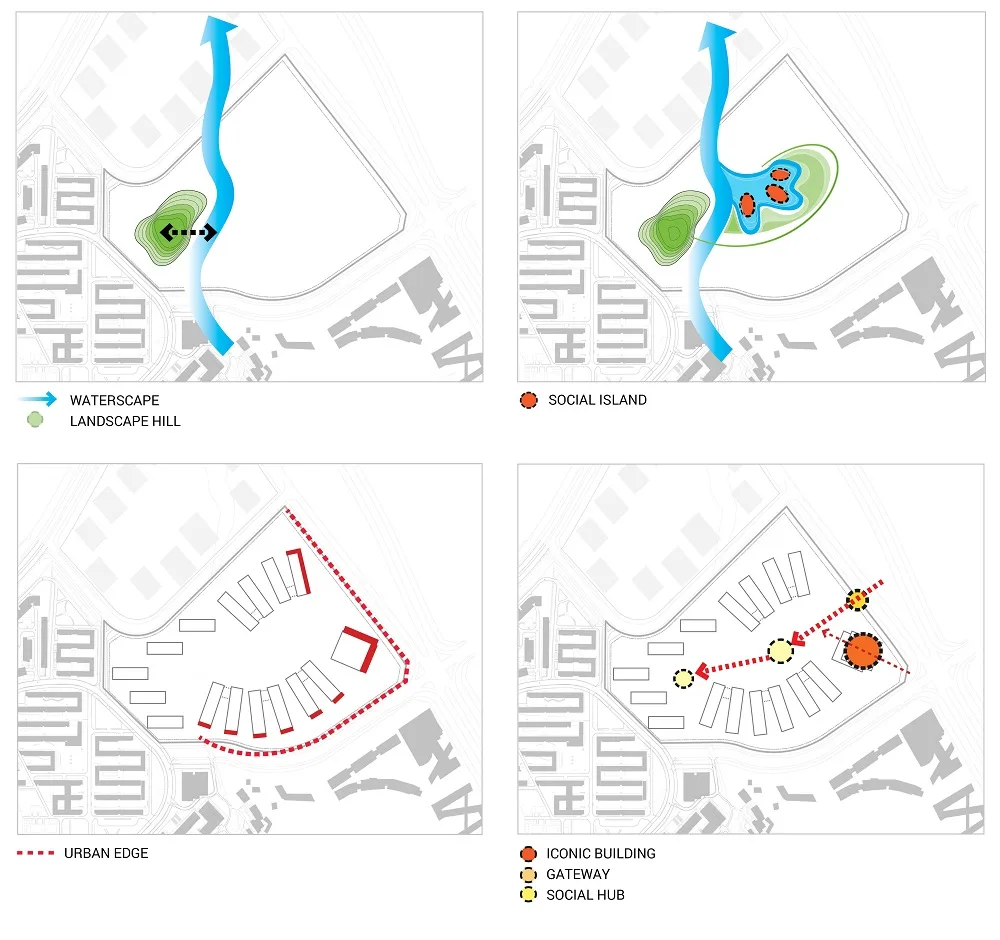
The project draws inspiration from the concept of “Chuangzhi Spring Park,” symbolizing a source of wisdom, innovation seeds, growth, research, and breakthroughs. At the center of the innovation zone, a courtyard serves as a gathering place, promoting social interaction and knowledge exchange.
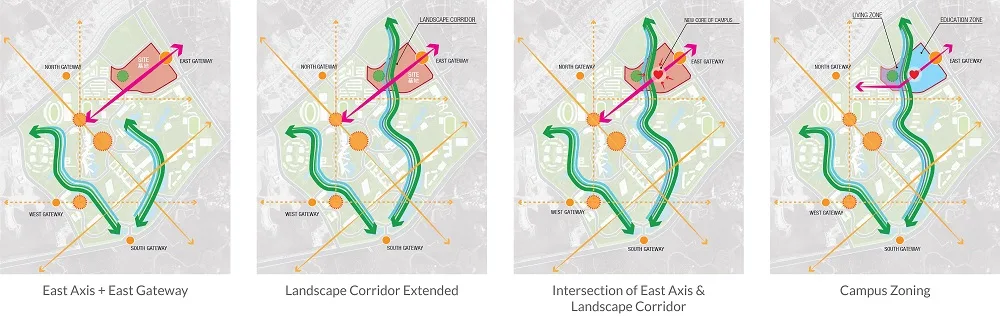
The vitality axis runs through the atrium, organizing the campus around this central spine. All research facilities face the atrium, ensuring equal accessibility and visibility. This axis connects the existing campus and supports the university’s future development.
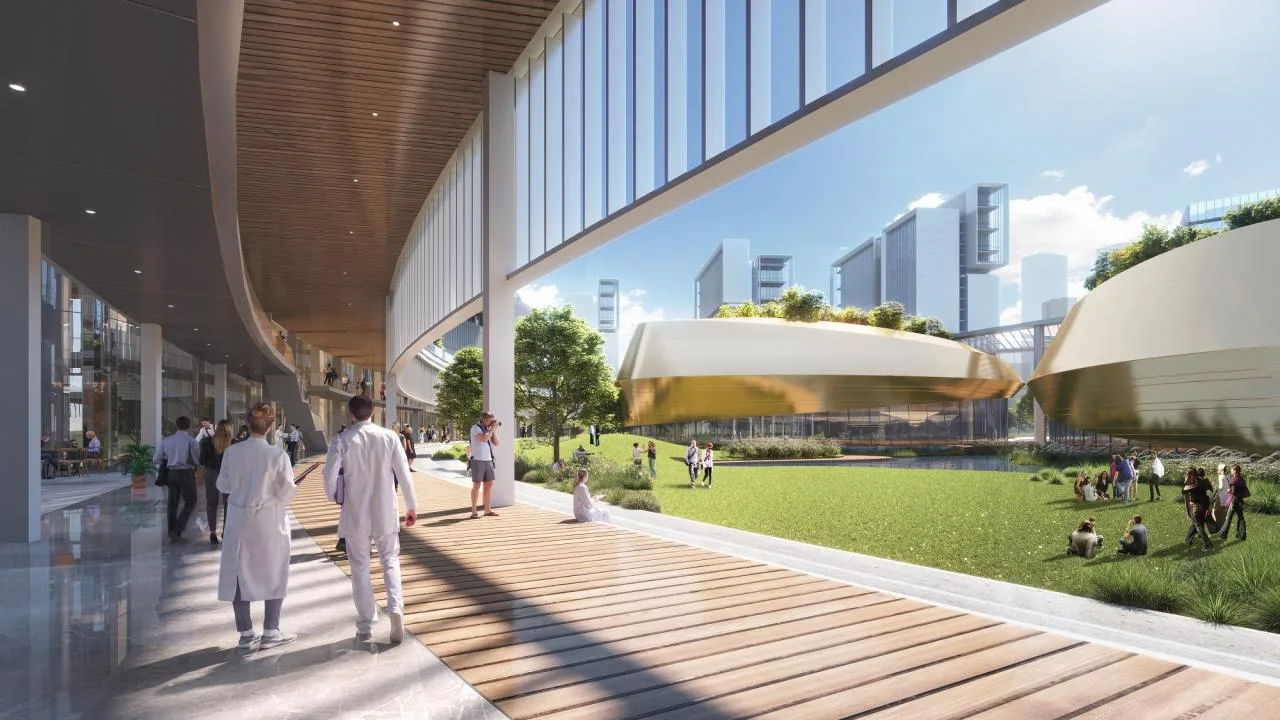
The atrium space is defined by a shared veranda that connects the teaching and research areas with the dormitory zone. This veranda provides shelter from sun and rain during summer and serves as an informal space where visitors can enjoy views of the green atrium.
The Shared Wisdom Island functions as both a large conference area and a sculptural landmark within the campus courtyard. Resembling a floating island, it creates a striking focal point inside the green space, enriching the landscape with layered, staggered elements. This design enhances spatial flow inside and outside the buildings and emphasizes a green, open, and humanistic campus atmosphere.
The research laboratory facilities are designed in a U-shaped layout. The “head” of the U connects to the street or colonnade, allowing convenient access to shared facilities and smooth vertical circulation. The center of the U-shaped structure houses shared amenities and teaching spaces for research groups.
The new district’s east gate, known as “Zhihui Gate,” is located mid-way along Hongmian Road, completing the campus’s four main entrances: east, west, south, and north. It marks the starting point of the vitality axis, connecting various functional zones and strengthening spatial and functional integration between living and learning areas. This design fosters diverse public and self-learning spaces.
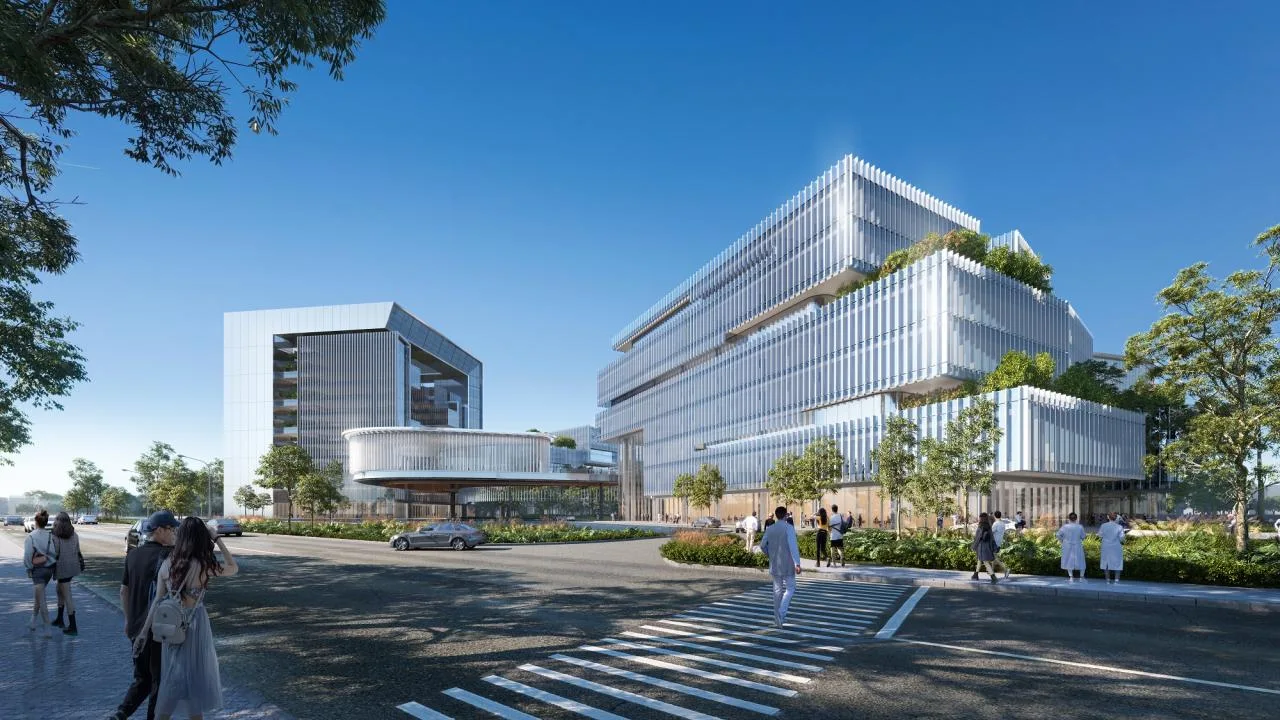
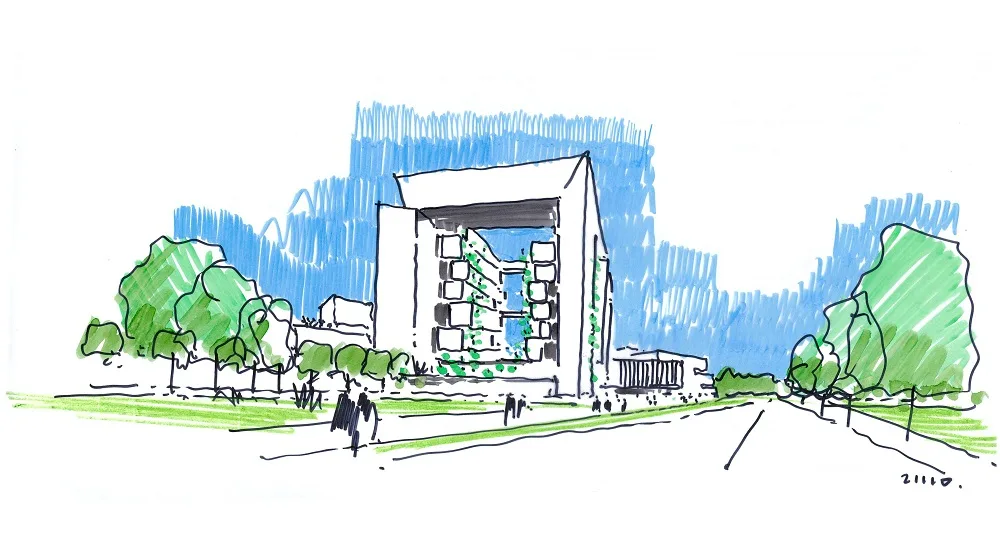
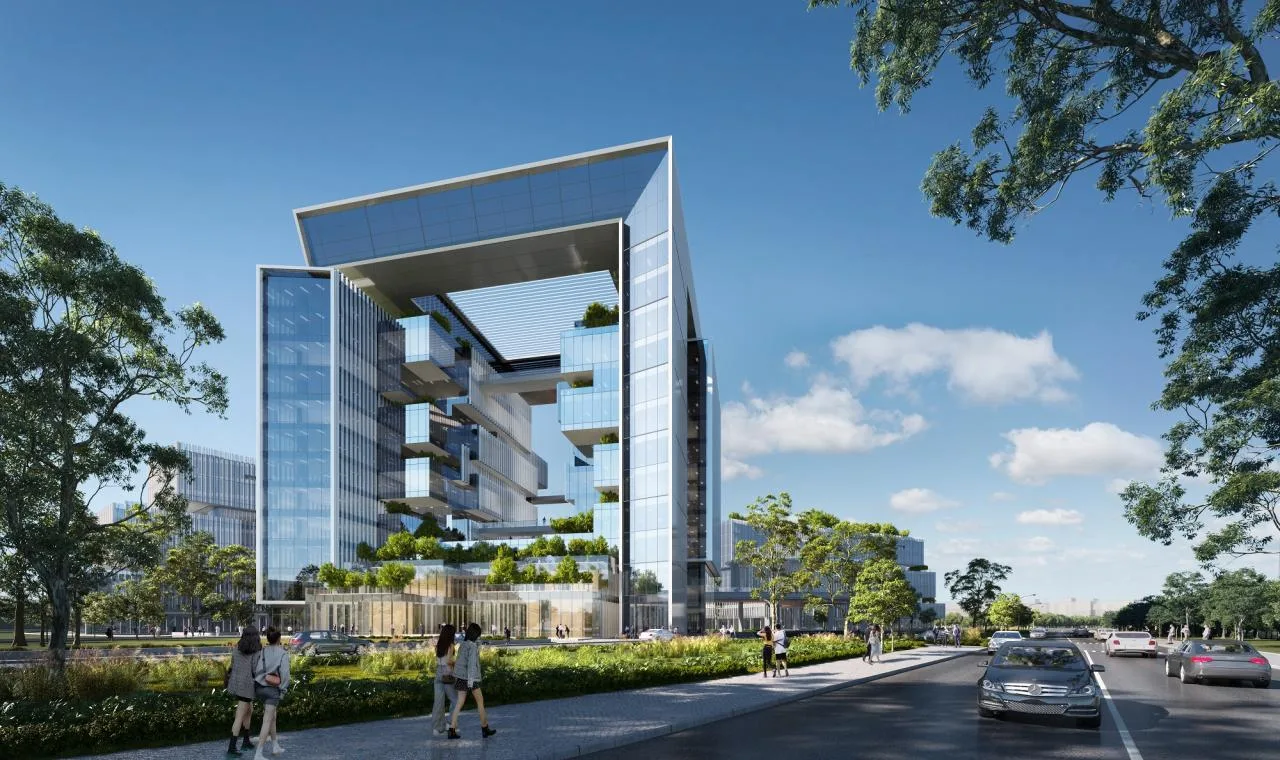
The “Window of the Future,” positioned at the city’s main display corner, serves as an iconic symbol of the university’s international vision and innovation zone. Its distinctive window shape houses flexible research, office, and exhibition spaces on either side. Inside, a series of layered gardens create a lush oasis, offering views toward the future. At the top, a large administrative conference and exhibition hall provides panoramic views of the campus and the distant Songshan Lake.
The design of the Dongguan University of Technology International Cooperation Innovation Zone fully optimizes its geographical context by integrating landscape, scientific research, and talent development.
Project Drawings
Project Information
Project Name: Dongguan University of Technology High-Level Science and Engineering University International Cooperation Innovation Zone
Location: Dongguan, China
Client: Dongguan Urban Construction Engineering Management Bureau
Scope of Design Services: Overall Planning and Architectural Design (Current Phase)
Project Type: Campus Planning and Public Facilities
Land Area: 101,673 square meters (current phase)
Building Area: 193,500 square meters (current phase)
Height: 80 meters
Status: Scheduled for completion in 2021
10 Design Team
Design Partner: Nick Cordingley
Project Partner: Edmond Lau
Project Managers: Mohamad Ghamlouch, Yushan Wu
Architectural Team: Bryan Diehl, Jan Henao, Shuo Zhang, Zack Cai, Hallen Deng, Mia Zang, Sylvia Li, Wesley Soo, Christie Yeung, Freya Yang, Kevin Mok, Jackie Cheung, Tim Chow, Leanne Guo, Alan Yip
Advisory Team
10 Design – Chief Creative and Overall Planning Designer
Beijing Institute of Architectural Design and Research Co., Ltd. – Project Architect (Lead Consortium Member)
Beijing Institute of Architectural Design (Shenzhen) Co., Ltd. – Consortium Member
Building Materials Guangzhou Engineering Survey Institute Co., Ltd. – Consortium Member
Rendering: Frontop















Must log in before commenting!
Sign Up