
1. Background
At the end of 2021, the Rongchuang Yunchao Mansion, designed by architect Meng Fanhao and led by Line+, was successfully completed, receiving widespread attention and acclaim. Located in the heart of Xiaoshan Science and Technology City in Hangzhou, this development serves as a key showcase for Hangzhou’s international urban image in the emerging “Qiantang River Era”.
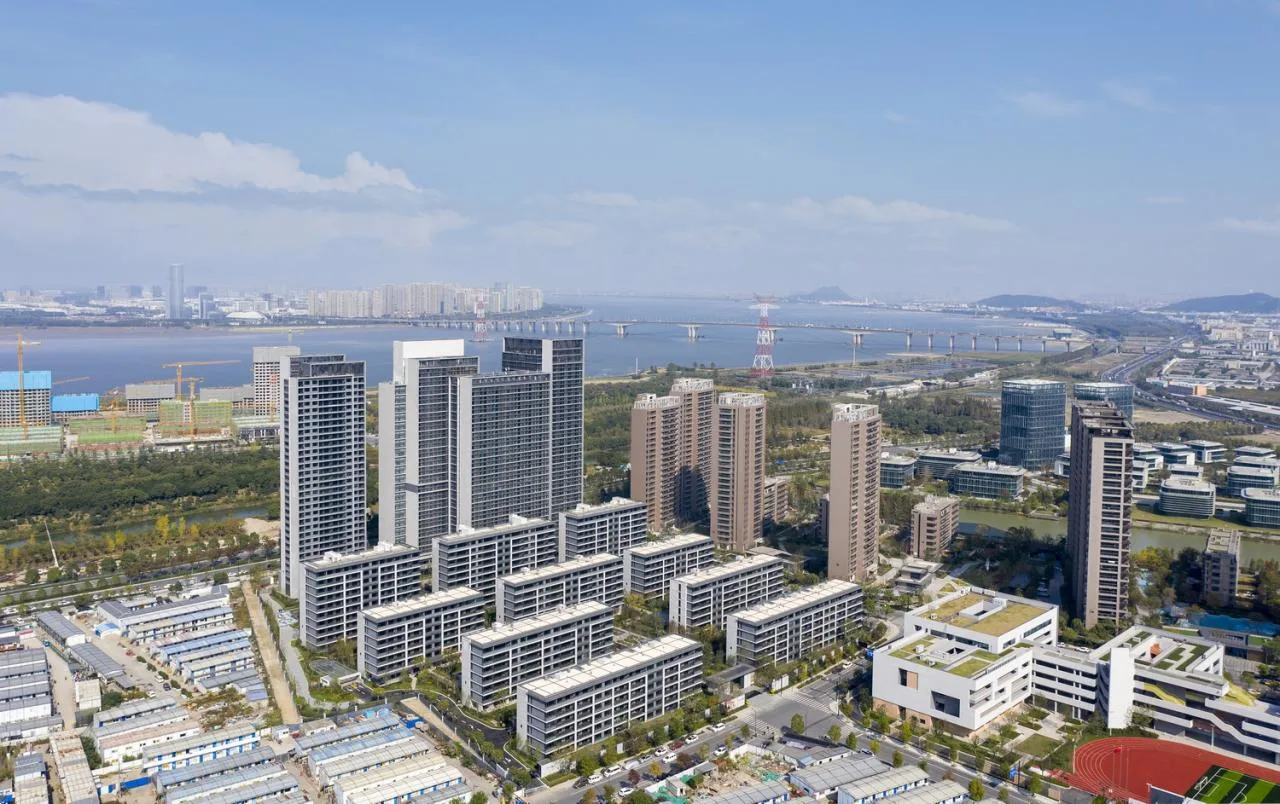
As a mixed-use commercial and residential site, the project was subject to planning regulations requiring that commercial space account for at least 50% of the total floor area. Considering market demands, the owner chose a product mix featuring small LOFT apartments alongside residential units, which introduced complexity to the design process.
The primary challenge was to maximize the land’s value while balancing profitability and quality, aiming to exceed market expectations.
2. Master Plan Boosts Sales Value by 15%
At the project’s inception, we analyzed site capacity. A traditional approach, evenly distributing residential and apartment buildings while meeting sunlight and spacing requirements, would have resulted in a community dominated by 100-meter-high apartments and 18-story residential buildings.
However, by acknowledging the market price differences between multi-story villas and high-rise apartments, we developed distinct layouts tailored to each product type, optimizing the combination to maximize overall sales value within the site’s constraints.
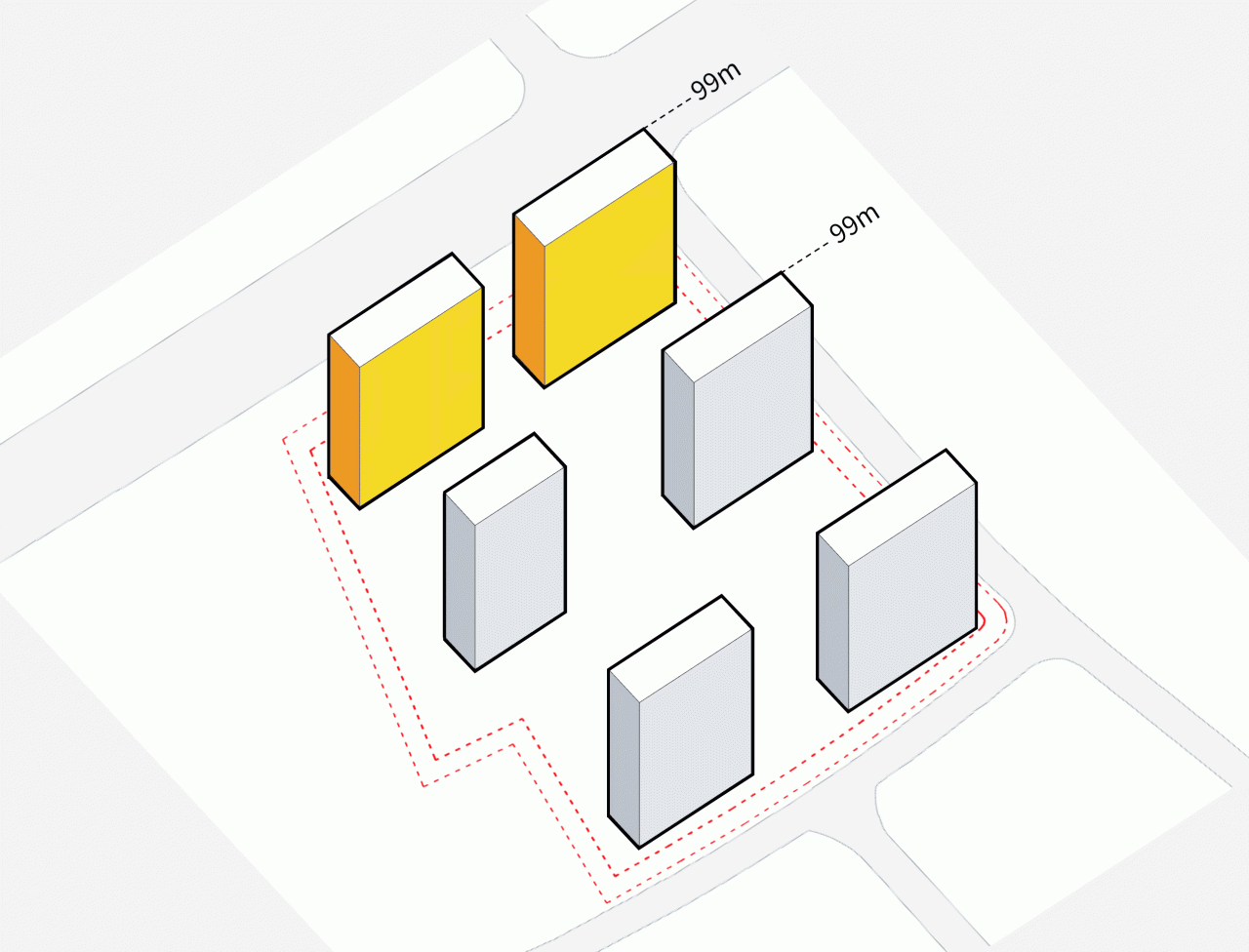
△ Plan generation diagram
We concentrated the apartment buildings onto just 20% of the land, fulfilling 50% of the capacity requirement. This left more space and flexibility for residential plots, resulting in a final composition of 20% high-rise residential, 30% ten-story western-style homes, and 50% six- to seven-story western-style villas.
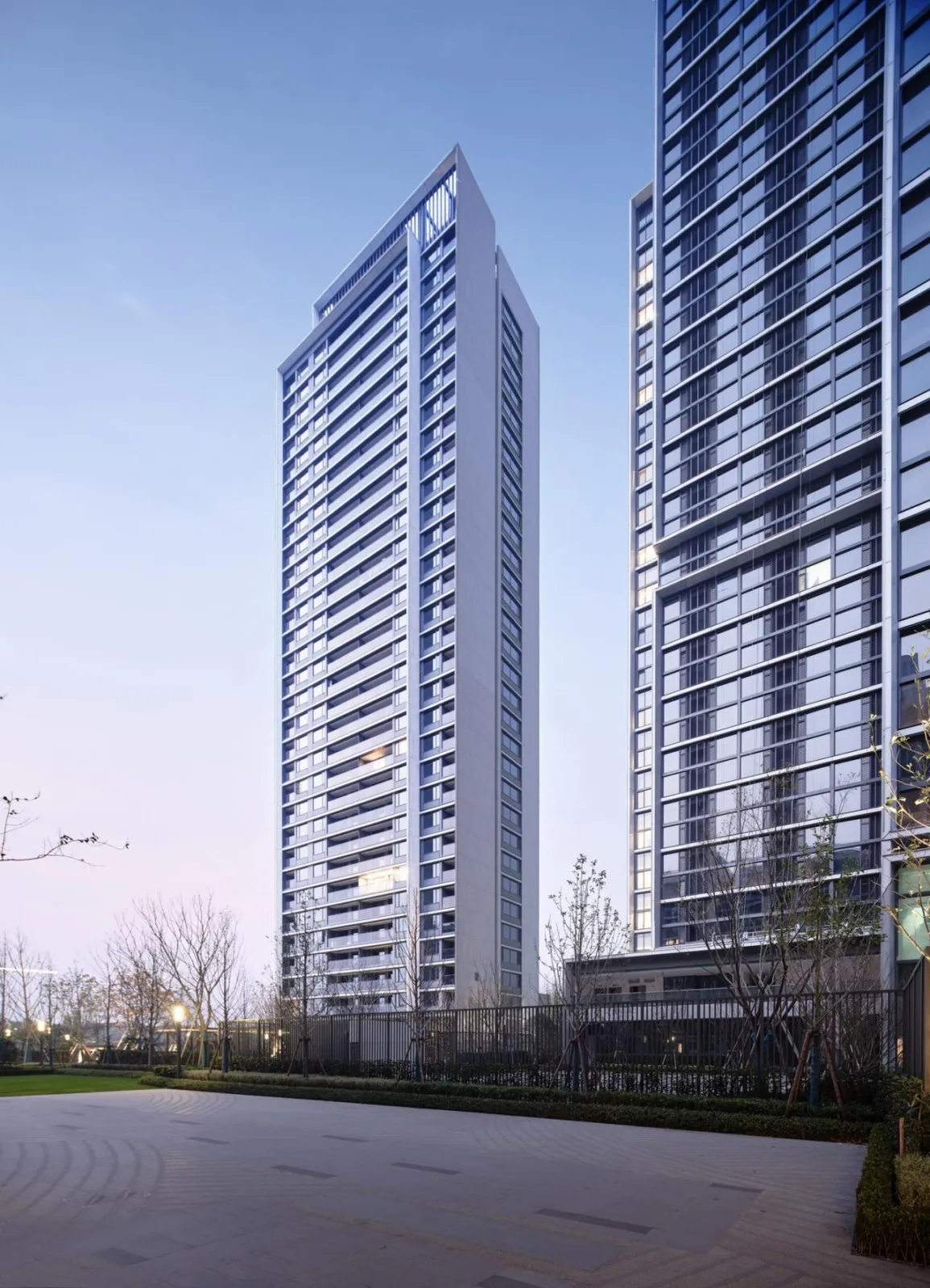
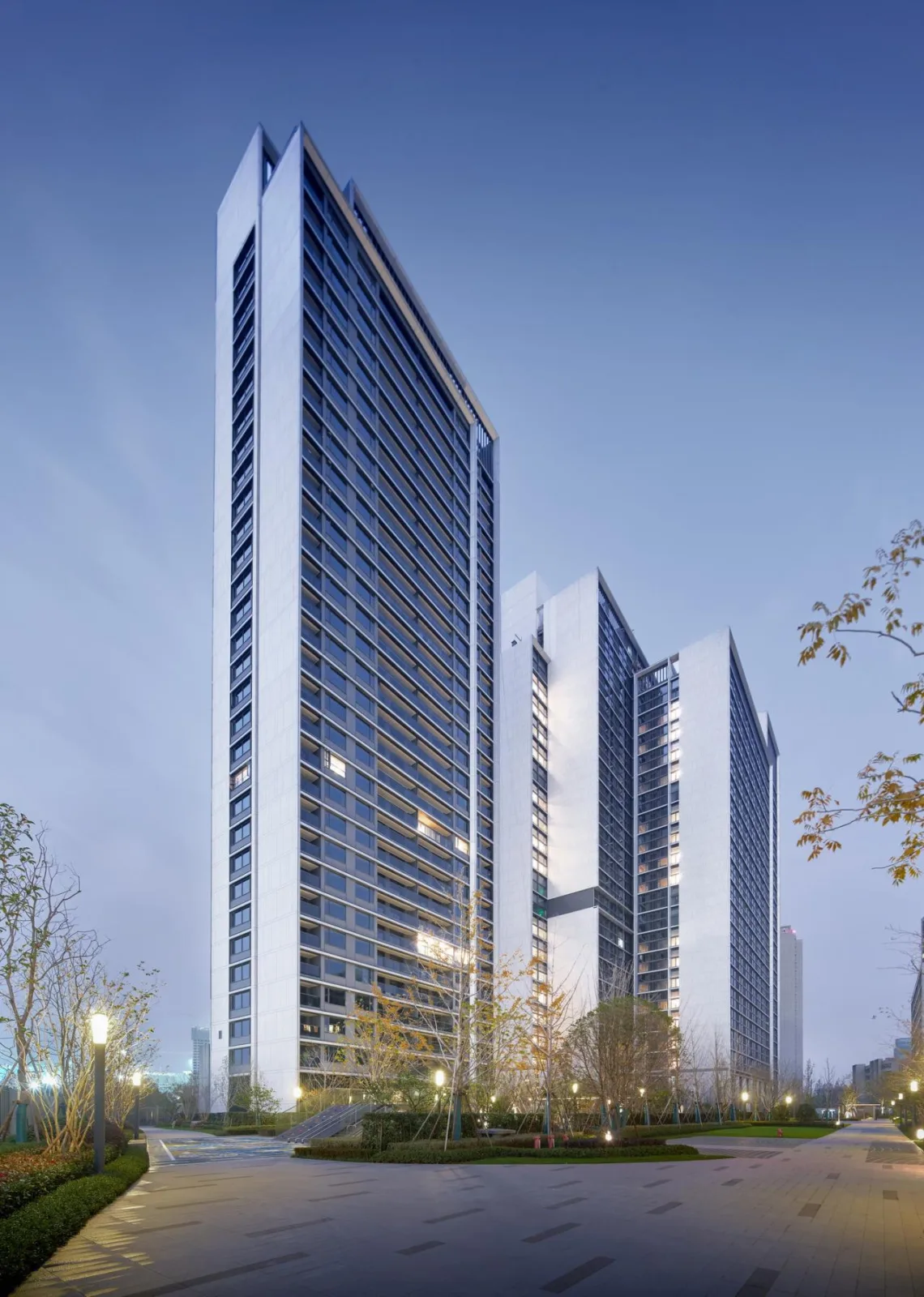
Compared to a typical high-rise residential layout, this mixed approach significantly increased total sales value and enriched the skyline with varied building heights. Single-row high-rise buildings were arranged to prevent sightline obstruction, opening up river views and enhancing the living experience.
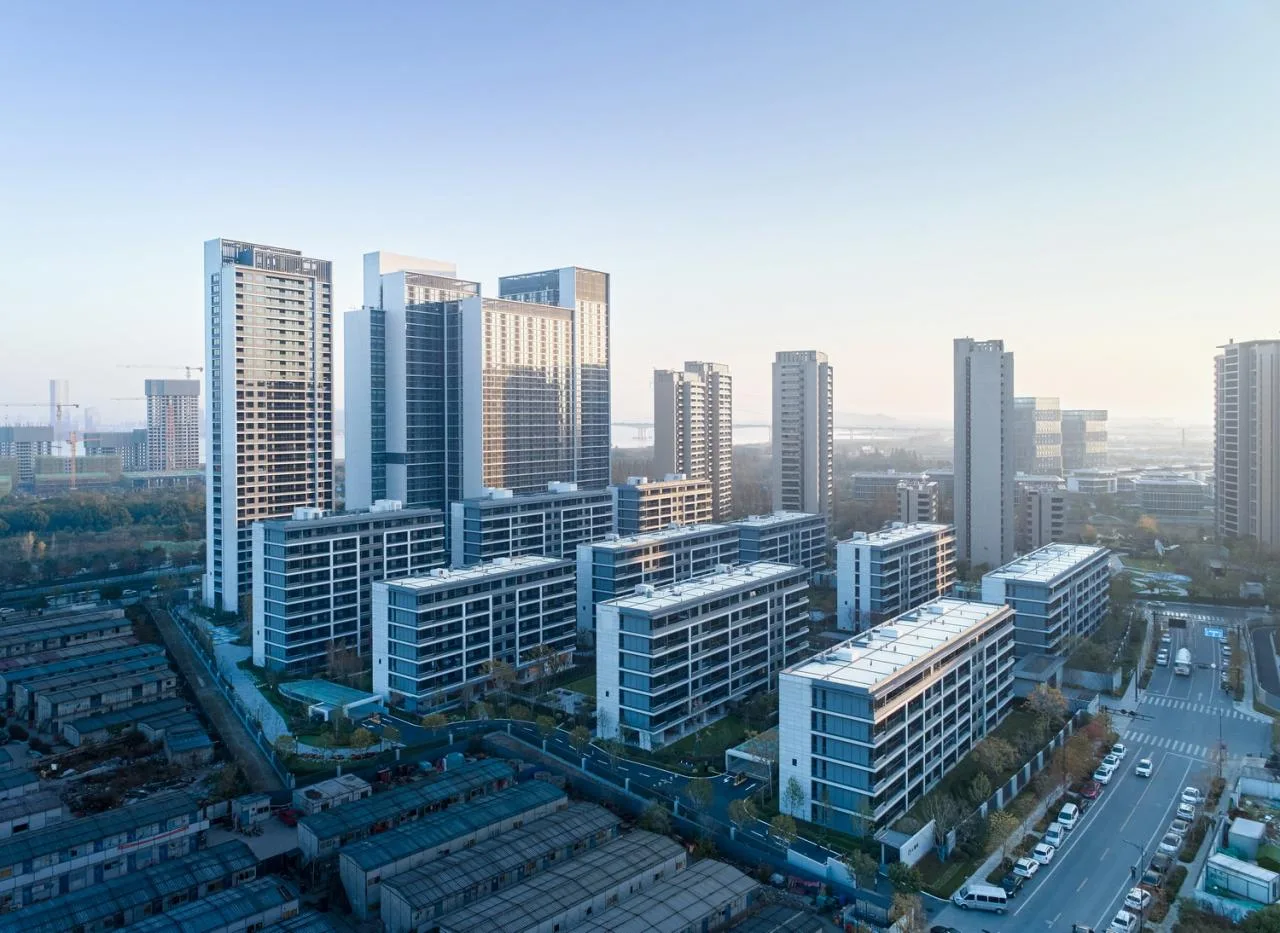
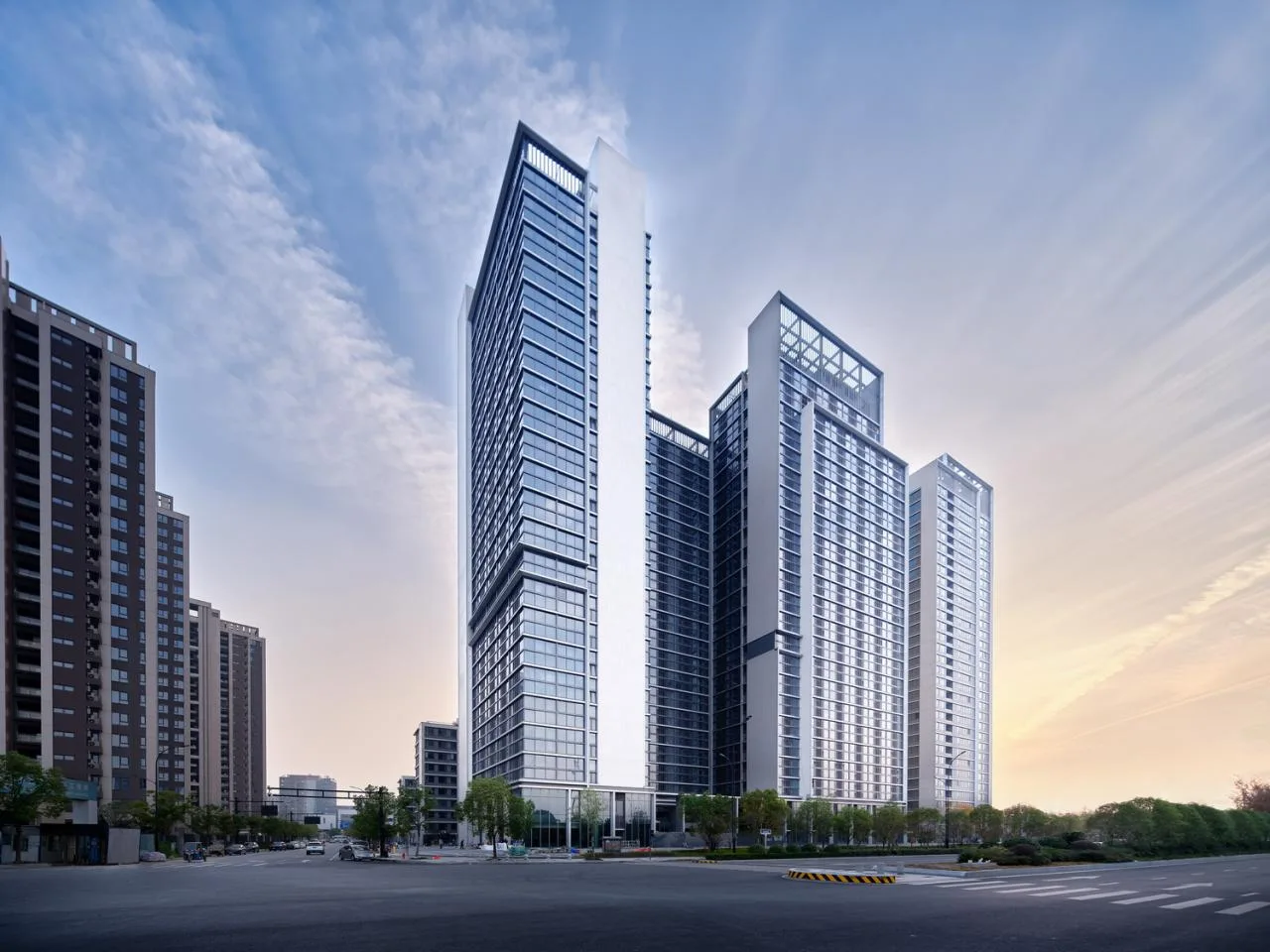
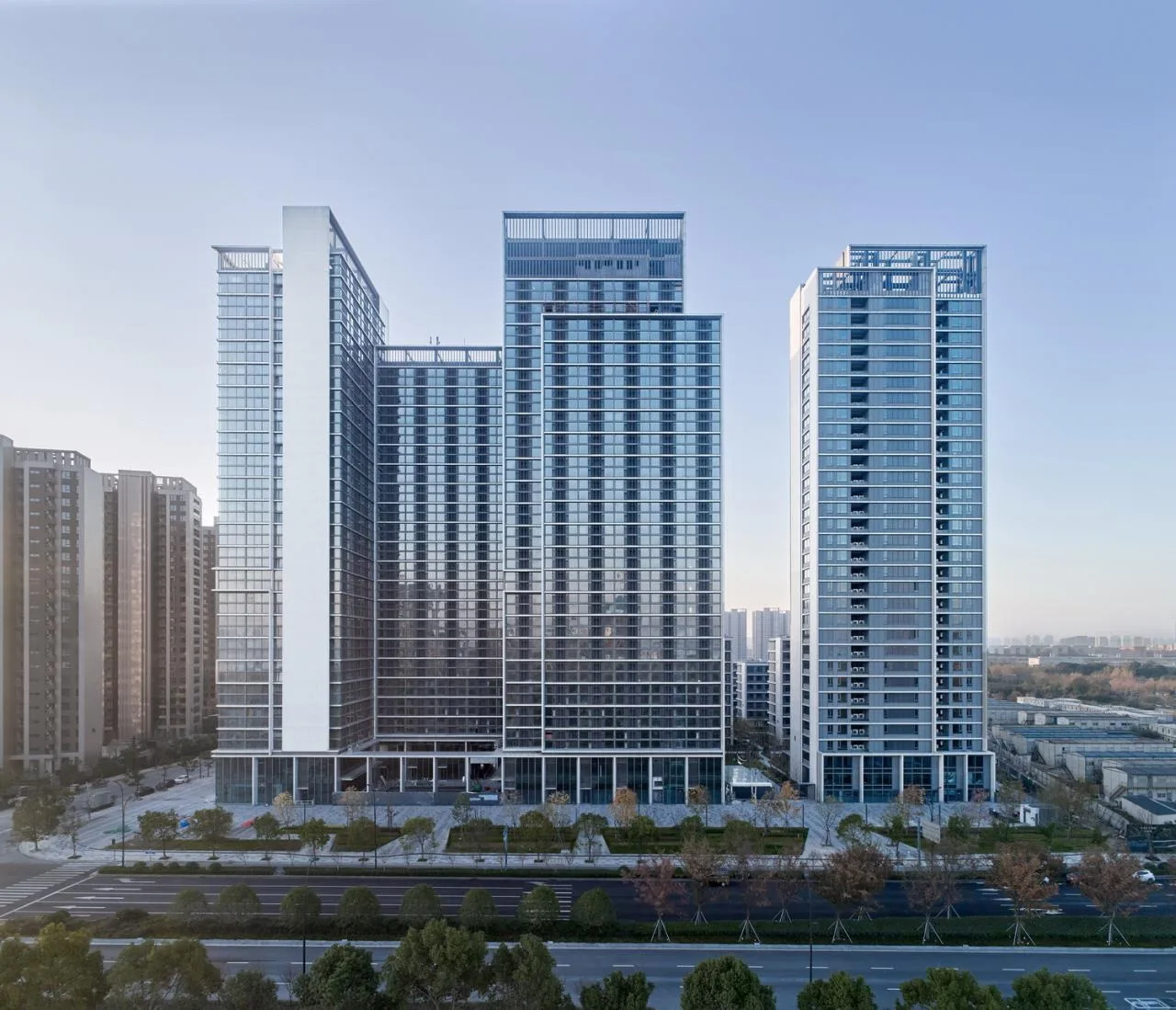
The centralized high-rise layout, however, introduced a potential sense of massiveness that could overwhelm the surroundings. To address this, the design breaks down and combines building forms, softening the visual impact and creating a cohesive yet dynamic urban presence for the northern city.
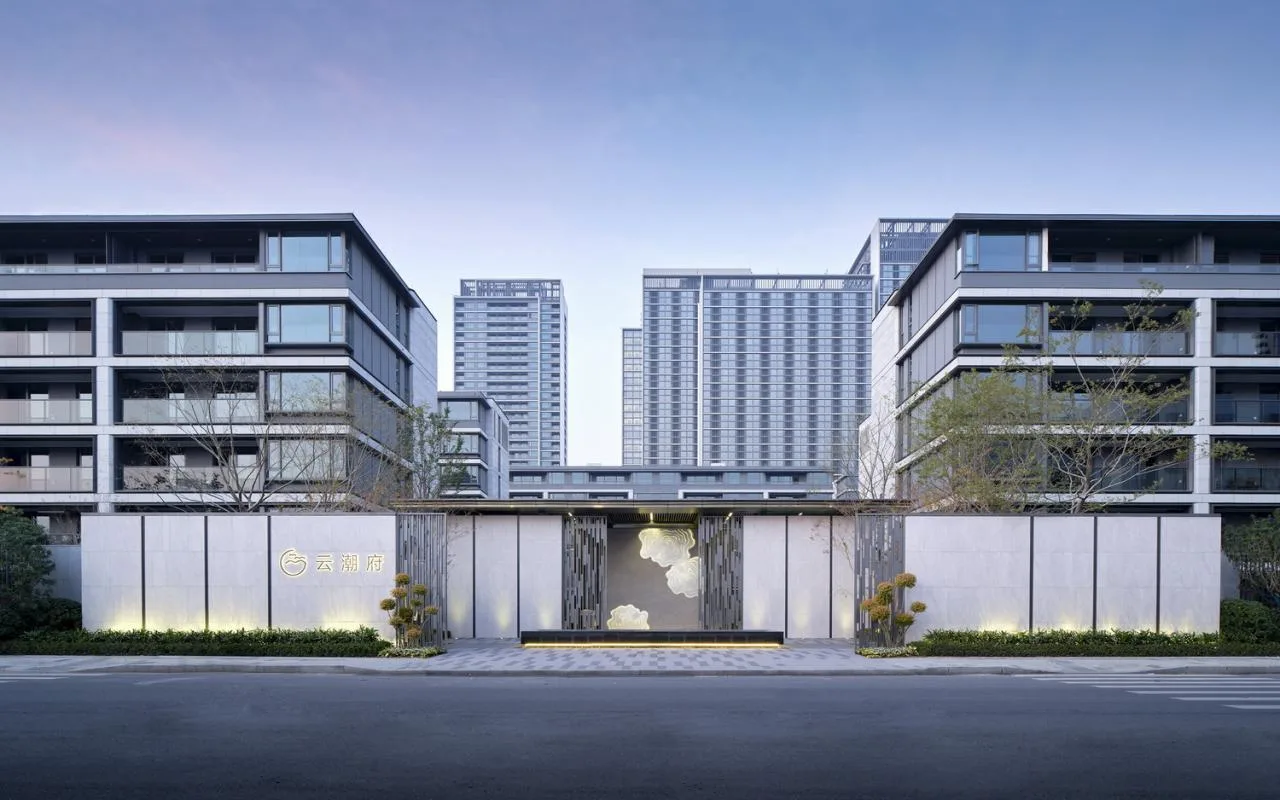
An entrance plaza facing the city was incorporated at ground level, complemented by a colonnade-defined small square providing an independent, welcoming arrival space for the small LOFT apartments.
The optimized master plan also enhances living quality at the community scale, intertwining generous building layouts with courtyard landscaping. This design supports ample public space and encourages a humanized residential environment.
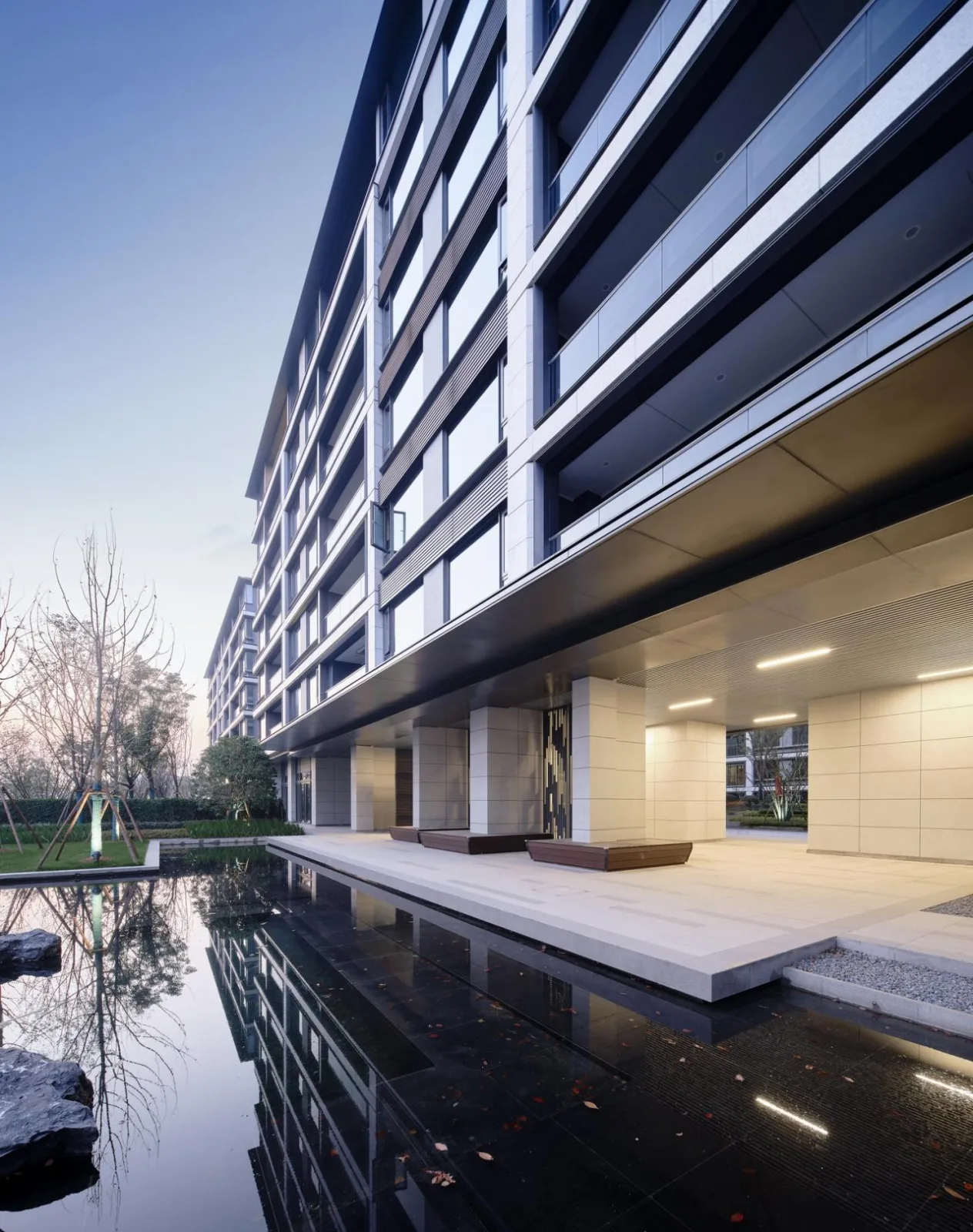
Based on market price differences between high-rise residences and multi-story villas at the time, the new master plan increased total sales value by approximately 15%.
3. Facade Optimization: High Quality within Cost Constraints
With strict price controls on residential sales, maintaining a high-quality finish while managing costs presented another major design challenge. Cost management was approached not as an afterthought of material substitution, but as an integral part of the design process from the outset, focusing investments strategically to balance product quality and owner returns.
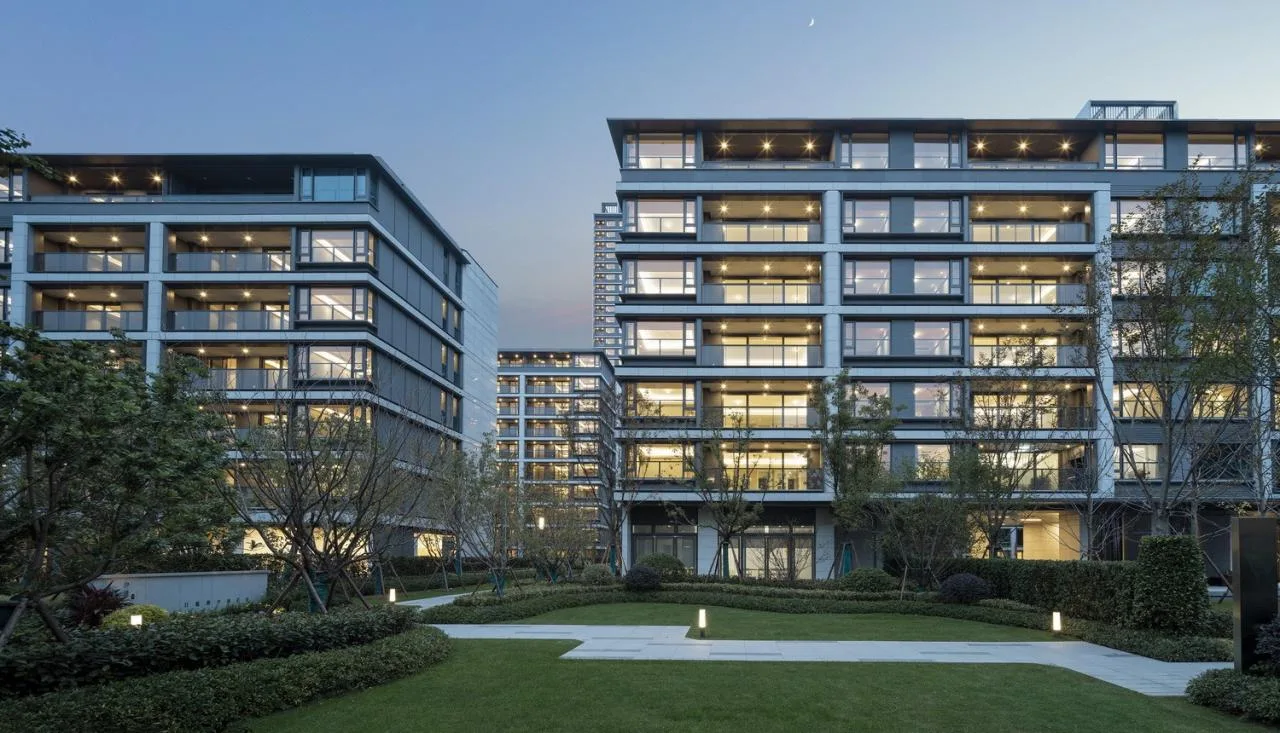
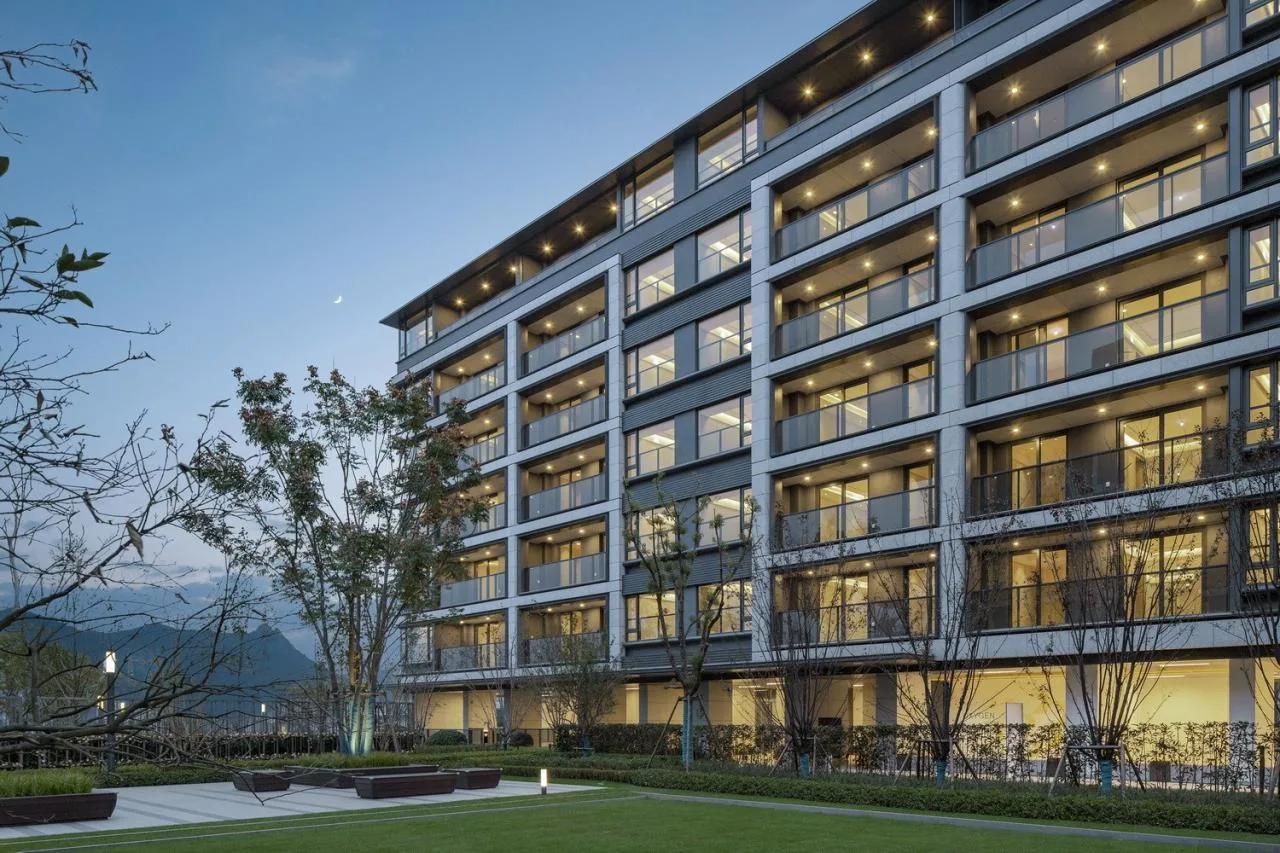
The owner, focused on a stable, low-risk market position, requested effective cost control without sacrificing the high-quality standards established in previous collaborations. Our facade strategy was to build on the style of our prior R&D product line, applying moderate optimization and subtle innovation tailored to this project.
To meet the challenge of cost control without compromising quality, we concentrated on facade materials, structural node designs, and handover details, focusing on five key aspects:
3.1 Stone Details
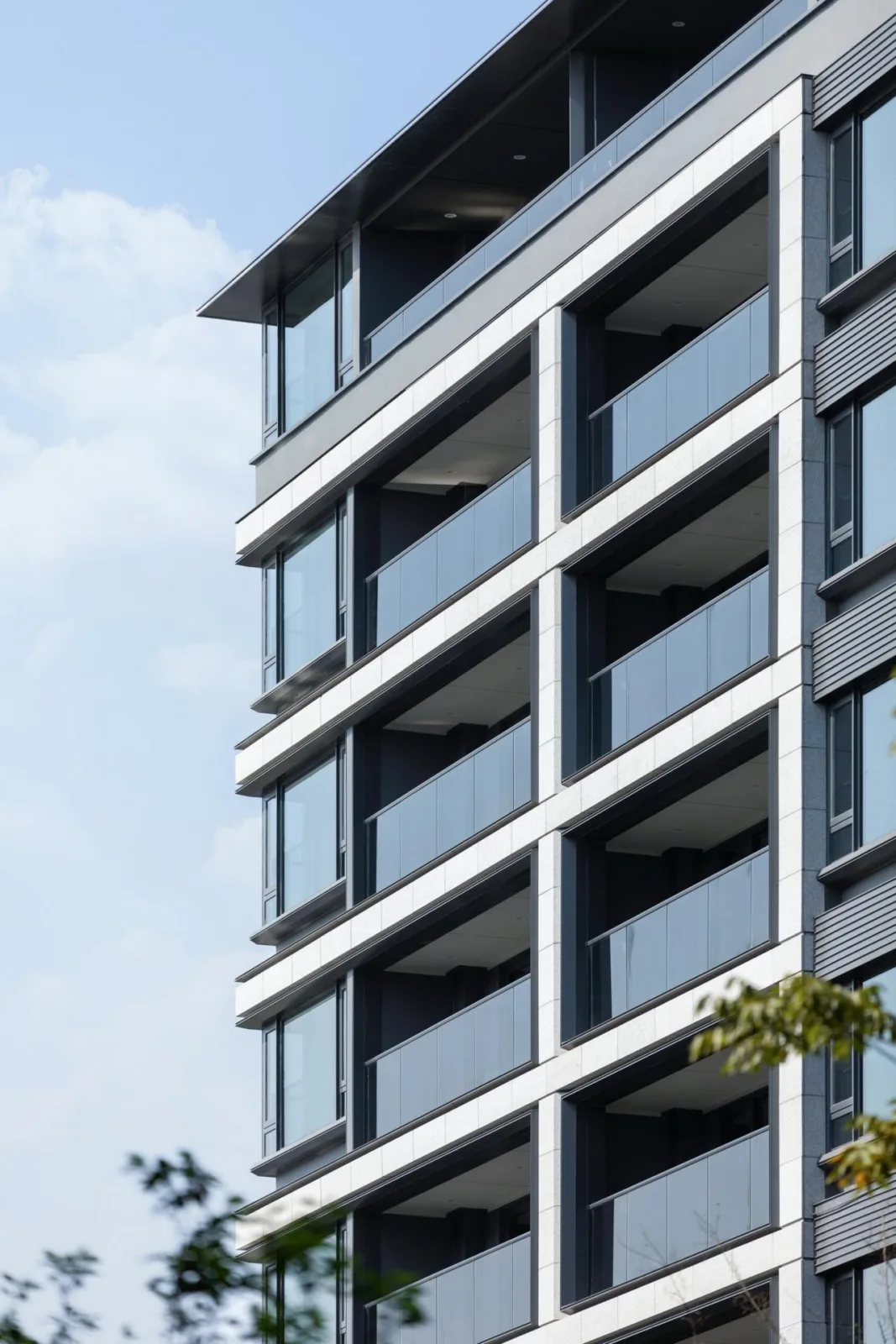
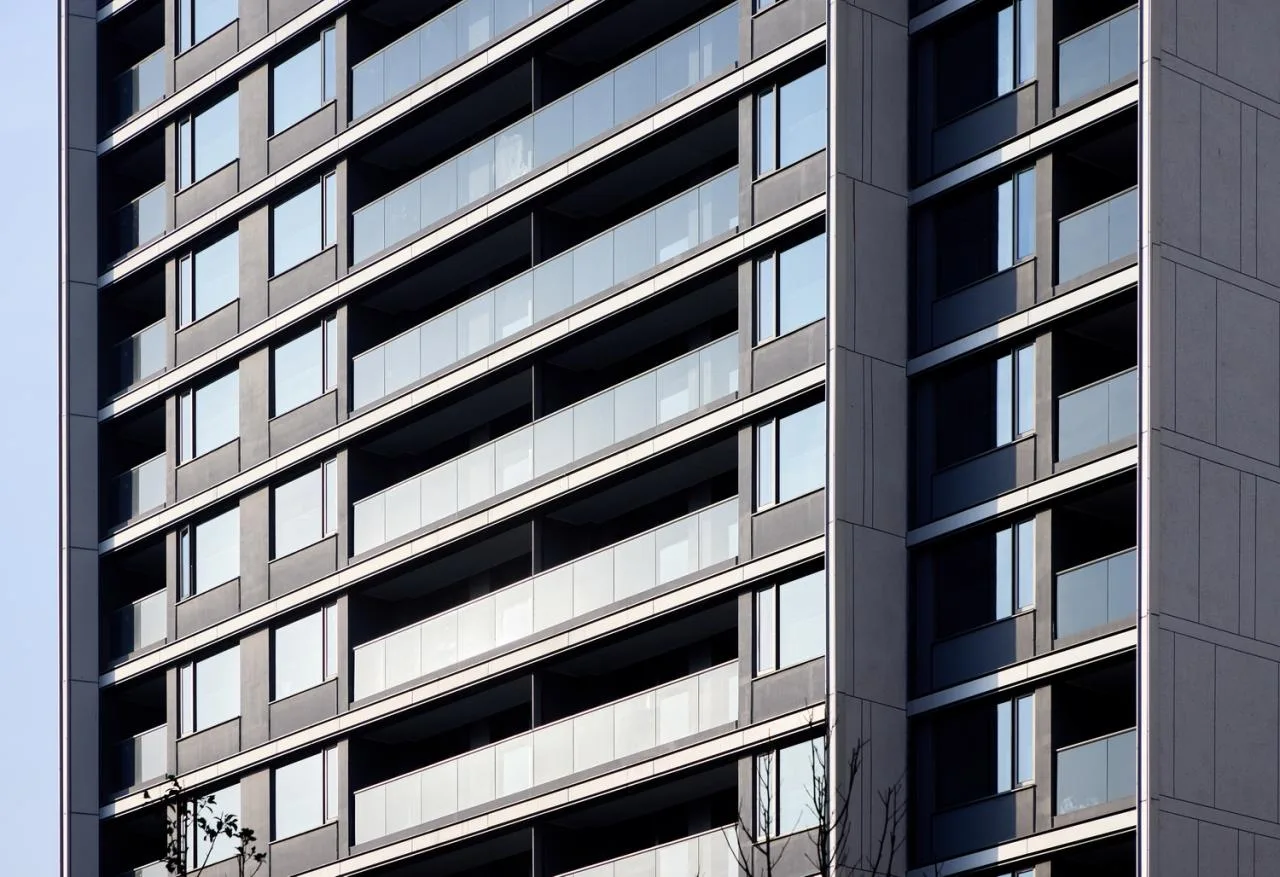
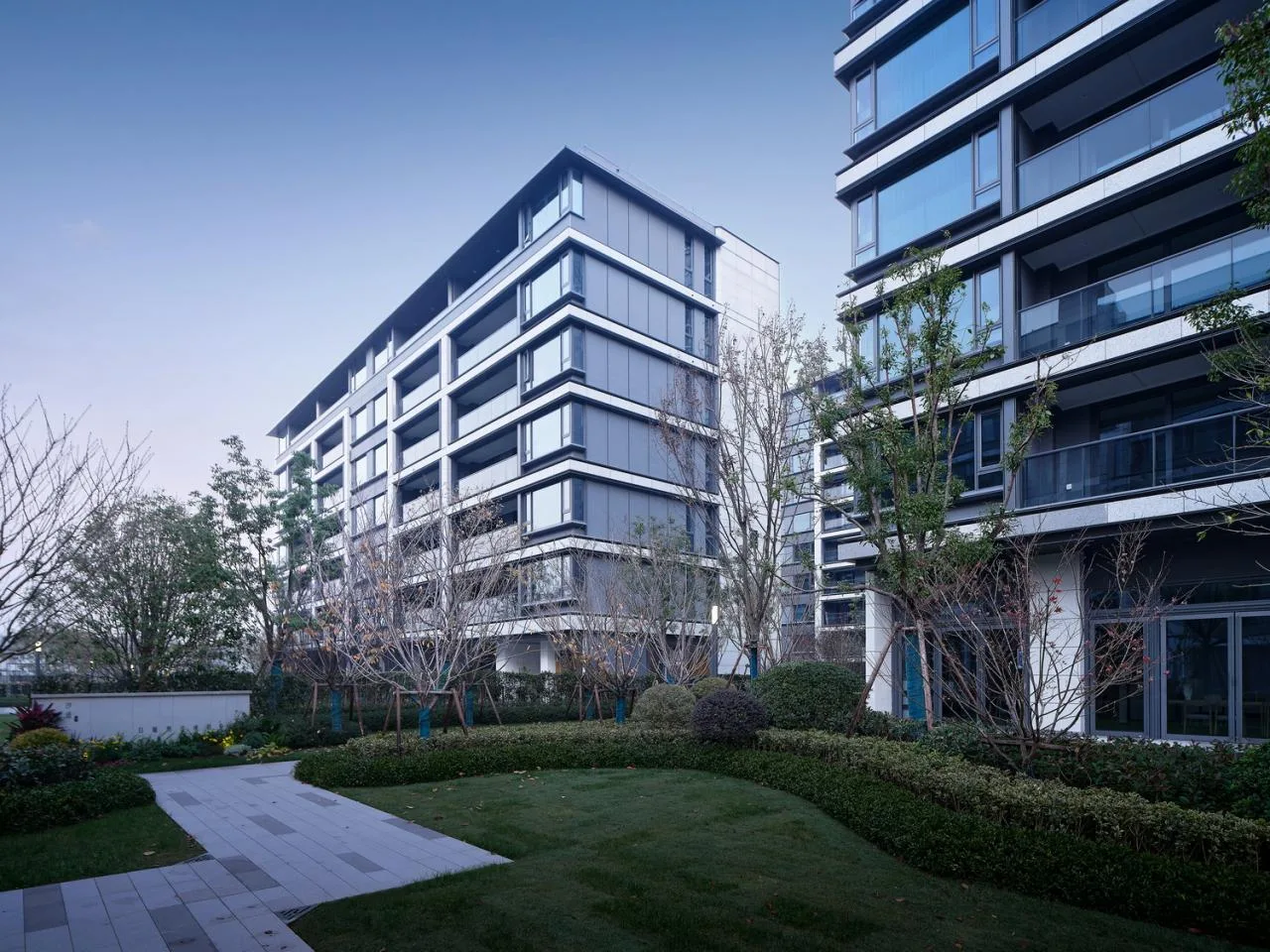
We replaced complex stone moldings with a combination of flat stone panels and metal profiles, leveraging material characteristics to control costs while maintaining rich facade details. This union of stone and metal gives the facade a fresh, contemporary look aligned with the project’s market positioning and current trends.
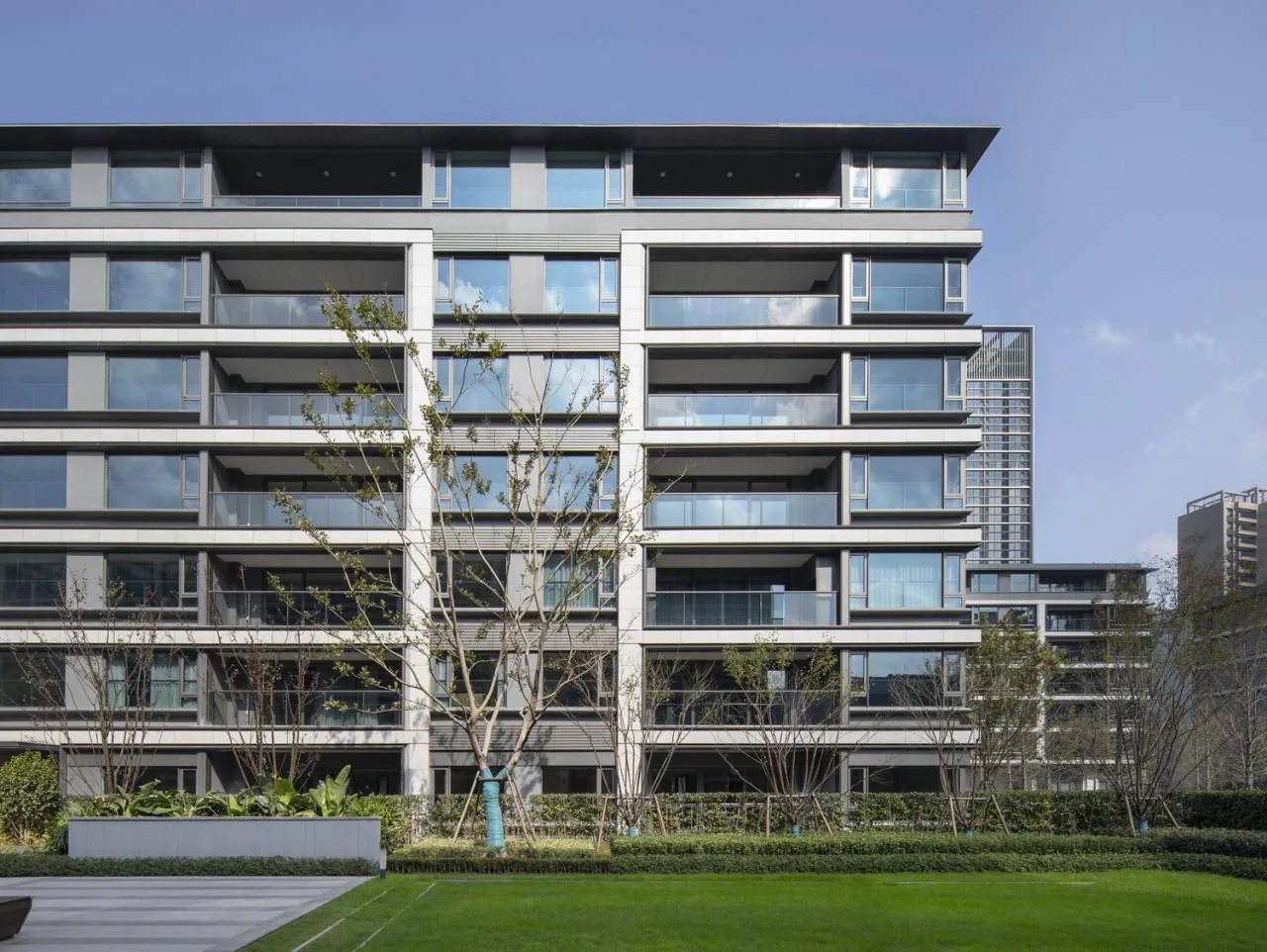
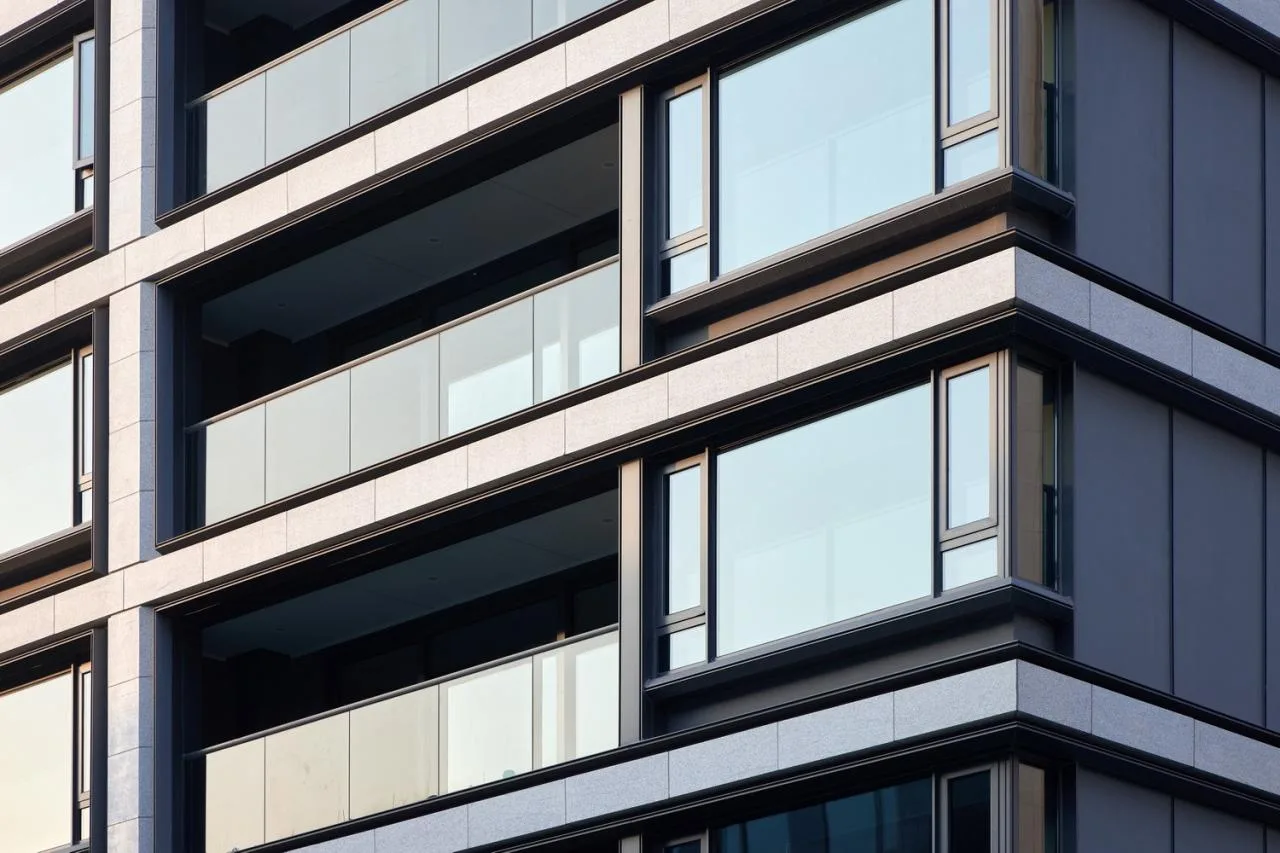
The combination of flat stone surfaces with metal profiles
3.2 Floating Windows
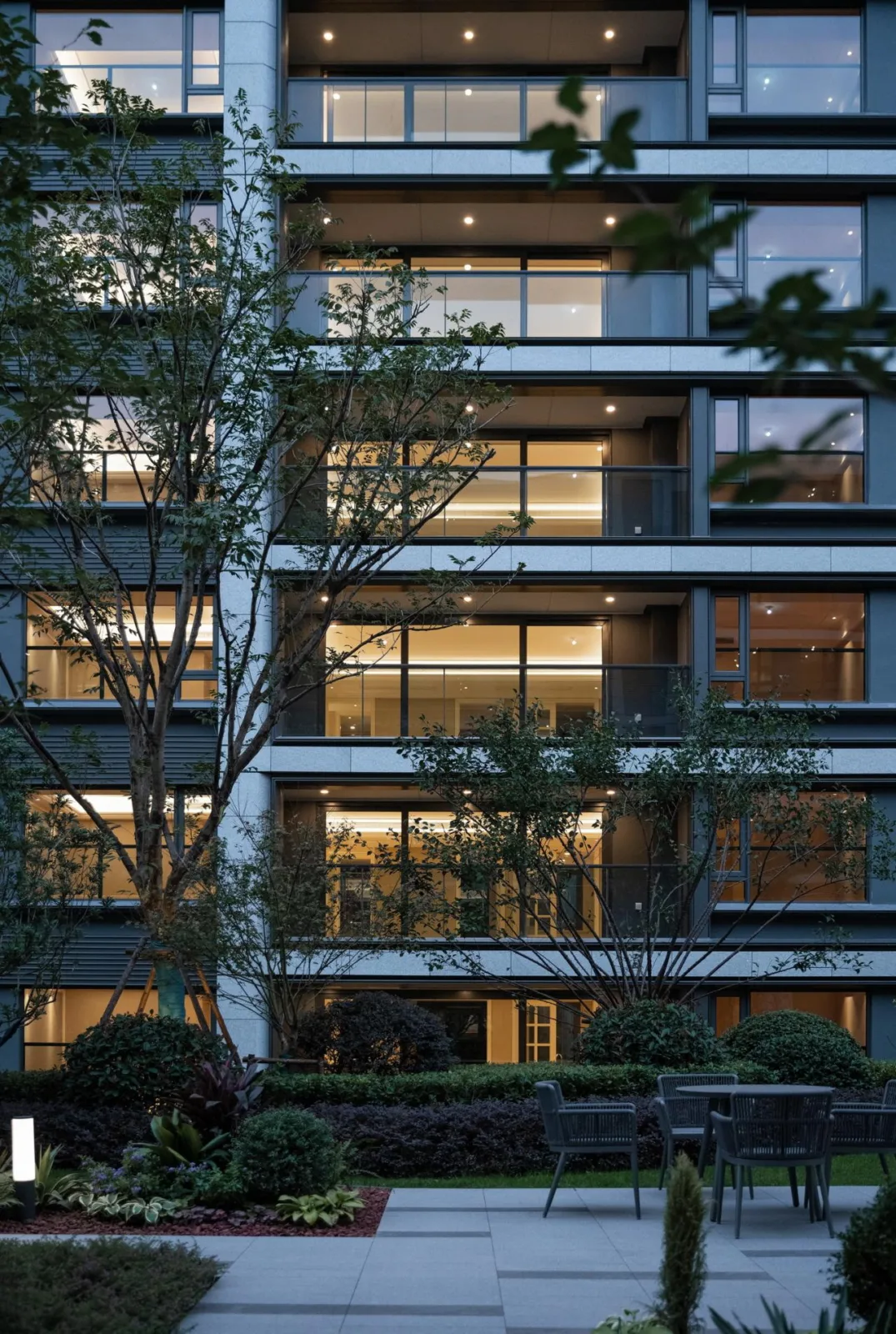
Rather than concealing bay window bases with glass or louvers, we exposed the structural elements to create a natural effect on the facade. Exquisite lines close the edges of bay window panels, with the concave sections coated in color-matched aluminum plates. This design creates a layered, second-level effect on the facade and emphasizes the light, dynamic form of corner bay windows.
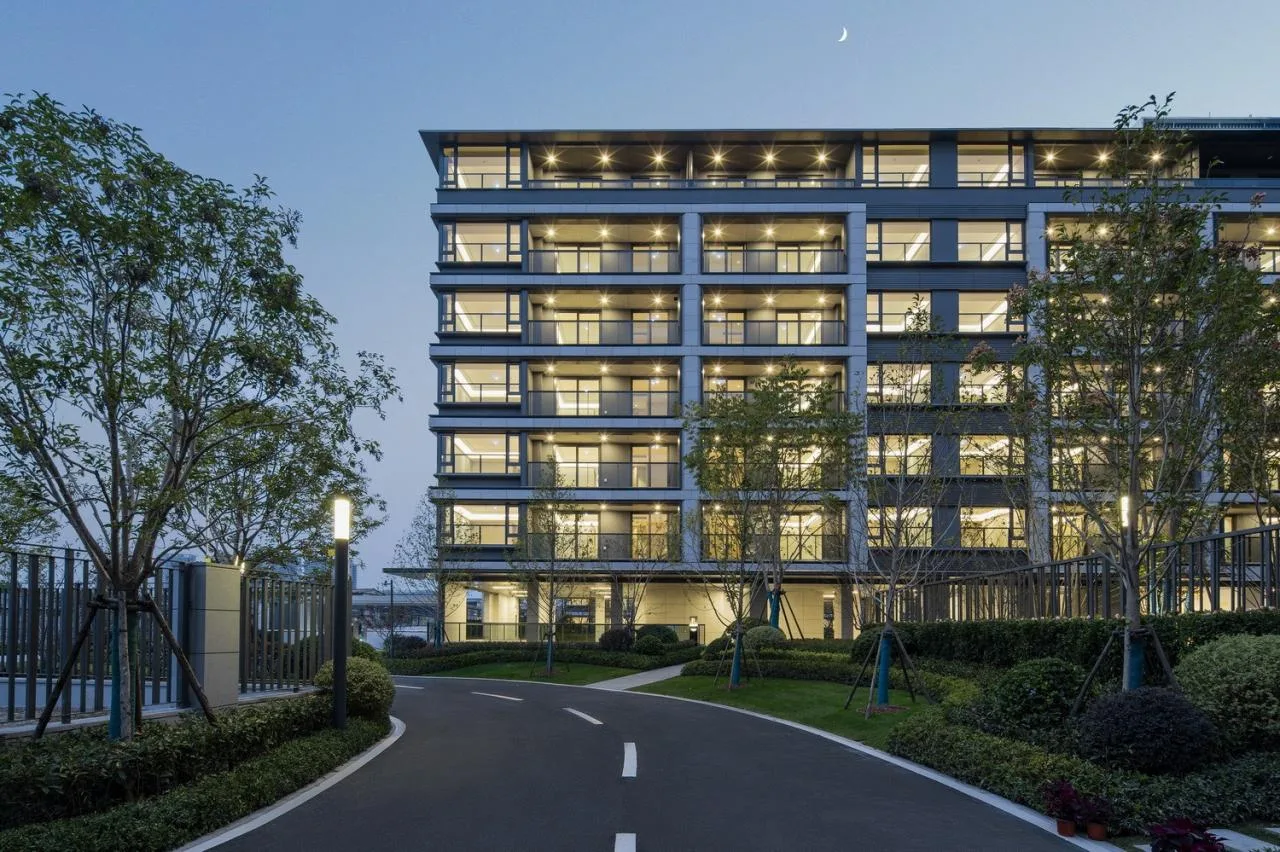
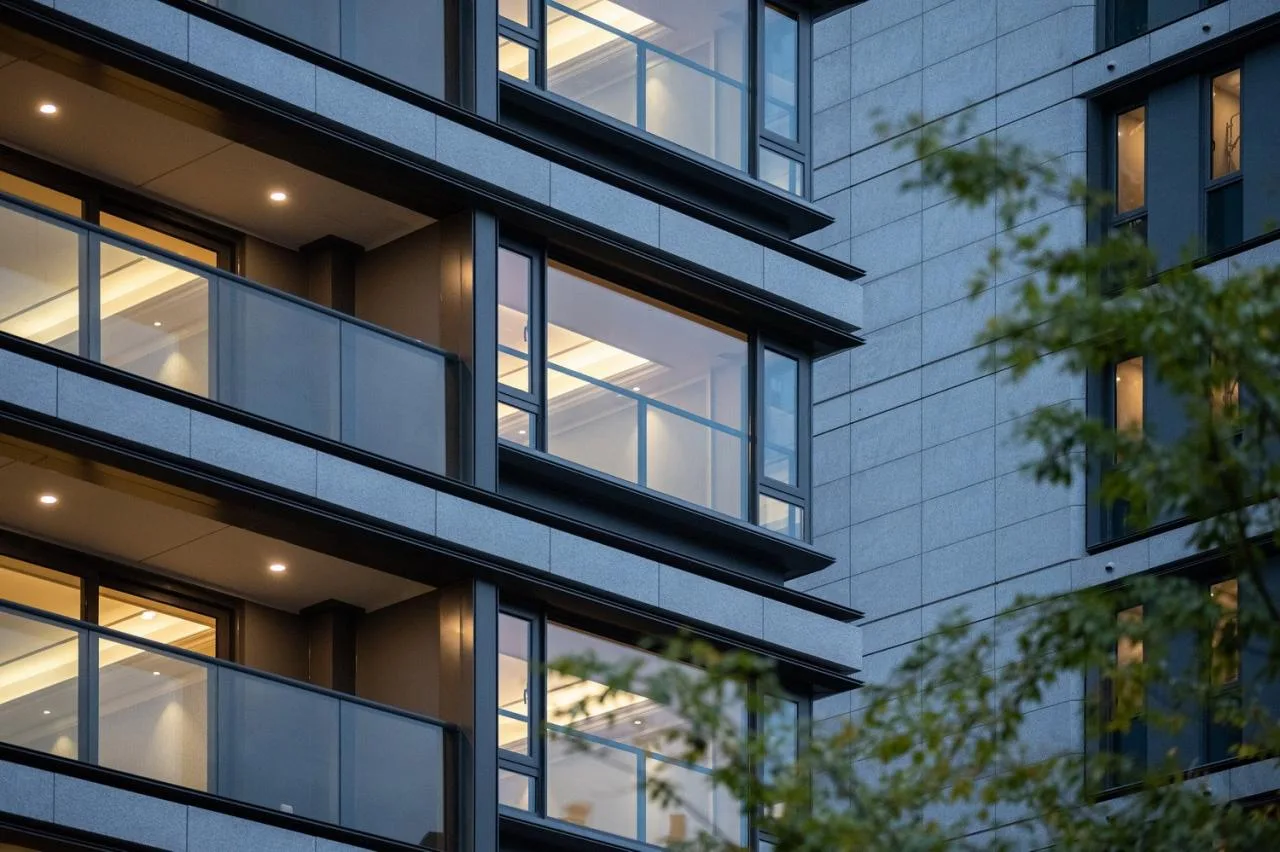
△ Natural expression of structural logic with bay window effect
3.3 Gable Wall Surface
Stone adds facade quality, but the south hall’s layout resulted in large, solid gable surfaces with monotonous texture. To enrich this area visually, we introduced paint and metal materials alongside stone, enhancing form clarity and layering.
To improve the coating’s refinement, we replaced traditional coating joints with U-shaped metal grooves, which segment the metal sheets and soften the visual impact of large coated surfaces.
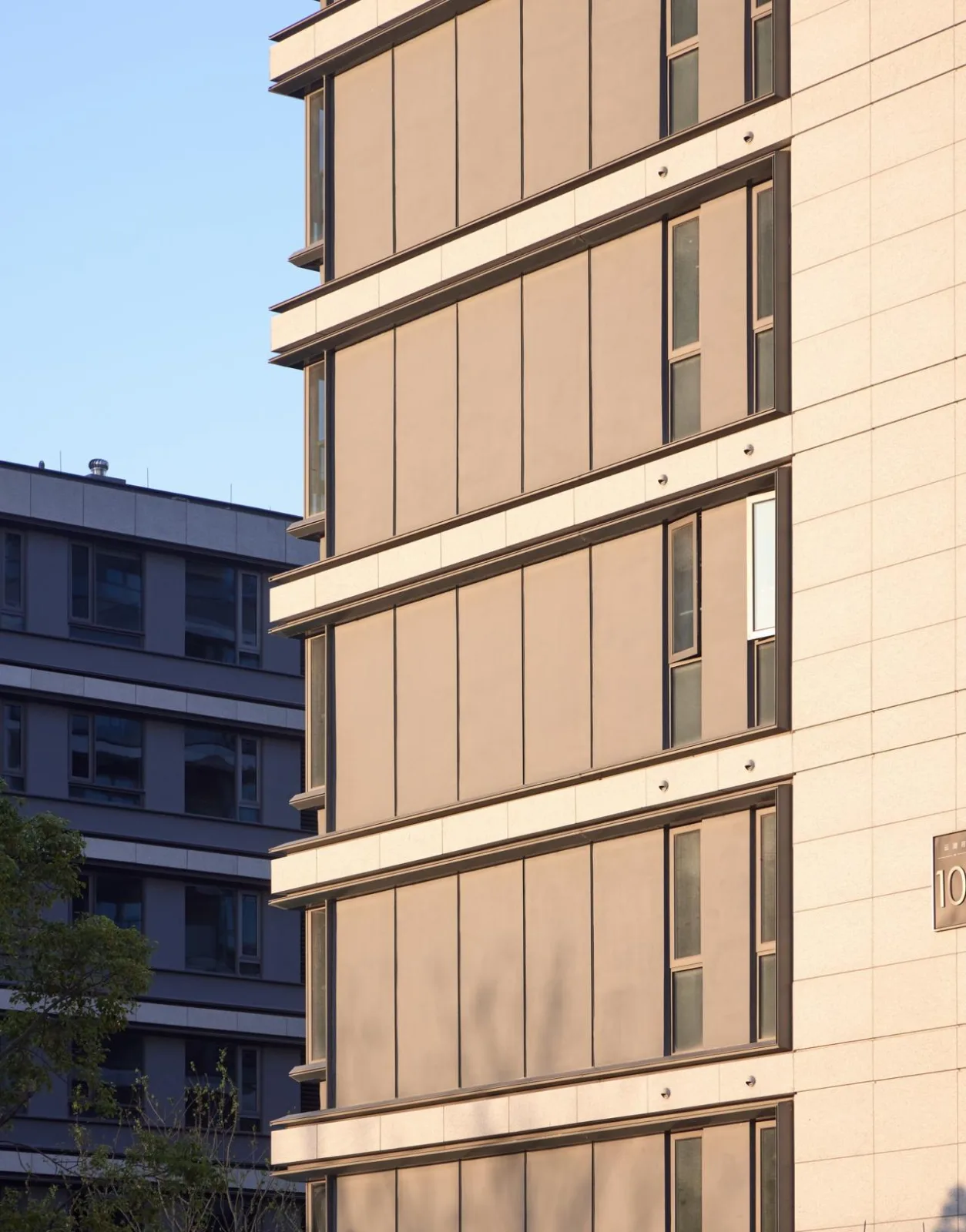
△ Gable wall coating with aluminum panel effect
3.4 North Facade
The north facade, constantly backlit, limits the visibility of aluminum panel materials. Considering that painted coatings offer a more refined visual effect at joints, we replaced aluminum panels with coatings here.
Metal profiles subdividing the north wall create vertical rhythm and simultaneously simulate aluminum panel textures through small-scale divisions.
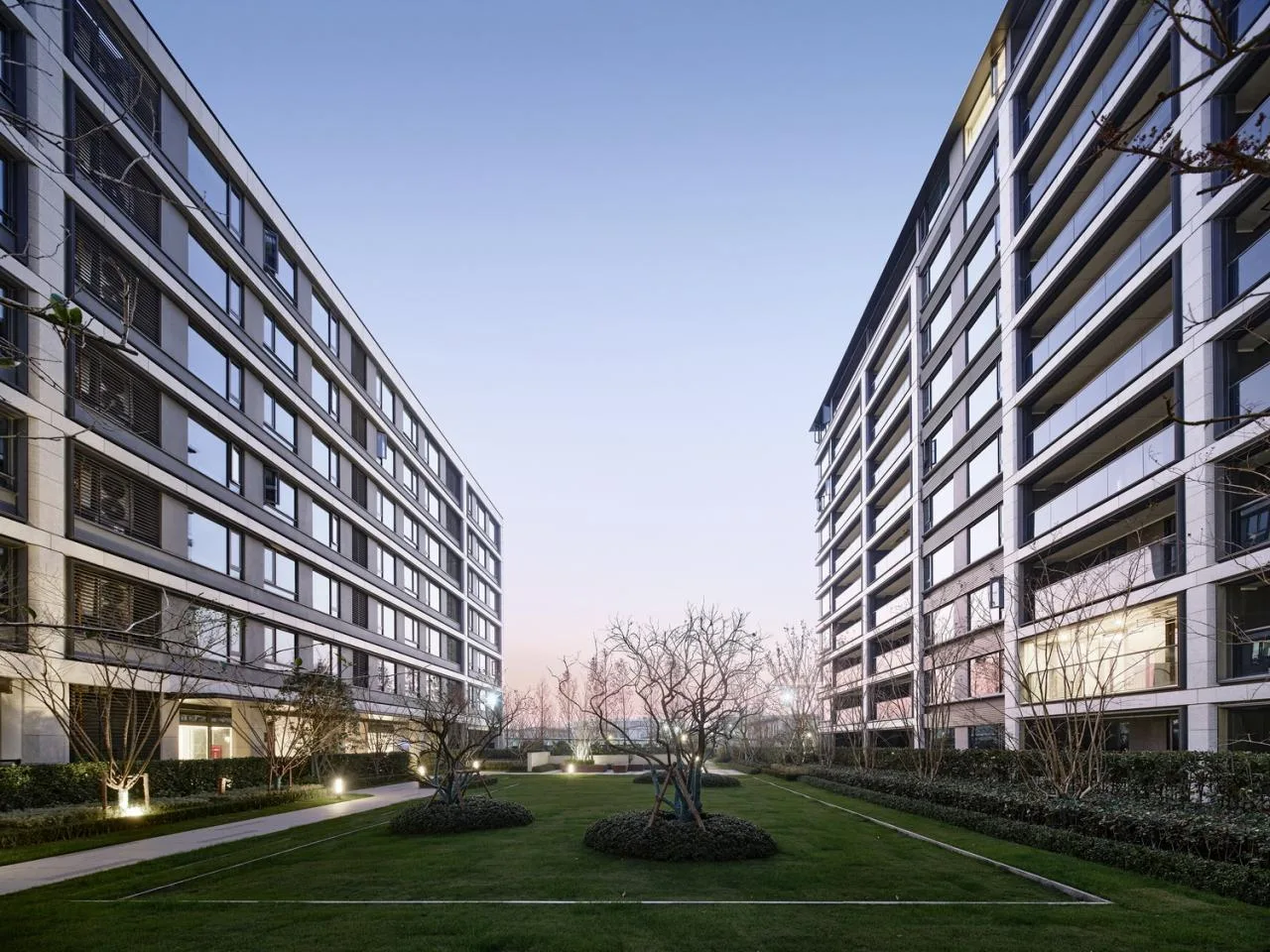
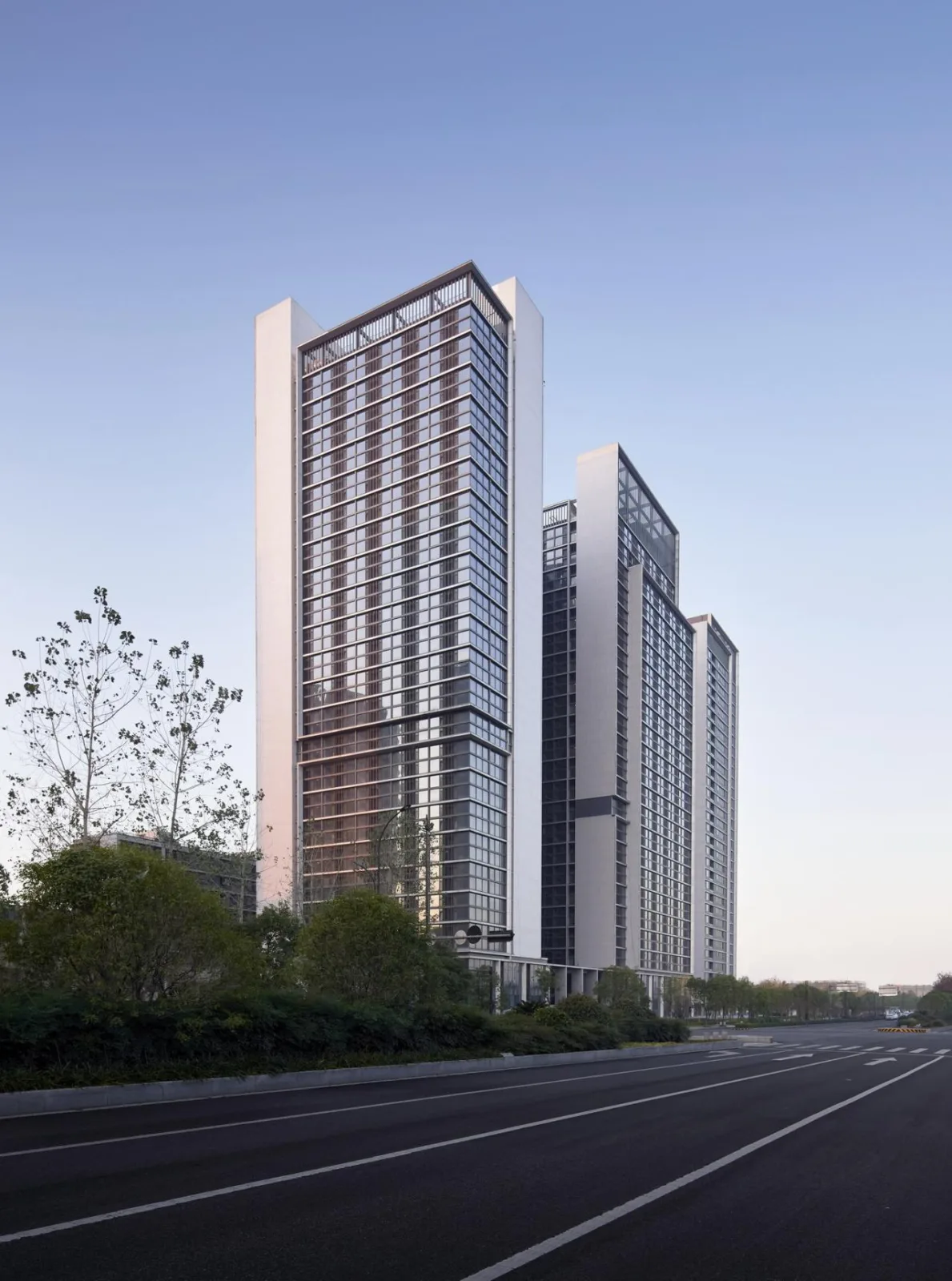
No obvious material difference between the south aluminum panel facade and the north painted facade
3.5 Material Selection
In previous collaborations, we mainly used pearl blue or imported blue eye stone, favored by the mature, high-end demographic for its refined and understated appearance. For this project’s more fashionable, international positioning aimed at a younger audience, after multiple rounds of sampling and comparison, the owner and design team agreed on a bright white hemp stone for the western-style homes’ facade.
The contrast of light-colored stone with dark gray metal profiles delivers a layered, dynamic facade, while also helping control costs.
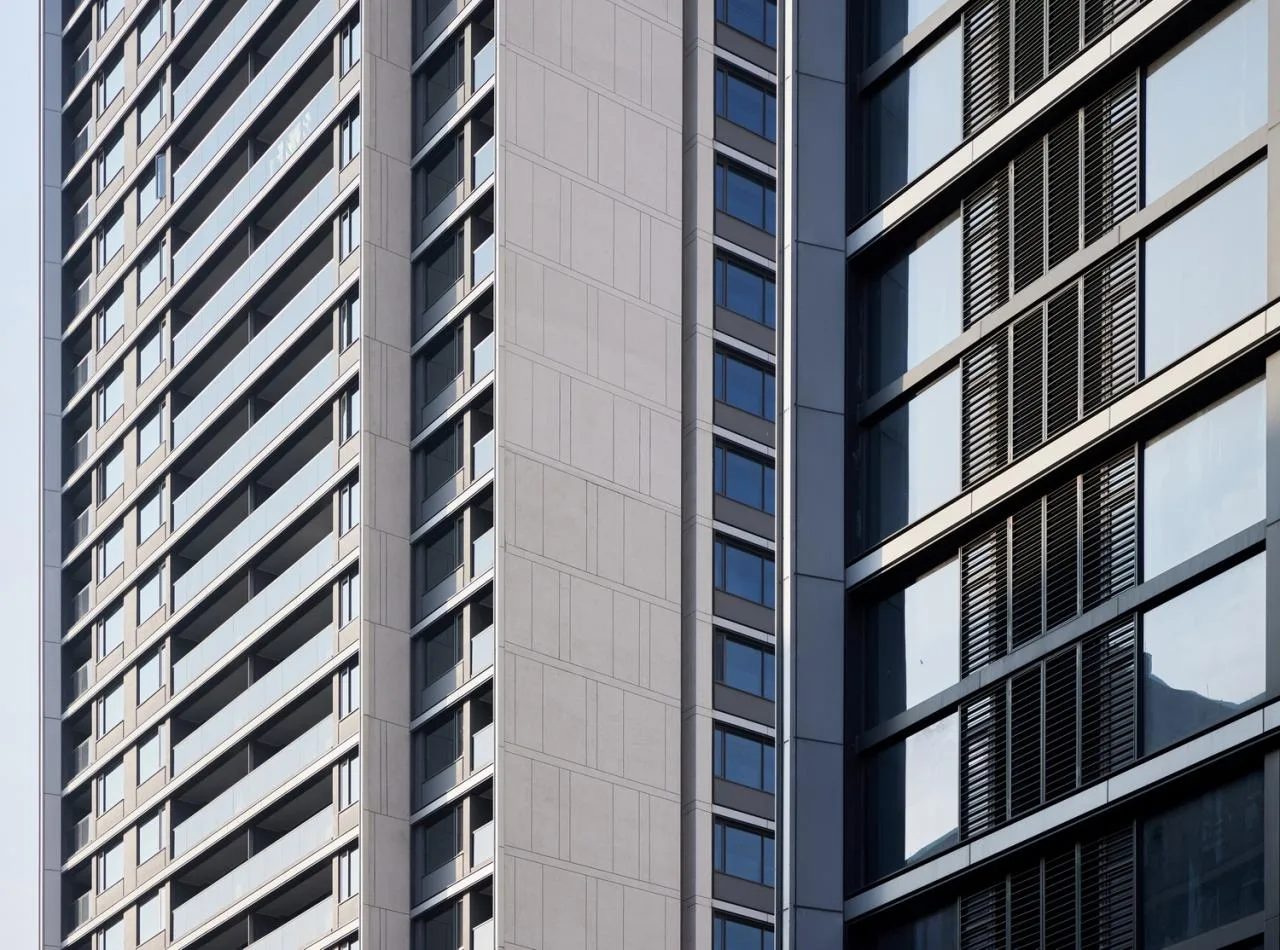
High-rise buildings use glass and aluminum panels on north and south facades, while gable walls are coated with a white linen stone effect. Light-colored metal profiles mark transitions between main and secondary facades, creating refined, upright edges. Rhythmic joints and varied sample textures on the coated gable walls simulate a natural stone appearance.
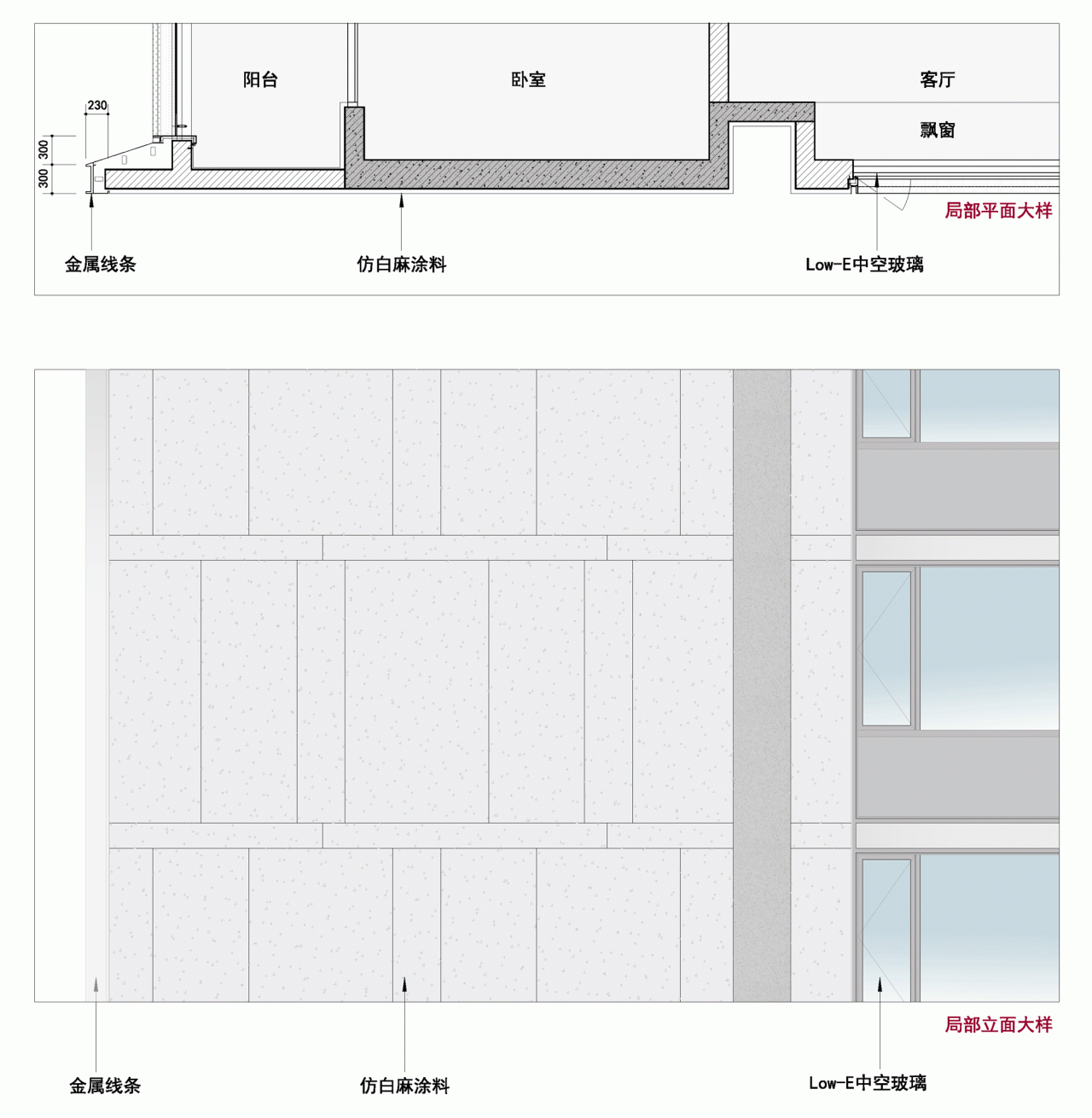
Facade materials analysis
Through these five detailed strategies, we ensured quality while effectively controlling costs, creating unexpectedly striking visual effects. In today’s competitive real estate market, our approach is to offer rational, targeted design solutions rather than simply adding or removing materials, helping owners solve challenges professionally.
Conclusion
Driven by the national emphasis on “high-quality development and meeting residents’ demand for quality housing,” the real estate industry has moved away from extensive growth models towards rational, quality-focused development. This shift highlights the increasing importance of architectural quality and design value, signaling a new, improved era.
Commercial real estate development is complex, where quality cannot be discussed without considering profitability. Often, project quality is constrained by business returns. Design plays a pivotal role not only in product quality but also in balancing the tension between quality and profitability. Architects act as mediators, coordinating and balancing these opposing demands.
Understanding the value differences among product types and achieving maximum value through thoughtful planning and layout are key strengths of Line+ in the Rongchuang Yunchao Mansion project. Our focus extends beyond architecture to comprehensive planning, detailed node design, quality control, and full-service delivery from design to construction.
After three years of refinement, Rongchuang Yunchao Mansion has realized a high-quality living environment that delivers value to owners, ideal spaces for residents, and enhances the urban living landscape—strong evidence of Line+’s design value.
Project Information
Project Name: Rongchuang Yunchao Mansion
Location: Hangzhou, Zhejiang
Design Firm: Line+ Architectural Firm gad
Website: www.lineplus.studio
Lead Architect/Project Creator: Meng Fanhao
Project Leader: Miao Chunle
Design Team: Huang Guangwei, Xu Tianju, Xing Shu, Zhu Min, Zhu Xiaojing, Ding Jian
Building Area: 109,822 square meters
Design Period: 2018
Construction Period: 2019–2021
Owner: Hangzhou Kerong Real Estate Co., Ltd
Landscape Design: Jialian Design
Interior Design: EH+DESIGN
Construction Drawing Design: Zhejiang Industrial Design and Research Institute
Curtain Wall Design: Zhejiang Zhongnan Construction Group Co., Ltd
Photography: Aoguan Architectural Vision, Fog Mirror















Must log in before commenting!
Sign Up