
With the rapid increase in urban car ownership, major cities have implemented vehicle restriction policies. As a result, self-driving travel can no longer be simply measured by distance. Searching for parking spaces, waiting for availability, and even illegal parking contribute to significant, fragmented traffic flows that disrupt urban mobility and perpetuate a vicious cycle. For drivers, traditional parking structures have often meant navigating dark, cramped, congested, poorly ventilated spaces with monotonous experiences.
In early 2017, Qiantou Group planned to develop a series of parking buildings within Hangzhou’s urban area to optimize the city’s static traffic. They organized an international design competition, inviting only two domestic firms, including our team. Drawing inspiration from Hangzhou’s internet culture, we aimed to transform the design of a single parking building into a scalable product—a network of “micro hub” parking structures.
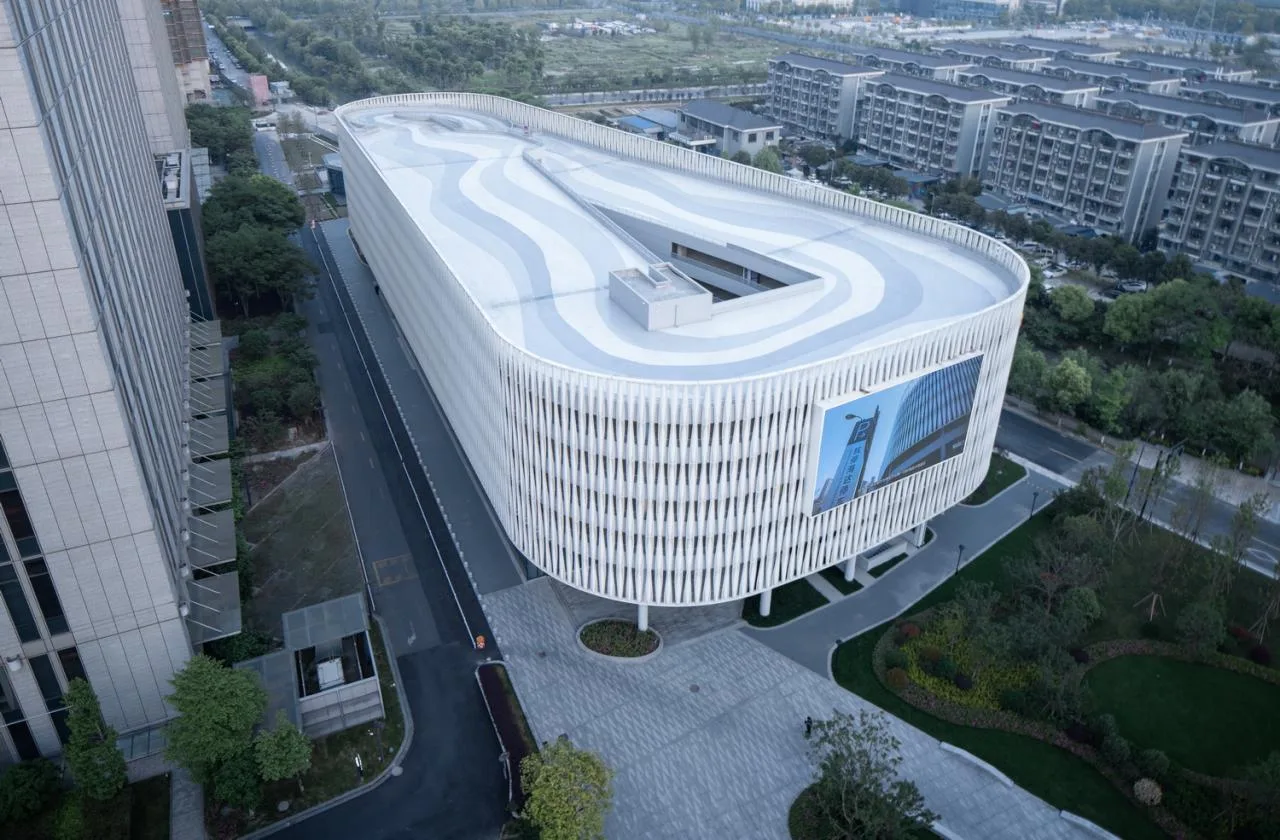
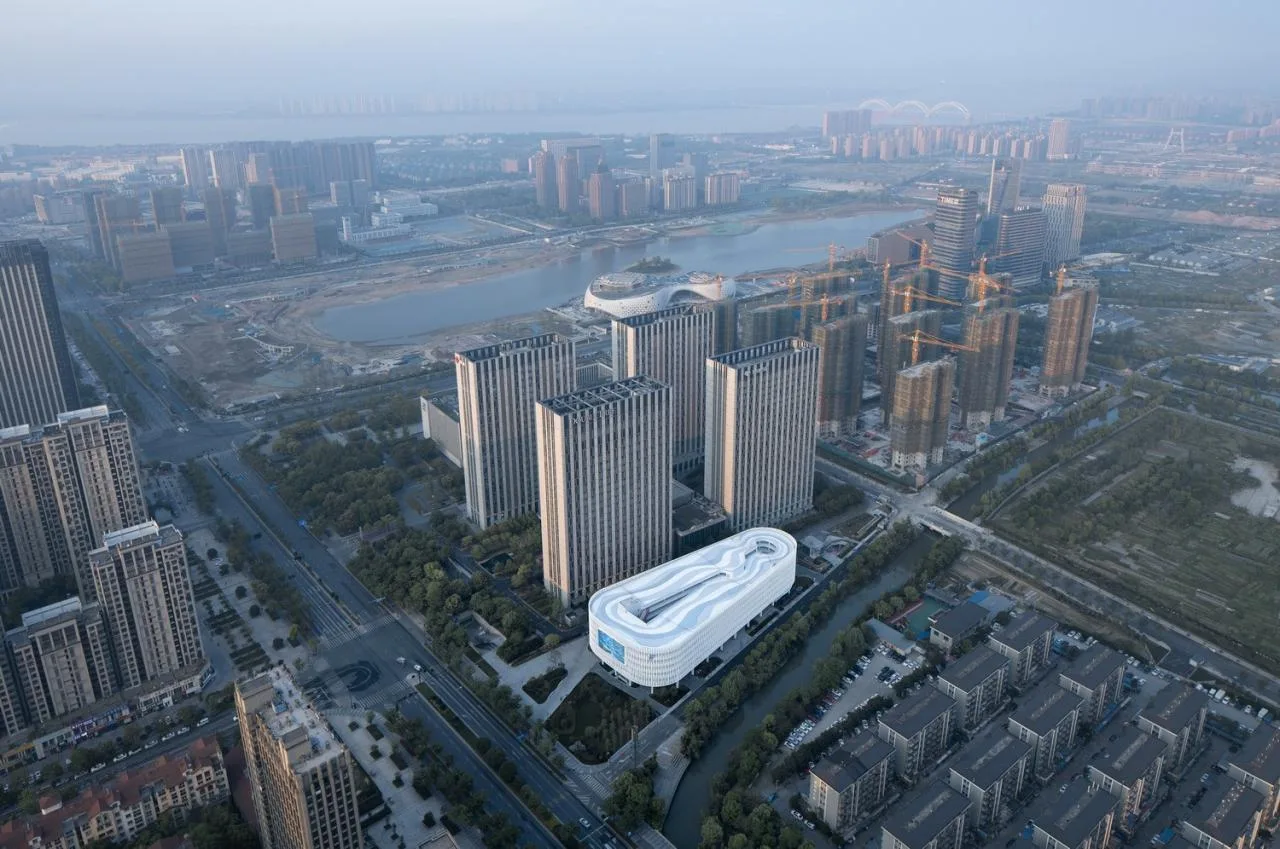
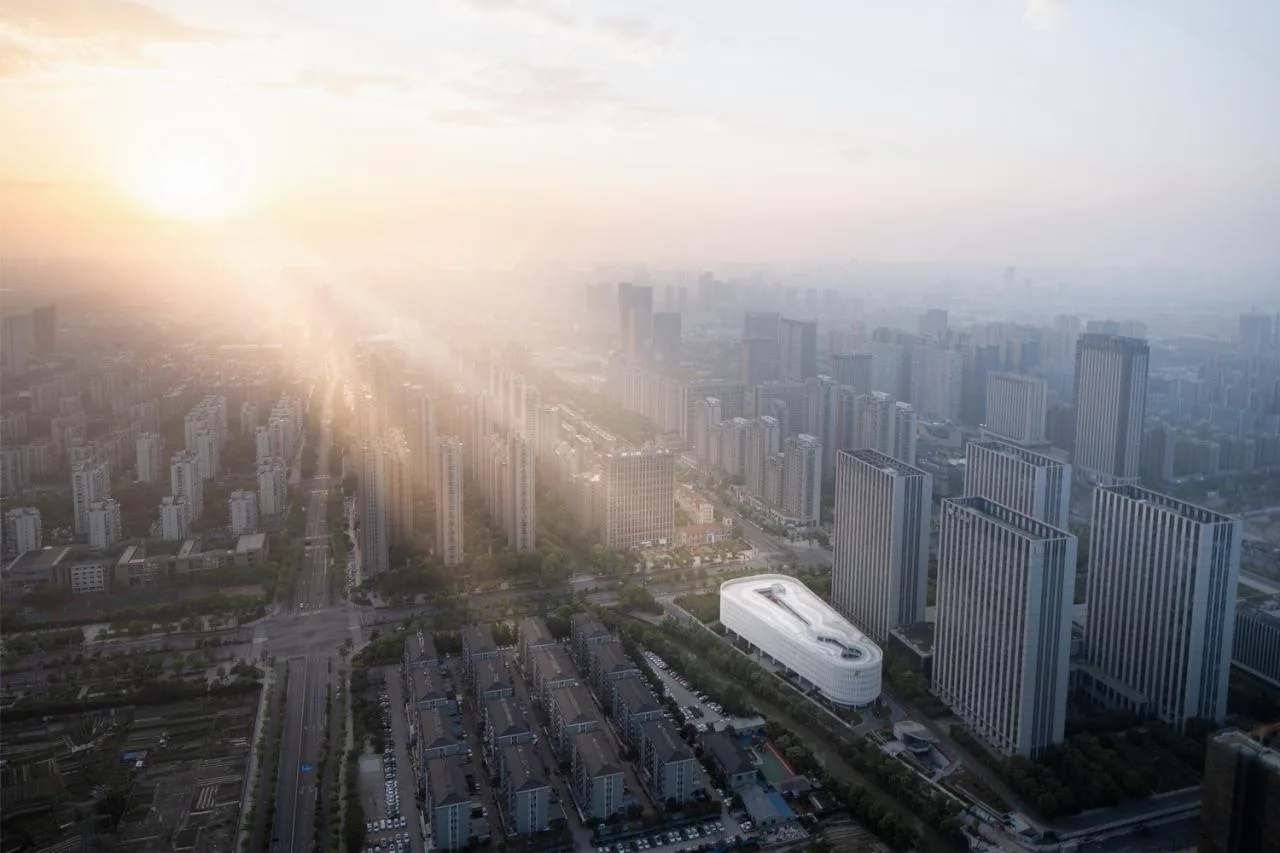
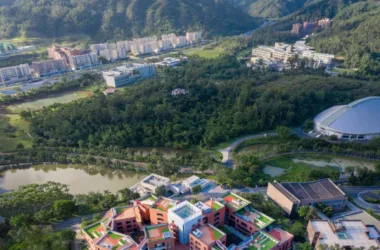
The project site is located in Hangzhou’s Economic and Technological Development Zone, shaped as a narrow triangle. Surrounding the site are business centers, administrative offices, hotels, apartments, and other facilities. The area benefits from a well-established transportation network bustling with pedestrian and vehicular traffic, placing immense pressure on both dynamic and static urban movement.
As a local design team familiar with the city’s operational characteristics, we focused on simplifying user experience and optimizing operational interfaces with an internet-inspired mindset. By encouraging citizen participation and managing fragmented transportation at the city’s periphery, our “micro hub” network-style parking building concept won the competition by effectively integrating with the city’s transportation system.
The completed Haida Parking Building serves as a practical and tangible example of the entire ‘Parking Building Plan.’
Simplifying the User Experience
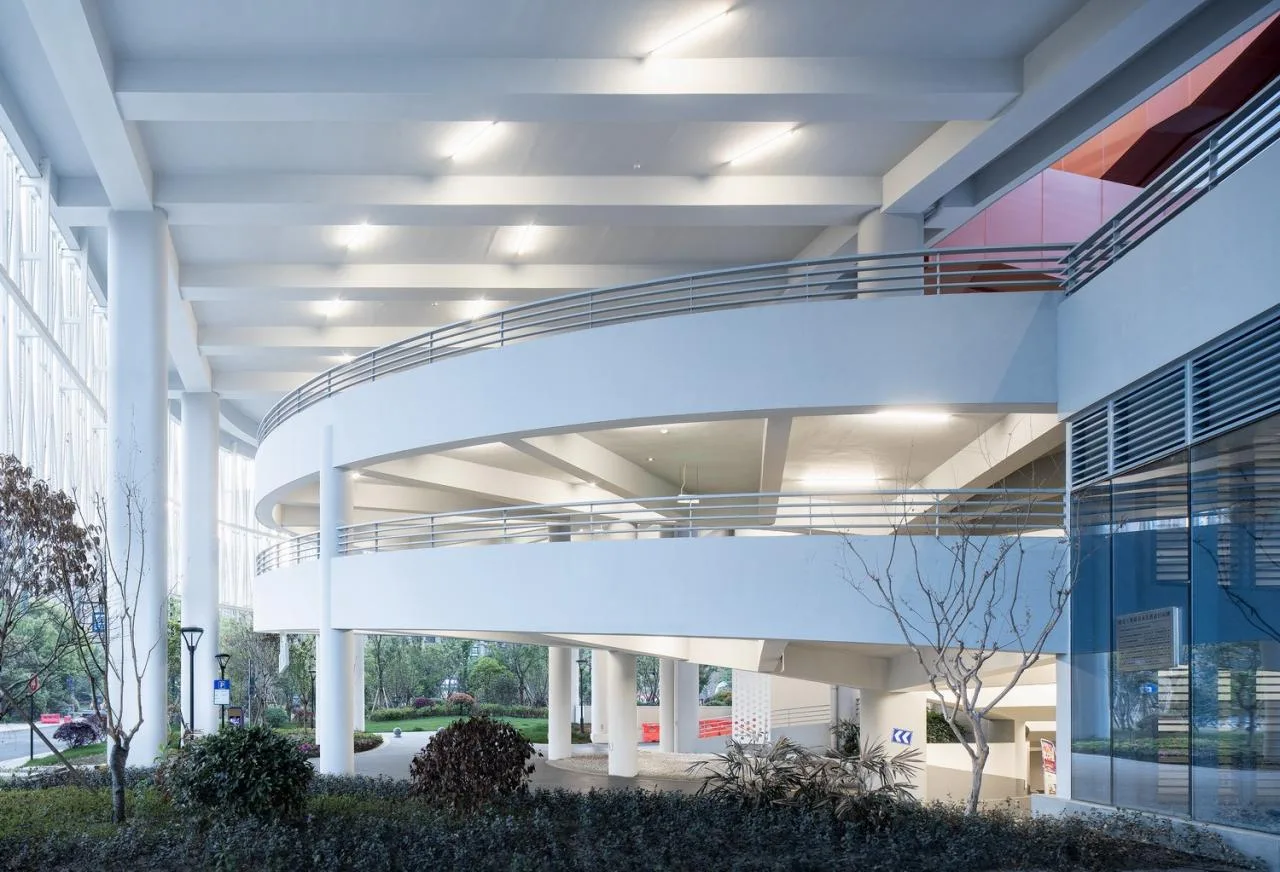
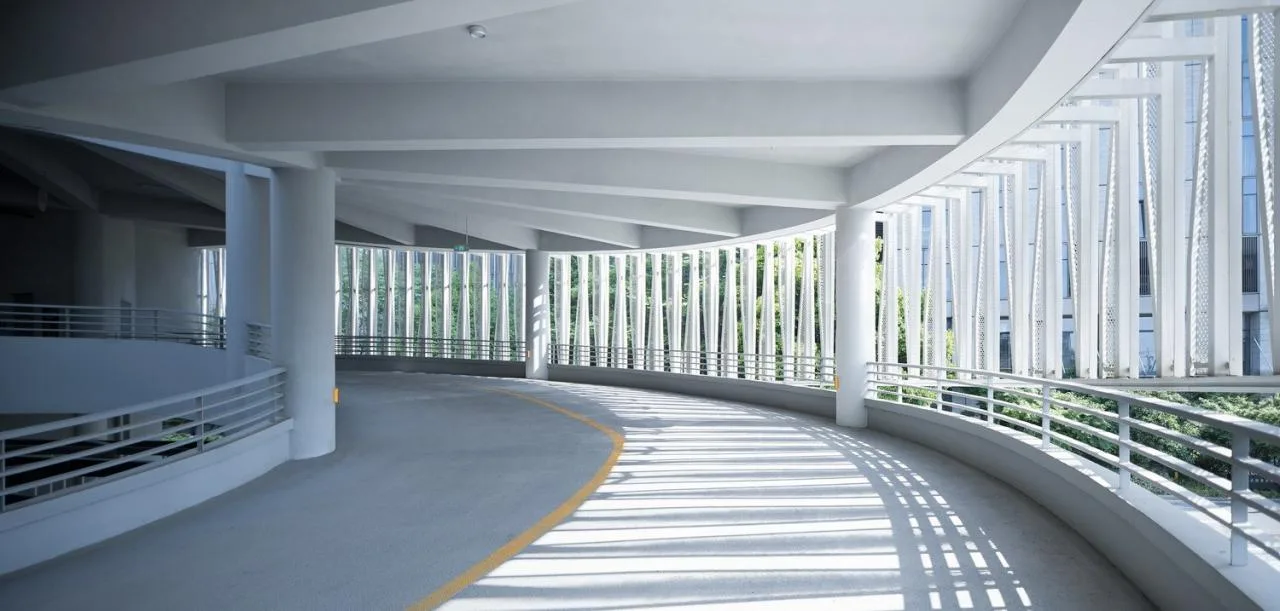
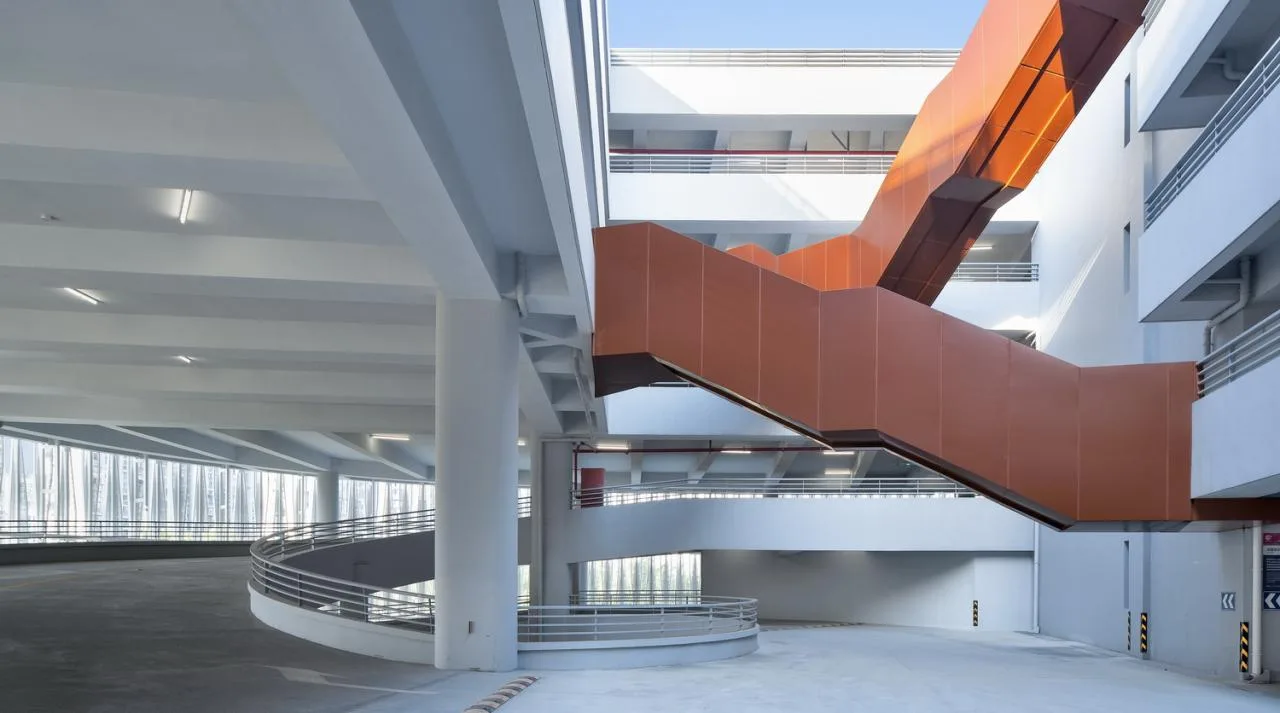
The core challenge of any parking facility is flow management. Unlike traditional parking lots where drivers search randomly for open spaces, this design regulates the search process. Entry is via a one-way, two-lane system, and parking combines horizontal floors with inclined plates, effectively dissolving the concept of distinct levels.
Pre-parked vehicles remain in the parking area, so users no longer choose their routes. Instead, the first available parking space along the designated flow line is the closest and most convenient. The one-way two-lane roadway ensures parked vehicles do not obstruct traffic behind them.
Departing drivers have a clear goal and tend to be more anxious. Placing entry and exit traffic in the same lane is inefficient and disregards user psychology. The parking building’s three-dimensional layout allows for shortcuts: a dedicated spiral ramp at one end connects horizontal sections across levels, offering an independent exit route separate from incoming traffic — catering to users’ desire for quick departures.
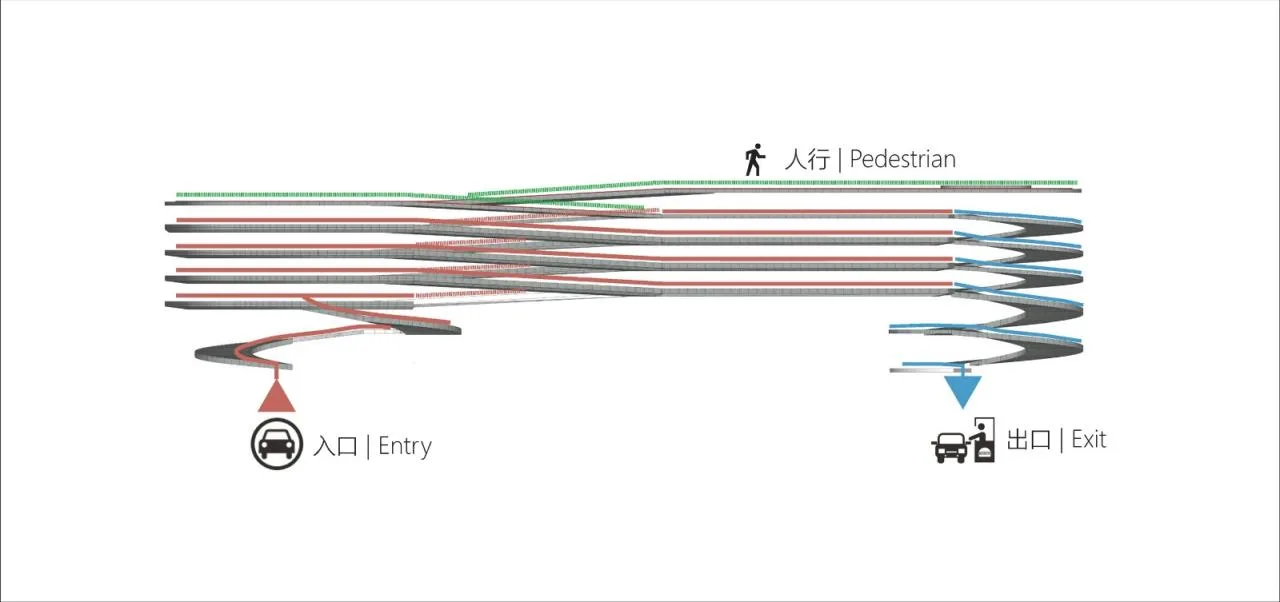
Research on Inclined Plate Parking Flow Lines
Optimizing the User Interface
Simple, complete forms such as traffic signs are easier for users to remember. Parking structures require distinct recognition to stand out within the urban environment.
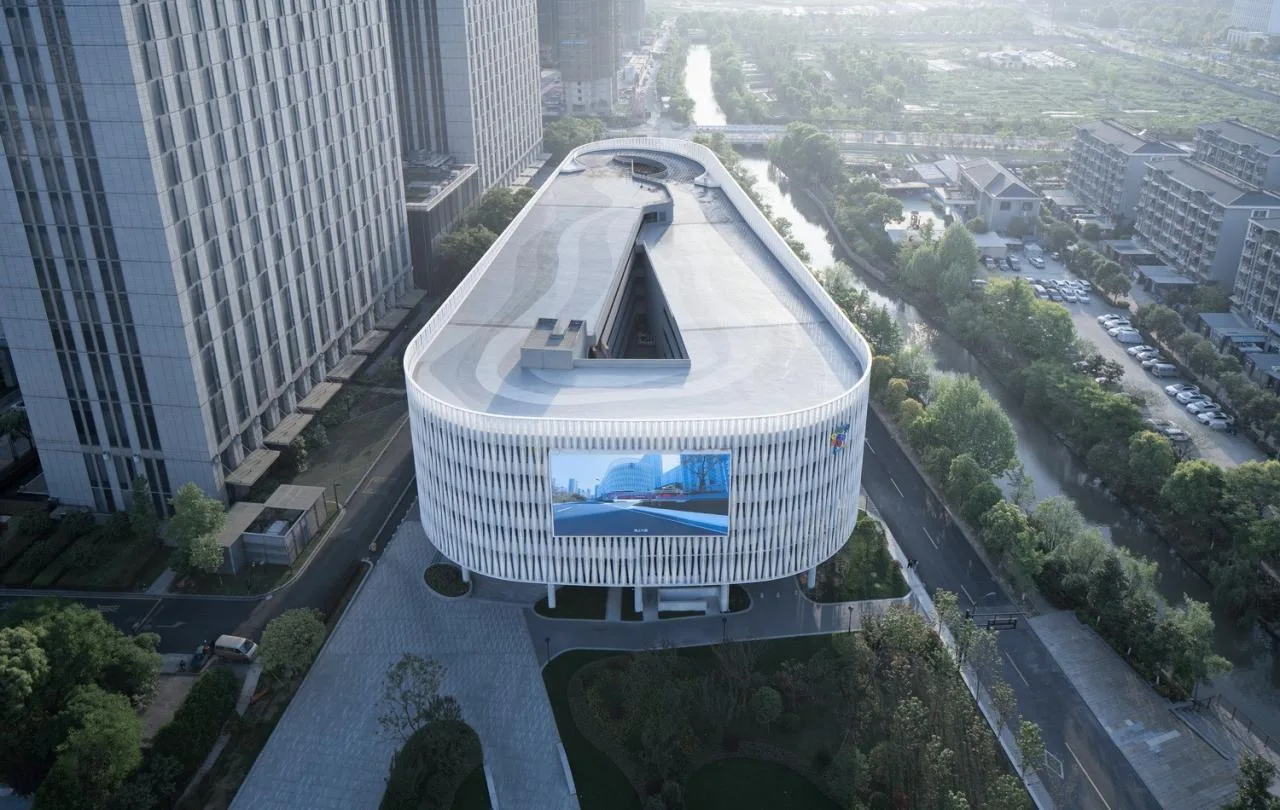
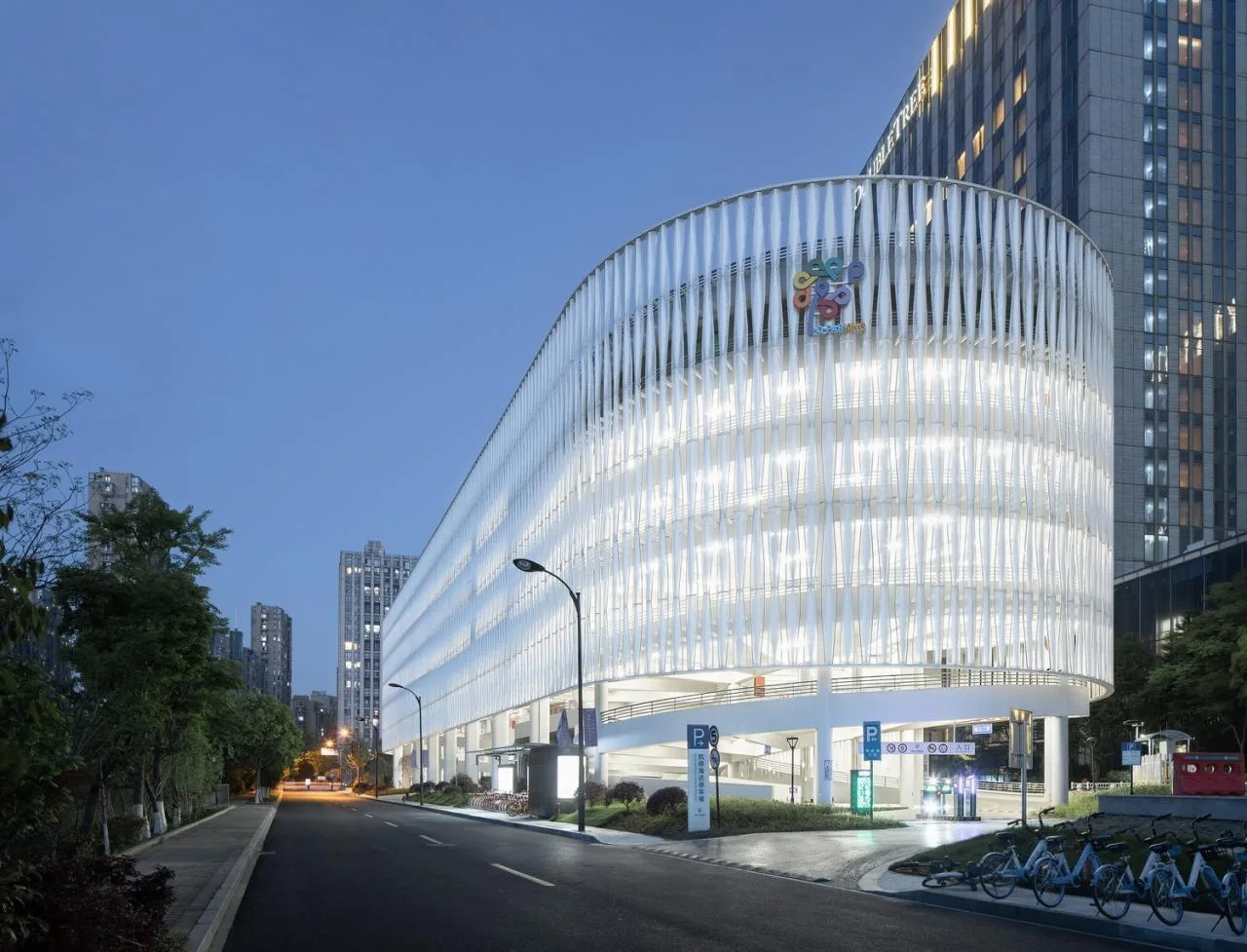
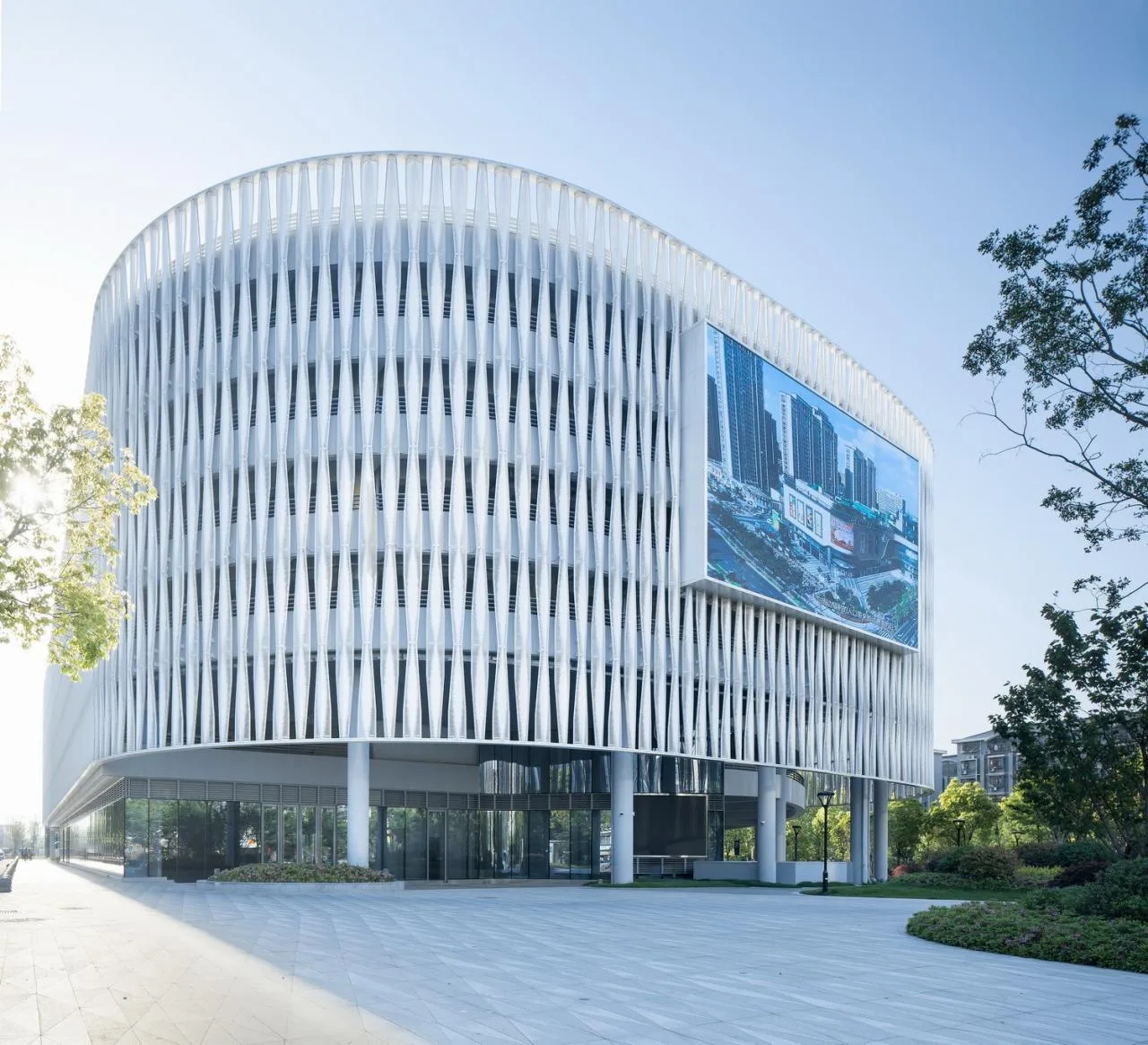
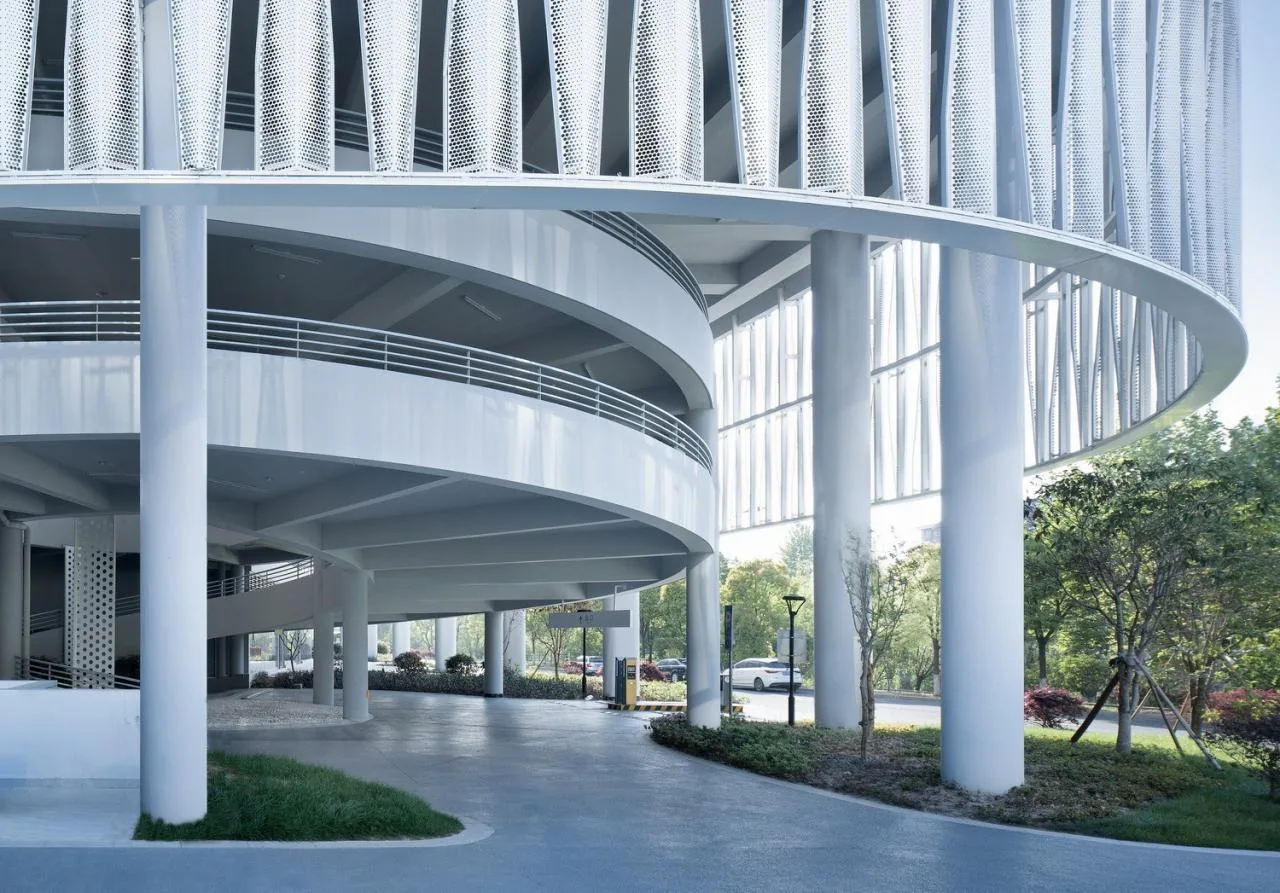
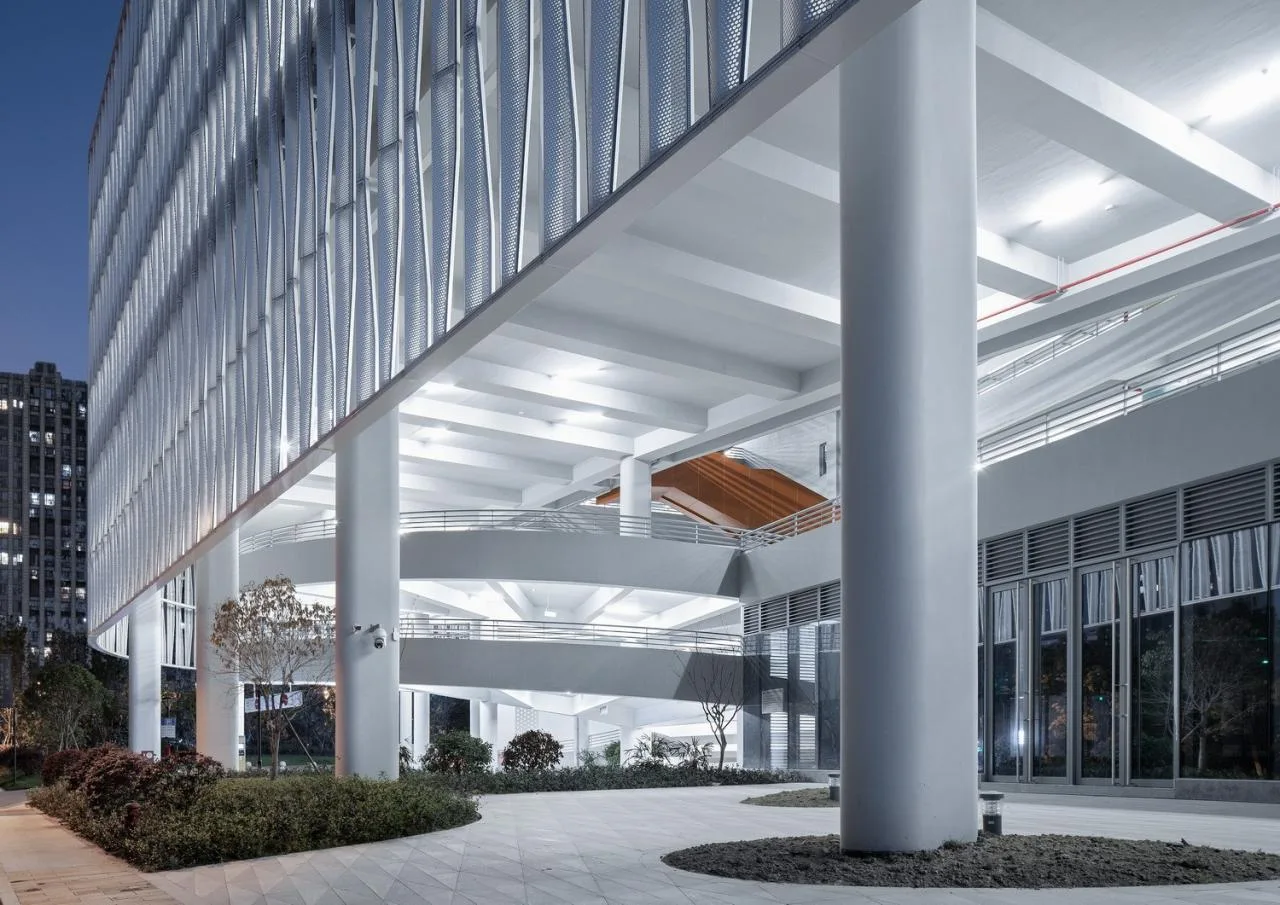
The architectural design avoids unnecessary complexity, opting for floating building forms and open, rhythmic facades. Streamlined lighting and ecological green plants enhance the automotive aesthetic while providing necessary visual identity. This approach contrasts sharply with the cold, enclosed feel typical of traditional parking garages.
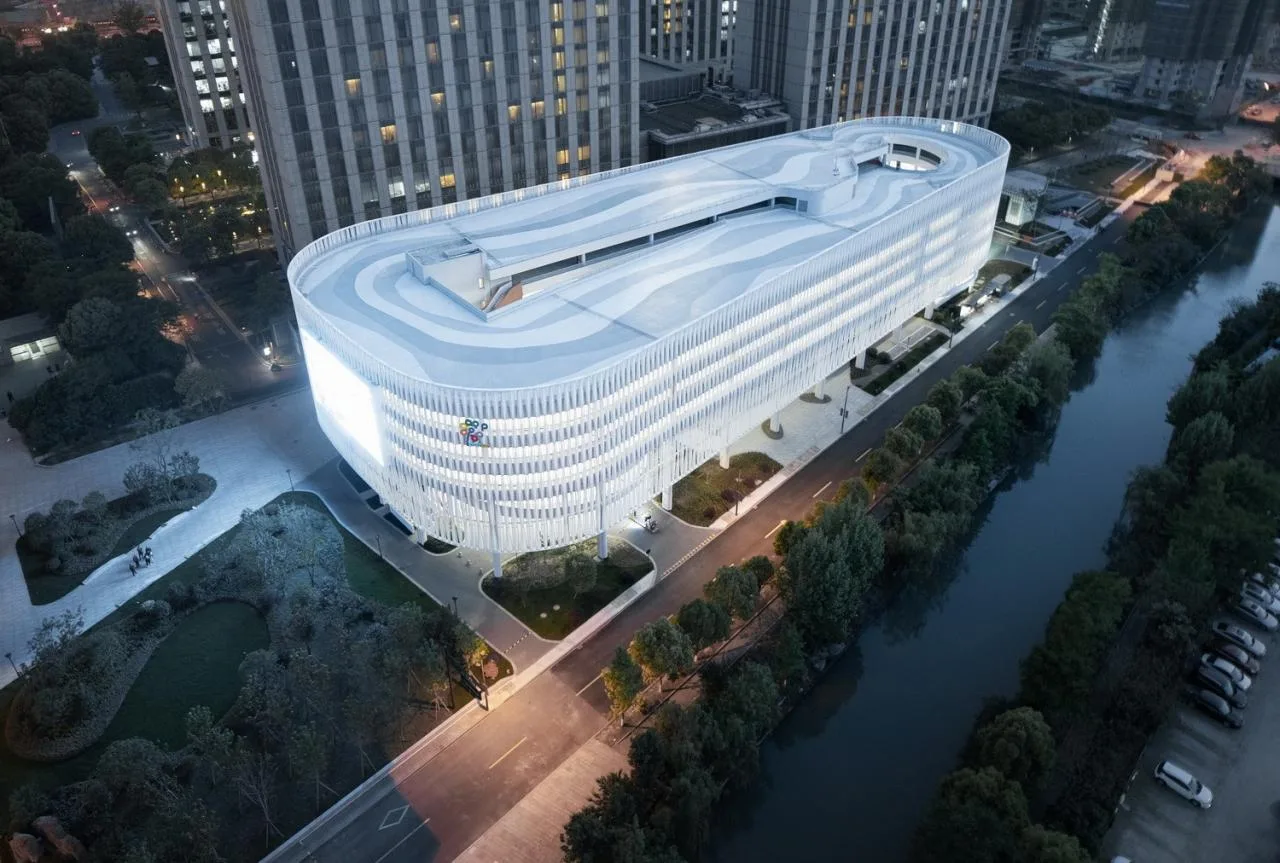
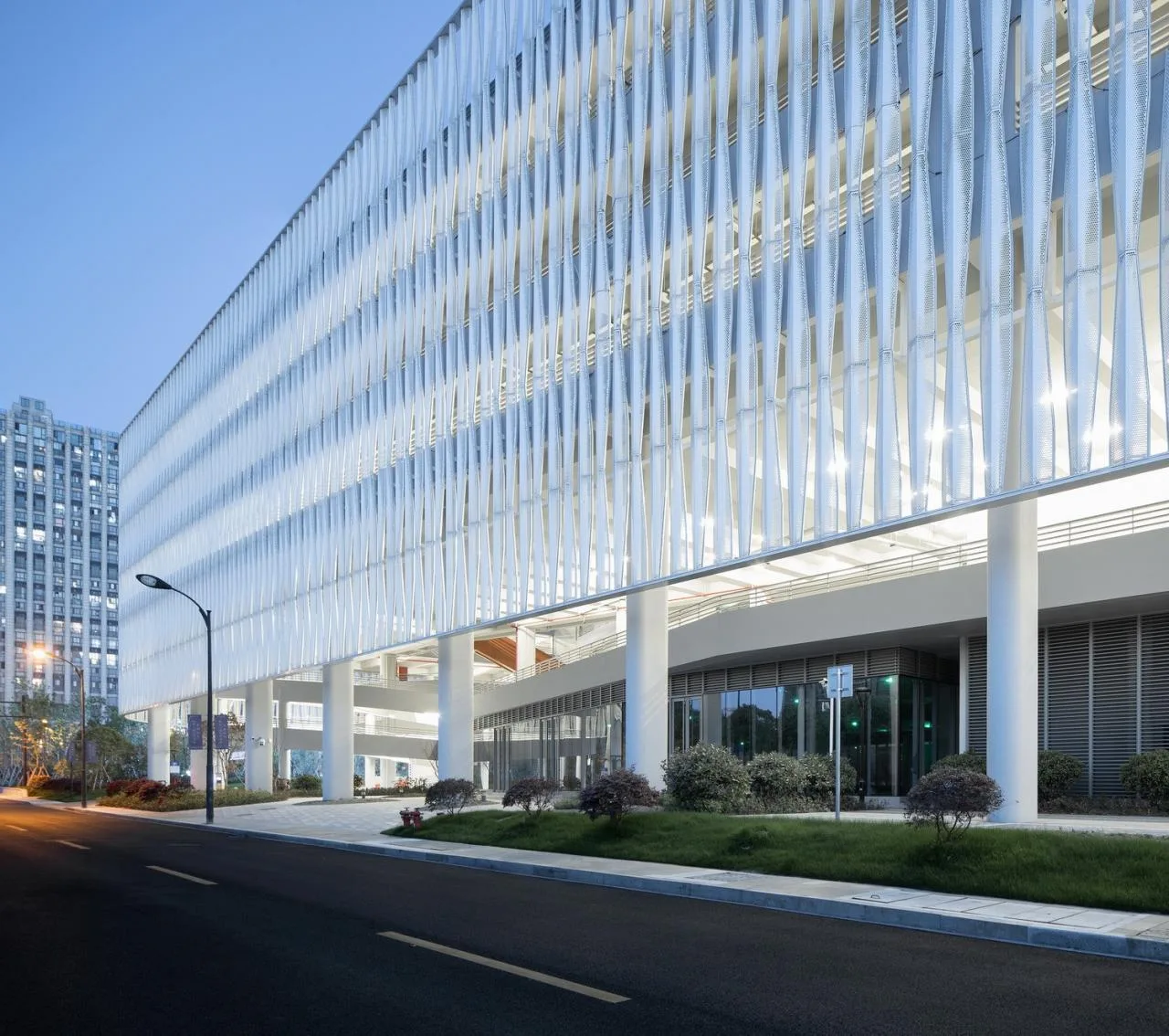
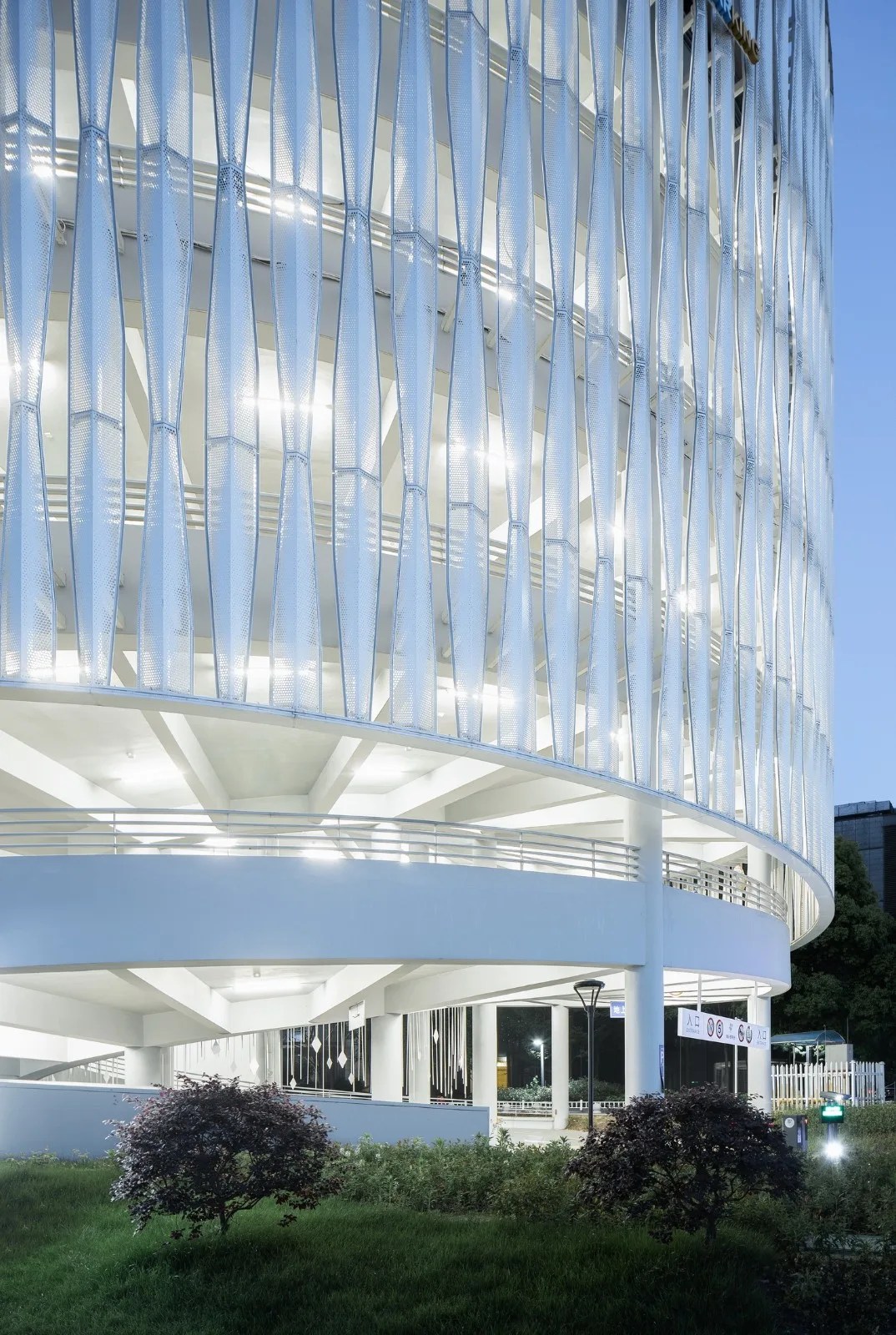
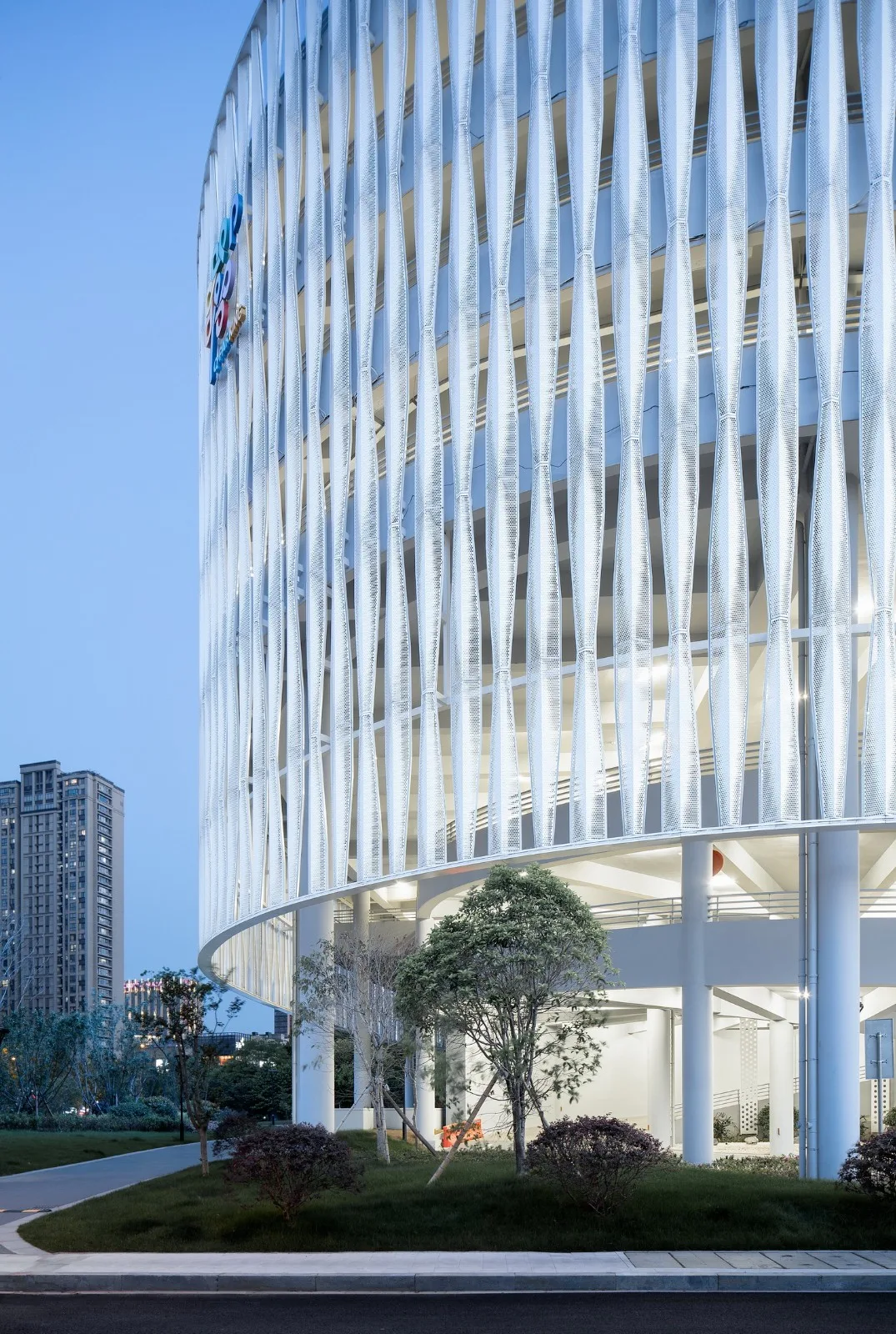
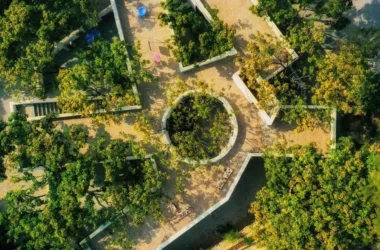
Introducing atrium spaces breaks the enclosed box-like feel common in parking structures. Serving as spatial centers, atriums provide orientation, transform the atmosphere, create memory points, and offer visitors a sense of stability and relaxation—a welcoming place to return to.
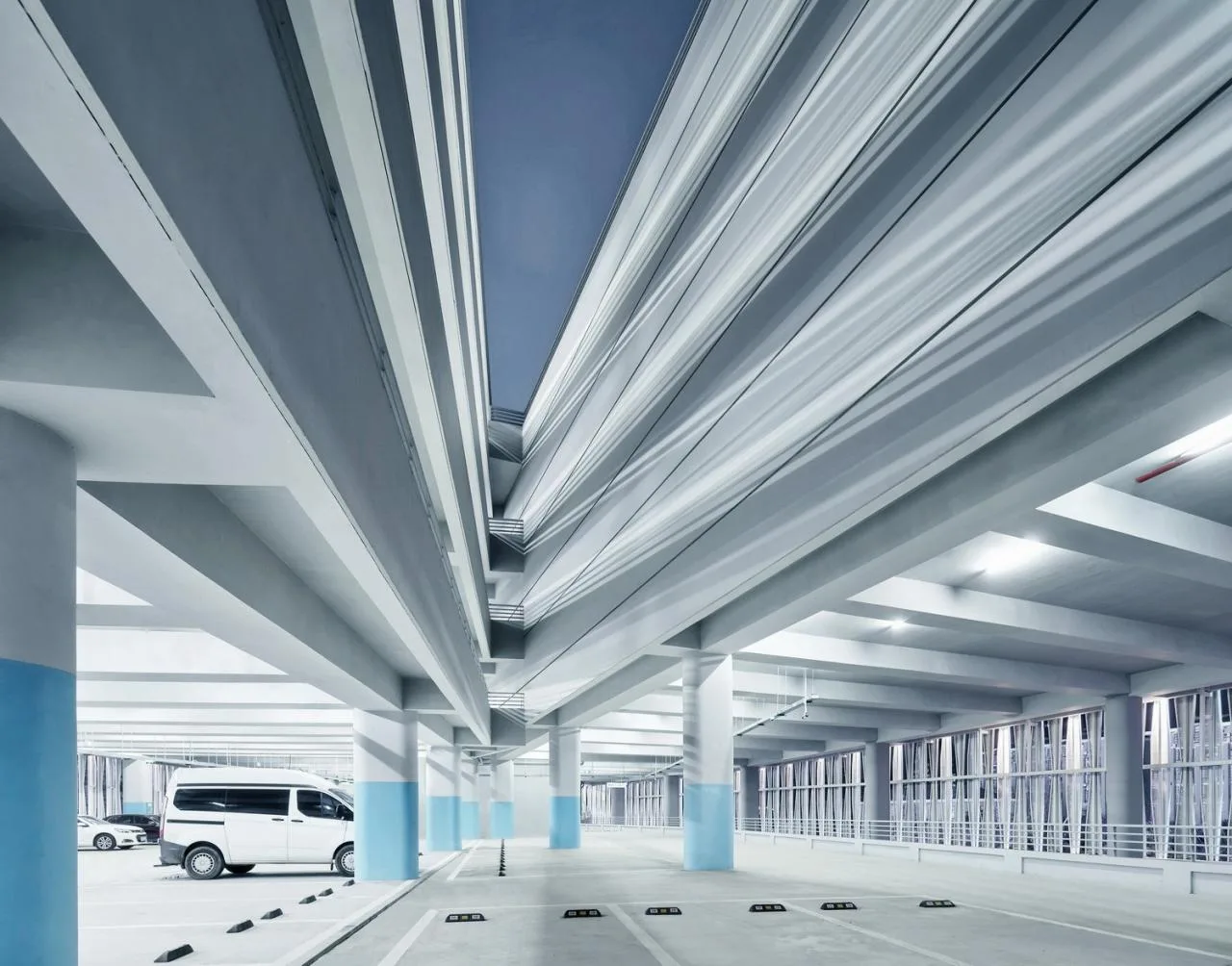
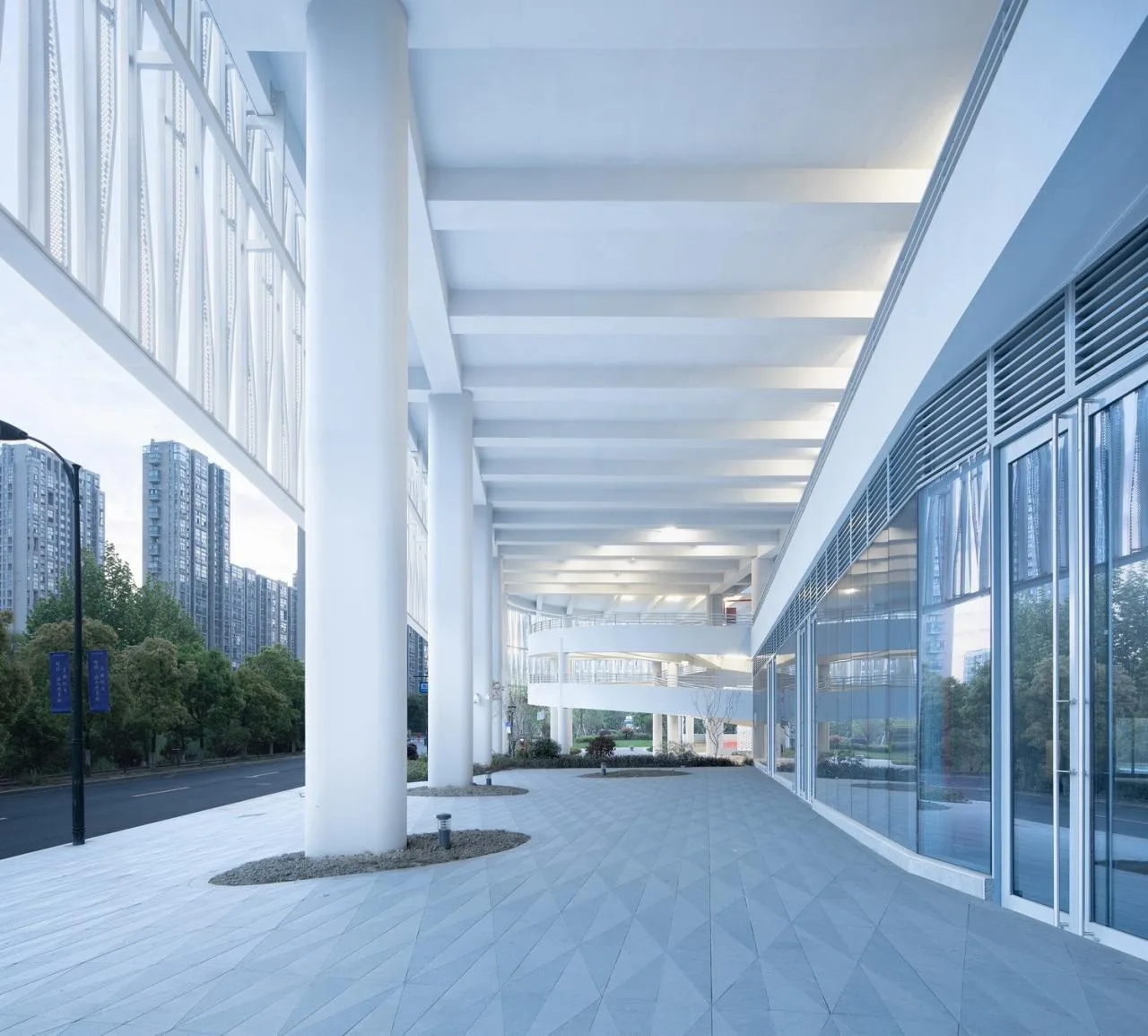
The parking facility separates pedestrian and vehicle flows. The open ground-floor space continues the urban public realm, providing social services and convenient amenities for nearby residents and users.
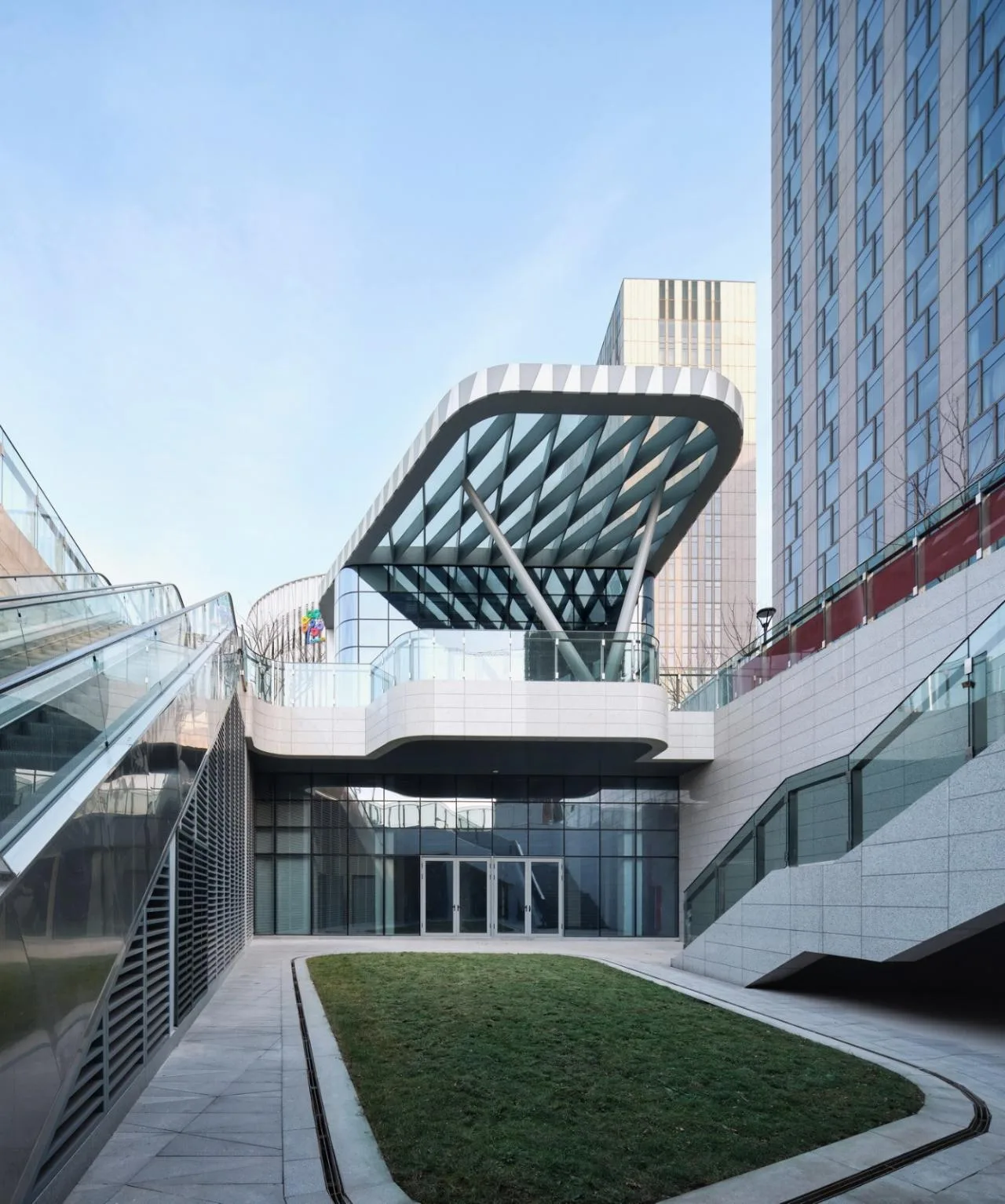
Elevated areas, sunken courtyards, landscaping, and activity facilities on the first and underground floors enhance vibrancy and attract commercial foot traffic. This approach creates pleasing landscapes and commercial value, while offering open spaces for relaxation and social interaction. It strengthens the connection between the city and its inhabitants, increasing the building’s sense of intimacy.
Reserved Access Points
Driving is not the only commuting option.
The parking building’s elevated ground floor hosts public and shared bicycle stations, expanding convenient commuting range to 1-2 kilometers. Combined with electric vehicle rental stations, the parking buildings function as transfer hubs rather than just start and end points. When arranged as branches, this model encourages more people to adopt shared mobility.
Development Logic
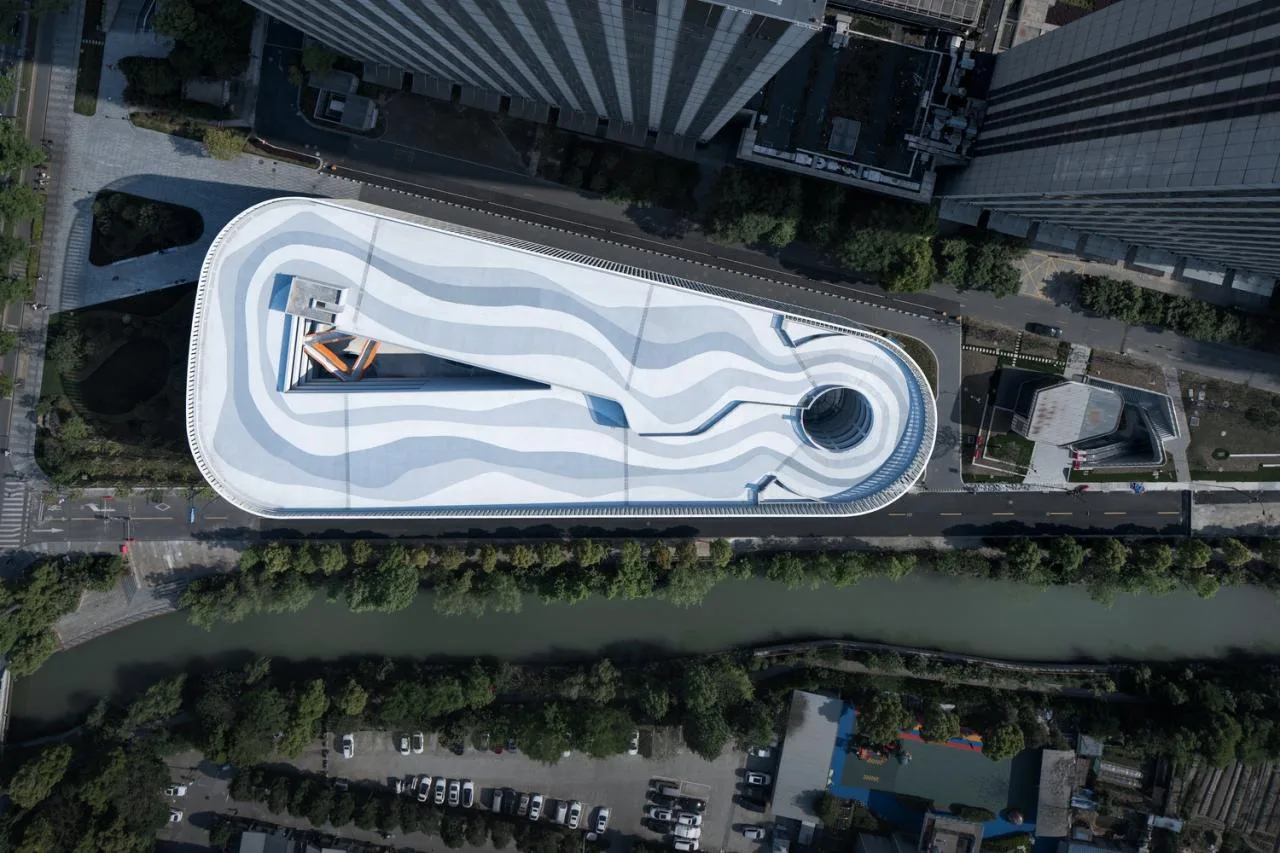
For irregularly shaped plots, parking efficiency can be low in some areas. Using an 18-meter-wide folded plate as a guideline, the design surrounds the site, placing the spiral ramp—requiring minimal land—on the narrowest side to maximize parking efficiency and define the building’s outline.
Functionally, the ground floor supports commercial activities, the second floor features “tidal parking” with horizontal slabs, and floors above offer parking via folded plates and spiral ramps. The “tidal parking” area can provide extra spaces during peak hours and be repurposed during evenings or holidays for commercial or community events, as well as car shows and gatherings.
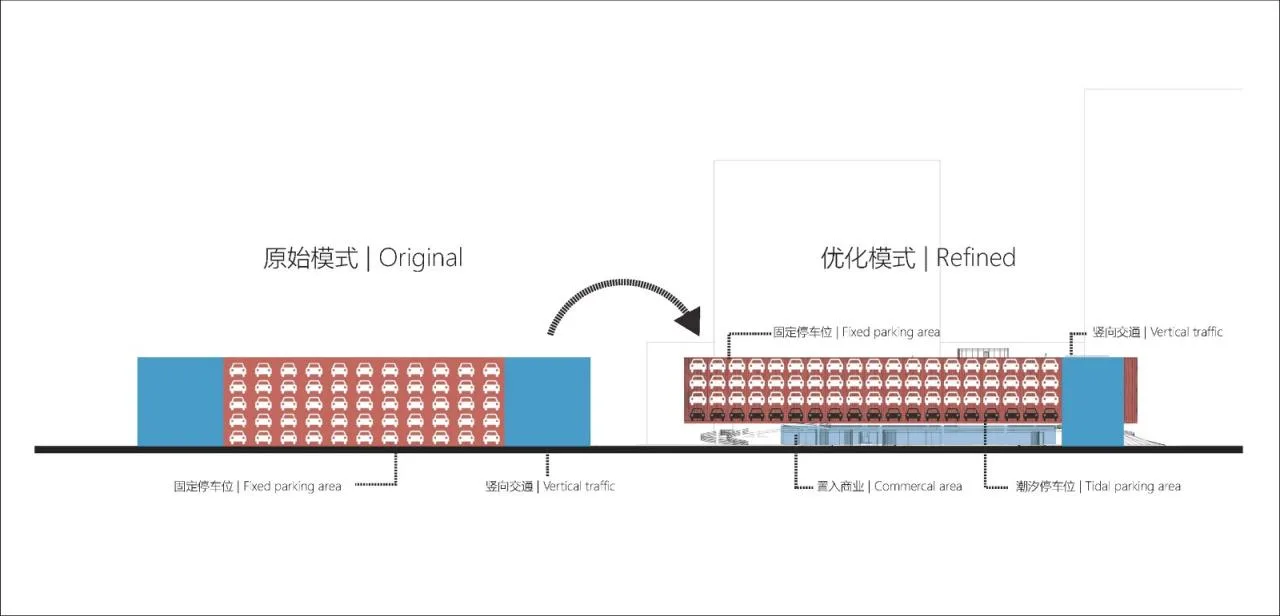
Study of Composite Parking and Ground Floor Commercial Models
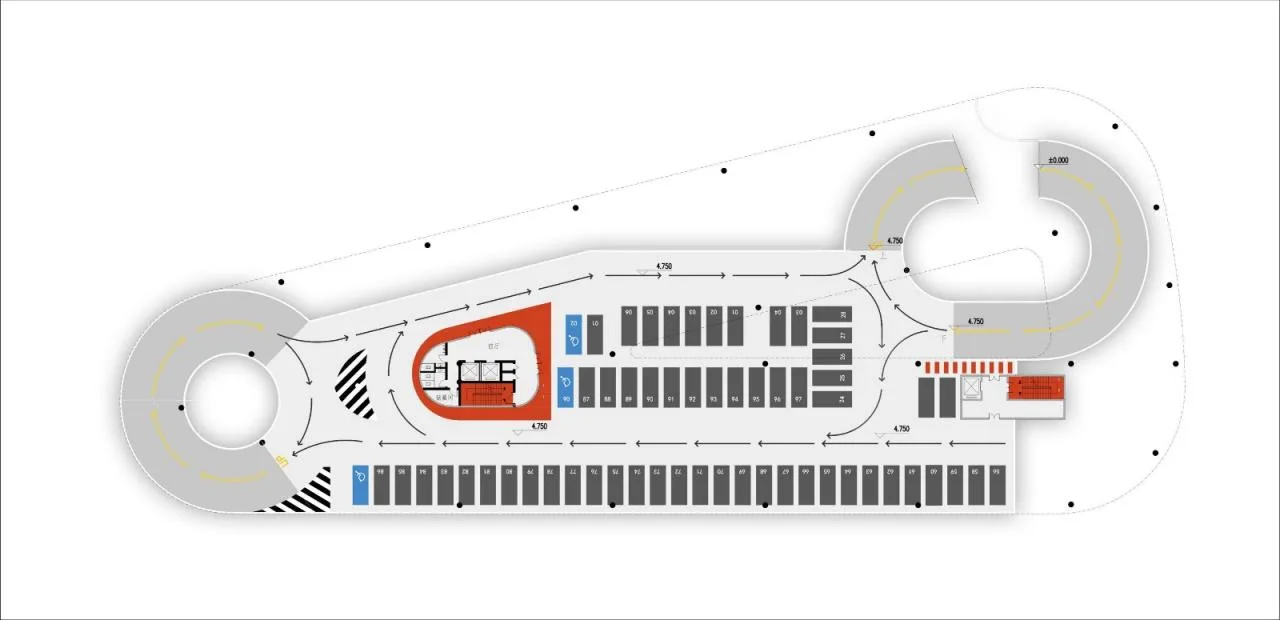
△ Second Floor Tidal Parking Area Plan
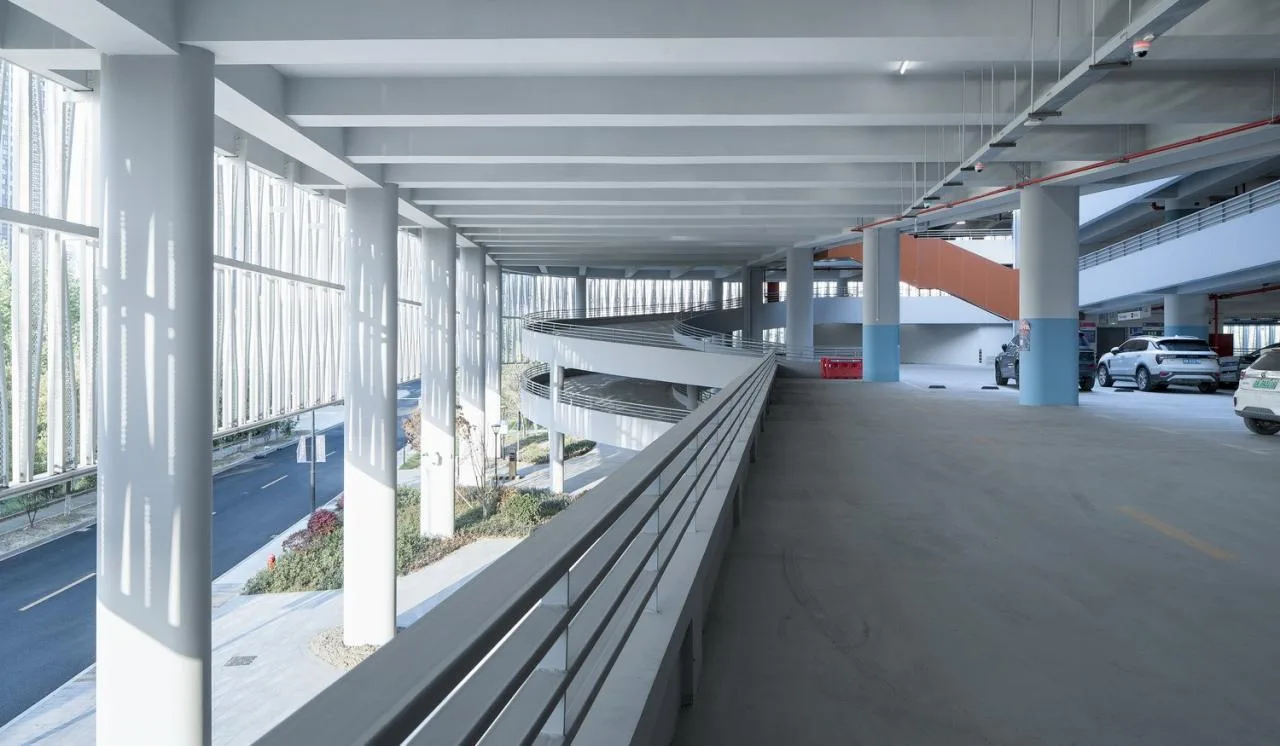
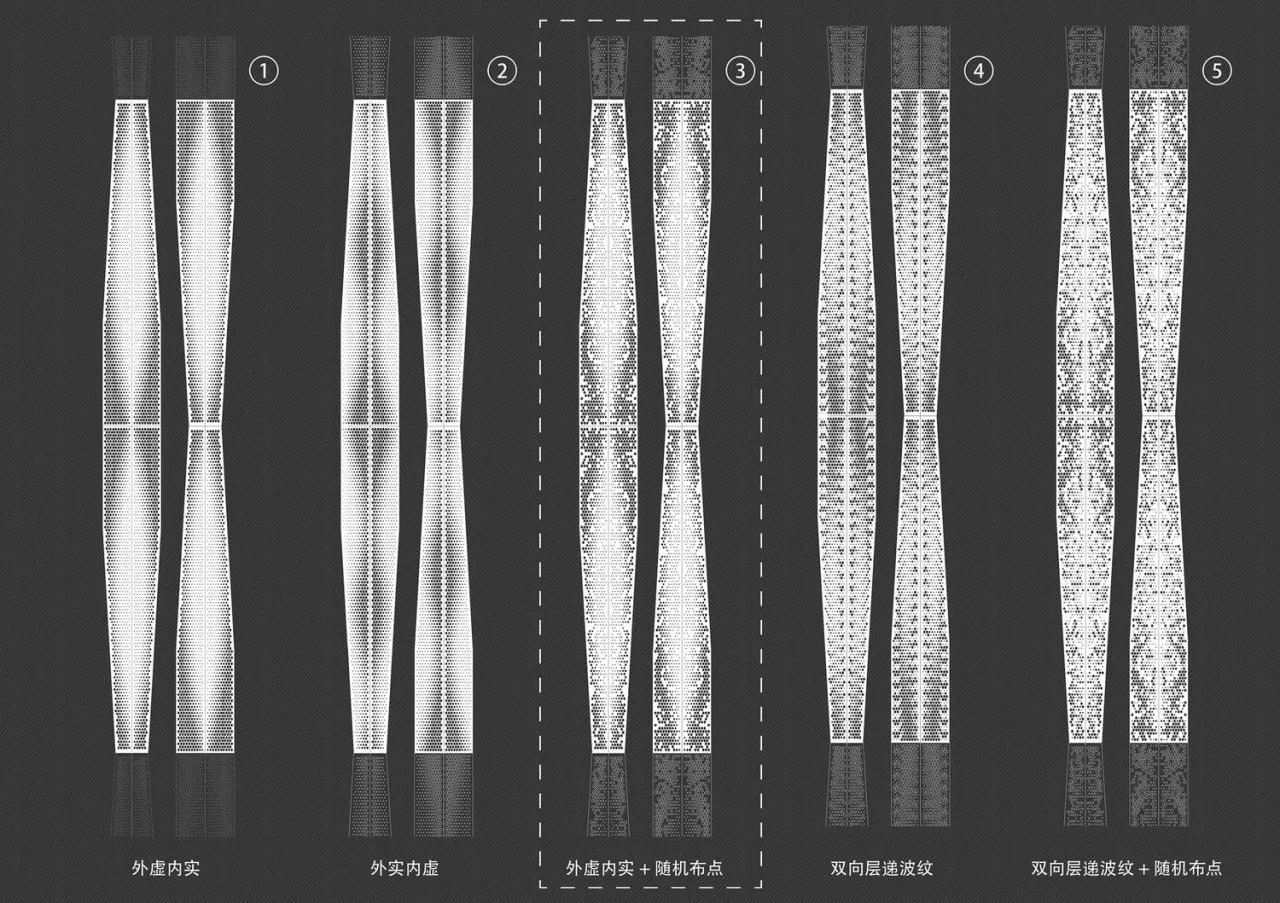
The building’s main structure utilizes prefabricated PC concrete, with prefabricated components for quick assembly and cost efficiency. By varying the assembly of identical components, the facade achieves a dynamic effect. Perforated panels reduce glare inside the parking areas, enhancing driver safety.
Besides aesthetics, ventilation, and lighting, each panel includes slots for floodlights, enabling pixelated facade effects. This design supports various lighting modes, advertising displays, event backdrops, and other uses.
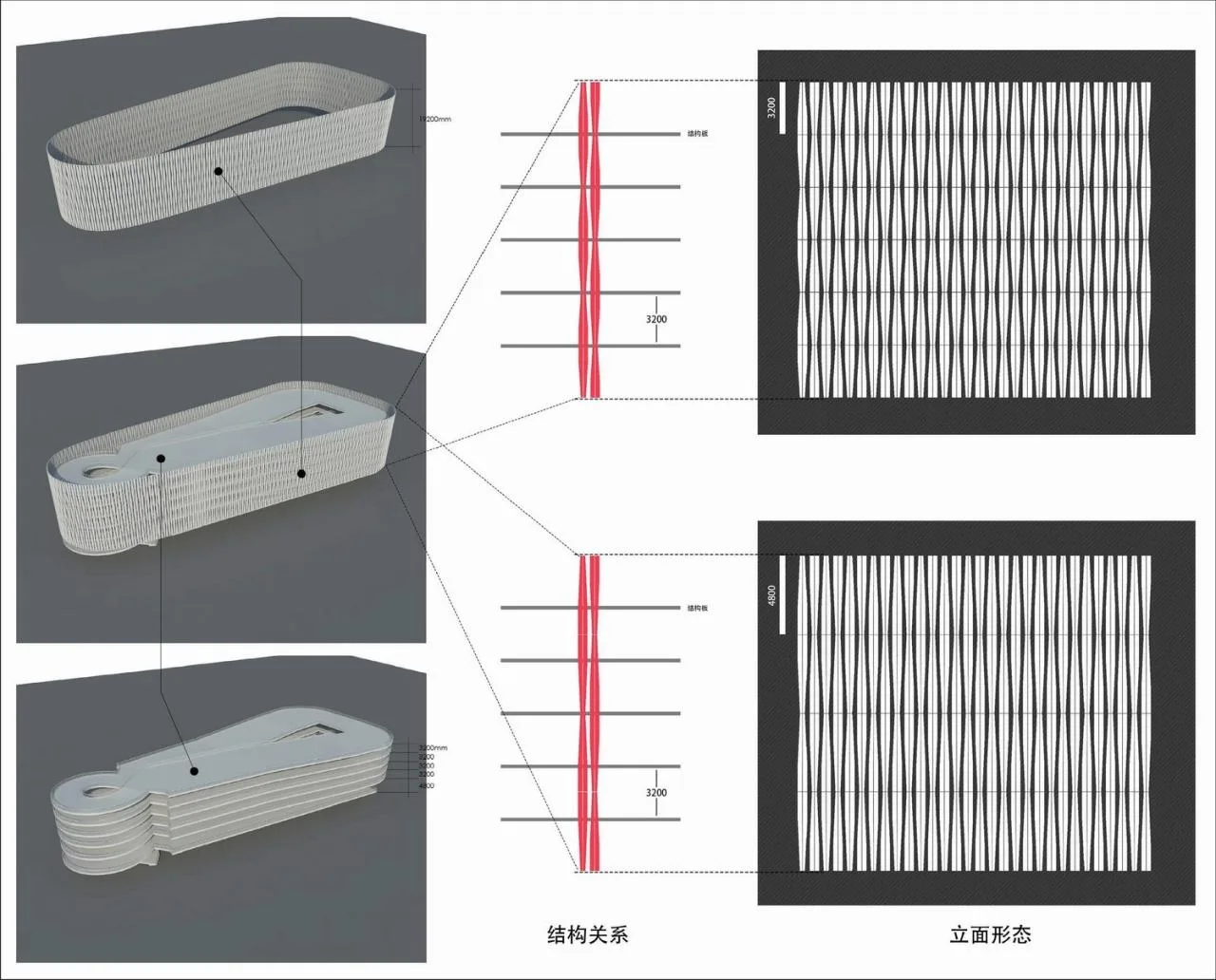
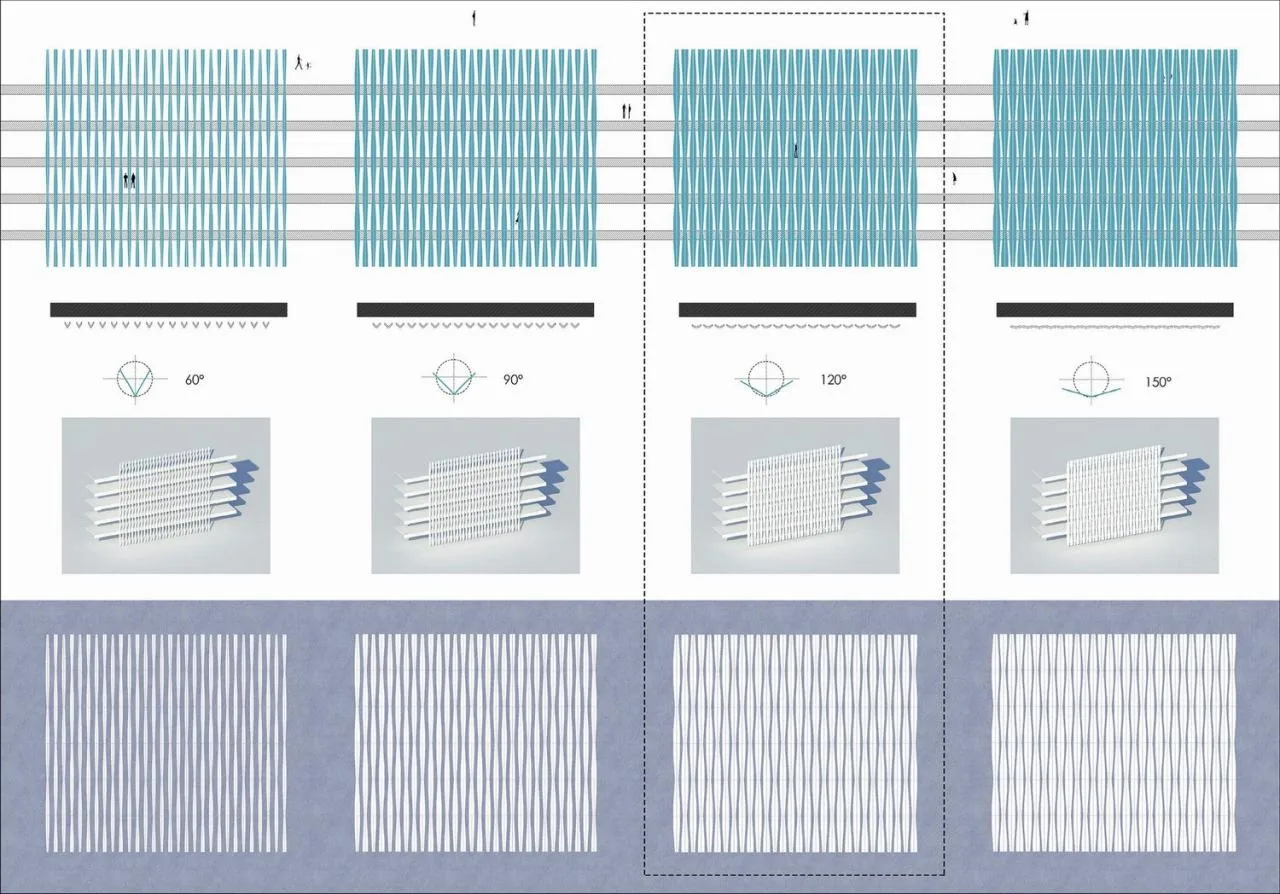
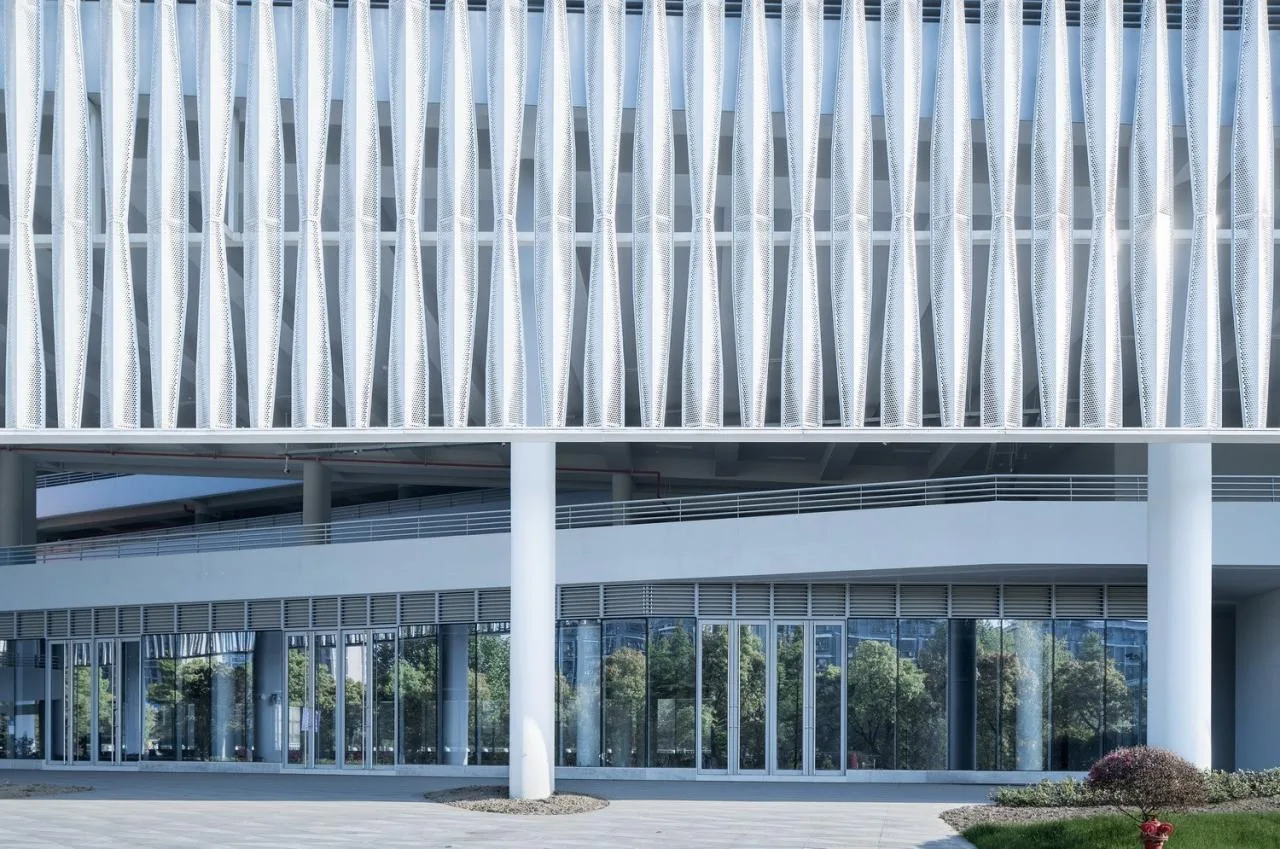
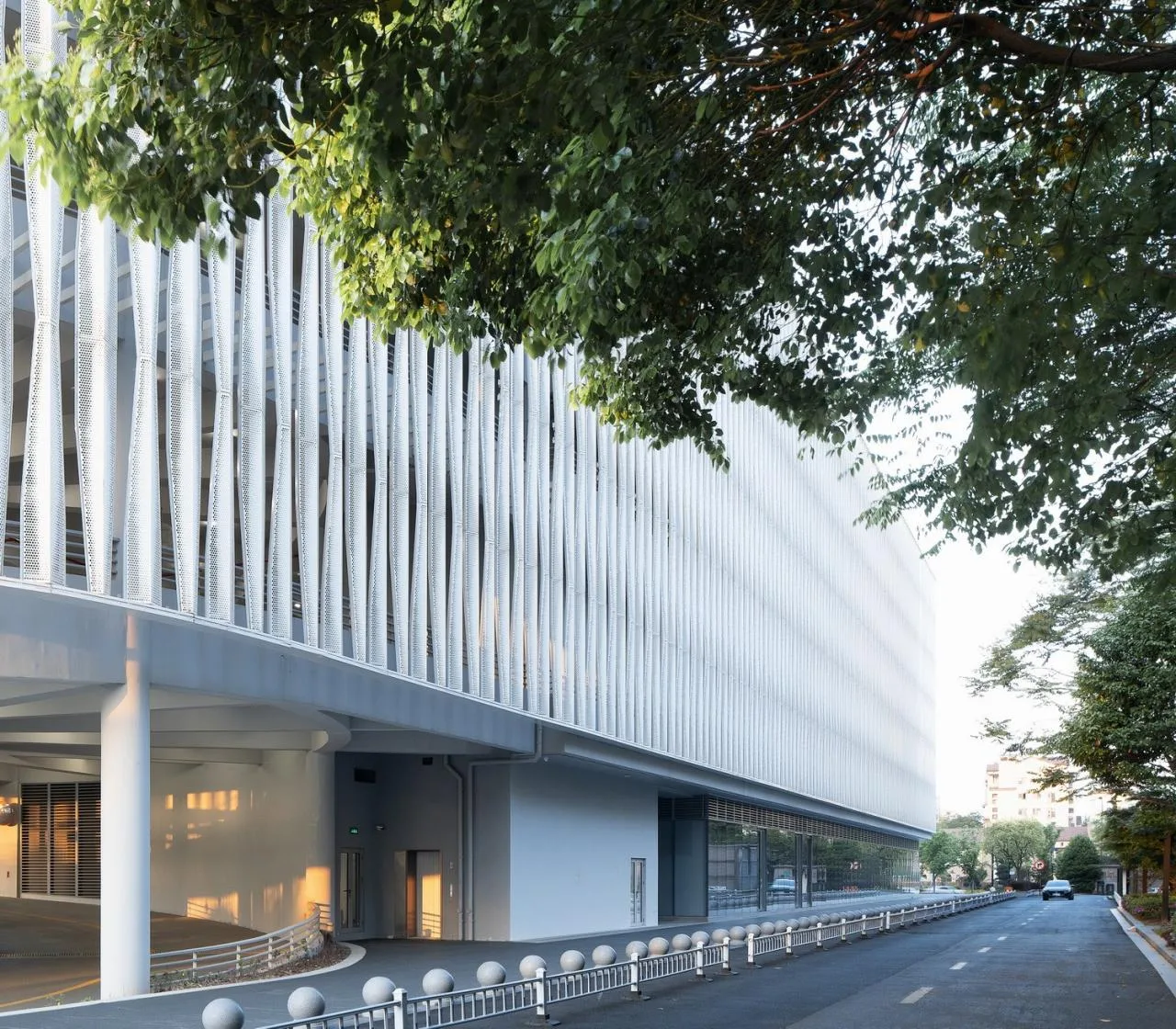
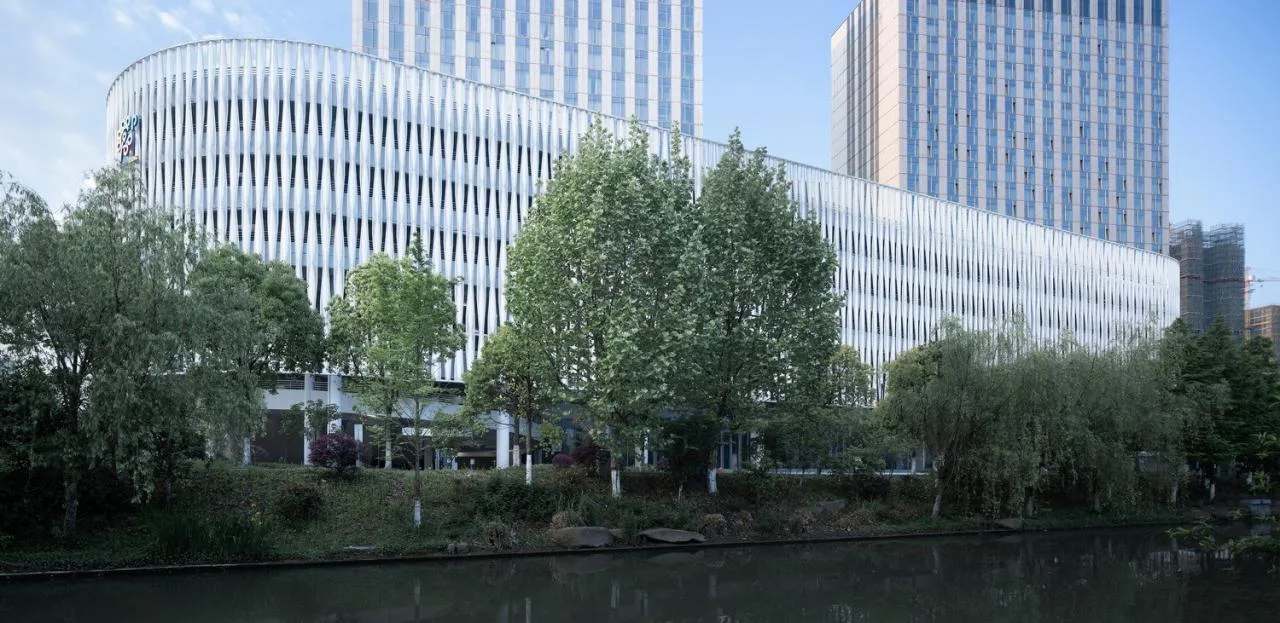
The Haida Parking Building offers a replicable design framework focused on simplifying user experience and optimizing user interaction. It establishes a comprehensive, sustainable construction logic and technical approach, shifting the design focus from vehicles to people. This model proposes a parking building capable of chain operation.
Project Drawings
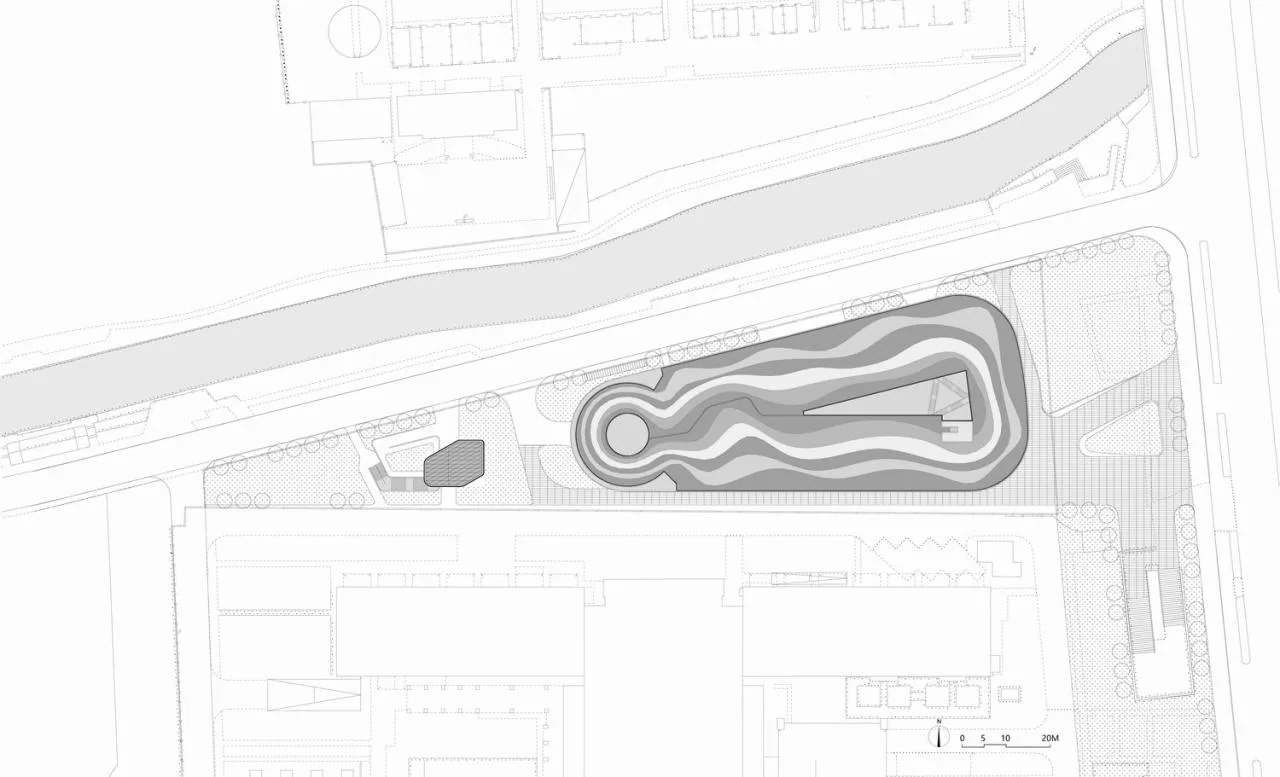
△ General layout plan
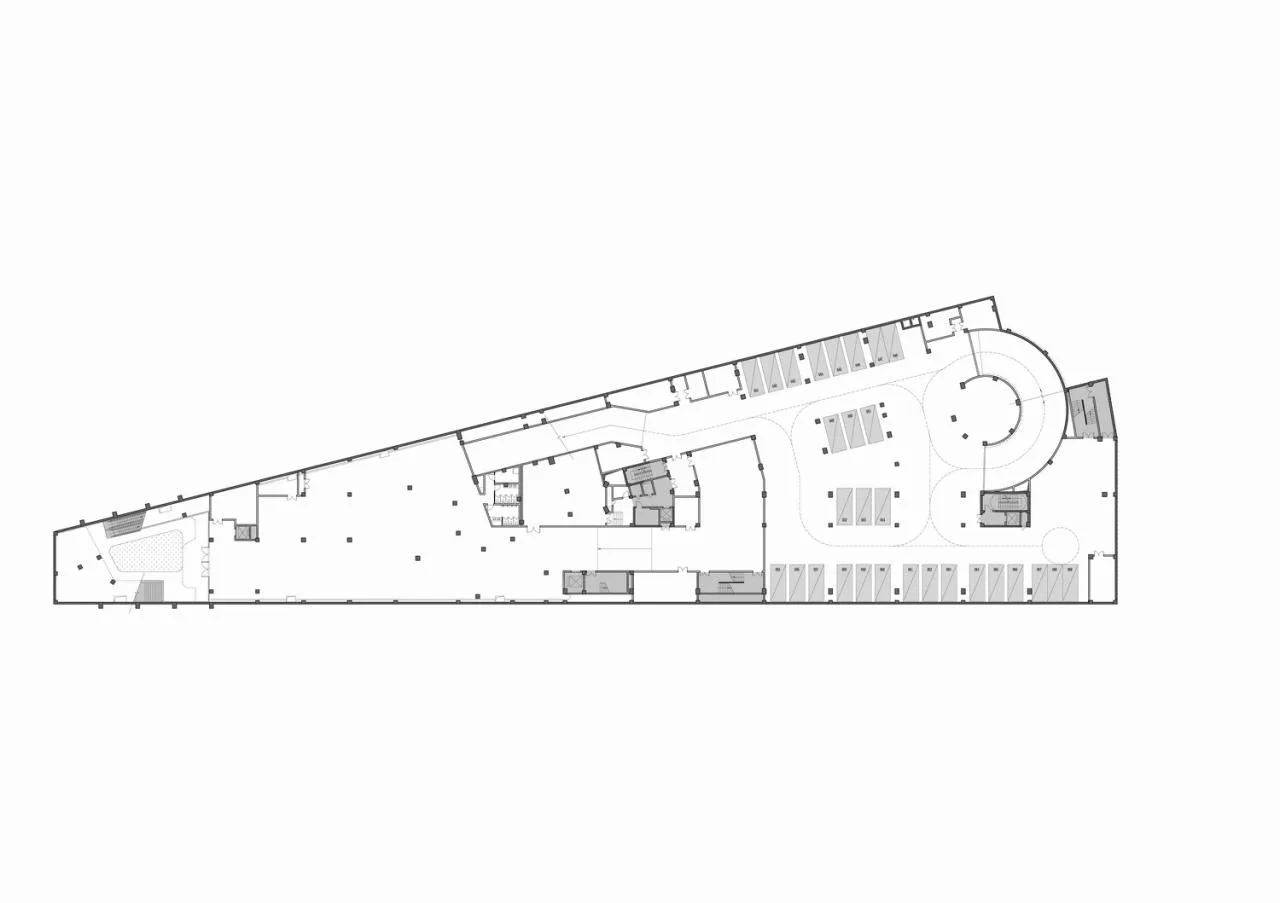
△ Basement floor plan
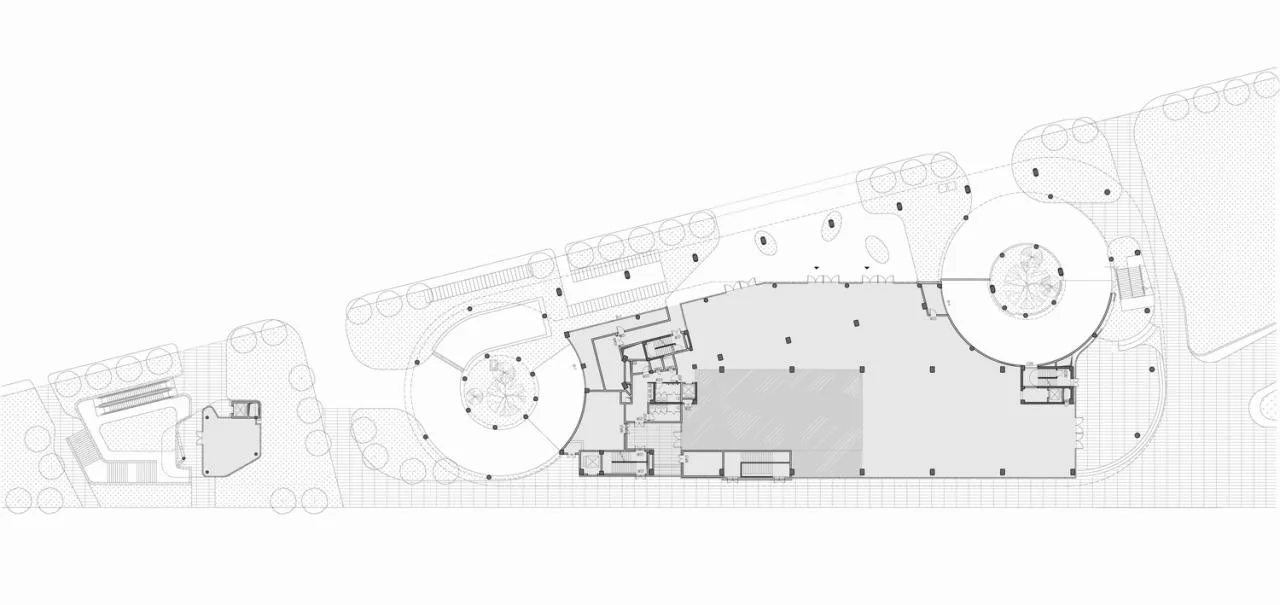
△ First floor plan
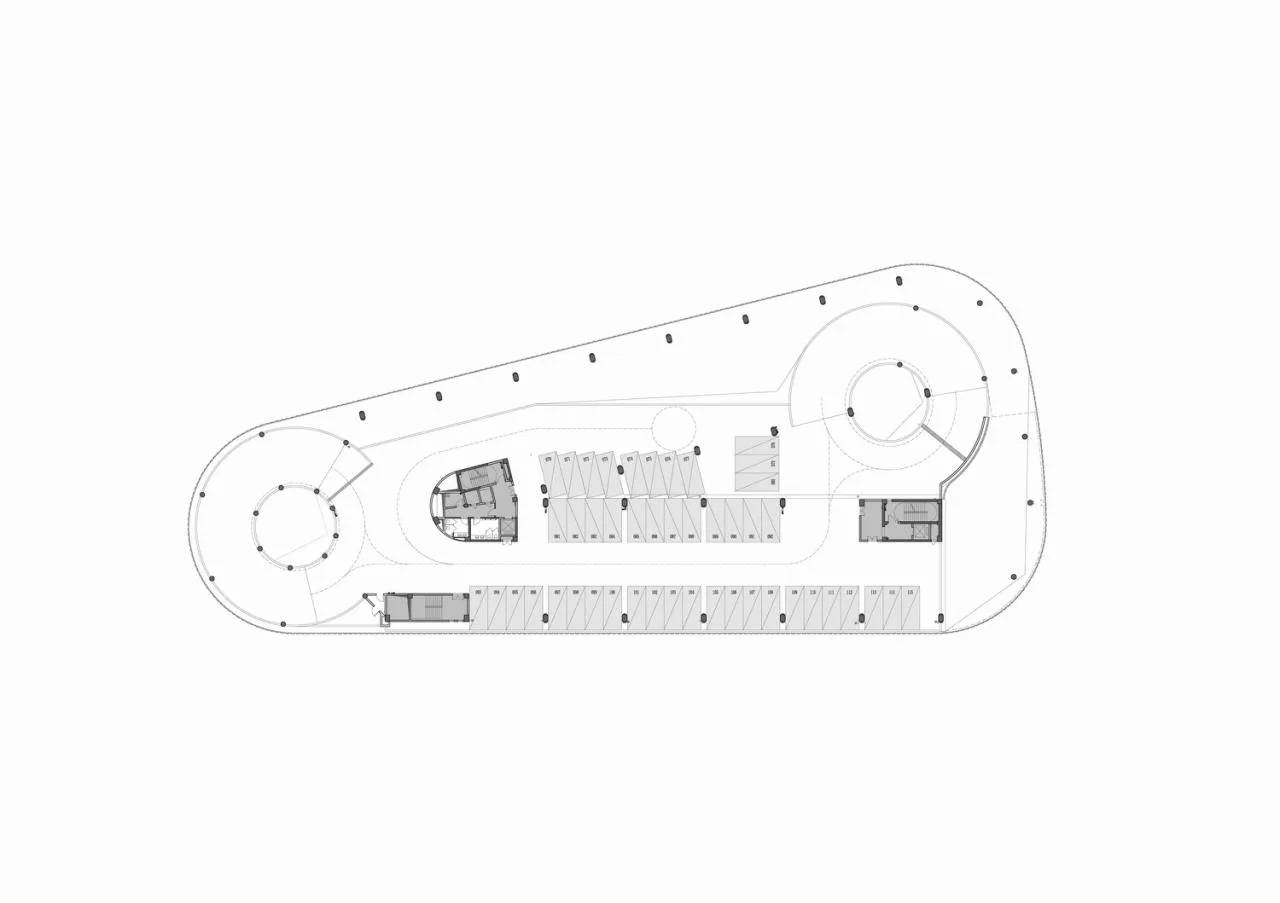
△ Second floor plan
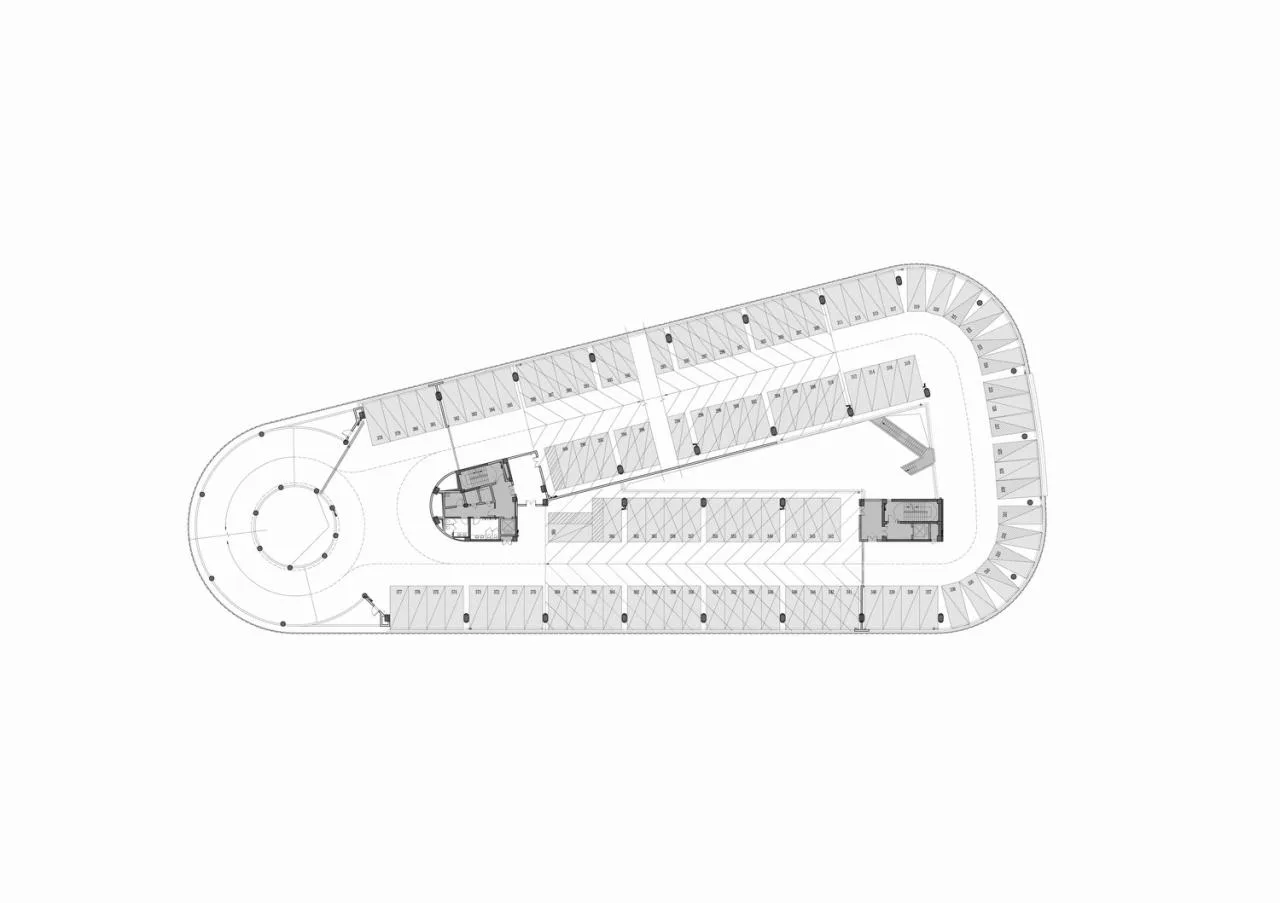
△ Third and fourth floor plans
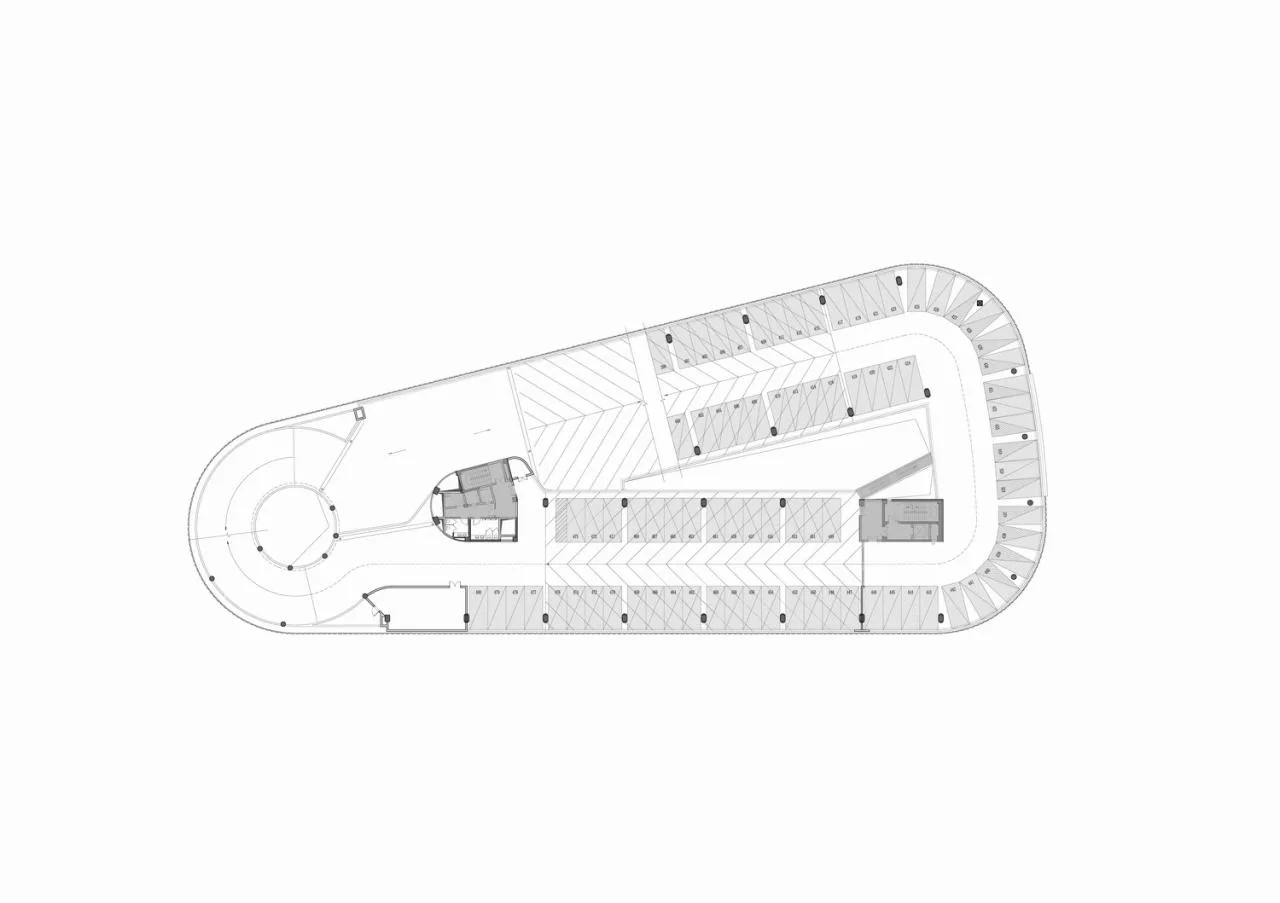
△ Fifth floor plan
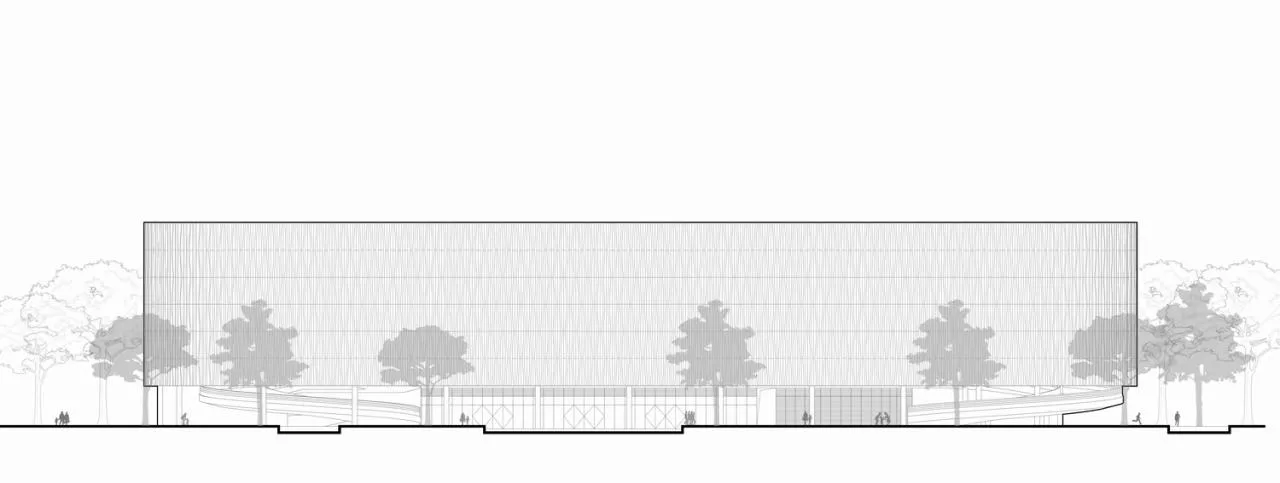
△ Elevation drawing
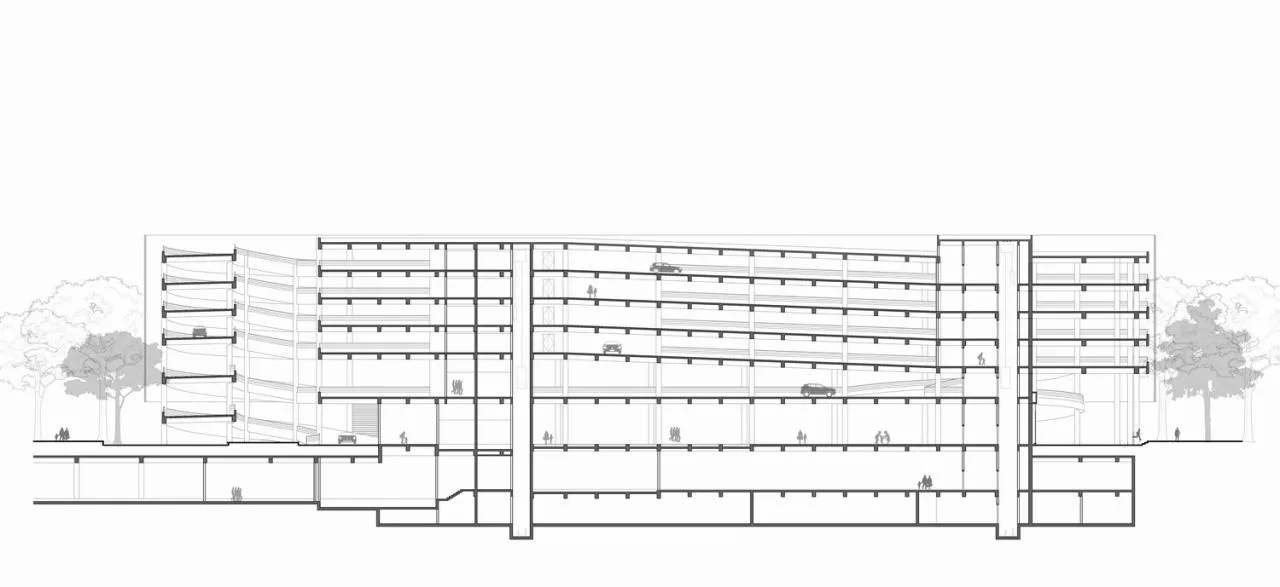
△ Section diagram
Project Information
Project Name: Hangzhou Qiantou Haida Parking Building
Location: Hangzhou, Zhejiang, China
Building Area: 28,860 square meters
Design Year: 2017
Completion Date: July 2020
Lead Architect: Fan Xuzhuang
Architectural Design: Fan Xuzhuang, Zhu Kai
Structural Engineer: Cheng Ke
Mechanical and Electrical Design: Fang Huoming, Sun Dengfeng, Shao Chunting, Yuan Xiaonan
Curtain Wall Design: Hangfei
Lighting Design: Lu Danyu
Landscape Design: Yao Haojun
Owner: Hangzhou Wenting Project Management Co., Ltd
EPC Contractor: Zhejiang First Construction Group Co., Ltd
Photography: Zhao Qiang, Octopus Jian Zhu














Must log in before commenting!
Sign Up