
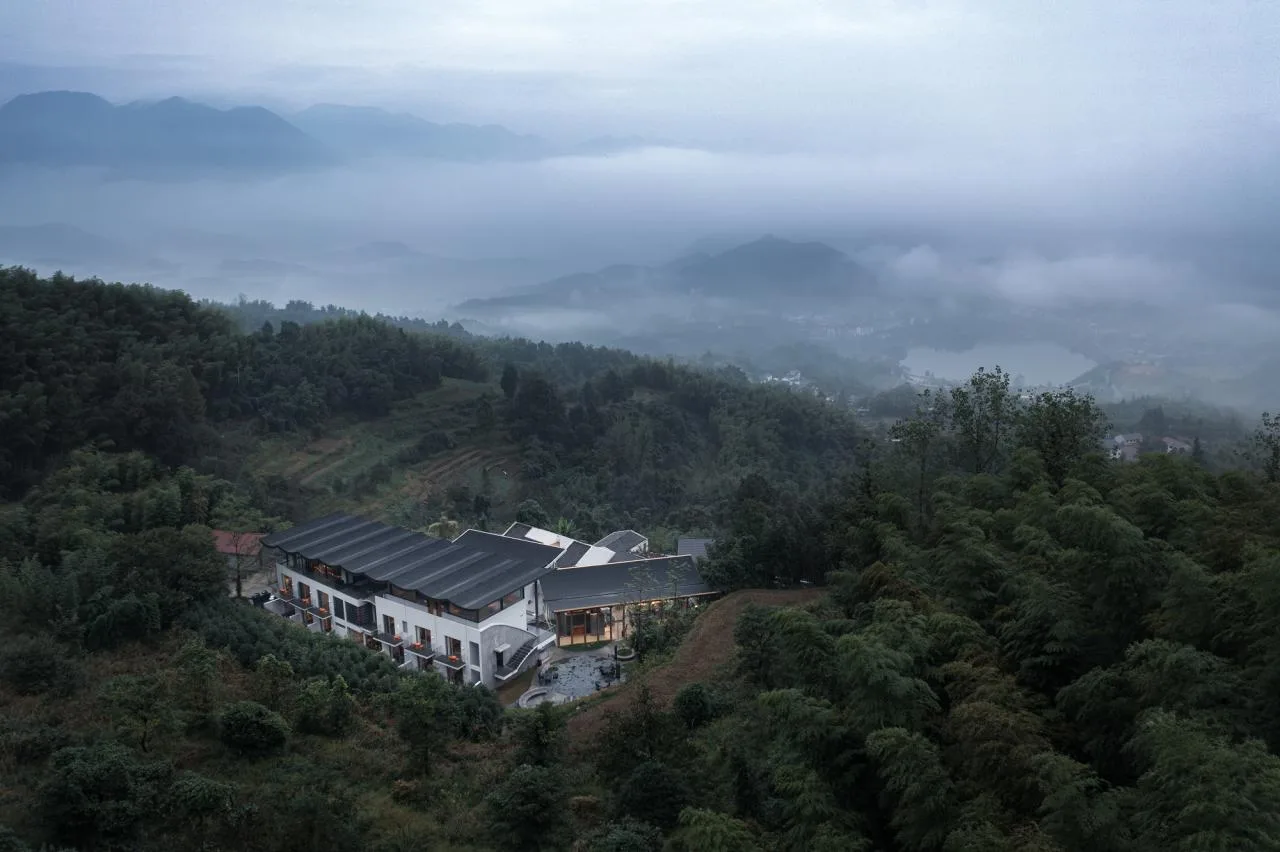
The roof serves as the bridge between a building and the sky. It is a vital shelter and a defining architectural element. The design logic of a roof is shaped by two natural forces: gravity and rainwater. Gravity, an unchanging law of nature, constantly pulls downward, while rainwater is a dynamic, ever-changing element. The form of a roof evolves primarily as a response to resisting gravity and effectively channeling rainwater.
With advances in modern materials and engineering, these natural forces no longer solely dictate roof design. Contemporary architecture often emphasizes mechanical precision and geometric purity, with forms shaped by cutting, twisting, and other manual manipulations, reflecting human ambition and control. However, our architectural philosophy takes a different approach. We believe architecture should not repel nature but embrace a harmonious relationship between humanity and the environment—guiding nature’s wildness while nurturing its vitality.
Rain is water driven by gravity’s pull. It embodies both fluidity and strength, the intangible and the tangible. While containers define the shape of water, gravity directs its force. The smooth flow of water visually expresses gravity’s dynamics, whereas buildings act as static containers shaped by gravity’s influence. Newton’s law of universal gravitation, simplified into a formula, can be interpreted architecturally through various design expressions.
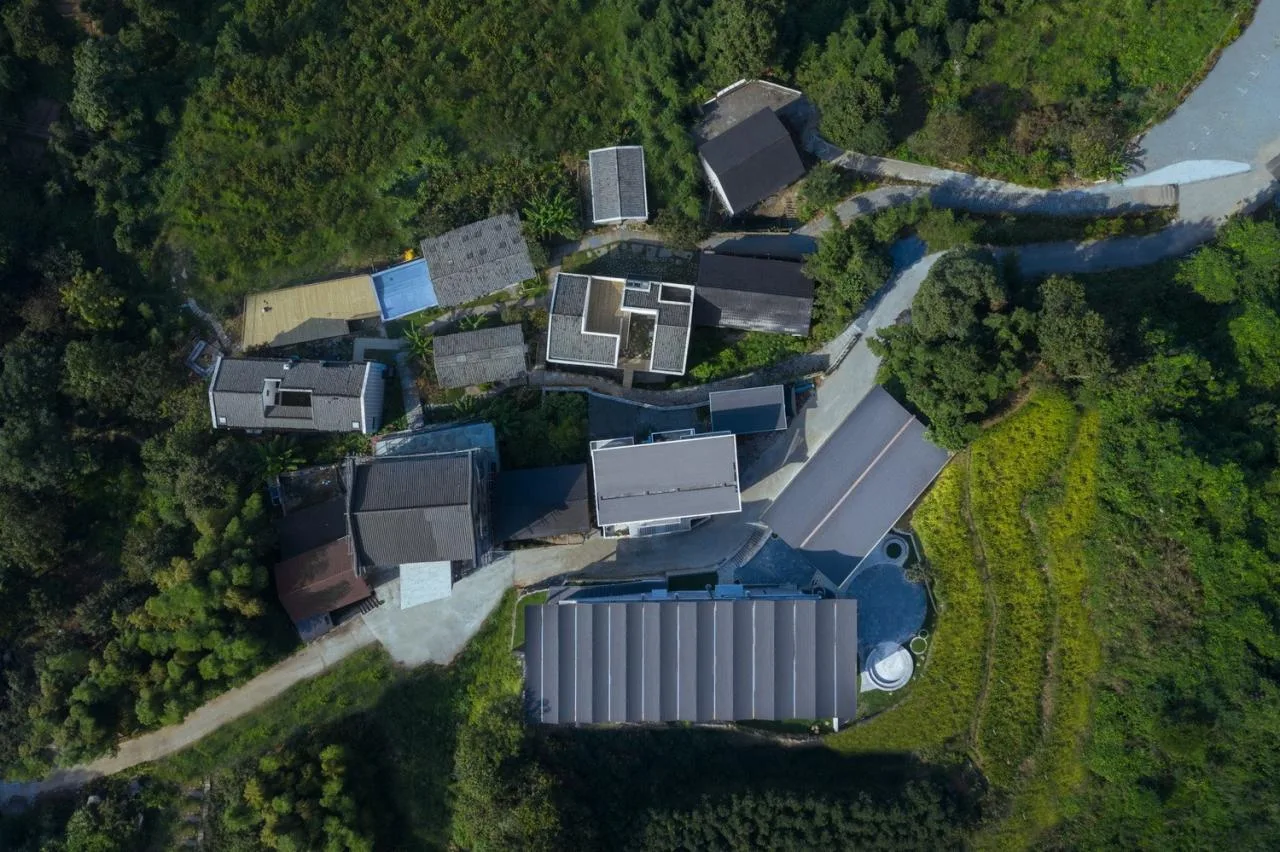
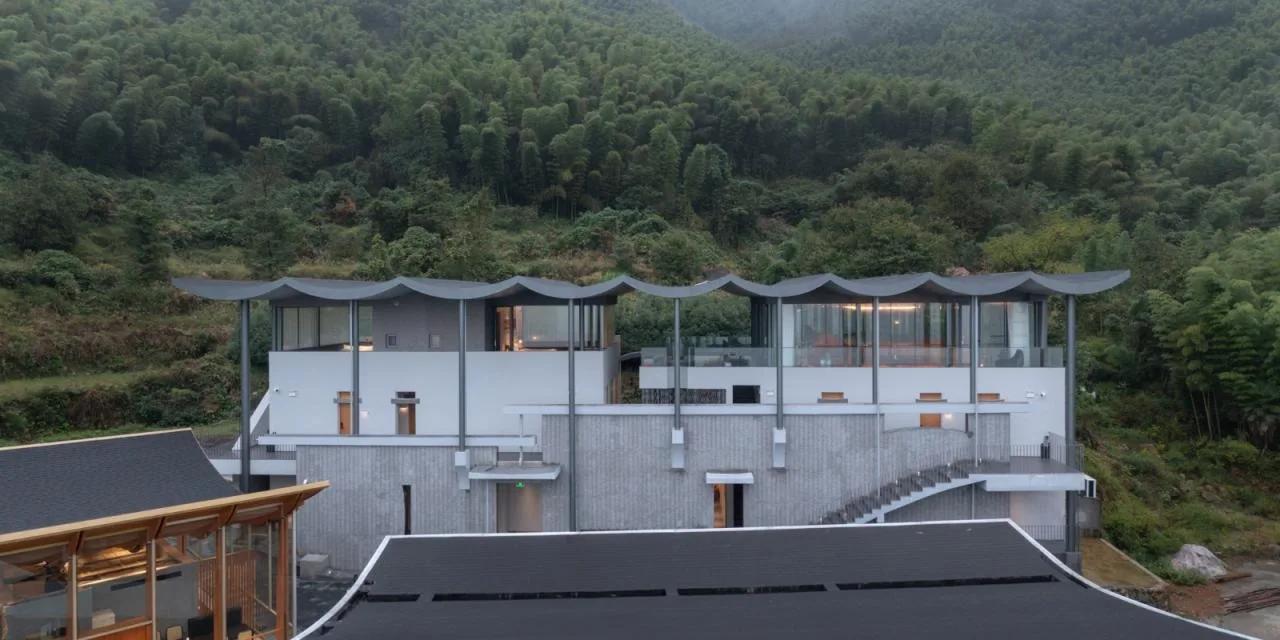
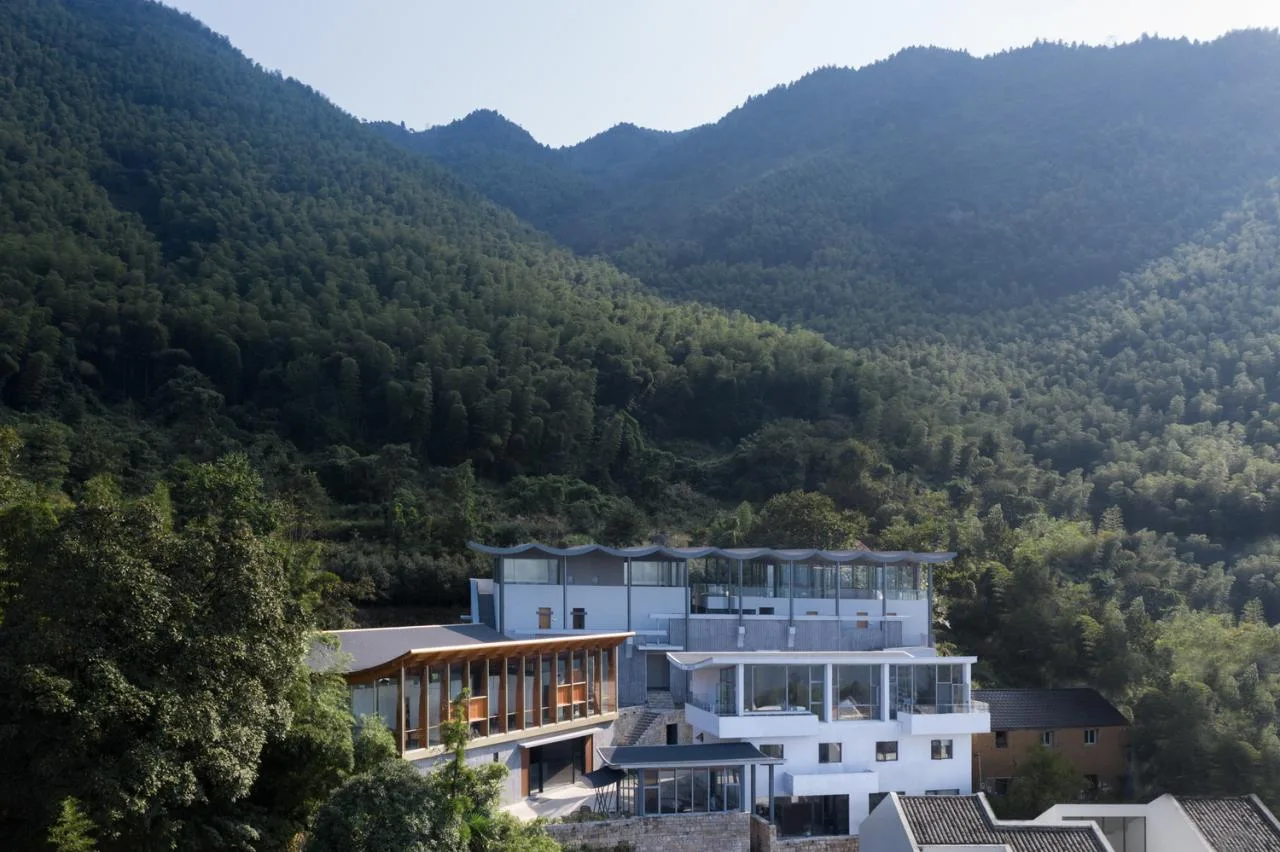
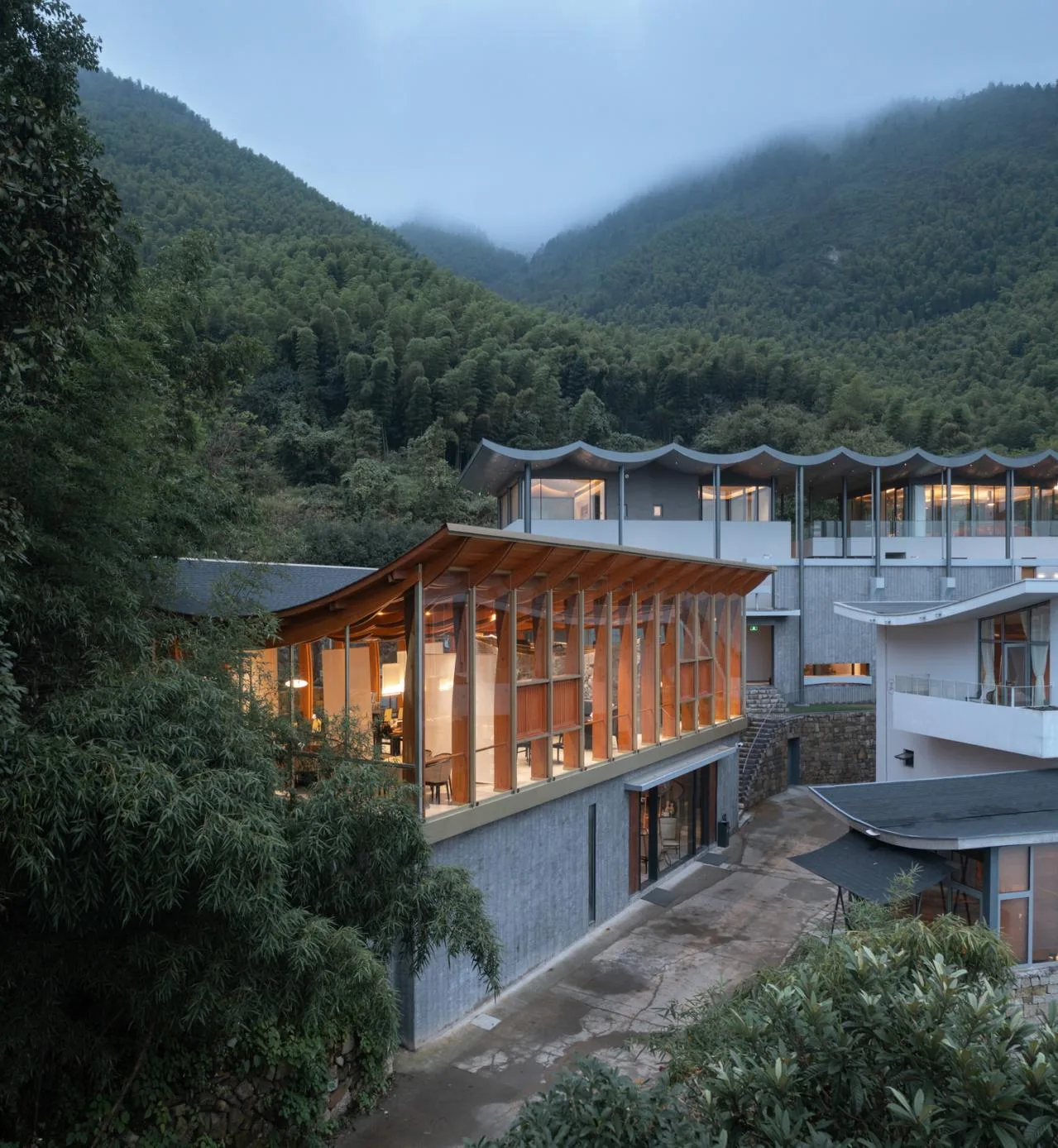
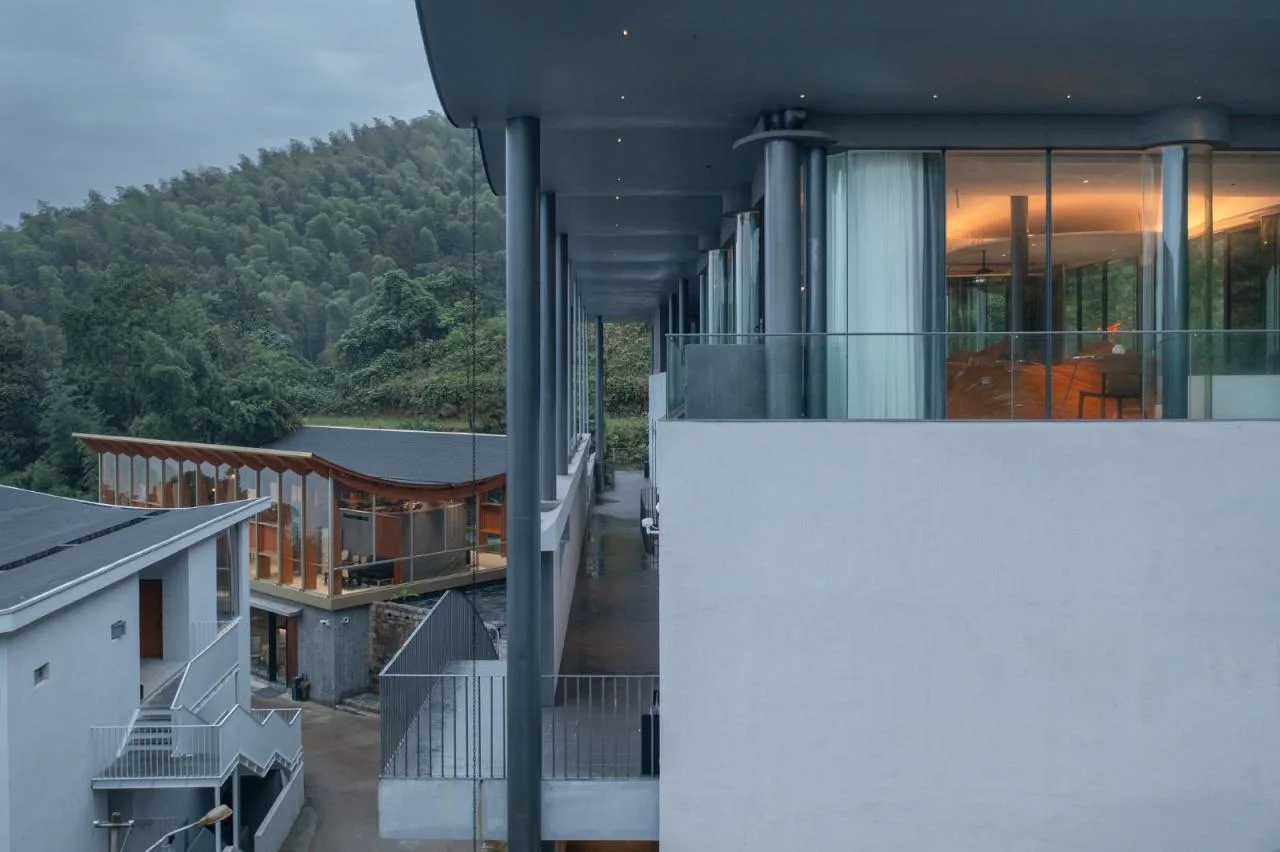
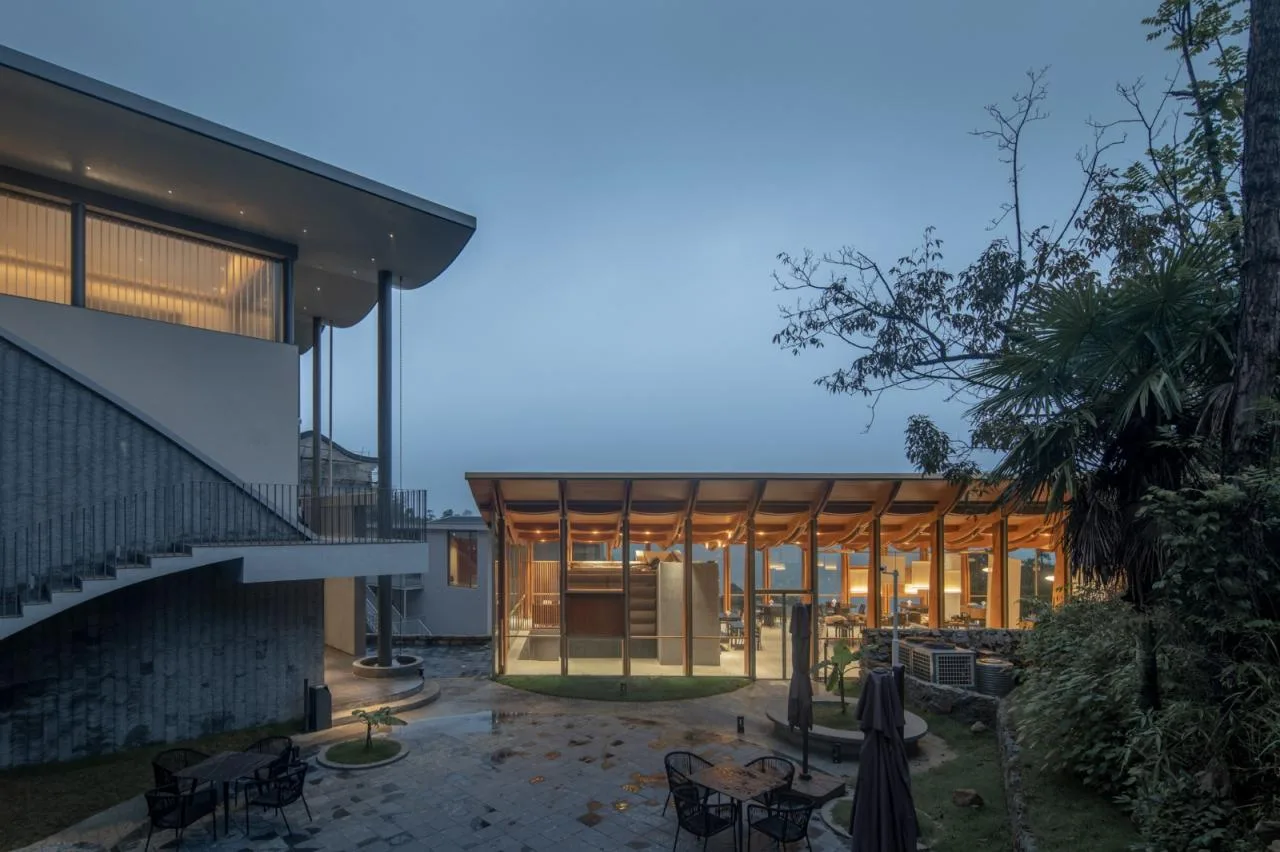
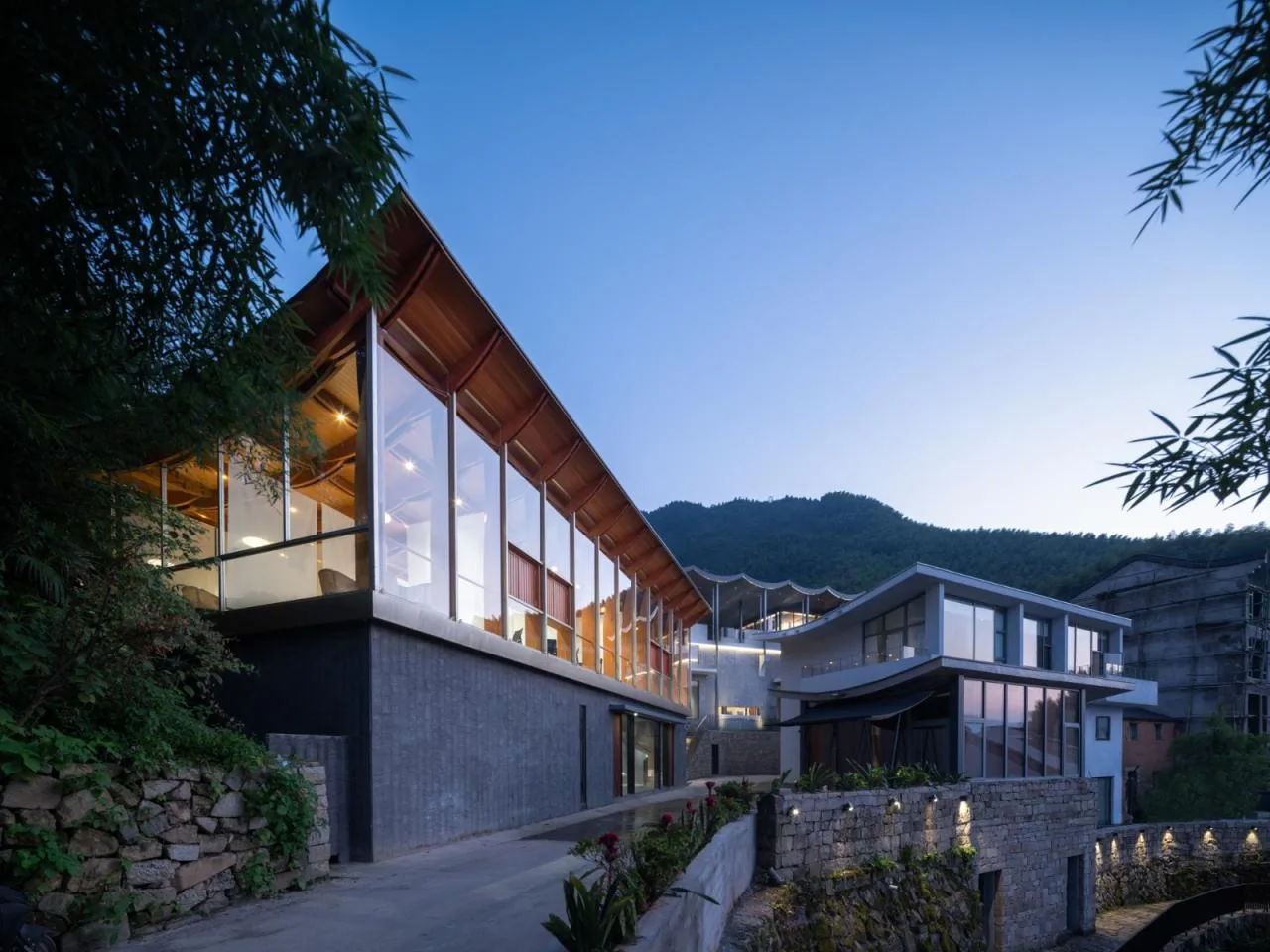
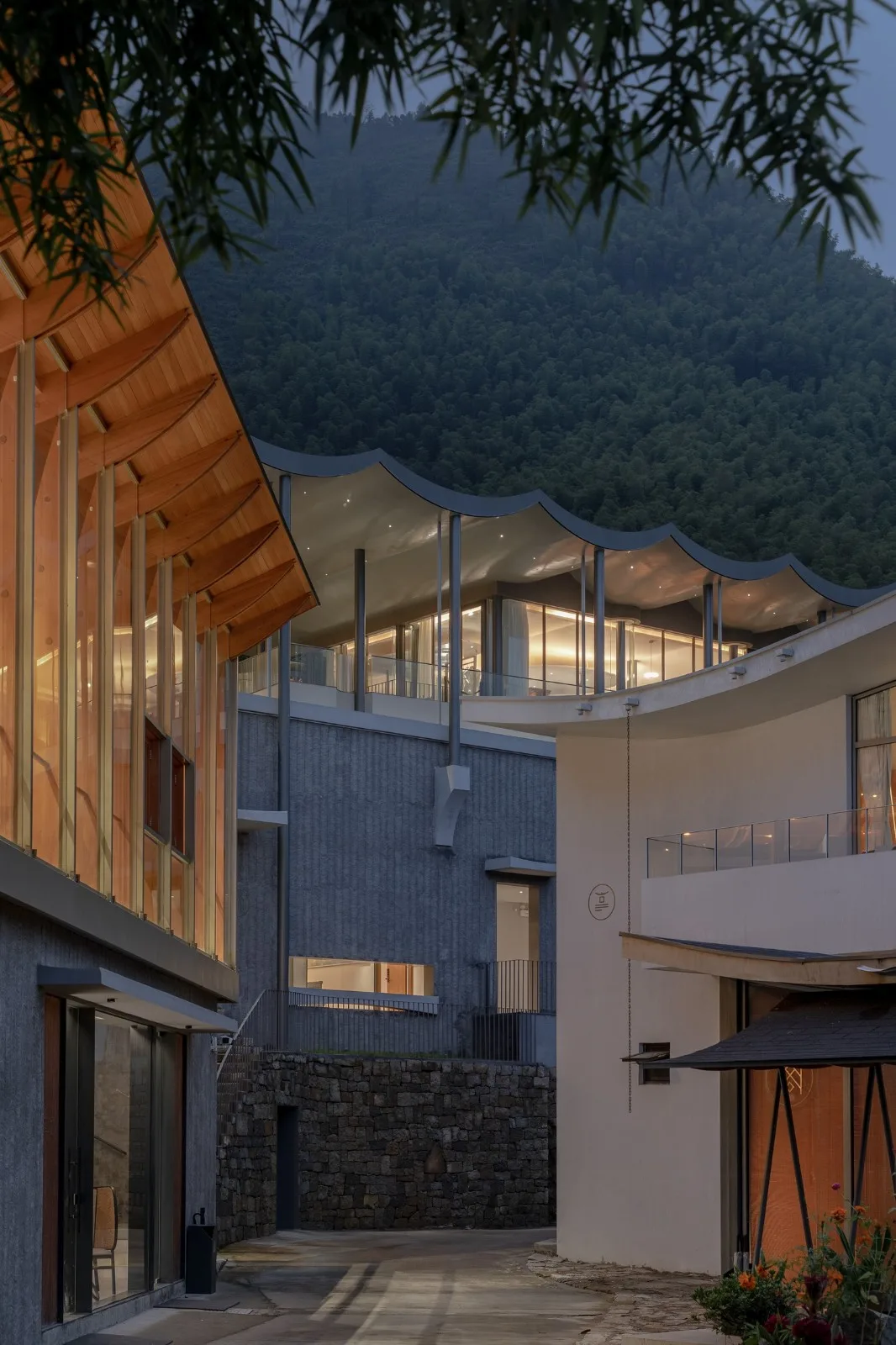
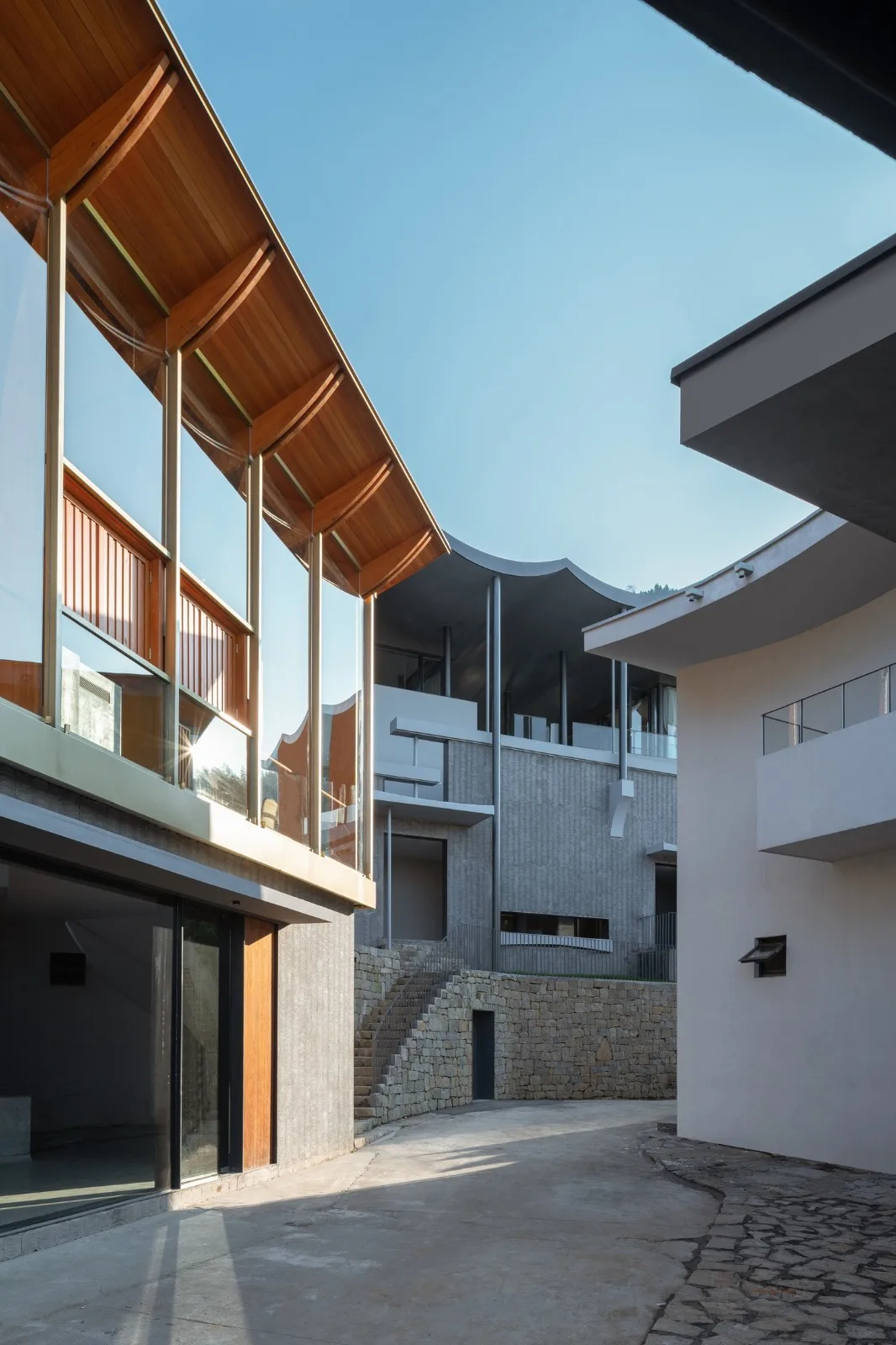
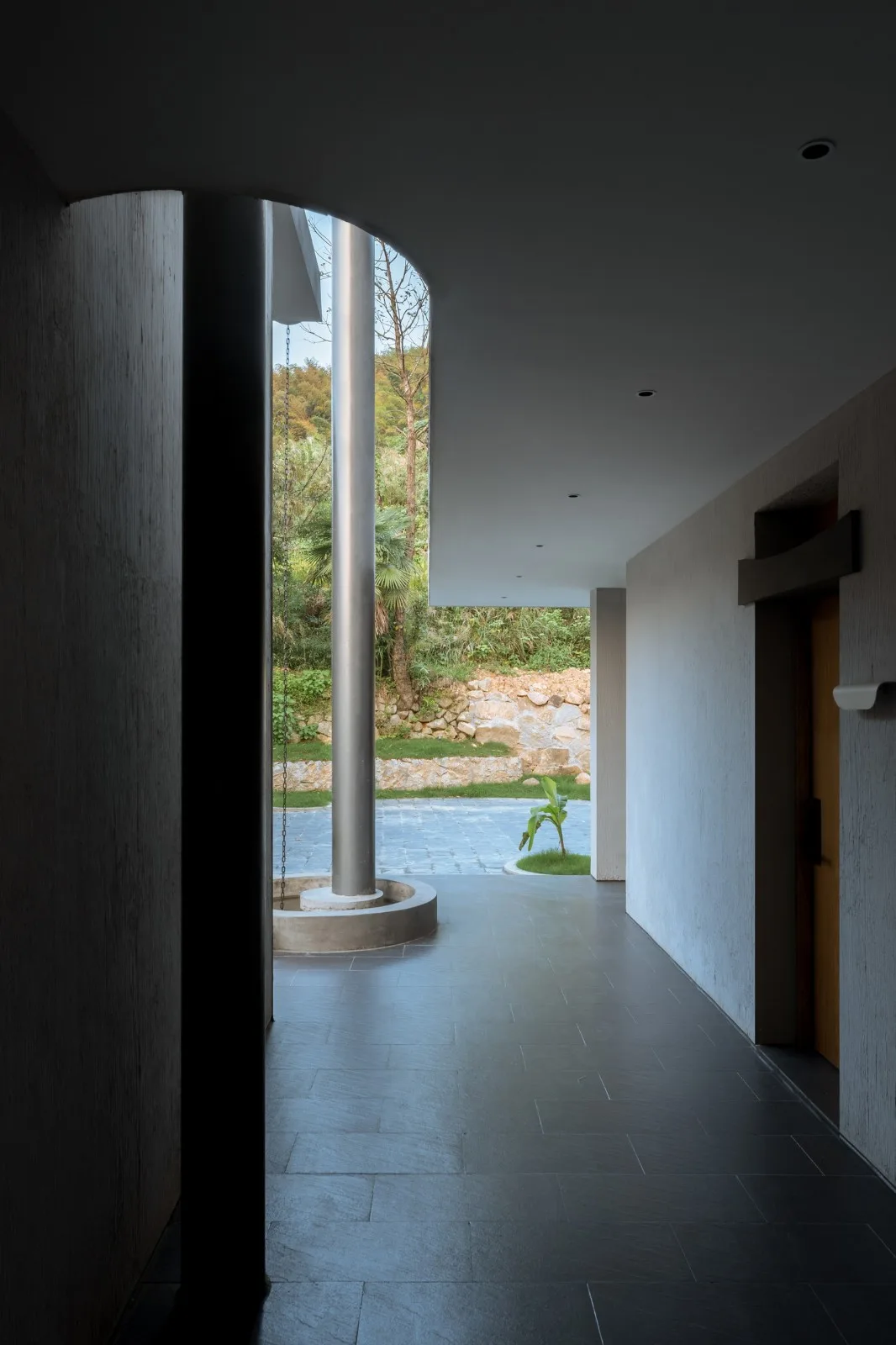
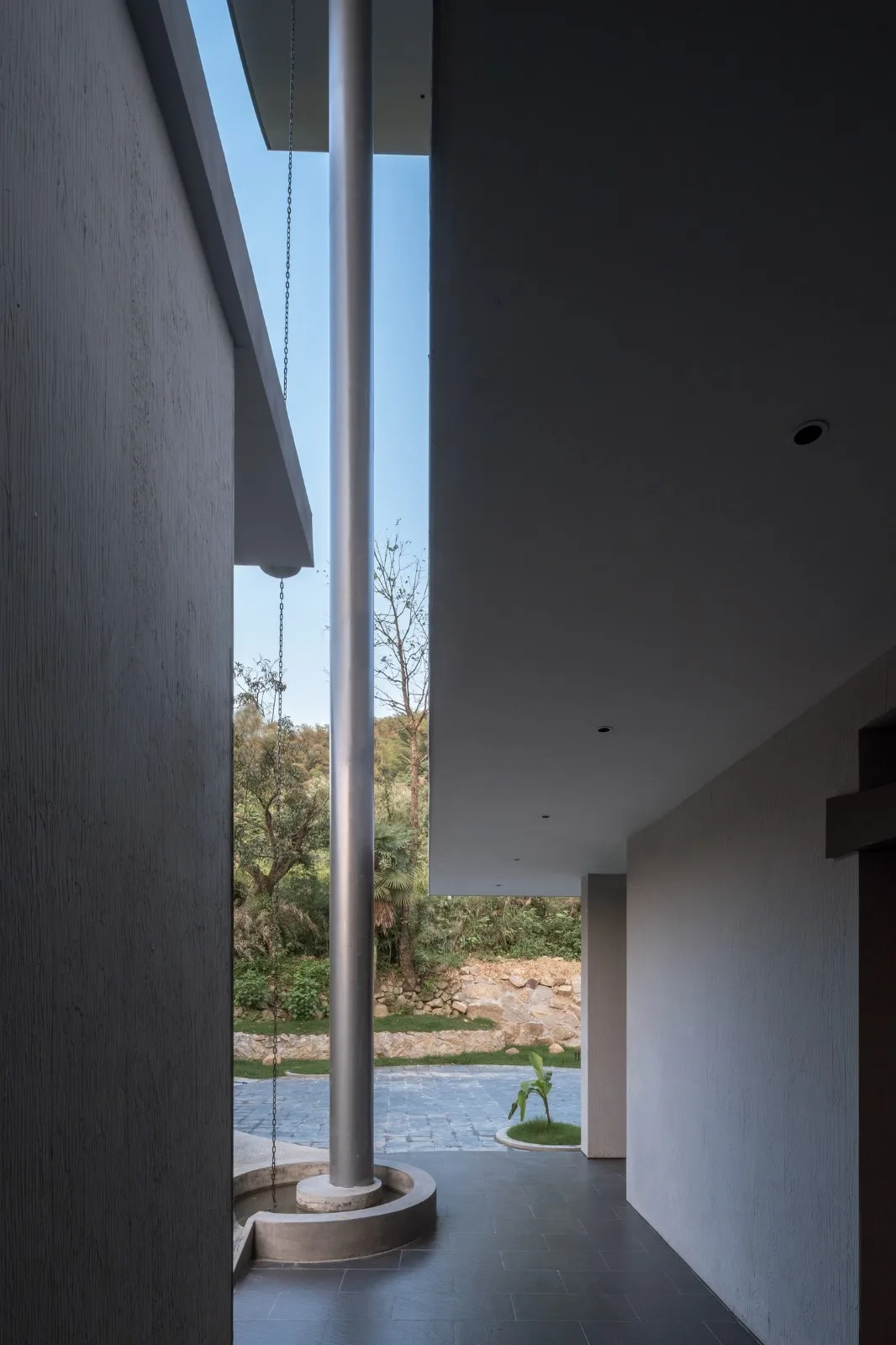
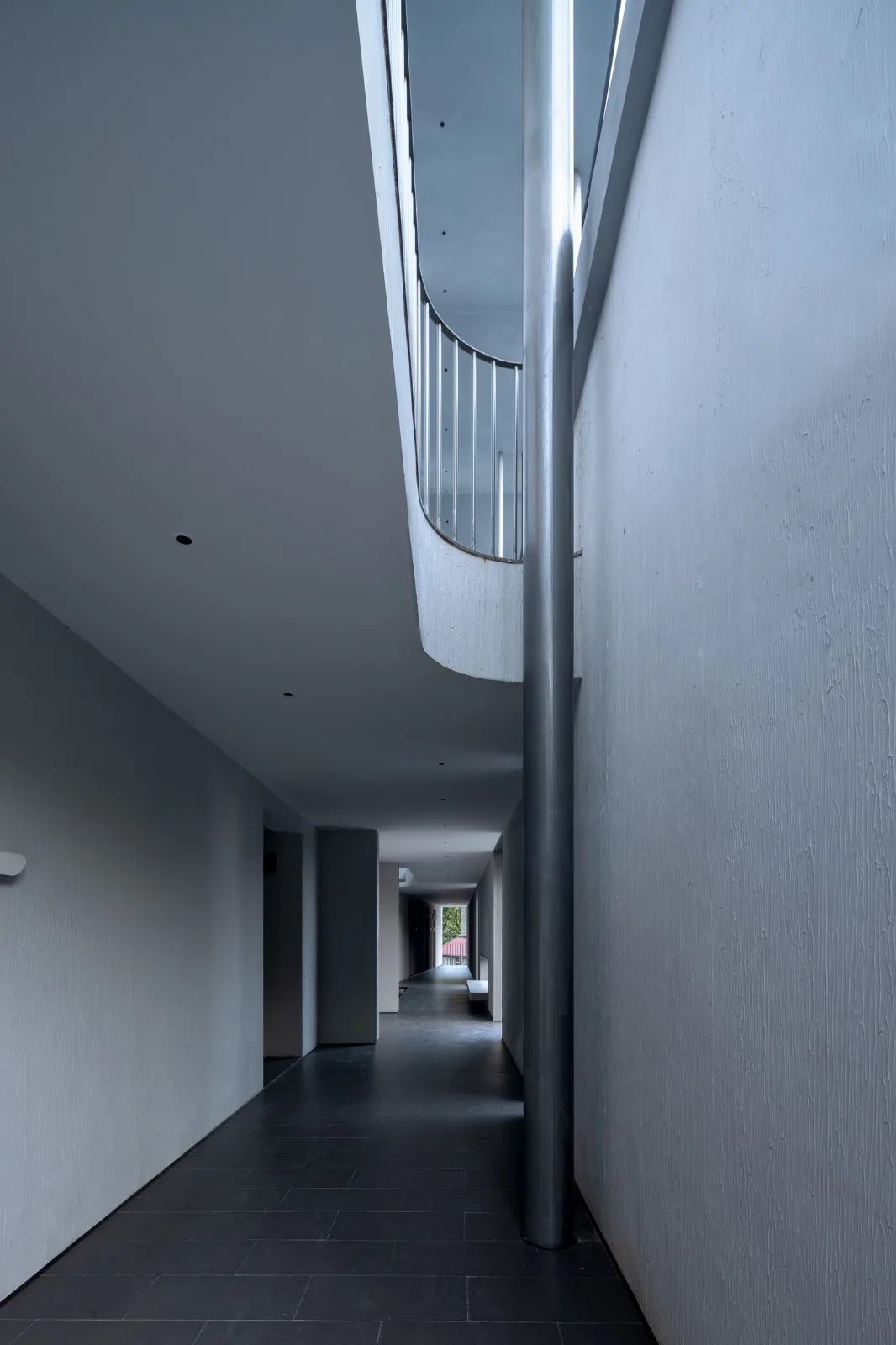
The Rain House is situated in a remote mountain area, surrounded by bamboo forests and farmland. Two separate village-style houses are united under a large roof supported by cylindrical columns. This structure directs rainwater toward the ground through multiple paths, creating an interplay between the intangible flow of water and the tangible architecture. We refer to this approach as the Shunshui Six Formulas:
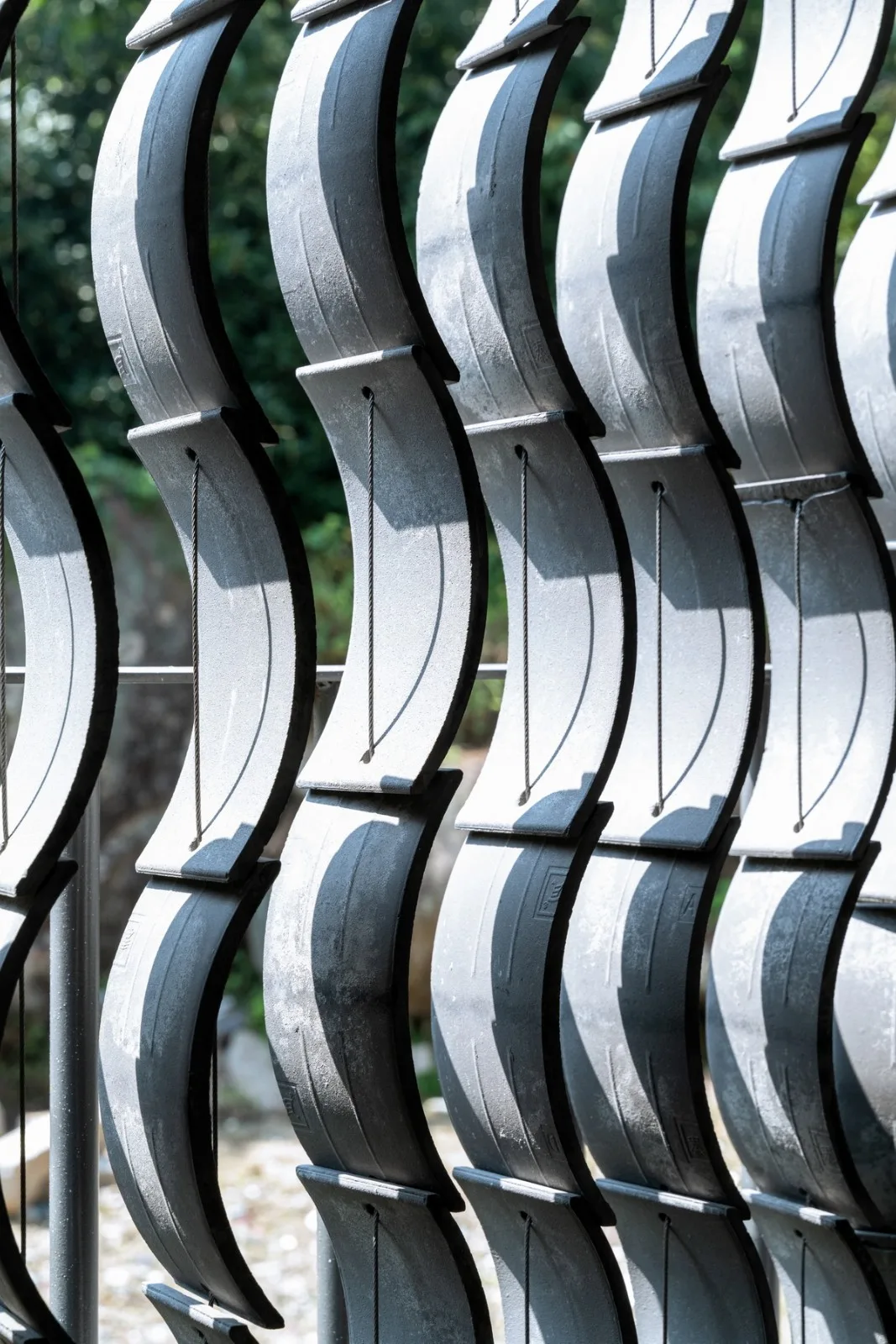
1. Elevate the roof with water or support it upright from the ground or walls. A roof shaped with continuous water waves acts as a container that channels rainwater, gathering what once fell evenly into a linear stream.
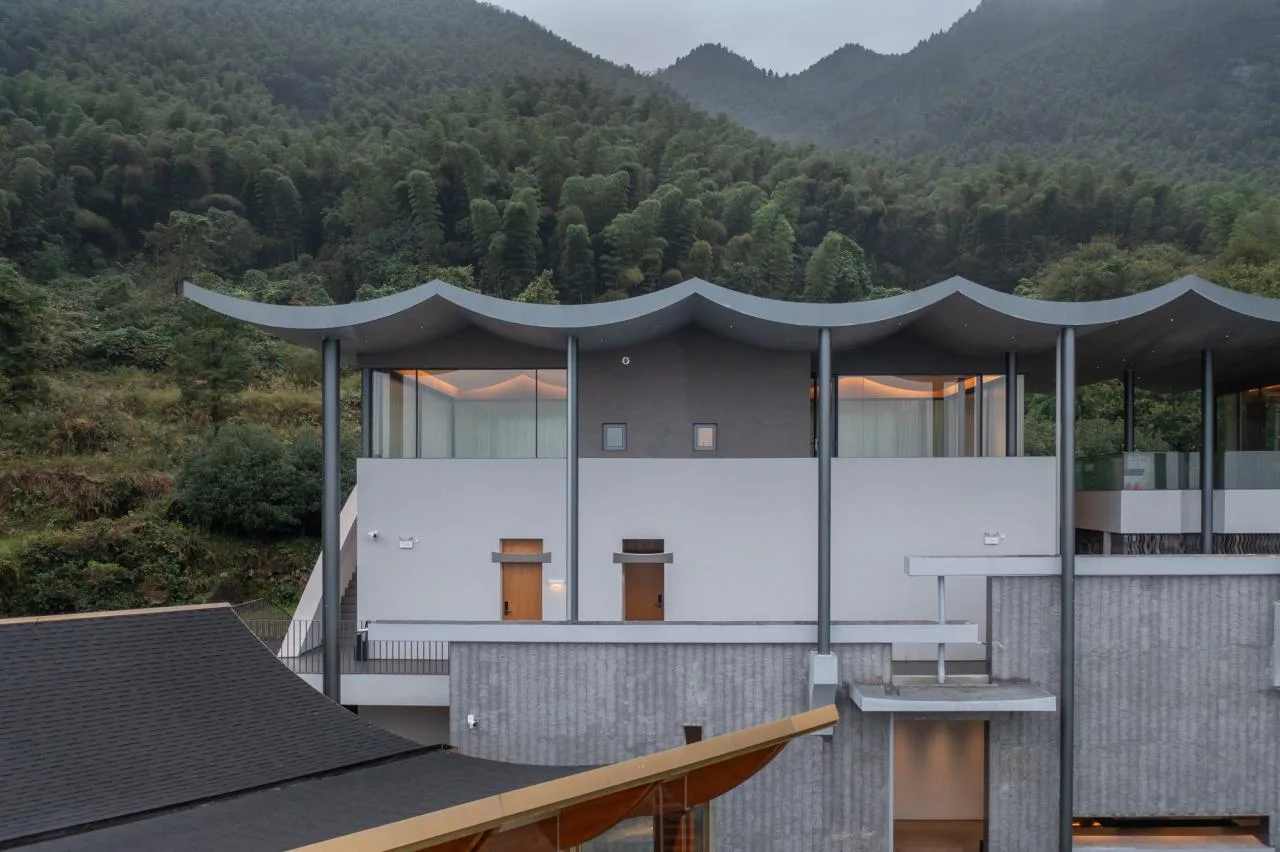
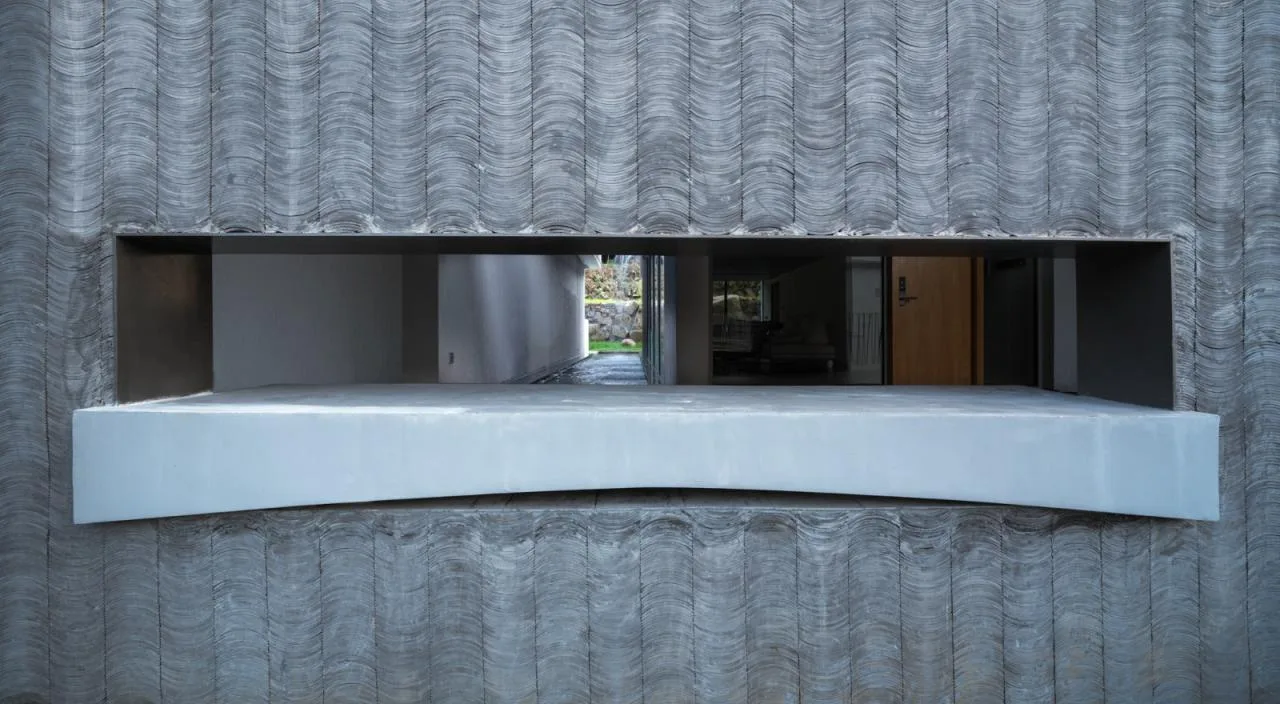
2. The Sichuan waterway cascades vertically, creating a powerful diversion of water. Inspired by the ancient image of water dripping over rocks, the design allows water to penetrate through a concrete slab, showcasing the force of flowing water.
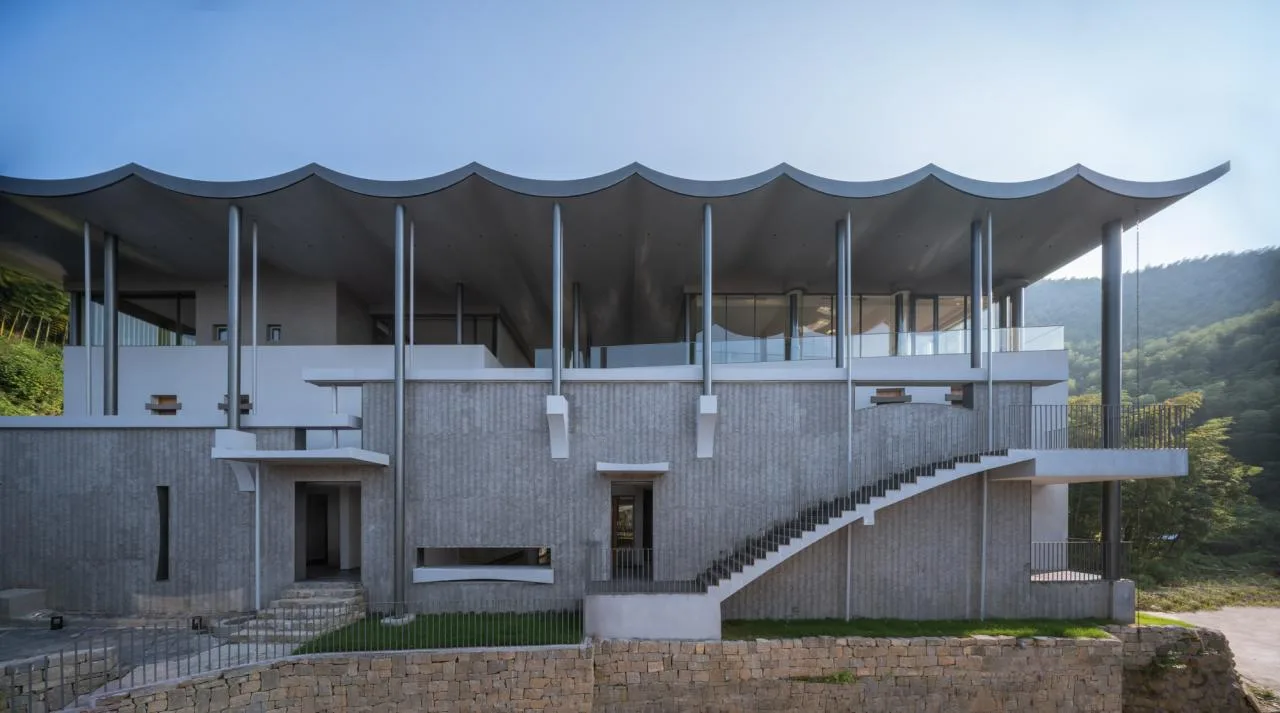
3. Water diversion takes the form of a curved canal, mirroring the fluid shape of water itself. The canal’s direction guides the flow of water along its path.
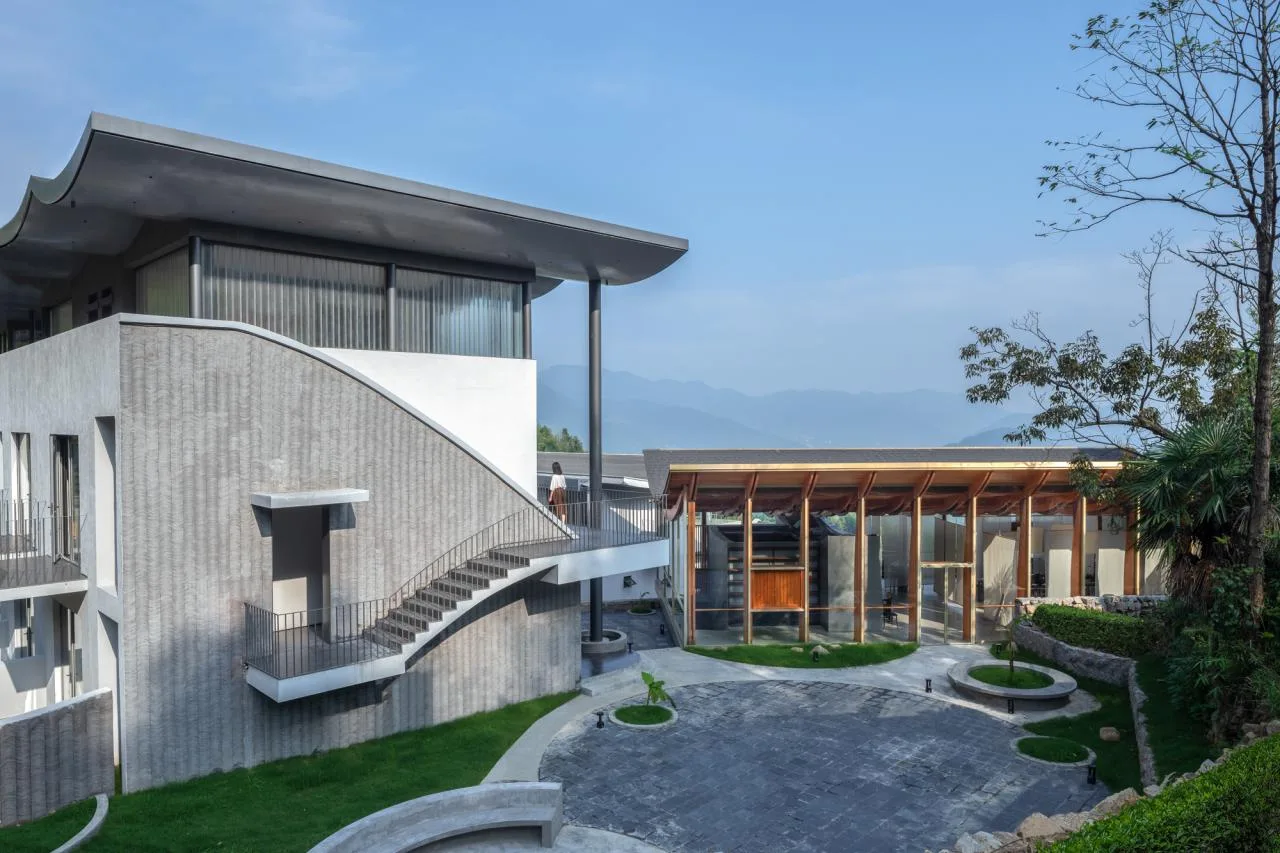
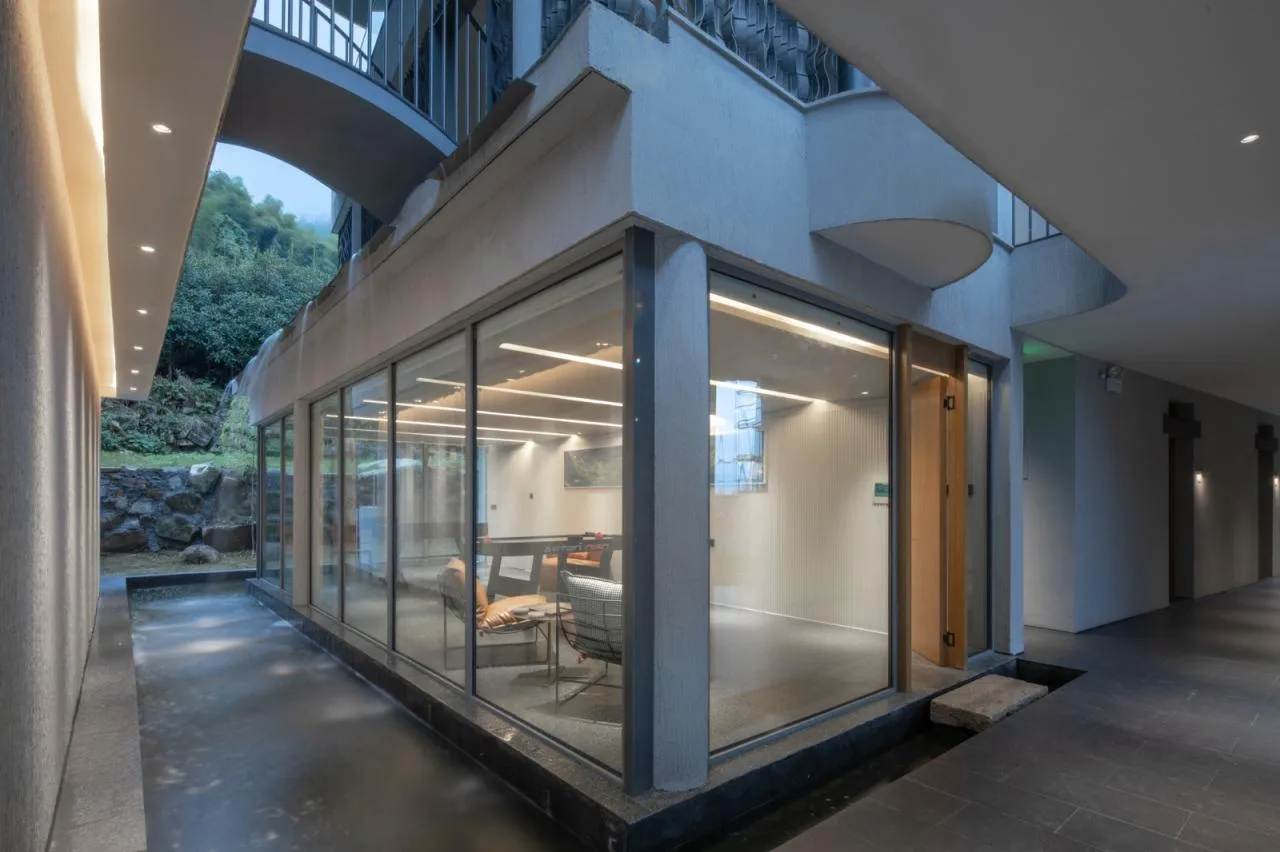
4. Scattered water flows freely from the half roof along the eaves, falling directly into the pond below. This simple, natural release of water recalls the primitive form of water’s movement.
5. Tap water
On the building’s second floor, a path crosses over a pond. Circular stepping stones provide a way to cross, reminiscent of walking through puddles on rainy days in the wilderness.
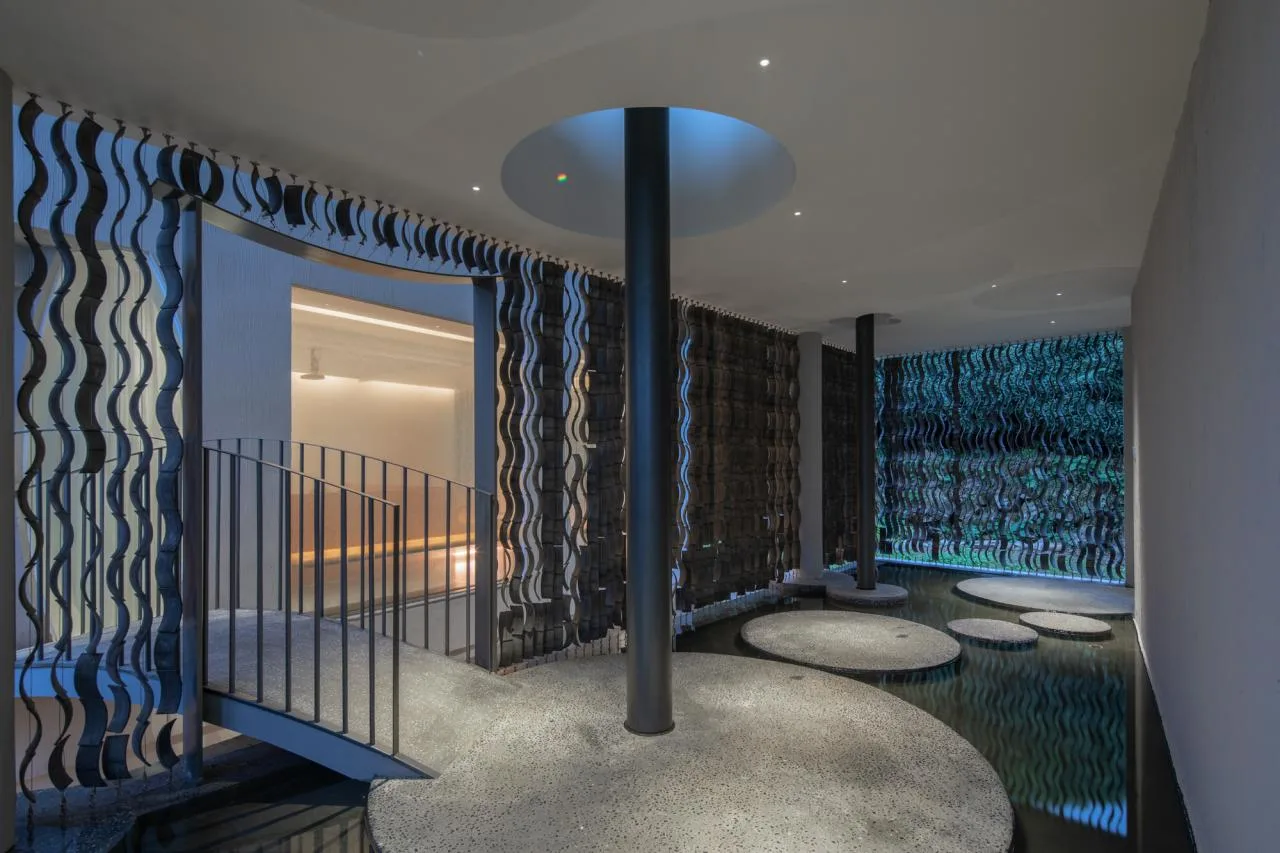
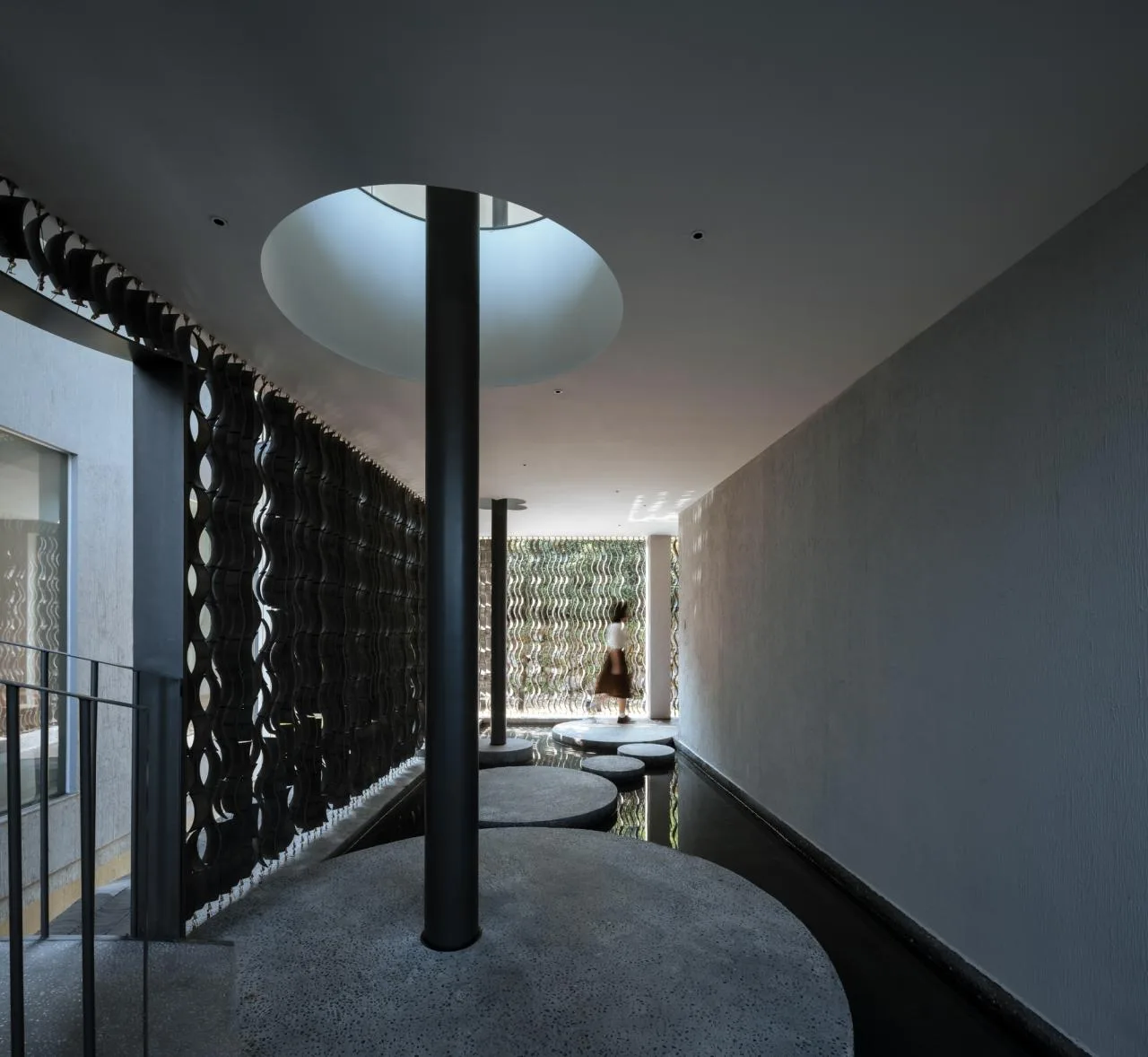
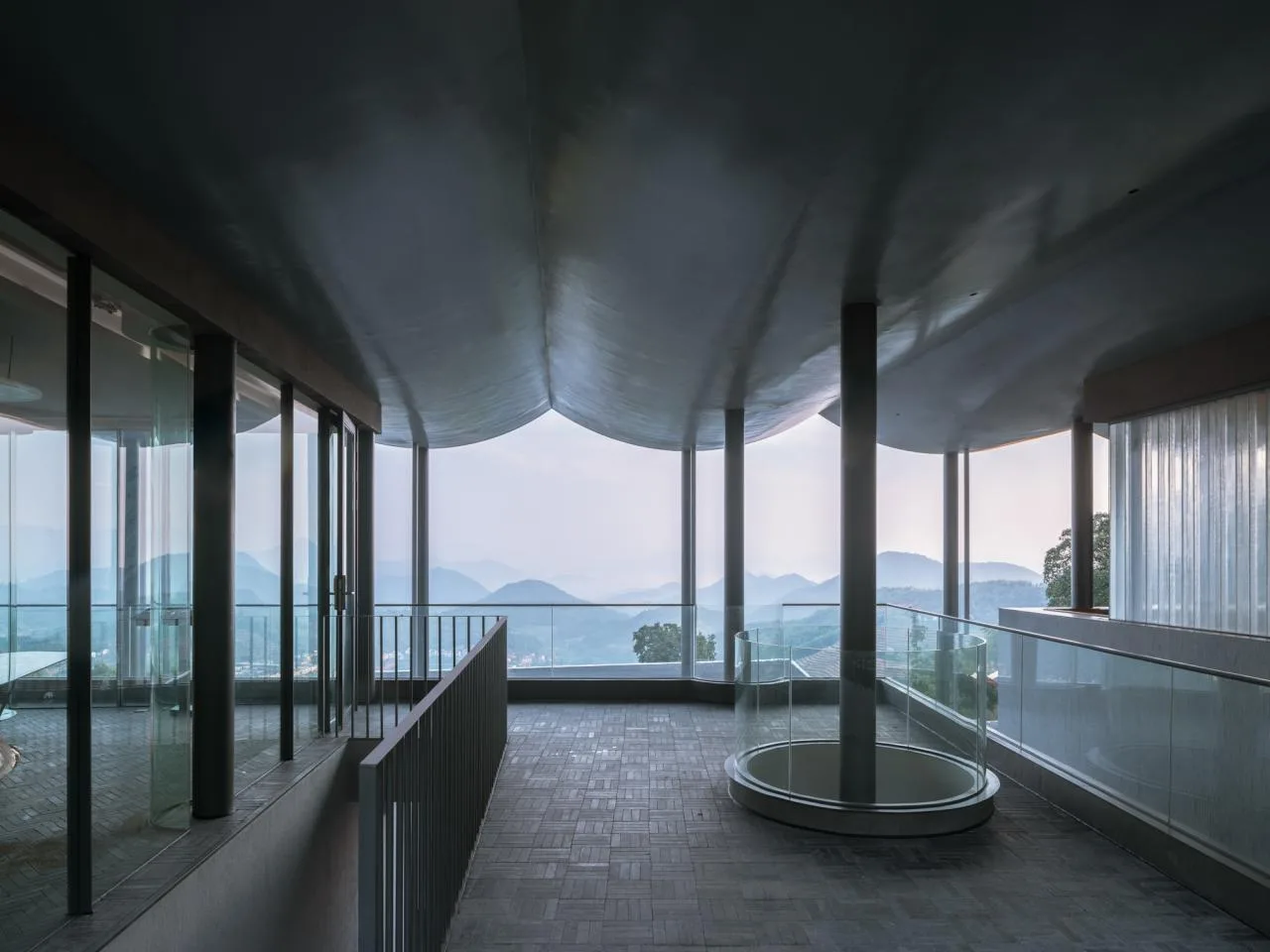
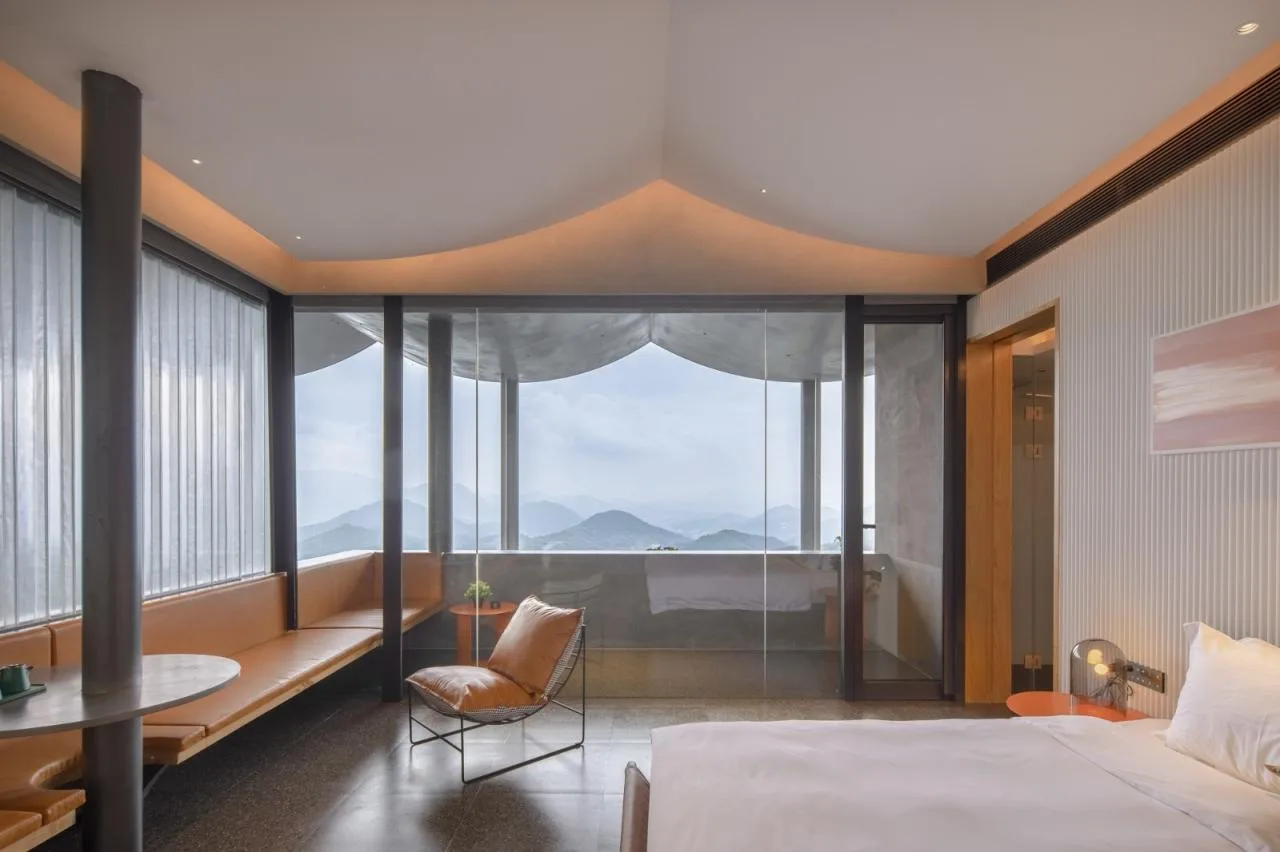
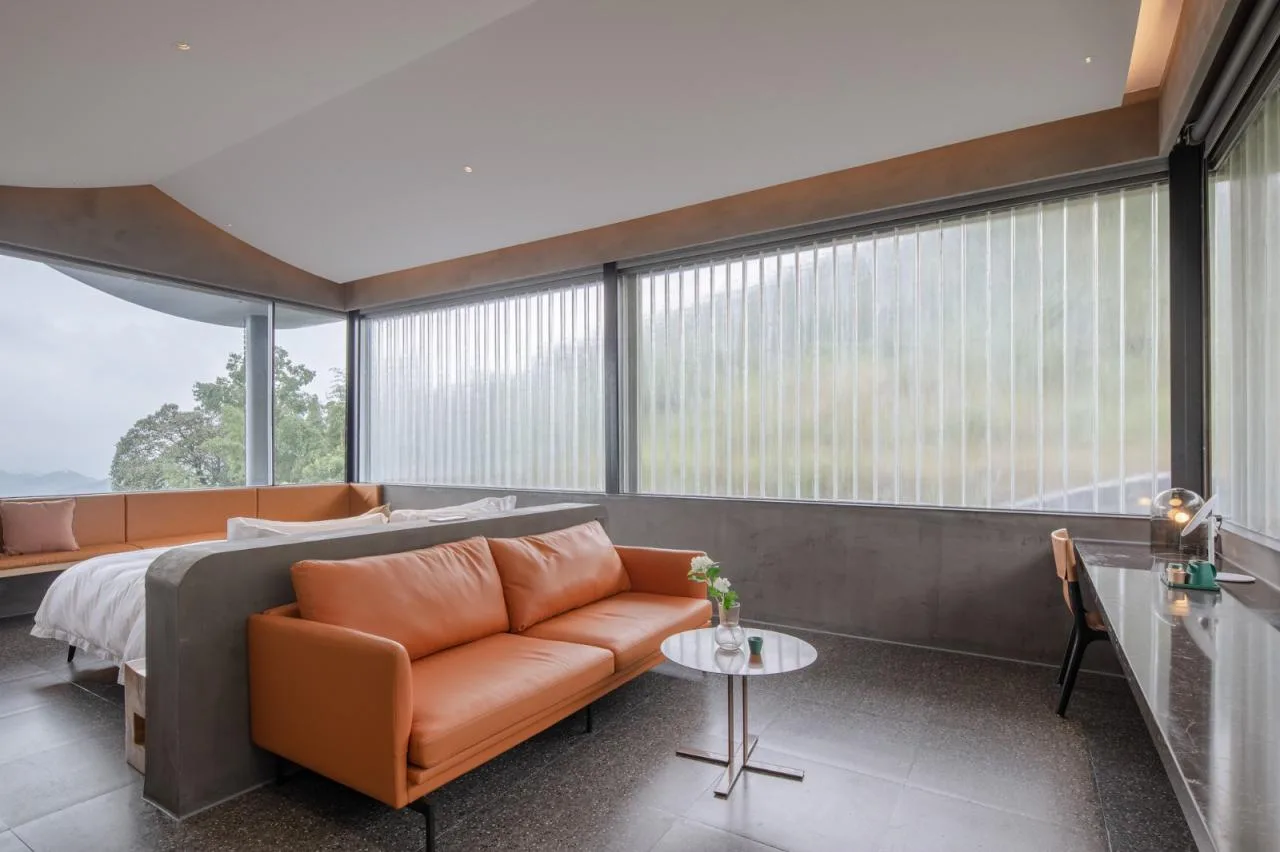
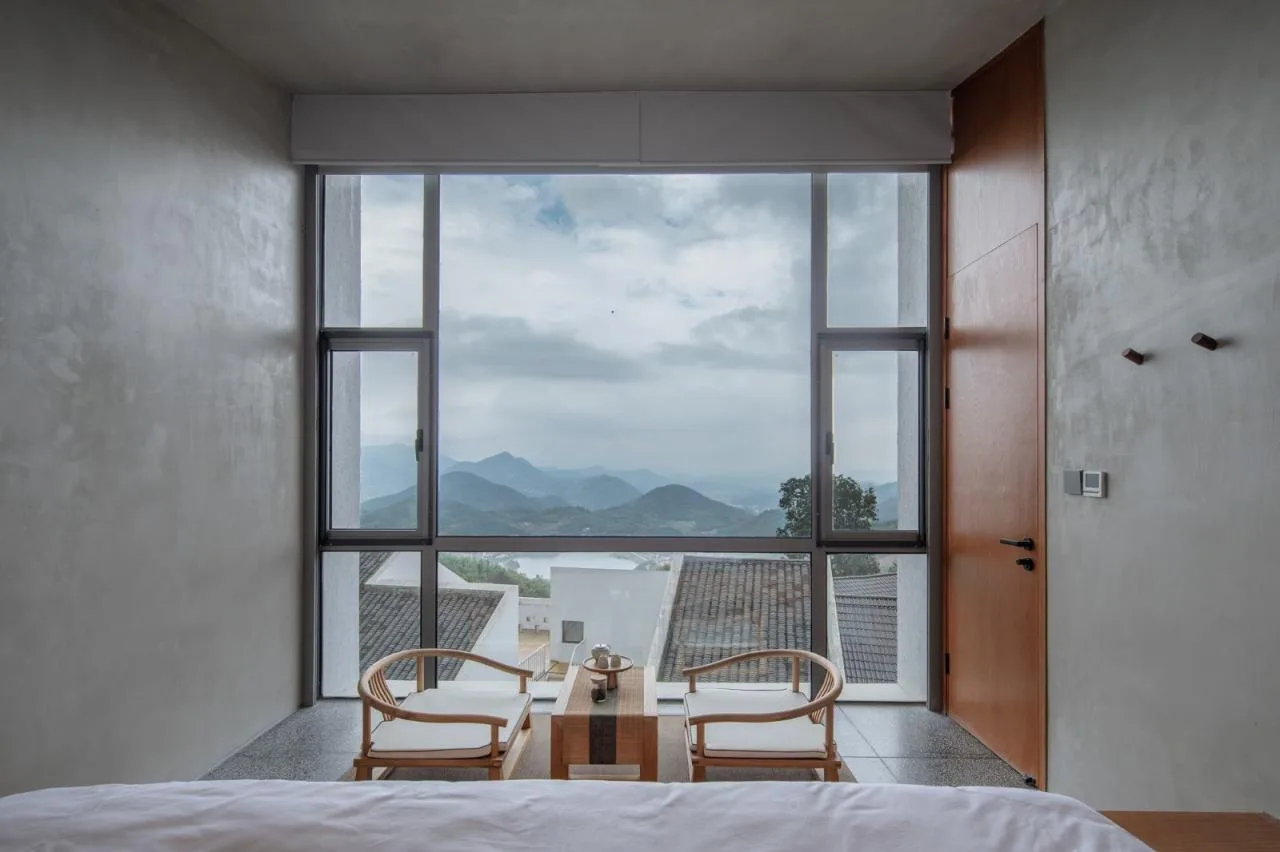
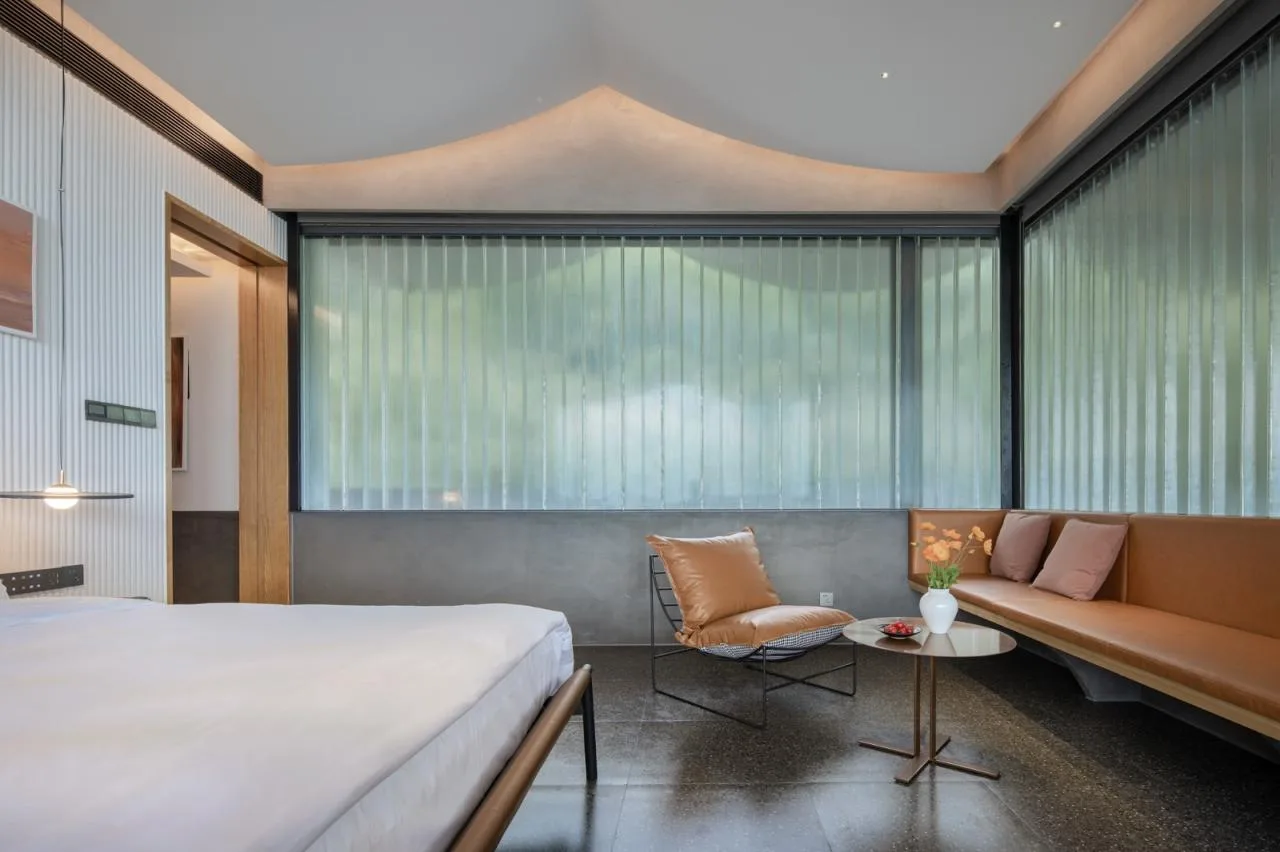
6. The cross water bridge is a poetic architectural element that connects and spans streams, ponds, and different levels. It creates a physical link between spaces. On the Rain House’s top floor, a large, transparent mountain pavilion offers panoramic views, connecting the interior with distant mountains and framing the landscape under its eaves.
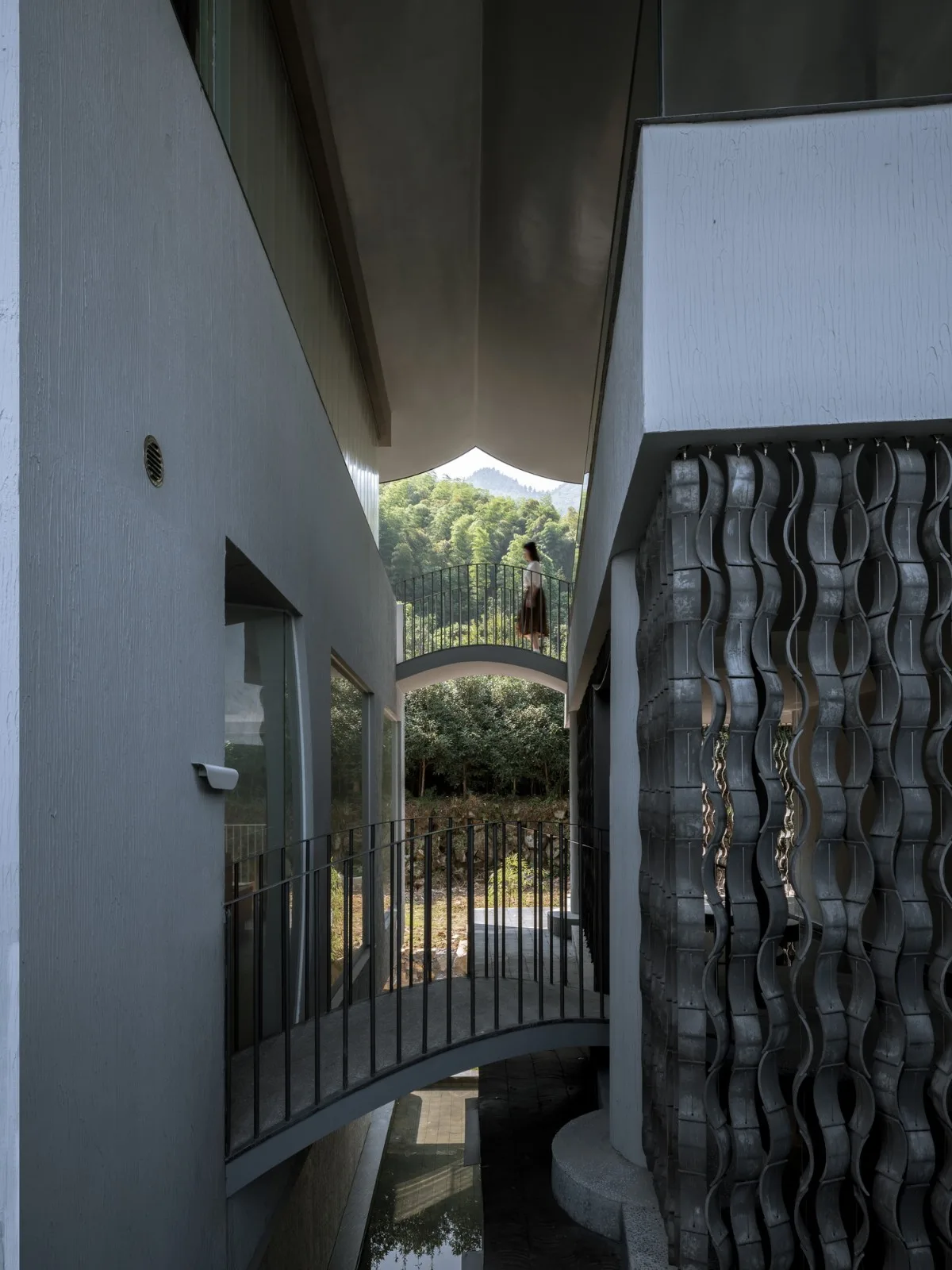
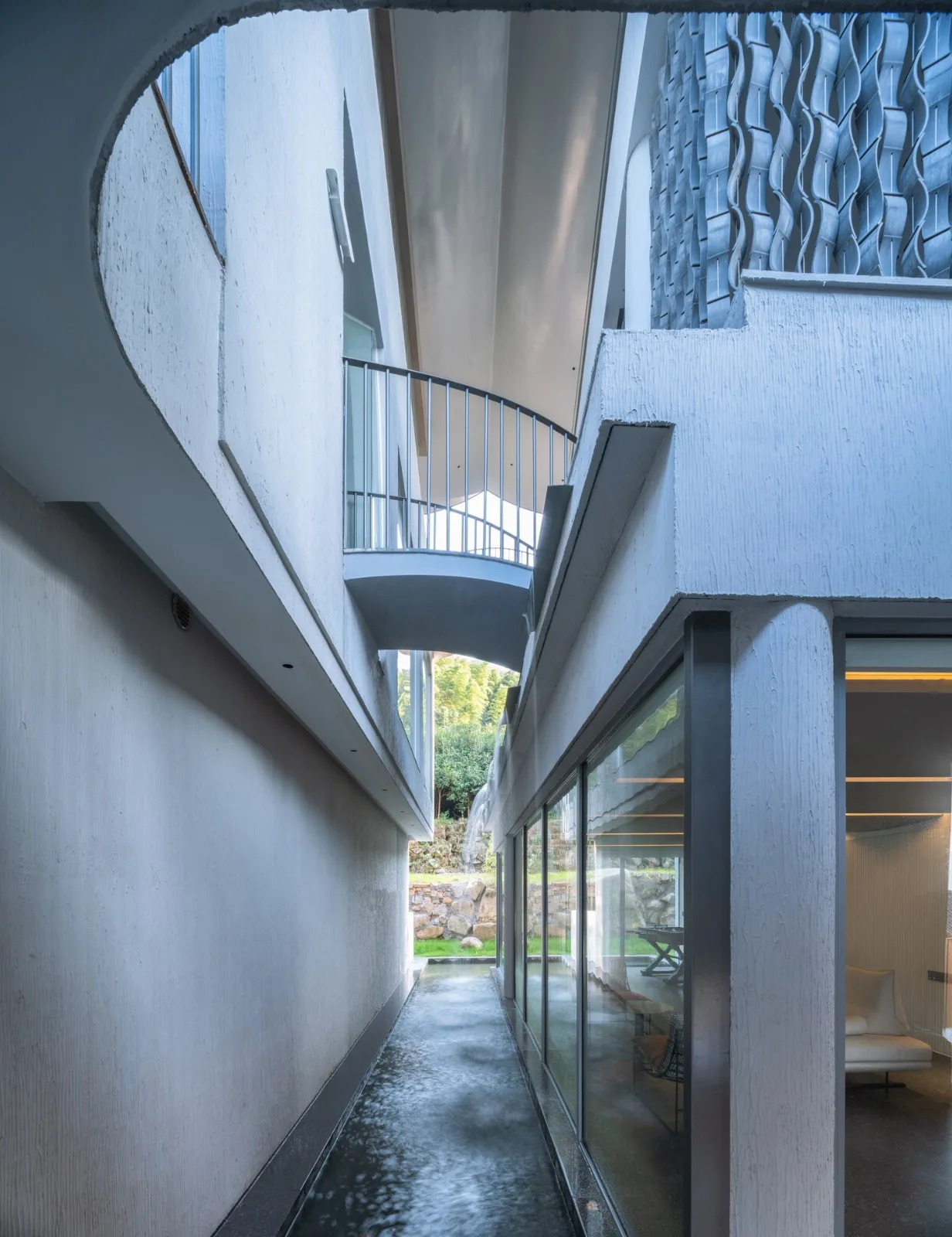
The “Chuanfang,” designed in 2016, openly showcases metal downspouts on the building’s exterior, symbolizing water flowing downward. This was the first attempt to explicitly express gravity and rainwater in architectural form. The “Rain House” advances this concept—not merely as a formal expression but as a thoughtful integration with nature: “If you want to harness it, first gather it; if you want to tame it, first follow it.”
Project Drawings
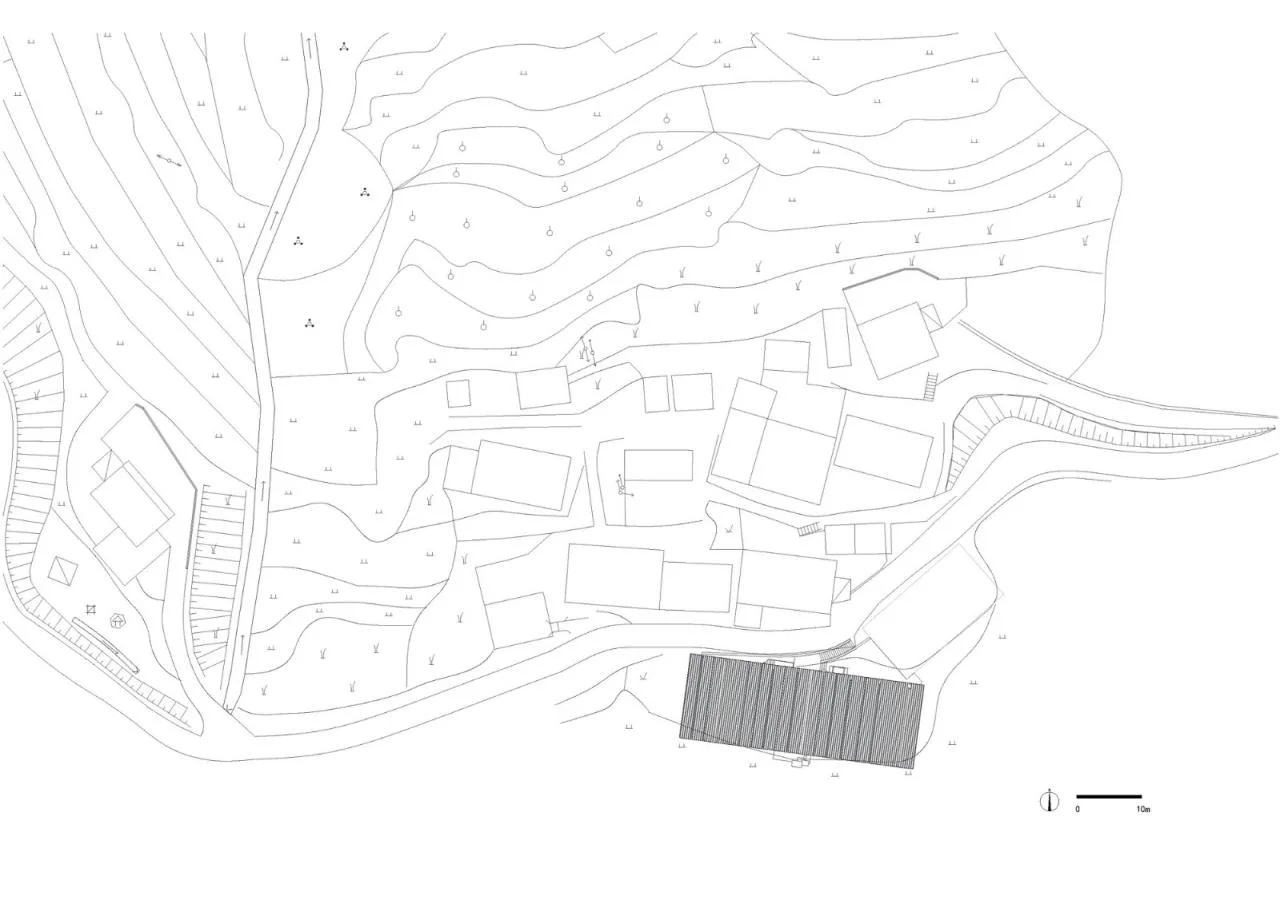
△ Location Map
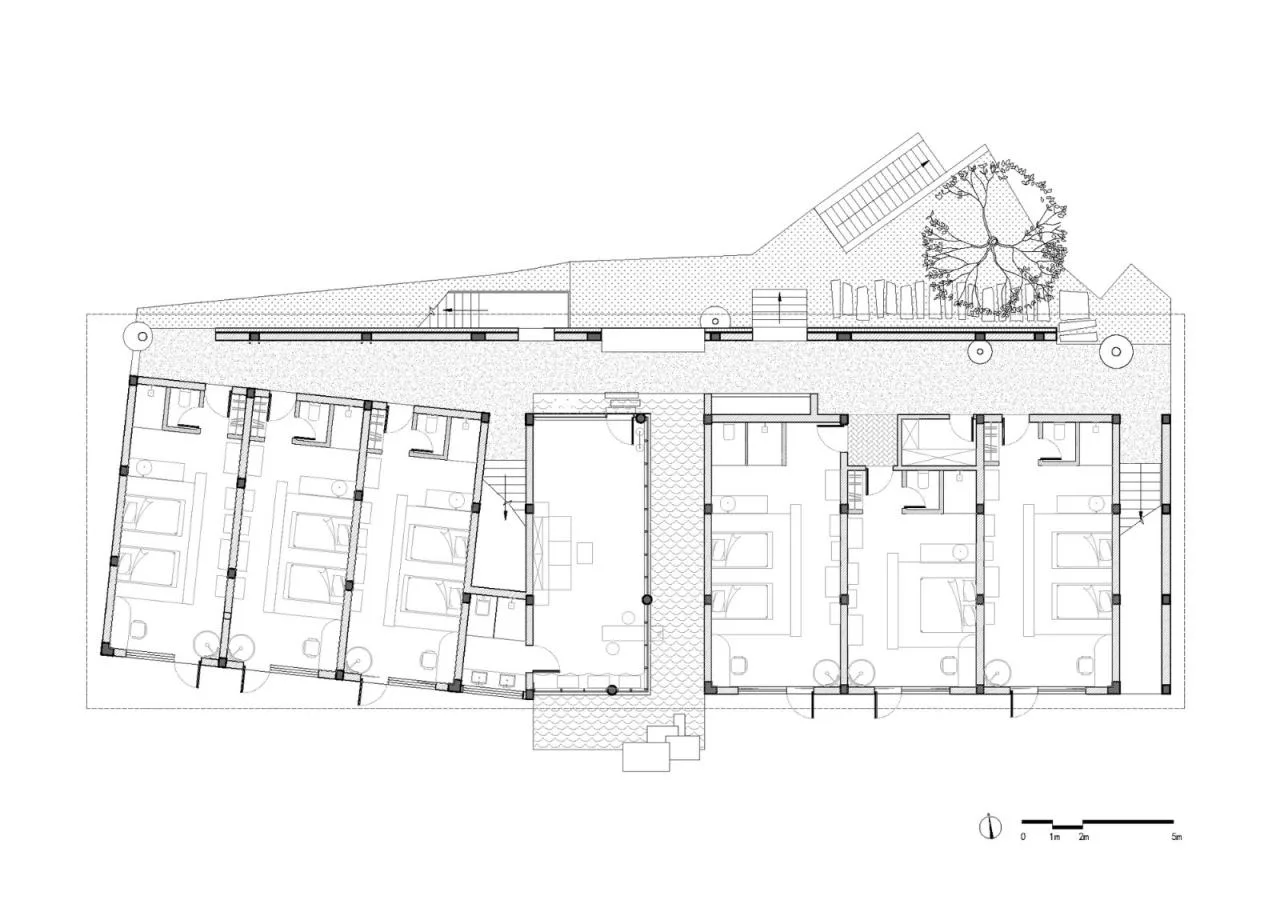
△ First Floor Plan
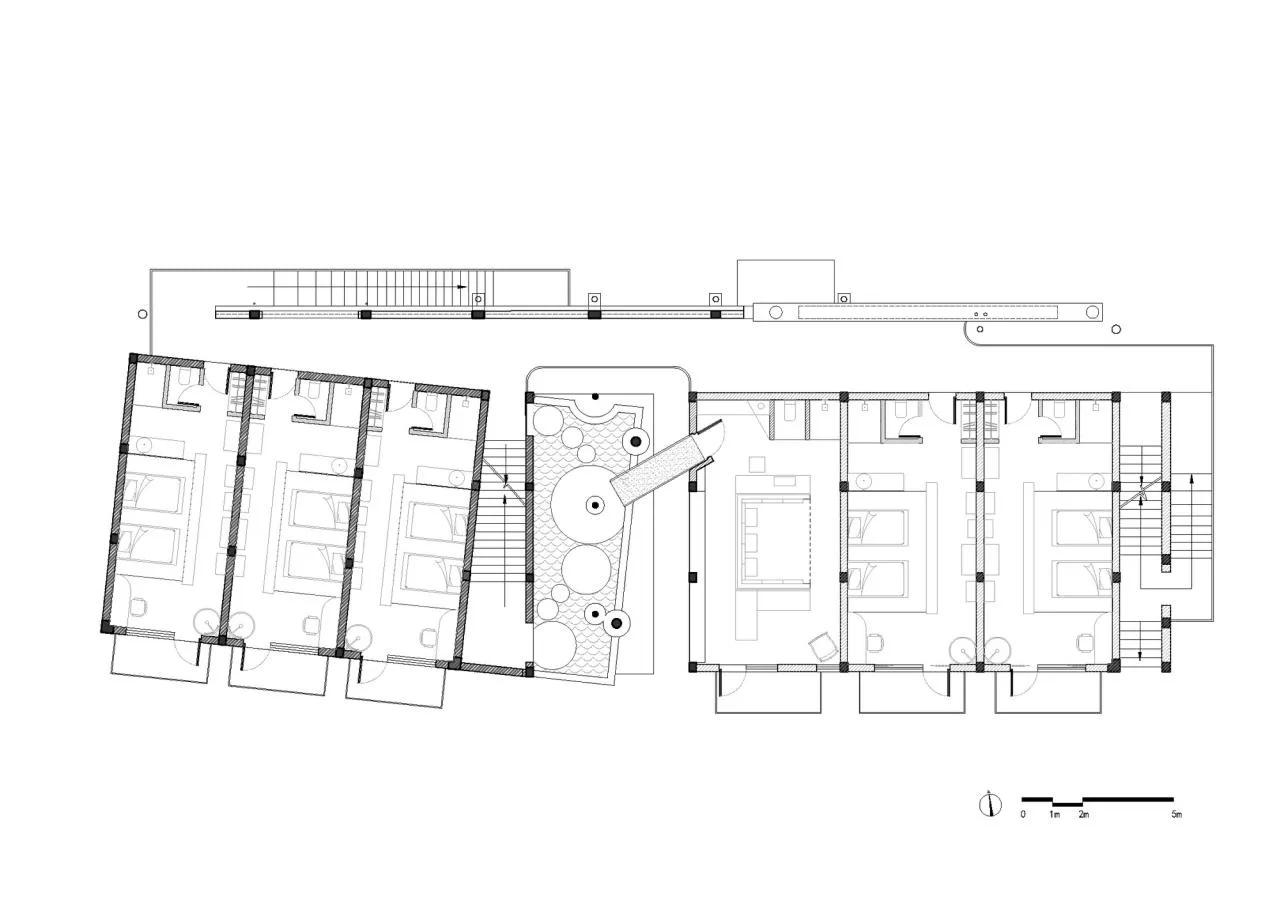
△ Second Floor Plan
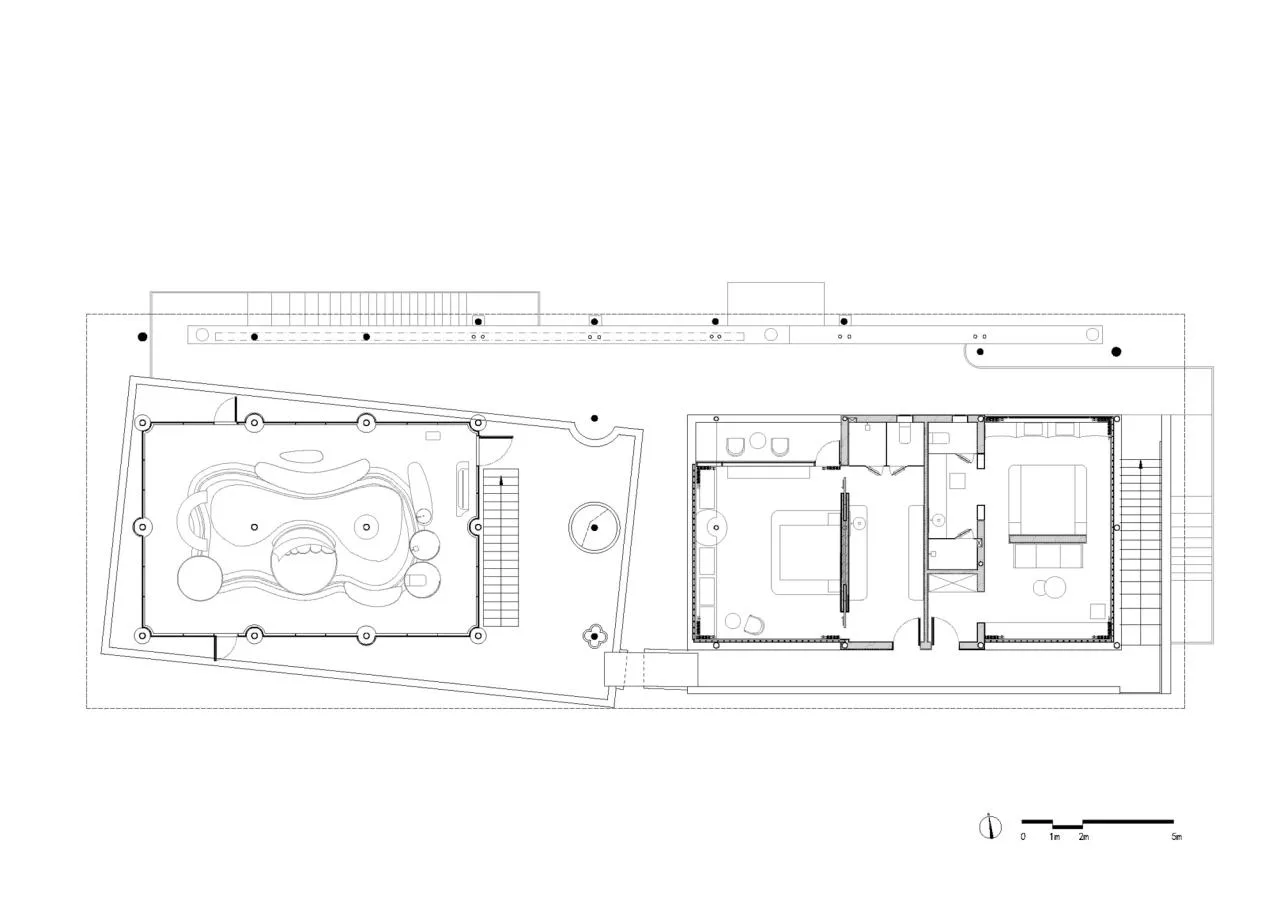
△ Third Floor Plan
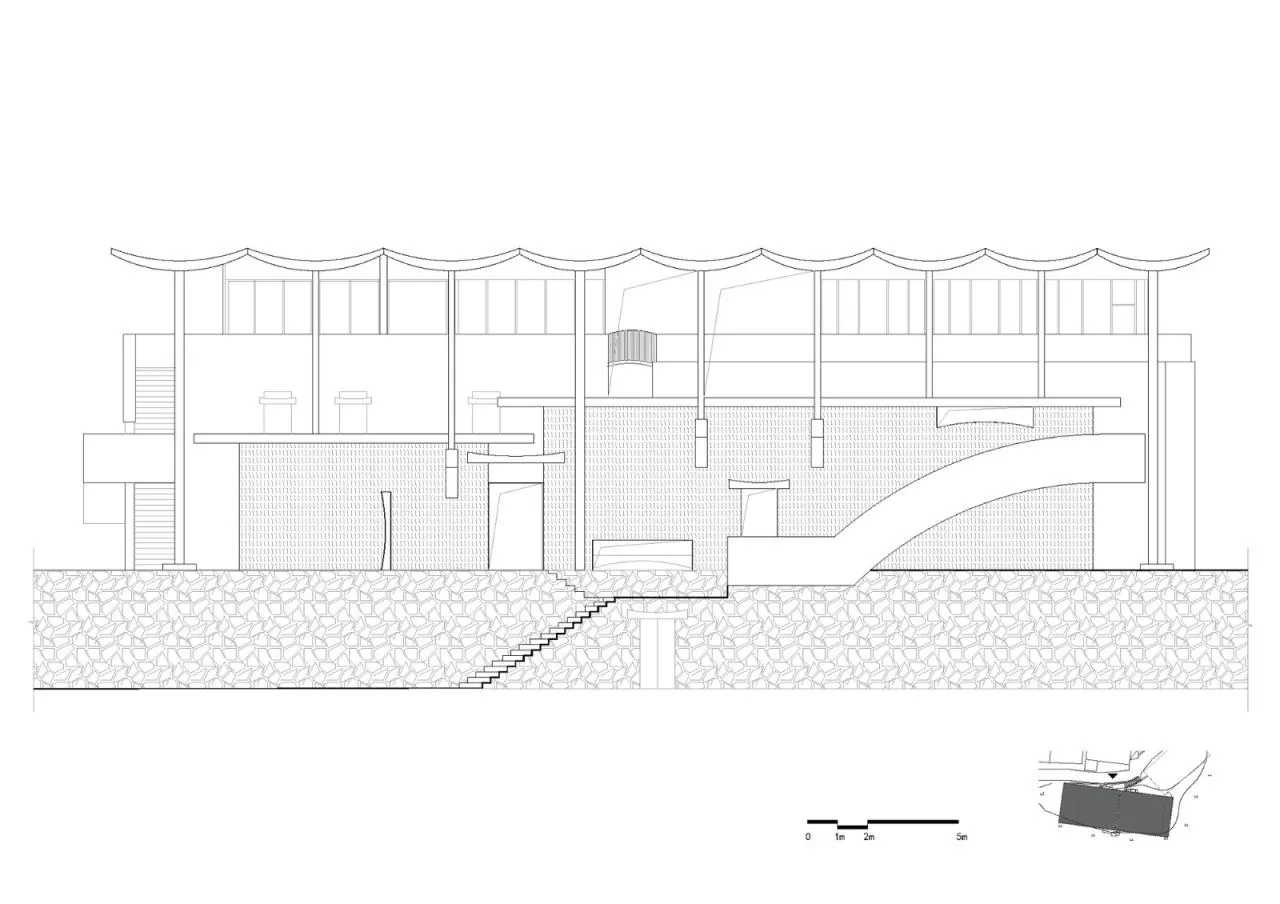
△ Elevation Drawing
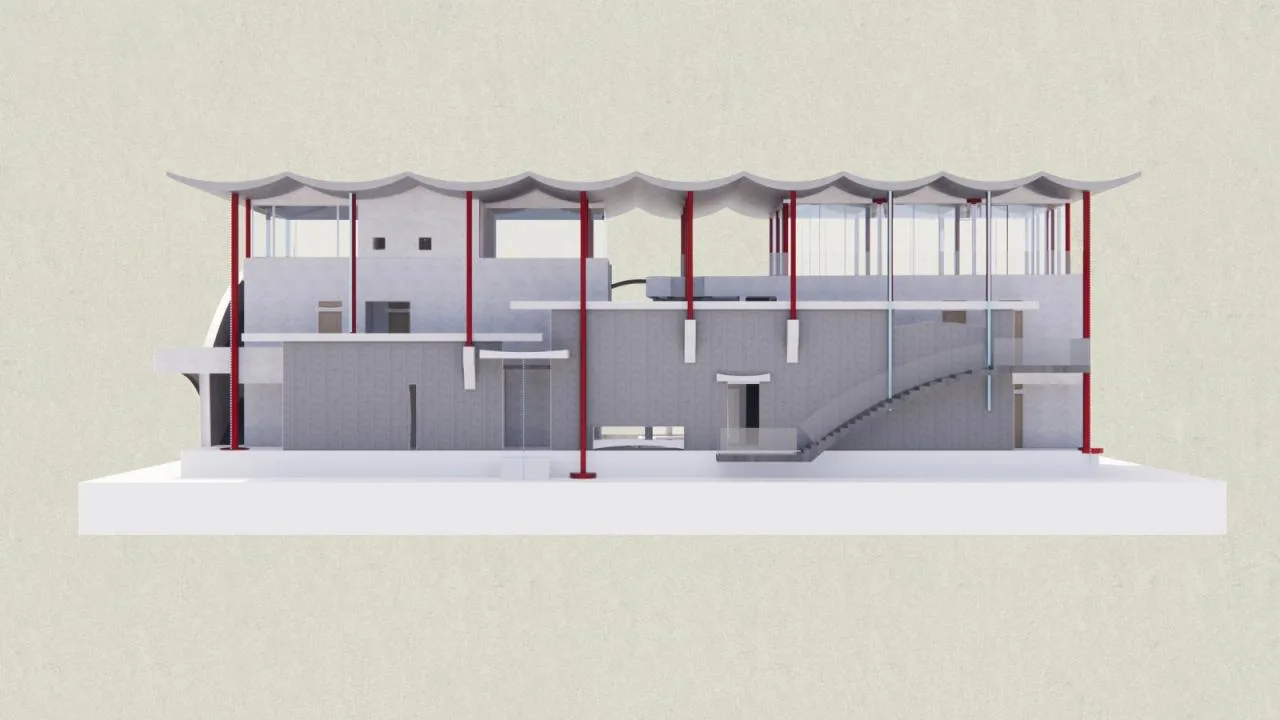
△ Model Diagram
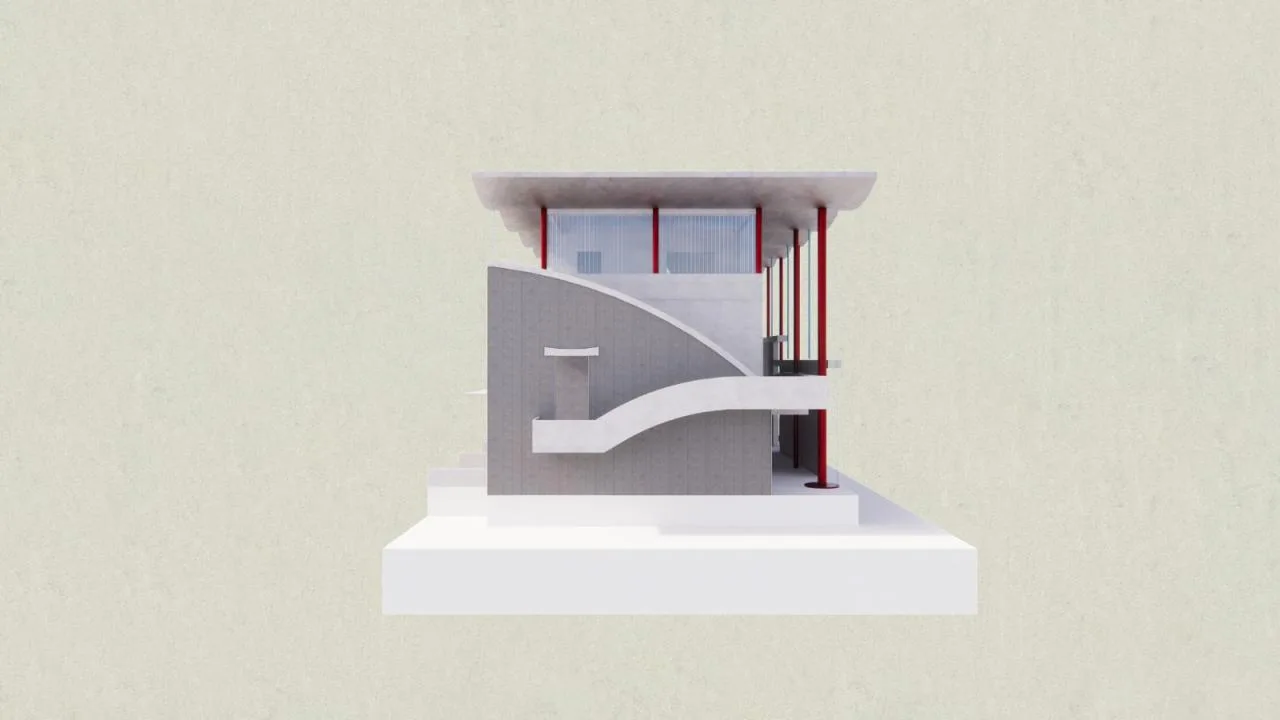
△ Model Diagram
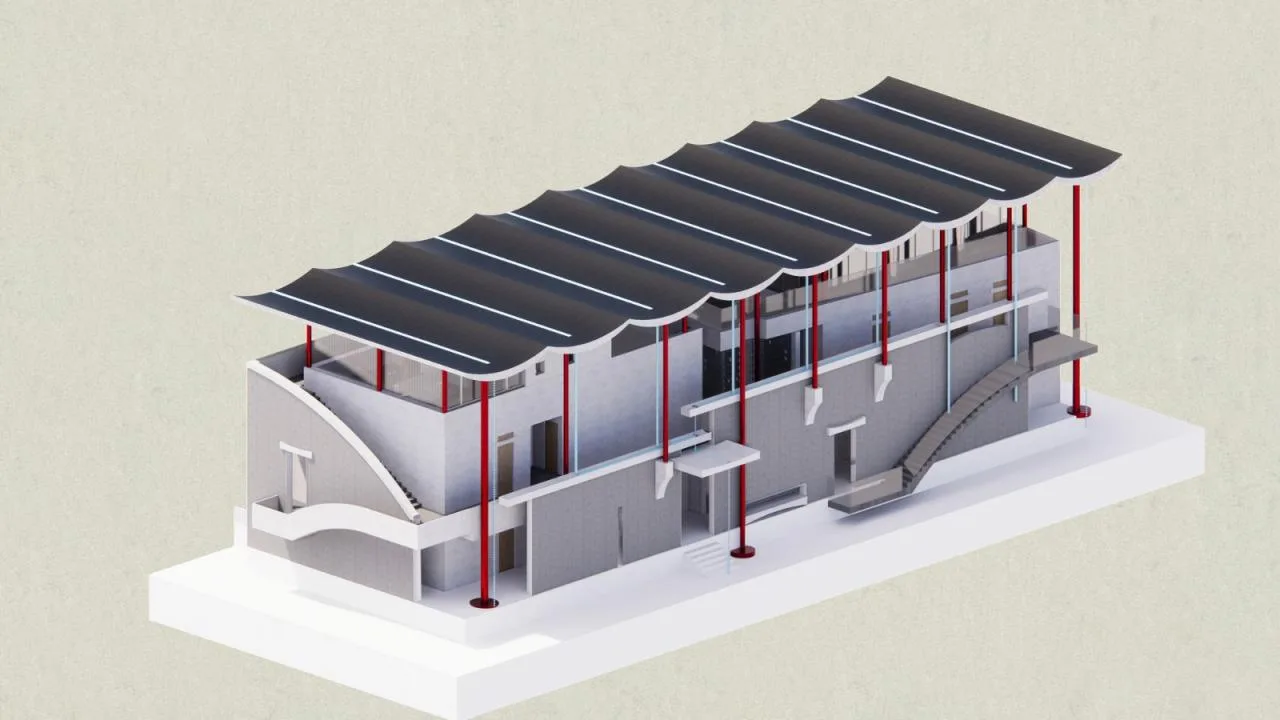
△ Model Diagram
Project Information
Architectural Design: Come to Architectural Design Studio
Area: 1082 m²
Project Year: 2021
Photographers: Tang Xuguo, Zhao Yilong
Lead Architect: Ma Dao
Project Architect: Fan Yu
Design Team: Fan Yu, Liao Qixian, Zhang Ying
Client: Tonglu · Wuchi · Qianshan Boutique Homestay
Location: Hangzhou, China














Must log in before commenting!
Sign Up