
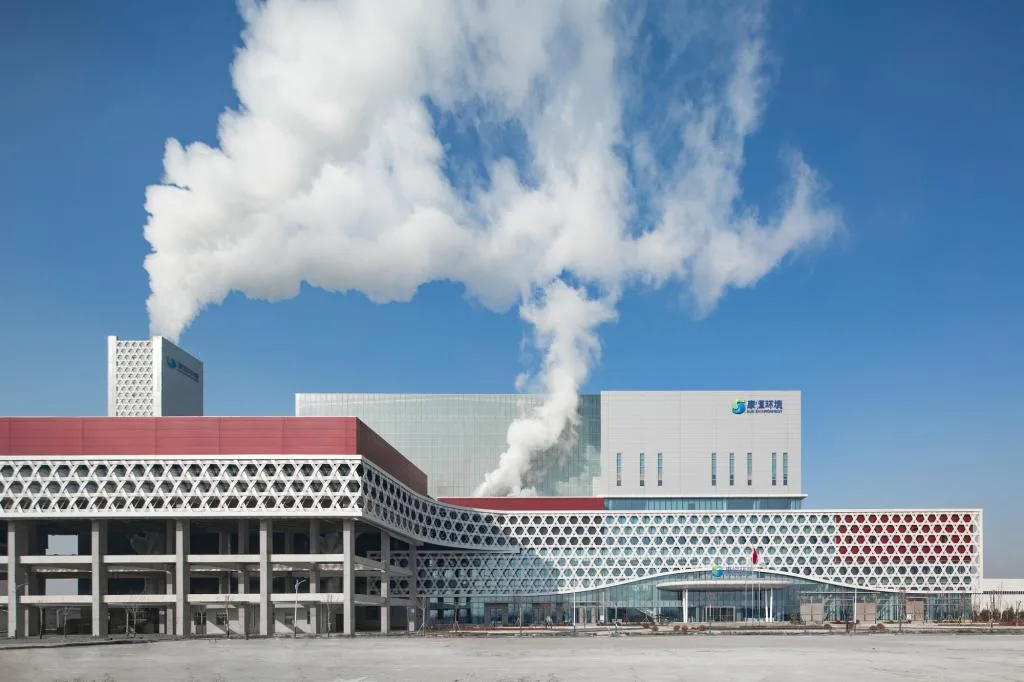
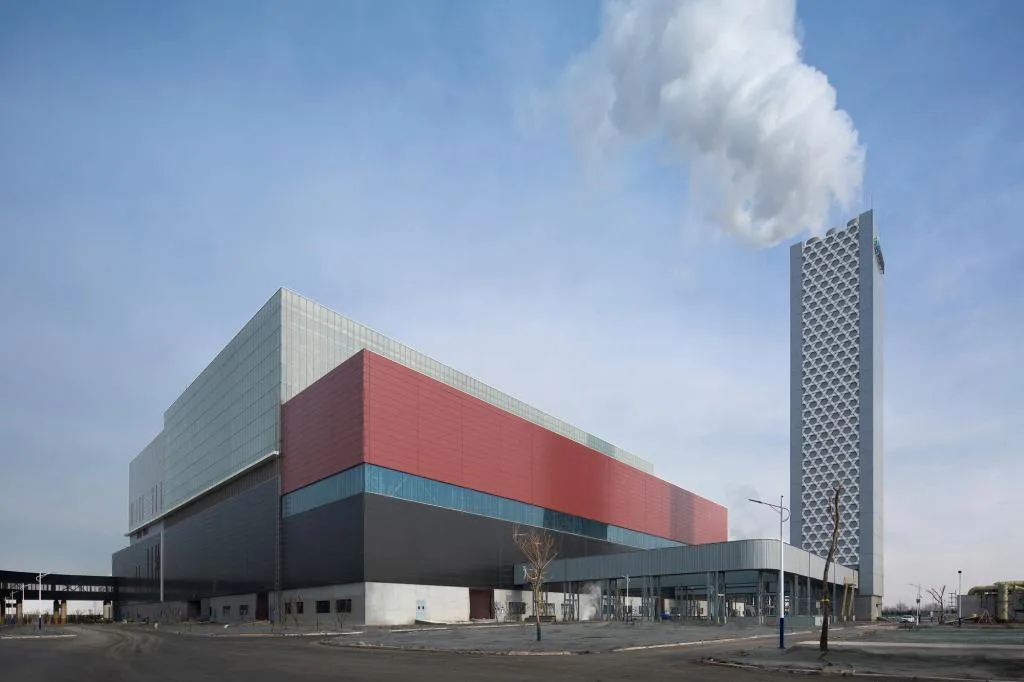
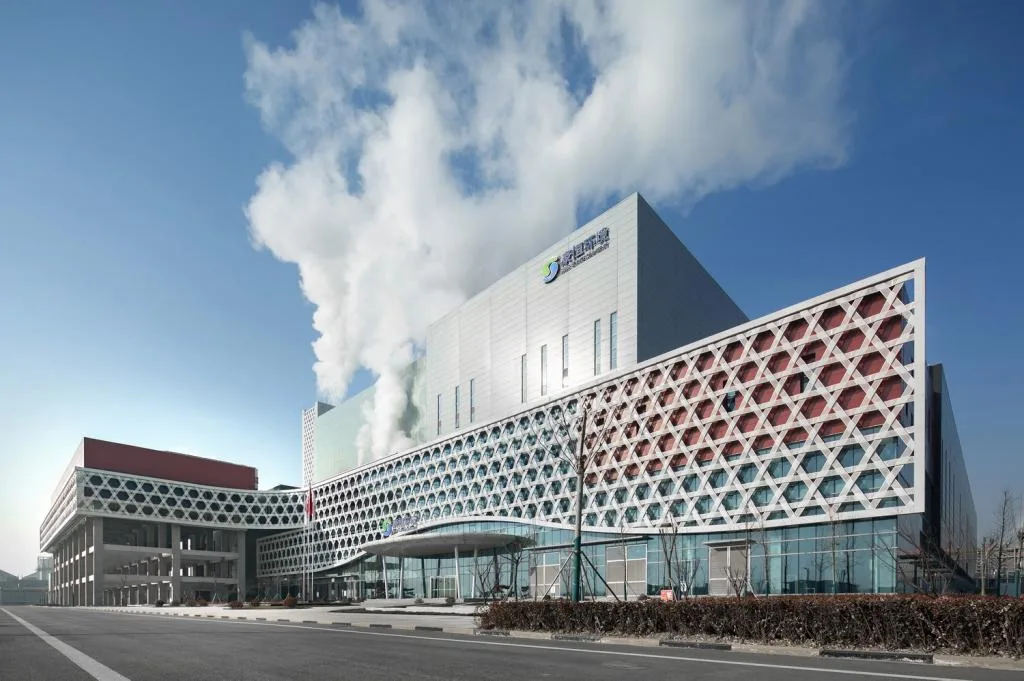
The Taiyuan Municipal Solid Waste Incineration Power Plant, situated in the northwest of the Jinzhong Basin, Shanxi Province, stands as a large-scale facility with clearly defined layers. Its white woven honeycomb secondary skin softens the building’s massive scale, infusing warmth and artistic character into the industrial architecture. Nestled on the expansive Jinzhong land, the plant is both elegant and striking, inviting the public to explore the waste-to-energy incineration process with openness and approachability.
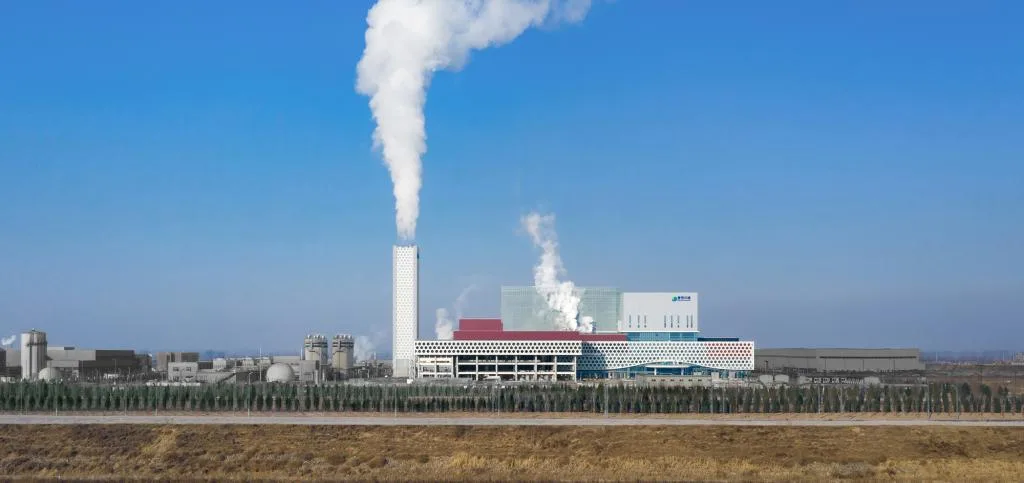
Located within the Taiyuan Circular Economy Environmental Sanitation Industry Demonstration Base in Liudu Township, Qingxu County, the project spans 124.7 acres. The facility processes 3,000 tons of household waste daily, which accounts for approximately 60% of the city’s total waste. It features four 750-ton mechanical grate furnace incineration lines equipped with flue gas purification systems, alongside two generator sets. This setup effectively addresses domestic waste treatment challenges in Taiyuan and neighboring regions, enhancing the local ecological environment. Moreover, the plant converts incineration-generated steam into electricity, producing around 400 million kilowatt-hours annually—enough to power 260,000 households for a year.
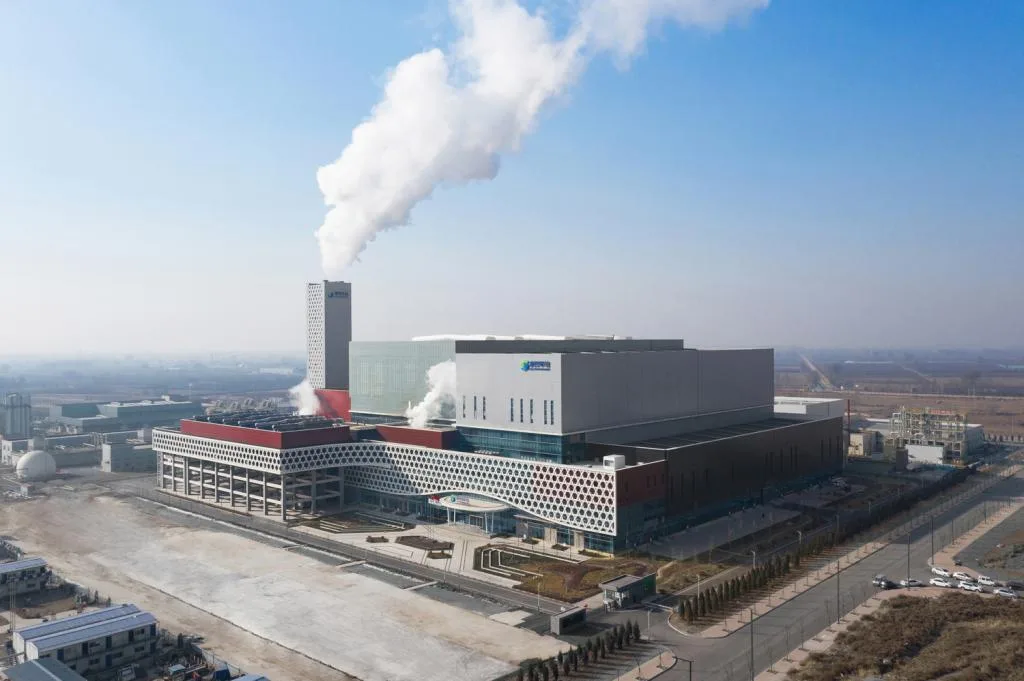
The Taiyuan plant employs advanced treatment technologies and process equipment. Visitor pathways link the main functional areas, vividly showcasing the complex processes of waste recycling, incineration, and power generation. Serving as an experiential environmental museum, the architecture narrates its story by illustrating how waste transforms into new energy.
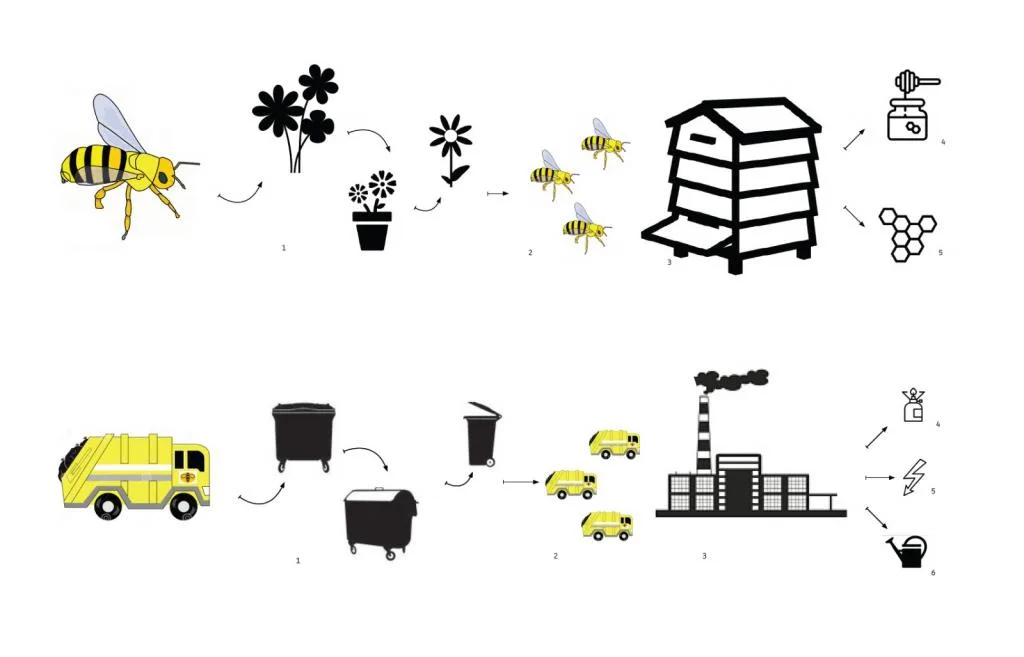
The design draws a metaphor from bees and beehives: bees collect pollen, return to the hive, and produce honey. Similarly, garbage trucks collect waste from the city, deliver it to the plant, and convert it into valuable energy. The facade design addresses the complex industrial production needs by selecting varied materials tailored to lighting and enclosure requirements across functional spaces, visually representing the waste incineration and power generation processes. The lower office area features glass curtain walls that bring outdoor landscapes inside, while the honeycomb secondary skin filters natural light to create a high-quality workspace.
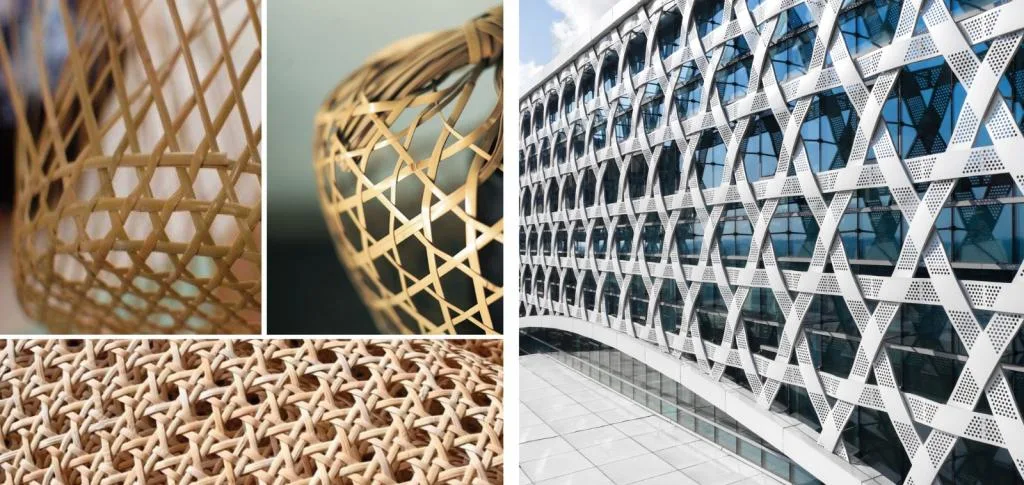
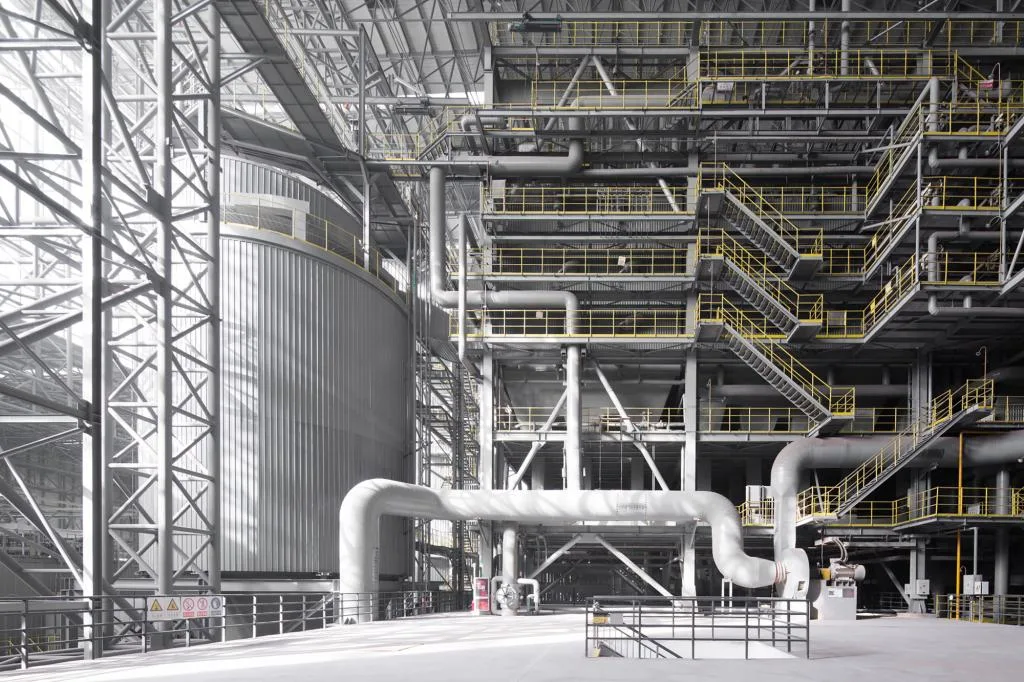
The garbage unloading area’s facade consists of gray metal panels forming a simple, enclosed box. The incineration and flue gas purification zones feature dotted glass curtain walls, showcasing advanced equipment to the public. At night, internal lighting illuminates the structure, transforming it into a glowing box.
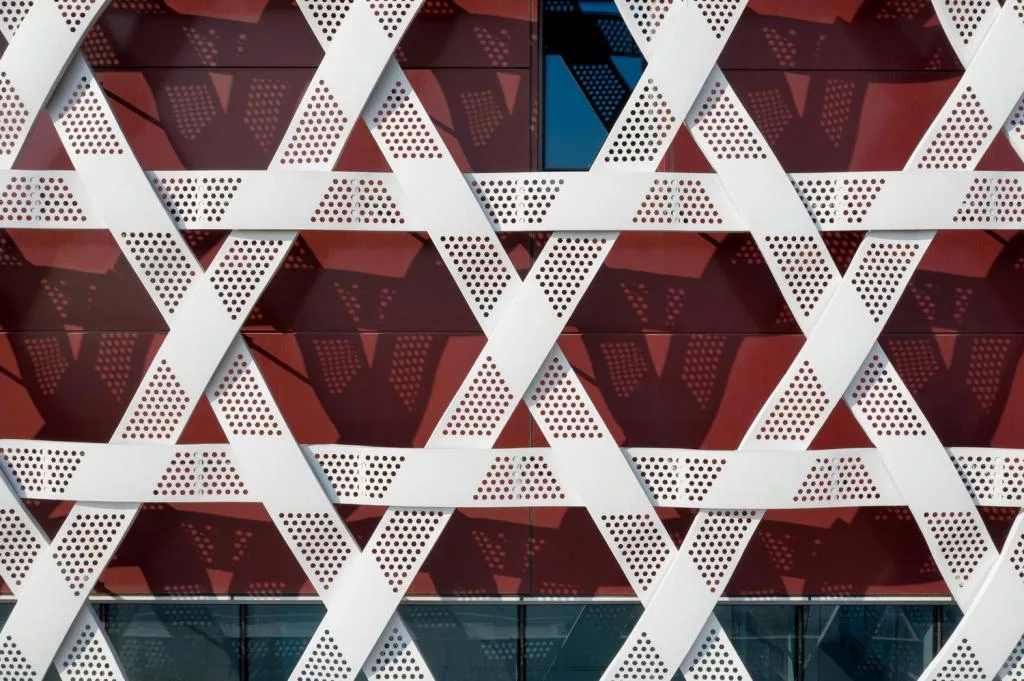
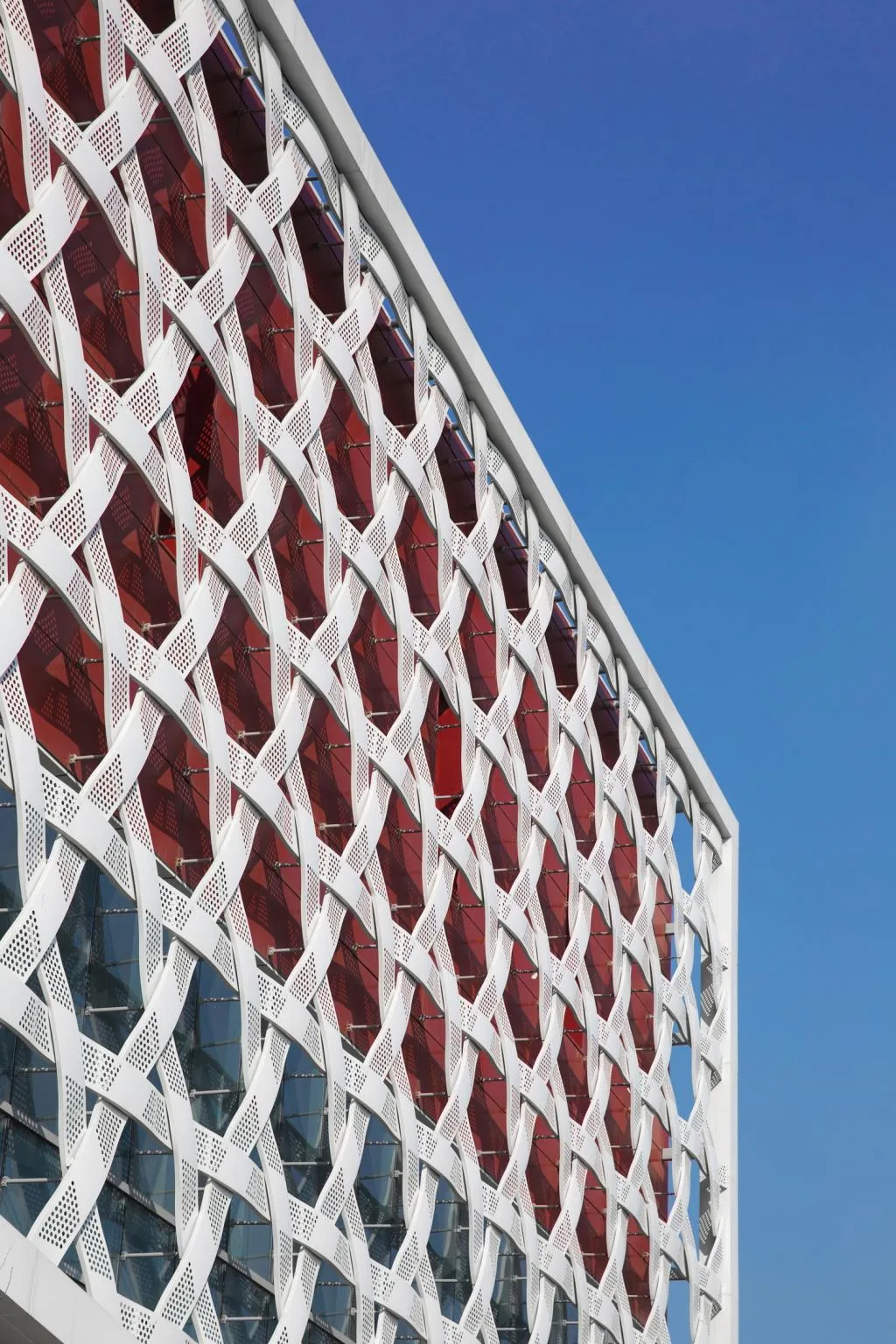
The honeycomb secondary skin seamlessly connects the factory’s lower section with the air cooling island, smoothing the complex facade and creating a gentle horizontal line that echoes the vast Jinzhong landscape. Red elements inspired by traditional buildings like Taiyuan Jinci are integrated through pure red cubes and light blue glass curtain walls, contrasted with the white honeycomb skin to convey a rich Central Plains aesthetic. The staggered facade design reflects the varying heights of functional blocks, breaking down the factory’s massive volume into approachable, abstract boxes. This creates a balanced and comfortable visual rhythm with alternating solid and void elements.
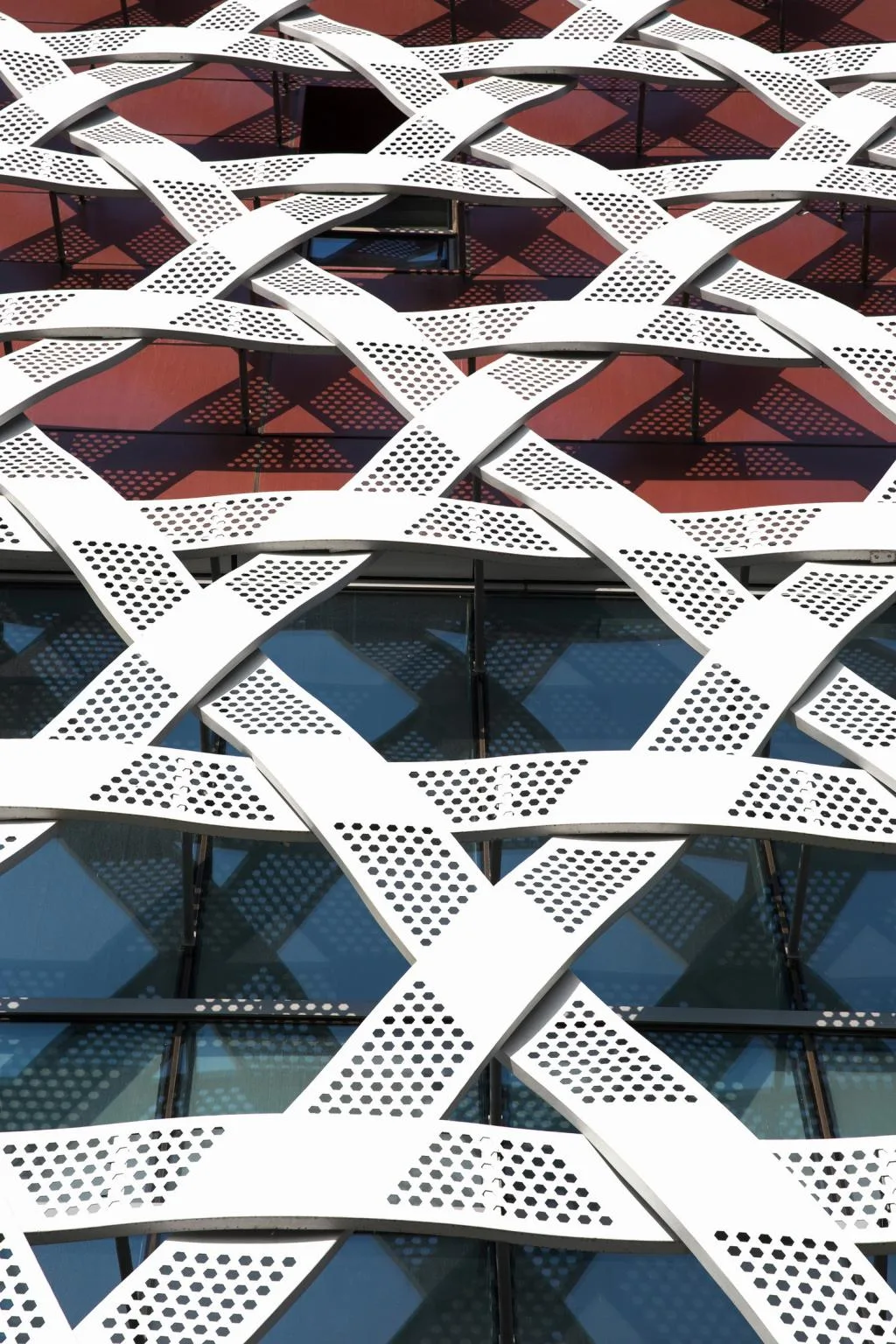
Taiyuan boasts a rich heritage of traditional crafts such as paper cutting and weaving. The design incorporates these regional influences into a modern industrial context, bringing the eco-friendly facility closer to the local community. The white honeycomb secondary skin pays tribute to ancient craftsmanship by mimicking woven patterns. Modular honeycomb rods intertwine to form white ribbons, creating a distinctive and playful facade. The weaving-inspired design cleverly conceals gaps between modules through interlaced arrangements, producing a clean and simple exterior texture. Perforations in the honeycomb components lighten the secondary skin’s appearance while enhancing indoor and outdoor lighting effects.
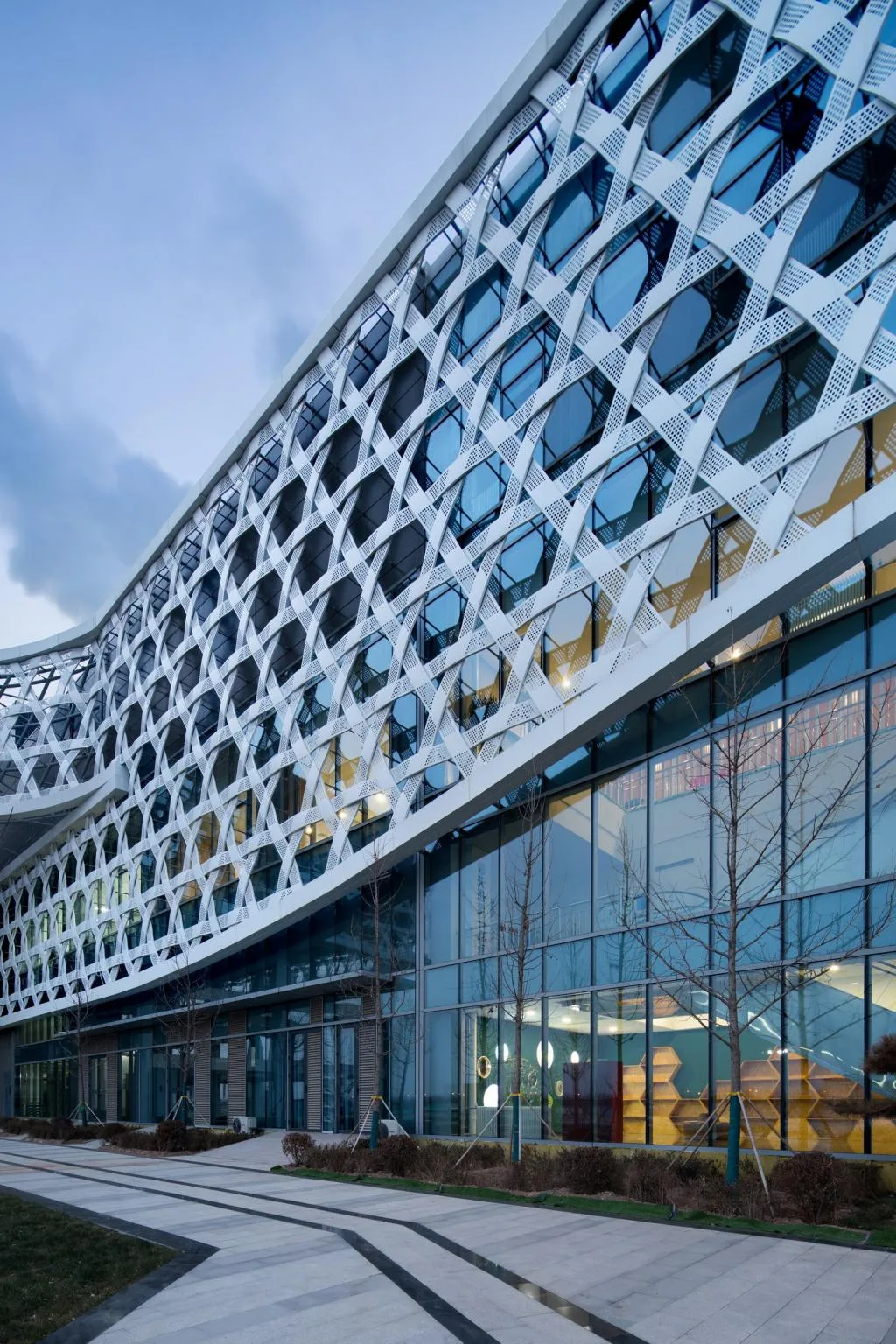
By embracing innovative technologies and incorporating museum concepts, the Taiyuan Waste-to-Energy Plant presents a fresh public image. The beehive symbolism transforms the cold industrial structure into an eco-friendly hub accessible to the community. The woven skin’s reflection on the blue glass curtain walls resembles elegant window decorations typical of Jinzhong Plain buildings, reinterpreted with modern techniques to express aspirations for a low-carbon future.
Project Drawings
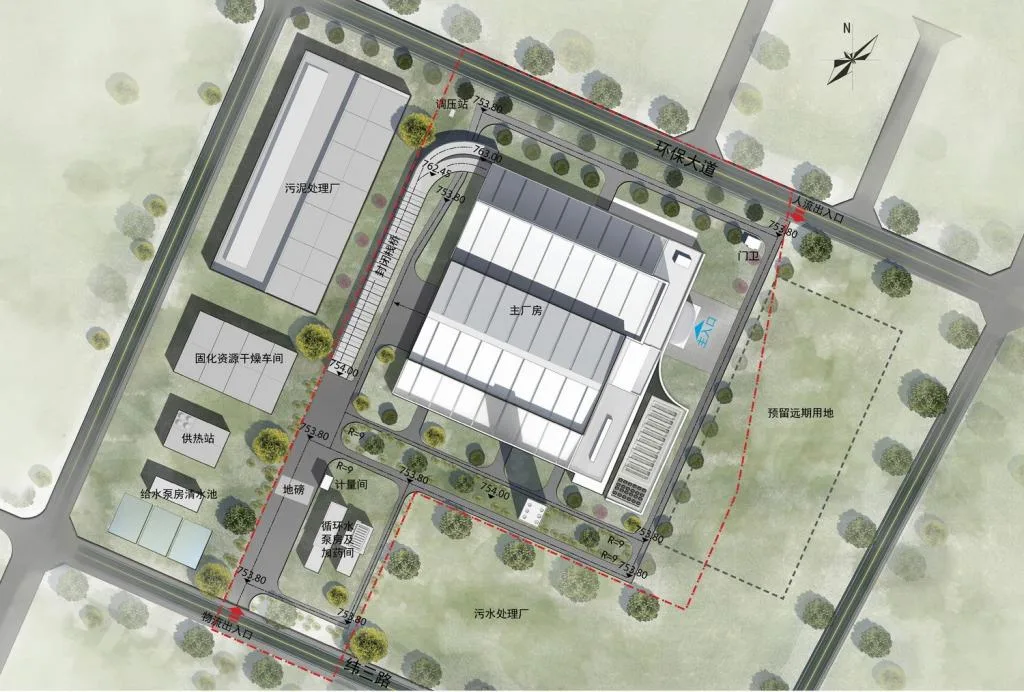
△ General Layout Plan
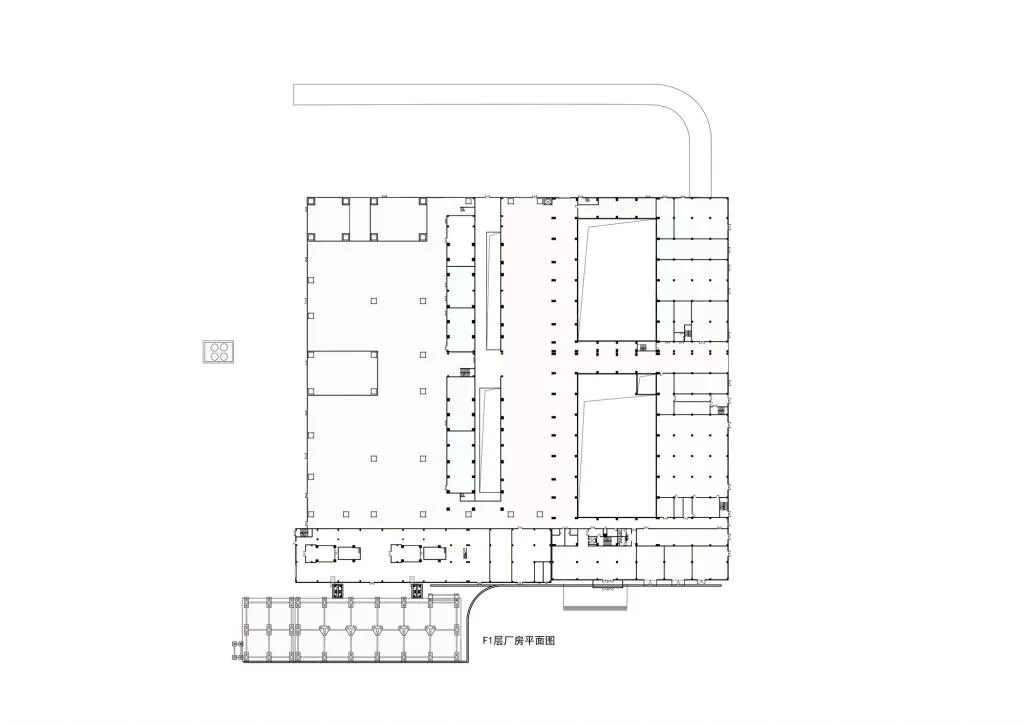
△ First Floor Plan
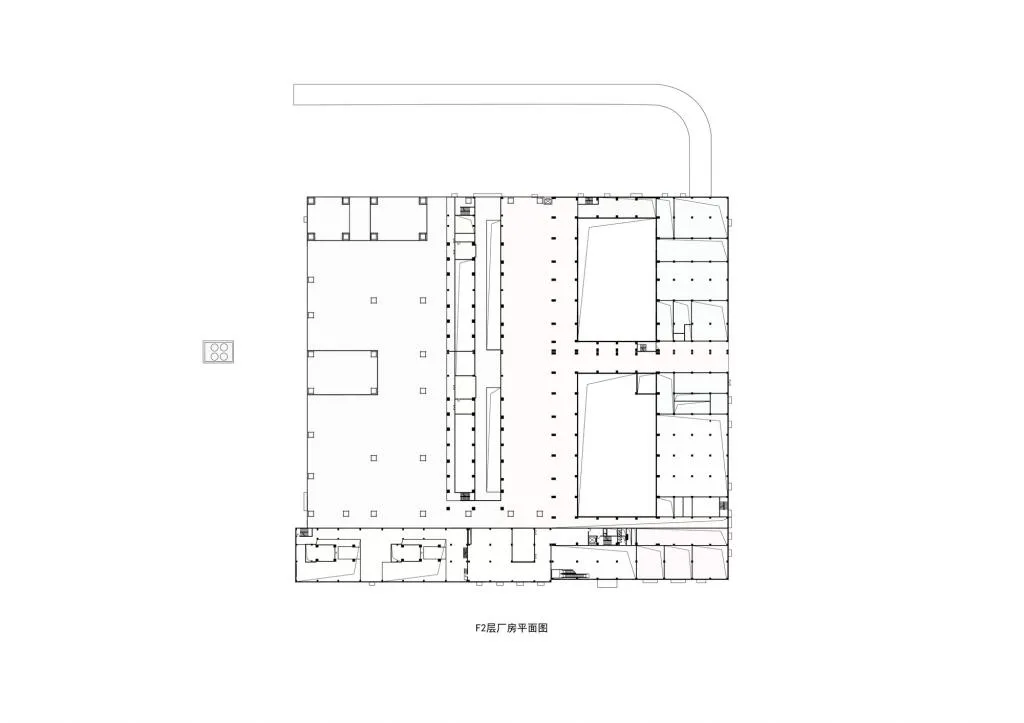
△ Second Floor Plan
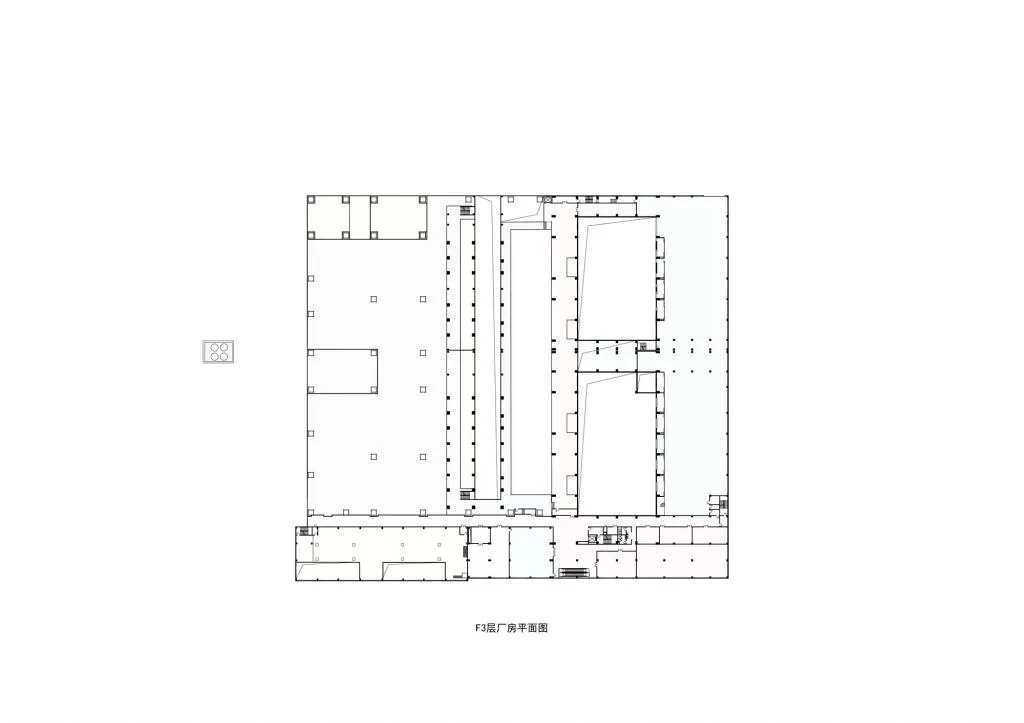
△ Third Floor Plan
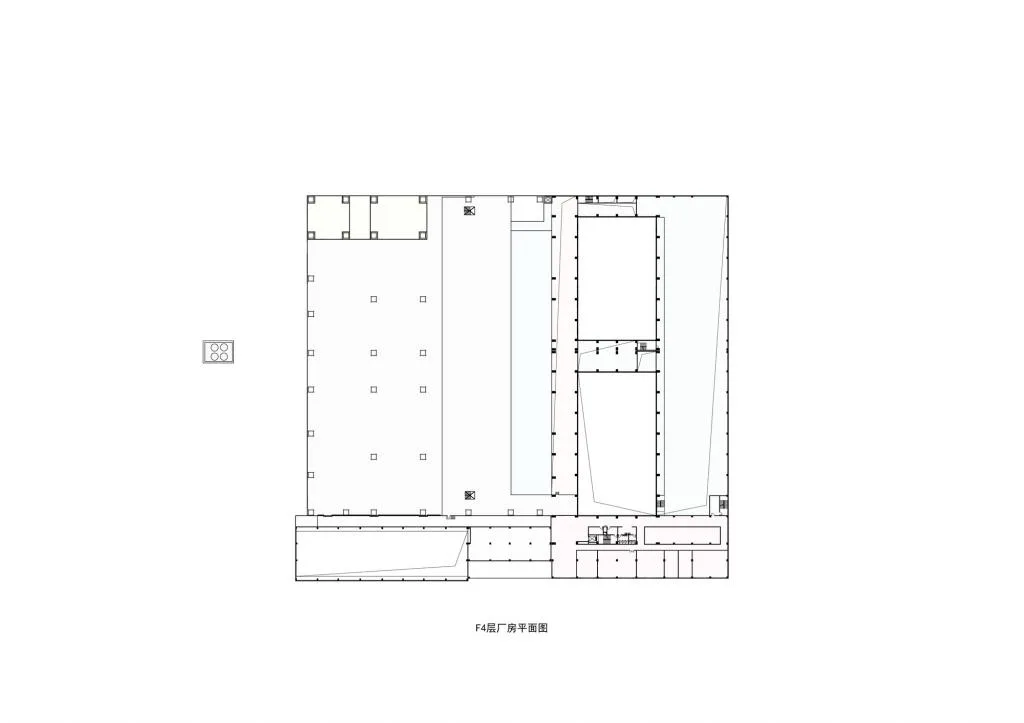
△ Fourth Floor Plan
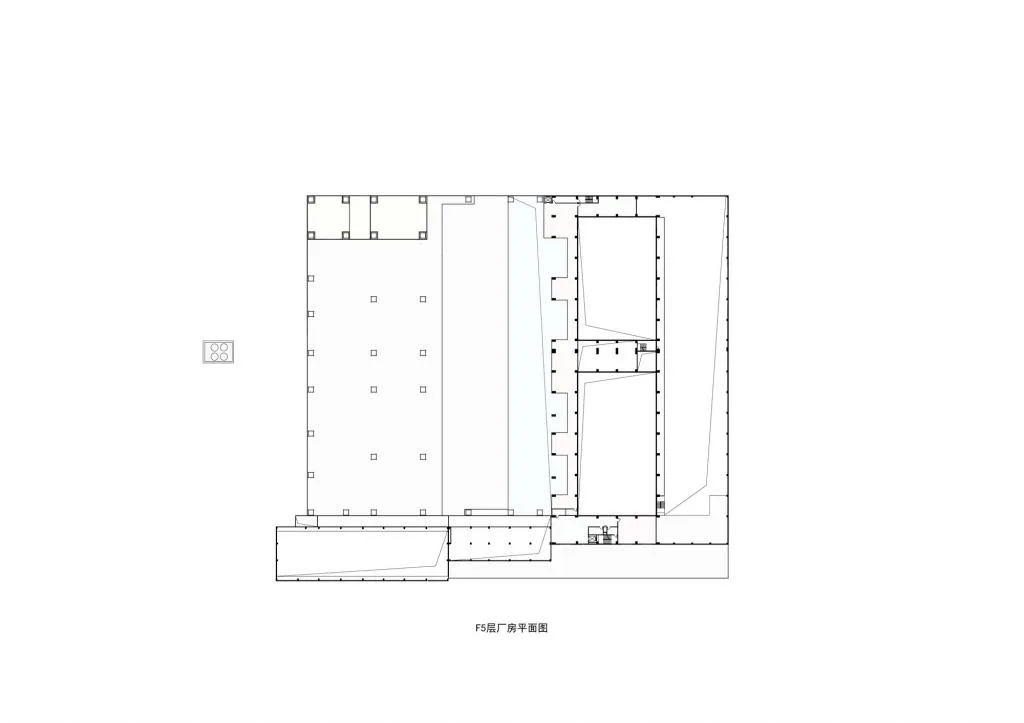
△ Fifth Floor Plan
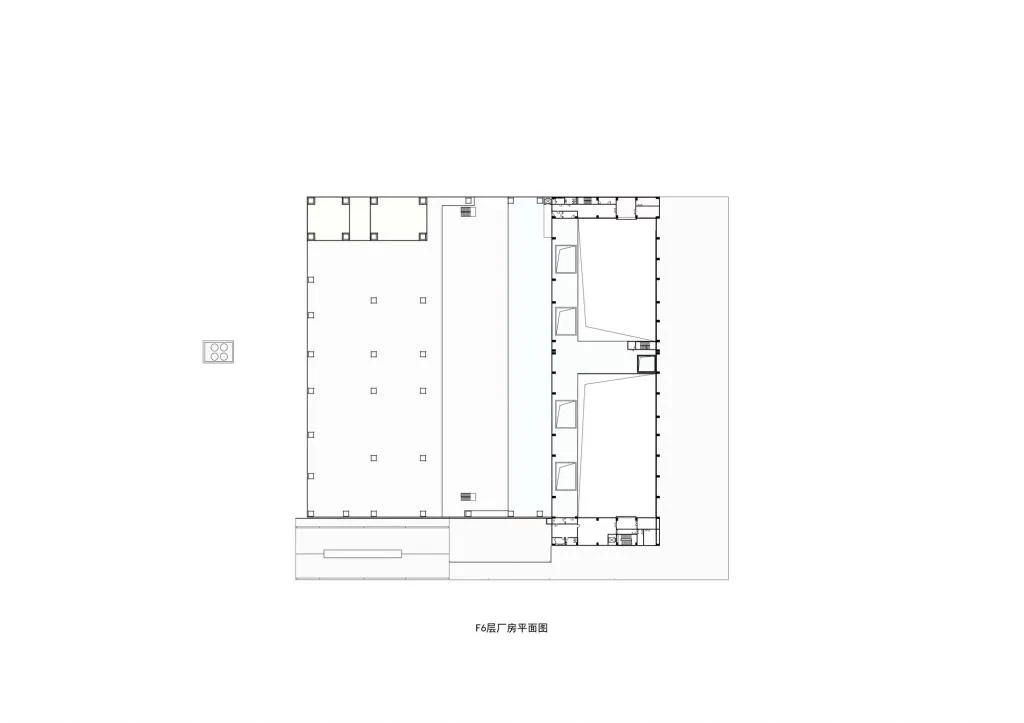
△ Sixth Floor Plan
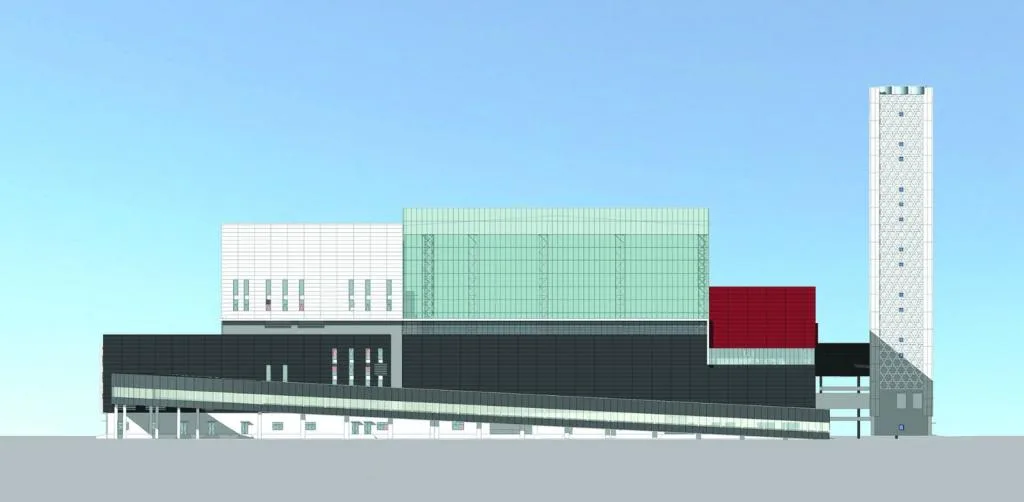
△ West Elevation View
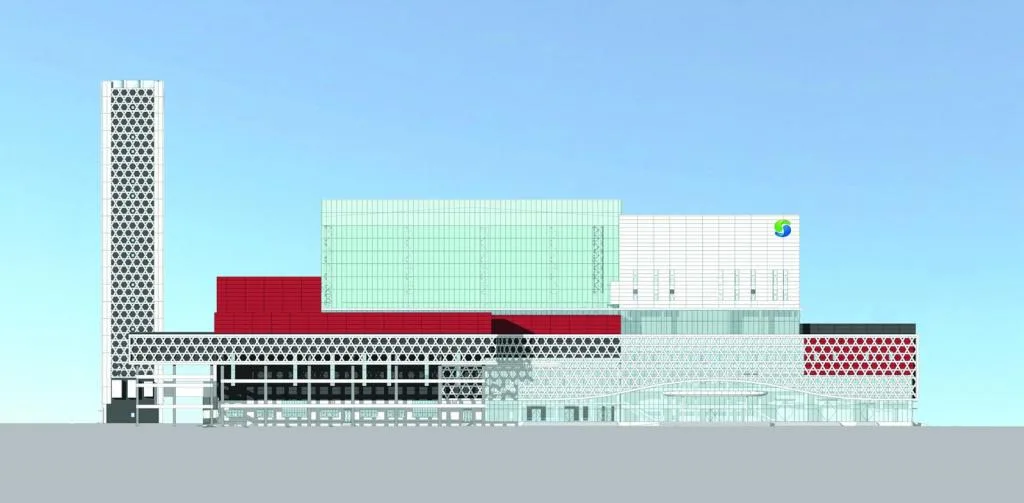
△ East Elevation View
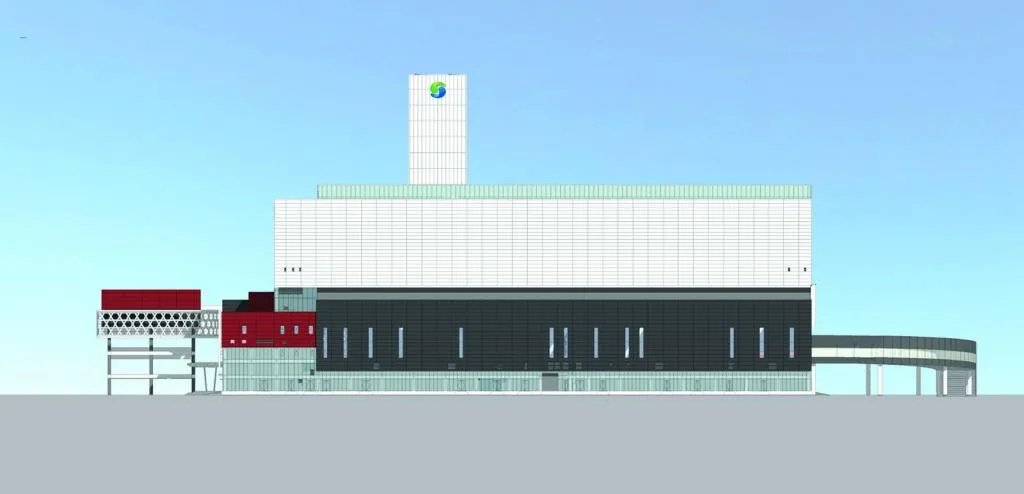
△ North Elevation View
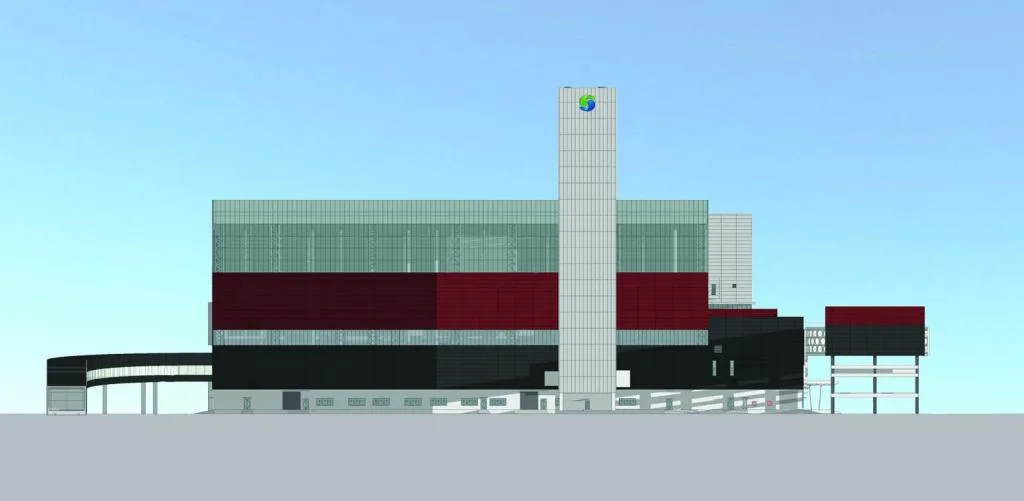
△ South Elevation View
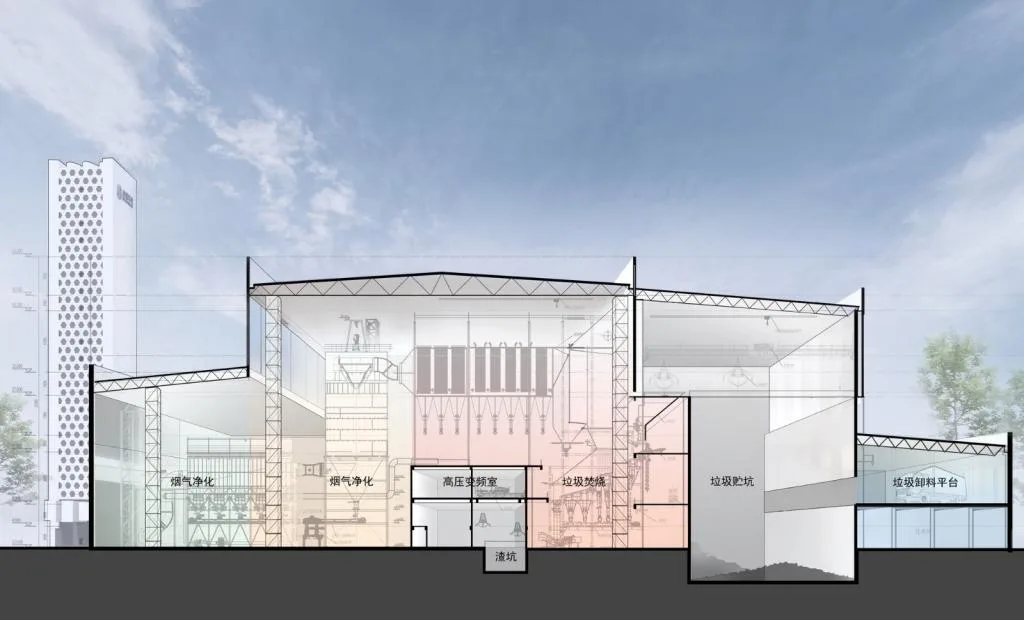
△ Sectional Perspective
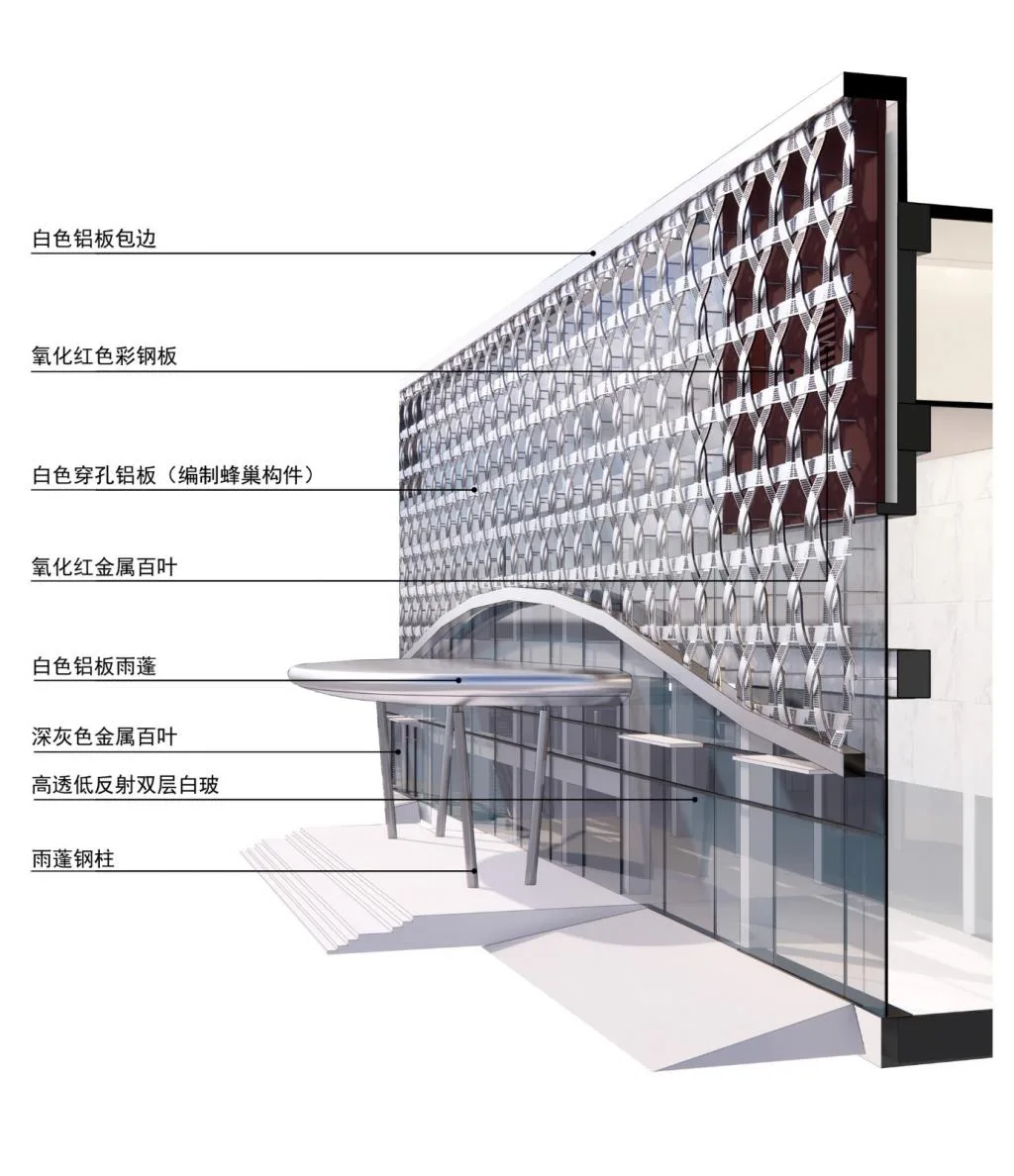
△ Structural Schematic Diagram
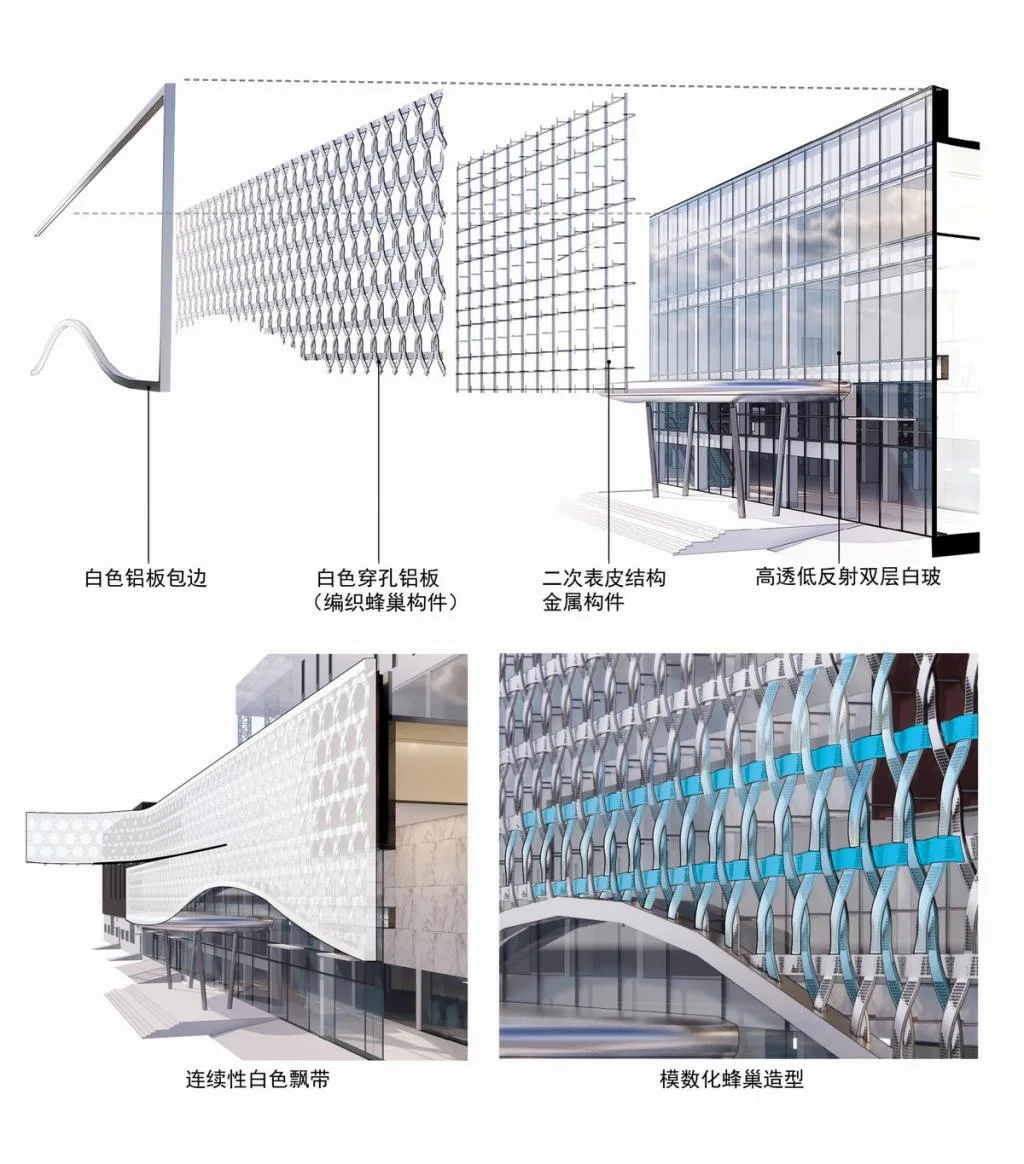
△ Structural Schematic Diagram
Project Information
Architectural Design: AIA Life Designers
Area: 49,057 m²
Project Year: 2020
Photographer: Xie Dongrui
Manufacturers: Multidimensional United Group Shanghai Building Systems Co., Ltd., Shanxi Baiao Intelligent Glass Co., Ltd., Jiangsu Juxing Mingchuang Curtain Wall New Materials Co., Ltd.
Lead Architects: Simon TSOUDEROS, Mao Liangping, Pan Jiawei
Design Team: Simon TSOUDEROS, Yang Hai, Dalius GUTAUSKAS, Mao Liangping, Pan Jiawei, Dai Kun, Gu Jichen, Ma Lili
Principal: Shanghai Kangheng Environment Co., Ltd
Location: Taiyuan, China














Must log in before commenting!
Sign Up