

What defines a “good” kindergarten? How should one design it? Architects often emphasize the importance of thinking like a child, imagining through a child’s eyes, and exploring educational meaning via unconventional spatial experiences. In Shucheng, Anhui Province, Dika embraces cultural heritage and local perspectives to illustrate how a single “drop of water” can remain ever-flowing.
Why hasn’t the water of education dried up or merged into the ocean? Because the future is already here.
The architectural design interprets the form of water droplets, reflecting the Huizhou style and embodying Shucheng’s educational spirit. Drawing inspiration from the local significance of water, this motif represents the city’s unique cultural identity.
Thales, the first Western philosopher, declared that “water is the source of all things.” Similarly, Laozi, in the Tao Te Ching, wrote, “The highest good is like water, which nourishes all things without contention, and adapts to others’ needs. Thus, it is close to the Tao.” Water symbolizes the great Tao—intangible yet nurturing, gentle yet powerful, colorless yet vast, humble yet life-giving.

Shucheng County, situated in the heart of Lu’an City, Anhui Province, is renowned as a cradle of Chinese dragon culture and the birthplace of Wenweng, a distinguished Western Han Dynasty educator. With profound educational and cultural roots, Shucheng’s evolving educational demands call for kindergarten buildings that align with contemporary needs.

This historic town, nestled by Chaohu Lake, embraces the serene charm of “small bridges, flowing water, and homes,” which runs in the blood of Shucheng’s people. Water is the source of life, nourishing the world through the ages. Dika seeks to honor Shucheng’s cultural heritage in the kindergarten’s design by departing from traditional forms while preserving local cultural essence, crafting architecture that feels naturally rooted in its urban context.
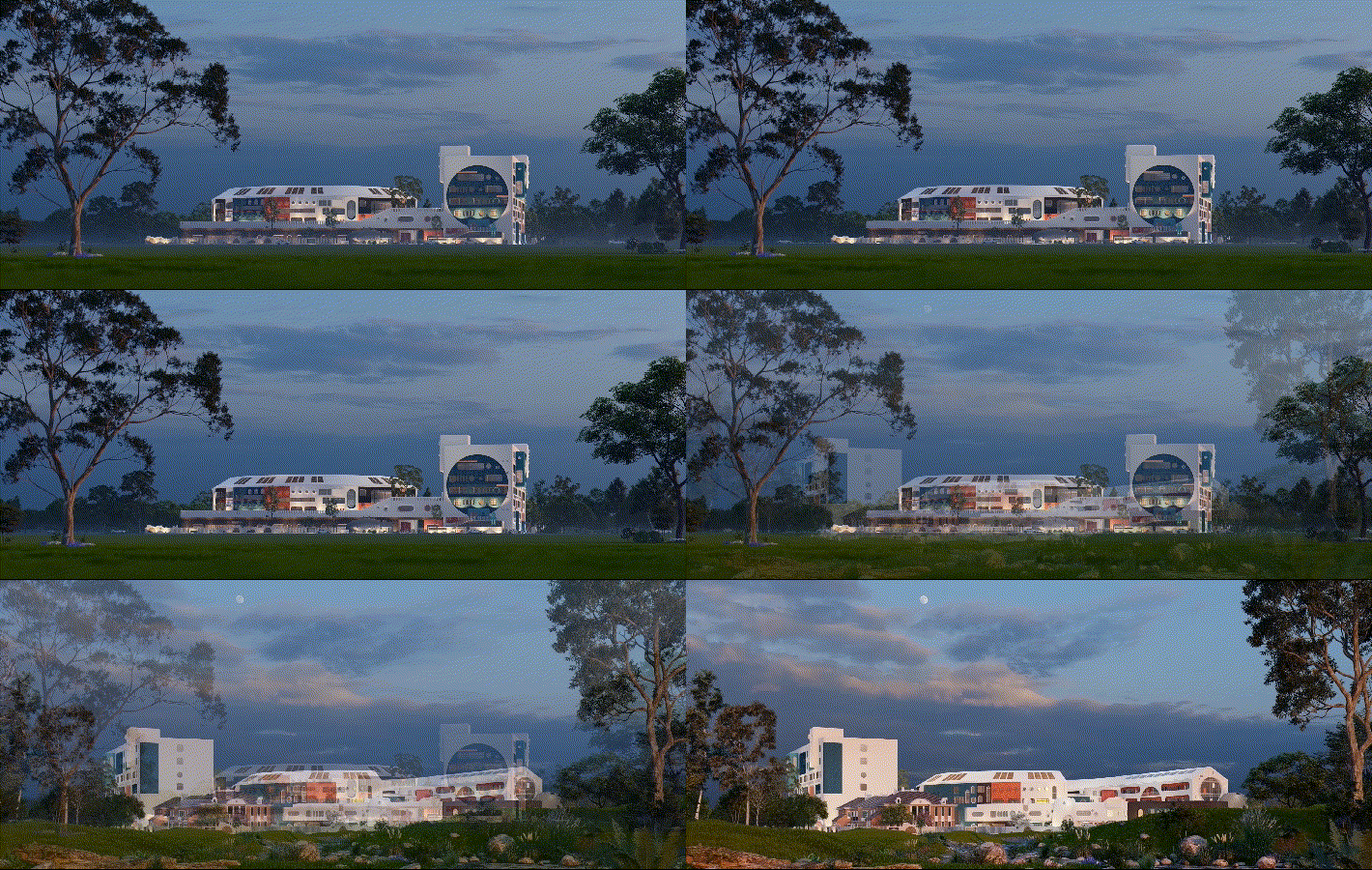
New Urban Landscape: A Growth Environment Close to Nature
The project is located in Shucheng’s urban area, bordered by Meihe East Road to the north and Liren Road to the west, surrounded by residential areas, hospitals, and administrative offices. Covering about 20,000 square meters, the design integrates green landscapes with kindergarten facilities.
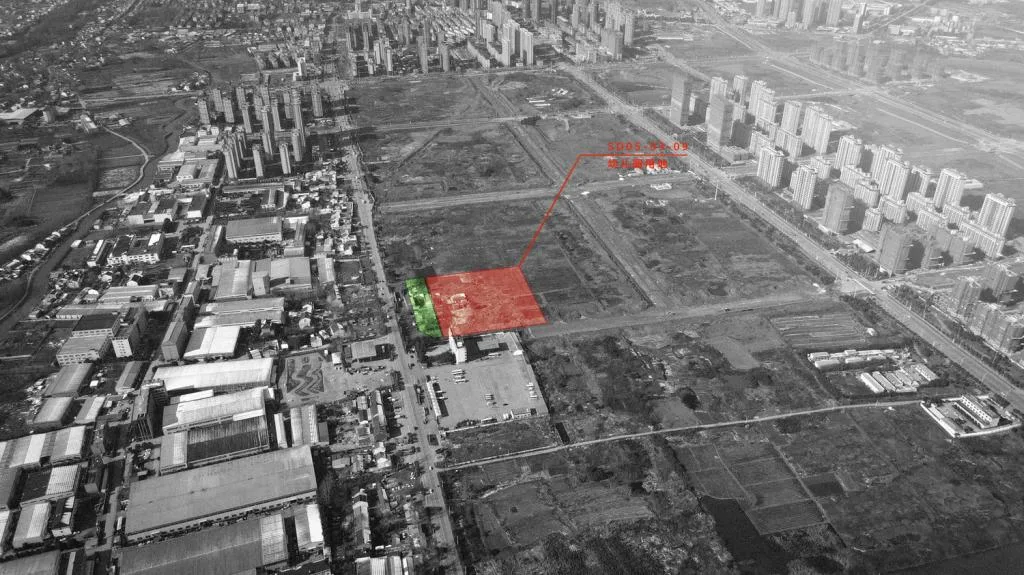
△ Project Status Analysis
This new urban setting positions the kindergarten as a symbol of nature—a living landscape that fosters a lifestyle and spiritual connection with nature, providing children with a growth environment responsive to their evolving needs.
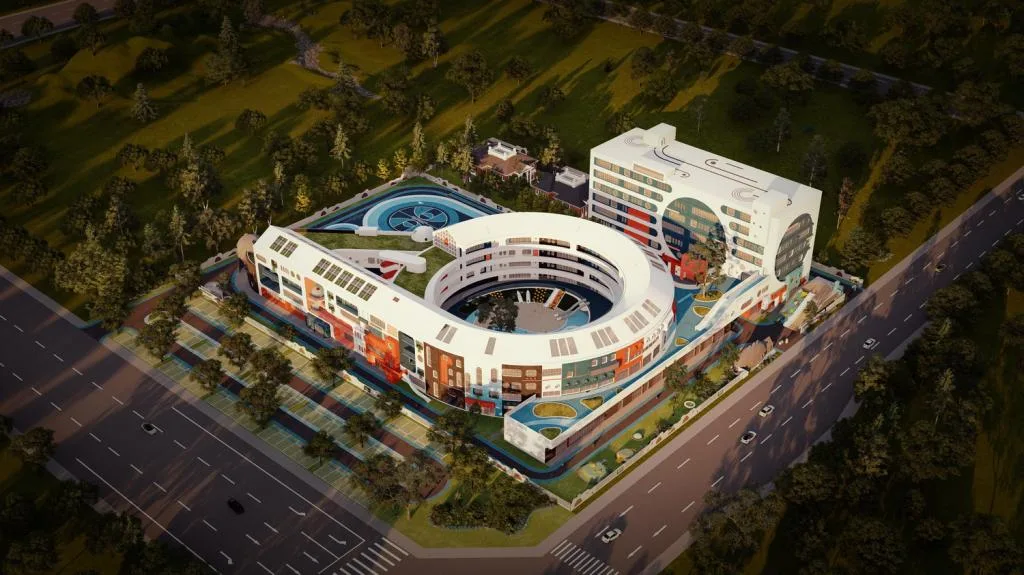
Enjoying Childhood: Creating Sensory Beauty Inspired by Reason
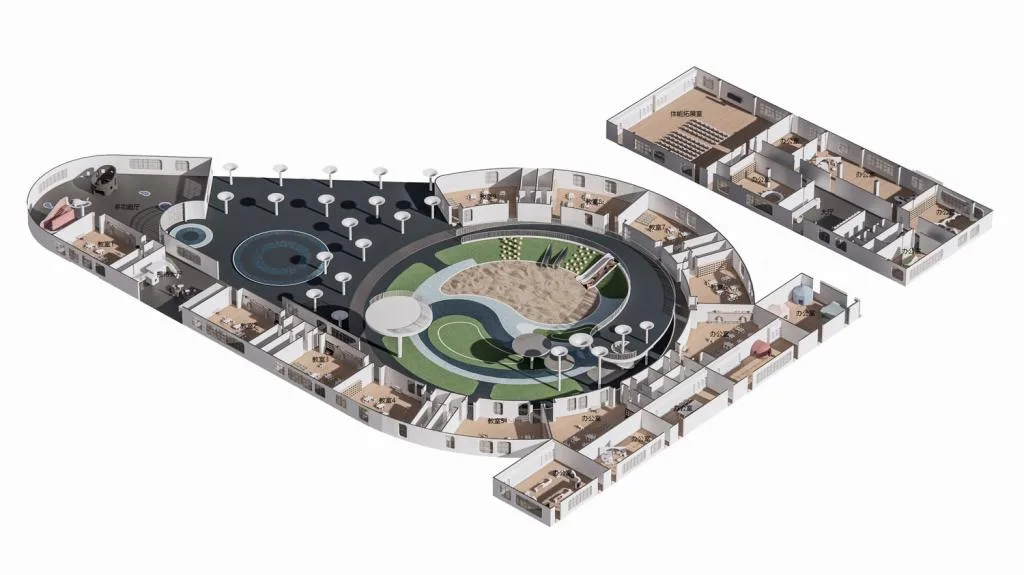
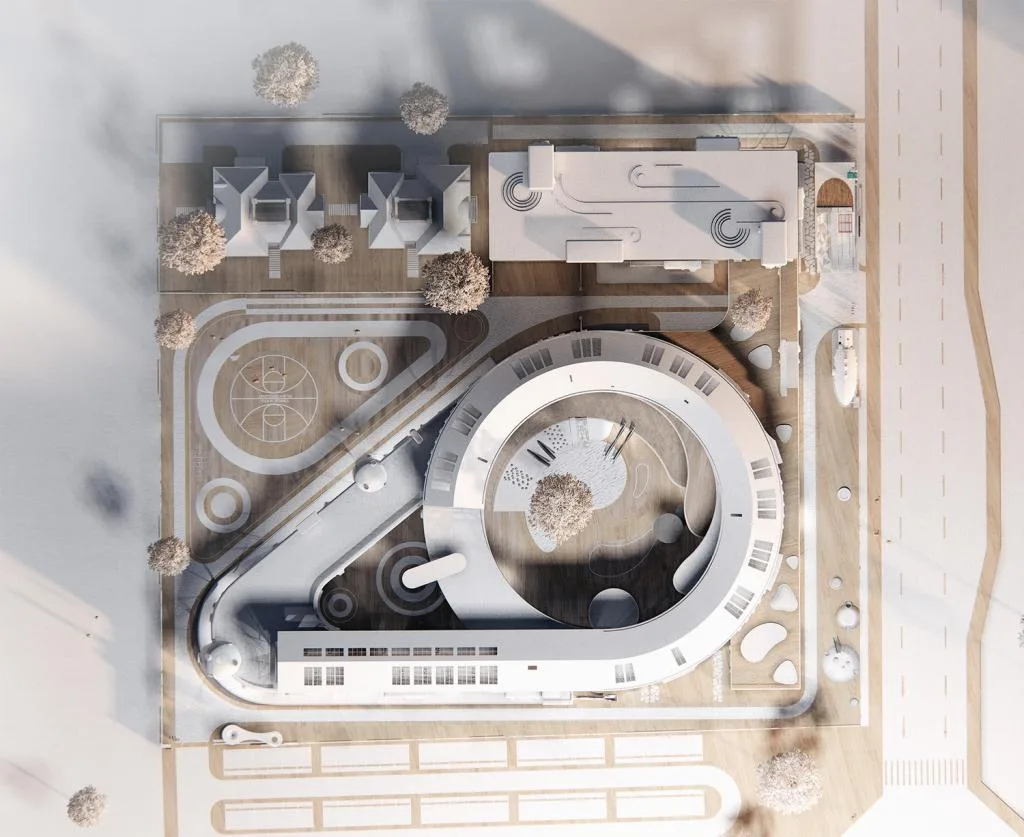
Huizhou architecture highlights natural charm and the spiritual essence of mountains and waters, emphasizing harmony with the environment. Dika reflects this tradition through an unconventional form: two “water droplets,” one large and one small, flowing in opposite directions, symbolizing the main building and activity area.
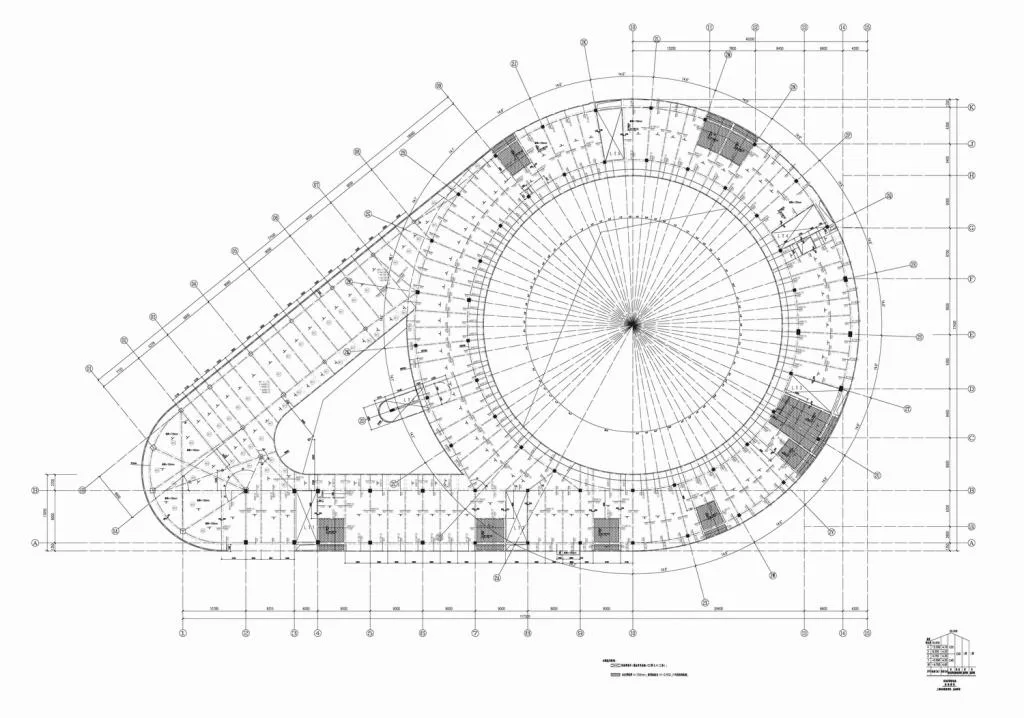
△ Architectural Layout Plan
The “spiritual energy” embodied by the water droplet form invites children to enjoy, learn, and understand water. The design considers education, community, lighting, outdoor activities, and greenery, creating an environment that nurtures growth and imagination—a miniature adult world fostering creativity and rationality in childhood.
△ Project Model
Building on the water droplet motif and incorporating the ancient Chinese concept of Sinan, the design points toward contemporary education—either guiding or inspiring exploration. From earth’s water source to the mysteries of the sky, these spatial elements gift children with a futuristic environment, embedding “water droplets” into the hopeful sea of the future to enrich their entire childhood.
△ Project Model
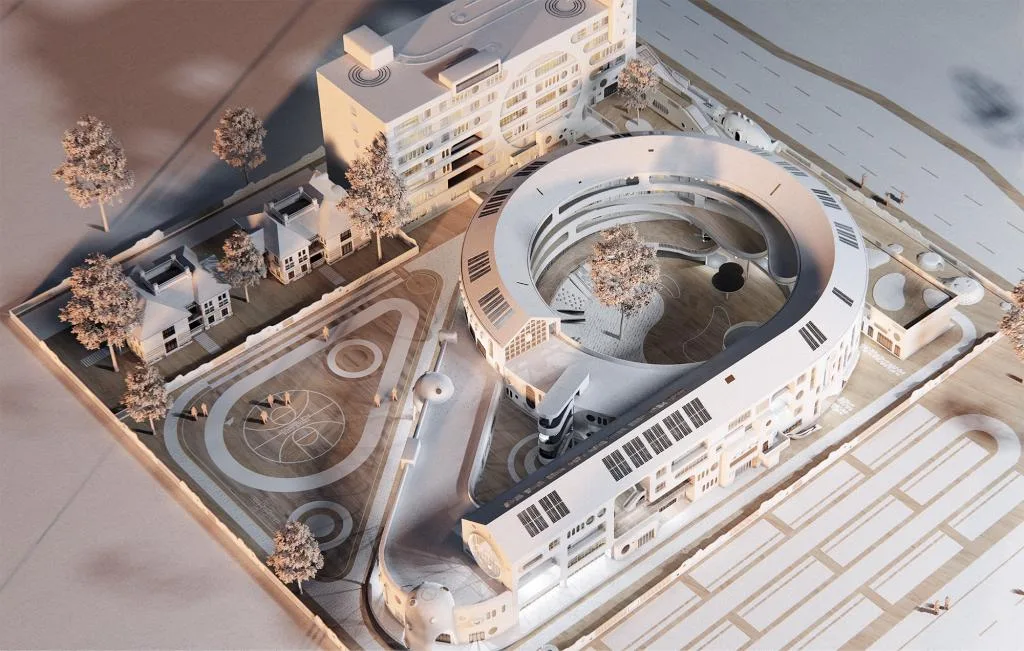
△ Project Model
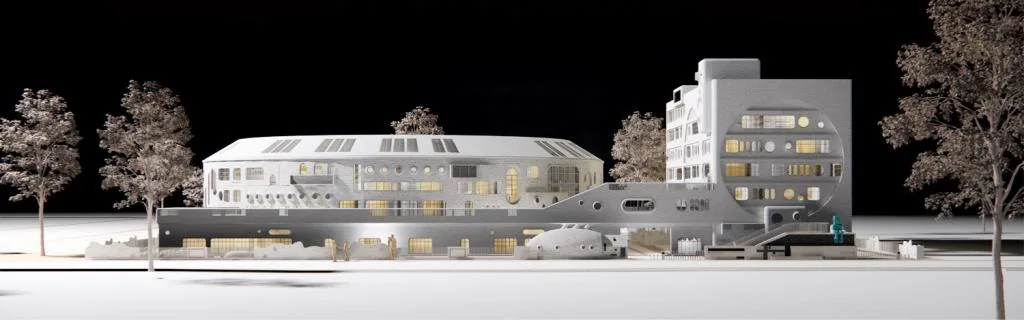
△ Project Model
Main Building: Learning Order Through Movement
Kindergartens demand safe spaces where energetic children can run freely. Covering 10,400 square meters, the main building’s water droplet form creates a circular flow between classrooms and activity areas—a system where the start is the end. This design encourages free movement without dead ends, breaking rigid discipline and fostering a dynamic sense of order.
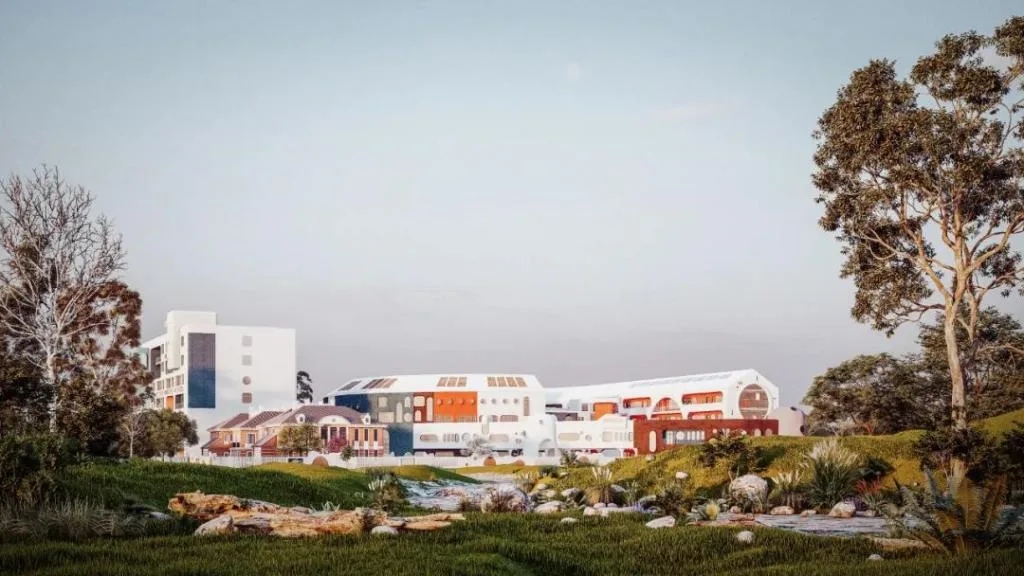
The enveloping shape also makes the building a gathering place, reshaping Shucheng’s mountainous and watery landscape and reflecting Huizhou culture’s philosophy of “harmony between heaven and man, learning from nature.”
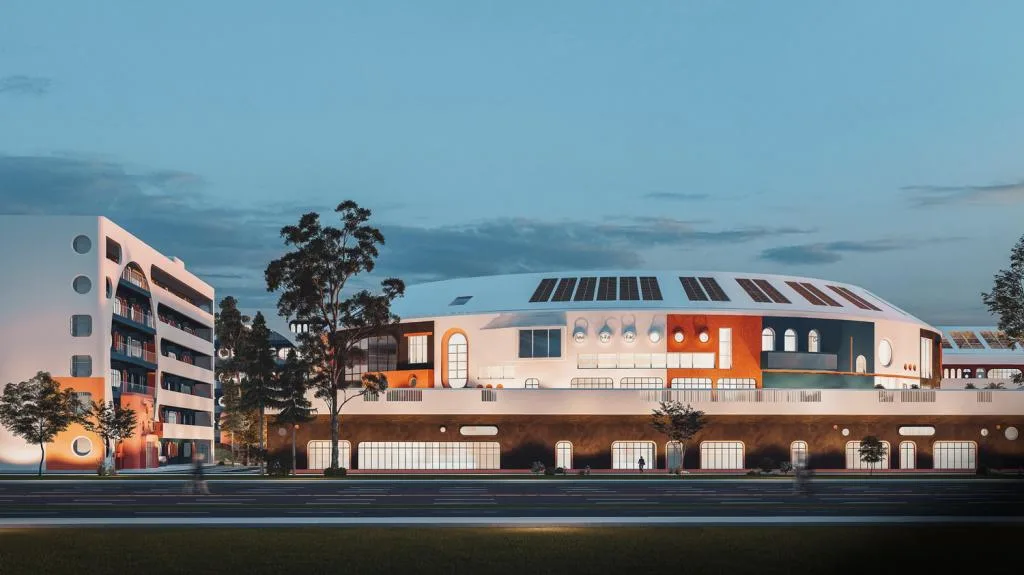
Main Entrance: Yin-Yang Metaphor Protecting Imaginative Freedom
The “bubble” element, a recurring motif in Dika’s work, is represented here by the largest bubble forming the main entrance, embodying the yin and yang metaphor in architecture. Water and mountains are interdependent like yin and yang; neither can exist without the other. The entrance symbolizes this relationship, with a masculine stillness balanced by a feminine dynamism supporting water. Passing through the “mountains,” visitors embark from the water’s source towards an unknown fantastical journey.
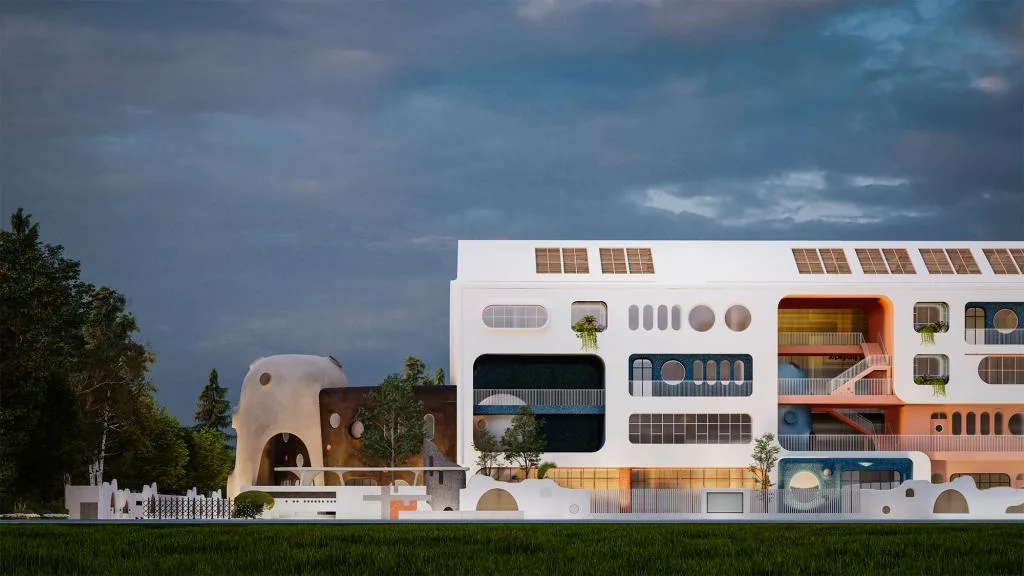
Courtyard: Swimming Fish Bringing Wind, Water, and Sounds of Reading
Inside the courtyard enclosed by the “Water Drop” teaching building lies a children’s playground shaped like a Bagua symbol, resembling a swimming fish encircled by yin and yang. This “Yin Yang Fish” symbolizes the balance of energy and the origins of all existence.
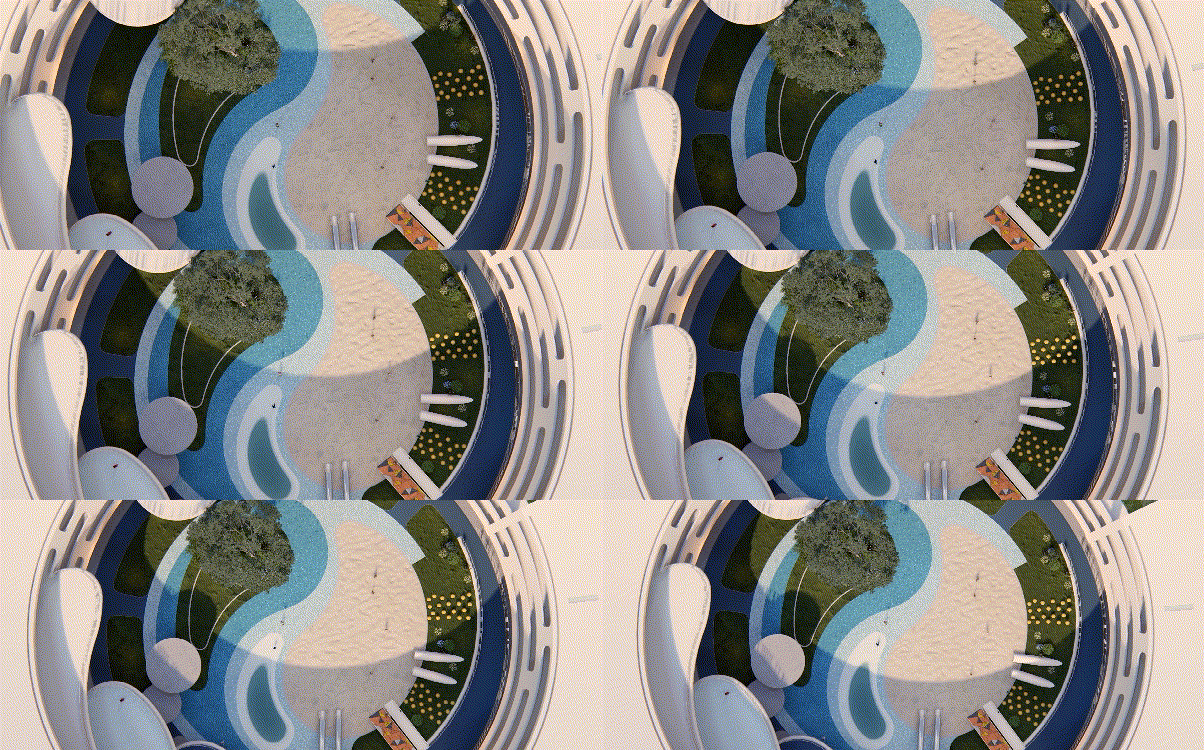
Surrounded by classrooms, children experience the scents of plants, the breath of water and wind, and gentle sunlight. Playtime here becomes a sensory journey, with light and shadow marking the passage of time—a joyful playground beyond the classroom.

The courtyard’s first floor features a human-centered design under the eaves, rising gently from bottom to top and extending outward like invisible white umbrellas sheltering children in their campus adventures. Slender columns and gradually extending rock surfaces express the water droplet’s blend of hardness and softness.
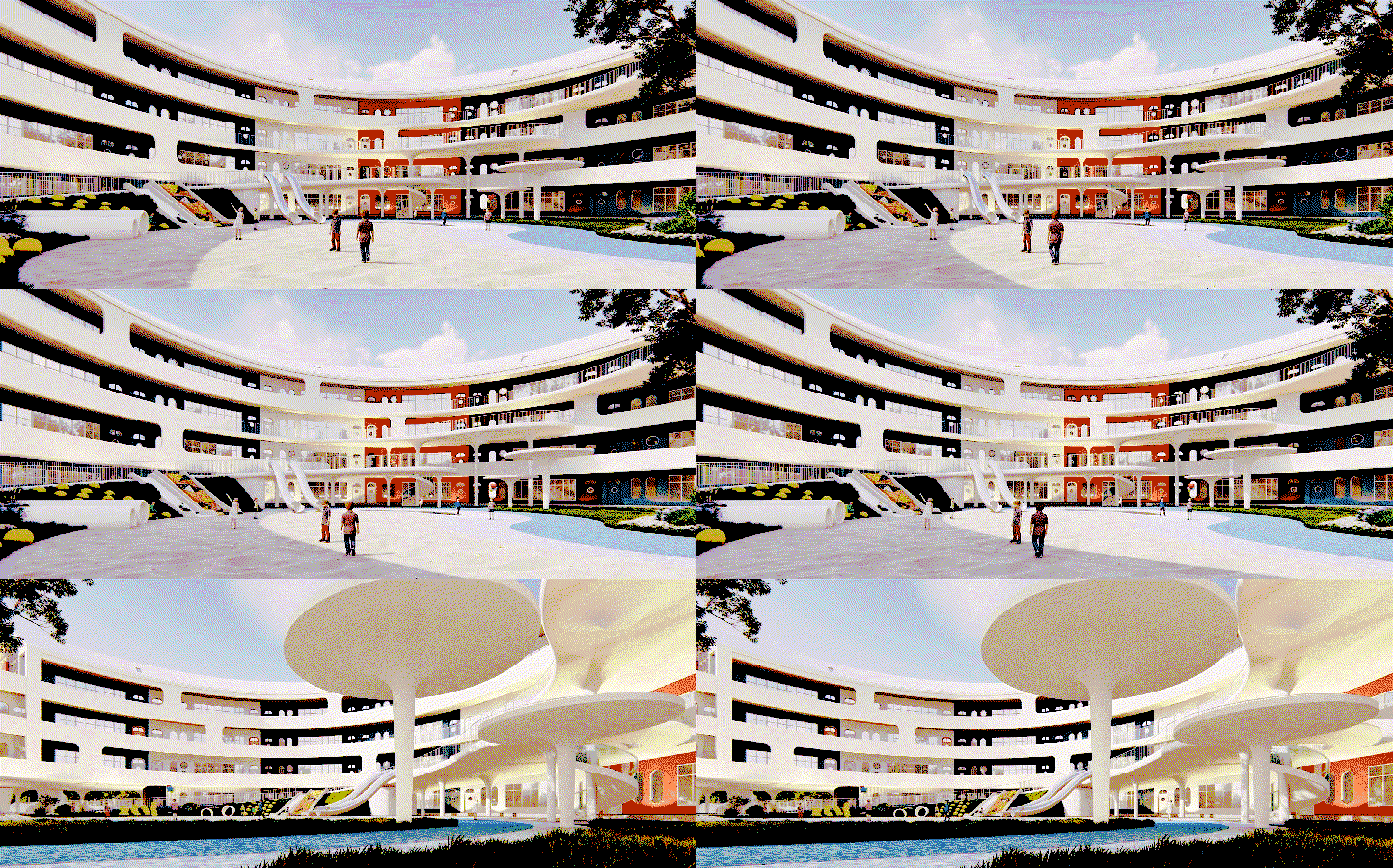
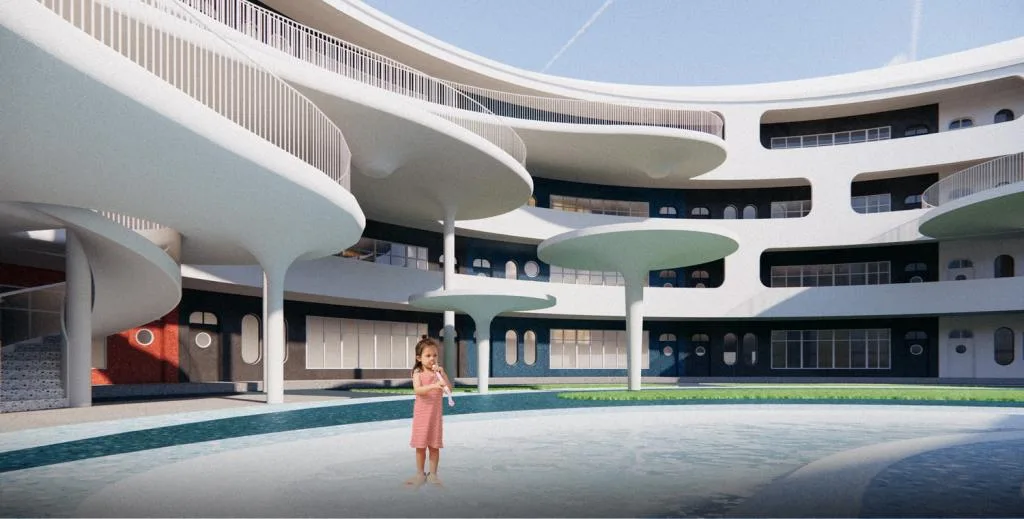
Complementing this are small pavilions of varying sizes beneath the eaves. Their light forms not only decorate the space but also act as “natural sensors,” shielding from sun and rain like leaves, offering safe, comfortable shelters that encourage reasonable exploration.
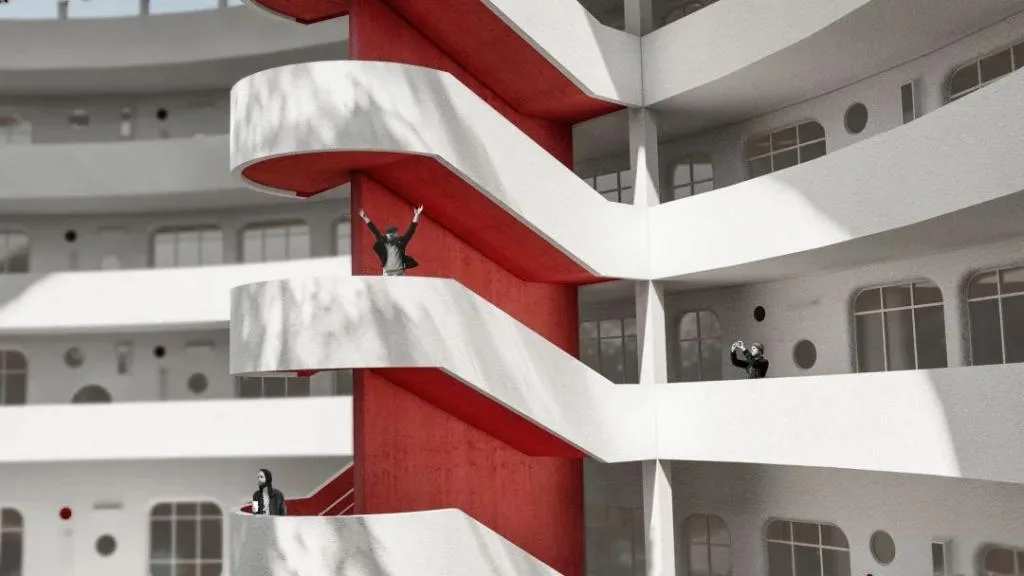
The spiral staircase continues the water droplet motif, with white and red colors providing vivid safety cues and sharp contrasts. Climbing these stairs feels like ascending the peak of life, where every step reveals a new view.
Educational Complex Building: From Fountain Eye to Spacecraft Window
On the north side of the “Water Drop” teaching building, a five-story educational complex spans 8,280 square meters. Its massive circular wall resembles a spacecraft cabin window, where water droplets gather into a spring.
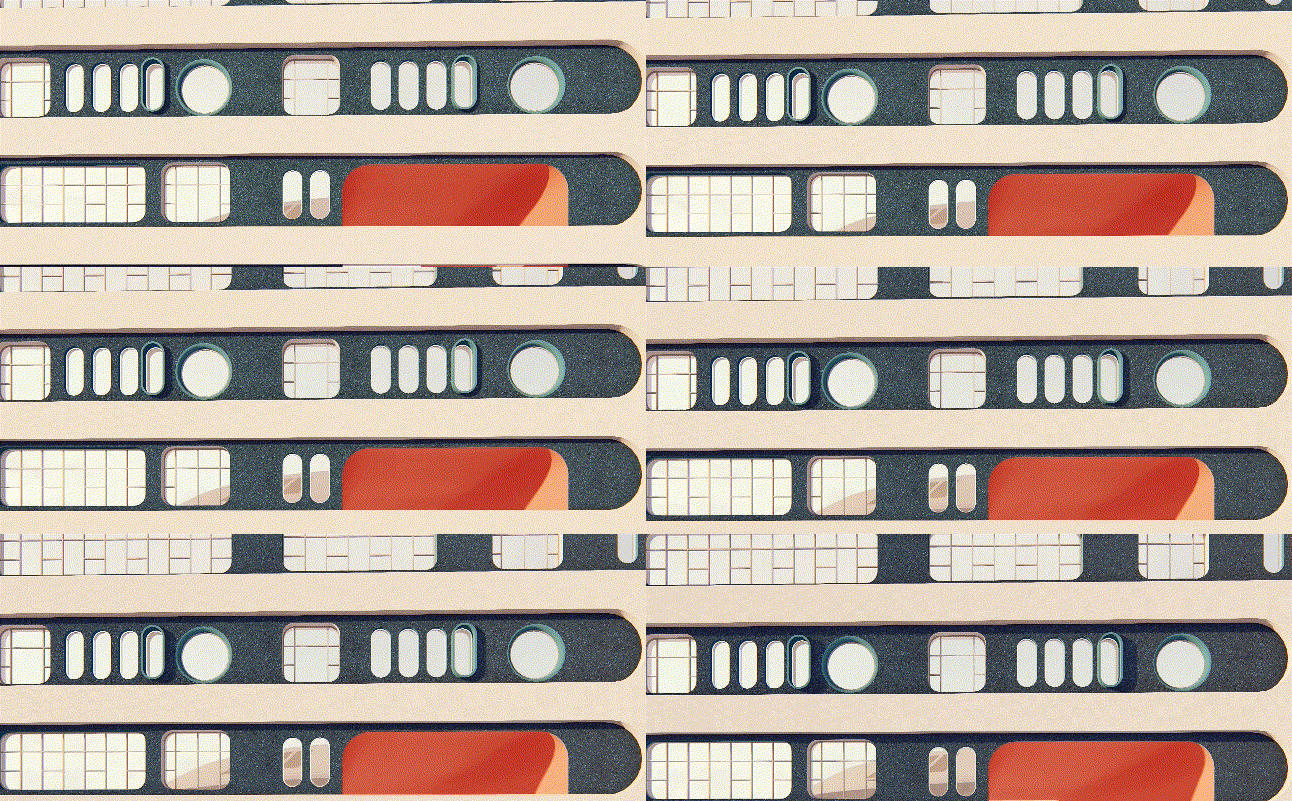

The deep blue facade symbolizes the universe’s depths and ocean’s mysteries. Skylights of varying sizes scatter across the walls, providing abundant natural light. The interplay of light and shadow reflects different “light sensitivities,” creating a dreamlike natural atmosphere that bridges teaching with imagination and illuminates the kindergarten’s vibrant life.
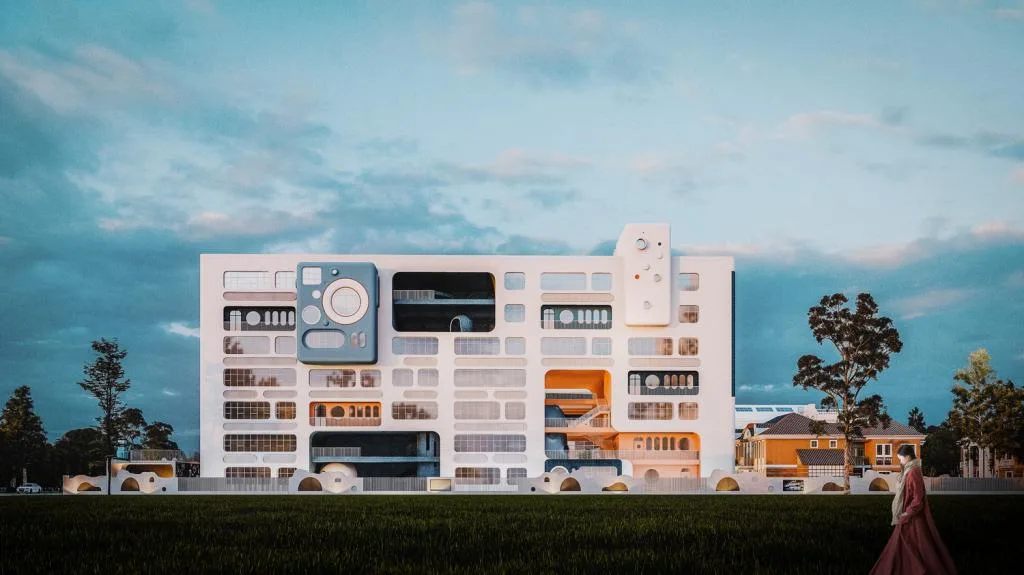
Facade: A Spaceship Carrying Spatial Memories
Encircled by the educational complex and main building, the exterior continues the “bubble” concept. Upon a white canvas, colors inspired by life—blue, orange, brown—paint a spaceship that carries children’s spatial memories and dreams.
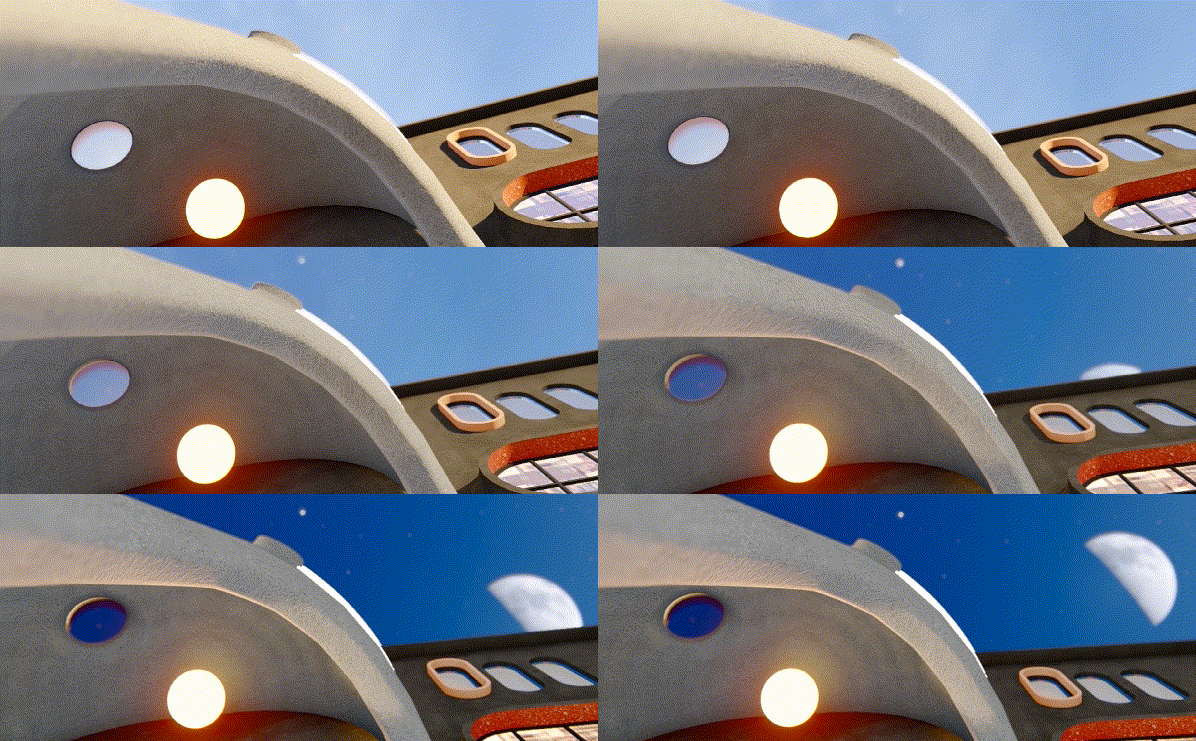
In this interplay of light and shadow, the design organizes spatial hierarchies, infusing campus life with tangible warmth and allowing the flow of life to be felt throughout.
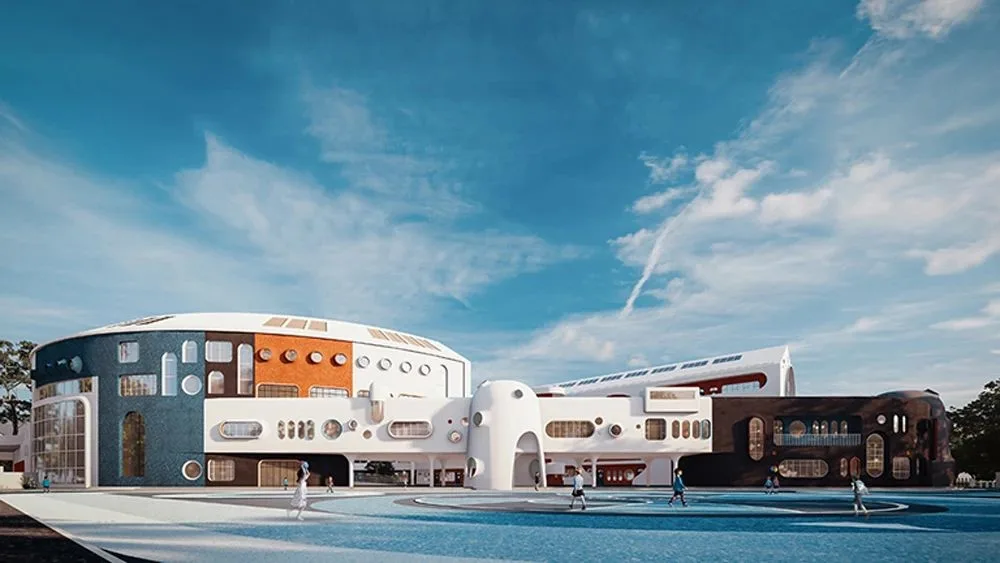
Event Venue: The Second Drop Shelter
Designed as the venue for the “second drop of water” event, this space embraces freedom in its layout, blending curves and lines, motion and stillness. The kindergarten playground features observation camps, lawns, and flora and fauna activity areas, encouraging children to explore and play freely. Natural materials help children intuitively understand nature’s processes and laws during their growth, allowing them to experience learning, including setbacks, in outdoor activities that foster resilience.
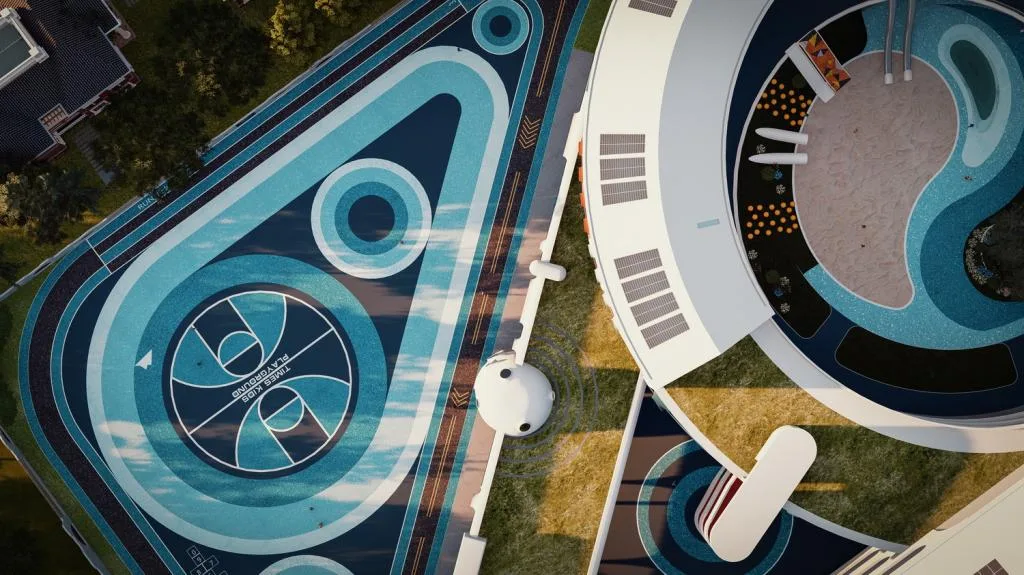
Nurturing Young Hearts Indoors
The “water droplets” concept gently flows indoors like lasting irrigation. Interior spaces are designed to be simple and functional, supporting diverse activities and safeguarding children’s “daydreams” with open layouts. Classrooms, reading rooms, multifunctional halls, play areas, and STEAM classrooms are thoughtfully tailored to their specific purposes. Warm wooden textures in furniture and fixtures create a cozy, safe environment.
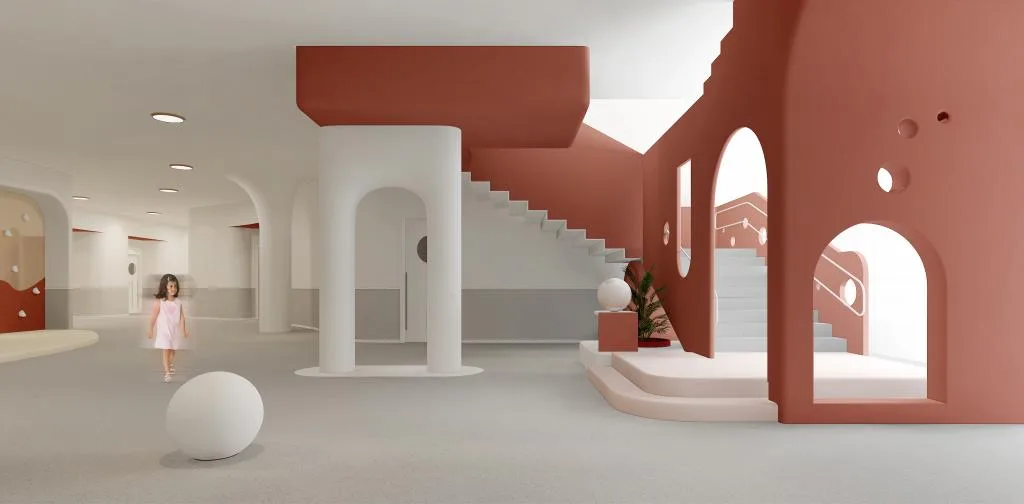
Design choices regarding shapes, materials, lighting, color, and sound are informed by young children’s physical and developmental needs. The herringbone roof responds to local climate conditions and reduces the building’s scale to a comfortable, house-like size relative to children’s dimensions, enhancing their psychological comfort and security.
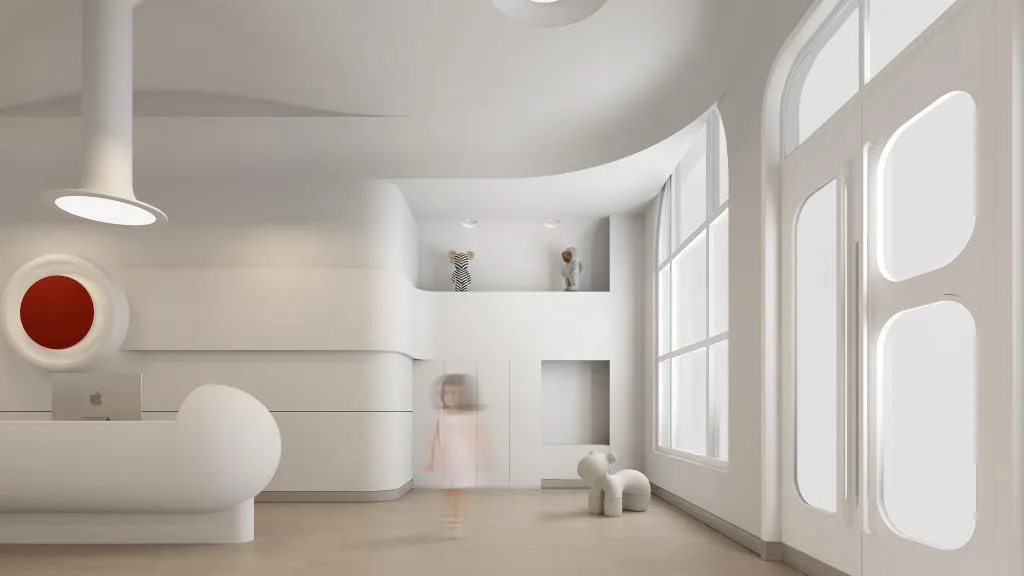
Corridors are designed to align with children’s spatial perception and movement comfort, with each floor featuring distinct color themes that complement their evolving preferences for novelty and familiarity. Floor markings in hallways subtly encourage orderliness in this miniature adult world.
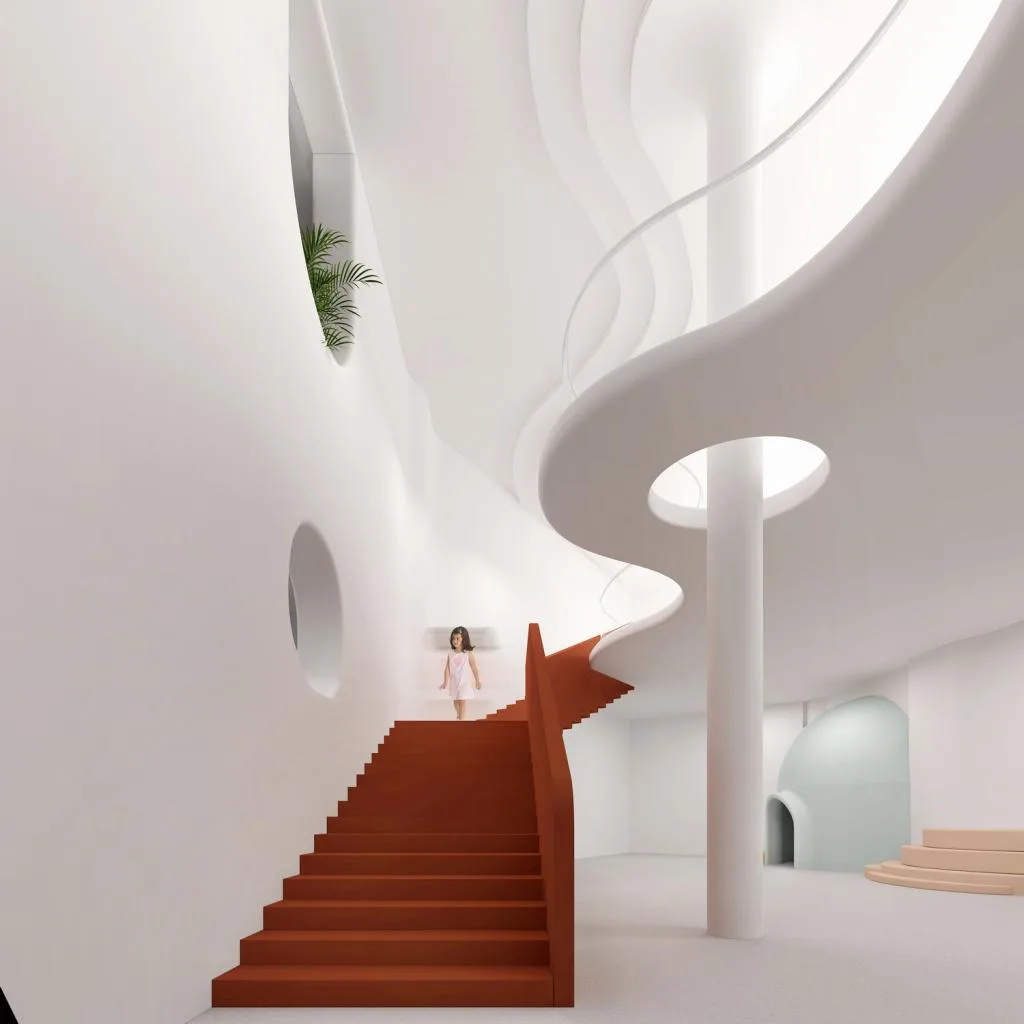
In the “Kitchen Joy” area, children can embrace their inner “little adult.” Walls, floors, and ceilings share the same color scheme, enhancing visual spaciousness. A wooden wall features a workbench for manual crafts and culinary activities. The multifunctional hall supports diverse campus activities—learning, sports, entertainment—designed with simplicity to maximize usable space. Open reading and play areas prioritize openness and foster creativity.
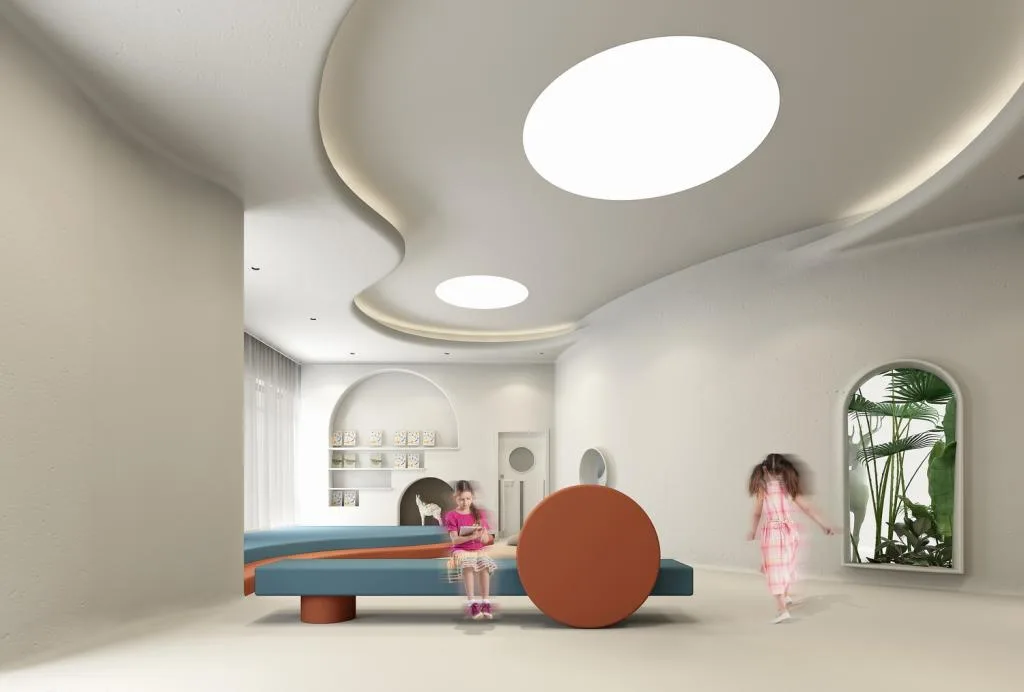
How can a drop of water never dry up? Dika aims to reflect the spirit of education through architecture, blending openness, inclusiveness, and resilience toward the future. Inspired by Huizhou’s charm, Shuidi Kindergarten becomes a familiar spiritual home where children, feeling closer to their true selves, boldly set sail on their spaceship. No matter how time changes, this drop of water remains, nurturing every young heart ready to embark on their journey.
Project Information
Project Name: Shuidi Kindergarten
Area: 20,000 square meters
Location: Shucheng, Anhui Province
Design Team: Deca Architectural Design Center
Lead Architect: Wang Junbao
Design Contributors: Tian Jiabin, Lu Qingyin, Zhang Qi, Ou Jiyong, Tan Huimin, Fu Huiming, Tu Xueliang, Zhang Zhigang, Wang Mudan
Architectural Construction Drawings: Shi Wei, Wu Xiaoyong, Jiang Hong, Ping Tian, Jia Bin, Lu Qingyin, Li Tao, Kang Yan, Lu Renjie, Wa Yue, Zhu Jie, Jiang Feifei, Zhang Minghua, Zheng Zhigang, Sun Lu, Chang Ying, Ma Huajie, Ye Chenghua, Li Tao
Structural Design: Shi Wei, Jiang Hongping, Wu Xiaoyong, Chang Ying, Zheng Zhigang, Congratulations on the victory
Interior Design: Gao Xin, Lu Qingyin, Tian Jiabin, Ou Jiyong, Tan Huimin, Fu Huiming, Liu Zixuan














Must log in before commenting!
Sign Up