
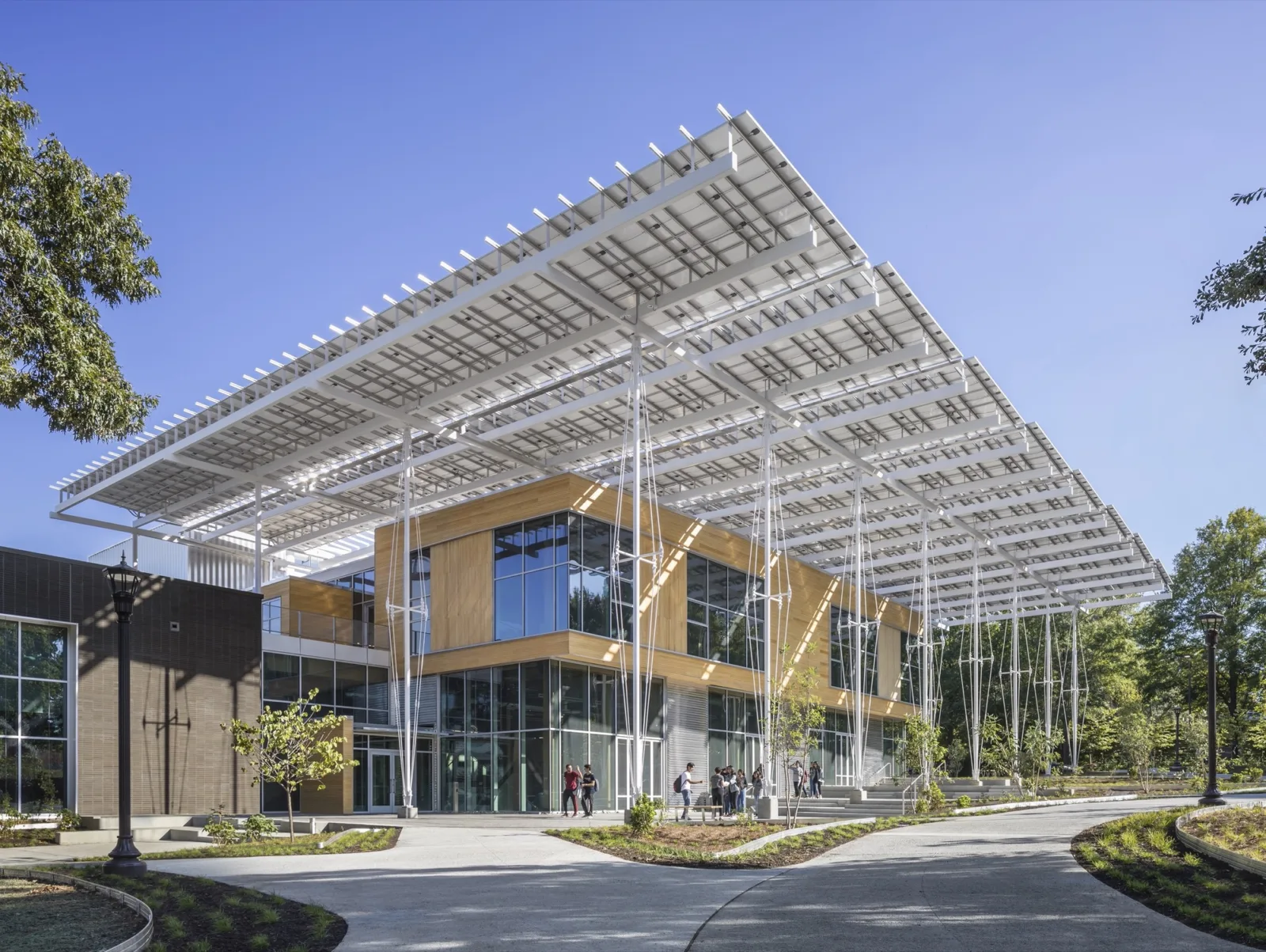
The Kendeda Building showcases an innovative and sustainable design aimed at advancing environmental education, research, and public engagement through community outreach. It is the first building in the southeastern United States to achieve full Living Building Certification, setting a new benchmark for sustainability. This project demonstrates that Living Building Challenge standards can be successfully met even under extreme weather conditions.
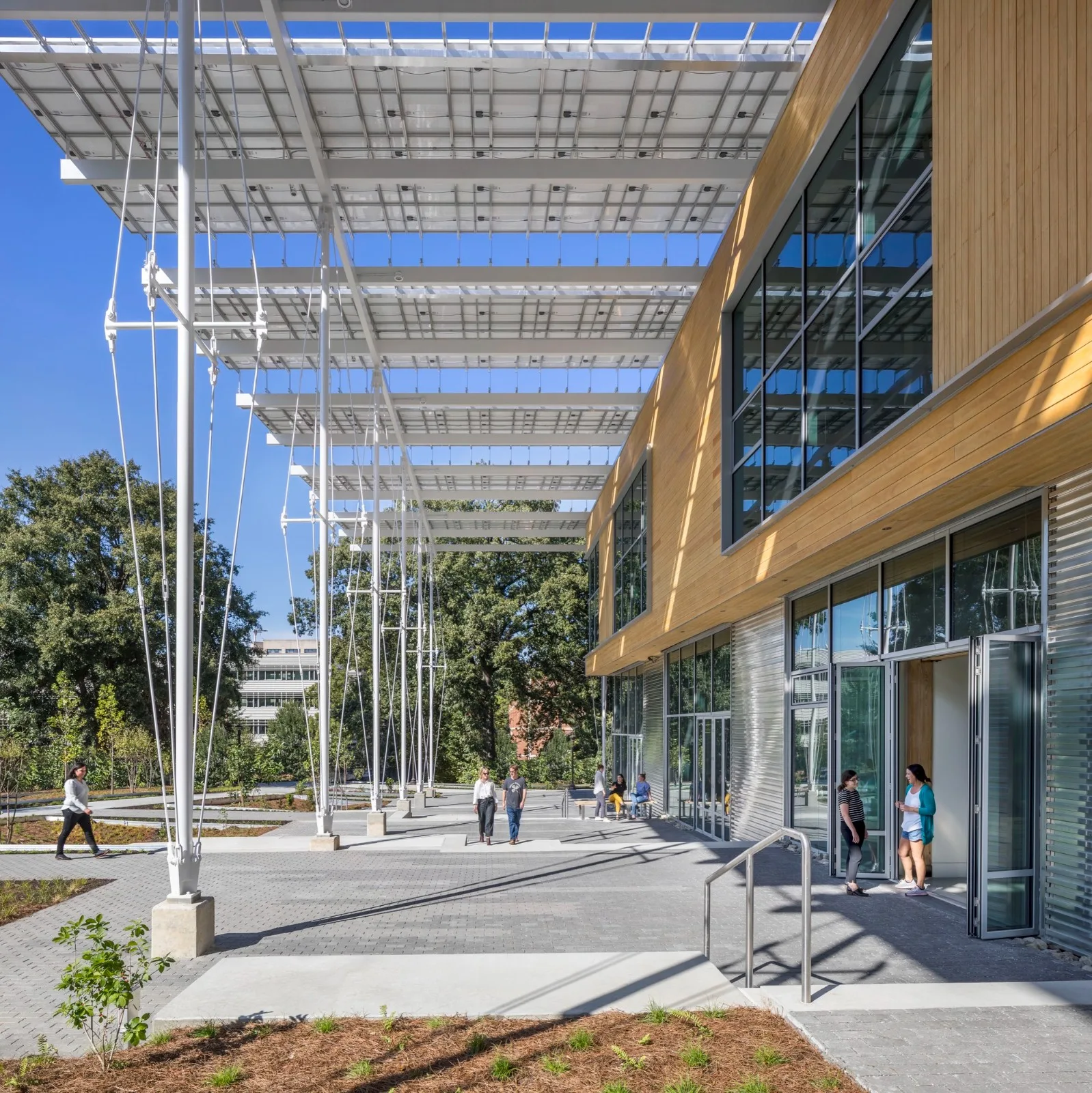
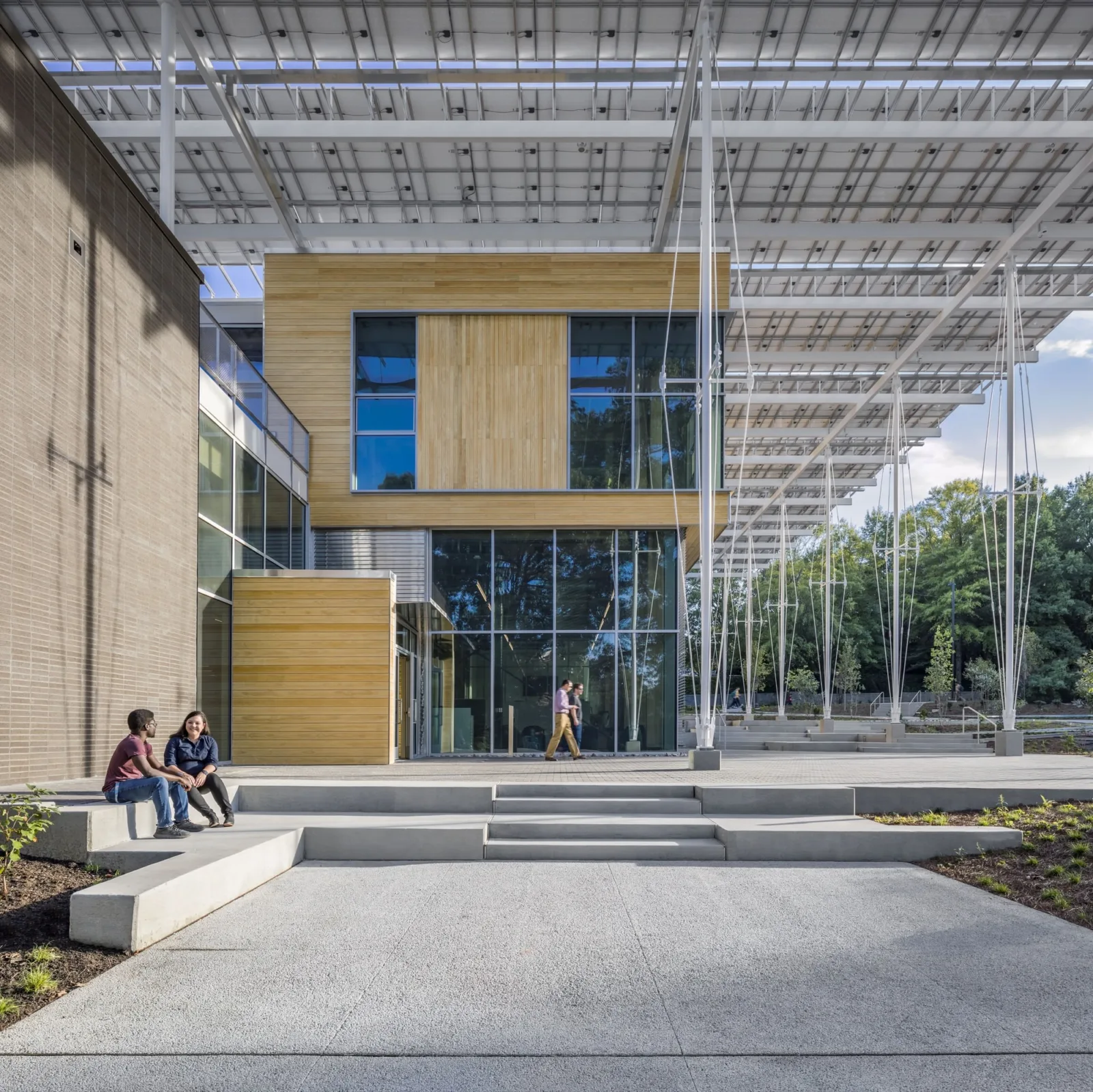
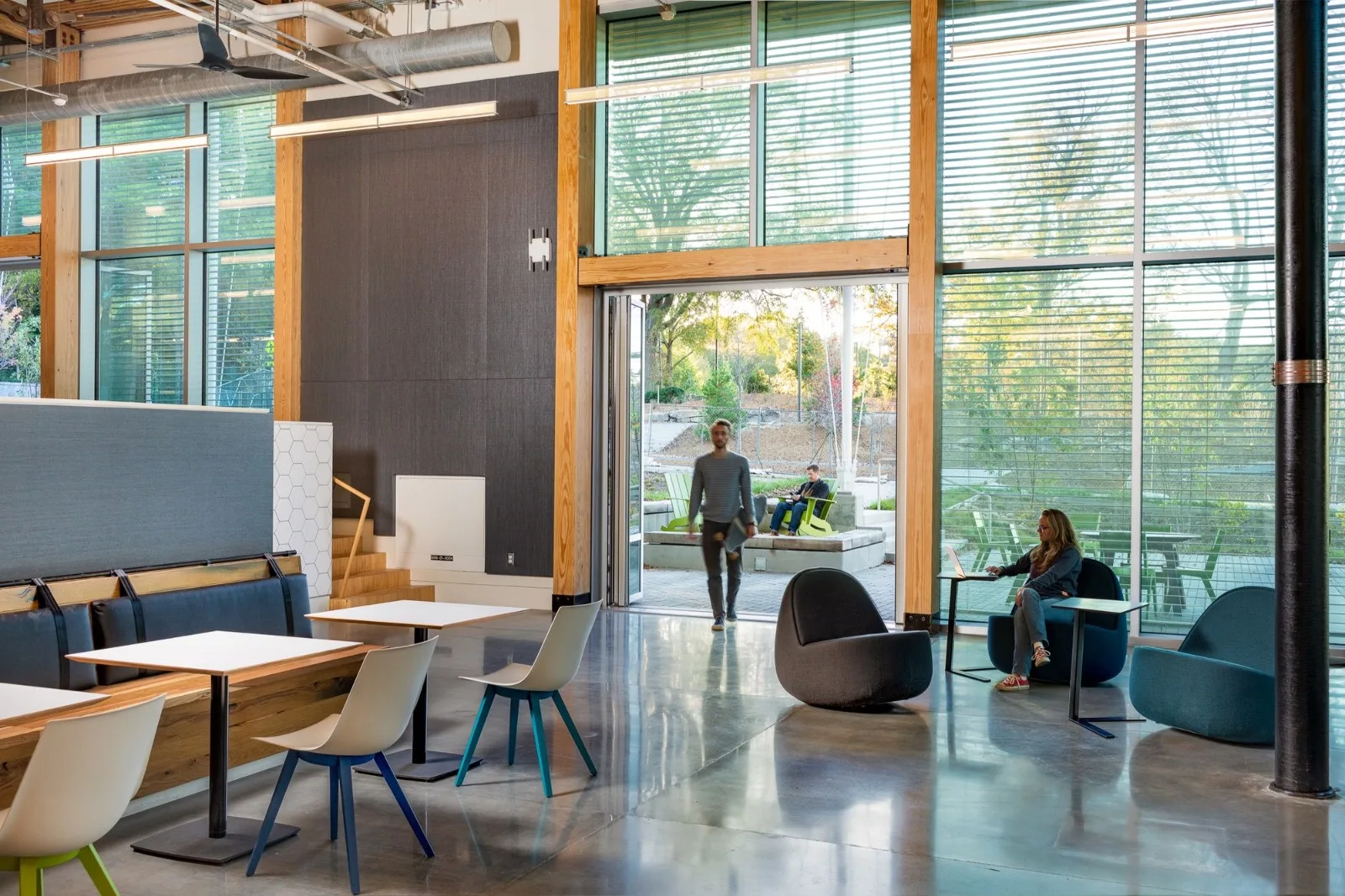
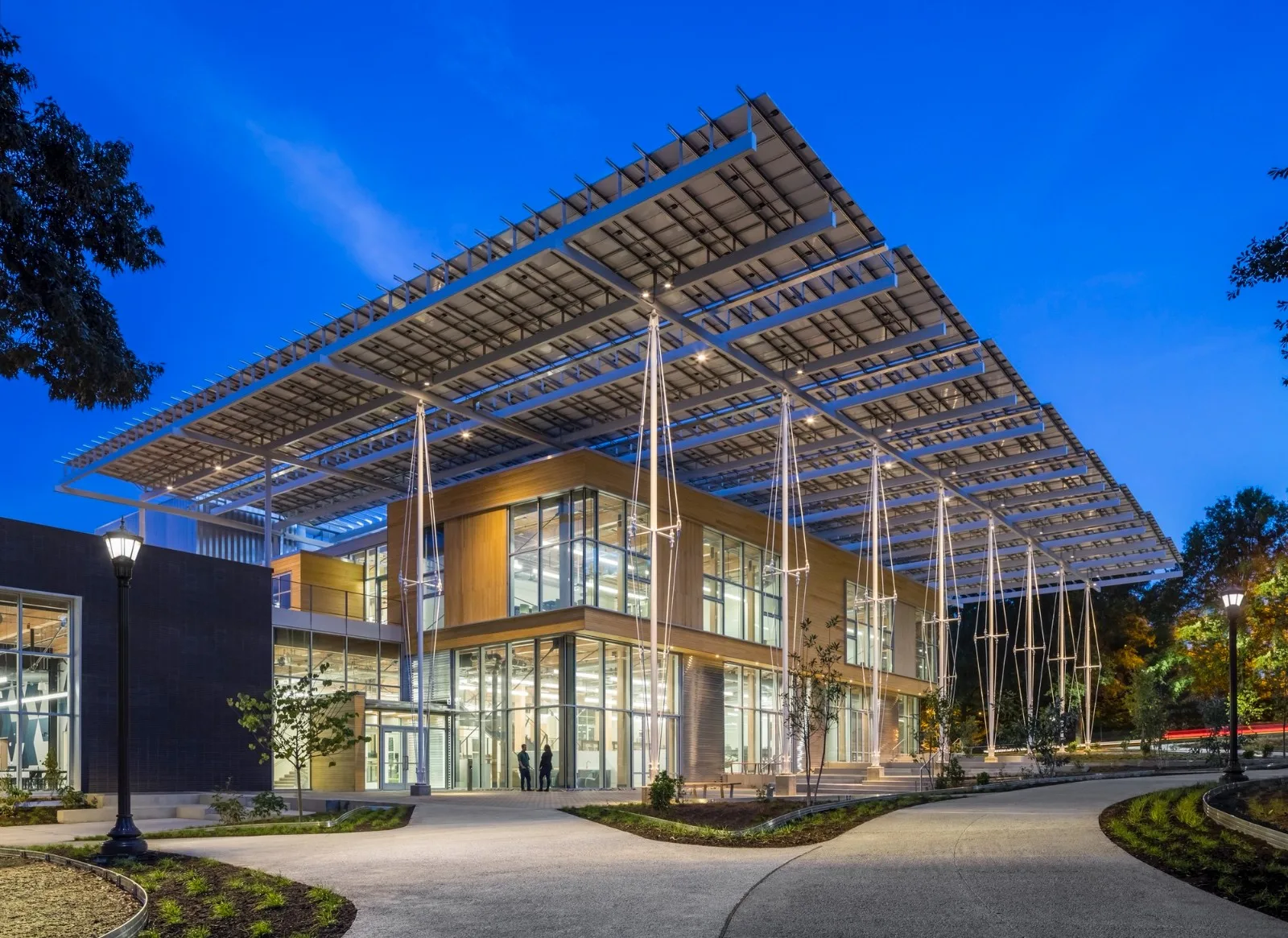
The design draws inspiration from the traditional southern U.S. porch, reinterpreting this common regional architectural feature for the campus. The updated porch creates a cool microclimate around the building and seamlessly blends indoor and outdoor spaces. Moreover, it plays a vital role in meeting the stringent Living Building Challenge requirements. The photovoltaic ceiling generates more than 100% of the building’s energy needs and collects enough rainwater to satisfy 100% of its water demand.
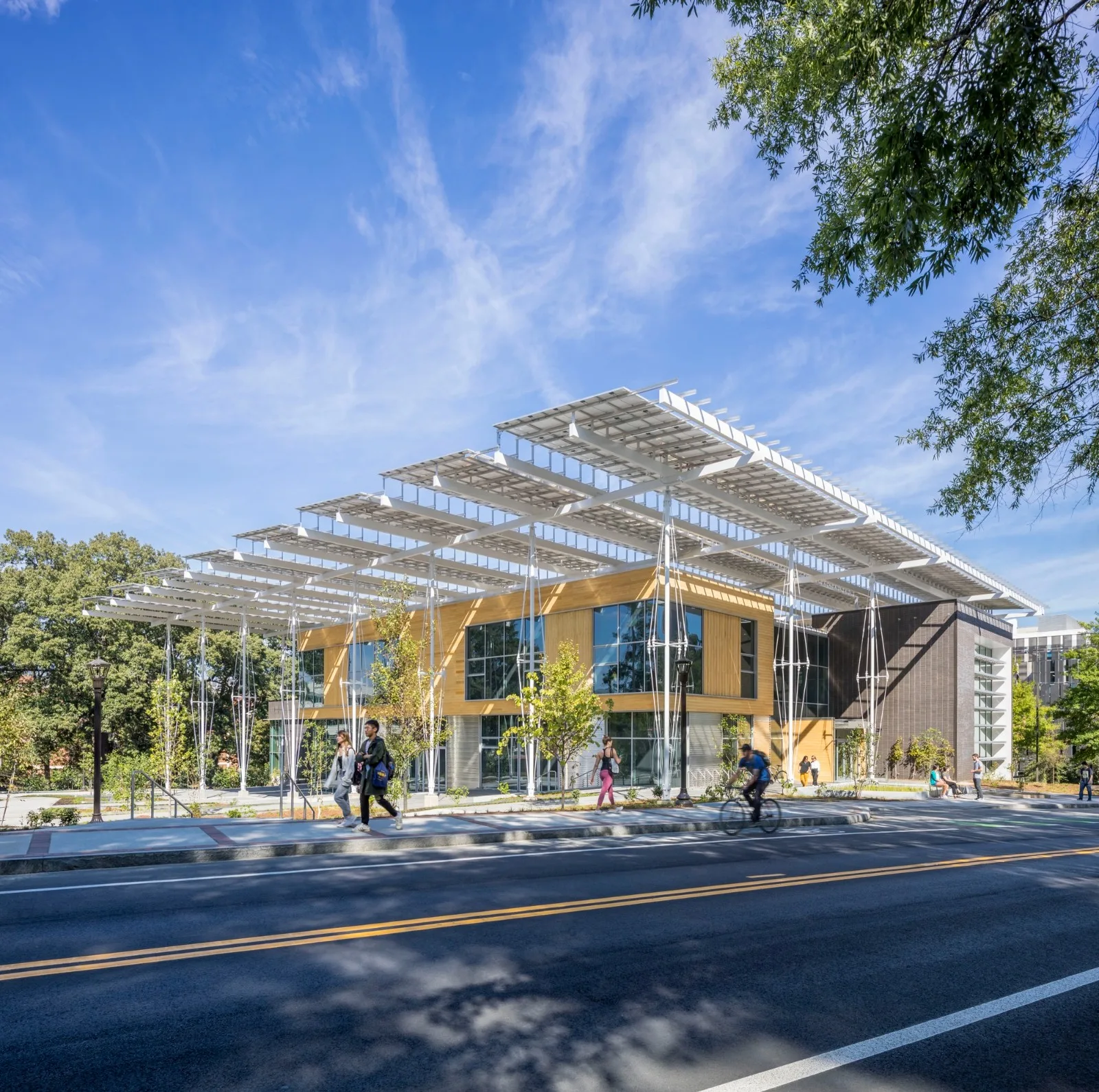
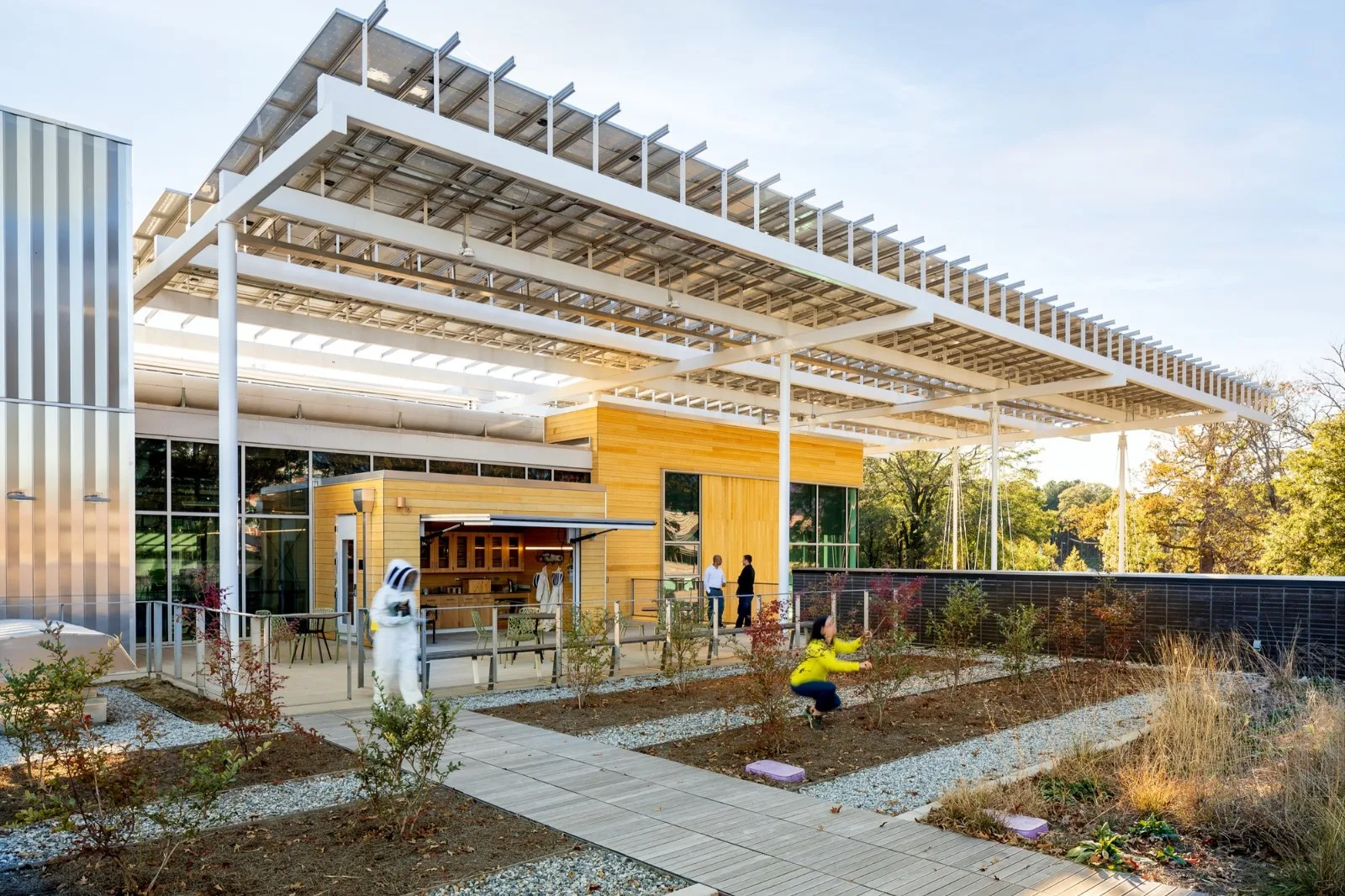
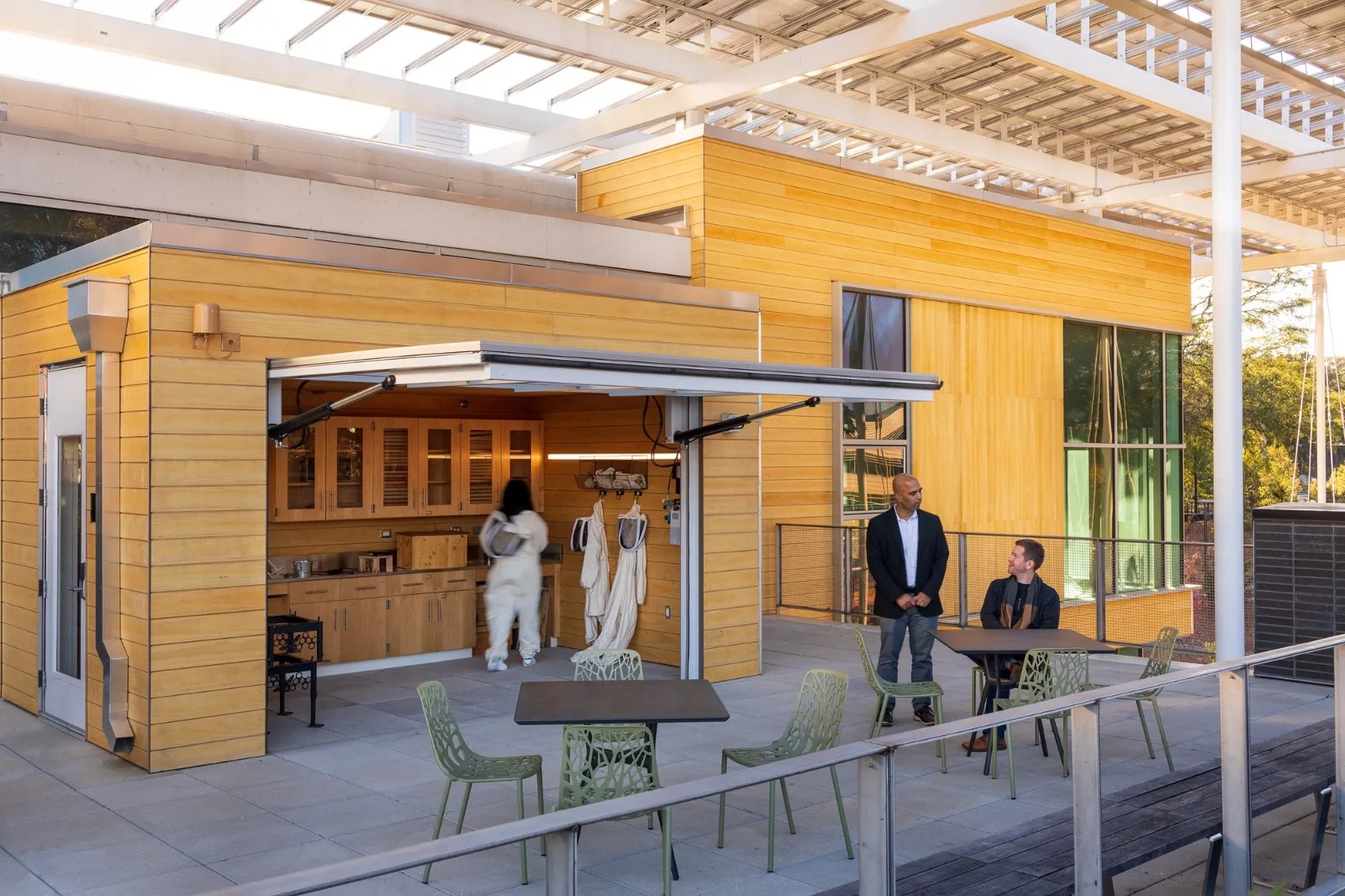
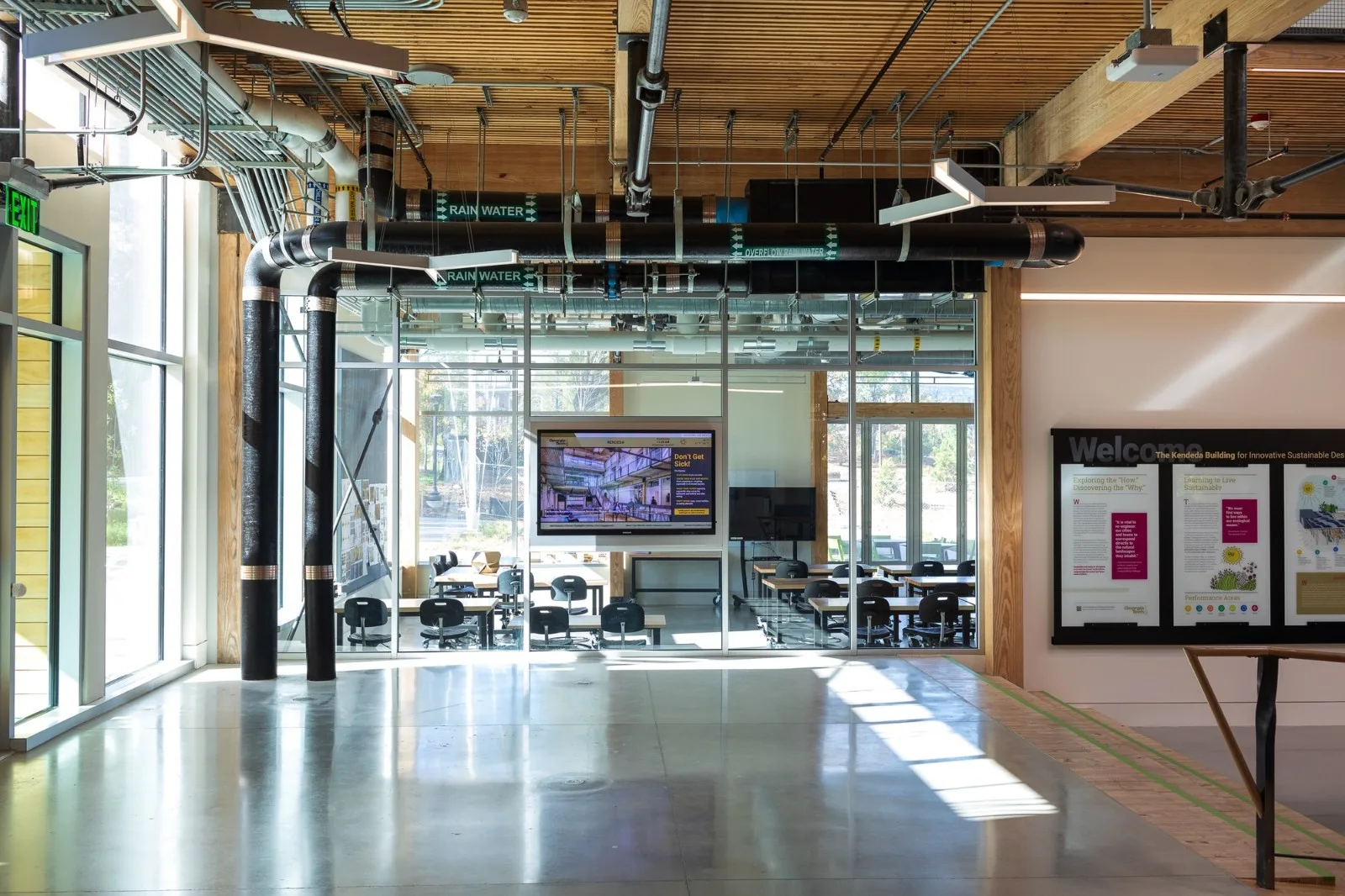
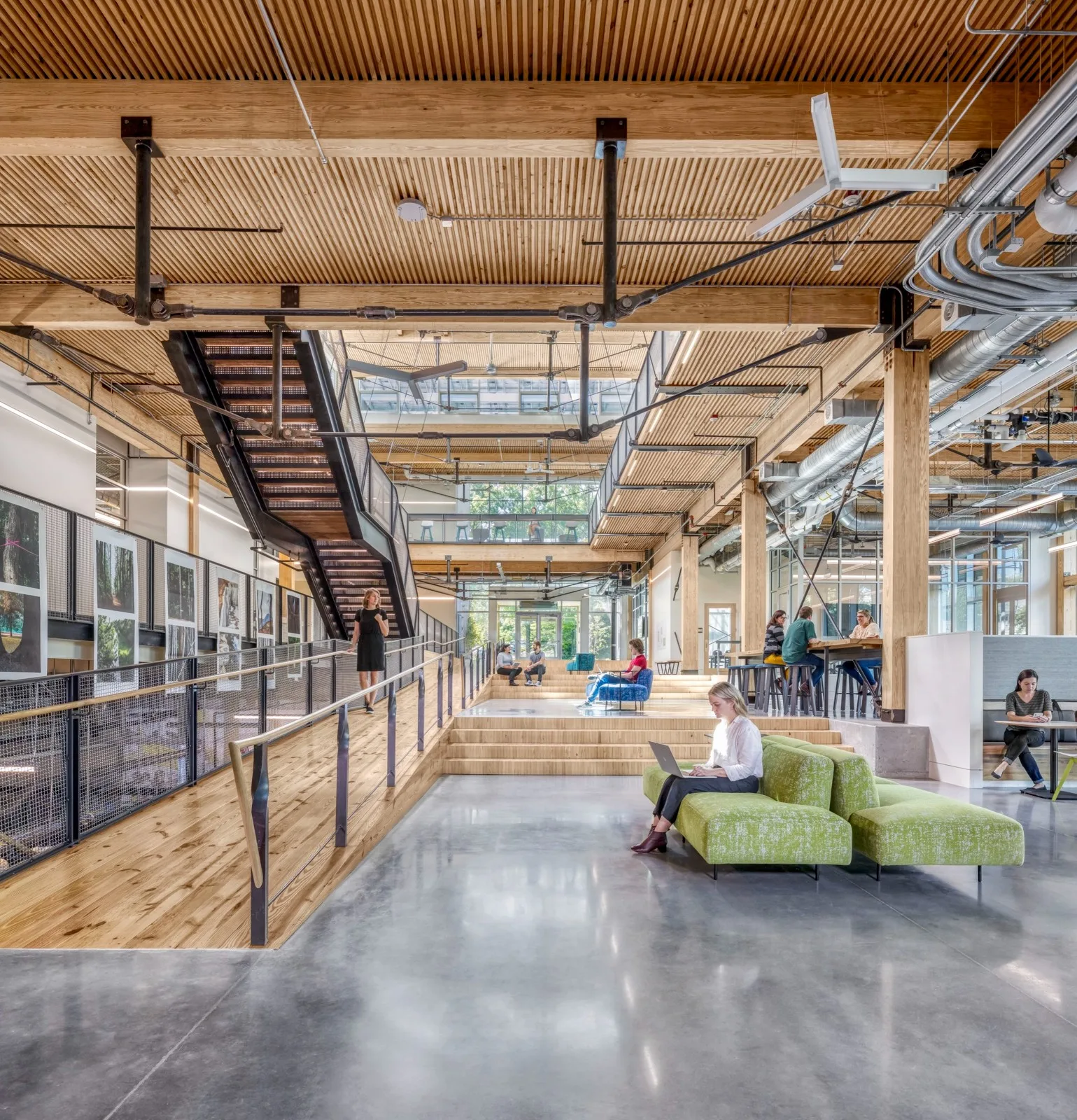
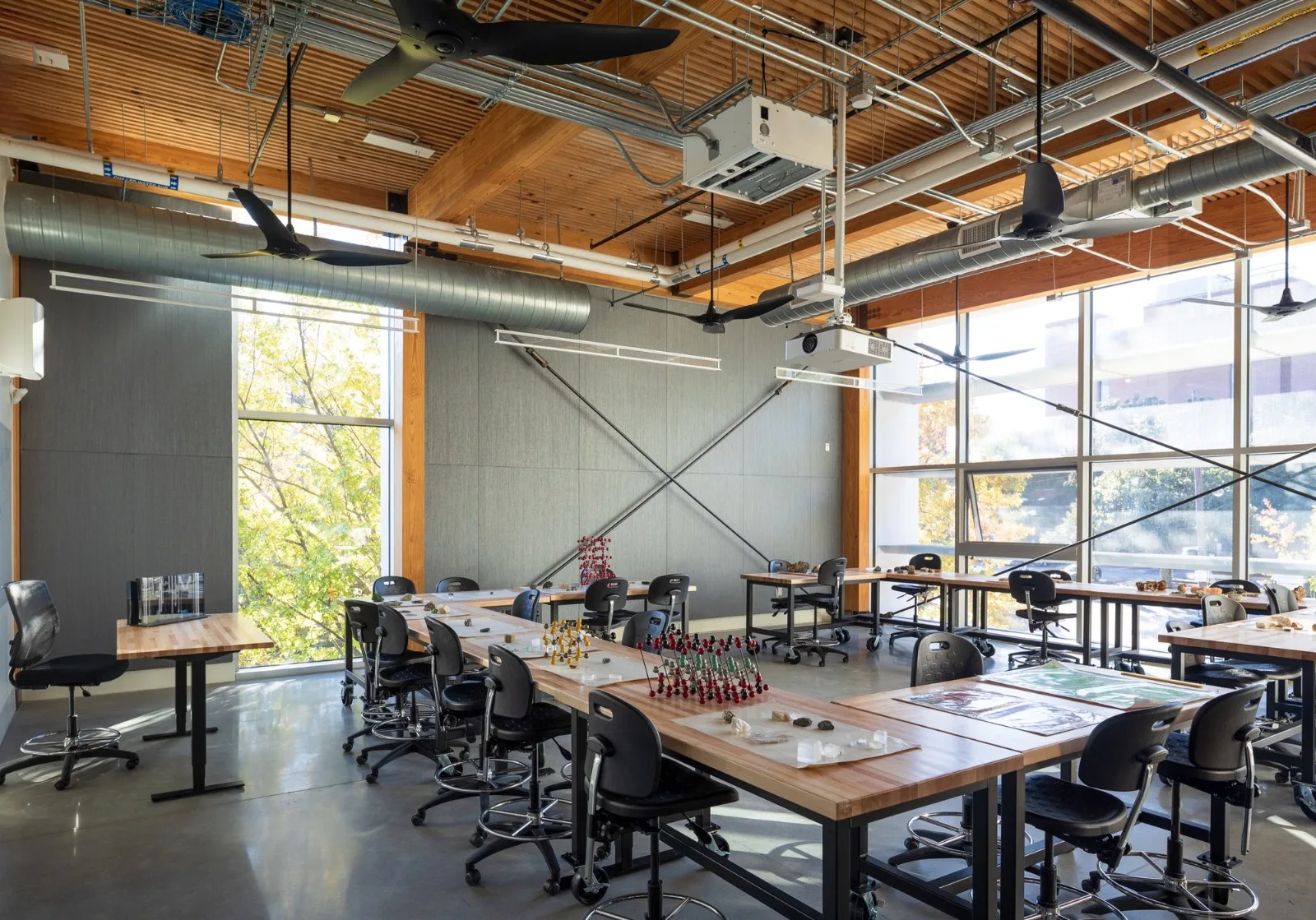
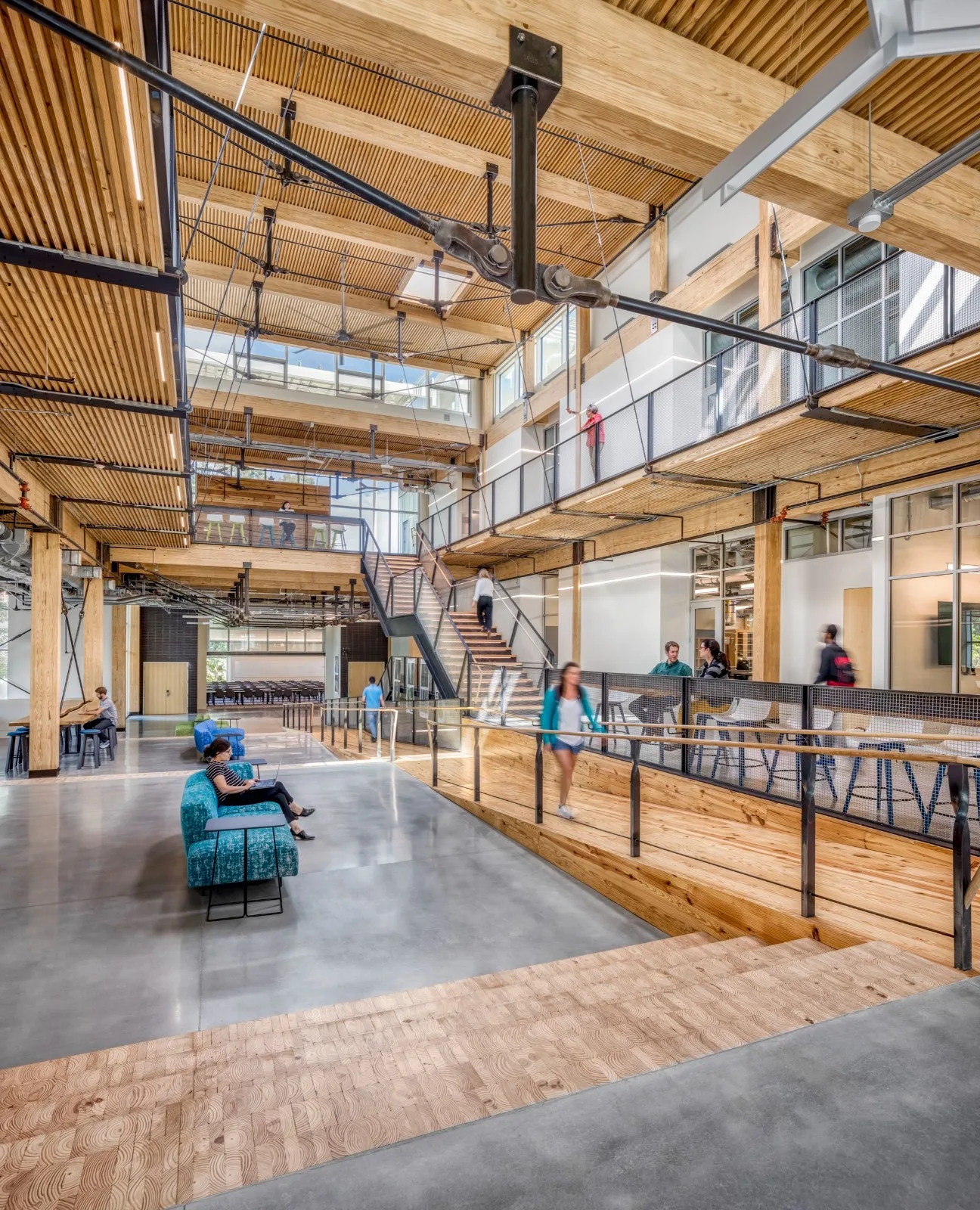
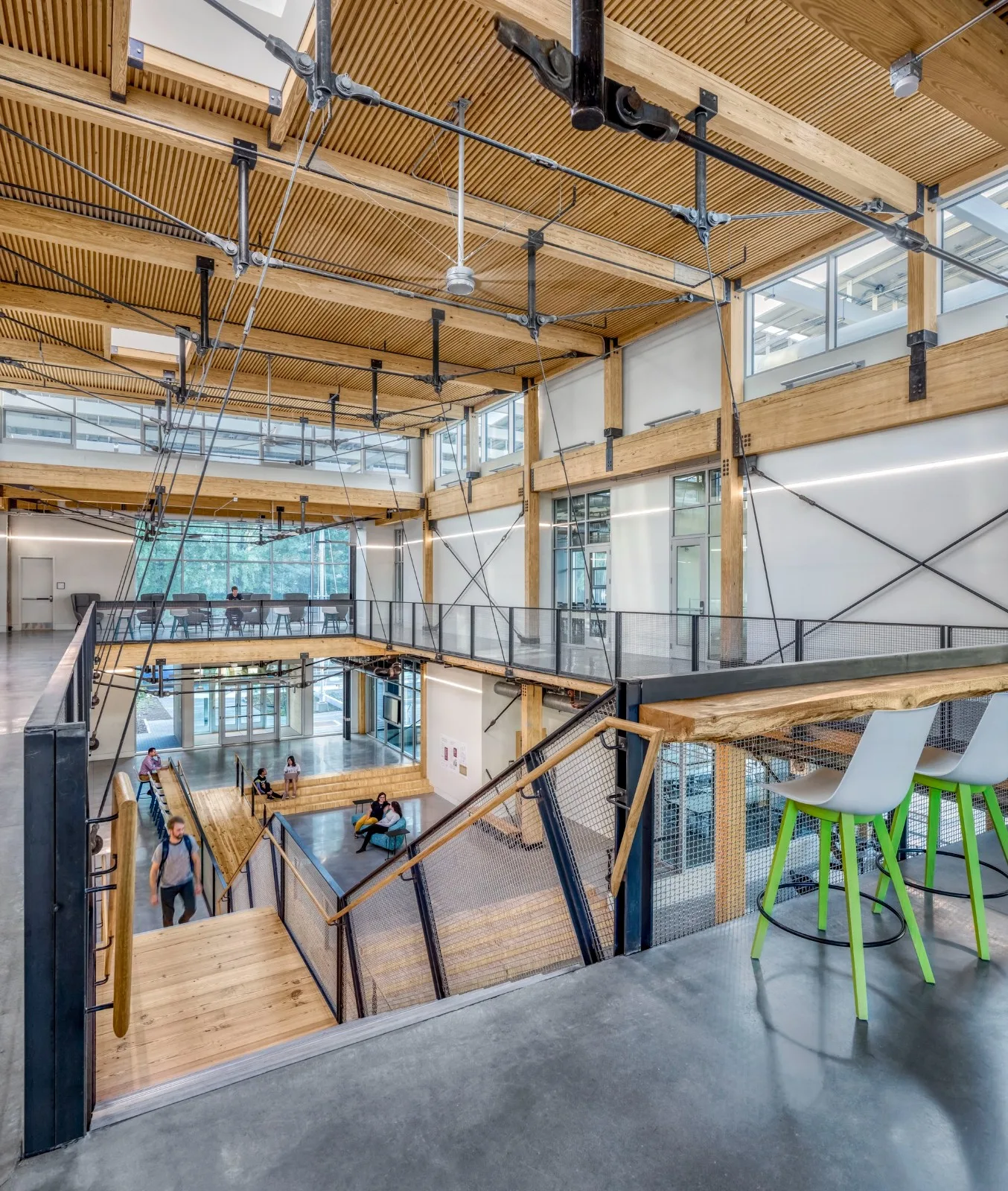
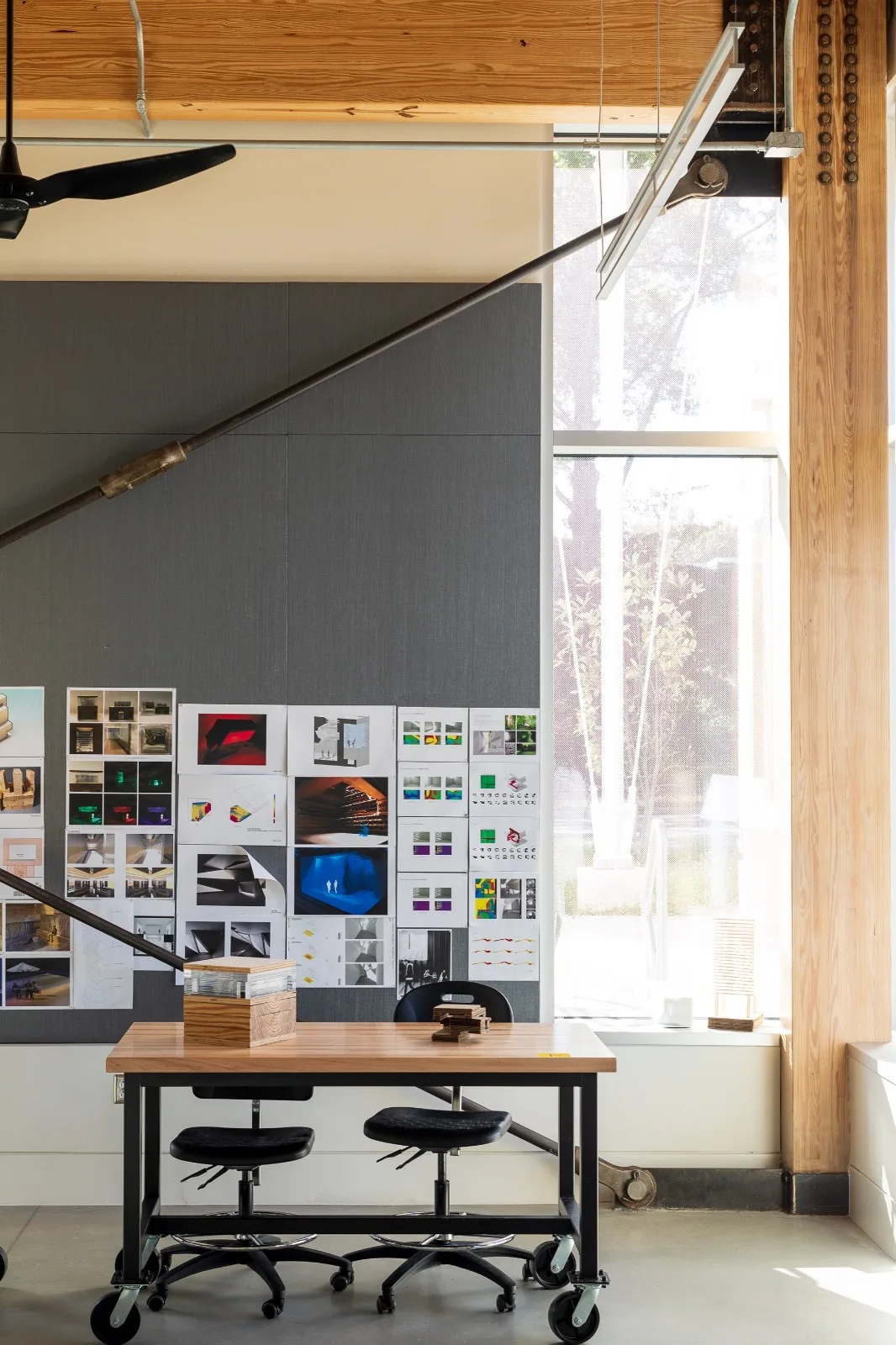
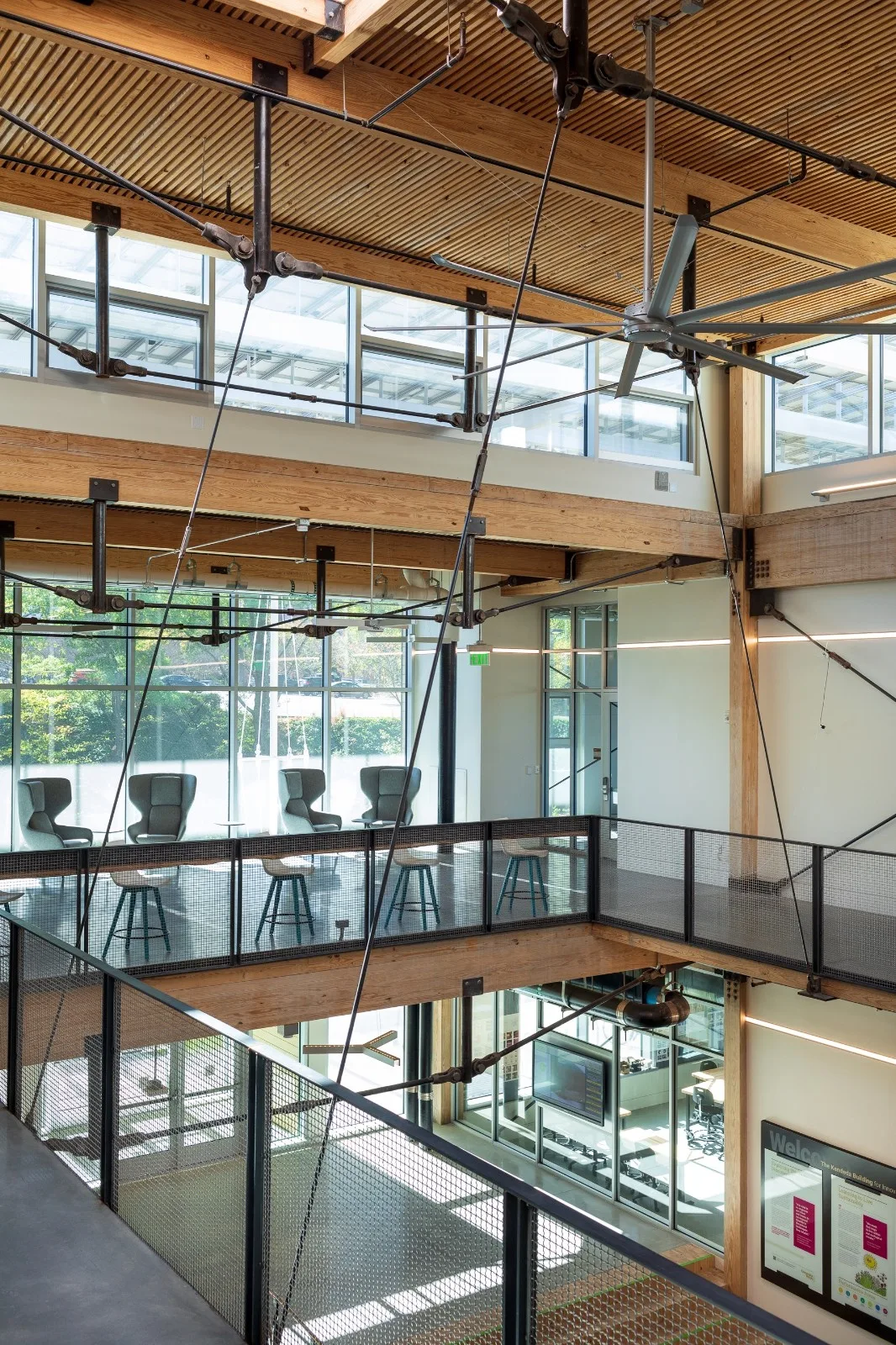
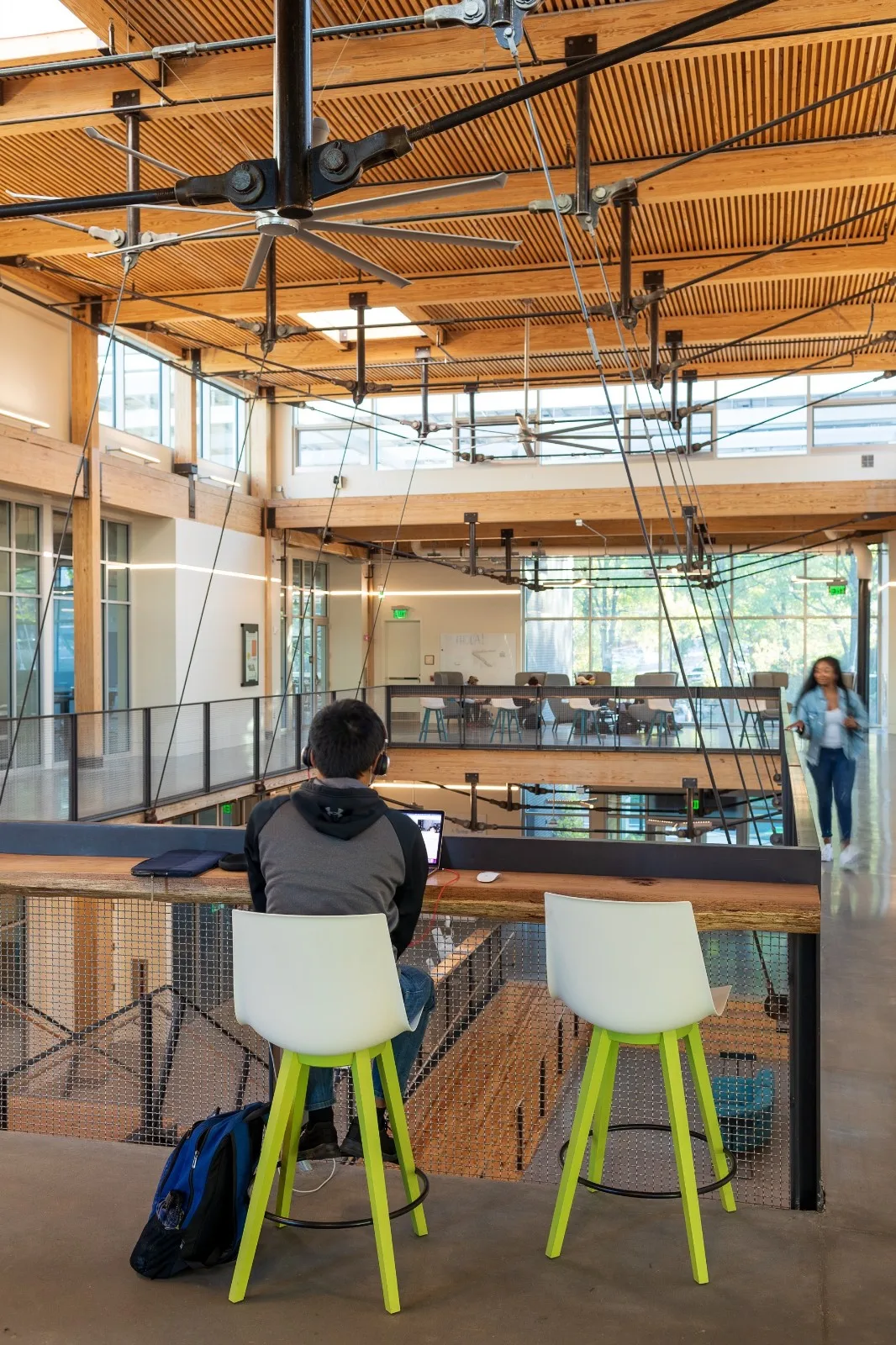
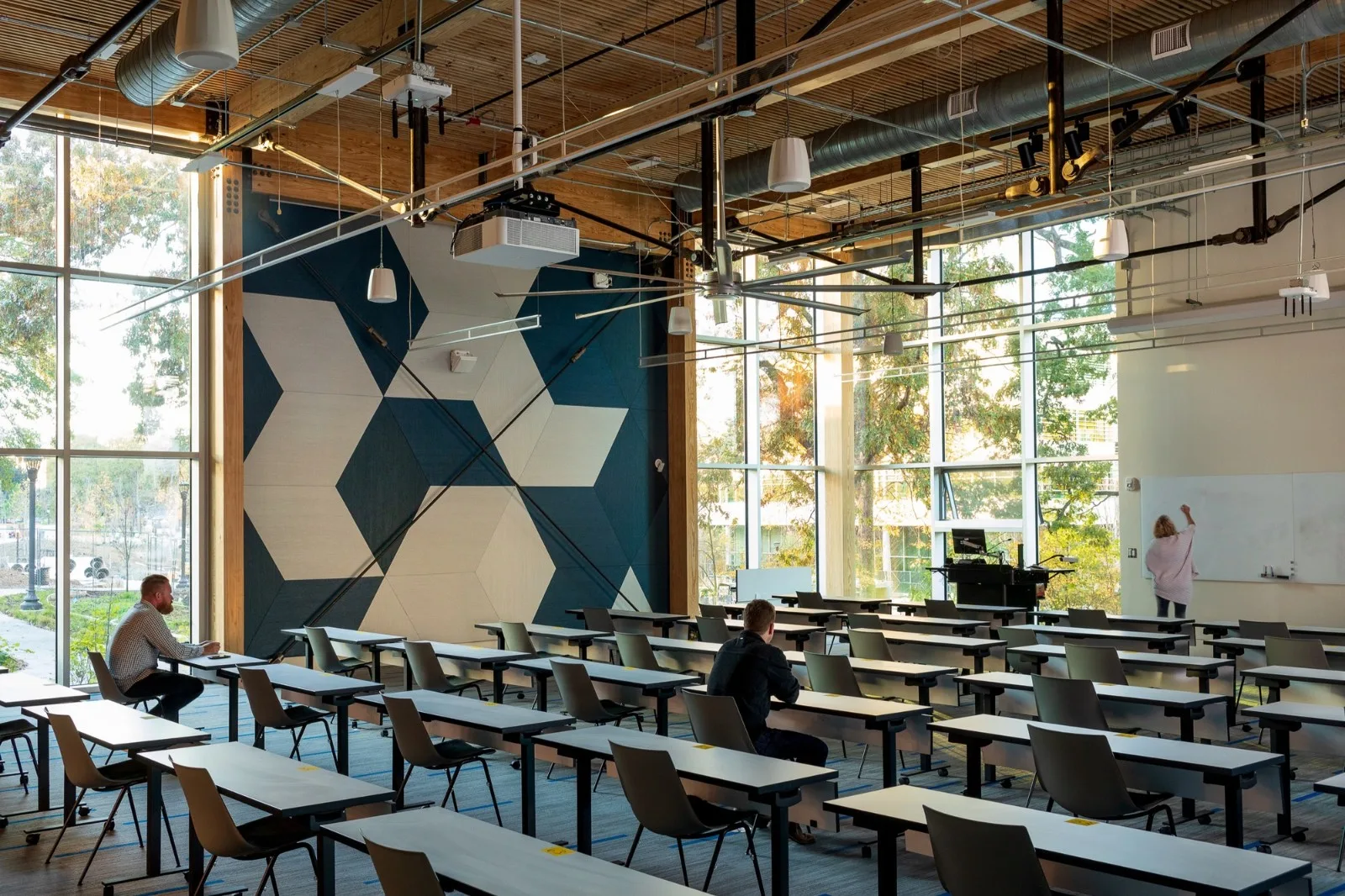
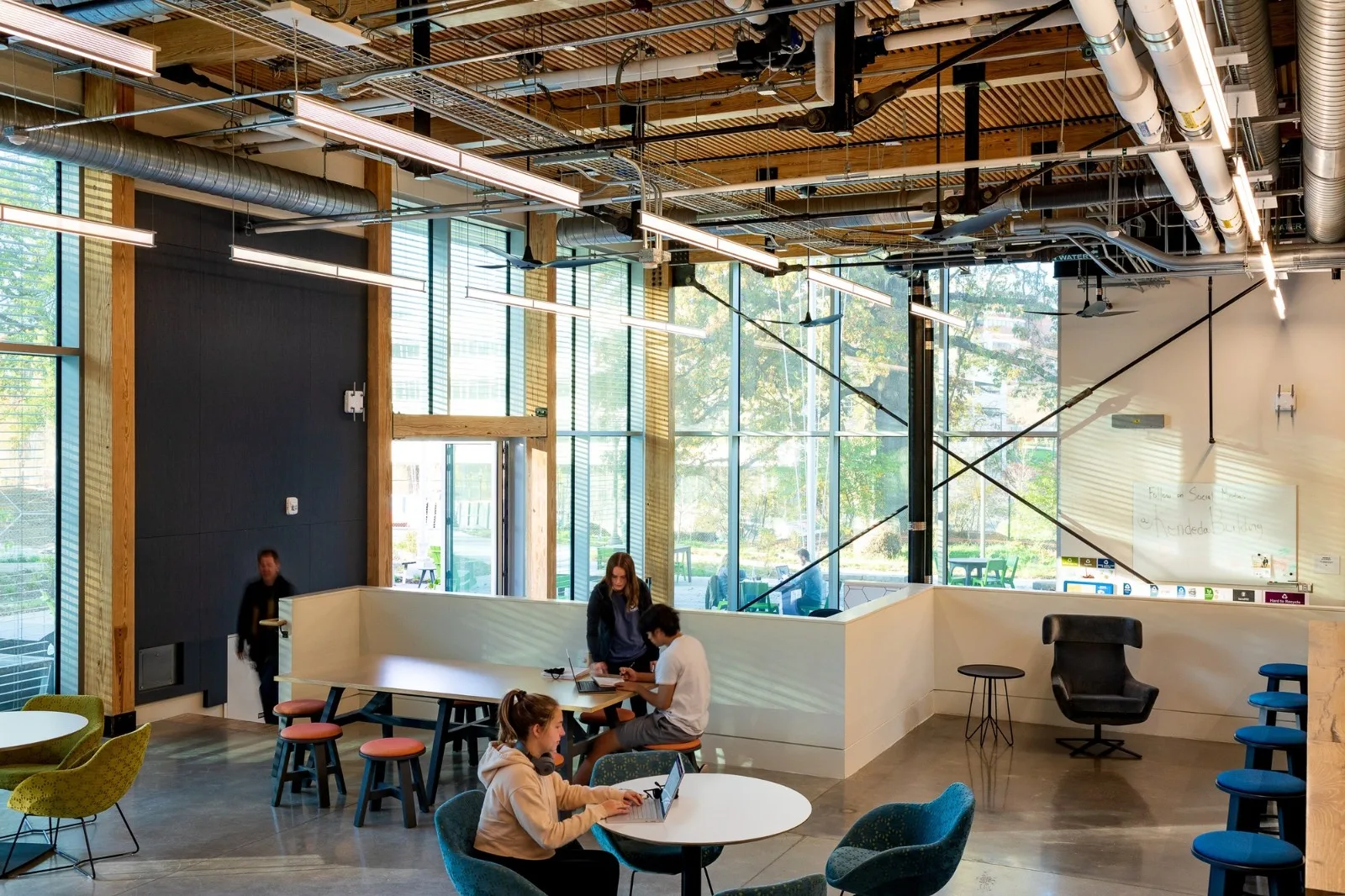
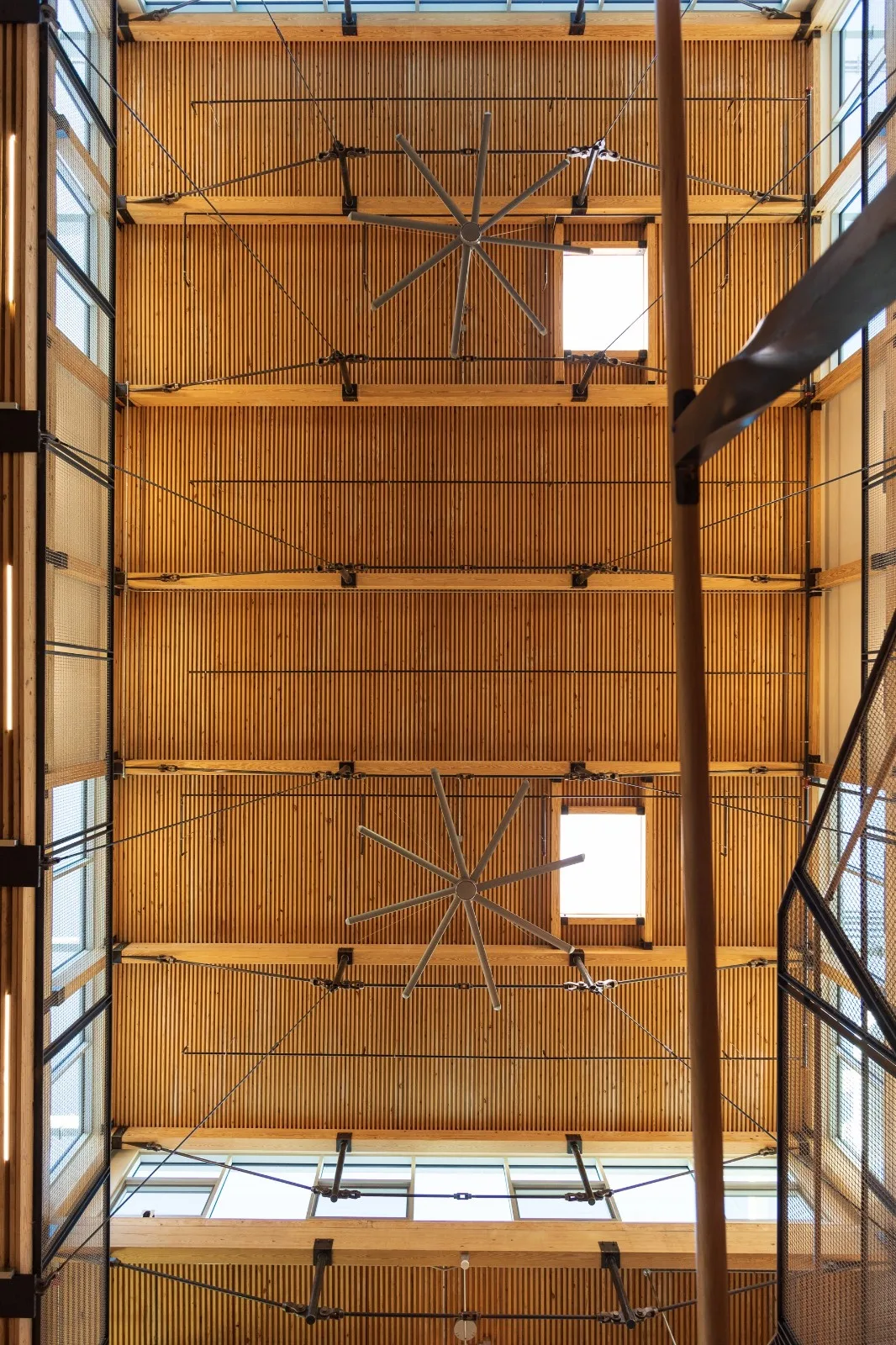
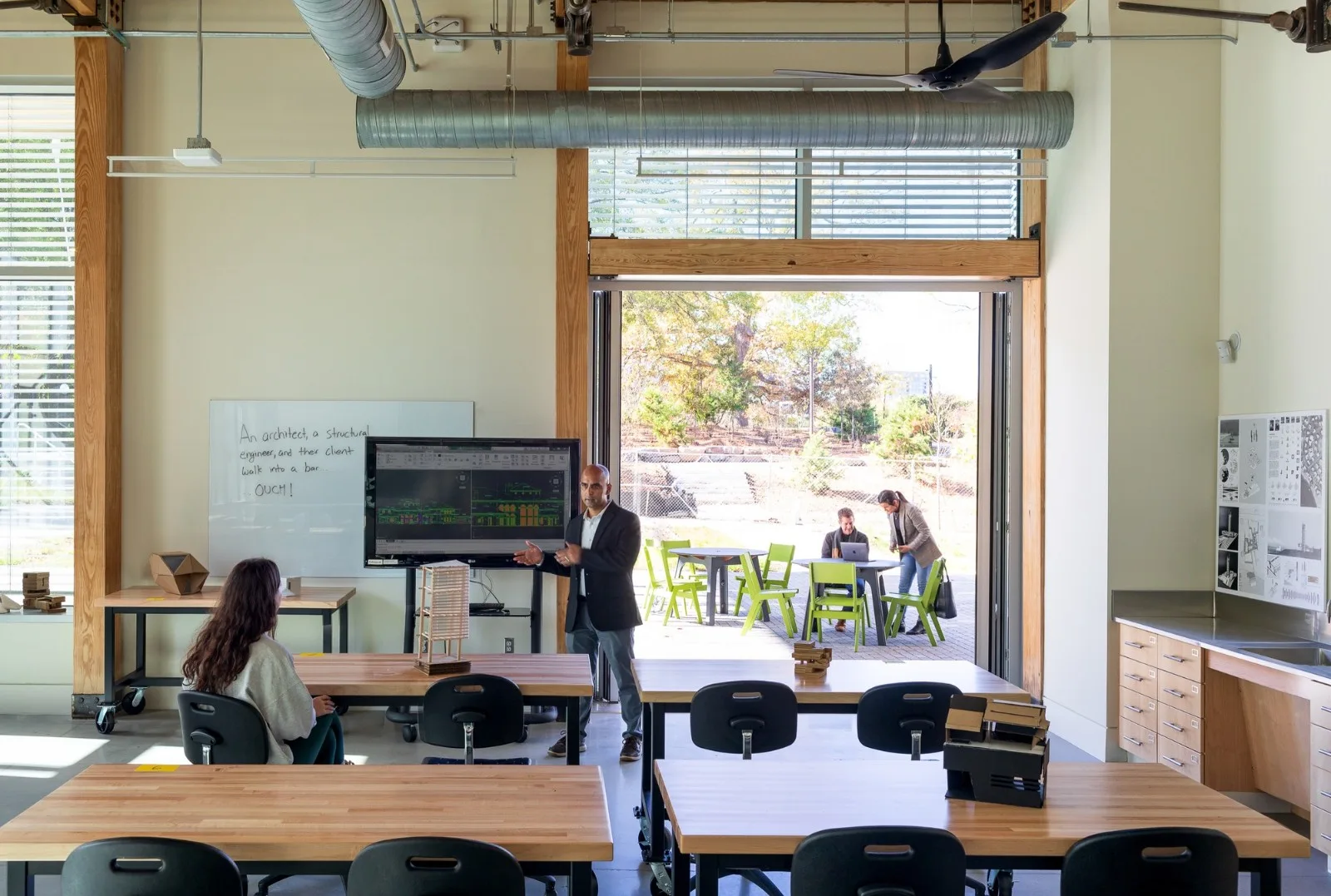
The Kendeda Building is the first timber structure on this university campus since the early load-bearing brick, stone, and timber buildings of the 1880s. Timber was chosen over concrete and steel due to its significantly lower embodied carbon footprint. However, relying solely on wood supports was challenging for such a large space, so the design integrates glued laminated timber columns with steel structures to achieve wider spans. This hybrid approach reduces the overall wood volume while optimizing the layout of functional building areas. All support and horizontal elements are exposed, turning the building itself into a teaching tool and defining its interior character. Nail-laminated wood panels were prefabricated off-site and installed using cranes.
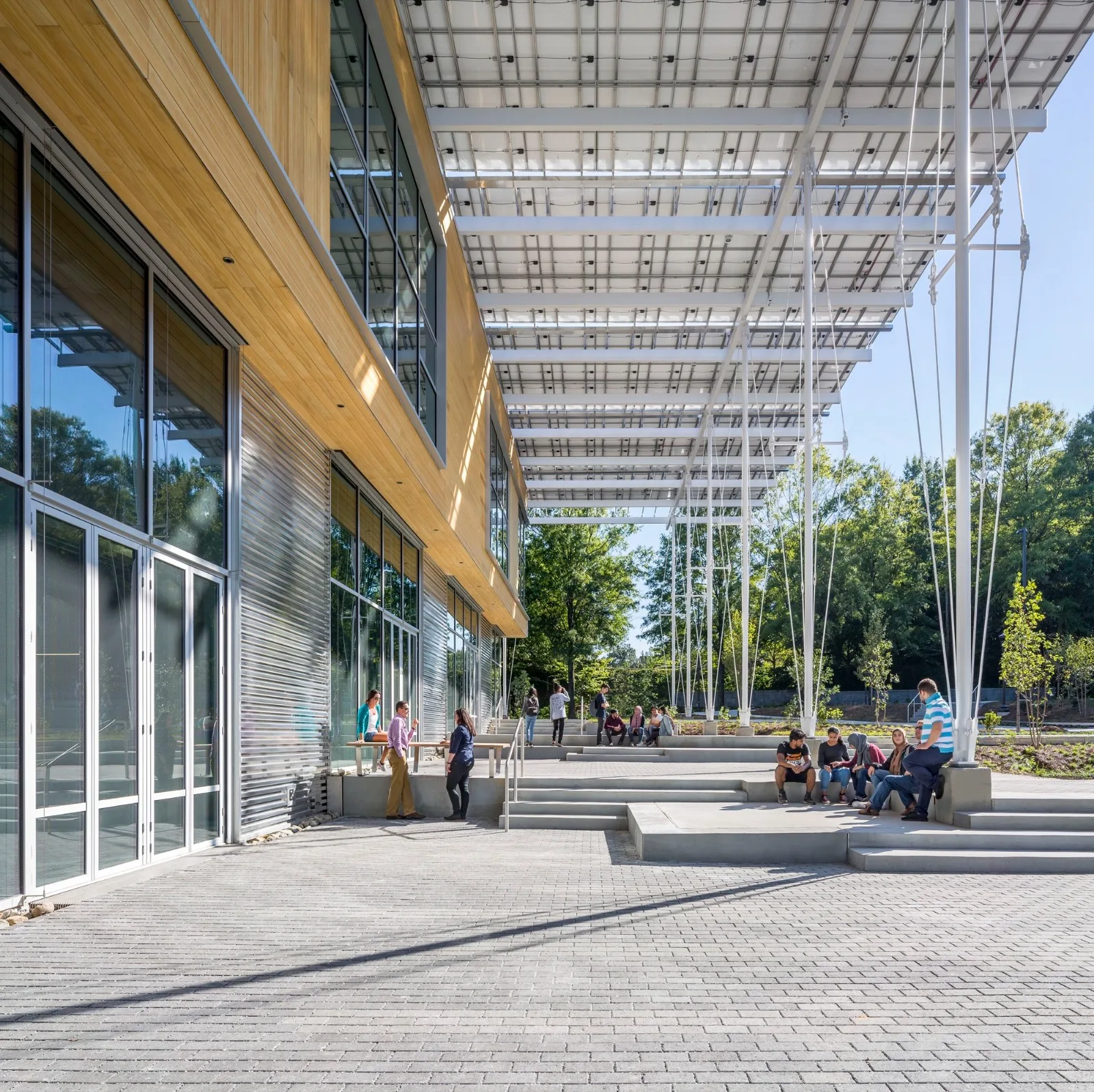
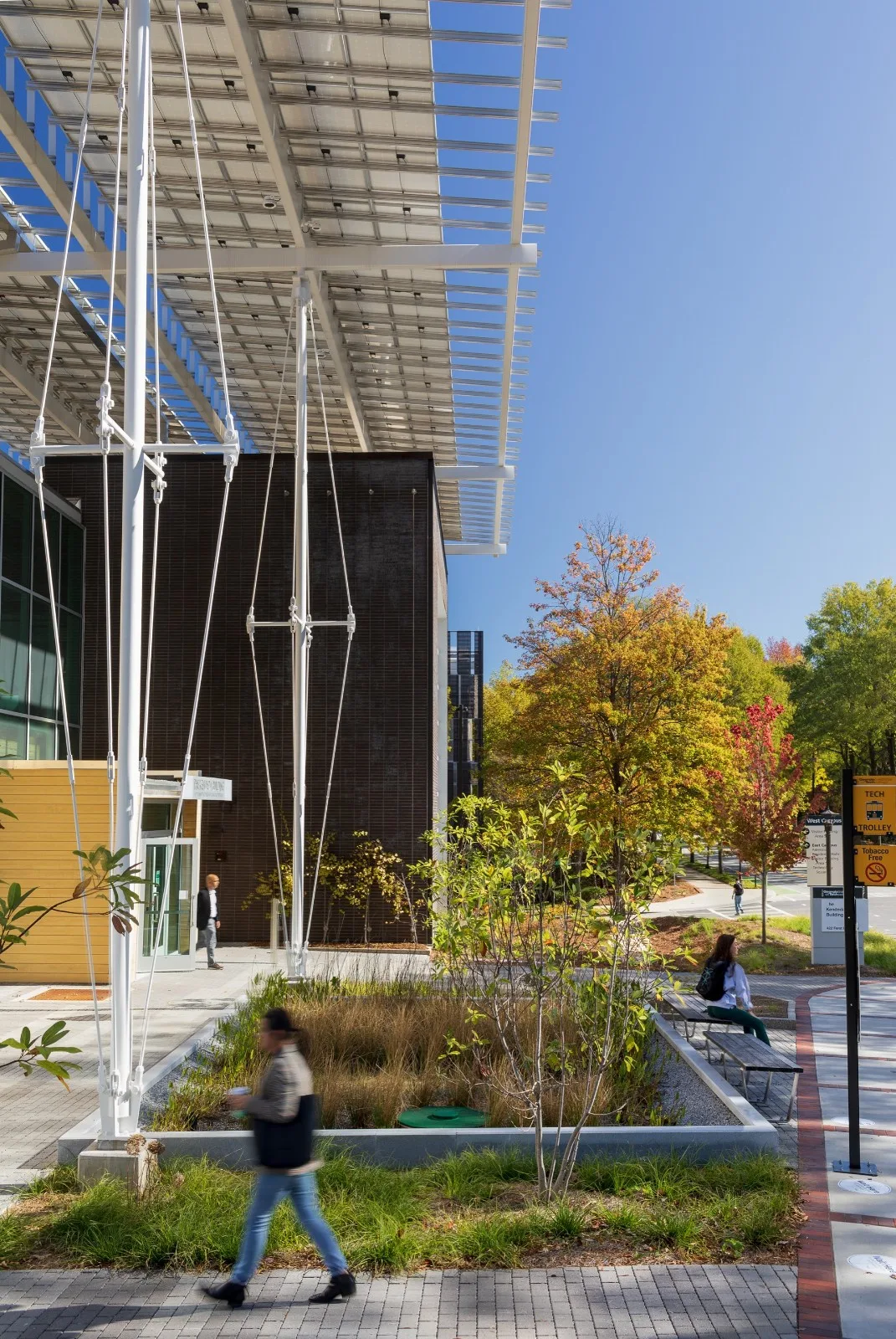
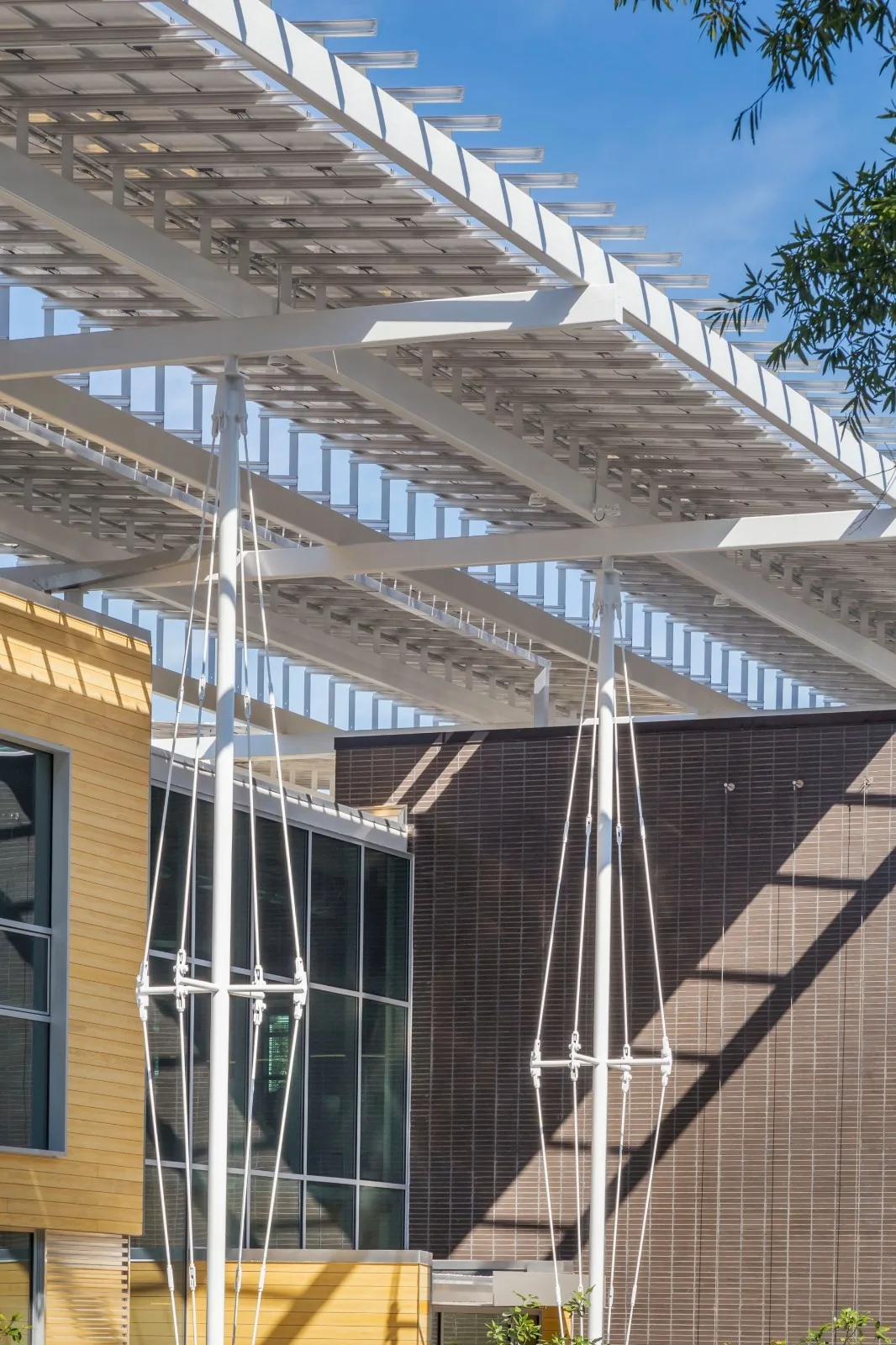
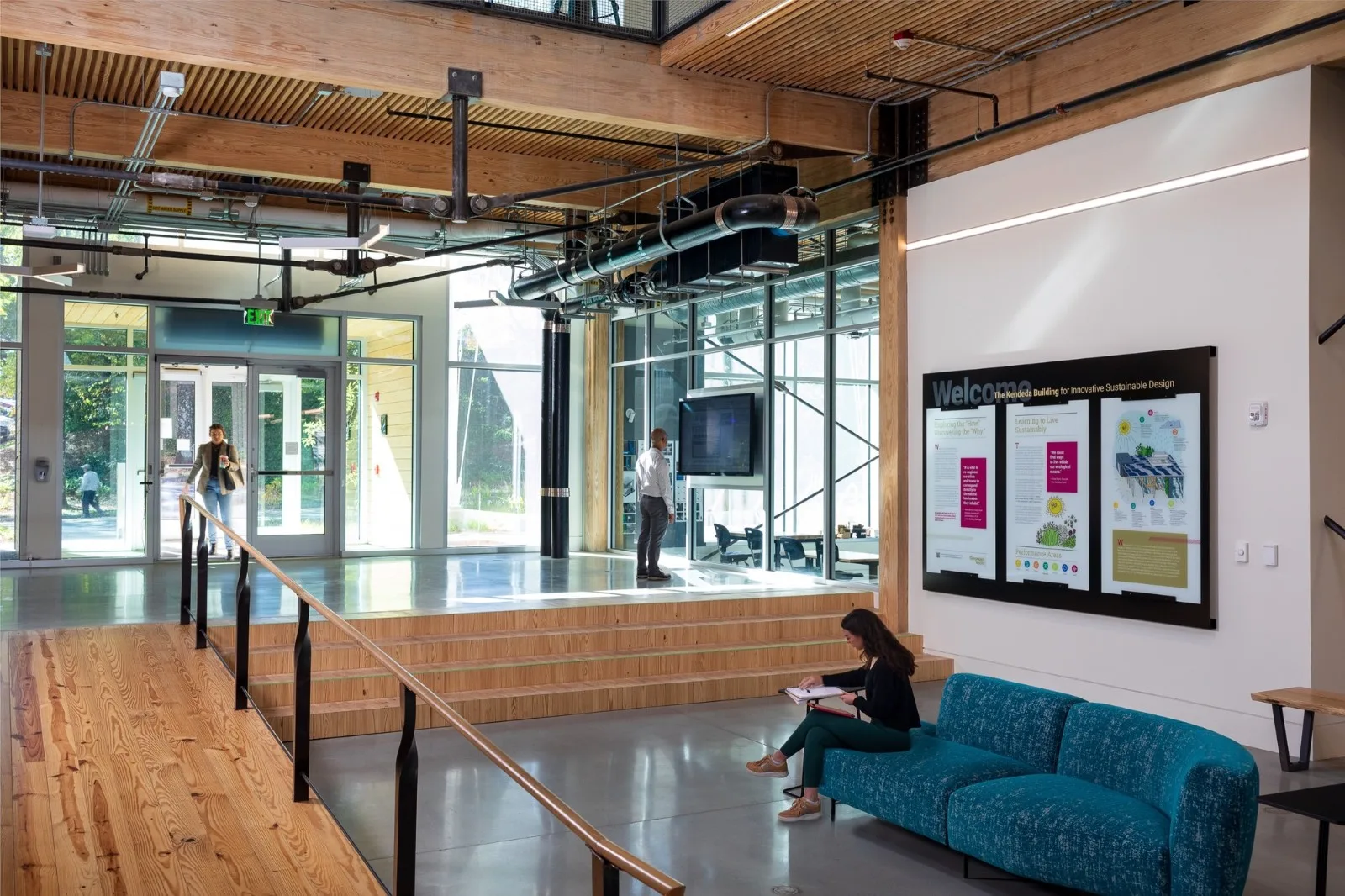
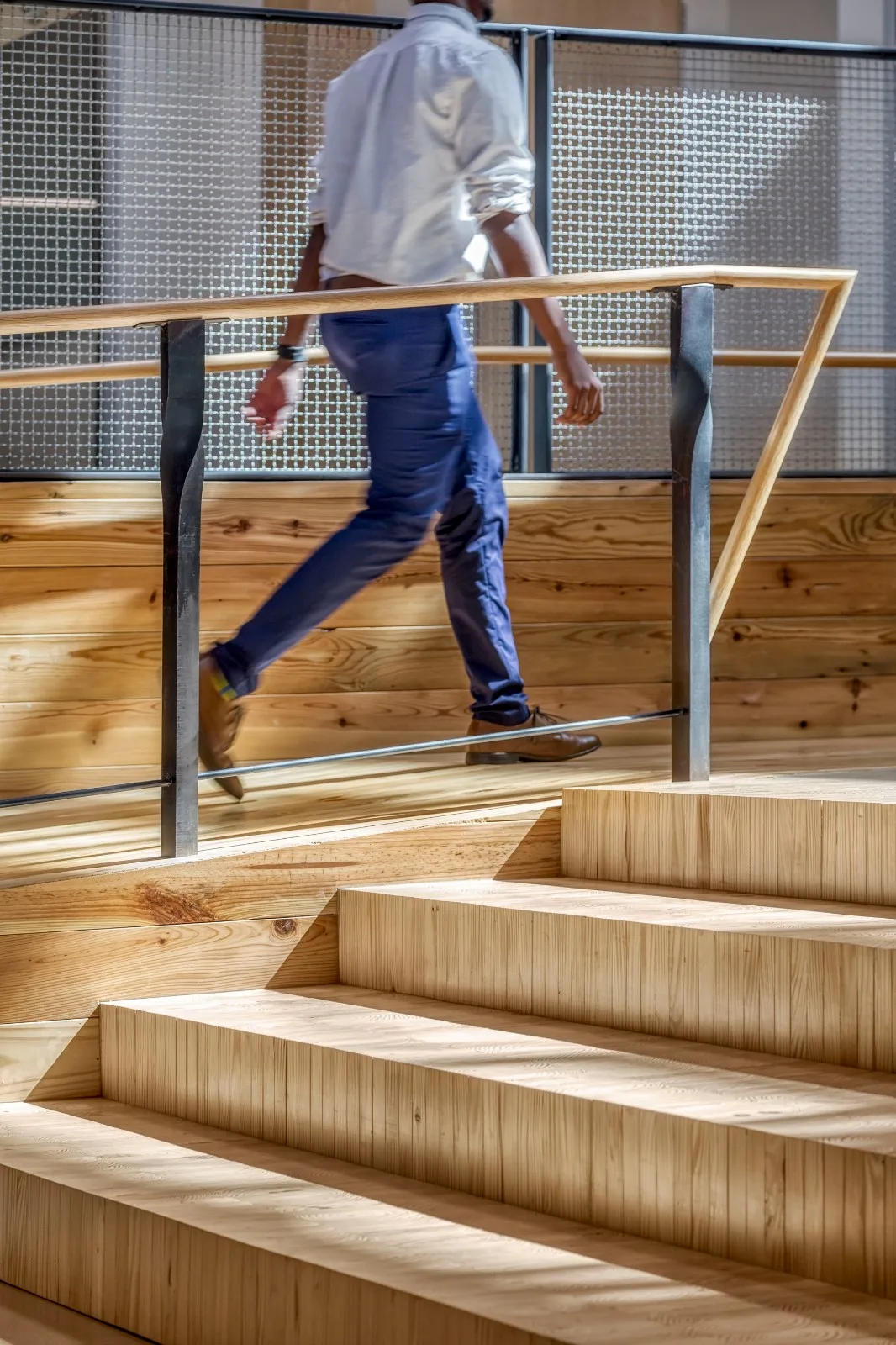
The 25,000-foot 2×4 lumber was recycled from the Lifecycle Building Center in Atlanta, sourced from abandoned movie sets. Platform planks came from GeorgiaWorks!, a local nonprofit that provides apprentices with hands-on assembly experience and valuable business skills. Wood scraps were repurposed to create the three-tiered seating steps in the atrium. In addition to structural timber, salvaged wood from trees felled by storms on campus and in southern Georgia was used for countertops and furniture. All water used in the building is harvested from rain collected by the photovoltaic roof.
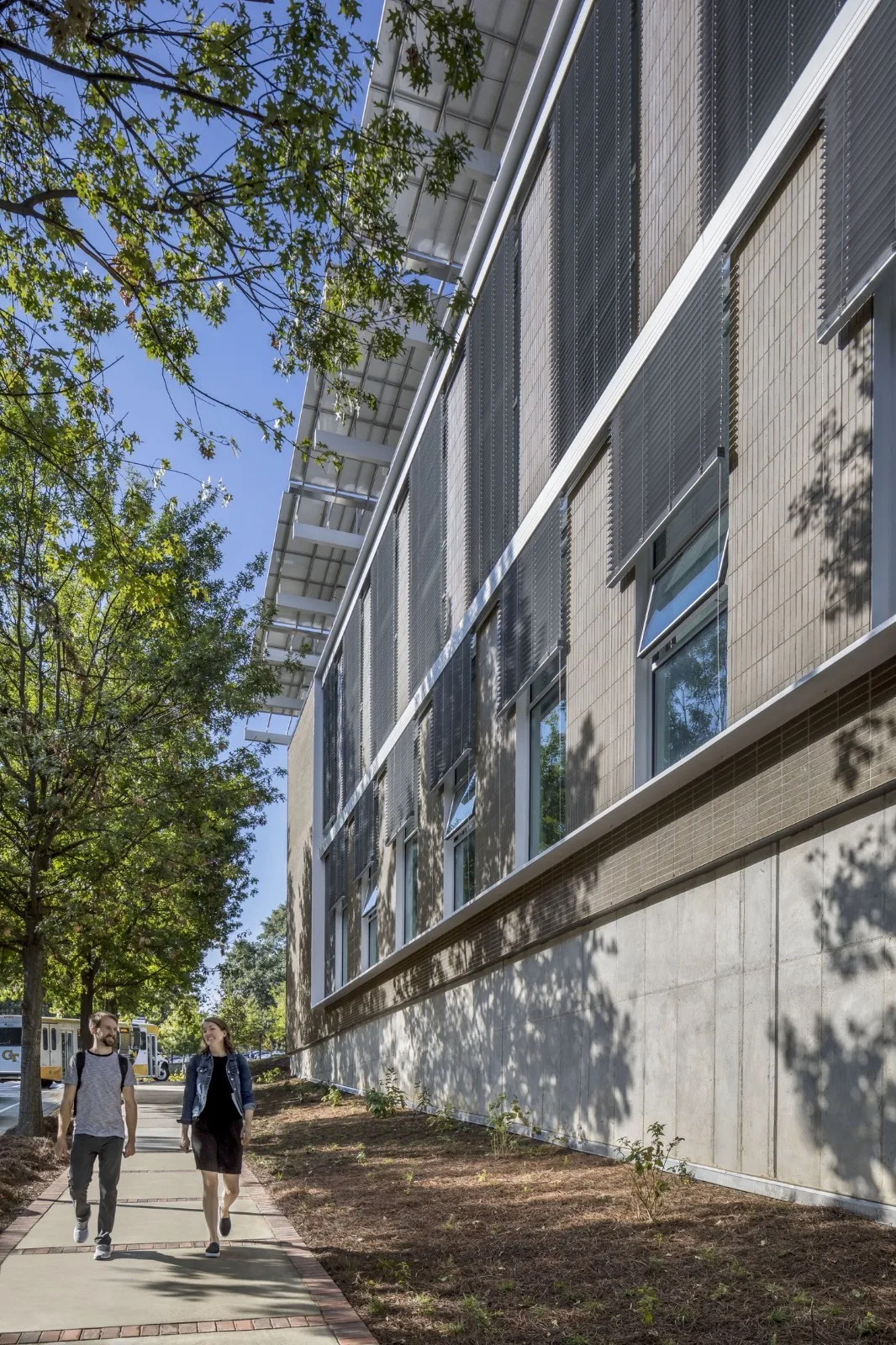
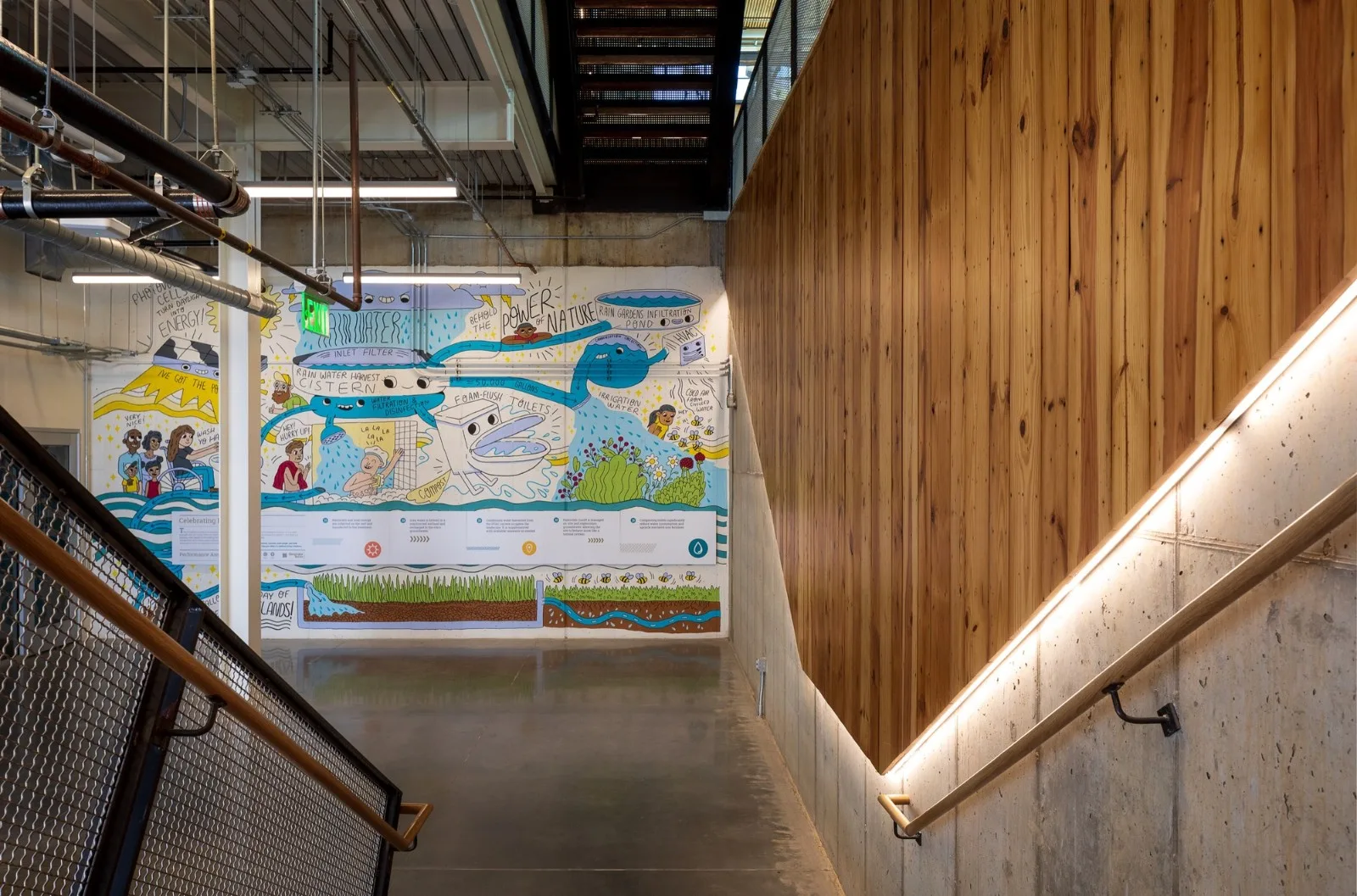
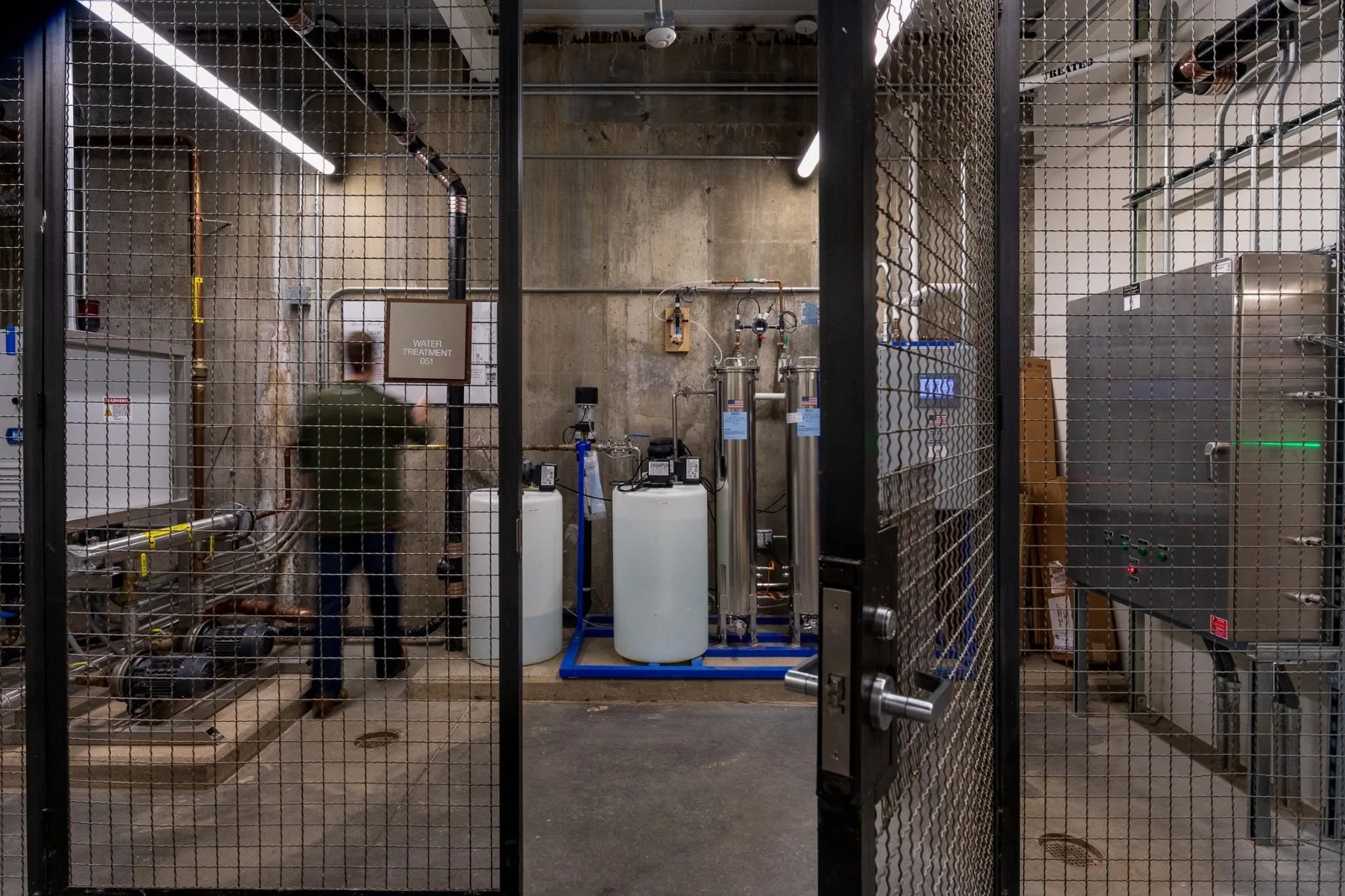
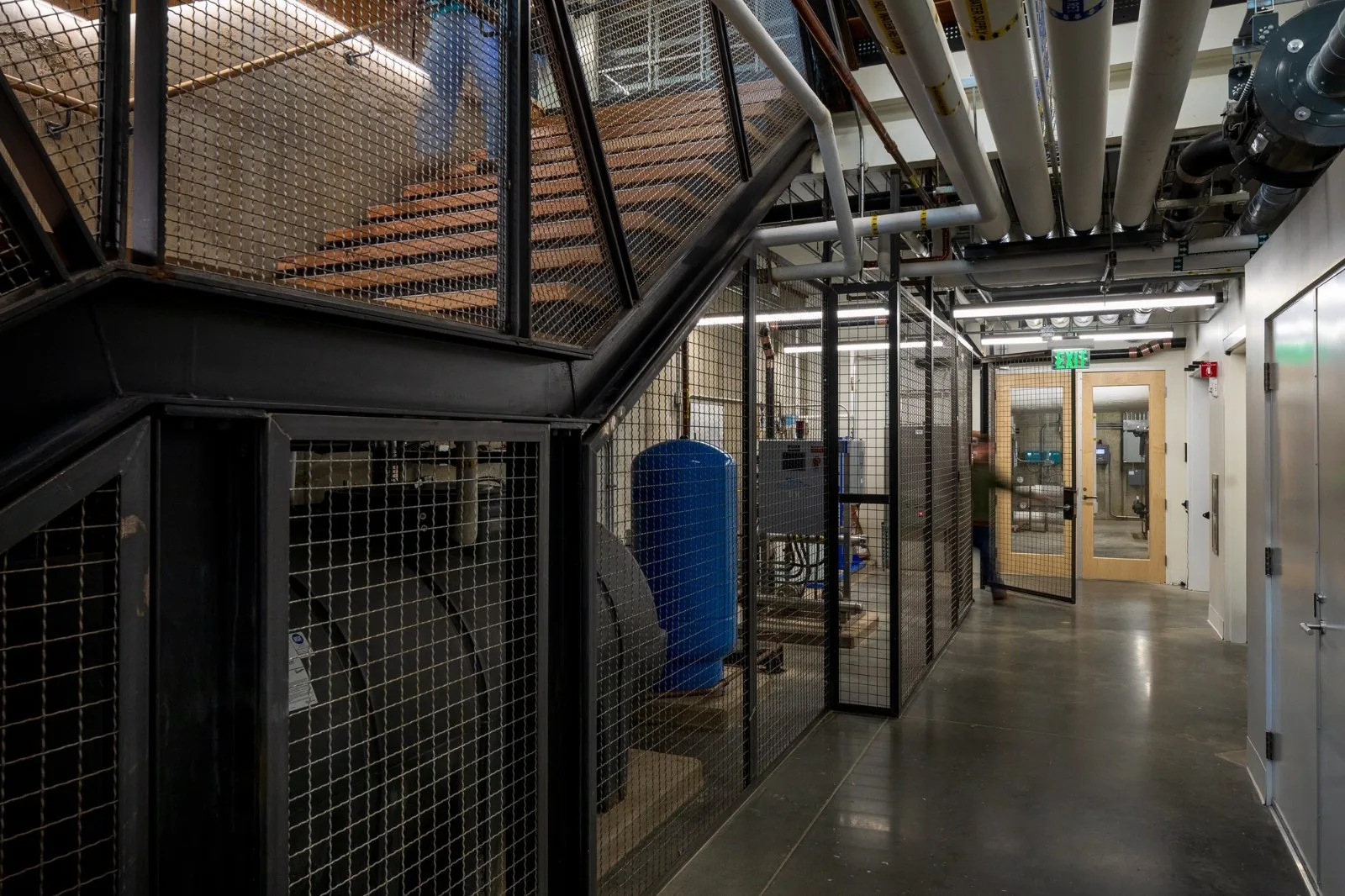
The collected rainwater is treated and used for water dispensers, sinks, and showers. Greywater from these fixtures is directed to an artificial wetland located at the building’s main entrance. From there, the water naturally infiltrates into retention structures within the rain garden and external terraced fields. Currently, the university invests heavily in diverting stormwater into Atlanta’s extended sewer system. The Kendeda Building serves as a model for intelligent stormwater management strategies that can be implemented campus-wide.
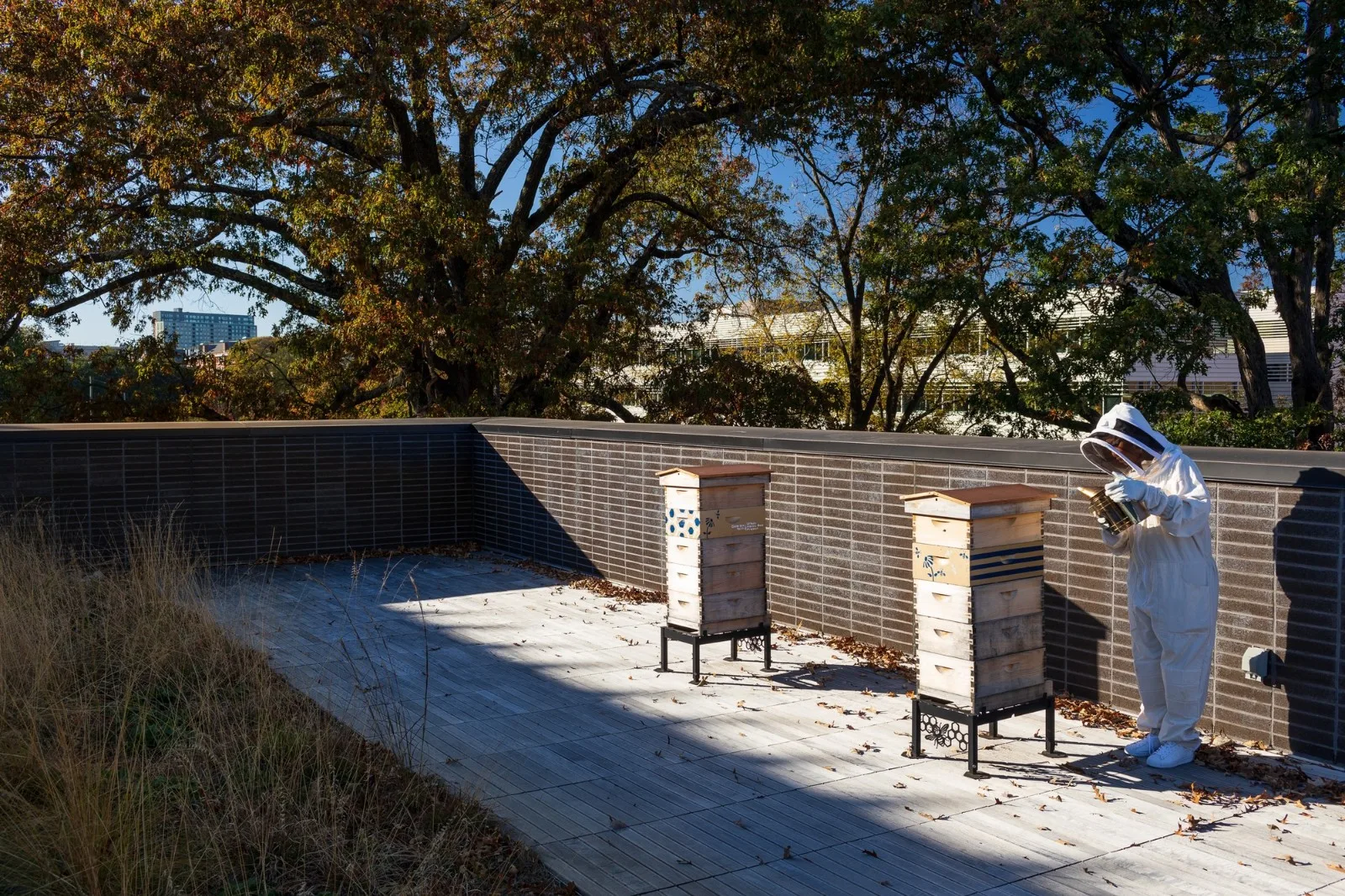
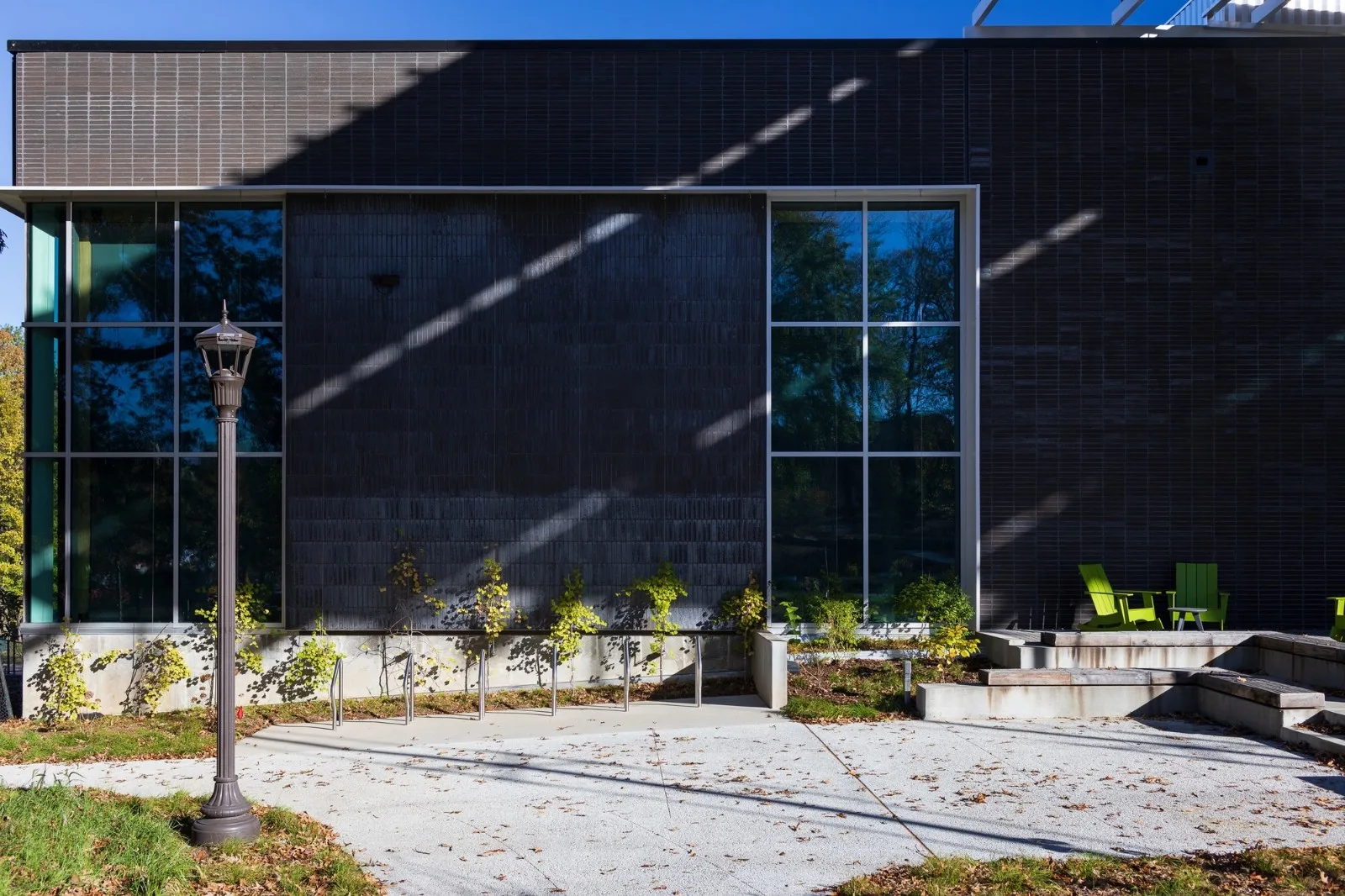
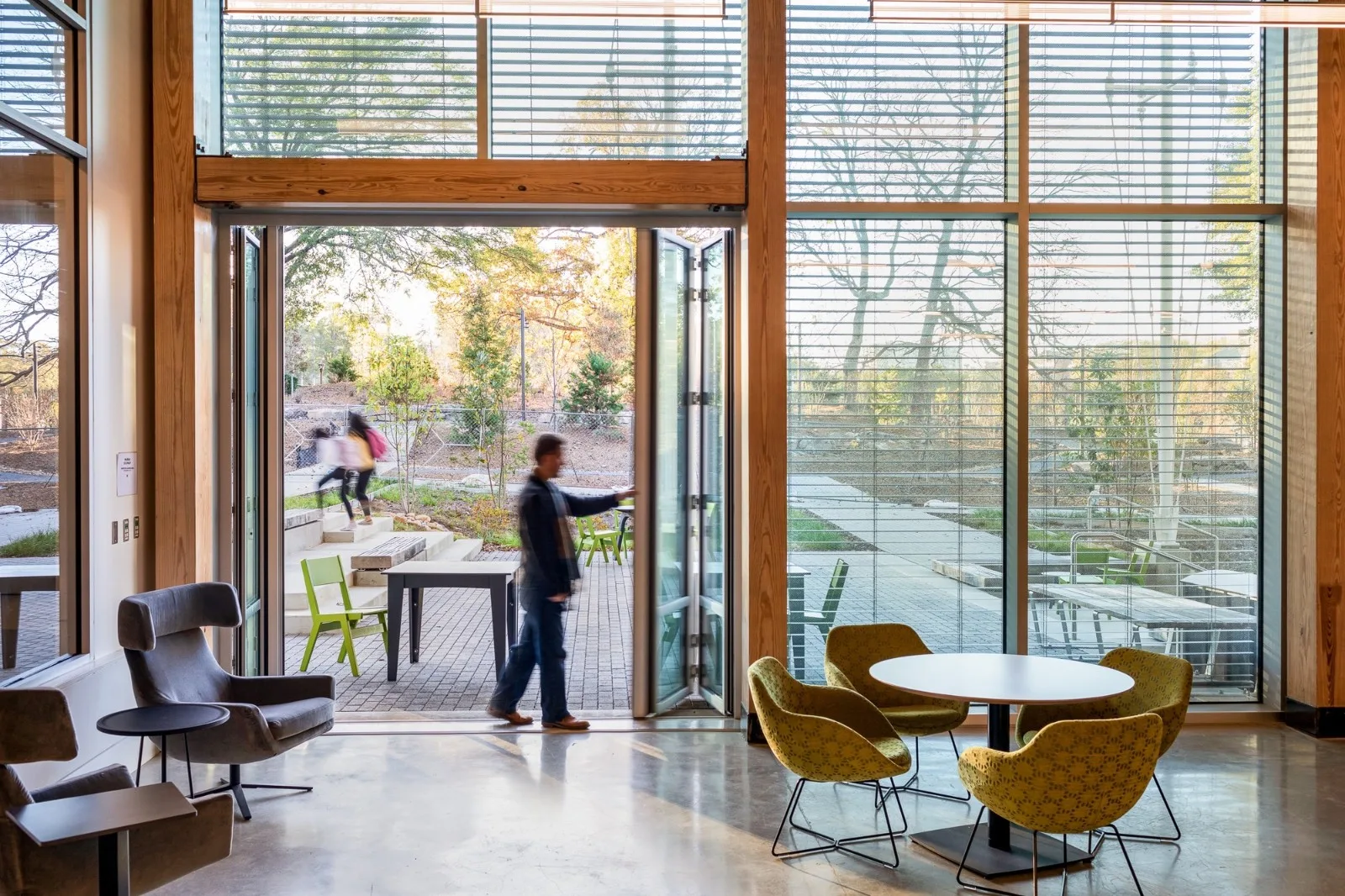
The true success of the Kendeda Building lies in the influence it has had on Atlanta and beyond. Thanks to existing advanced technologies and products, this approach can be easily replicated by other schools, institutions, and even homeowners. This building continues the mission of the Kendeda Foundation over the past decade by driving sustainability in Atlanta’s built environment.
Project Drawings
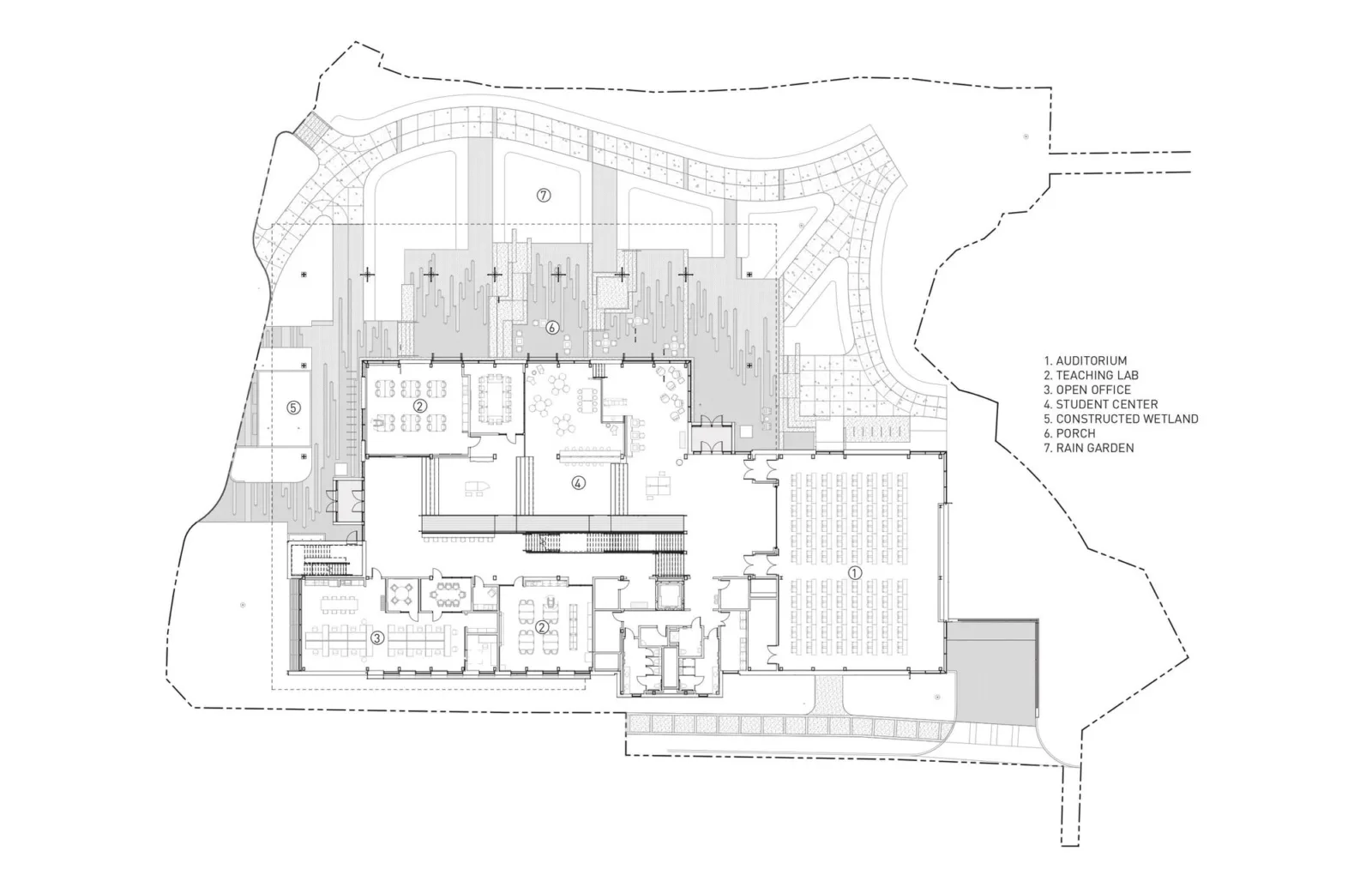
△ First Floor Plan
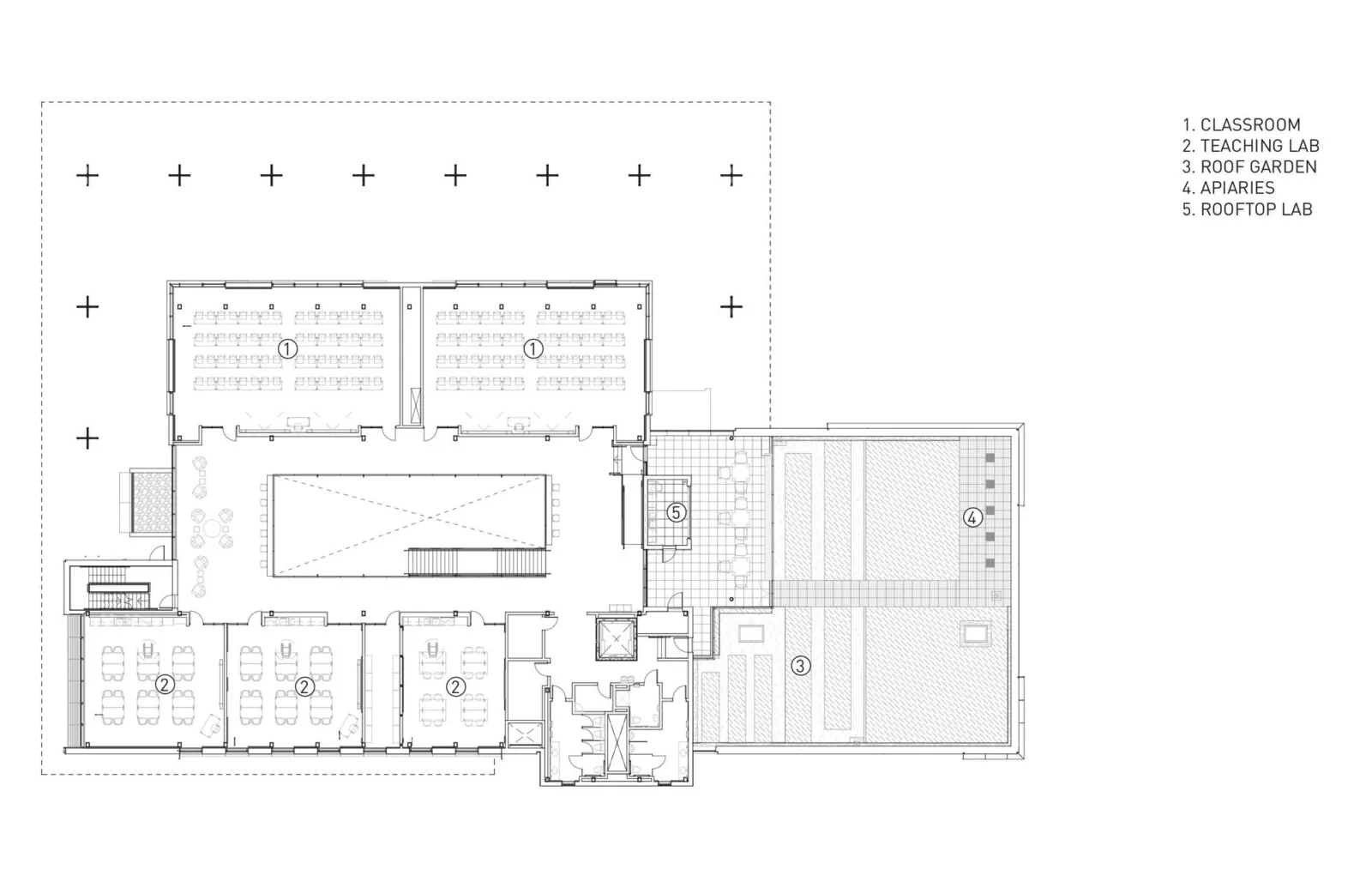
△ Second Floor Plan
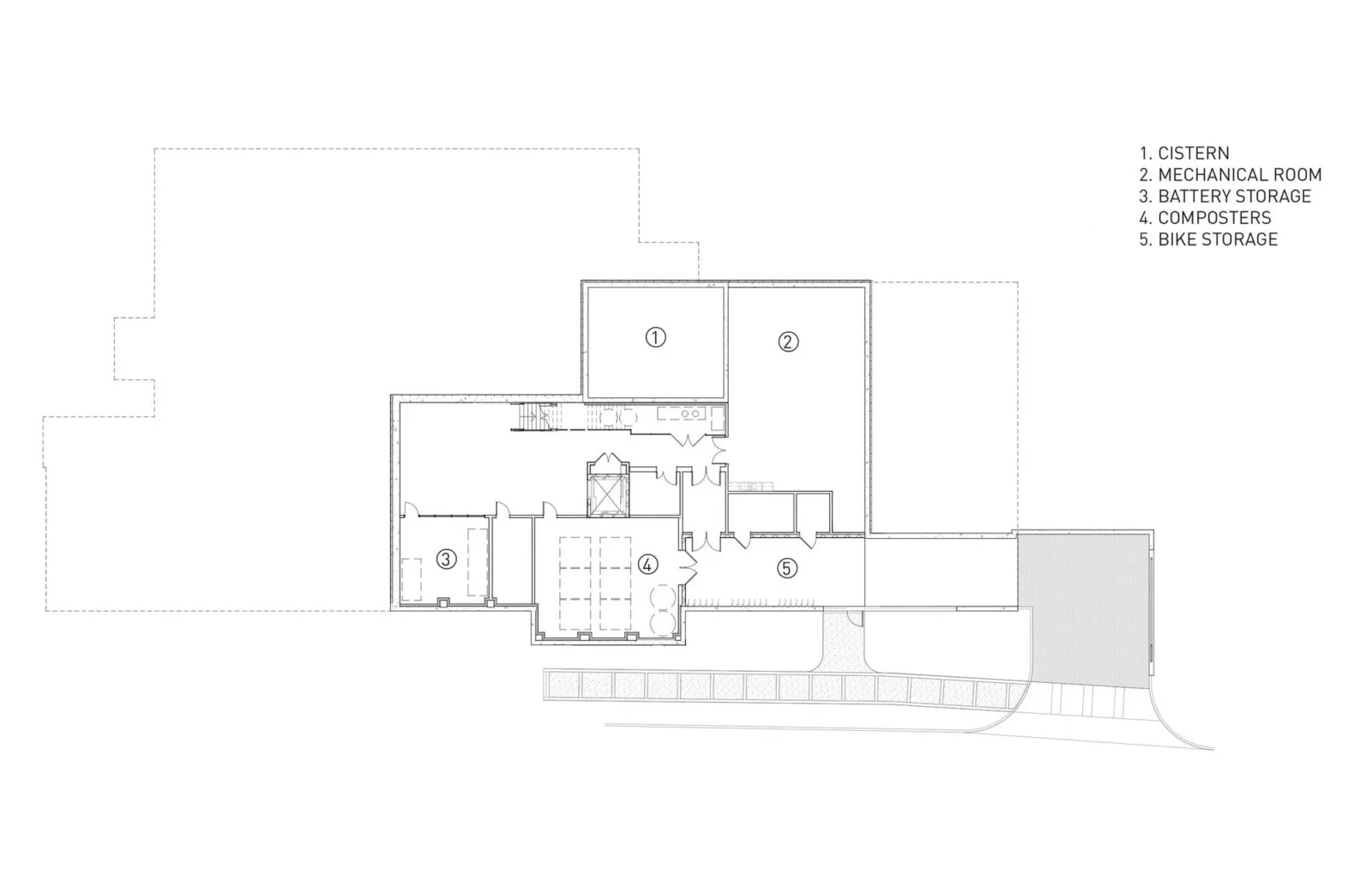
△ Third Floor Plan
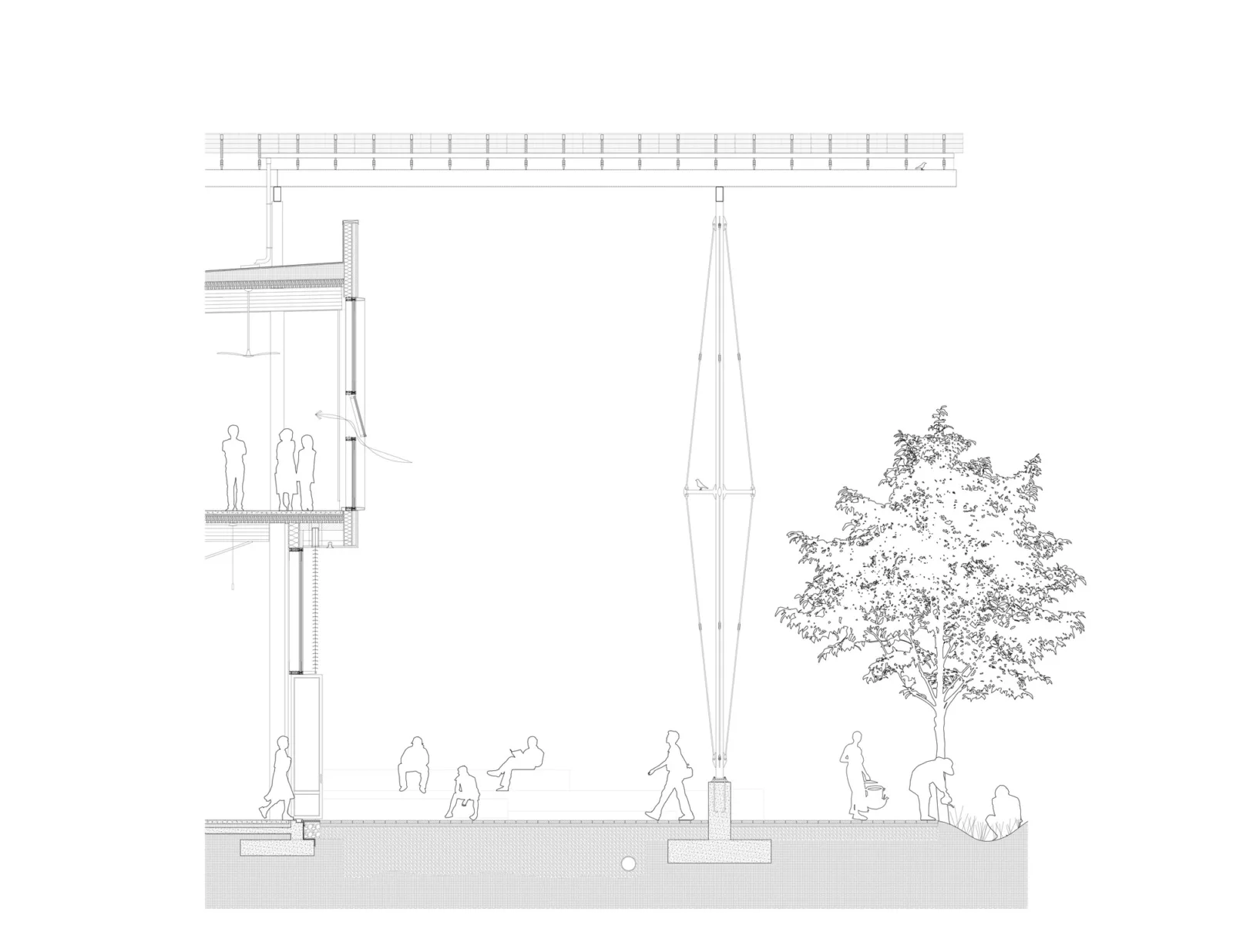
△ Node Construction Diagram
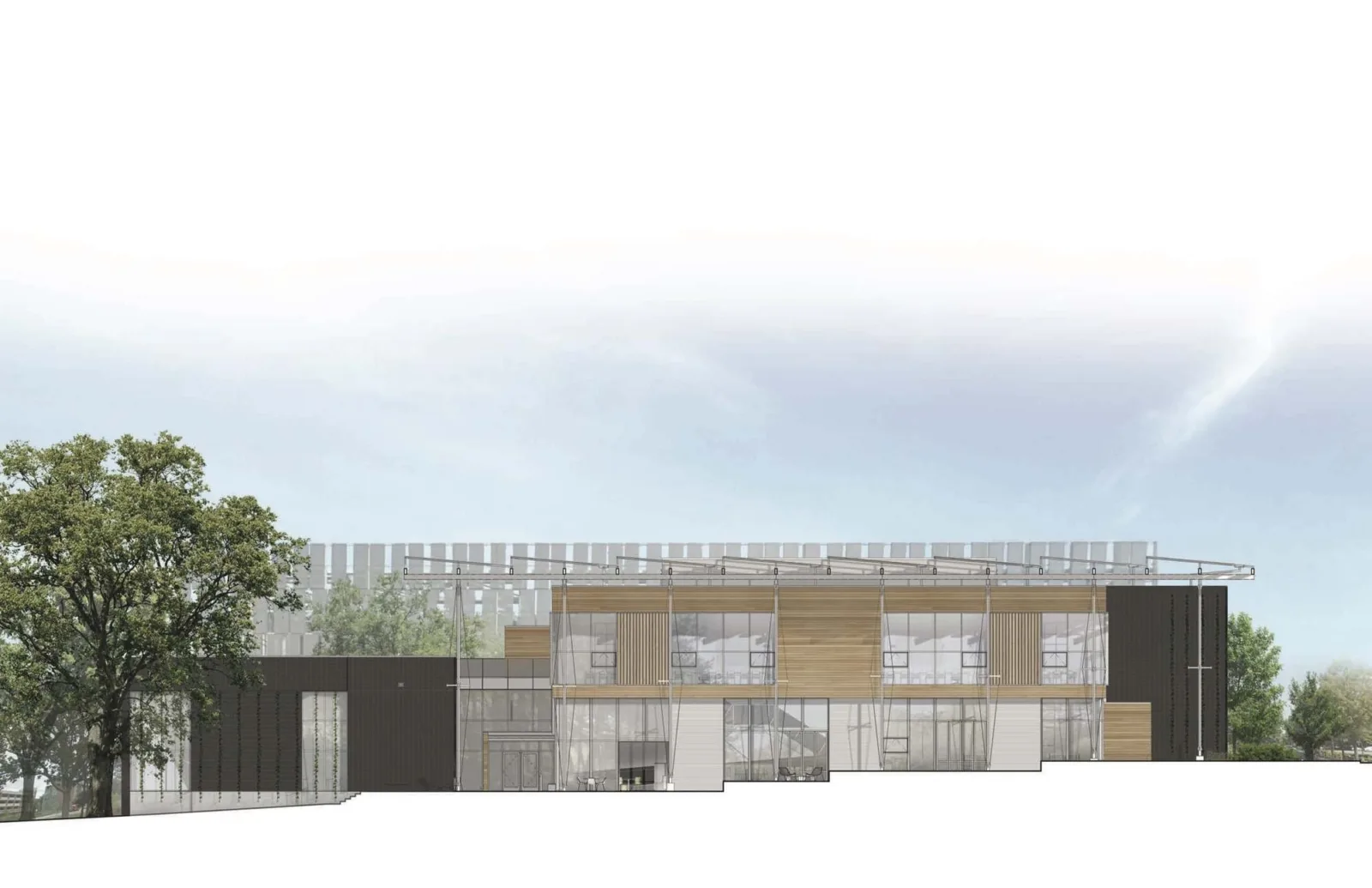
△ Elevation Drawing
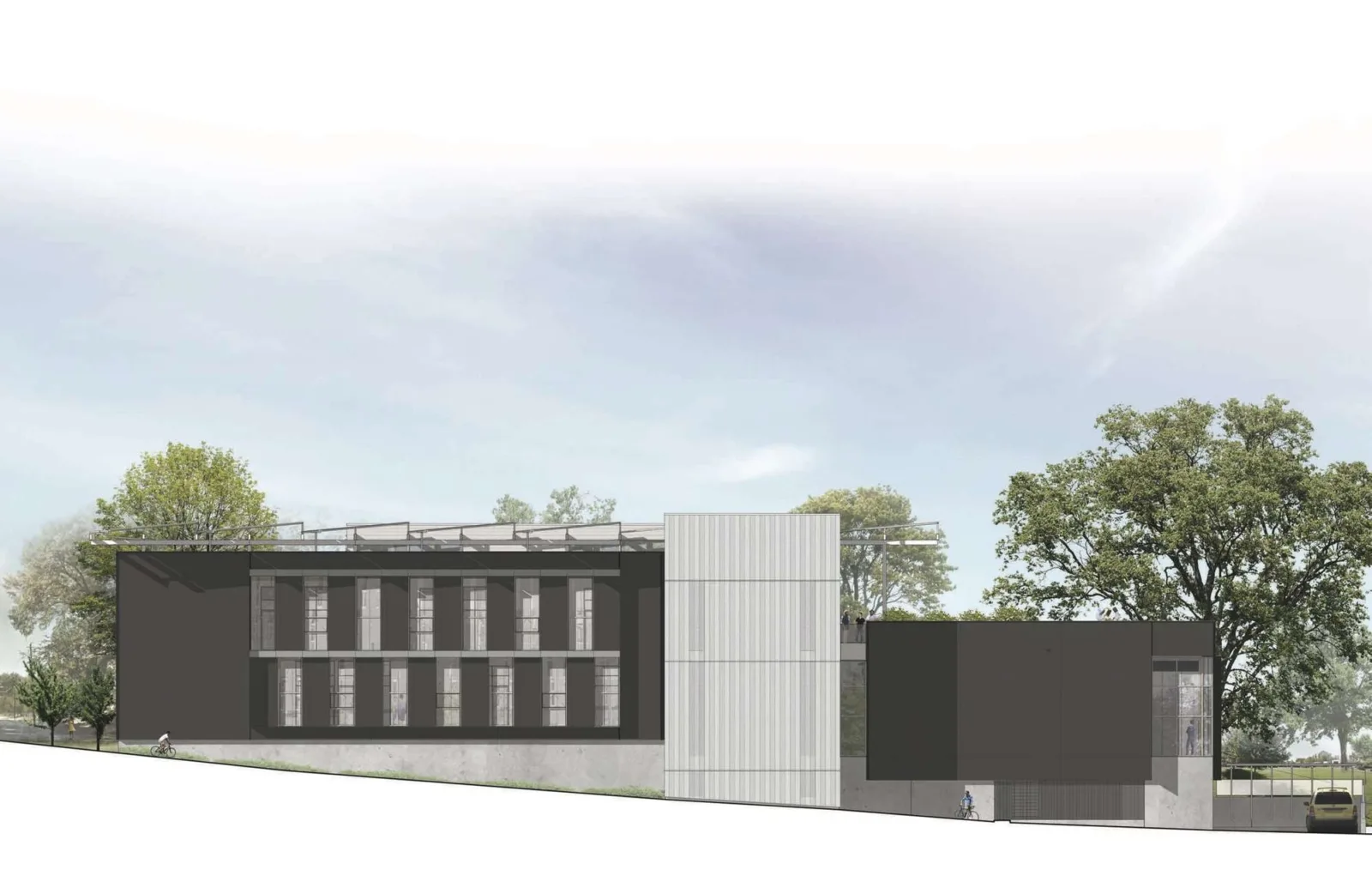
△ Elevation Drawing
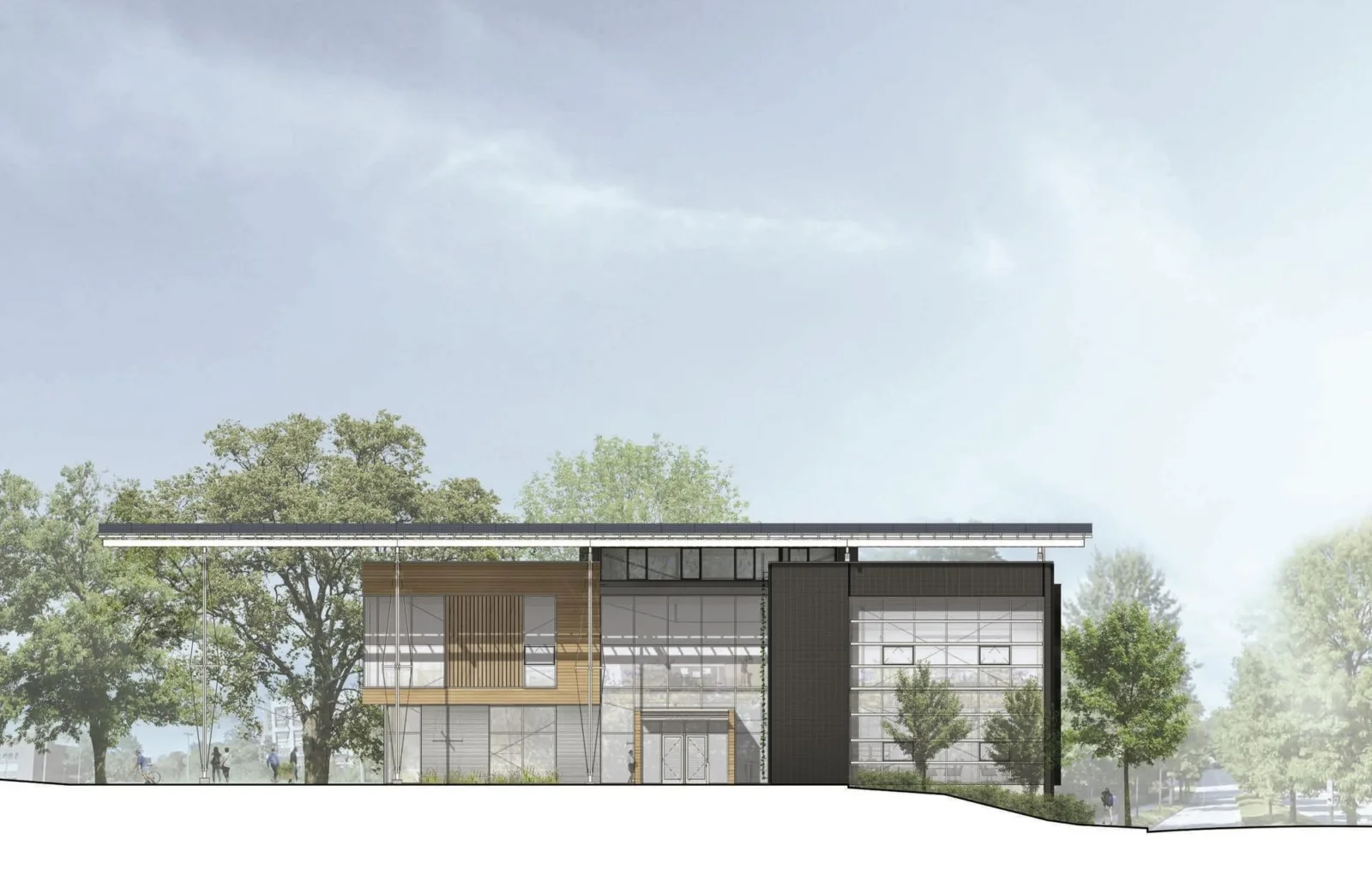
△ Elevation Drawing
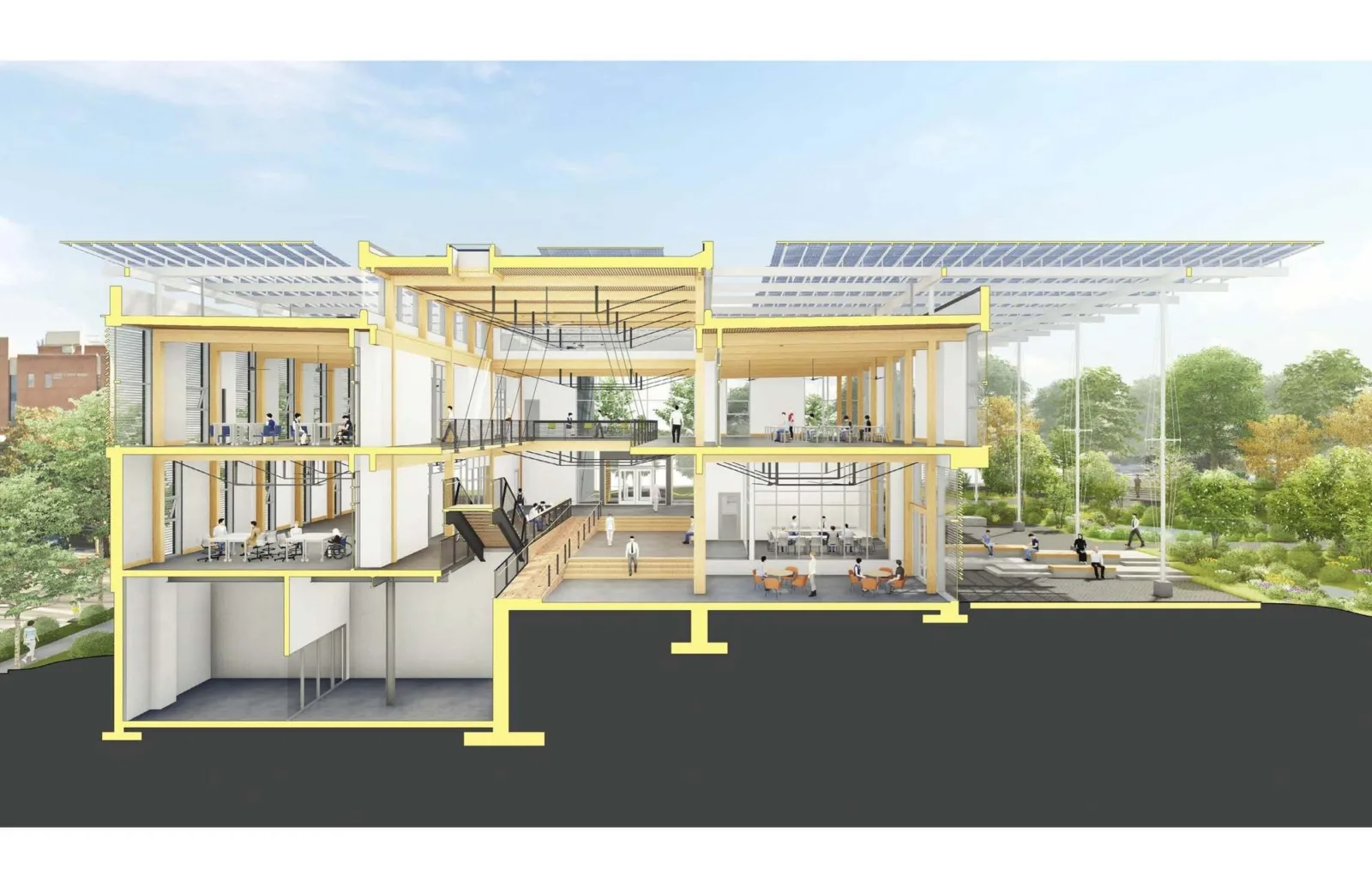
△ Sectional Perspective
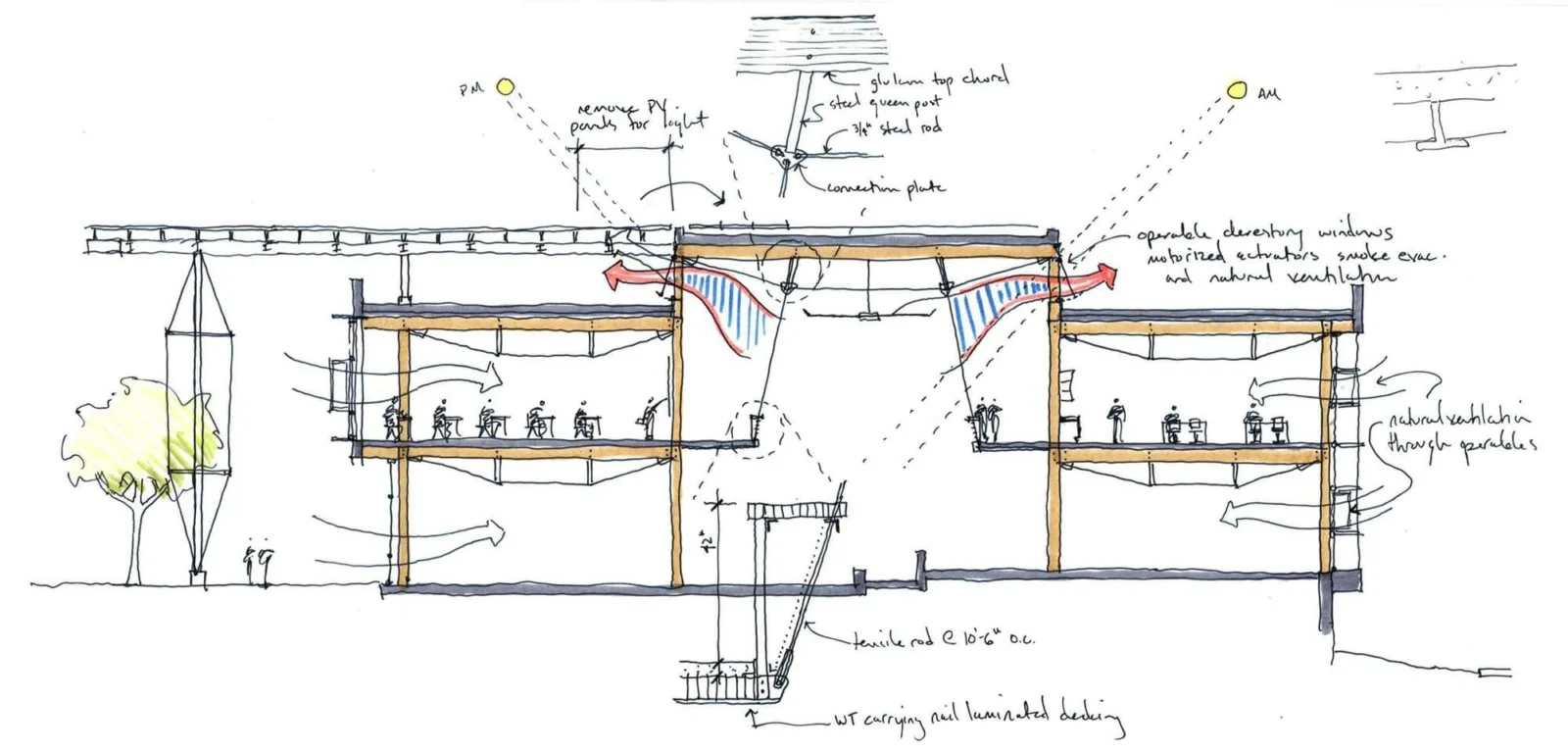
△ Analysis Chart
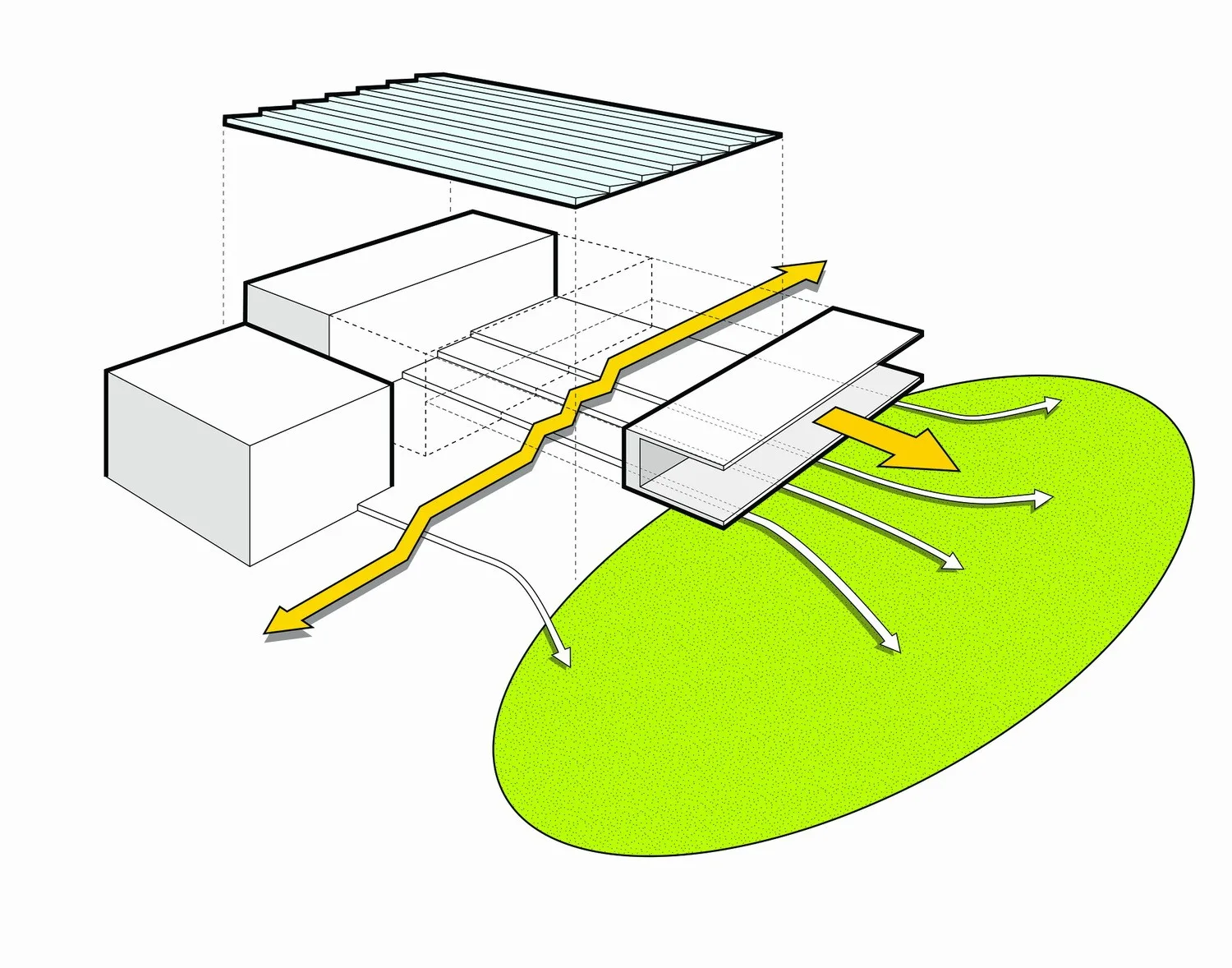
△ Analysis Chart
Project Information
Architectural Design: Miller Hull Partnership
Area: 47,000 ft²
Project Year: 2019
Photographers: Jonathan Hillyer, Gregg Willett
Suppliers: Accoya, American Hydrotech, Assa Abloy, Bristolite, Clivus Multrum, Columbia Forest Products, Fluxwerx, GAF, Green Leaf Brick Company, Kawneer, Knauf, LG, Mecoshade, Milliken, Morin | Kingspan, Oregon, Prosoco, Sunpower, USG, Viracon
Architectural Design and Certification Guidance: The Miller Hull Partnership, LLP
Miller Hull Team: Brian Court, Margaret Sprug, Chris Hellstern, Matt Kikosicki
Co-Chief Architect: Lord Aeck Sargent
Greywater System: Biohabitants
Location: Atlanta, United States












Must log in before commenting!
Sign Up