
Facing the wave of the future, success belongs to those who embrace it with a transformative mindset.
— Baoneng · Future Space
Shanghai’s urban development has steadily pushed southward—from Xuhui Binjiang to Minhang Xinzhuang, from the International Front Beach to the southern Binjiang area. This momentum is unstoppable. In August 2019, the new Shanghai Free Trade Zone planning was unveiled, sparking rapid growth in Fengxian. Positioned as the core hub for Shanghai’s southern Yangtze River Delta, Fengxian connects the Free Trade Zone in the west, the Yangtze River Delta Integration Pilot Zone in the east, and Hangzhou Bay along a north-south axis, establishing itself as a true national strategic center. In this context, Sanyi China partnered with Baoneng Group to develop a cutting-edge project in Qingcun Town, Fengxian District: a new generation ecological, diverse, and dynamic future smart science and technology innovation industrial park.
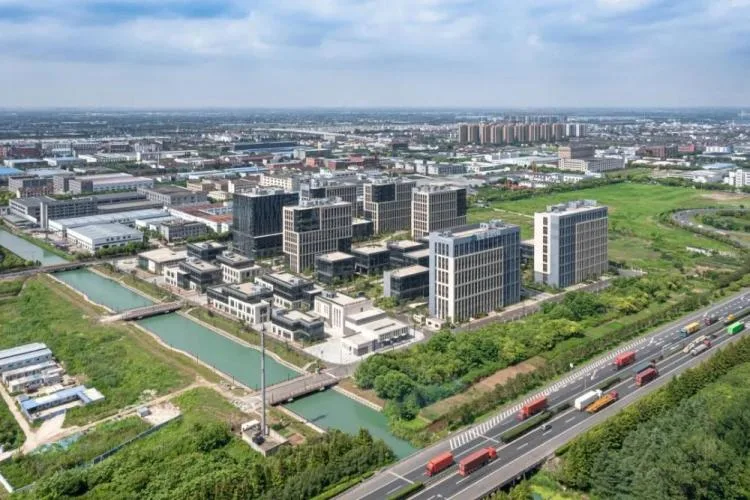
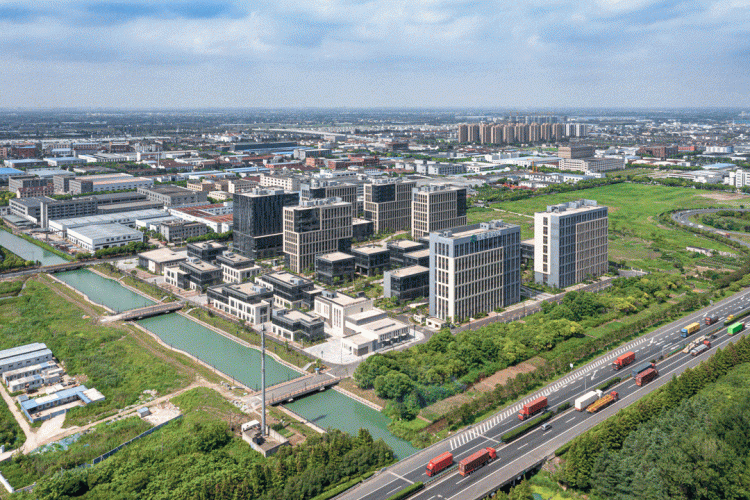
▲ Aerial view of the entire complex
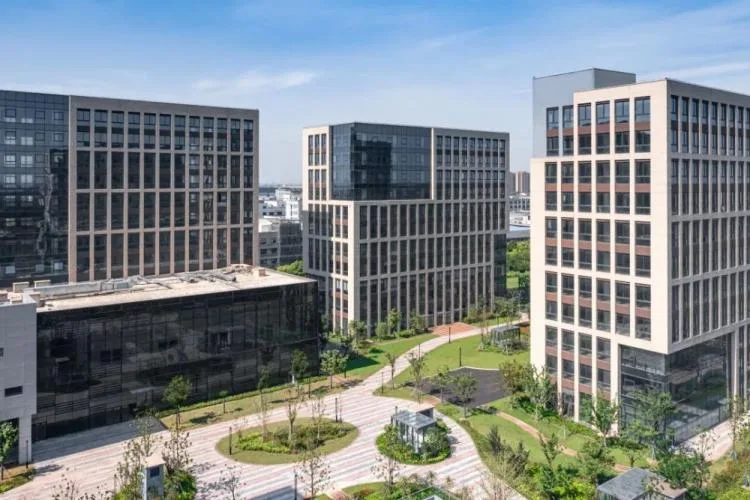
▲ Close-up aerial perspective
As an exploration into next-generation industrial parks, Baoneng Future Space fully integrates innovation, diversity, ecology, and flexibility. By designing varied industrial spaces alongside comprehensive support services, it creates a new model of circular, sustainable operations within the park. Covering a total area of 109,600 square meters with 279,700 square meters of floor space, the design blends diverse functional zones and architectural styles, incorporating multi-level landscaping to craft a green, vibrant park environment with clean architectural lines and a dynamic skyline. Baoneng Future Space sets a new regional benchmark.
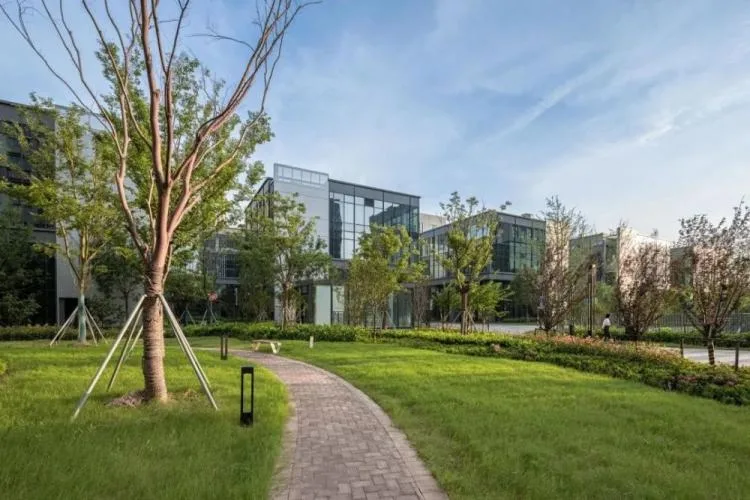
▲ Lush green park landscape
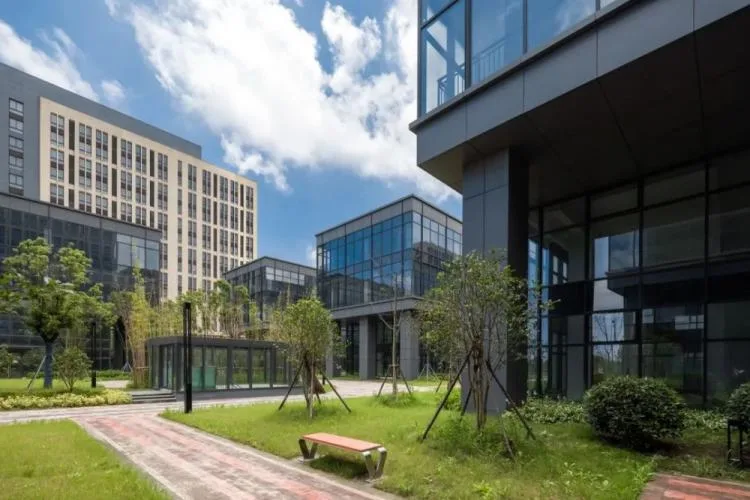
▲ Simple façades with a rich skyline
Diverse, community-focused park ecology
New directions for future industries
01 Organic functional layout: building a self-sustaining industrial complex
As industrial models evolve and emerging industries diversify, the demands on new industrial parks grow more complex. The design of Baoneng Future Space adopts a “matrix” concept to break down and reconstruct the base into modular units. This rigorous grid logic creates a rich and diverse spatial arrangement that balances industrial efficiency with adaptability for future change. Office, leisure, social, and daily life functions are seamlessly integrated to build a self-sustaining smart science and technology innovation industrial complex.
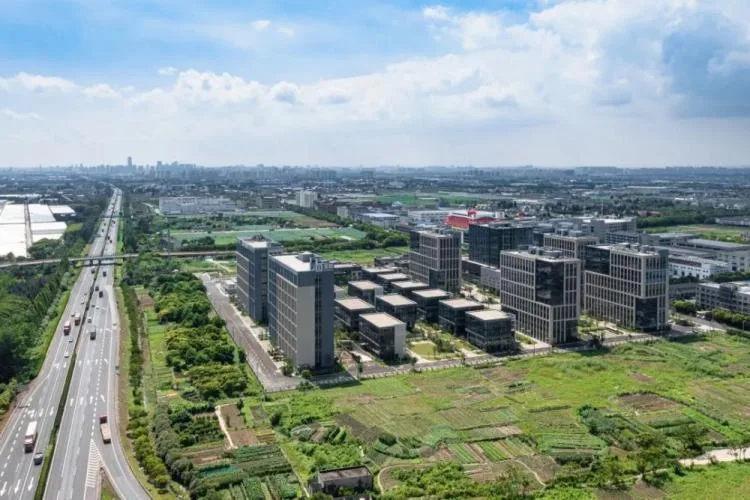
▲ Overall aerial layout
The master plan is structured around “one horizontal, two vertical, and multiple centers.” Office spaces and landscaped areas interweave, creating varied architectural forms and spatial relationships. The east-west central green belt connects parks flanking Hutang Port, while the north-south Hutang Port riverside landscape and the tree-lined avenue along the main entrance divide the site into three zones: Intelligent Manufacturing, Living Service Support, and Smart Office. Commercial and hotel facilities are strategically located at the crossroads of these axes, fostering independent yet interconnected clusters that form a dynamic, integrated whole.
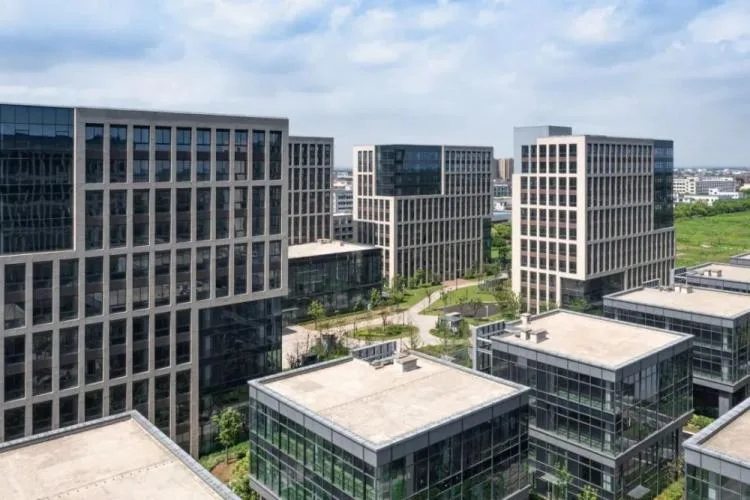
▲ Partial aerial view
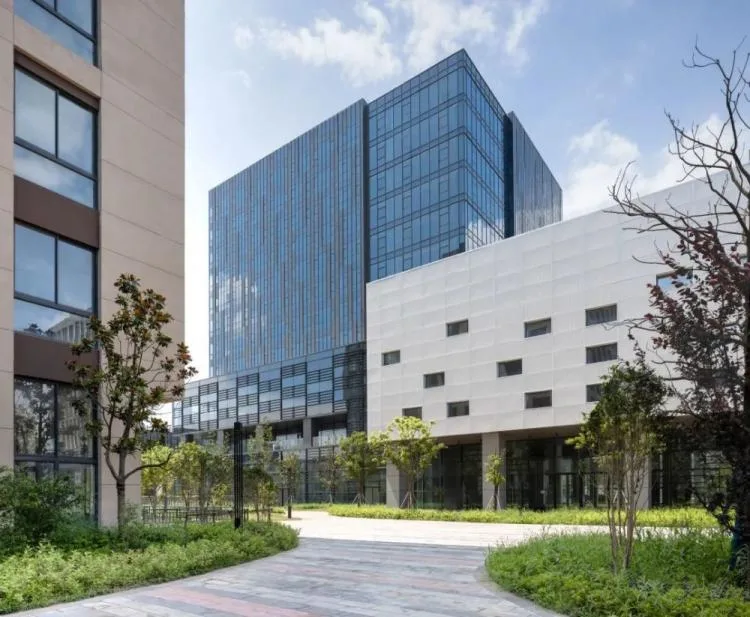
▲ Rich architectural forms and spatial interplay
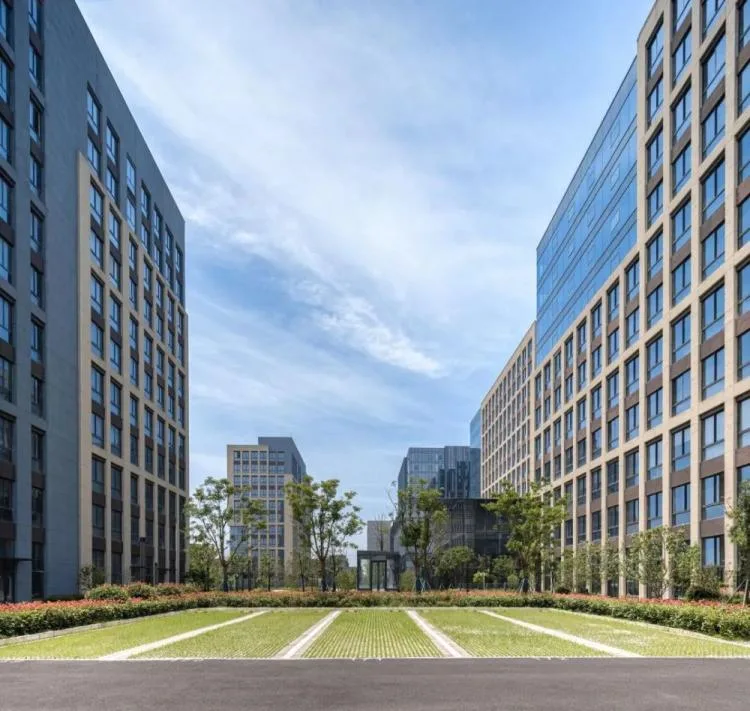
▲ Smart office zone
02 Diverse product offerings: creating a vibrant 24/7 park
Baoneng Future Space features four core business formats: smart offices, standalone headquarters, talent apartments, and commercial facilities. This mix supports a lively, sustainable park that operates around the clock, enriched by diverse industrial spaces and comprehensive support services.
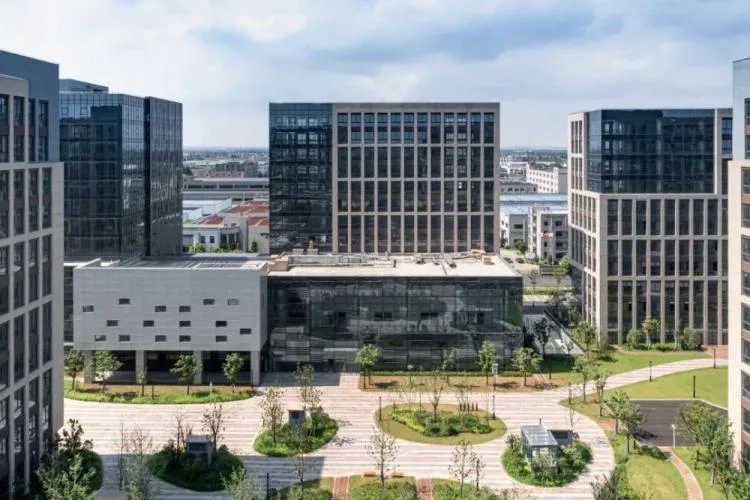
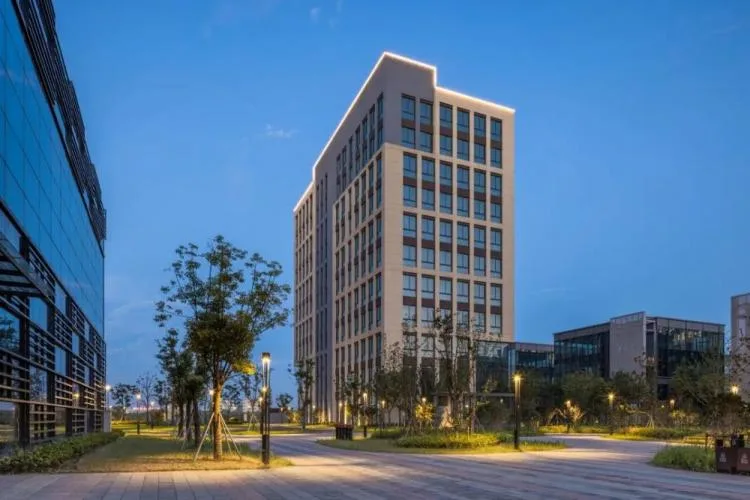
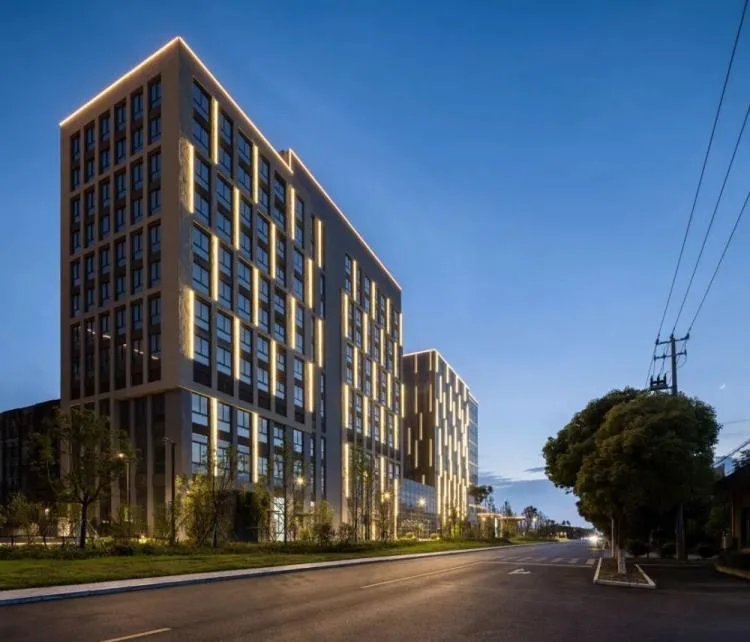
▲ A vibrant park active 24/7
Smart offices are arranged as small high-rise buildings along the northern edge, providing spacious environments suitable for open-plan work and R&D activities. The standalone headquarters offices are positioned on the southern side. Together with the smart offices, they surround the central garden, creating a spatial composition of taller structures to the north and lower ones to the south. This arrangement fosters harmony between buildings and nature, maximizing the use of green spaces and internal courtyards to cultivate a garden-like office ambiance. The architectural design prioritizes flexibility through “separable and combinable office units with adaptable leasing and sales options,” offering varied office sizes to meet the unique needs of different companies.
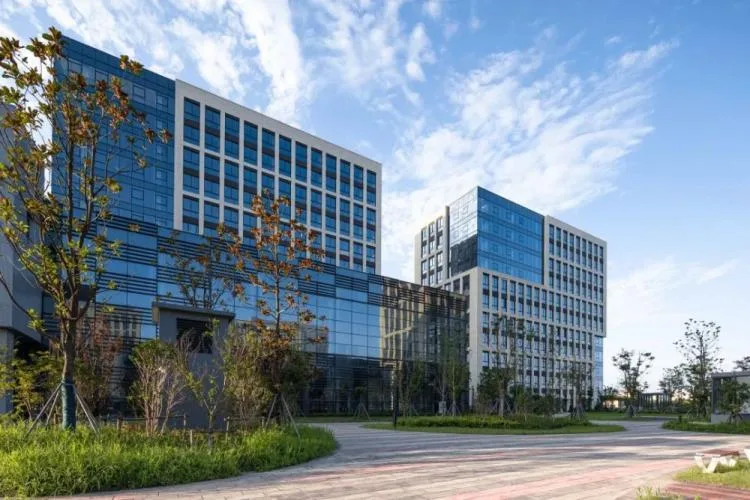
▲ Smart office building
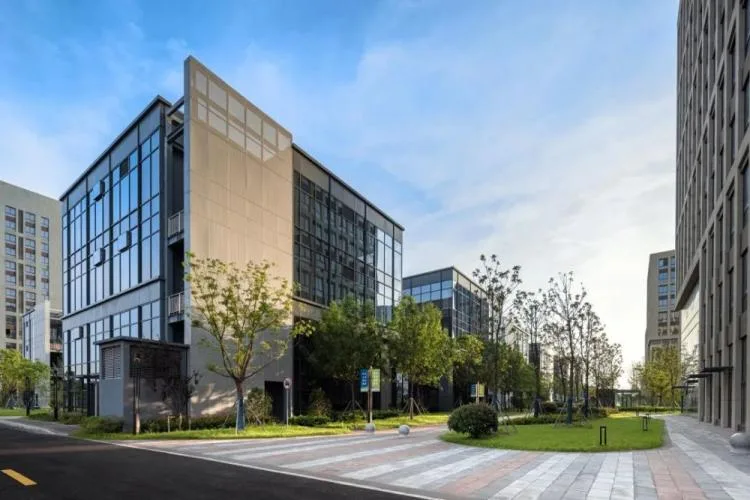
▲ Standalone headquarters office
Talent apartments are designed with multiple room types, including comfort and compact options, tailored to meet the needs of recent graduates, company employees, and senior professionals. These are complemented by functional amenities such as laundry rooms, leisure areas, and fitness spaces, fostering high-quality living environments and diverse communities. The commercial facilities offer a broad range of services including leisure, entertainment, dining, and sports, ensuring continuous vitality within the park beyond standard working hours.
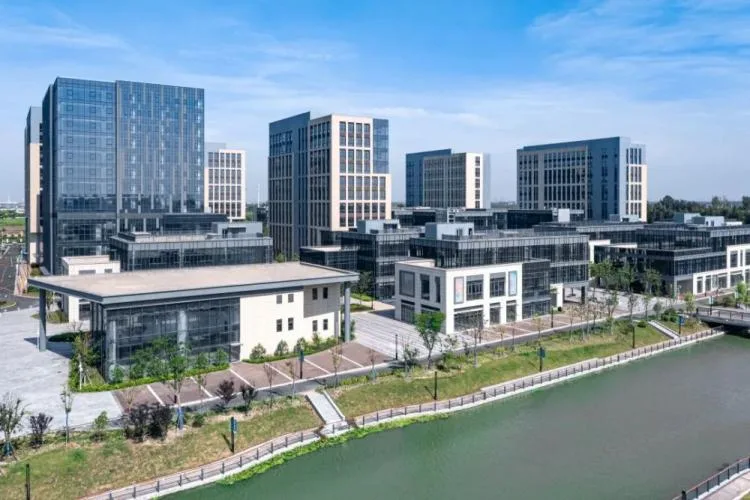
▲ Commercial support facilities
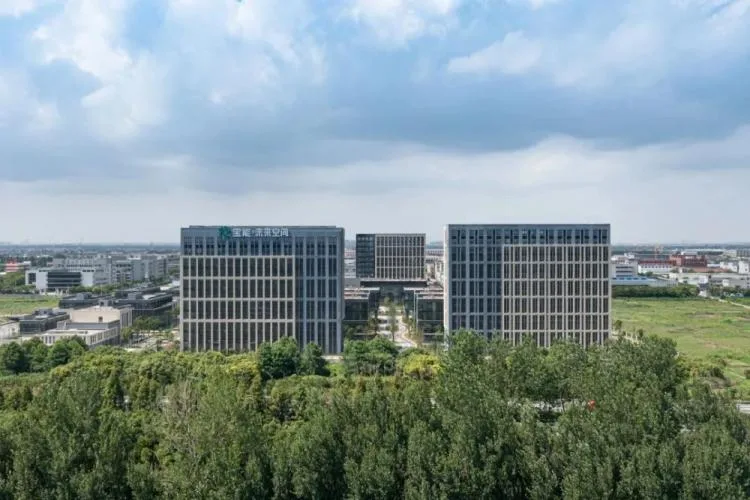
▲ Talent apartments
This diverse mix of formats and product offerings builds vibrant, multifunctional communities—far beyond a typical office park.
Ecological and human-centered park spaces
New standards for future offices
01 Lush green landscaping creates a garden-style ecological environment
The planning and design integrate green landscapes across multiple layers, with a macrostructure formed by a horizontal green belt and vertical water system. The combination of smart and headquarters offices encloses a central garden—the primary landscape feature of the park. Each office cluster is anchored by centralized green spaces and riverside waterscape plazas, serving as secondary landscape elements that enliven each functional zone.
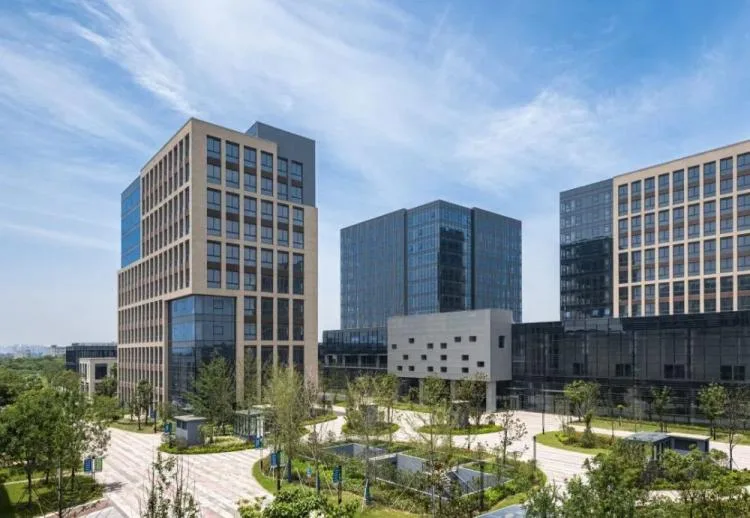
▲ Central Garden
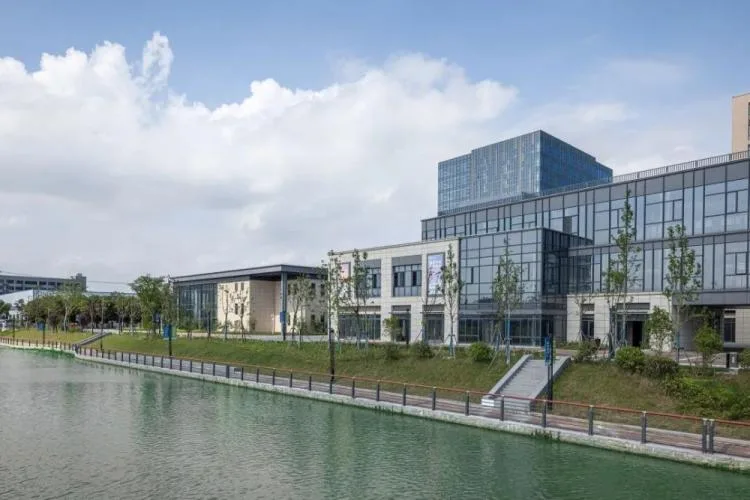
▲ Riverside green space
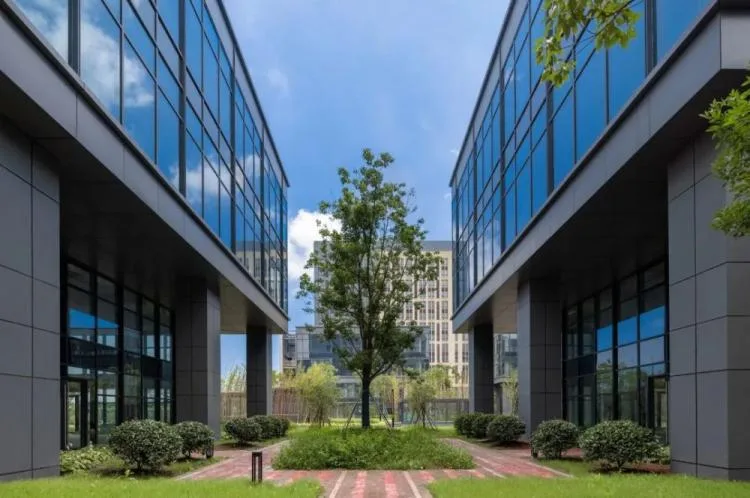
▲ Green space within architectural clusters
The architecture incorporates multiple setback systems and elevated landscaping features to fully integrate greenery into the built environment. The interplay of layered green landscapes and expansive architectural spaces creates a lush, garden-style park setting.
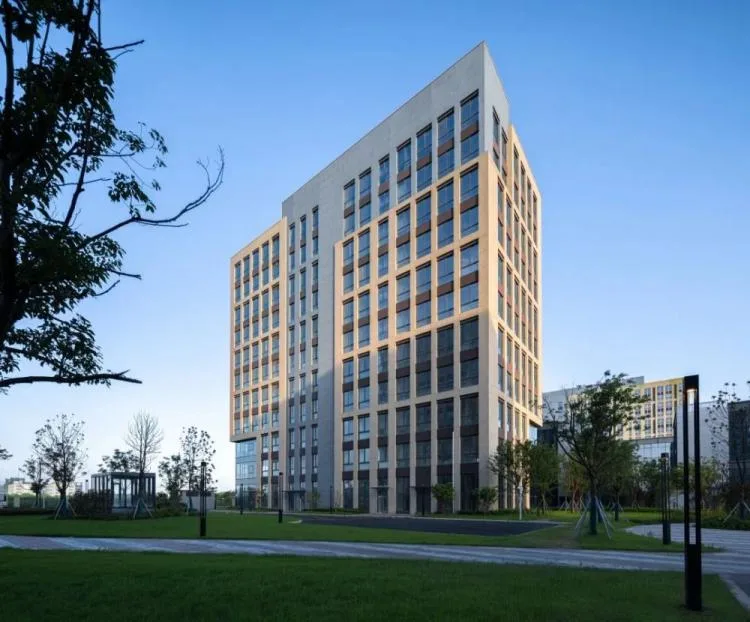
▲ Green plaza
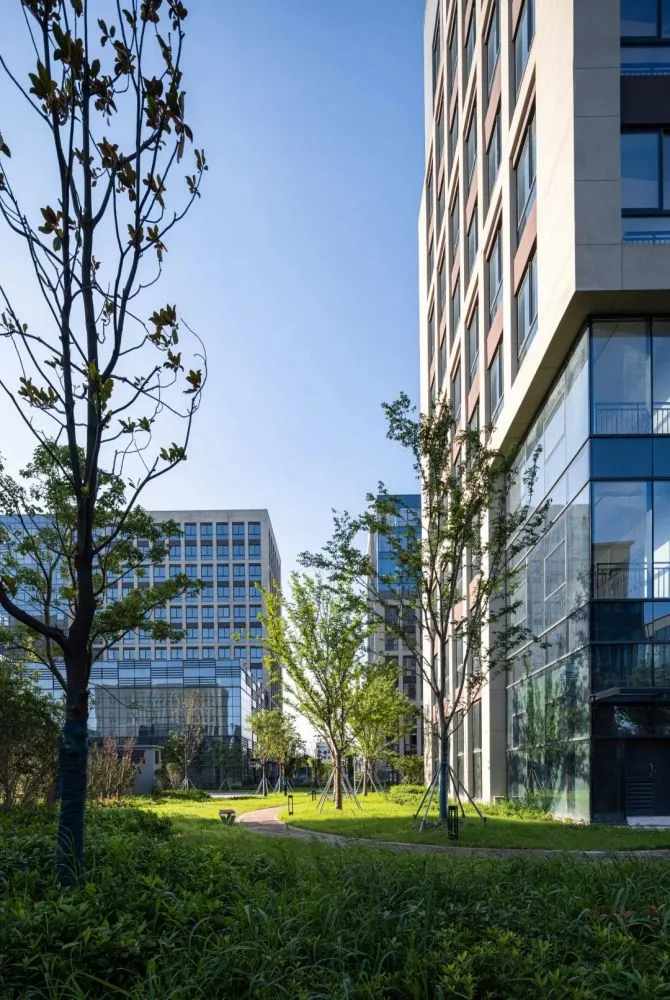
▲ Lush park environment
02 People-oriented design with separated pedestrian and vehicle circulation
The park features three vehicle entrances and exits along Qinggao Road on the north side: the west entrance serves the intelligent manufacturing zone, the central entrance serves the entire park, and the easternmost entrance functions as a fire emergency access.
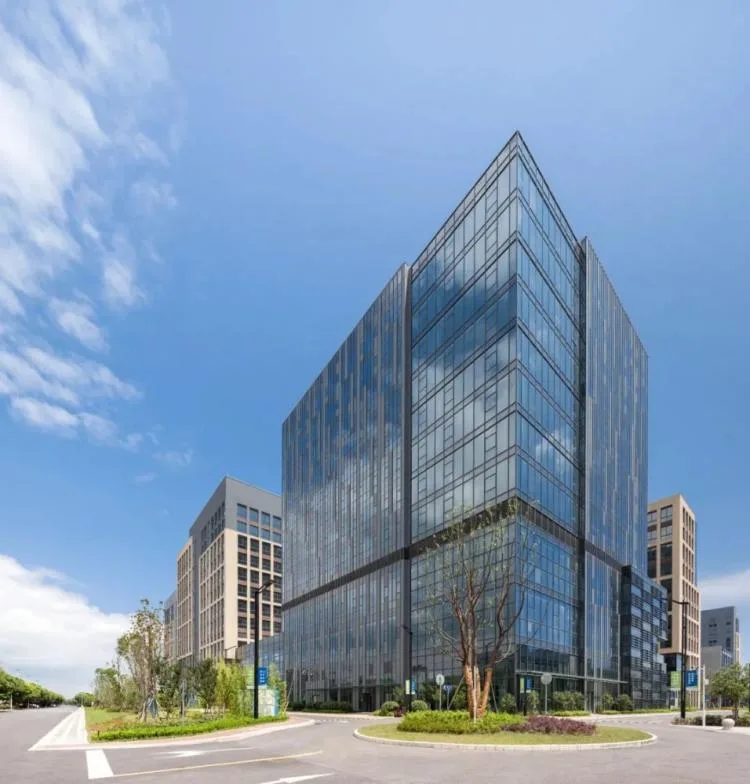
▲ Vehicle entrance and exit points
The traffic system separates pedestrians and vehicles, with main vehicle routes forming a circular road around the site. Additionally, an internal vehicular loop connects the small high-rise offices on the north side of the smart office zone and the talent apartments to the south. The remaining areas rely primarily on pedestrian pathways, ensuring pleasing landscapes and a tranquil environment throughout the park.
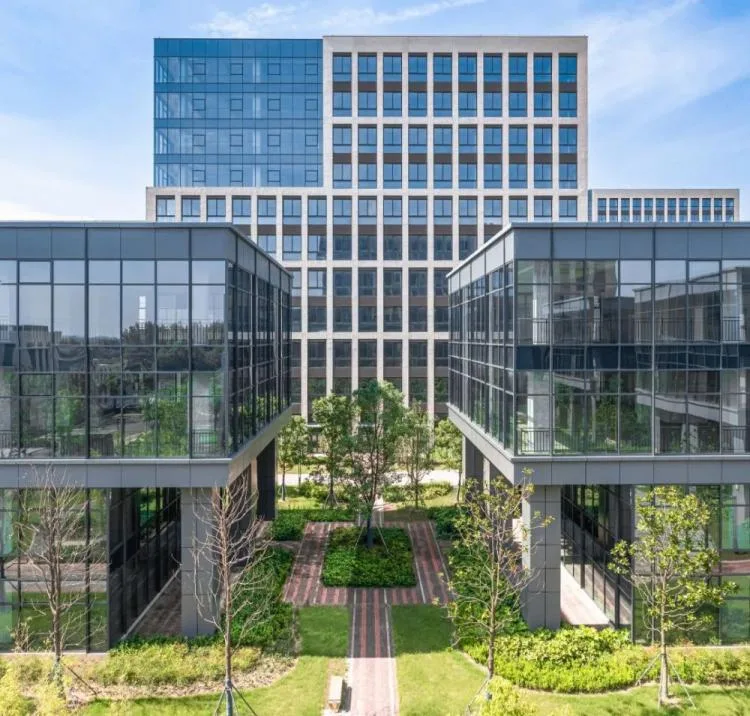
▲ Predominantly pedestrian zones within the park
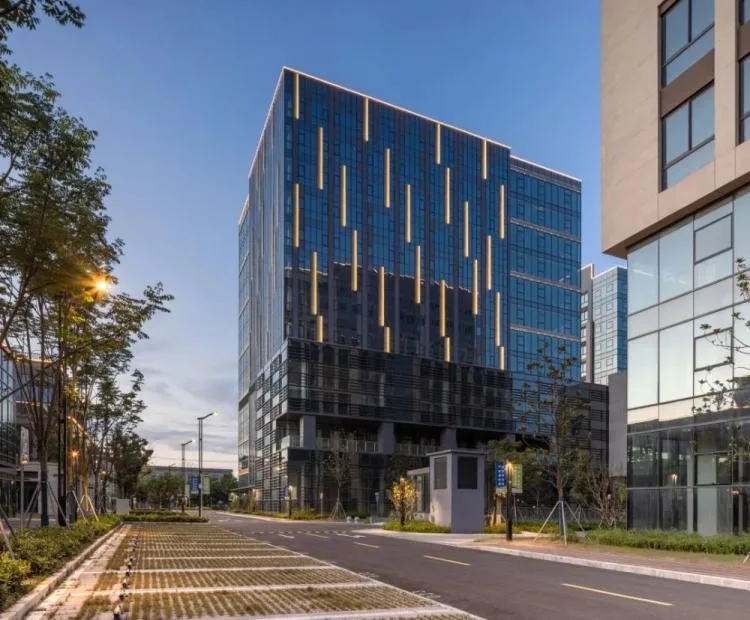
▲ Vehicle routes located outside the core park areas
03 Refined architectural textures create new regional landmarks
The low-density office park features a variety of building volumes, creating a sense of group composition. The façade design balances unity and diversity: a consistent approach on a large scale establishes overall coherence, while medium-scale differentiations enrich architectural interest, resulting in a spatial experience of “harmony within diversity.”
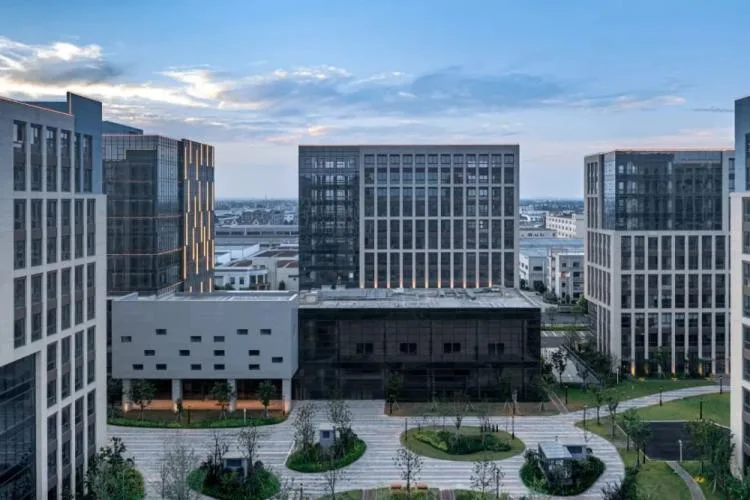
▲ Spatial harmony through architectural diversity
The small and high-rise office buildings feature two contrasting façade skins that intertwine to create a sculptural appearance. The commercial support buildings, though smaller, emphasize their individual volume through a material palette of warm stone, steel, and glass, maintaining overall style consistency while expressing unique character. The headquarters office façades primarily use glass to enhance transparency and visual connections with the landscape.
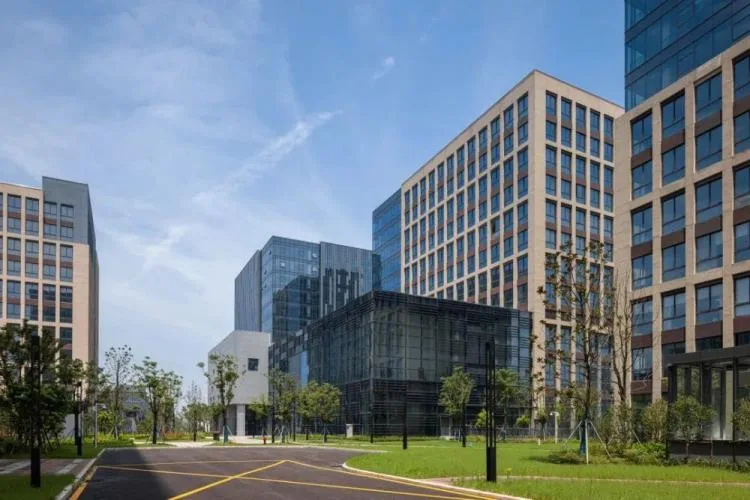
▲ Small and high-rise office buildings
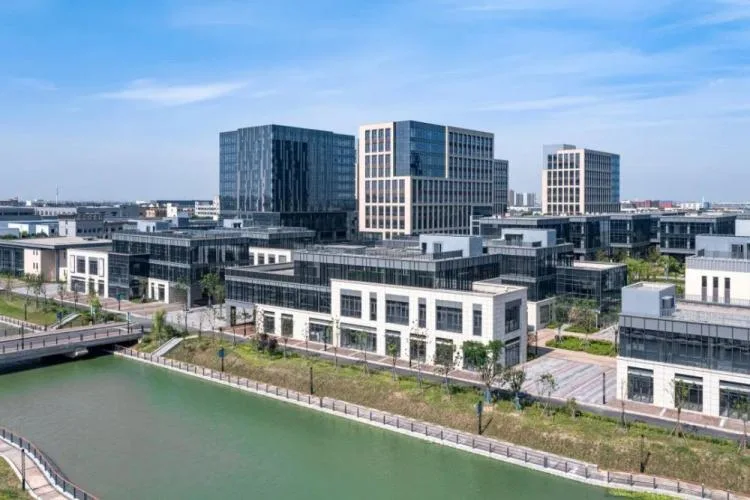
▲ Commercial and service support buildings
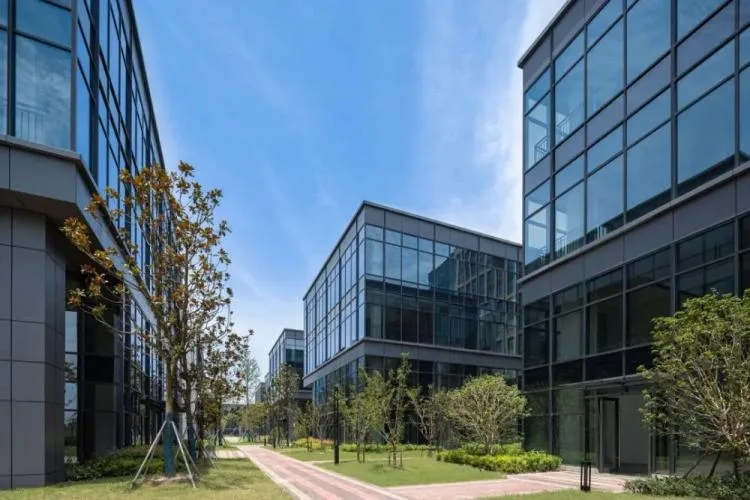
▲ Headquarters office building
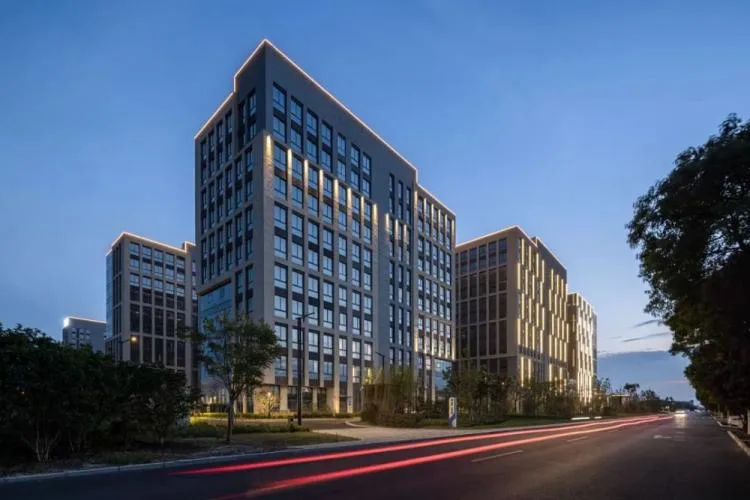
▲ Night view along the street façade
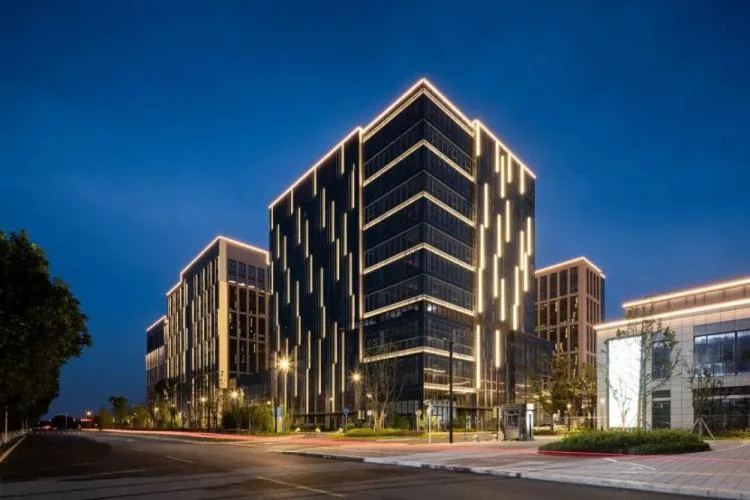
▲ Night view at the park entrance and exit
Project Information
Project Name: Shanghai Baoneng · Future Space
Project Type: Industrial Park
Location: No. 333 Qinggao Road, Fengxian District, Shanghai
Site Area: 109,600 square meters
Floor Area: 279,700 square meters
Floor Area Ratio: 2.0
Design Period: March 2014 – August 2014
Construction Start: March 2021
Developer: Baoneng Holdings (China) Co., Ltd
Design Firm: Shanghai Sanyi Architectural Design Co., Ltd
Lead Architect: Zhan Sheng
Design Team: Zhan Sheng, Shi Ming, Xie Wenbo, Shen Jingbo, Li Youjun, Zhang Hongmei, Cai Ying
Architectural Design: Gao Shanjie, Guo Zhuhua, Hu Wenzhe, Chen Yang, Jiang Liqiu, Zhao Ning
Structural Design: Wang Gang, Chen Song, Shao Hanyu, Pan Fangfang, Chen Can, Zhao Na, Wang Ben
Plumbing and Drainage Design: Ye Lin, Jiang Xinhong, Chen Lei
Electrical Design: Mao Yaqian, Chen Xuyan, Jin Congming, Li Lixian
HVAC Design: Feng Xinzhou, Pujiang, Wang Yonggang
General Layout Design: Zhao Bin, Zhang Yanyan, Sun Xiaoli
Collaborators:
Landscape Design: Shenzhen Beilin Garden Landscape and Architectural Planning and Design Institute Co., Ltd
Curtain Wall Design: Hairuibai Architectural Exterior Wall Design Consulting Co., Ltd
Lighting Design: Shanghai Shenyu Lighting Design Co., Ltd
General Contractor: Shenzhen Jianye Engineering Group Co., Ltd.
Architectural Photography: Liu Songkai












Must log in before commenting!
Sign Up