
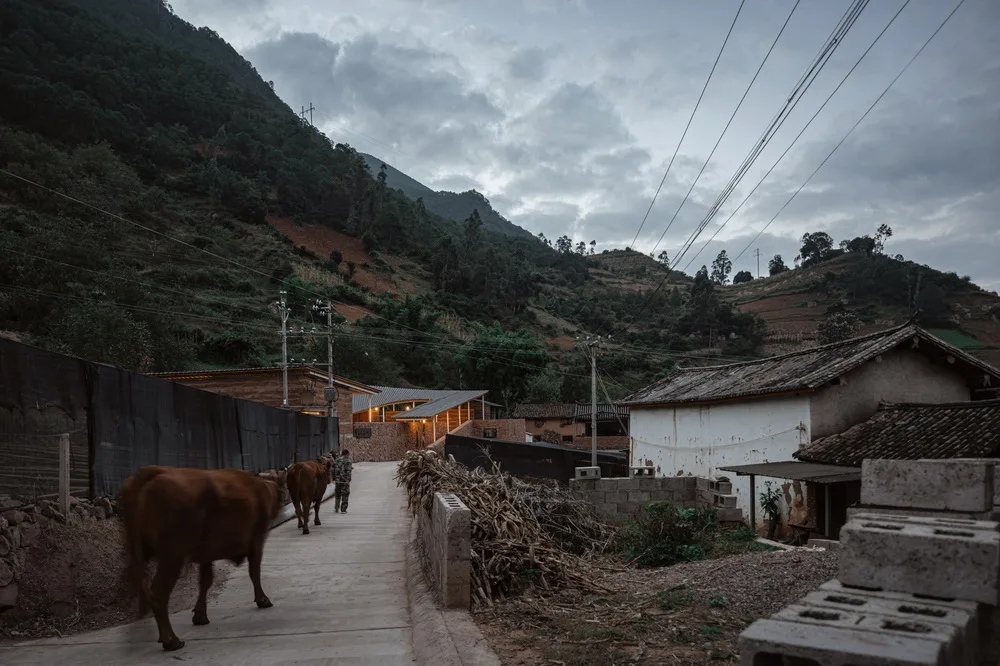
Yong’an Village, located in Nuodeng Town in the northern part of Yunlong County within the Dali Bai Autonomous Prefecture of Yunnan Province, lies on China’s southwestern border. This mountainous region is characterized by winding terrain and limited transportation infrastructure, making it one of the most impoverished areas in China. Positioned along the ancient Tea Horse Road that connected South Asia with mainland China, Yong’an Village is home to a rich diversity of ethnic groups, including Han, Bai, Hui, Yi, and others.
Since 2012, a volunteer team from Tongji University has dedicated eight consecutive years to supporting Yunlong County. Each year, they implement targeted initiatives aimed at enhancing the villagers’ education, living conditions, and overall quality of life. In 2018, the team selected Yong’an Village as the site for a small rural public building designed to invigorate community life in this remote mountainous area.
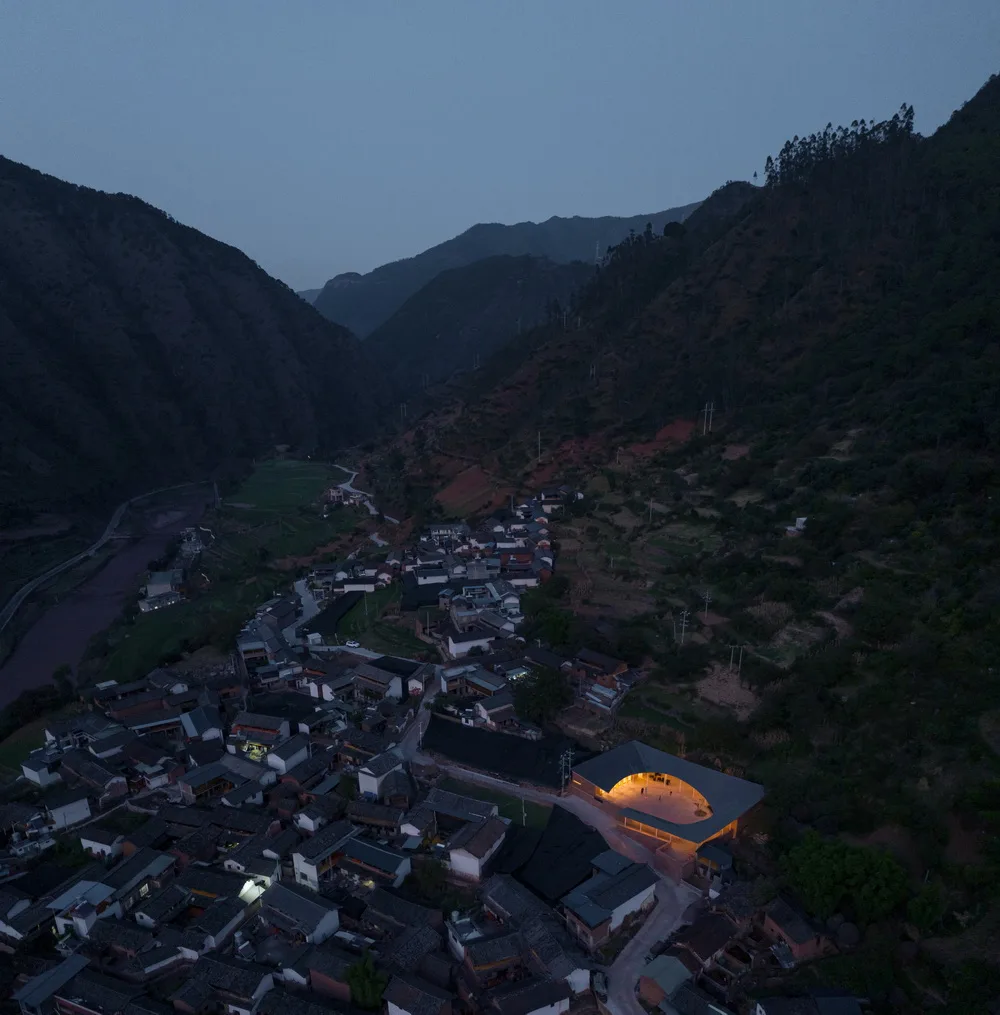
Due to its deep mountain location, the villagers highly value open indoor and outdoor communal spaces used for events ranging from weddings and funerals to everyday socializing. The village terrain features an altitude difference of nearly 300 meters, with a significant vertical distance between Shangcun and Xiacun. Shangcun, in particular, suffers from poor transportation, severe poverty, and harsh living conditions, with almost no public spaces outside of residences and production areas. Creating a dedicated meeting point for villagers thus became the primary goal of this rural volunteer project.
© Architecture Photography
Observing Geography and Embracing Local Traditions
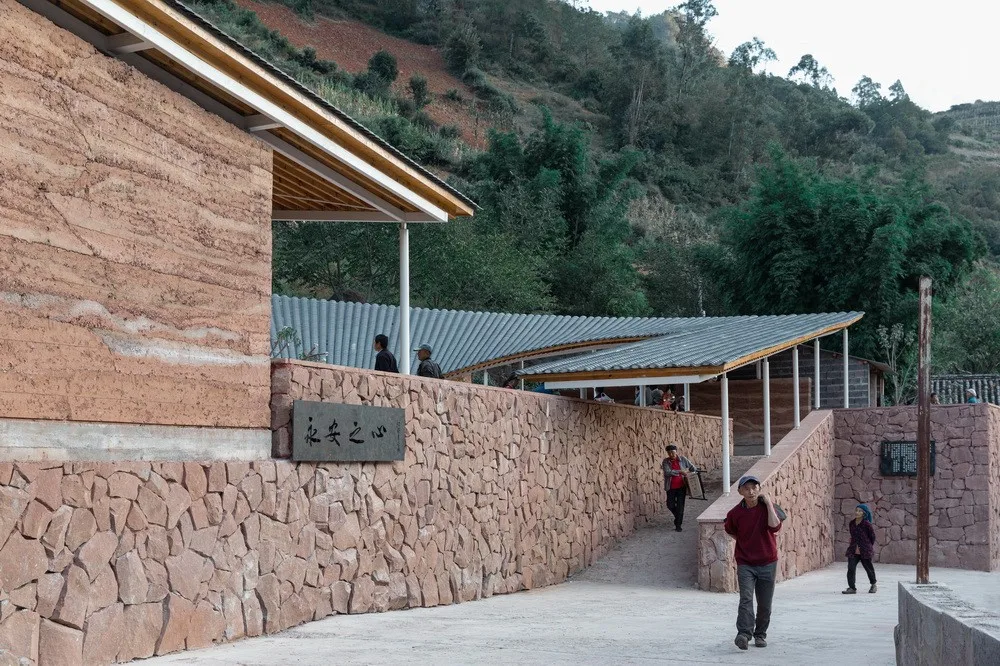
The initial exploration of the terrain left a lasting impression. After a two-day journey from Shanghai, we arrived at Yong’an Village. At the village entrance, a bridge spanning a rushing stream imparts a unique sense of ceremony. Following the mountain path, we noticed retaining walls built from red sandstone, exuding a distinctive local character. Although several traditional “five drip” style homes remain well preserved, most are unoccupied. Along the way, houses constructed from rammed earth bricks and wooden lintels reflect the traditional dry lintel style.
After a half-hour walk, we reached the mountaintop site, surrounded by mountains and backed by a stepped hillside to the north. Large trees and an old tomb occupy the terraced area. The site is rectangular, with an overall height difference of about 1.5 meters between the terrace and the road. The platform overlooks a mountain pass and offers expansive views of layered mountain ranges stretching into the distance.
© Architecture Photography
Throughout the construction process, strict budget constraints limited the design possibilities for building a village meeting point. Research into local building methods revealed that rammed earth is the predominant construction technique, while a nearby small steel structure factory in the county town represents early stages of construction industrialization. To keep costs low and foster local engagement, the project emphasized collaboration with local craftsmen and villagers in the building process.
© Architecture Photography
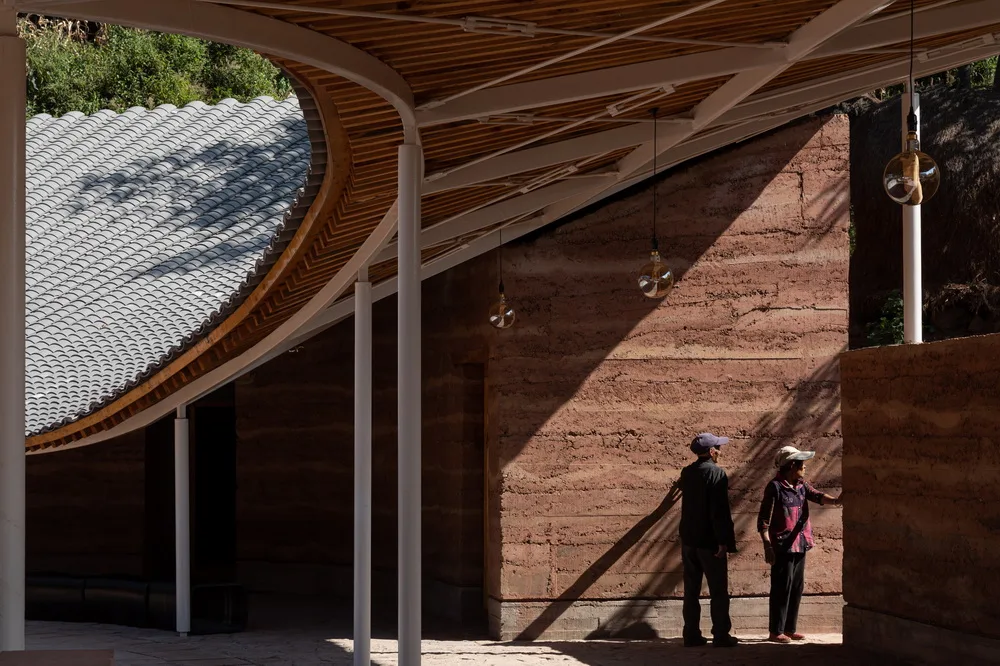
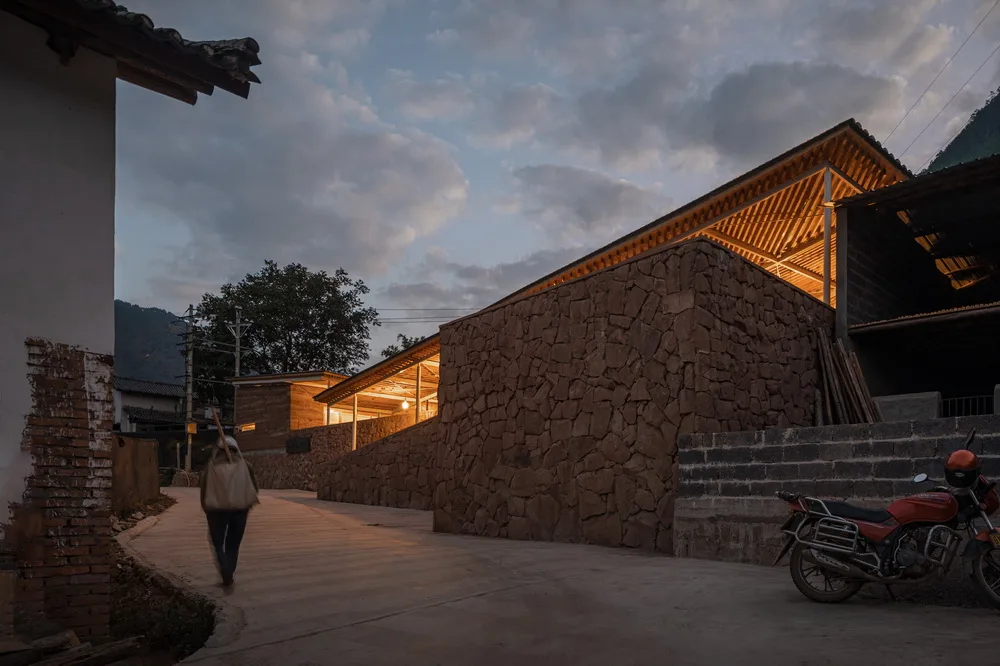
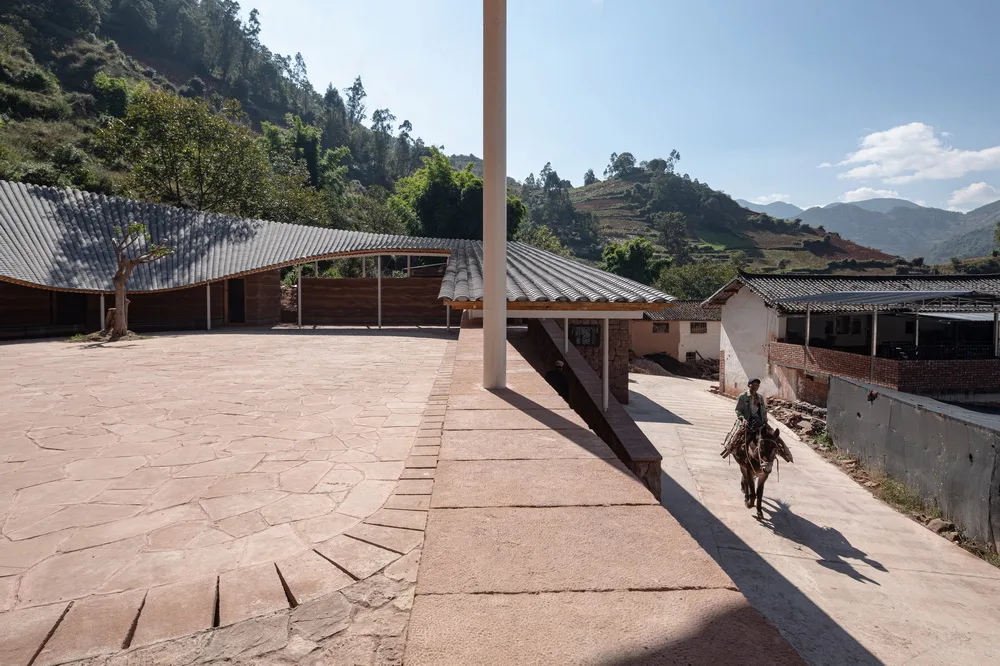
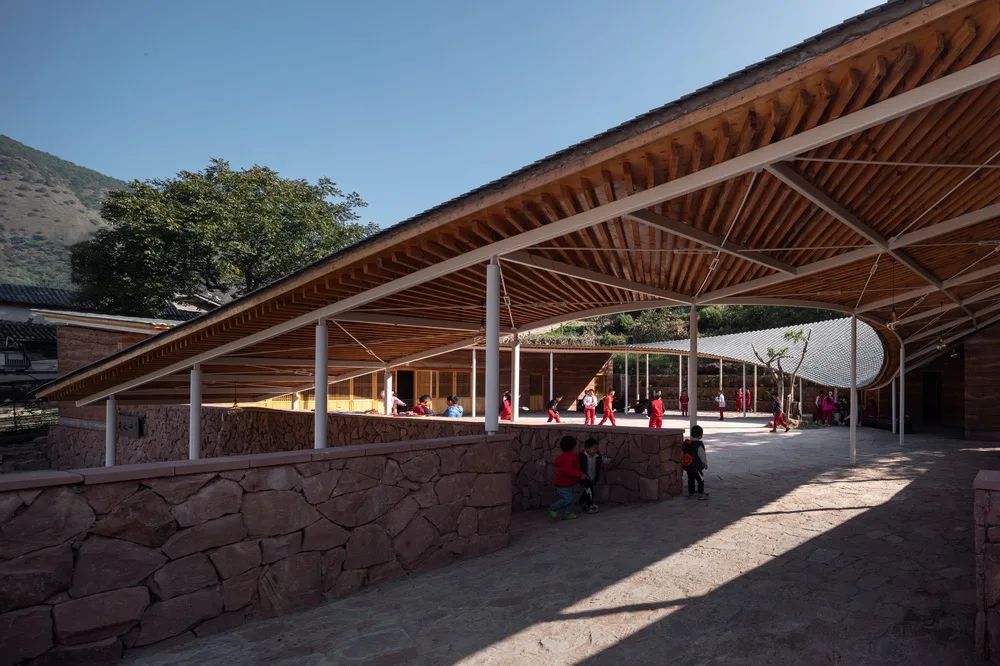
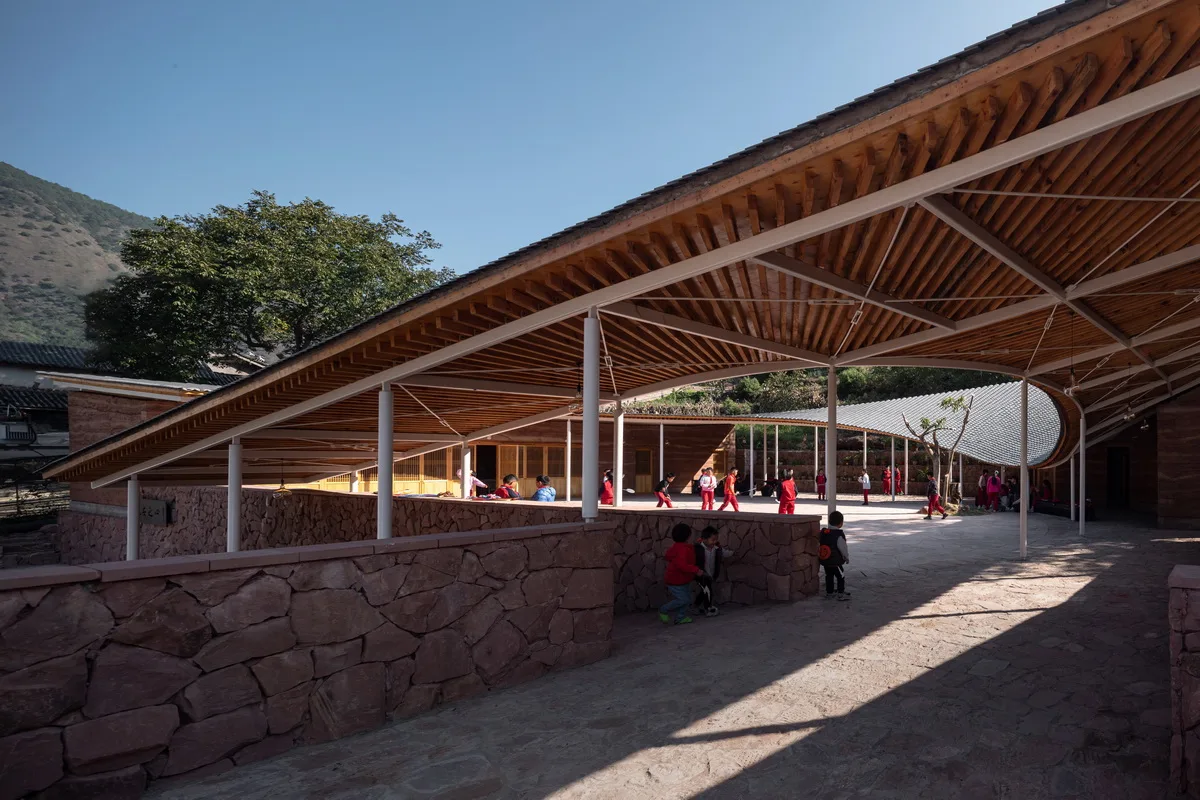
Integrating tradition with innovation became a key architectural strategy. The roof design employs algorithmic geometry, resulting in a hyperbolic form that surpasses local craftsmen’s traditional understanding. However, through close communication, construction rules for this novel form were established. The building features a straight, curved single-slope roof that facilitates rapid rainwater drainage while allowing villagers to participate in its shaping and construction using simple mathematical methods.
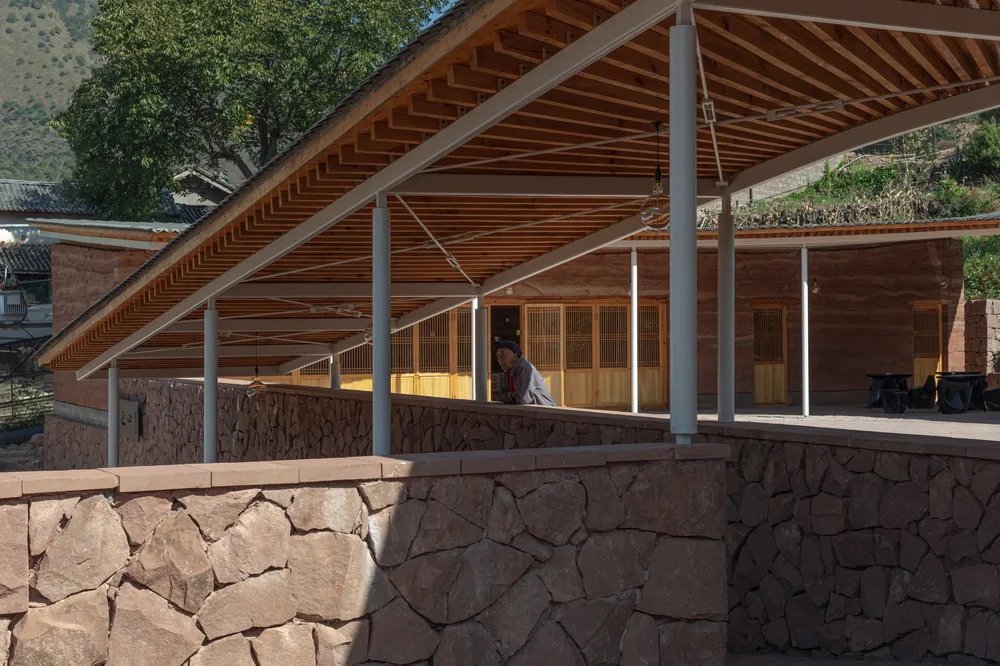
The roof is covered with locally sourced small blue tiles, enhancing convenience for future maintenance. These tiles overlap according to geometric principles known as pixelated shape finding, enabling dimensional reduction of complex curved surfaces. The outdoor terrace and ground use dry masonry techniques with brown sandstone stones collected from the Xiacun riverbed. The combination of “stone feet,” adobe walls, and sloped roofs reflects the village’s most characteristic façade construction style.
© Architecture Photography
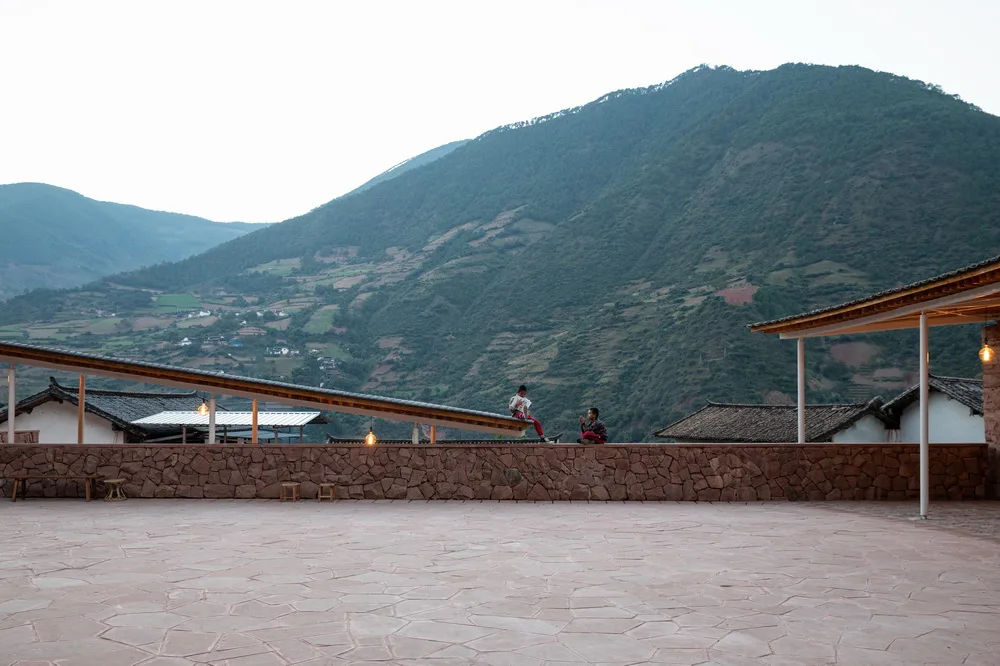
© Architecture Photography
The primary building material, rammed earth walls, aligns with the village’s traditional style. Construction involves pouring soil into specially designed wooden formwork, then manually compacting it in layers using the wall plane as a guide. The red soil used is sourced locally, while other materials are transported directly to the site. This approach reduces the need for heavy machinery in the remote mountain location, reflecting a low-tech design philosophy.
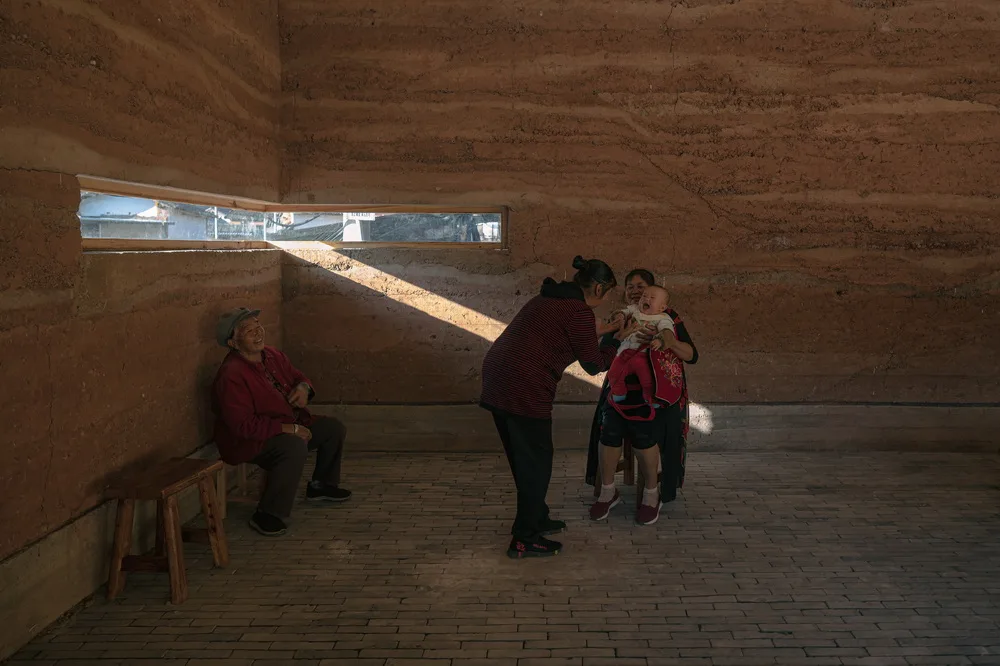
© Architecture Photography
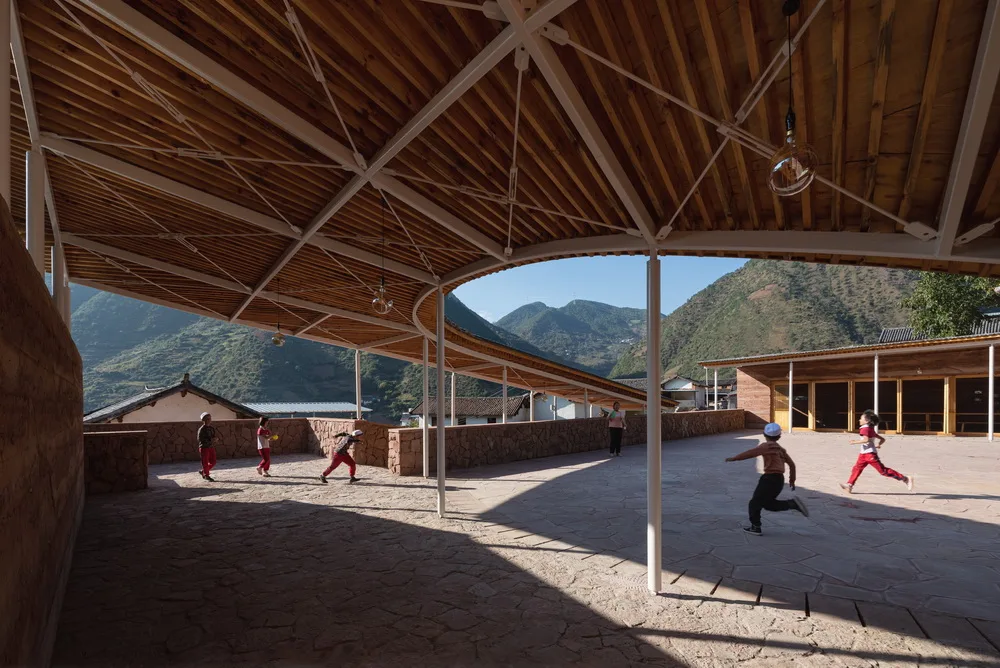
© Architecture Photography
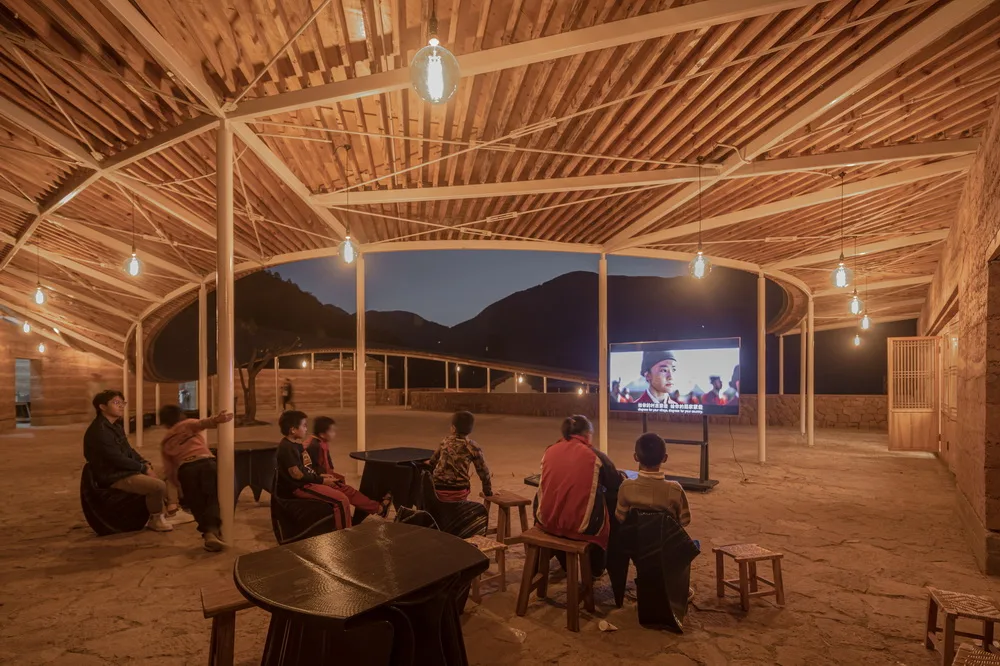
The Shangcun Meeting Point emphasizes lightweight and slender structural components. This design not only conserves steel but also creates a “suspended” effect with the lightweight roof contrasting against the heavy rammed earth walls. Steel columns in the courtyard feature reduced-head steel nodes and some are connected with efficient hinges, enhancing structural strength and creating a striking juxtaposition between steel and earth materials.
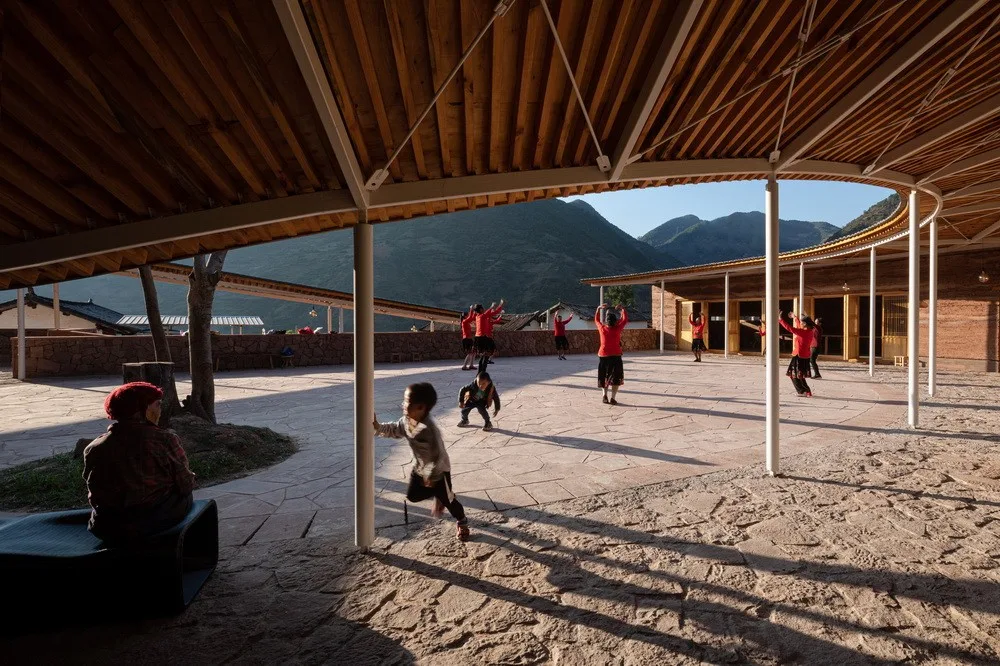
© Architecture Photography
© Architecture Photography
The parametric design of the nonlinear hyperbolic roof increased the complexity of fabricating the light steel components. To address this, the number of non-standard parts was minimized. Precise spatial coordinates and arc length data of the curved steel beams were exported to guide manual form finding and steel beam processing. This light steel frame adds an element of industrialization to the otherwise handcrafted rammed earth structure, emphasizing the building’s lightness, agility, and modern aesthetic.
© Architecture Photography
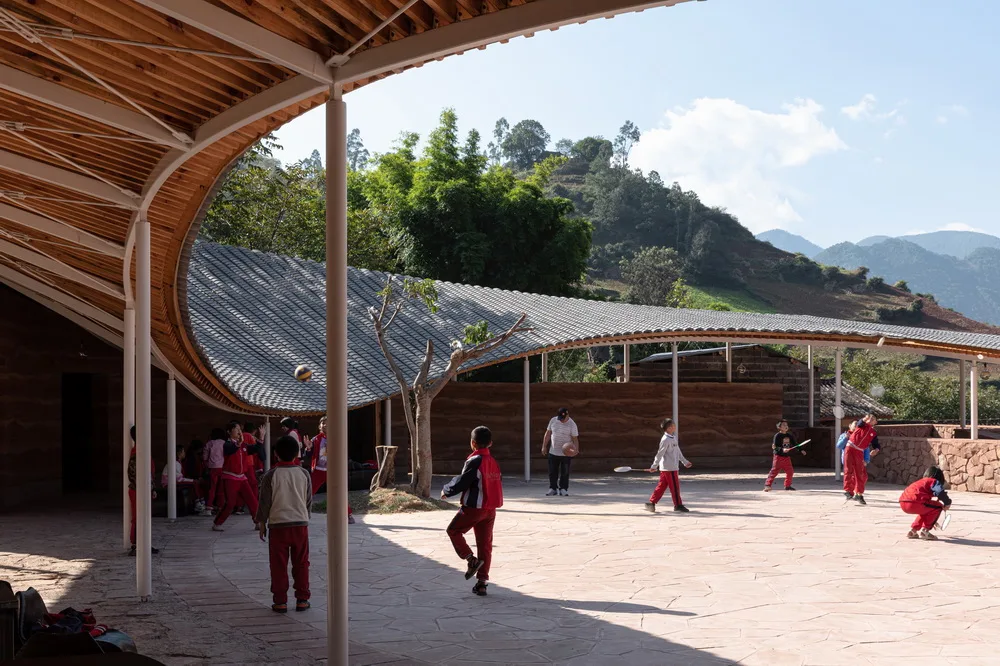
Looking out over the mountains, the design responds to the villagers’ needs for a building that naturally emerges from the site and provides a communal shelter. The structure is born from and integrated into nature, delicately engaging with the powerful landscape while also depending on it. The meeting point preserves the countryside’s stability and tranquility, immersing villagers in a familiar environment. Beyond improving their quality of life, it fosters a deeper sense of belonging to their homeland.
© Architecture Photography
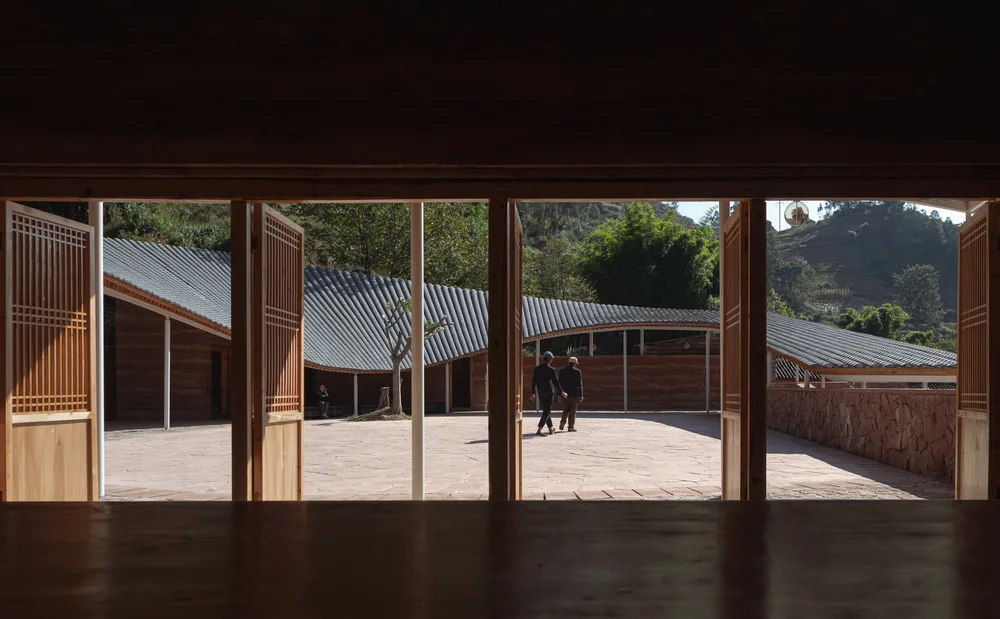
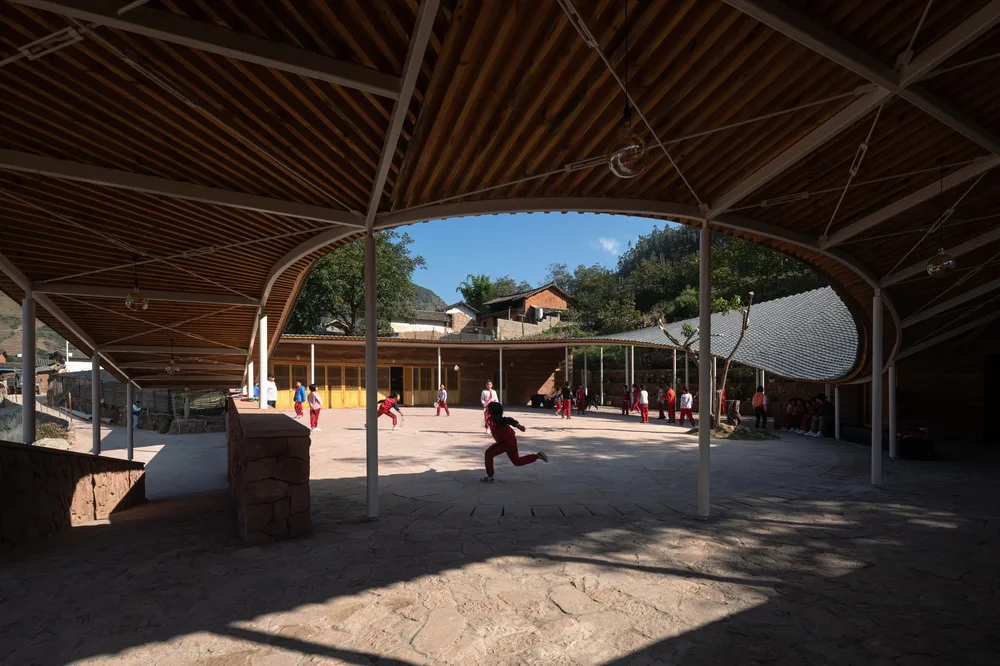
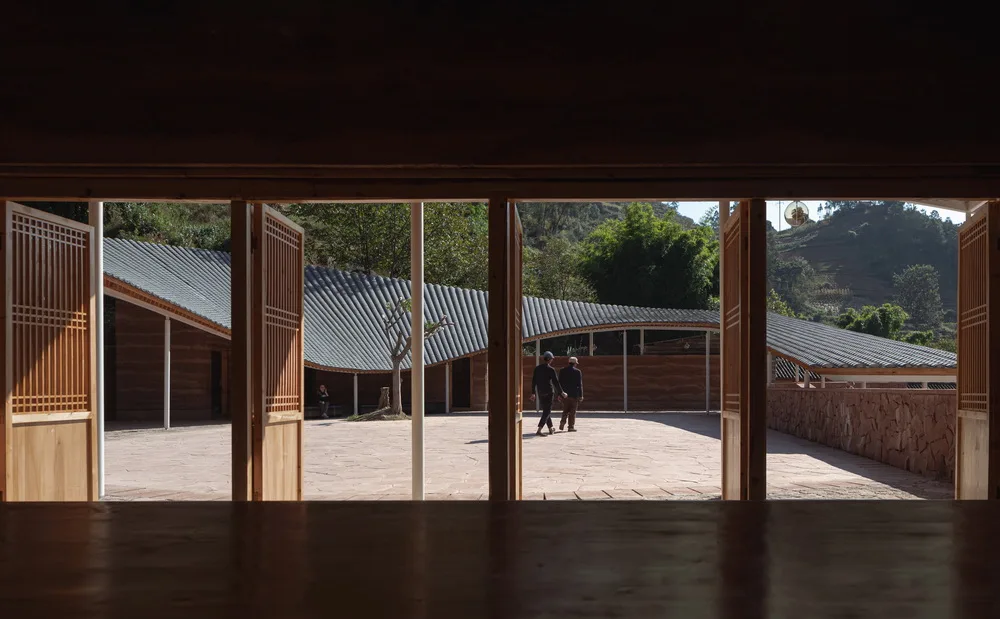
The design follows a semi-enclosed courtyard prototype. The square site outline defines the building’s outer boundary, while the courtyard’s shape is based on a three-quarter circular arc, creating a spatial pattern of an outer square enclosing an inner circle. This layout balances openness and enclosure, serving the community’s social needs.
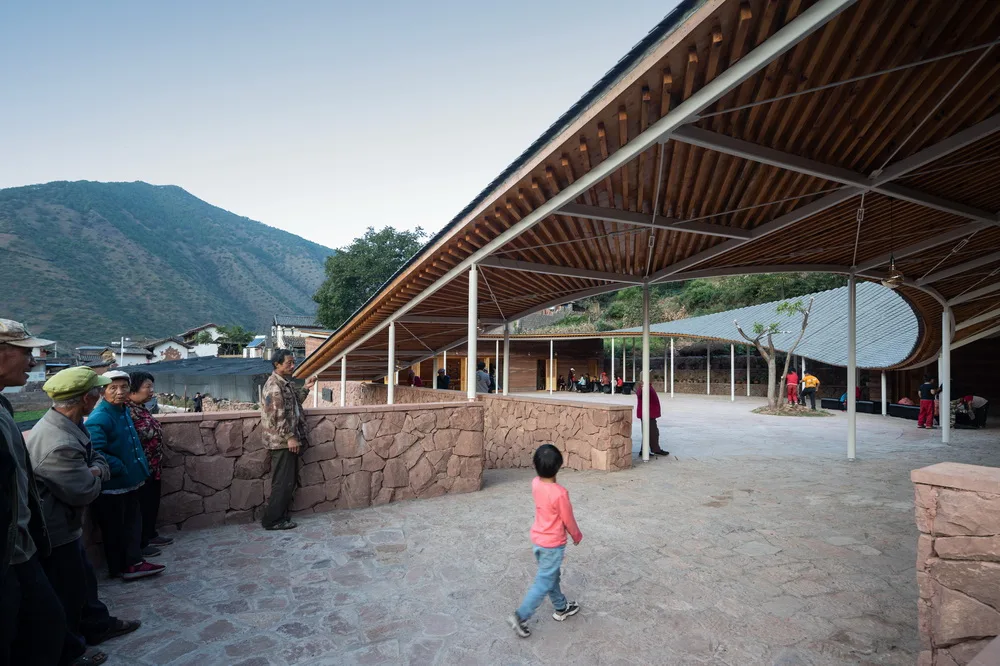
To maximize openness while maintaining indoor functionality, a “suspended corridors” strategy was adopted. This approach ensures continuity, levelness, and spatial extensibility. The roof descends with the entrance’s height difference, marking the entrance and extending toward the meeting room’s gable.
When the local environment is already challenging, the architectural response should be as simple and concise as possible.
© Architecture Photography
After observing the surrounding village homes that emphasize community integration and openness, it became clear that the settlement lacks public spaces or buildings, resulting in limited spatial identity and a weak sense of belonging. The village meeting point concept aims to create a spiritual place that fosters belonging among the diverse ethnic groups residing there, including Han, Bai, and Hui communities.
© Architecture Photography
The meeting hall, office, and public restroom provide communal gathering spaces, while the inner square hosts public activities and serves as the spatial core. Respecting the original cemetery located north of the site, a grey space was created on the elevated roof in that direction. To maintain clear mountain views to the south, the northeast corner of the roof was raised approximately three meters, creating vertical spatial recognition.
© Architecture Photography
© Architecture Photography
To revive the ancient tradition of gathering beneath trees, a large banyan tree was planted in the lowest courtyard area under the roof. This tree symbolizes the “spirit of the earth” at the site and will serve as a lasting spiritual anchor for the community.
© Architecture Photography
© Architecture Photography
Our goal is not to create a rural utopia but to evoke nostalgia through a “nonlocal locality.” This means not simply repeating the past but iterating on past knowledge and experience. Utopian nostalgia manifests as living in the present while reflecting on the past. As long as the desire for iteration exists, hope for the future remains alive.
Respecting local context and construction capabilities, our efforts aim to resist the homogenization of urban-rural integration by fostering diverse rural narratives. The Yong’an Village Villager Council Center strives to reshape the countryside’s spiritual home and collective memory through architecture.
© Architecture Photography
© Architecture Photography
Project Drawings
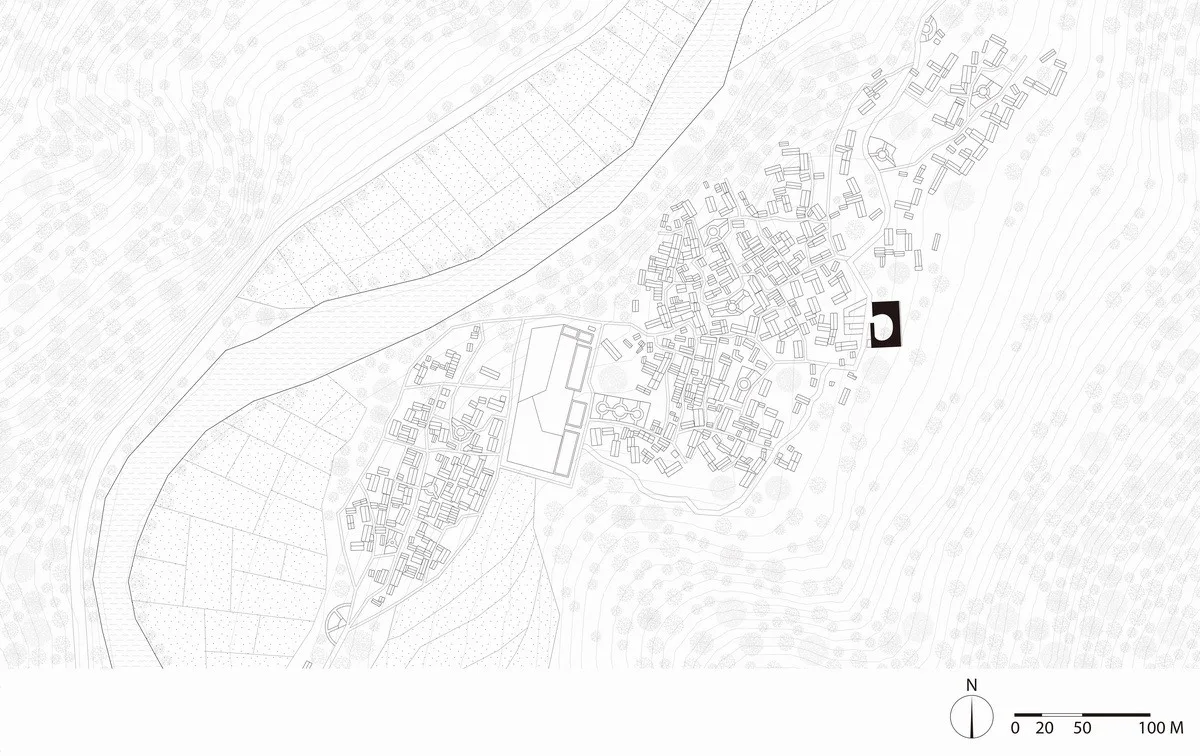
Overall Planning
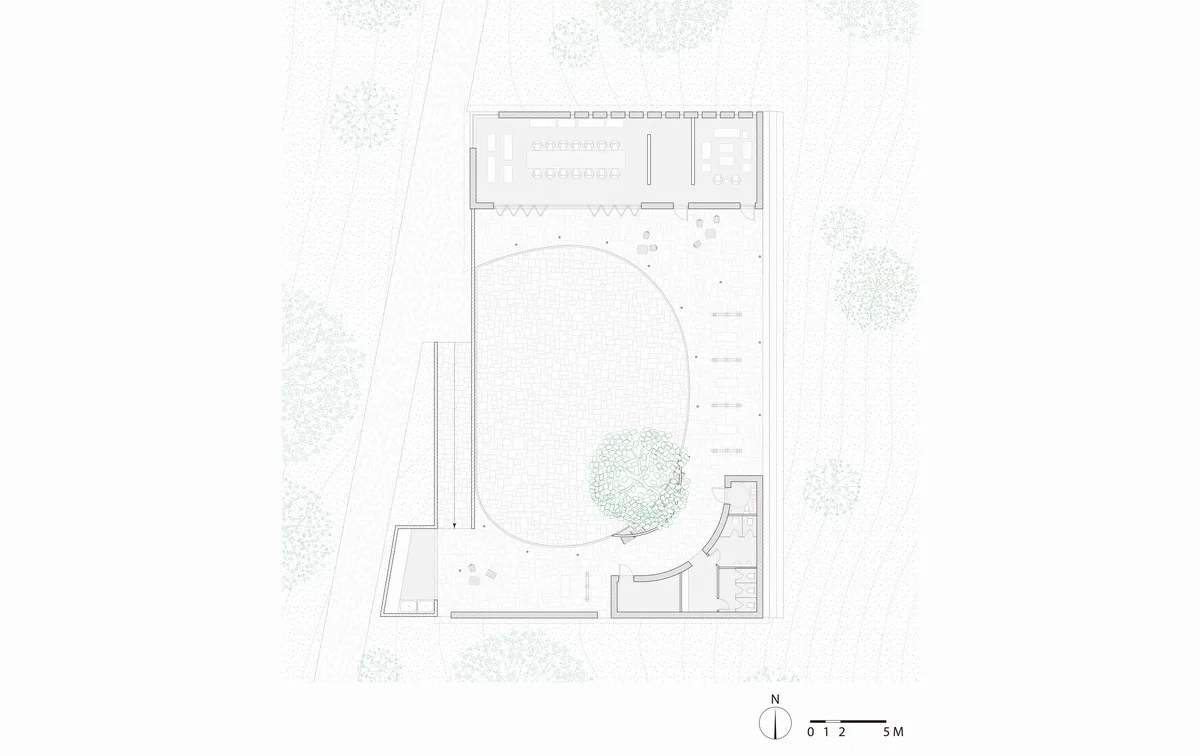
△ Overall Plan
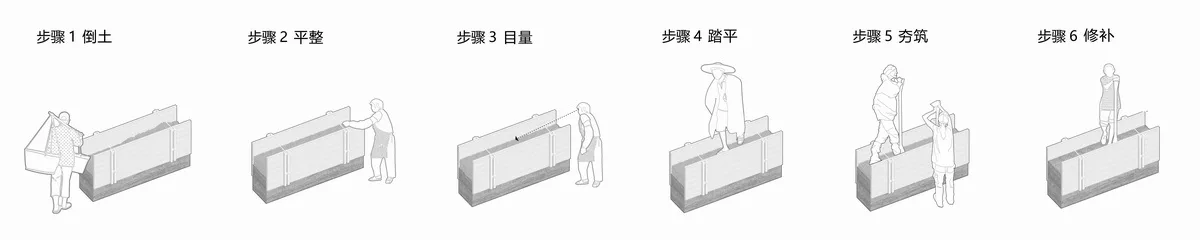
Construction of Rammed Earth Walls
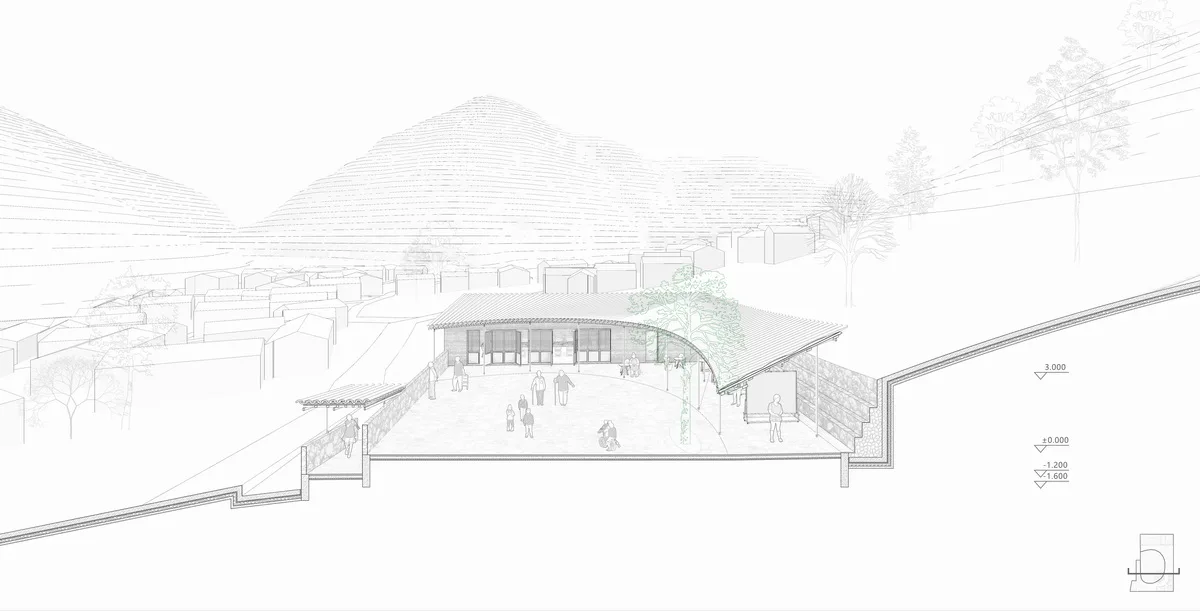
△ Perspective View 1
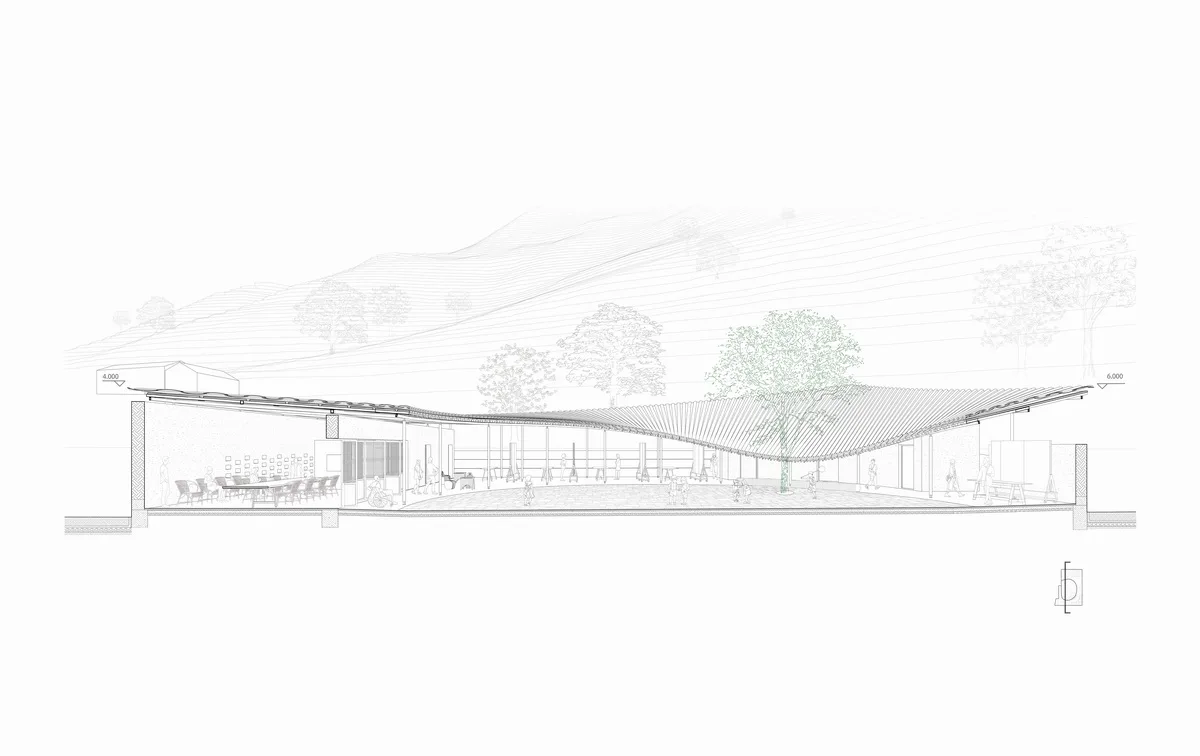
△ Perspective View 2
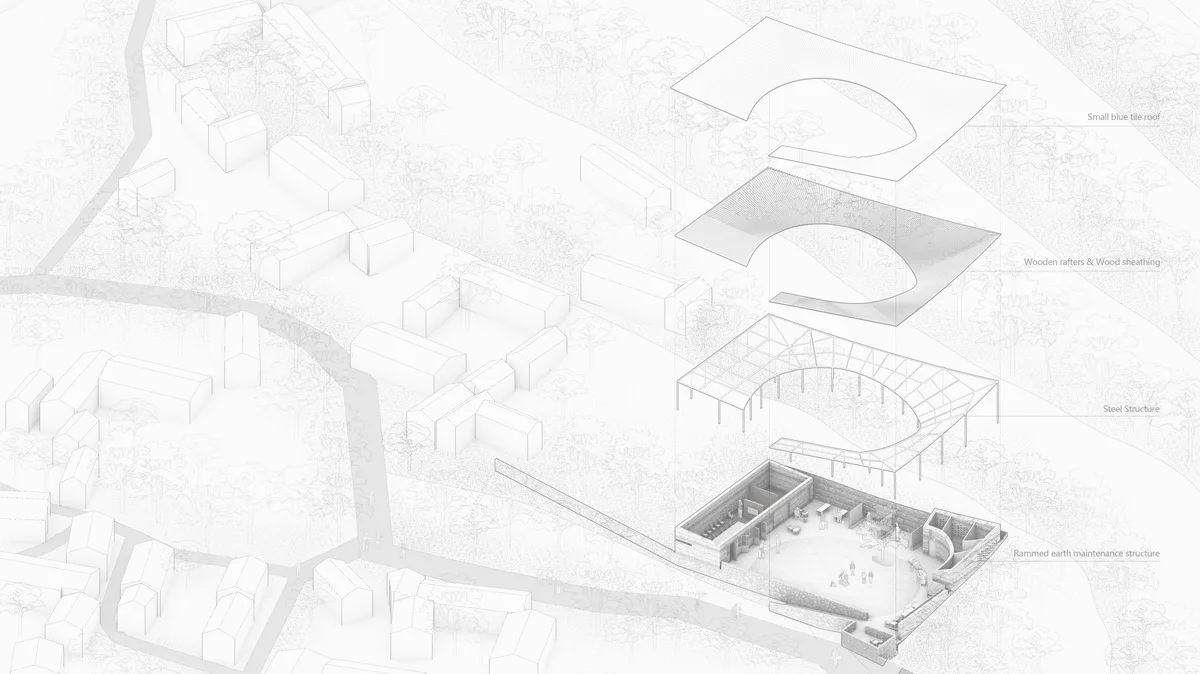
△ Axial View
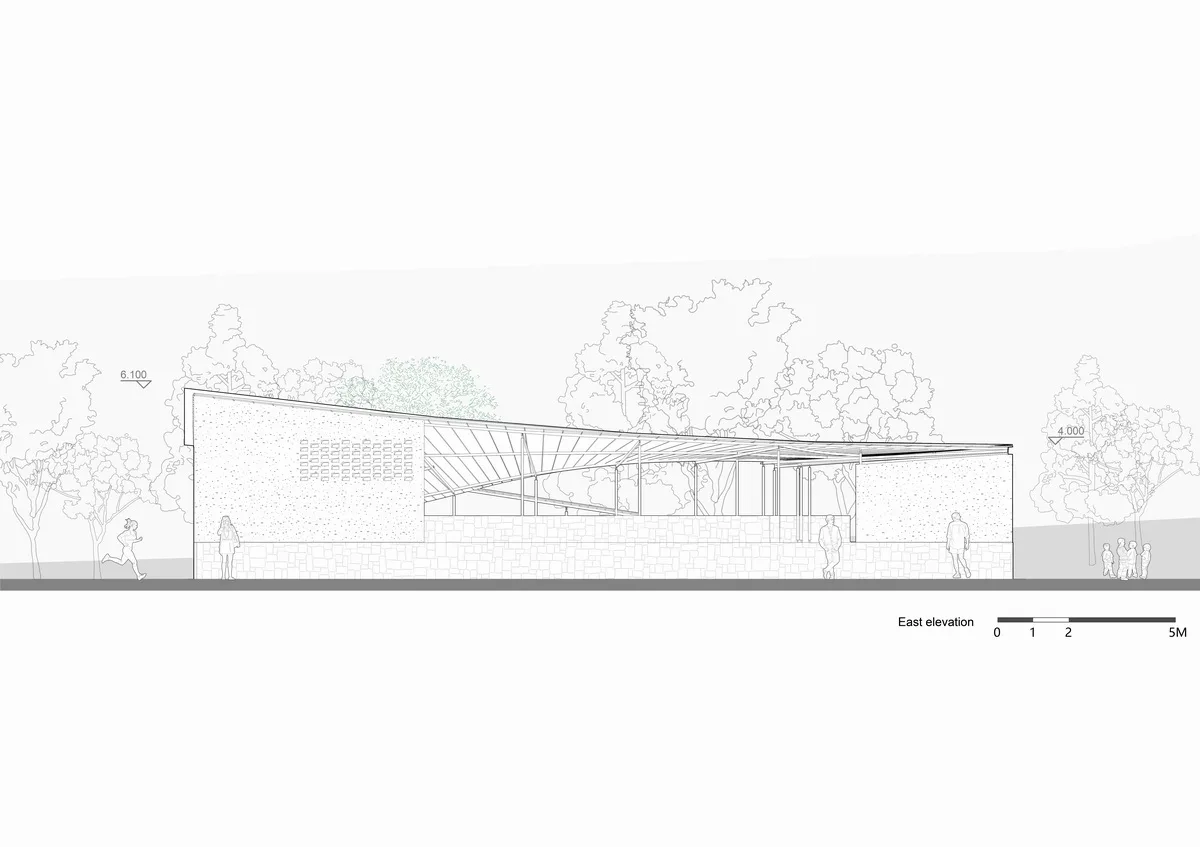
△ East Facade
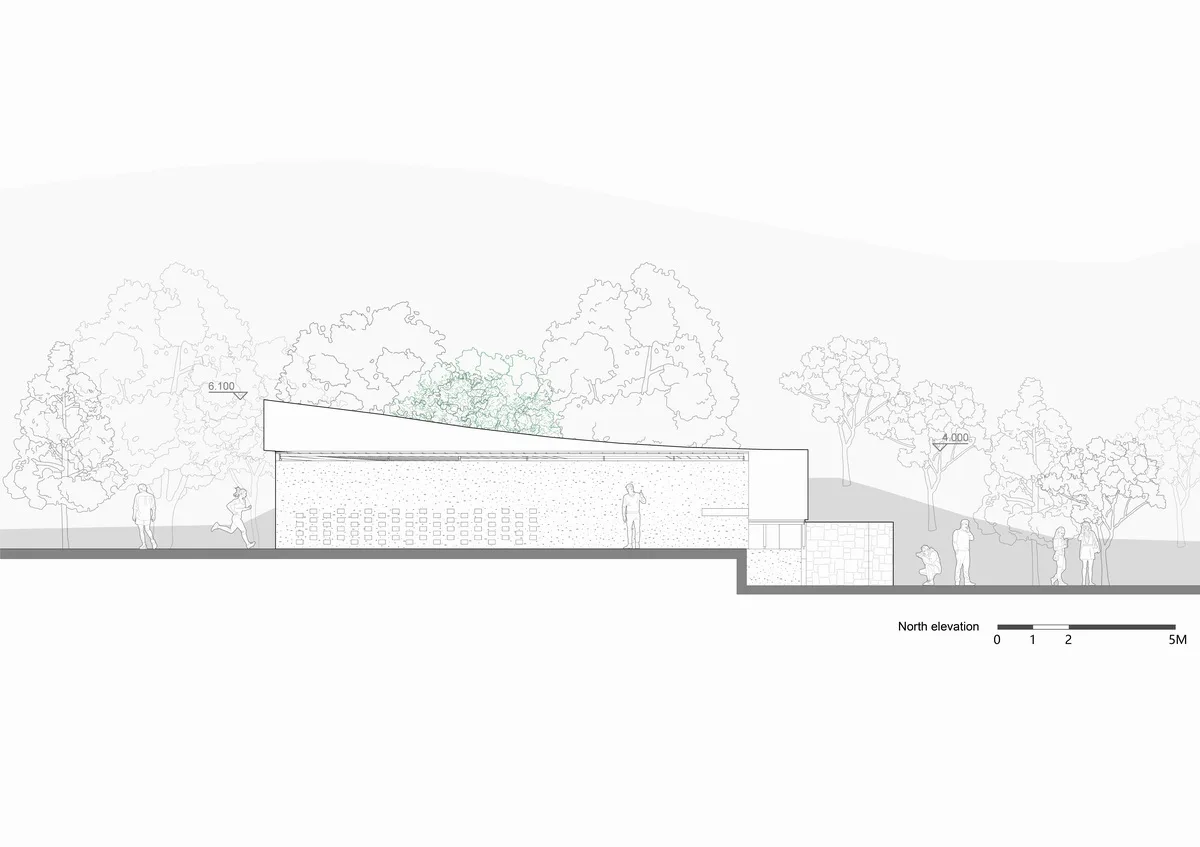
△ North Facade
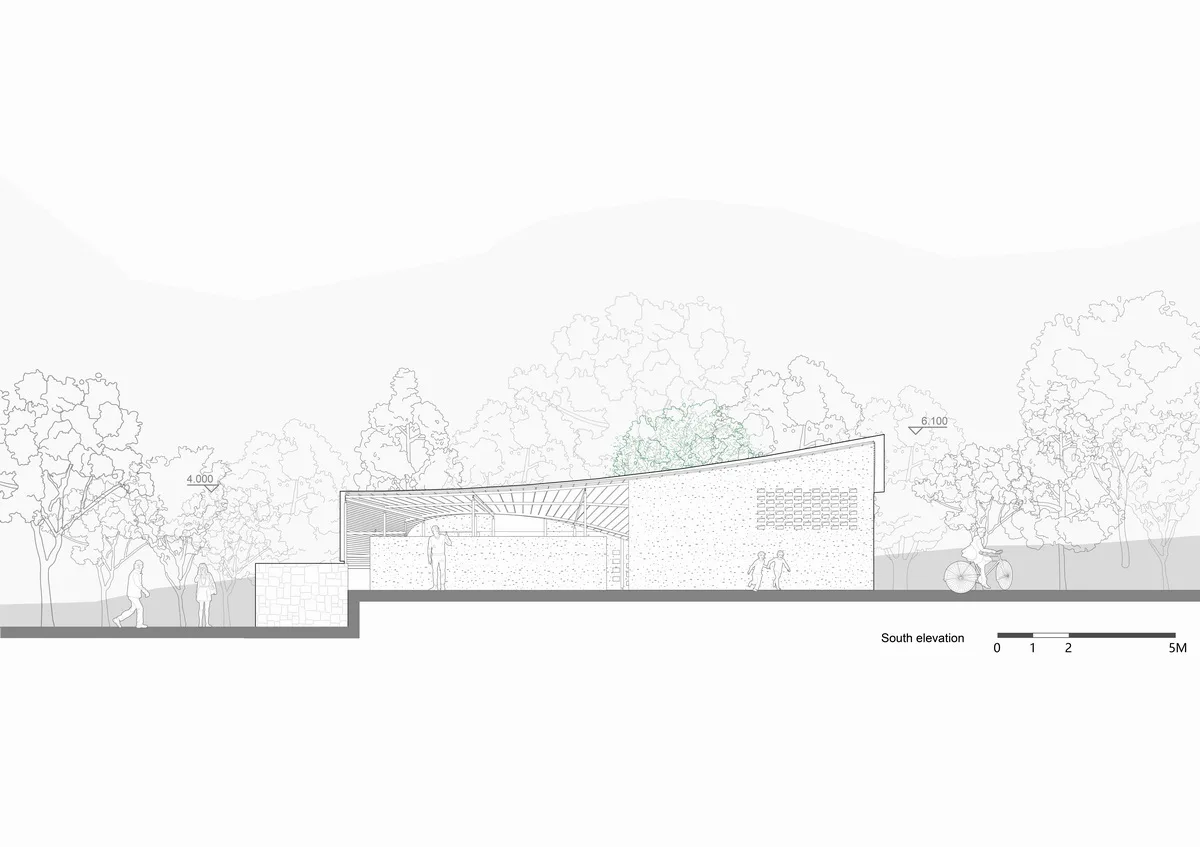
△ South Facade
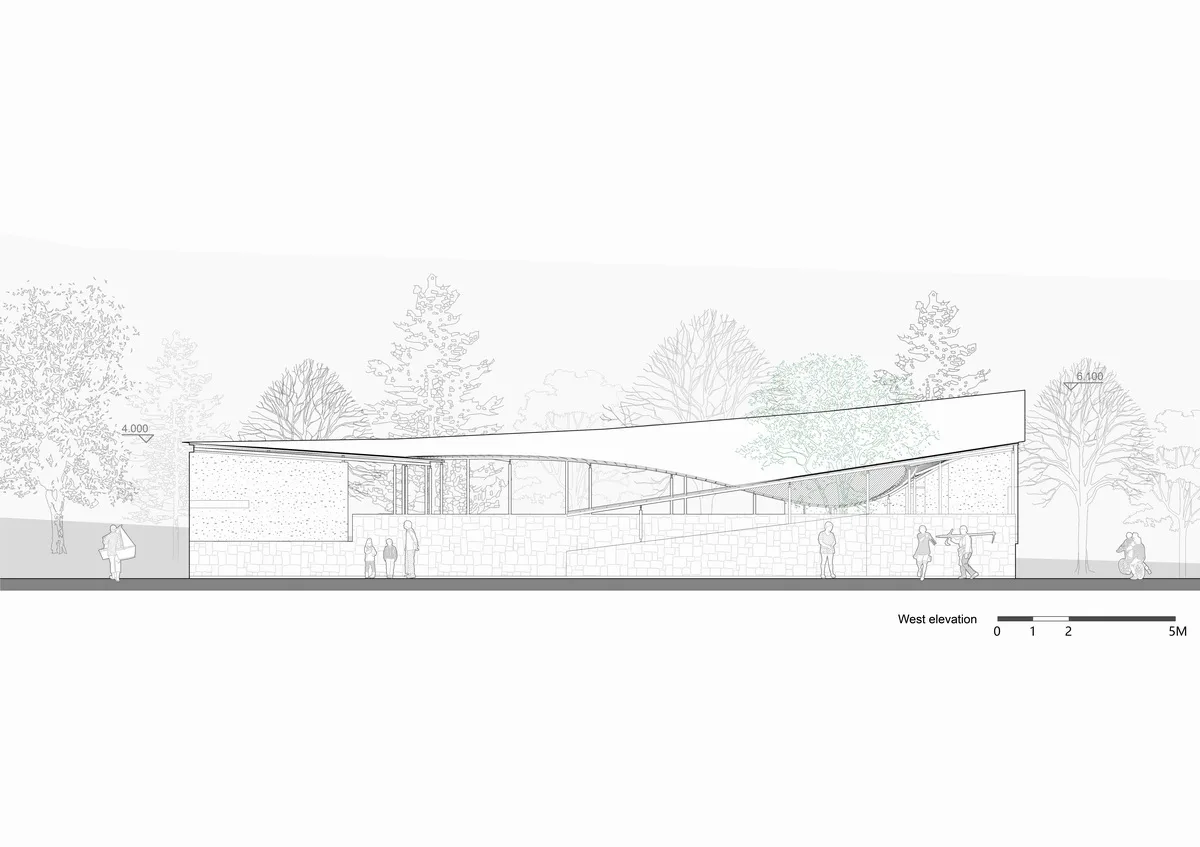
△ West Facade
Project Information
Architectural Design: Tongji University Architectural Design and Research Institute
Site Area: 730 square meters
Building Area: 480 square meters
Construction Year: 2020
Photography: Ziran Architecture Photography
Architectural Designers: Yuan Feng, Gao Weizhe, Kong Xiangping
Structural Engineers: Yue Hongkui, Wang Rui
Mechanical and Electrical Engineers: Sheng Liang, Zhang Qing, Chen Jiandong
Principal Sponsor: People’s Government of Nuodeng Town, Yunlong County, Yunnan Province
Location: Dali, China















Must log in before commenting!
Sign Up