
Preface
The year 2020 brought unprecedented challenges, and it has now been three years since we last published new work. We had intended to release a project annually to maintain momentum, but time slipped away, and the end of 2020 arrived too quickly. Over these past three years, 2021 especially has seen significant changes. The global pandemic has had a profound impact on the economy.
As local architects, we value each opportunity to engage with diverse architectural projects, regardless of scale or budget constraints. Our commitment remains steadfast: to balance the needs of the client, cost efficiency, and design integrity, striving for solutions that benefit all parties.
Every project offers a unique answer, but how do we guide these solutions? Architecture demands a holistic balance of psychology, economics, business acumen, technical skill, and aesthetics. The final design naturally evolves from this complex environment.
At this moment, I reflect on the work of Indian architect Balkrishna Doshi, whose designs span multiple socio-economic classes and profoundly impact daily life. His architecture honors Eastern cultural traditions while focusing on enhancing living conditions and quality of life. It emphasizes functionality, avoids extravagance, and resists blindly following trends. By considering society, the natural environment, and economics, Doshi’s work exemplifies sustainable principles. We salute this master.
We have experienced the golden age of real estate. In today’s new economic landscape, should we focus steadily on grassroots needs, using architectural expertise to create cost-effective, quality buildings within limited resources? Can we harmonize genuine social value with individual worth? This approach is especially relevant amid the current trends toward low-carbon and efficient economies.
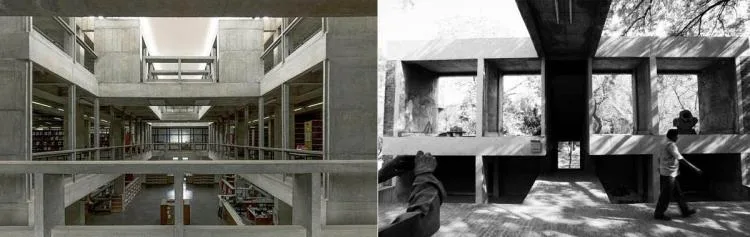
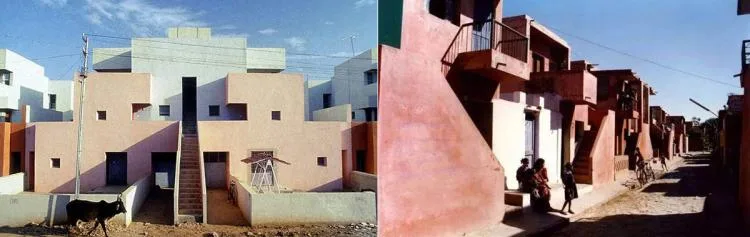
△ Composition space by Doshi
Growth
Following the Inner Mongolia “Slicing Layered Rock” project, I continue to share reports on small-scale, locally driven economic buildings.
This project is located in a county-level city within Huludao, Liaoning Province, on the province’s west coast. The region boasts rich landscape and tourism resources, but the site itself is very constrained. To the south lies a high-rise building, while the north and east border a villa area. The only open side faces west.
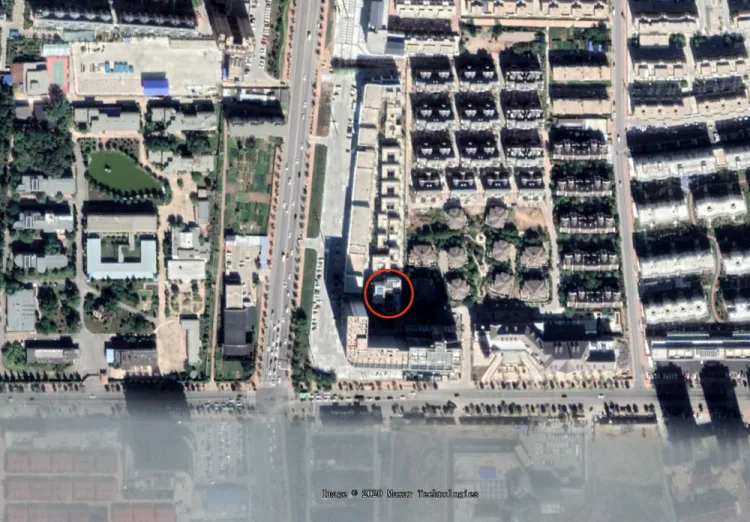
△ Satellite image
Our site analysis identified several critical challenges:
- Ensuring fire evacuation access between the southern high-rise buildings;
- Maintaining fire safety and sunlight setbacks for the adjacent villas to the north and west;
- Maximizing usable area with a square layout that allows ample natural light, as requested by the client.
Given these strict constraints, we adopted a strategy of “controlled natural growth.” We first segmented the site according to these limitations, preserving buildable volumes naturally. Then, we arranged spatial volumes in stacked layers, guided by sunlight calculations to ensure acceptable light levels on the roof’s top, north, and east elevations. Two courtyards were integrated within the roof area — one enclosed, one open — to solve vertical lighting and ventilation challenges. This shaped the plan’s volume organically.
△ Growth Animation 1
We selected cubic blocks as our design language. These meet the client’s square space requirement and are easy to segment.
△ Space Growth Animation
Transformation
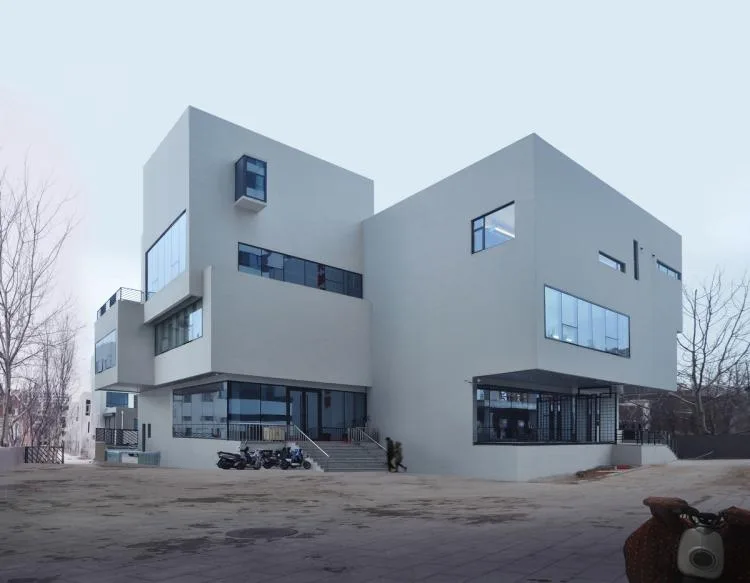
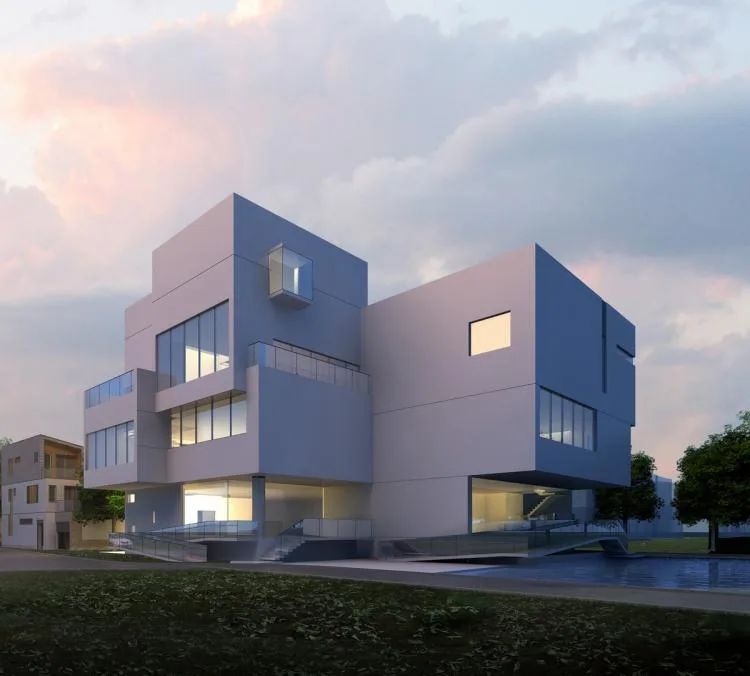
Comparison between Design Proposal and Completed Building
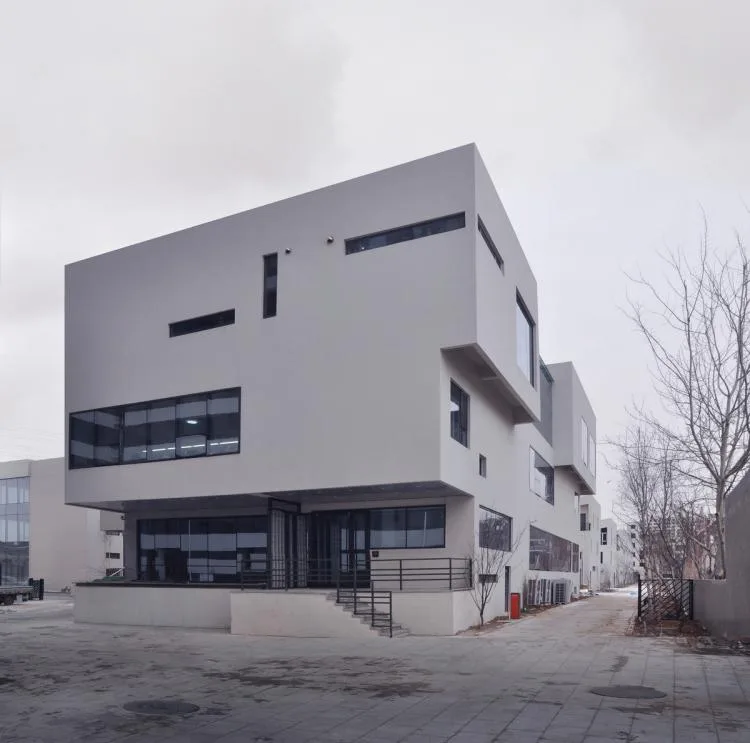
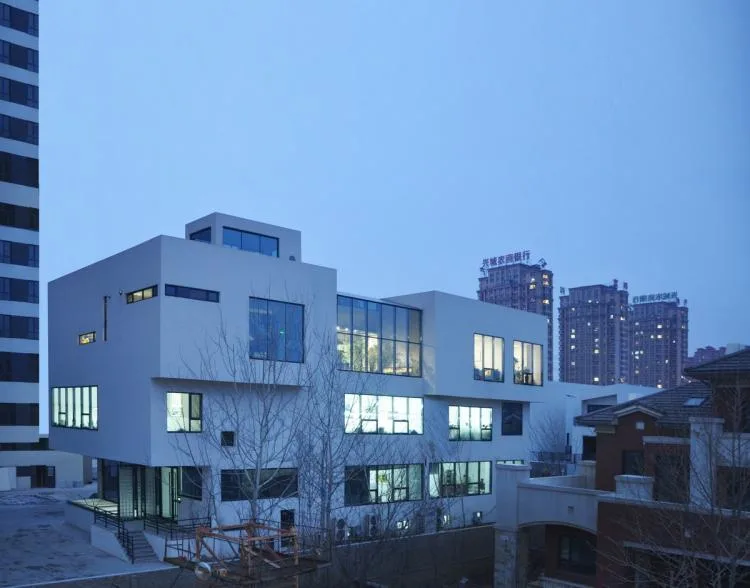
Southeast perspective
To counter the oppressive presence of the high-rise buildings to the south, we minimized window openings on that side, creating a more solid wall. Meanwhile, large windows on the east side provide abundant natural light.
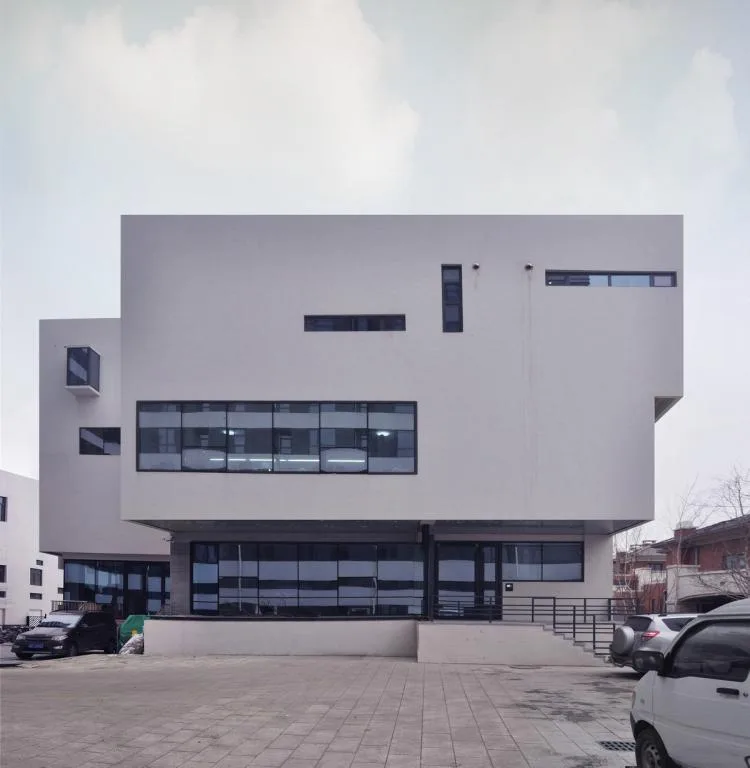
Our approach starts with respecting the floor plan’s functionality, allowing the building’s form to emerge naturally from interior spatial requirements. The exterior is free from unnecessary ornamentation; window proportions and ventilation elements serve as inherent design details. This achieves a balance between economy and design quality.
The walls feature white self-cleaning paint, chosen because much of the south-facing area remains in shadow, and we aimed to avoid creating further visual heaviness.
A recessed overhang at the entrance, concealed within the building volume, creates a feeling of weight and lightness simultaneously. This design softens the visual experience for passersby, making the space feel more open and less confined. The western overhang serves as an entrance from that side and provides buffering and parking space for vehicles.
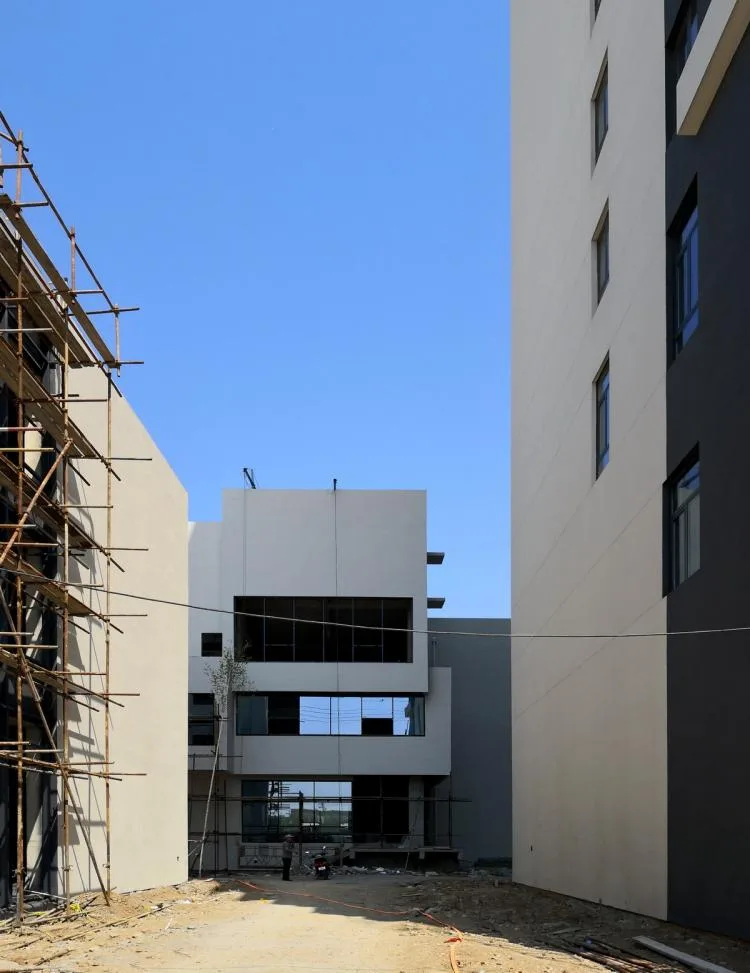
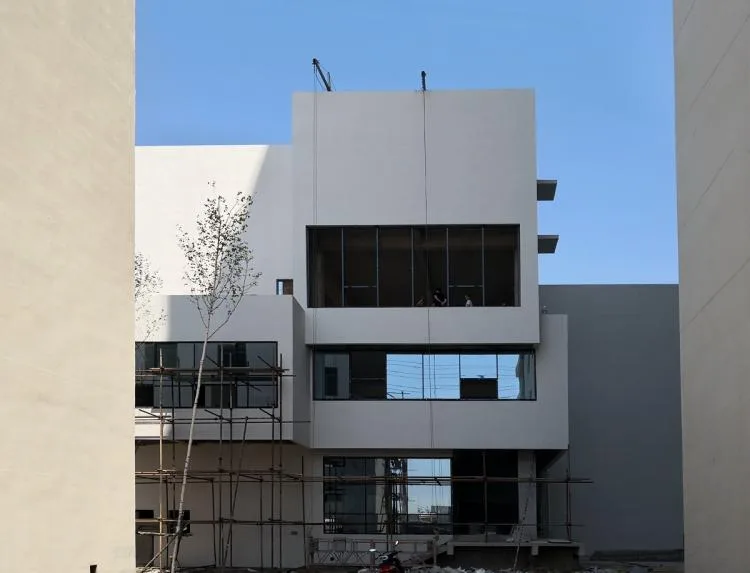
View from the west opening
The sculptural volume gently diffuses light throughout the day.
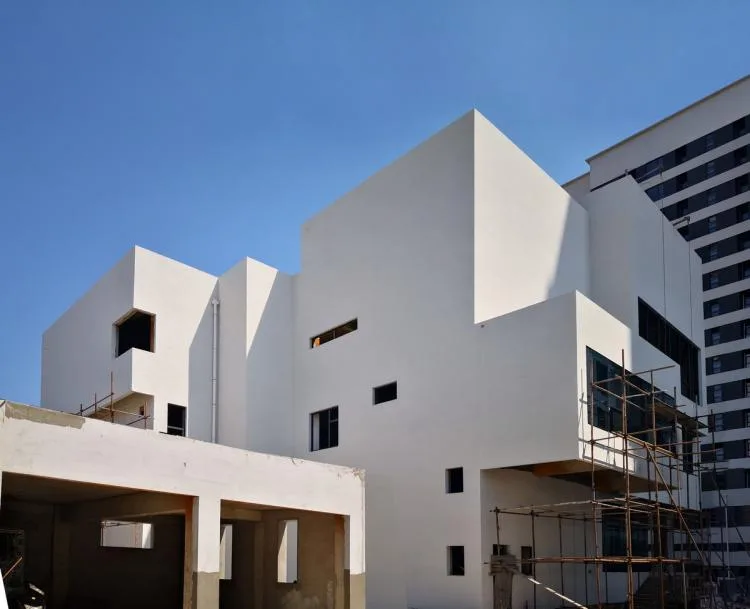
△ Sunny day
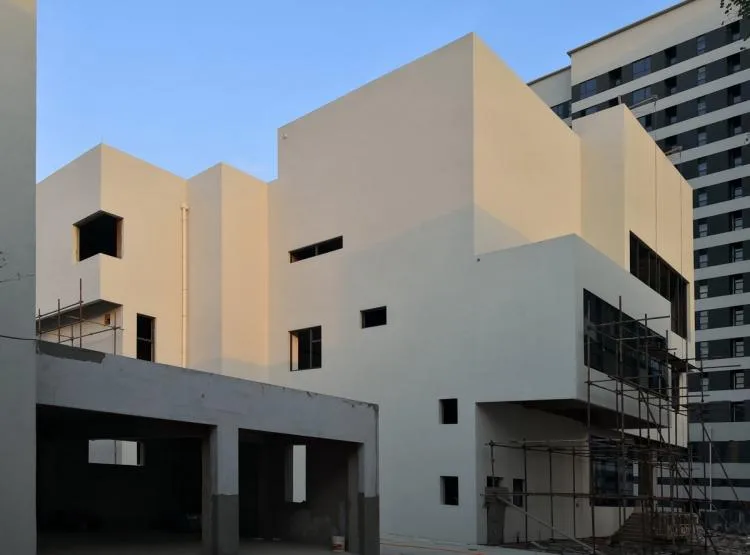
△ Twilight
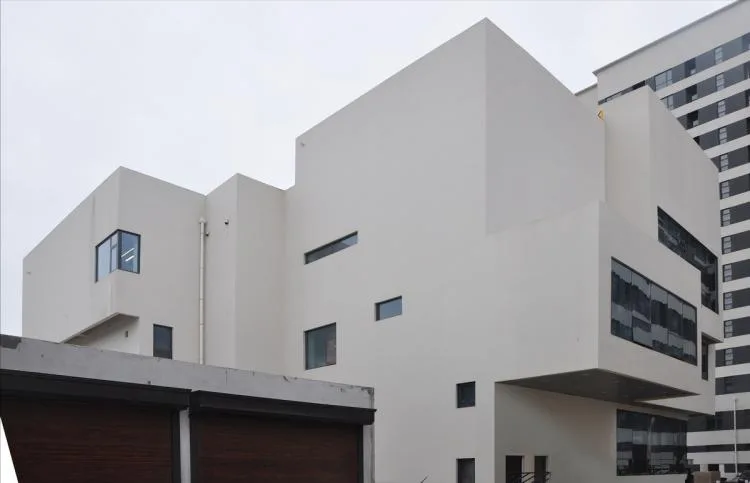
△ Cloudy day
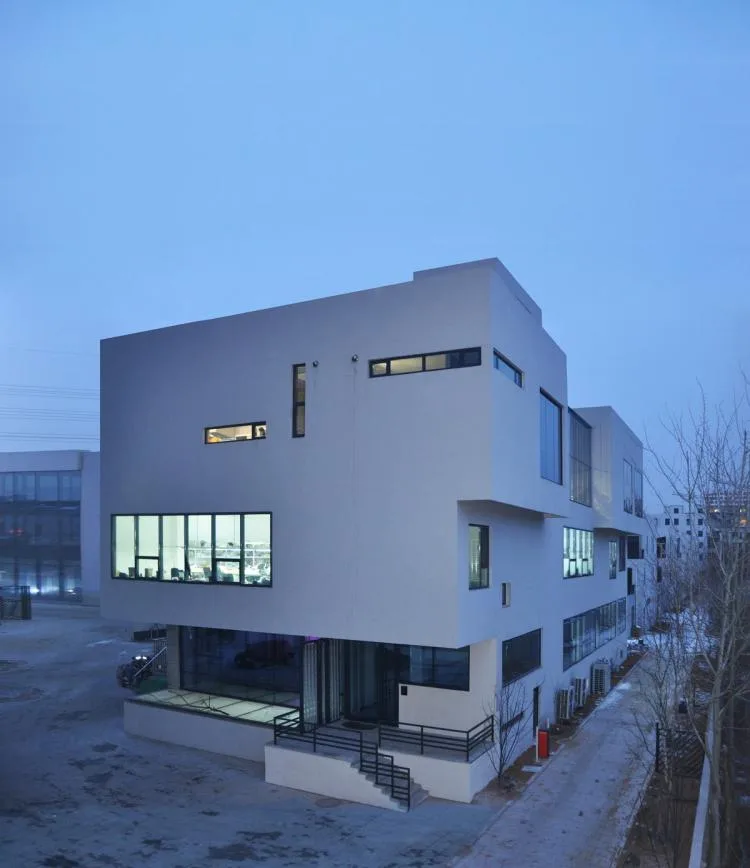
The south entrance is recessed to form an underground skylight well. The first-floor ground level is raised, and the east basement includes a high side window to capture sunlight.
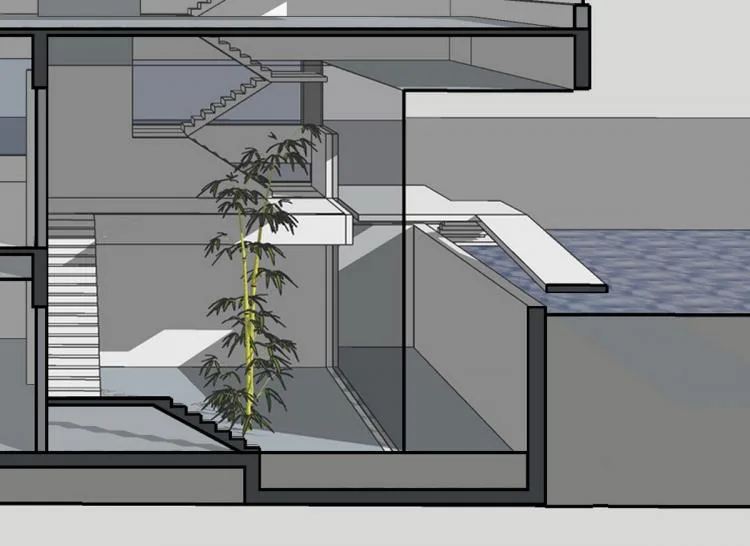
Interior Integration
Everything begins with a blueprint at the start of the structural design. Once the space is integrated and refined, the interior design naturally takes shape. From the first-floor elevator to the third floor, passing through the corridor between the outer courtyard and the pond, visitors encounter a delicate white ceiling paired with exposed rough concrete beams. The pond’s mosaic tiles evoke a nostalgic 1980s vibe, blending light and heavy elements, bridging past and present.
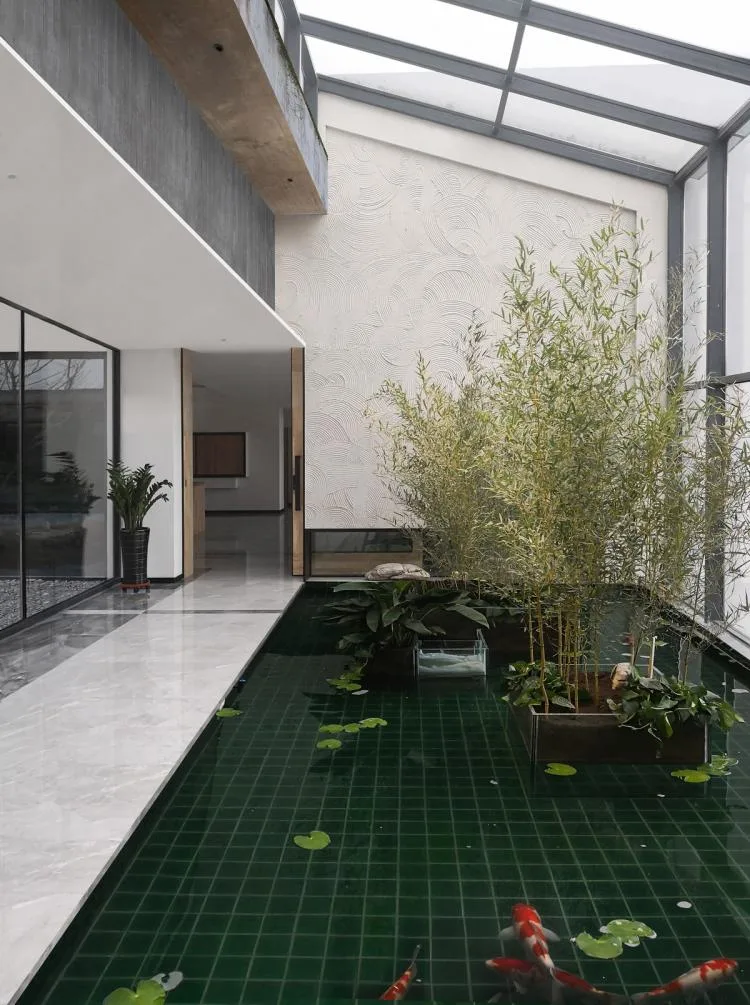
△ Crossing the interior pond
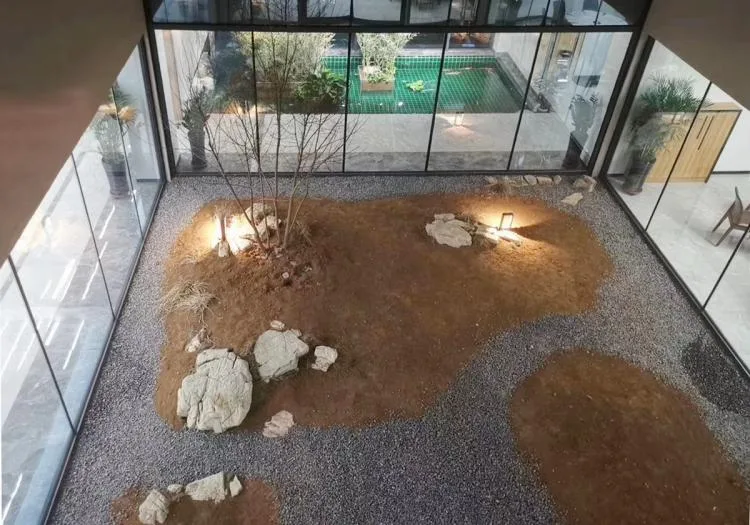
Outdoor courtyard
Passing through the pond and bamboo island leads to the main hall, where the long strip pattern vertically echoes the ceiling, creating contrast with the semi-exposed sculptural wall at the end. This interplay forms a rich visual and tactile experience.
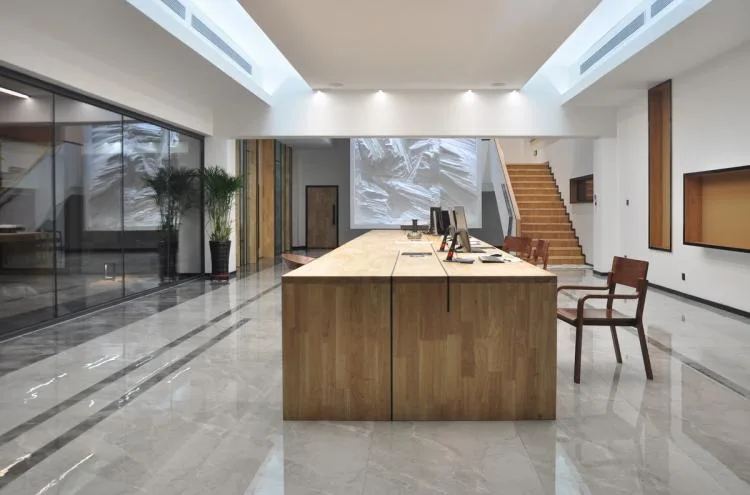
△ Main Hall
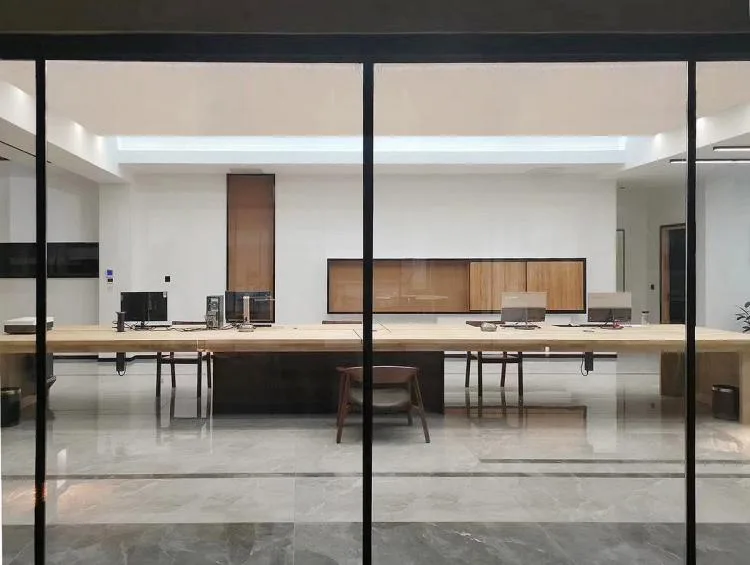
△ View of the indoor main hall from the outdoor atrium
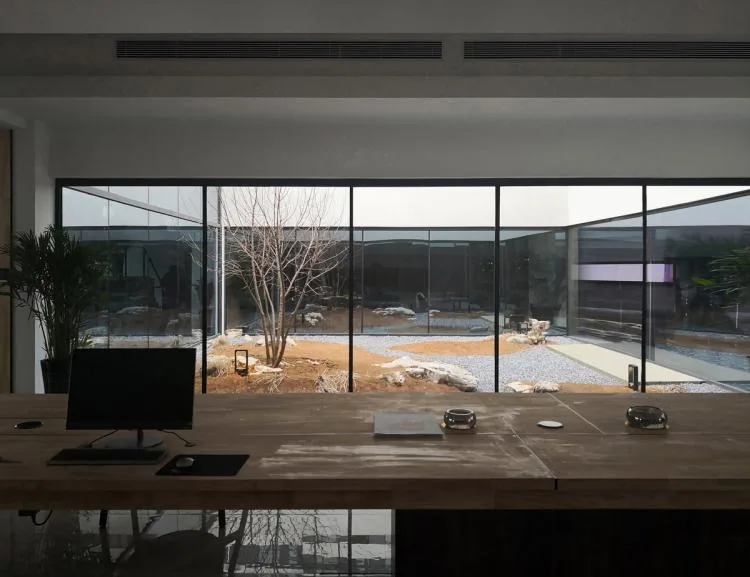
△ Indoor main hall looking out to the outdoor atrium
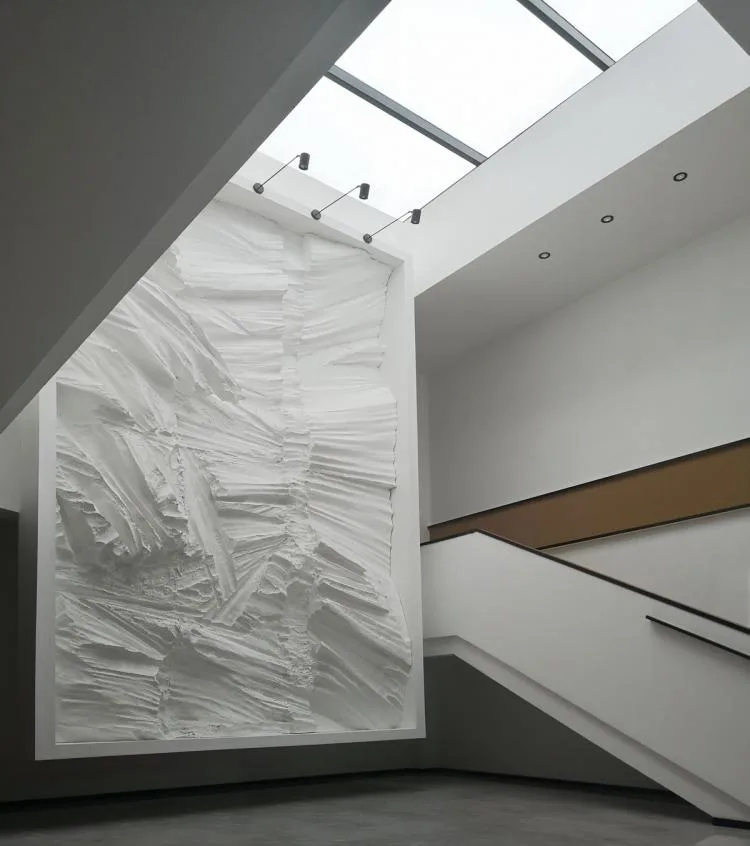
Arriving at the daylight-lit inner courtyard, I felt a sudden enlightenment. The space creates a powerful contrast to the horizontal mass of the hall, as light gently cascades down from the suspended atrium onto the thick yet floating sculptural wall.
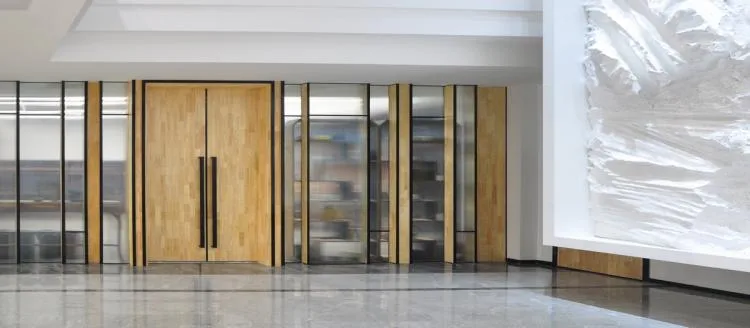
△ Sculpture wall and tea room corner in the side hall
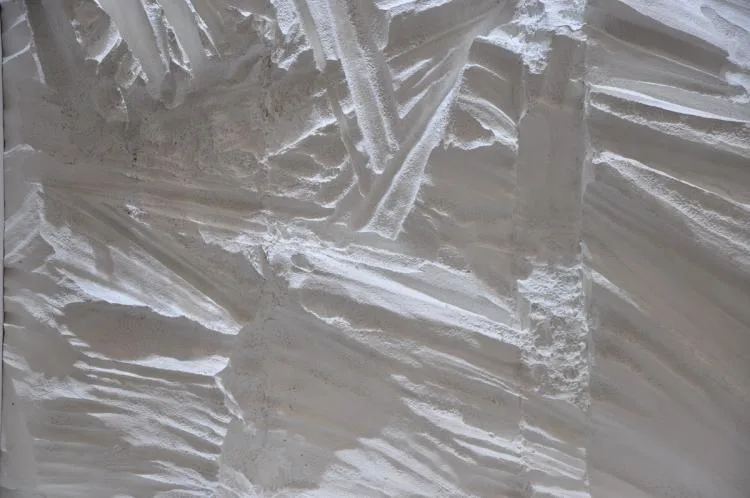
△ Sculpture wall texture details
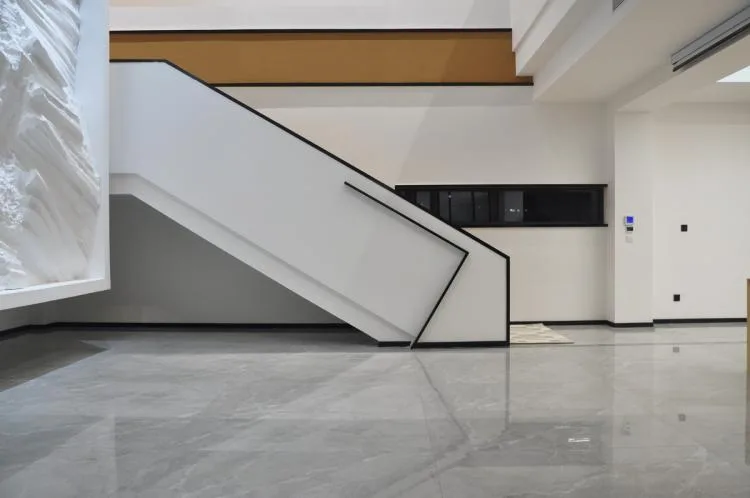
△ Courtyard staircase details
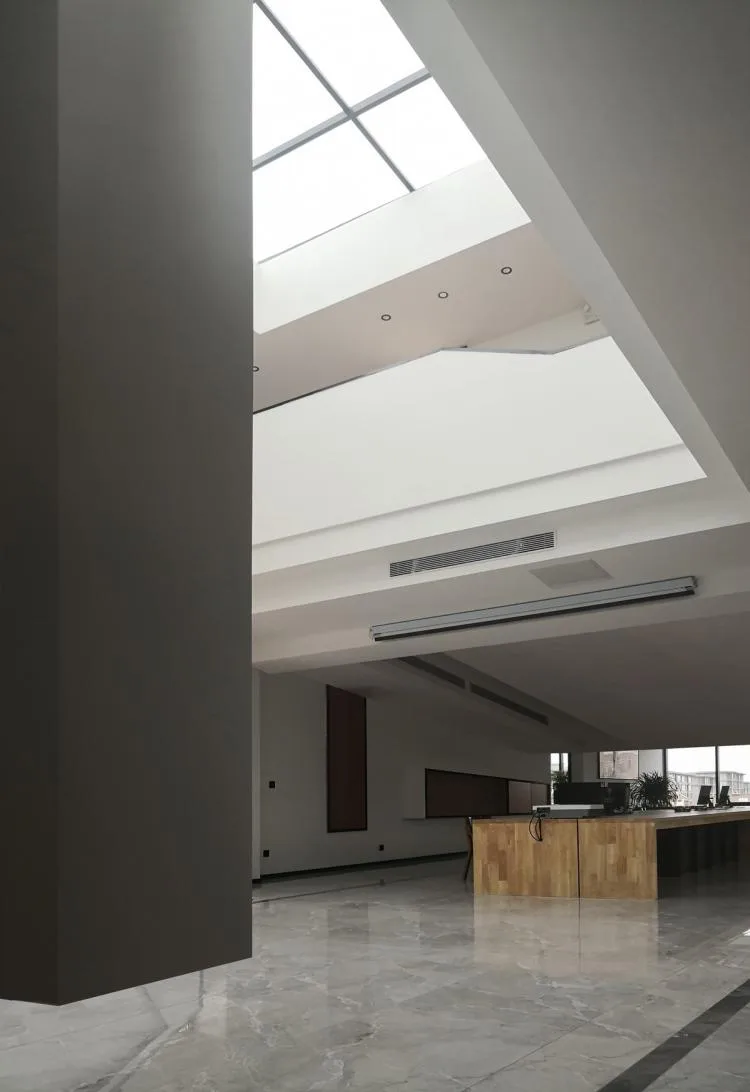
Looking back from the courtyard toward the main hall, the design reveals a dynamic play of compression followed by uplift.
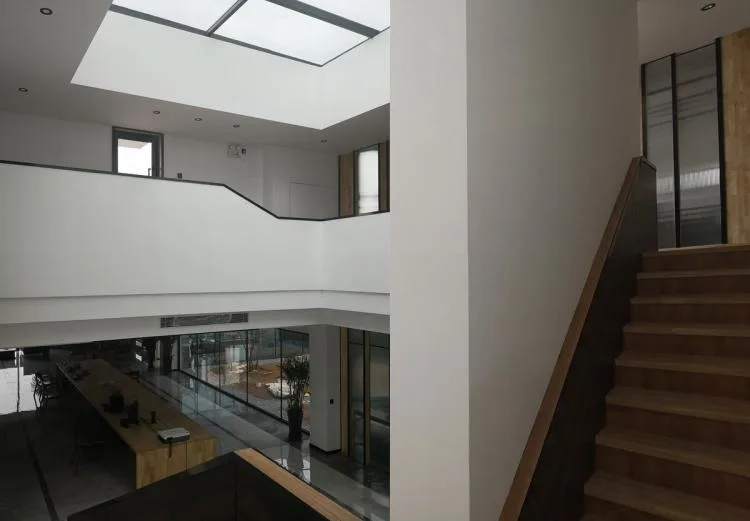
The folded plate staircase passes through the landscaped wall, where a U-shaped glass element beautifully refracts the light.
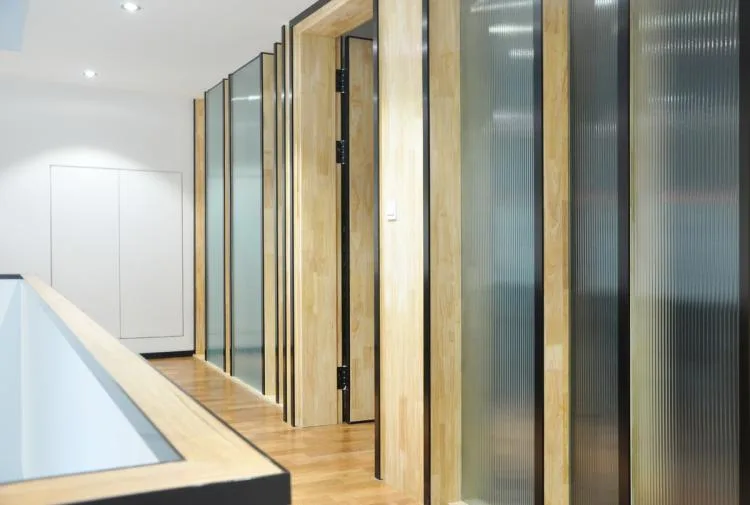
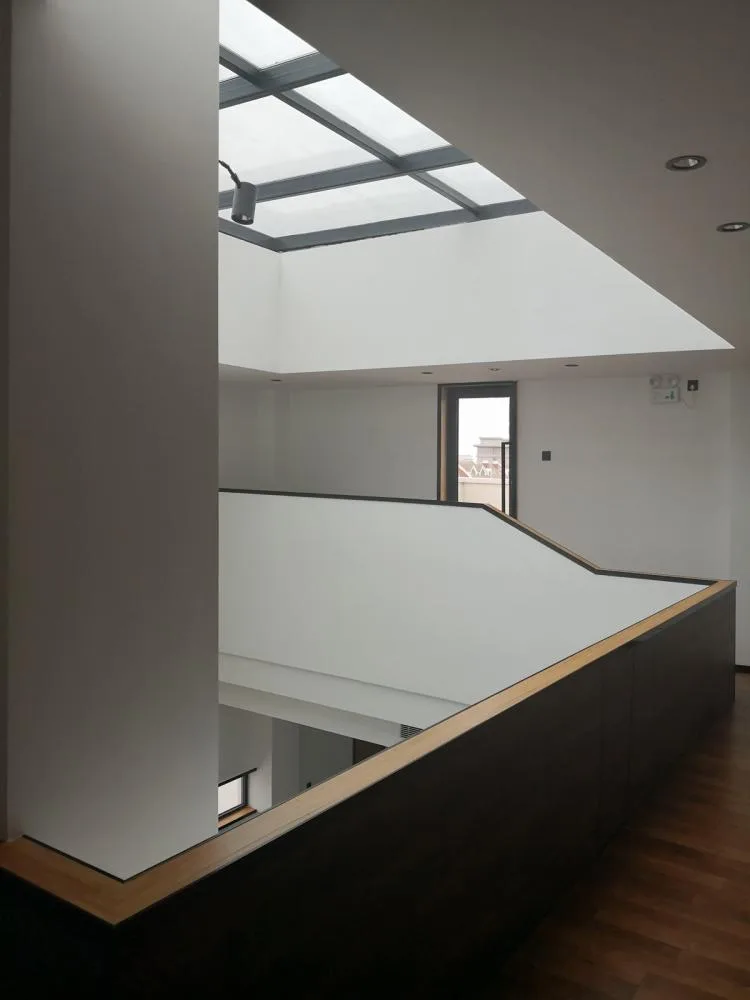
△ Light and shadow play on the landscape wall and skylight
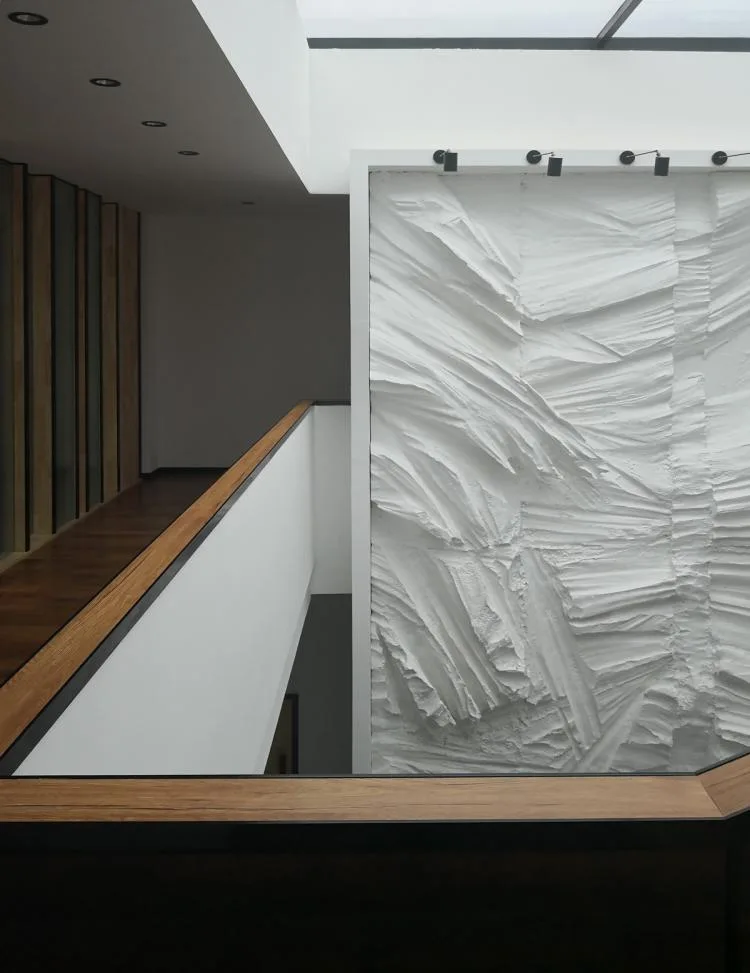
△ View of the courtyard’s landscape wall corner
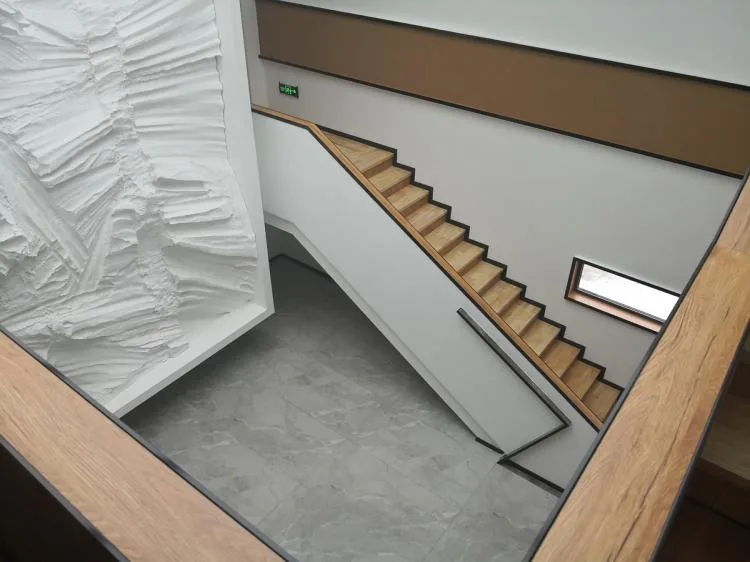
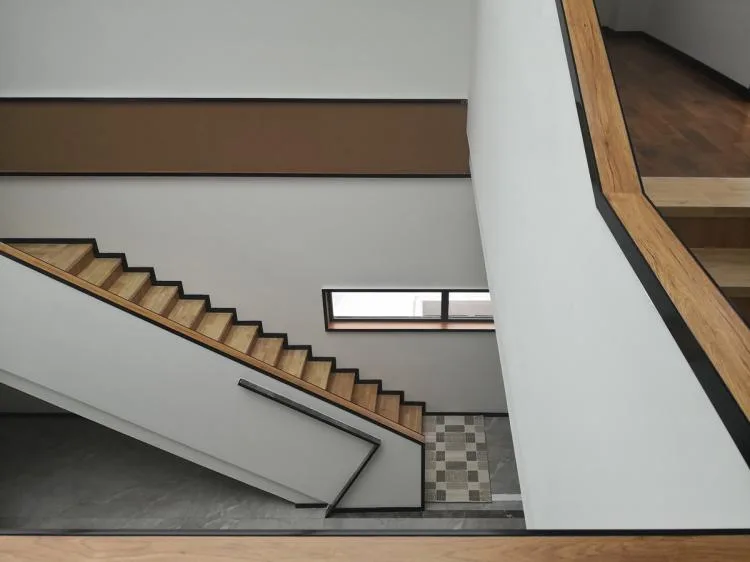
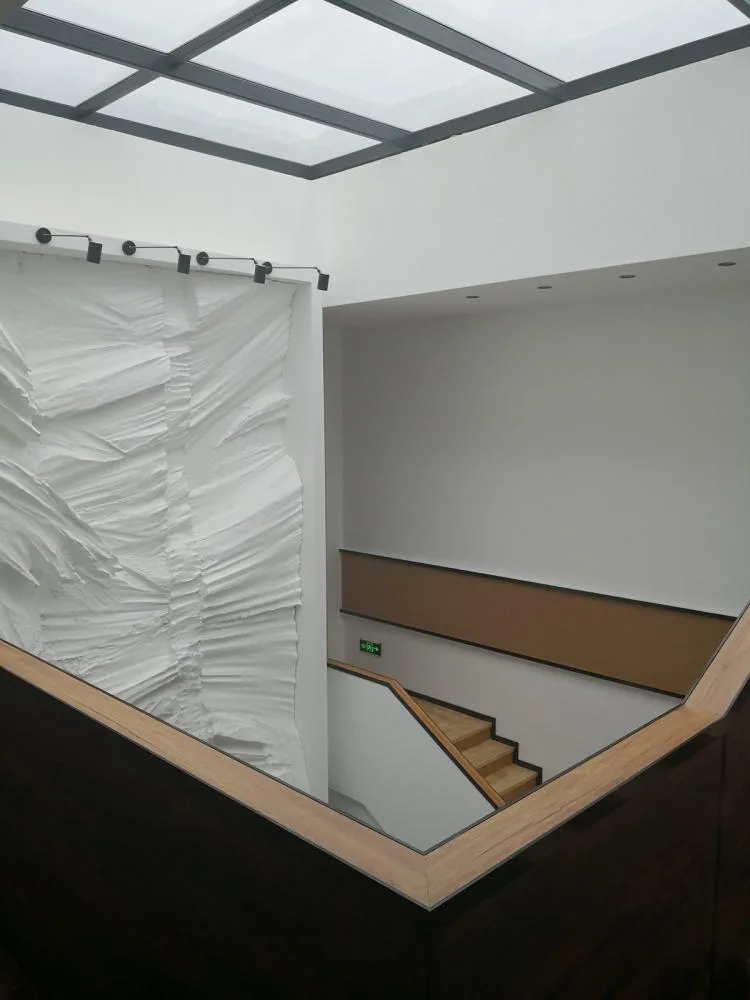
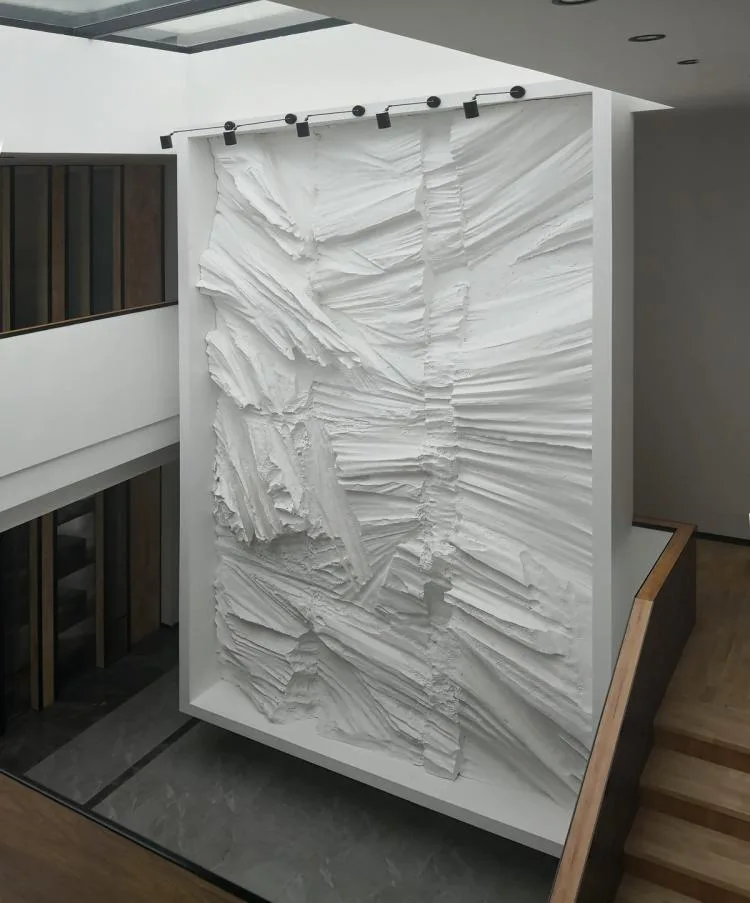
△ Panoramic view of the inner courtyard
Summary
Following the end of the real estate boom and the onset of a global pandemic, the world economy faces new challenges. China’s landscape is often marked by extravagant and luxurious construction, and the country’s rapid development seems unstoppable. Yet, the pandemic has ushered in a different economic reality, with ongoing challenges.
The national poverty alleviation campaign has achieved success, but vulnerable regions and populations still require employment opportunities, industrial restructuring, and support.
As designers today, we must decide: do we continue pursuing grand, attention-grabbing projects to fulfill our artistic ideals, or do we return to functionality, applying our skills to create practical, well-designed buildings that serve homeowners and society responsibly?
Striking a balance between economy and art remains a vital challenge—one that I personally embrace.
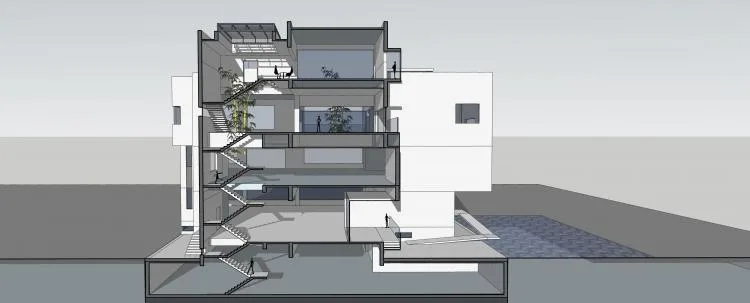
△ Profile
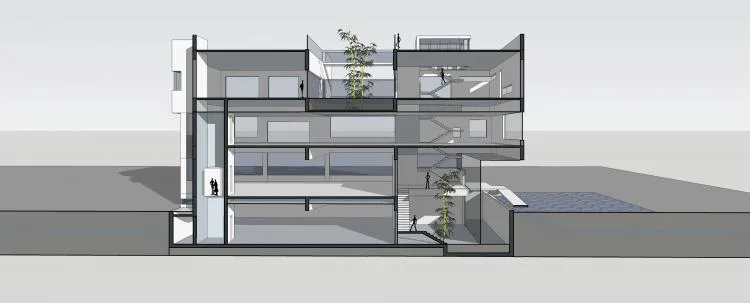
△ Profile
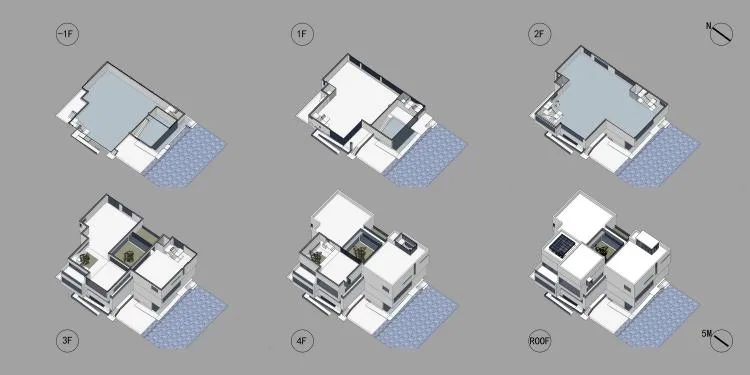
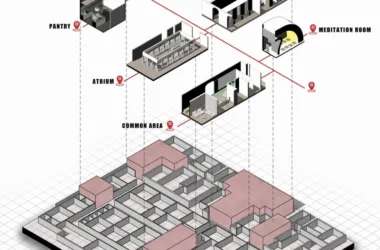
△ Axonometric 3D floor plan
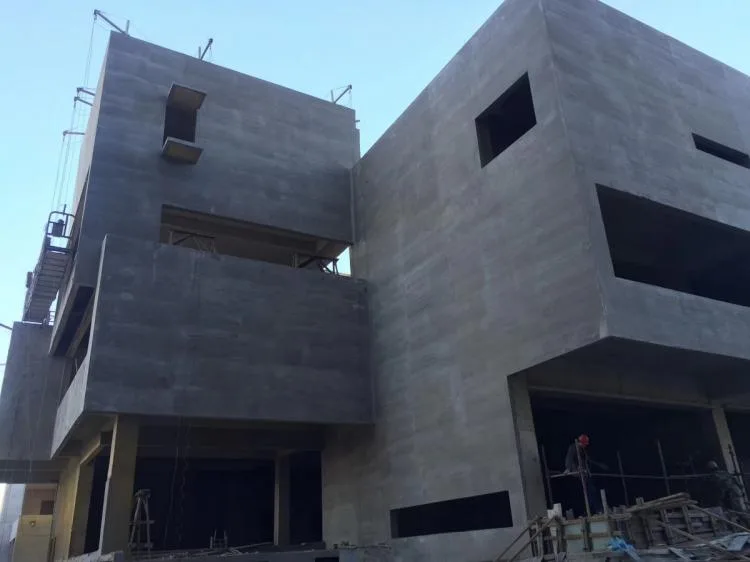
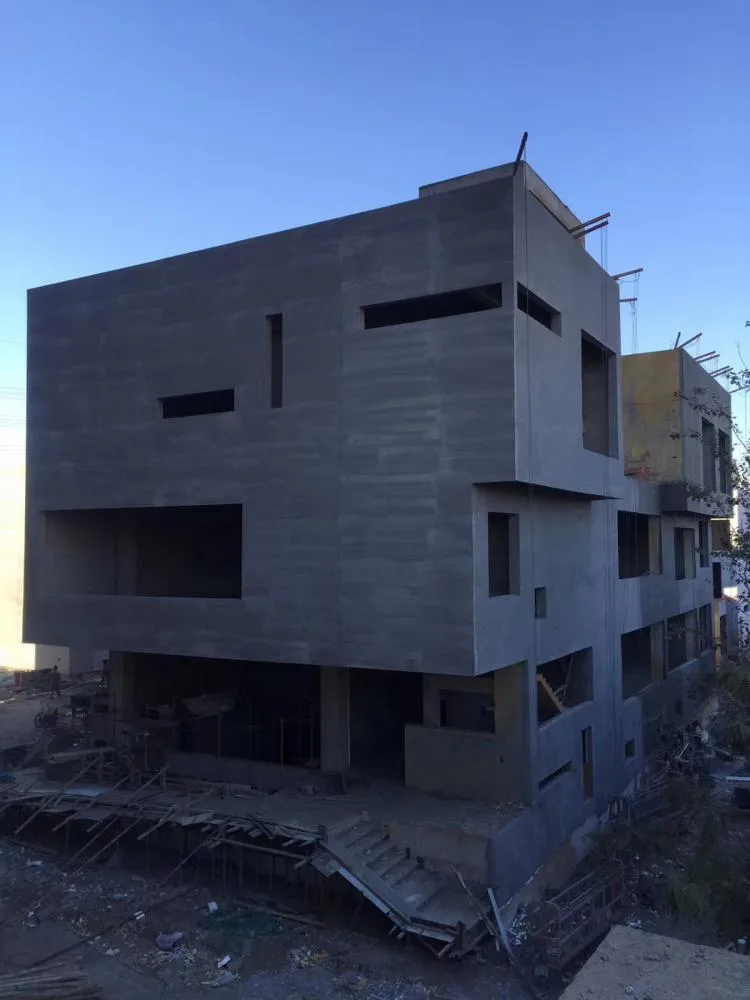
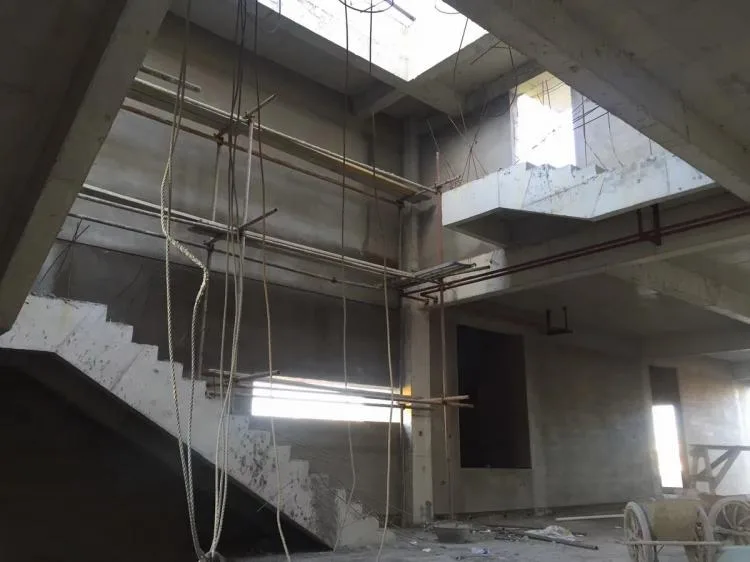
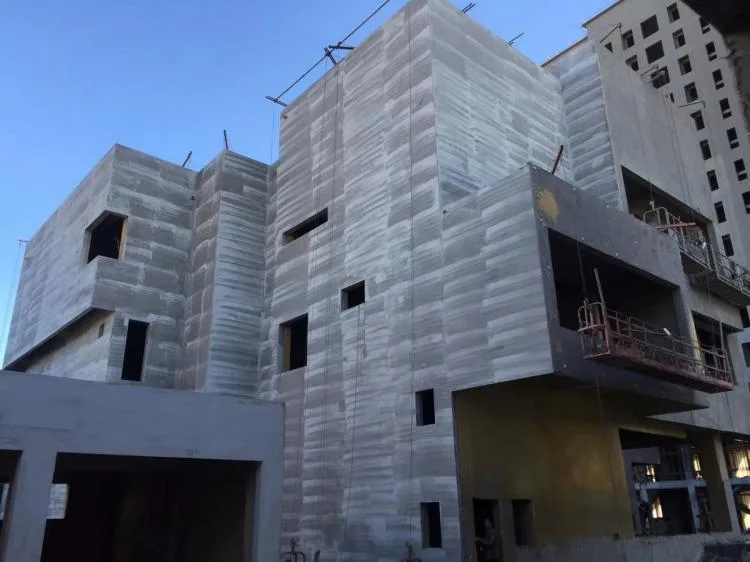
Traditional construction site
Project Information
Owner: Huludao Delintang Environmental Technology Co., Ltd
Design Firm: DJ+ARCHITECTS ATELIER
Design Director: Ding Jian
Design Team: Xia Zhongsheng, Shi Duidui, Li Chang
Photography: Ding Jian
Translation: Wang Zimeng
Construction Drawing Design: United Architectural Design Co., Ltd
Structural Engineers: Sun Jiawei, Zhang Weifu
Water Supply and Drainage Design: Pan Jianjun
Mechanical and Electrical Design: Shi Na
HVAC: Pan Jianjun
Civil Construction: Yao Meng
Building Area: 2,500 square meters
Design Period: 2018-2019
Construction Period: 2019
Project Cost: 4.5 million RMB
Building Materials: concrete, hollow bricks, white paint, glass curtain wall
Email: __AI_S_SC0__
Phone: 13840879872












Must log in before commenting!
Sign Up