
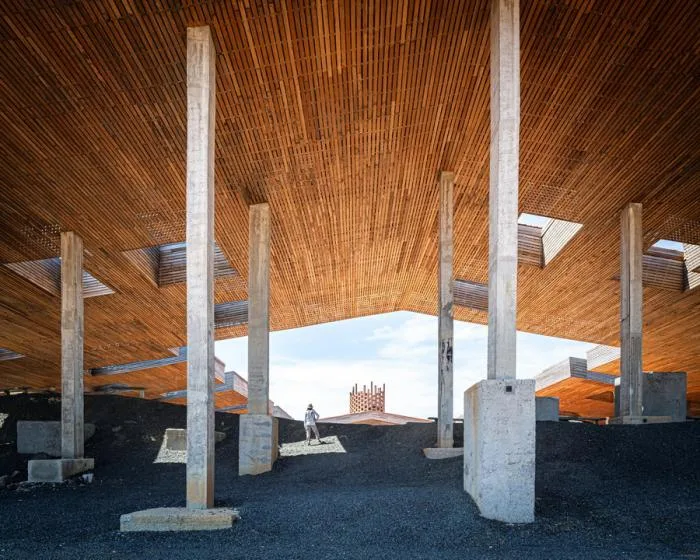
The Kui people are a minority tribe residing in northeastern Thailand. For centuries, they have coexisted closely with elephants, even integrating them into the design of their living spaces. In essence, humans and elephants share the same roof.
However, over the past fifty years, the local natural environment—especially the forests—has suffered significant degradation due to economic development. Both the Kui people and elephants, whose livelihoods depend on the forest, have faced displacement and severe resource shortages. As a result, some communities have resorted to bringing elephants to tourist areas to beg for food, leading to a difficult and uncomfortable existence for both.
In response, the local government initiated the “Elephant World” project to restore the tribe and elephants to their ancestral lands. This initiative includes rebuilding Kui ethnic villages, establishing elephant hospitals, maintaining existing temples and cemeteries, and constructing elephant museums.
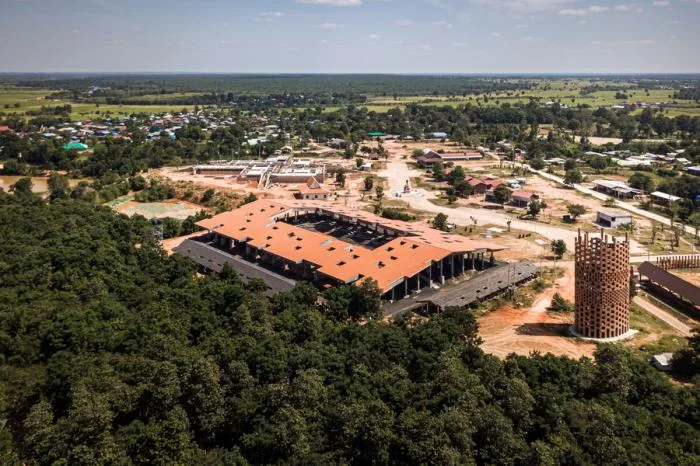
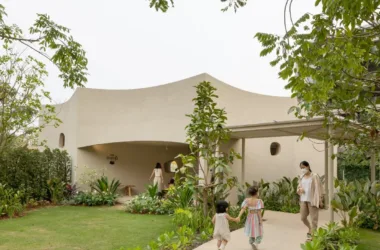
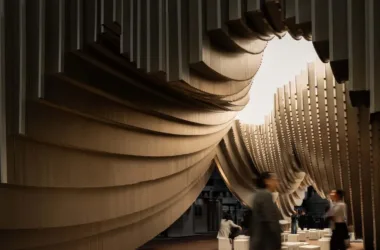
The art and cultural courtyard measures 70 by 100 meters and serves as a venue for various cultural and religious ceremonies. The architect designed the roof at a lower height to harmonize with the surrounding villages. This 1.5-meter-thick roof features a large central opening, allowing visitors to experience a sense of openness and circulation without feeling confined.
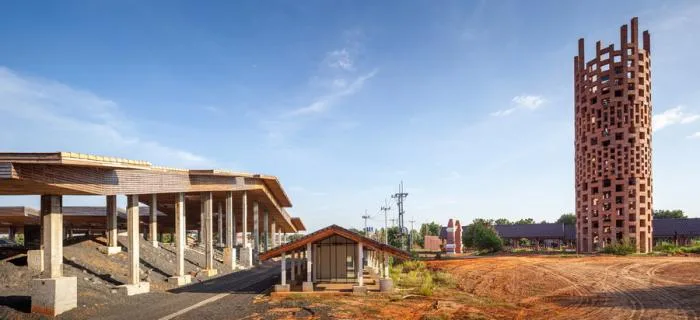
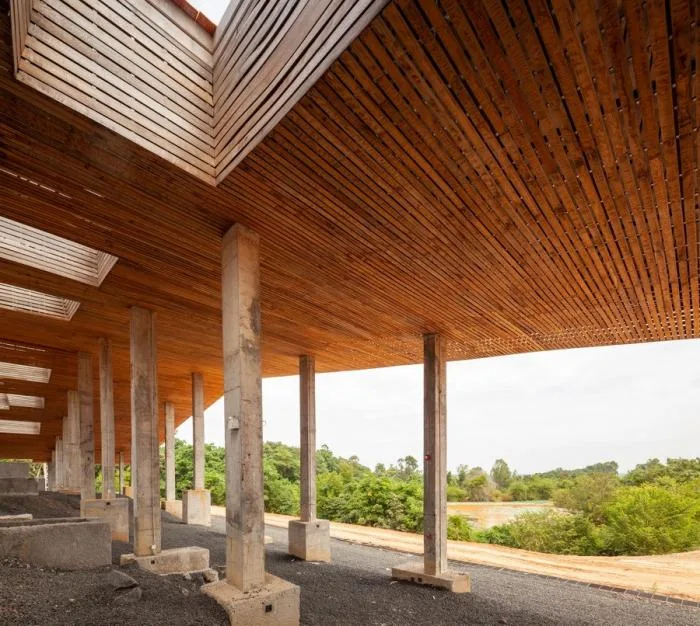
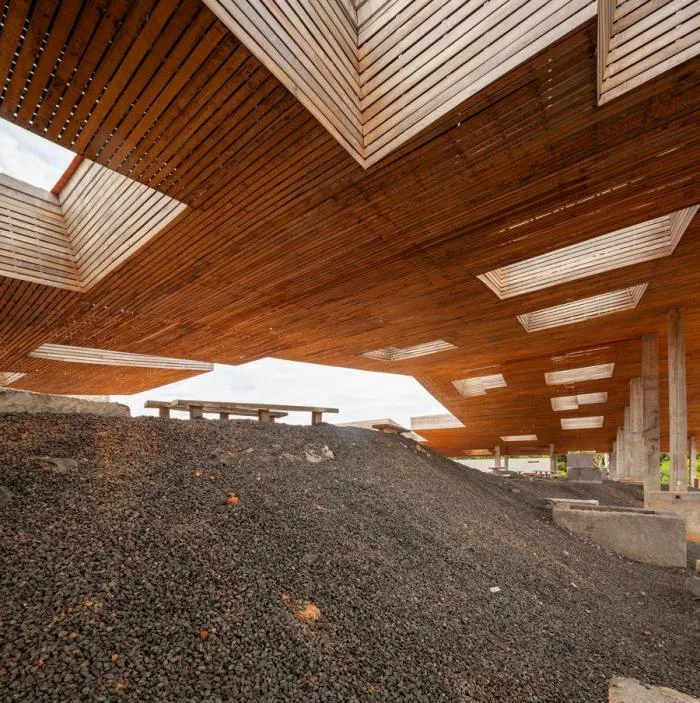
The architect enclosed three sides of the courtyard with six earthen mounds, leaving the fourth side open to allow easy access for elephants and visitors. The terrain undulates between 1.2 and 4 meters in height, reflecting the natural landscape. This design not only mimics natural scenes but also lets elephants roam freely, helping them avoid mosquito bites and cool their bodies.
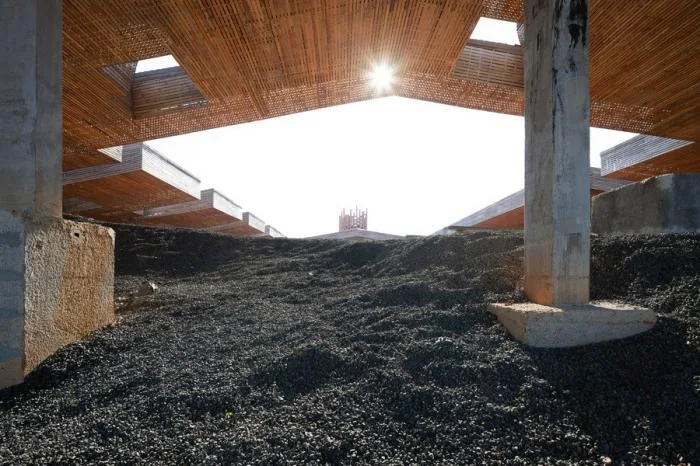
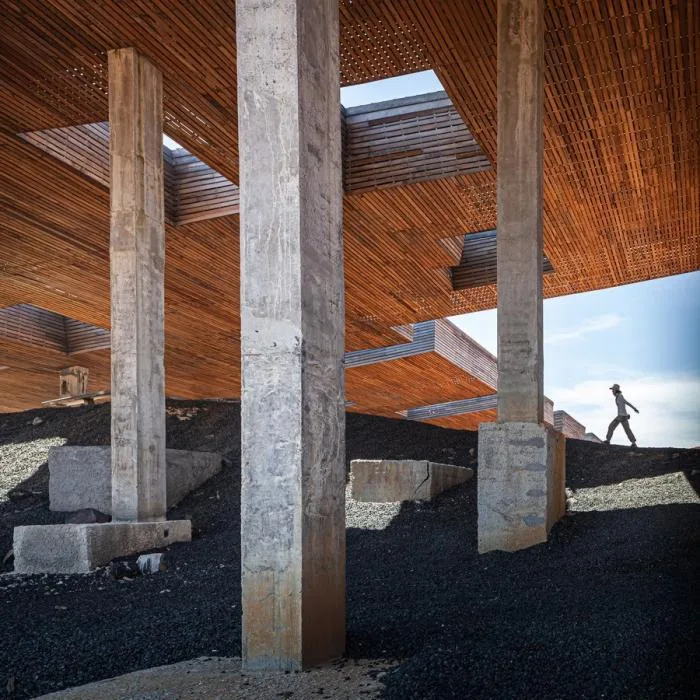
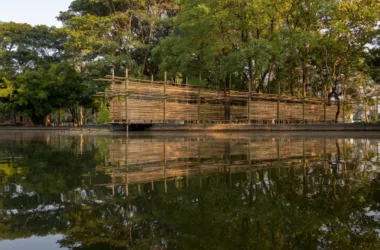
Though the site is approximately 4 kilometers from the river, the architect addressed the significant water needs of 200 elephants by designing a rainwater collection tank. This tank not only supports their large water consumption but also provides 8,500 cubic meters of soil used to build the earthen mounds, shaping the courtyard into a circular theater-like space.
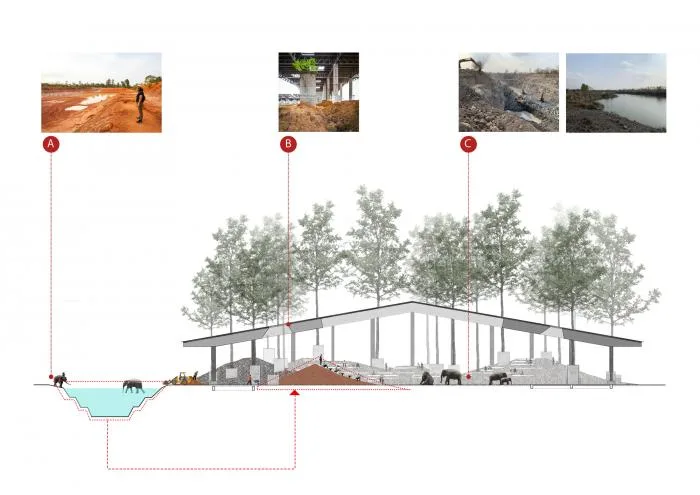
△ Analysis chart
During construction of the elephant park, the architect discovered an additional groundwater source by mining basalt nearby, securing an extra reservoir to help sustain water supply.
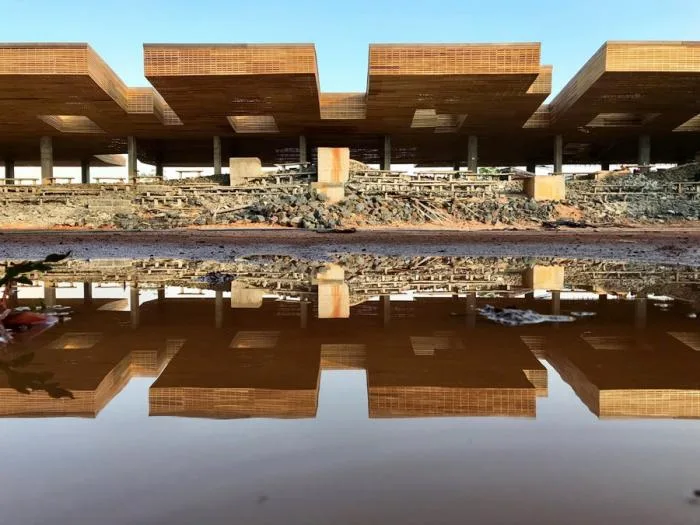
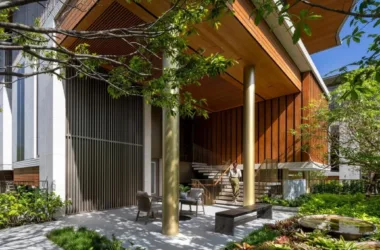
The circular theater is designed with six rows of seating, accommodating up to 800 guests. Additionally, 42 concrete tree pools have been incorporated to create a rooftop garden, which provides shade and a plentiful food source for the elephants.
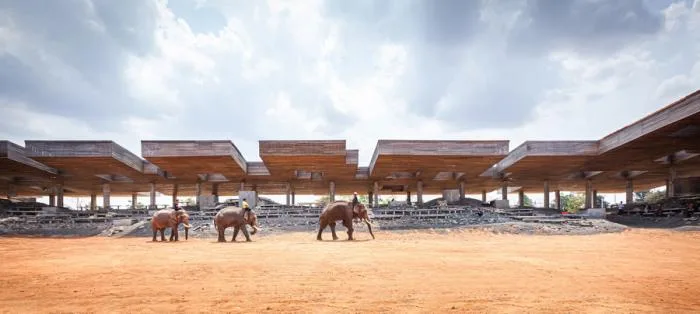
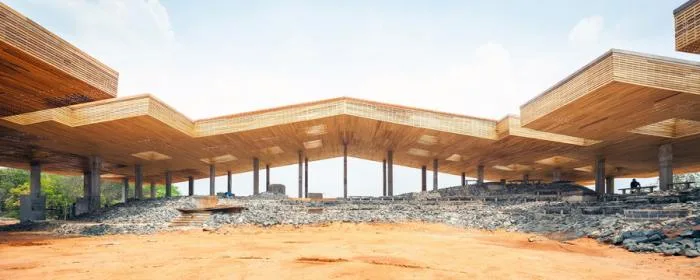
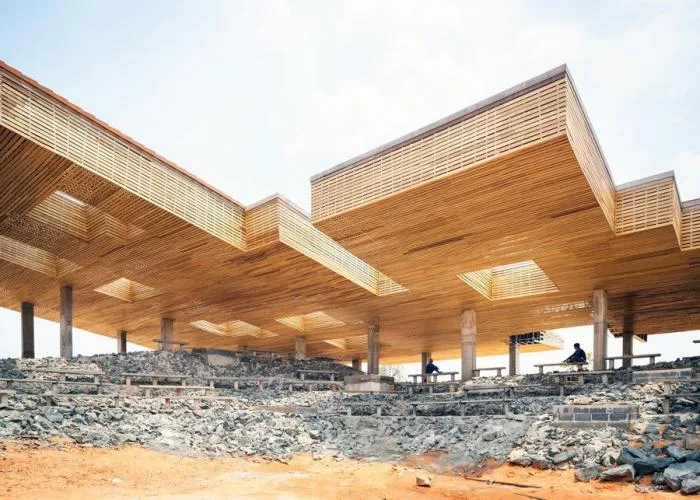
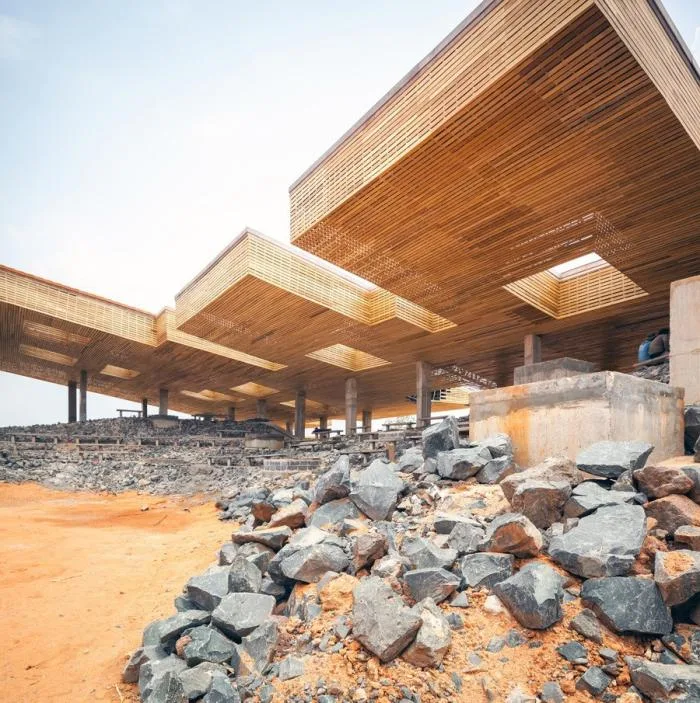
Throughout the design process, sustainability was a key consideration. By preserving and tapping into water reserves, moist vapor has been reintroduced to this arid landscape. This revitalization enables the Kui people to replant trees on their ancestral lands, helping to secure local water sources. The enduring bond between elephants and humans remains the foundation for sustainable development. Ultimately, the Kui people and elephants now live together under one roof, just as their ancestors did.
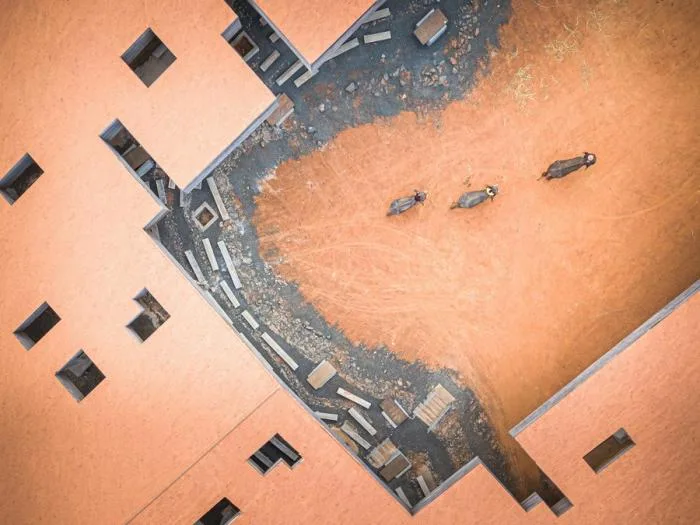
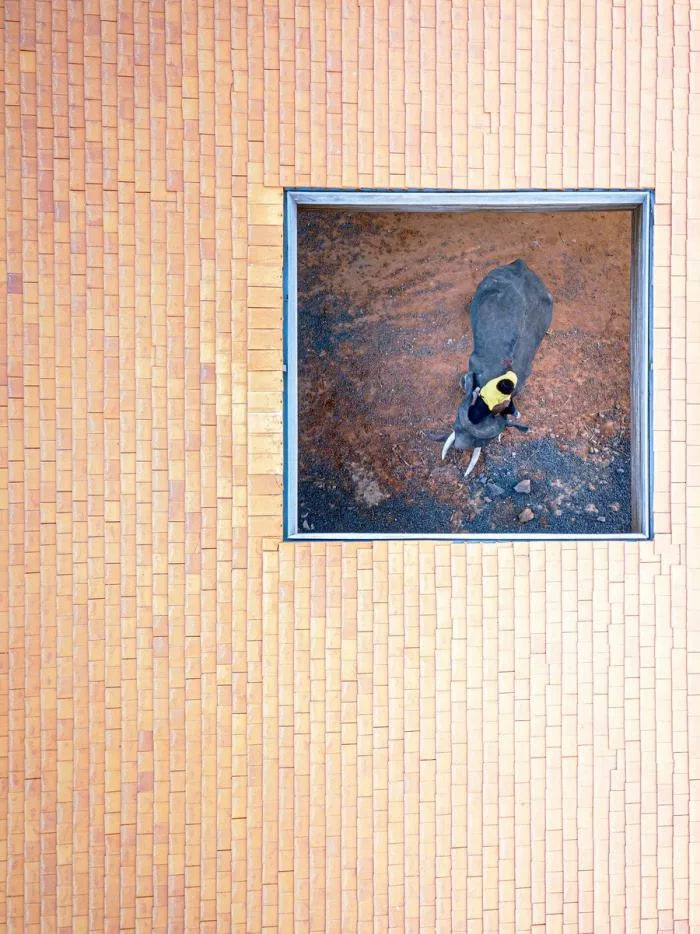
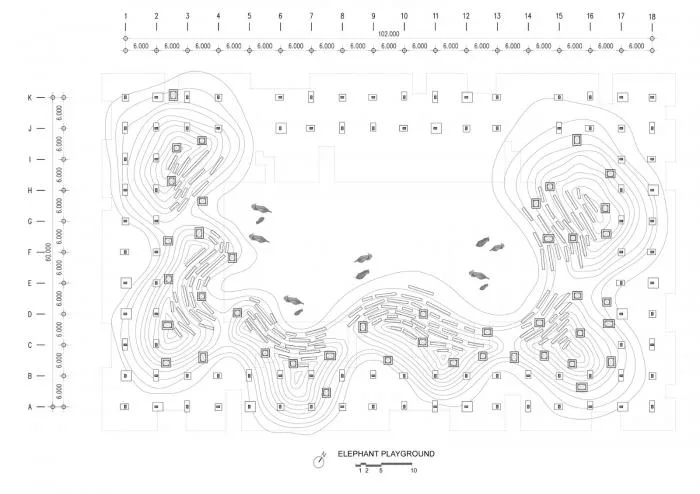
△ Plan view
Project Information
Project Type: Cultural Architecture, Public Architecture
Location: Thailand
Architectural Design: Bangkok Project Studio
Area: 8,130 m²
Year: 2020
Photographer: Spacelift Studio
Lead Architect: Boonserm Premthada
Project Team: Booster Premthada, Nathan Mehl
Engineering Design: Preecha Suvaparpkul
Owner: Surin Provincial Administration Organization
Engineering Consultant: Evotech Co., Ltd.
Project Consultant: Surin Provincial Administration Organization












The World of Elephants