
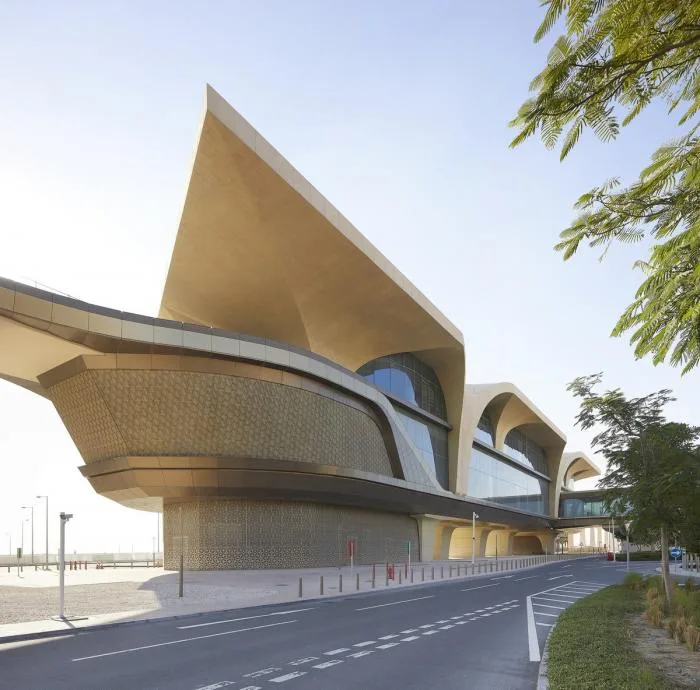
UNStudio has unveiled the first completed station of the Doha Metro network, featuring one of the most advanced and rapid unmanned driving systems globally. The initial phase of the Qatar Railway Integrated Project (QIRP) includes three subway lines — red, green, and gold — with 37 stations already finished.
Focusing on creating dynamic transit venues, UNStudio envisions the future design of Doha’s new metro stations. Collaborating with the Qatar Railway Construction Department, they developed an architectural brand guide. Currently, the Qatar Railway Company oversees the entire railway system development, which comprises four subway lines. Phase one includes 30 stations, with an additional 40 planned in phase two.
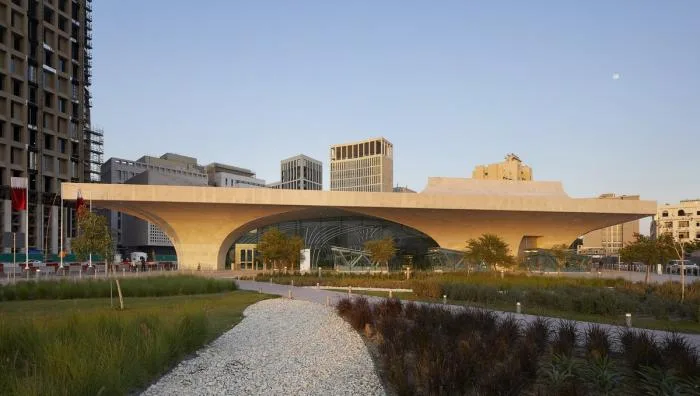
“Our future mobility will be transformed. From autonomous vehicles to urban cable cars and the introduction of the Hyperloop, transportation is evolving rapidly. Future transit hubs must respond and adapt to these shifts. To promote environmentally friendly travel, these stations not only ensure smooth and comfortable passenger flow but also feature designs that attract the public, becoming destinations people want to visit repeatedly.”
— Ben van Berkel
UNStudio applies urban planning and design principles to craft public spaces that enrich the pedestrian experience, creating stations with broad appeal and distinctive character. This approach introduces a new mode of transportation for Doha’s community, emphasizing efficient and reliable services that encourage public transit use in a region traditionally dependent on cars. By introducing diverse facilities, the city enhances its transit system’s identity, establishing networks, routes, and stations as permanent landmarks for alternative transportation.
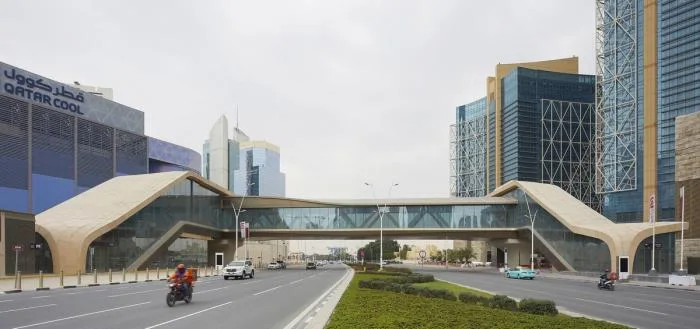
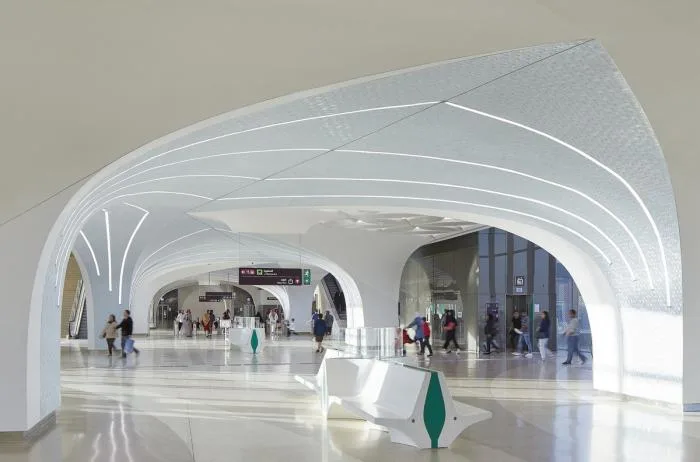
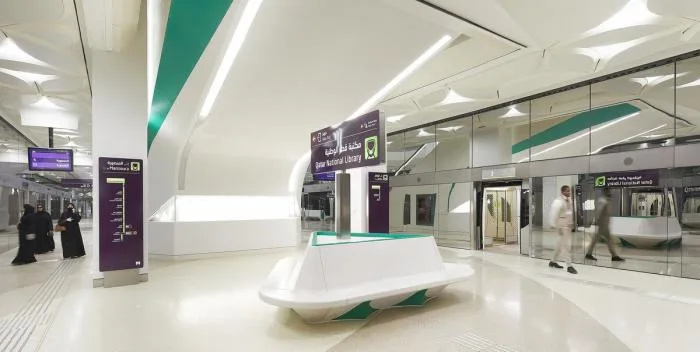
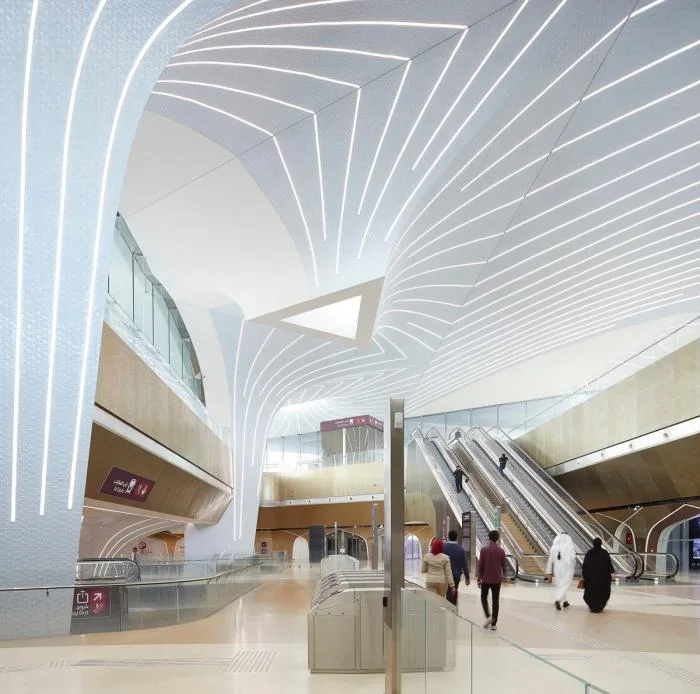
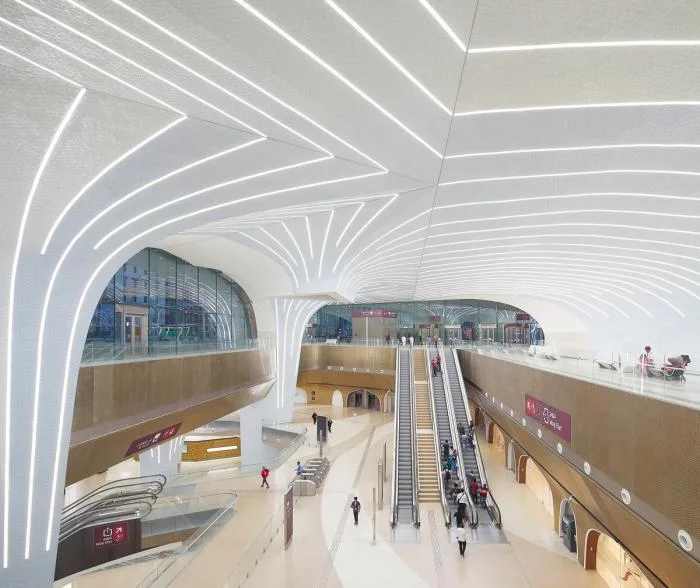
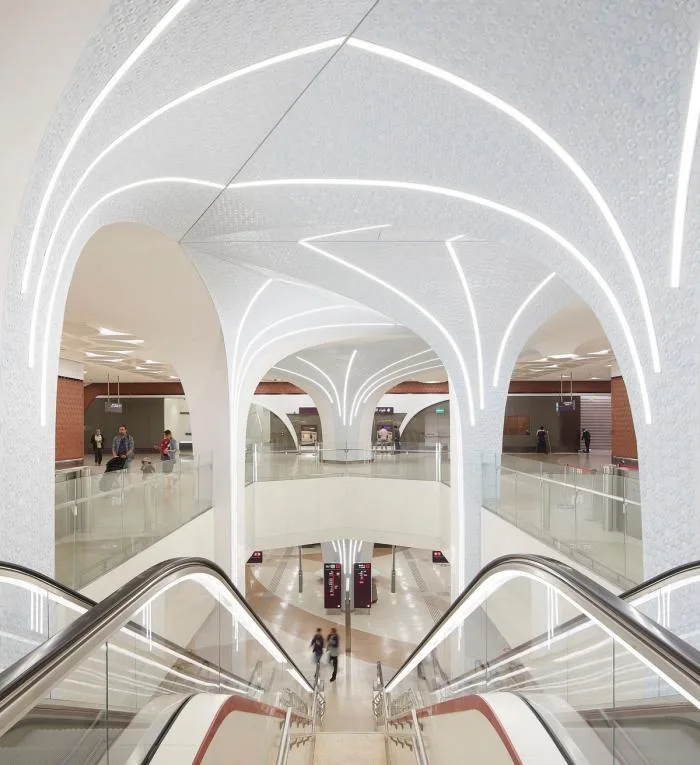
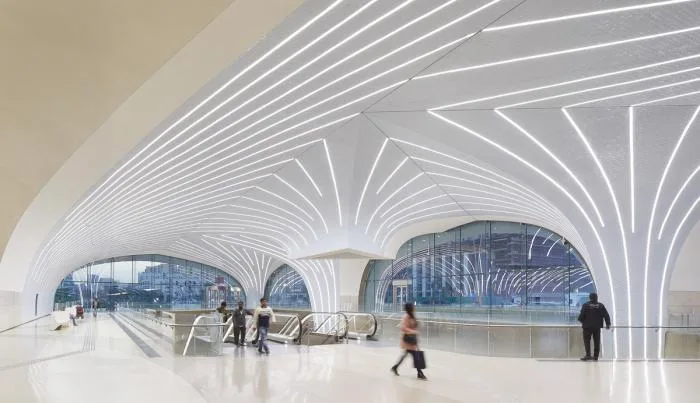
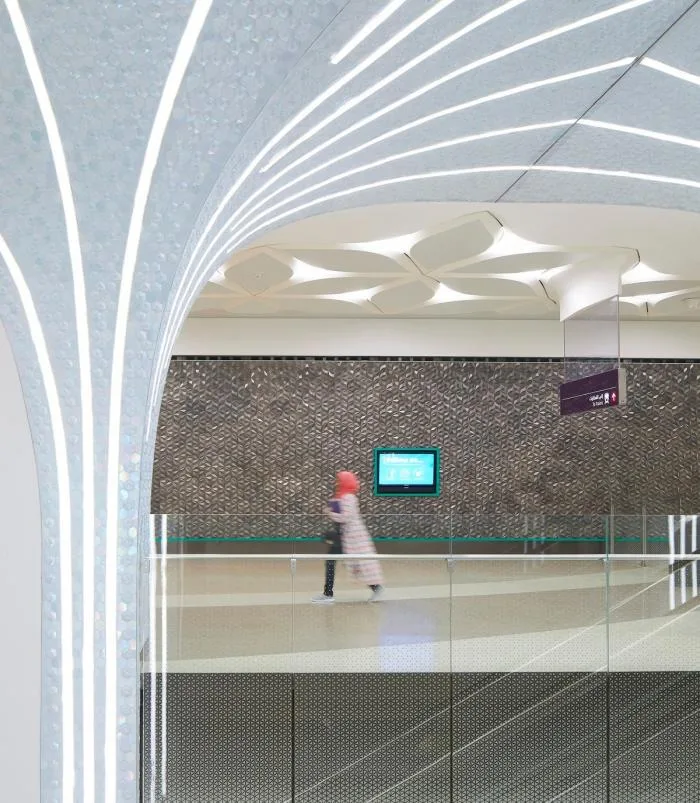
Designing the stations celebrates the concepts of arrival and departure. For the Doha Metro network, architects developed an adaptive parameter system to create open, bright, and welcoming interiors. The architecture reinterprets traditional Qatari design elements, incorporating innovative features that capture and diffuse natural light, resulting in pleasant, luminous spaces.
— Ben van Berkel
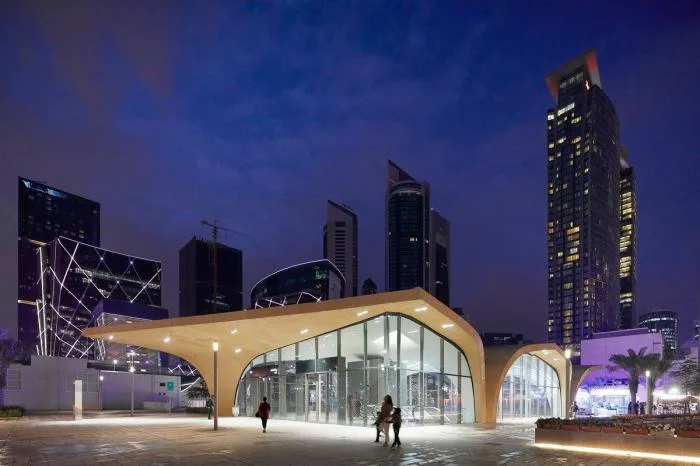
The concept draws inspiration from blending modern construction with traditional preservation, reflecting the building’s environment and echoing the form of ancient caravanserais. Historically, caravanserais were inns with enclosed courtyards serving as gathering and resting points along trade routes. This project reimagines regional arch elements through contemporary techniques. While the building’s exterior reflects strong traditional Qatari architectural traits, the interior evokes a dynamic sense of fluidity and movement. Using distinctive Qatari decorations and material combinations, large interior spaces are divided, making navigation intuitive for pedestrians.
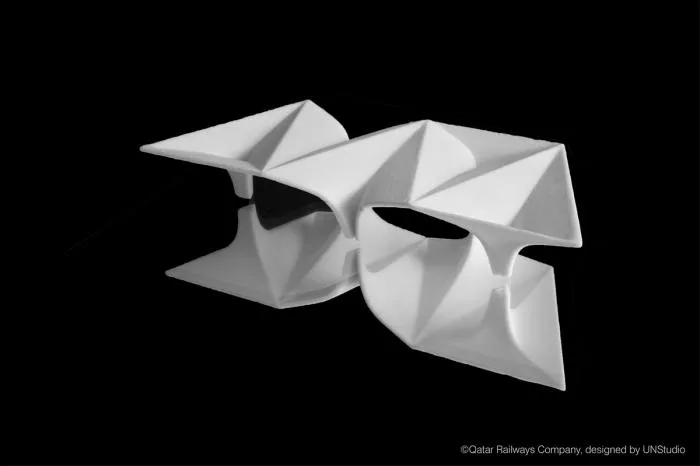
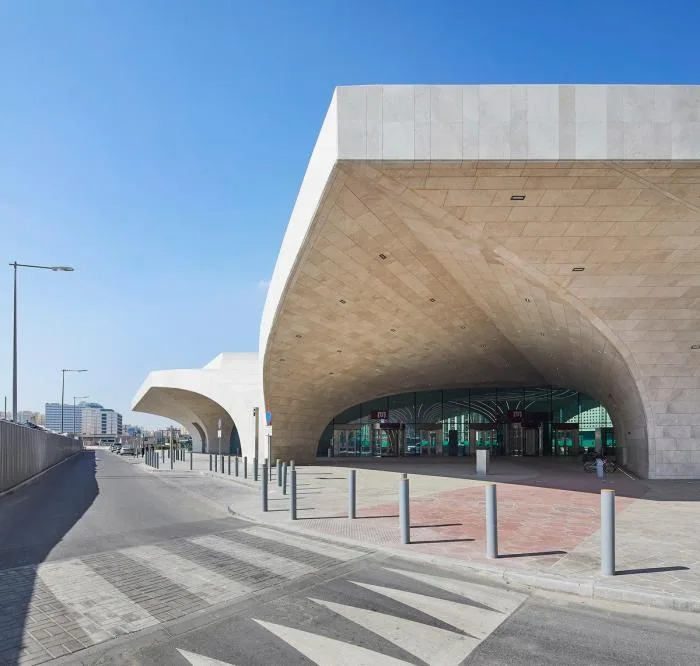
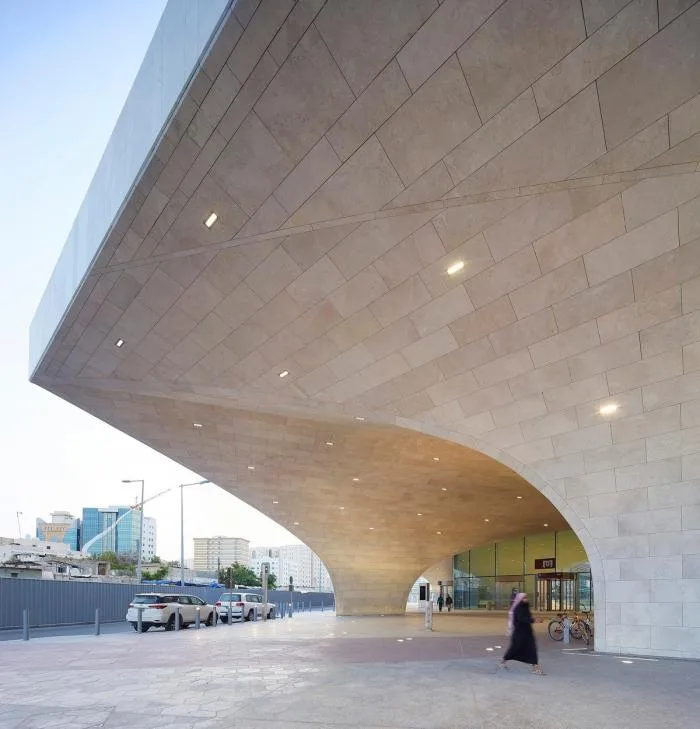
By developing comprehensive design guidelines and employing adaptive parametric design, the architects created buildings with multiple variations unified by consistent signage across all stations. This approach integrates local environmental characteristics with parametric design elements, addressing guidance systems, natural lighting, passenger flow, structural components, and more, in a complex yet highly systematic way.
— Ben van Berkel

Design Drawings
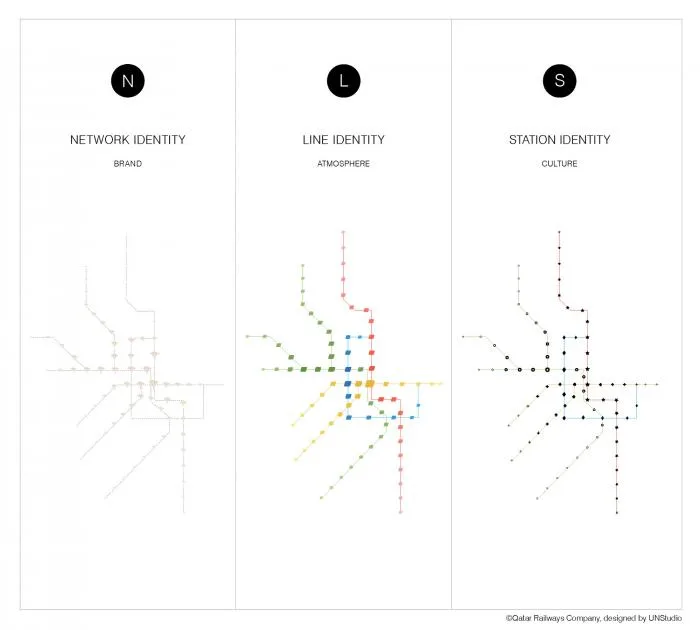
△ Analysis Chart
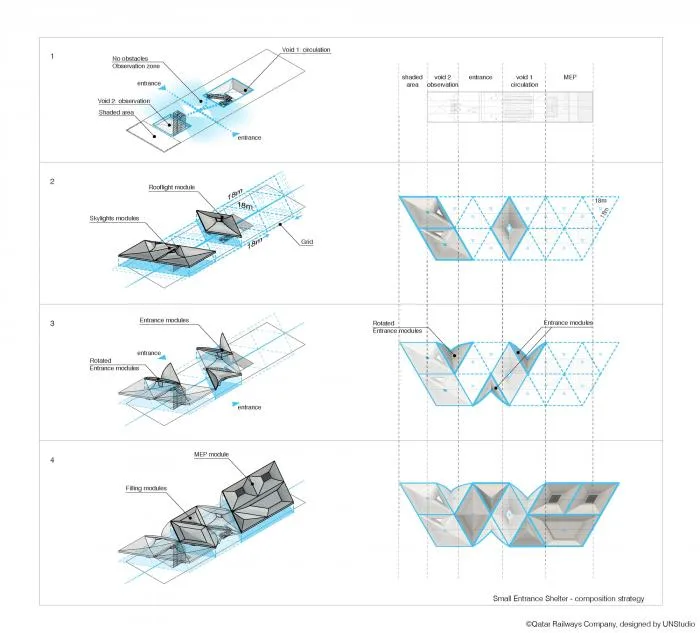
△ Analysis Chart
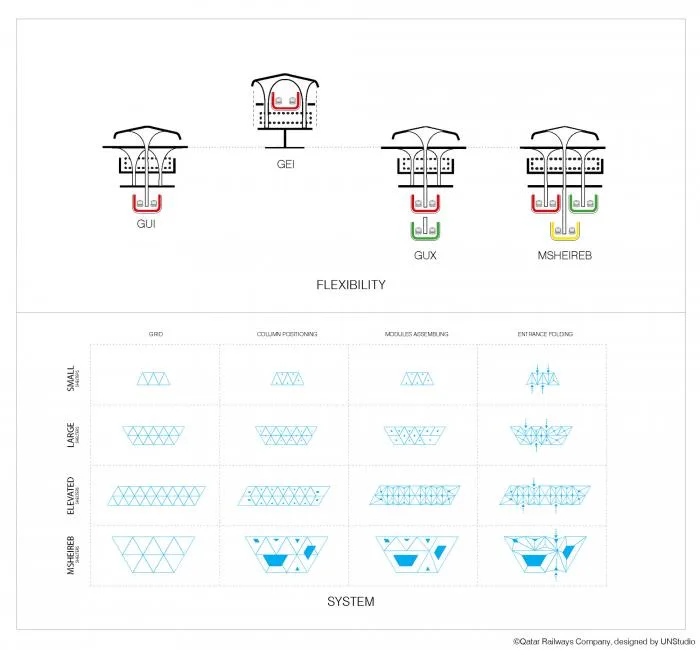
△ Analysis Chart
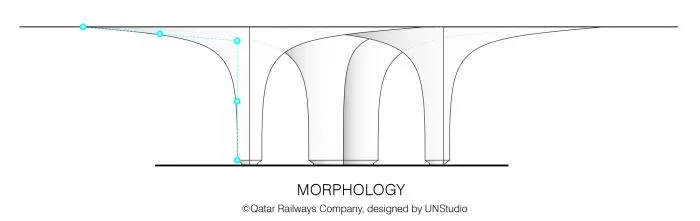
△ Analysis Chart
Project Information
Project Name: Qatar Railway Integrated Project, Doha, Qatar, 2012-2019 (Phase 1)
Client: Qatar Railway Company
Project Location: Doha, Qatar
Architect: UNStudio
Project Status: Phase One Completed
Structure, Mechanical, Electrical, Piping: RHDHV
Lighting Engineering: AG Licht
Guidance System: Mijksenaar
Customer Flow Analysis: MIC – Mobility in Chain
Facade Engineering: Inhabit
Sound Insulation: Arup
Fire and Life Safety: AECOM
Technical Landscape Consultant: AECOM












Must log in before commenting!
Sign Up