
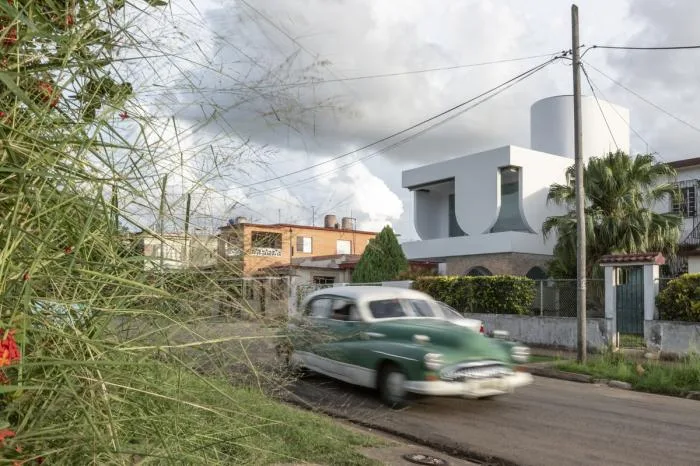
The original house featured a serialized, modest exterior that stood out from the surrounding buildings. It was designed on a single horizontal plane, with arches and a front garden marking the entrance. This design reflects the urbanization trends of the 1930s when military housing for workers was constructed nearby.
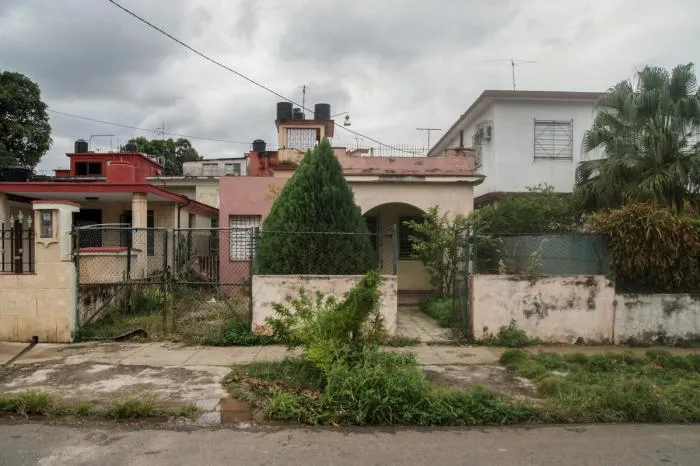
In our previous projects, we have used arches to connect houses with traditional architectural elements. We applied this concept repeatedly. In this new design, we aim to reinforce this approach by emphasizing arches as a unified architectural feature to address various design challenges.
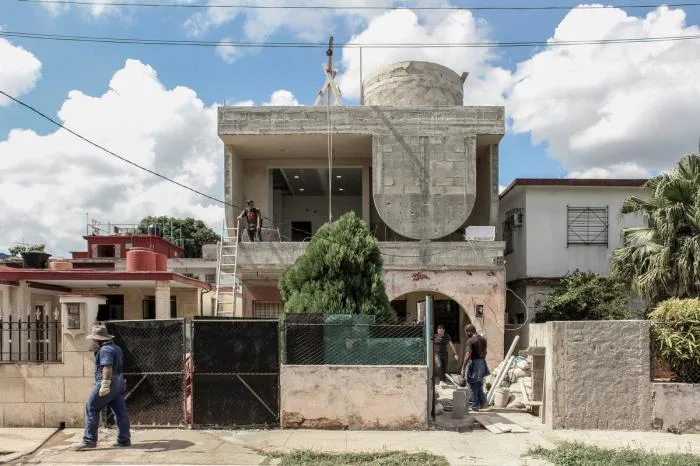
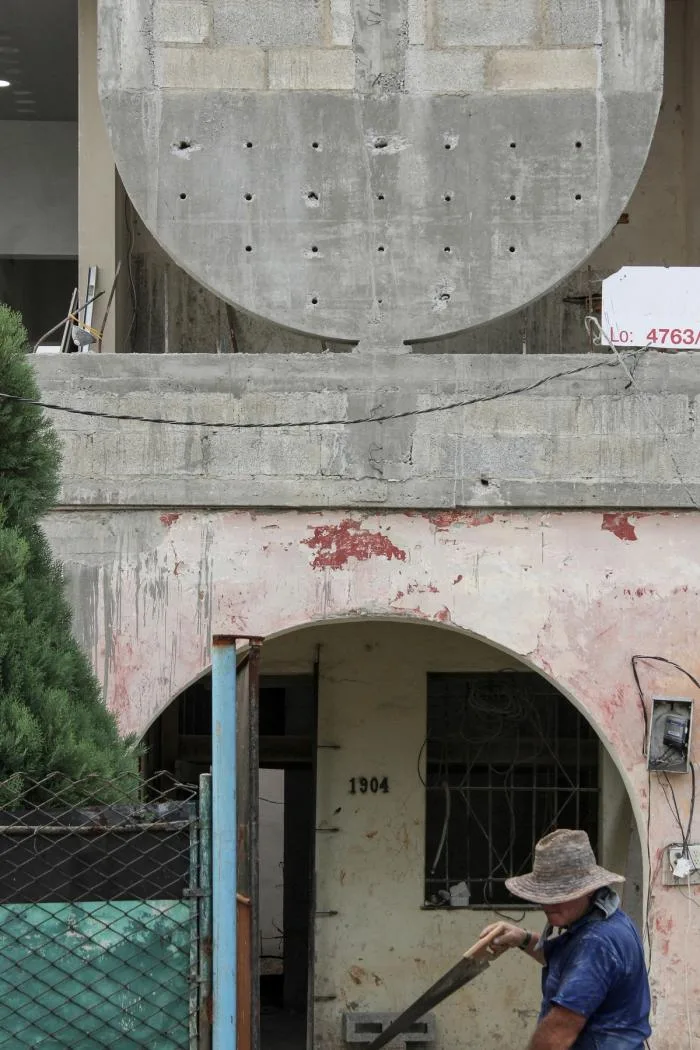
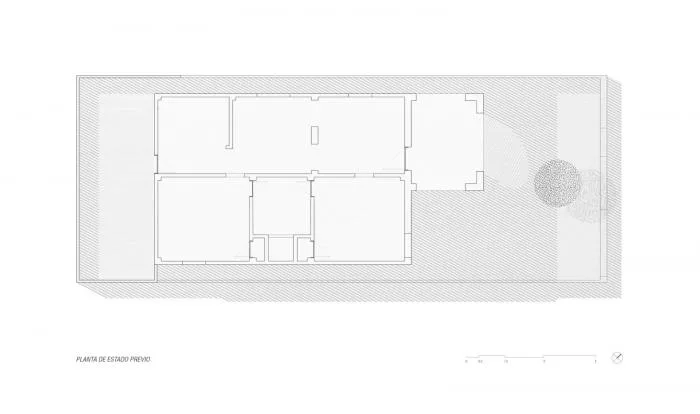
△ Pre-construction structural diagram
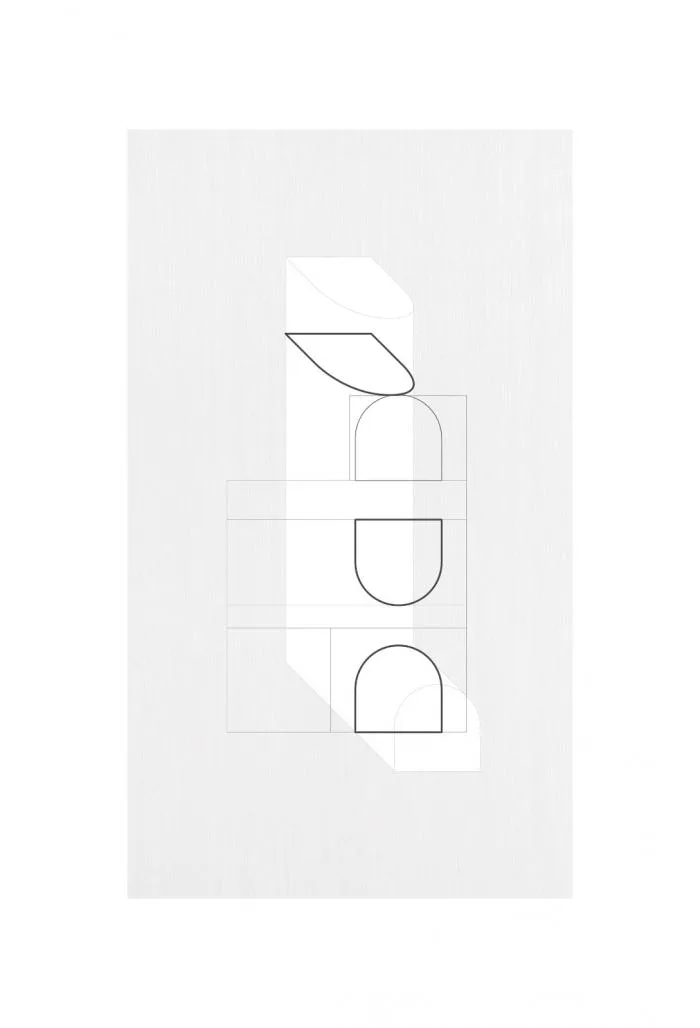
△ Analysis chart
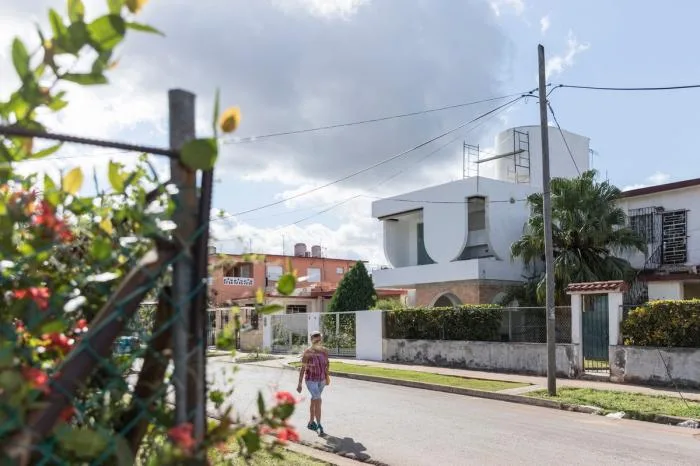
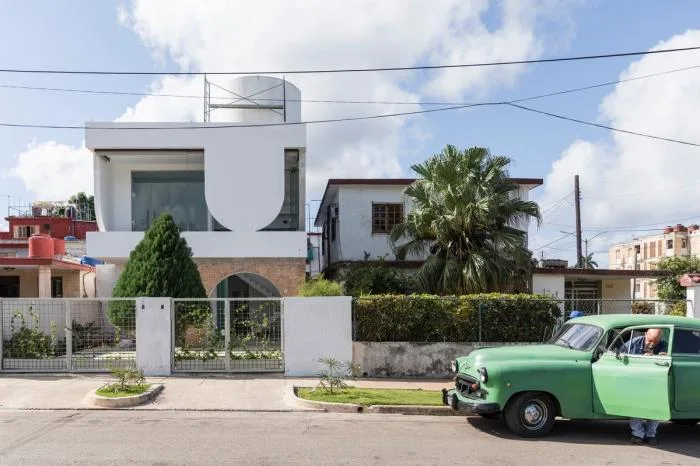
The functionality of the building includes a guesthouse with five rental rooms, a bar, and a terrace. This required us first to reorganize the existing rooms and add two additional floors. The layout and design of the spaces were tailored to align with the existing structure, creating a more inward-focused space that improves privacy and comfort.
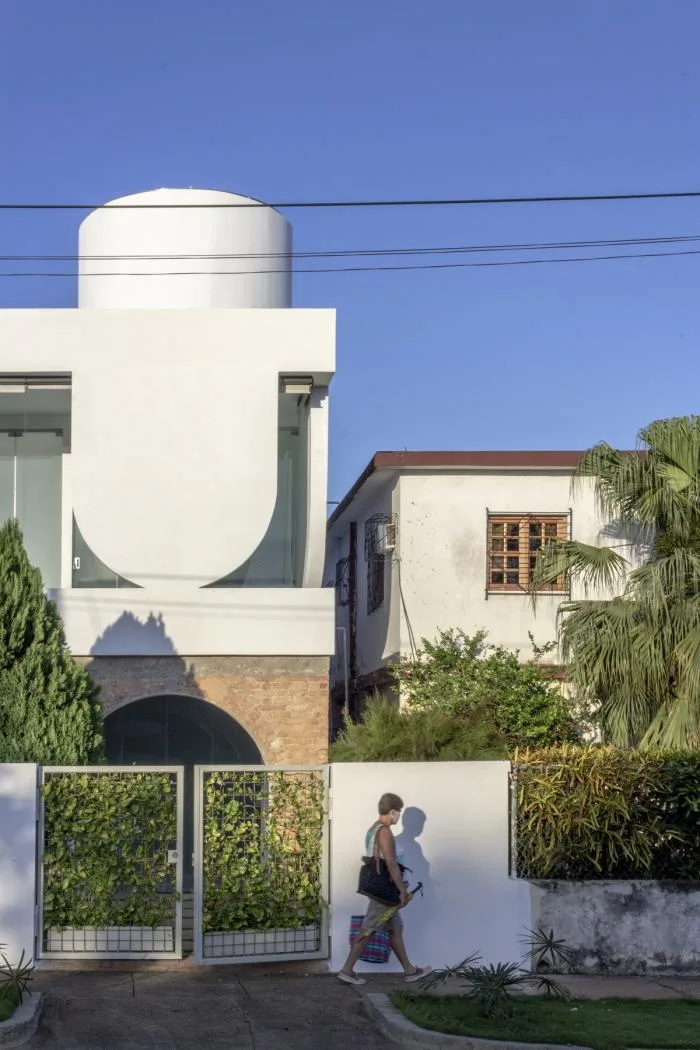
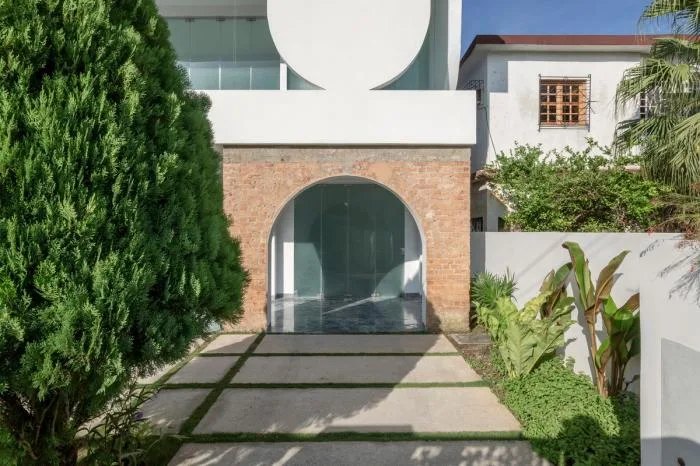
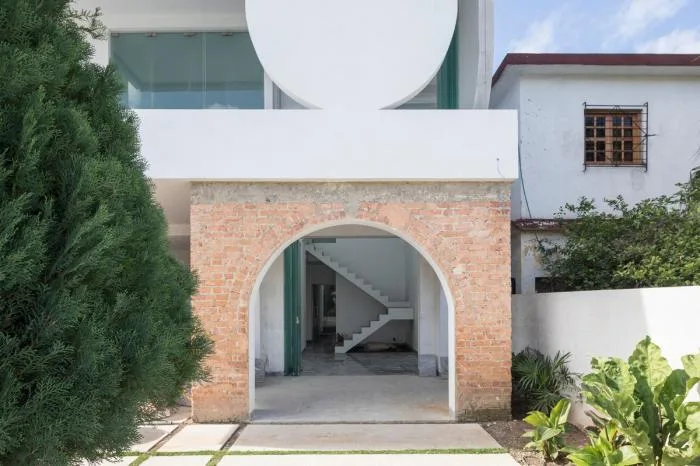
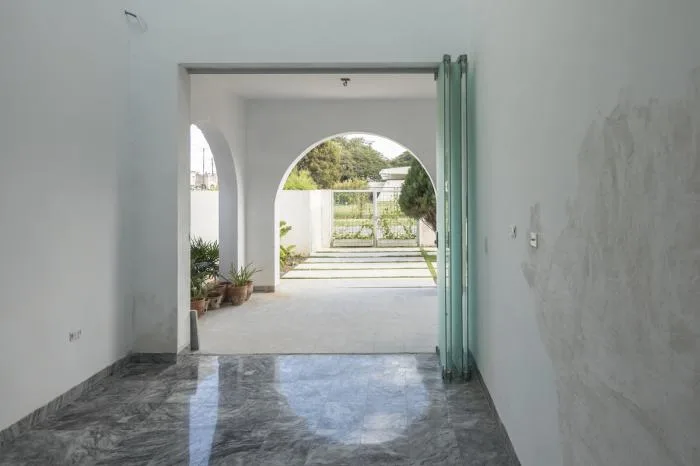
The building features a three-story indoor space crowned by a vertically oriented arched skylight. This skylight not only provides natural light and ventilation but also acts as a central circulation hub, connecting the living room and garden on the first floor with the terrace on the second floor.
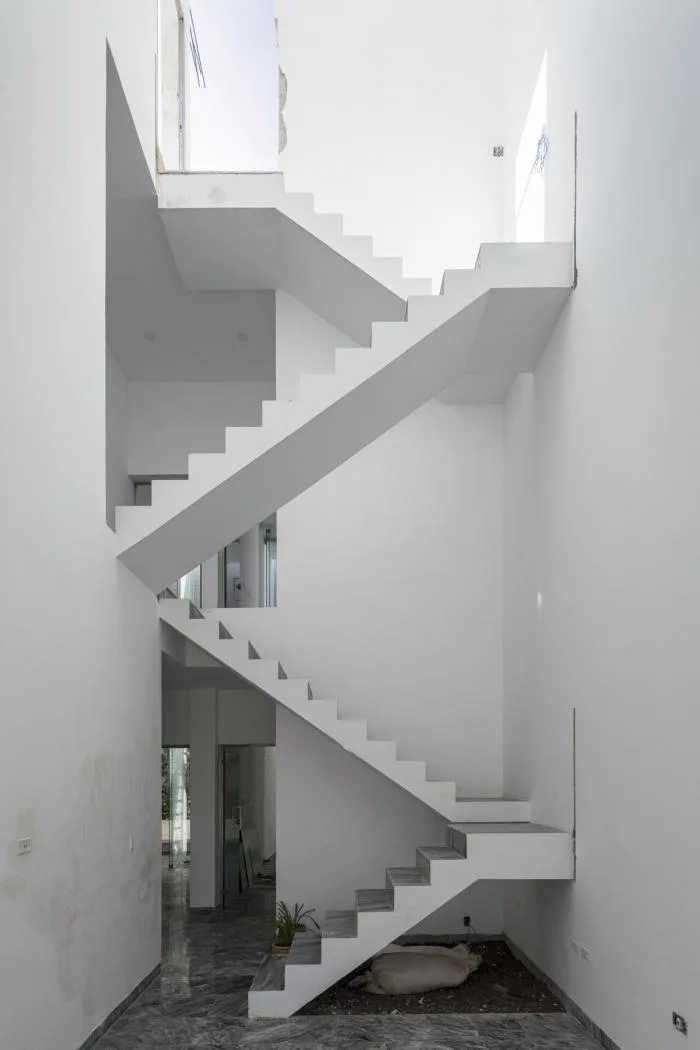
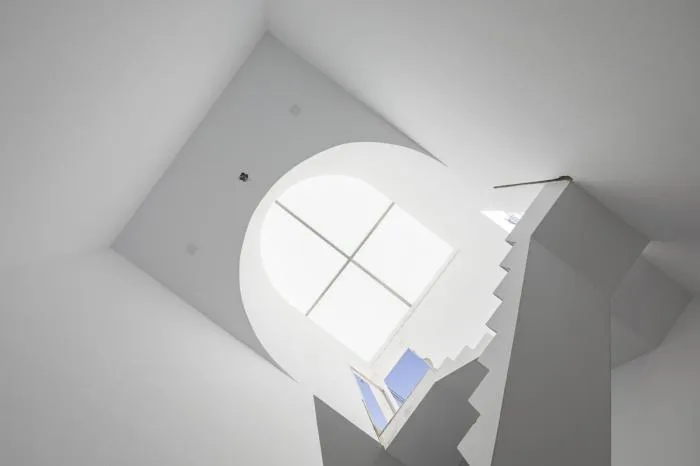
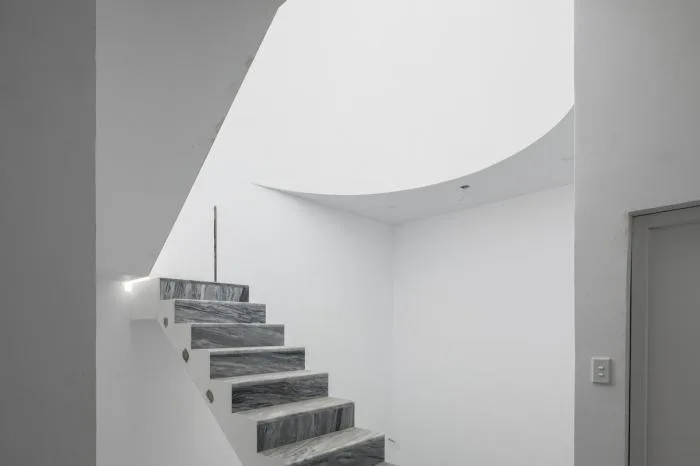
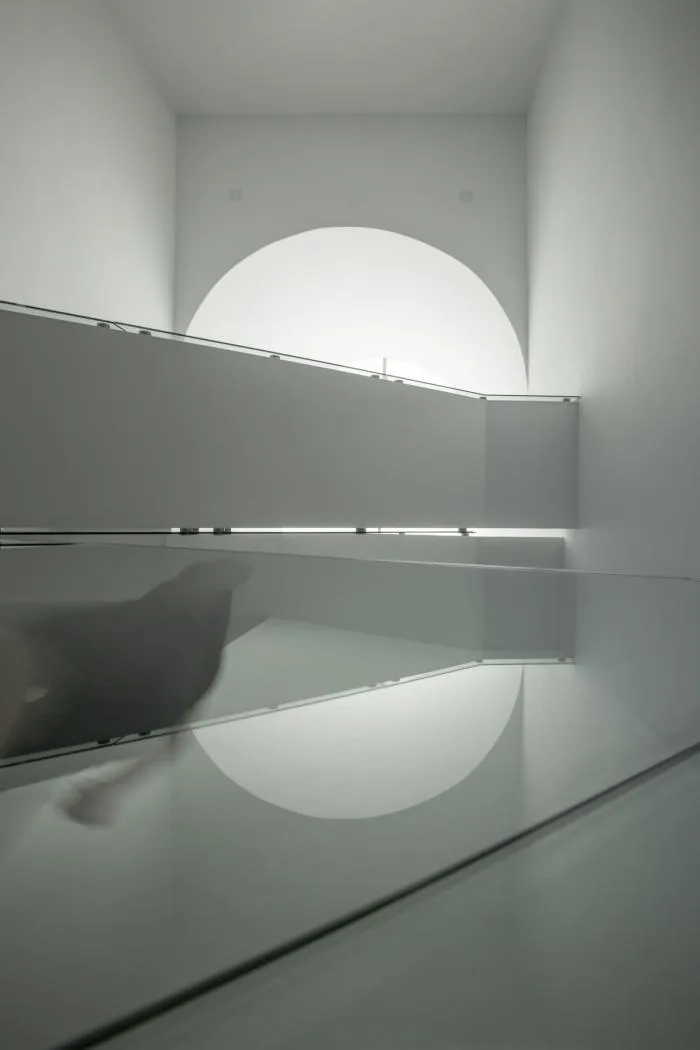
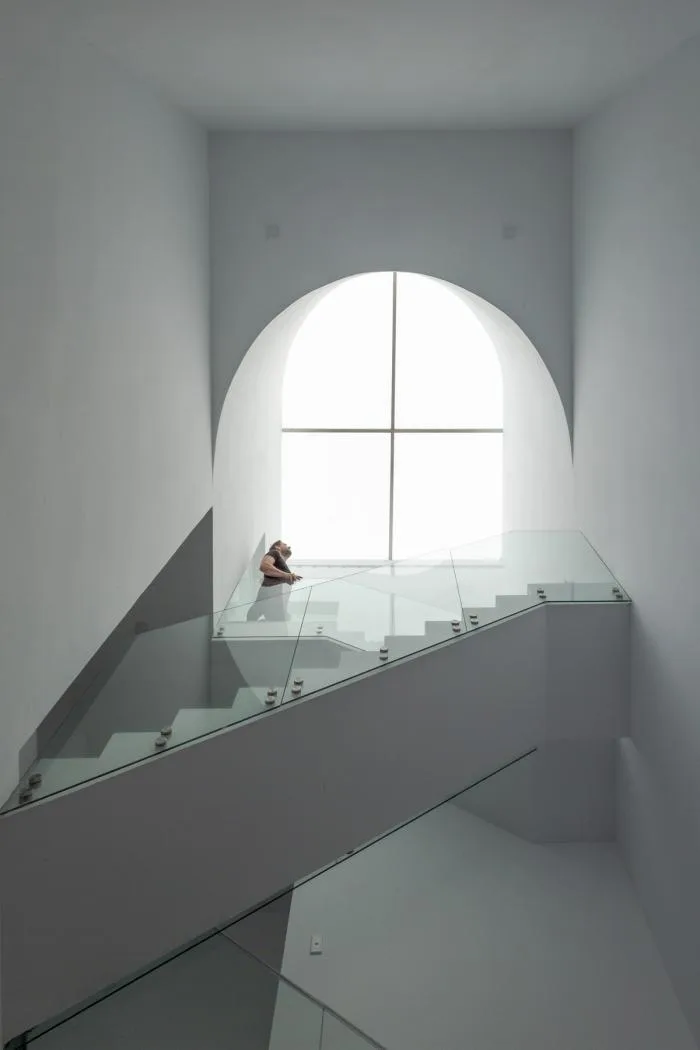
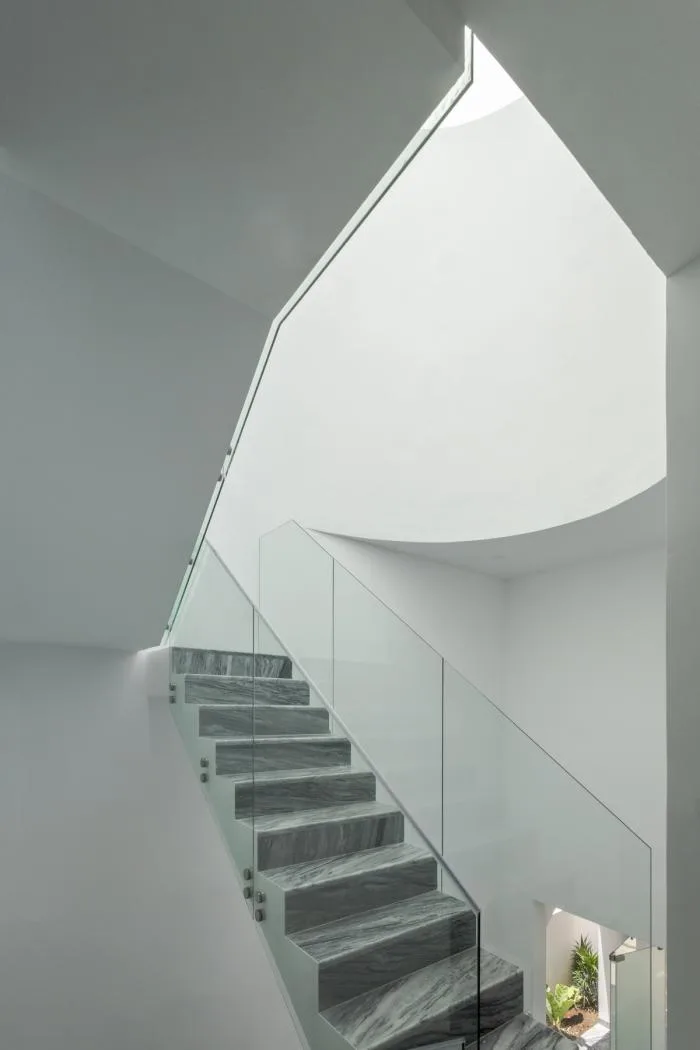
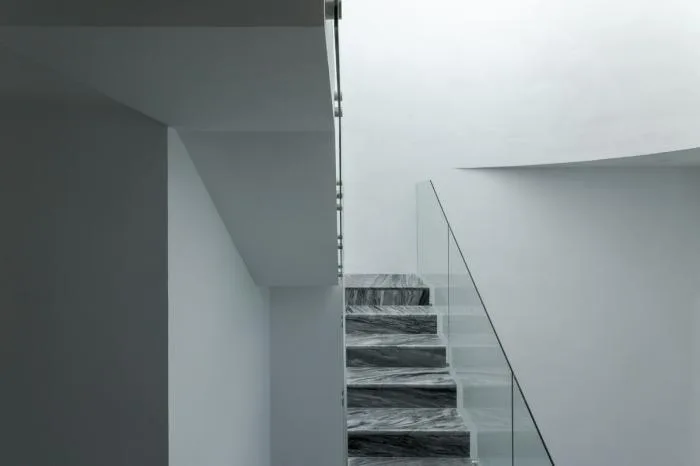
At the back of the building, there are four rental rooms all located on the ground floor at the same level. These rooms have access to the indoor courtyard via a downward staircase. The fifth rental room is designed for long-term tenants and is situated on the second floor at the front. This room’s design emphasizes the relationship between interior and exterior spaces, defined by a covered balcony that includes a small kitchen and living area, separated from the bedroom by a folding door. The facade panels afford privacy, limit sunlight, and protect the kitchen area from rain.
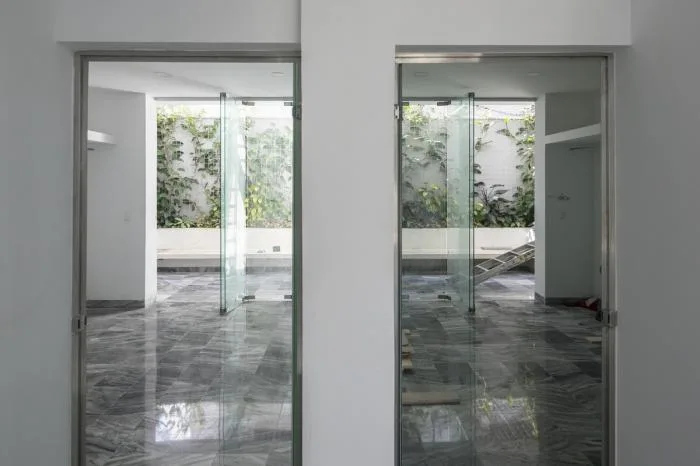
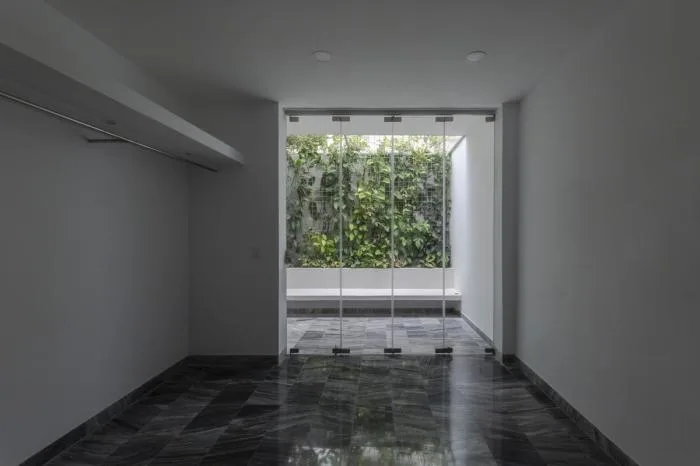
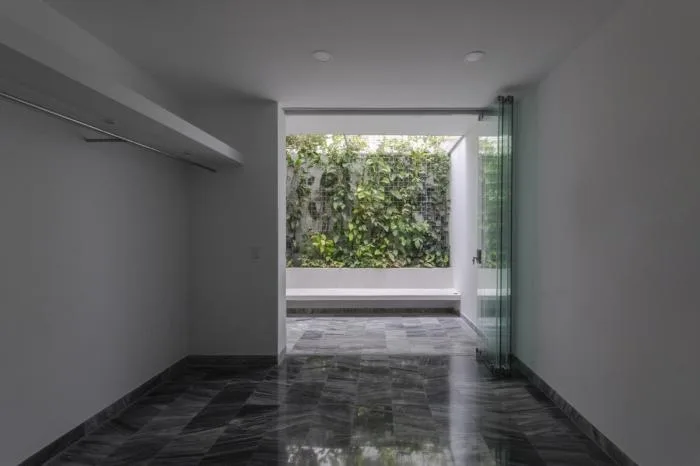
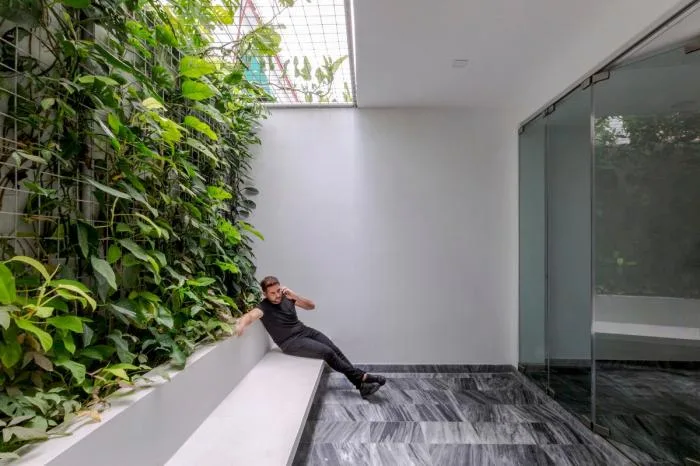
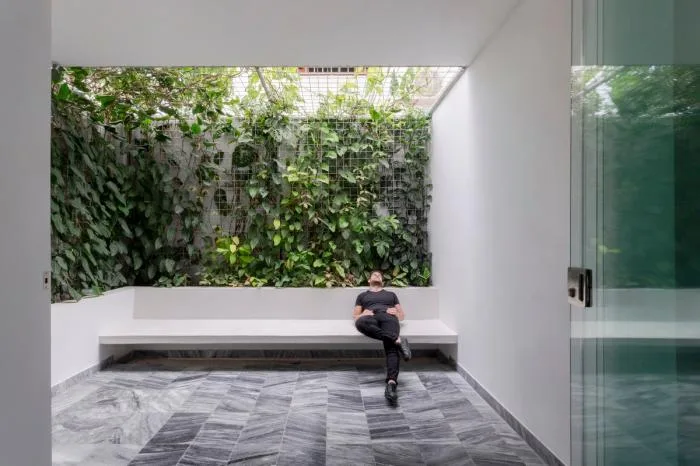
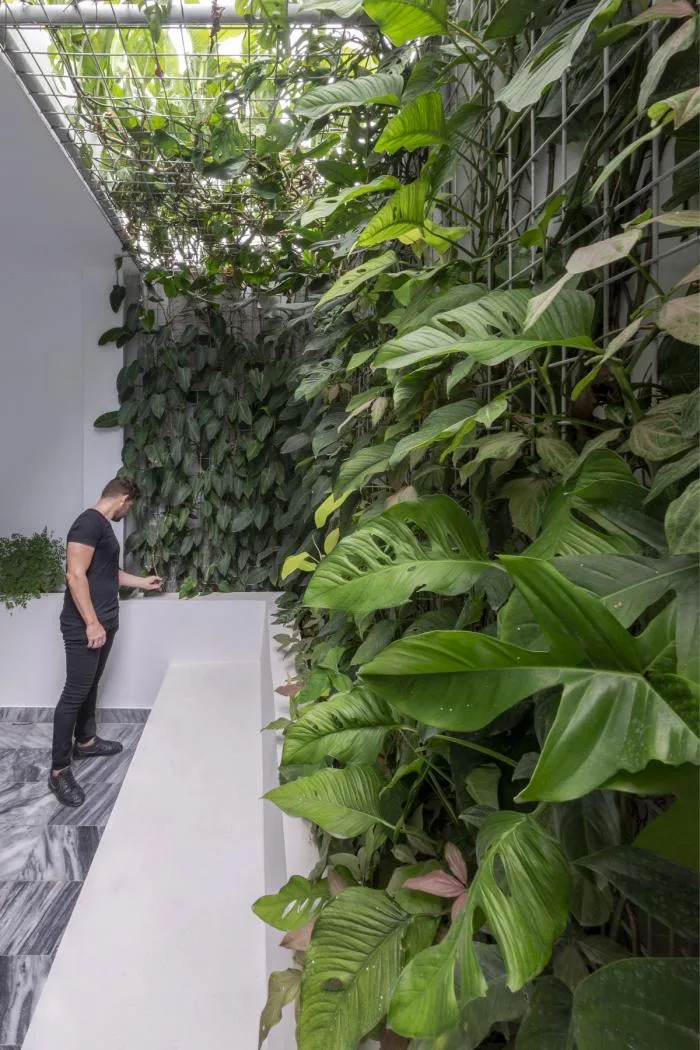
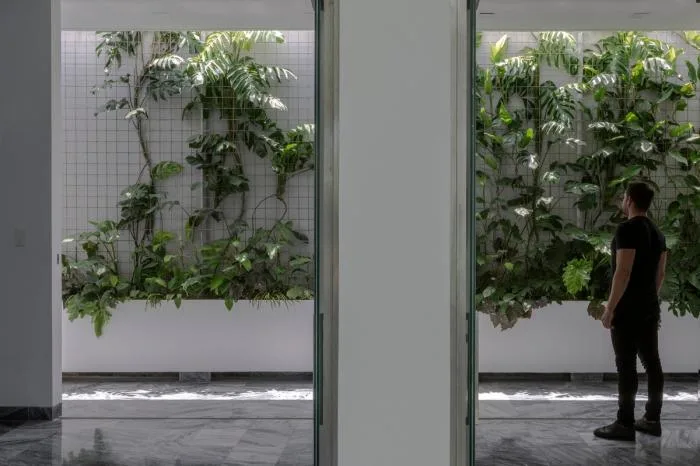
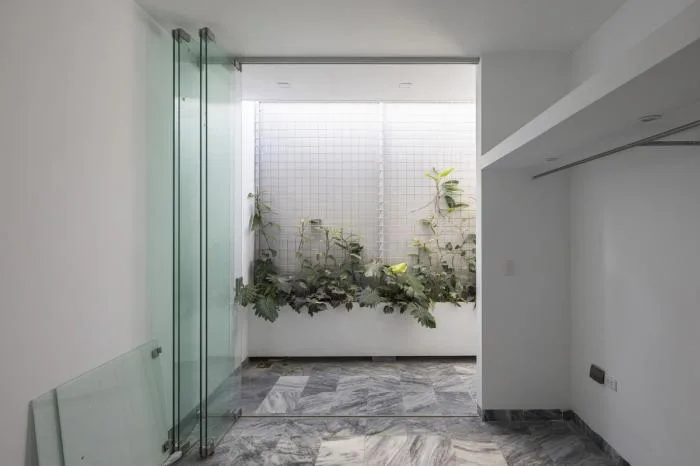
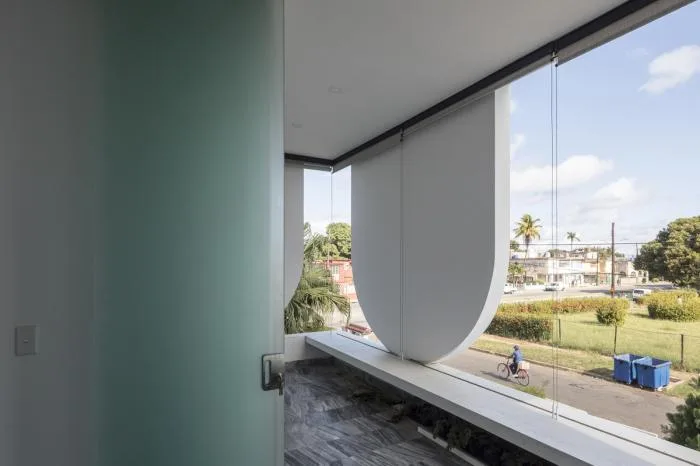
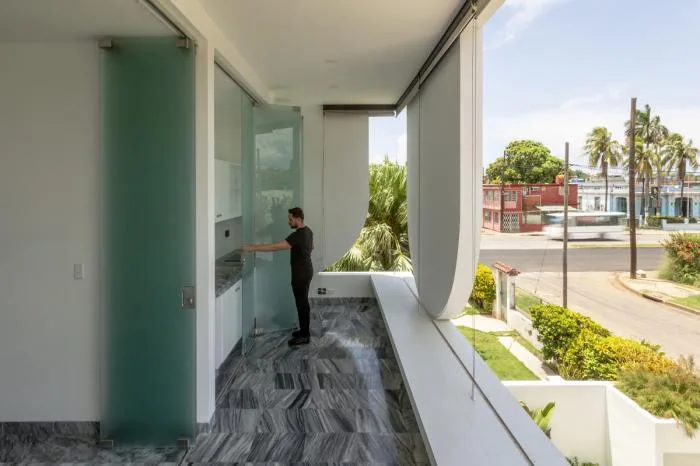
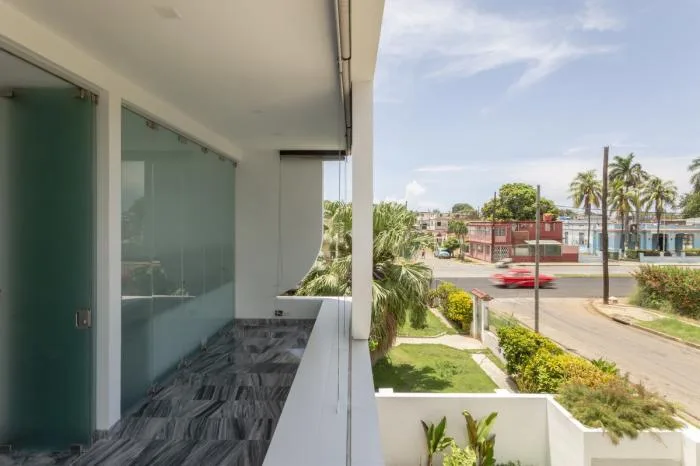
The building’s exterior is predominantly white with glass surfaces, complemented by woodwork and railings. Gray marble tiles line the sidewalks, and the entire structure benefits from abundant natural light, enhancing the sense of openness.
Design Drawings
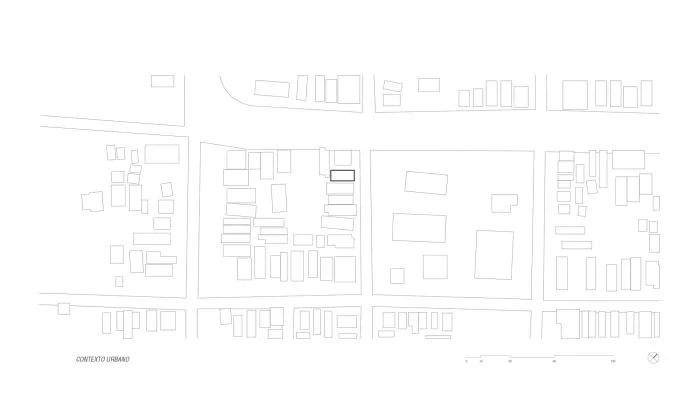
△ Site Plan
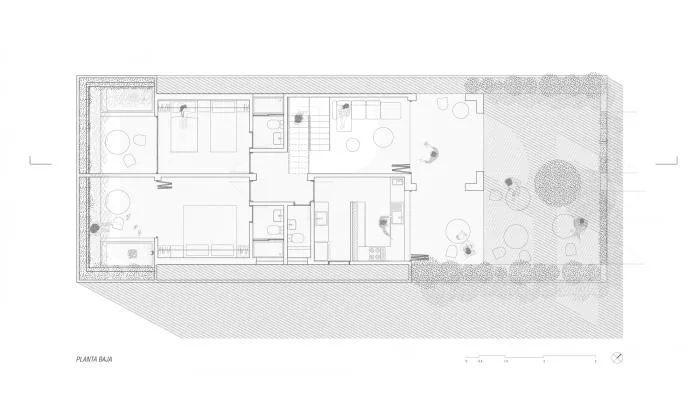
△ First Floor Plan
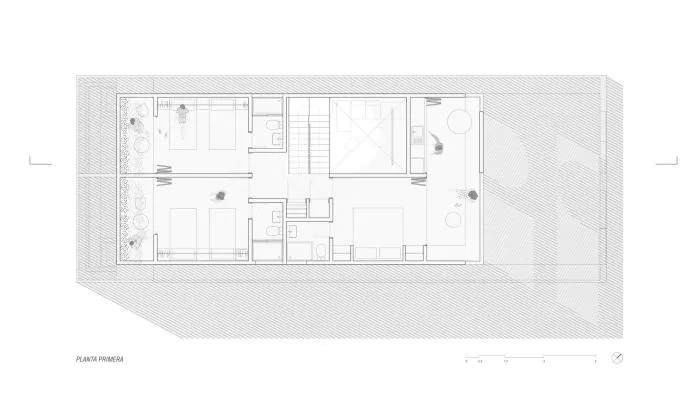
△ Second Floor Plan
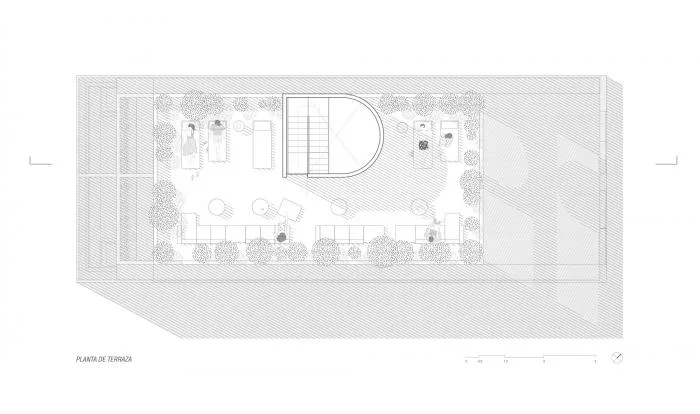
△ Terrace Plan
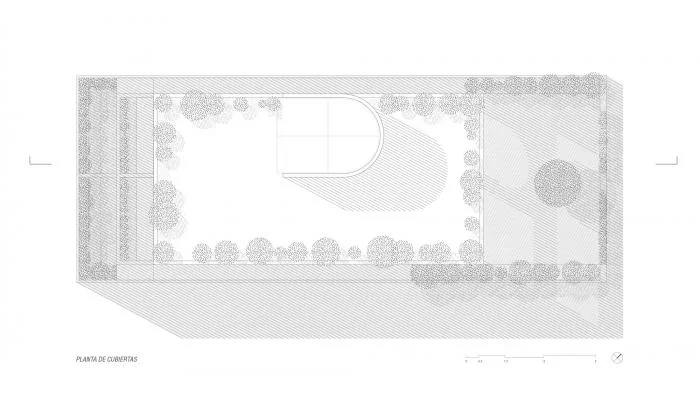
△ Roof Plan
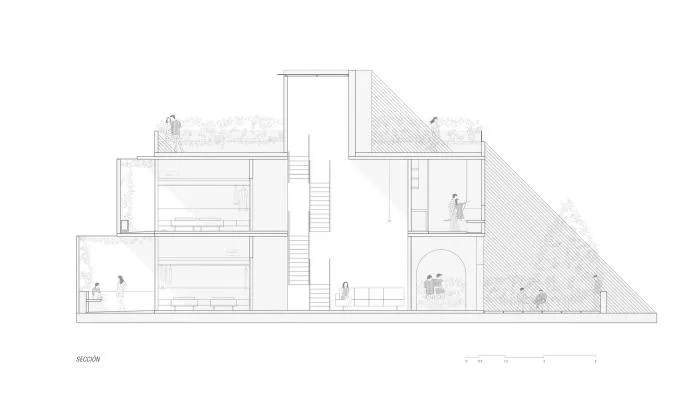
△ Section Diagram
Project Information
Project Type: Youth Hostel, Expansion Project
Location: Havana, Cuba
Architect: Albor Arquitectos
Area: 205 m²
Year: 2020
Photographer: Laurian Ghinitoiu
Manufacturers: AutoDesk, CARBONE S.A., PORTLAND Cement P-250 and P-350, Enscape 3D, Rapid Mapegrout, CERMIK PLUS Cola Mortar, Marbles Center, WIN PAN Cement Painter, SPECTRUM Paints
Lead Architect: Albor Arquitectos
Design Team: Carlos Manuel González Baute, Alain Rodríguez Sosa, Camilo José Cabrera Pérez, Merlyn González García
Engineer: Rafael Montaña Alonso












Must log in before commenting!
Sign Up