
Venue
This building is situated within the Waterberg Mountains Nature Reserve in South Africa, a unique setting characterized by striking plant landscapes, dramatic cliffs, and diverse wildlife.
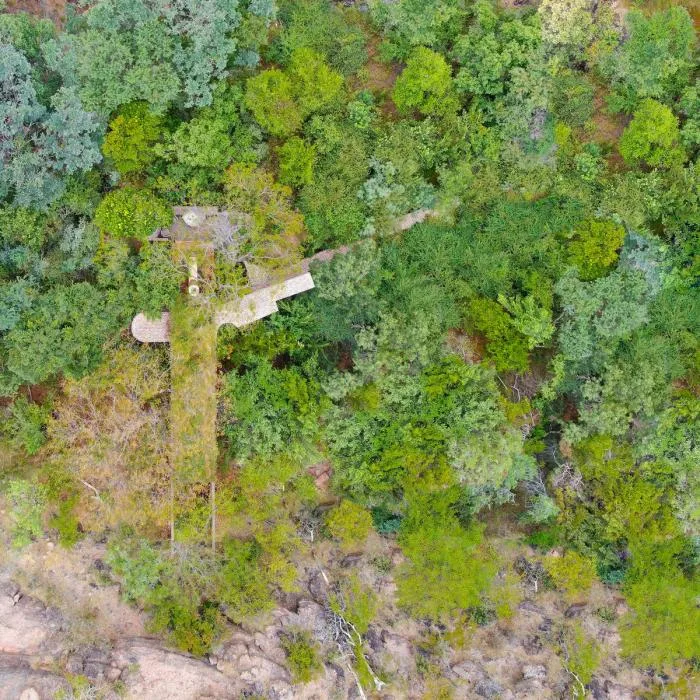
△ Aerial view
This residence is carefully hidden within the landscape — nestled among rocks, trees, and birds. It offers an equal habitat for animals, plants, and humans alike, honoring the surrounding shrubbery with the respect it deserves.
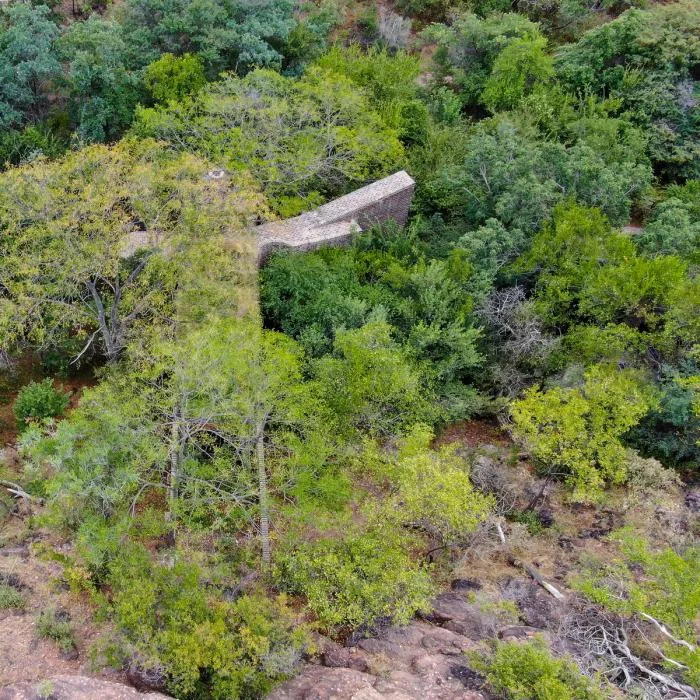
△ North-facing bird’s-eye view
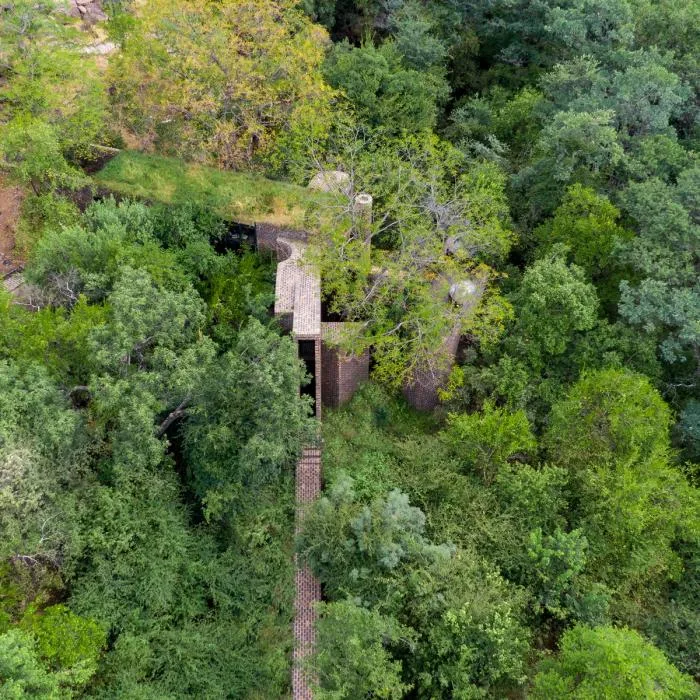
△ Aerial view towards the west entrance
Concept
The core concept of this project is to connect the riverside forest with the sandstone cliffs, while elevating the living space into the tree canopy. The narrow building is nestled amidst dense branches and leaves, occasionally extending small branches to embed itself further. These smaller extensions are positioned and sized according to the surrounding trees, ensuring that no trees were harmed during construction.
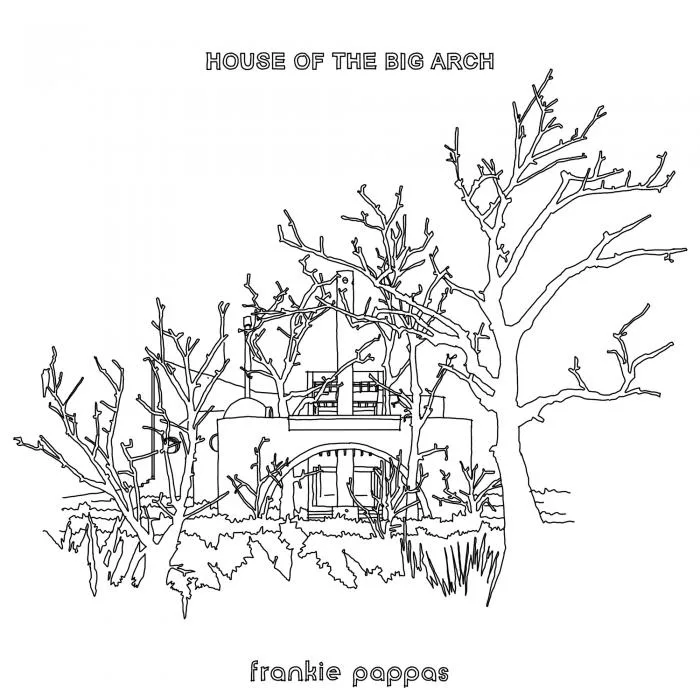
△ Perspective view
Materials
The building features a selection of basic, natural materials that integrate the structure seamlessly into its environment. The dominant material is a hard core brick, chosen to echo the weathered sandstone found on site. The bridge section of the building is constructed from renewable wood, while glass and aluminum are used for non-structural walls.
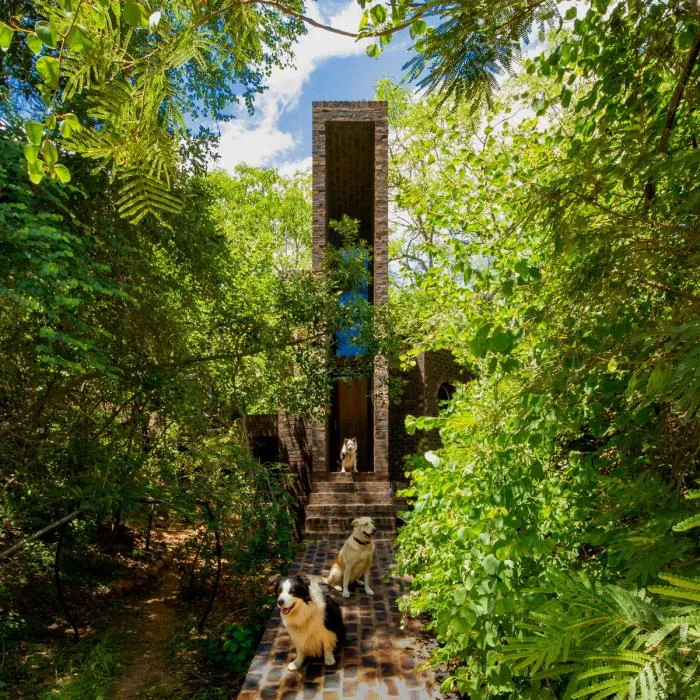
△ Entrance
Functionality
The first floor offers residents a courtyard filled with plants, a private lounge, a sunlit dining area, a farmhouse kitchen with laundry facilities, a shaded terrace, a small swimming pool, and a fireplace that serves as the heart of daily activities such as cooking.
On the ground floor, there are additional courtyards, a study, a library, and a cozy swing bench tucked beneath an archway. The cellar is designed to provide an ideal environment for meat processing, food storage, and wine preservation.
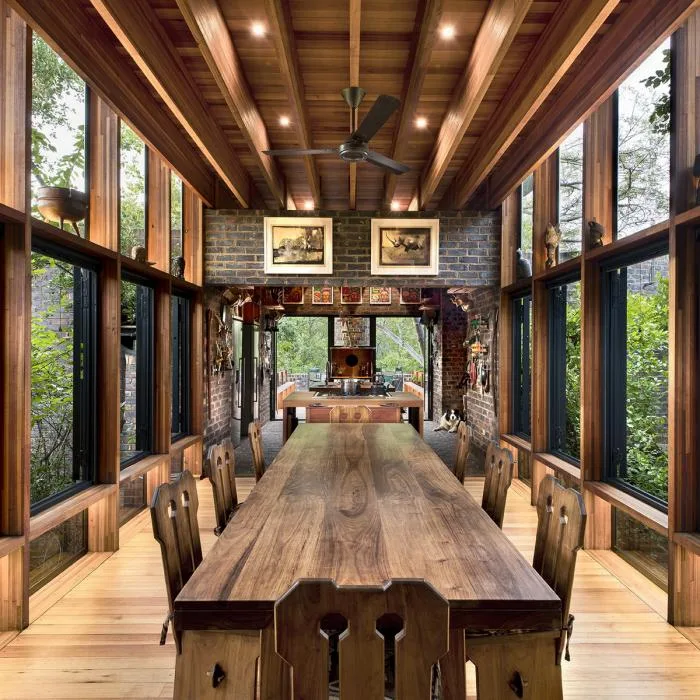
△ Restaurant
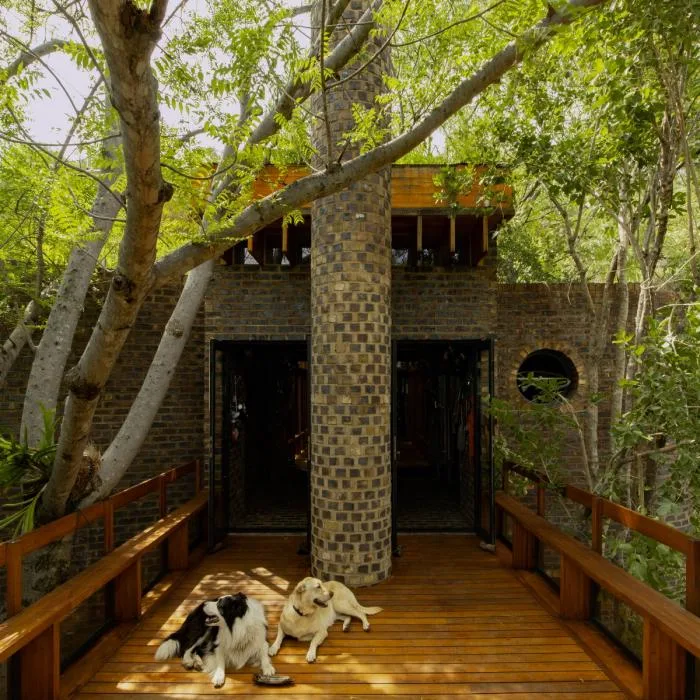
△ Terrace
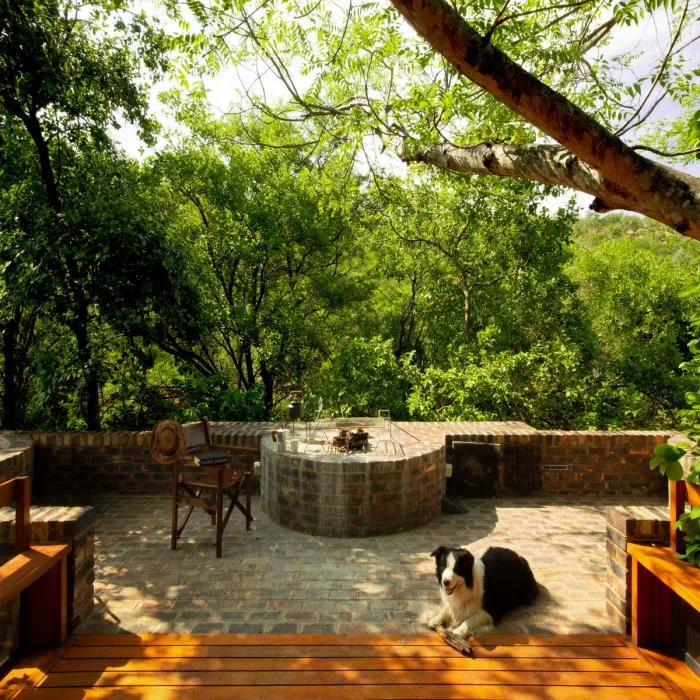
△ Terrace
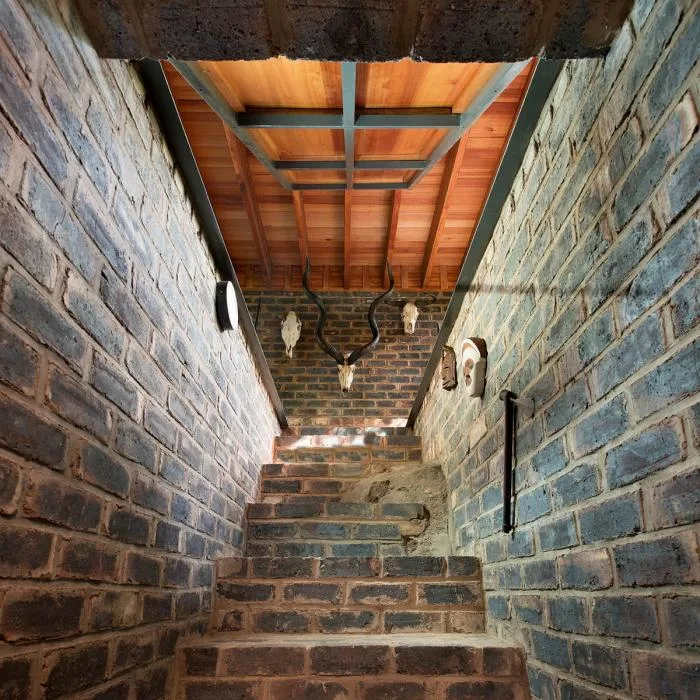
△ Wine Cellar
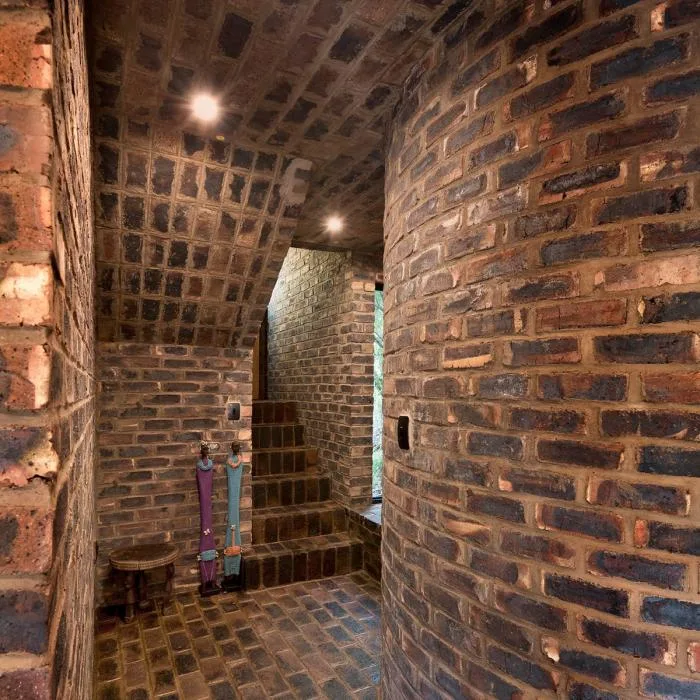
△ Stairs
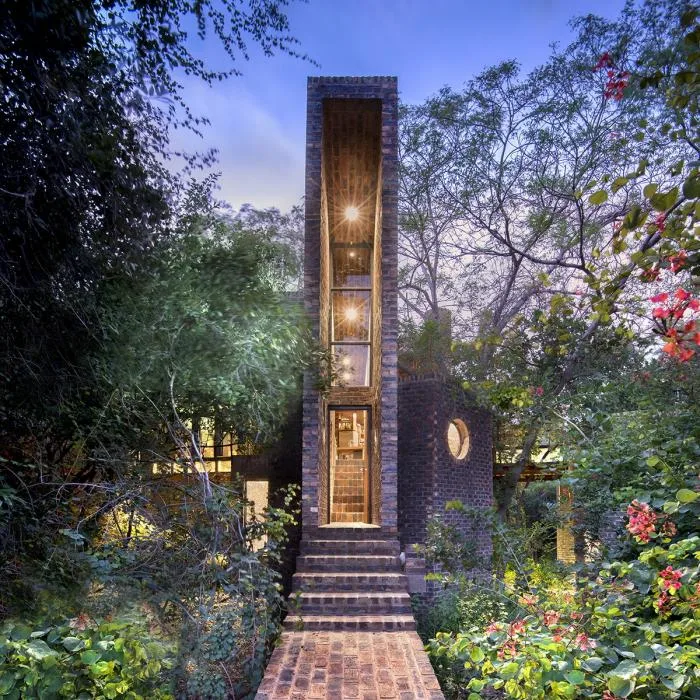
△ Entrance at night
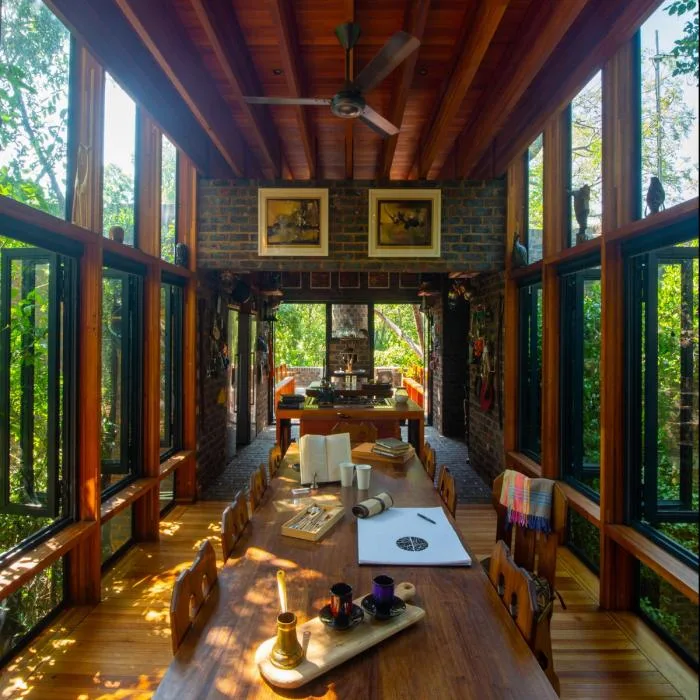
△ Restaurant
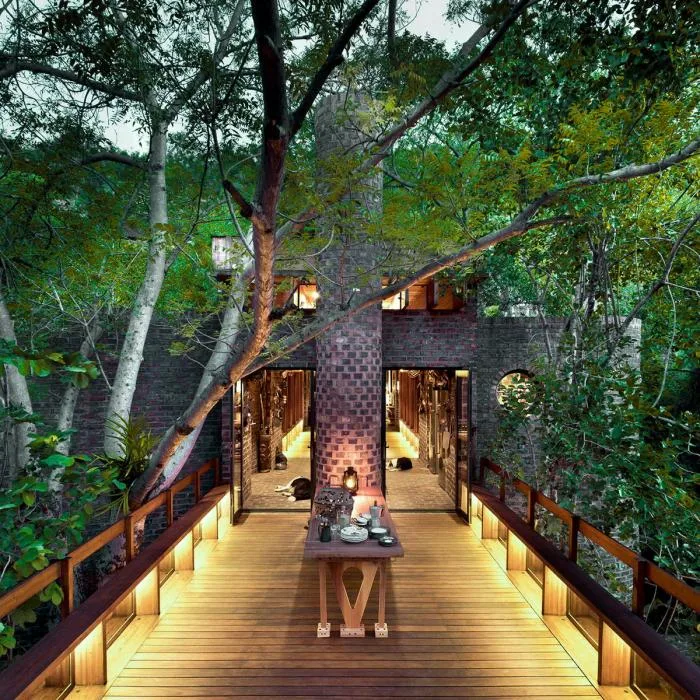
△ Terrace at night
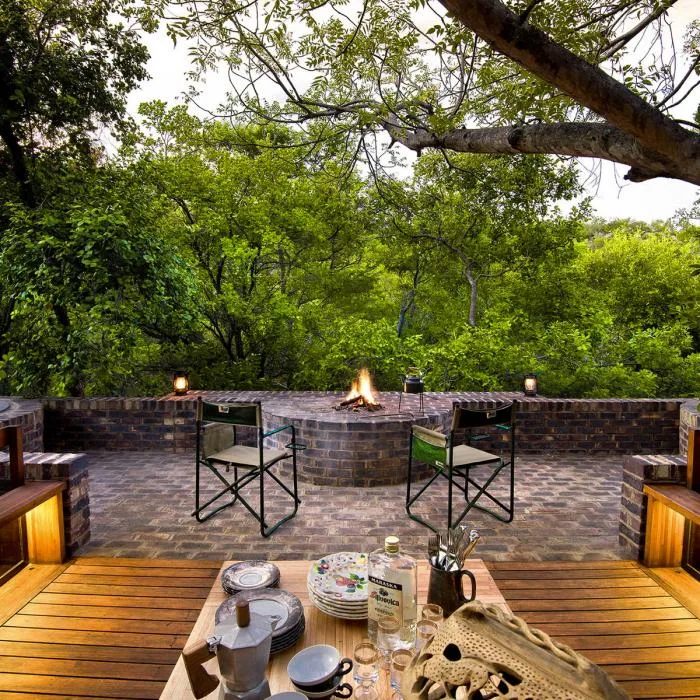
△ Terrace
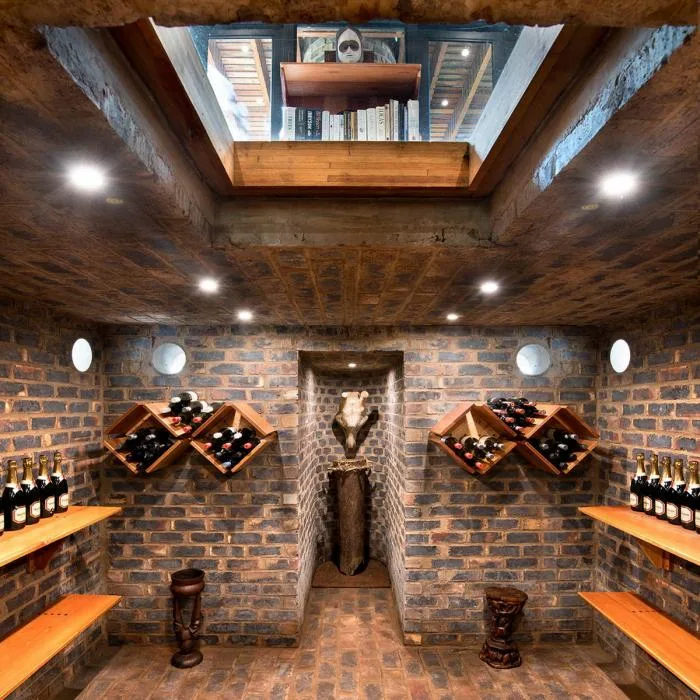
△ Wine Cellar
Design Solution
The building was designed as an exceptionally slender structure, only 3,300 millimeters wide, allowing it to weave through the trees. Any uniquely shaped protrusions were dictated by the available space around the trees. To ensure no harm came to the natural environment, the entire site was laser scanned and transformed into an electronic 3D model. This enabled precise design decisions by visualizing every tree and branch, essentially creating a house designed within a digital forest.
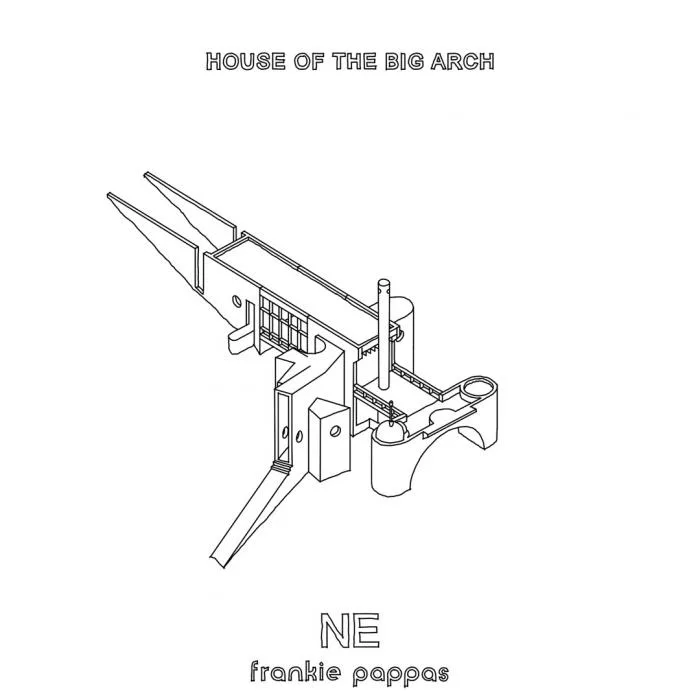
△ Axonometric diagram
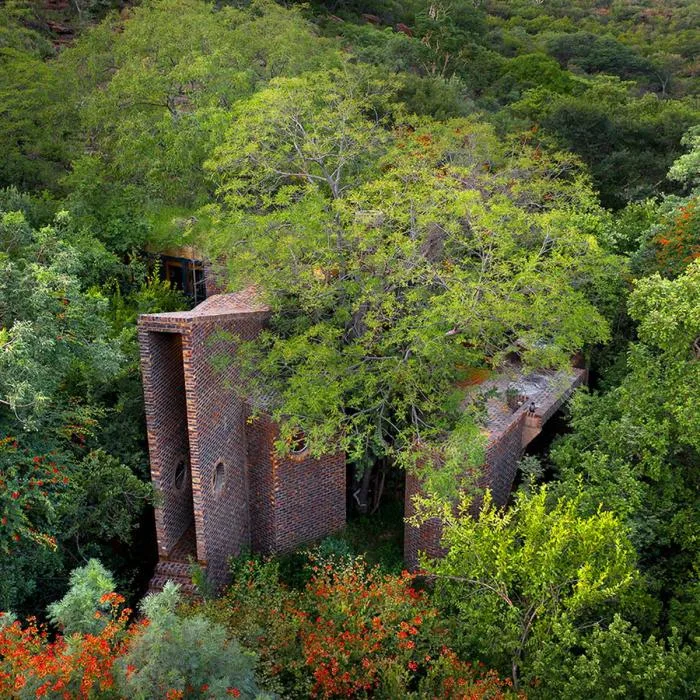
△ Aerial view
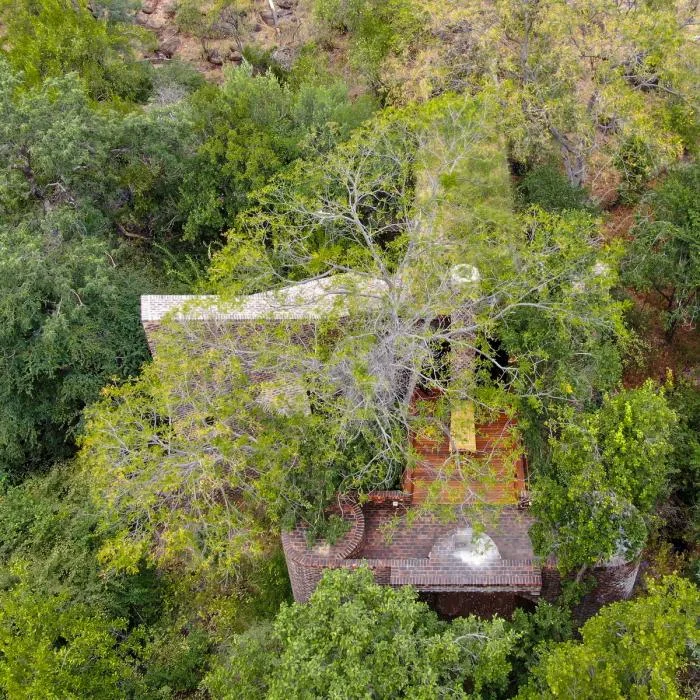
△ Aerial view
Client
The clients are an elderly couple with a profound love and understanding of shrubbery environments. Each tree, bush, insect, bird, and mammal holds special significance to them. They actively engage in environmental education, assist underprivileged youth in nearby communities, open their farms to these young people, and share their knowledge and experiences. When asked about their dedication, they often reply simply: “There is so much beauty here that we cannot bear to enjoy it alone.”
What makes this building truly unique is its sensitive and deliberate response to a specific part of the riverside forest in the Waterberg Mountains, particularly the shrubbery area. This residence is one-of-a-kind and does not exist anywhere else in the world.
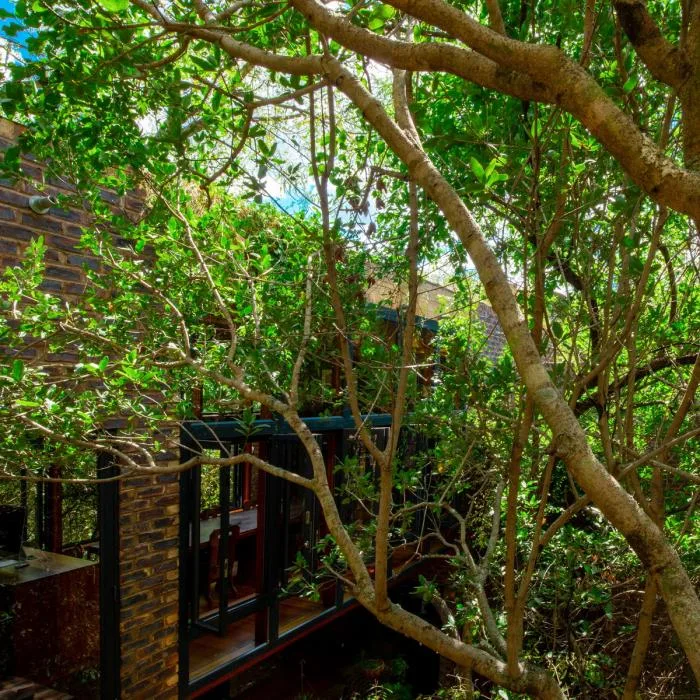
△ East facade
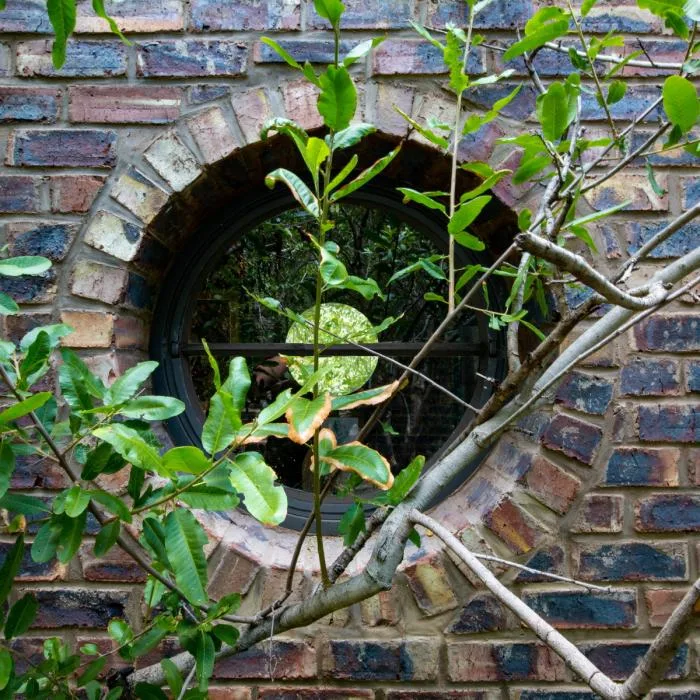
△ Circular window
Sustainable Environmental Practices
The house operates completely off-grid. Rainwater is collected from the roof and filtered naturally through the forest. Both harmless and harmful wastewater is stored, treated, and filtered through lower shrubs. Electricity is generated using 16 square meters of solar panels. More importantly, the building complements its environment by creating gentle breezes, shade, and comfort, which significantly reduces energy demand.
We believe a building cannot be separated from its landscape and horticulture—they form a unified whole.
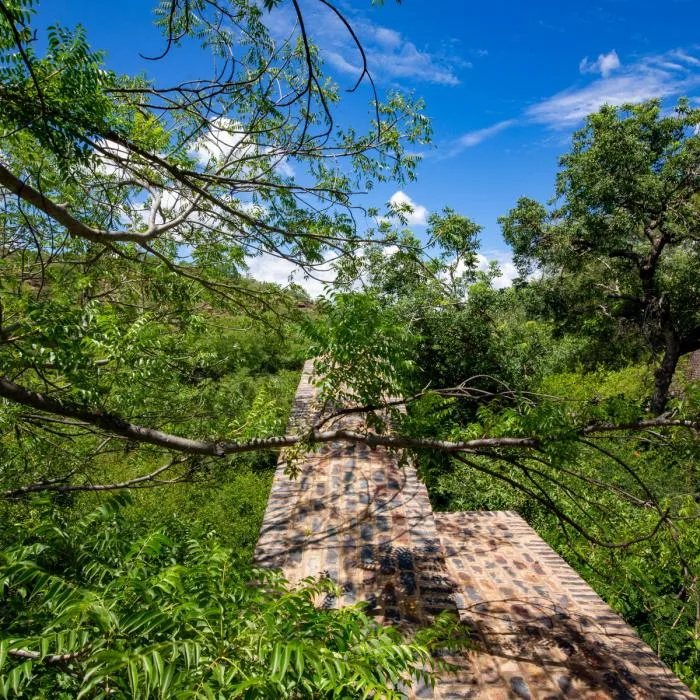
A bird’s-eye view of the horn-shaped structure
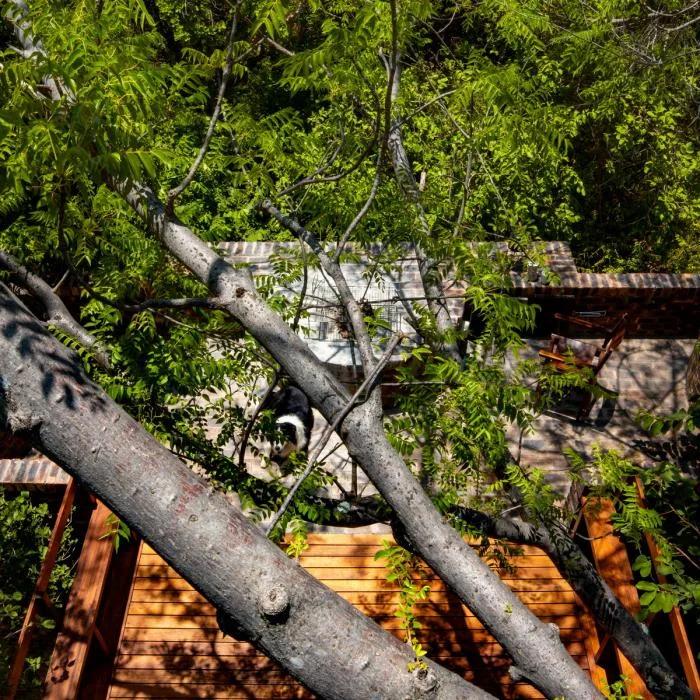
△ Deck
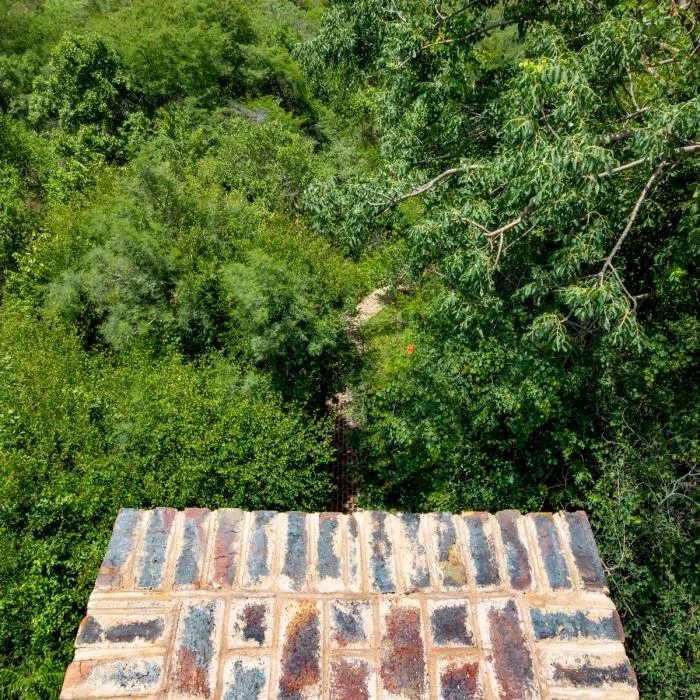
△ Aerial view of the small path
Design Drawings
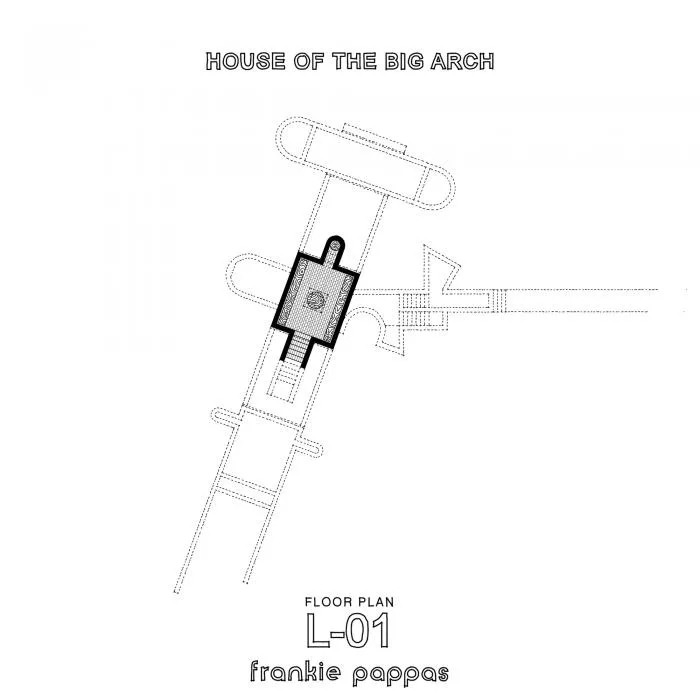
△ Underground Floor Plan
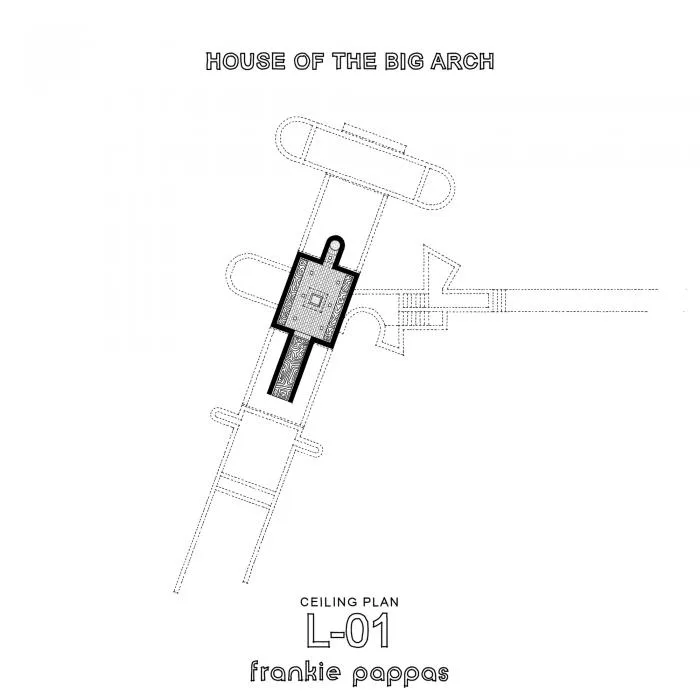
△ Underground first floor ceiling plan
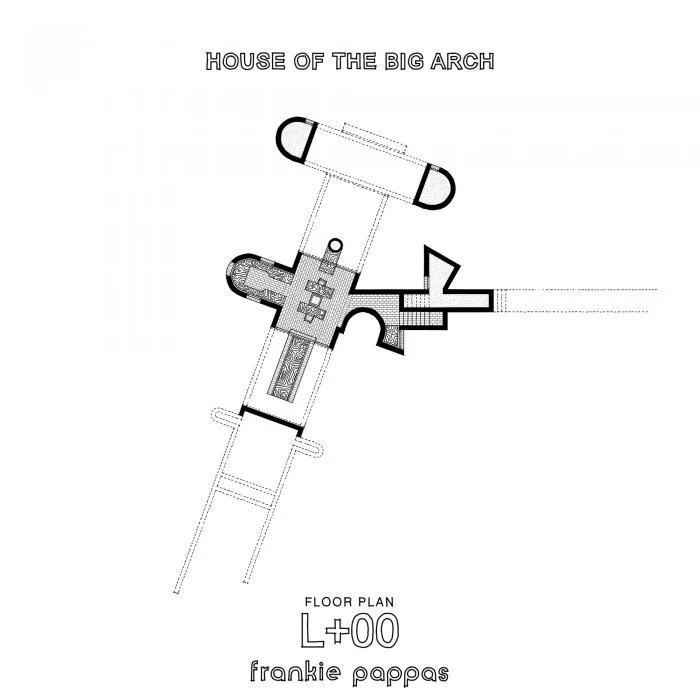
△ Ground floor plan
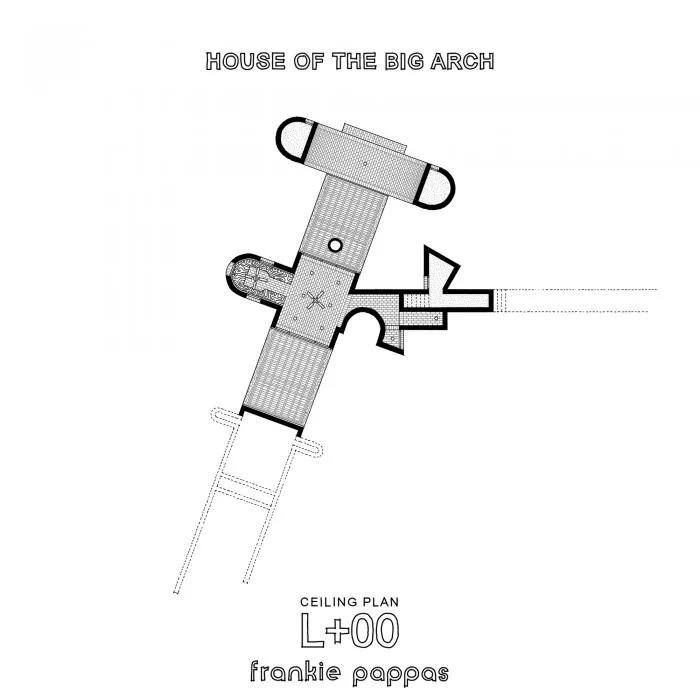
△ Ground floor ceiling plan
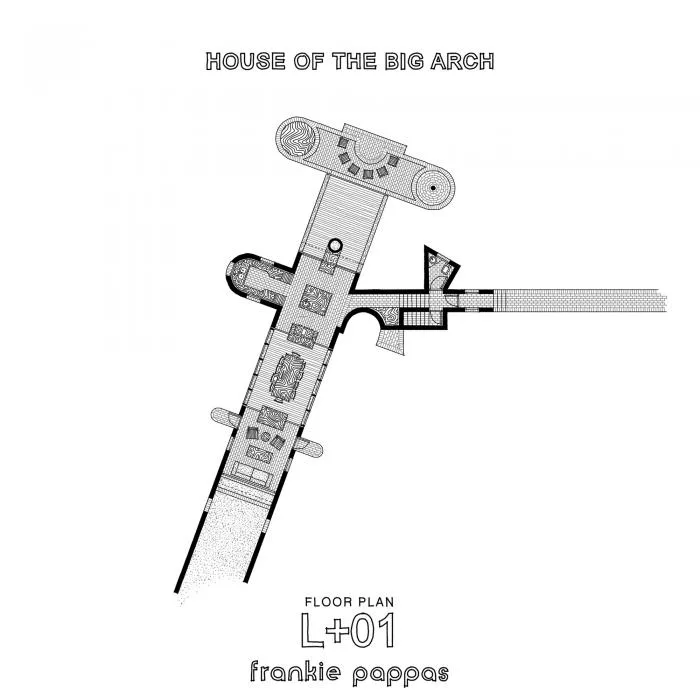
△ Second floor plan
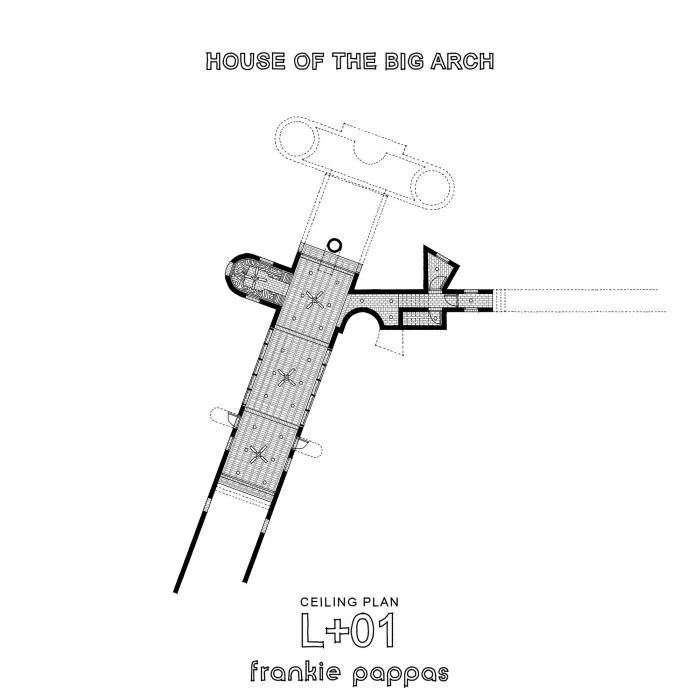
△ Second floor ceiling plan
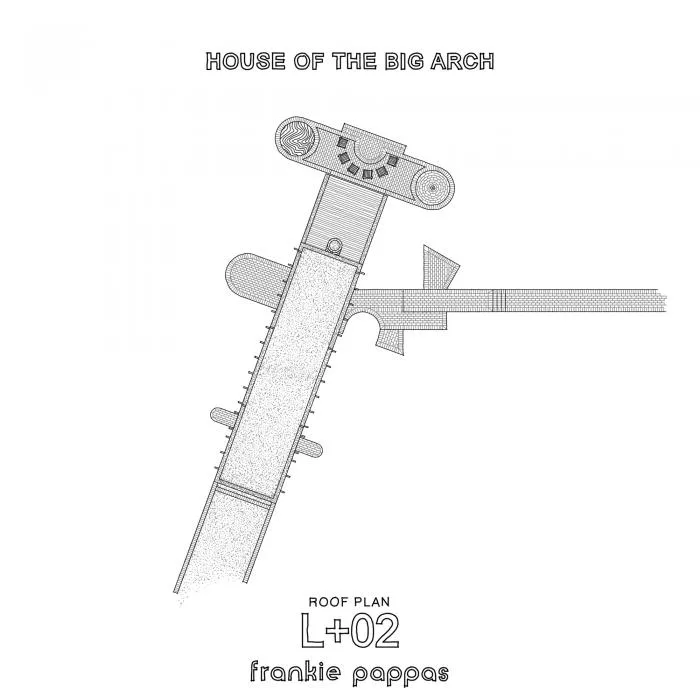
△ Roof Plan
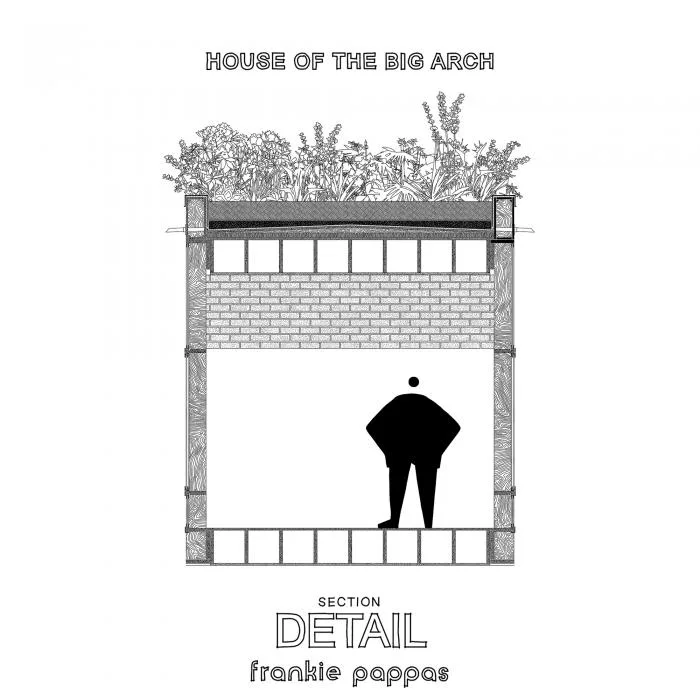
△ Section diagram
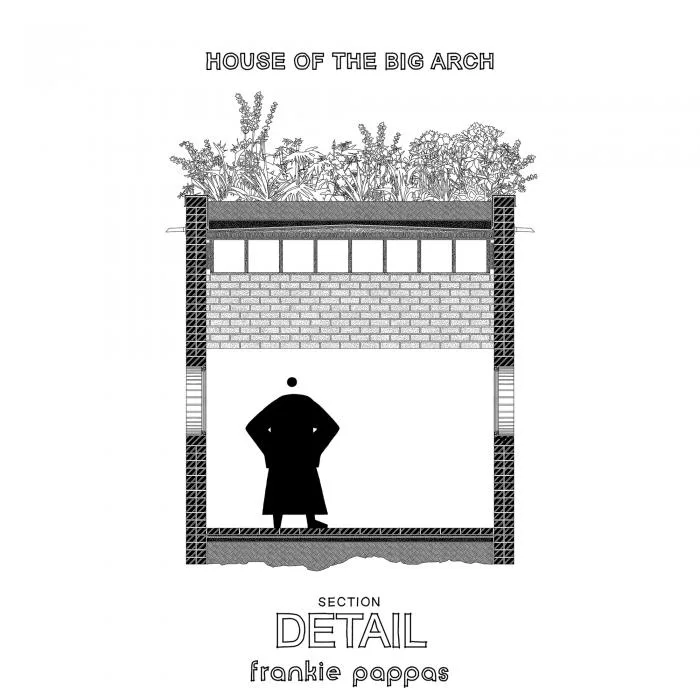
△ Section diagram
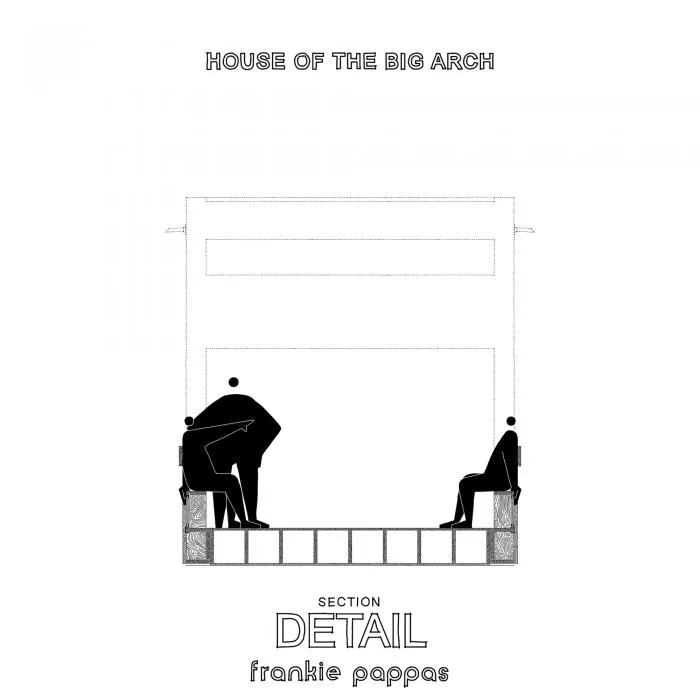
△ Section diagram
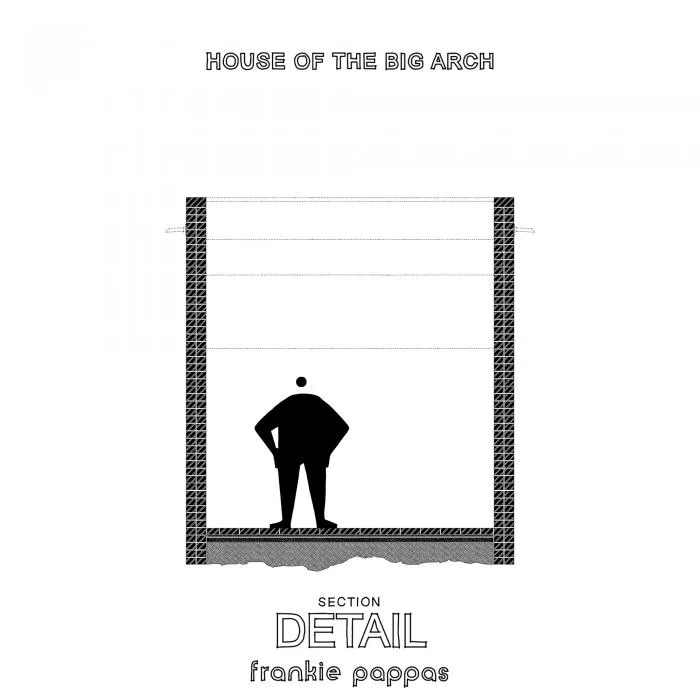
△ Section diagram
Project Information
Project type: Independent residential building
Location: South Africa
Architect: Frankie Pappas
Area: 120 m²
Year: 2019
Photography: Frankie Pappas, Dook for Visi
Manufacturer: Adobe
Design team: Frankie Pappas
Engineer: Frankie Pappas
Landscape Design: Frankie Pappas












Must log in before commenting!
Sign Up