
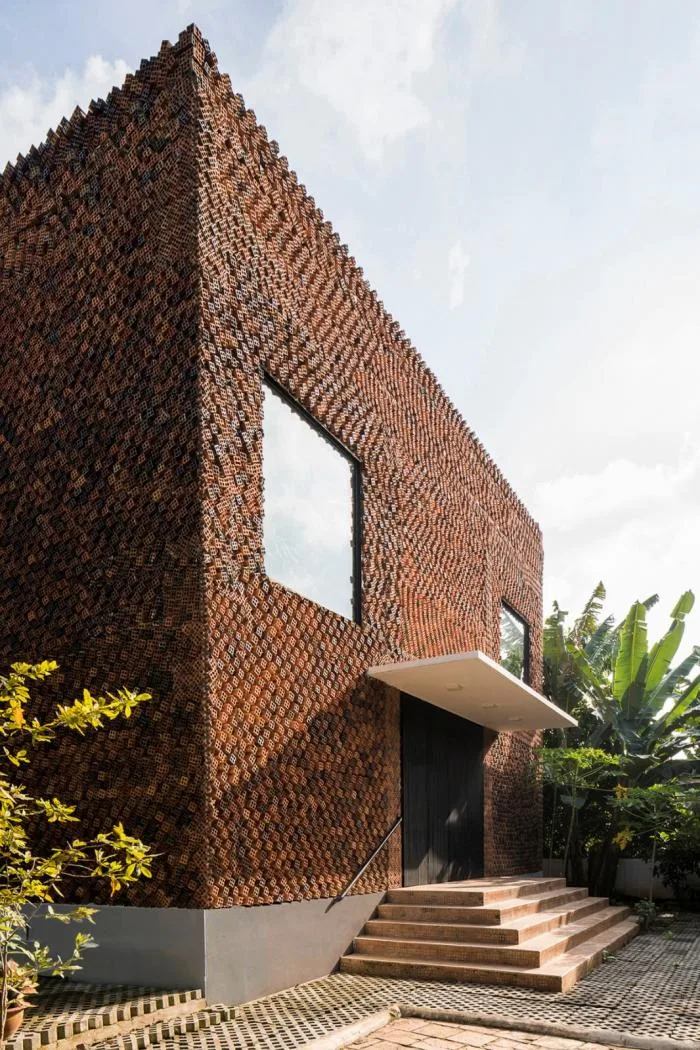
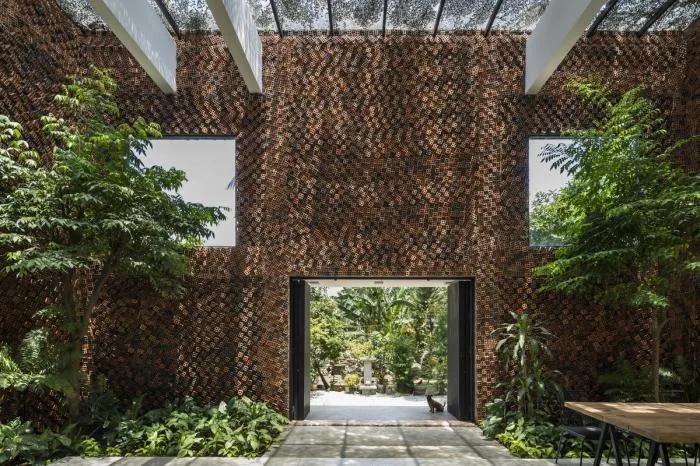
Recent scientific studies reveal that indoor air quality is generally poorer than outdoor air quality. This insight has sparked conversations between architects and homeowners about designing buildings that can naturally breathe. It was during this process that the building, named after its defining “breathing wall,” took shape.
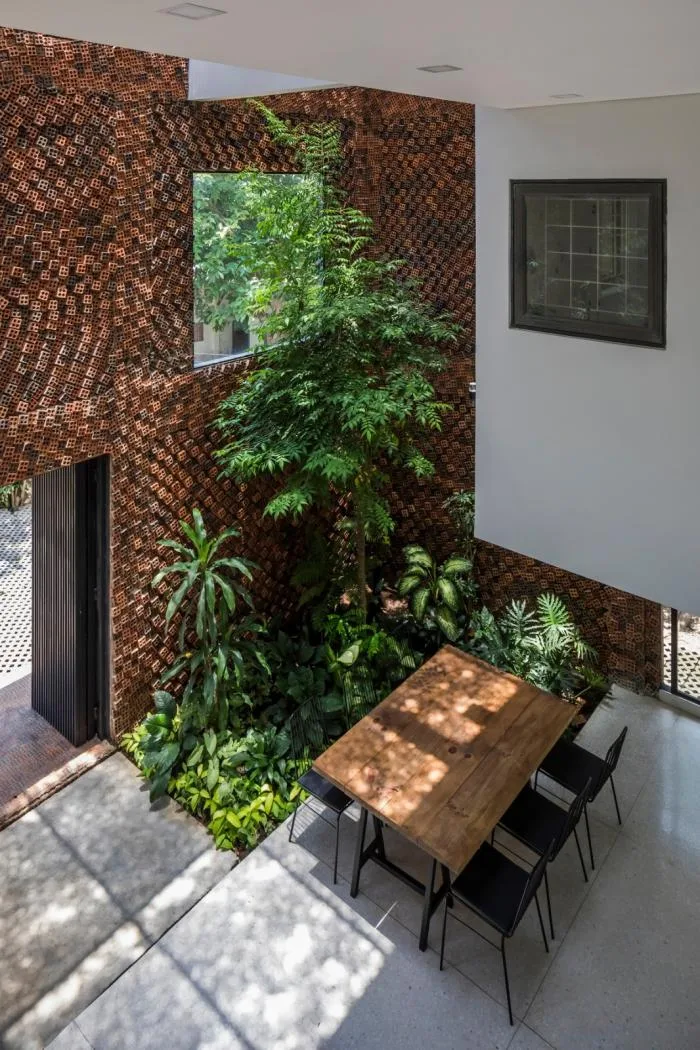
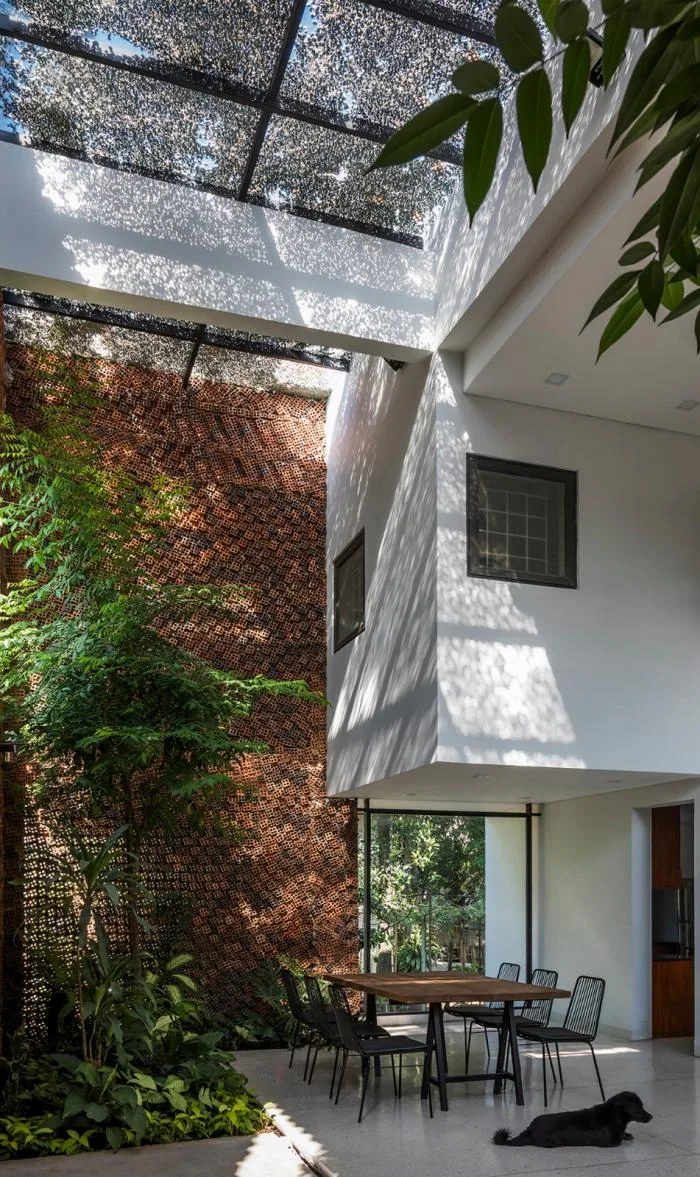
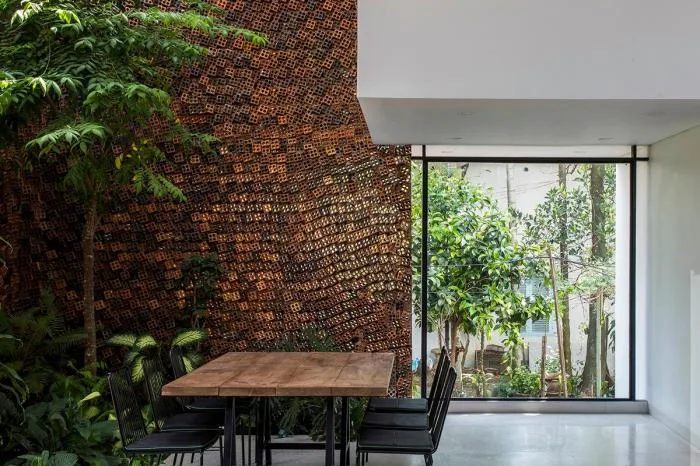
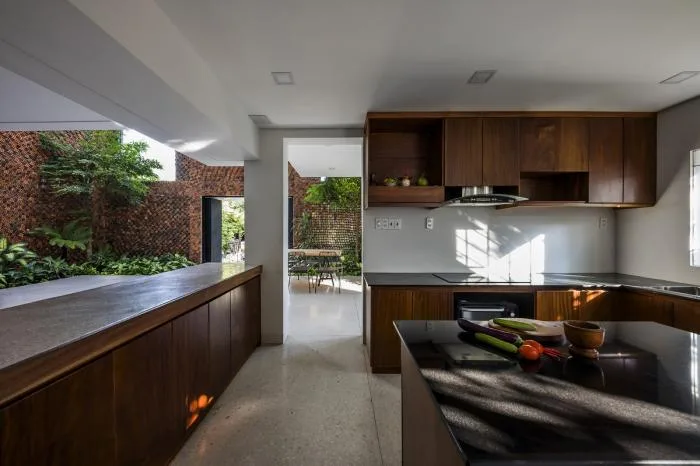
The project is made up of eight independent spaces enclosed by conventional walls. These eight volumes are scattered and intersect within a communal area surrounded by the innovative “breathing wall.” This wall is composed of two distinct elements.
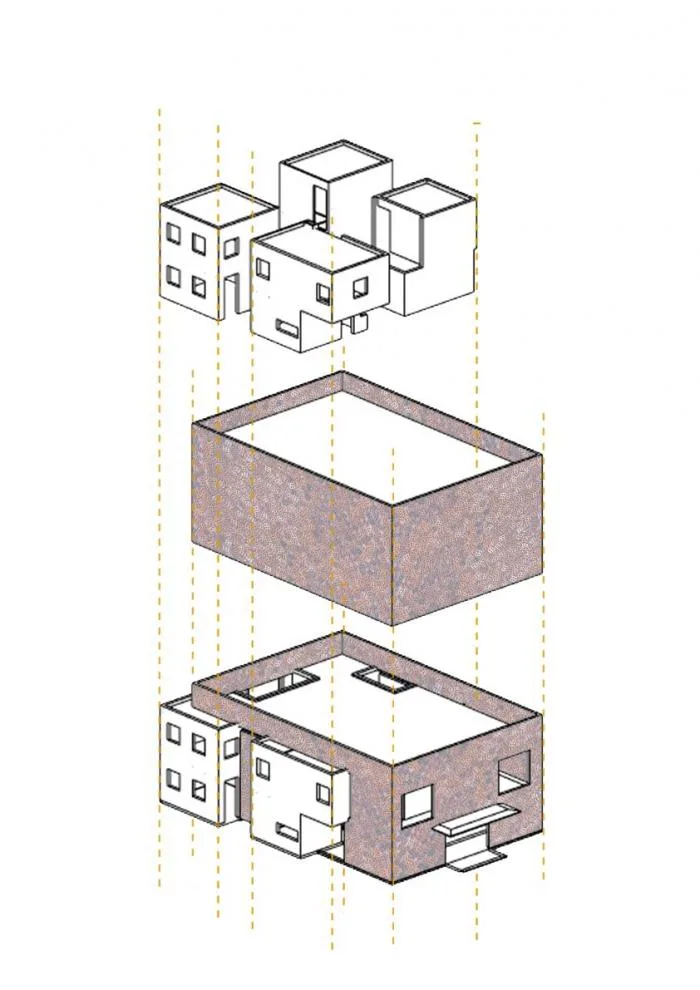
△ Analysis chart
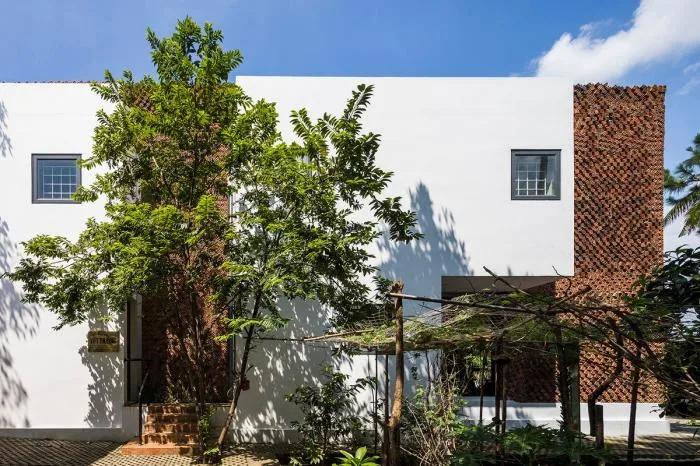
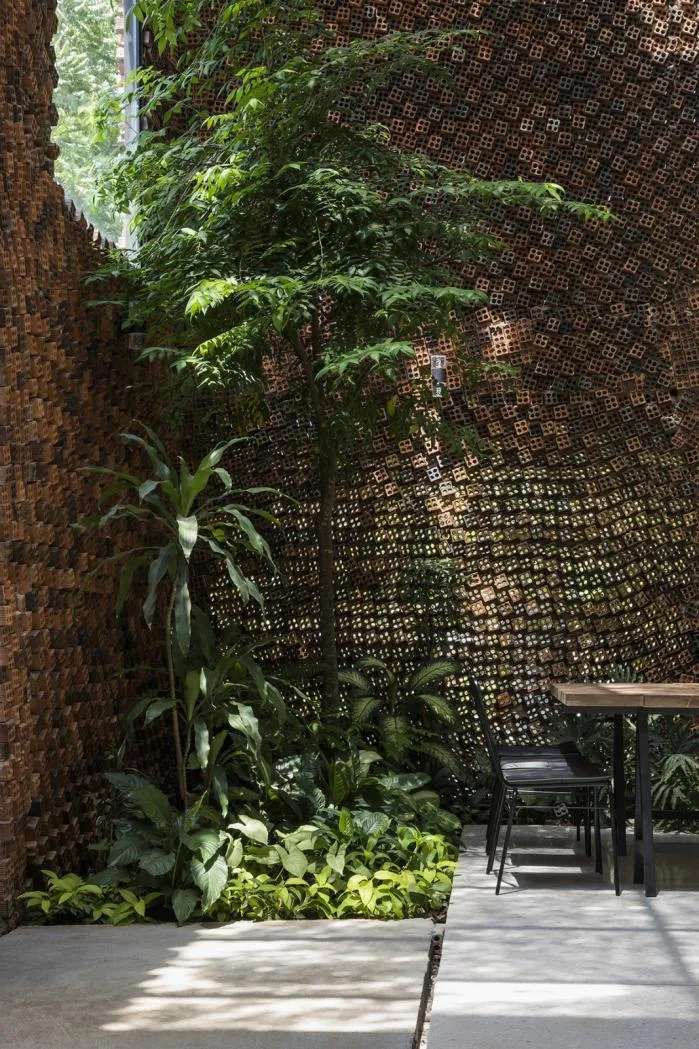
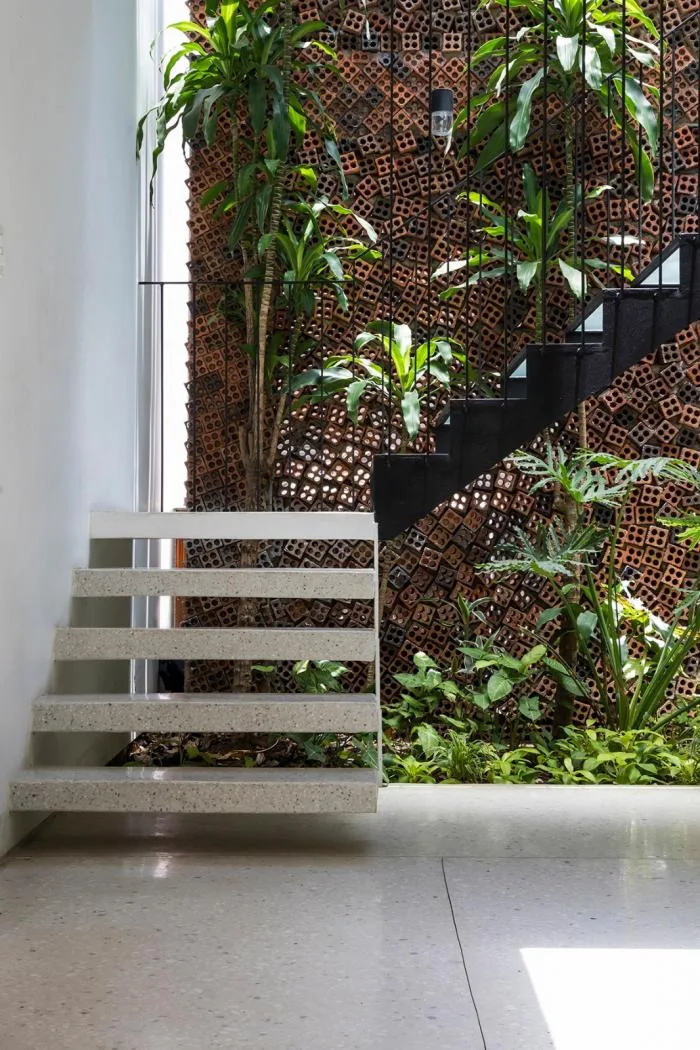
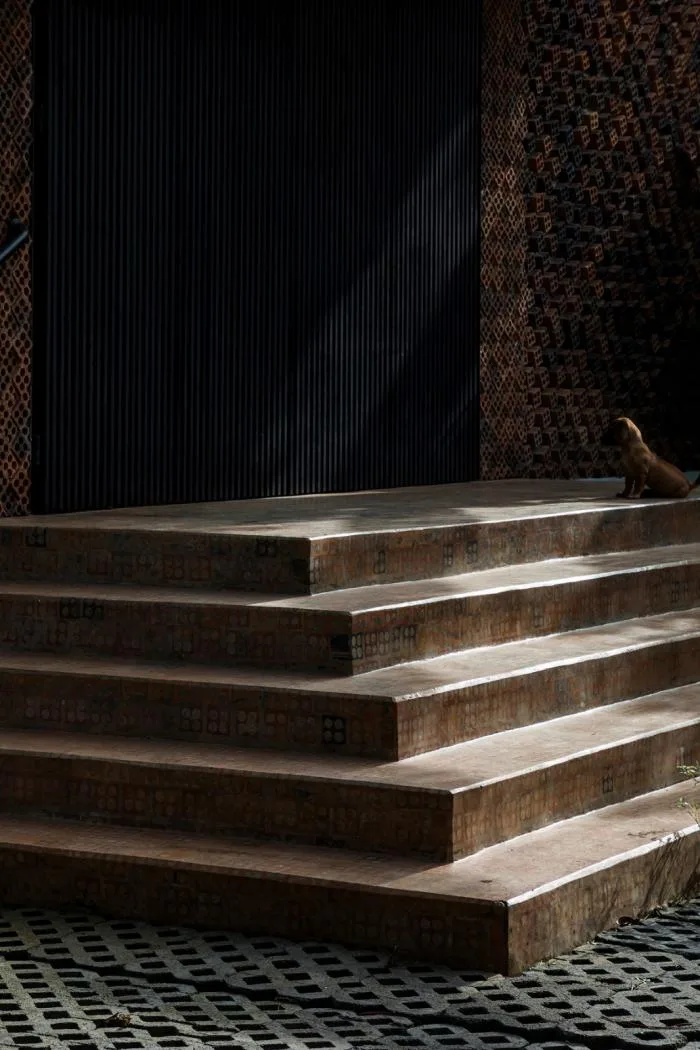
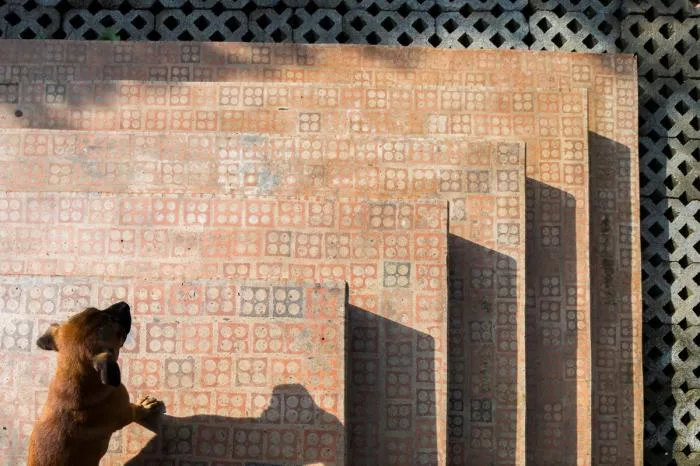
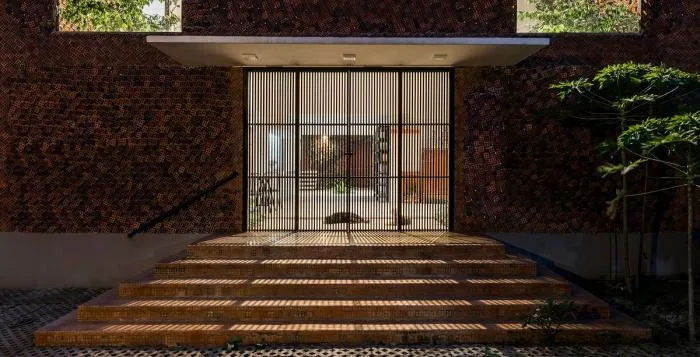
The first layer is an open wall system designed to shield the interior from negative external influences. This protective shell is constructed using hollow bricks, arranged in a reversed pattern compared to traditional methods. This configuration allows fresh air and natural light to penetrate the house.
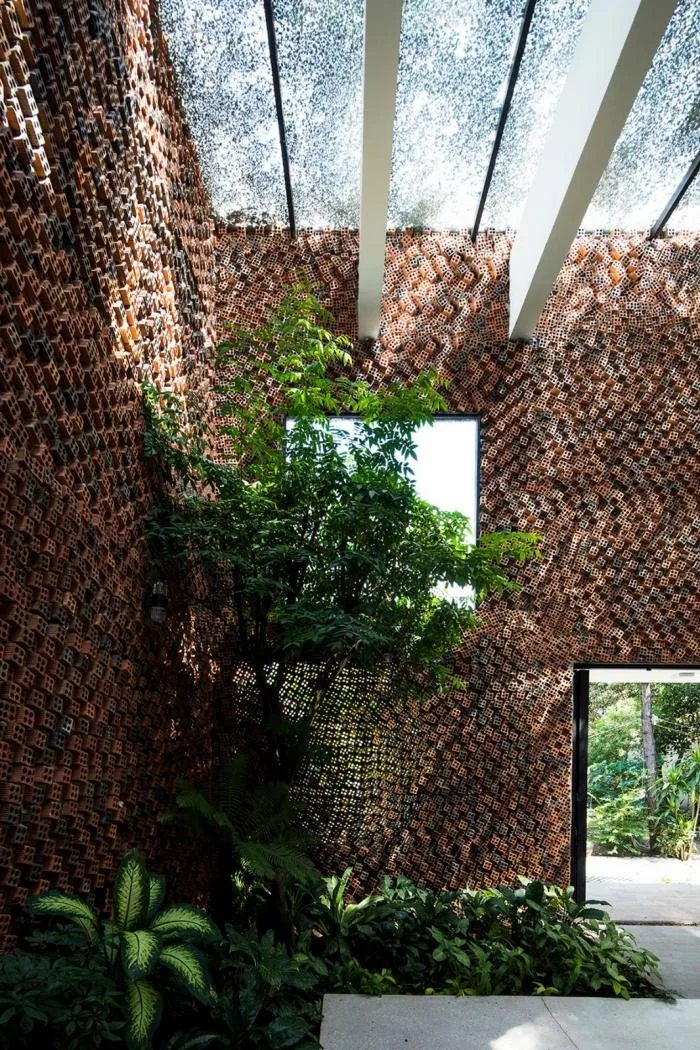
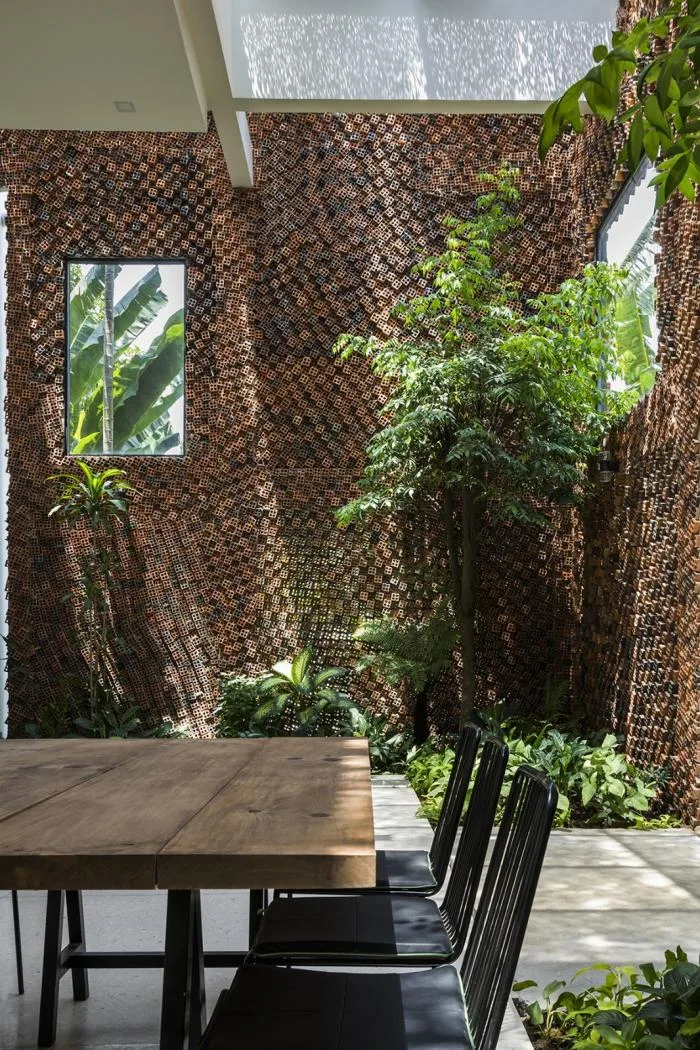
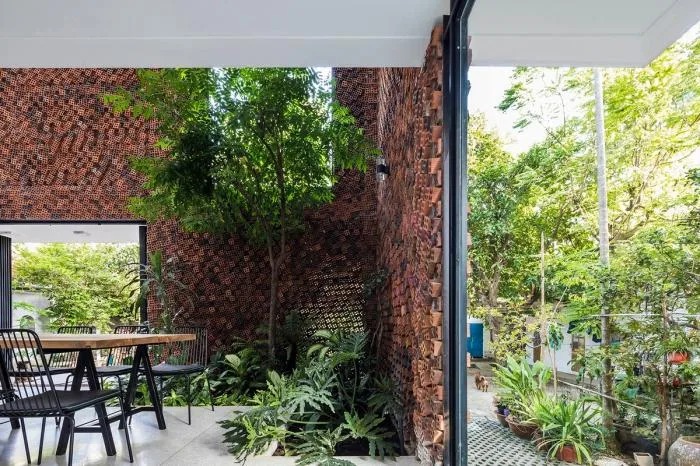
The courtyard forms the second layer, further protecting the internal living spaces from external environmental impacts.
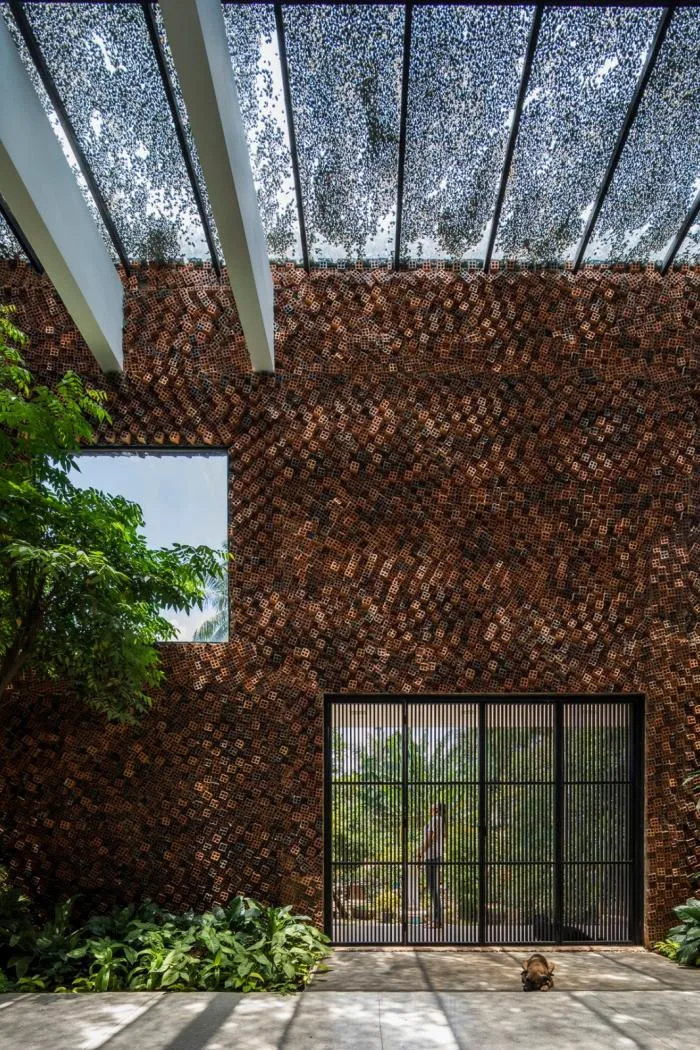
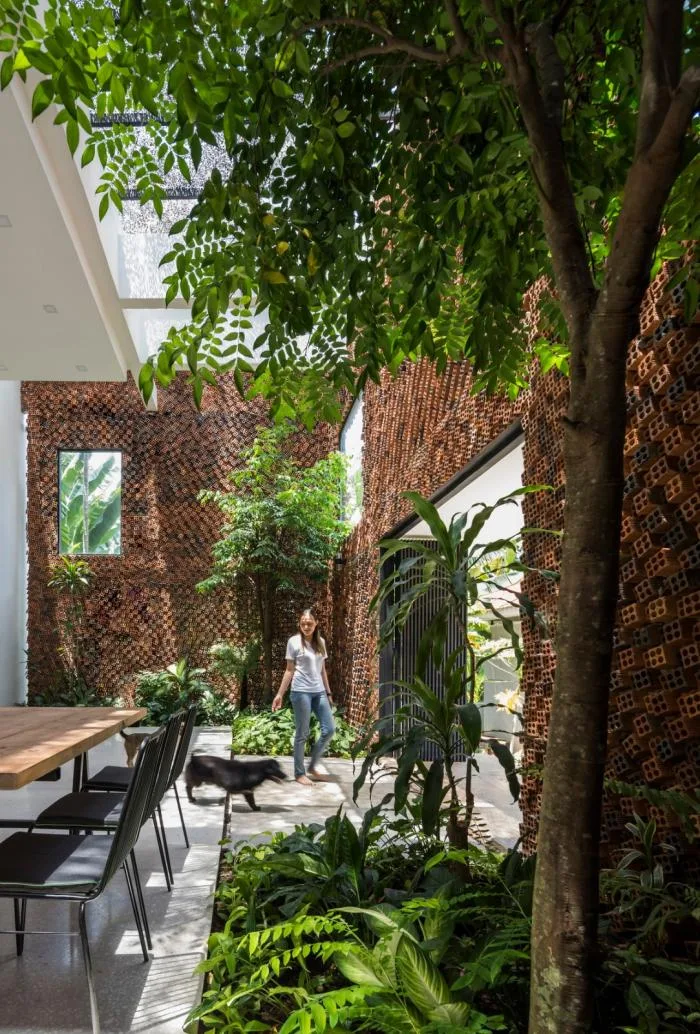
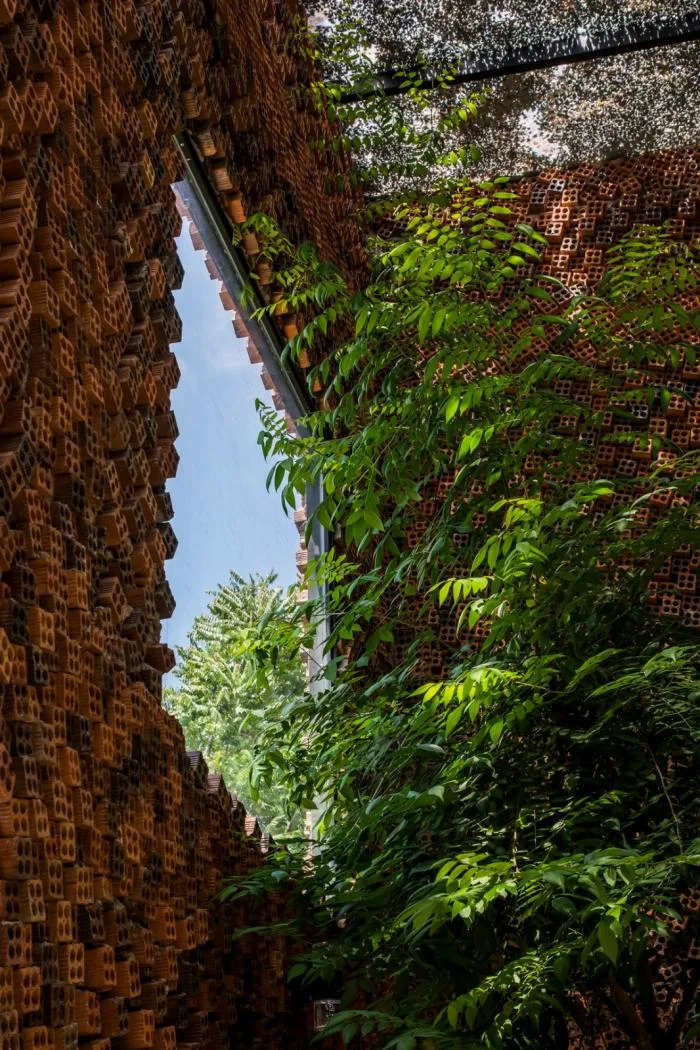
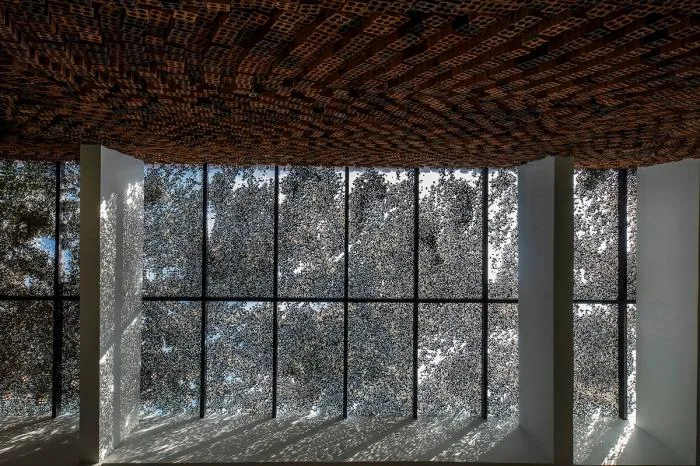
These two protective layers work in unison to serve the function of a conventional wall while facilitating the natural circulation of air and light throughout the home.
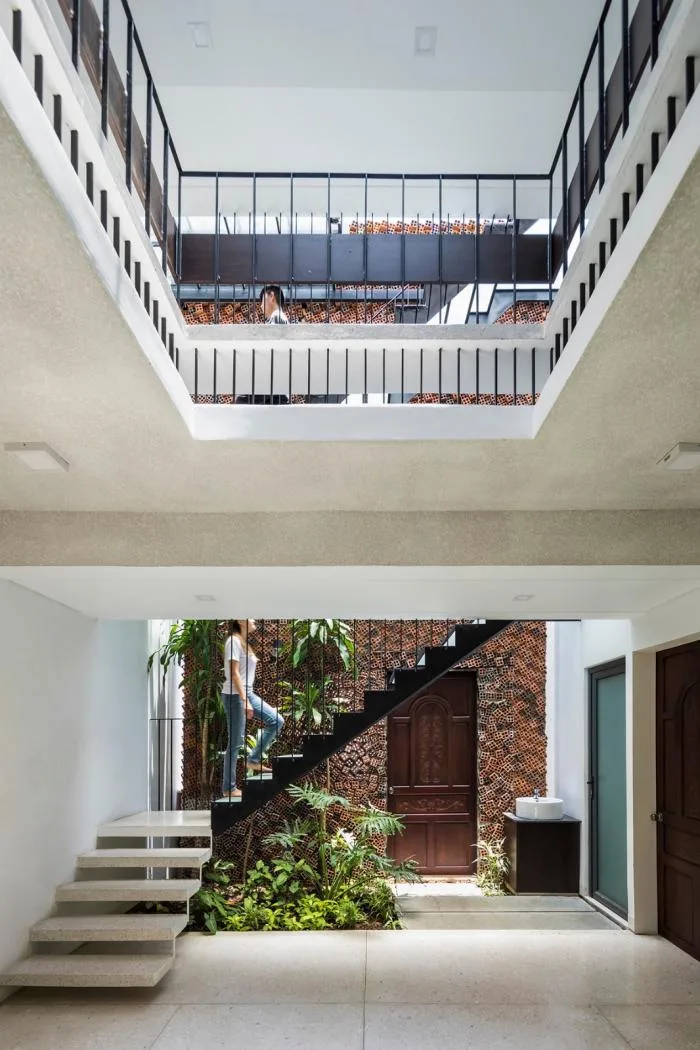
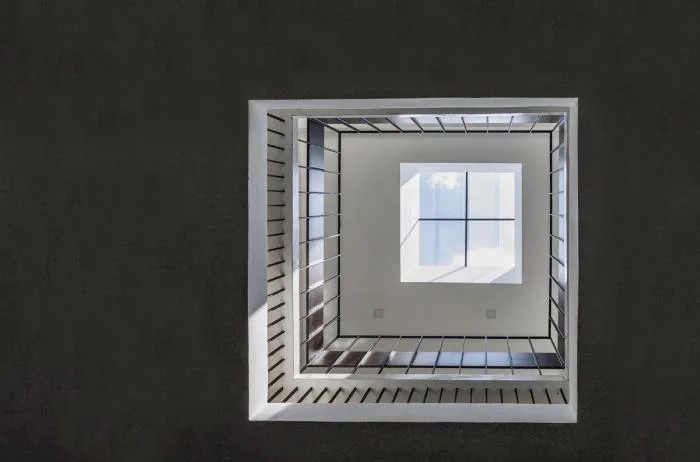
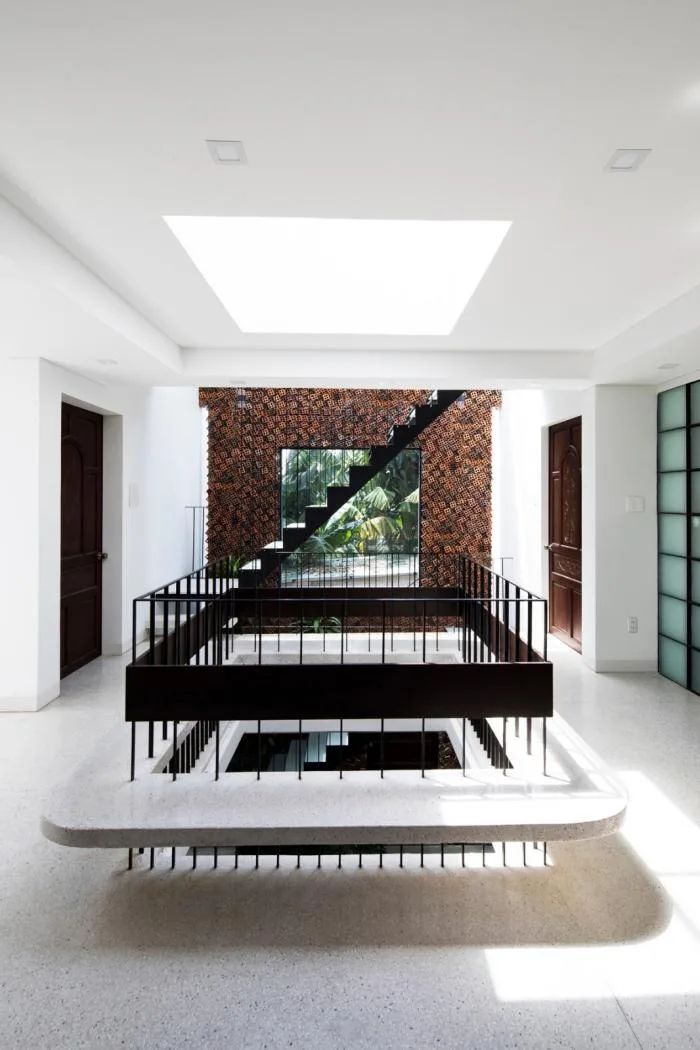
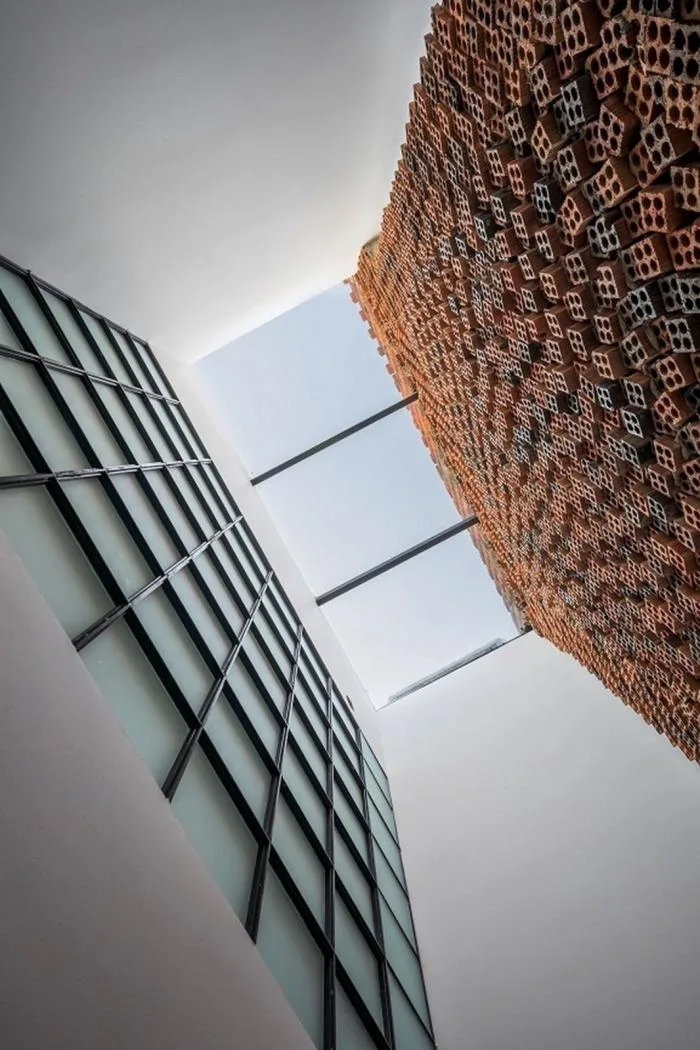
Local Details
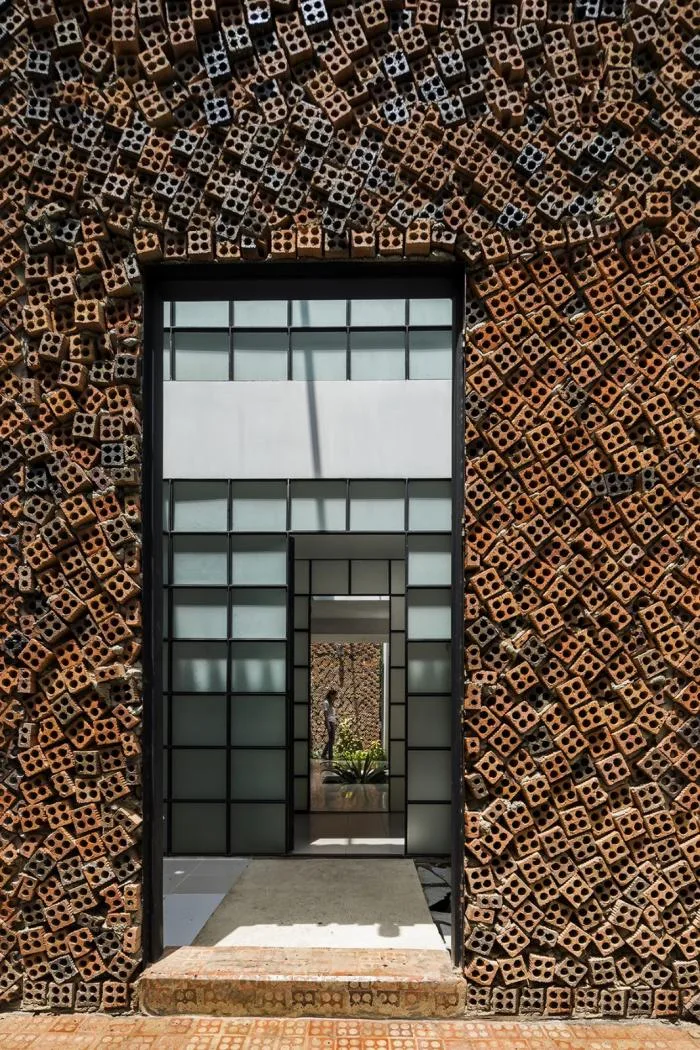

Design Drawings
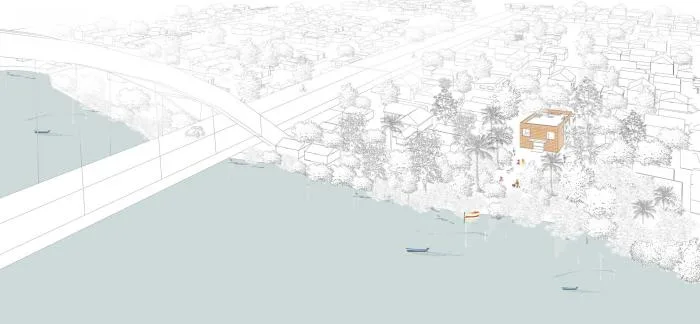
△ Analysis chart
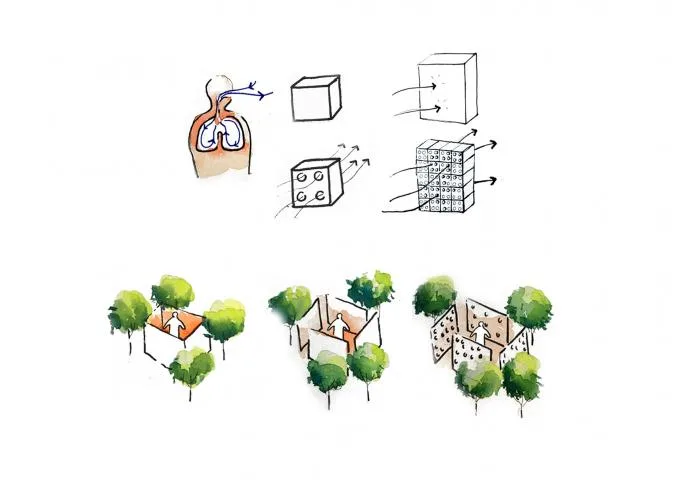
△ Analysis chart
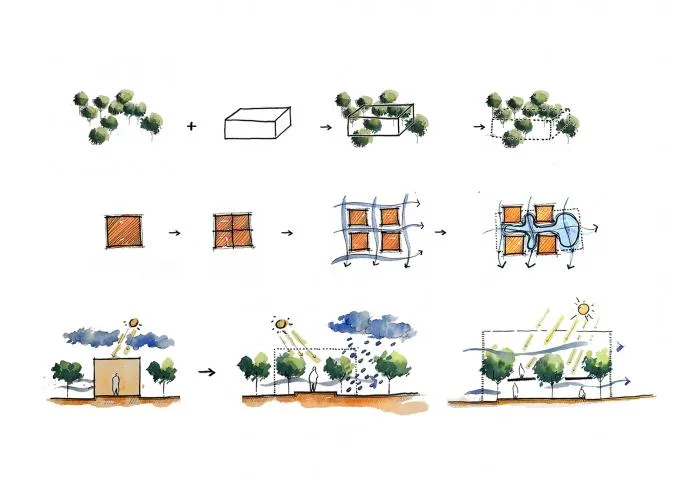
△ Analysis chart
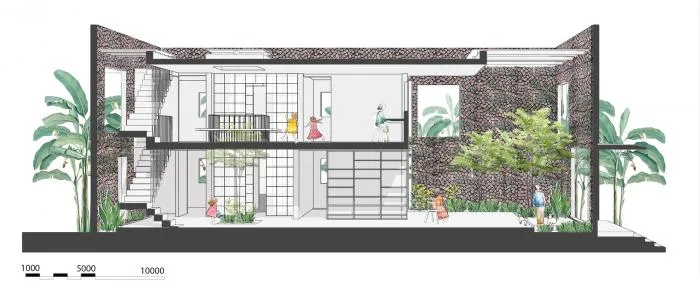
△ Analysis chart
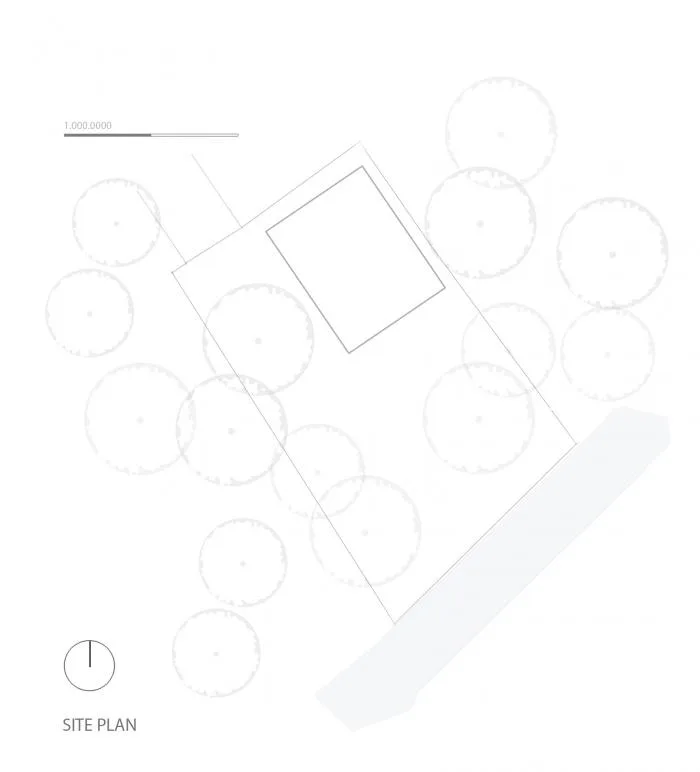
△ General layout plan
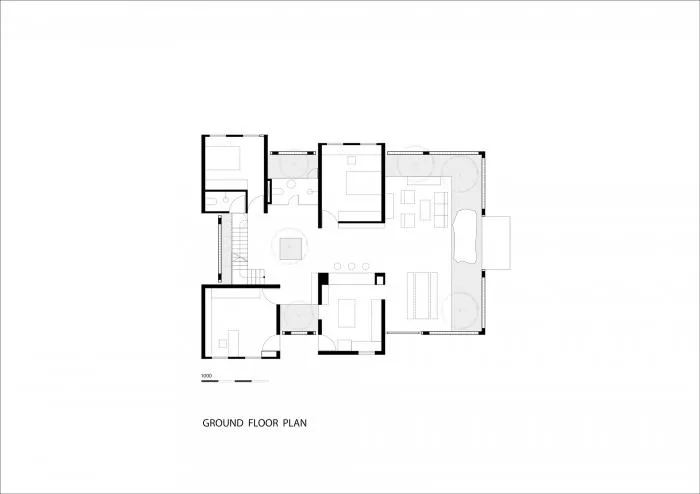
△ First floor plan
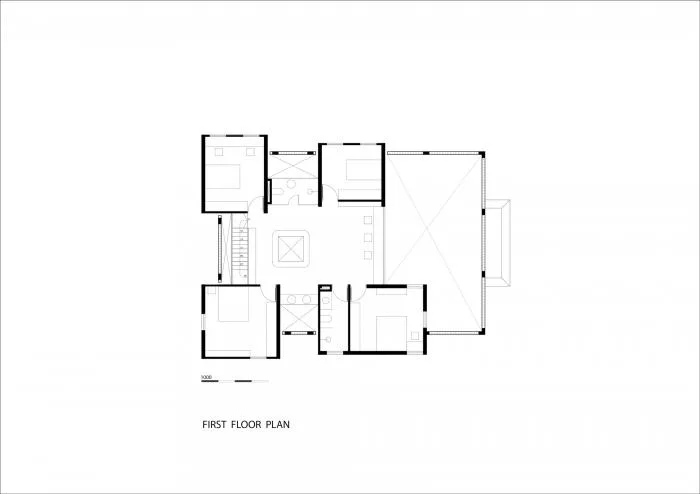
△ Second floor plan
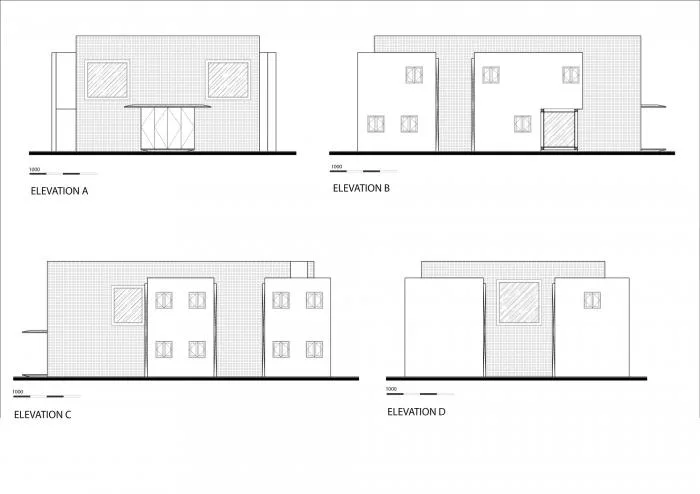
△ Elevation drawing
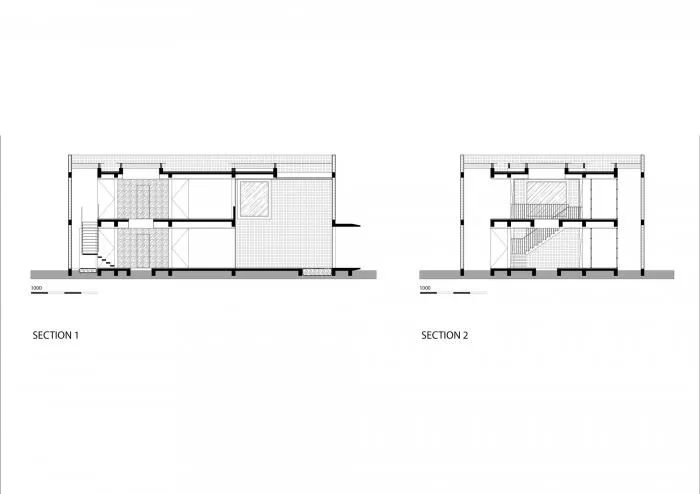
△ Section diagram
Project Information
Project Type: Independent Residential Building
Location: Binhe City, Vietnam
Architectural Firm: CTA | Creative Architectural Firm
Area: 208 m²
Year: 2018
Photographer: Hiroyuki Oki
Suppliers: AutoDesk, Bạch Mã, Dong Nai, INAX, Panasonic, Signify, Trimble, Viet Nhat Glass, Xingfa
Lead Architect: Bui The Long
Client: Mr. Hong Anh
Builder: Viet Tin Phuc Company Limited












Must log in before commenting!
Sign Up