
Preface
Architectural practice today goes beyond the work of individual architects. It is a dynamic design salon where multiple disciplines intersect and inspire one another. This collaborative approach blends engineering, construction, art, and technology, showcasing collective wisdom in creating meaningful spaces.
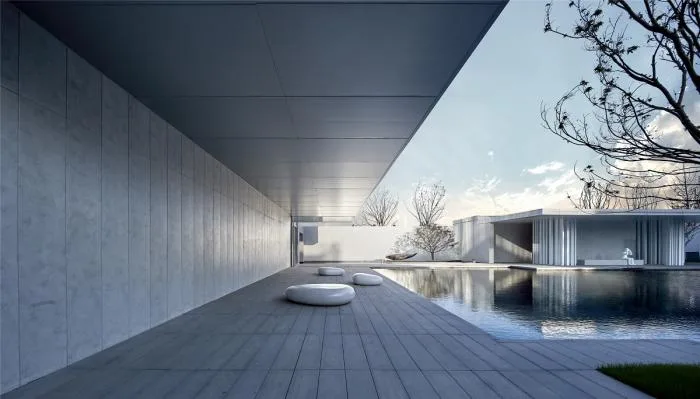
City Card
Arriving at the mouth of the Xinlin River, one is reminded of the poetic beauty that Xie Xuanhui once celebrated.
The Huichuang Junbo project is situated in the northwest of Hefei City, bordered by the Dongpu Reservoir Wetland Reserve to the east and facing the Dashushan Forest Park to the south. This prime location benefits from natural gifts—mountains and waters—that are precious urban resources. Our commitment is to create eco-friendly, high-quality residential communities that redefine the urban waterfront lifestyle.
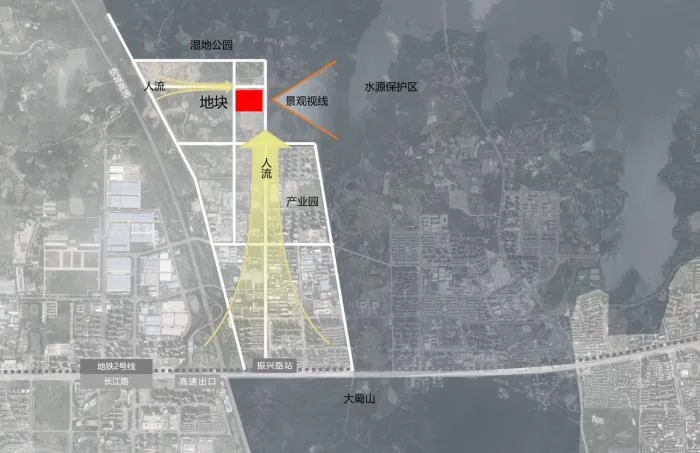
▲ Location analysis
Many associate ‘Bo’ with the idea of homecoming. Inspired by this, we introduced water elements into the site, integrating them with the architecture to create a semi-public courtyard at the community entrance. This space serves as a transition between the natural landscape and residential areas, bridging the urban and architectural realms.
The water feature isn’t simply about form but embodies character. We reinterpreted the traditional residential courtyard entrances and exits, abstracting their spatial order into a layered hierarchy.
Defining the water courtyard enclosed by buildings as the primary space, we then identify secondary spaces as courtyards of varying scales and openness formed by walls and grilles. These layers interrelate and progress, reflecting the diversity of residential life and the richness of communal spaces.
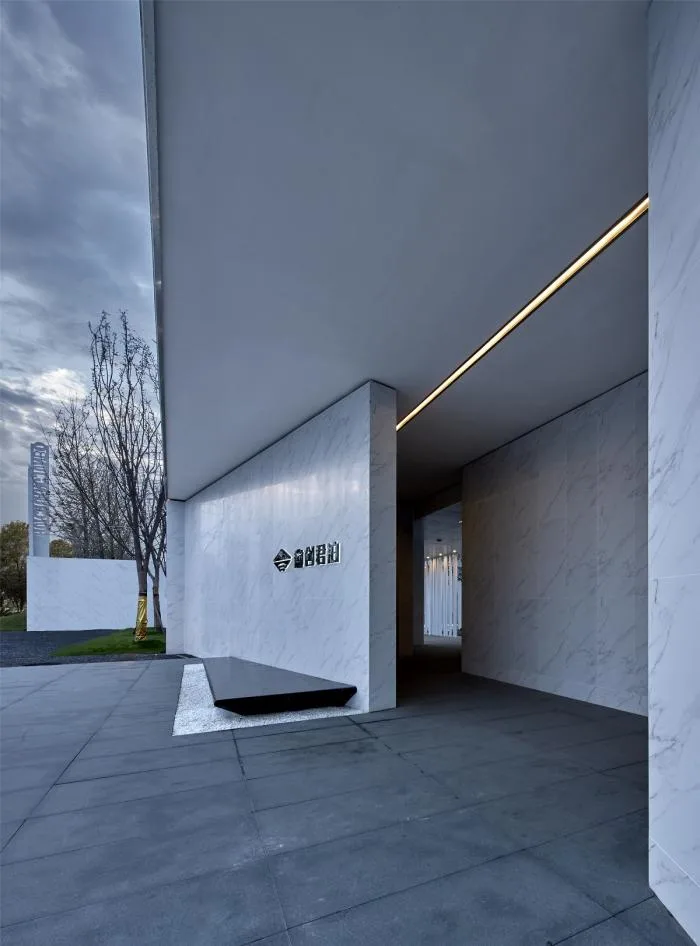
▲ Realistic view of courtyard entrance
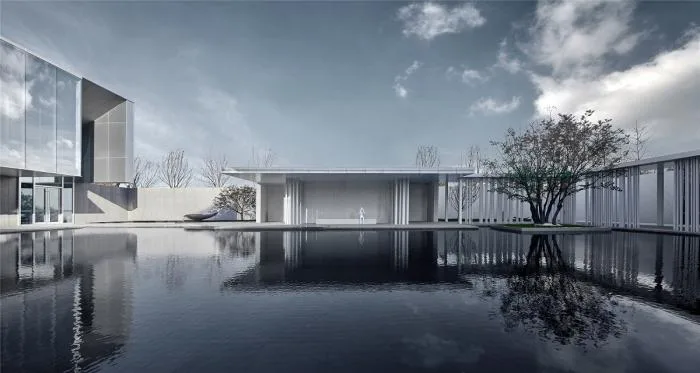
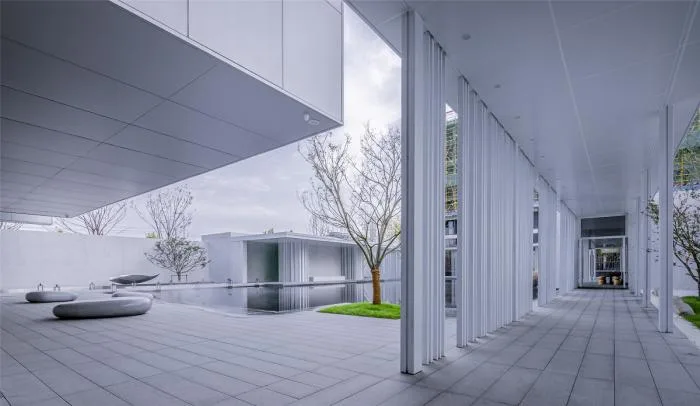
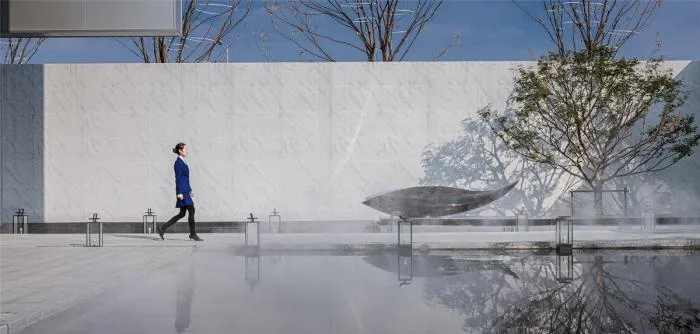
▲ Realistic Courtyard Scene
Distinctive Character
Vibrant and powerful, skilled artisans innovate day by day.
Originality has always been the core value for our team. As the dominant entity at the community entrance, the architecture needed to engage in a meaningful dialogue with the site. We deliberately avoided typical stylized designs, pursuing instead a unique approach where architecture and courtyard spaces tell a story that evokes memories and resonates emotionally.
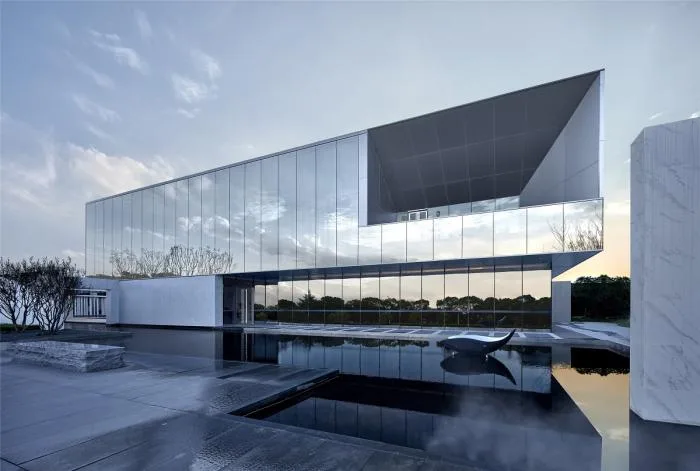
▲ East facade in sunlight
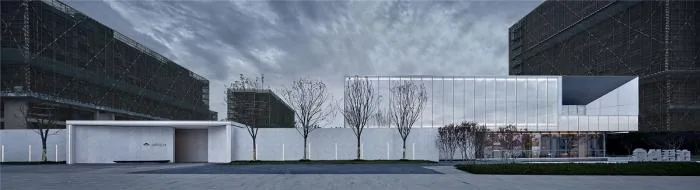
▲ East facade at night
Rigid aluminum panel lines define the building’s primary framework, while 7.5-meter-high mirrored glass blurs the boundaries between solid structure and space. Acting as an infill framework, this design fosters a harmonious dialogue between building and environment. The solid concrete-textured base supports the suspended crystalline glass volume, creating a striking contrast between solidity and transparency that injects dynamic modern tension into the form.
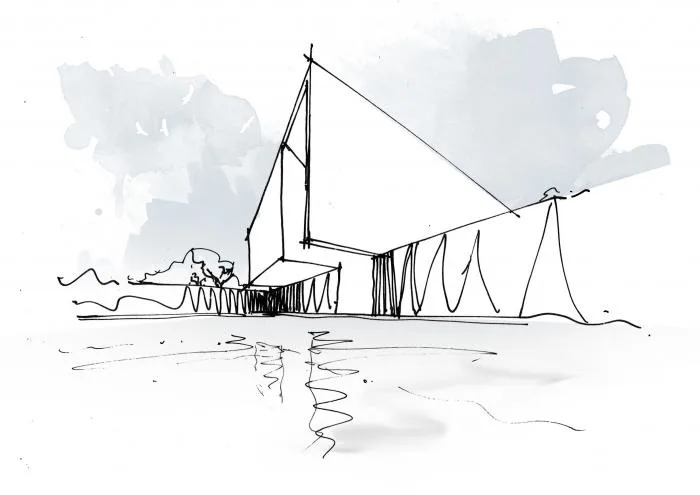
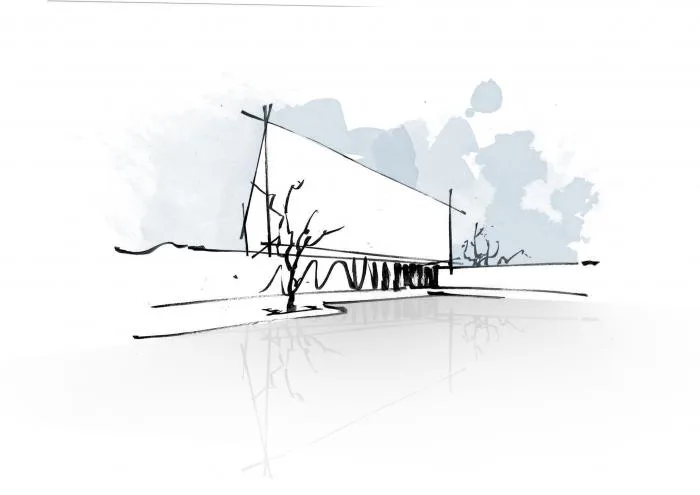
▲ Conceptual form sketch
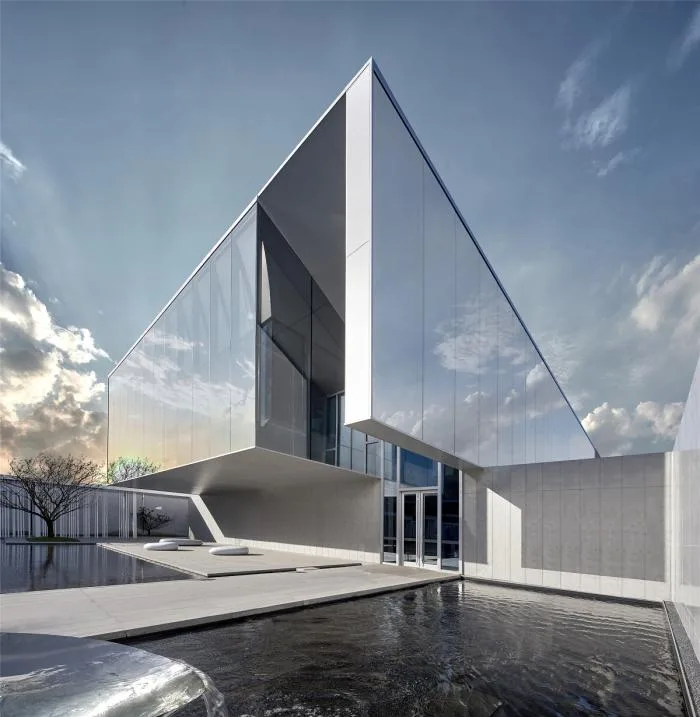
▲ Realistic form (daytime scene)
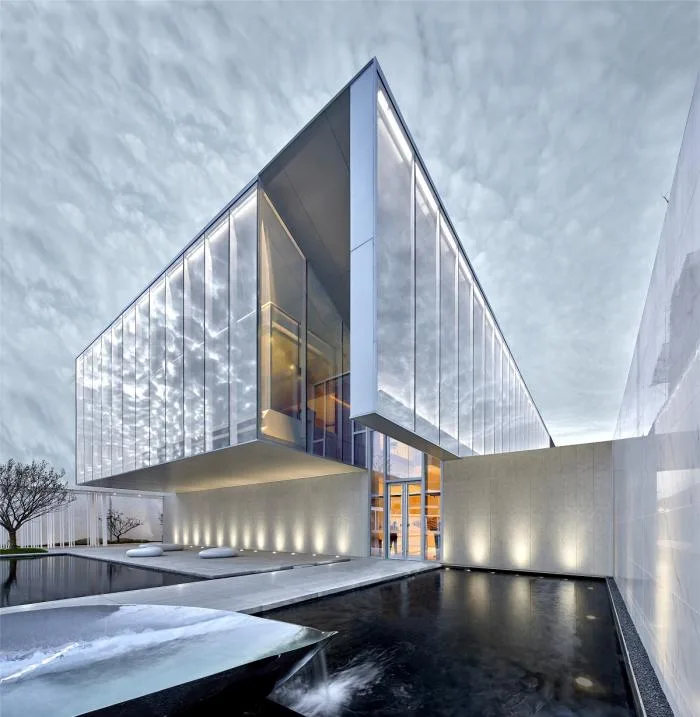
▲ Realistic form (night scene)
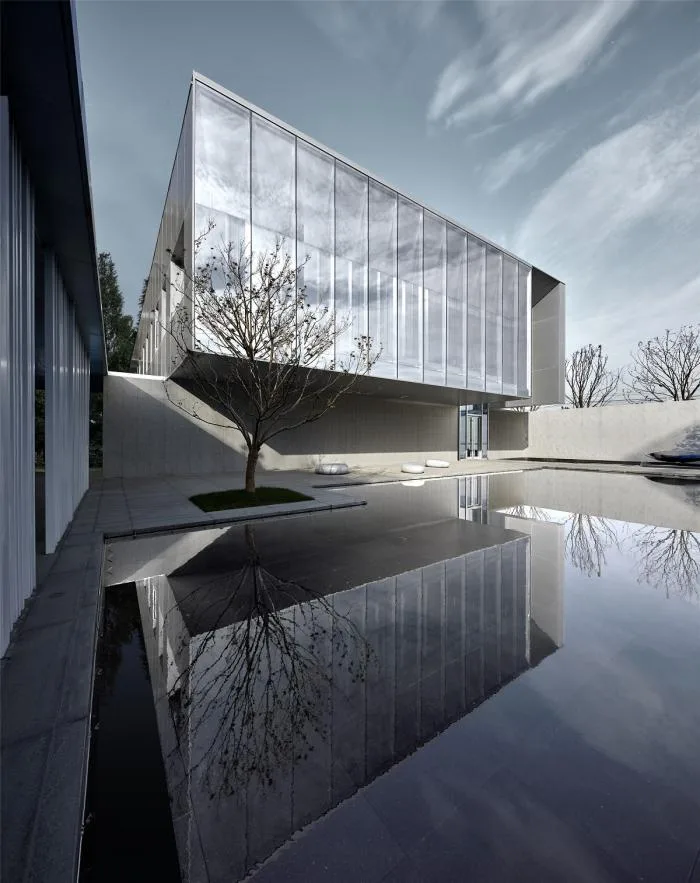
▲ Realistic form (large suspended volume)
The building’s perfect rectangular volume is punctuated with large openings that form balconies and entrances, creating dynamic architectural interfaces. Entrances facing Dongpu Reservoir and Dashushan respectively symbolize respect for the surrounding natural environment. The sloping entrance surfaces invite exploration of the building’s interior, fostering a strong connection between interior and exterior spaces and integrating landscape, architecture, and human interaction.
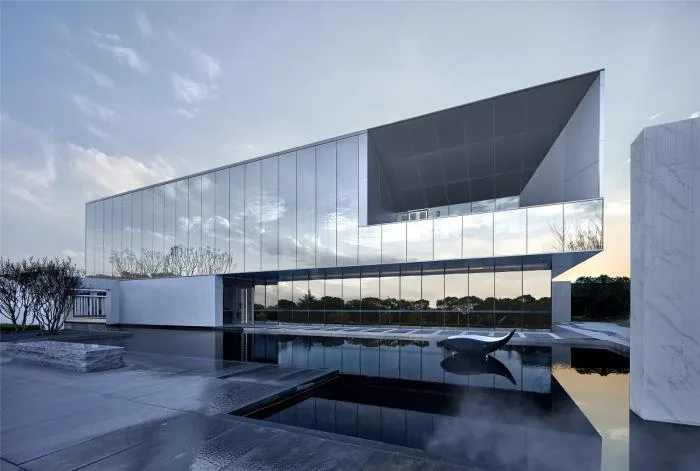
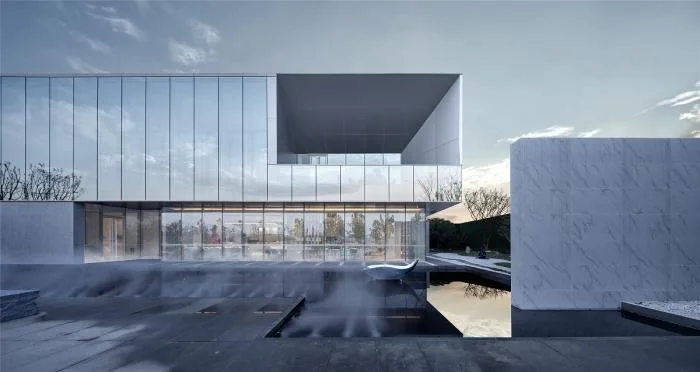
▲ Balcony view
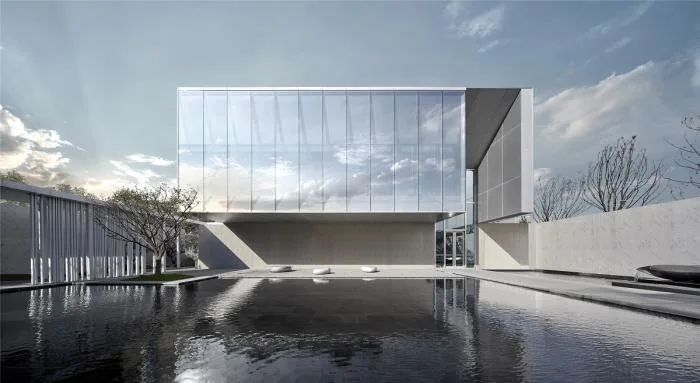
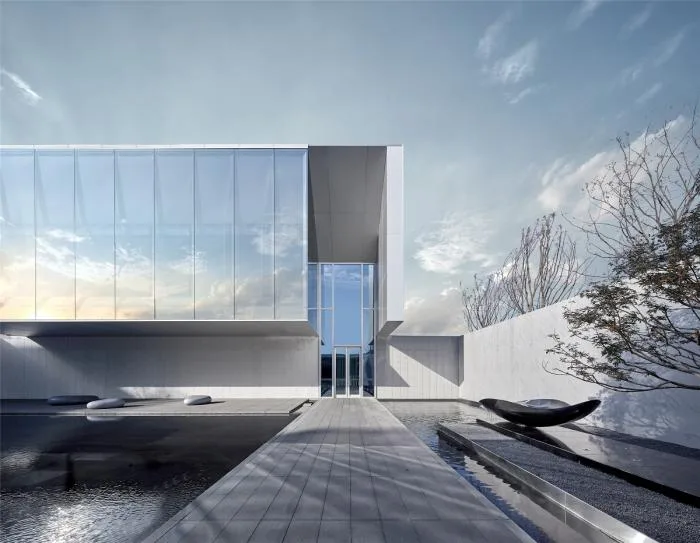
▲ Main entrance view
Beyond the glass volume openings, a high-transparency ultra-white glass curtain wall is installed in the first-floor indoor negotiation space. This design enhances the interaction between interior and exterior. At night, interior lighting highlights carefully curated furnishings, inviting the city inside with a warm 37°C glow. During the day, sunlight floods the interior, offering vibrant views of the surrounding landscape.
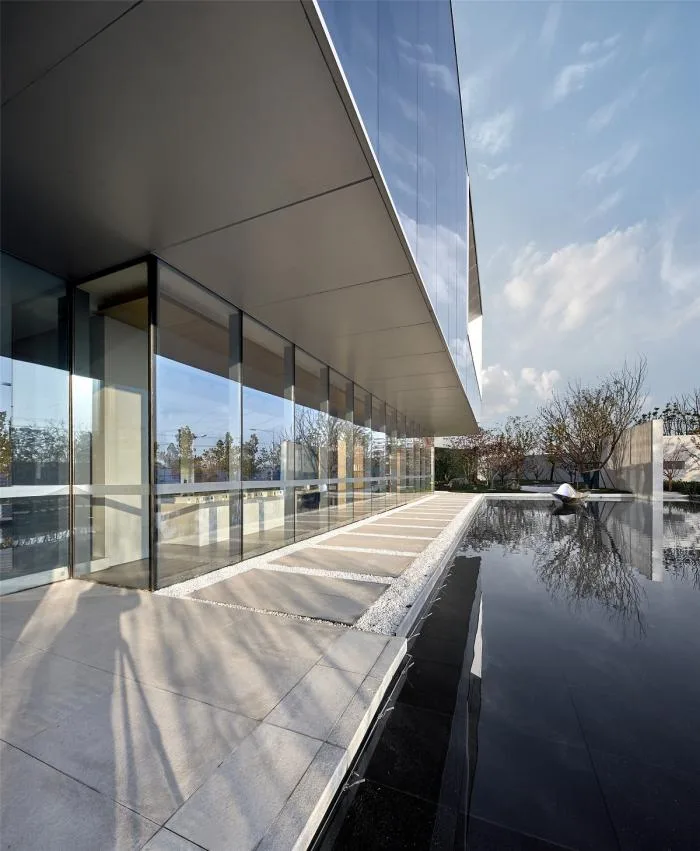
▲ Interior building view
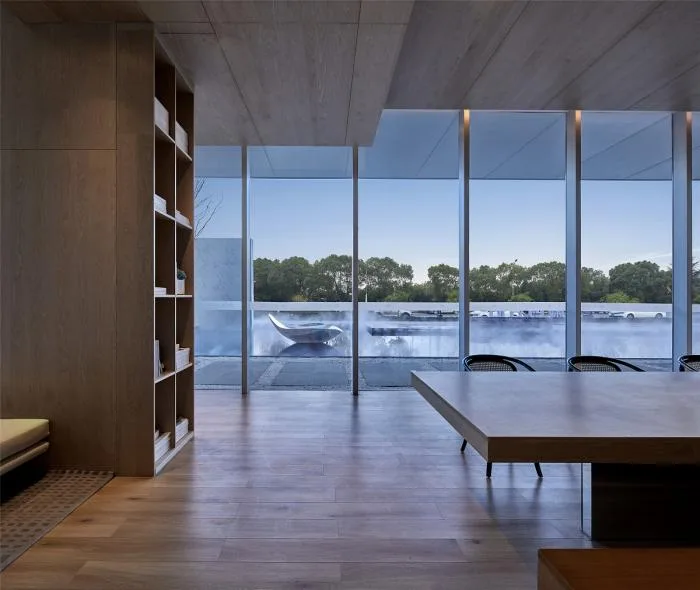
▲ Landscape views through high-transparency glass indoors
The interior space echoes the architectural language through geometric forms and material textures, creating a harmonious composition. Lighting design features a broad, softly diffused upper space contrasted by a transparent lower section that opens the area. This spatial arrangement directs visitors’ attention along a deliberate path, enhancing both visual and tactile experiences.
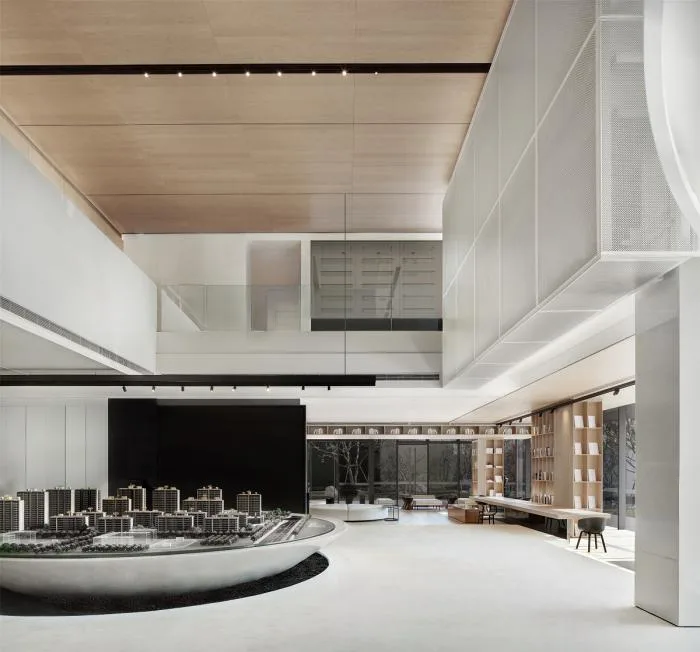
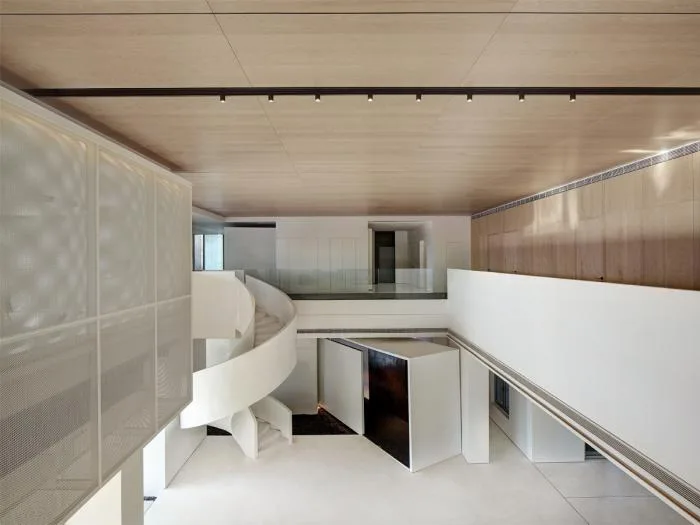
▲ Interior view
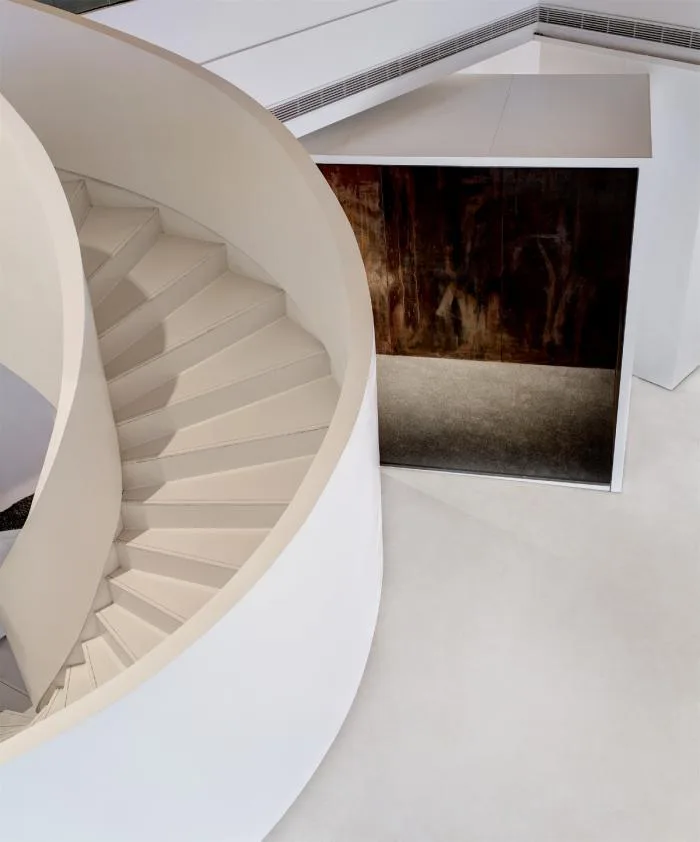
▲ Realistic interior space
Continuous Improvement
The art of blending elements is intangible, akin to crafting a painted screen of West Lake.
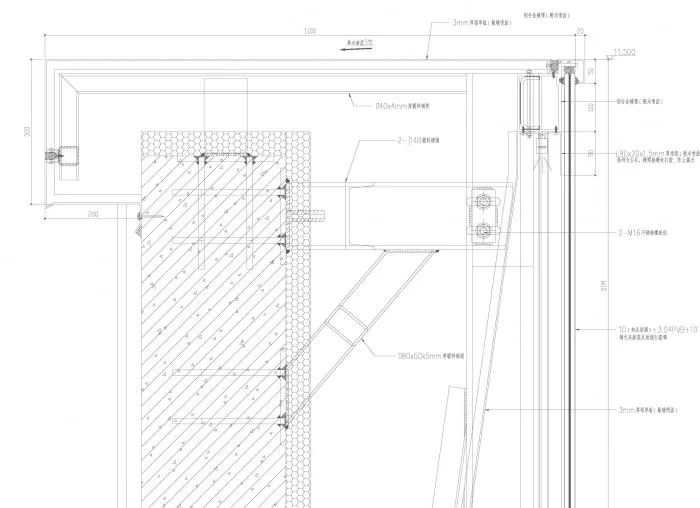
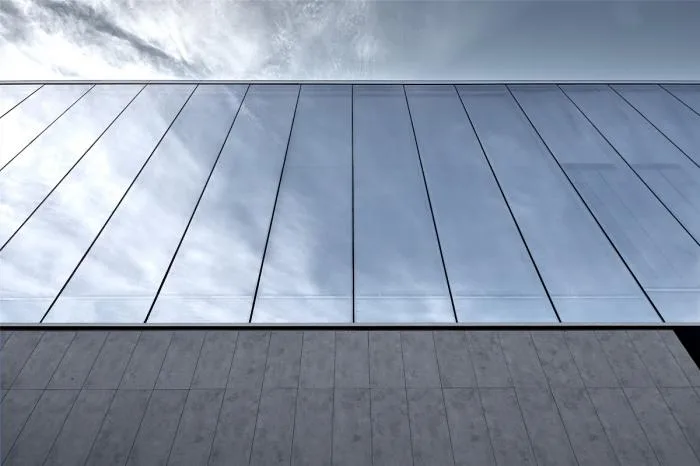
Architectural complexity is not just theoretical; it influences construction quality and presentation. Achieving the desired architectural effect requires meticulous design and attention to detail. The 7.5-meter-high mirrored glass facade is the key visual element, installed using an up-and-down fixed method that detaches from the main structure, creating a transparent, lightweight appearance.
During the day, the mirrored glass reflects sky, clouds, and trees, producing an illusion of “deep clouds in unknown places, unique to this city.” At night, hidden lighting illuminates the inclined aluminum plates wrapping the internal upper and lower structures, enhancing delicacy and refinement.
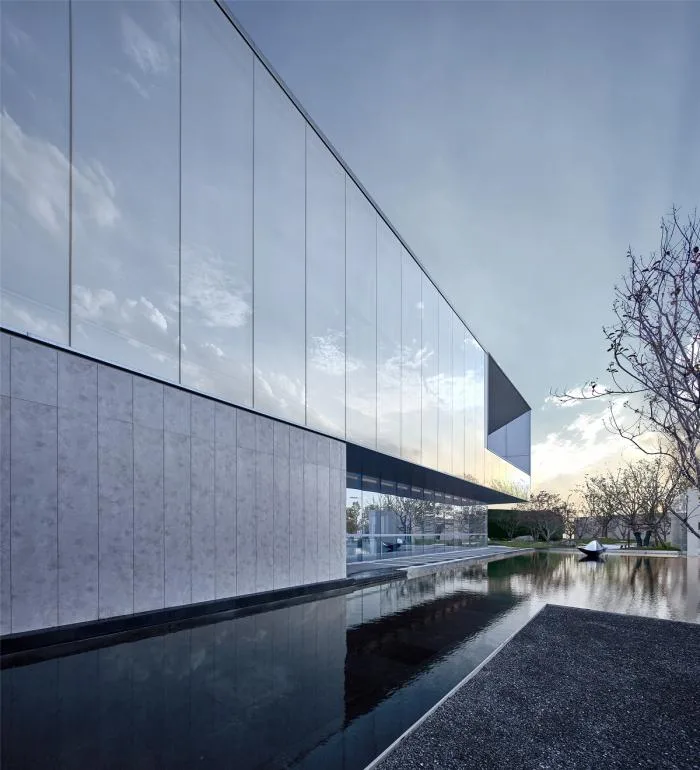
▲ Curtain wall details
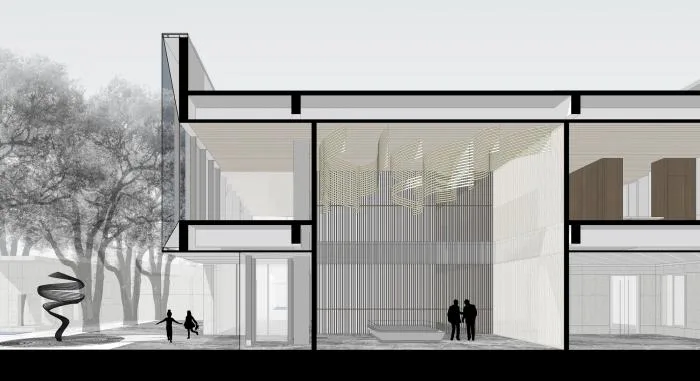
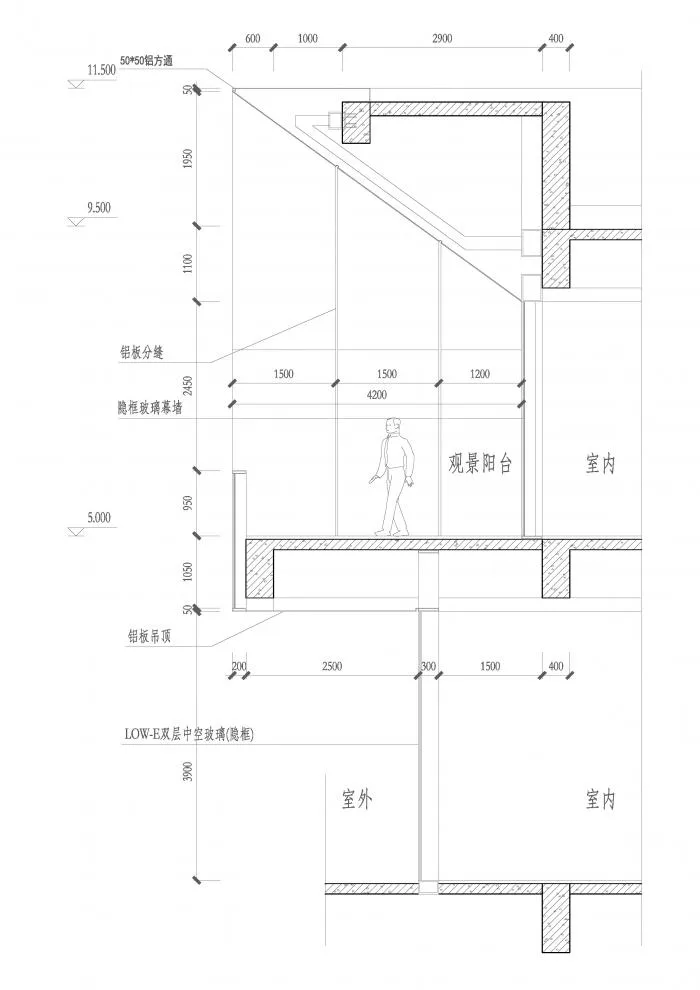
▲ Spatial profile
▲ High-reflective glass joint
The overall appearance hinges on precise detail control. Typically, adhesive seams at hidden-frame glass curtain walls appear uneven, compromising even factory-customized mirror glass with iPhone-level flatness. To address this, we used custom aluminum buckle plates to conceal these seams. The large aluminum panel on the second-floor east balcony requires extra stiffness to avoid deformation and dents. Thus, honeycomb aluminum panels combined with custom “wide seams” in matching colors were employed to enhance facade durability and precision.
▲ Mirror glass close-up
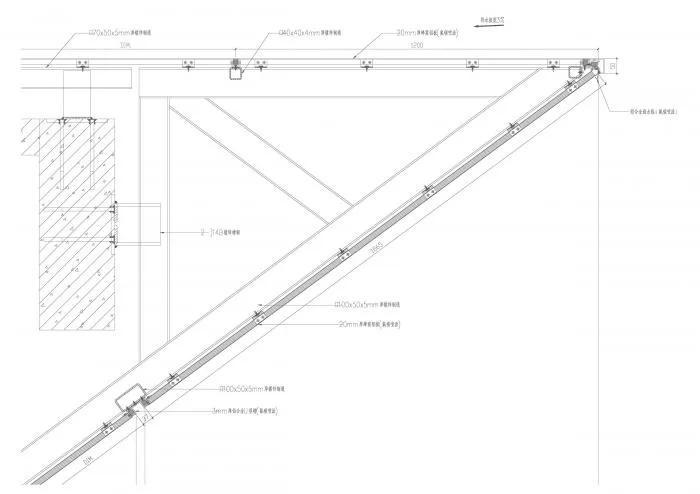
▲ Honeycomb aluminum plate detail
Conclusion
Today, architects have a valuable opportunity to rethink the appearance of modern residences and the cultural essence of artistic living. In the Junbo project, we developed an innovative residential space and creative demonstration area for Hefei, exploring the relationships between city, architecture, and people. This effort marks not an end, but a promising beginning.
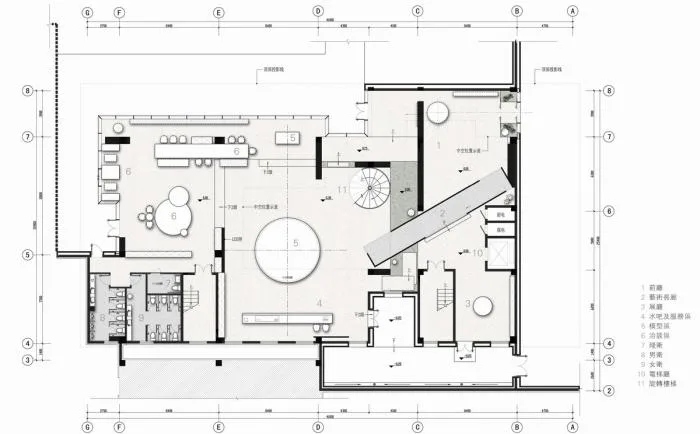
▲ First floor plan
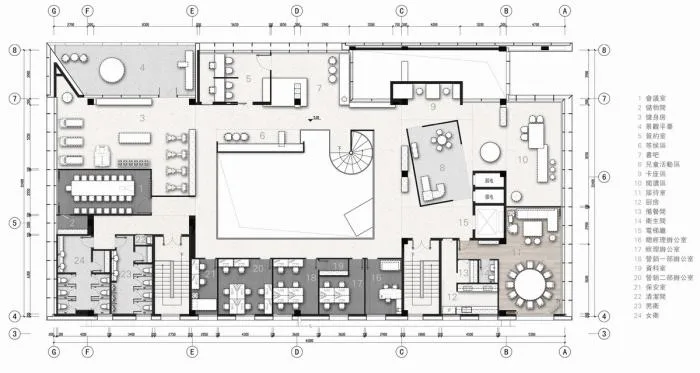
▲ Second floor plan
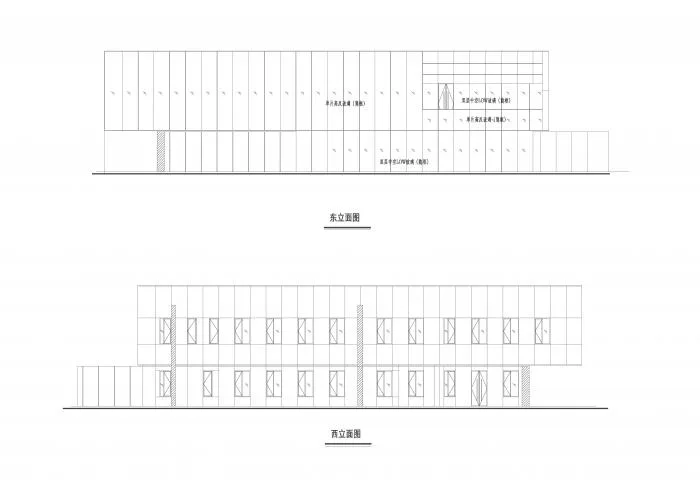
▲ East-West elevation
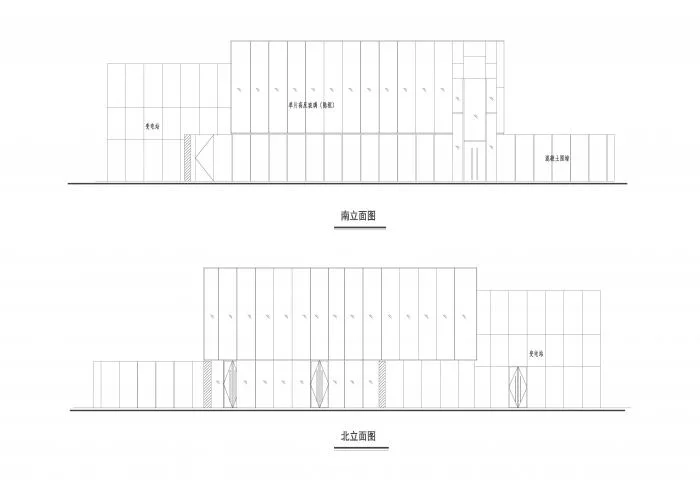
▲ North-South elevation
▲ Wall material sample
Project Information
Project Name: Hefei Huichuang Junbo
Building Area: 1,518 square meters
Location: Intersection of Baoyue Road and Zhenxing Road, Shushan District, Hefei City
Year Completed: 2019
Construction Company: Shanghai Tianhua Architectural Design Co., Ltd
Company Website: __AI_ST_URL_0__
Design Team: Su Jingwei, Gao Junning, Liu Zhongzheng
Landscape Design: Shenzhen Aoya Design Co., Ltd
Interior Design: Guangzhou Wujiaer Decoration Design Co., Ltd
Construction Drawing Design: Anhui Provincial Institute of Architectural Design and Research
Project Photographer: Zeng Jianghe
Copywriters: Wang Pu, Liu Zhong












Must log in before commenting!
Sign Up