
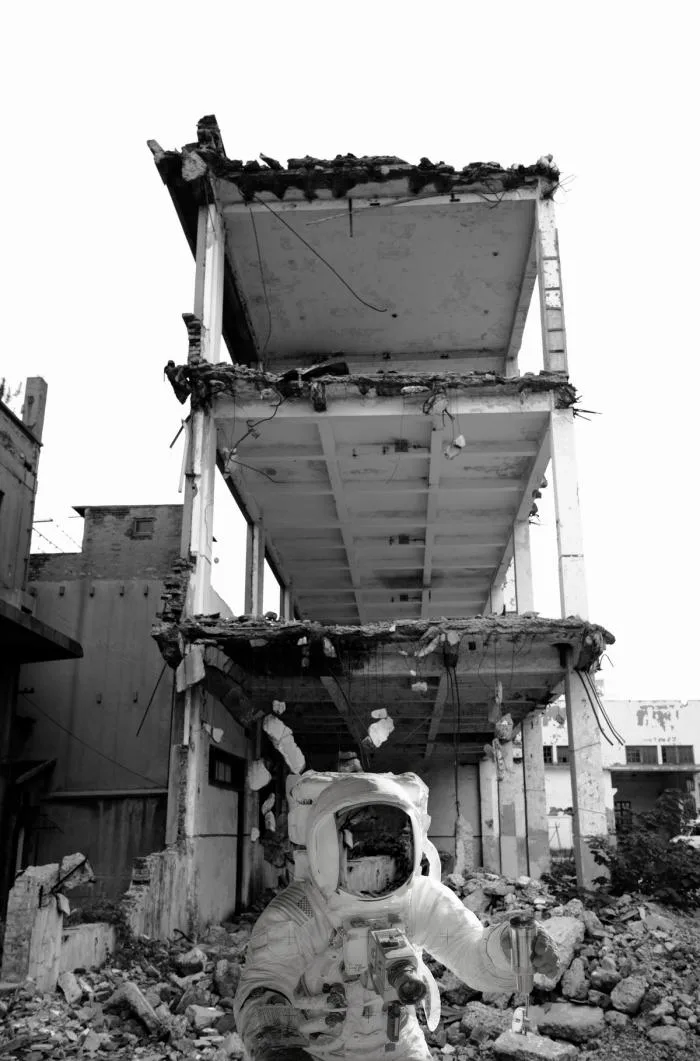
Urban renewal can be achieved through comprehensive improvements, functional transformations, or demolition and reconstruction.
My goal is to create a building that is both creative and functional, capable of revitalizing the city’s regional character. I aim to construct it as simply as possible, enhancing the urban public space experience so that people feel relaxed and natural in city life, without regretting its ultimate aesthetics. This approach is a significant test of both capital and time.
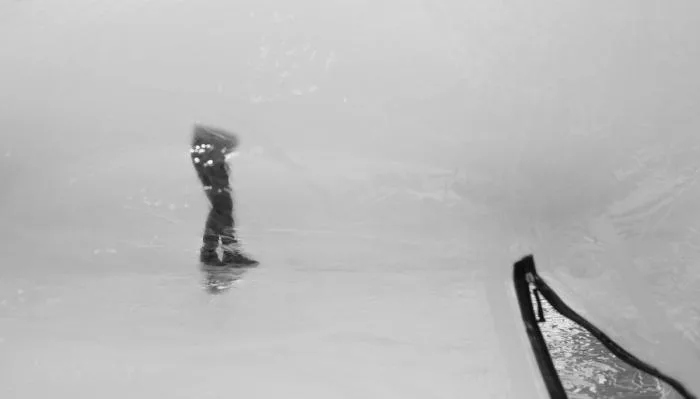
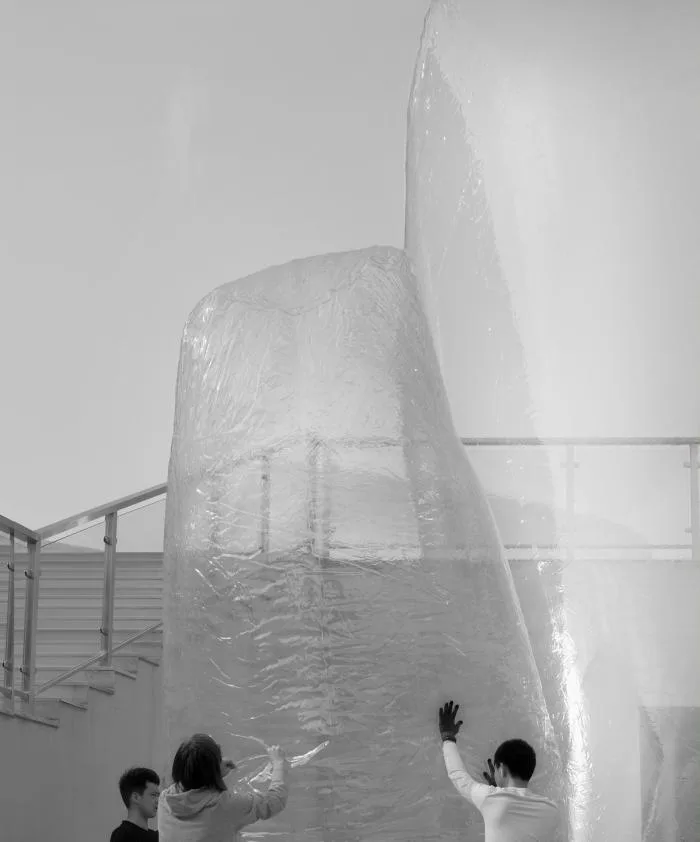
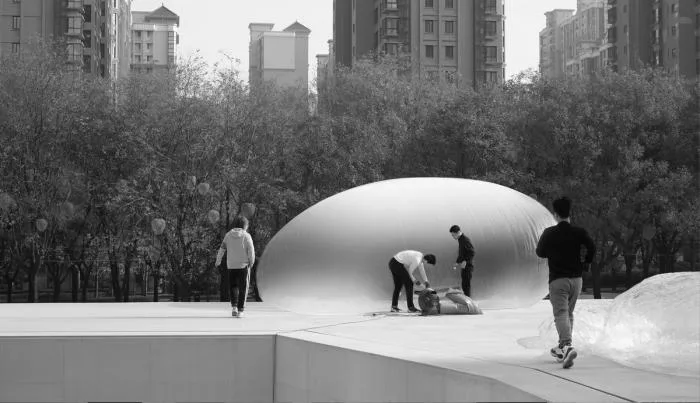
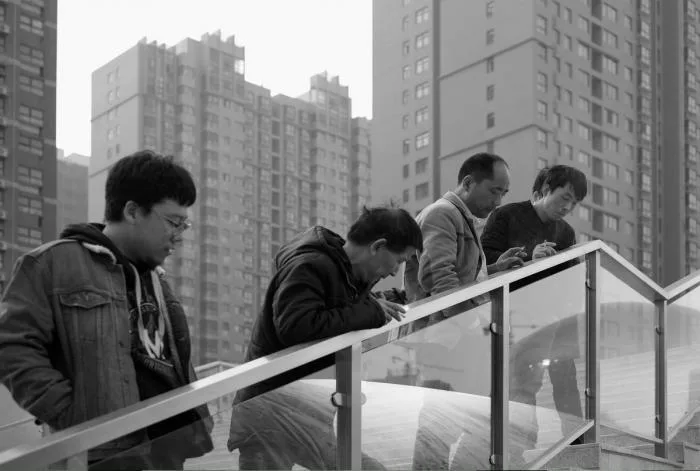
By integrating artistic elements, observing the interactions between people and the city, this project serves as an experiment—capturing the cognitive responses of residents and the urban environment. During the 40 days of this architectural art experiment, I paid close attention to the reactions of both elderly and children, and found that visitors were consistently smiling.
It is important to understand that urban renewal is a means, not an end. It goes beyond cultural and creative industries by introducing new economic activities. Renewal that fails to generate economic value risks losing its purpose.

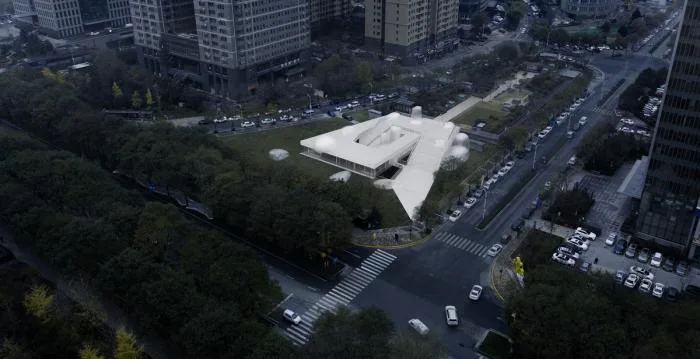
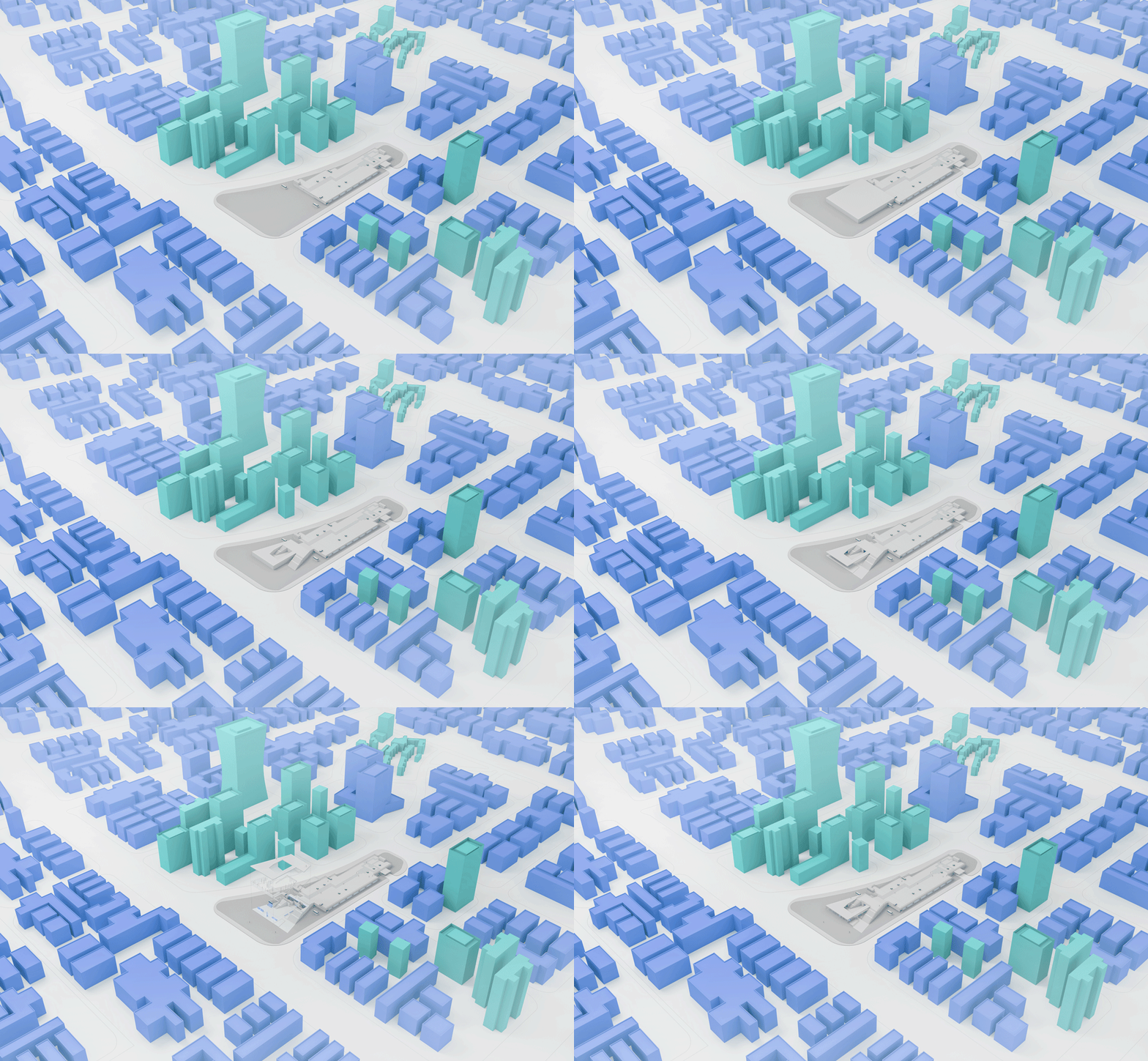
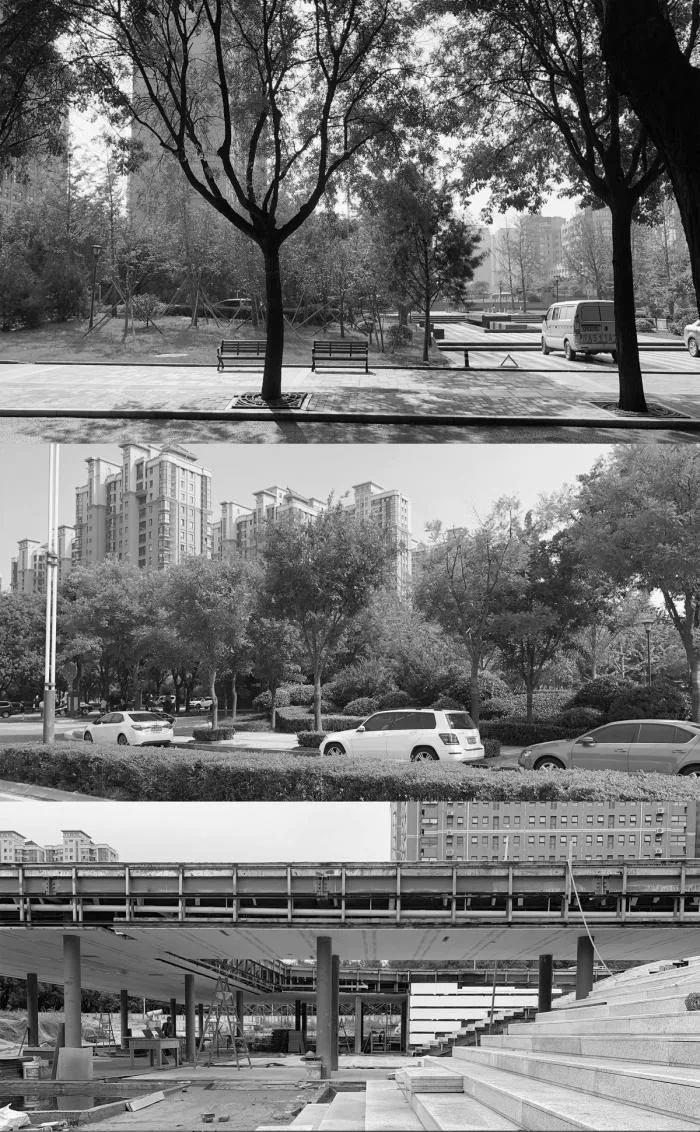
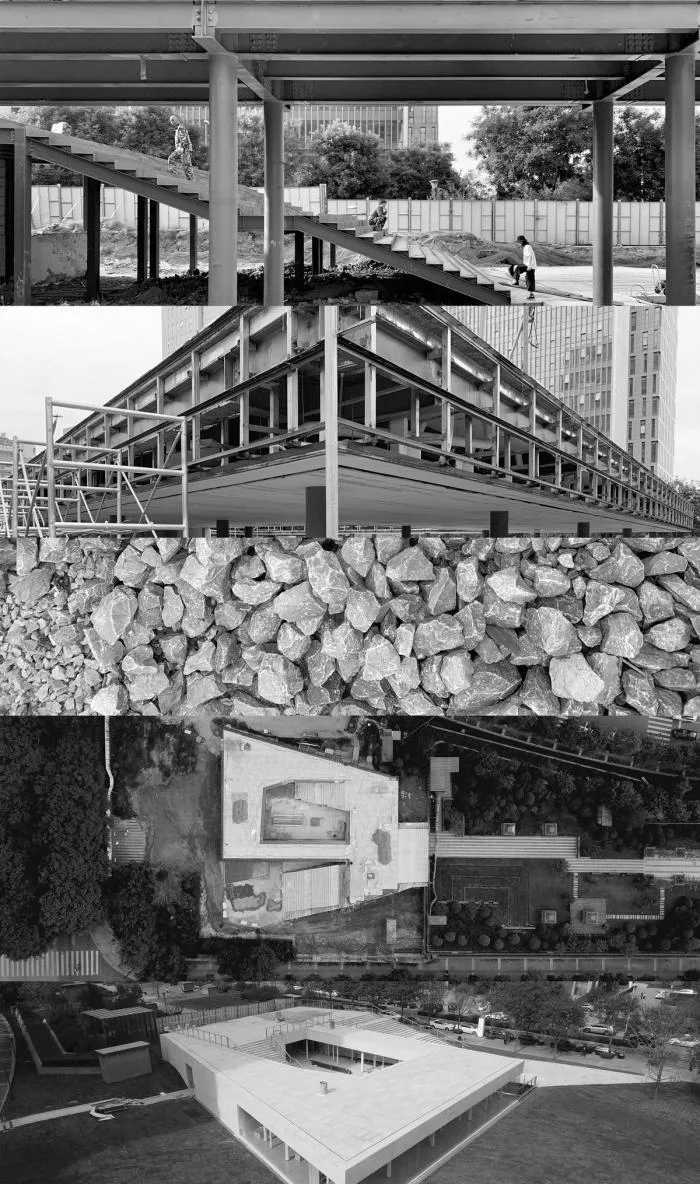
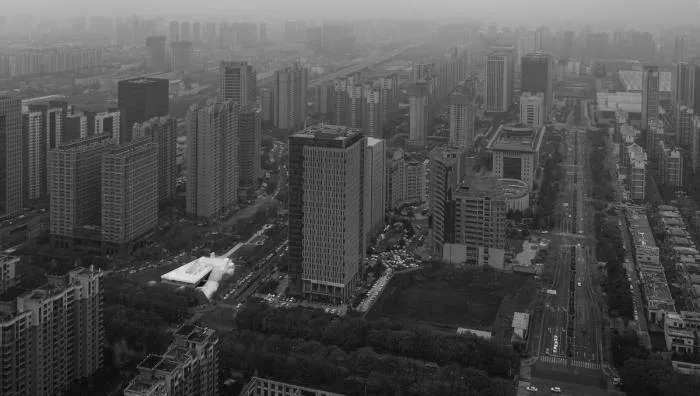
This project is located in Qujiang, Xi’an, China. The site was originally a public square with urban greenery and a two-story parking garage beneath. Over time, the square was covered with soil and encircled by urban roads. The surrounding area mainly consists of office buildings and residential neighborhoods.
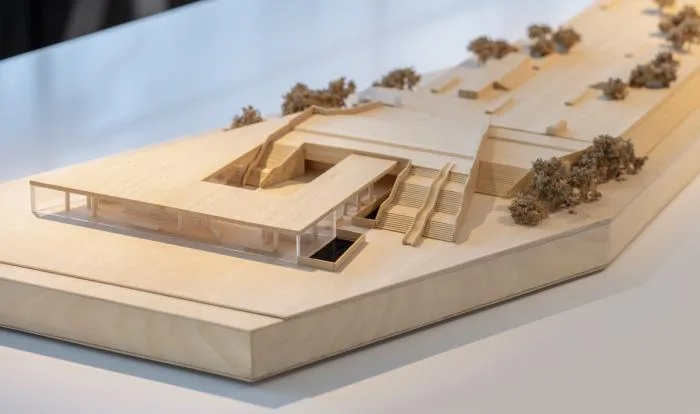
▲ The originally planned slide has been removed.
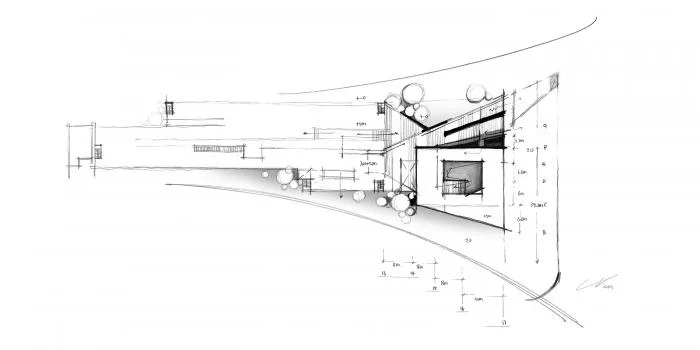
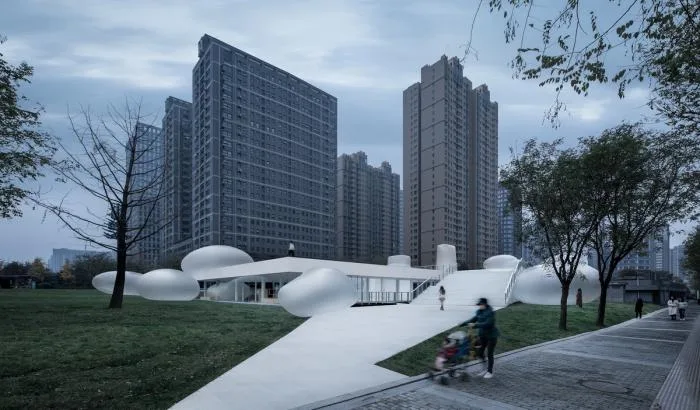
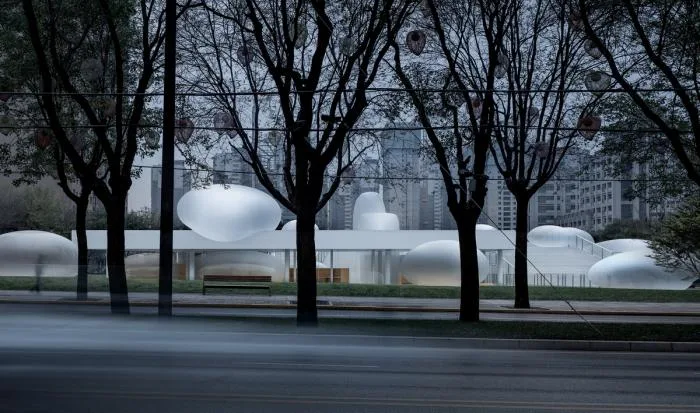
Bian Fan: In his book Urban Imagery, Kevin Lynch suggests that residents of a city share a common perception shaped by roads, boundaries, districts, nodes, and landmarks. These elements form the “urban image” in the minds of inhabitants. In Xi’an, the Chengdong project, launched a year ago, blends public space with artistic architecture. It has become not only a hub for community movement but also a shared urban symbol for nearby residents.
A truly humane public space can heal emotional wounds—this was Gu Teng’s vision when designing the eastern part of the city to “unite the city” in one breath. Simply highlighting its human aspect would be insufficient. The architecture reflects the designer’s deep reflection on urban form and social space.
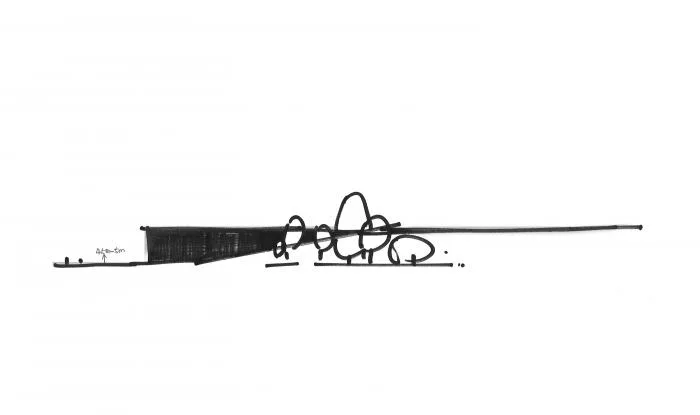
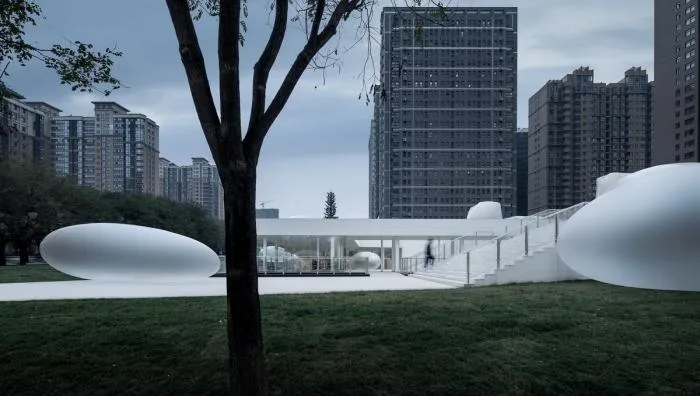
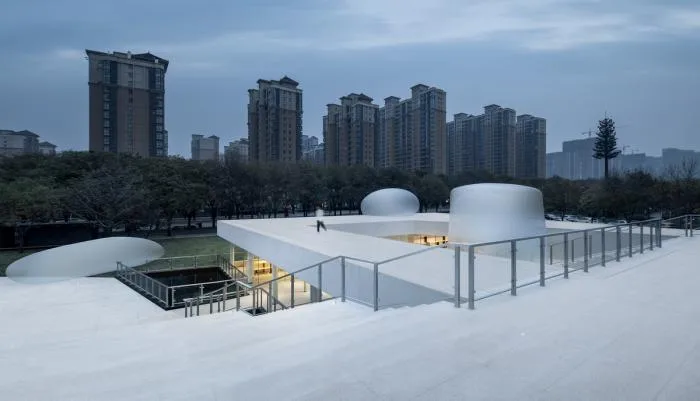
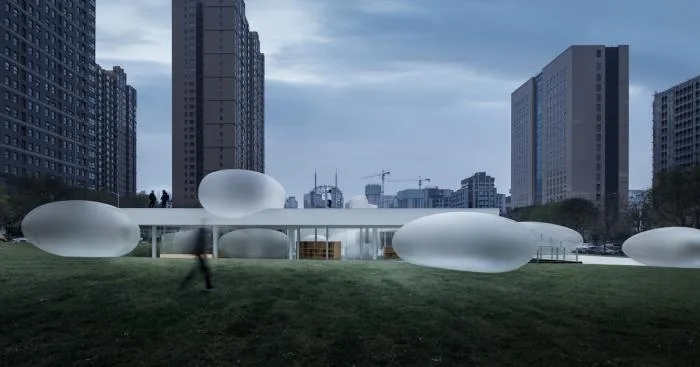
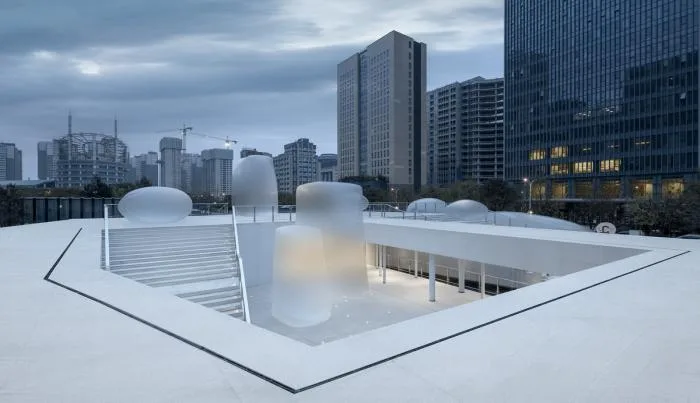
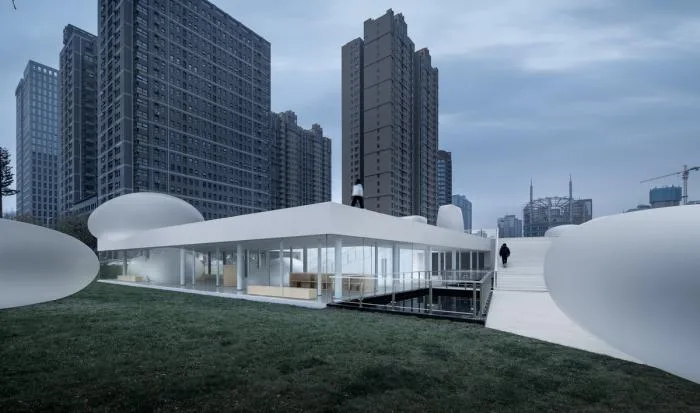
Over 60 years, public spaces have evolved, requiring designers to adopt a broader urban perspective to understand their environment deeply. Addressing contemporary social challenges through architecture helps compensate for social gaps. The true value of public space lies not in its size but in whether it embraces the concept of “people.” Therefore, design should minimize noise, offer thoughtful care, and demonstrate a keen sensitivity to life’s details.
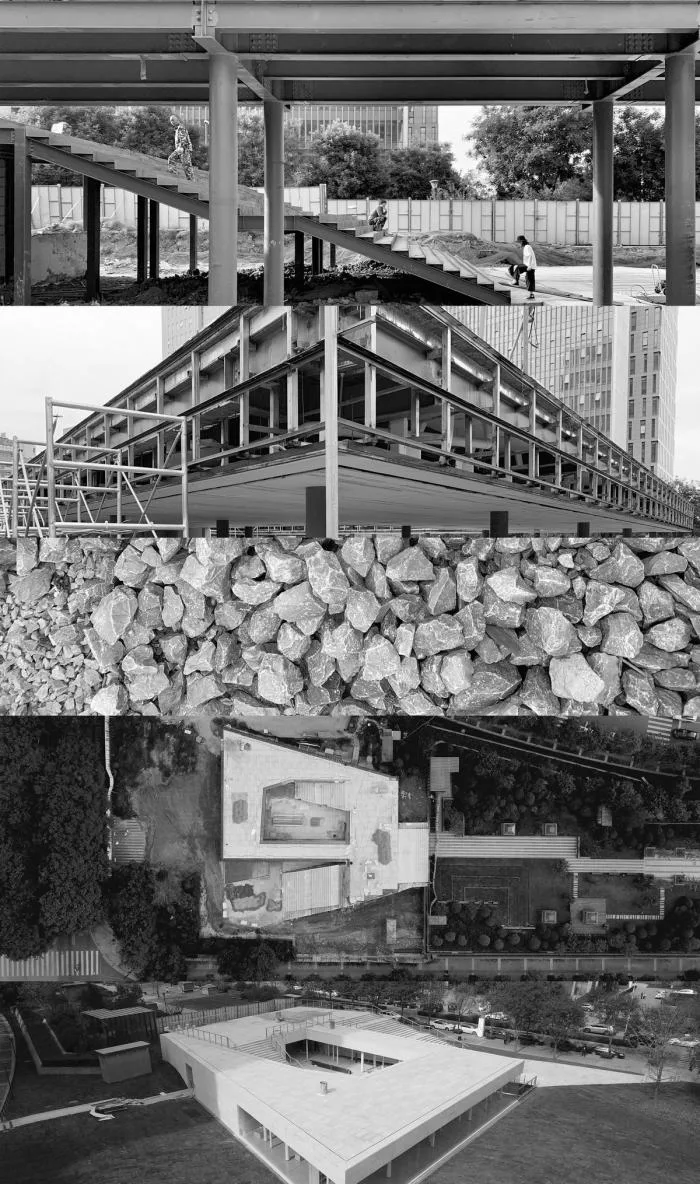
However, many ancient city public spaces follow a politically correct formula: historic buildings celebrate culture, yet rarely do we see more practical, personalized, and timeless architecture. Meaningful public spaces must be considered within a broader social context, able to withstand the tests of capital and time—all grounded in the needs of people. Spatially, prioritizing people means not chasing ultimate aesthetics at the expense of usability. Technologically, designs must adapt to construction realities without compromising core concepts. When conflicts arise, design concepts should be adjusted based on the industrialization level of materials and construction.
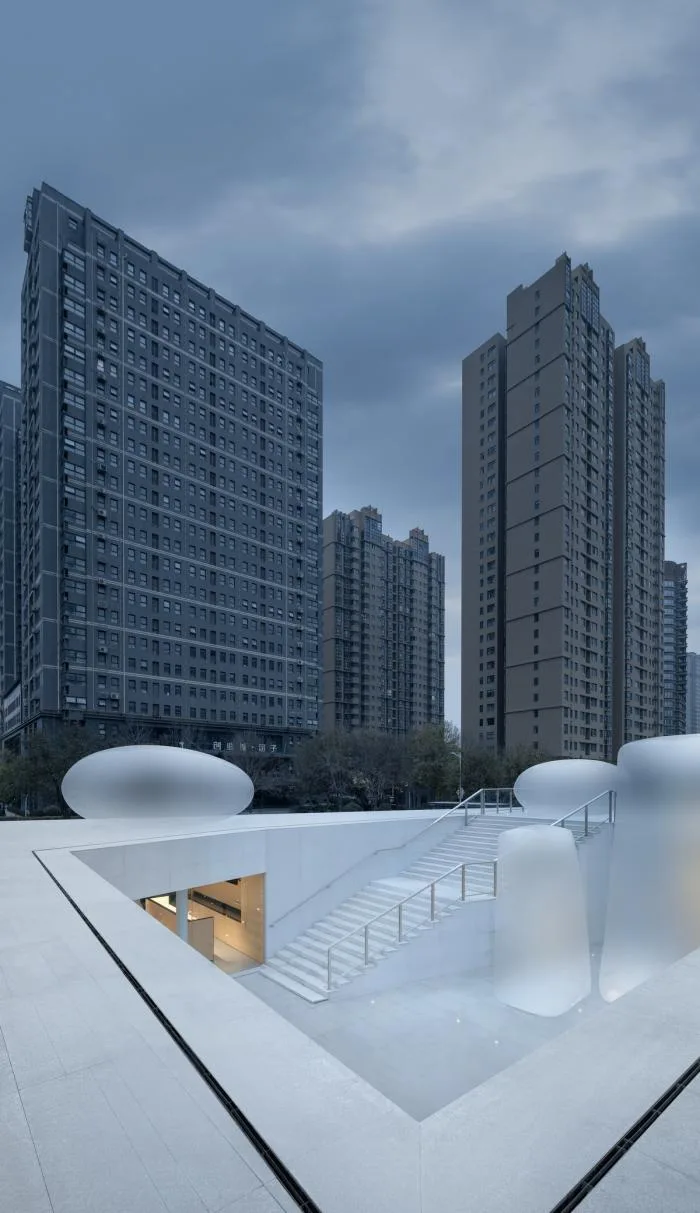
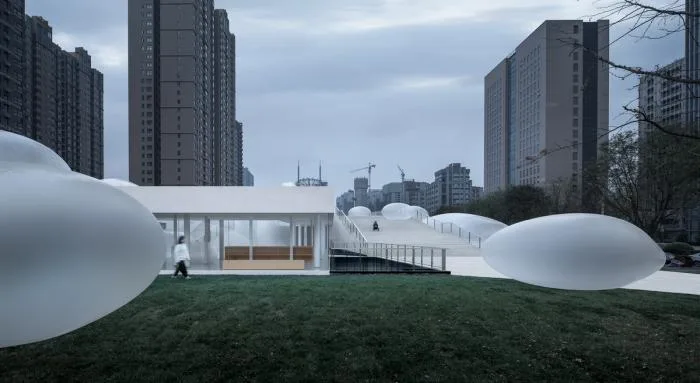
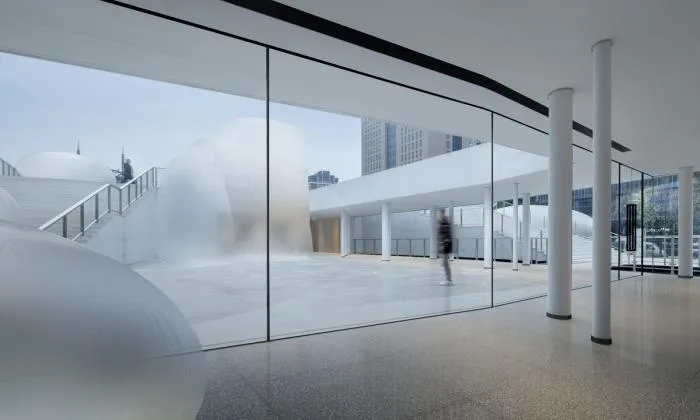
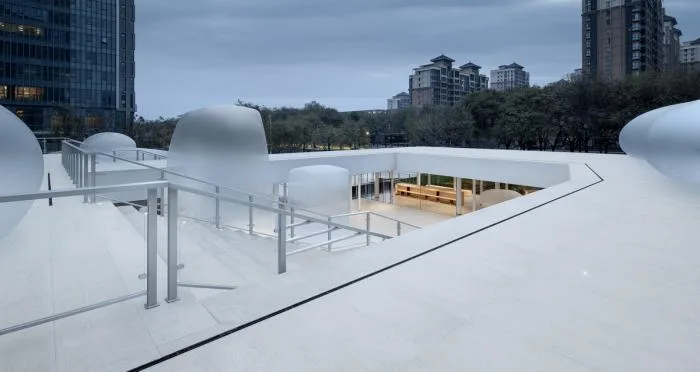
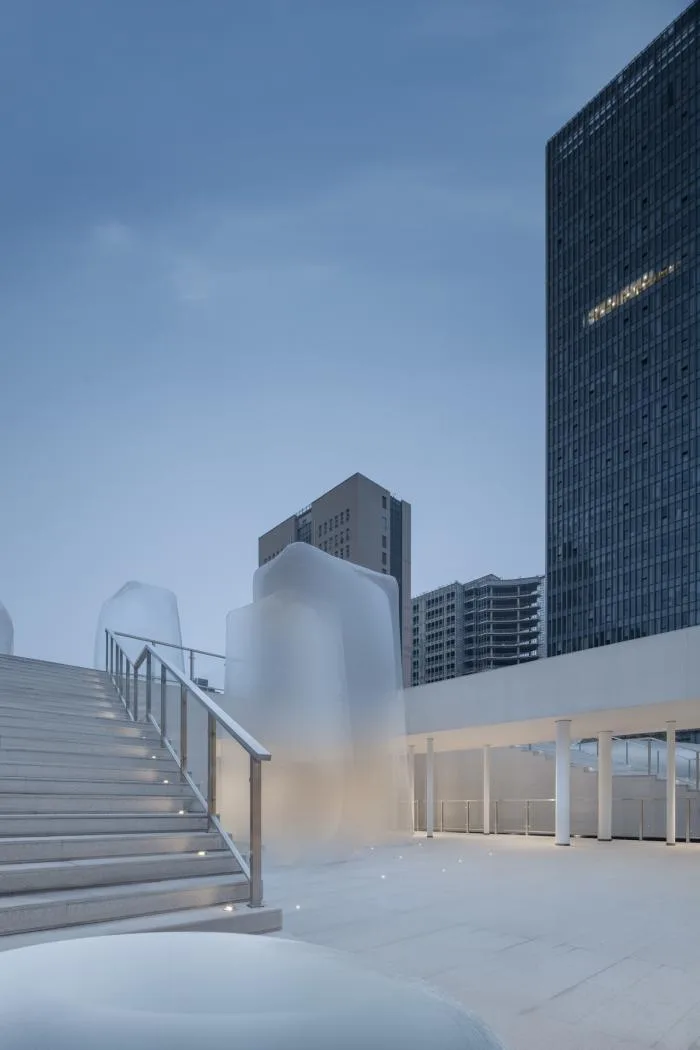
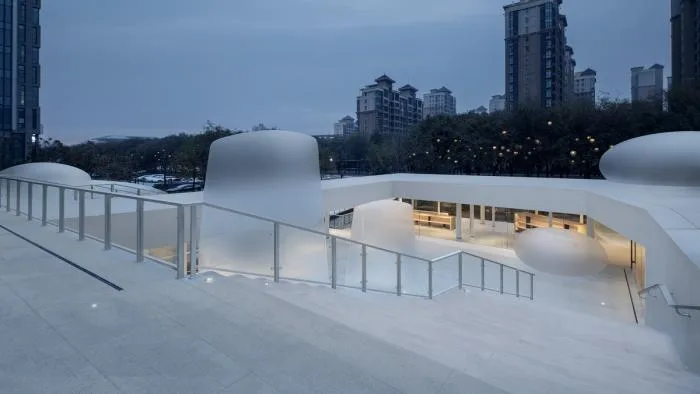
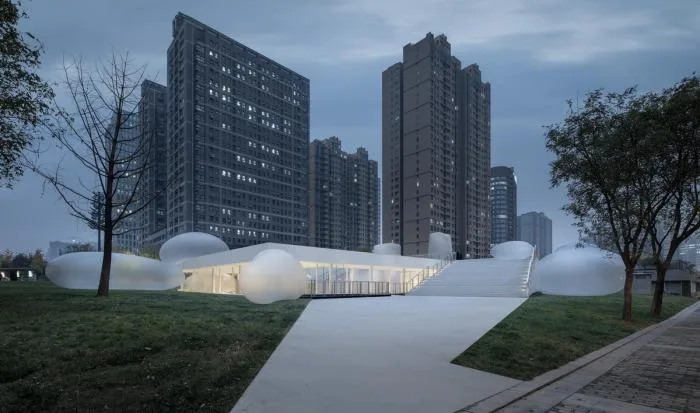
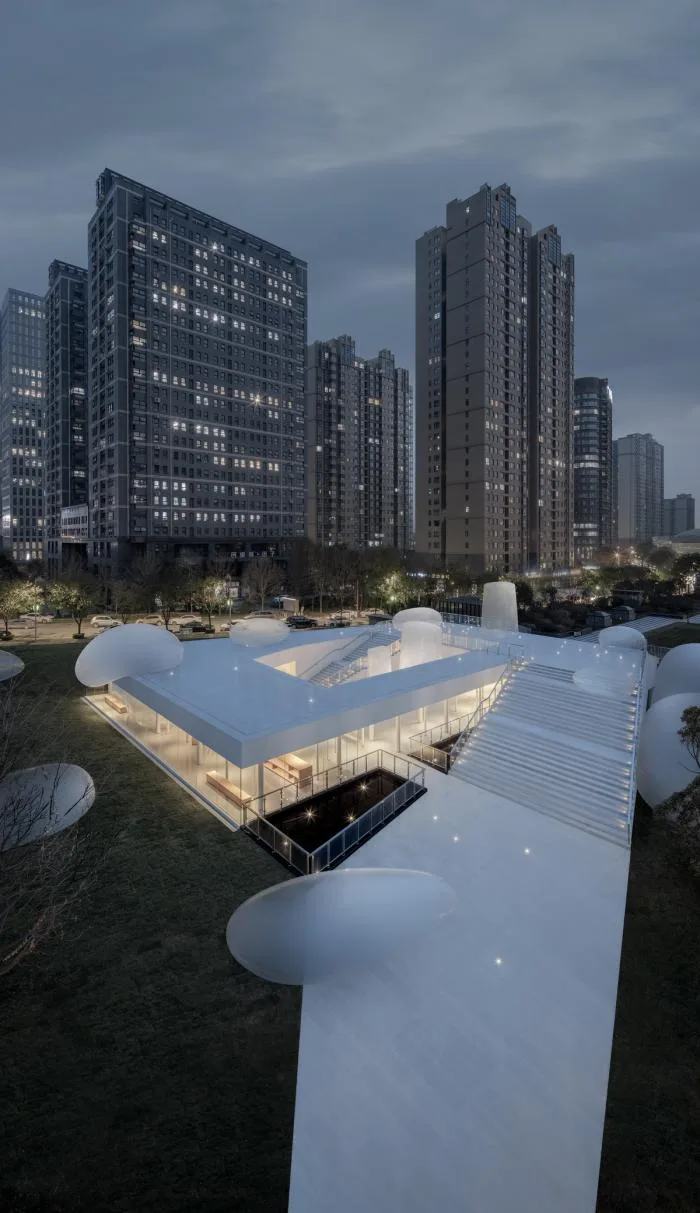
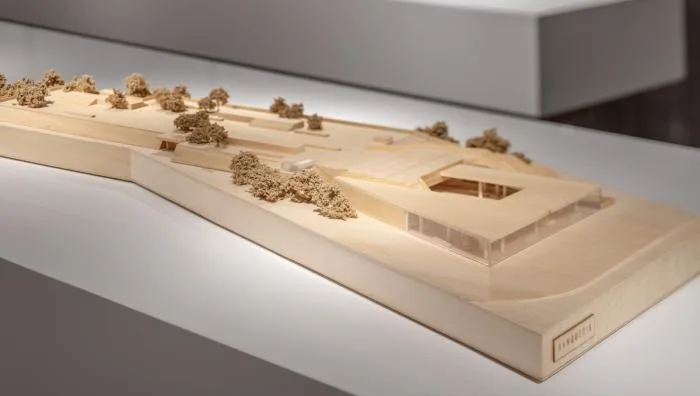
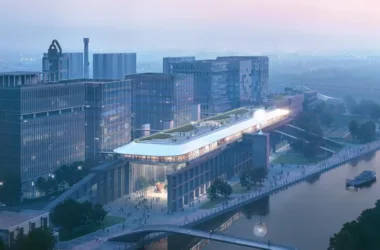
Building 12 is a public renovation project led by designer Gu Teng. In the cold winter, the area south of the Third Ring Road feels somewhat desolate, surrounded by tall office and residential buildings. Building 12 features a distinct modern design, as if tasked with awakening and uniting the heavy and dense surroundings. It grows quietly in a free atmosphere where nature and space blend together.
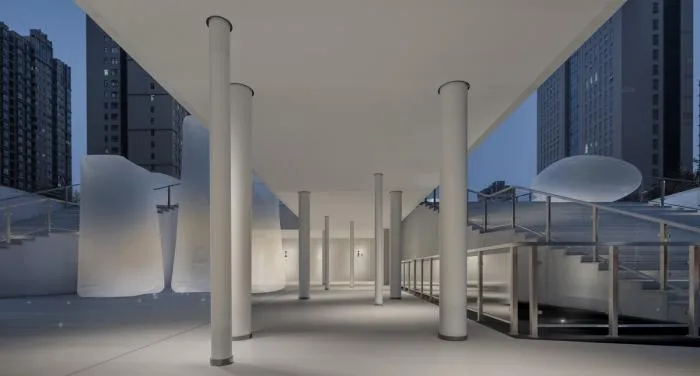
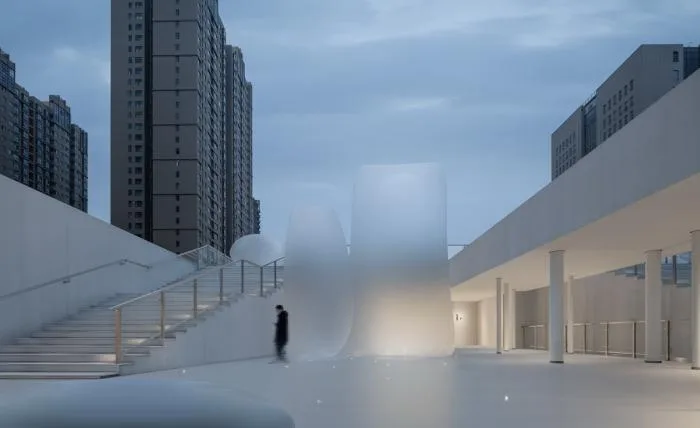
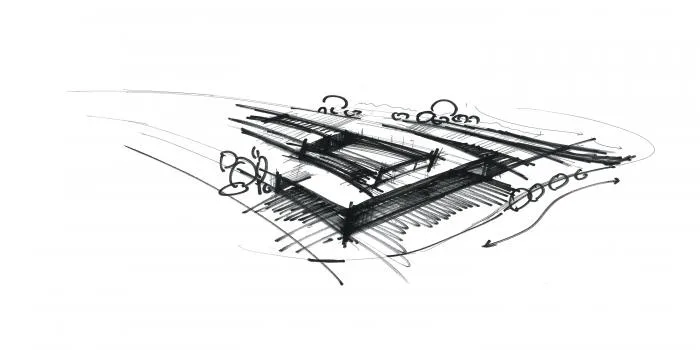
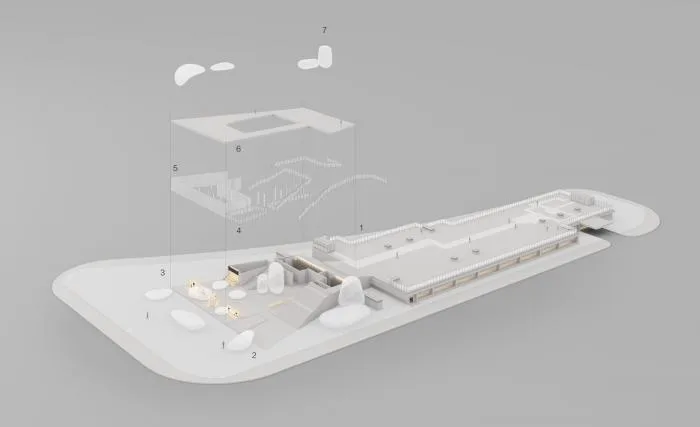
Unlike typical buildings, Building 12 resembles a raised platform. The lower level is transparent on all sides, with a semi-open roof. The upper structure appears to float, creating a captivating sensation of suspension. Inside, the blurred boundaries between indoor and outdoor spaces envelop visitors in a unique atmosphere.
Surrounding the front indoor area is a stepped platform that extends from ground to top floors, along with an open-air terrace. These spaces serve as both leisure zones and panoramic viewpoints. Importantly, this design connects previously separated spaces—including the streets on either side, the central park to the west, and the underground parking—eliminating architectural boundaries. Visitors can enter and exit seamlessly, projecting into the wider city.
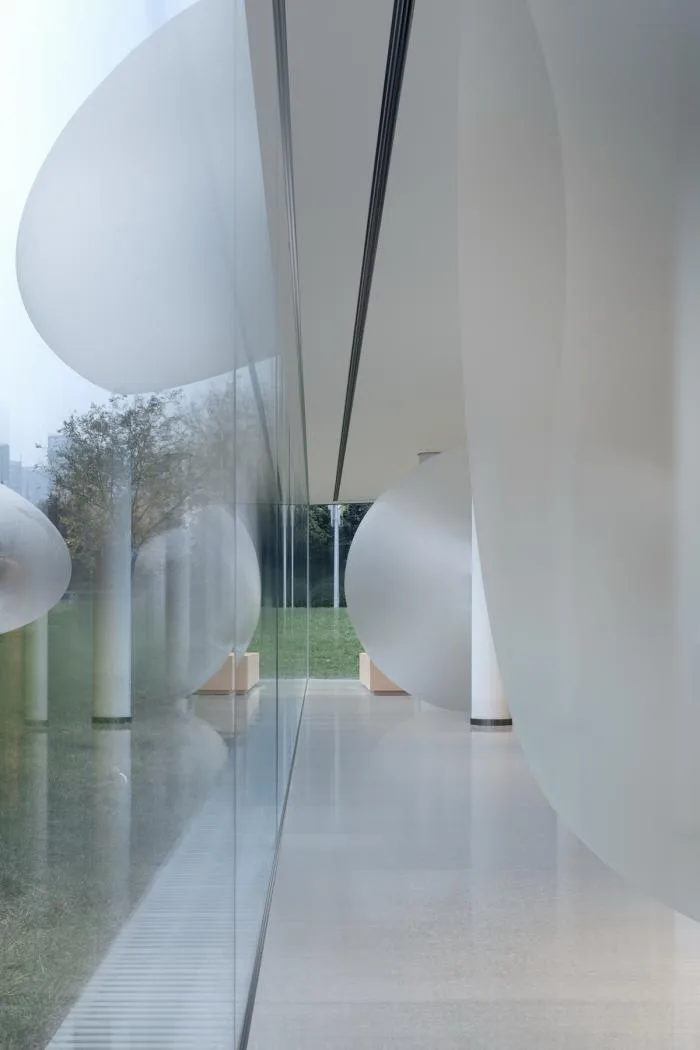
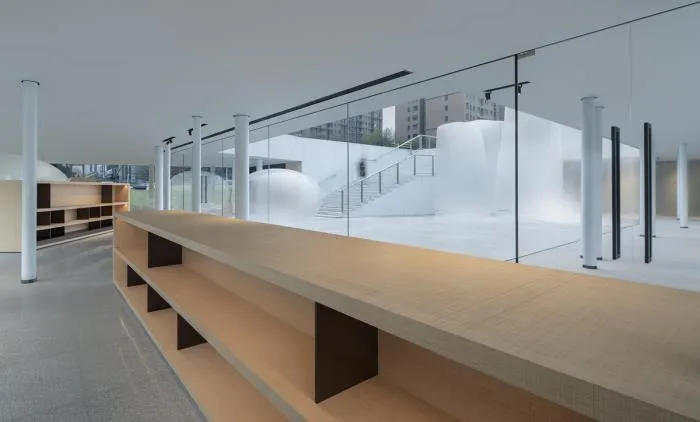
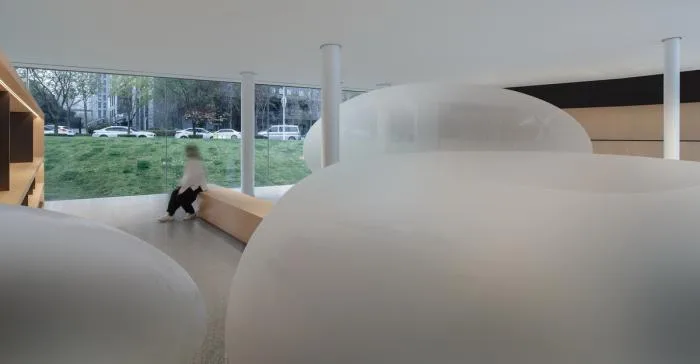
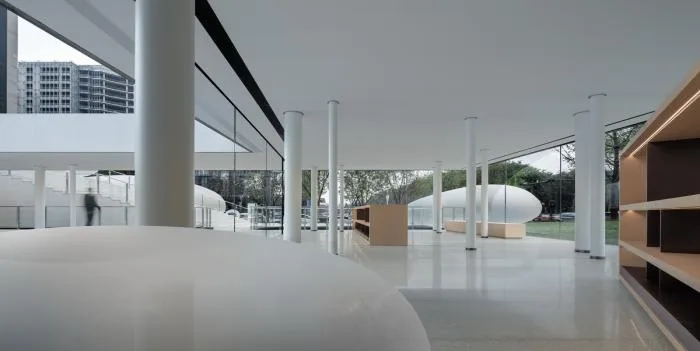
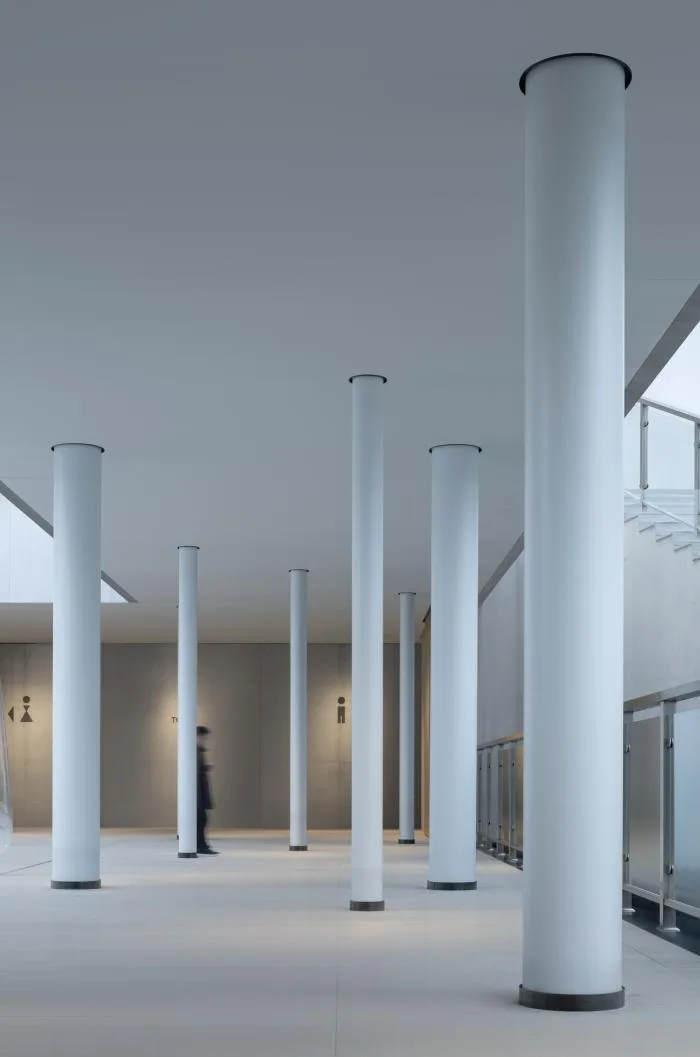
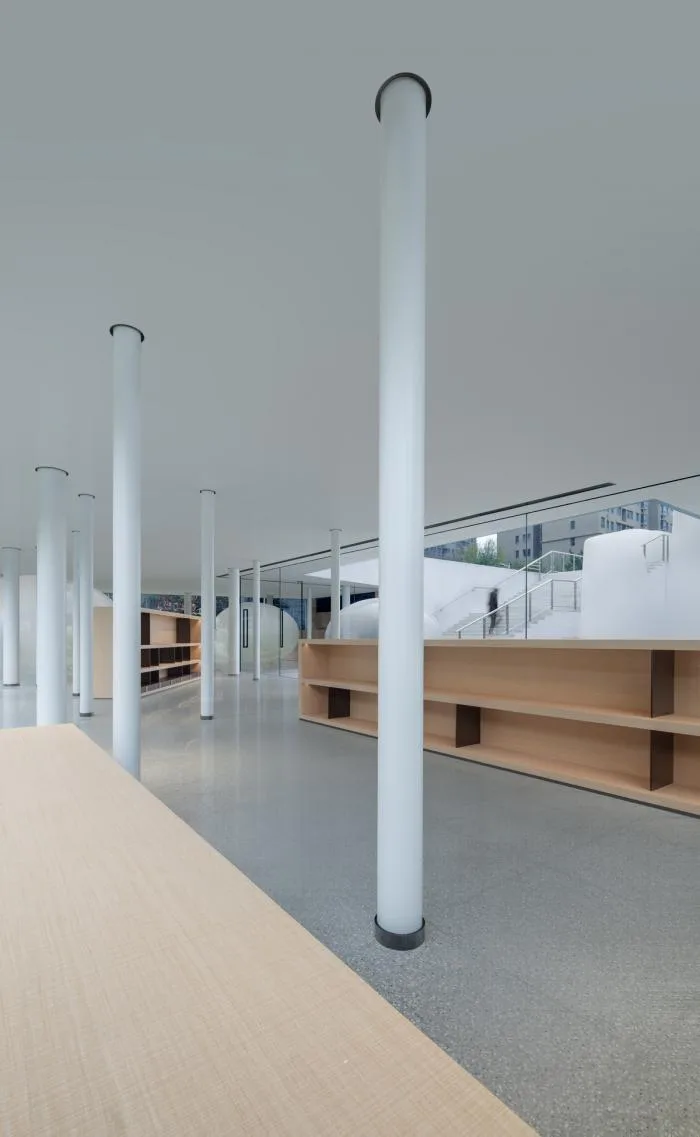
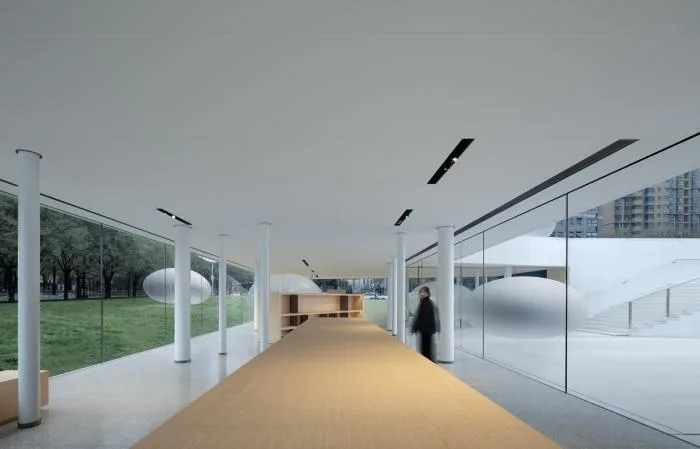
The building’s simplicity and cleanliness are reflected in its appearance, form, materials, and harmonious relationship with its environment. This aligns with the designer’s consistent philosophy: rather than pursuing eye-catching or unusual architectural forms with uncertain longevity, Gu Teng embraces simplicity, knowing when to subtract to express meaning effectively.
Passing by several residential buildings with similar colors, I suddenly stepped into this space from a lawn corner and felt as if I had traveled through time. The experience was comfortable, natural, and balanced, sparking endless imagination and joy.
Hannah Arendt, in The Human Condition, compares the world to a table that both connects and separates people. In cities, people seek to see one another, forge new connections, and transcend age, experience, boundaries, loneliness, and urban barriers. Architects who design from the users’ perspective respect the life within buildings, creatively using existing rules and conditions to enable local urban lifestyles.
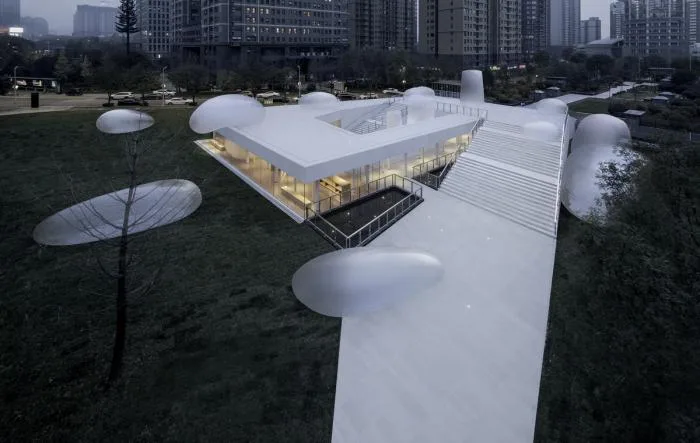
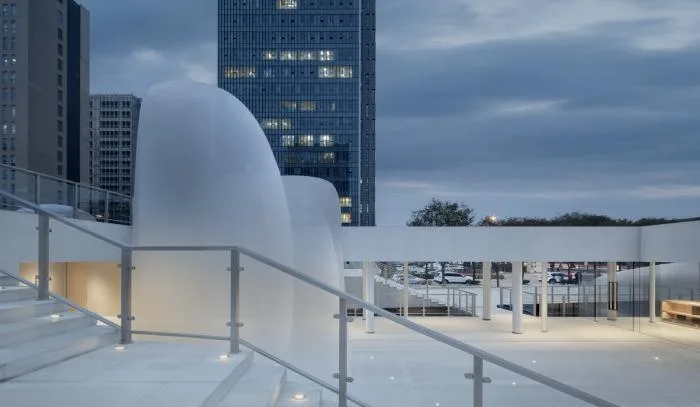
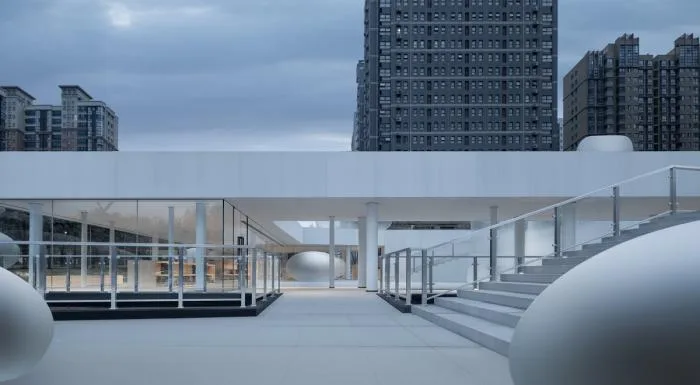
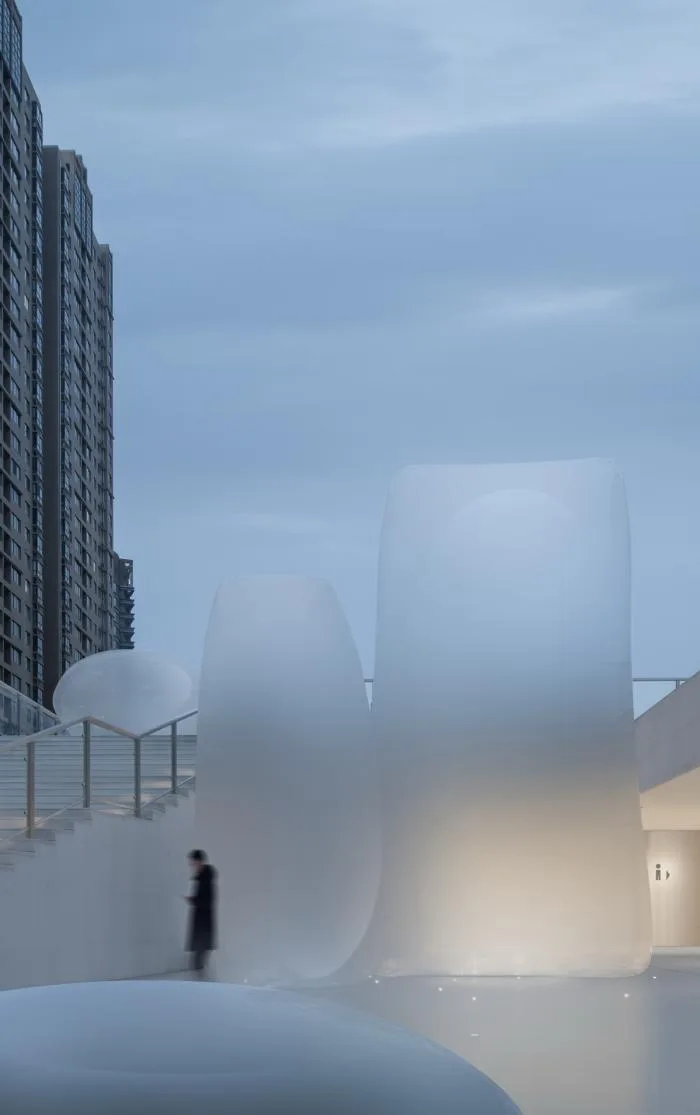
Moreover, architecture’s vitality depends on people activating it—whether daydreaming, relaxing by a window, strolling on the roof, or passing through in haste. How they feel the light, temperature, texture, and function defines the building’s liveliness. Building 12 is not an isolated structure but a vertical city integrating diverse urban functions. Residents coexist peacefully within these daily scenes, which the building harmoniously facilitates, underscoring its community significance.
Both the eastern city project and Building 12 represent bold efforts by Gu Teng City to innovate within a new historical context. By responding to ground form and environmental space, and compensating for functional gaps through design, these projects foster multi-layered interactions—between people, nature, and society. Increasing opportunities for interaction stimulates natural flow within the area.
By thoughtfully utilizing existing rules and conditions, these projects practice the possibilities of a fluid urban lifestyle. This approach encourages new spatial designs and concepts, reshaping the design field to eliminate falsehoods and preserve authenticity. In this way, architectural art can return to its original purpose more efficiently.
If the city is an ocean, then our beloved neighborhood is a small island that shelters us. When the sunset’s afterglow falls upon it, people naturally gravitate toward the guiding light, and stories unfold, creating the flow of life. This cherished existence is a deeply moving experience on a gradually cooling winter day.
Project Information
Project Name: Chengdong · Integrated City
Location: Qujiang, Xi’an
Project Type: Urban Public Buildings
Owner: Xi’an Qujiang Management Committee
Construction Agency: Xi’an Qujiang International Convention and Exhibition Holdings Group
Art Installation: Three Valley Design – Dry Ice Atomization Gas Film
Design Agency: Three Valley Design
Chief Designer: Gu Teng
Film Production: Peanut Studio (Xi’an)
Photography: Tan Xiao
Copywriter & Editor: Bian Fan
Special Thanks: Liang Xuan












Must log in before commenting!
Sign Up