
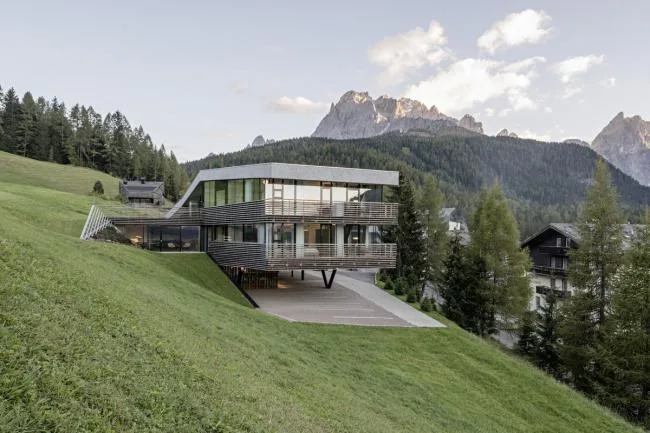
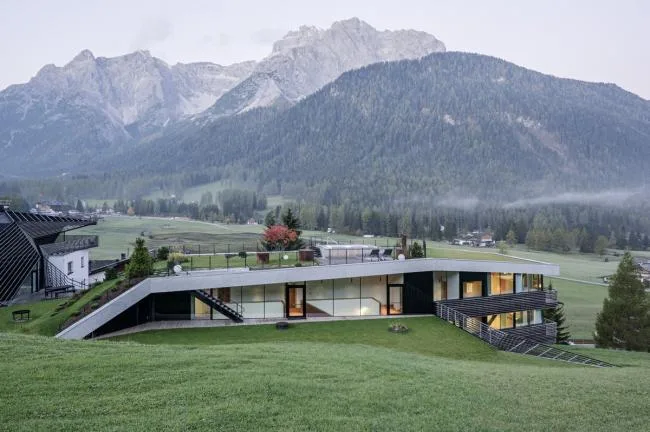
Completed in 2007, the Strata Hotel features a subtle parallel larch tree barrier that reveals the building’s volume. Pine barriers extend throughout the entire structure, as if naturally growing from the surrounding site. In 2014, a neighboring hotel from the 1960s underwent renovation, where its rarely used sloping roof was removed and replaced with new vertical flow lines and family host homes.
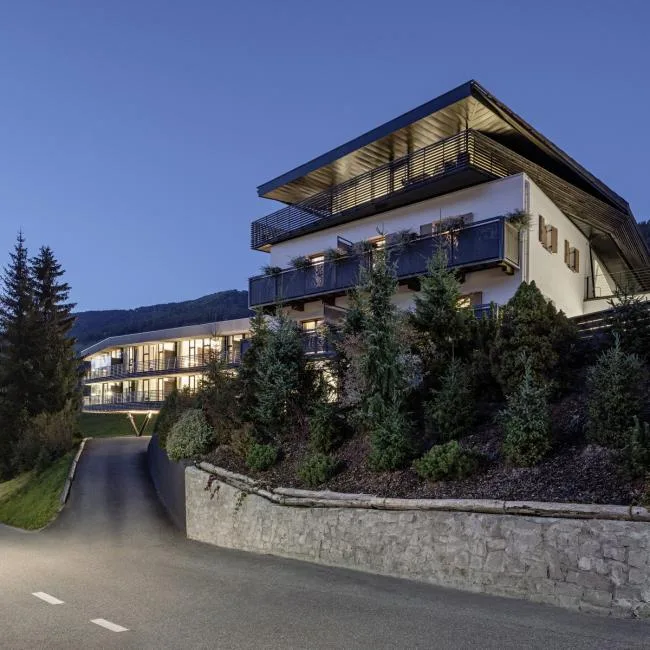
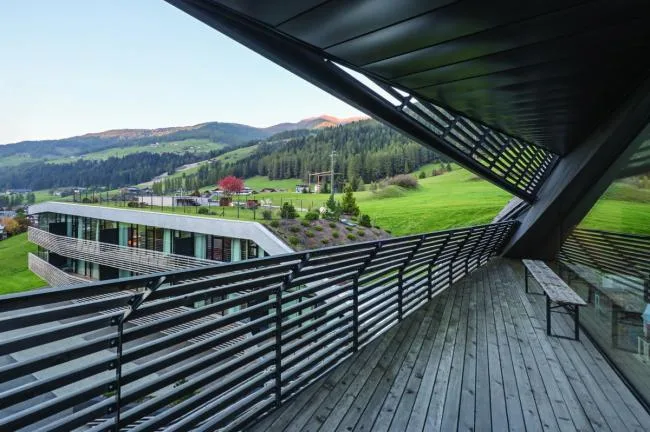
Due to its close proximity to the Strata Hotel, the wooden barrier design was reinterpreted. This time, two wooden barriers flow along a complex geometric volume, wrapping the back and top of the existing white building and seamlessly connecting with the terrain. The interior benefits from openings created between changes in building volume and the wooden barriers, allowing natural light to flood in. These openings provide panoramic views and invite the sky deep into the building’s interior, all thanks to the external wooden barrier modifications.
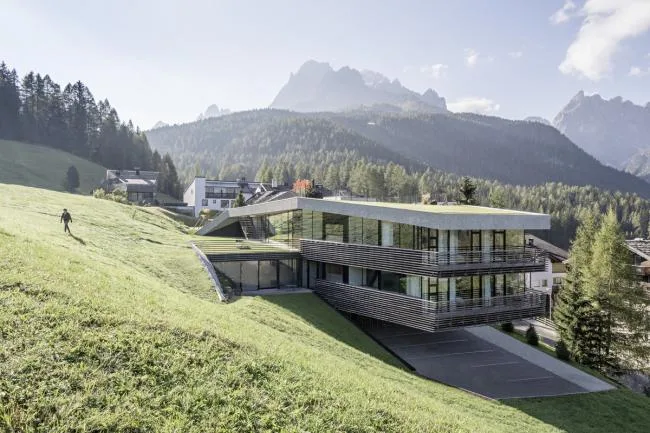
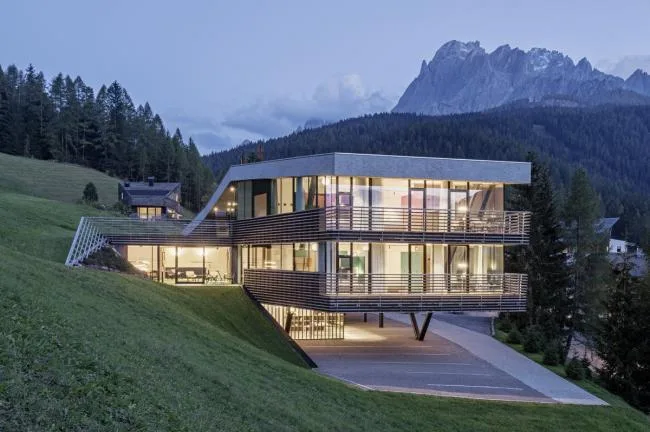
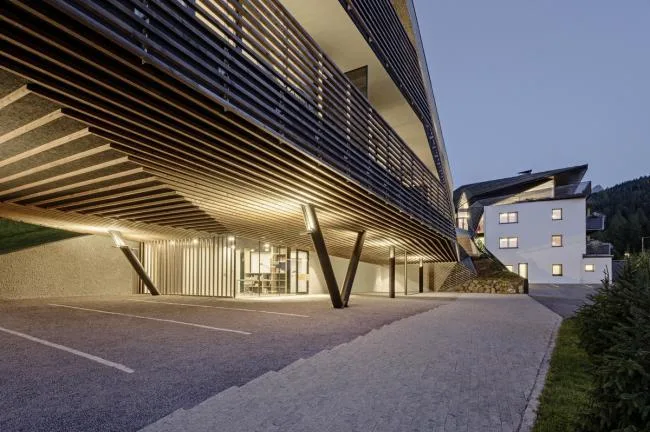
In 2018, the building expanded once again, adding nine spacious family vacation suites along with public areas. Situated on a steep slope, the new structure was placed behind the existing terrain and the 2014 expansion. The design continued the wooden barrier theme: barriers emerge from the surrounding terrain without extending over the roof, instead serving as cantilevered entrances and ceilings for parking areas. This completes the thematic evolution for Strata Alma Paramount Alma.
▲ Plan view
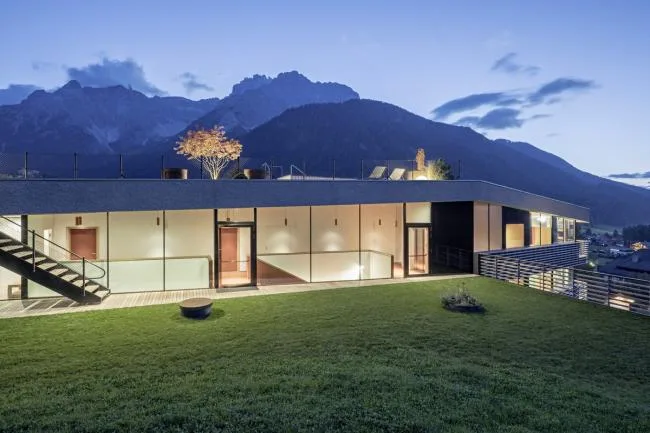
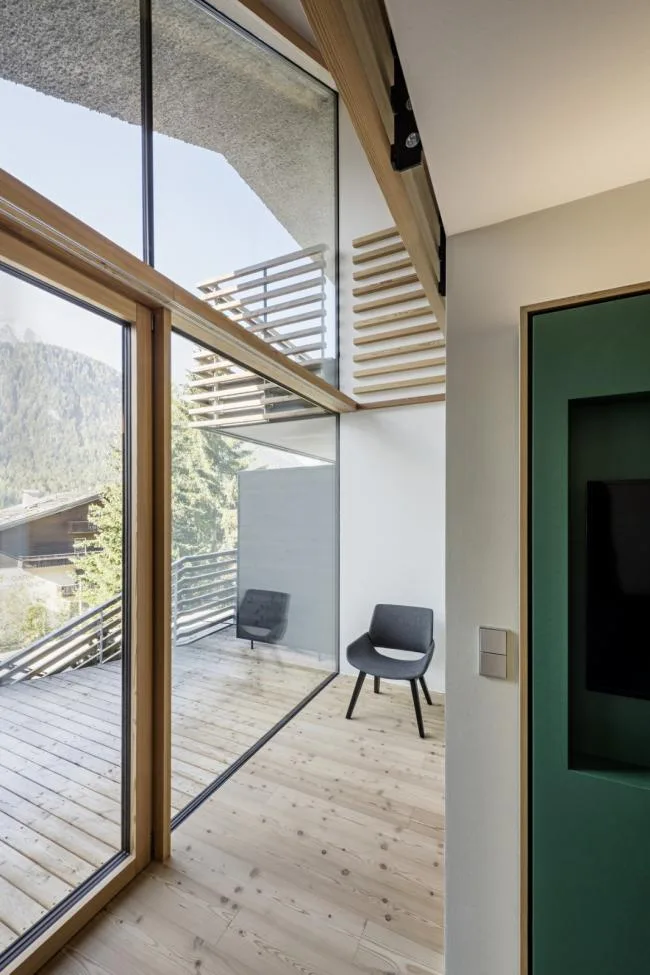
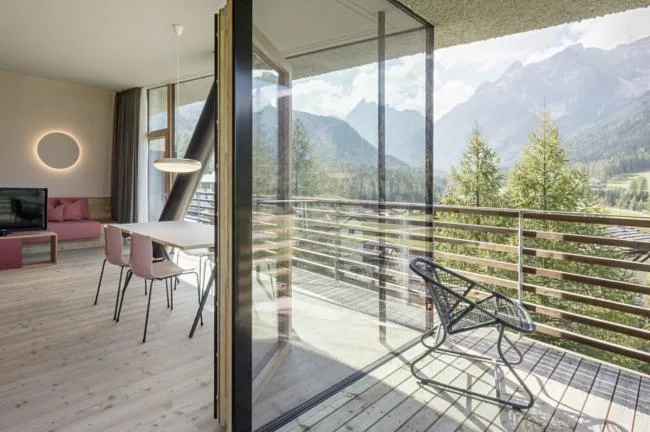
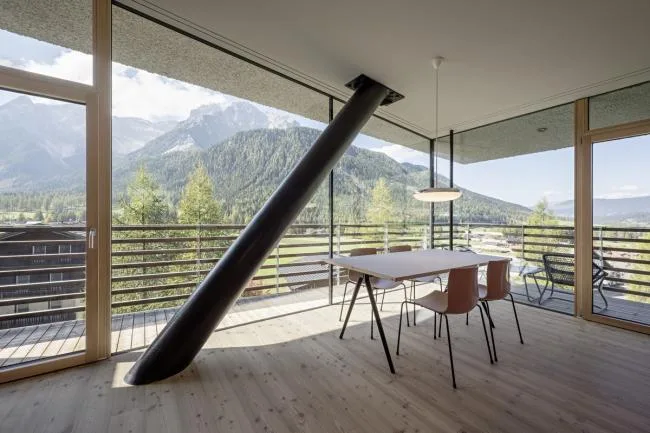
The strategy for Strata and Paramount Alma consistently follows a theme: starting from steep terrain, the larch tree barrier gradually reveals the building’s volume, creating covered outdoor spaces. Some of these barriers extend indoors, becoming the ceilings for passages and parking areas, resulting in a cohesive and atmospheric environment. Within this space, guests can enjoy panoramic mountain views. The exterior is defined by rough spray plaster, large French windows, and wooden slats with subtle edges and corners.
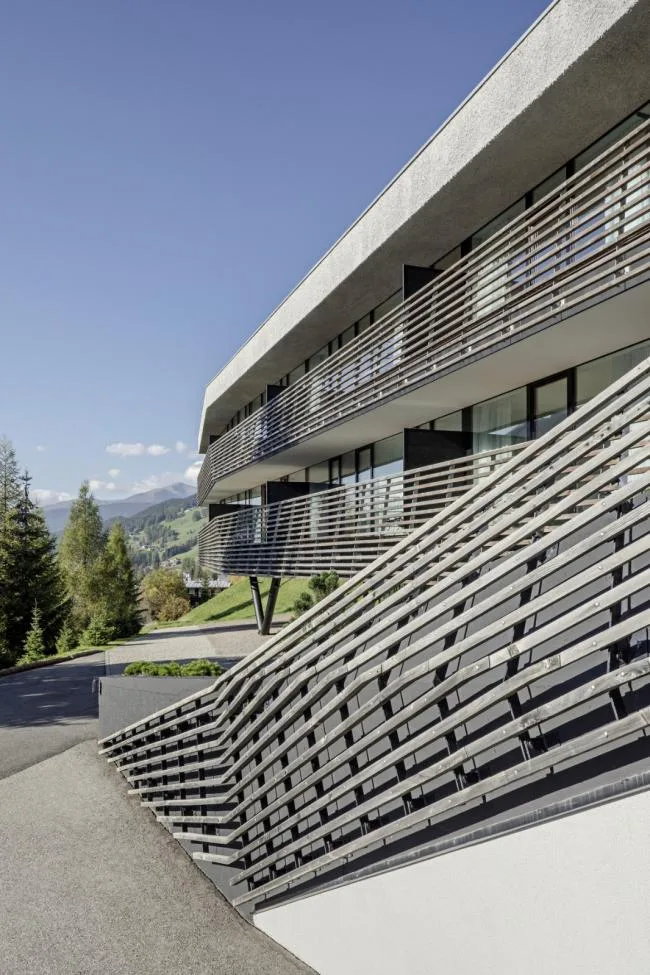
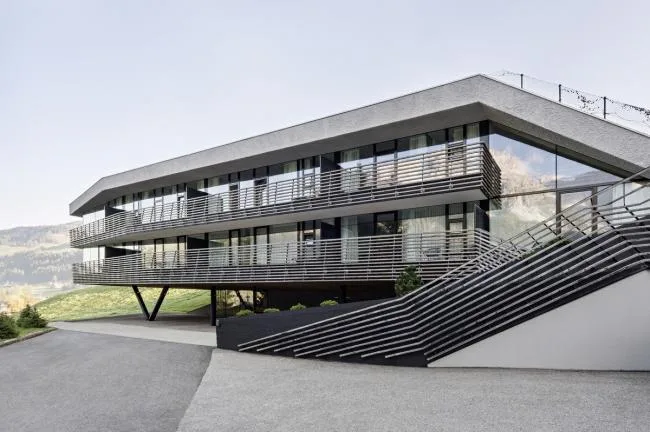
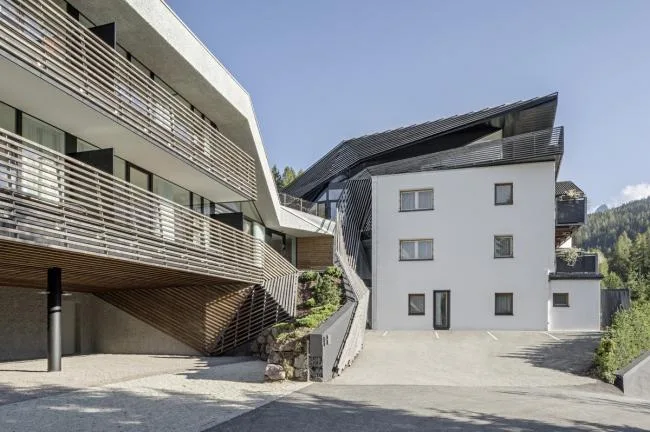
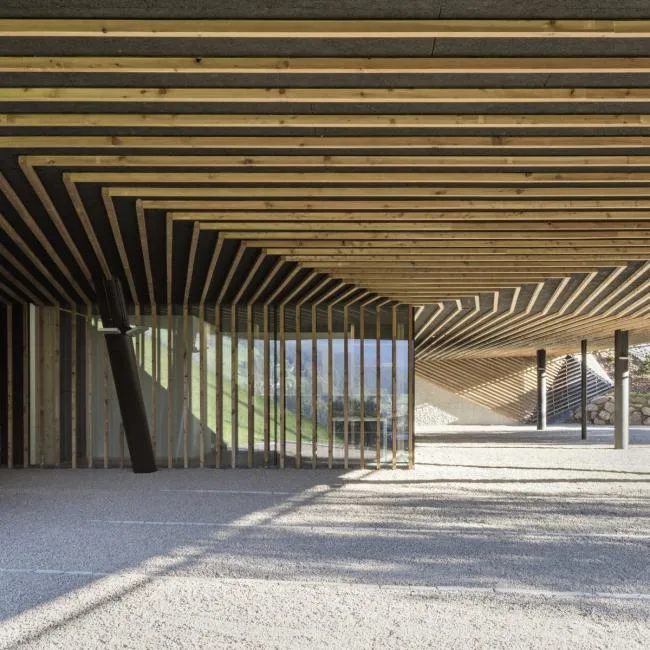
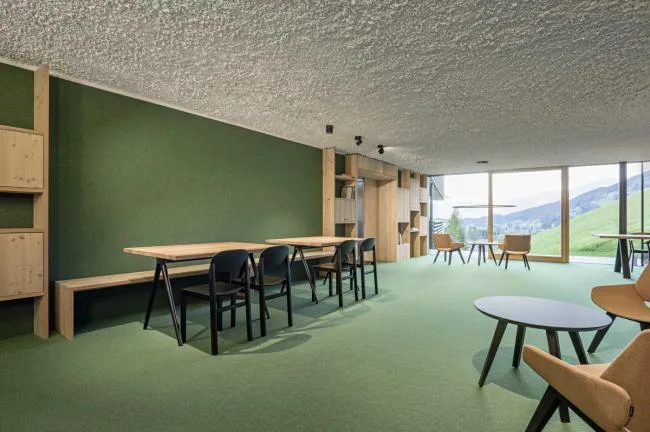
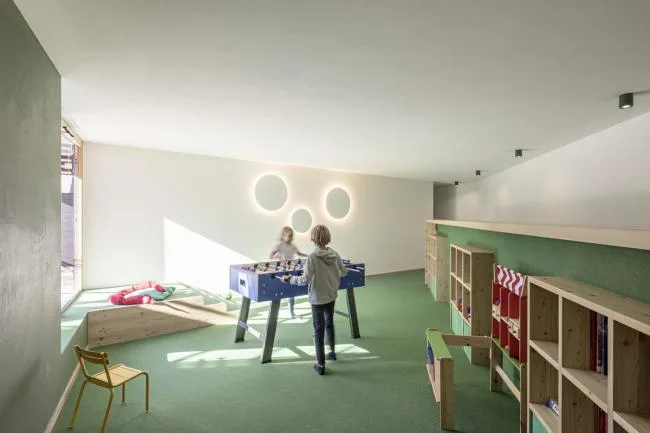
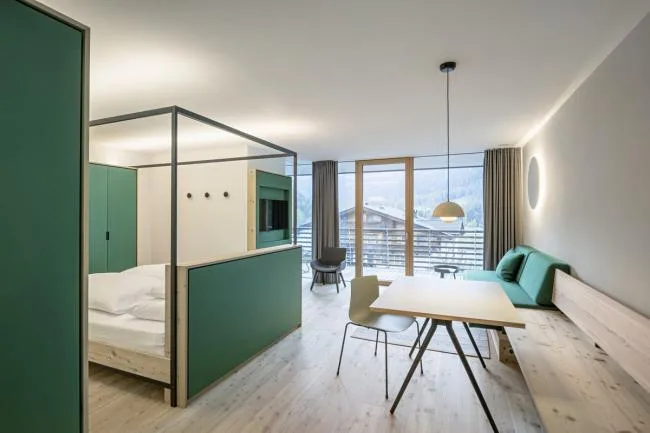
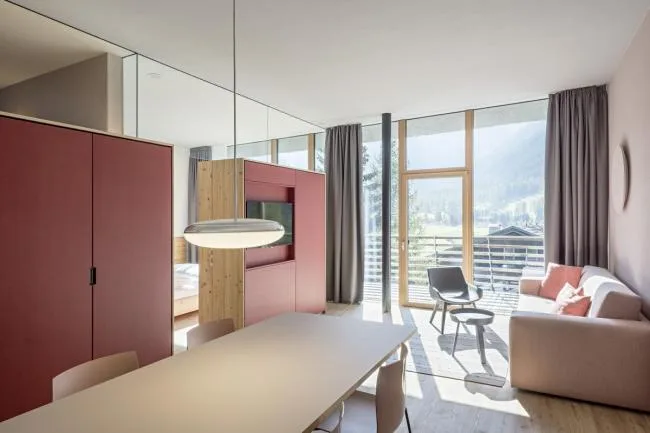
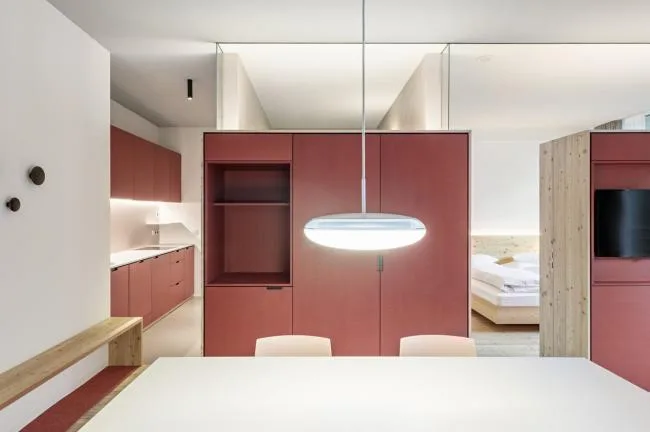
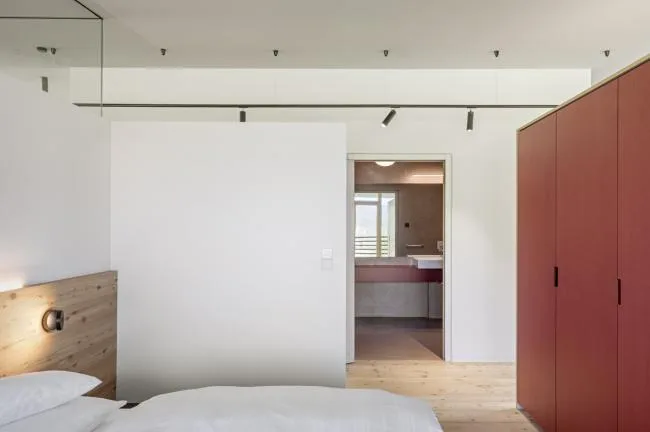
Inside, the design emphasizes a strong connection to the outdoors. Natural light and expansive views penetrate deep into the interiors. Locally sourced larch wood is the primary material for both the exterior and interior design. Indoors, it is paired with varying colors that differ by floor level. Beyond the small wooden cabins, spacious living areas and breathtaking scenery are key elements that define the mountain vacation experience.
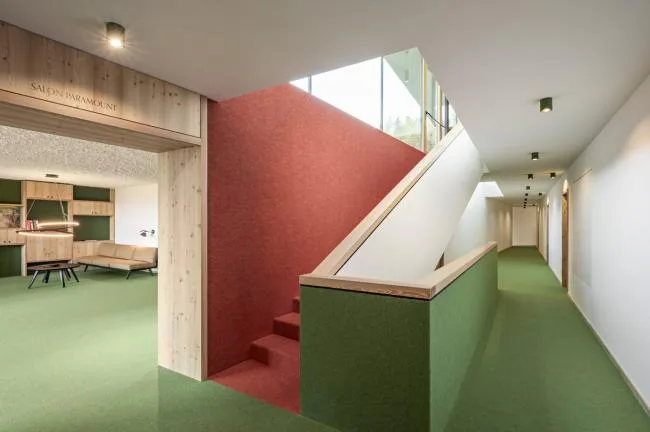
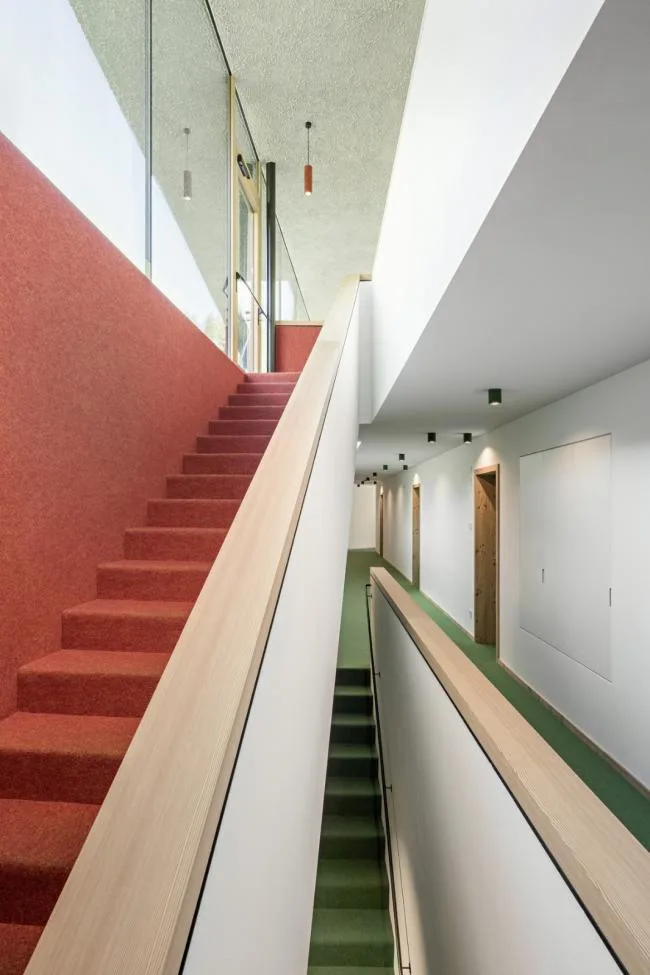
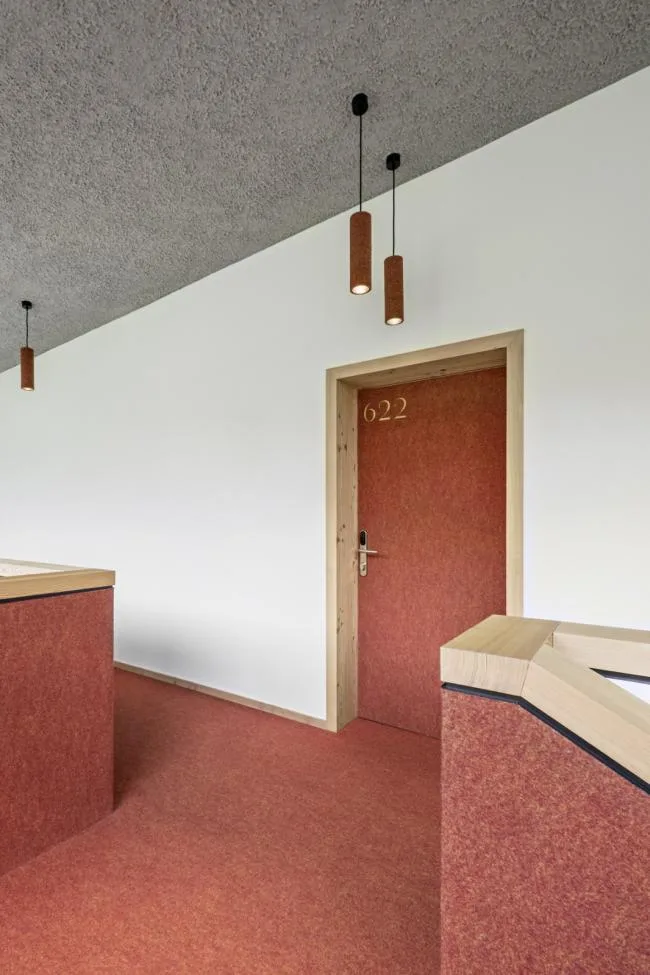
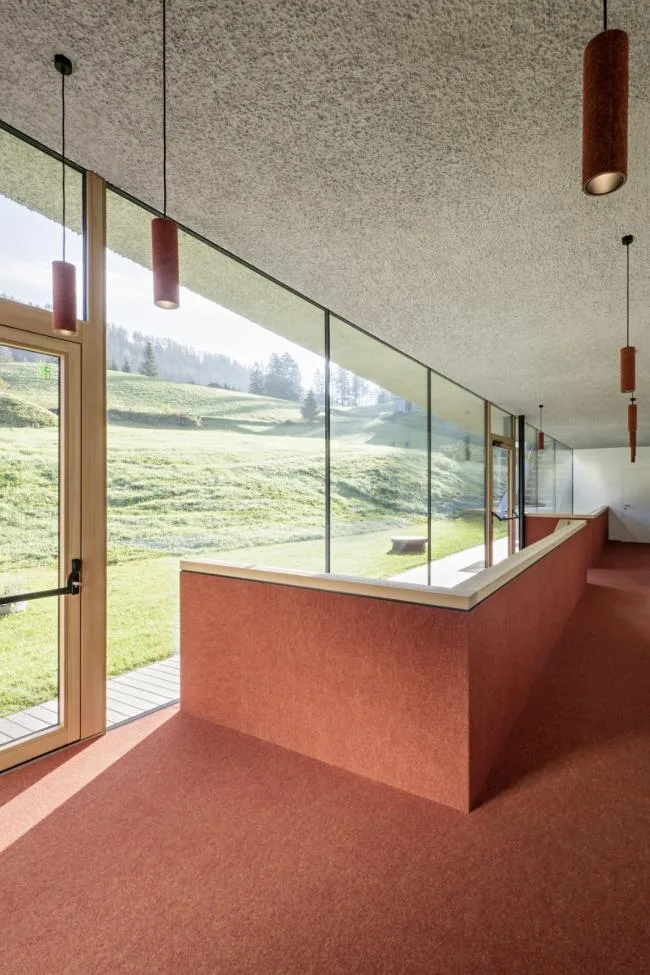
Project Drawings
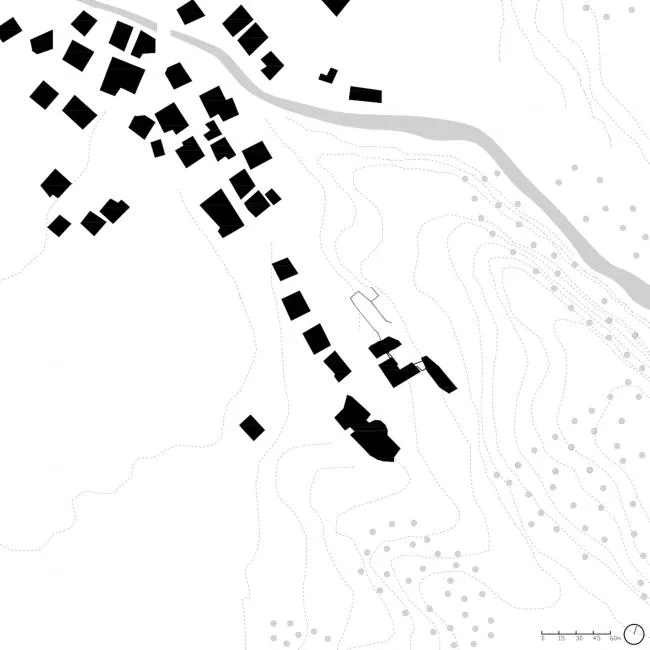
▲ General layout plan
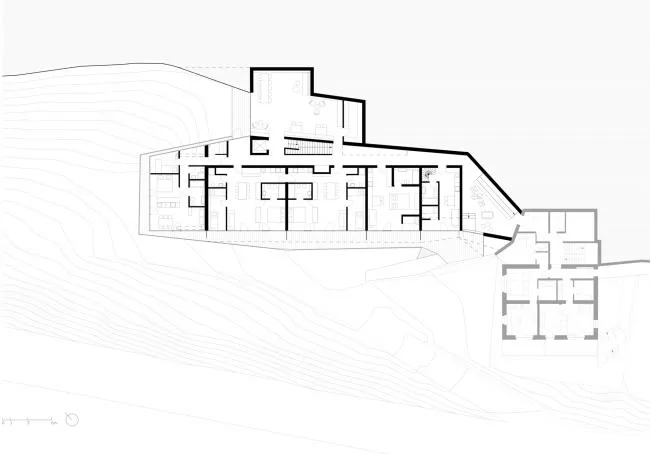
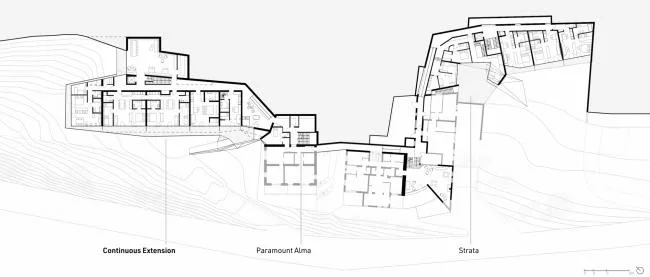
▲ Plan view
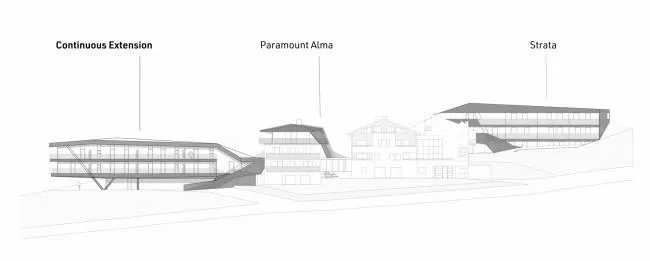
▲ Elevation view
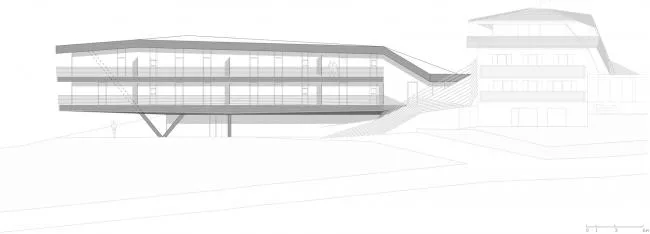
▲ Elevation view
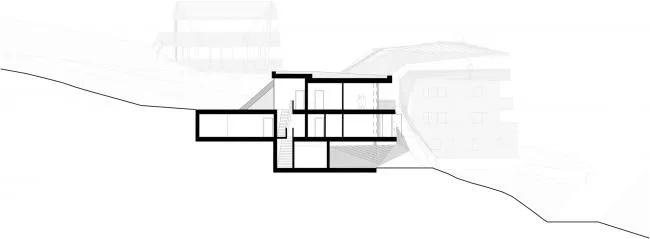
▲ Sectional view
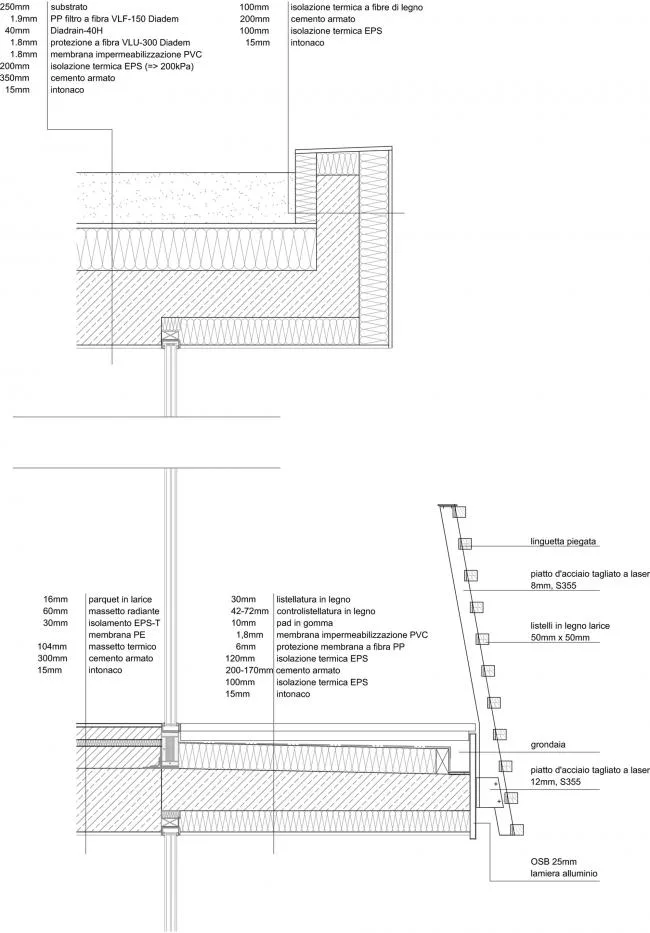
▲ Node details
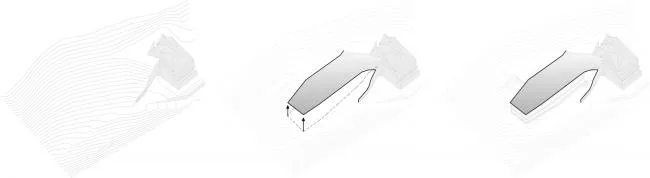
▲ Analysis chart
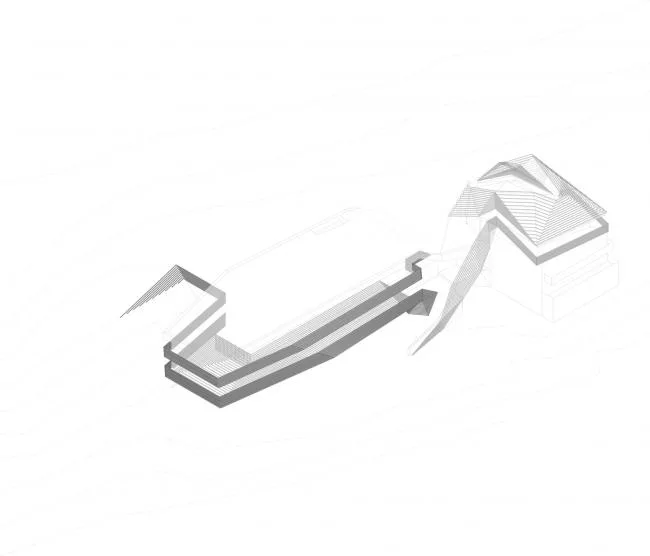
▲ Analysis chart
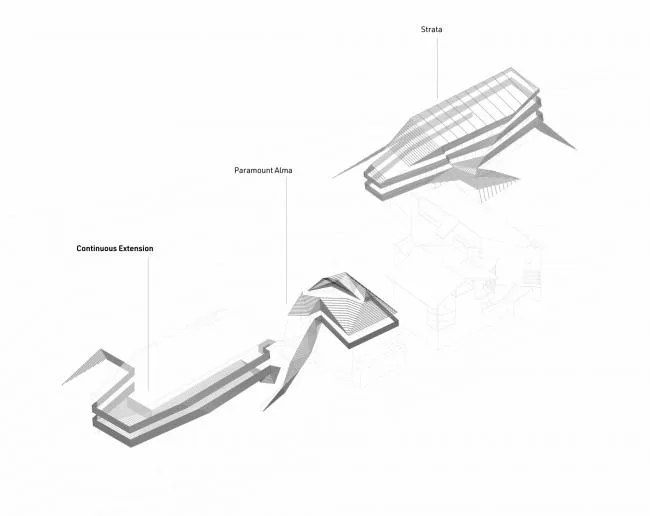
Project Information
Type: Hotel, Expansion Project
Location: SESTO, Italy
Architectural Design: Plasma Studio
Area: 1110 m²
Completion Year: 2018
Photographer: Hertha Hurnaus
Manufacturers: Arper, Adobe, Fermob, Fabbian, Nemo, Prostoria, Robert McNeel & Associates, Egoluce, Louis Poulsen, Findeisen GmbH, Muuto, Autodesk, Admonter
Lead Architect: Ulla Hell
Design Team: Peter K. Pichler, Micol Fronza
Client: Christoph Rainer
Engineering: Dr. Eng. Andreas Erlacher
Landscape: Plasma Studio
Constructor: Dravus S.r.l. (Construction & Wood Construction)
Glass Supplier: Heiss Fensterbau GMBH
Doors: Gruber OHG SNC
Carpenter: ERLACHER Srl
Cold Flooring (e.g., resin): MOLING Srl. unip
Warm Flooring (e.g., wood, carpet): Seeber srl
Sofas and Chairs: STERNBACH WOHNEN
Lighting: Due Effe Illumination srl












Must log in before commenting!
Sign Up