
In 1940, Portugal commemorated two significant milestones: the 300th anniversary of its restoration and the 800th anniversary of its national founding. These celebrations culminated in the grand Portugal World Exhibition, held at the newly constructed Empire Square in Belém. The event aimed to highlight the country’s most important historical events and achievements.
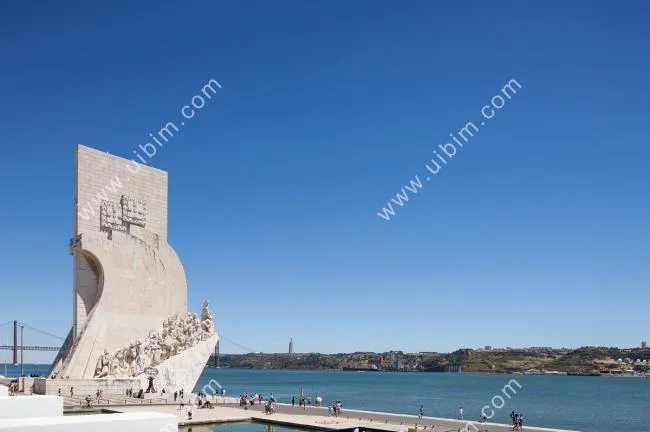
Empire Square is strategically surrounded by iconic landmarks such as the Jerónimos Monastery, Alfonso de Albuquerque Square, Belém Tower, and the Tagus River, all symbolizing Portugal’s rich history of exploration.
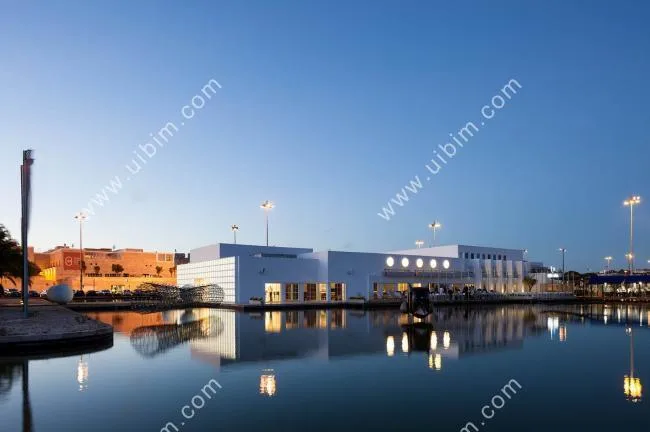
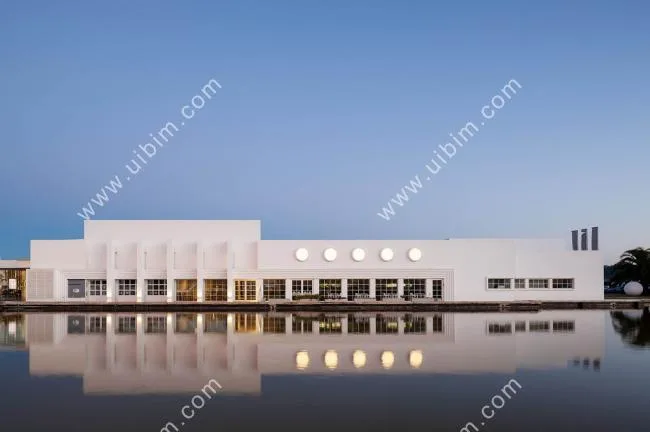
The Espelho de Água pavilion was constructed as a restaurant for this grand occasion. Designed by António Lino and completed under the supervision of exhibition architect Cottinelli Telmo, the building blends modern styles to fulfill its functional requirements.
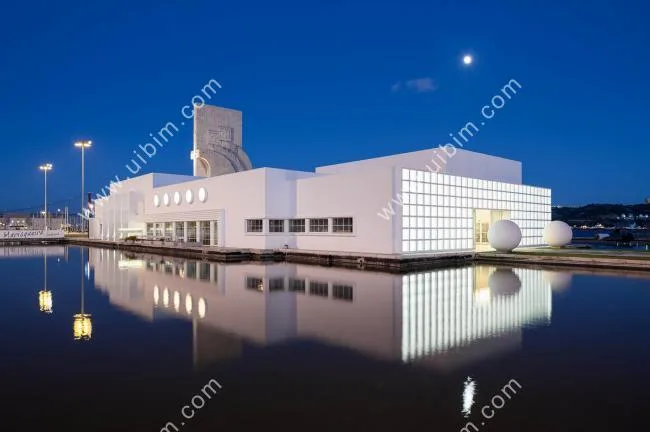
Water surrounds both sides of the pavilion, creating the illusion that the building is floating. Its overall structure adheres to precise measurement standards, with the large sculpture at the entrance following these proportional rules as well.
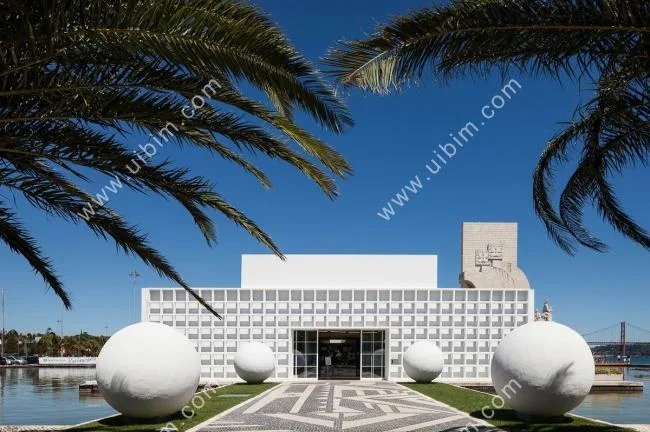
The original structure consisted of two separate sections connected by a third element that served as the entrance. After the exhibition, the building was demolished and replaced by a temporary structure featuring a roof supported by a metal frame clad in zinc sheets.
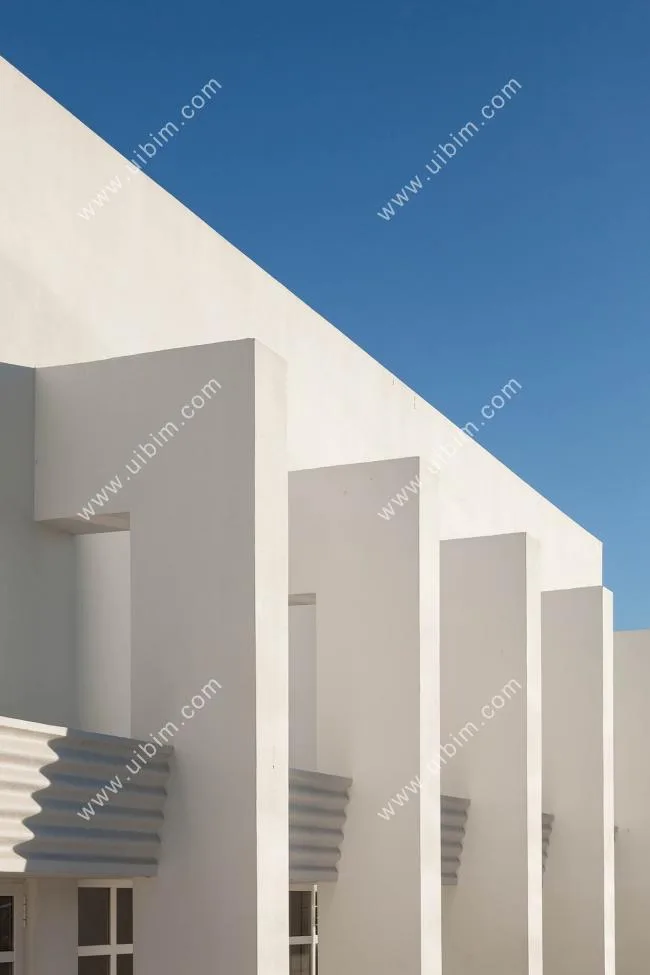
The recent renovation project aims to restore the pavilion to its original 1940 design. It involved removing visually intrusive additions, dismantling a non-original southern structure, and reinstating the building’s original framework. A prominent skylight in the center hints at the terrace that once separated the main sections.
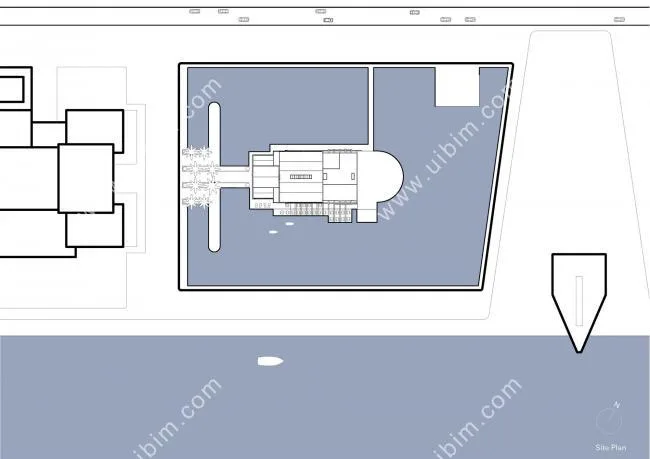
▲ General layout plan
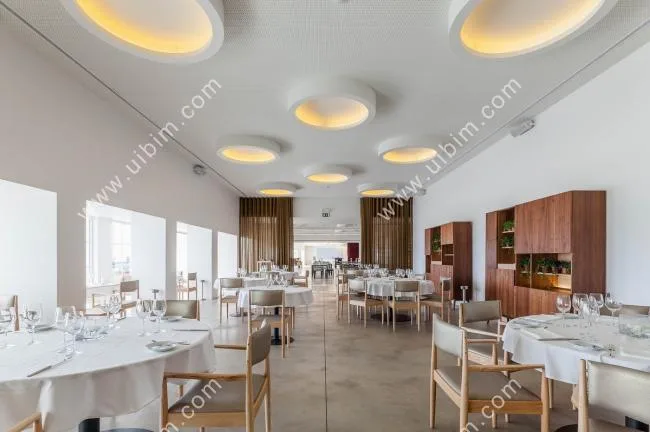
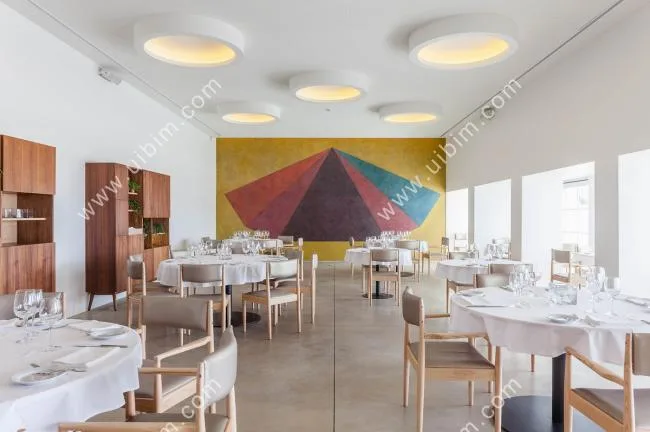
The ground floor hosts a coffee shop, restaurant, and balcony, all designed to engage visitors with a restored mural created by artist Sol LeWitt in 1990. Flanking the central kitchen are walls adorned with vertical gardens, adding a natural element to the interior.
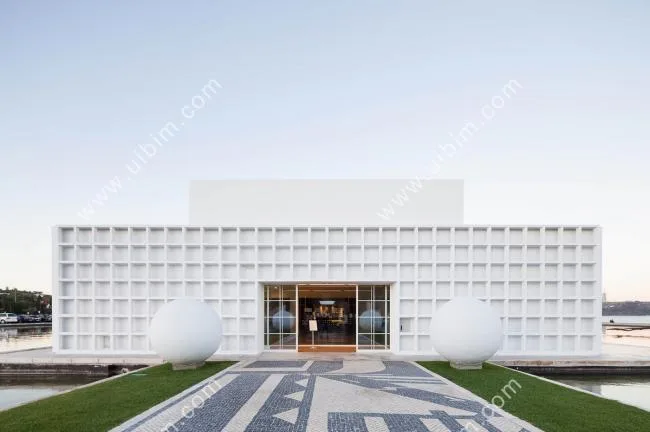
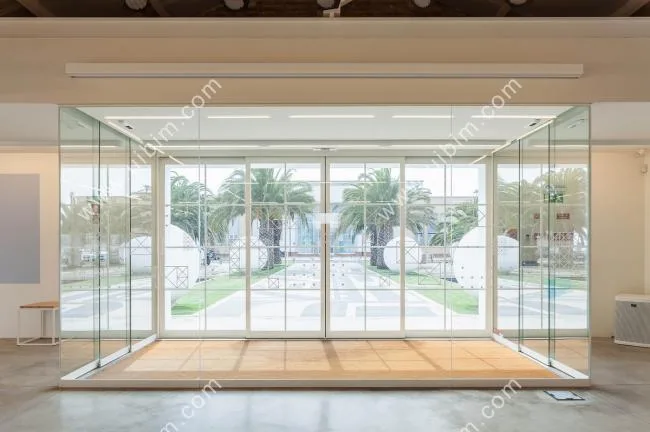
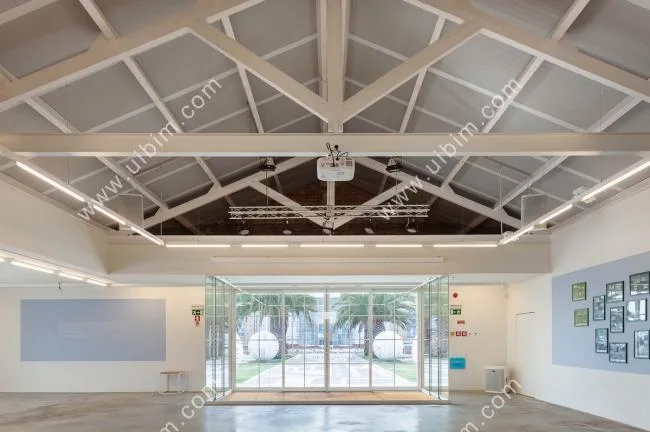
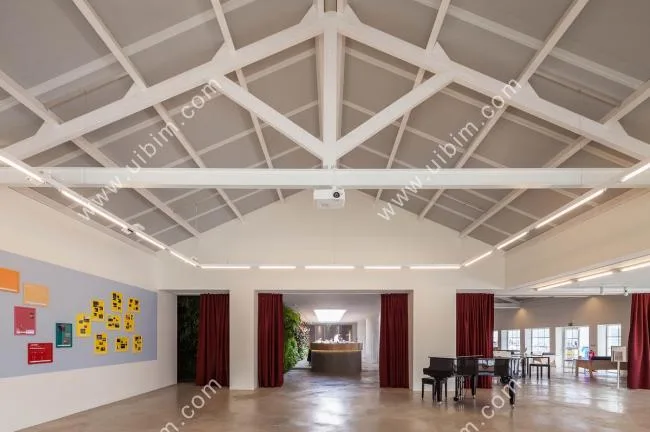
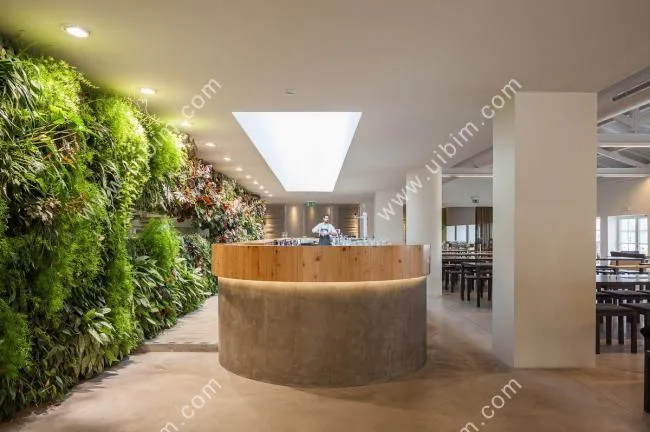
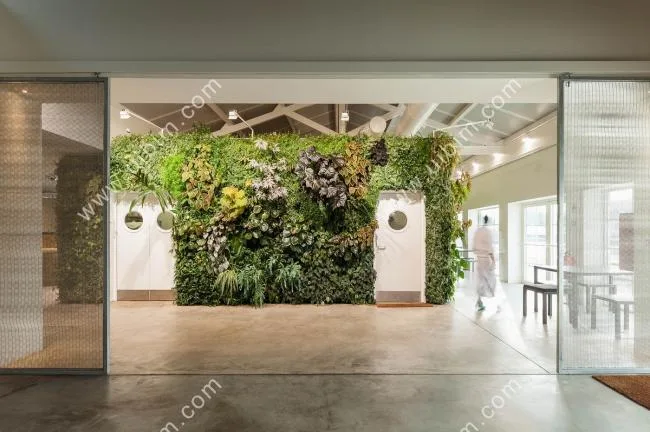
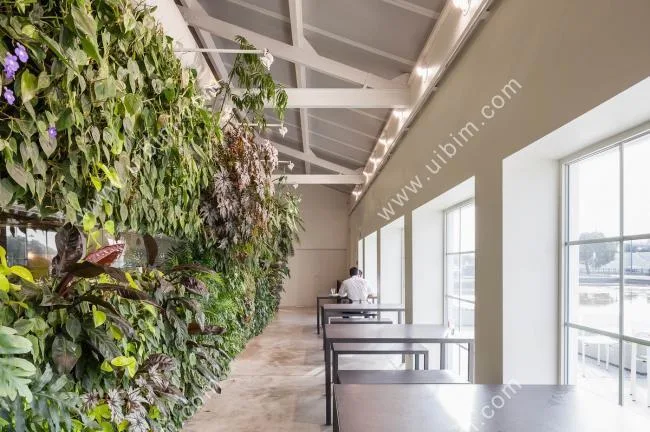
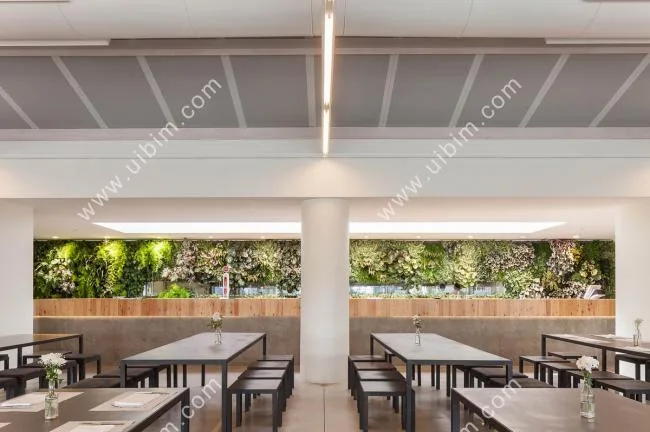
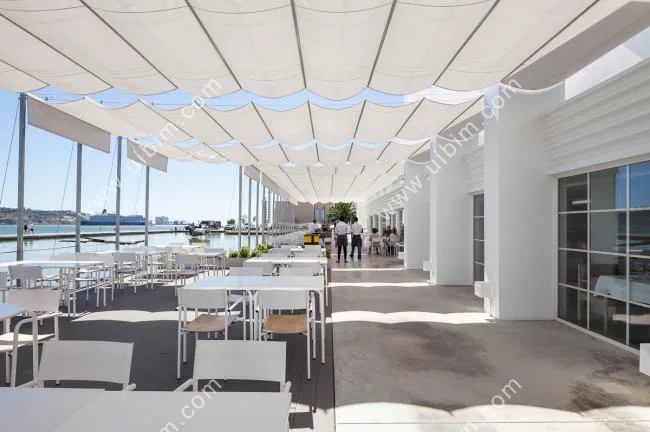
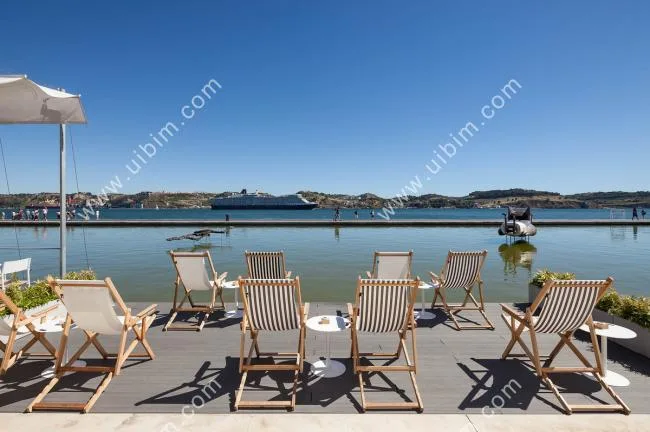
To the north of the pavilion lies a more relaxed area with views of the Belém Cultural Center, Jerónimos Monastery, nearby shops, and mezzanines. Here, visitors find stairs leading to office spaces on the second floor. The open space near the main western entrance serves as an art museum and music venue.
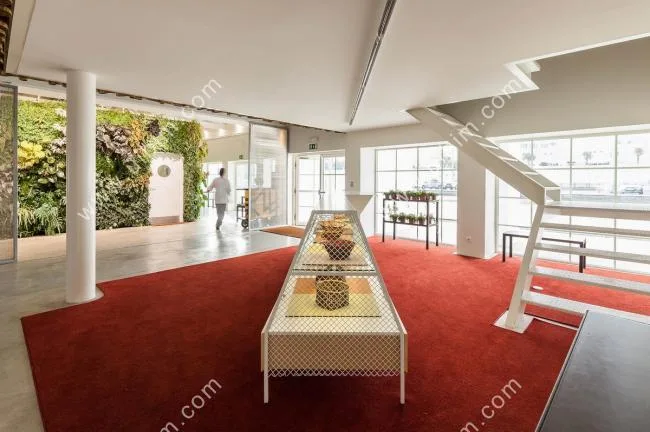
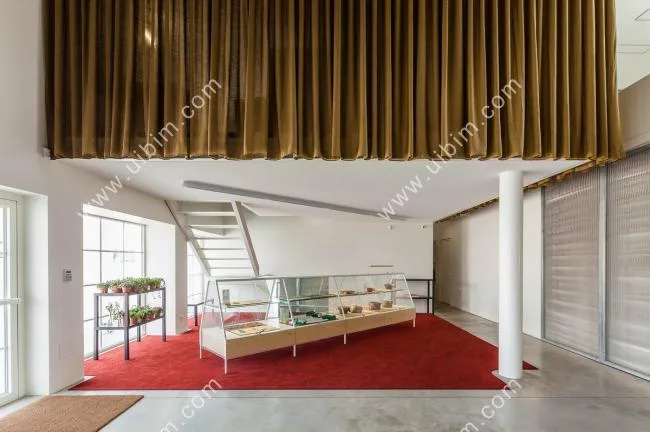
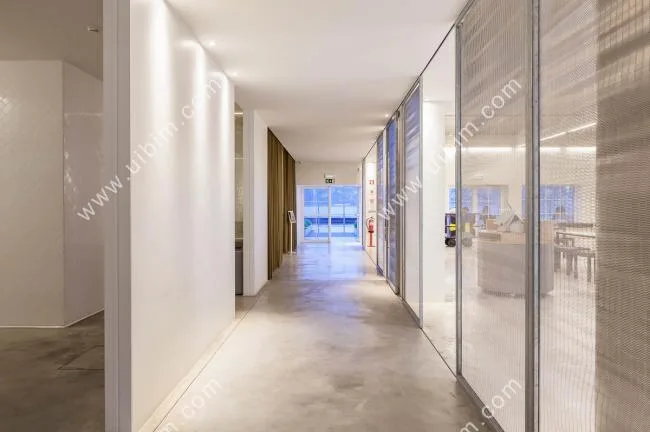
The interior design emphasizes the building’s structure, clearly delineating its various functional areas. The minimalist finishes include concrete flooring and white walls. Linear lighting enhances the dramatic interior space, while circular light fixtures on the north and south exterior walls reinforce the connection to the original 1940 exhibition design.
Project Drawings
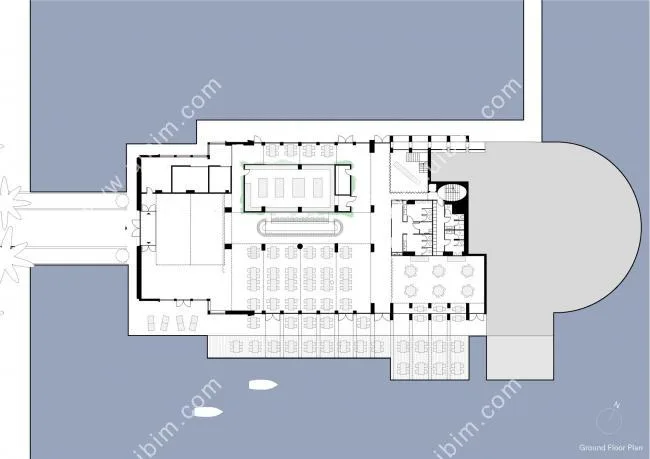
▲ First floor plan
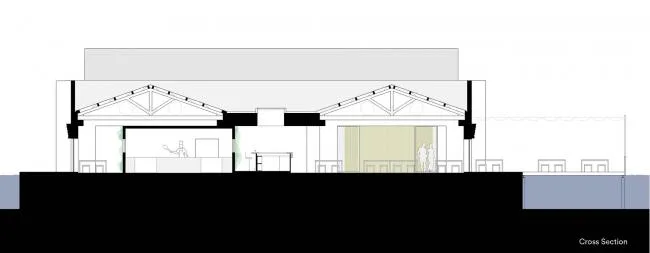
▲ Sectional view
Project Information
Project type: Restaurant, Art Museum
Location: Lisbon, Portugal
Architects: DC.AD; Victor Vicente
Year of completion: 2014
Photographer: Francisco Nogueira
Chief architects: Duarte Caldas, Vitor Vicente
Project team: Sandra Dias, Tiago Pereira
Consultants: Pedrita Studio, Vertical Gardens
Contractor: Tulipa Real












Must log in before commenting!
Sign Up