
This example demonstrates how to use a WinForms form to collect user input.
Create a simple new form as shown below:
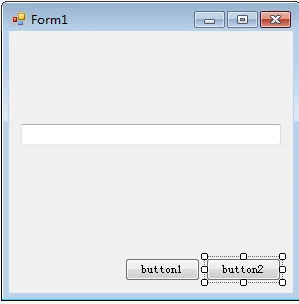
Here is the form’s code section:
public partial class Form1 : Form
{
    public Form1()
    {
        InitializeComponent();
    }

    private void Form1_Load(object sender, EventArgs e)
    {
        // Assign confirmation and cancellation buttons
        this.AcceptButton = button1;
        button1.Text = "OK";
        this.CancelButton = button2;
        button2.Text = "Cancel";
    }

    private void button1_Click(object sender, EventArgs e)
    {
        // Return OK result and close the form
        this.DialogResult = DialogResult.OK;
        this.Close();
    }

    private void button2_Click(object sender, EventArgs e)
    {
        // Return Cancel result and close the form
        this.DialogResult = DialogResult.Cancel;
        this.Close();
    }

    public string inputStr
    {
        // Retrieve text from the textbox
        get { return this.DialogResult == DialogResult.OK ? textBox1.Text : ""; }
    }
}
To call the form, use the following code:
public Result Execute(ExternalCommandData commandData, ref string message, ElementSet elements)
{
    // Instantiate the form
    Form1 form1 = new Form1();
    if (form1.ShowDialog() == DialogResult.OK)
    {
        TaskDialog.Show("test", form1.inputStr);
    }
    return Result.Succeeded;
}
Below are the execution results:
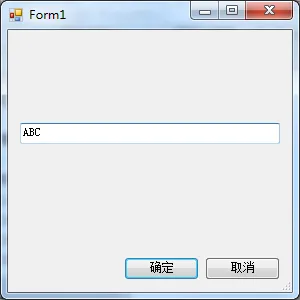
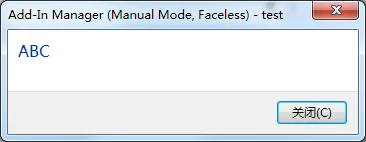

xuebim
Follow the latest BIM developments in the architecture industry, explore innovative building technologies, and discover cutting-edge industry insights.
← Scan with WeChat












Must log in before commenting!
Sign Up