
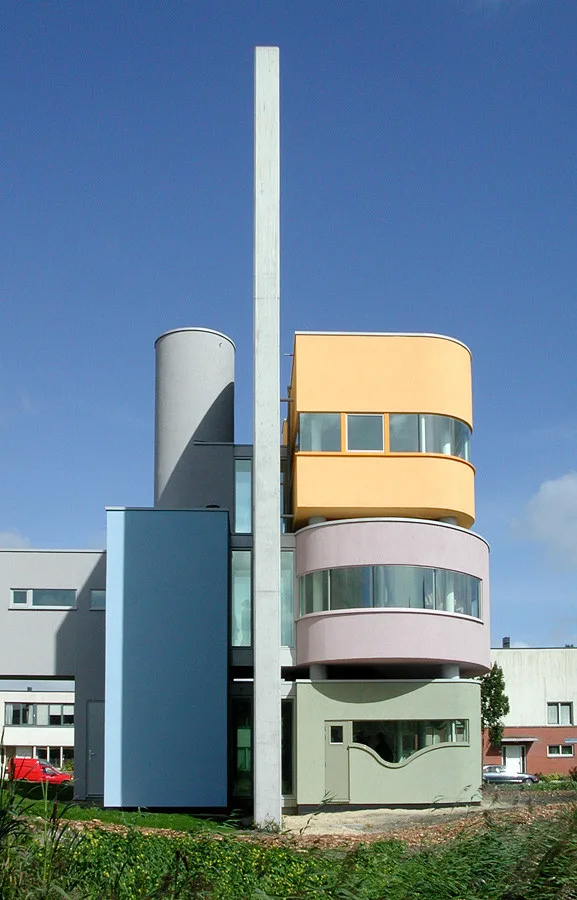

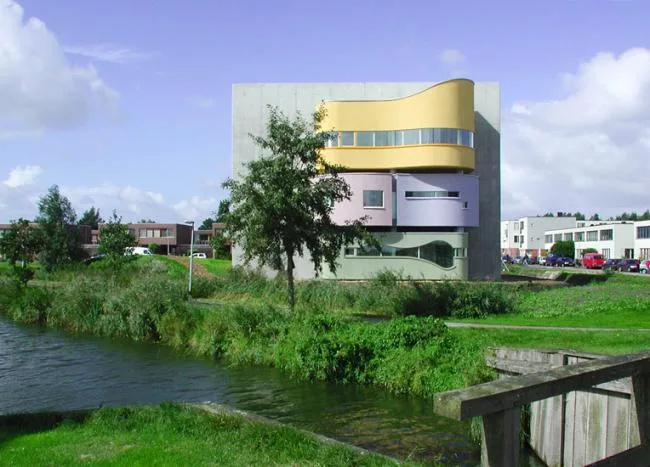
Wall House 2 stands out with a unique history that sets it apart from other architectural works. It redefines architectural boundaries through the lens of time and culture. Remarkably, construction began 28 years after the original design was completed—and one year after the death of its designer, John Haydock—at a site entirely different from the one initially intended.
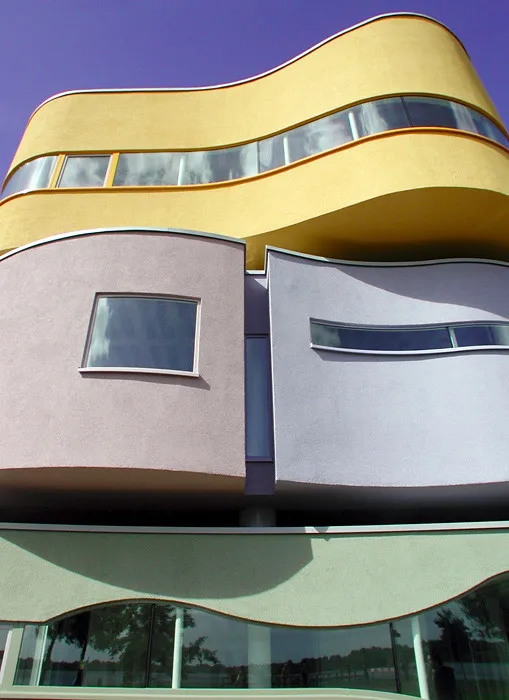
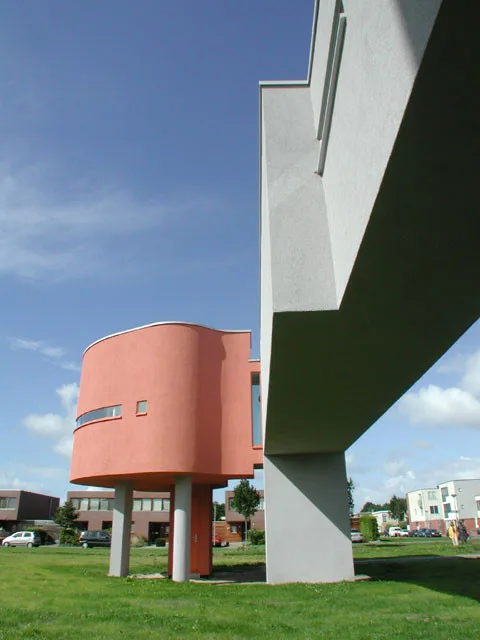
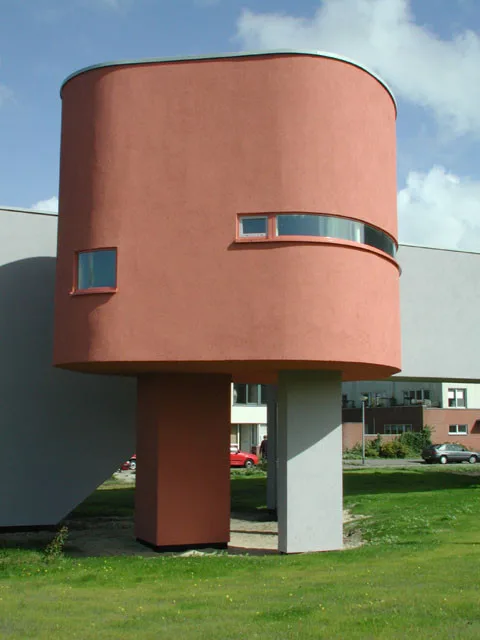
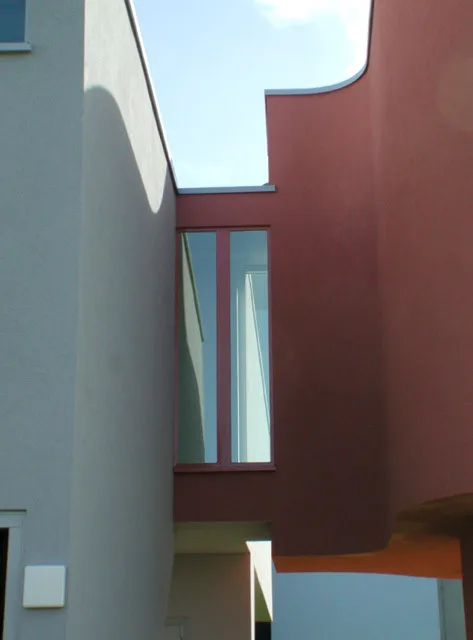
This house emerged from extensive research into both its interior and exterior spaces. While its design may remind some of Le Corbusier’s style, it carries a distinctly unconventional character.
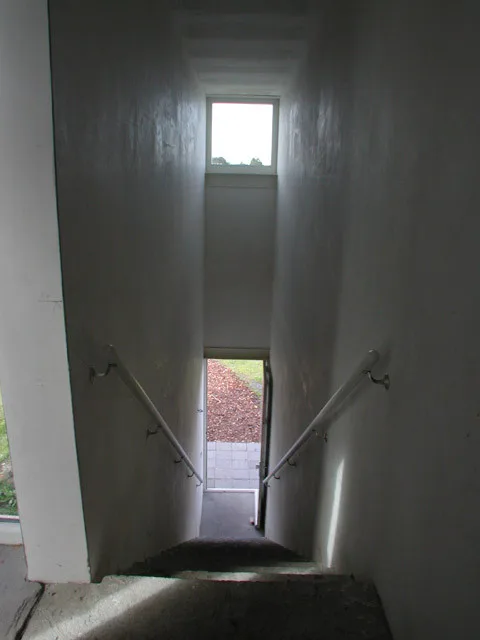
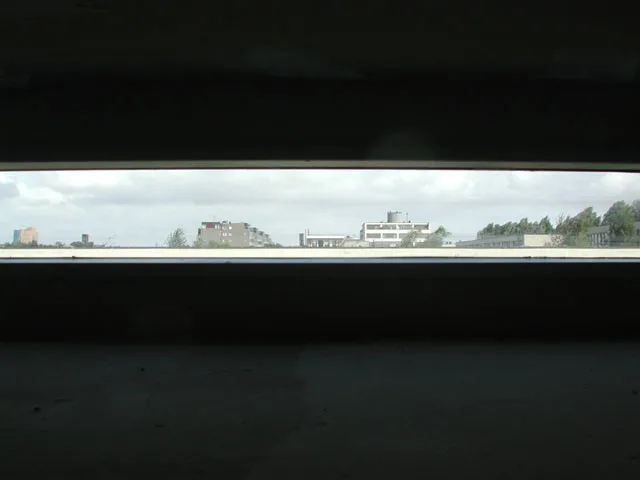
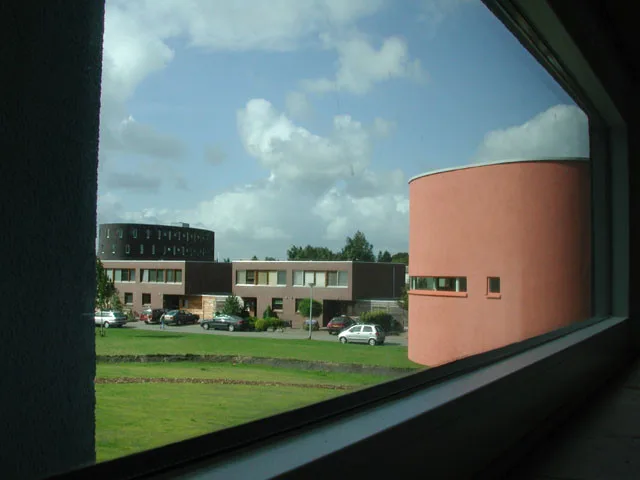
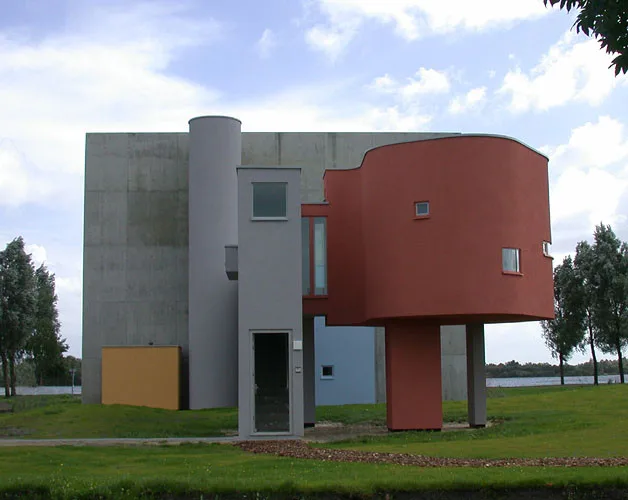
The residence was originally designed in 1973 by American architect John Haydock for a faculty member at the Owen Channing School of Architecture, Cooper Union, New York. It was intended to be built in Ridgefield, Connecticut, but high estimated construction costs in the forested location halted the project.
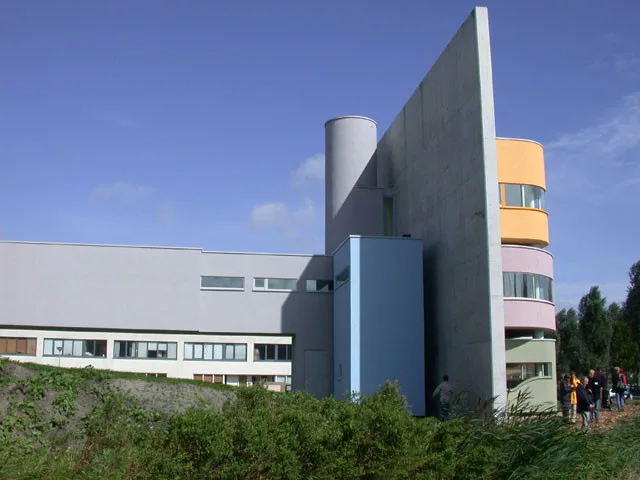
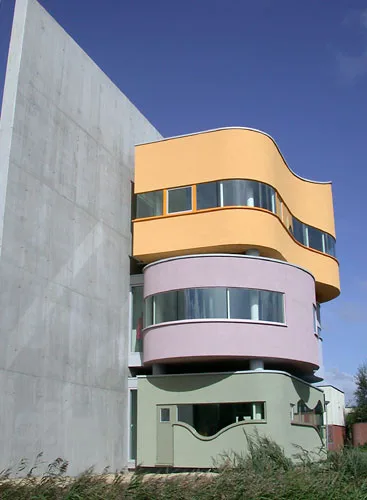
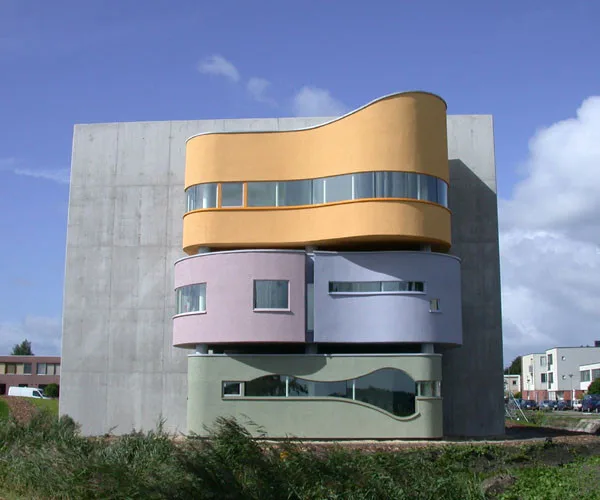
Design proposals were frequently abandoned before construction due to financing issues, especially as the project changed hands between potential clients. Finally, a development company in Groningen, the Netherlands, expressed strong interest and agreed to fund the construction of a 2,500 square foot structure. However, it was only after John Haydock’s unexpected passing that construction commenced.
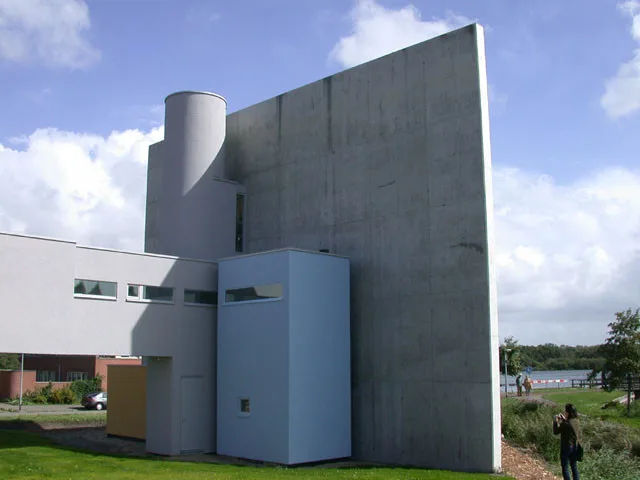
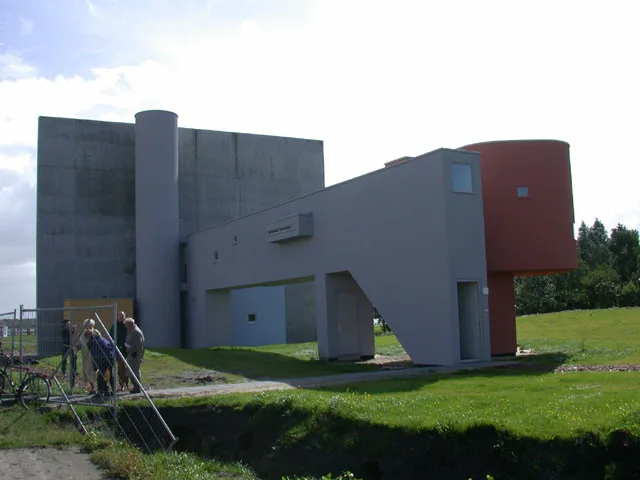
Wall House 2 has been widely praised for its blend of surrealist sculpture, cubist painting, and architectural design. It reflects John Haydock’s multifaceted identity as an artist, poet, educator, and architect. His inspiration often drew from masters like Le Corbusier and Mies van der Rohe, focusing on the dimensionality of planes and the purity of volume.
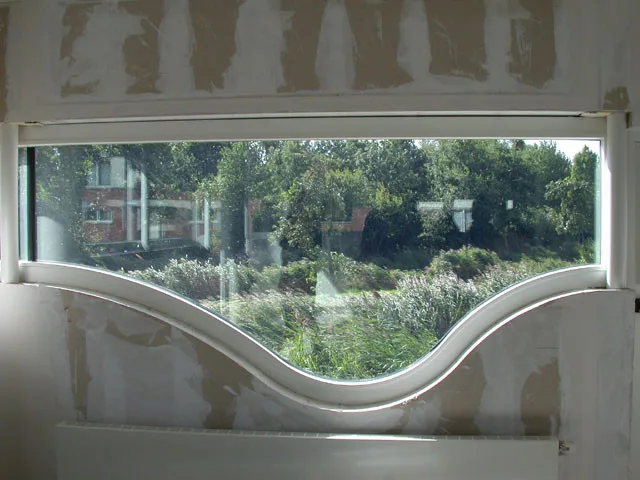
The spatial design centers on the intersection of horizontal and vertical planes, creating a three-dimensional experience. Simultaneously, the two-dimensional planes fragment while grouping functional spaces, which are distinctly separated to highlight the poetic essence of the home.
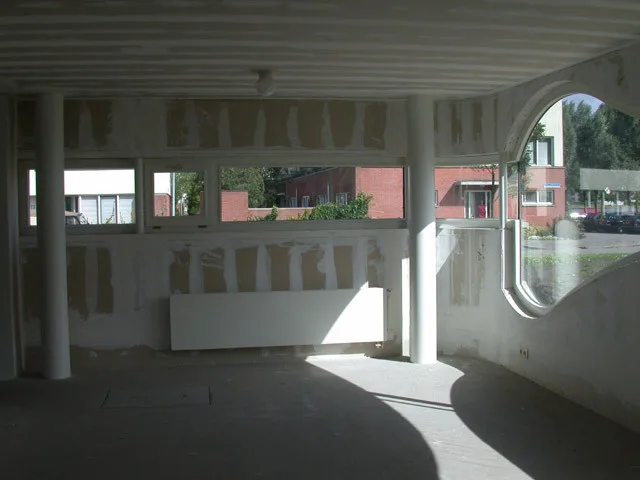
Light colors are employed to visually distinguish the volumes, accessible by spiral stairs hidden behind the wall. Haydock’s thoughtful design connects the walls that separate spaces to the main building volume with glass, giving them an appearance of independence.
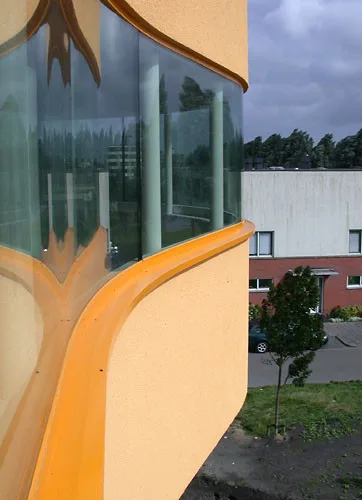
The walls are deliberately neutral, painted gray to maintain a consistent tone. Their surfaces mirror those of the sloping planes found in the Diamond House, creating a sense of serene strength while simultaneously generating intense spatial tension. These walls reinforce the sensation of slicing through space, making visitors feel as if they are passing through the entire building. Their slenderness enhances the impression that their presence is fleeting—a “present moment,” as Haydock describes it.
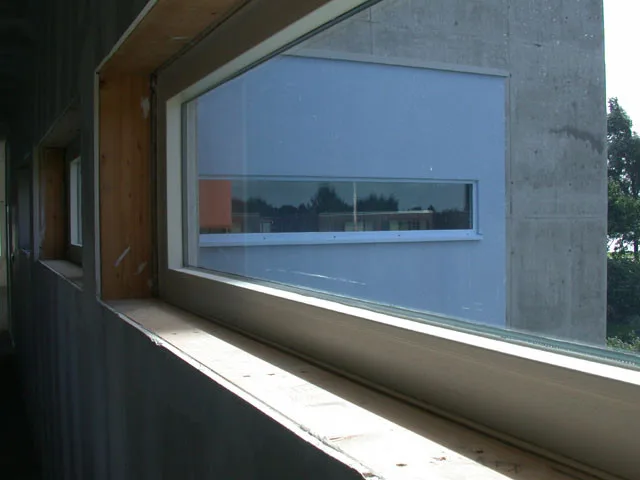
Upon entering the house, visitors encounter a staircase leading to the study, kitchen, and dining areas—each designed as distinct, organic spaces. The bedroom is located on the first floor, with the living room situated on the top floor. Although each volume appears cantilevered, the BIM model reveals that the mass of the floating bodies is supported by a grid of columns. This detail adds dramatic flair to Wall House 2, turning the giant walls into symbolic elements rather than structural necessities.
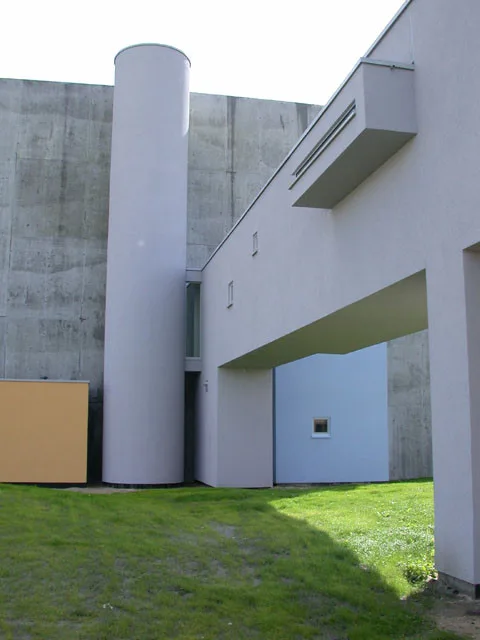
An intriguing feature of the recently completed Wall House 2 is its accessibility. The owners have divided the residence into public, semi-public, and private zones, encouraging visitors to experience and interpret the architecture. An artist was invited to engage with the residential program, exploring the poetic qualities embedded within the architectural space.
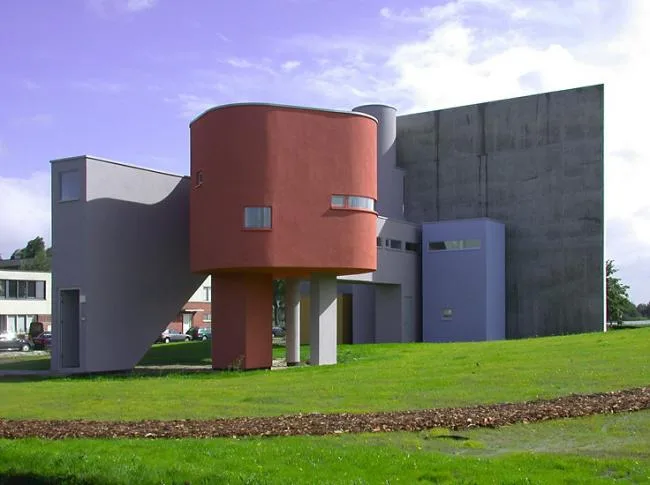
John Haydock once reflected, “If a painter can transform a three-dimensional still life onto a canvas into a natural painting through a single transformation, can an architect capture a natural painting and transform it into a still life in one transformation?”
Drawing
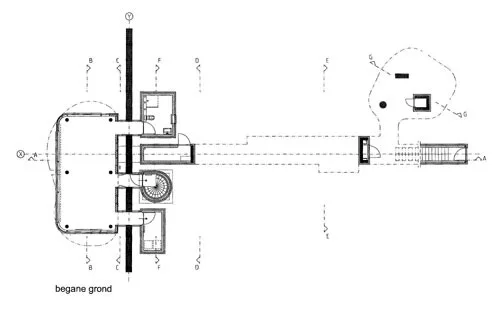
Master Plan
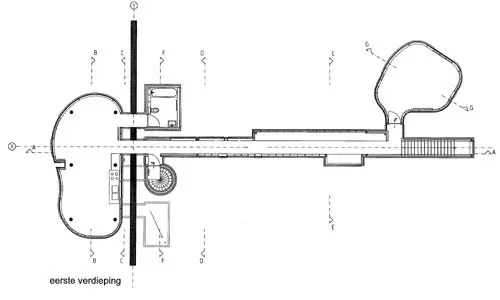
Floor Plan
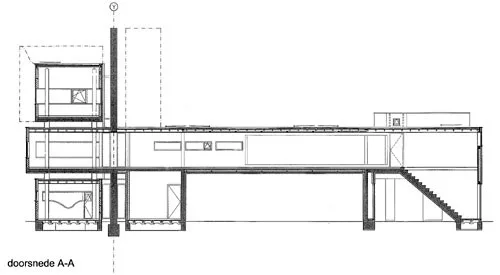
Sectional View
Project Information
Architects: John Heidecker, Thomas Muller, Van Rieman Architects, and Onomo Design
Location: Groningen, Netherlands
Project Year: 2001
Architectural Photographer: Liao Yusheng












Must log in before commenting!
Sign Up