
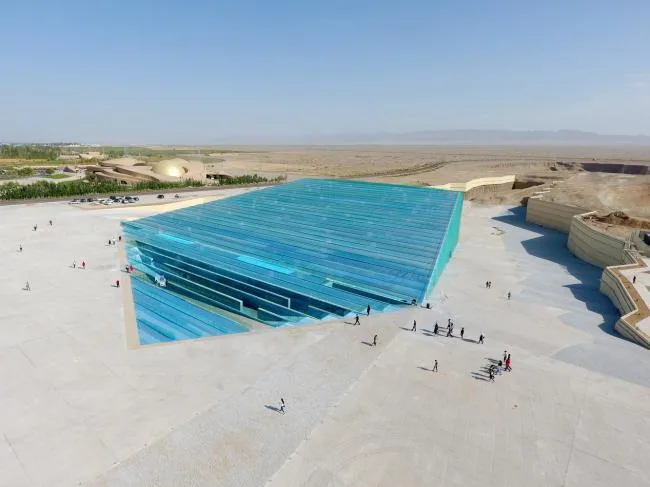
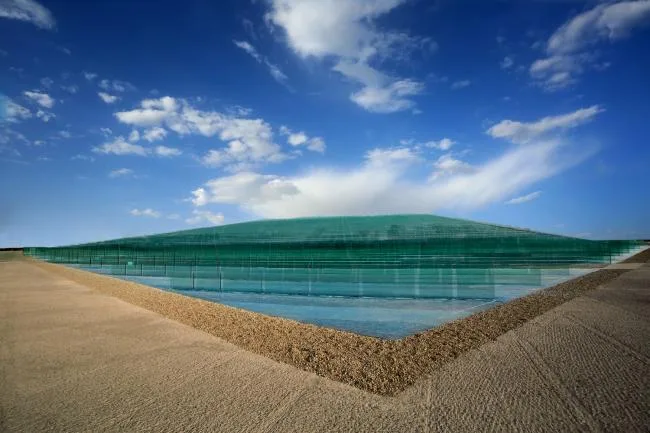
The Dunhuang Theater is located on the outskirts of Dunhuang, Gansu Province. It occupies a site of 65,000 square meters, with a total built area of 19,900 square meters. Designed specifically for theatrical performances, the architects focused on integrating the essence and extension of drama, ensuring that the themes expressed in the performances resonate harmoniously with the architecture, environment, and history, creating a truly unique work.
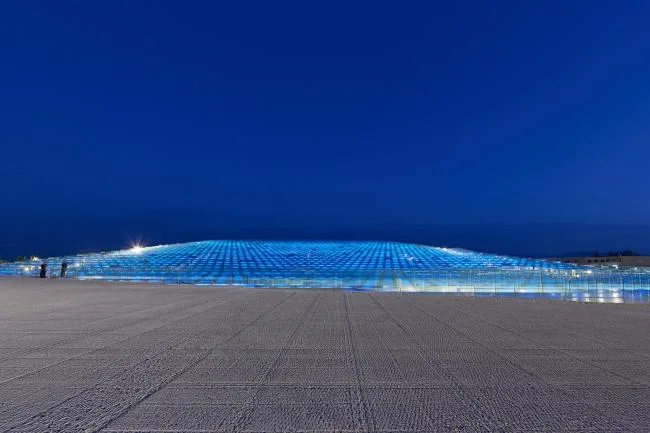
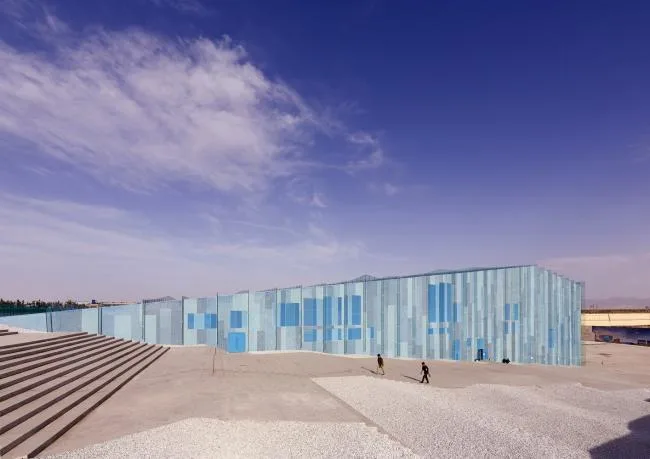
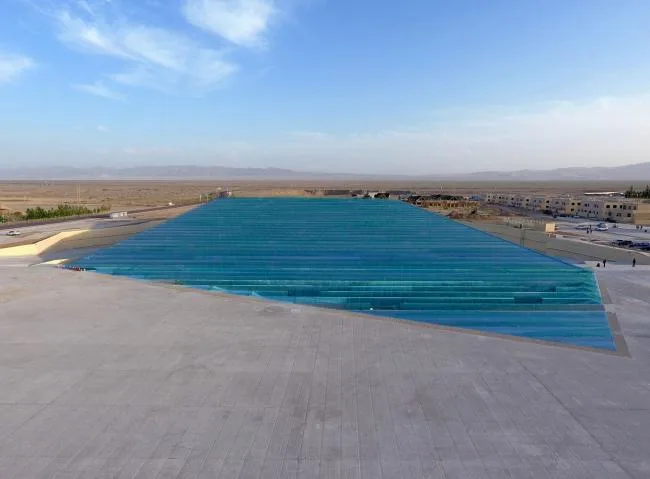
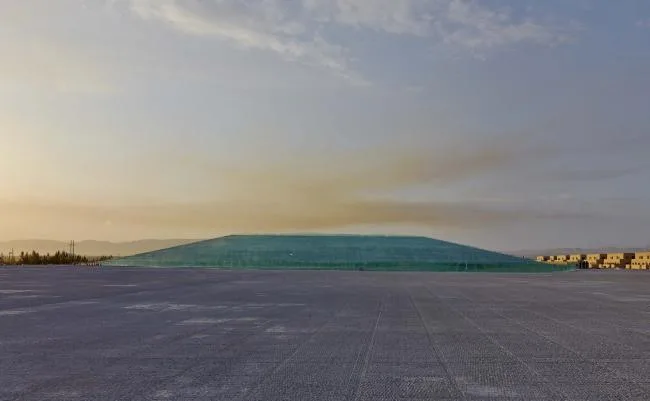
Set entirely in blue, the Dunhuang Theater stands like a drop of water in the vast Gobi Desert, symbolizing Dunhuang’s invaluable importance to world civilization. The architecture seamlessly blends into its surroundings, engaging in a meaningful dialogue with the local nature and context. The striking contrast between the building and the desert landscape creates a sense of timelessness, offering visitors an experience that transcends past and future, evoking a profound connection between nature, architecture, and humanity.
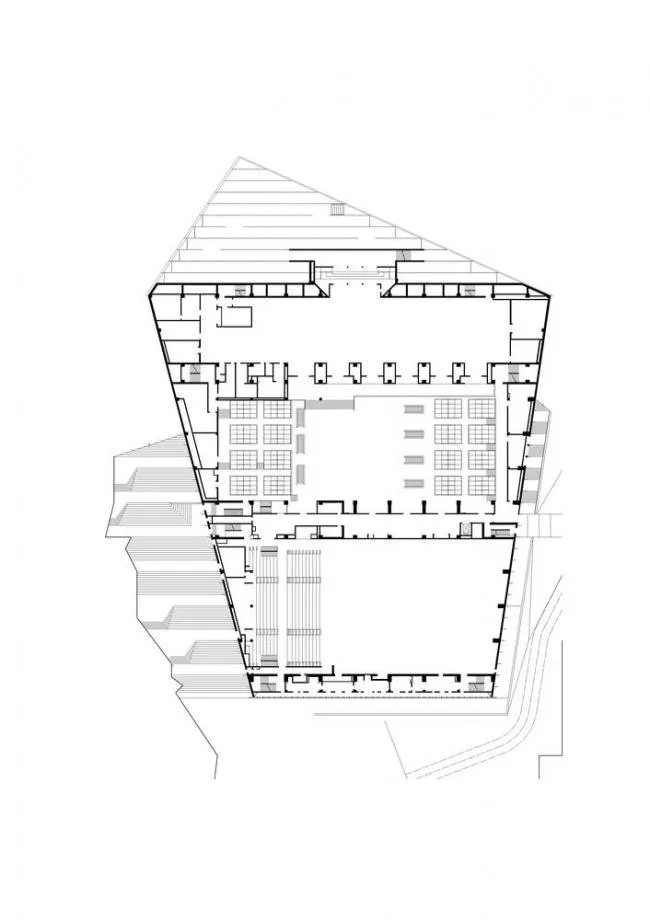
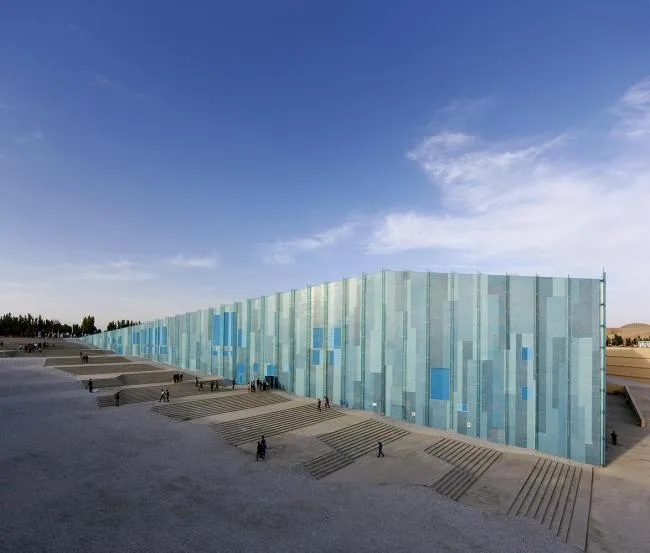
The project site is constrained by the height restrictions of the Mogao Grottoes scenic area and borders a large sunken plaza to the south. Taking these special site conditions into account through BIM design, the architectural form gradually rises from the northern main entrance square, while the building’s functional spaces descend below ground level, following the terrain’s height difference. This approach effectively balances height control with the spatial requirements of the theater.
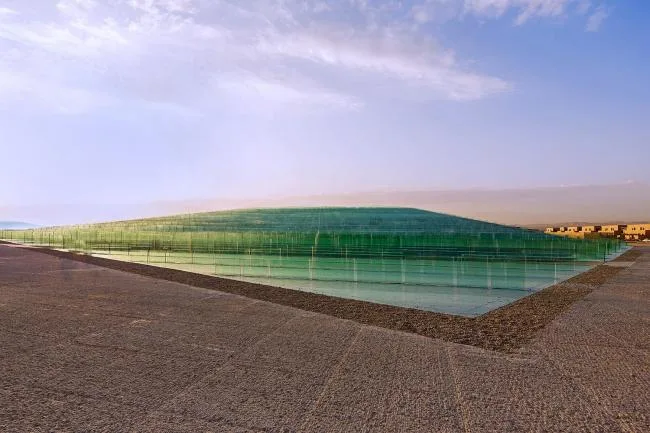
Additionally, the use of glass blurs the building’s boundaries, allowing the massive structure to blend into the expansive Gobi Desert. At the entrance, a folding, zigzagging descending ramp invites visitors to gradually calm their minds and immerse themselves in the theatrical atmosphere as they enter the theater.
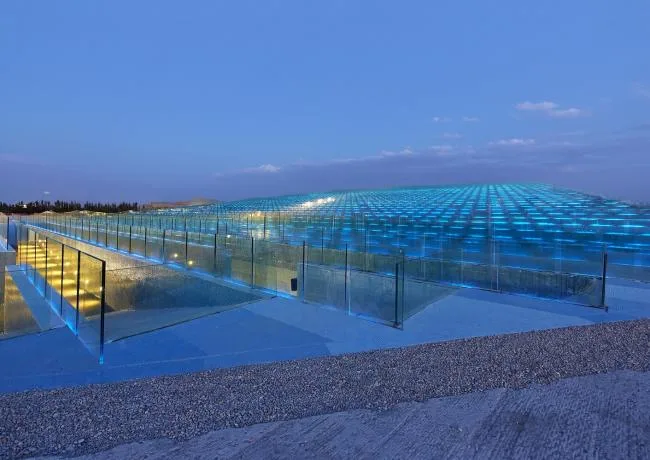
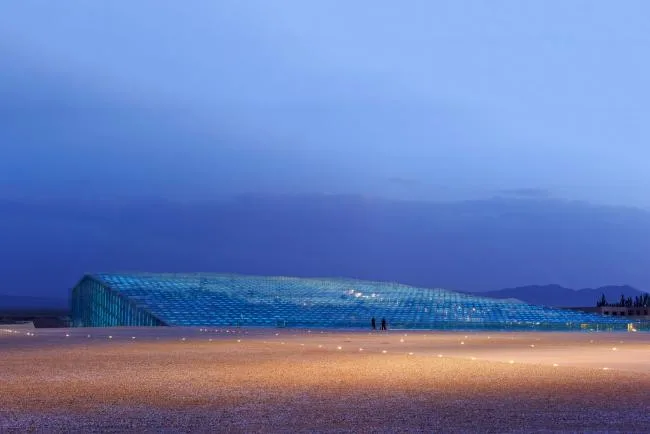
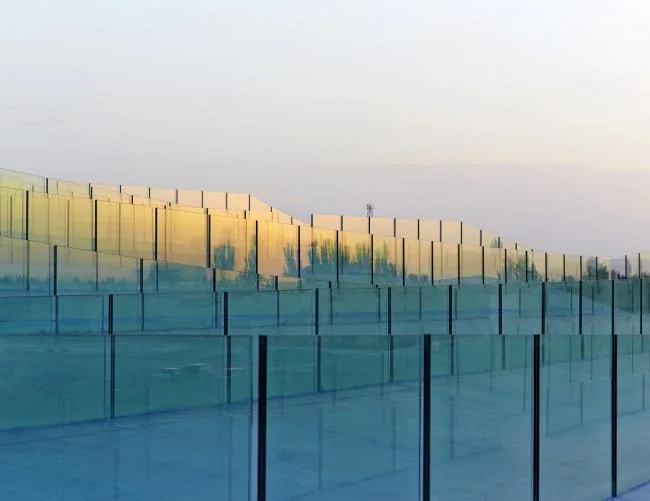
The roof and exterior walls are adorned with four shades of blue glass mosaics arranged in a regular geometric pattern. The vertical glass panels on the roof follow a three-meter module and form a mountain wave curve at the top, with all joints concealed beneath the mosaic roof.
The blues and greens reference the stone blue and stone green mineral pigments commonly found in the murals and sculptures of the Mogao Grottoes, evoking the rich heritage of Dunhuang’s grotto art. The interplay of layered green glass and blue mosaics on the sloping roof creates a floating, ethereal effect that connects the building with the vast sky and earth. This design fosters a resonance through time and space, producing a breathtaking visual impact.
Drawings
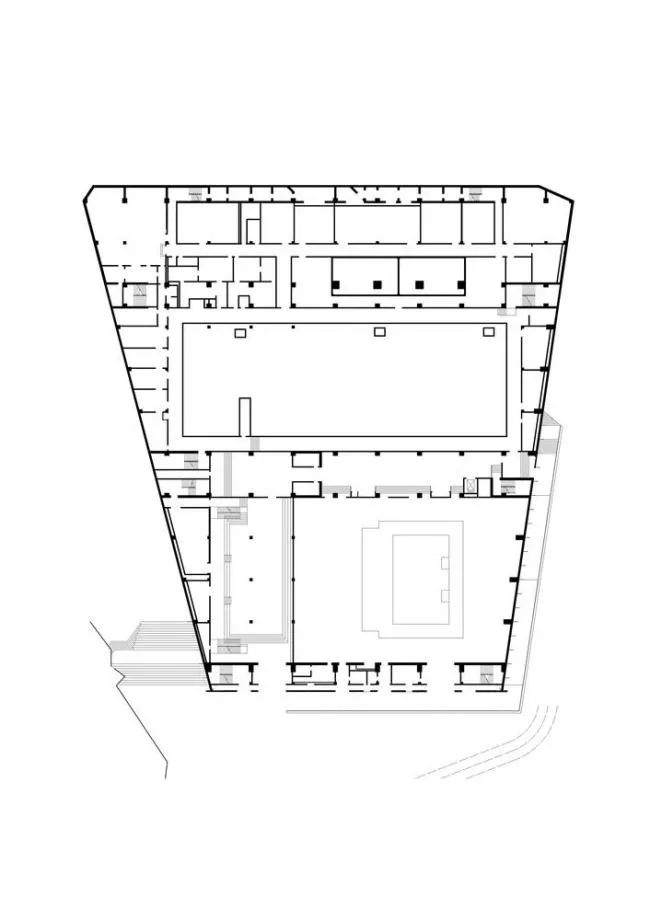
First Floor Plan
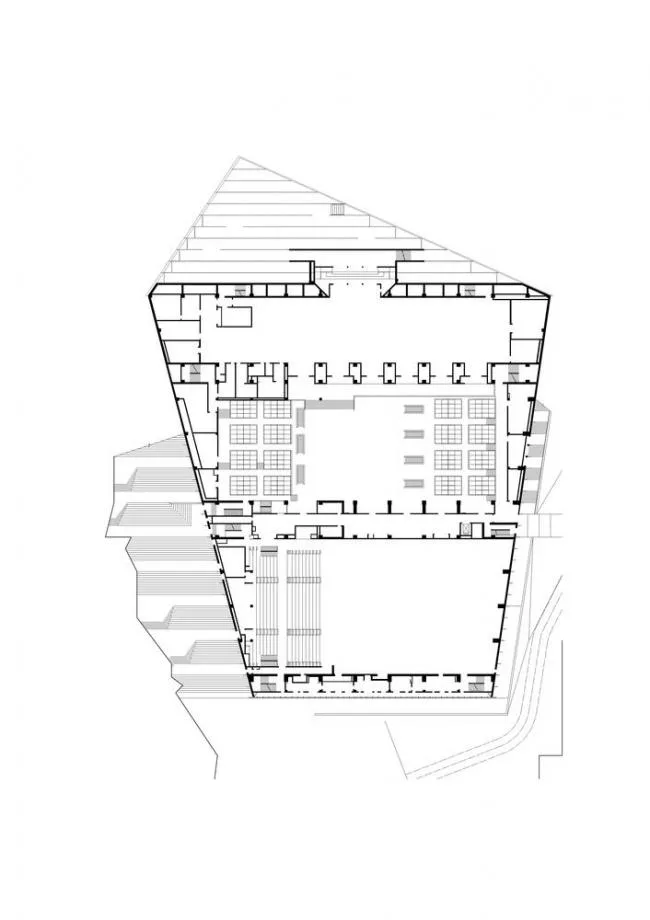
1.5 Floor Plan
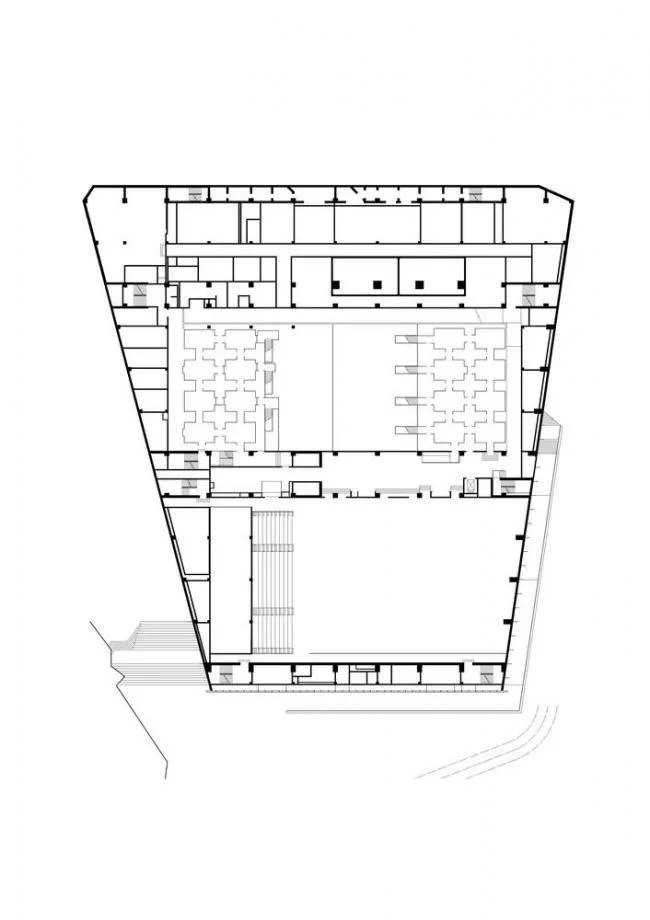
Second Floor Plan
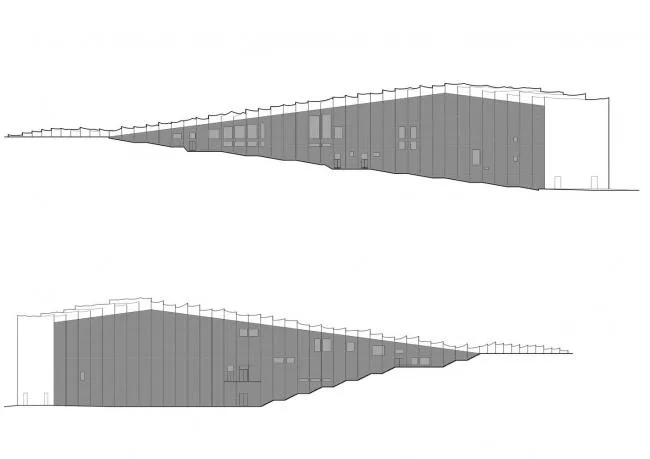
Elevation Drawing
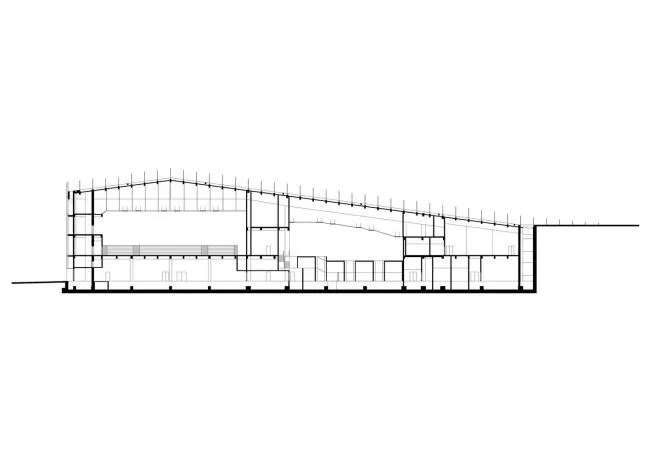
Sectional View
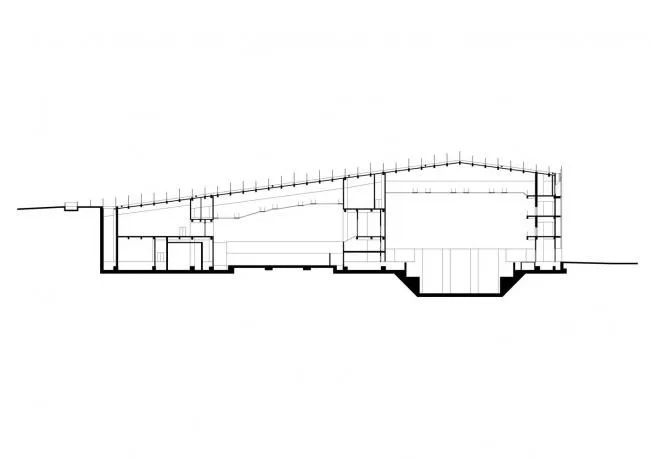
Sectional View
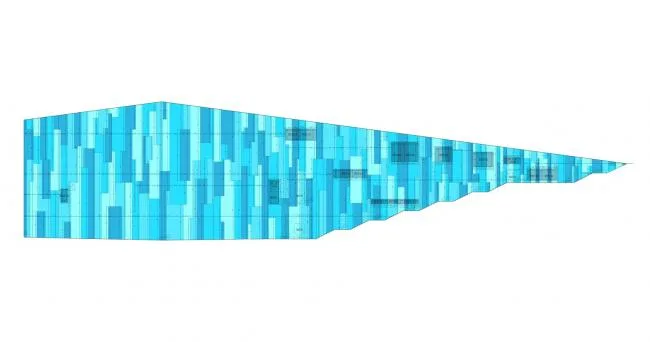
East Facade Louver and Mosaic Size Diagram
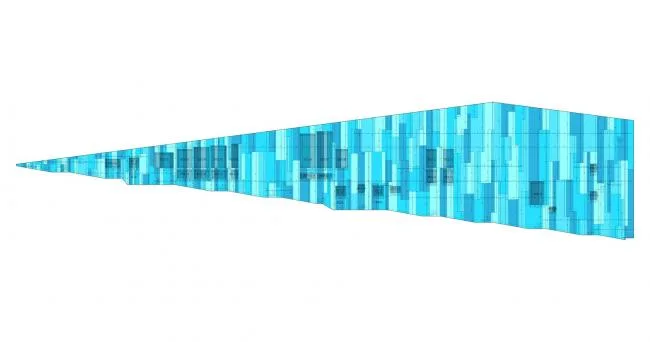
Size Drawing of Louvers and Mosaic on the West Facade
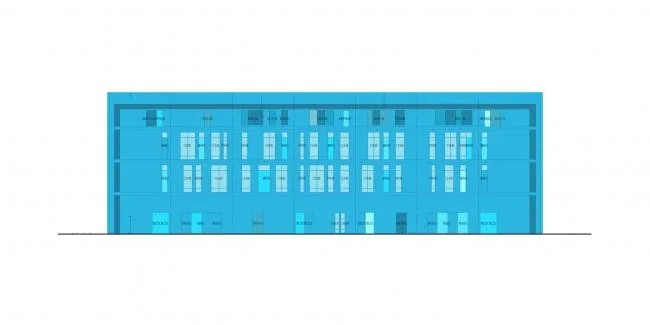
South Facade Mosaic Colors and the Color Layout of Doors, Windows, and Louvers
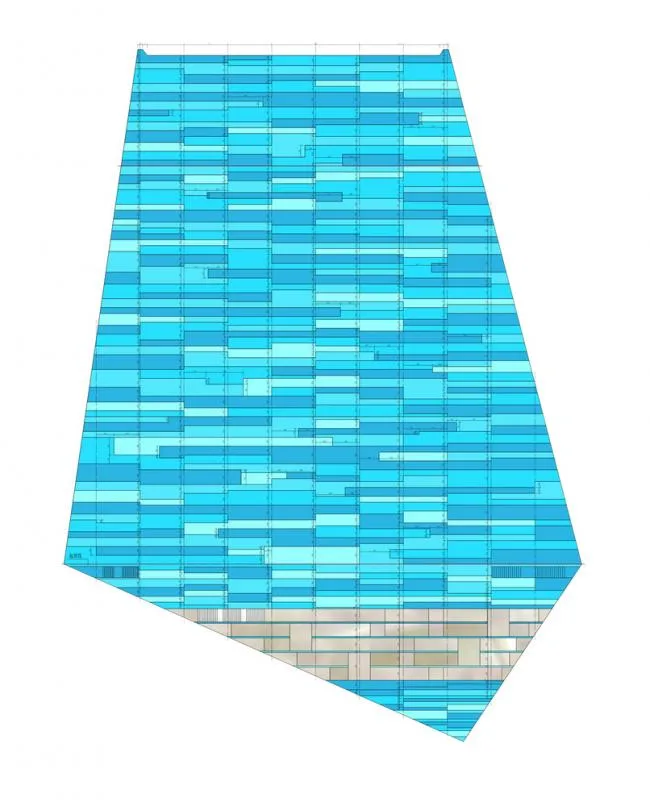
Roof Mosaic Layout Plan
Project Information
Architect: Zhu Xiaodi Studio · BIAD
Location: Dunhuang Theater, Dunhuang, Gansu Province, China
Category: Theater
Lead Architect: Zhu Xiaodi
Design Team: Hui Weiwei, Jia Qi, Fang Yuwei, Huang Gukai
Building Area: 19,900 square meters
Year of Completion: 2016
Photographers: Shu He, Yi Du
Manufacturers: Taiwan Glass, Seed












Must log in before commenting!
Sign Up