
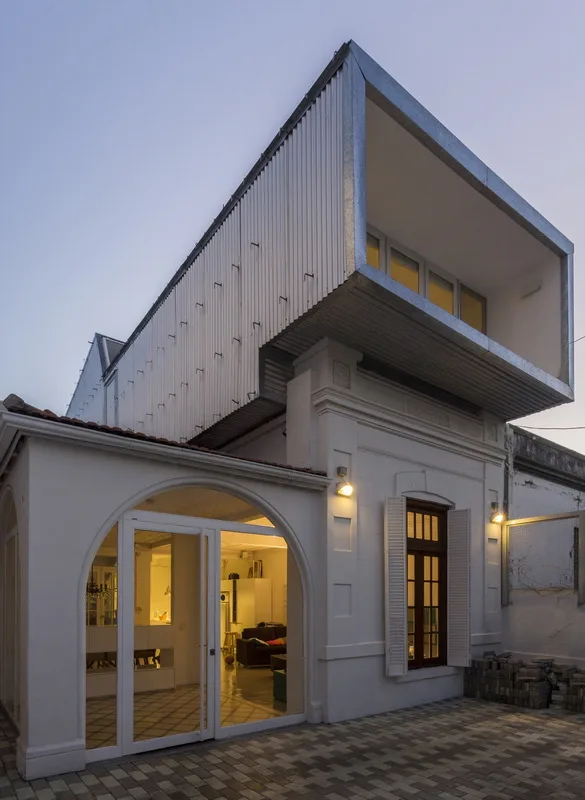
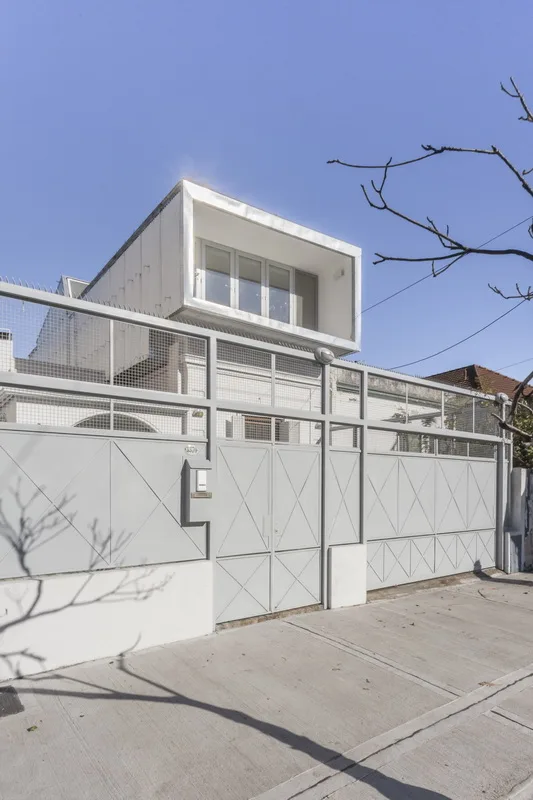
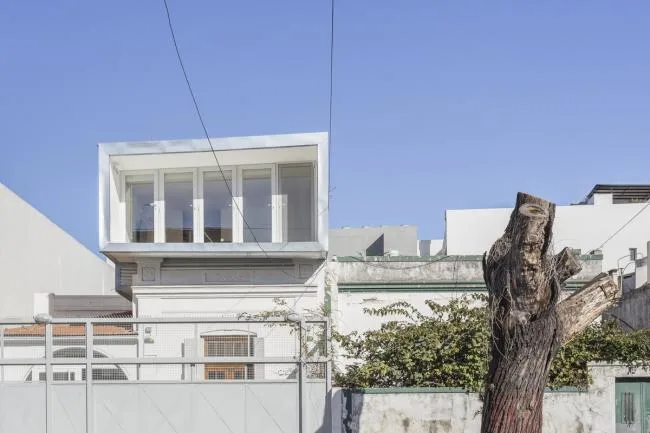
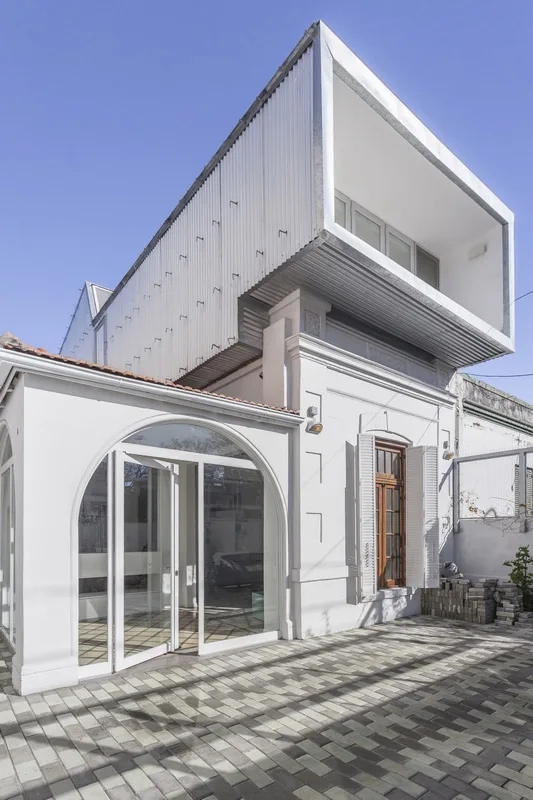
The Marta Residence exemplifies a design strategy frequently embraced by Estudio Borrachia. The newly added building volume is positioned above the original structure, aiming to connect them through the distinctive rooftop characteristics of Buenos Aires. This design introduces interactive relationships with the natural environment and urban microecology.
Through this reinterpretation, the concept seeks to foster a harmonious connection between humans, nature, and ecology, while respecting the existing urban framework. It envisions a landscape that supports coexistence and allows for future growth.
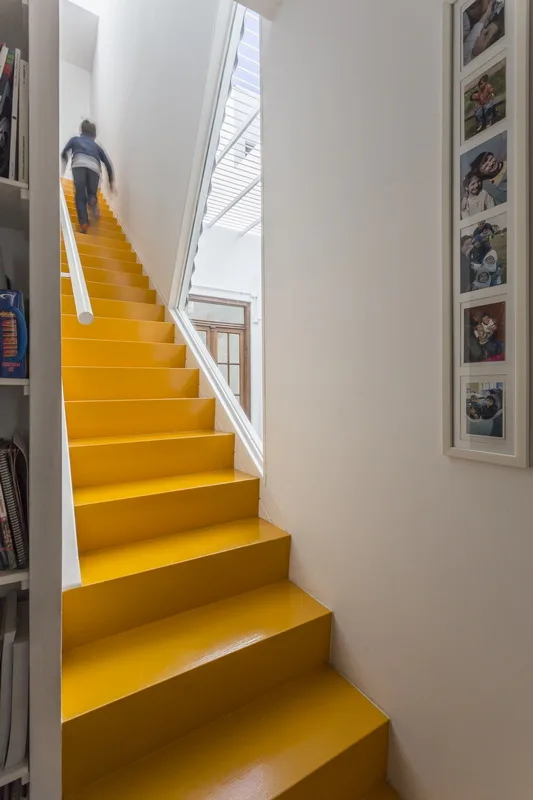
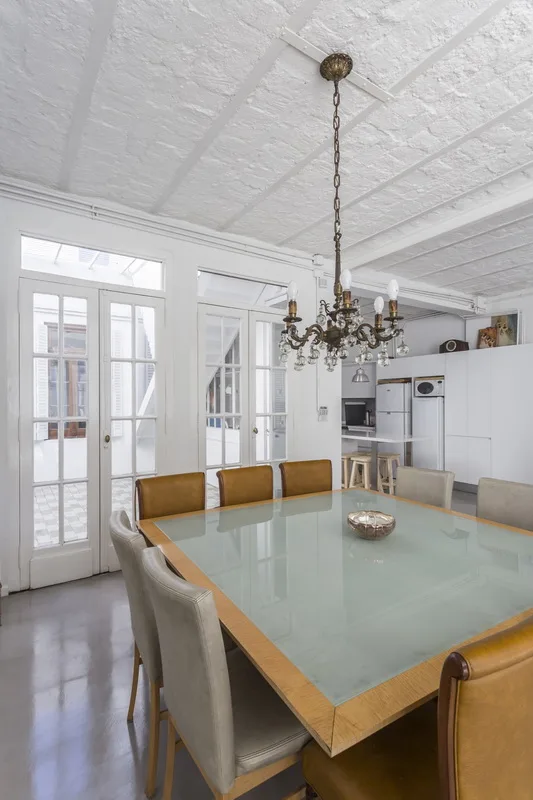
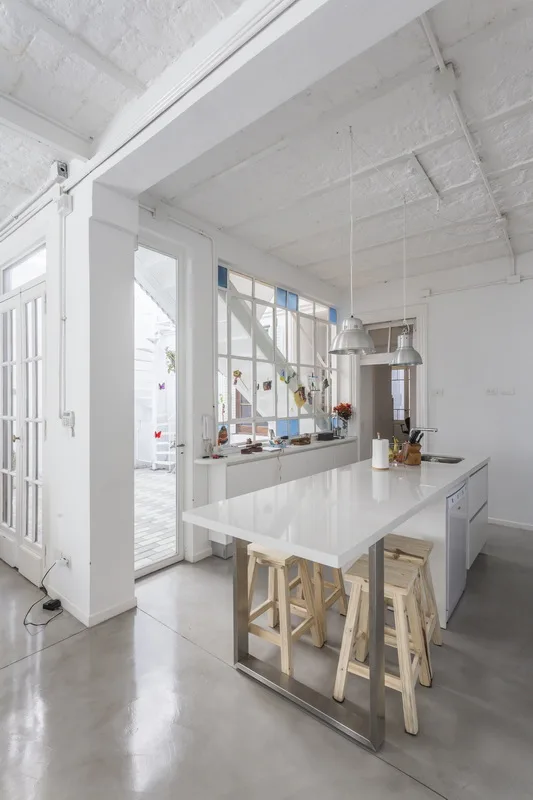
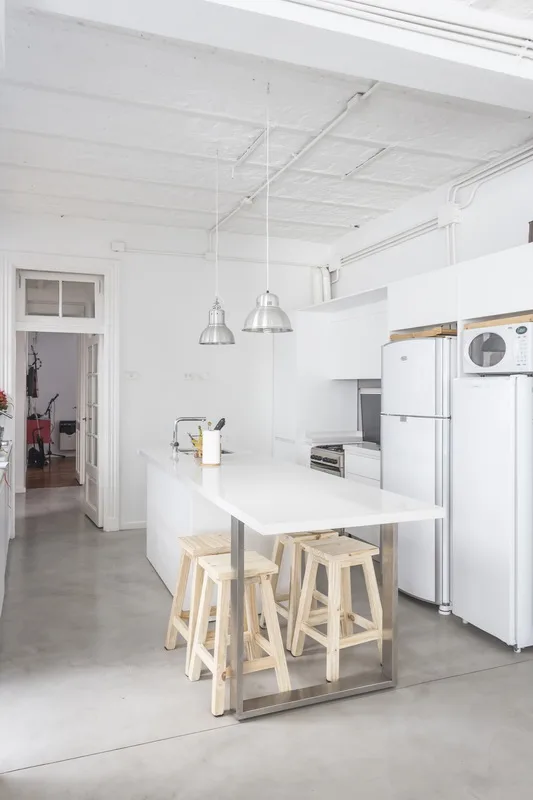
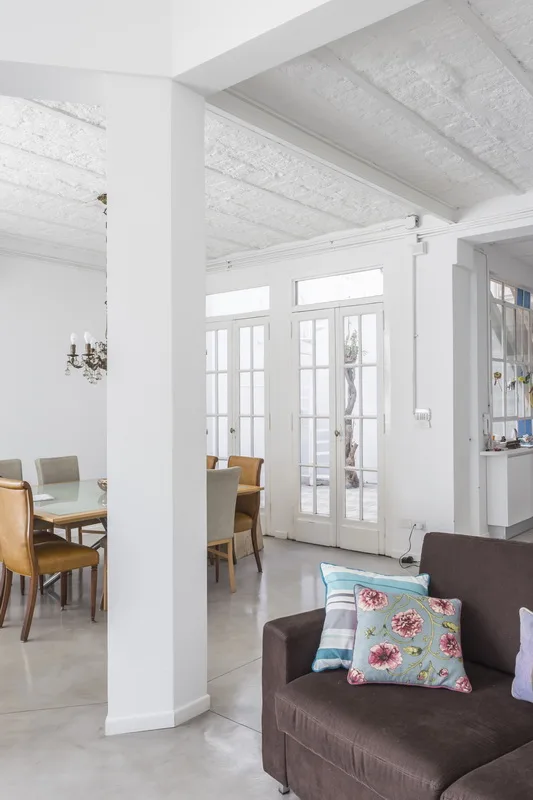
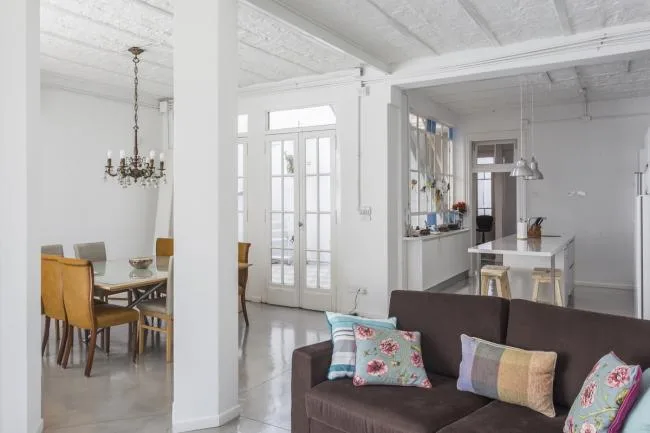
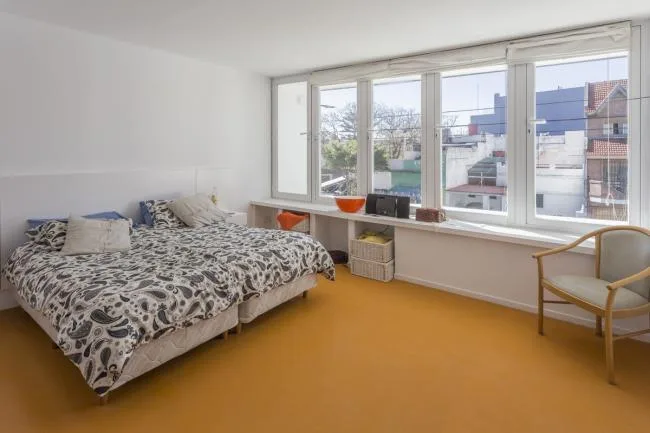
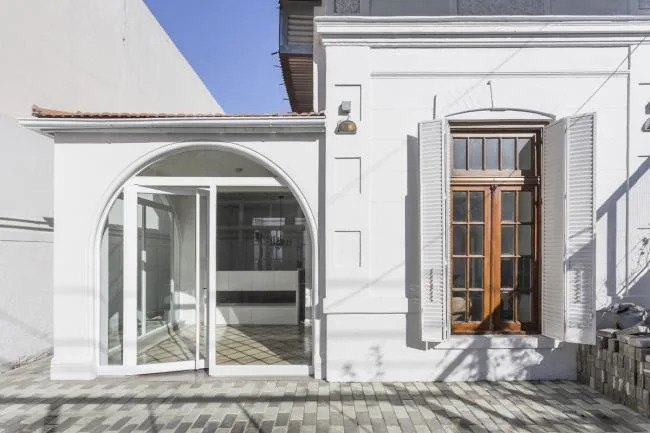
The house itself is a standalone villa from the early 20th century, typical of Buenos Aires’ central area. It was designed to accommodate a family of six, including four children aged between 9 and 14 years old.
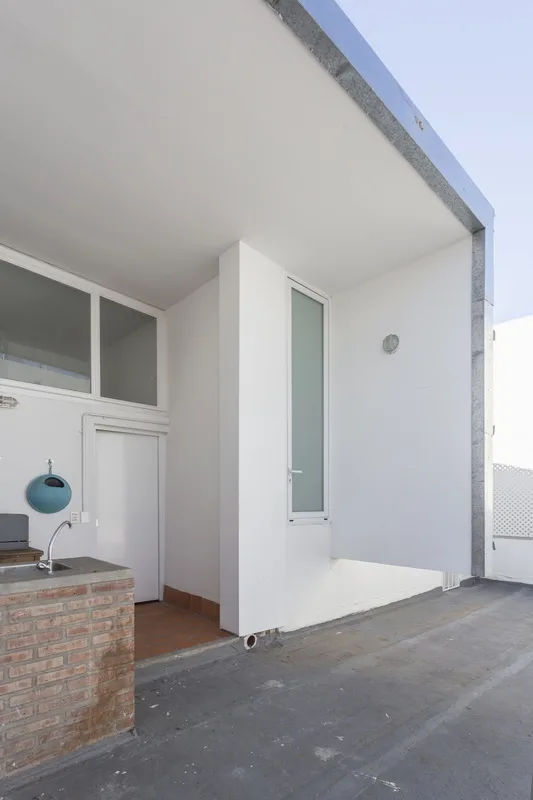
The renovation plan not only improves spatial functionality but also restructures the existing ground floor, master bedroom, storage, living area, and an upper-floor barbecue leisure space. The roof is utilized as a significant venue for family gatherings and expansion.
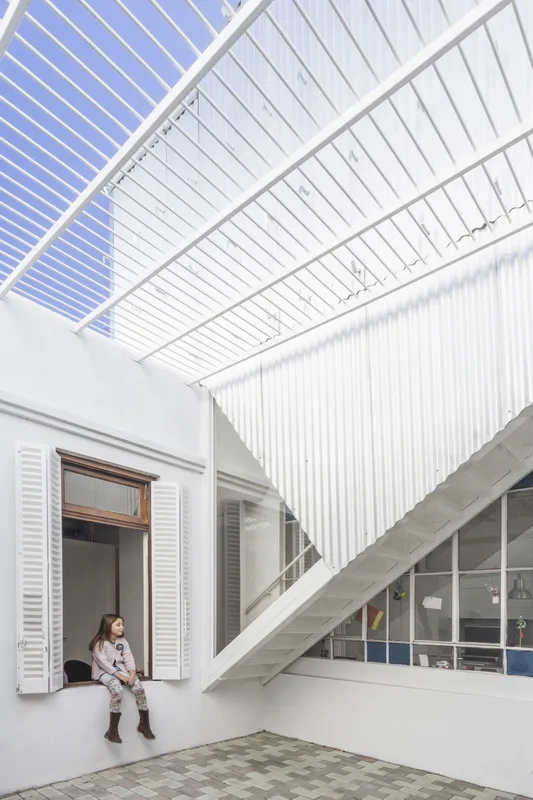
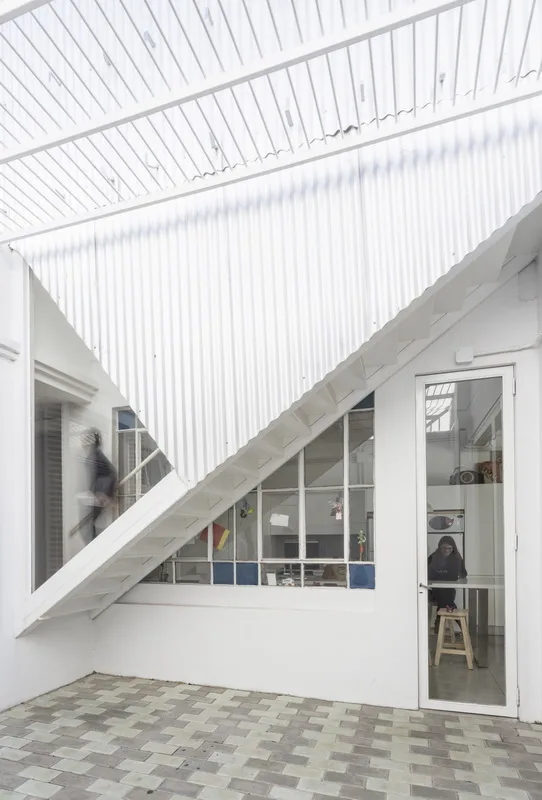
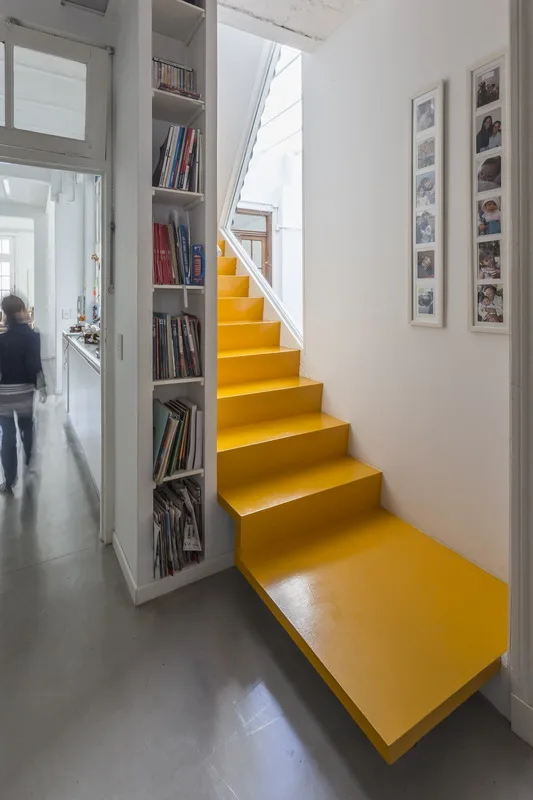
To complement the existing structure, a new building module was added on the upper level as a separate entity, featuring stairs accessing the second floor. The exterior is clad in metal to unify the old and new parts of the residence.
From the street, passersby encounter a unique architectural expression where the cantilevered cover extends into the interior, imparting character to the home through its thoughtful details.
 (BIM Learning)
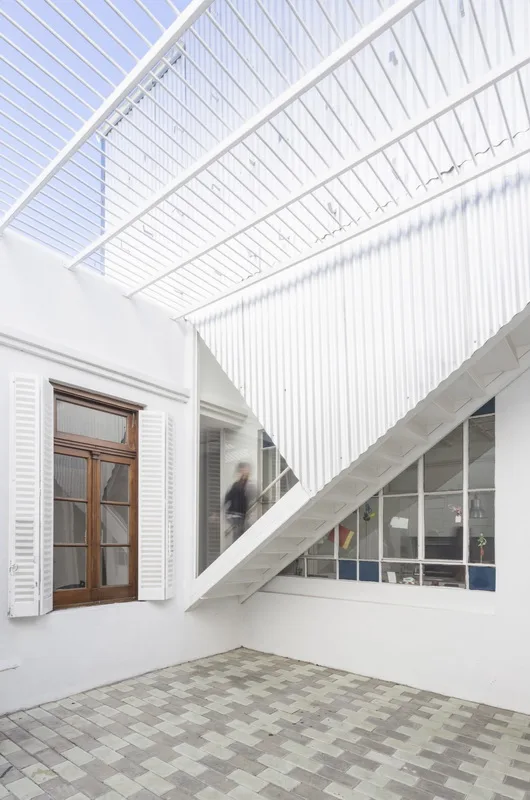
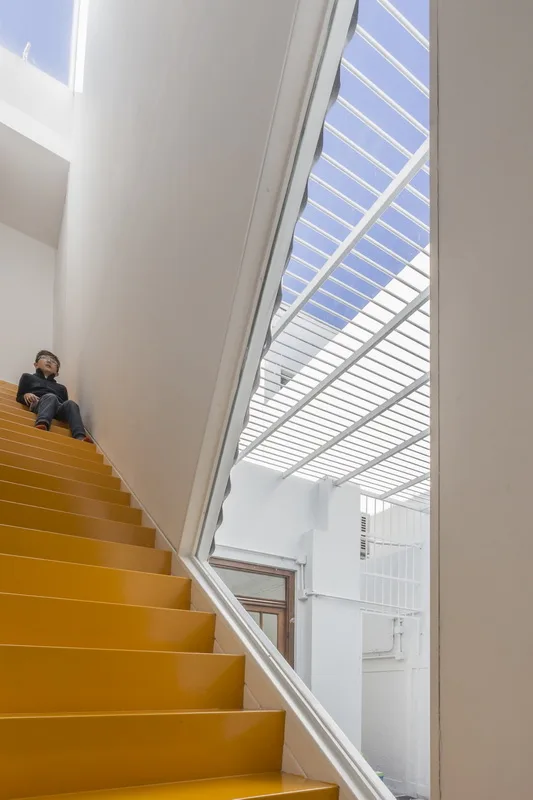
To improve the ground floor’s climate conditions, skylights were introduced above the stairs, complemented by new windows and cross-ventilation systems. This design promotes airflow, creating a natural cooling effect during summer and allowing sunlight to circulate freely, enhancing comfort throughout the home.
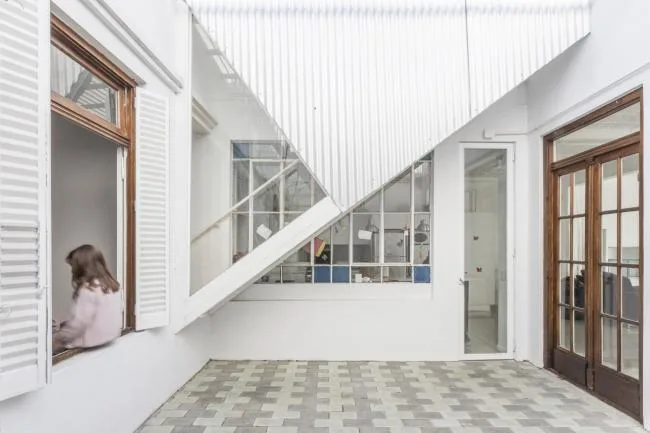
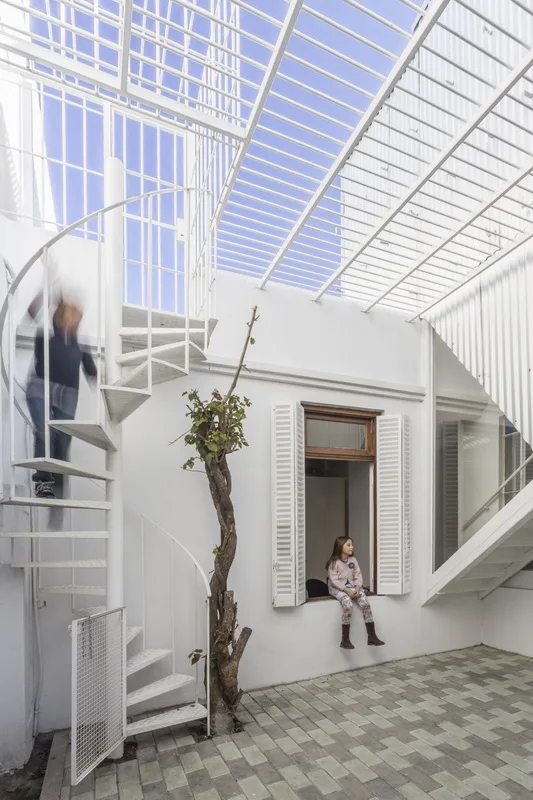
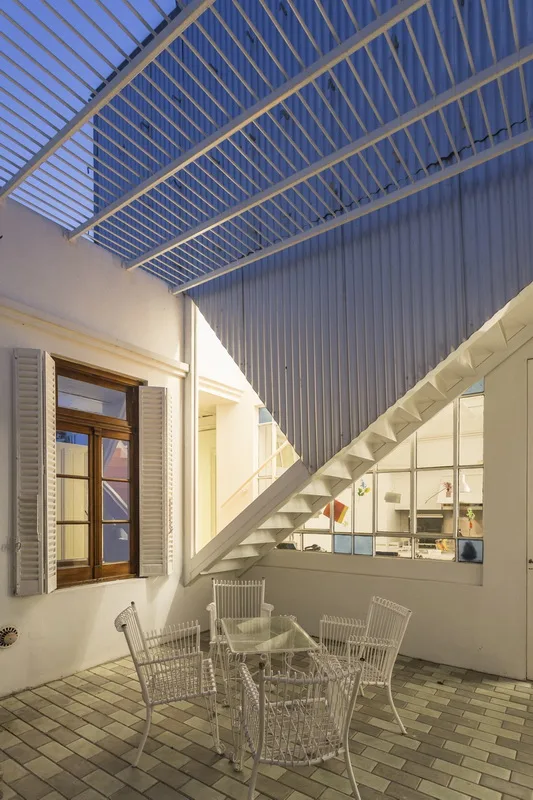
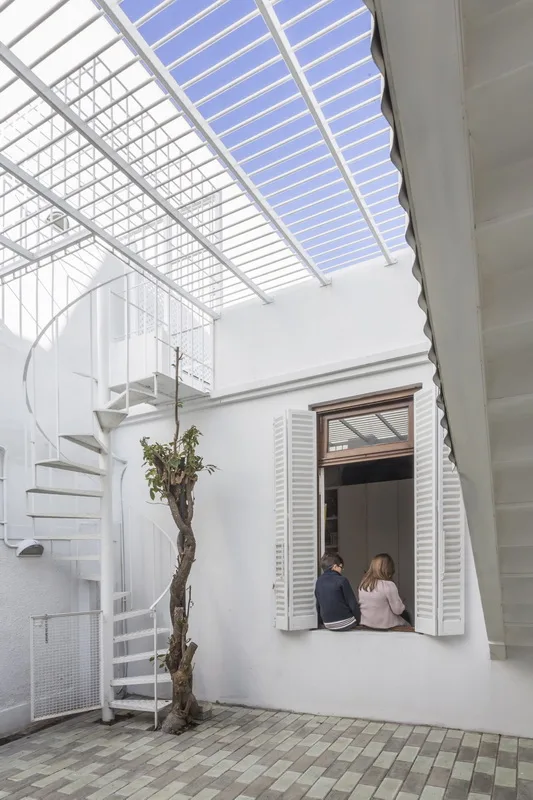
At the heart of the home, a redesigned courtyard connects public and private spaces. A staircase framework folds onto the existing volume, paired with a skylight that distorts perspective. This effect creates a prism-like appearance from certain viewpoints, inviting visitors to explore and experience a unique spatial sensation within the original structure.
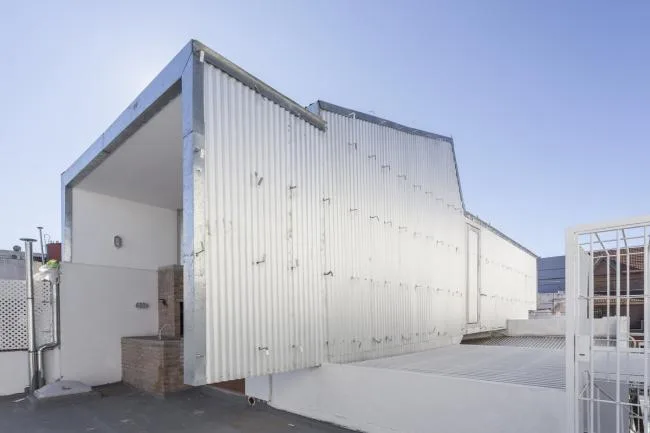
For the new volume, the design employs dry, covered metal plates secured with anchors and fastening screws. This system supports future plant growth, transforming the facade into a vertical garden ecosystem.
This microecological approach invites various species, including plants, birds, and insects, turning ordinary facades into vibrant, living walls that enrich the building’s identity and contribute to the city’s natural beauty.
As these nature-inspired interventions multiply, microecology flourishes above the built environment. This concept envisions increased urban density coexisting with a humane and pleasant cityscape for thousands of people.
Thanks to the integration of biological and microbial systems, the urban fabric becomes inhabitable and sustainable.
Drawings
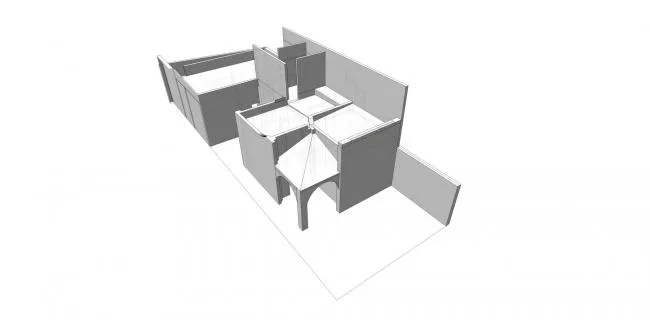
Analysis Diagram
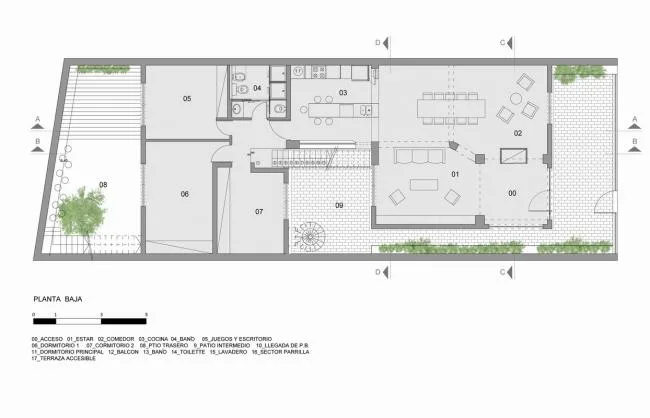
Ground Floor Plan
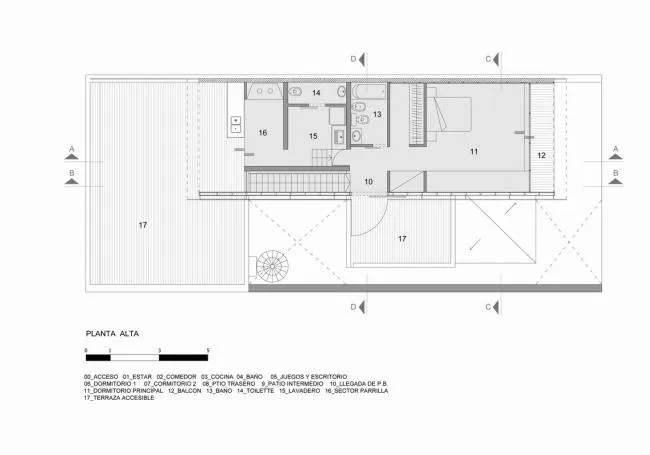
Floor Plan
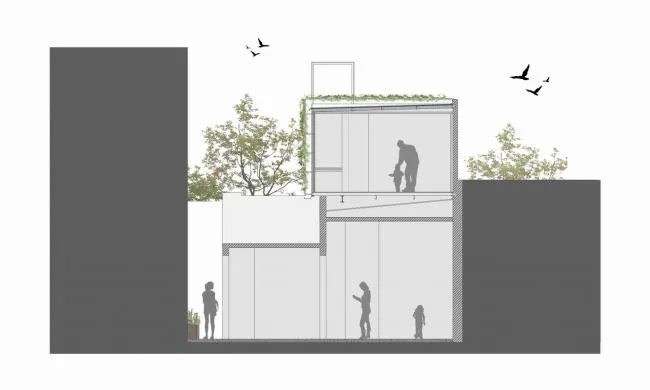
Transverse Section Diagram
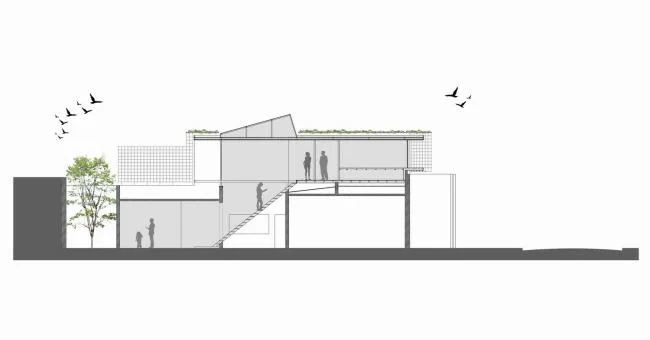
Longitudinal Section Diagram
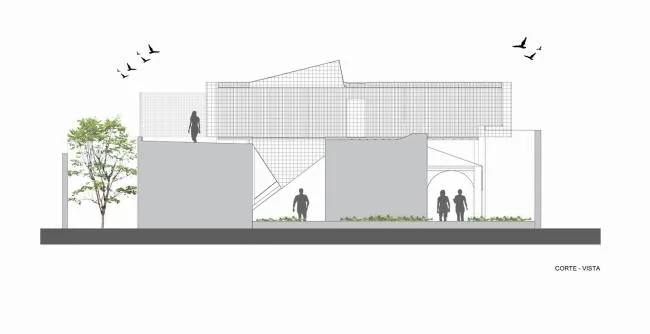
Landscape Section
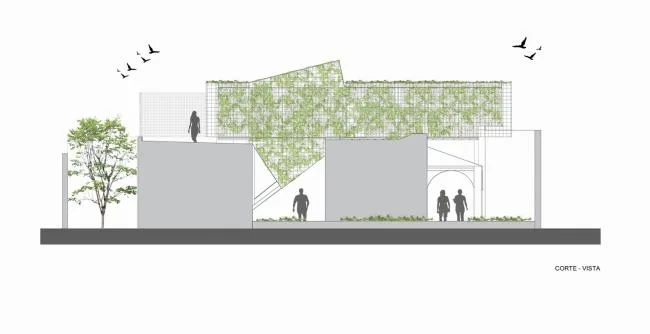
External Green Plant Profile
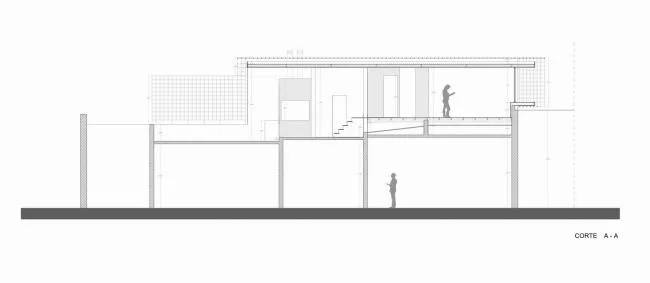
Sectional View
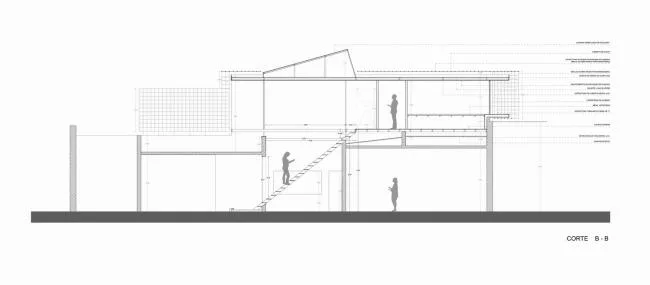
Sectional View
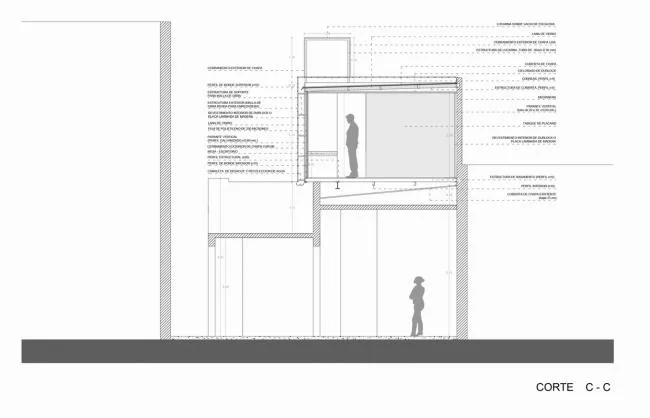
Sectional View
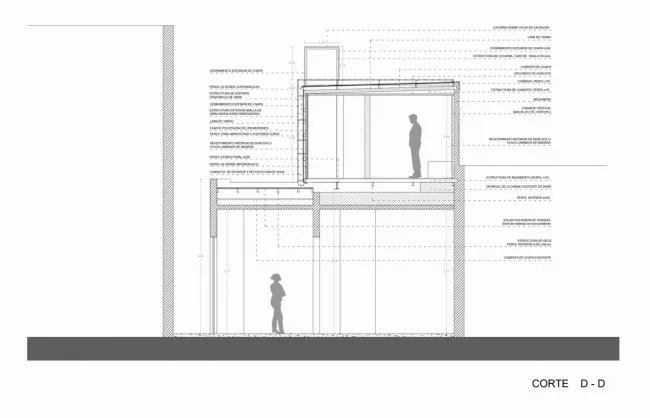
Sectional View
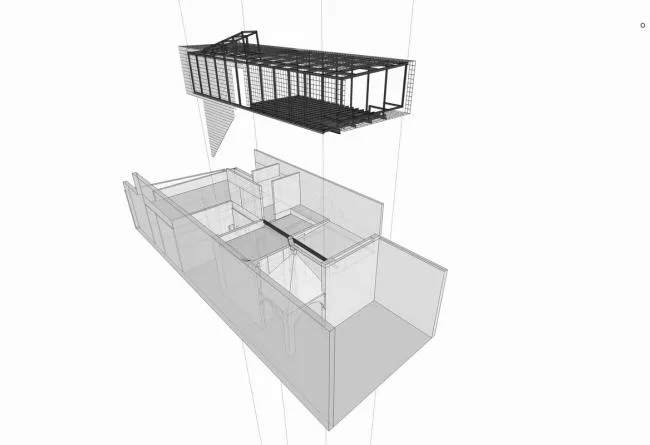
Bearing Structure Analysis Diagram
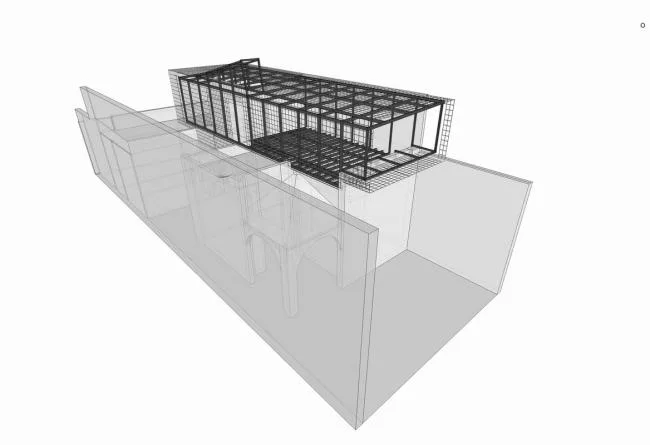
Bearing Structure Analysis Diagram
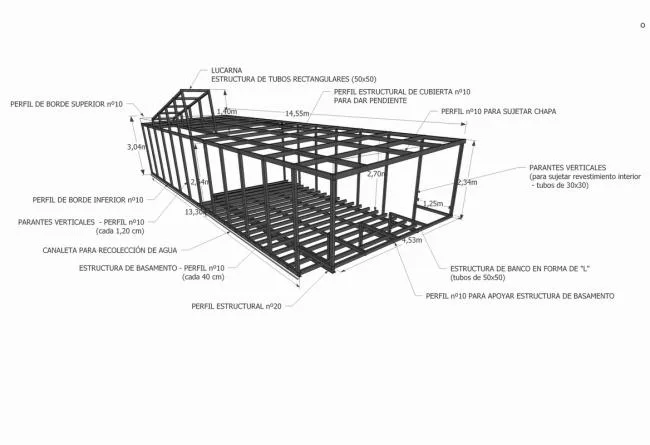
Conceptual Structure Analysis Diagram
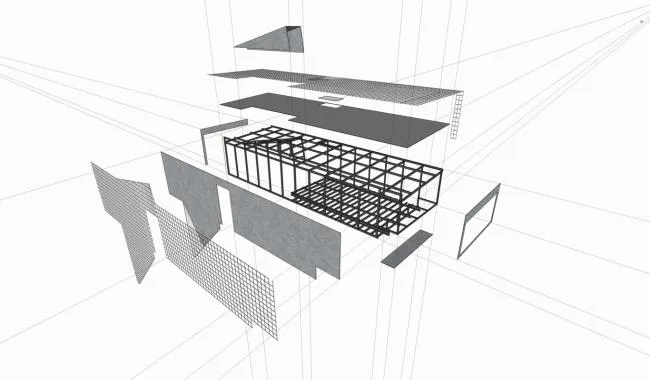
New Volume Structure Analysis Diagram
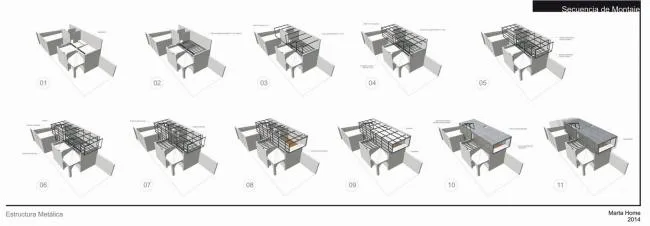
Conceptual Evolution Analysis Diagram
Project Information
Architect: Estudio Borrachia
Location: Belgrano, Argentina
Chief Architect: Alejandro Bolachia
Co-Architect: Matias Carloni
Client: FliaCarreiro
Building Area: 170.0 square meters
Project Year: 2017
Architectural Photography: Fernando Schapochnik, courtesy of Estudio Borrachia












Must log in before commenting!
Sign Up