






Translation:
First, I would like to thank the conference organizers for this opportunity. I am honored to briefly introduce the topic today.
Today’s lecture focuses on the development history, current status, and future trends of Nordic prefabricated buildings, with policies and case studies mainly from Finland.
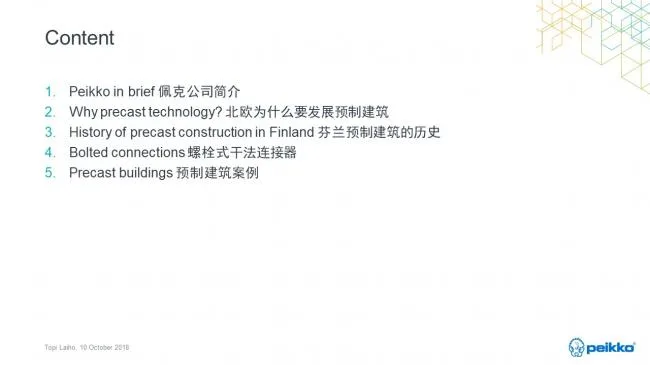
My presentation is divided into five parts: an overview of Peck Group; the motivation behind the rise of prefabricated buildings in Northern Europe; the history of prefabrication in Finland; the application of bolt dry connection systems; and classic Nordic prefabricated building projects.
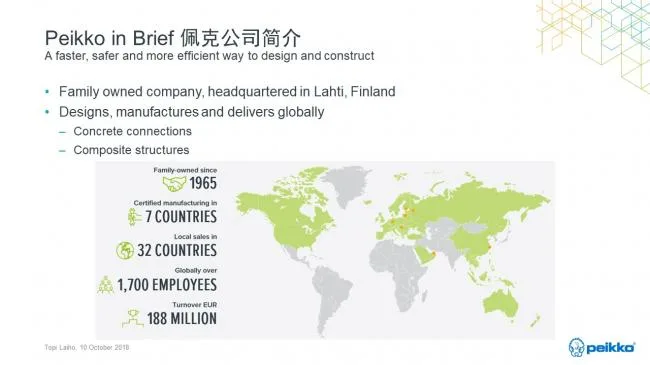
Peck is a company specializing in connection systems for prefabricated buildings. Our main technologies include horizontal connectors for concrete prefabrication and composite technologies such as composite beams and columns. We are an international company combining R&D and manufacturing, based in Zhangjiagang, Suzhou.
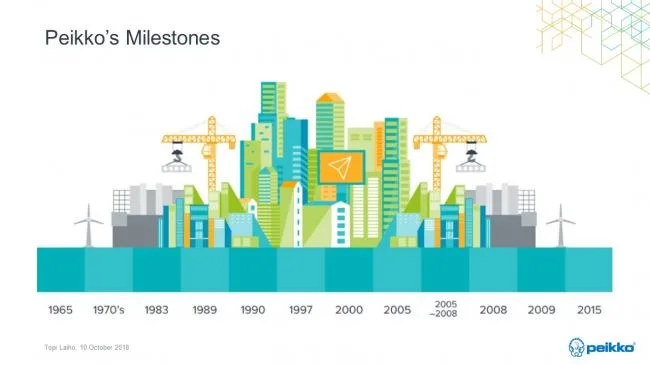
Peck’s connection technology has evolved alongside Finnish prefabrication. The company’s founder was an engineer at a major prefabrication firm. At that time, Nordic countries were producing sandwich insulation walls, but customers complained about the lack of connectors for joining inner and outer panels. This led to Peck’s first product: stainless steel connectors for sandwich panels, which are still widely used today.
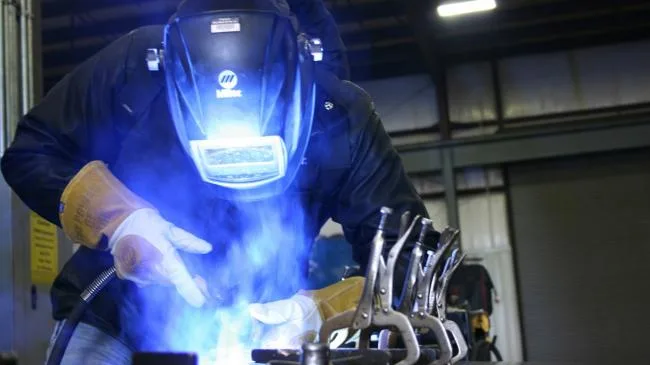
Later, Peck developed pre-embedded connectors, which I will discuss further. In the early days, welding was the primary method for concrete connections in Northern Europe during the 1960s and 1970s, but it had many limitations. In the early 1980s, Peck independently developed the bolt-type connection system, now considered the third generation of connection methods. Over 20 years, this bolt system has expanded beyond vertical column foundations to include various beam and column connection nodes.
Having worked extensively with prefabricated construction in Northern Europe, I’d like to explain why this region has embraced prefabrication. The climate and development history of Northern Europe, especially its northern areas, might offer insights relevant to northern China.
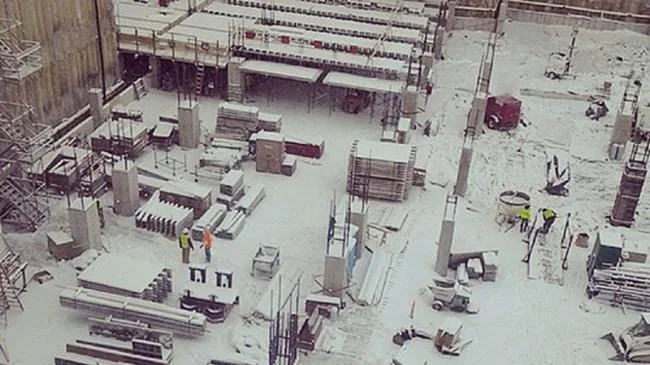
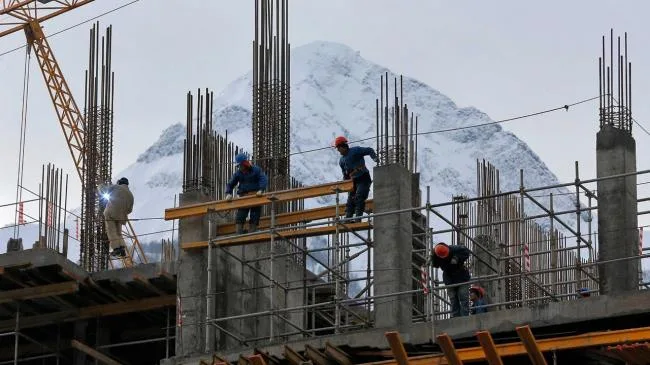
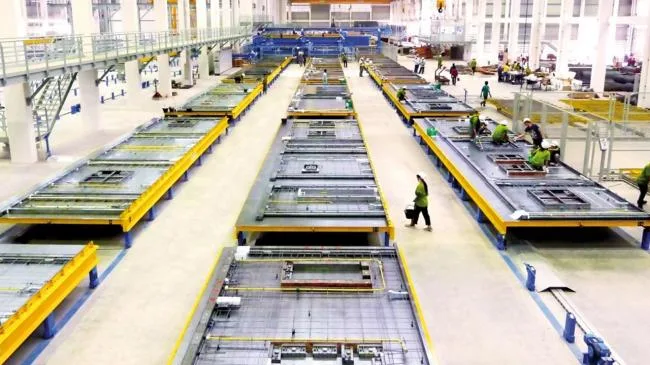
The primary factor is climate. Northern Europe often experiences several days of continuous snow, shortening workable hours and extending rest periods annually. Construction outdoors is challenging due to harsh weather, making safety, health, and quality difficult to maintain. By shifting construction indoors to controlled environments with consistent temperatures, productivity, quality, and management improve dramatically.
Now, let’s review the history and present state of prefabrication in Finland, which shares similarities with the developments described by Mr. Peter Sailer in Germany.
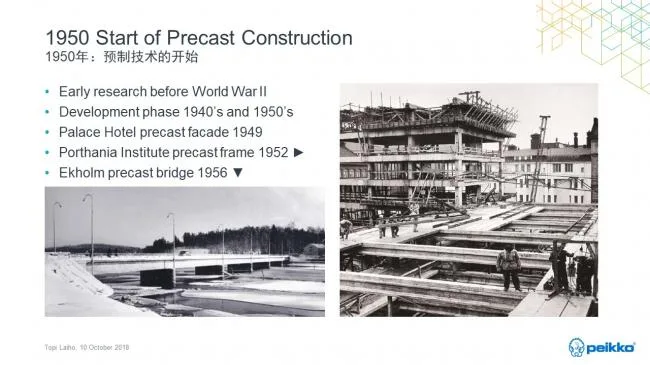
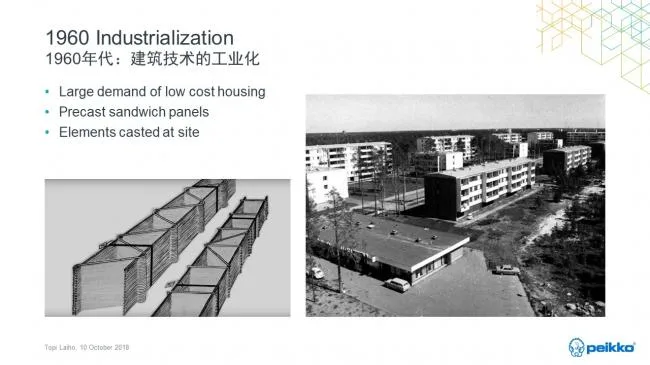
Prefabrication in Finland and broader Northern Europe began before World War II, although financial constraints meant most construction was still cast-in-place. After the war, reconstruction efforts accelerated, prompting the growth of prefabricated modular construction. The first prefabricated building used wooden wall panels in a palace hotel. During the 1952 Helsinki Summer Olympics, many buildings employed prefabrication. By the 1960s, Finland experienced major social changes, with rural residents moving to cities, spurring increased urban housing demand.
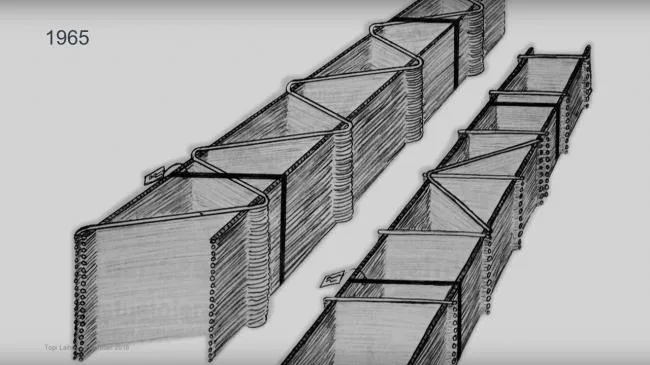
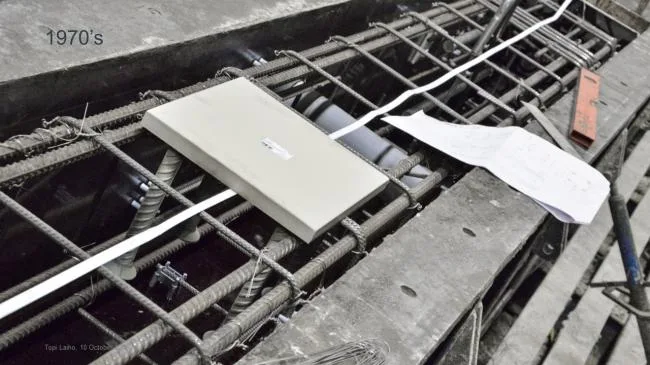
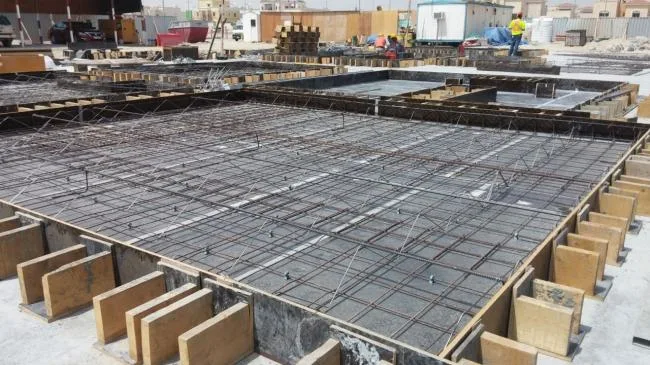
Demand for Nordic sandwich walls rose sharply, and these panels became widely used. The image above shows a typical Nordic sandwich wall before concrete pouring, featuring a triangular flat connector that joins the inner and outer panels.
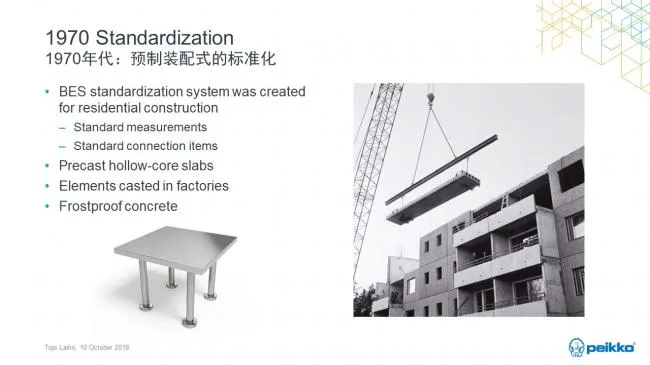
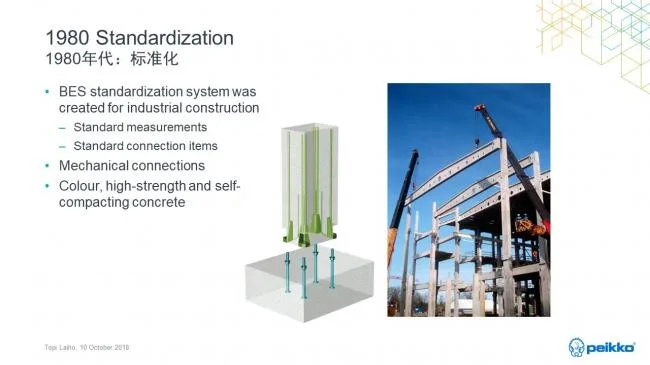
In the early 1970s, Finland’s prefabrication industry saw major shifts. The BES organization was founded to standardize processes and oversee prefabrication factories, mainly focusing on residential projects. BES standardized inspections, connectors, and components like walls and stairs, streamlining workflows for designers, factories, and construction teams by providing clear standards.
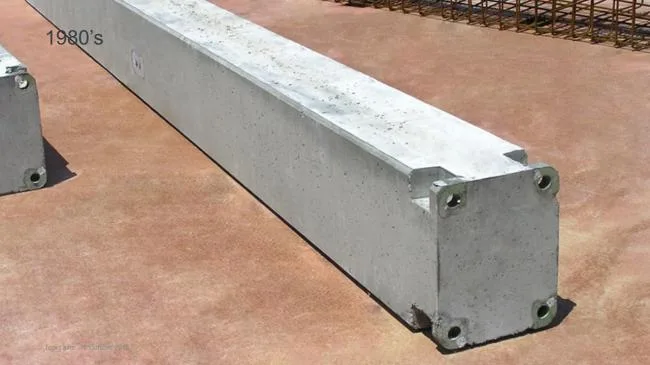
Earlier, prefabricated building connections in Finland relied on welding, which posed challenges related to climate, worker skill, and site management. In the 1980s, BES shifted its focus to industrial buildings, where beams and columns also needed prefabrication. During this period, bolt connections — known as mechanical connections — replaced welding. Other innovations such as colored, high-strength, and self-healing concrete were introduced in prefabrication.
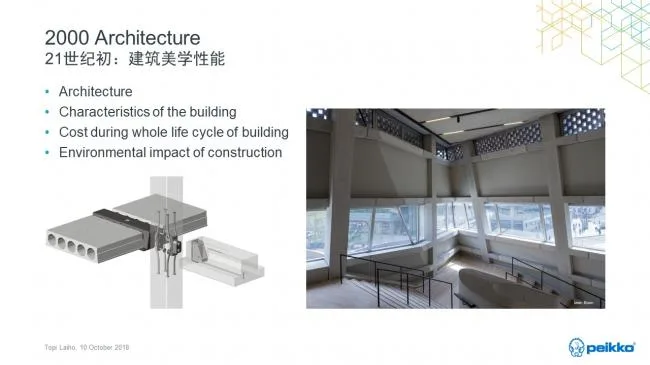
By the late 1980s, prefabrication productivity and quality had improved significantly. However, a new challenge emerged: buildings started to look uniform, like boxes. Thus, in the 21st century, the focus shifted to enhancing architectural aesthetics through prefabrication.
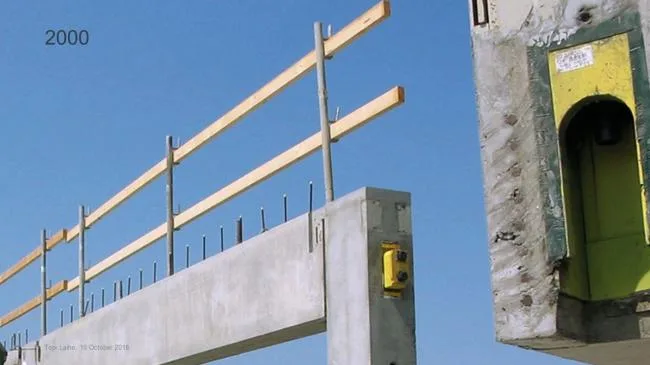
At the century’s start, optimizing the lifecycle value and cost of prefabricated buildings became a priority. For example, insulation thickness in sandwich walls increased from about 60–70 mm to 200 mm (20 cm) in Nordic countries, reflecting a greater emphasis on reducing maintenance costs over a building’s entire life, rather than just initial construction costs.
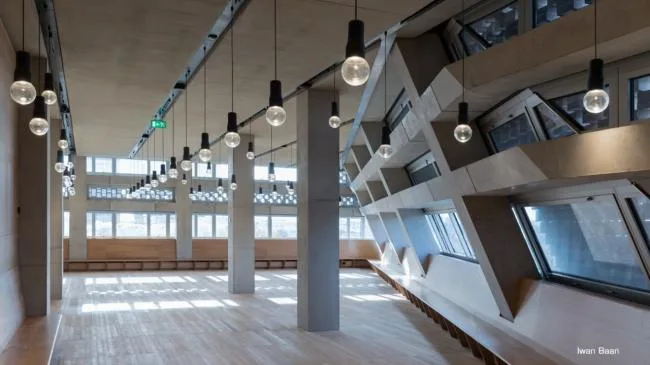
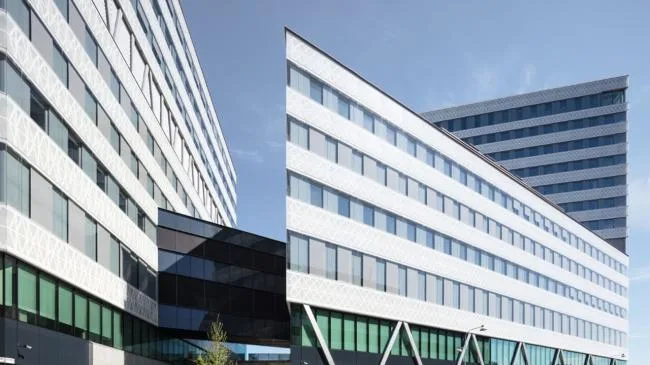
The prefabricated building above demonstrates architectural beauty, exemplified by a London museum featuring straight corridors uncommon in traditional construction.
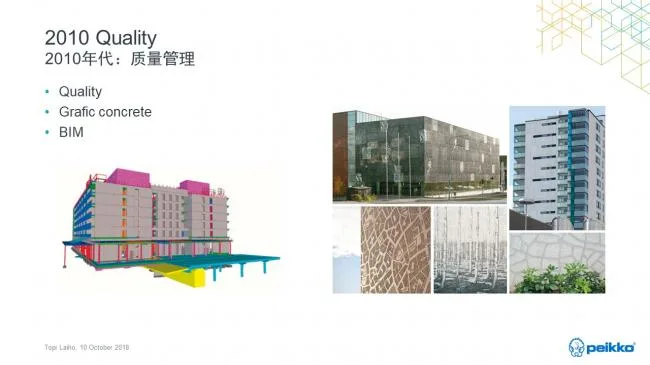
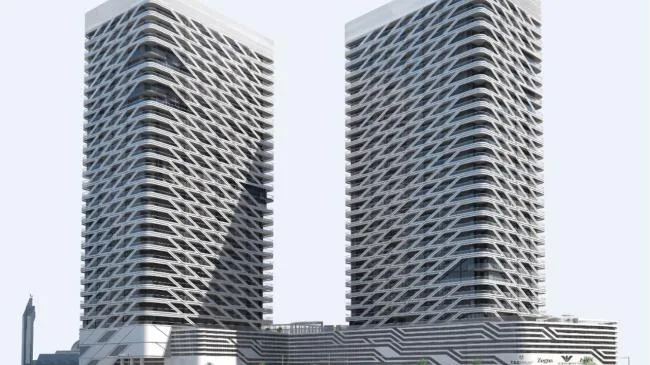
After 2010, the focus turned to improving prefabrication quality. In Northern Europe, productivity is no longer a major issue. Finland pioneered the use of ultra-high-performance concrete with decorative surfaces, called graphic concrete, which can be formed into grid or other patterns with excellent visual impact. BIM technology also gained popularity.
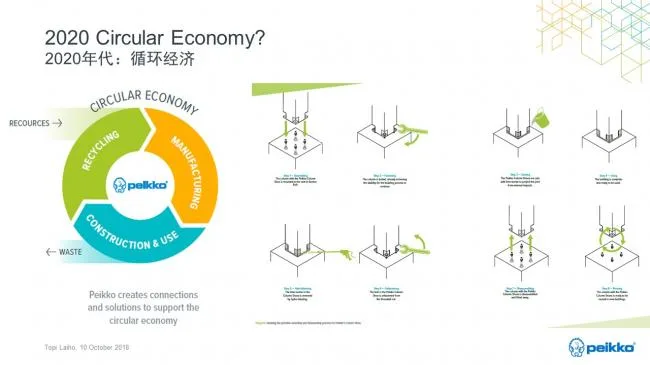
What about the future? While no one can predict it precisely, we can suggest directions. Circular economy principles are emerging, encouraging us to consider not only building design but also reuse and recycling after buildings are decommissioned. For example, the dry connection system shown in the right image allows buildings to be dismantled efficiently when urban development shifts.
Now, let’s explore the bolt dry connection system, sometimes called “mechanical connection” or “advanced dry connection.” Here’s a video demonstration.
The bolt connection is pre-embedded in factory-made components and installed onsite. Installation is quick; the structure immediately bears load after assembly. Typically, only two people are needed to install prefabricated houses. For example, erecting a pillar, regardless of height, takes just 10 to 15 minutes. We have built pillars over 30 meters tall in Europe. There are three options available: (English), (English), or mechanical (English). This method is common in Northern Europe and unaffected by rain or snow in winter. Quality is maintained easily, as grouting requires no pressure—simply filling bolts with concrete suffices for visual quality control and onsite management.
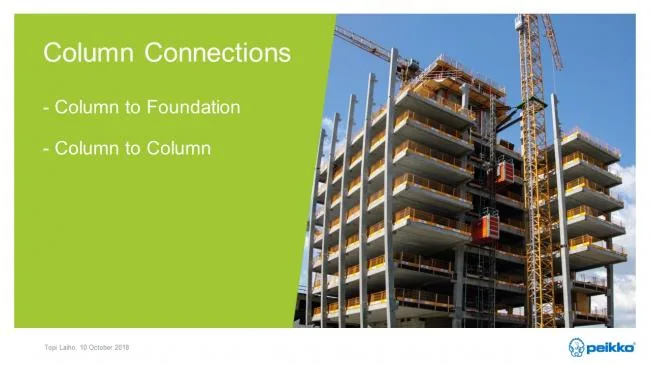
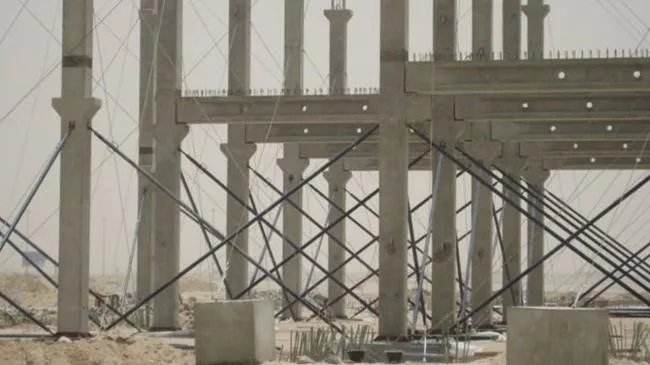
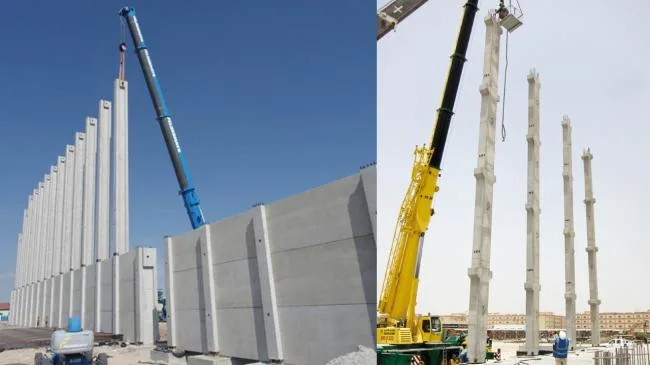
Bolt connections are used not only for vertical foundation connections but also for beam-to-column joints. Why bolts? Traditional European connections require extensive support structures that consume space and reduce safety and efficiency. Bolt connections eliminate the need for such supports. For example, the image on the right shows a 28-meter-high shopping center in the Middle East built without any support, relying solely on foundation stability. This project progressed 3-4 times faster than traditional prefabrication.
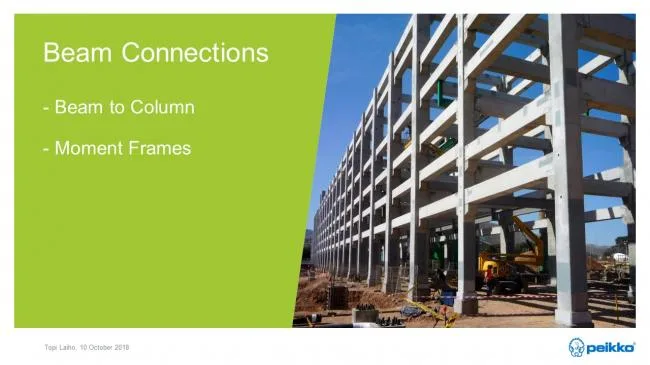
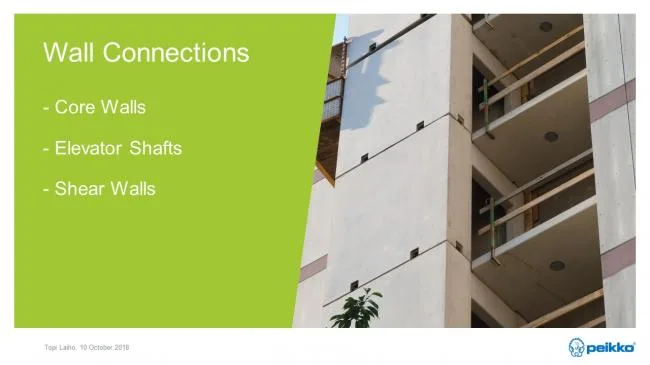
Similarly, many Northern European projects employ bolt dry connections for horizontal beam-to-column joints, especially in pipe galleries and industrial buildings with rigid structural frames. Many countries also use bolt connections in tight wall assemblies and elevator shafts.
Next, I will present examples of dry connection projects worldwide:
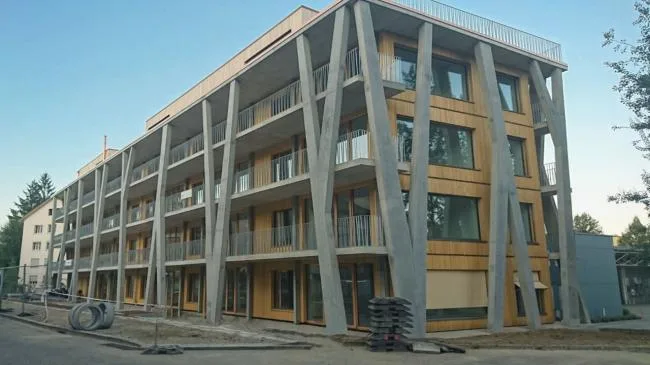
This smaller building in Switzerland reflects the architect’s vision well. The columns support the roof, with vertical connections made using bolt systems.
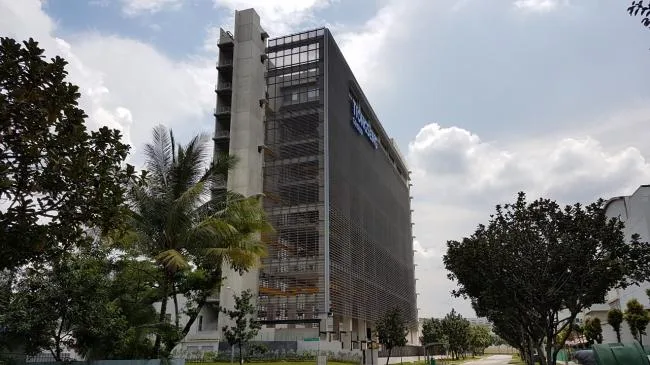
Here is a nine-story industrial building in Singapore, fully constructed using prefabrication and bolted connections.
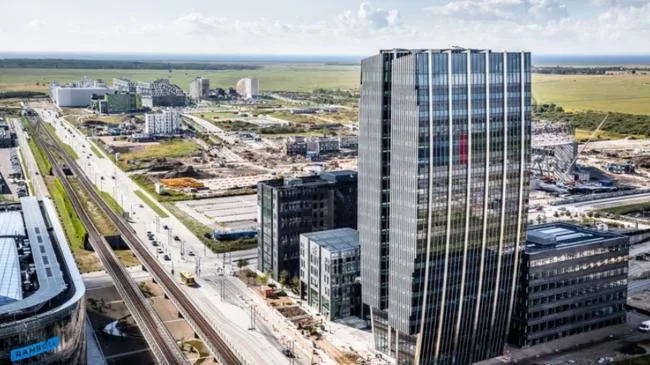
In Denmark, a 25-story office building features a fully bolted frame structure.
Here is a video of a rare high-rise residential project in Northern Europe using bolted connections.
This 30-story residential building in Denmark uses rigid nodes that require no support during erection.
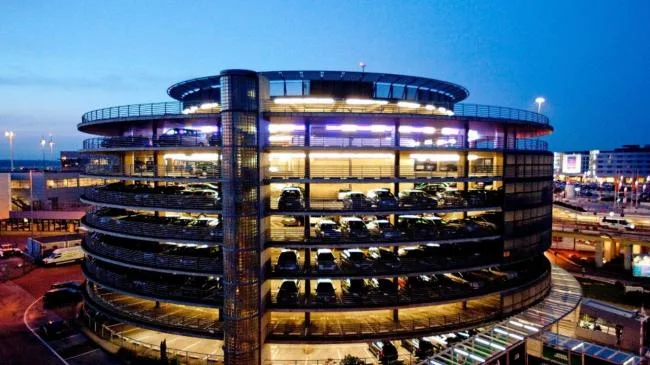
Other examples include a parking garage in Germany, a university campus in Sweden, and a shopping center in the UK. These projects are favored by architects for their ability to express design concepts.
A particularly interesting project in Abu Dhabi features beams and columns connected by bolts, with horizontal and vertical joints assembled using bolt dry connections. The beams are inclined, illustrating the system’s versatility.
Thank you all for your attention!














Must log in before commenting!
Sign Up