
The greatest advantage of industrialized home decoration lies in its factory-based assembly line production. This method significantly boosts the efficiency of traditional home decoration manufacturing while ensuring consistent product quality.
Some might wonder: How can product uniformity be avoided when producing home decoration items on factory assembly lines? How can industrialized home decoration adapt to the diverse design preferences of different homeowners?
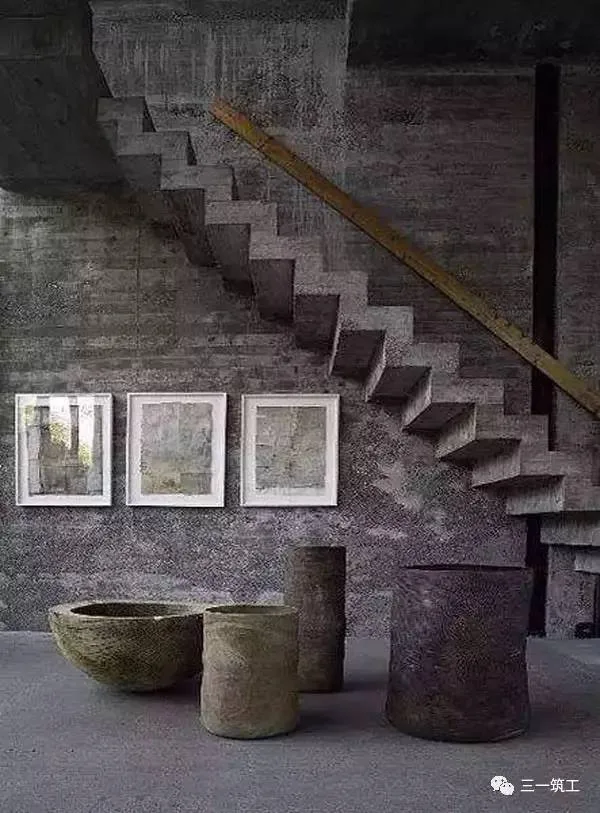
What is Industrialized Home Decoration?
Industrialized home decoration, also known as prefabricated decoration, refers to a process where industrial components are assembled and constructed by skilled workers using dry methods, following standardized procedures.
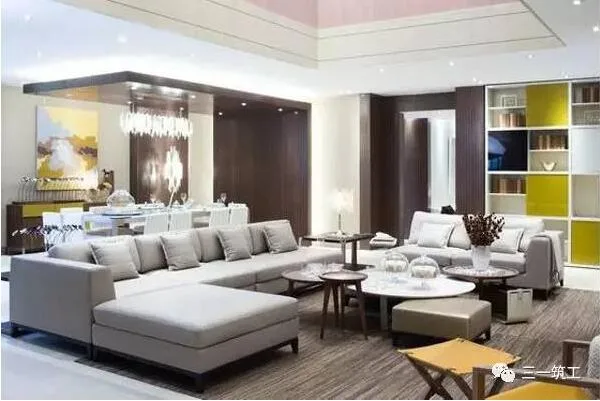
The Four Key Characteristics
1. Standardized Design
This involves integrating architectural and decoration design through collaborative BIM modeling, ensuring zero conflicts among structures, equipment, pipelines, and decorative elements.
By utilizing the BIM database, simply input the precise address, eliminating the need for on-site measurements. Decoration companies can swiftly select main materials from their existing library to create design drafts.
2. Industrial Production
This means standardizing product components, their models, specifications, and overall design.
Using BIM design drawings, data is sent to factories for customized production. Finished products are then delivered to the site for assembly.
Industrial production covers a wide range of household materials and furniture, including wall panels, basins, countertops, doors and frames, feature walls, shower partitions, integrated kitchens, beds, bookcases, dining tables, and more—all produced through industrial methods.
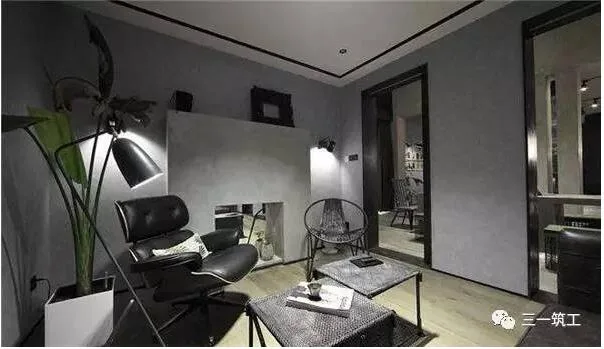
3. Prefabricated Construction
On-site assembly is carried out by industrial workers, with standardized assembly procedures managed through factory protocols. For example, if you want to replace a suspended ceiling, simply submit your request to the workers for prefabricated assembly, and the replacement can be completed within a few hours.
4. Information Technology Collaboration
This encompasses the standardization and modularization of components, seamless collaboration from measurement data through factory intelligent manufacturing, to on-site progress tracking and project coordination.
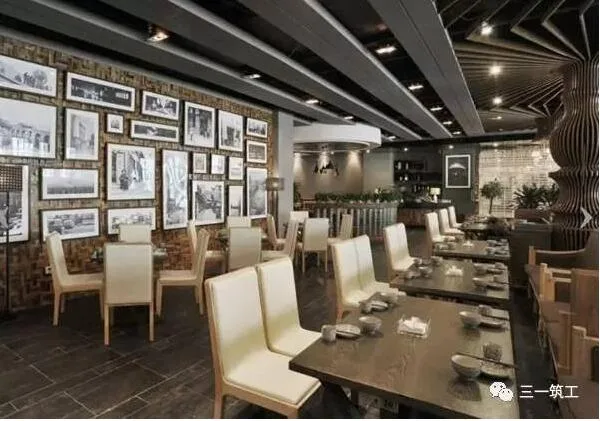
From the Consumer’s Perspective
Industrialized home decoration significantly enhances construction efficiency and shortens project timelines. For example, the average construction period for a high-end residence can be reduced to about two months.
Compared to traditional methods, industrialized home decoration minimizes dust pollution, water and electricity waste, and maintains cleaner, tidier construction sites, thus avoiding material waste.
From the Industry’s Perspective
Industrialized home decoration leverages factory manufacturing and modular construction to transform decoration products into finished goods, reducing errors caused by manual on-site work, minimizing resource waste and labor consumption, and improving both efficiency and quality.
It is clear that industrialized home decoration is an inevitable trend in the industry. With the rapid advancement of the Internet and industrial technology, the challenge remains: how to flexibly apply industrialization to our production and daily lives in an efficient and high-quality way. This is the ongoing goal of industrialization.













Must log in before commenting!
Sign Up