
The assembly methods and processes in Chinese construction have reached maturity. Today, much of the industry’s focus has shifted toward industrial interior decoration and prefabricated components.
The Keyi Full Decoration concept aligns perfectly with industrial development. Relying on four major production bases, expert R&D and management teams, and precision manufacturing equipment, Keyi steadily advances the path toward fully decorated residential buildings.
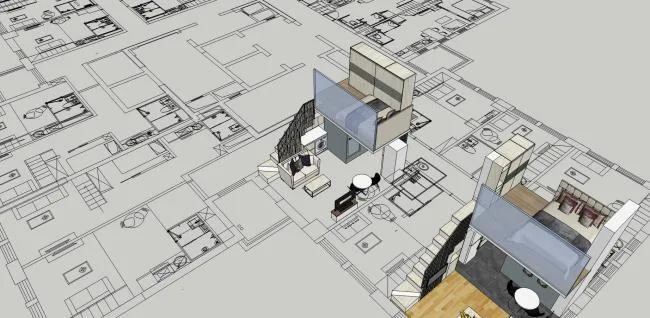
While enhancing the fundamental decoration components of bathrooms and kitchens, Keyi is actively expanding into the full decoration industry, embracing a diversified development strategy.
For full decoration using assembled parts, an industrialized fine decoration system is implemented. This approach ensures close coordination across production, assembly, and service throughout the entire process. The Keyi APP platform facilitates collaborative operations, effectively addressing common issues in management, service, and quality control.
Prefabricated construction aims to segment process nodes as much as possible. Although small quantities may not yield efficiency benefits, once production reaches a certain scale, significant advantages become apparent. However, these benefits depend on the specifics of each project.
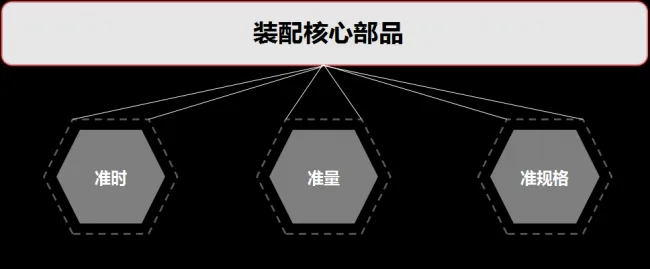
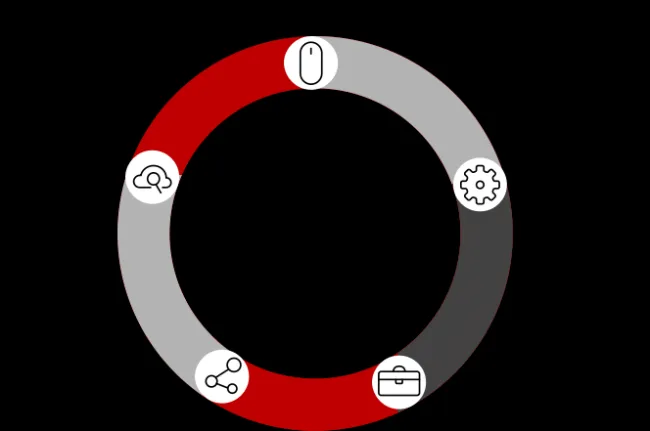
Five Key Work Phases in Keyi Prefabricated Residential Buildings:
1. Prefabricated Building Design
Component materials form the foundation of residential construction and directly impact quality of life. Modular design also enables maximum cost control early on, optimizing overall project costs.
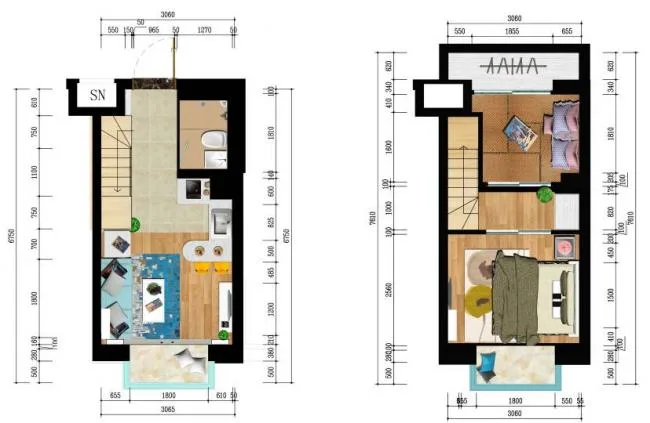
2. Prefabricated Production
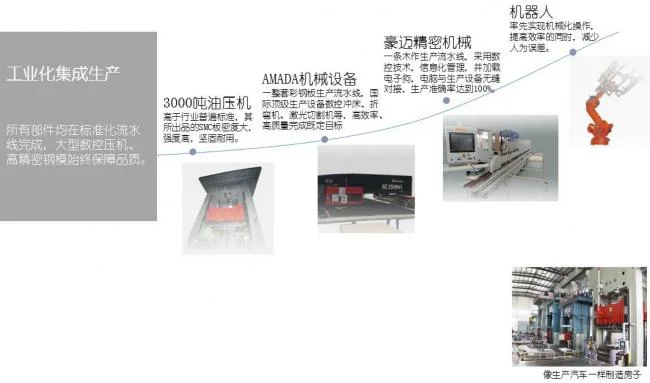
Integrated factory-based industrial production ensures millimeter-level precision. This approach reduces the construction industry’s environmental impact and promotes low-carbon, energy-saving, green, ecological, and sustainable development.
3. On-site Assembly
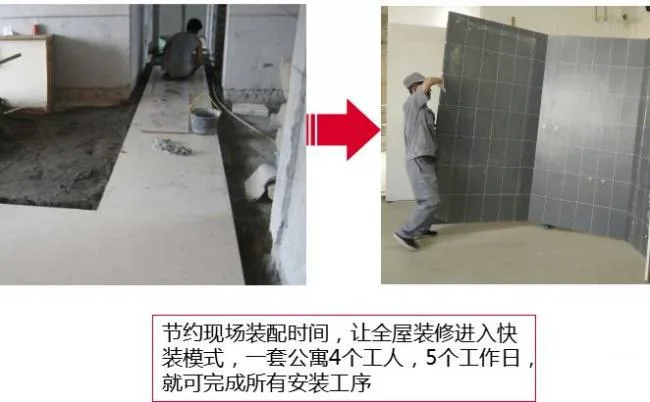
Strict on-site management regulations standardize construction site operations and improve the project environment. Achieving zero construction waste during on-site decoration is a crucial step toward realizing prefabricated housing.
4. Whole Life Cycle
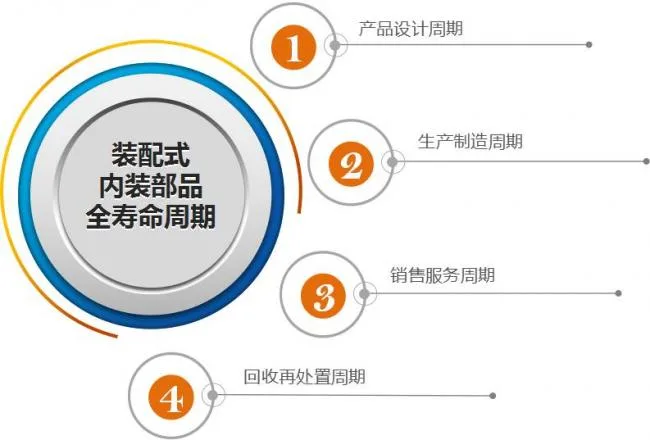
This design philosophy considers every aspect of a product’s life cycle during the planning stage, comprehensively optimizing all relevant factors for better overall performance and sustainability.
5. Information Management
Leveraging information technology to drive industrialization allows for modern enterprise management. By integrating cutting-edge IT with advanced management concepts, companies can redesign internal and external resources, improve efficiency, enhance effectiveness, and strengthen competitiveness.

Prefabricated construction represents a major trend in the transformation and upgrading of the construction industry. Intelligence is not only embedded within the industry but also becomes an essential trend for housing products in the information age, attracting growing consumer interest. The future of prefabricated buildings will undoubtedly follow the path of intelligent design, smart production, construction, and intelligent operation and maintenance management.














Must log in before commenting!
Sign Up