
Six refrigeration units, 18 water pumps, 457 meters of pipelines, and 8,988 bolts were assembled by just 25 workers to build a refrigeration room for a 208-meter super high-rise building in only 22 hours and 9 minutes. Compared to traditional methods, the construction timeline was shortened by three months and costs were reduced by over 600,000 yuan.
On April 20th, at the 2017 China Construction Northwest Region Mechanical and Electrical Engineering Observation Conference, the prefabricated computer room developed by the Xi’an Yongli International Financial Center project—led by the Installation Division of China Construction Third Engineering Bureau—became the highlight of the event. More than 130 industry experts praised this pioneering effort in the northwest region.
An expert on site remarked, “Every step in this computer room’s construction overturns traditional mechanical and electrical installation methods. China Construction Third Engineering Bureau’s work is truly remarkable.”
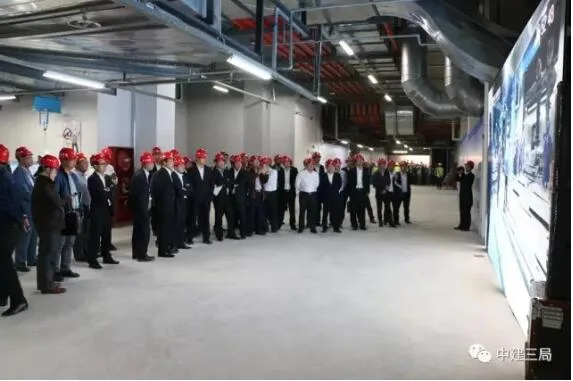
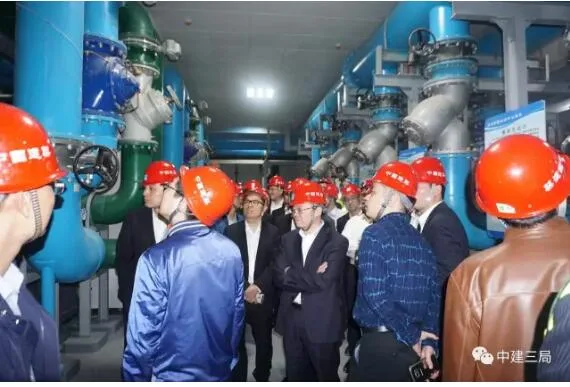
What exactly is a prefabricated computer room? By leveraging BIM technology, and carefully considering construction, installation, energy conservation, environmental protection, as well as operation and maintenance, a high-precision machine room model is designed. This model is humanized, intelligent, green, and energy-efficient. Industrial-grade assembly drawings are then created, followed by modular prefabrication in a factory. Once site conditions are ready, the modules are transported and assembled on-site.
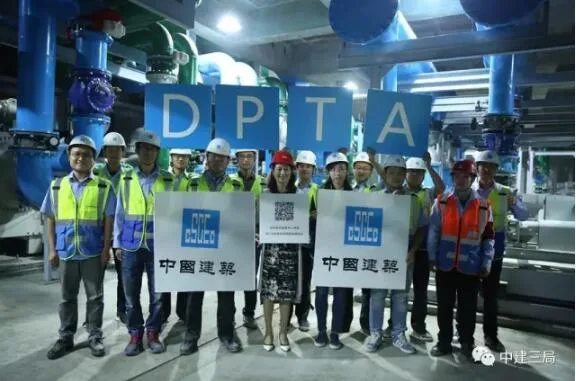
Though it sounds complex, the process for prefabricated computer rooms generally involves four main steps: design, prefabricate, transport, and assemble—hence it is often called the “DPTA computer room.”
How does the DPTA data center challenge traditional construction methods? Let’s explore each phase.
D (Design) – BIM-Based Design
Traditional mechanical and electrical installation relies heavily on civil construction. Mechanical and electrical designers can only proceed with detailed design and installation after civil works provide the necessary working surfaces. For large refrigeration rooms, civil engineering often provides the site progressively, which complicates the process. Designers must measure, deepen, cut, process, transport, and install equipment, pipelines, supports, and components section by section—leading to low efficiency.
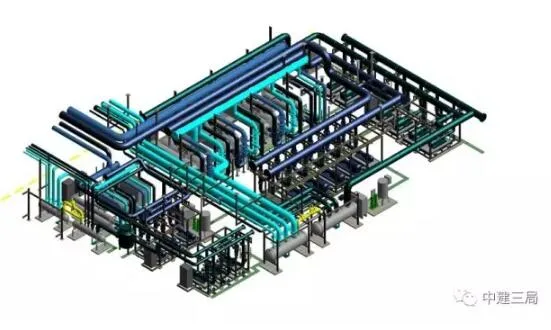
The DPTA data center uses BIM technology, enabling project designers to measure only basic site data without waiting for full civil engineering completion. They create a high-precision mechanical and electrical model with detailed assembly drawings within the BIM environment. This allows optimization of components to mechanical standards, improving accuracy to the millimeter level.
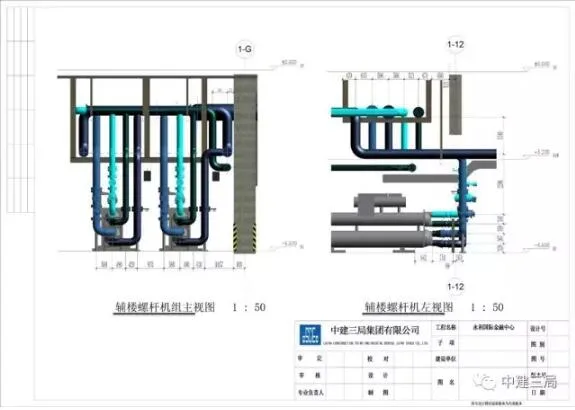
The deepening BIM design is modular, maximizing equipment and pipeline integration. This results in a more efficient layout, facilitating transportation, assembly, and maintenance. For example, the Yongli project’s DPTA machine room consists of 17 modules. The largest weighs 13.7 tons and integrates water pumps, pipelines, valves, equipment foundations, brackets, and instruments. The maintenance channel, originally designed at 0.7 meters wide, was expanded to 4 meters for easier access.
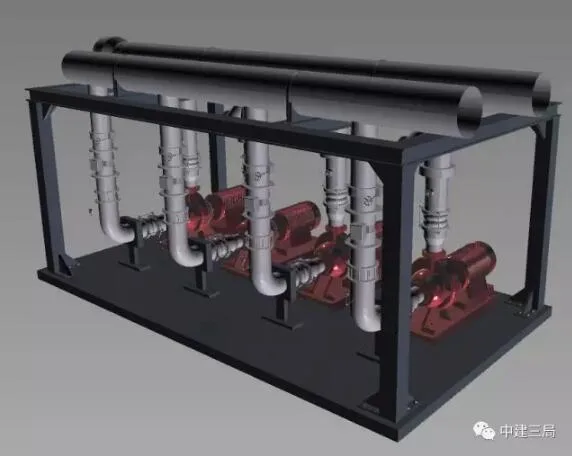
P (Prefabricate) – Standardized Prefabrication
Once the high-precision BIM model is complete, detailed machining drawings are exported, allowing the prefabrication factory to precisely cut and process components. The factory then assembles main components into modules.
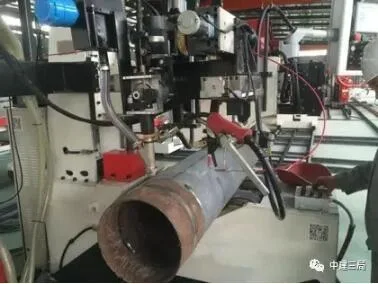
Traditional processing methods often result in imprecise cuts and excessive waste, as well as inconsistent quality due to manual welding and cutting. By using standardized prefabrication, the factory achieves higher quality and reduces scrap material, saving costs. Even complex curved or irregular pipes and components are customized in the factory, improving both quality and appearance.
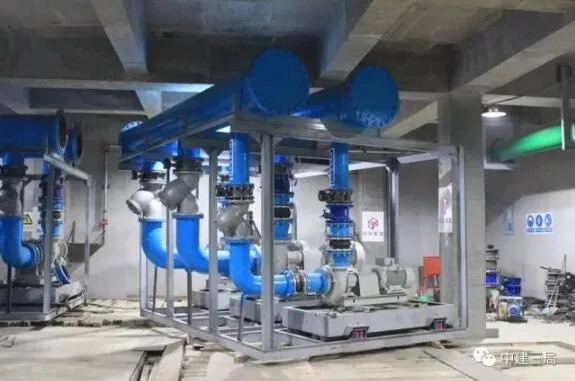
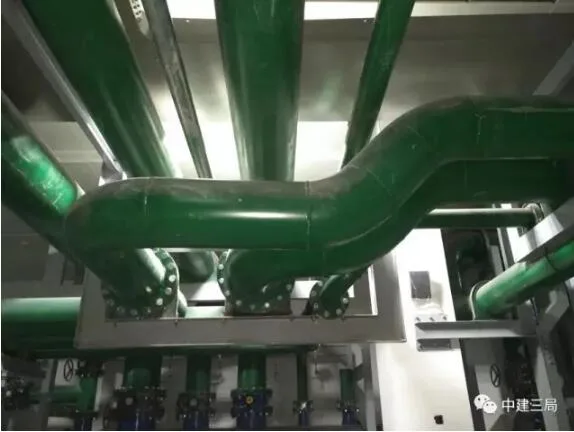
China Construction Third Engineering Bureau’s installation department has established a digital processing center. Soon, various modules will be produced in a standardized way, enabling rapid production and assembly tailored to each project—truly industrializing computer room construction.
T (Transport) – Logistics and Transportation
Traditional construction requires measuring and building the computer room section by section, leading to multiple batch shipments of components and considerable transportation costs. In contrast, all modules and pipe sections of the DPTA machine room at the Xi’an Yongli project are pre-assembled at the factory and transported in a single shipment, significantly reducing logistics expenses.
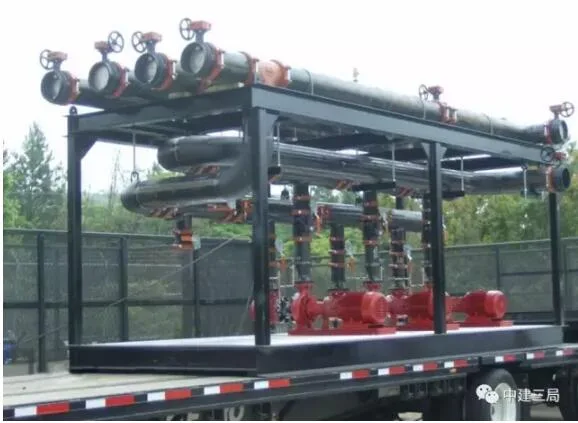
A (Assemble) – Assembly and Construction
Once the modules arrive on-site, installation personnel use assembly drawings and a QR code identification system to connect modules, pipe sections, and bolts seamlessly—much like building blocks.
To ensure installation accuracy, flexible flanges are used to correct errors between pump units, achieving tight connections. On-site workers scan QR codes to access detailed information for each refrigeration unit riser, transporting components to the correct location for pipe installation. Pipeline brackets are lifted as whole units and fastened to steel plates embedded in the civil structure with special pins.
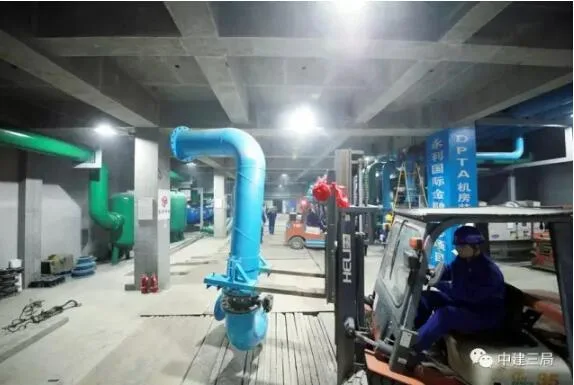
During assembly, workers primarily operate equipment to transport and lift module components, tightening nearly 9,000 bolts individually. This method completely eliminates the traditional noisy, smoky, and chaotic construction environment.
After assembly, the DPTA machine room showcases neatly arranged equipment pipelines with well-organized layouts, bright and uniform paint, standardized identification nameplates, and smooth, visually appealing floor brackets—exemplifying craftsmanship at its finest.
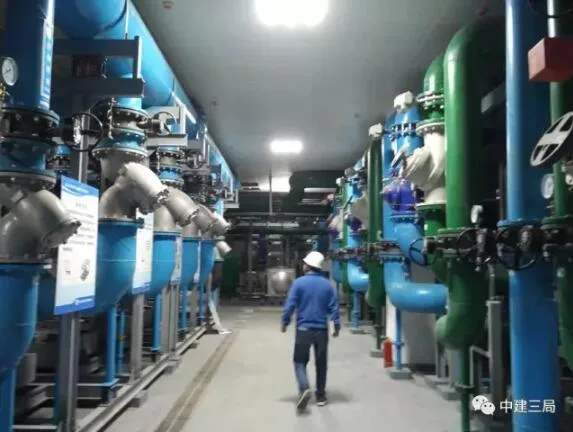
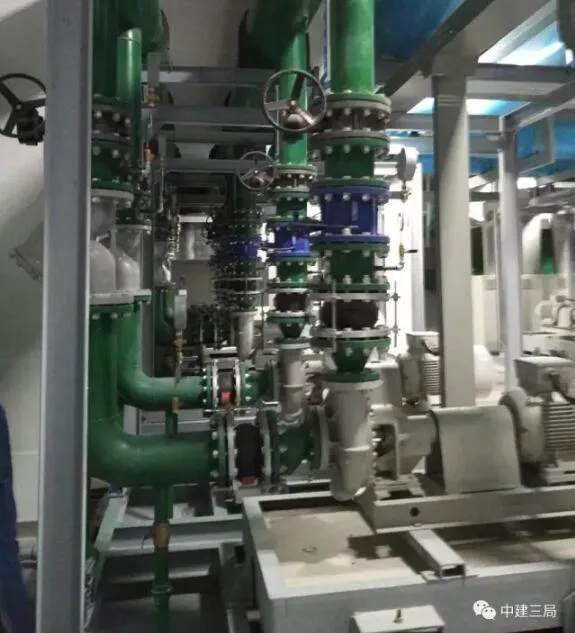
Advantages of the DPTA Data Center
1. Faster Construction Speed
The digital processing factory uses machine operations, which are far more efficient than manual labor. The Yongli project’s refrigeration room covers 650 square meters. Traditional methods require 3 to 4 months, while prefabrication took less than one month, and on-site assembly was completed in just 22 hours and 9 minutes—effectively avoiding delays related to civil construction.
2. Superior Quality
Manual cutting and welding in traditional construction lead to fluctuating quality. By combining high-precision BIM design and fully automated factory prefabrication, the project achieved on-site “zero welding,” dramatically improving assembly and installation accuracy.
3. Lower Costs
Design, production, transportation, and construction costs were all reduced. While traditional construction required 20 workers over 3 months, prefabricated construction completed the refrigeration room in 22 hours, saving approximately 500,000 yuan.
4. Easier Operation and Maintenance
BIM technology integrates equipment and pipelines into the cloud via QR codes, allowing data to be accessed via mobile devices. Maintenance space is increased, facilitating future upkeep and intelligent equipment management, offering added value to customers.
5. Environmental Protection and Energy Conservation
Traditional enclosed computer room construction is smoky, noisy, and physically demanding. Most assembly work is now completed in the factory, resulting in near-zero on-site smoke and noise, greatly improving the working environment. Additionally, optimized design reduces routing, with all tees configured as downstream tees, lowering pipeline resistance and enhancing equipment efficiency.
About the Xi’an Yongli International Financial Center Project

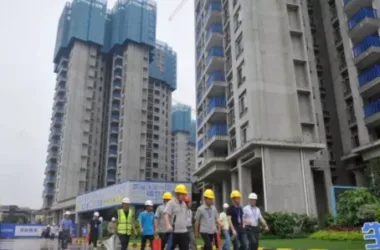
Located in the core area of the Xi’an High-tech Zone CBD, this project is a 5A-grade office building and a landmark in the district. Constructed by the Northwest Company of China Construction Third Engineering Bureau with participation from its Installation Division, the project covers 134,000 square meters. It includes 3 underground floors, 8 auxiliary floors, and 46 main floors, reaching a height of 208 meters. The mechanical and electrical contract value is 120 million yuan.














Must log in before commenting!
Sign Up