
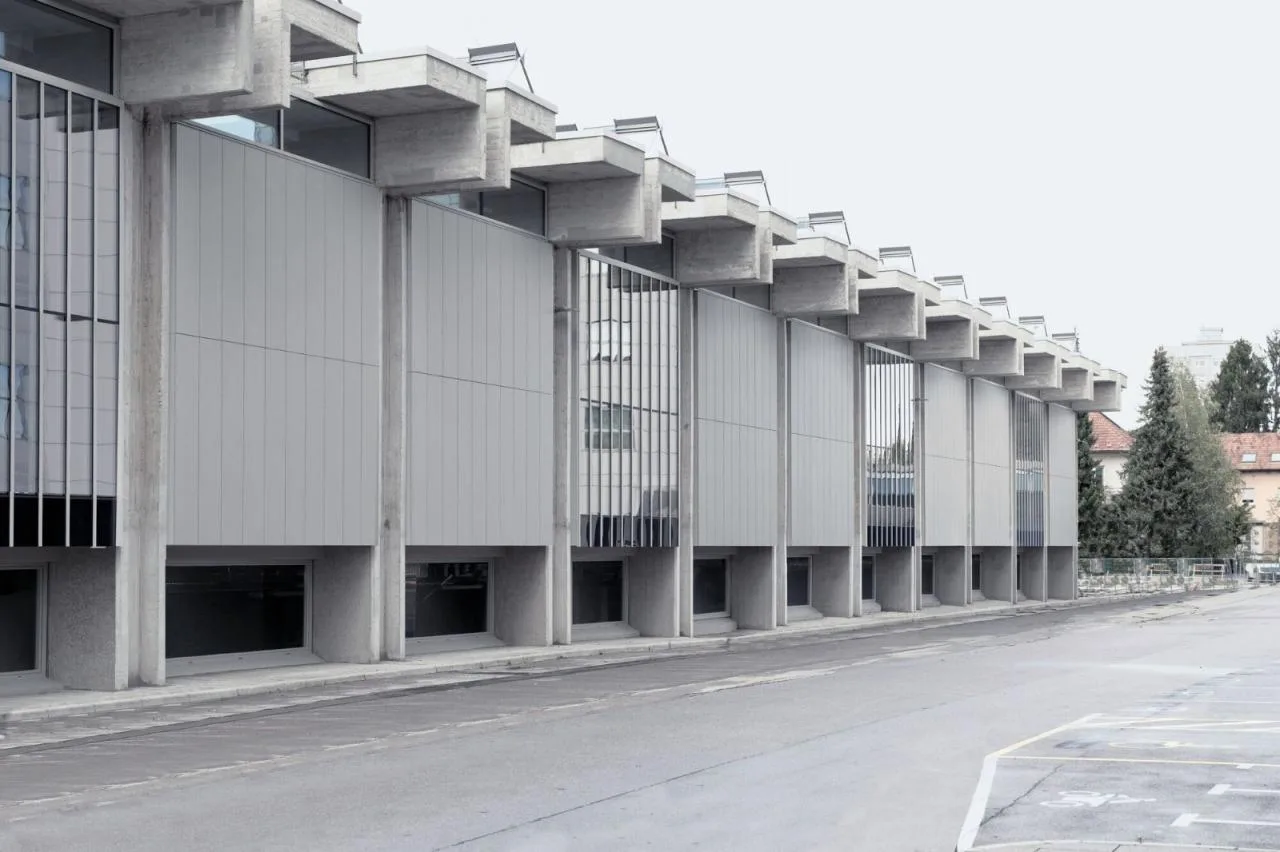
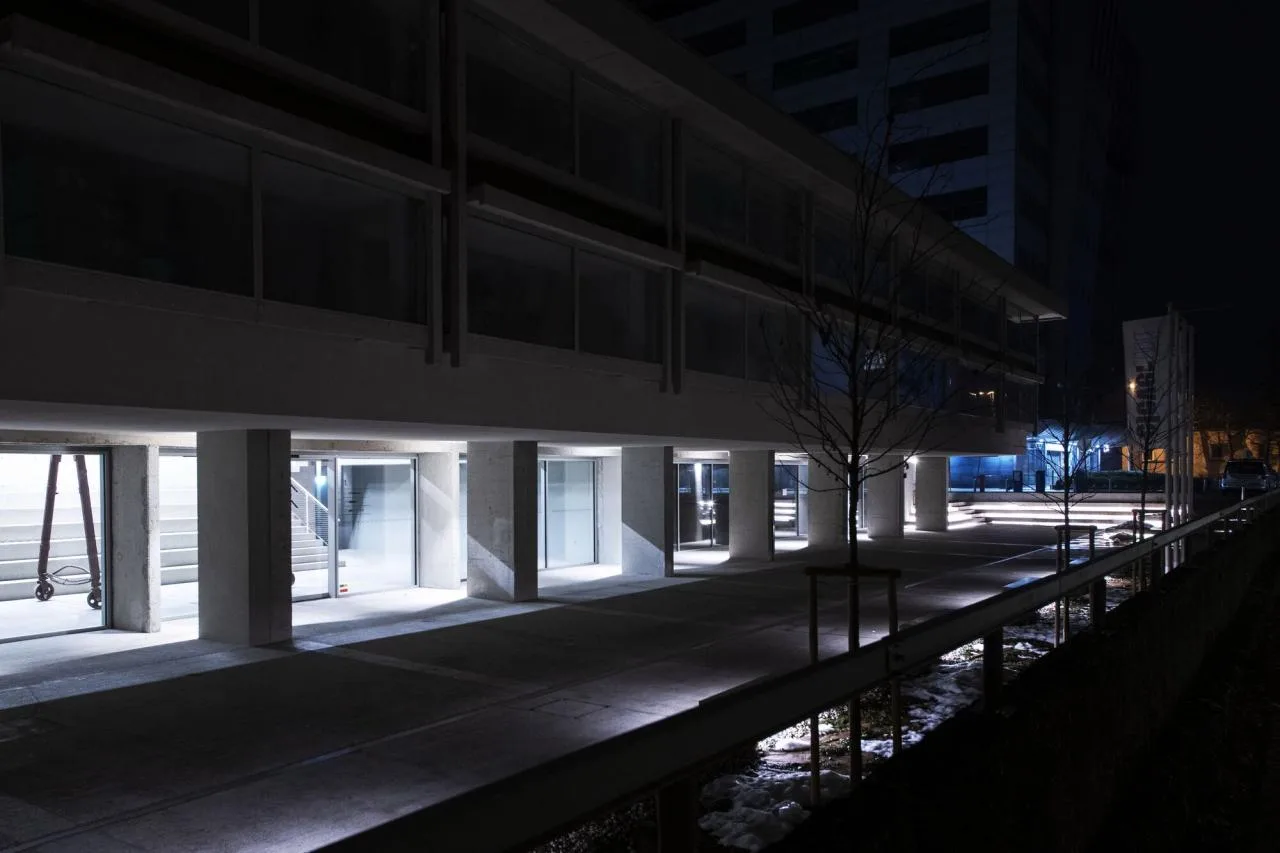
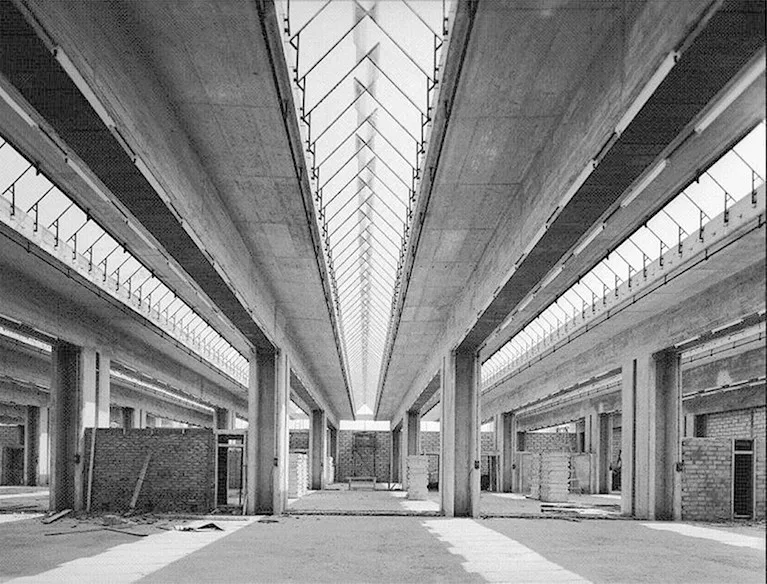
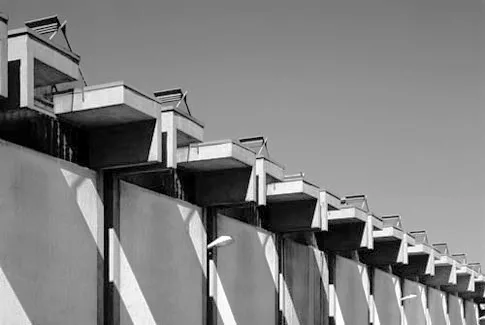
In the 1960s, Slovenian modernist architect Savin Sever designed the printing house for the Youth Book Publishing House. At the time, it was one of the largest and most advanced printing factories. Its modular, repetitive concrete structure served as the core architectural expression. The exposed concrete—a poetic architectural element—is a hallmark of the post-war modernist era.
Edvard Ravnikar, a prominent student of Plečnik and a key figure in Slovenian architecture during this period, was deeply influenced by his work with Le Corbusier’s studio. Ravnikar developed a unique architectural language that combined tradition with modernist principles, becoming a symbol of the post-war generation of Slovenian architects. Savin Sever stands out as one of the most distinguished representatives of the so-called Ljubljana School of Architecture.
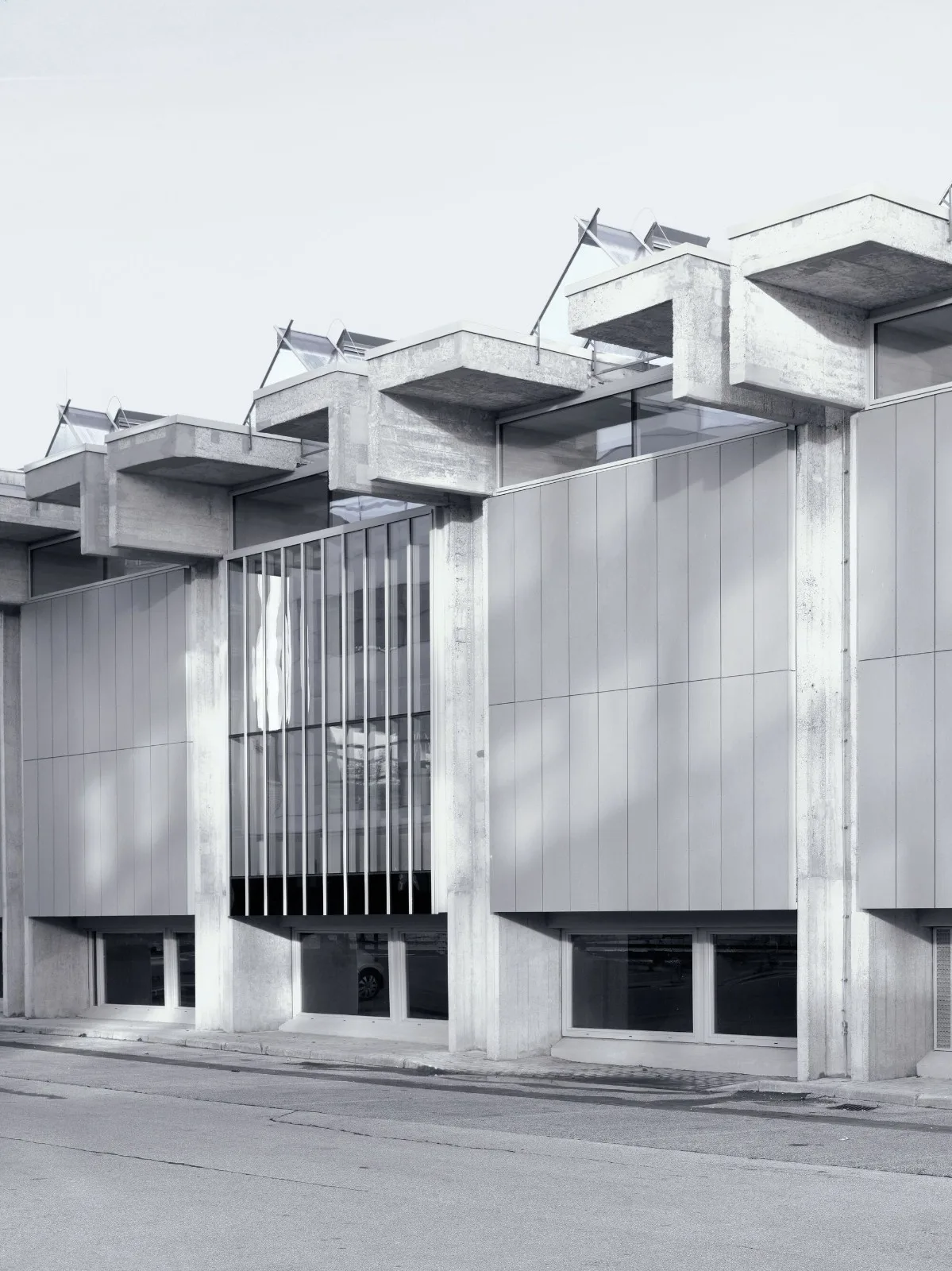
In the early 21st century, the old printing factory was modernized with state-of-the-art machinery. However, these advances were short-lived. The rise of digital technologies drastically transformed the printing industry, which proved fatal for traditional printing factories. Consequently, the facility shut down quickly, most machines were sold, and the expansive building remained vacant for several years. Eventually, creative companies moved in, sparking renewed interest in the site through a unique revitalization project.
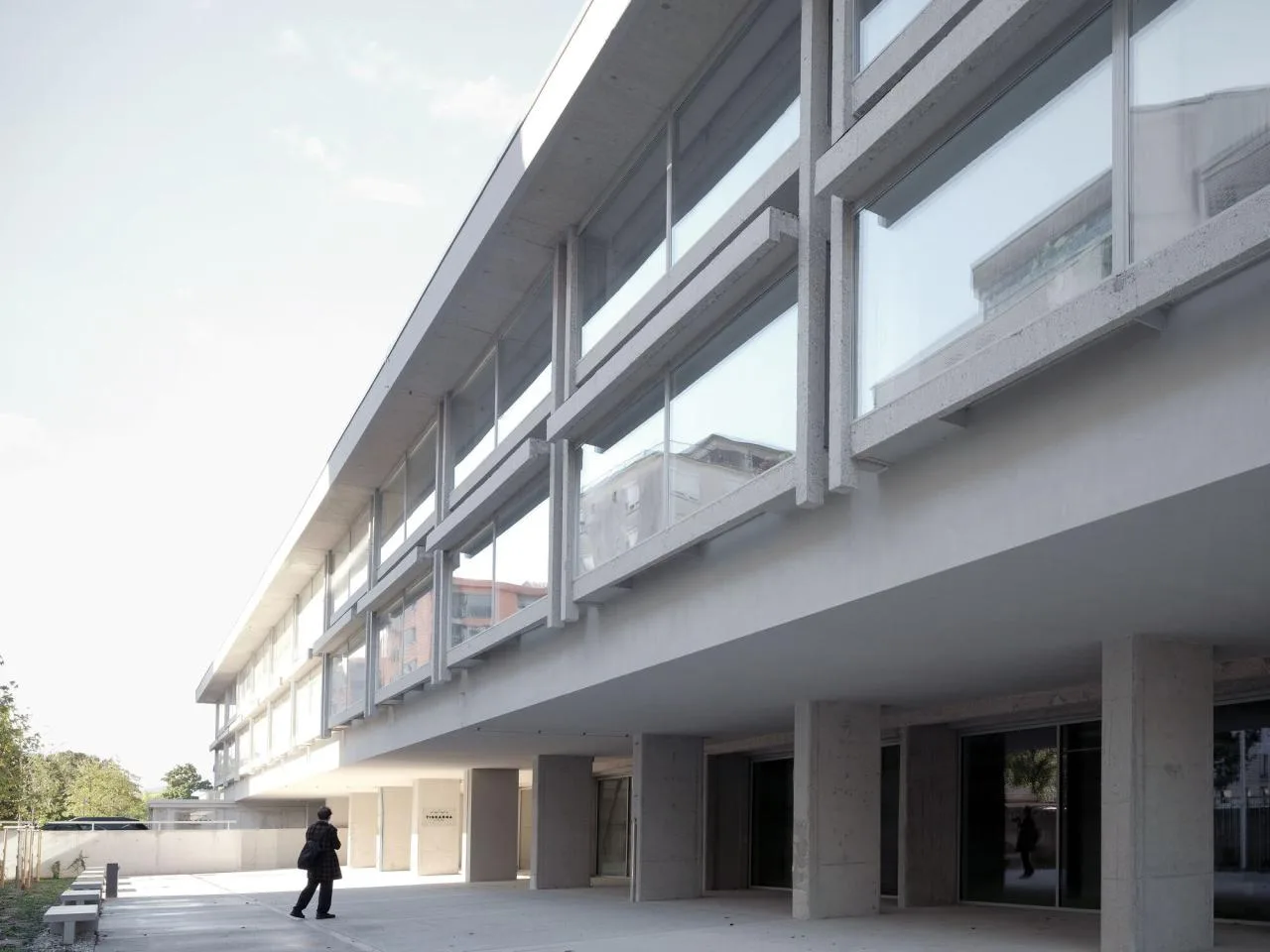
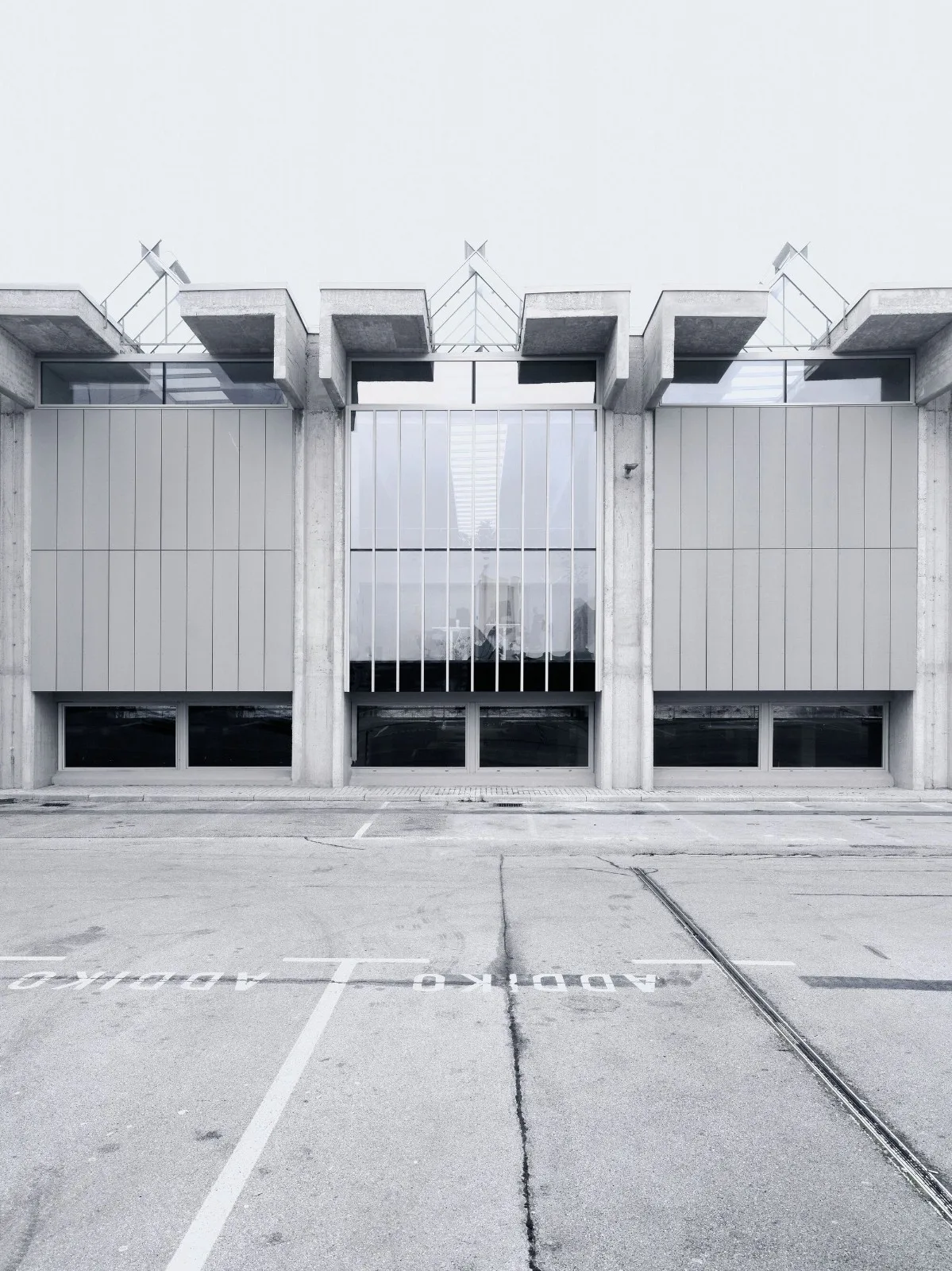
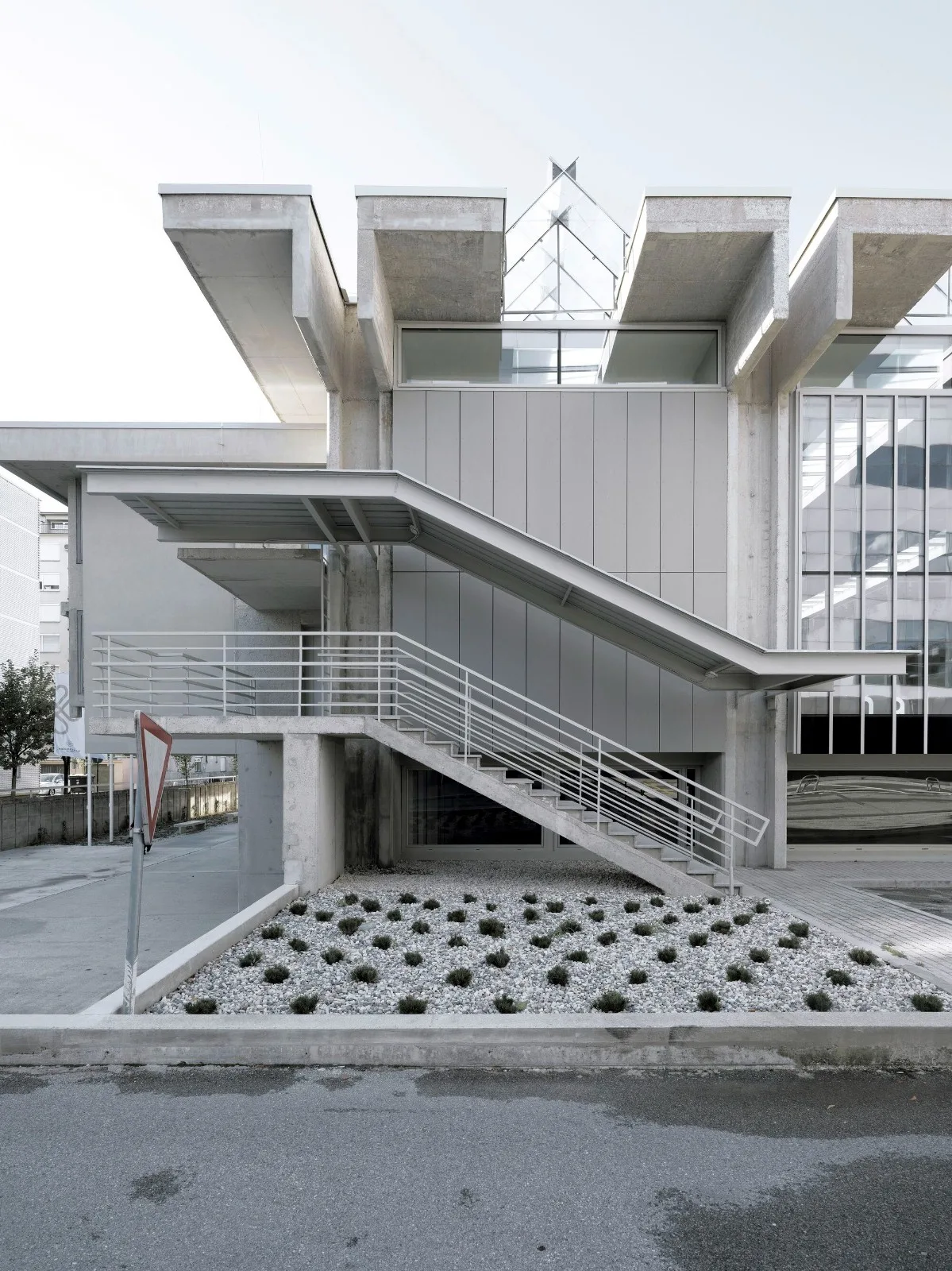
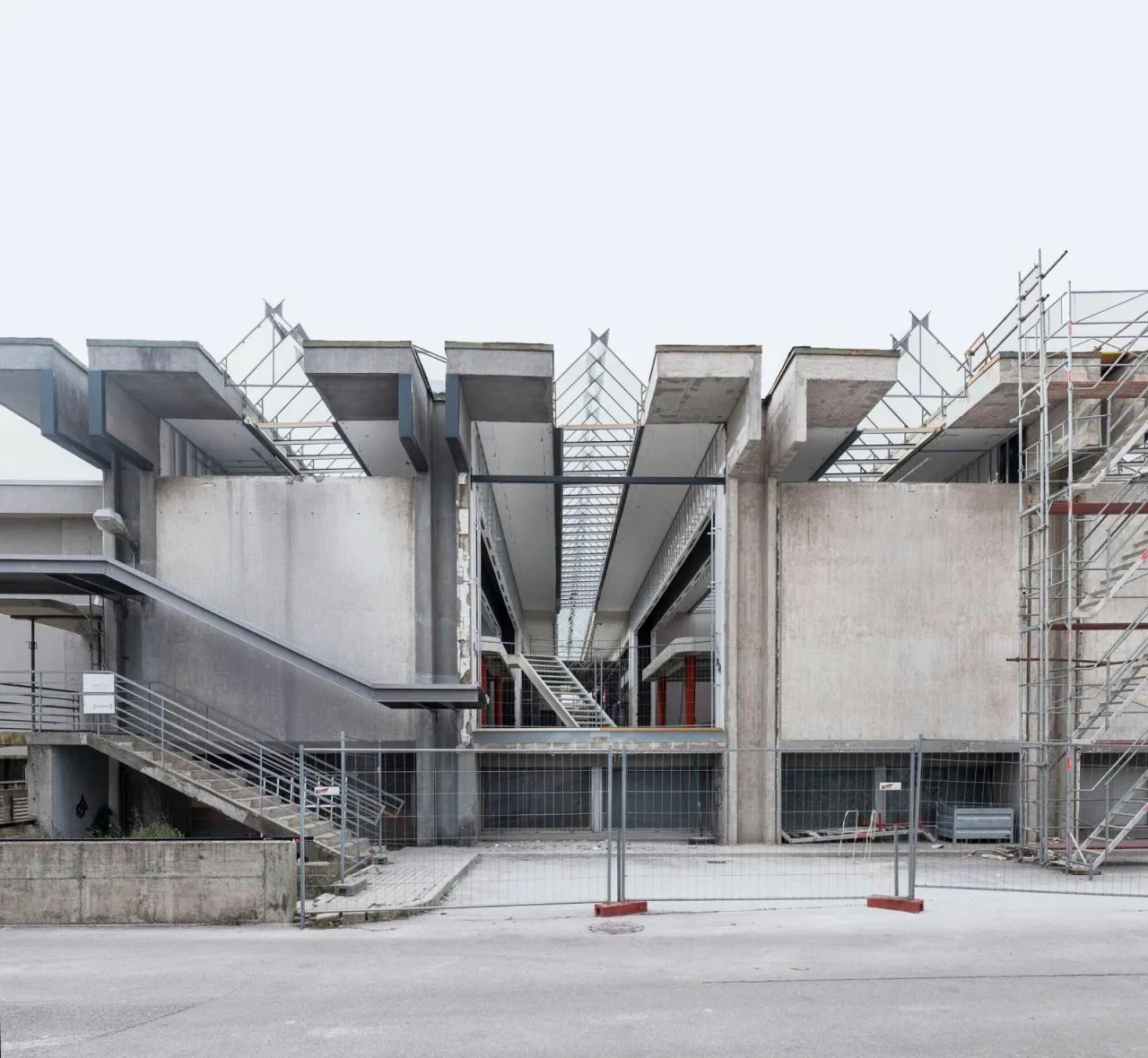
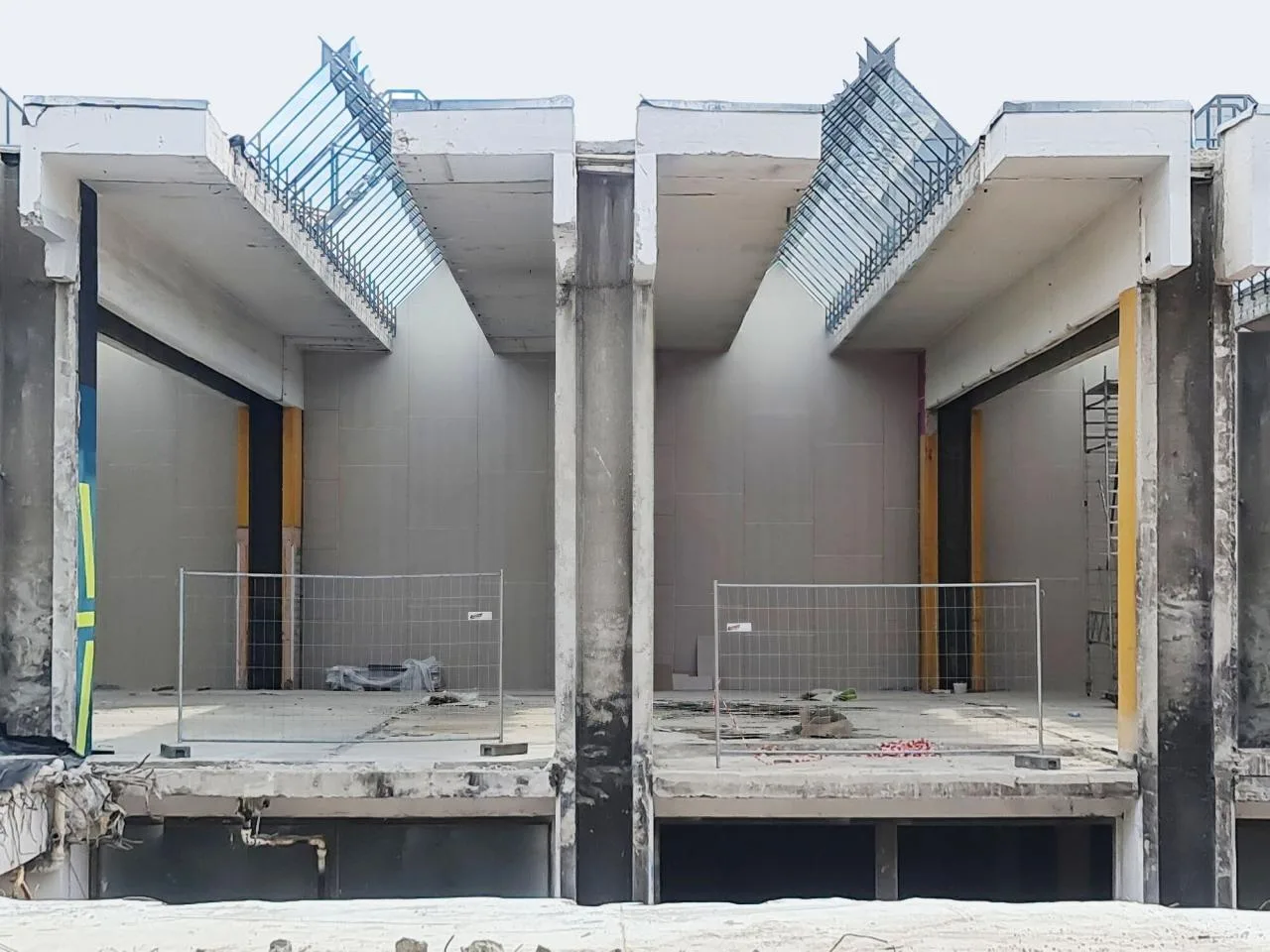
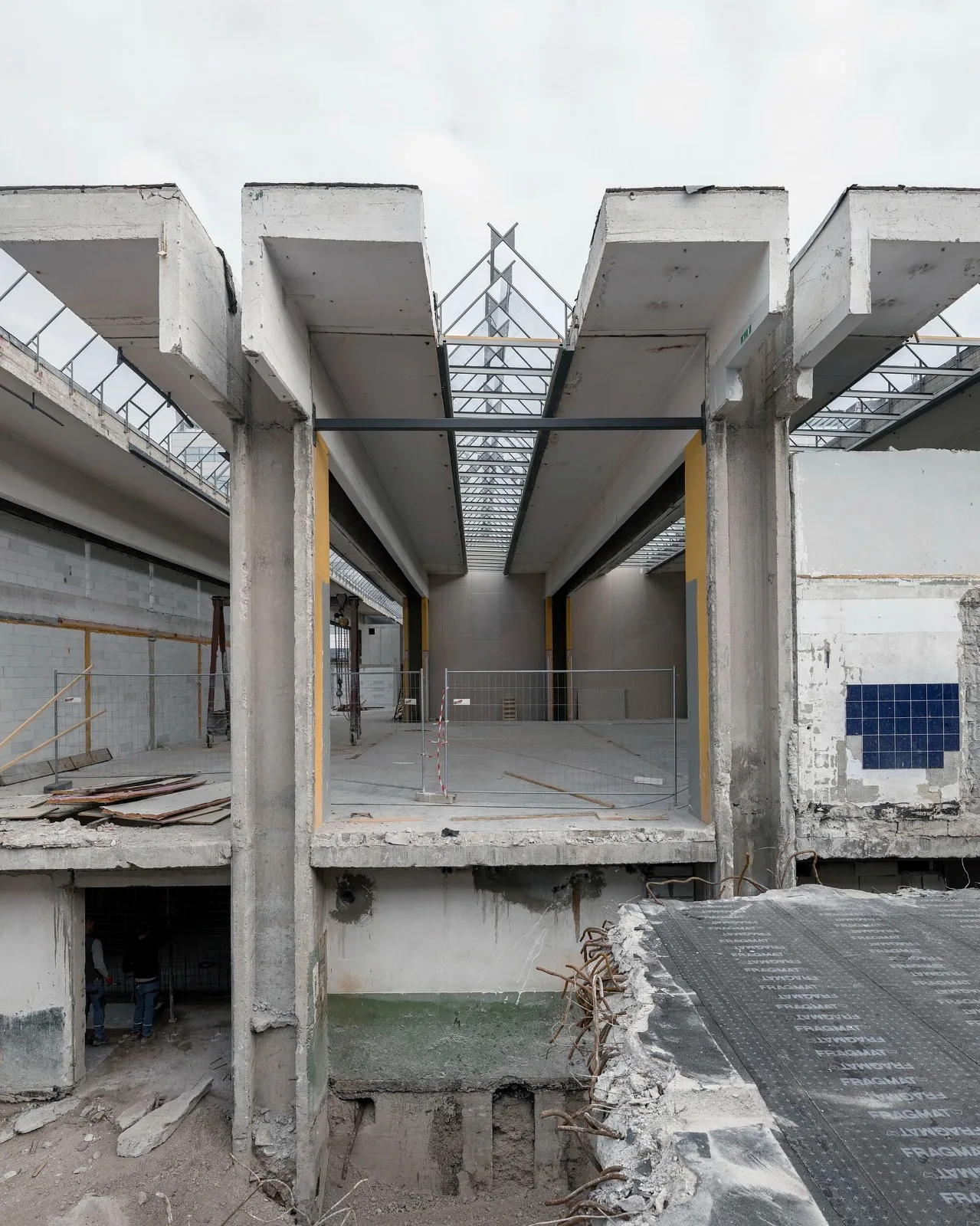
In 2022, the new owner decided to renovate the building. The existing structure is protected, reflecting Sever’s exceptional architectural philosophy. The building itself is fascinating, making demolition unthinkable. Originally designed to support heavy machinery, the structure easily accommodates various modern uses without requiring additional reinforcement.
The main challenge was enhancing the building’s insulation to meet contemporary climate standards. The thin-walled structure, riddled with thermal bridges, was originally designed to dissipate the excess heat generated by printing presses. Now, this concept had to be completely reversed.
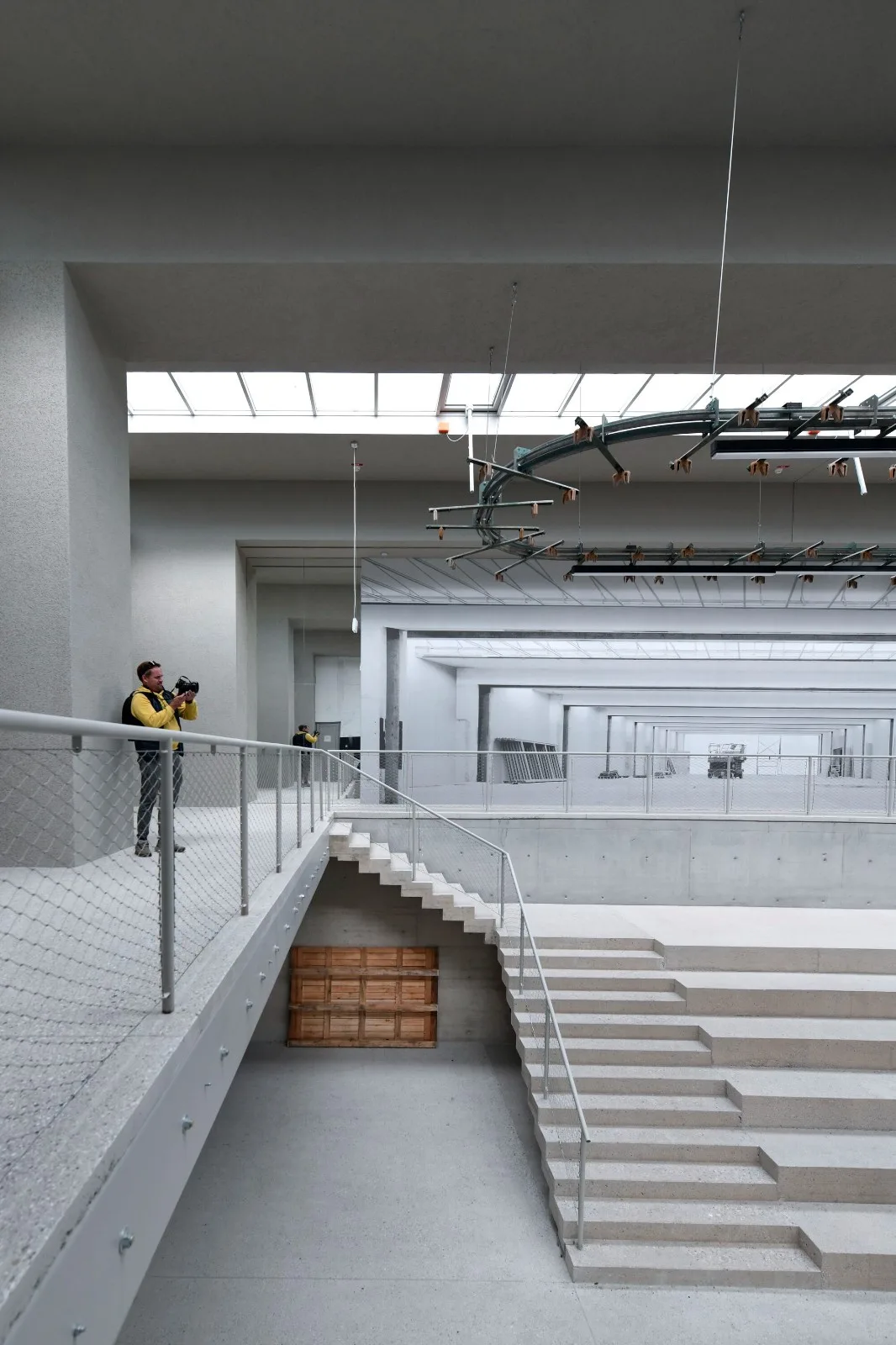
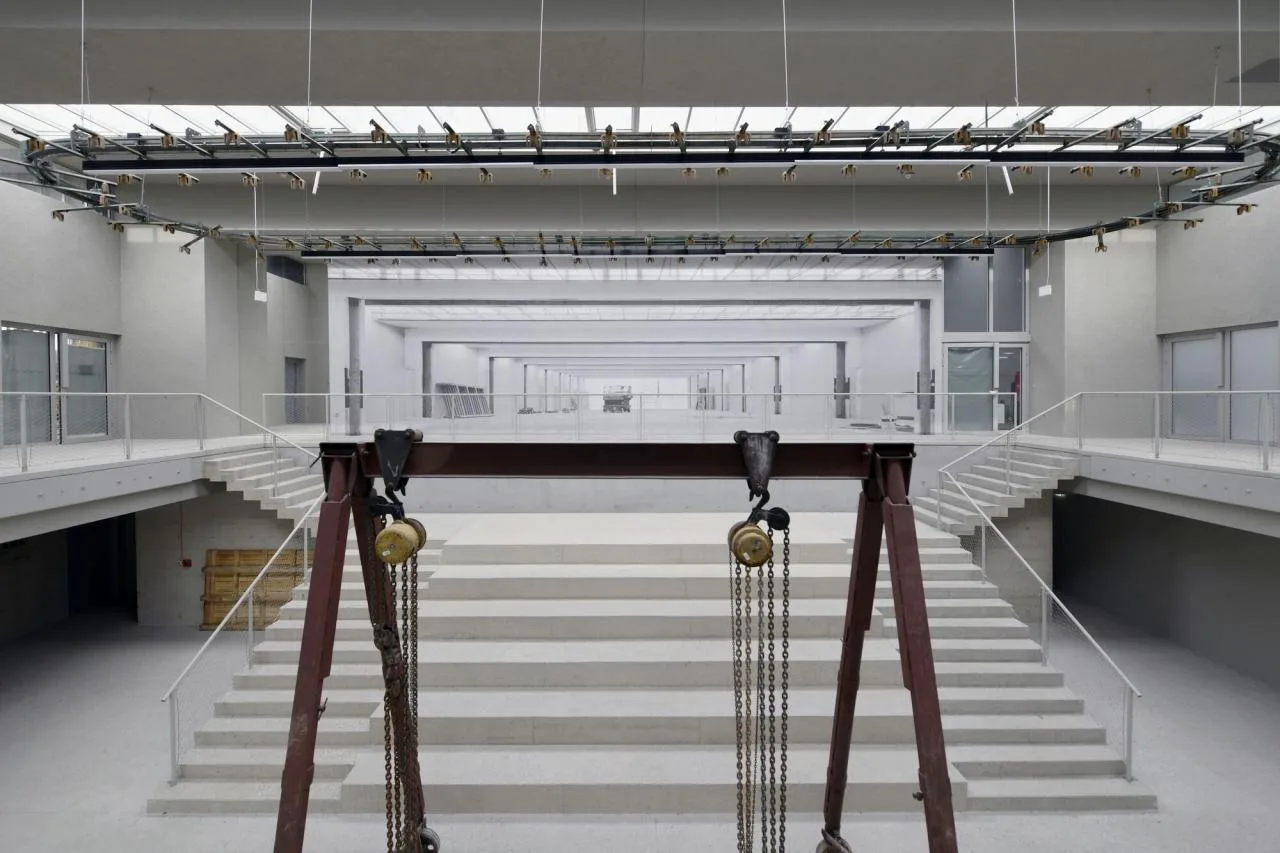
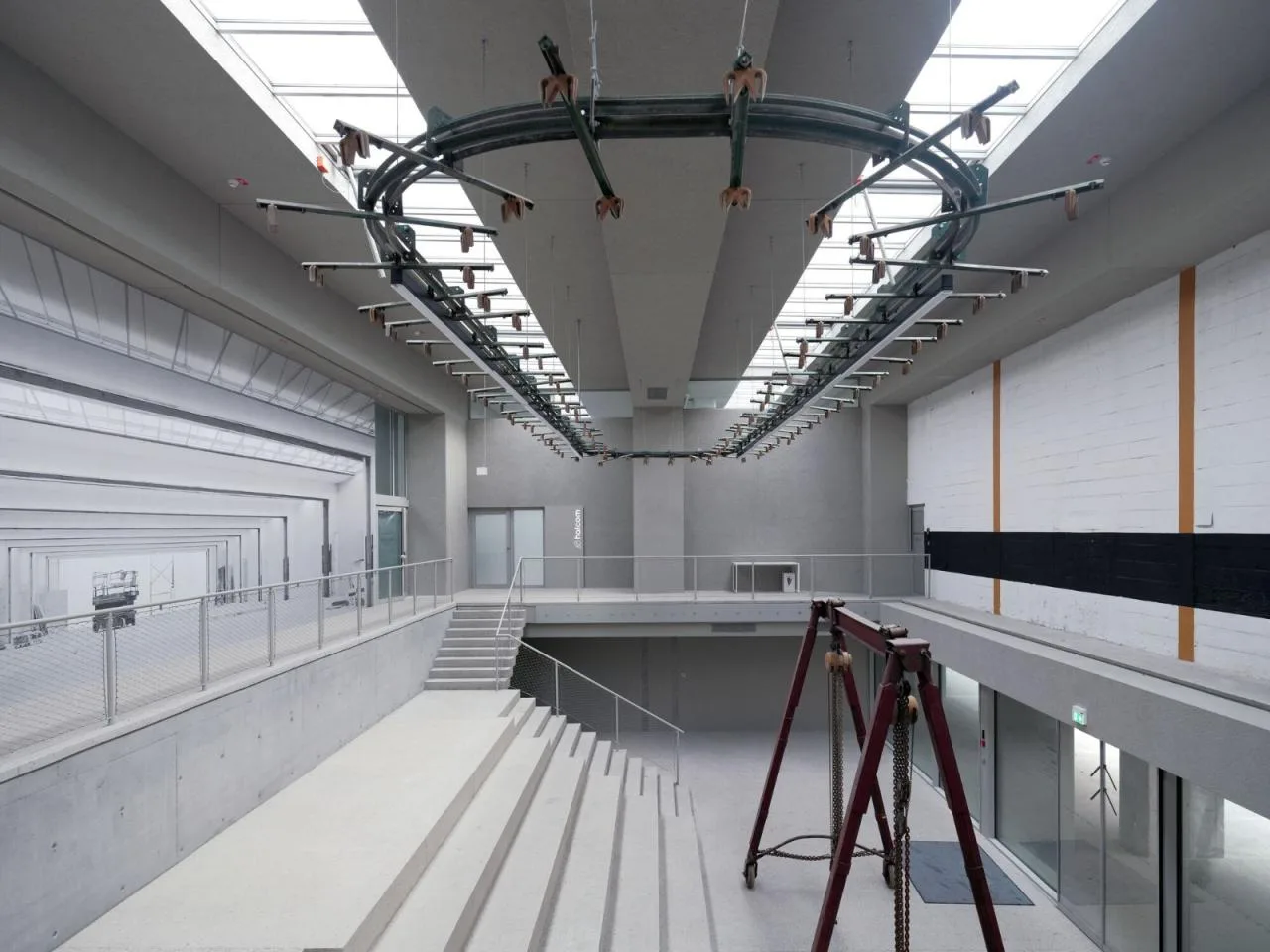
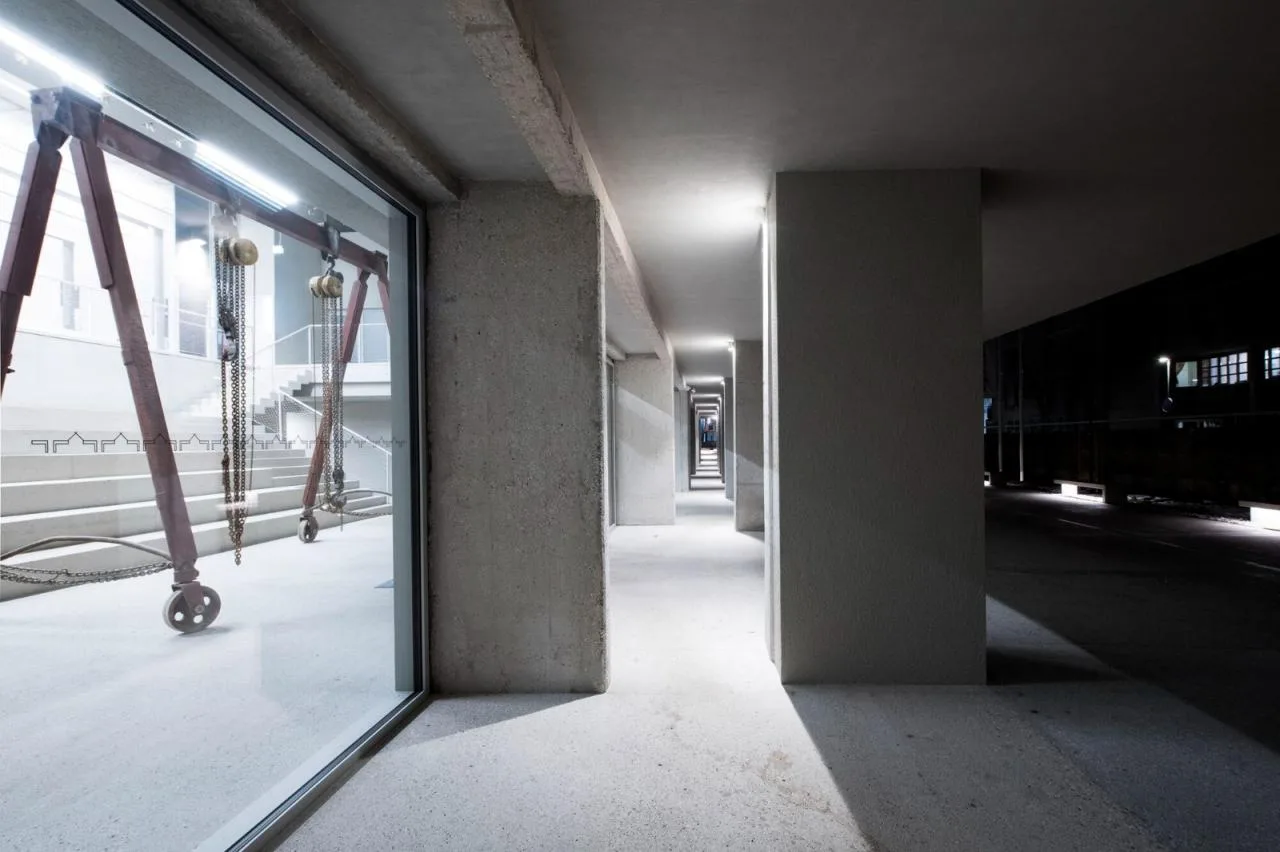
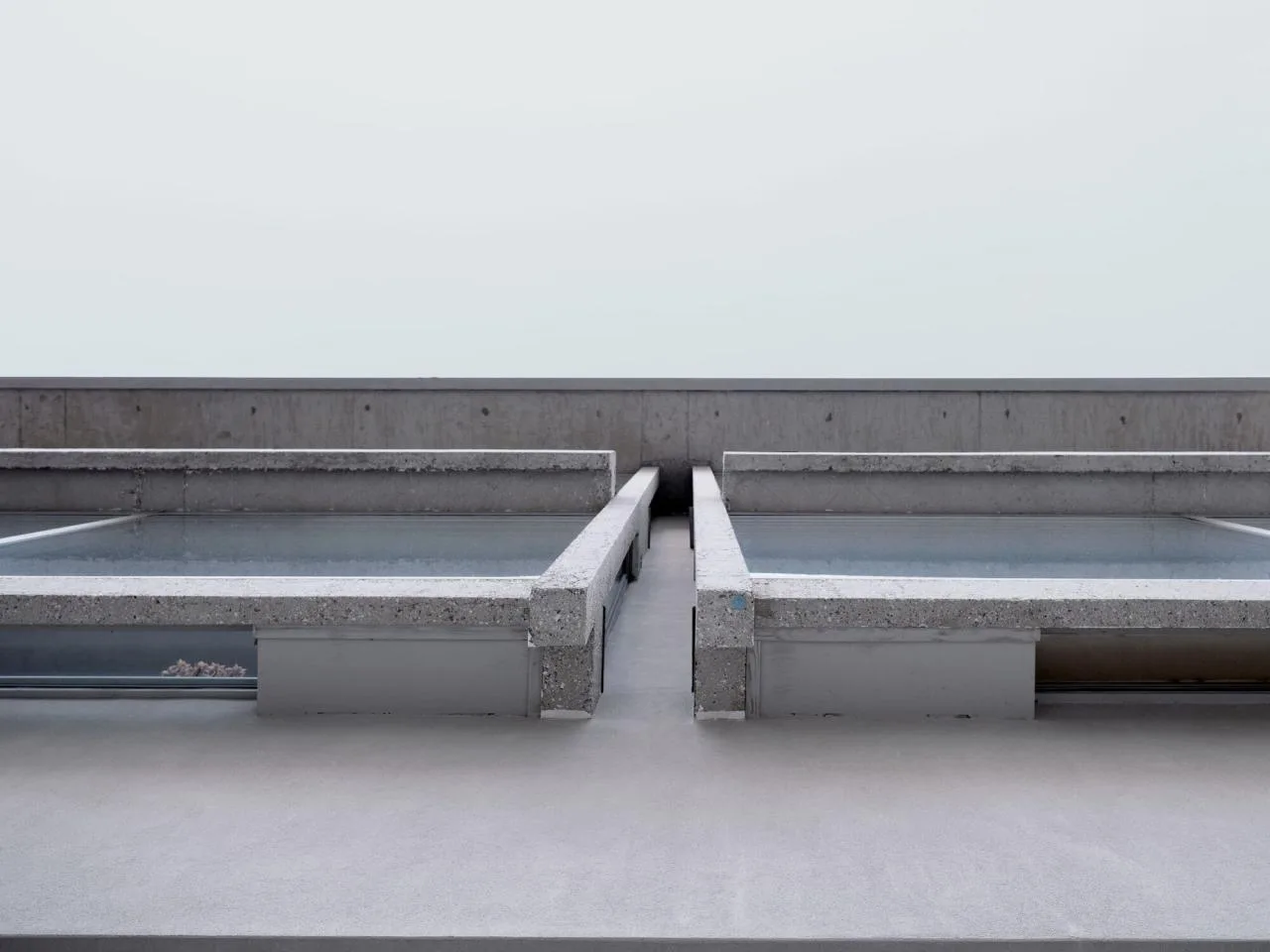
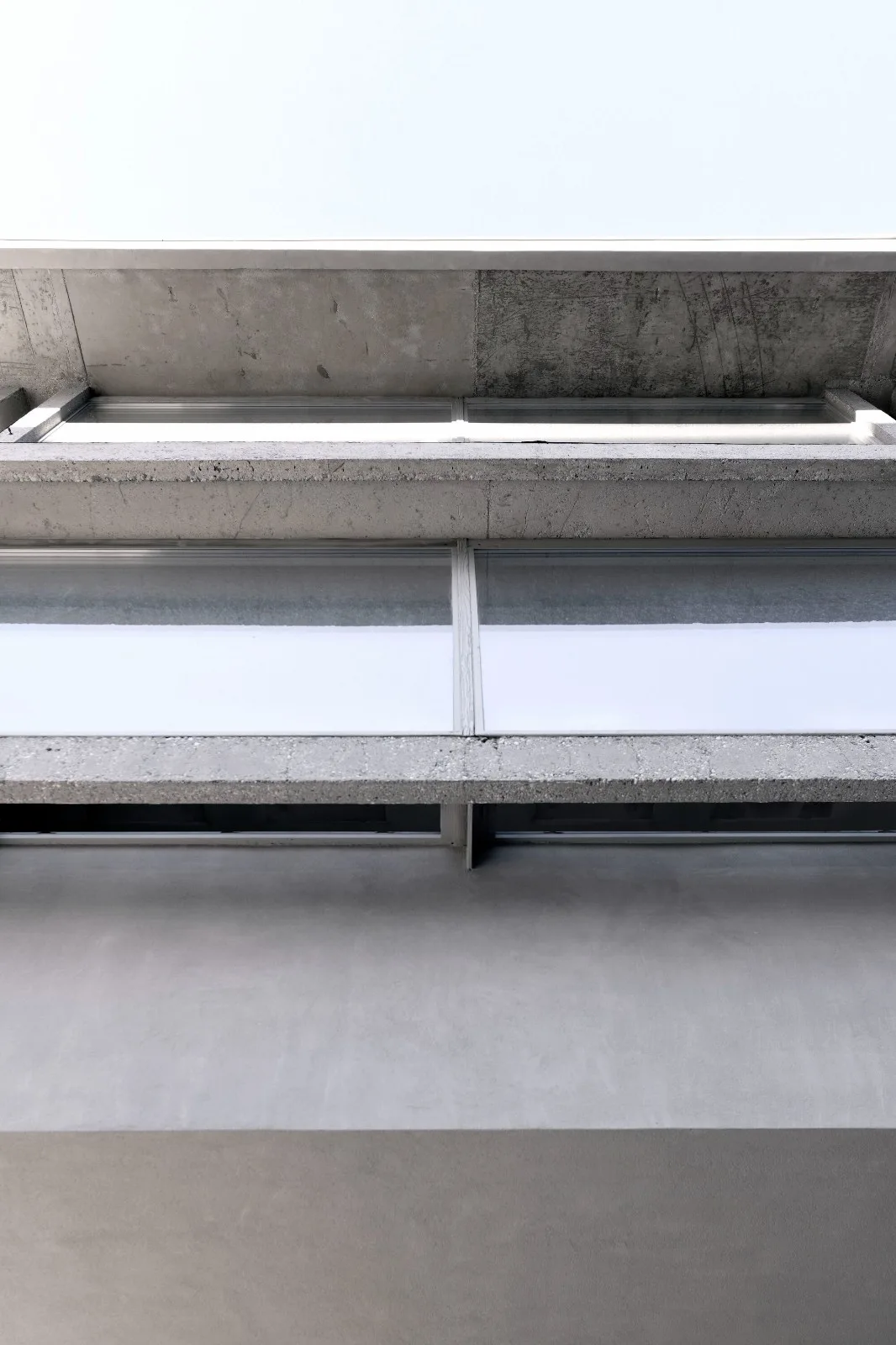
To preserve the exposed concrete structure while adding new insulation, architects introduced insulation layers and additional glazing inside the building. This approach allowed the original glass prisms in the roof to remain intact. These glass prisms, positioned between concrete components, flood the interior with natural light, reaching deep into the building.
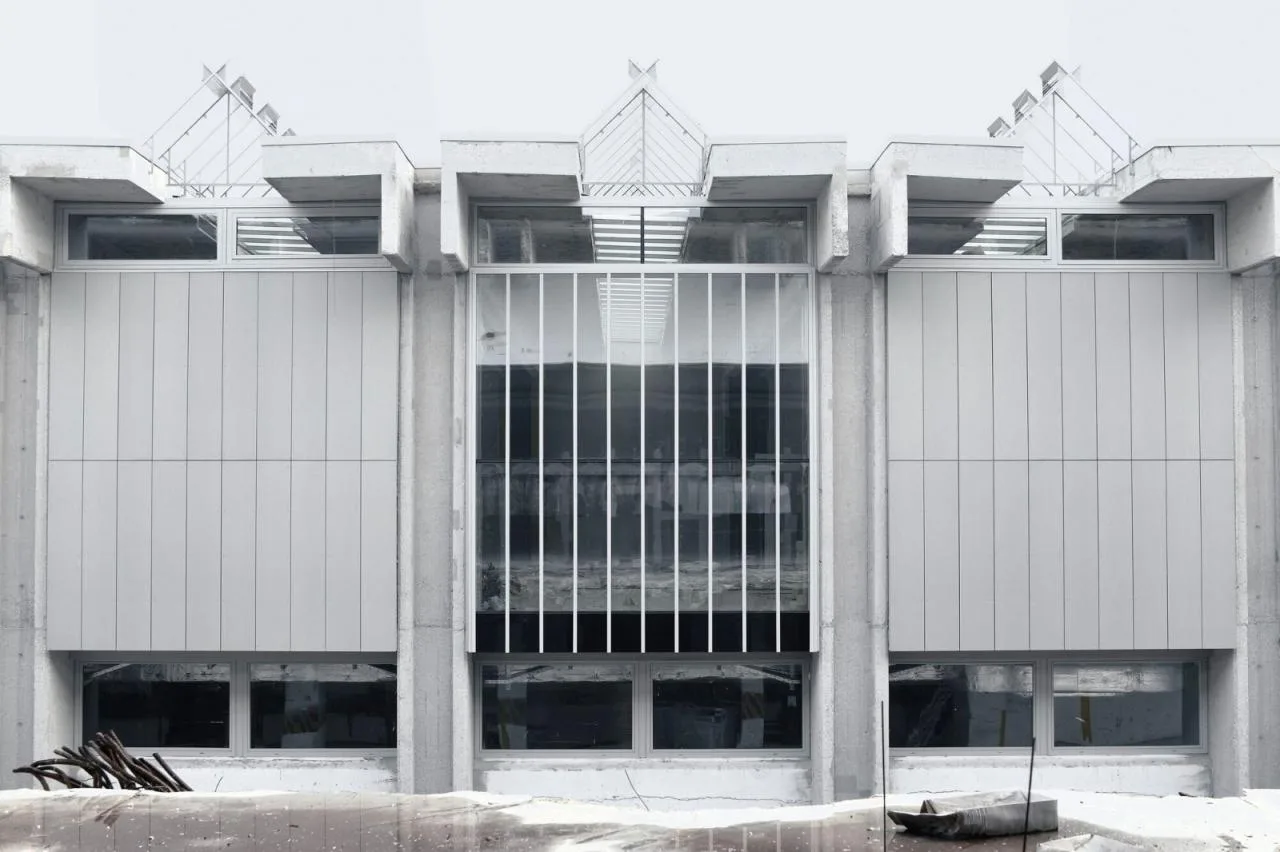
The renovation of the exterior walls follows a design Sever originally intended but could not implement. Initially, he planned to use cement boards, but their cost was prohibitive at the time, so modular bricks were used instead. Revisiting Sever’s original concept provided a practical solution for the building’s technological upgrade.
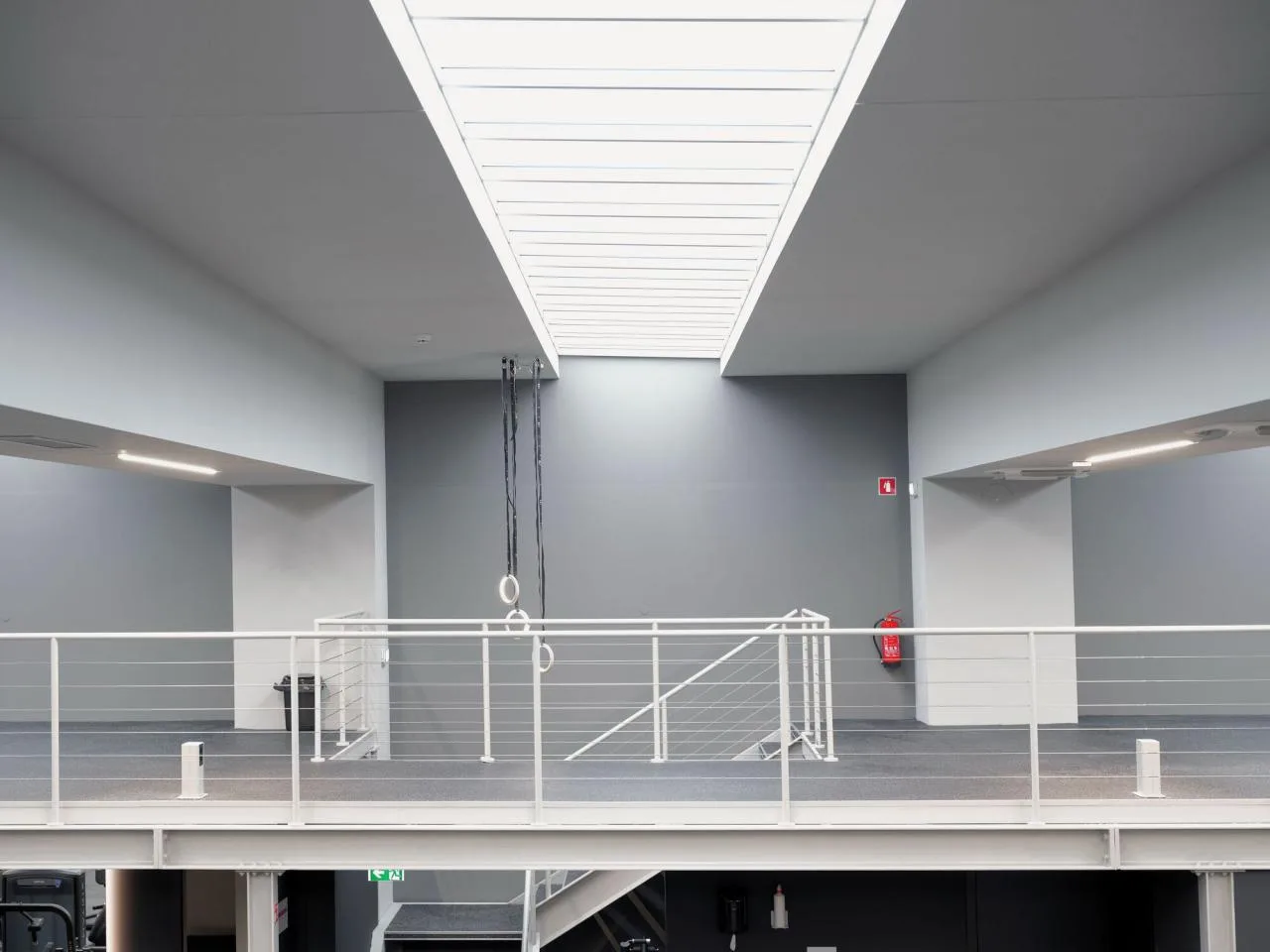
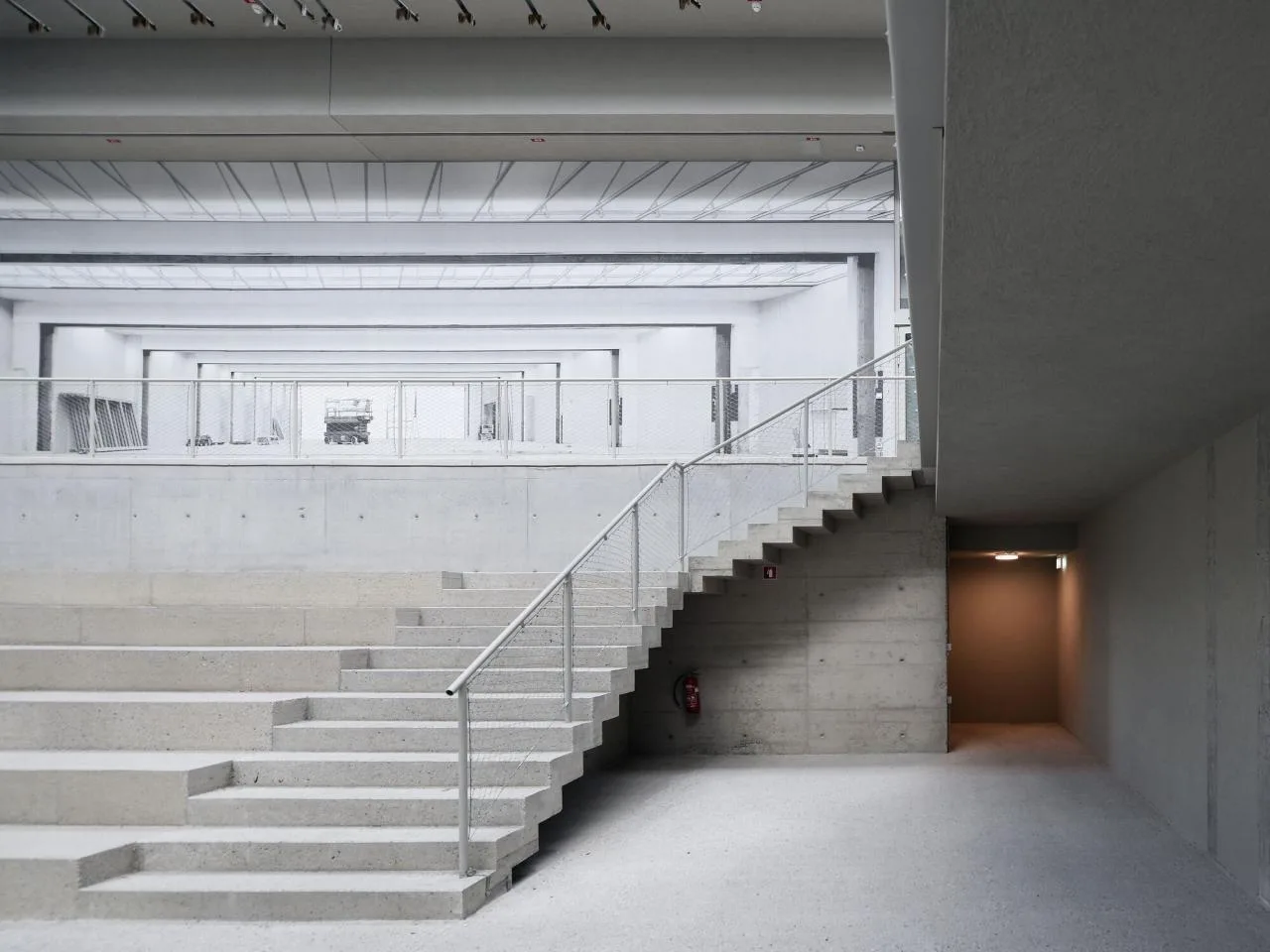
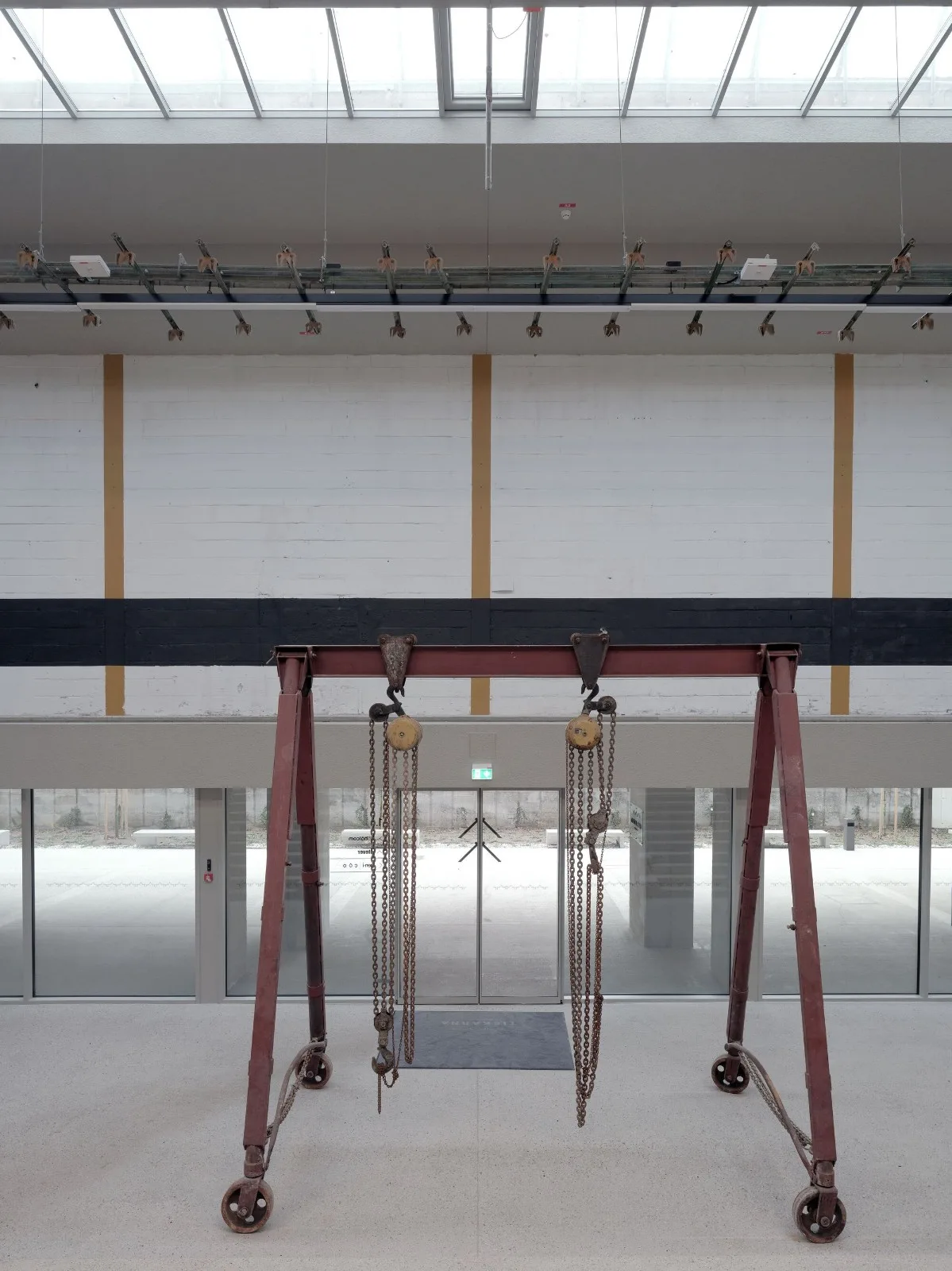
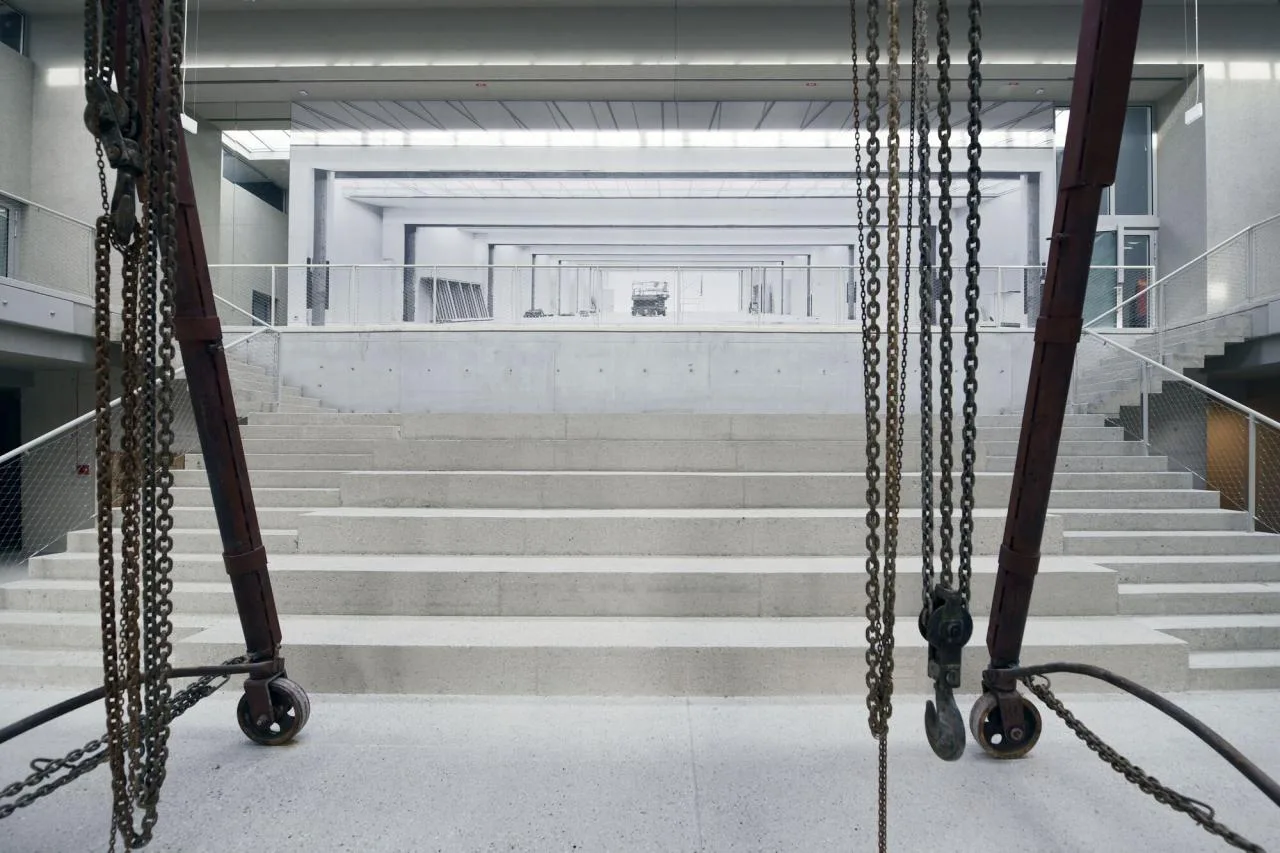
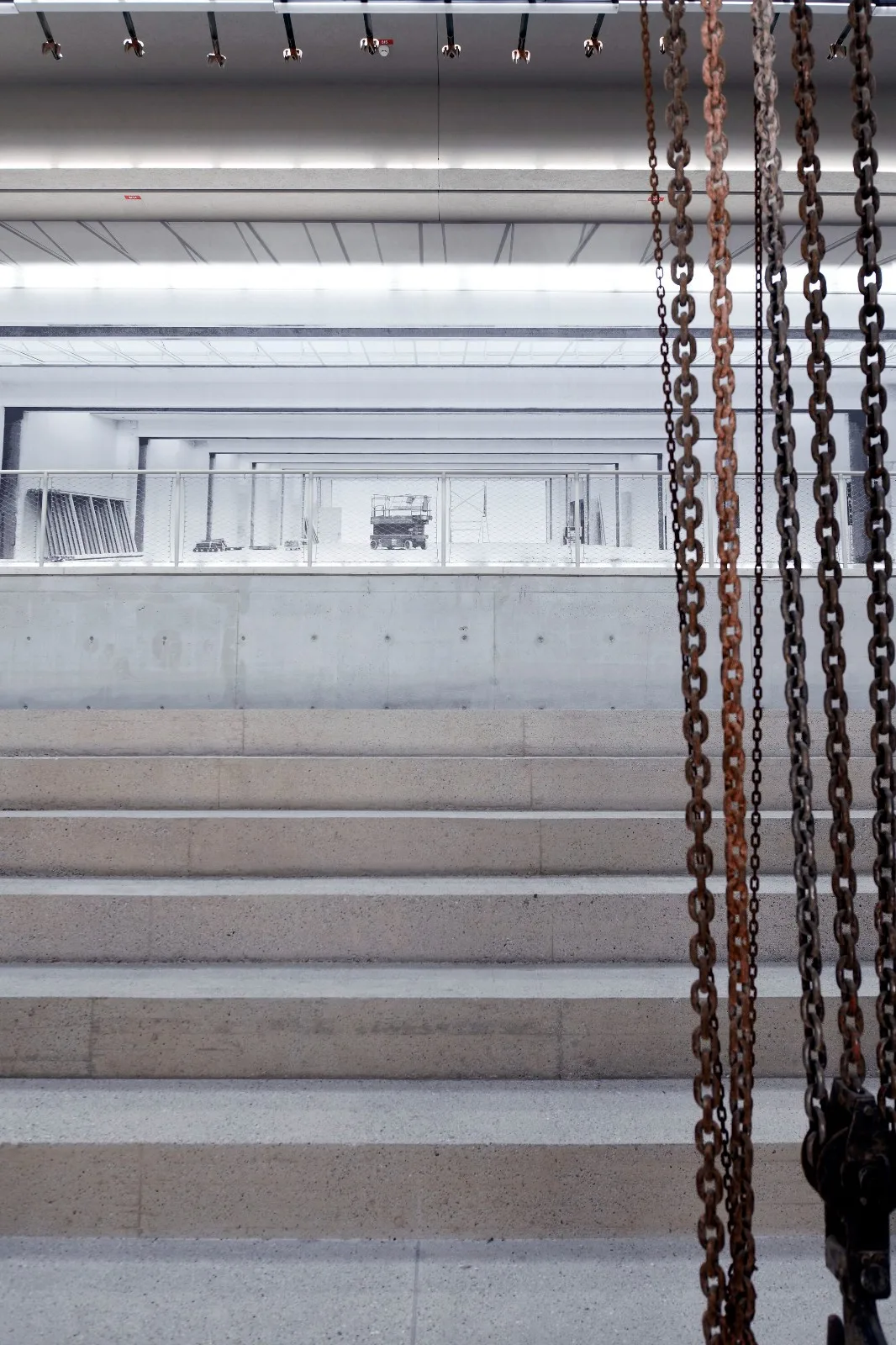
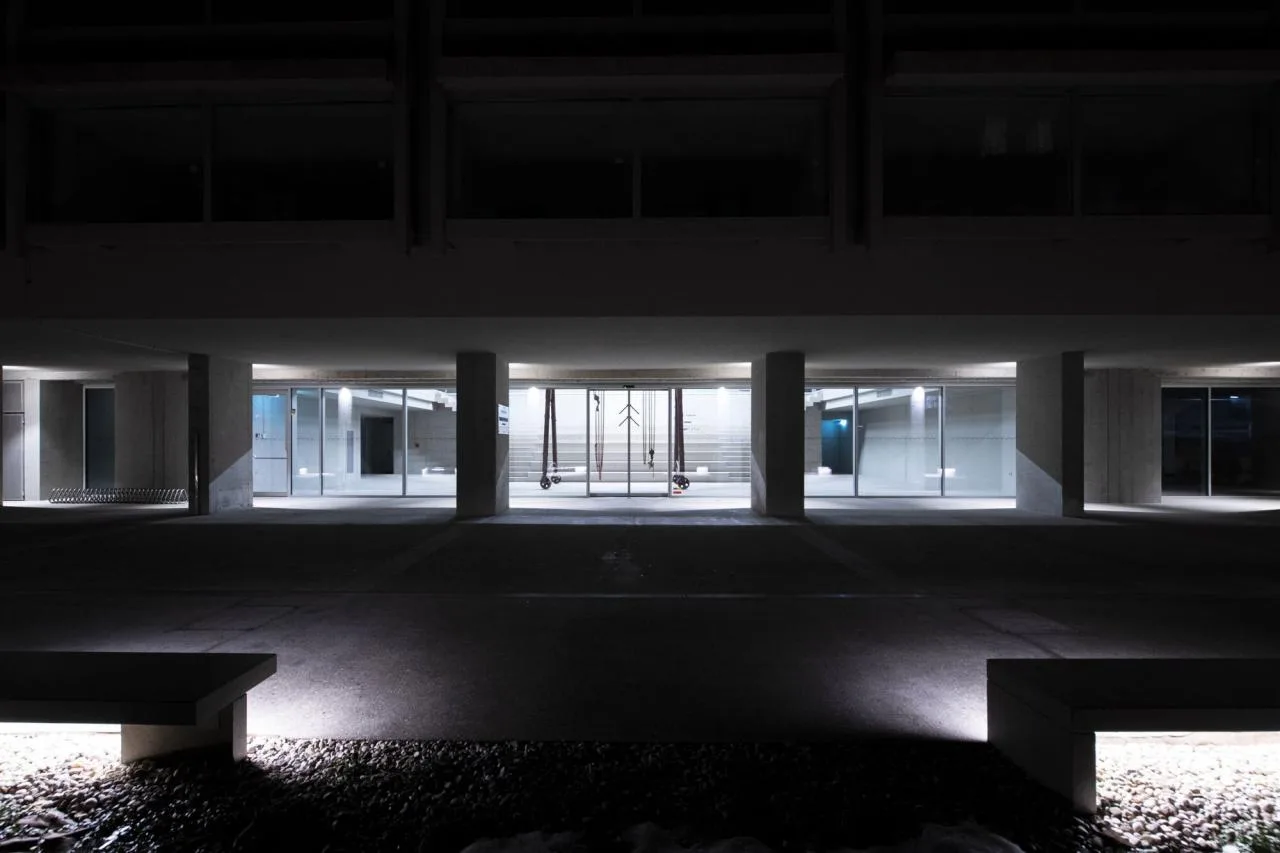
The only major alteration to the original structure is the addition of a new entrance. Previously, factory workers accessed the building through changing rooms in the office area, a layout unsuitable for the renovated purpose. The new grand entrance on the south side creates a welcoming, city square-like atmosphere inside the building. This stepped hall serves as a meeting point, event space, and performance venue. Part of the original printing machinery is preserved here, honoring the building’s industrial past.
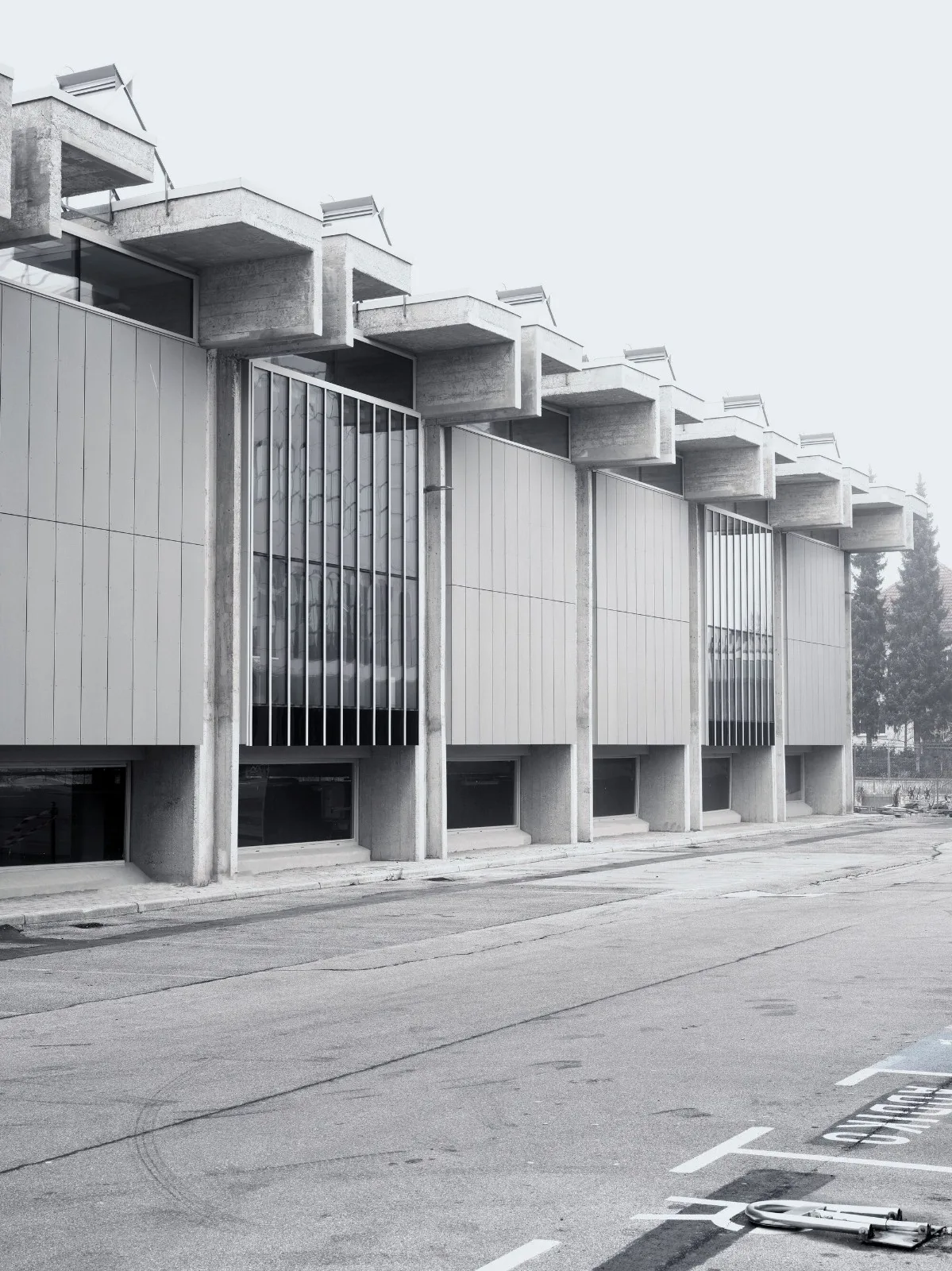
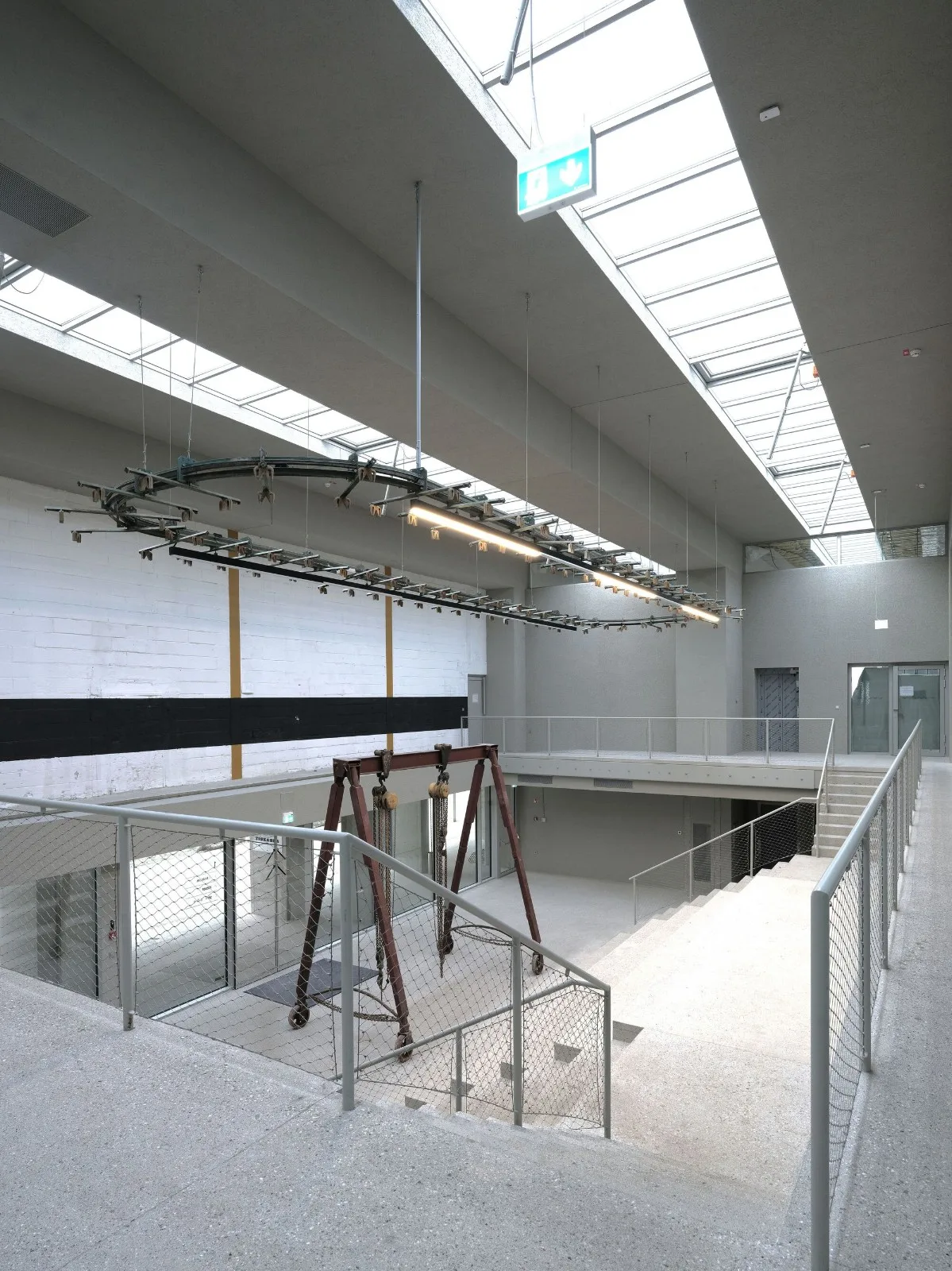
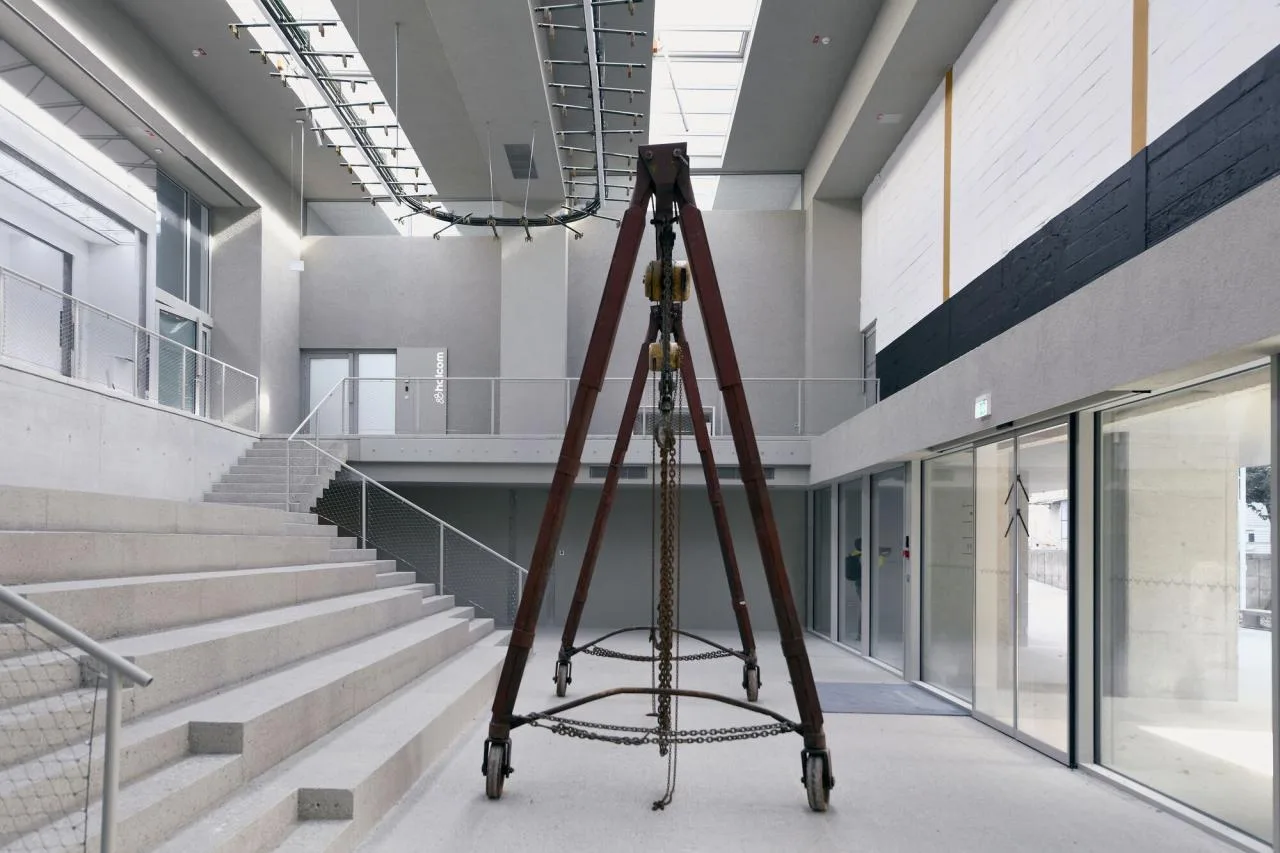
In recent decades, several of Sever’s architectural works have been demolished. Though Sever himself supported functionalism—the idea that buildings should be replaced if they no longer serve their purpose—many demolitions have been needless losses, often driven by economic motives. In contrast, this old printing factory has been respectfully renovated, regaining vitality. This project not only honors its creator but also serves as a model for infusing new, contemporary uses into neglected industrial heritage sites.

Project Drawings
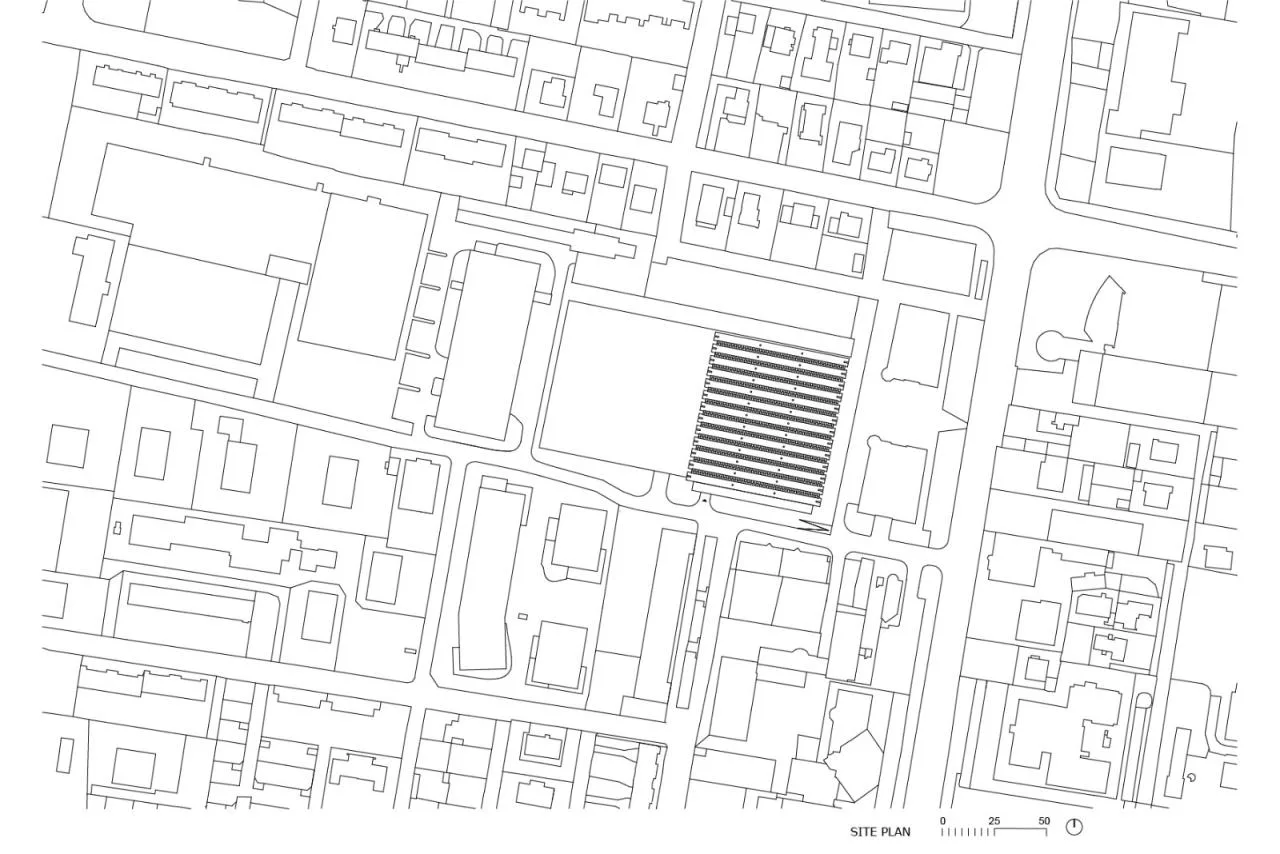
△ General Layout Plan
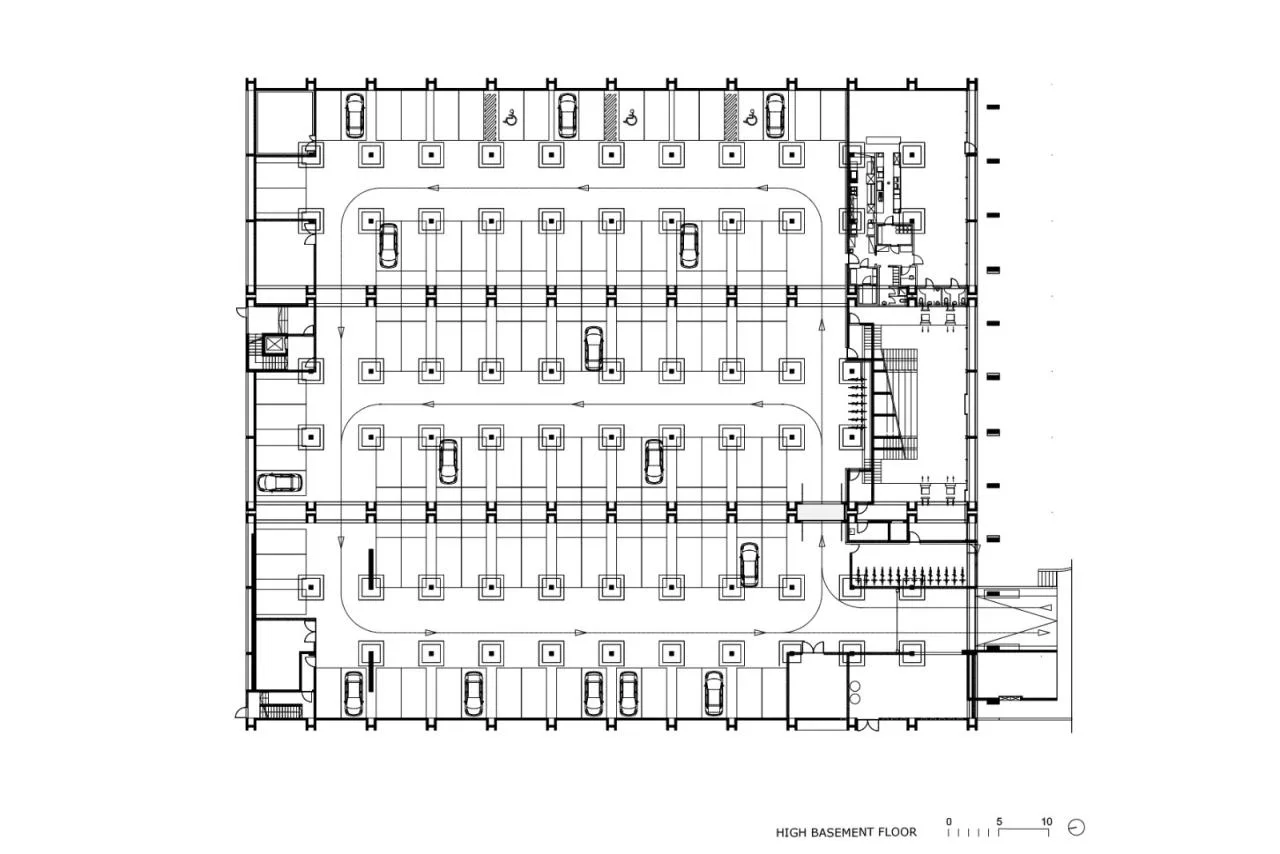
△ Basement Plan
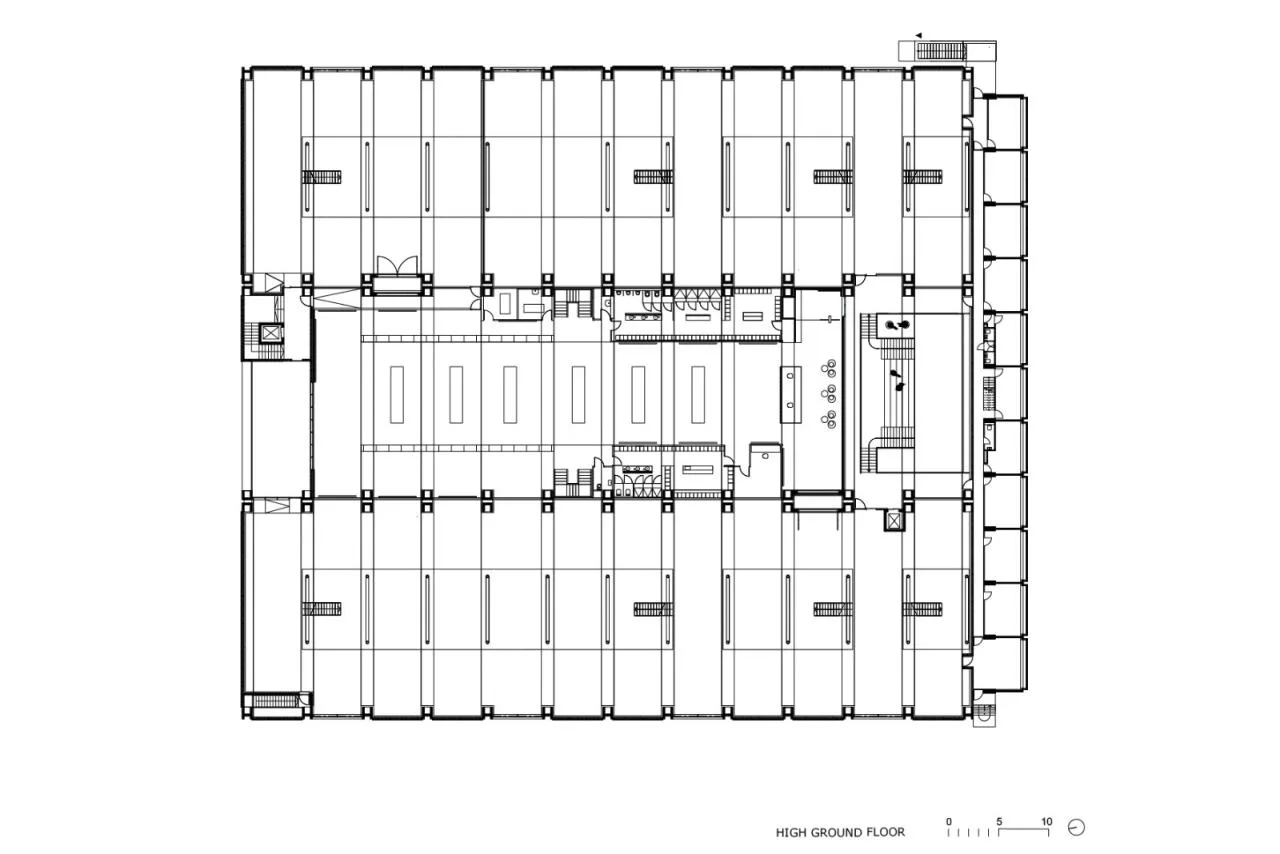
△ Plan View
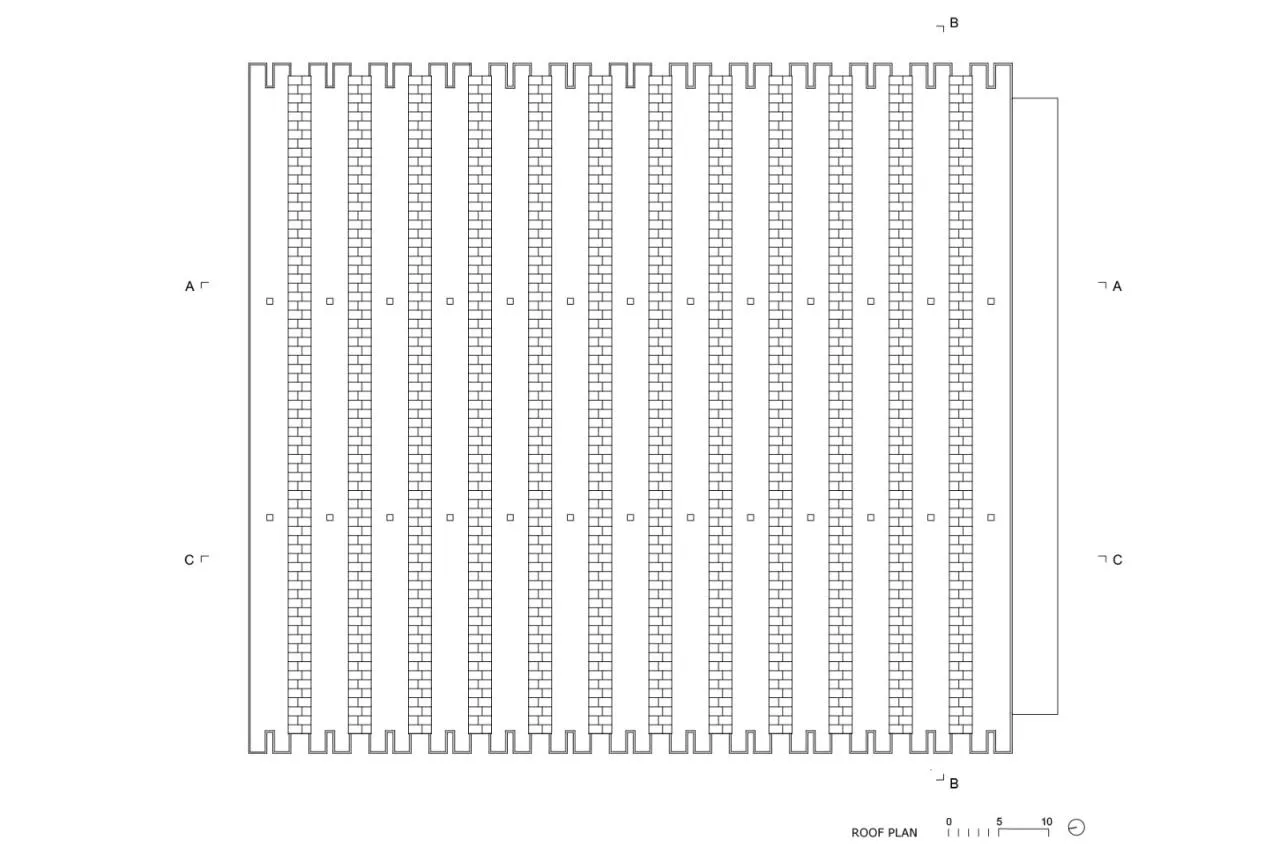
△ Roof Plan
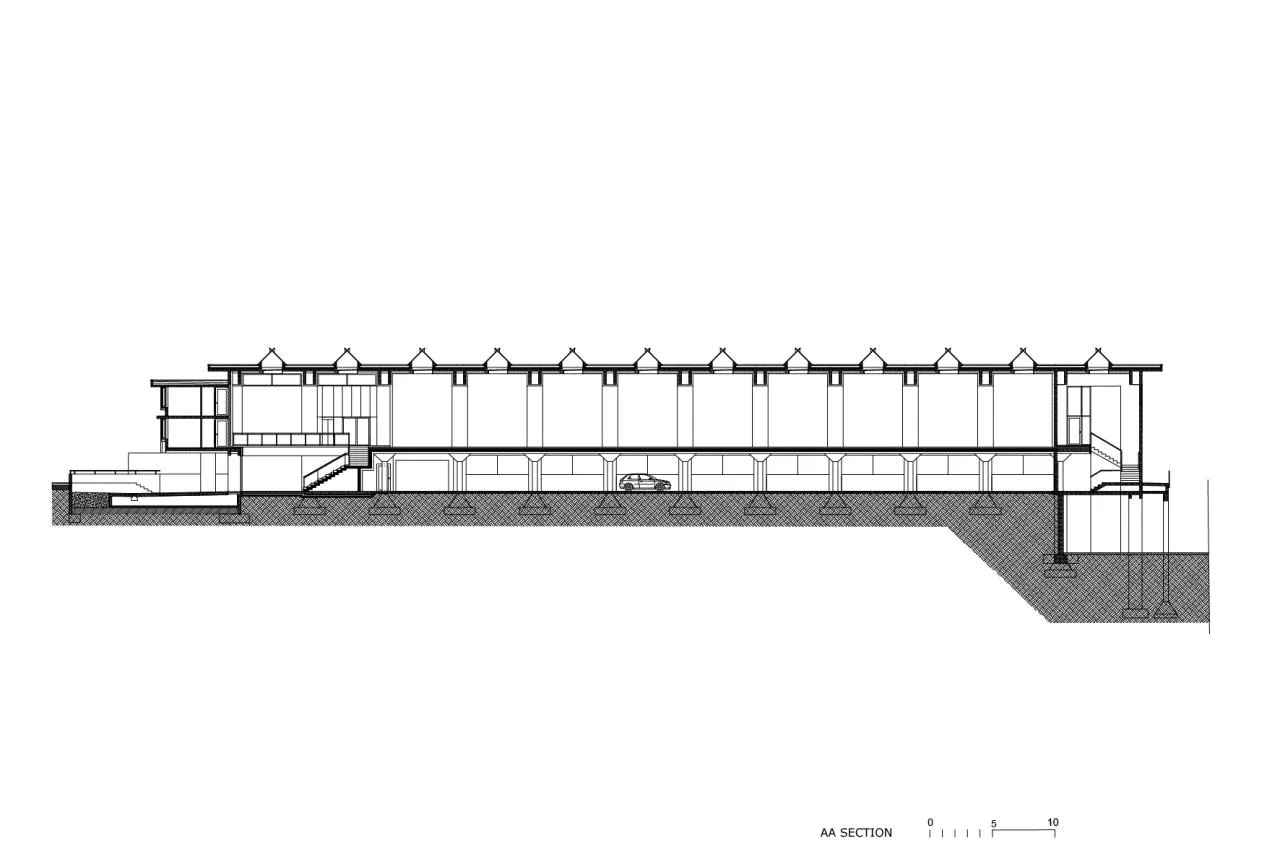
△ Section Diagram
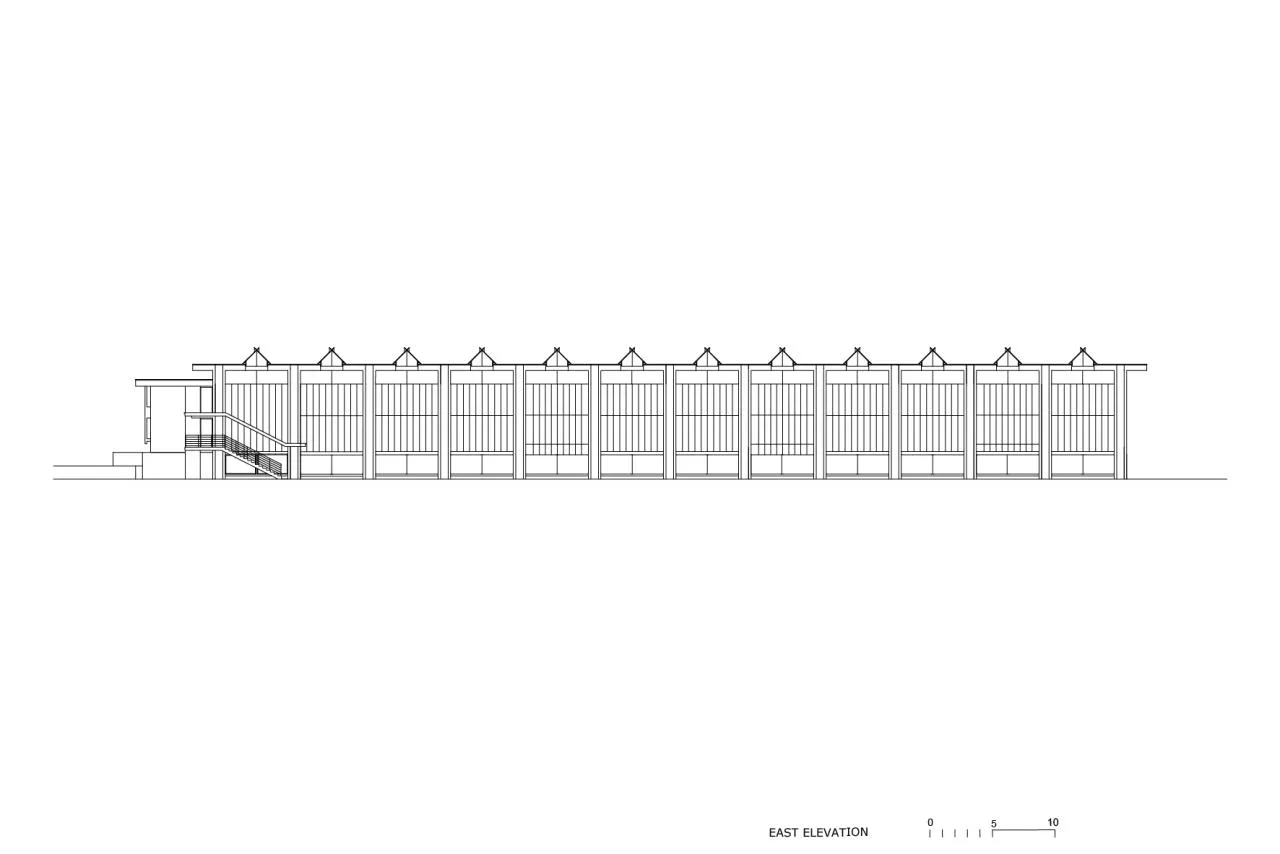
△ Elevation Drawing
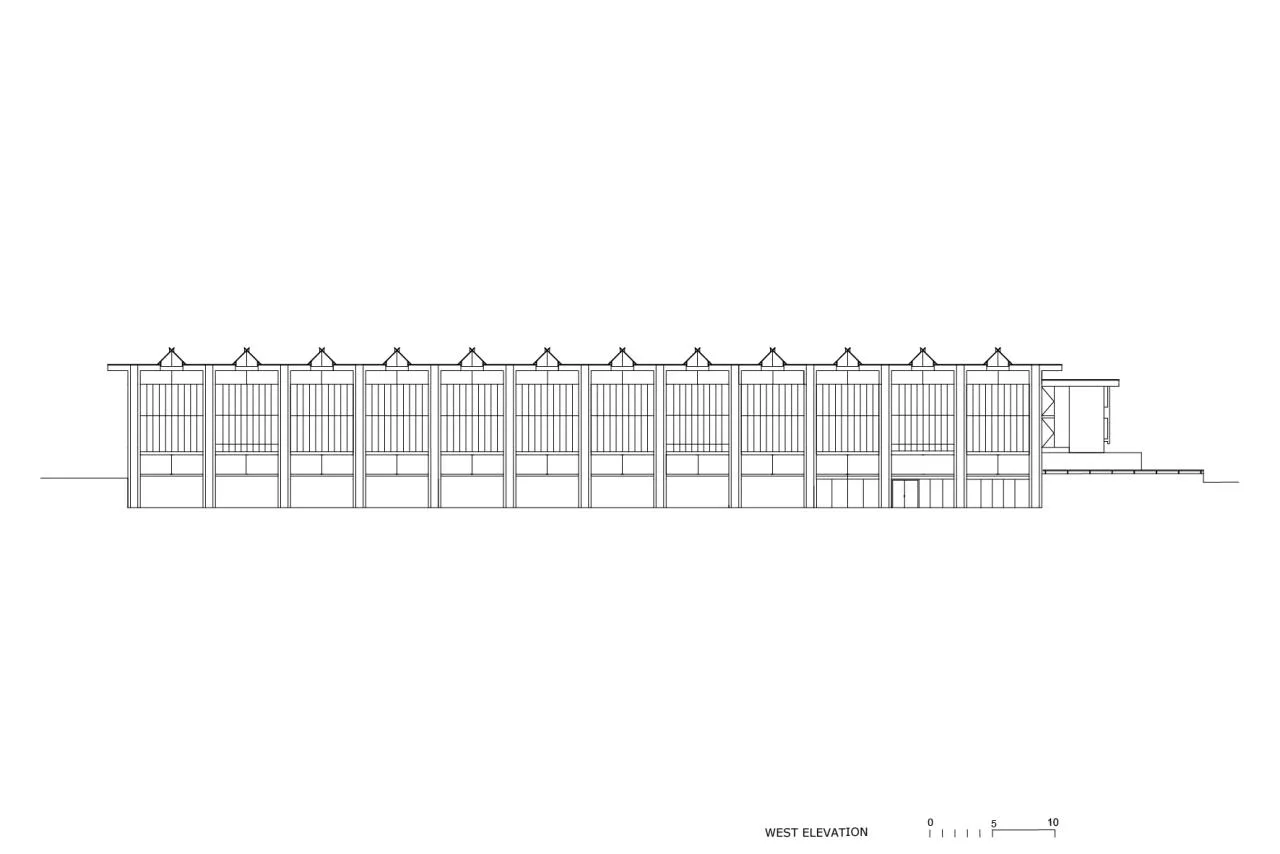
△ Elevation Drawing
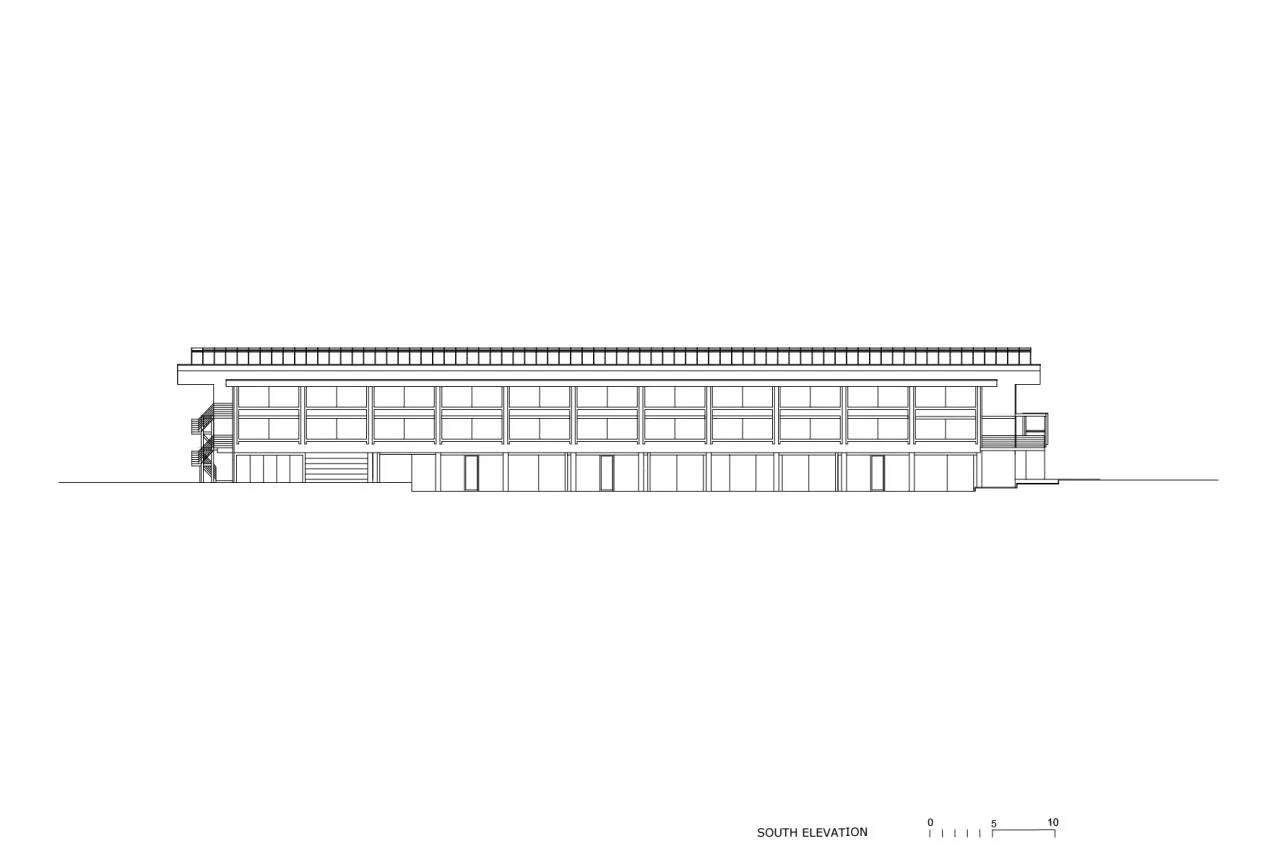
△ Elevation Drawing
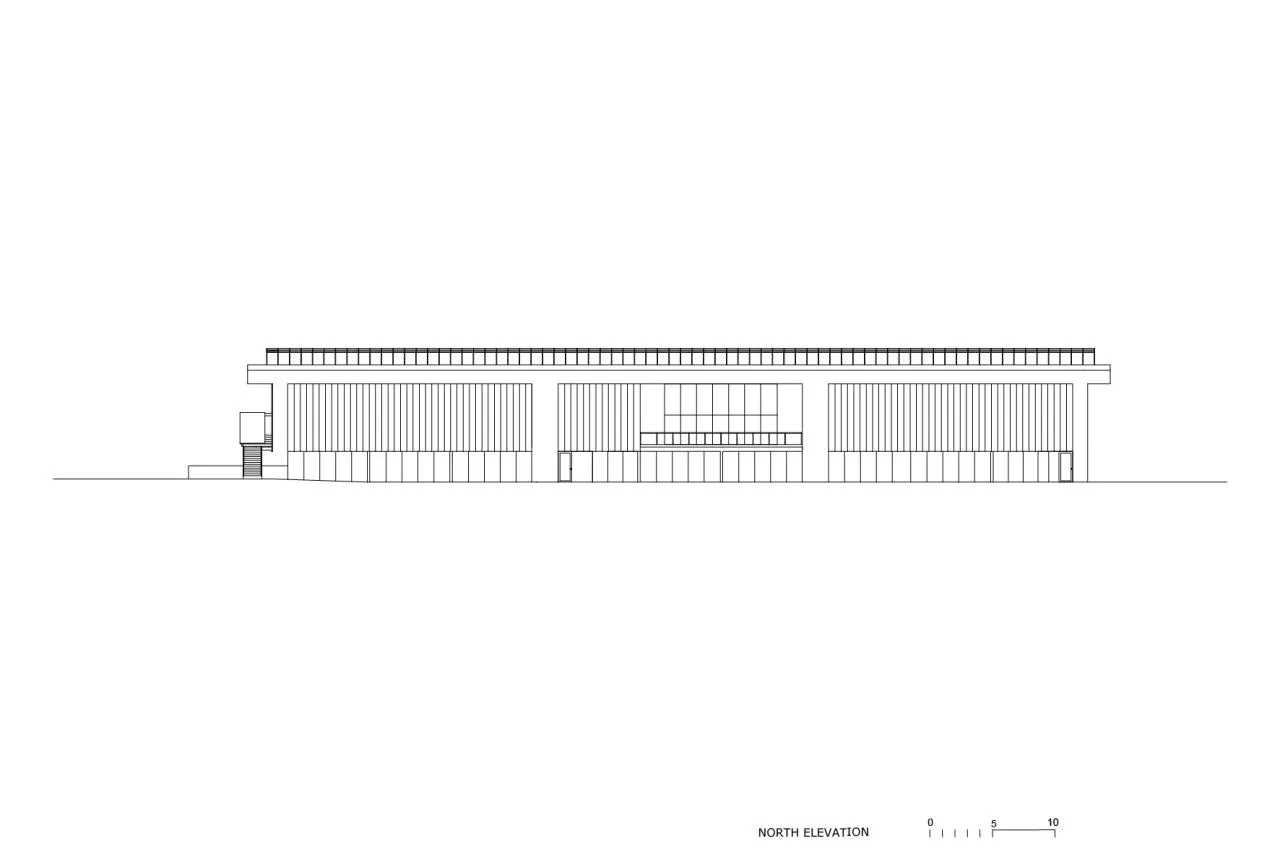
△ Elevation Drawing
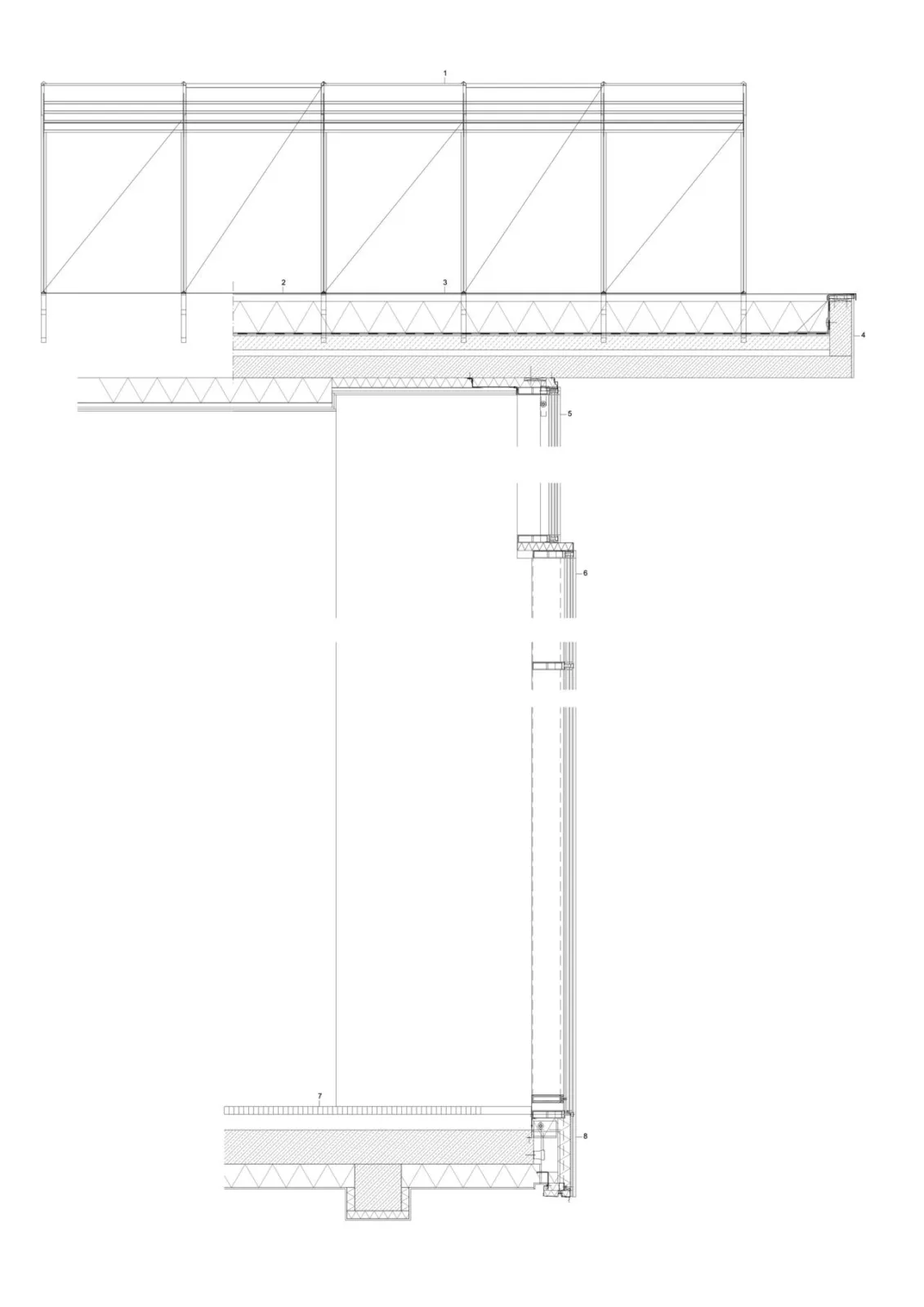
△ Detailed Structural Drawing
Project Information
Architect: OFIS Architects
Project Year: 2024
Photographers: Tomaz Gregoric, Janez Martincic, OFIS Architects
Design Team: Rok Oman, Š La vidnik, Janez Martinič, Andrei Gregoriech, Matej Kranjc, Rok Bag, Borut Bernik, Marieke van Dorpe
Structural Engineer: Milan Sorč – Project PA
Project Duration: 2021-2024
Electrical Engineer: Pro Elekt
Structural Engineering: Project PA
Mechanical Engineering: ISP
Location: Slovenia














Must log in before commenting!
Sign Up