
Lufei Bohong, whose family name is Lufei and given names are Kui and Shaocang, hails from Tongxiang, Zhejiang. A distinguished educator and publisher in China, he founded the Zhonghua Book Company. In 2018, the Tongxiang Municipal Committee honored him as the “Pioneer of China’s Book Industry” and launched the “Implementation Plan for Building Bohong City Study (Book Fragrance Station).” This initiative began with pilot projects in urban areas and central towns like Zhouquan and Wuzhen, establishing a “ten-minute reading circle” that spans both urban and rural communities.
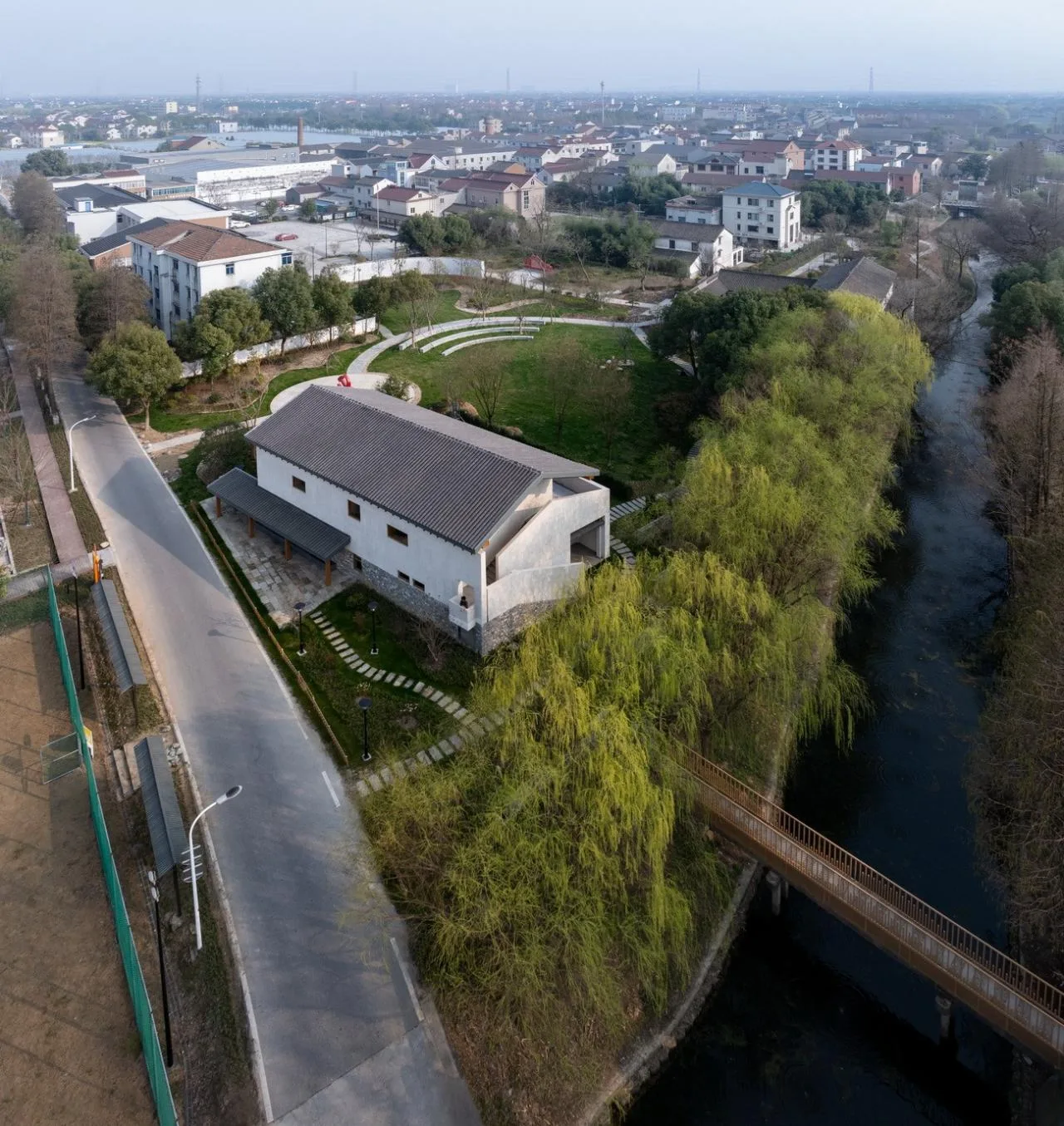
△ Aerial view
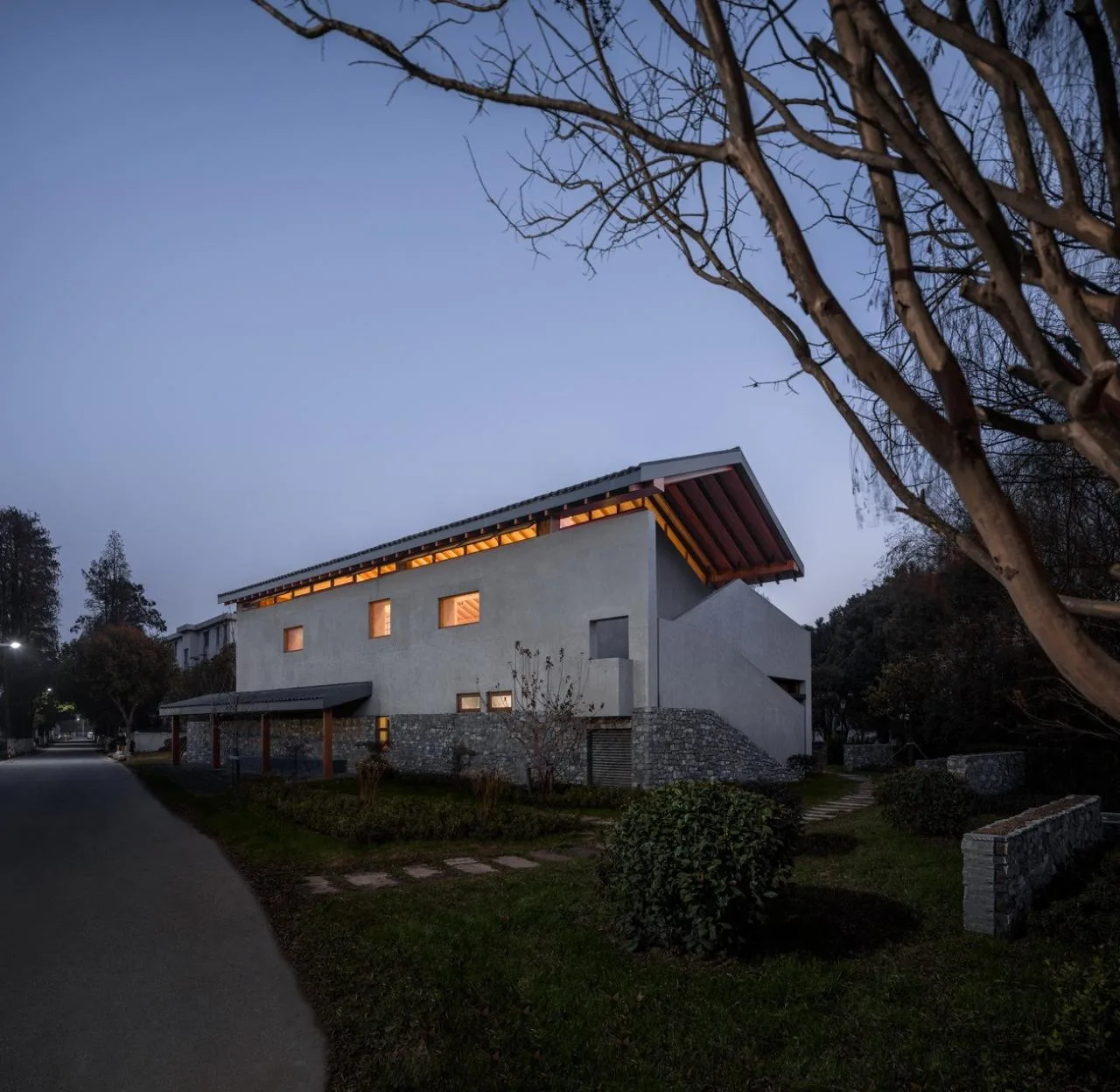
Bohong Bookstore
Using books as a bridge, this project aims to cultivate a refined cultural atmosphere in Tongxiang. Serving as a vital public cultural space, the Bohong Rural Bookstore is a key extension of the Bohong reading platform series. By renovating and repurposing old village buildings, the project ensures equitable access to book resources across rural areas. It integrates new reading spaces throughout Tongxiang, establishing a cohesive public reading service system that unites urban and rural environments, thereby enriching the city’s literary culture sustainably.
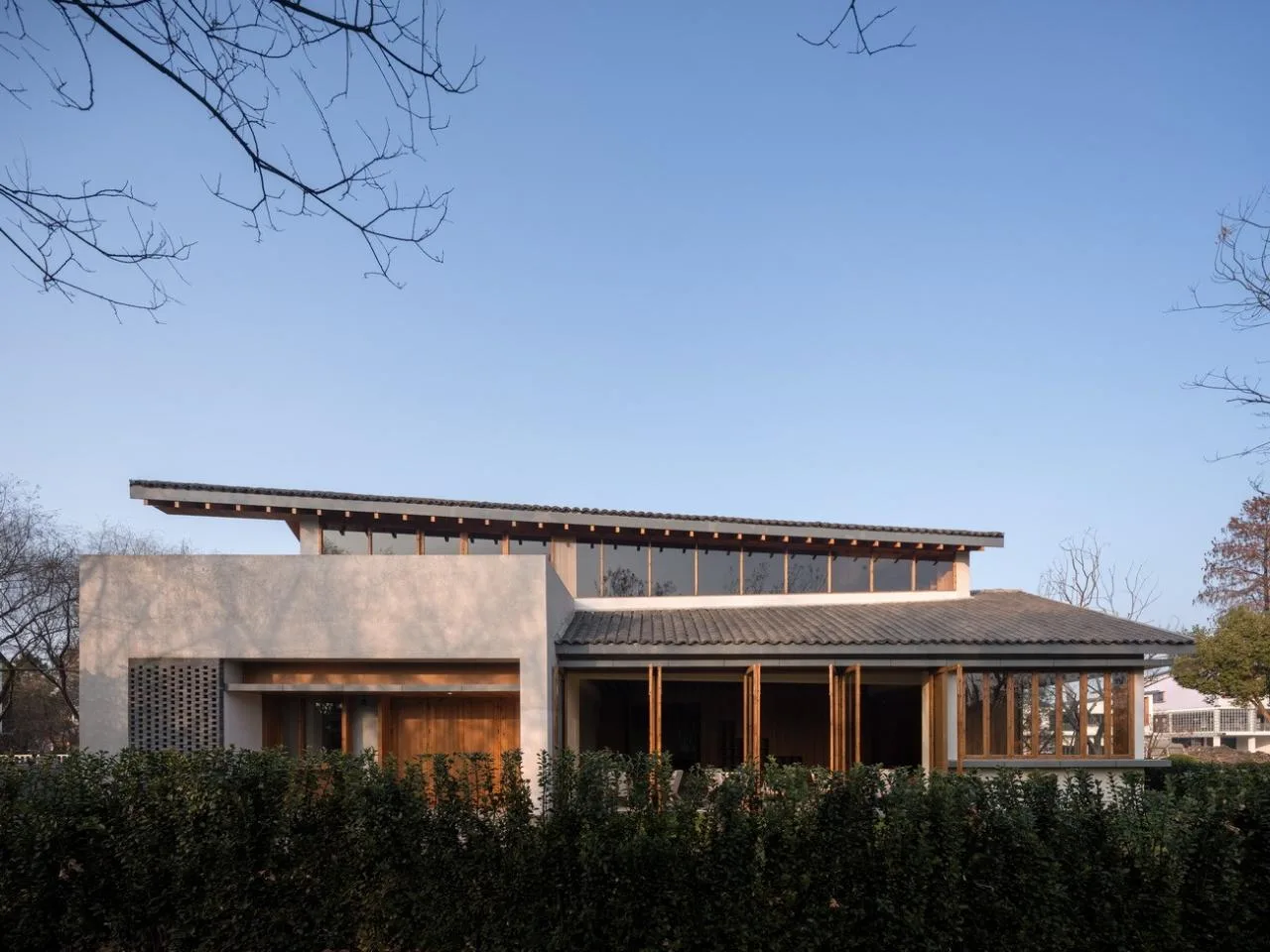
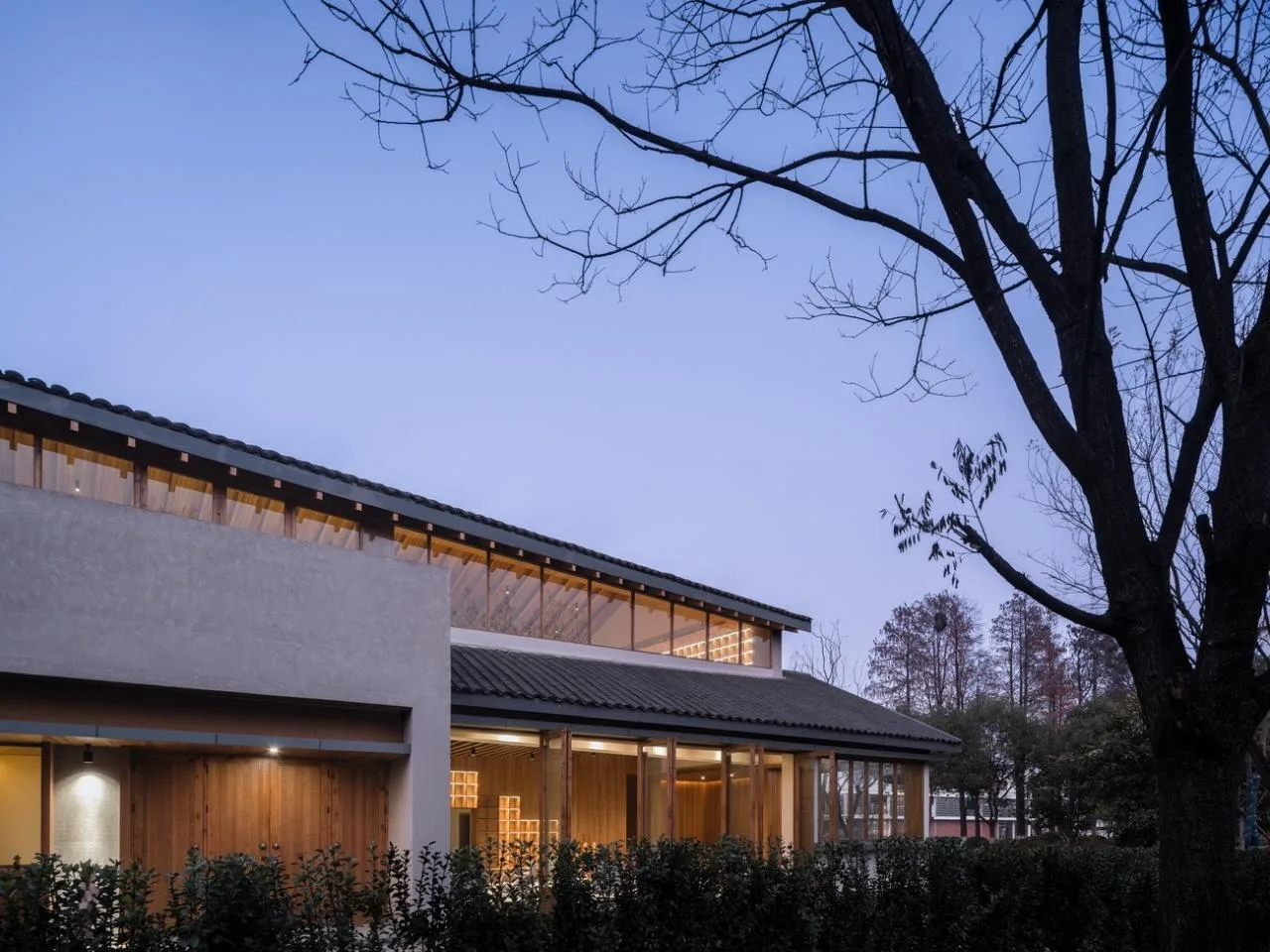
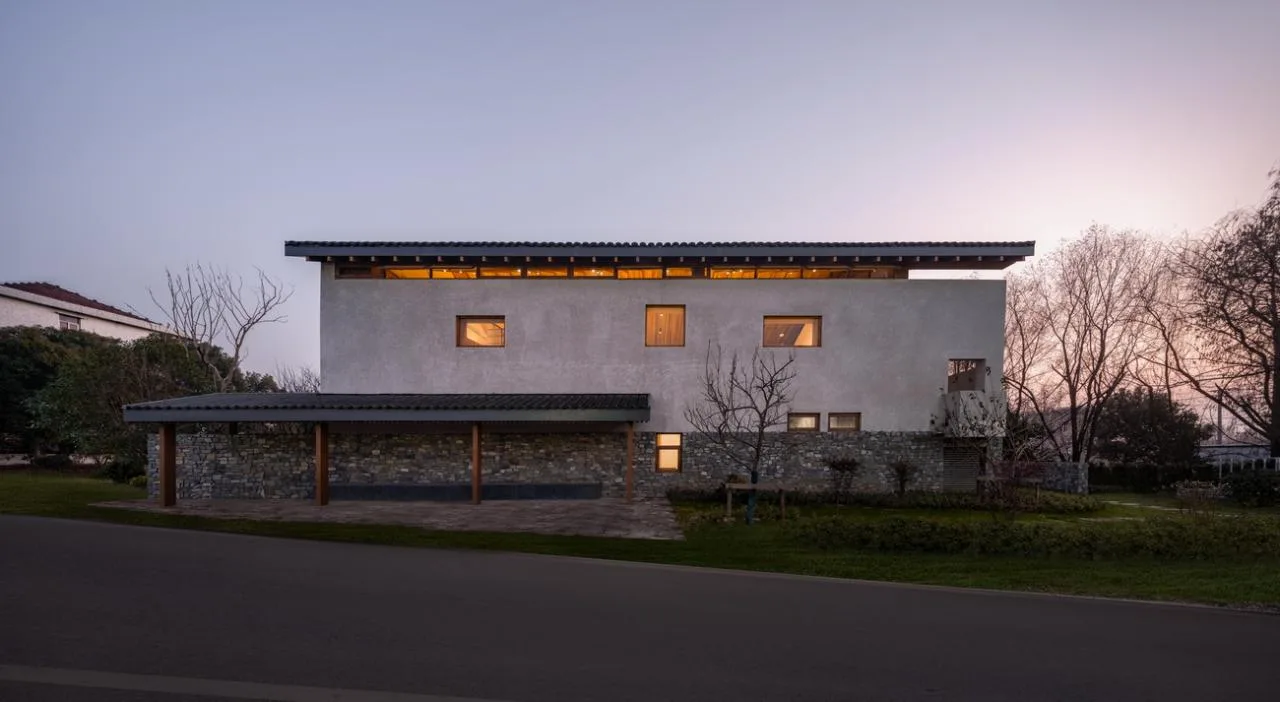
Bohong Bookstore as a Cultural Hub
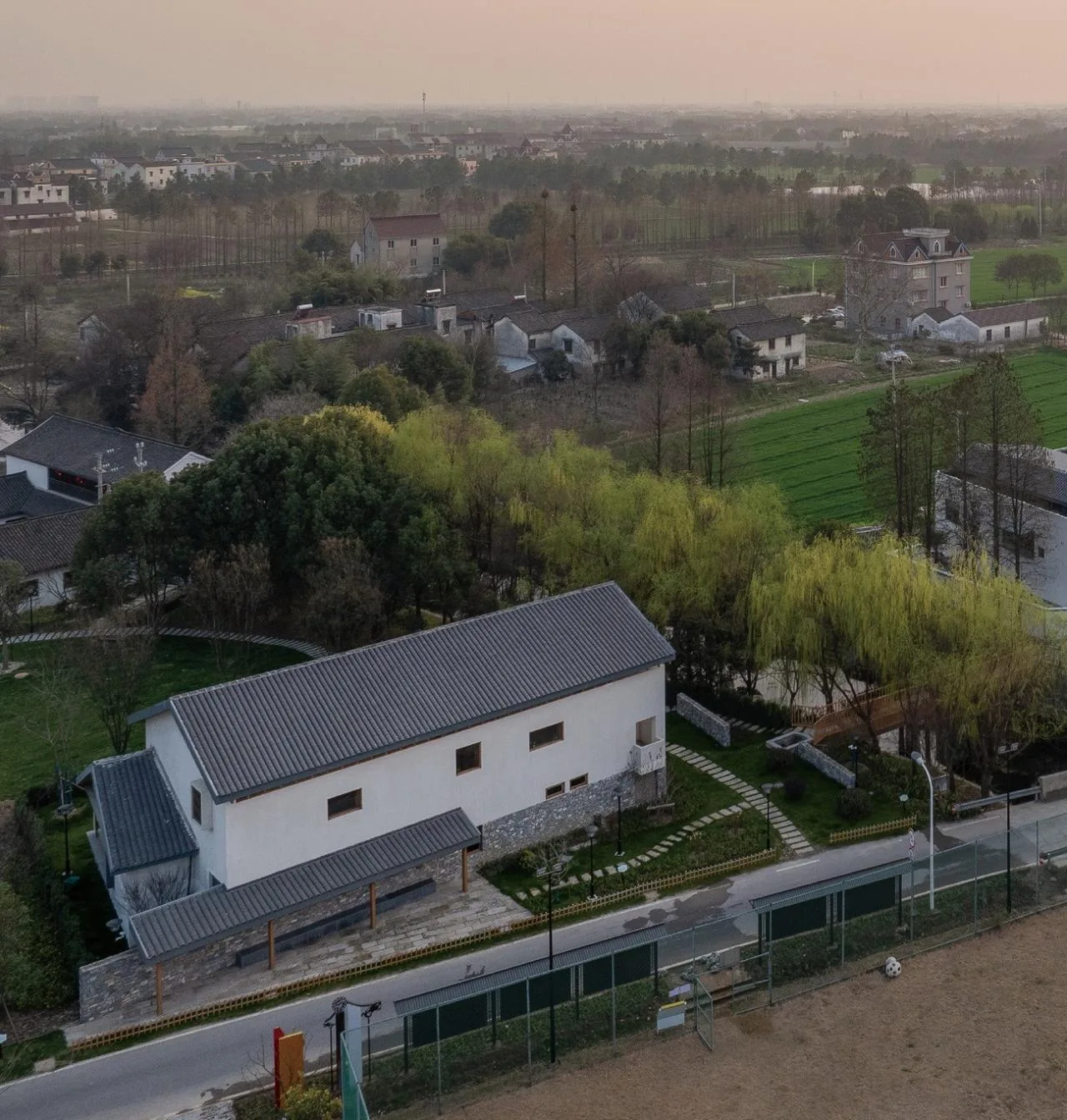
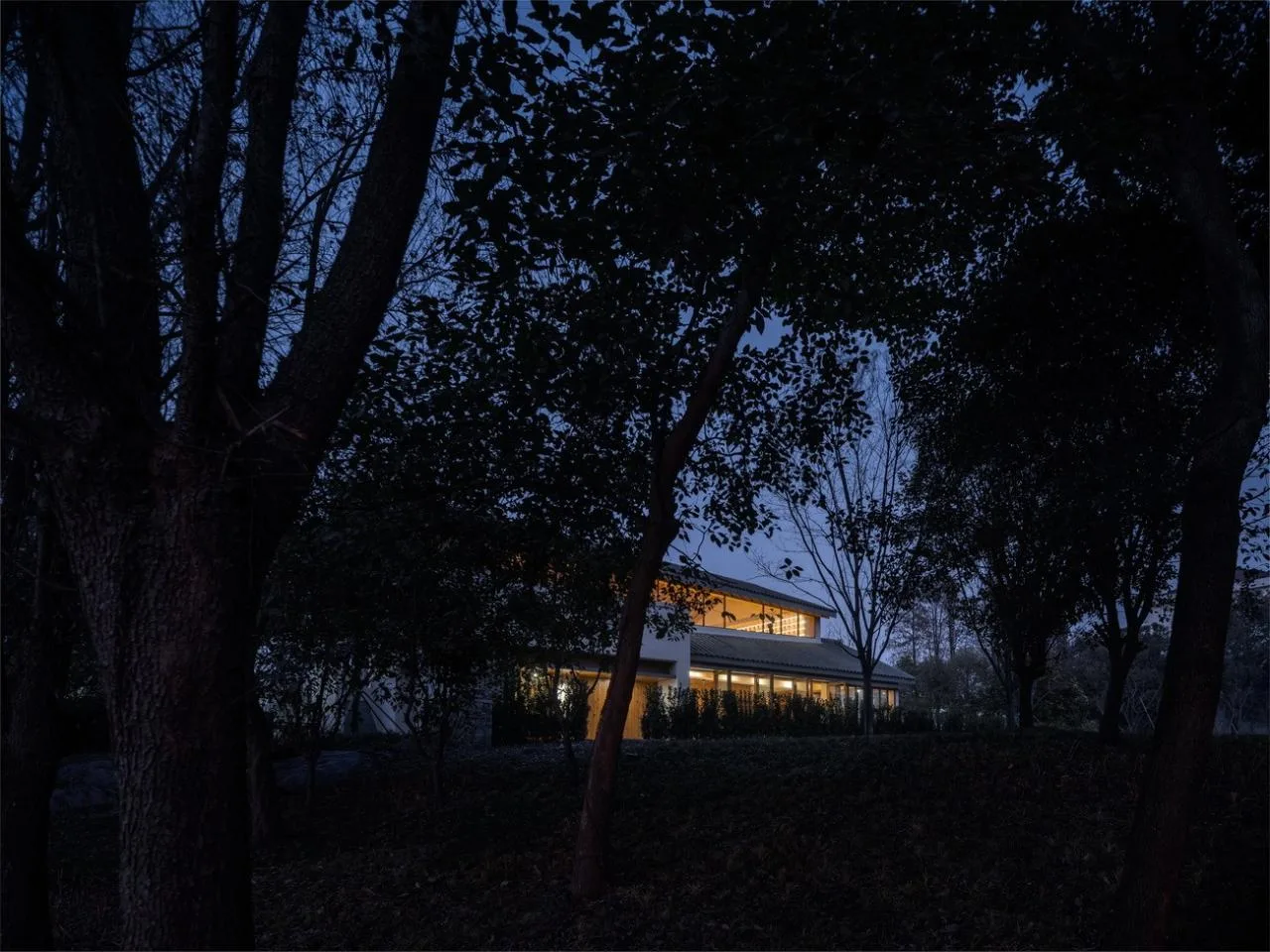
△ Bookstore and Environment
This cluster of small buildings along the riverbank serves as the cultural center of Longnan Village. The bookstore, together with the Bao Yuejing Art Museum located on the south side, forms a creative hub focused on calligraphy and painting. These venues host educational programs, artistic training, creative workshops, and exchange events, enriching local cultural life.
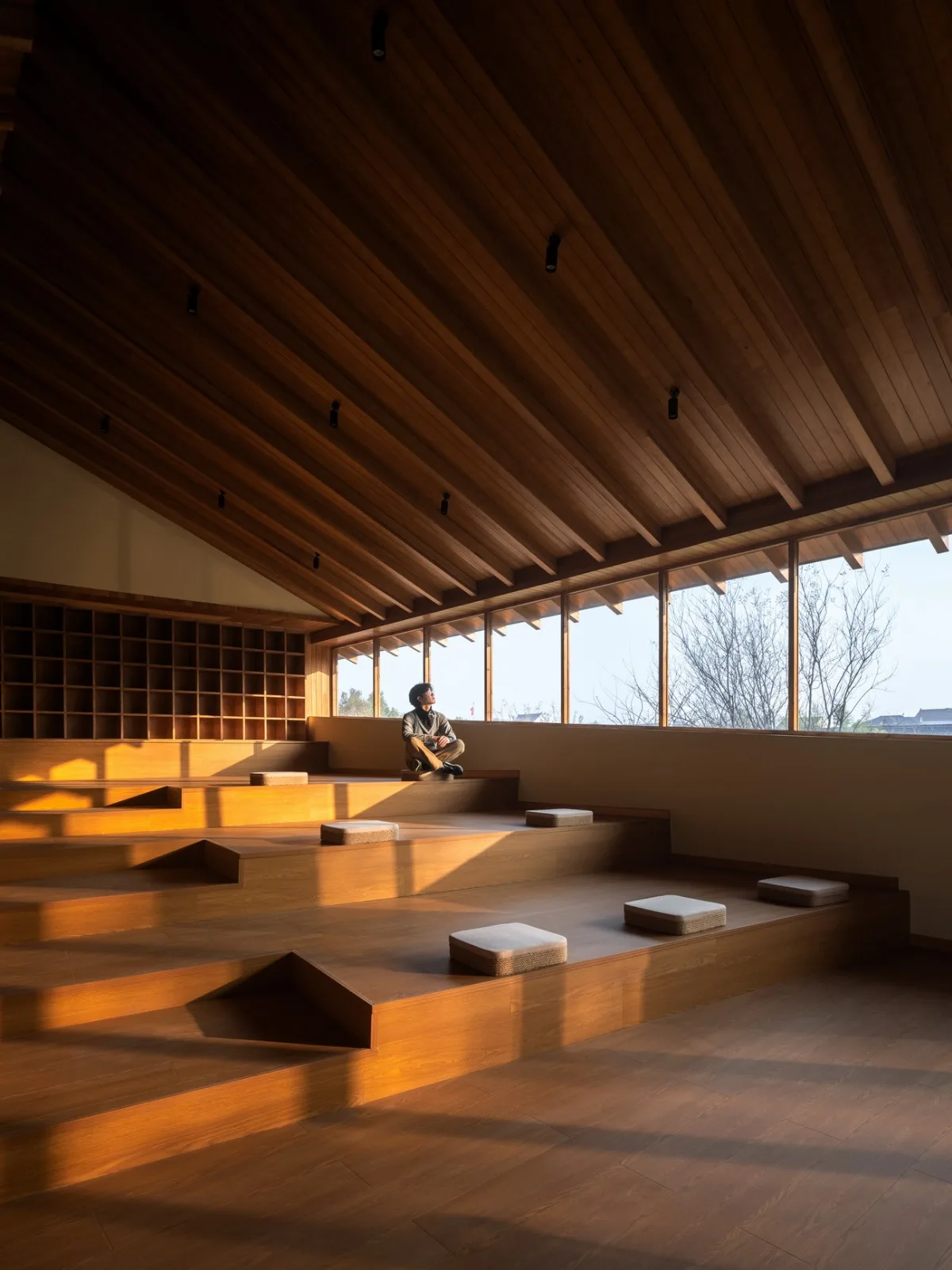
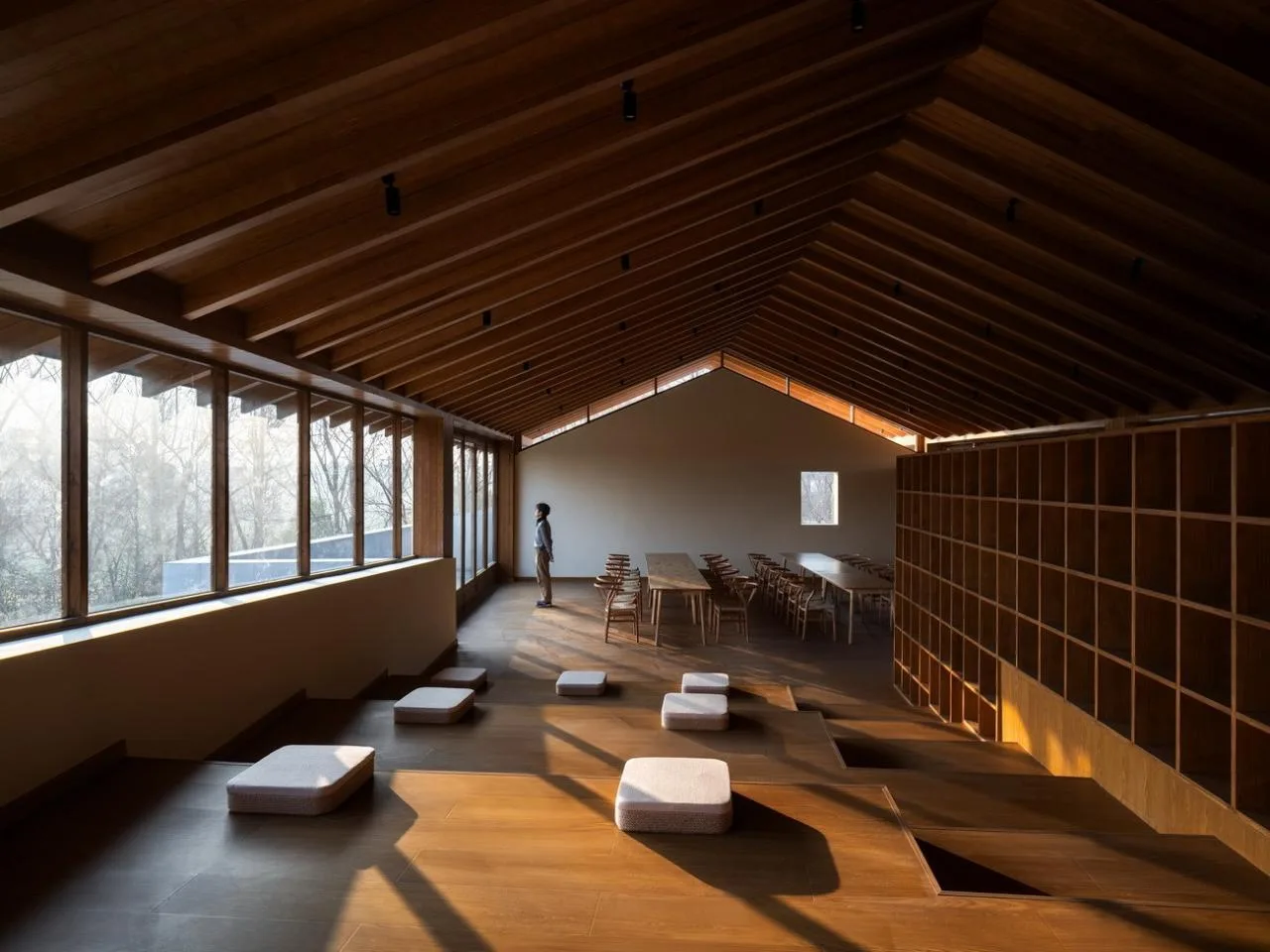
△ Reading Space
The Bohong Bookstore in Longnan Village combines a literati art studio with a rural bookstore. The first floor houses Xu Lingfen’s personal literary studio, centered around the “Poetry and Painting Longnan · Tang Yin Literature Salon.” This space facilitates literary gatherings, reading exchanges, writing collections, and lectures. The second floor functions as a public reading room, displaying books and offering villagers a free space for reading. This “cultural partner” model attracts literary enthusiasts and renowned writers, fostering cultural exchange within the community and transforming the bookstore into a vibrant cultural sharing space.
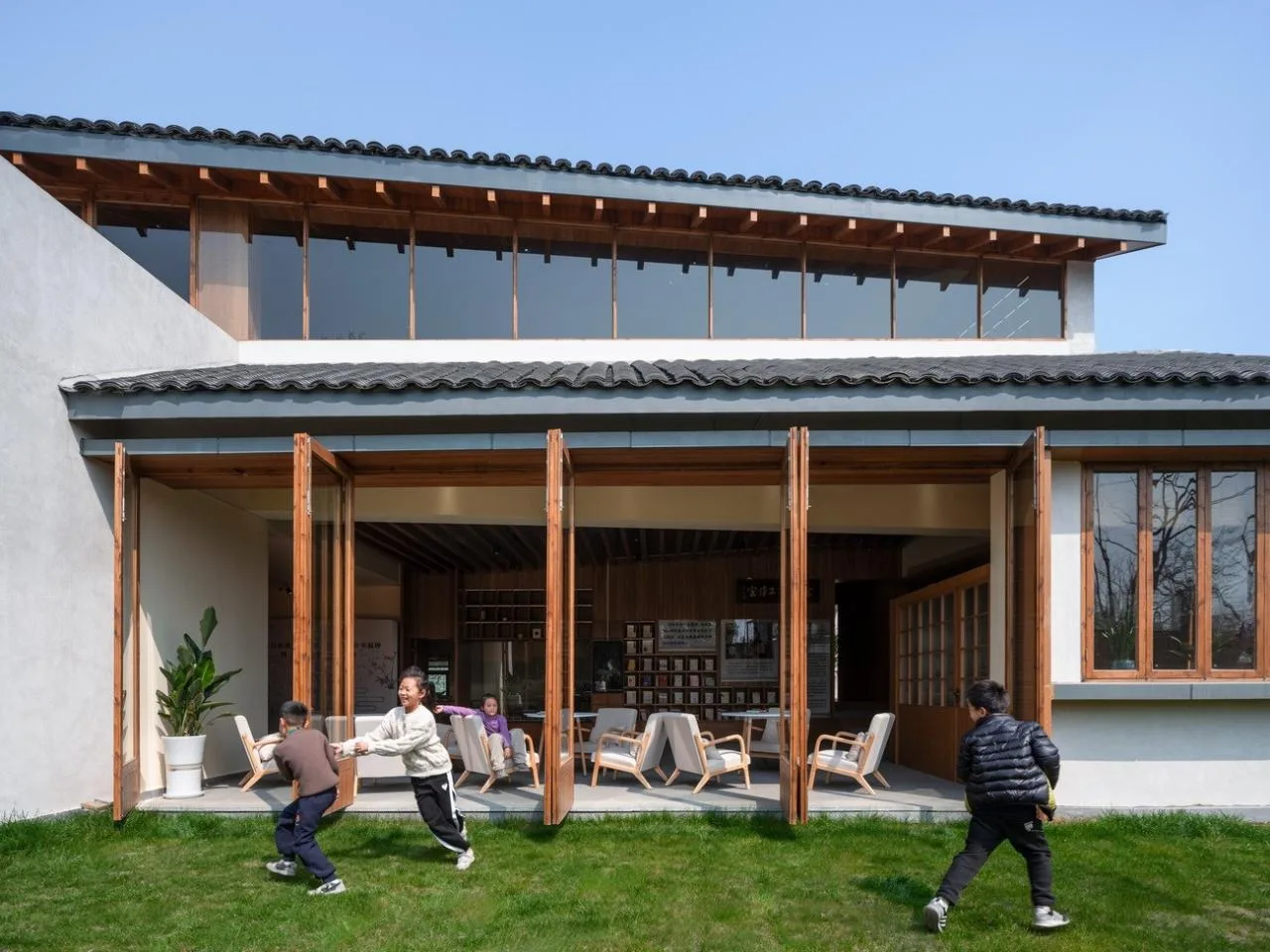
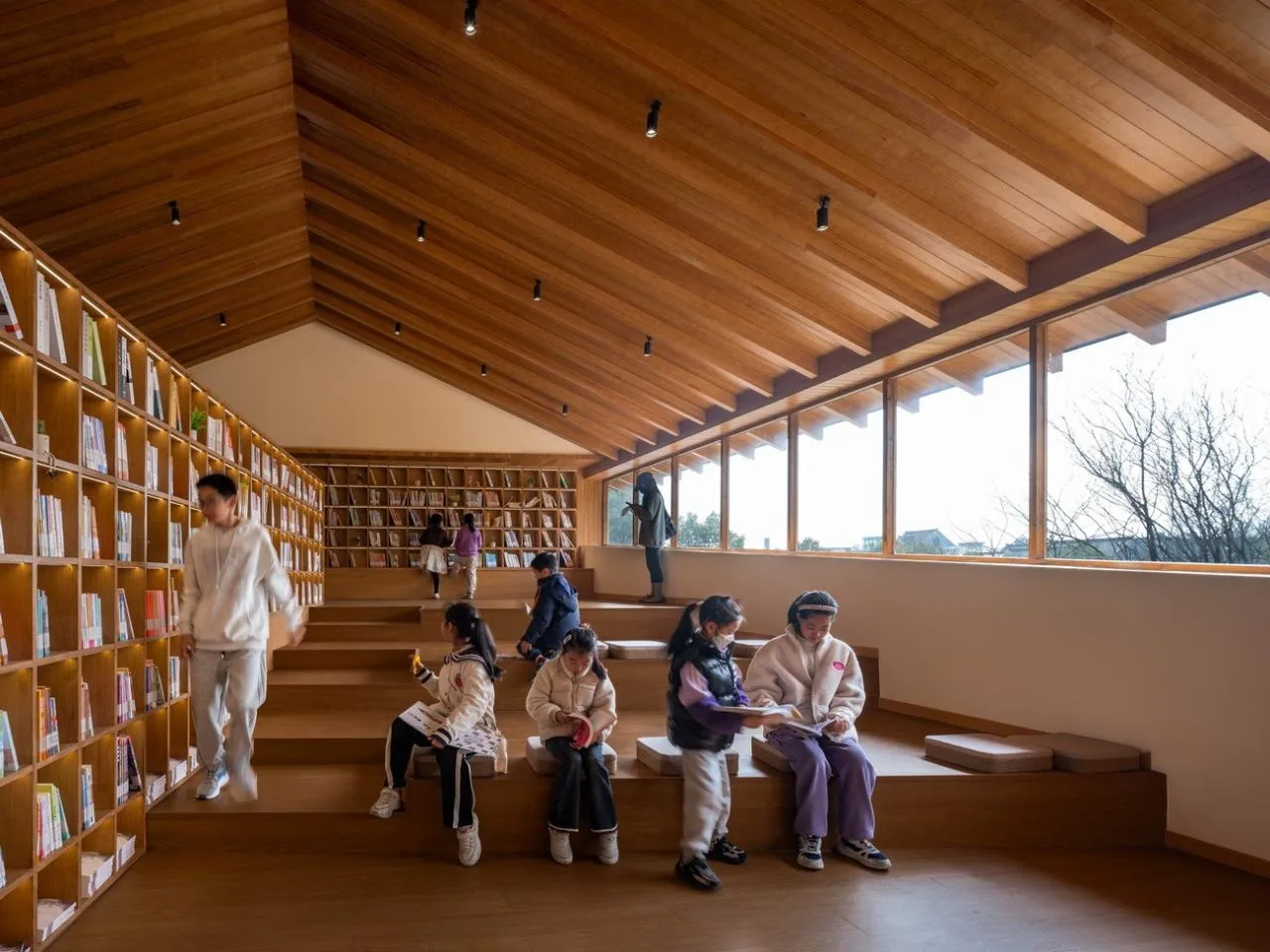
Daily Life and Reading Activities in the Library
Stacked House Design
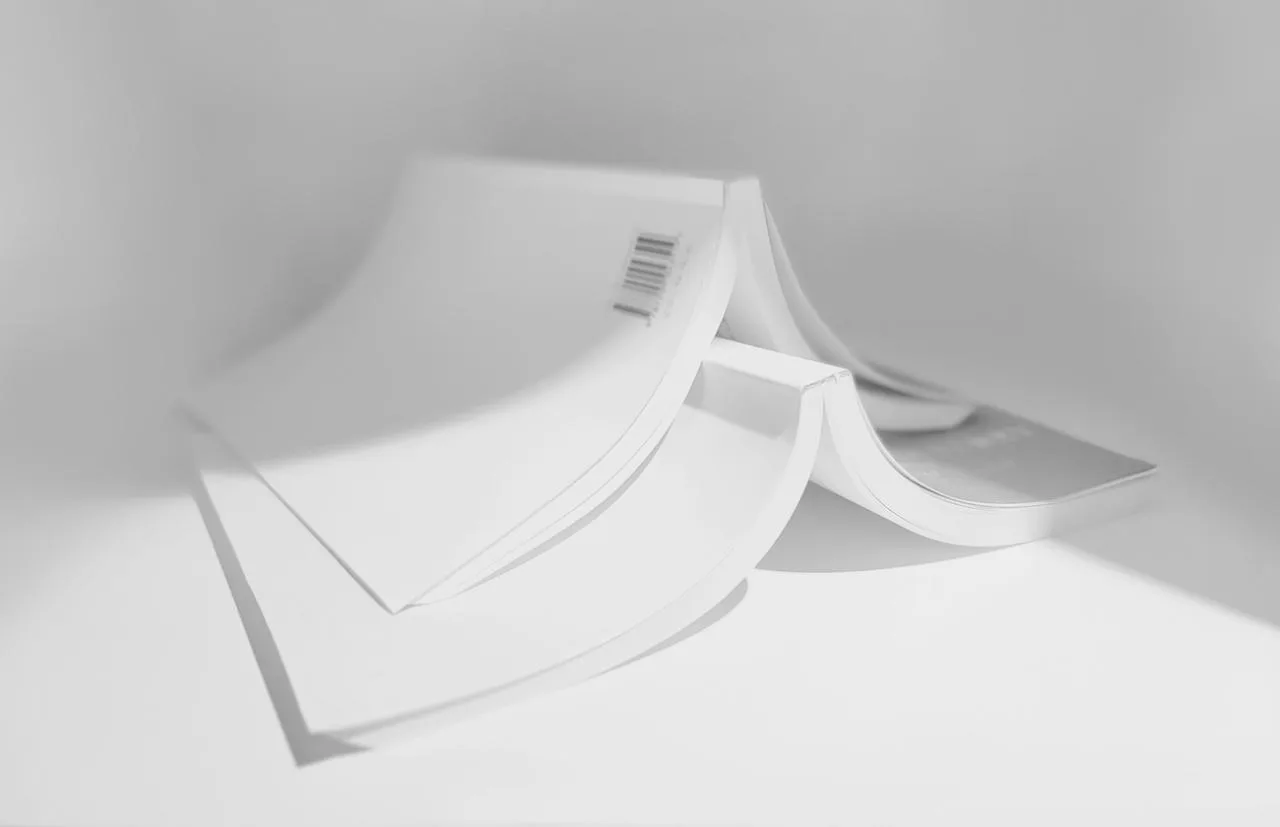
The architectural design draws inspiration from open books, stacking them spatially to create a harmonious combination. It incorporates elements characteristic of traditional dwellings, crafting a reading environment rich in local cultural identity.
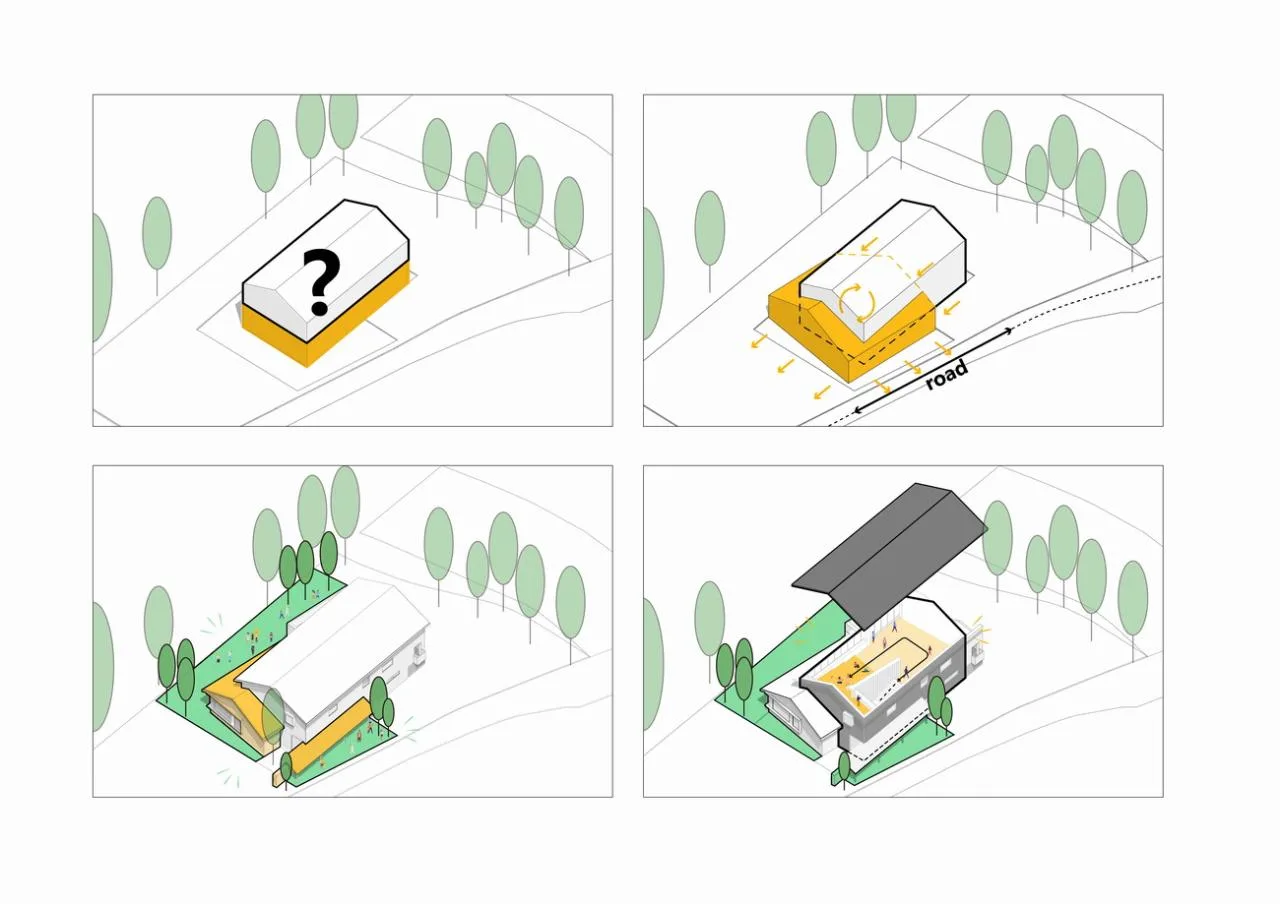
△ Shape Evolution
The building’s form twists along the river embankment and village road, with overlapping eaves that expand into public areas like porches and terraces. This staggered design creates dynamic circulation and interaction spaces connecting the interior’s upper and lower levels, while framing views of the surrounding natural landscape. Nestled under riverside trees and surrounded by vegetation to the west, the building reflects vivid local characteristics. The bookstore’s mountain wall echoes the riverbank’s terrain; an interior staircase hidden within this wall follows a winding path, leading to an open platform outside the second-floor reading room.
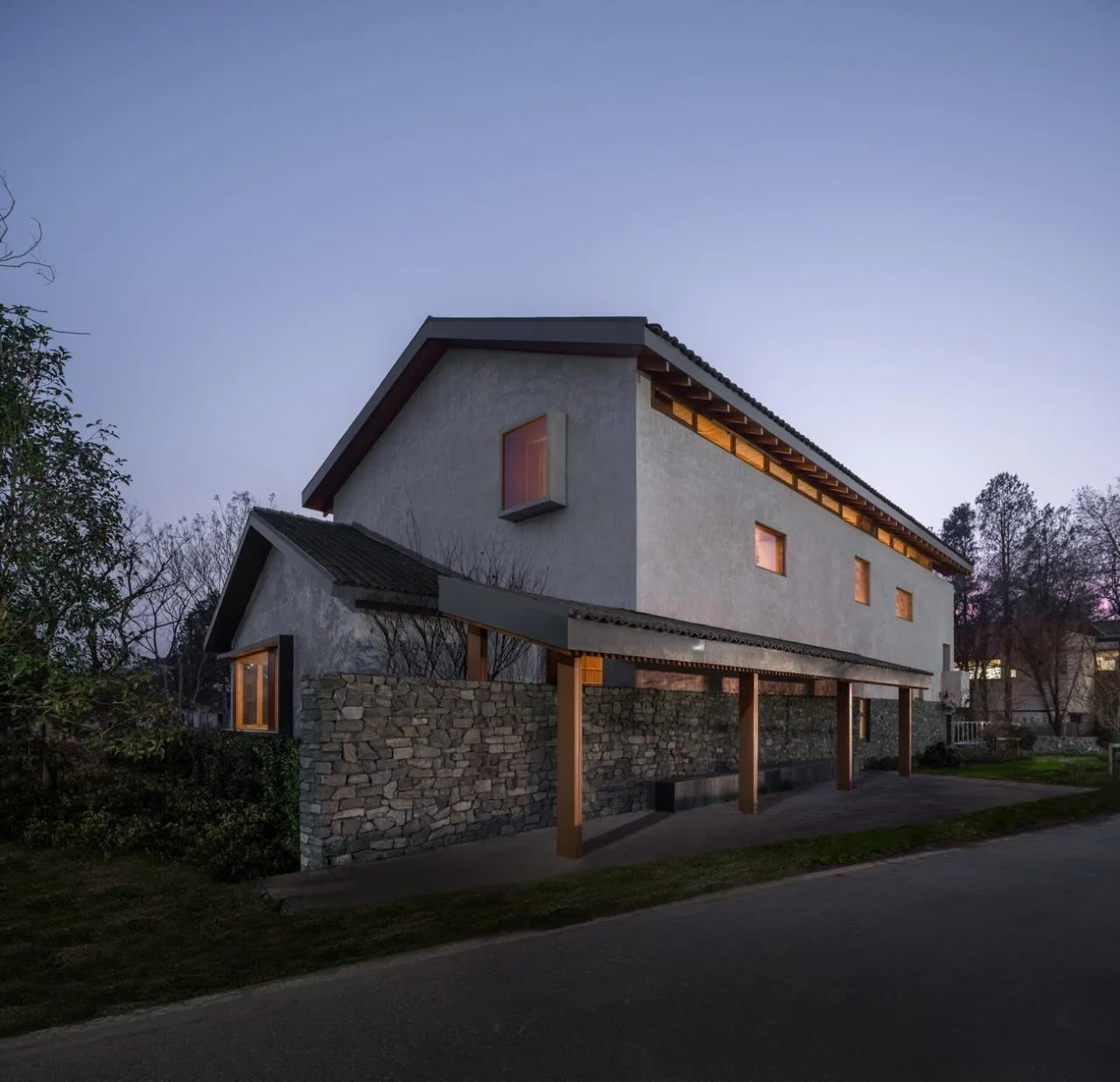
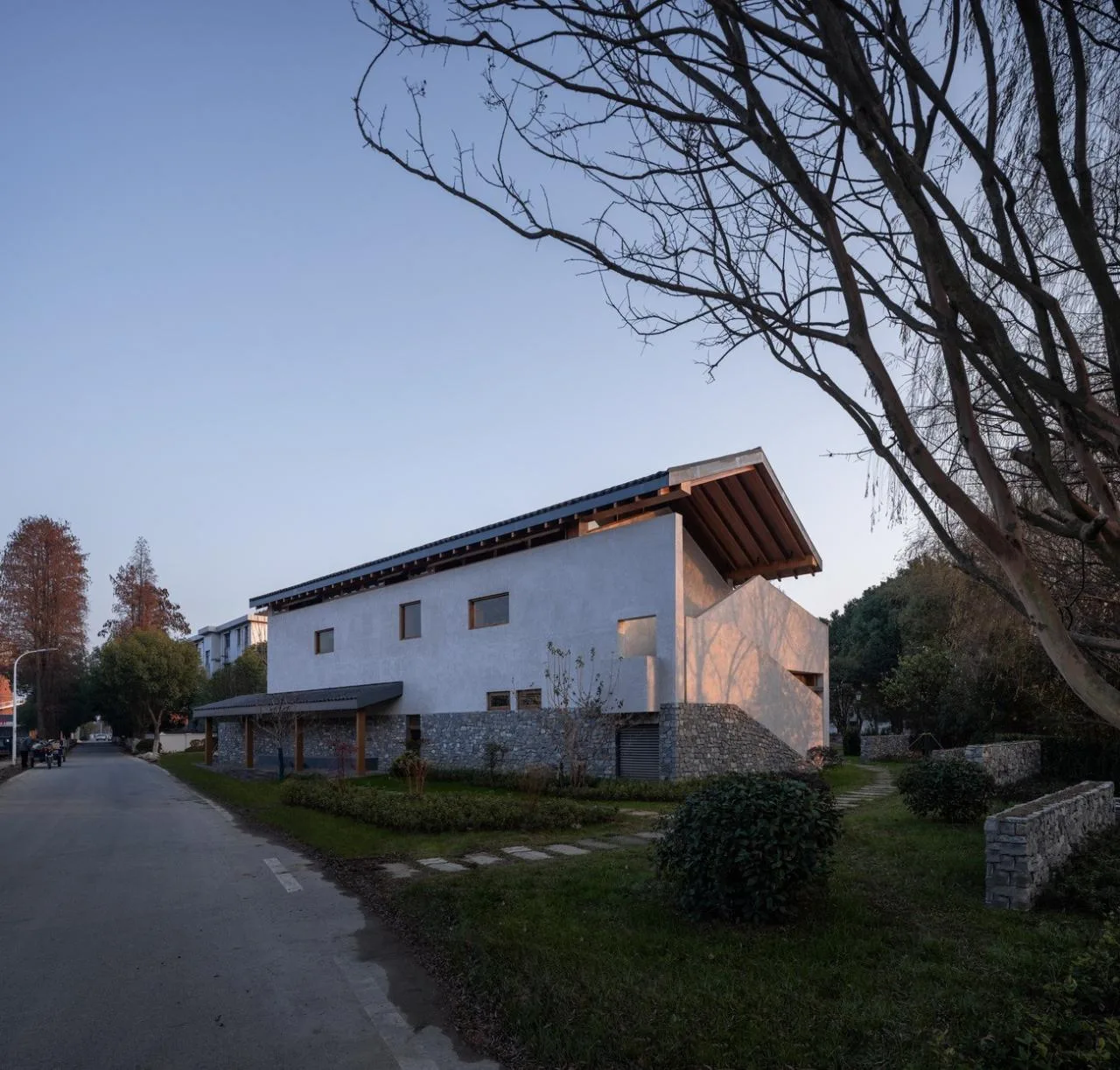
△ Stacked Form
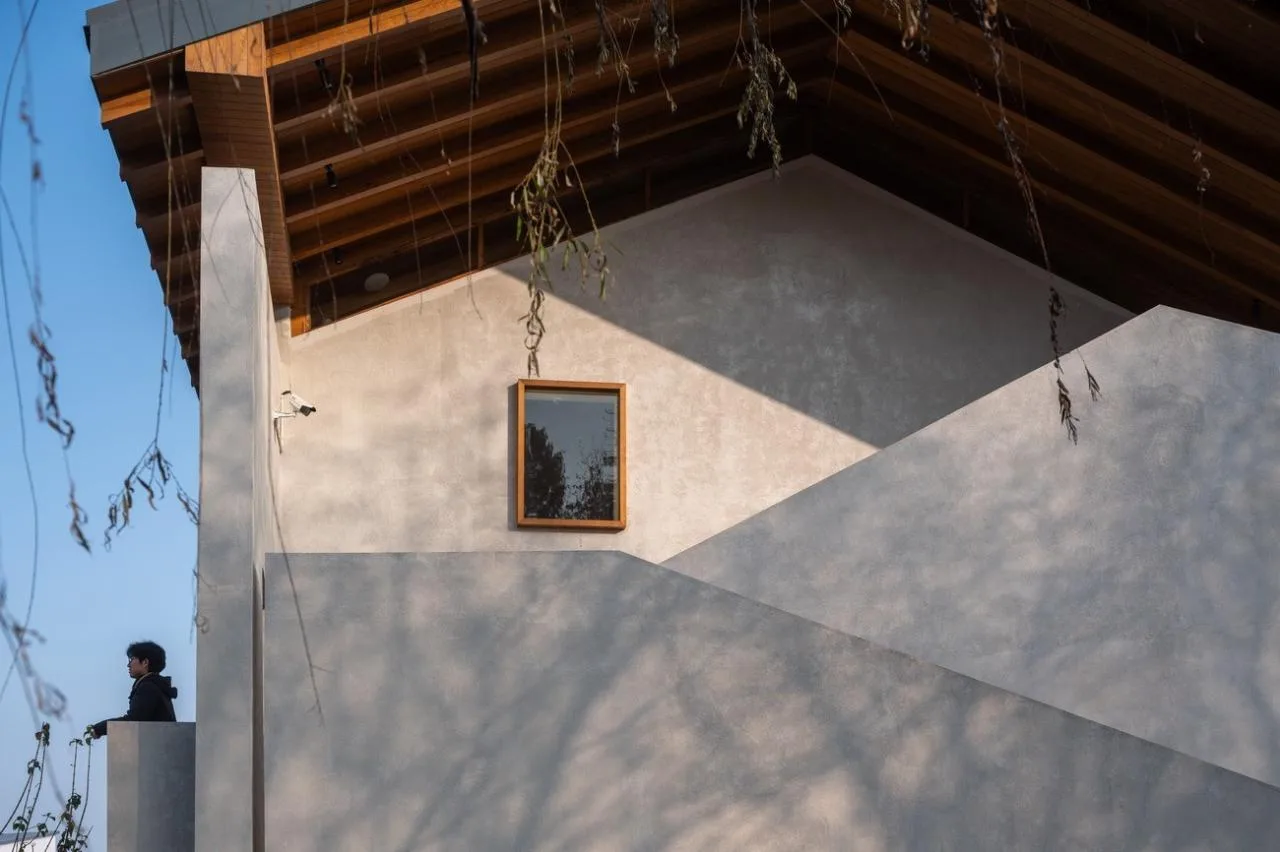
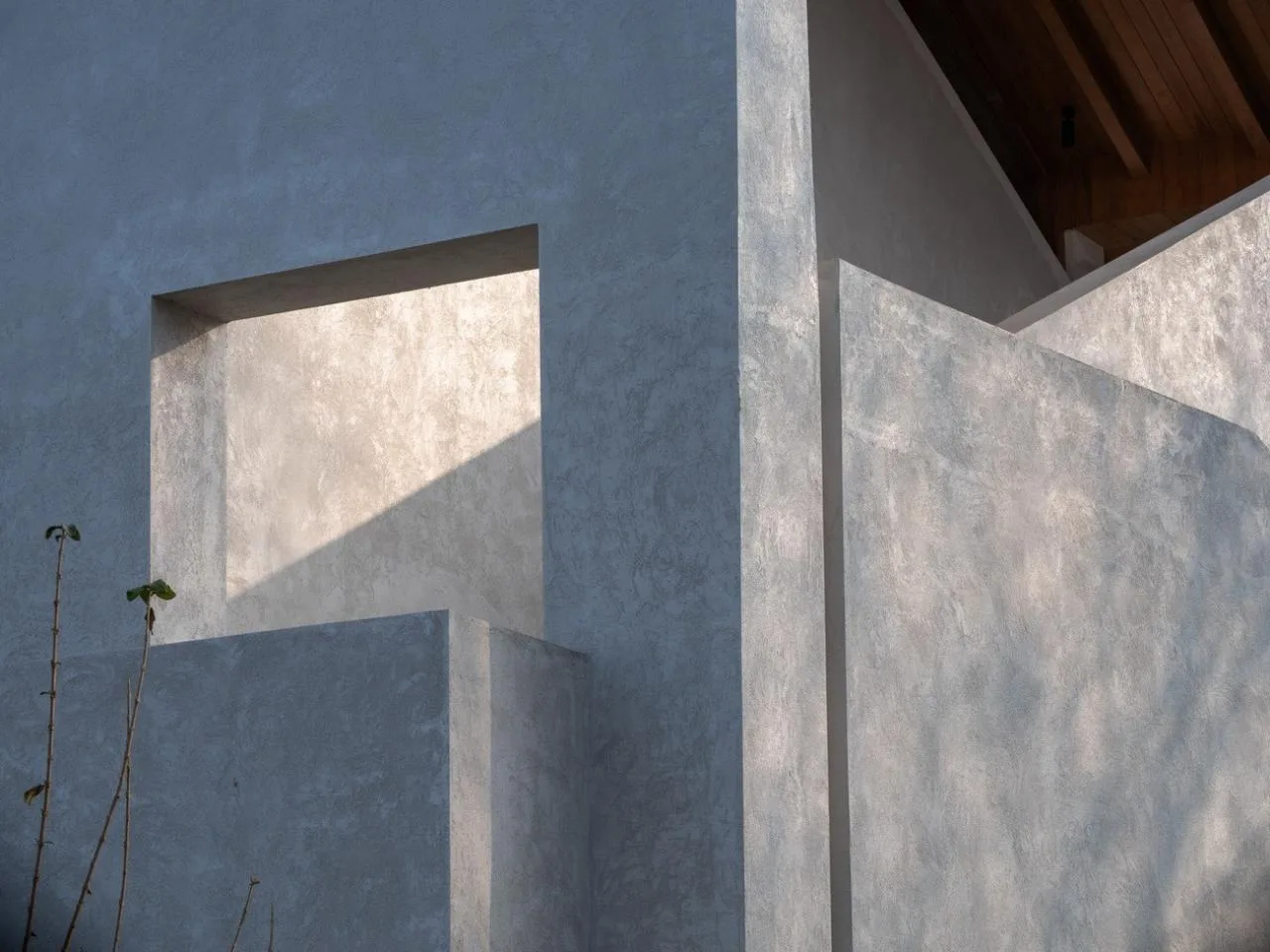
△ Stacked Mountain Walls
The first floor features an open and flexible layout that accommodates studios and various salon-style leisure activities. Large floor-to-ceiling doors and windows on the south side open directly onto a small courtyard filled with plants. The eaves extend through this courtyard, forming a semi-outdoor space that immerses visitors in the natural countryside atmosphere. The reading room consists mainly of bookshelves and stepped platforms. The bookshelf system, housing donated books and publications from local elites, spans vertically across the first and second floors, also serving as a functional divider. Window openings within the bookshelves offer views of the village and double as cozy reading seats. The stepped platforms align perfectly with a sloping roof and face green spaces and the riverbank, while high windows maximize natural light, resulting in a bright and inviting reading environment.
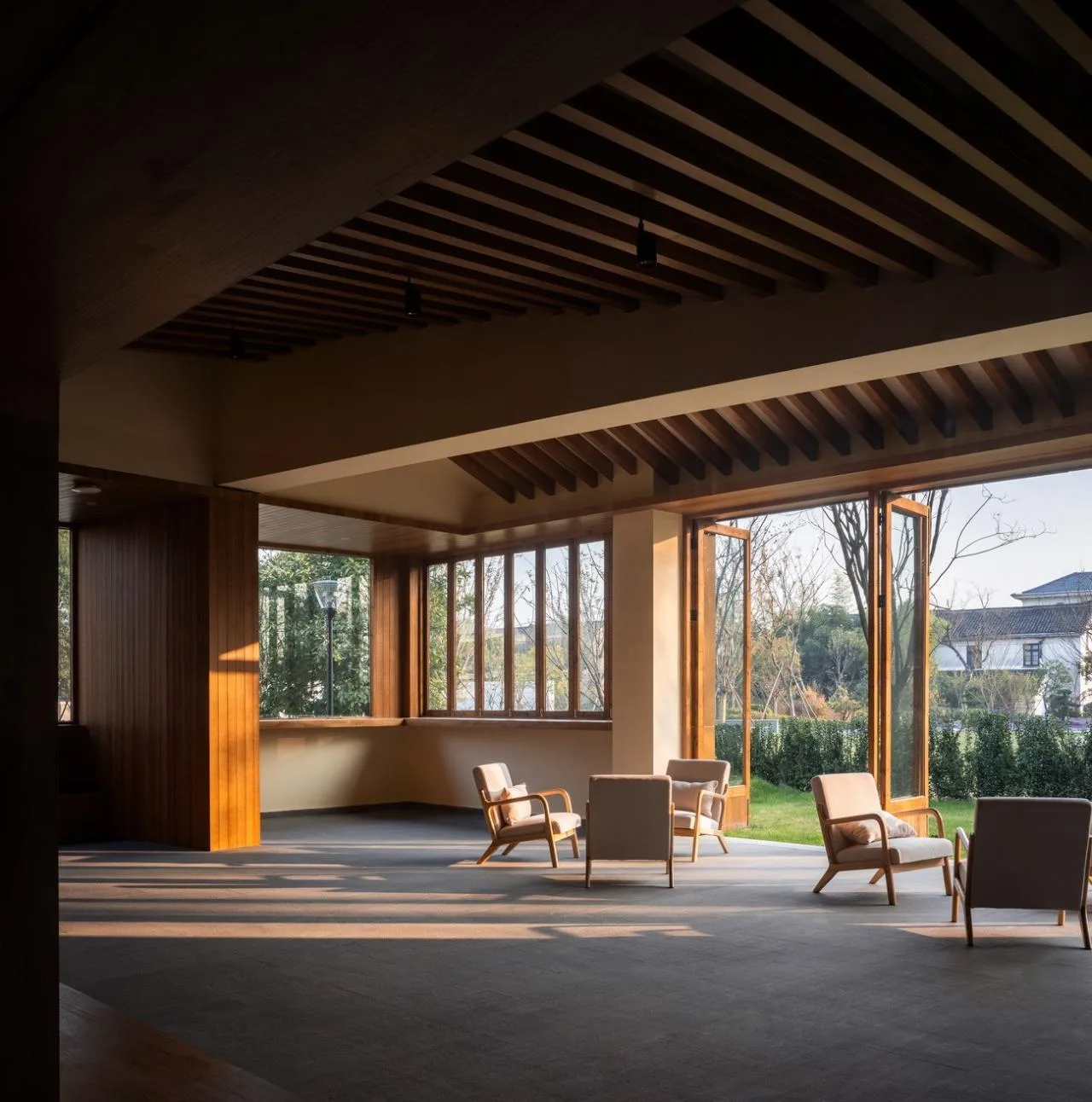
△ First Floor of the Library
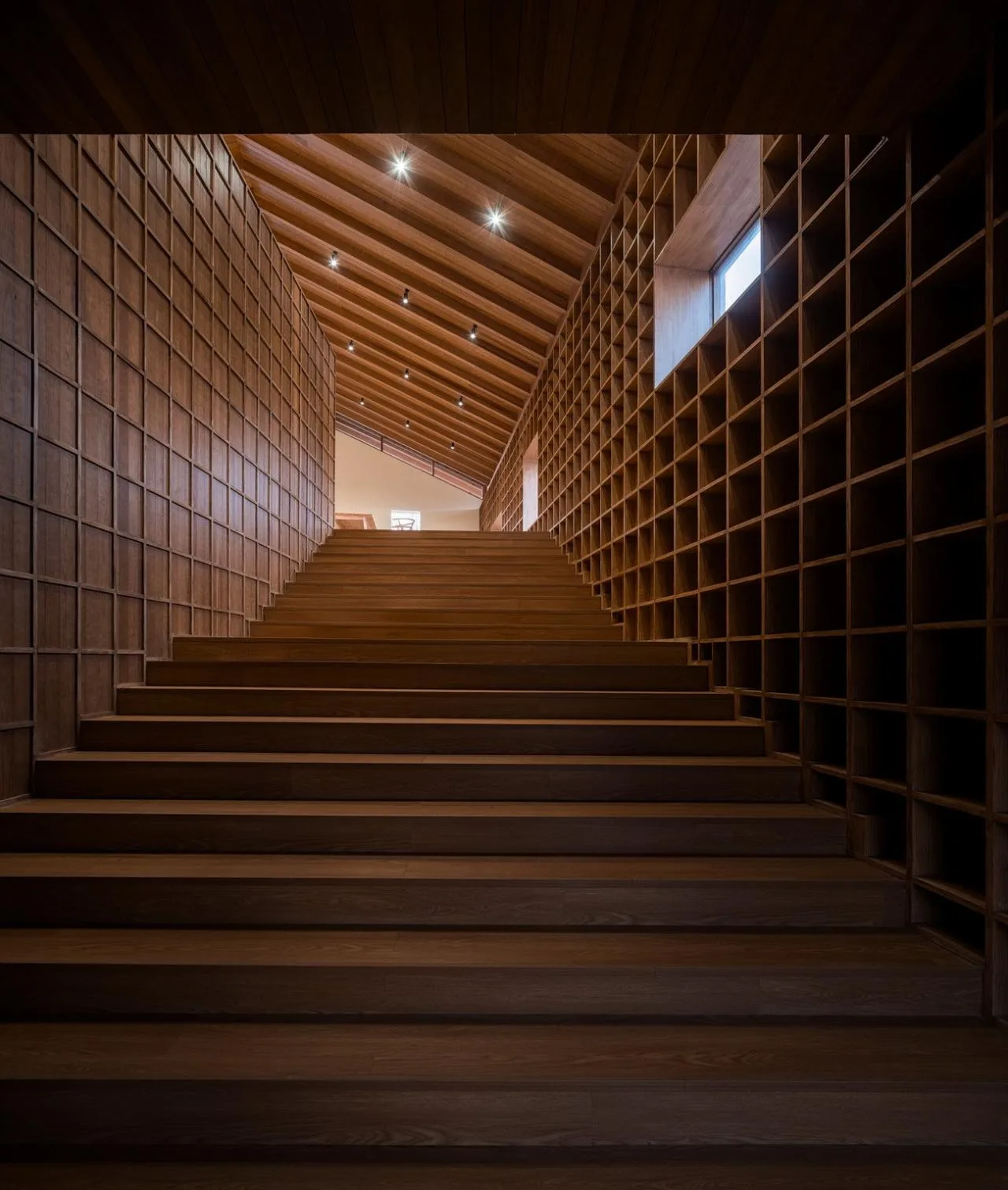
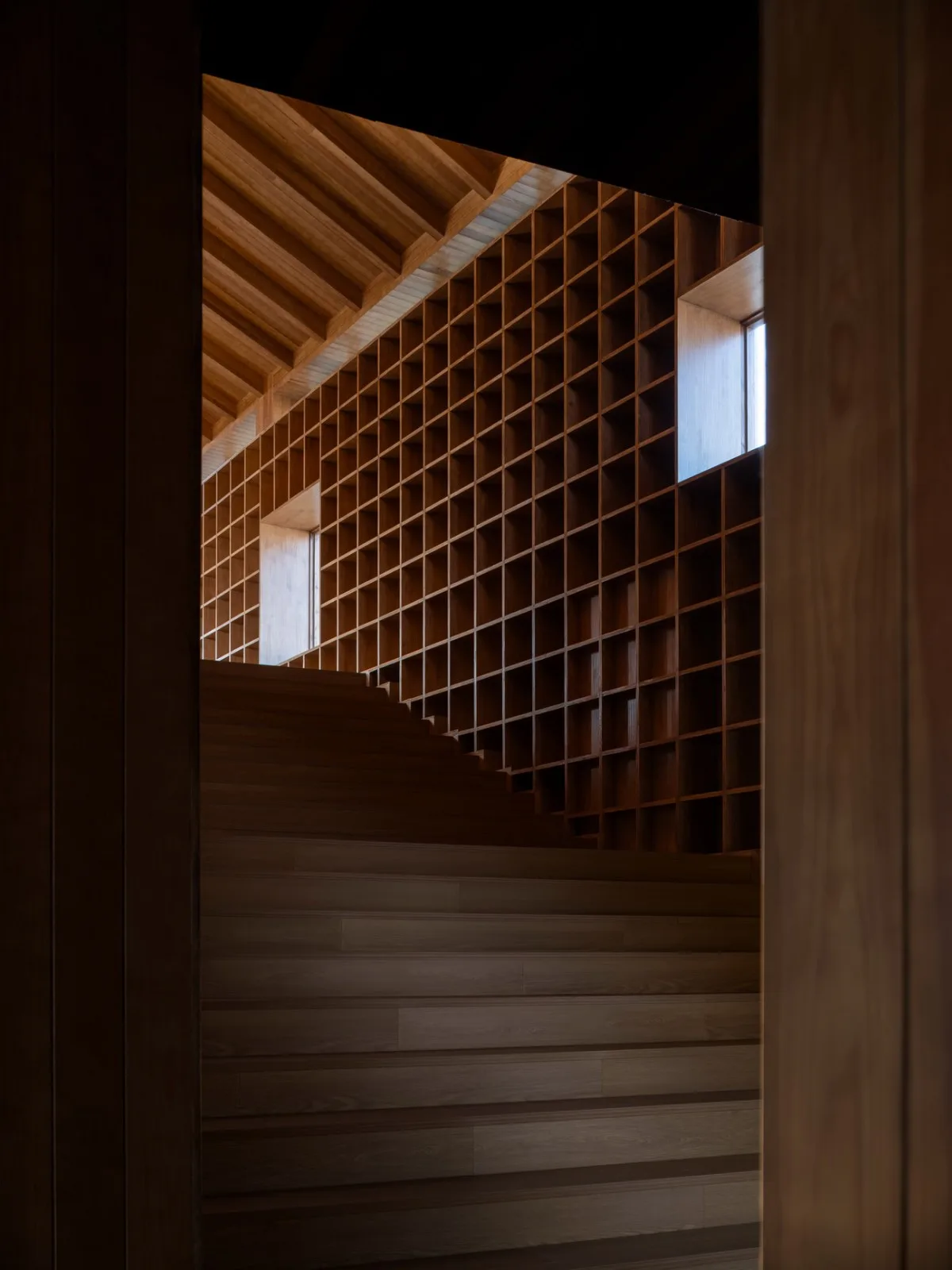
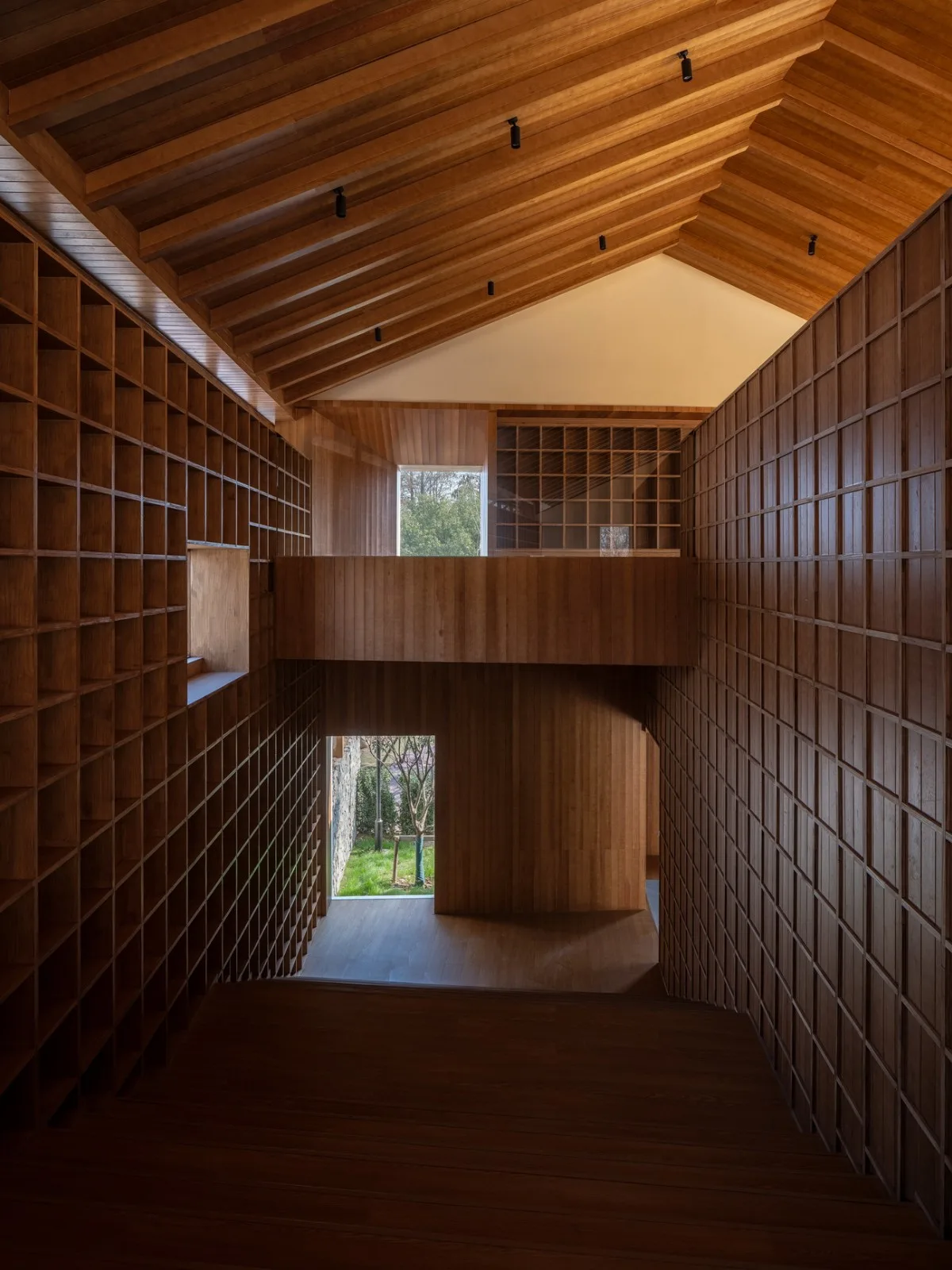
△ Bookshelf System
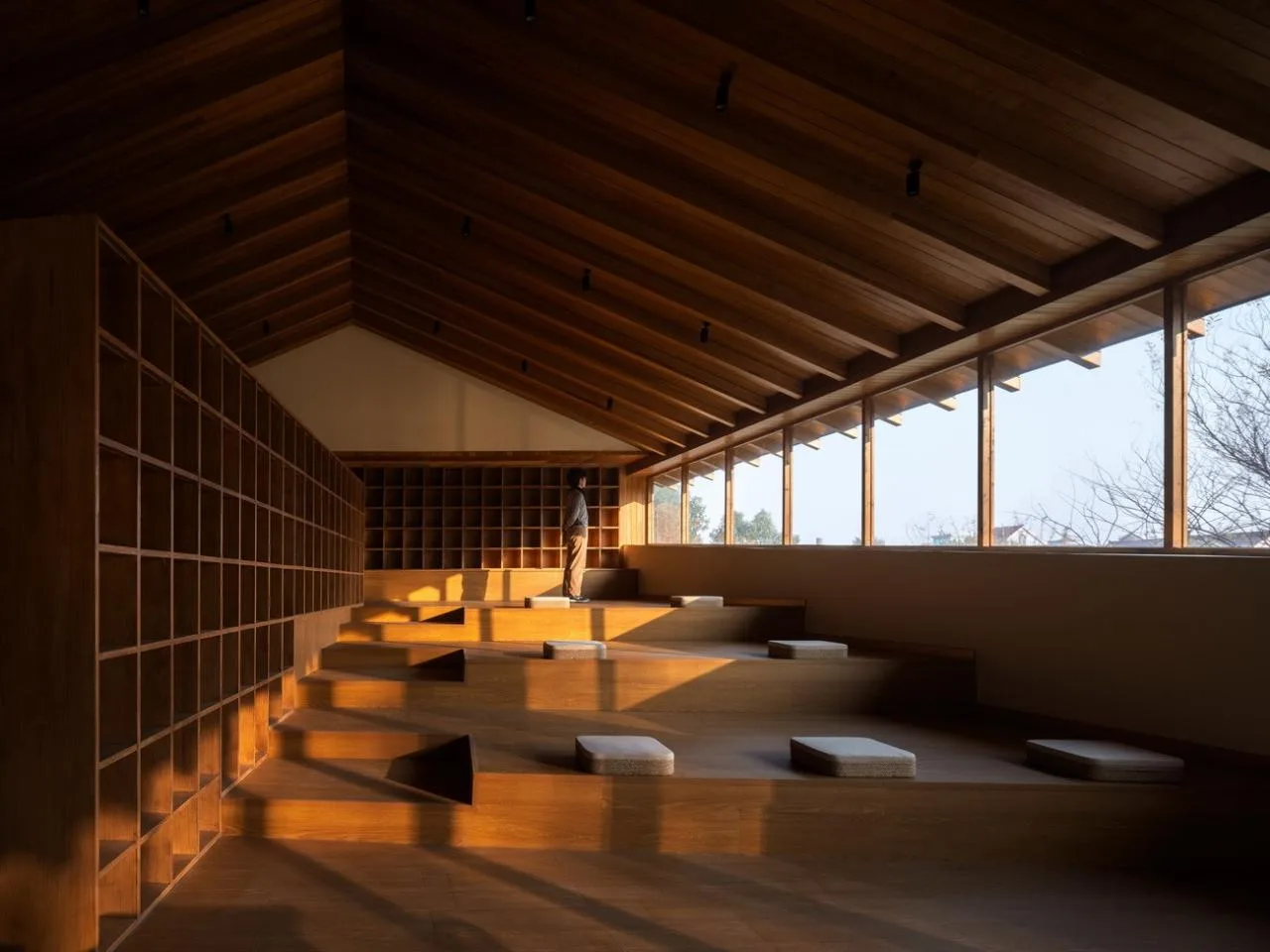
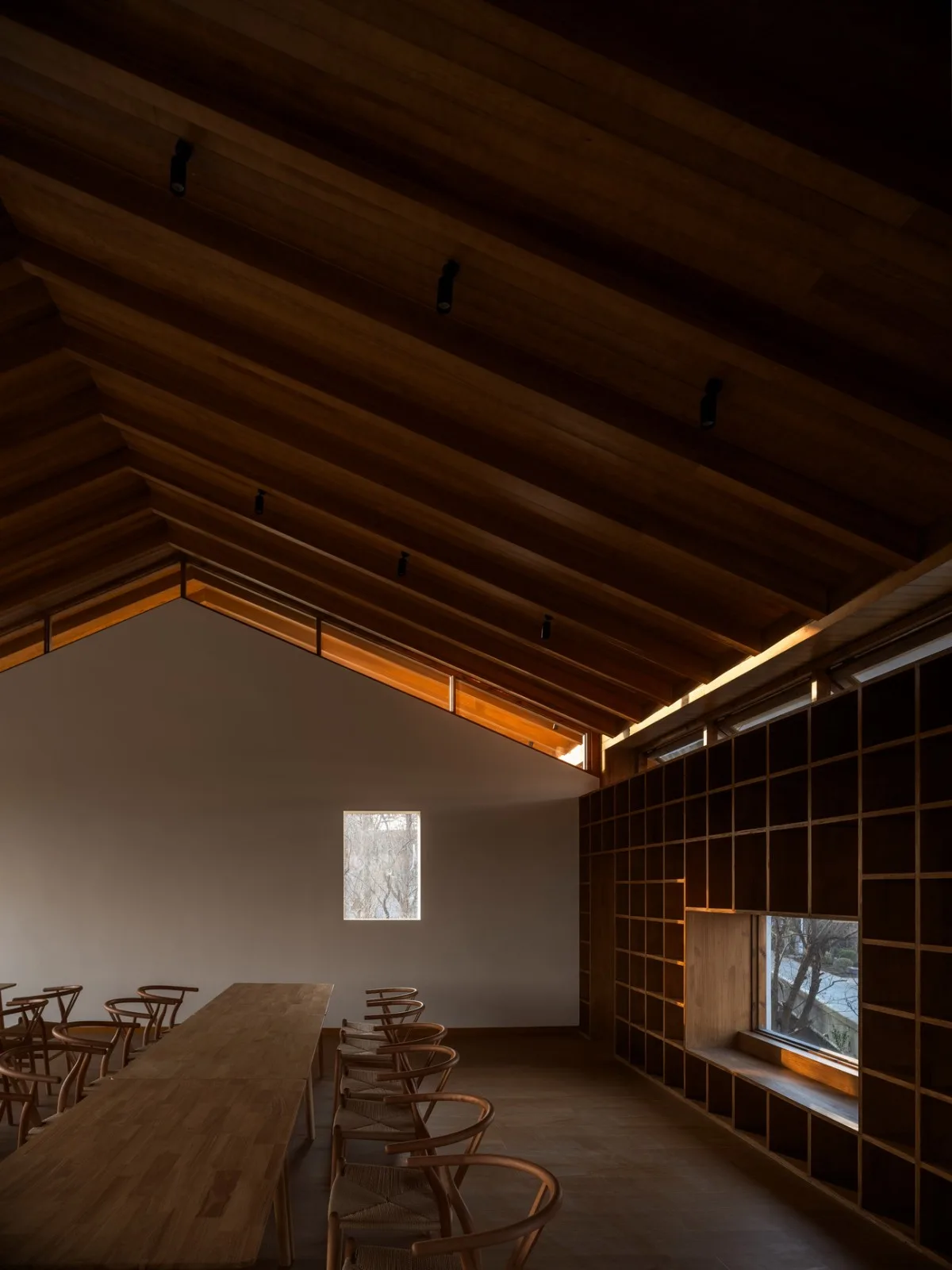
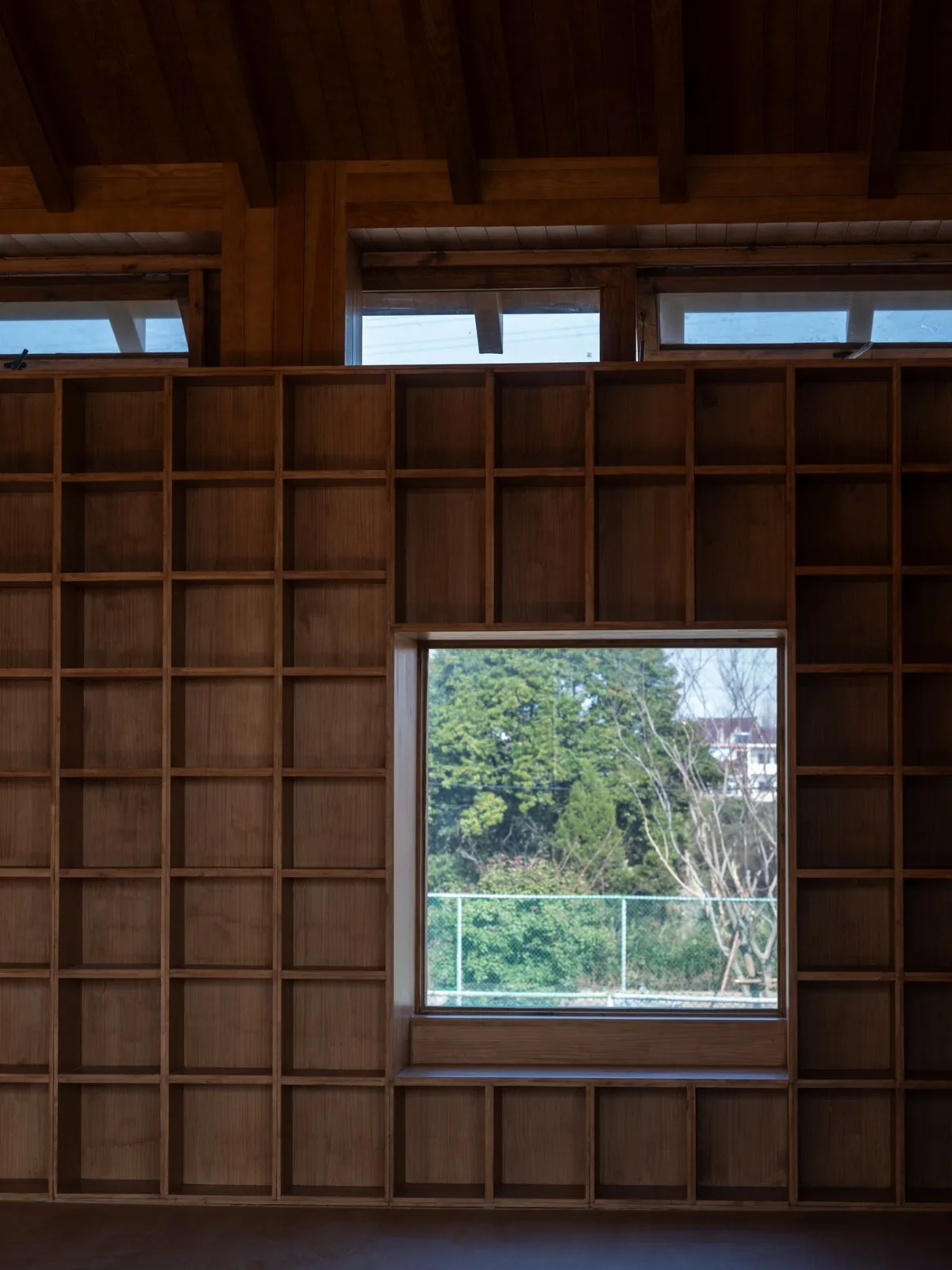
△ Bookstore Second Floor
Rural Public Space
The completion of Bohong Bookstore in Longnan Village has enhanced cultural sharing and harmonized rural architecture with the local environment. Located adjacent to the village cultural square on the east side, the library has become a focal landmark. Its south-facing courtyard seamlessly extends the building’s interior space. The riverbank-facing facade features stairs and terraces forming the main public area. Beneath the large eaves, a transition space offers scenic views and accommodates outdoor activities like chess games, fostering community interaction. Previously unused land between the homestead’s north side and the village road has been revitalized by extending the eaves, creating a welcoming resting spot and social corner for villagers.
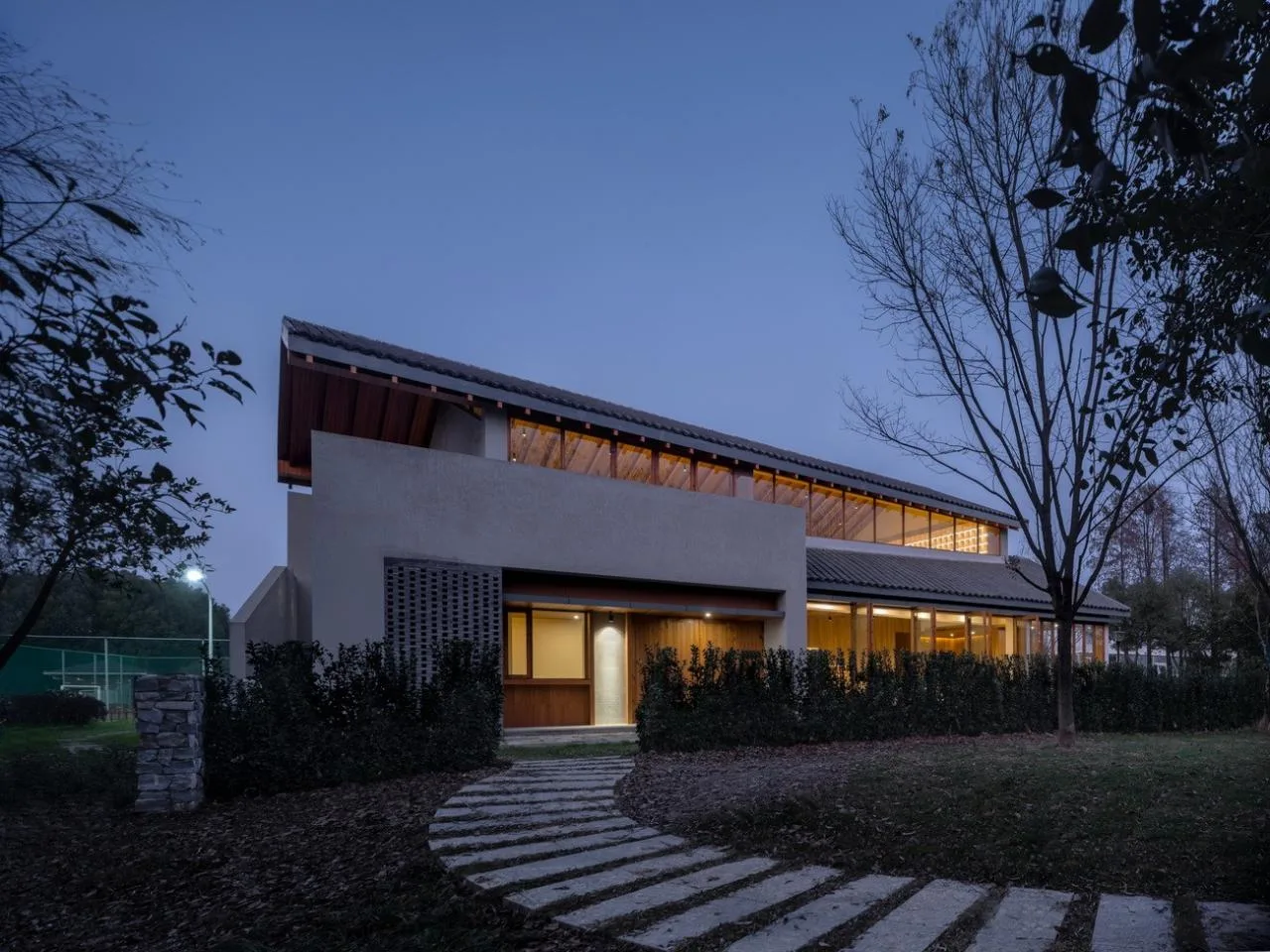
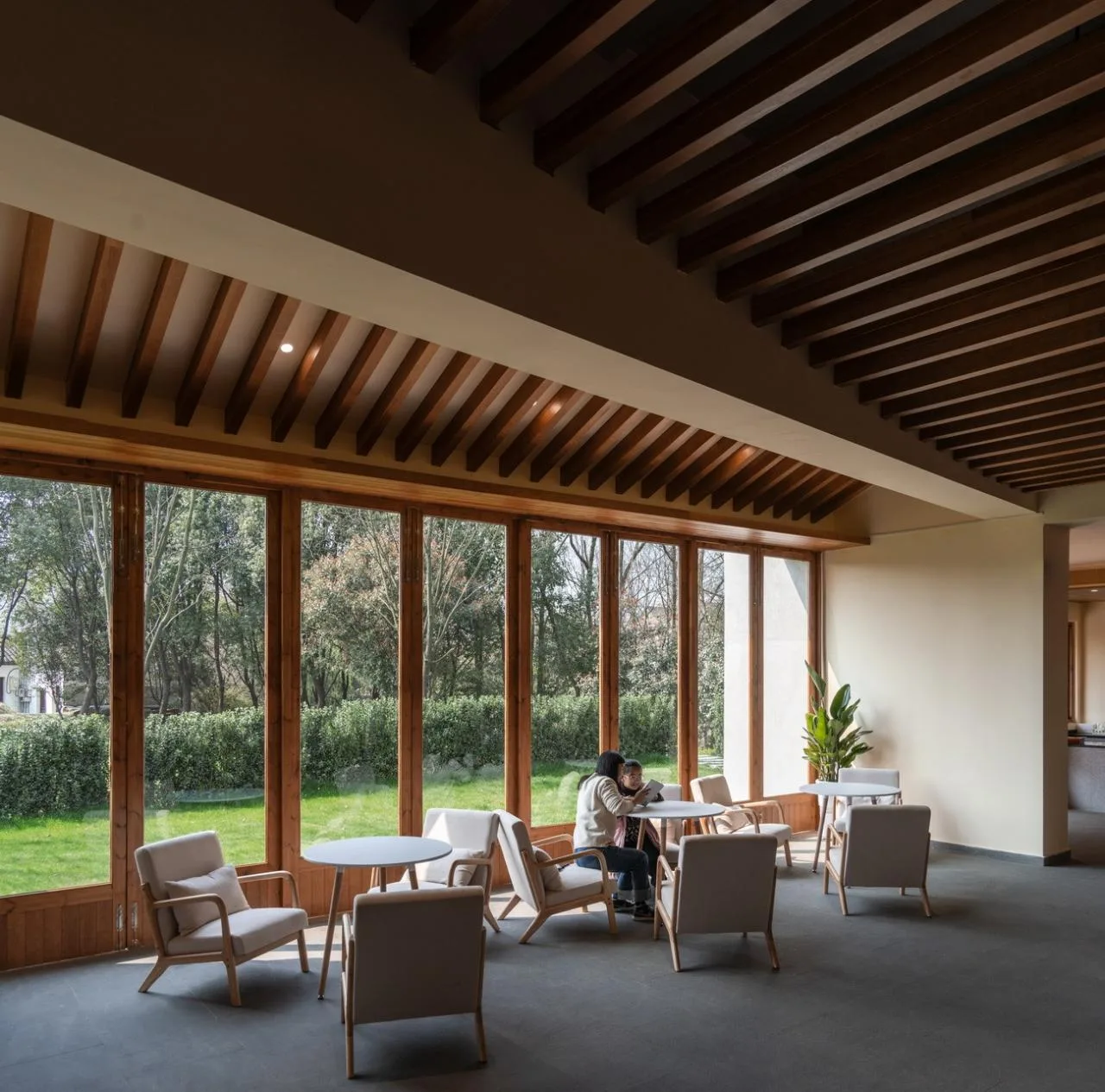
First Floor of the Library and Front Yard
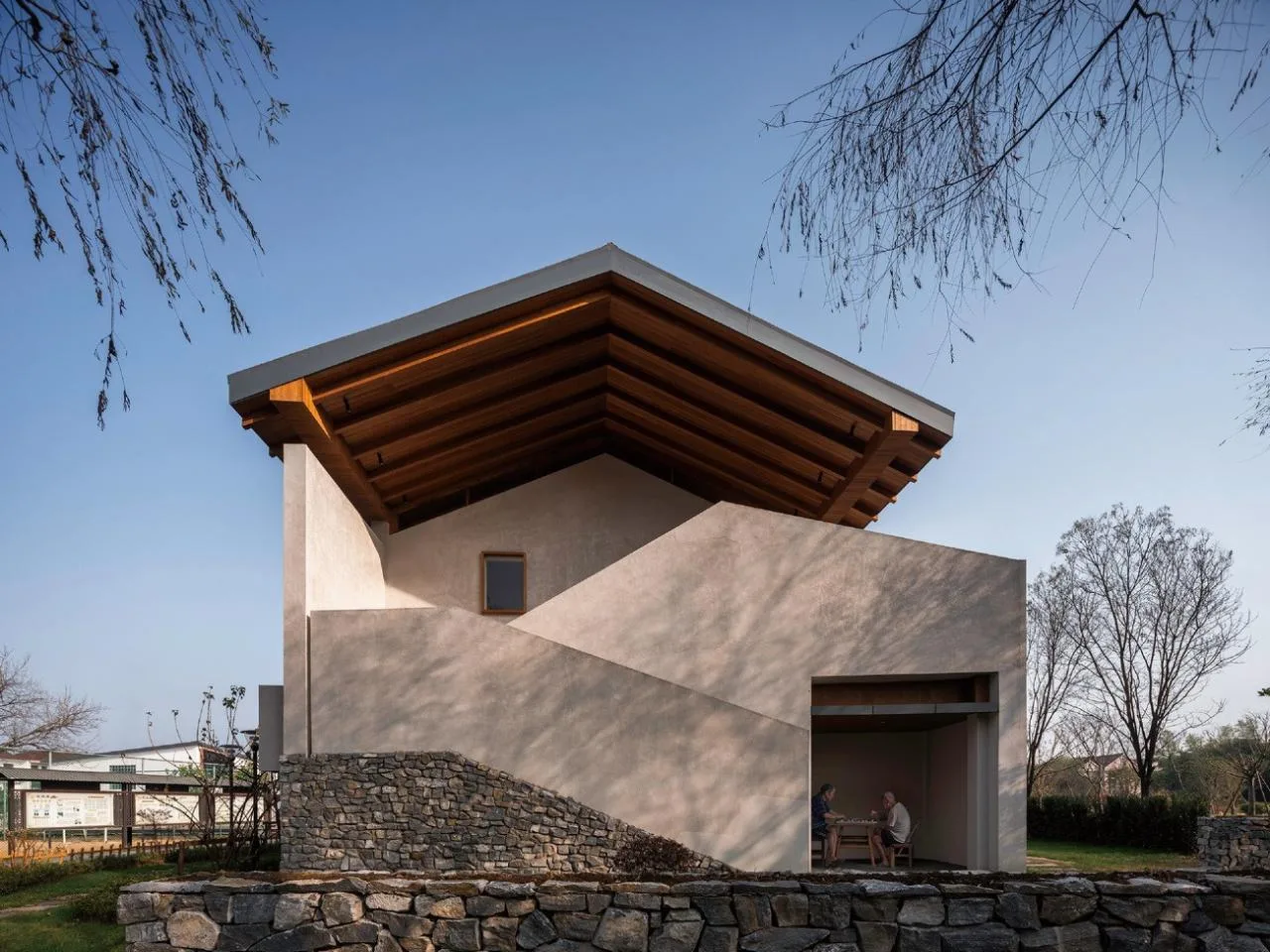
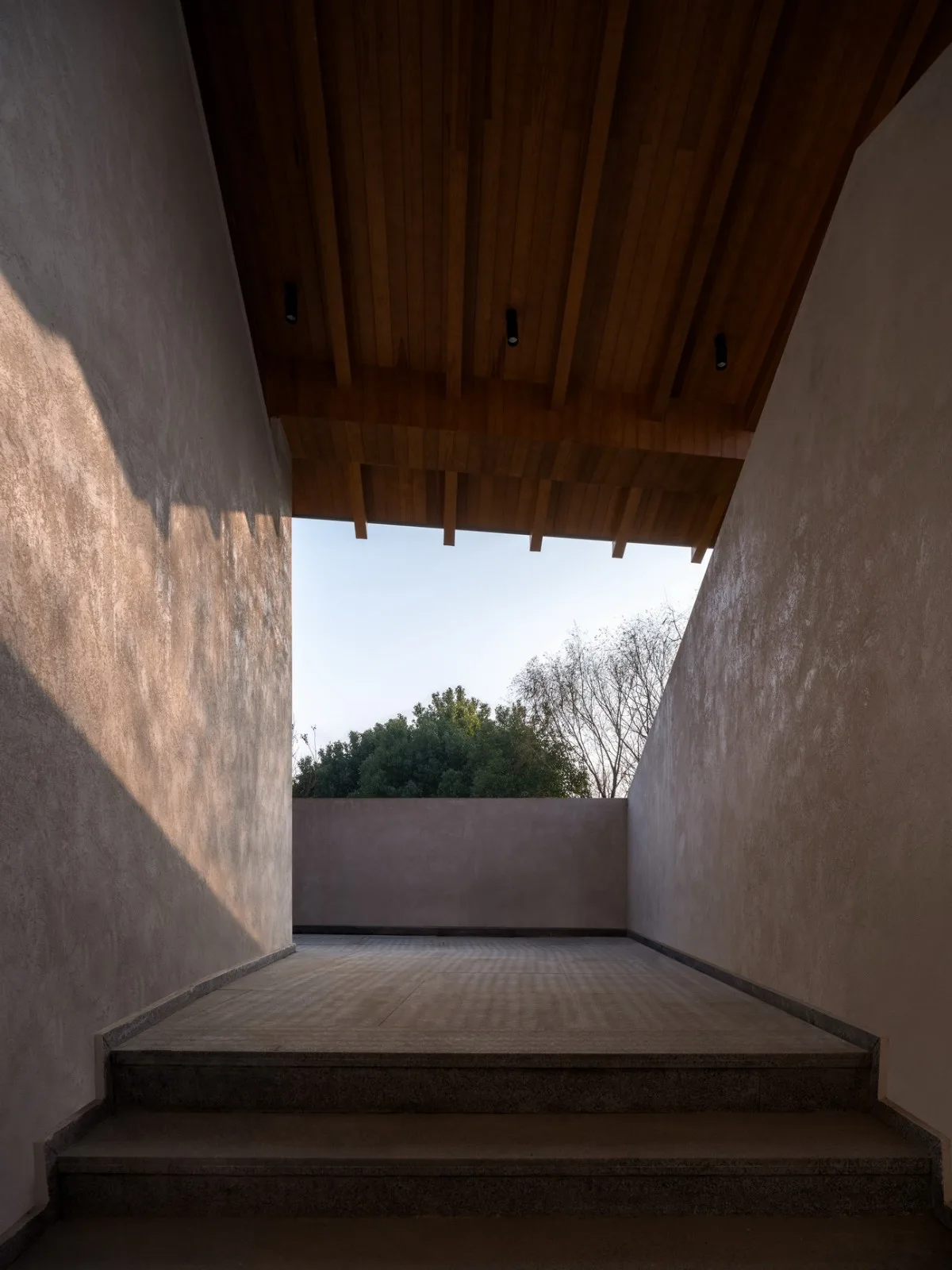
△ Public Space by the Mountain Wall
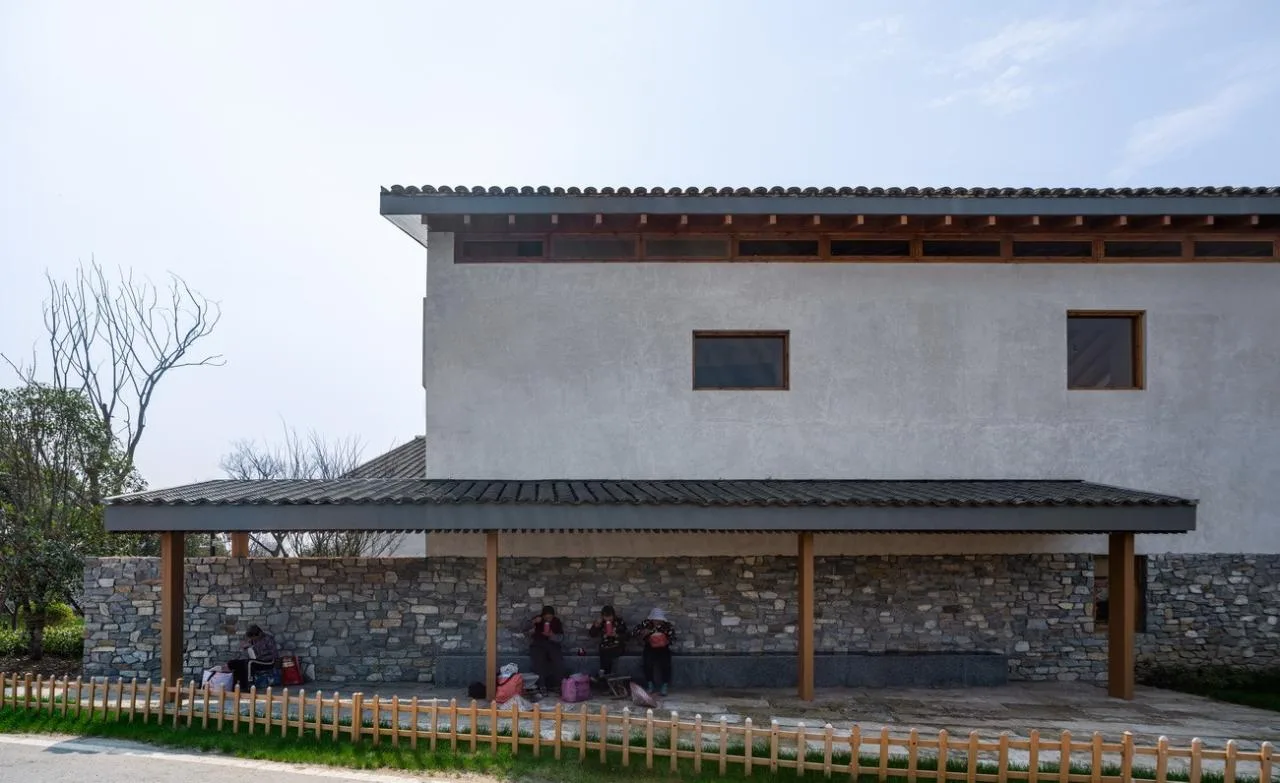
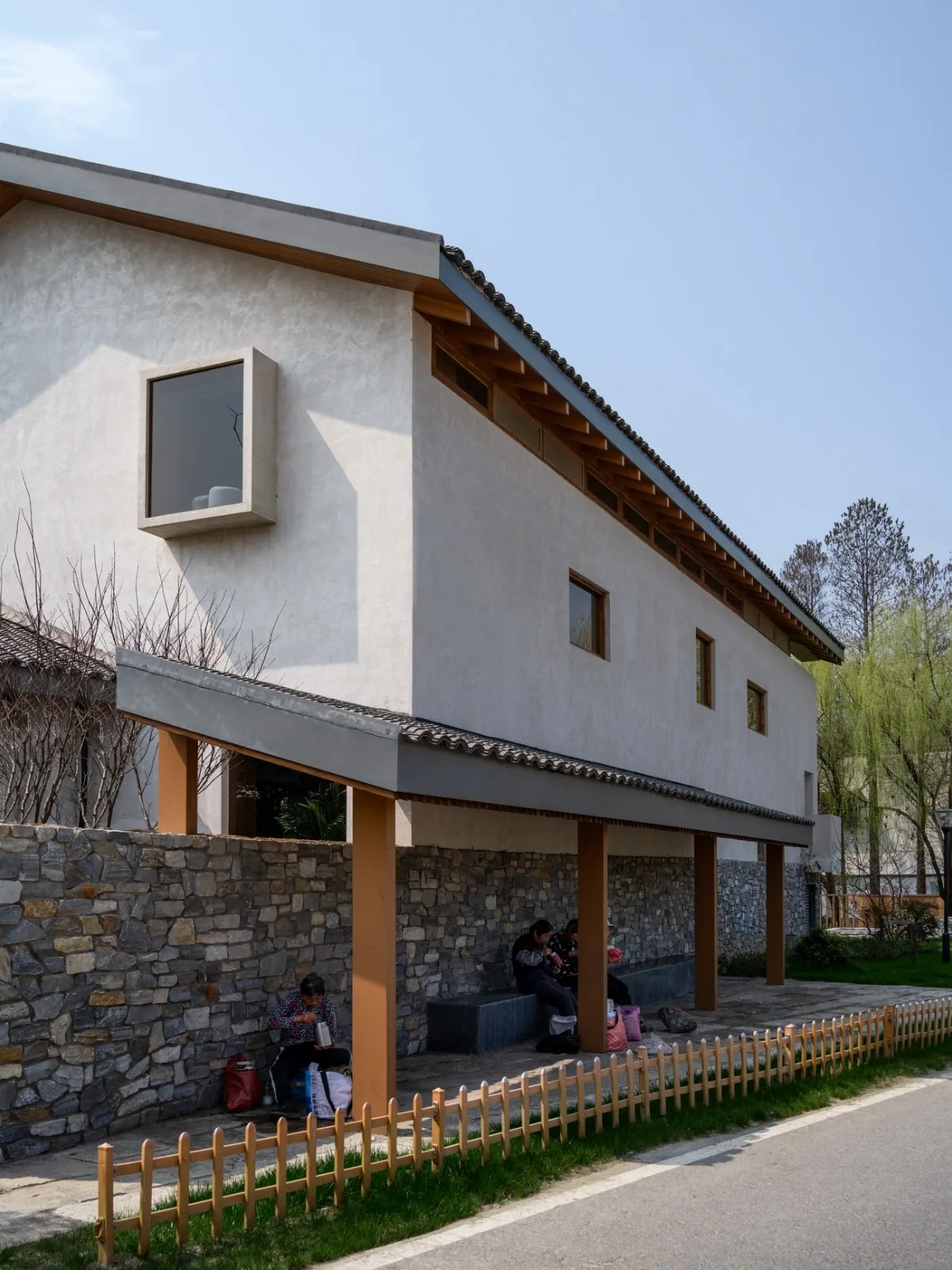
Rest Area Beneath Roadside Eaves
As a township-level public reading service, Longnan Village Bohong Bookstore enriches knowledge for villagers of all ages. It stands as an essential “spiritual granary,” playing a key role in rural revitalization.
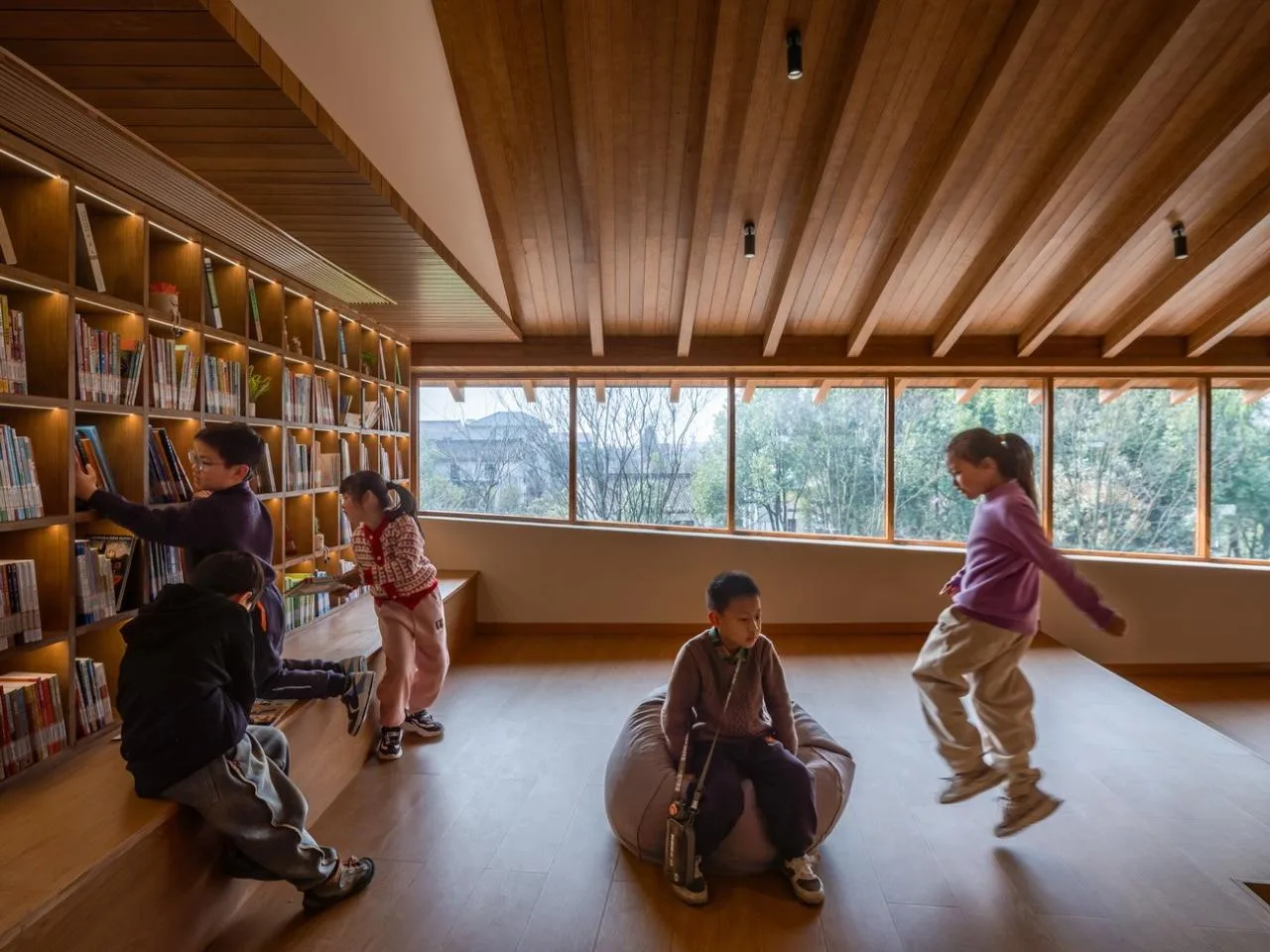
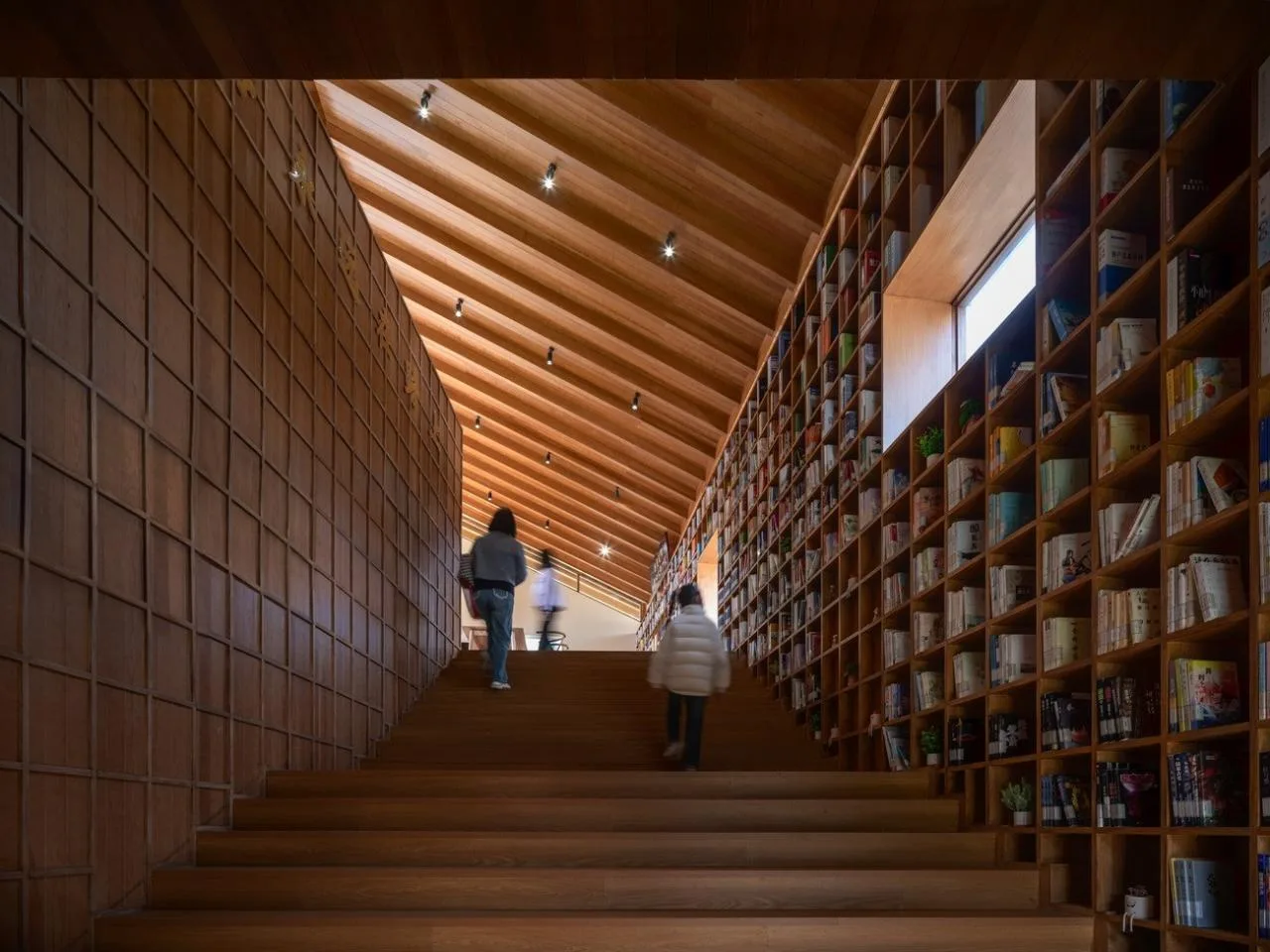
△ Daily Usage Scenarios
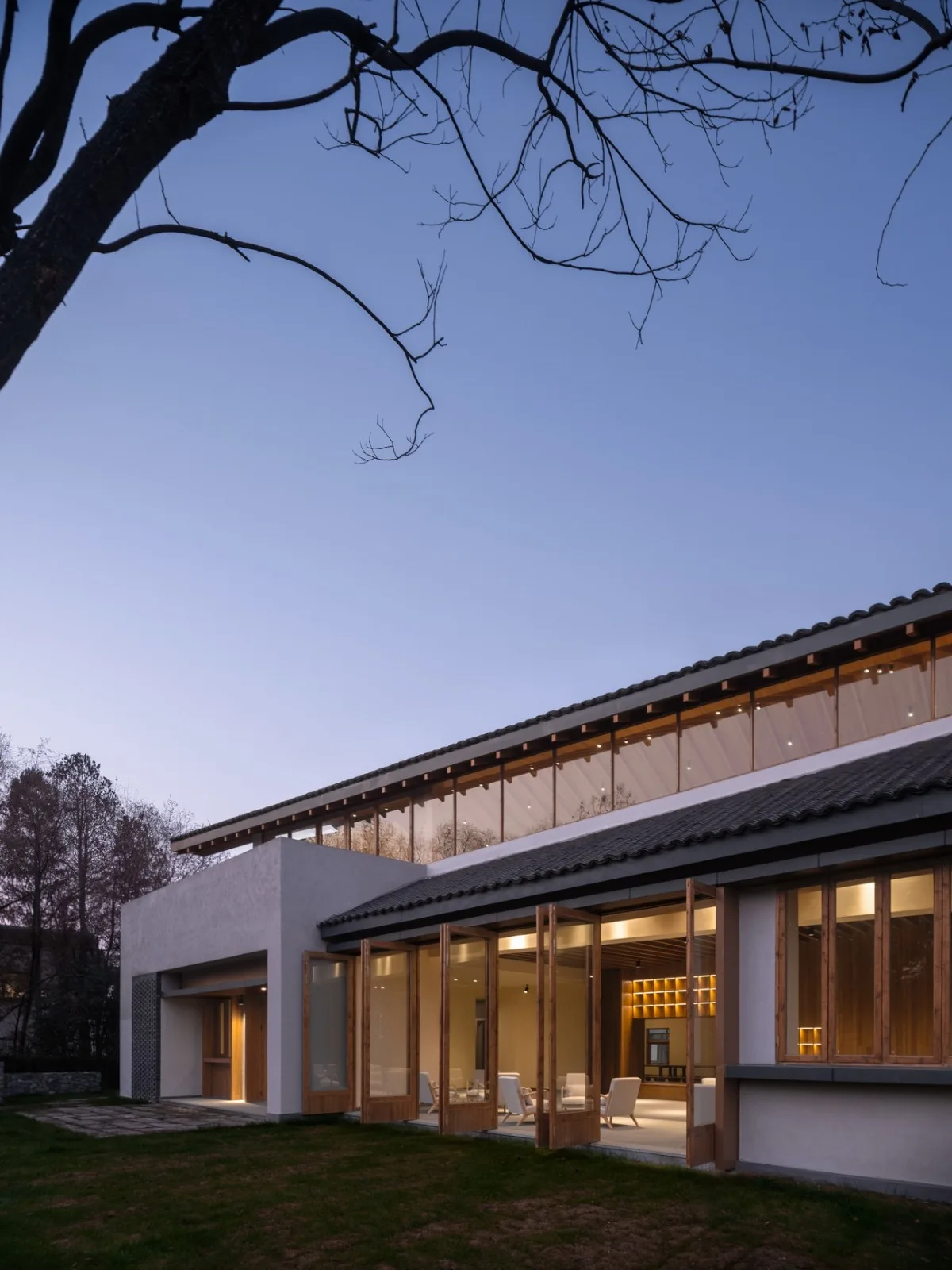
△ Bookstore at Nightfall
Project Drawings
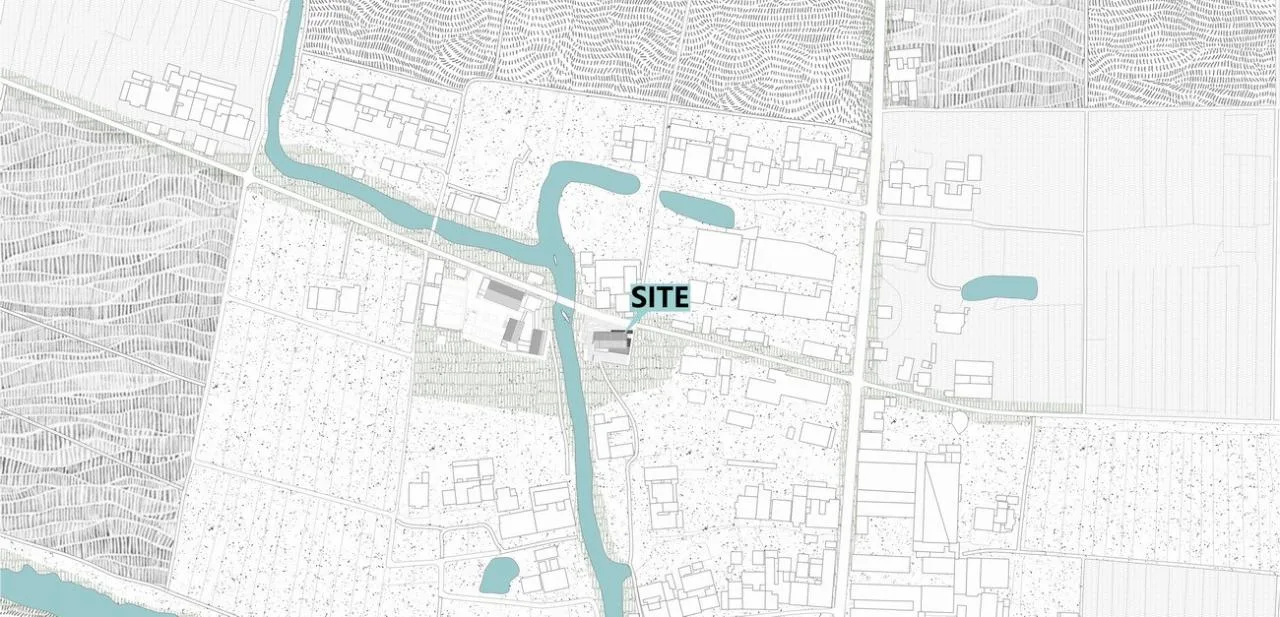
△ General Layout Plan
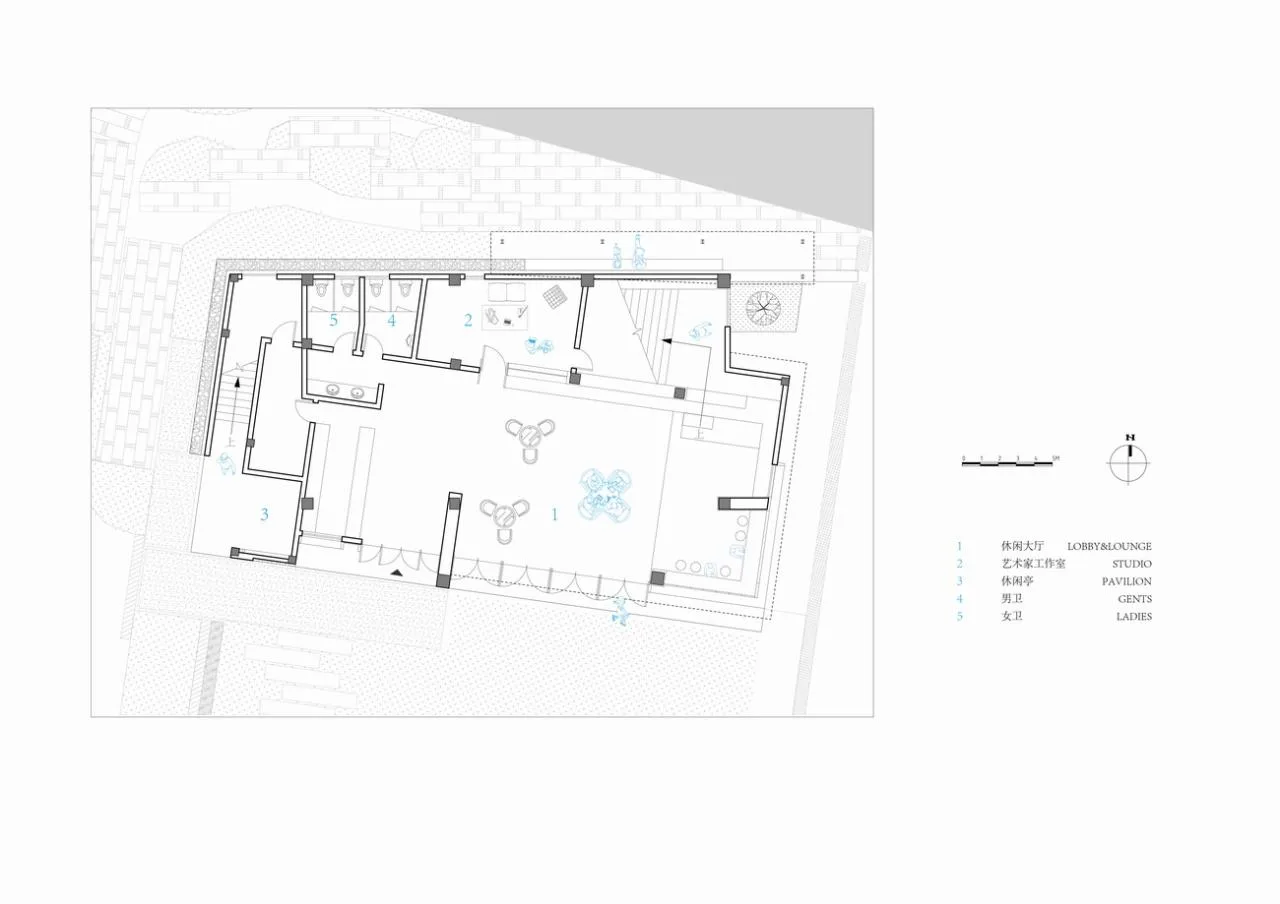
△ First Floor Plan
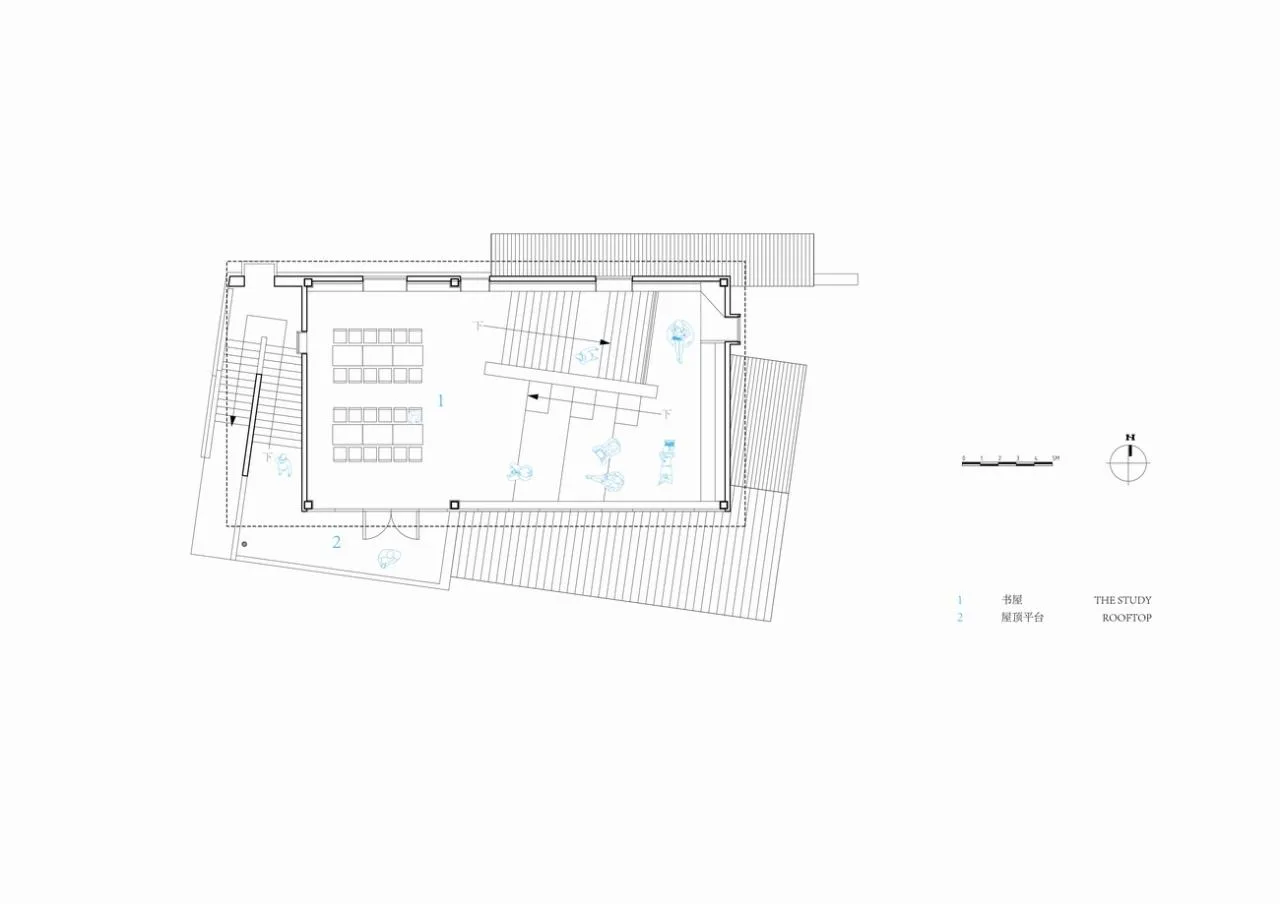
△ Second Floor Plan
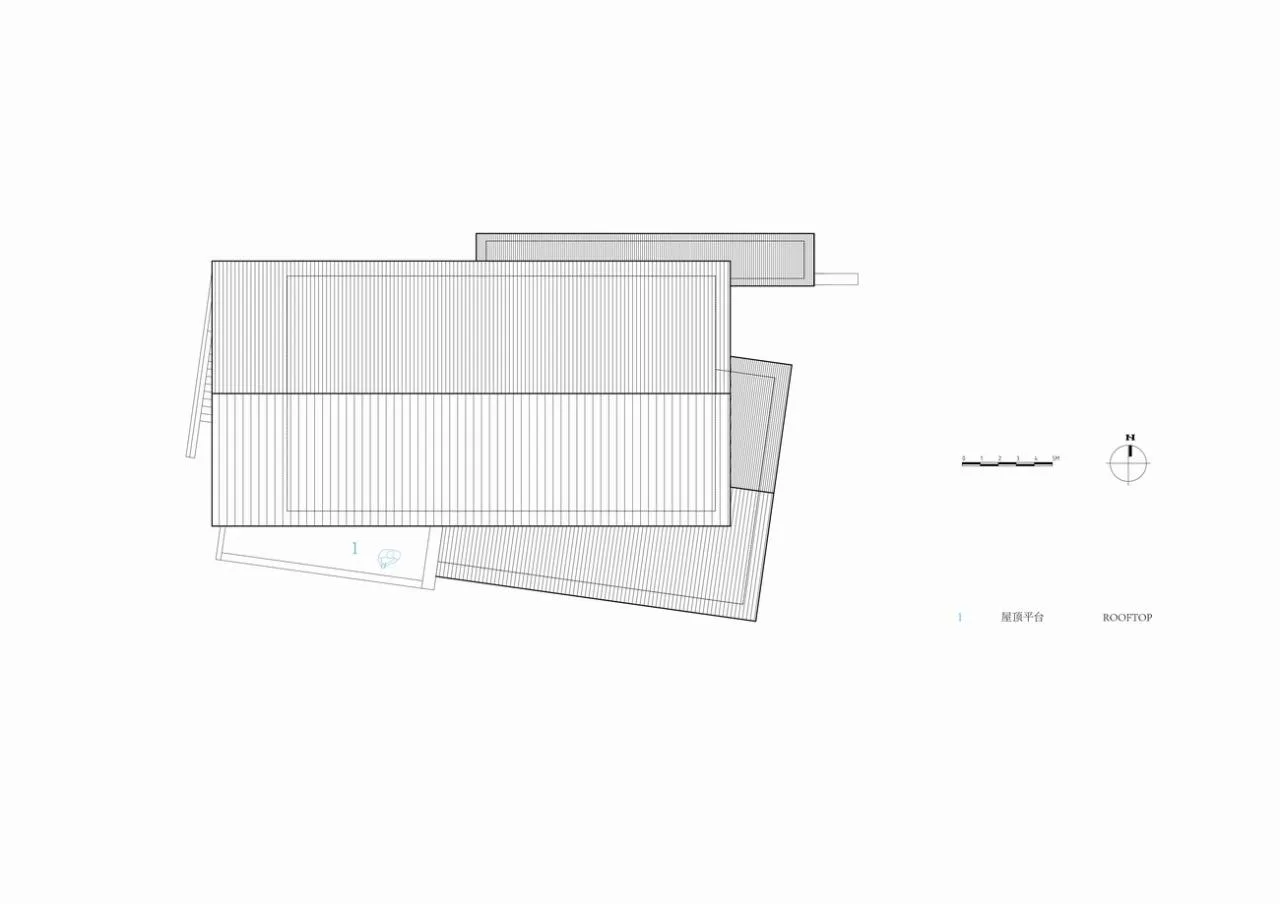
△ Roof Plan
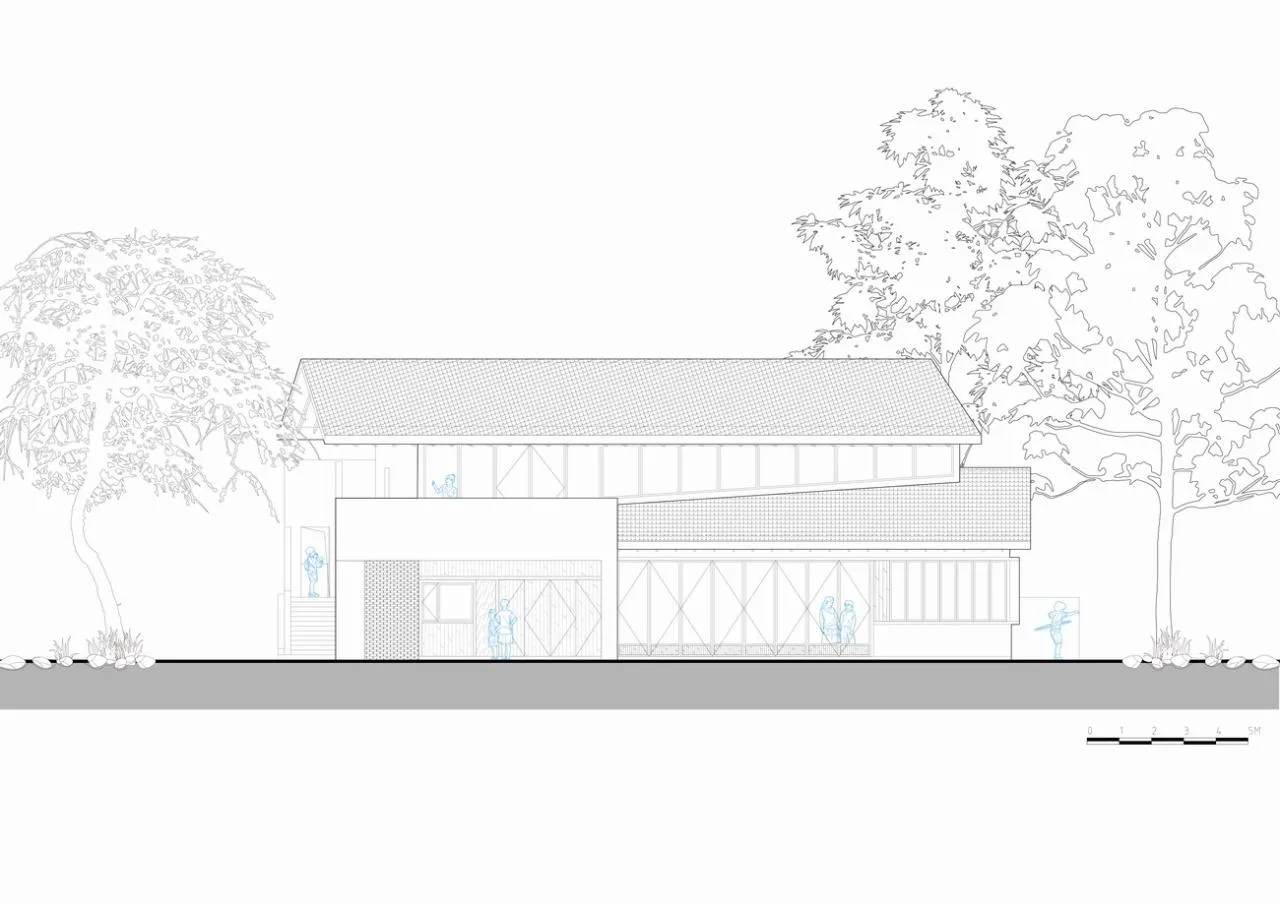
△ Elevation Drawing
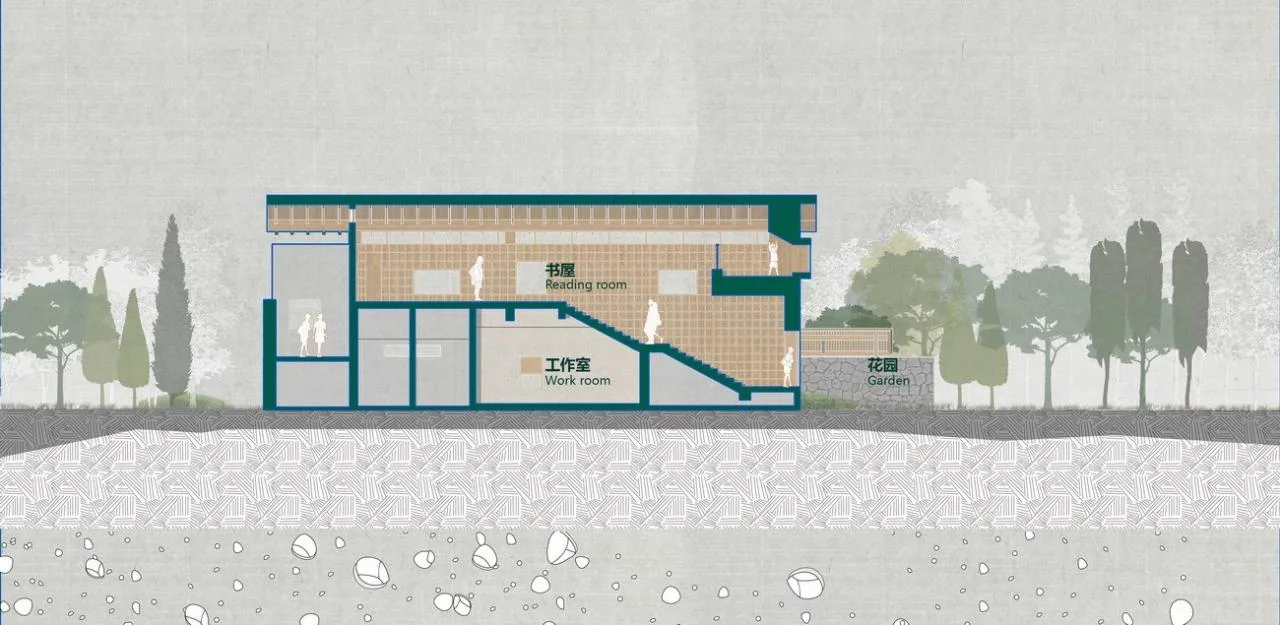
△ Section Diagram
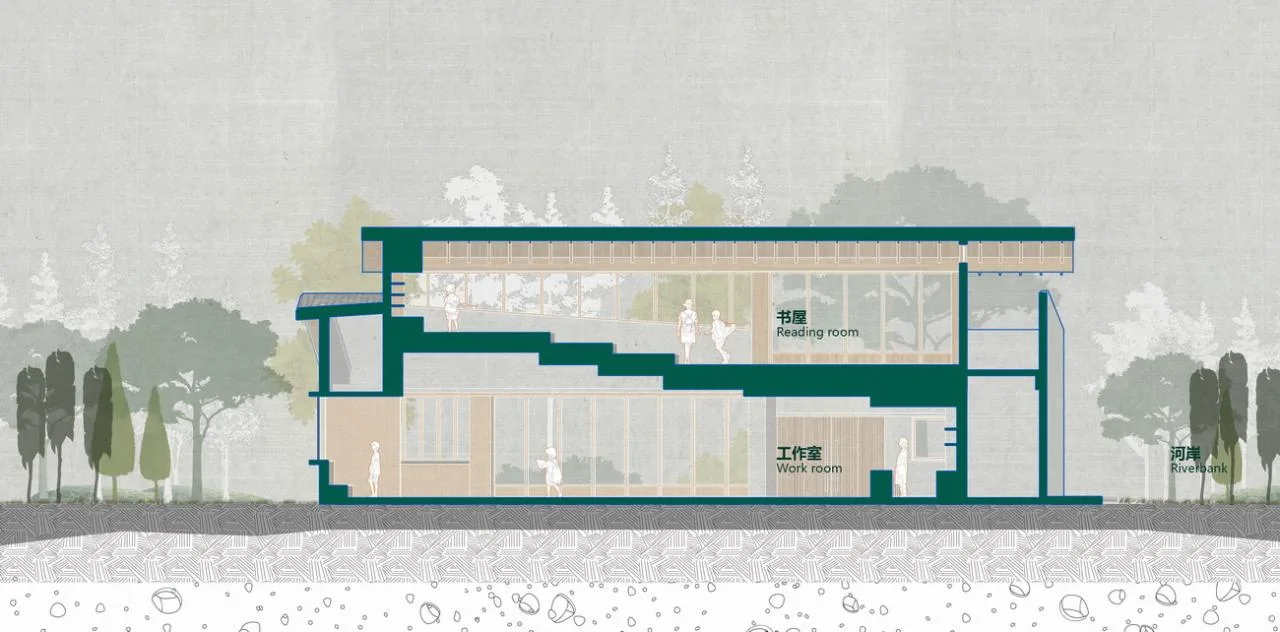
△ Section Diagram
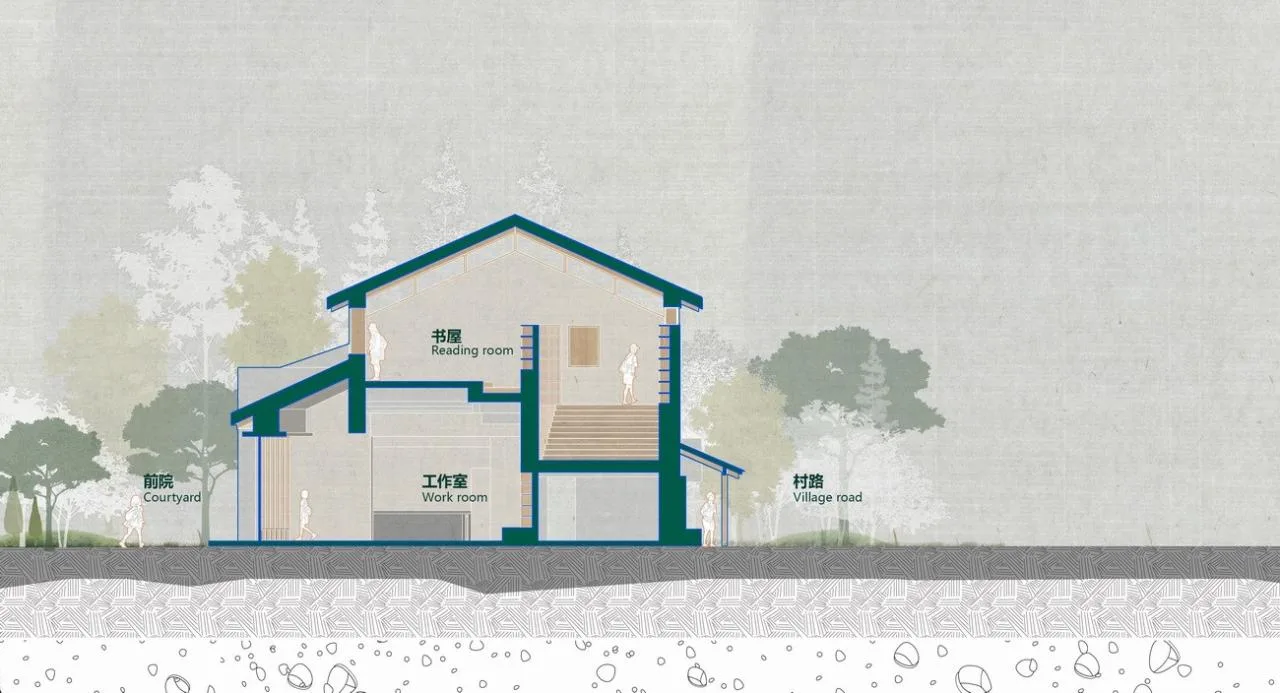
△ Section Diagram
Project Information
Project Name: Longnan Village Bohong Bookstore
Project Type: Architectural Design
Designer: Forest Architecture
Project Start: September 2022
Year Completed: March 2024
Main Design Team: Zhang Juntian, Sun Hongfei, Wang Xinhong, Shi Wei, Gong Siyuan
Collaborators: Structural Consultant Su Qinjun
Location: Tongxiang, Zhejiang
Building Area: 400 square meters
Photography Credit: Wu Qingshan
Client: Longnan Stock Economic Cooperative, Gaoqiao Street, Tongxiang City
Materials Used: Steel, Concrete, Blue Brick














Must log in before commenting!
Sign Up