
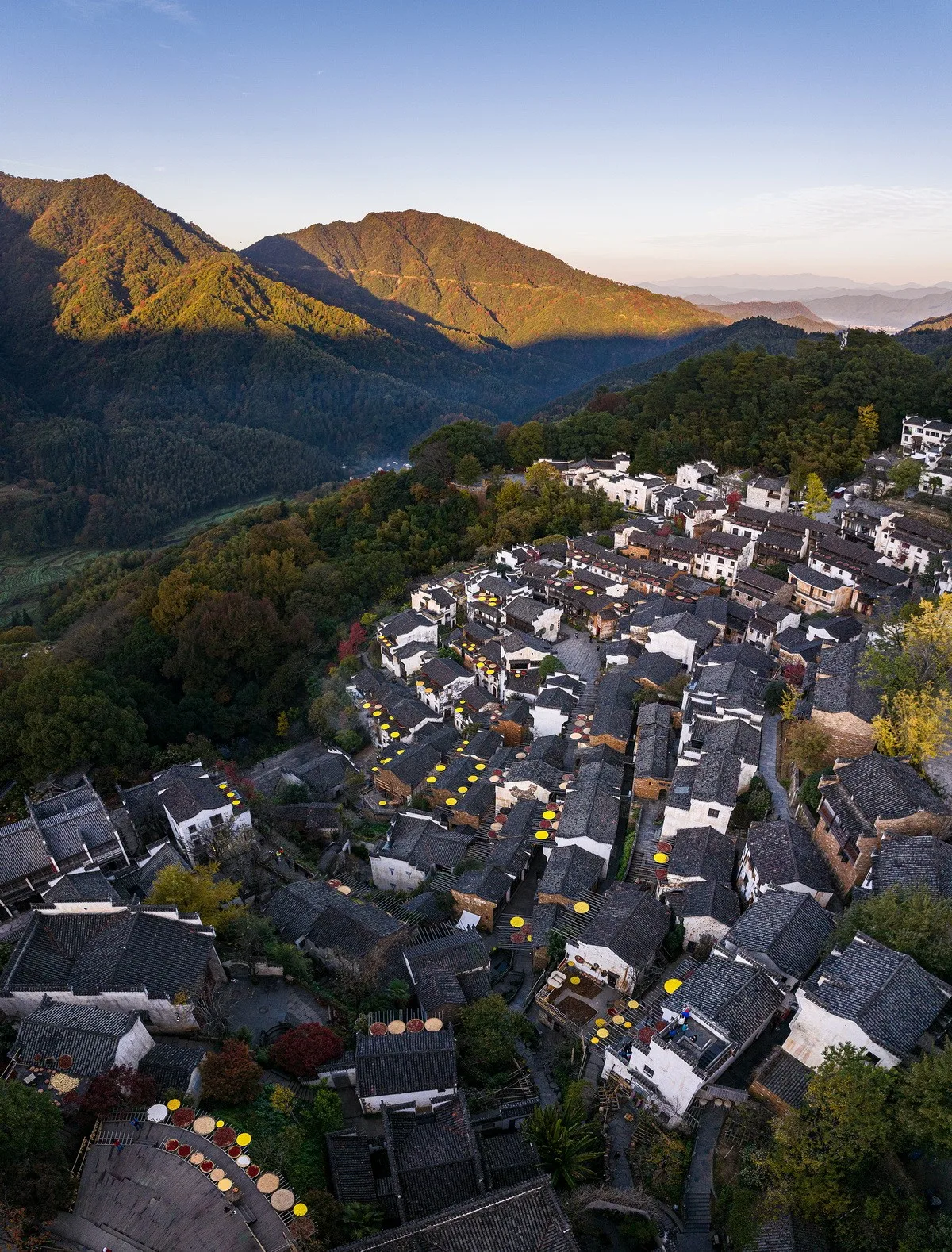
△ Photography: SFAP
Huizhi County lies amid rugged mountains and deep valleys. According to ancient texts, Wuyuan Huangling, situated in historic Huizhou, is built along mountain slopes and perched on cliffs. This nearly 600-year-old Huizhou village features buildings that organically follow the terrain, blending harmoniously with nature.
In March’s early spring, the village is set against sprawling terraced fields blooming with rapeseed flowers, creating a breathtaking, almost indescribable beauty that resonates with a deep connection to “pure nature.” Recognized as a “Best Tourist Village” by the United Nations World Tourism Organization (UNWTO), Huangling has also been showcased at the Frankfurt Book Fair, an international cultural event.
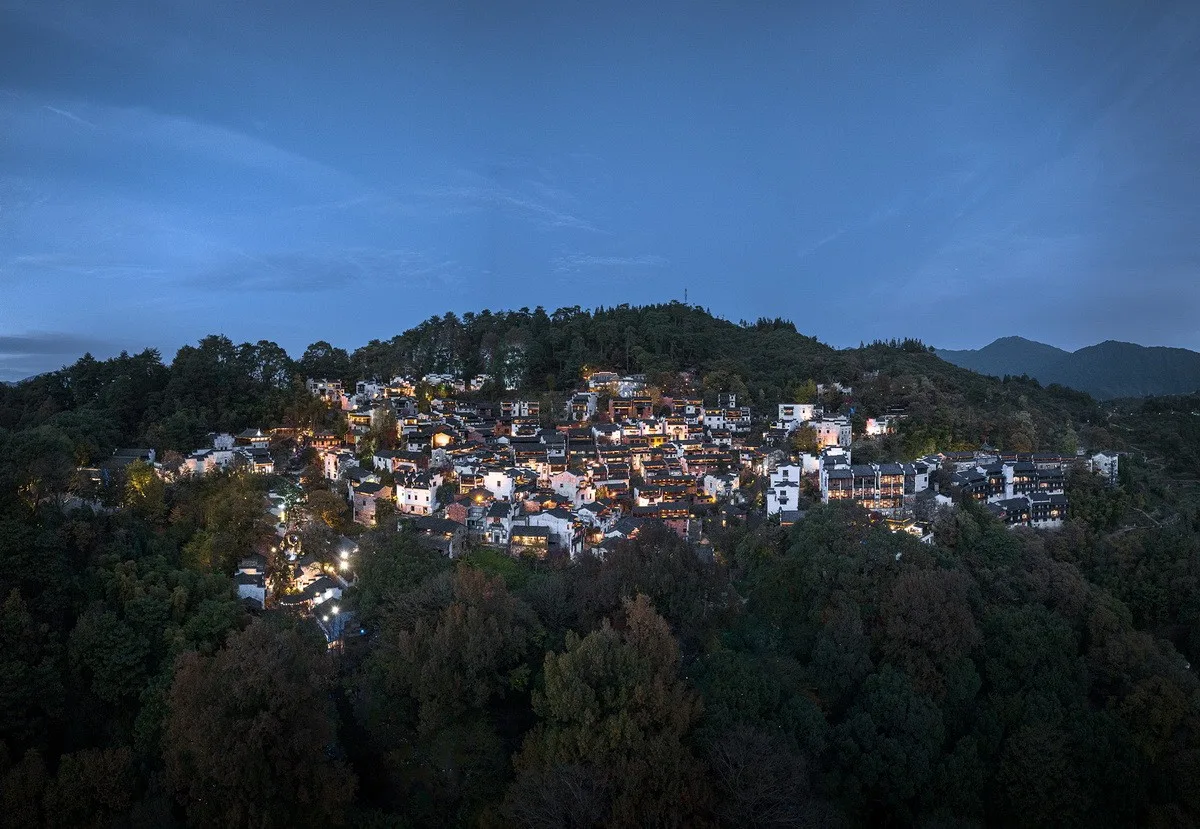
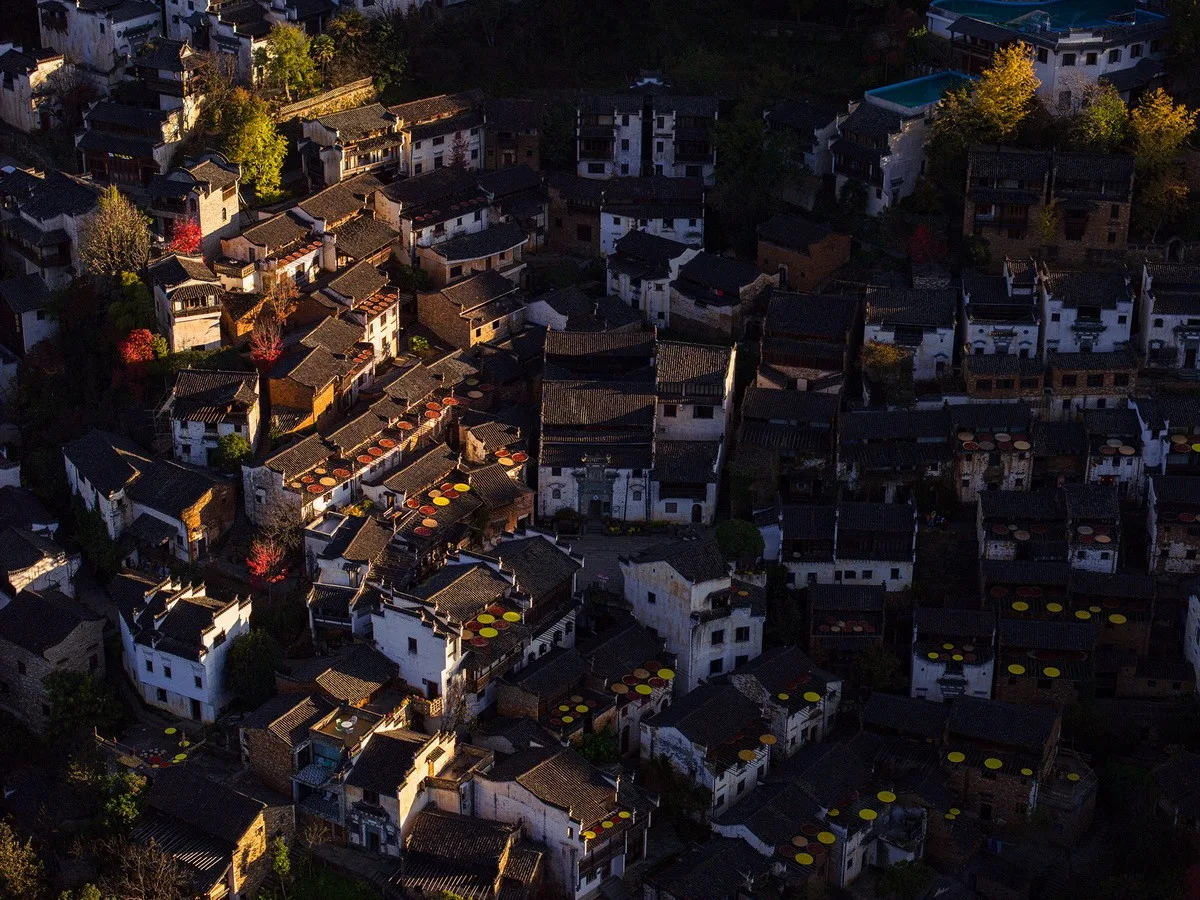
△ Photography: SFAP
How can new life be breathed into this ancient, dilapidated village?
For 15 years, the village cultural team has been dedicated to cultivating and restoring the old houses scattered throughout Huangling’s rural landscape.
Once abandoned due to seasonal water shortages, floods, and decaying infrastructure, these representative Huizhou-style villages faced decline and near desertion. The revival of Huangling embodies the team’s persistent efforts over a decade and a half, rooted in the mountains and countryside.
A passionate group, deeply connected to their homeland, continuously refines and restores the village with patience and experience. In an age focused on speed and novelty, this slow, dedicated approach might seem out of place, yet it is precisely this long-term commitment that forges timeless heritage.
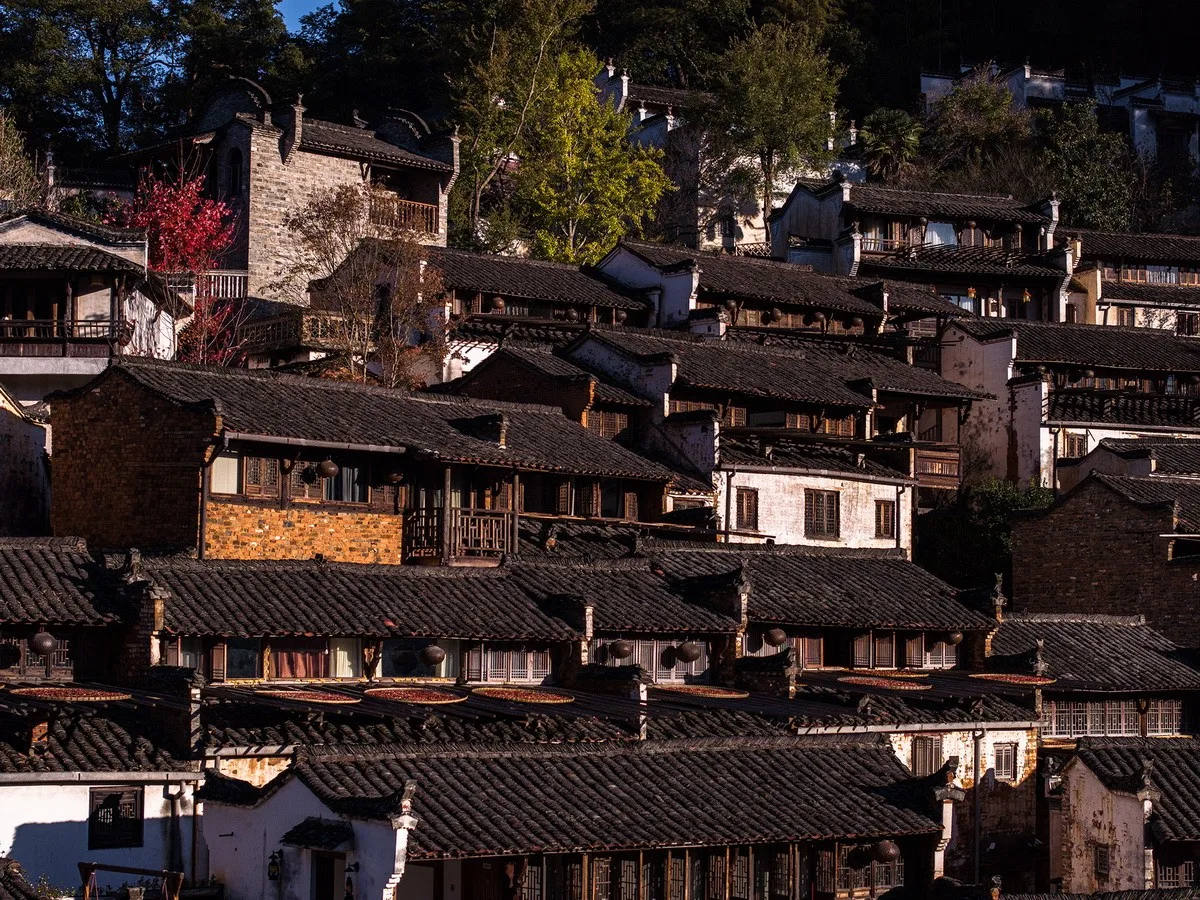
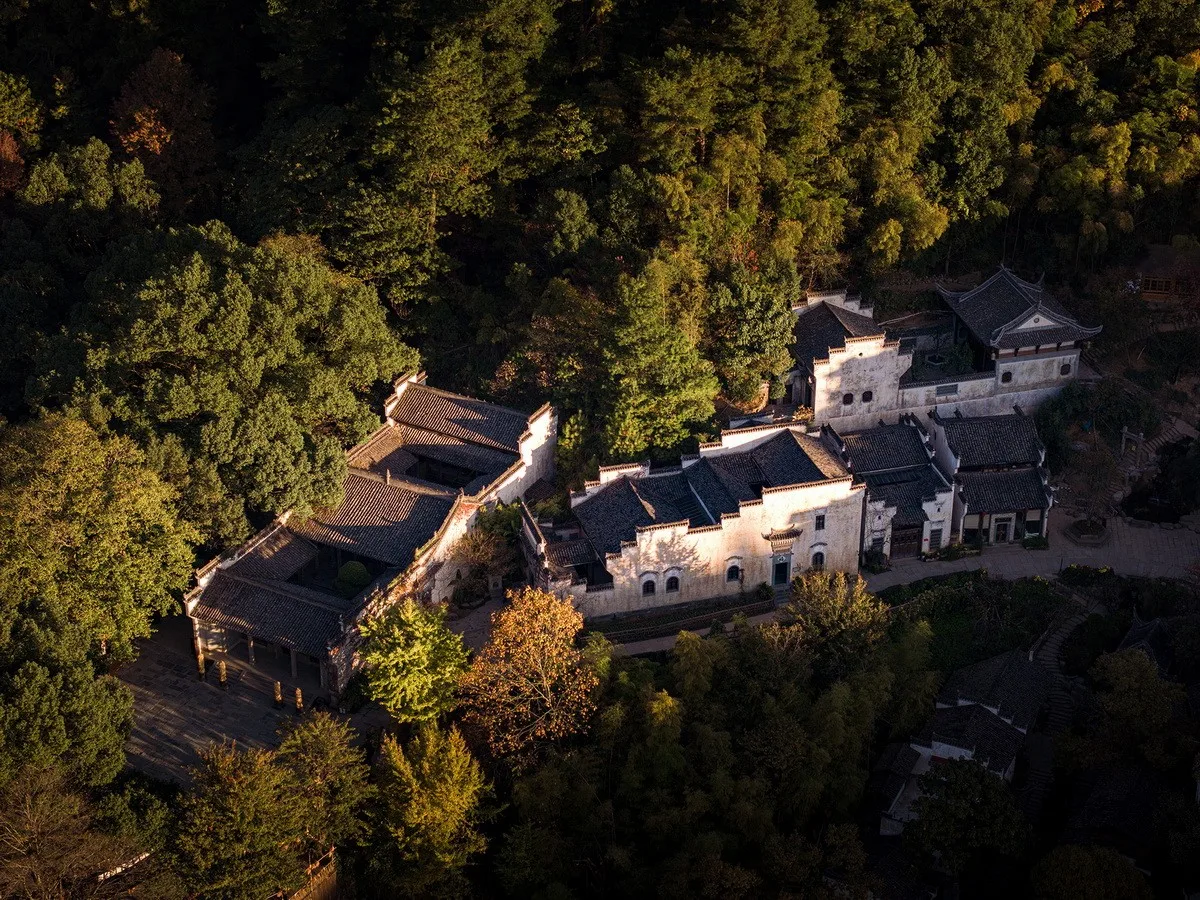
△ Photography: SFAP
Chapter One
Newborn
From a Declining Century-Old Village to “The Most Beautiful Countryside”
In the 1990s, Wang Wanbin—the founder of the village culture movement and chief designer of Huangling—first encountered a vastly different scene. Built on steep mountain slopes, the village’s scattered houses suffered from extremely poor transportation. Usable land was scarce, with barely any flat ground. Villagers endured severe water shortages in autumn and winter, while floods and landslides were common during rainy seasons due to inadequate drainage. Over time, Huangling became a hollow village with abandoned terraces, collapsing houses, and severed cultural heritage.
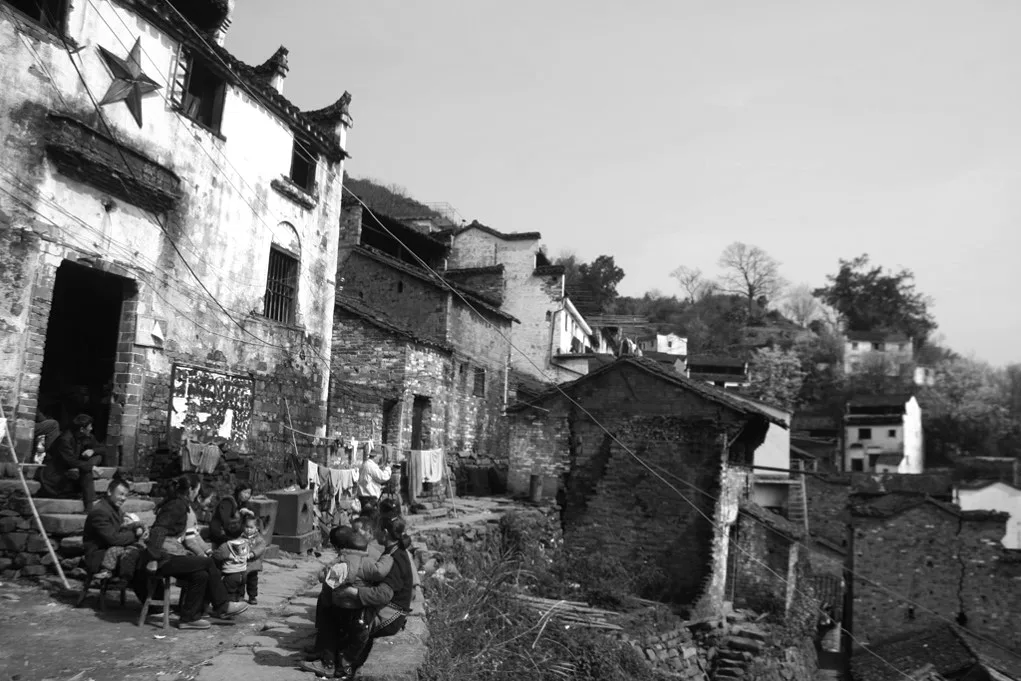
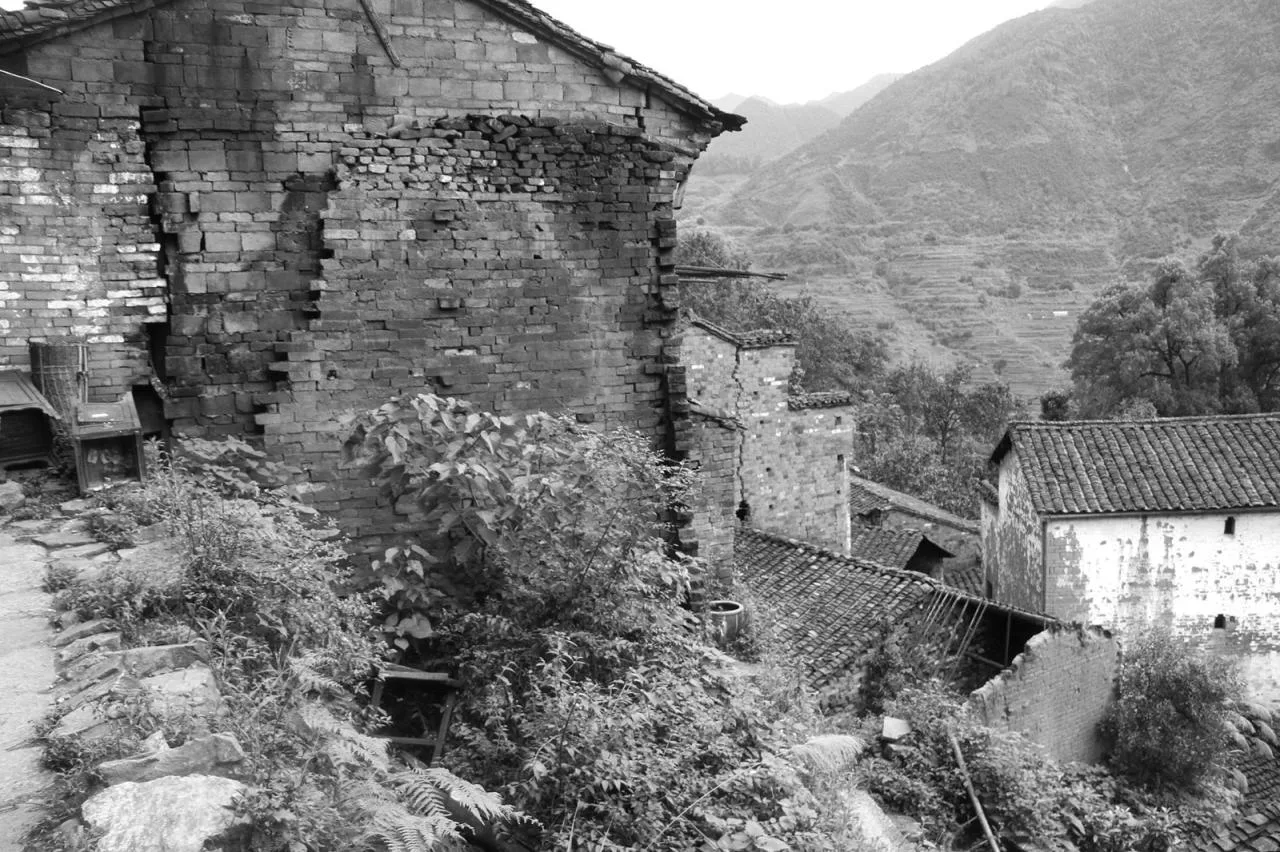
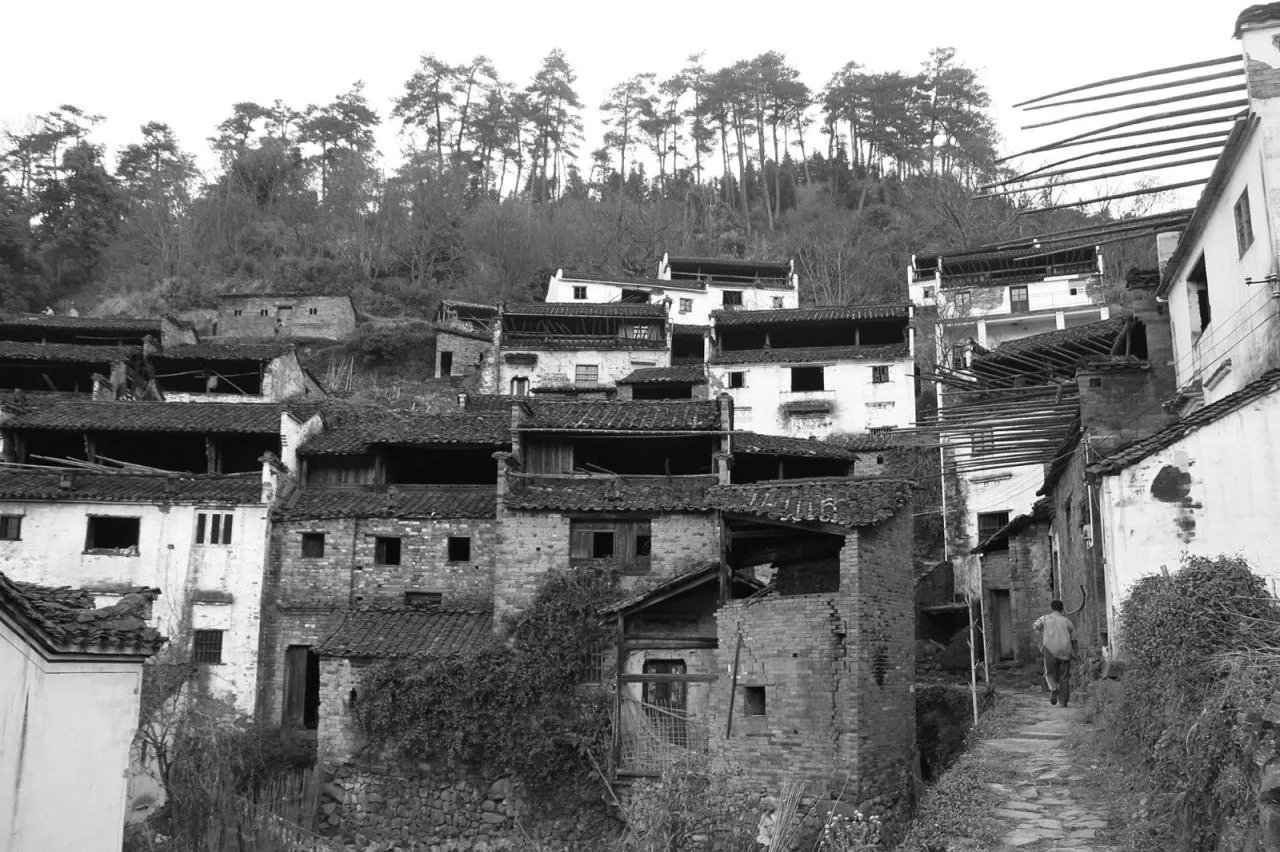
Huangling before renovation © Wuyuan County Village Culture Media Co., Ltd
Wang Wanbin, a lifelong painter, often traveled to Huangling to sketch its landscapes. While others saw only decline, he recognized a unique beauty in this mountain village—its pristine natural ecology and many preserved traditional Huizhou-style residences. Motivated by both the village’s cultural-tourism potential and a deep nostalgia for saving traditional villages, Wang committed himself fully to its protection and transformation.
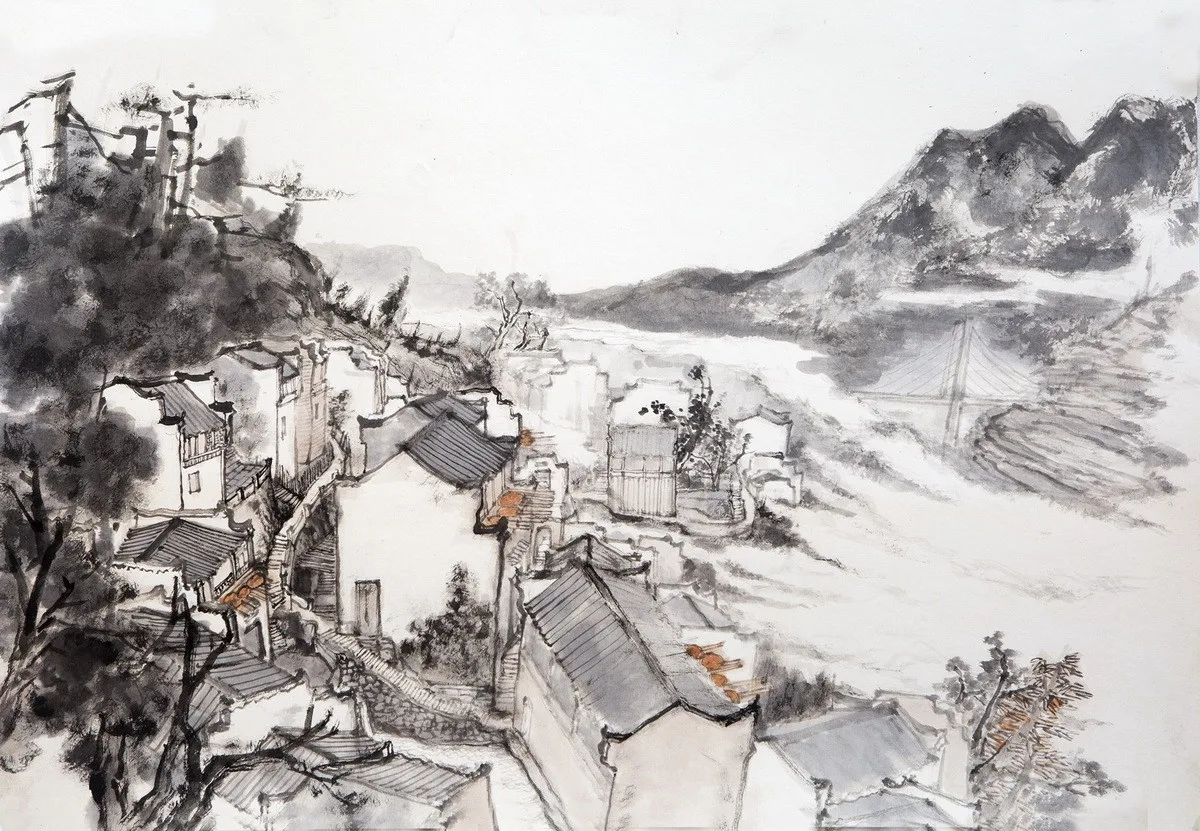
△ Huangling Sunbathing in Autumn © Wang Wanbin
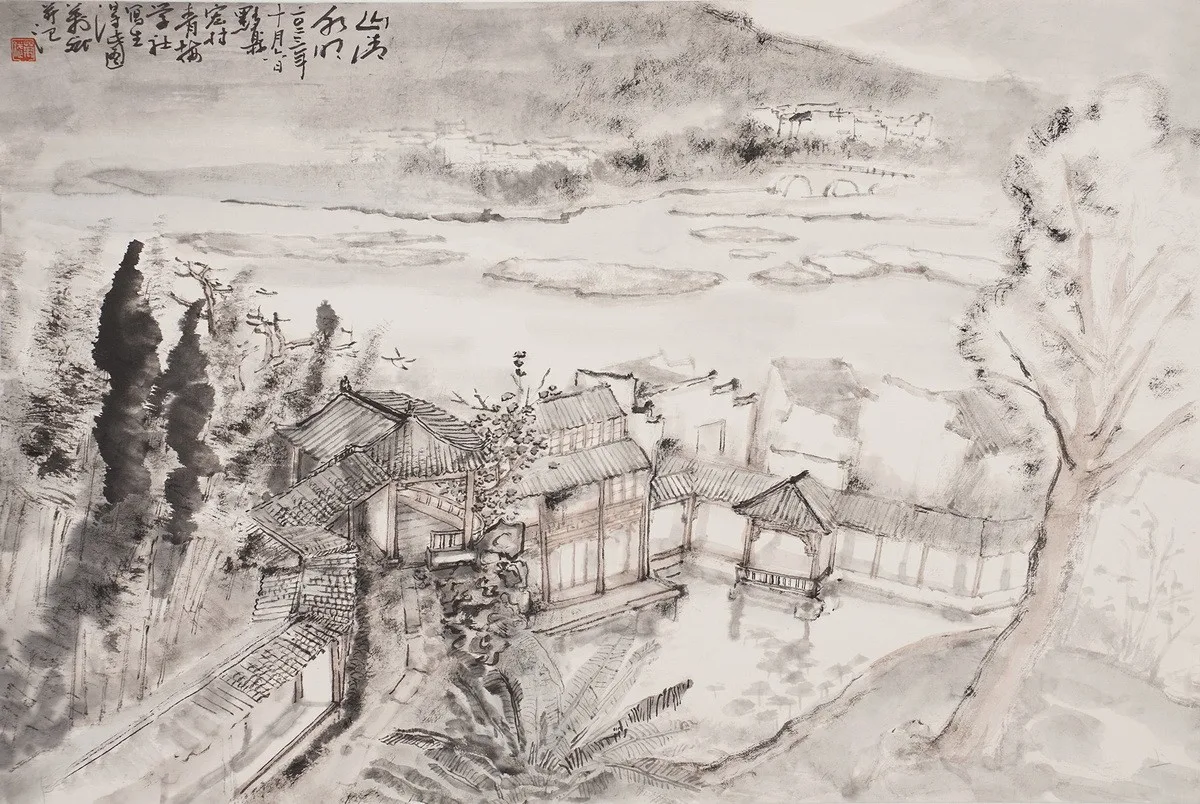
△ Wuyuan Sketching © Wang Wanbin
The turning point came in 2009, when the local government initiated an official relocation and resettlement plan for Huangling Village. Wuyuan County Rural Cultural Development Co., Ltd. funded this effort, with Wang Wanbin among the partners involved. Drawing on a development plan for Wuyuan Huangling Folk Culture Village from Tongji University, Wang led the cultural team in the overall design and reconstruction of Huangling Ancient Village.
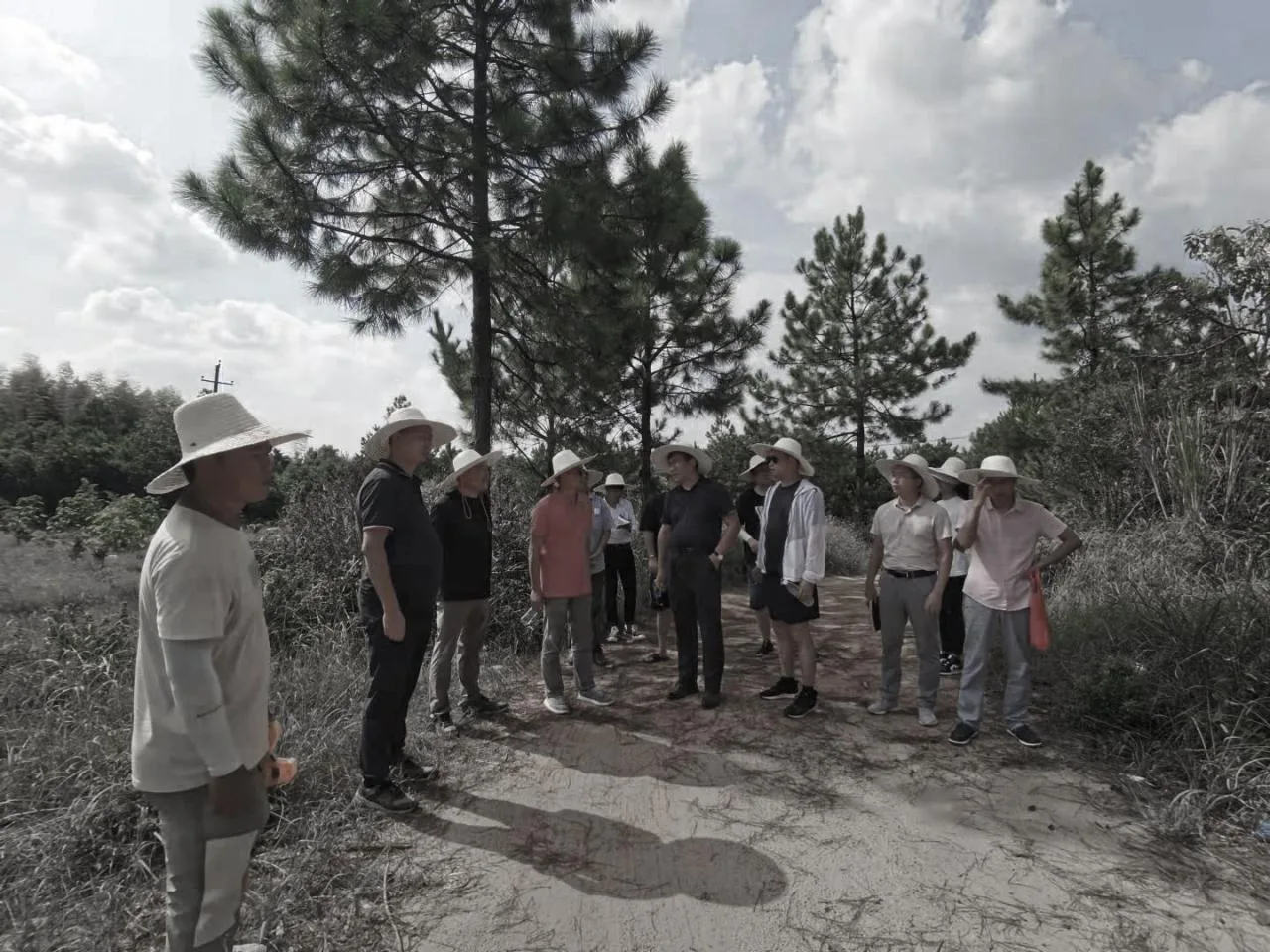
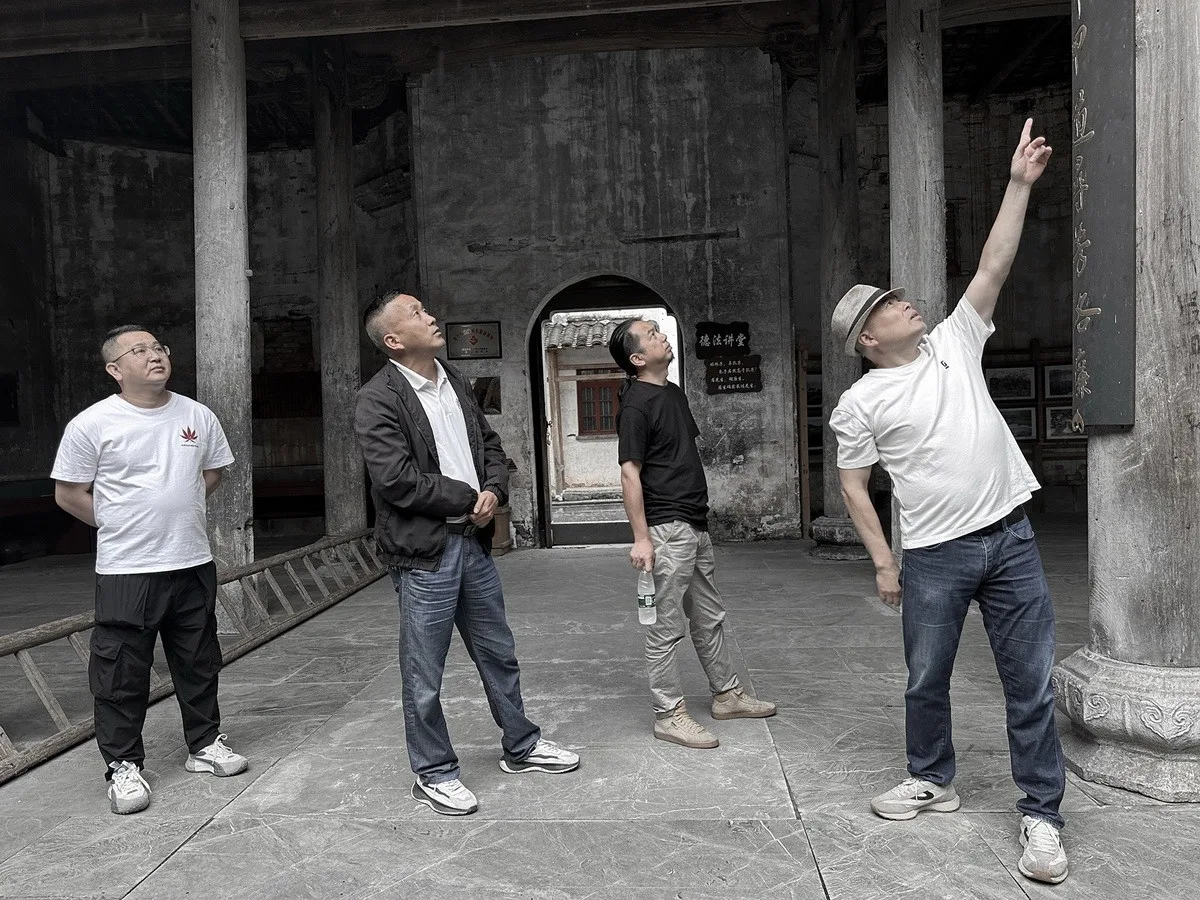
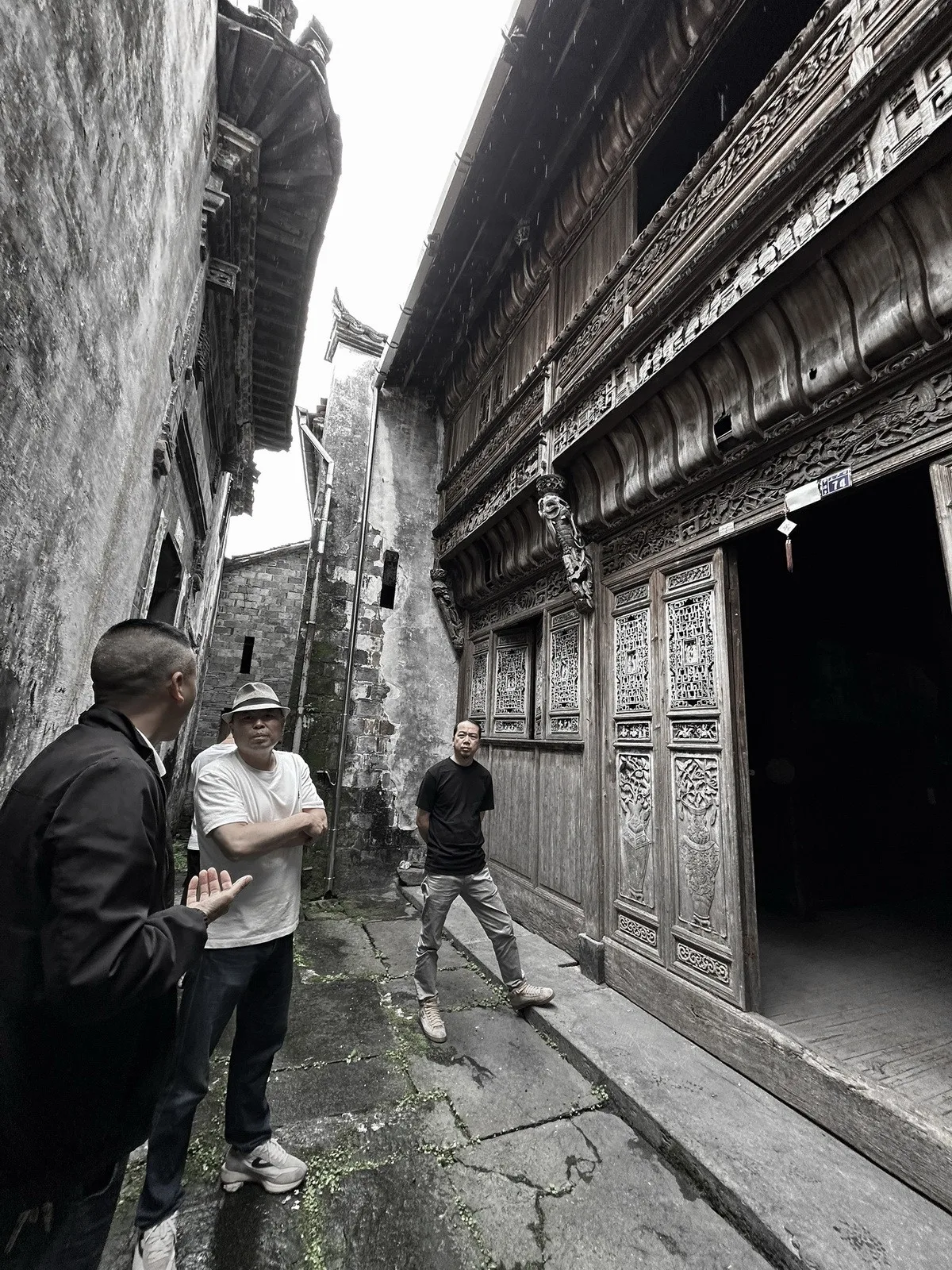
△ © Wuyuan County Village Culture Media Co., Ltd
The complexity of this large-scale project was immense. The village’s unique mountain-hugging form and challenging terrain posed significant design and construction hurdles. Decisions had to be made on which historic houses to preserve or demolish, and how to maintain the village’s original texture after renovation. Addressing long-standing issues such as drought, flooding, and soil erosion required innovative water diversion and flood control strategies.
From village-wide planning and building restoration to landscape and environmental design, every aspect demanded deep cultural understanding.
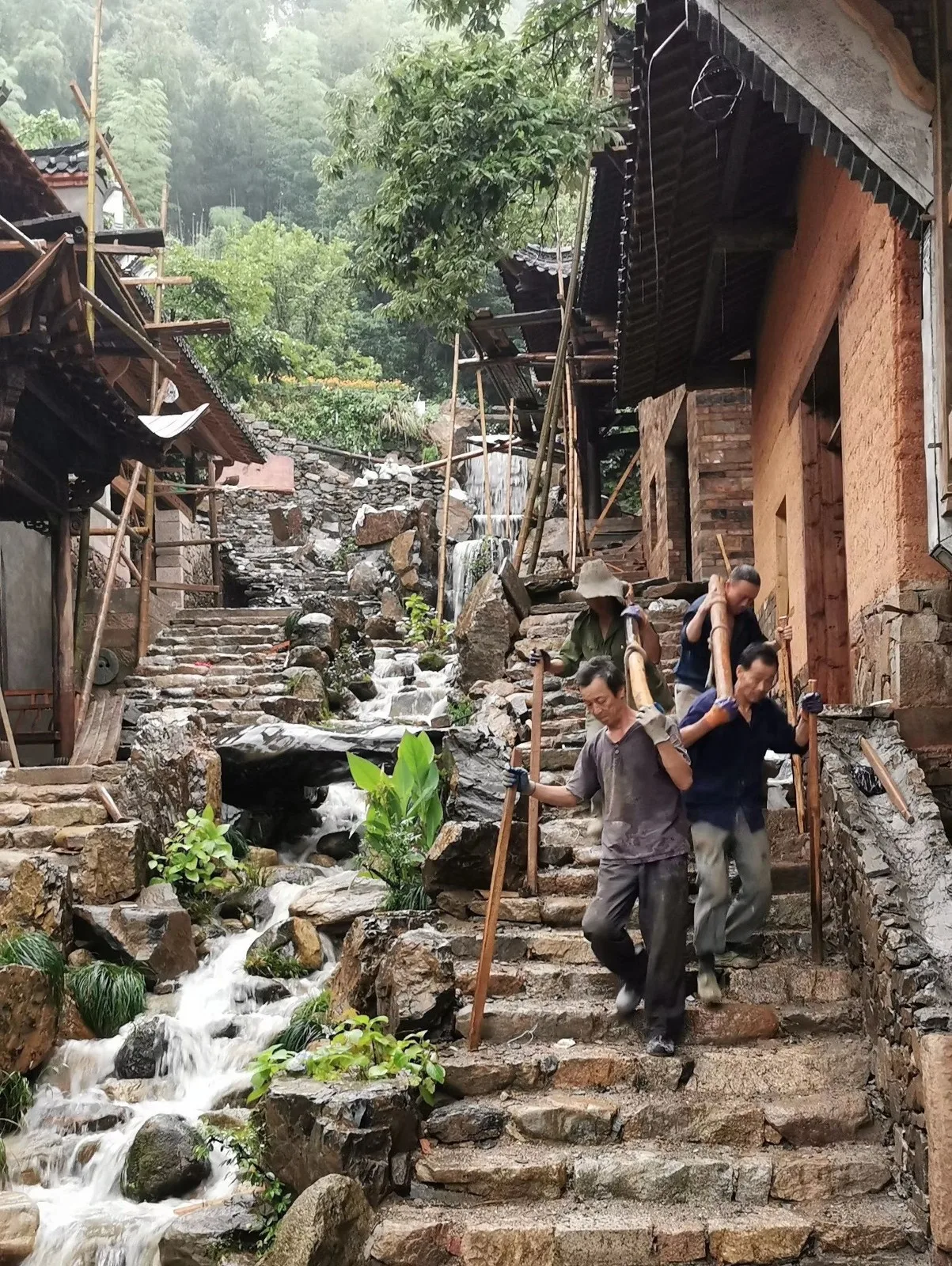
Due to rugged and narrow mountain roads, heavy machinery couldn’t access the site during renovation, so materials had to be carried by hand © Wuyuan County Village Culture Media Co., Ltd
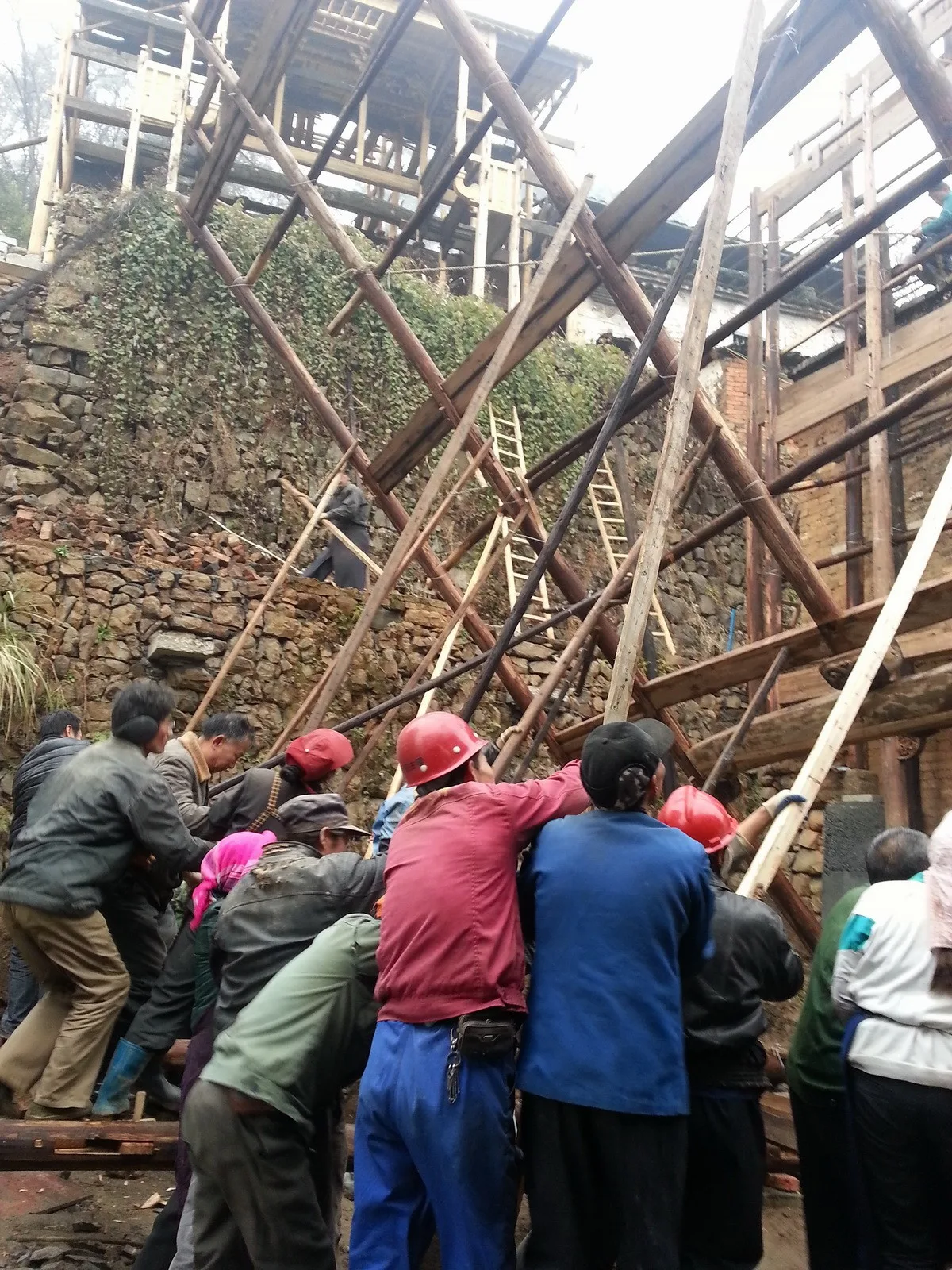
Renovation challenges far exceeded demolition; close collaboration between village culture experts and craftsmen was essential © Wuyuan County Village Culture Media Co., Ltd
Wang Wanbin and his team meticulously surveyed every corner of the ancient village, conducting extensive research, documentation, and reflection. They developed design solutions grounded in local realities, aiming to “protect the environment, build houses on the mountain, and restore the original appearance.” The village’s main road, Tianjie, served as the central axis, and plans followed a “minimal intervention” principle—preserving the natural mountain dwelling layout without drastic demolition.
Through careful restoration, relocation, and revitalization of historic buildings, the project reshaped traditional architecture while integrating modern tourism functions. By transforming limitations into opportunities, it revived the natural and cultural essence of this mountain village.
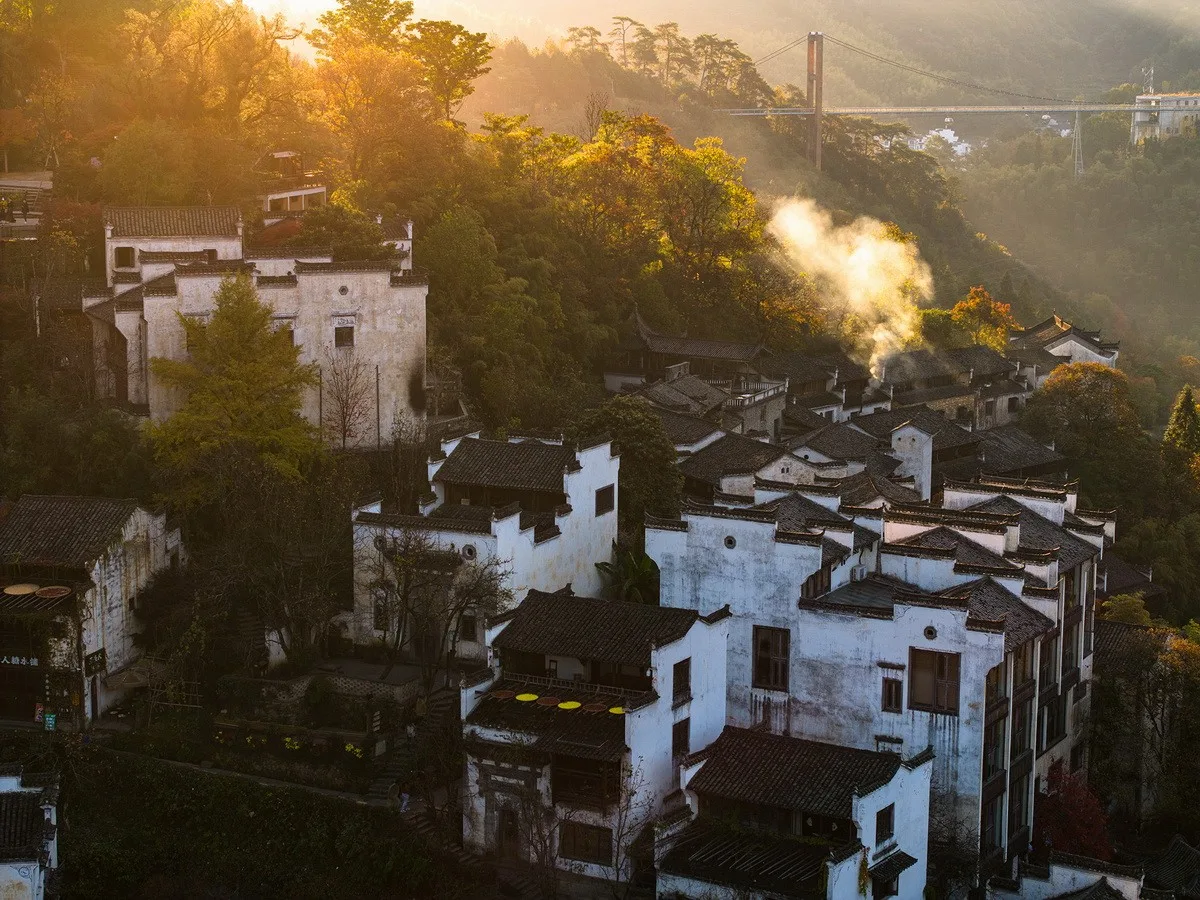
△ Photography: SFAP
Chapter Two
Inheritance
Relocation and Restoration of Historic Homes
Tianjie, the main transportation and tourist route in Huangling, initially faced many issues: chaotic traffic flow, muddy narrow roads, and dilapidated buildings. The layout of this “main street” was critical to enhancing visitors’ experience.
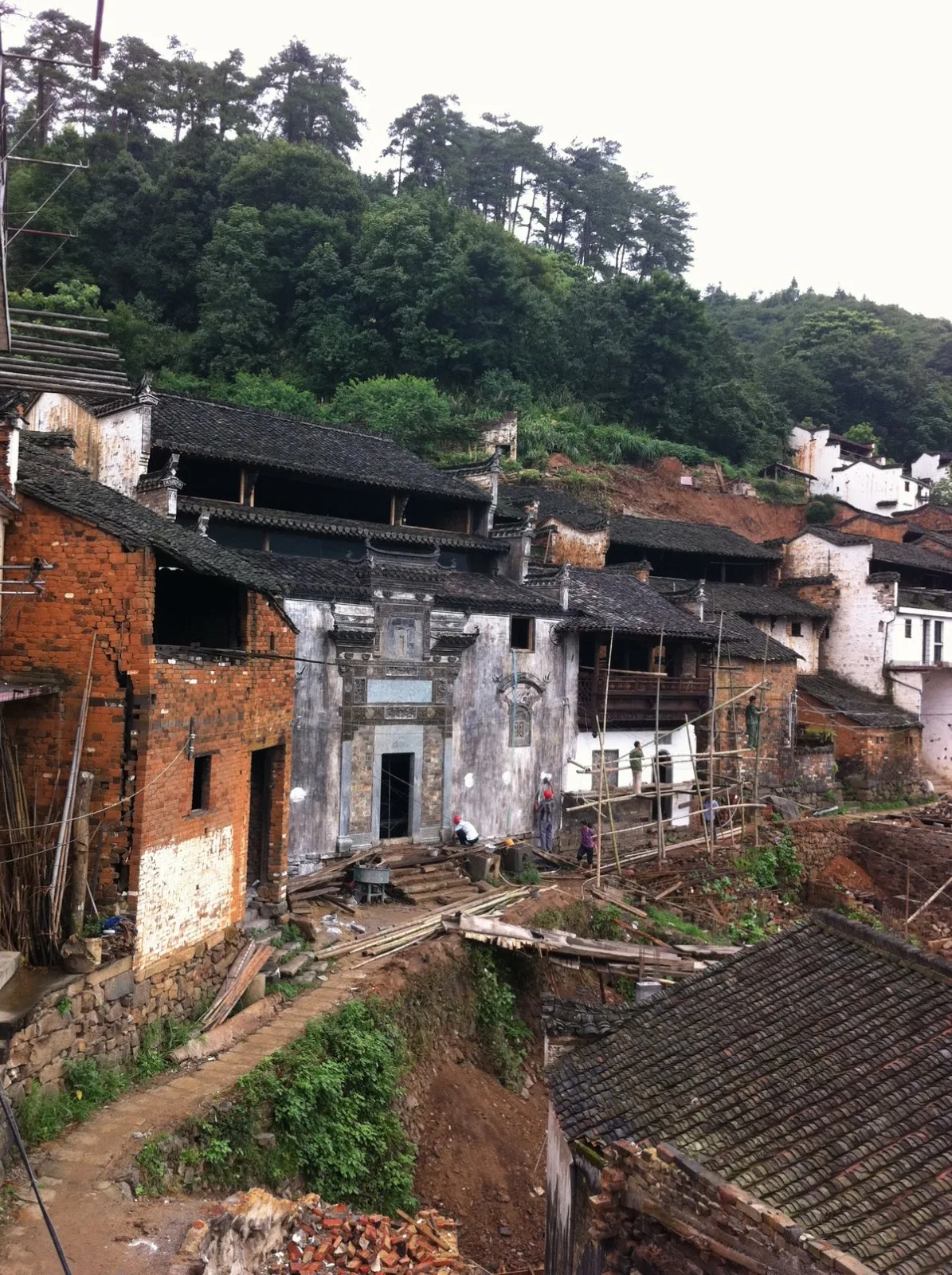
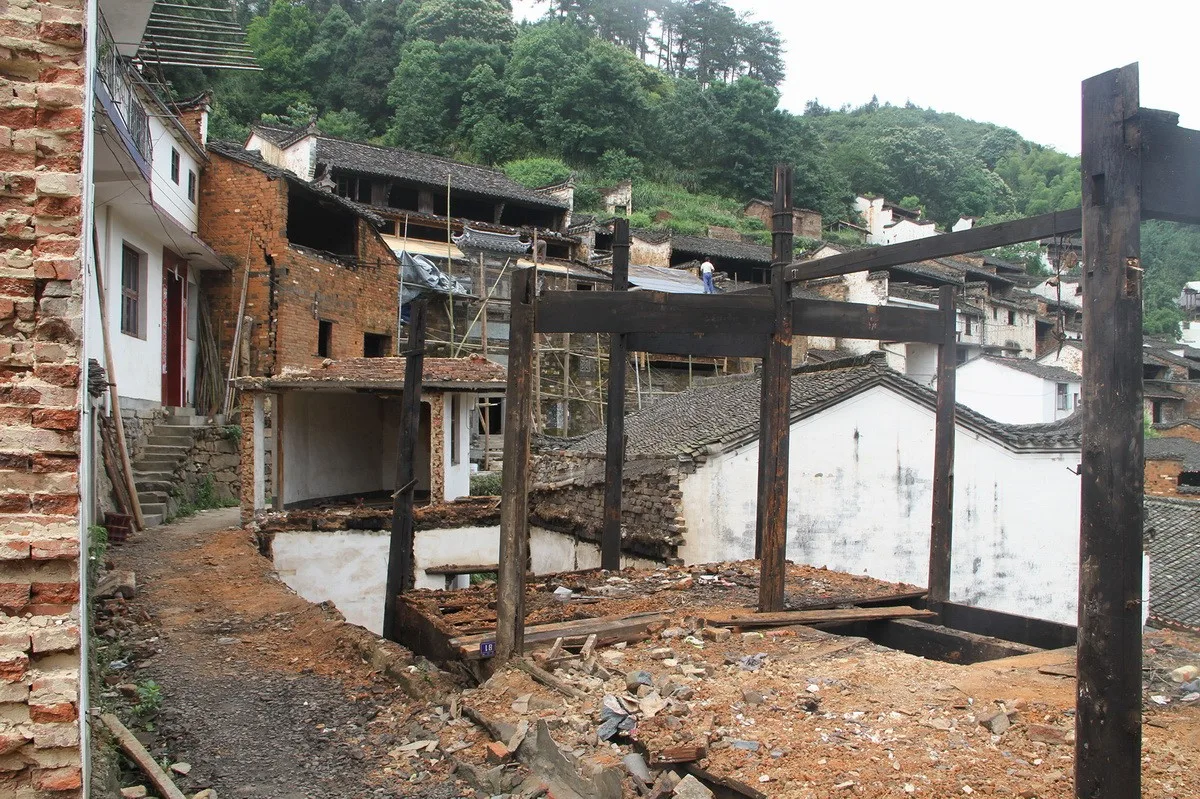
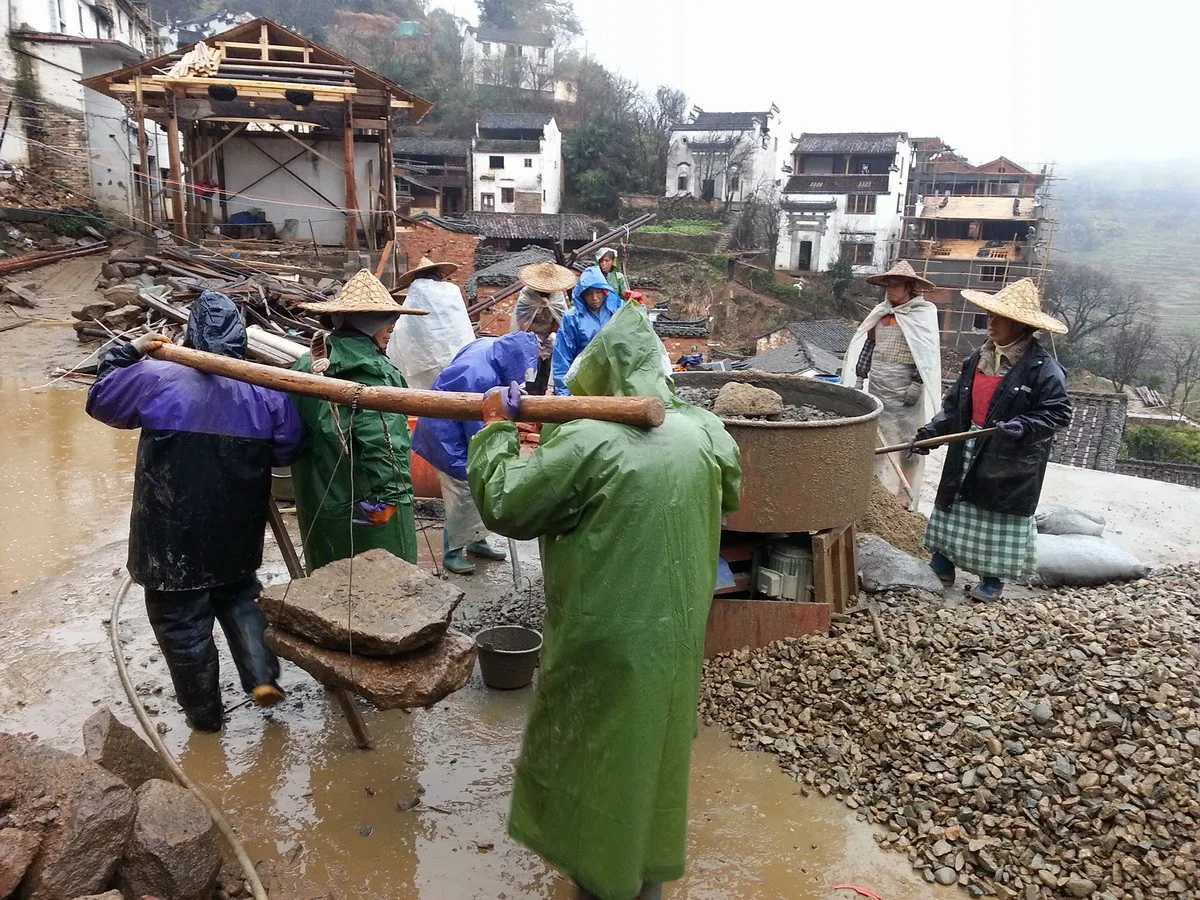
Before renovation, Tianjie was a narrow, muddy dirt road with uneven foundations © Wuyuan County Village Culture Media Co., Ltd
Through systematic identification and restoration, the cultural team restored 120 original residential buildings, integrating modern business functions such as homestays, restaurants, and exhibition spaces.
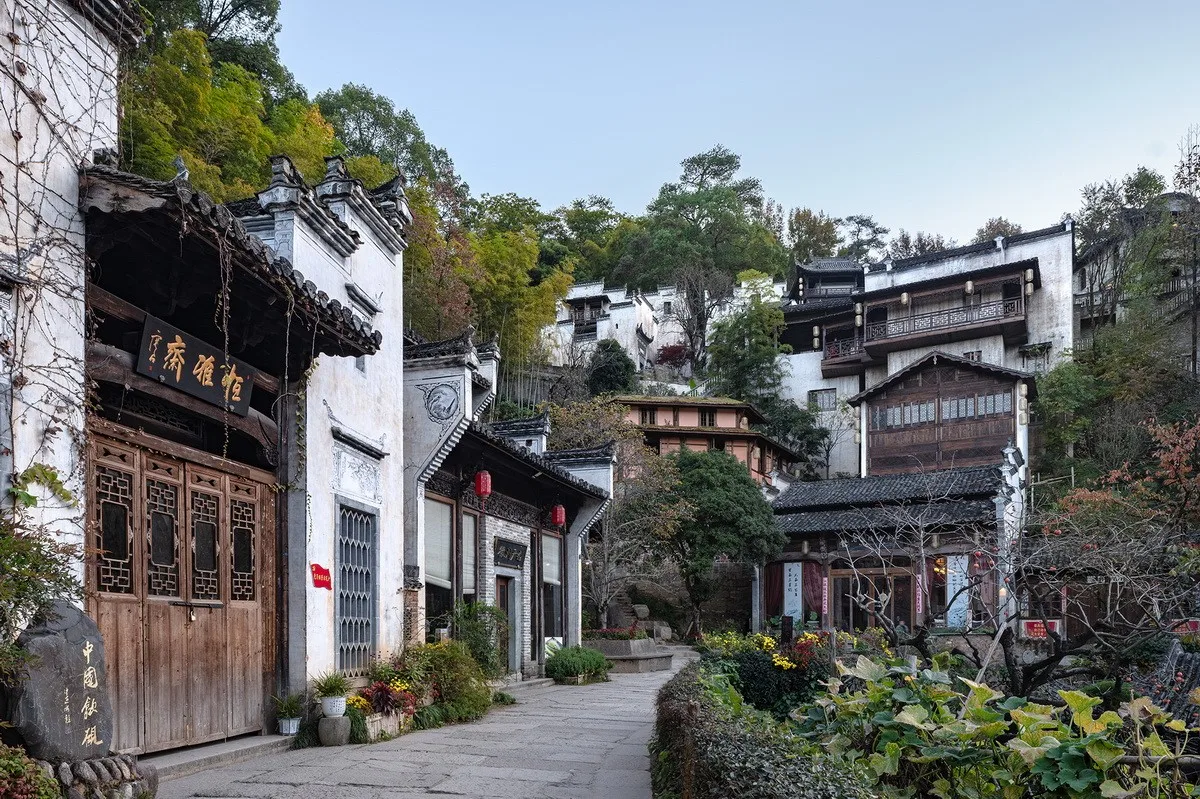
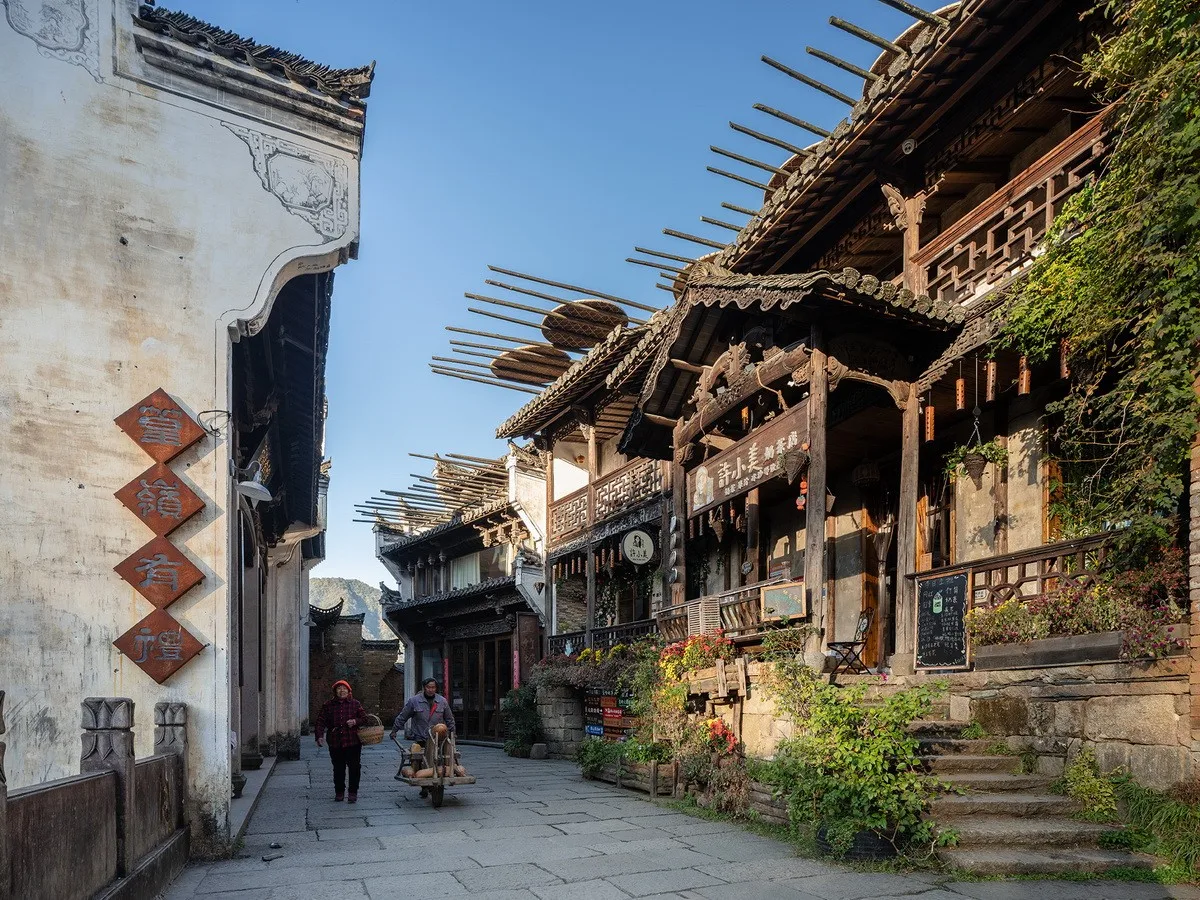
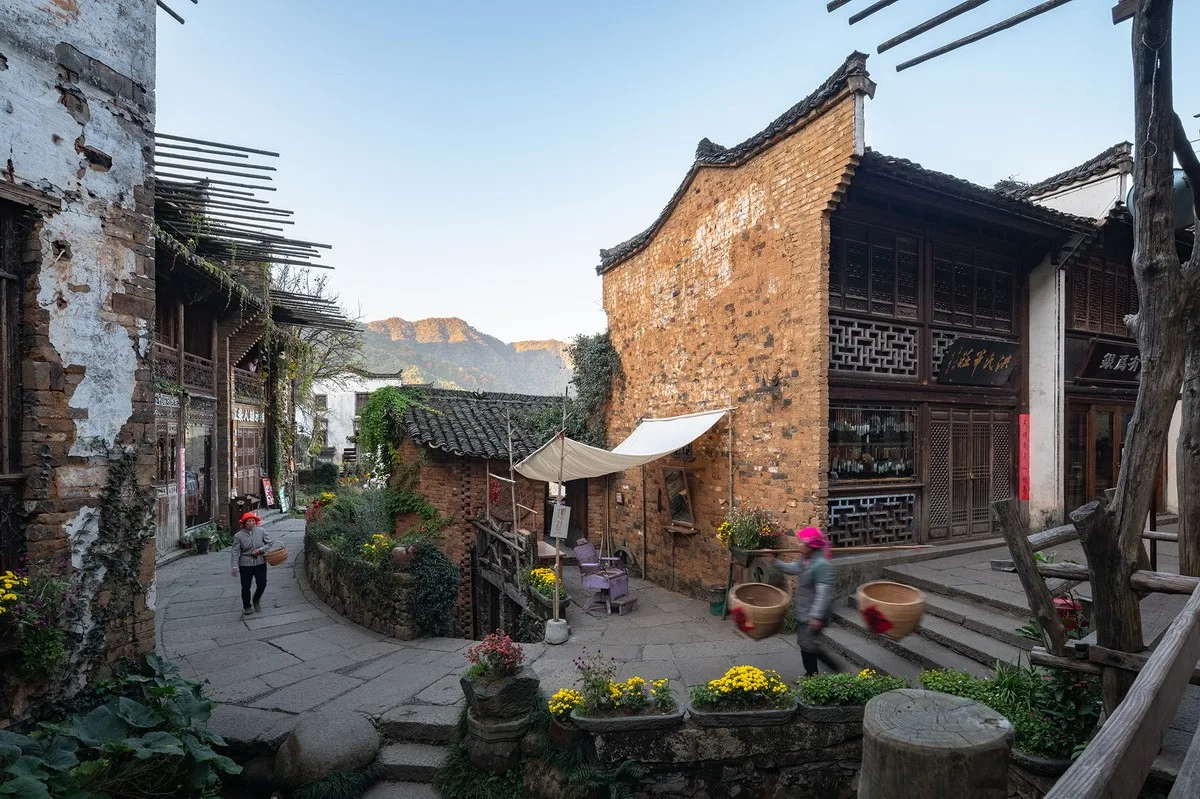
△ Photography: SFAP
Wang Wanbin believes that revitalizing old buildings is the best way to preserve them. To this end, his team visited various locations throughout ancient Huizhou to study well-preserved Huizhou-style dwellings. Through remote protection, reconstruction, and “foster care” of old houses, over 20 exquisite historic homes were “introduced” to Huangling. These buildings, reflecting the refined lifestyle of Huizhou merchants, enriched the architectural diversity of Huangling Old Village, making it one of Wuyuan’s villages with the highest density of historic buildings—a living museum without walls.
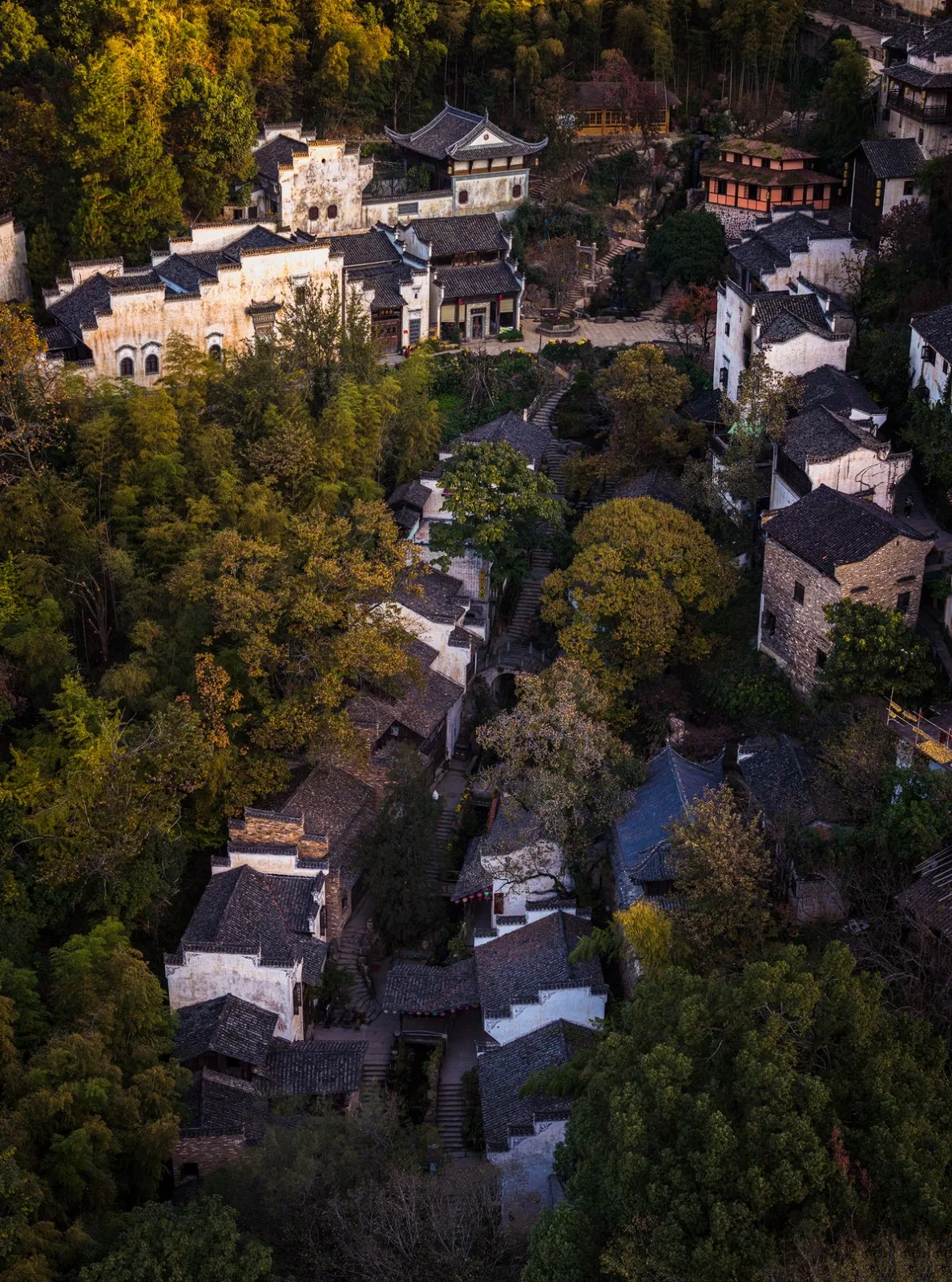
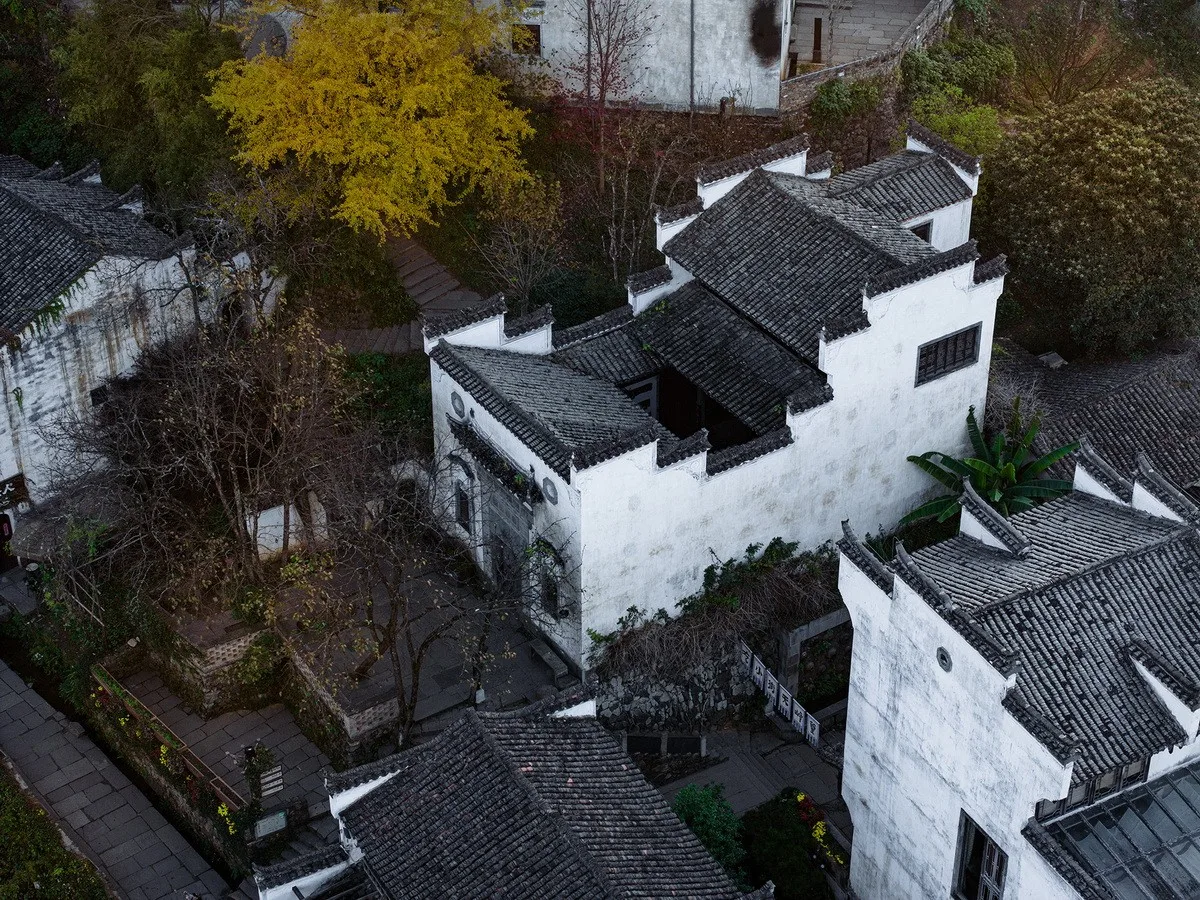
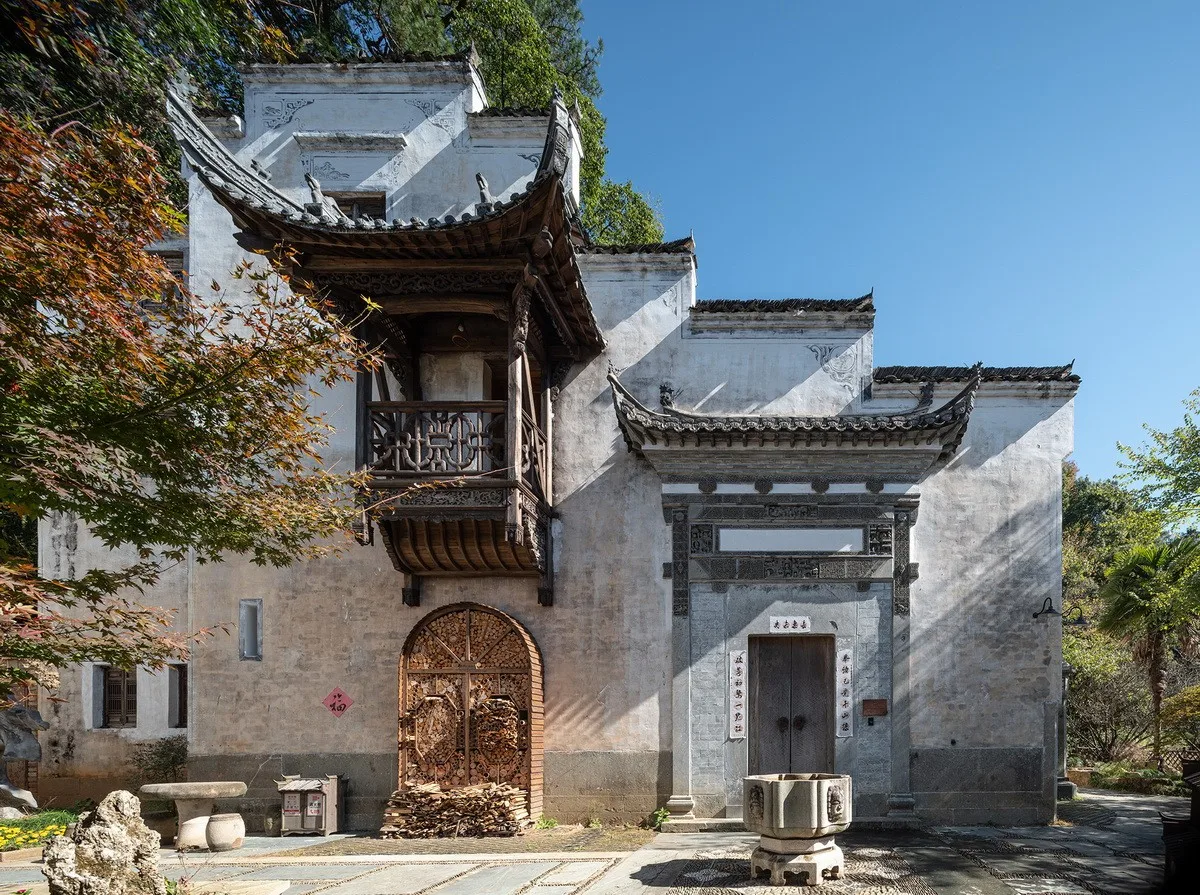
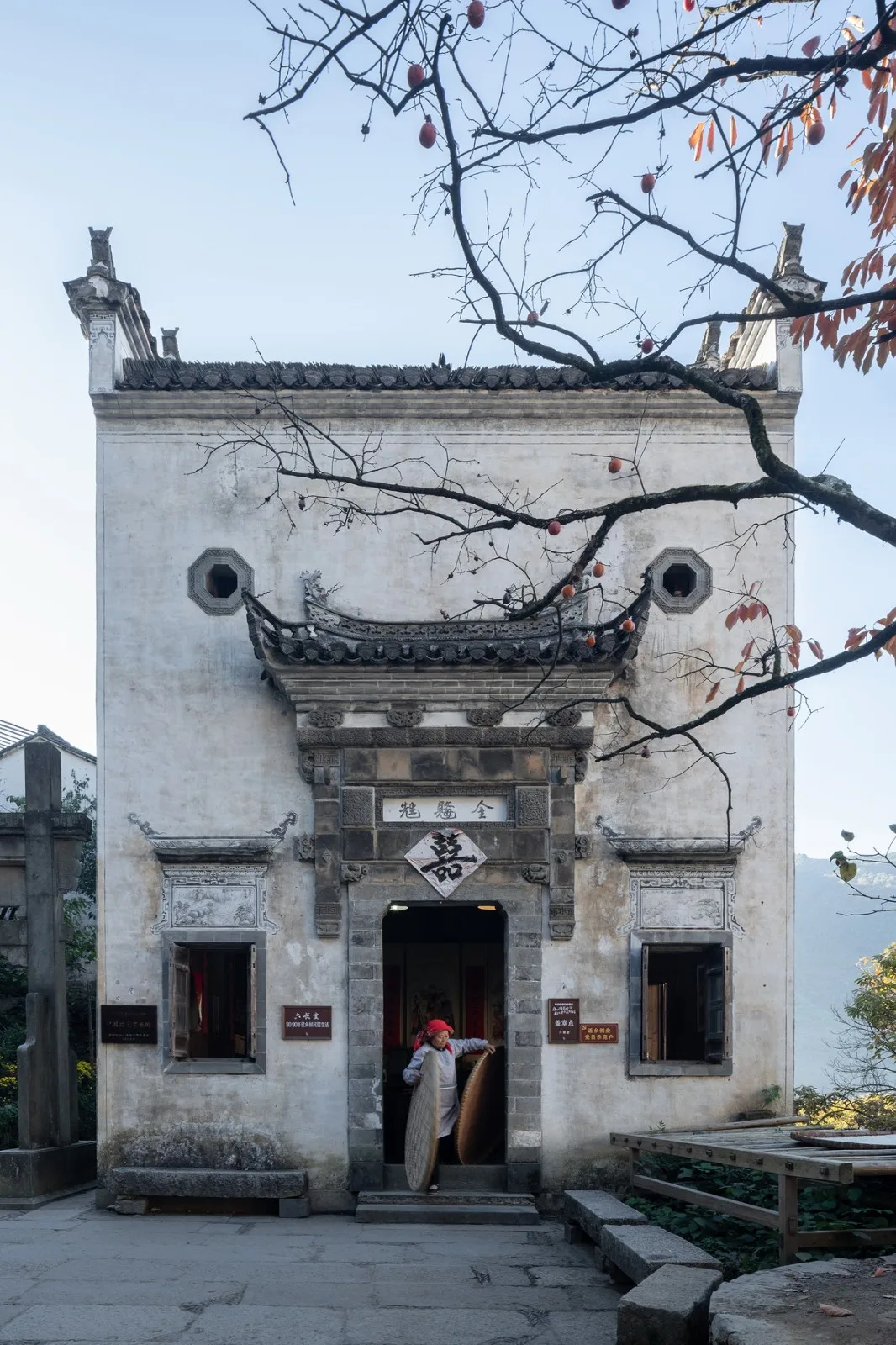
△ Photography: SFAP
Beyond preserving the buildings themselves, the design and construction teams carefully coordinated the integration of surrounding environments, roads, drainage, and landscaping to ensure full functionality and sustainable protection of these historic homes.
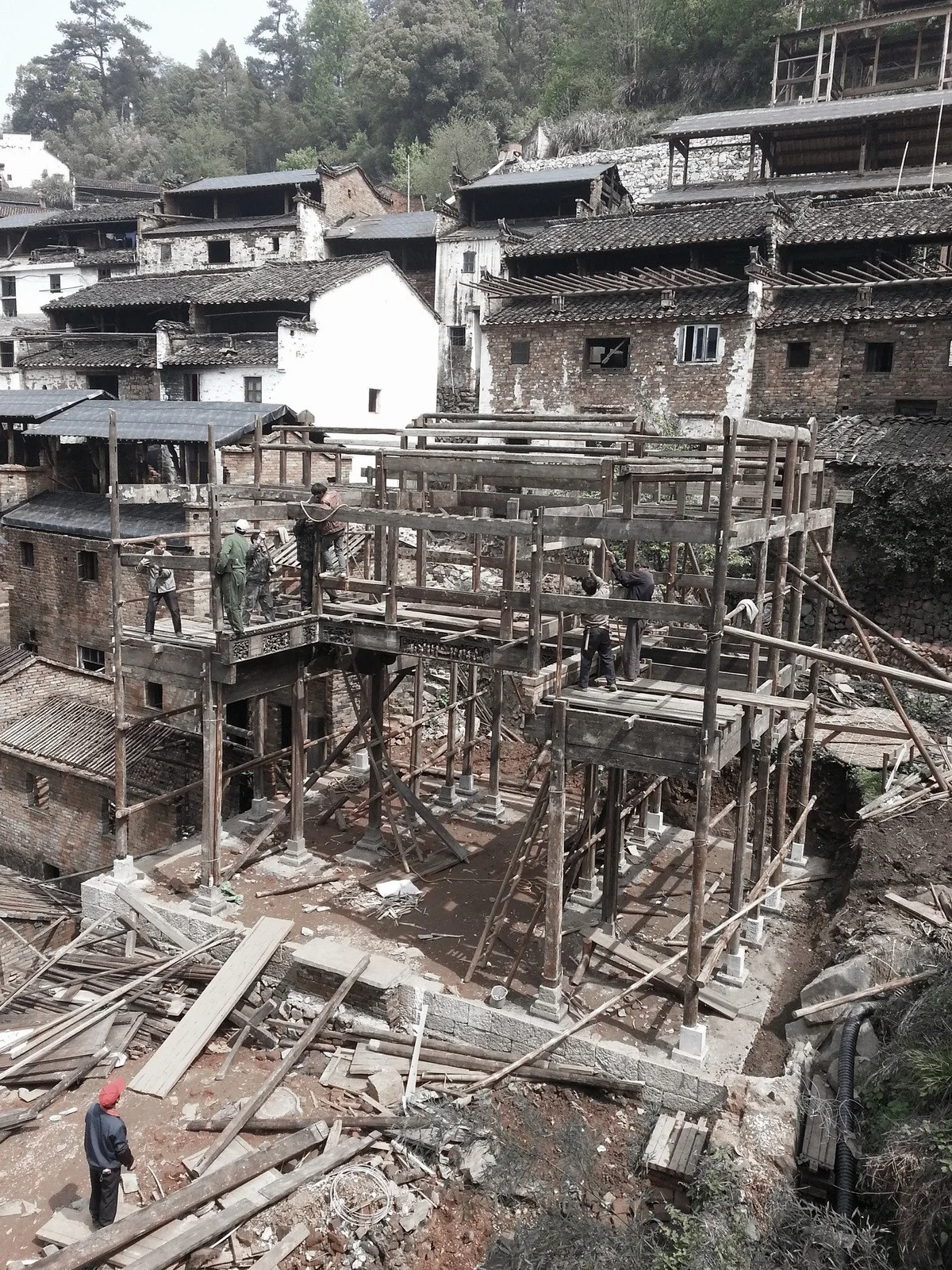
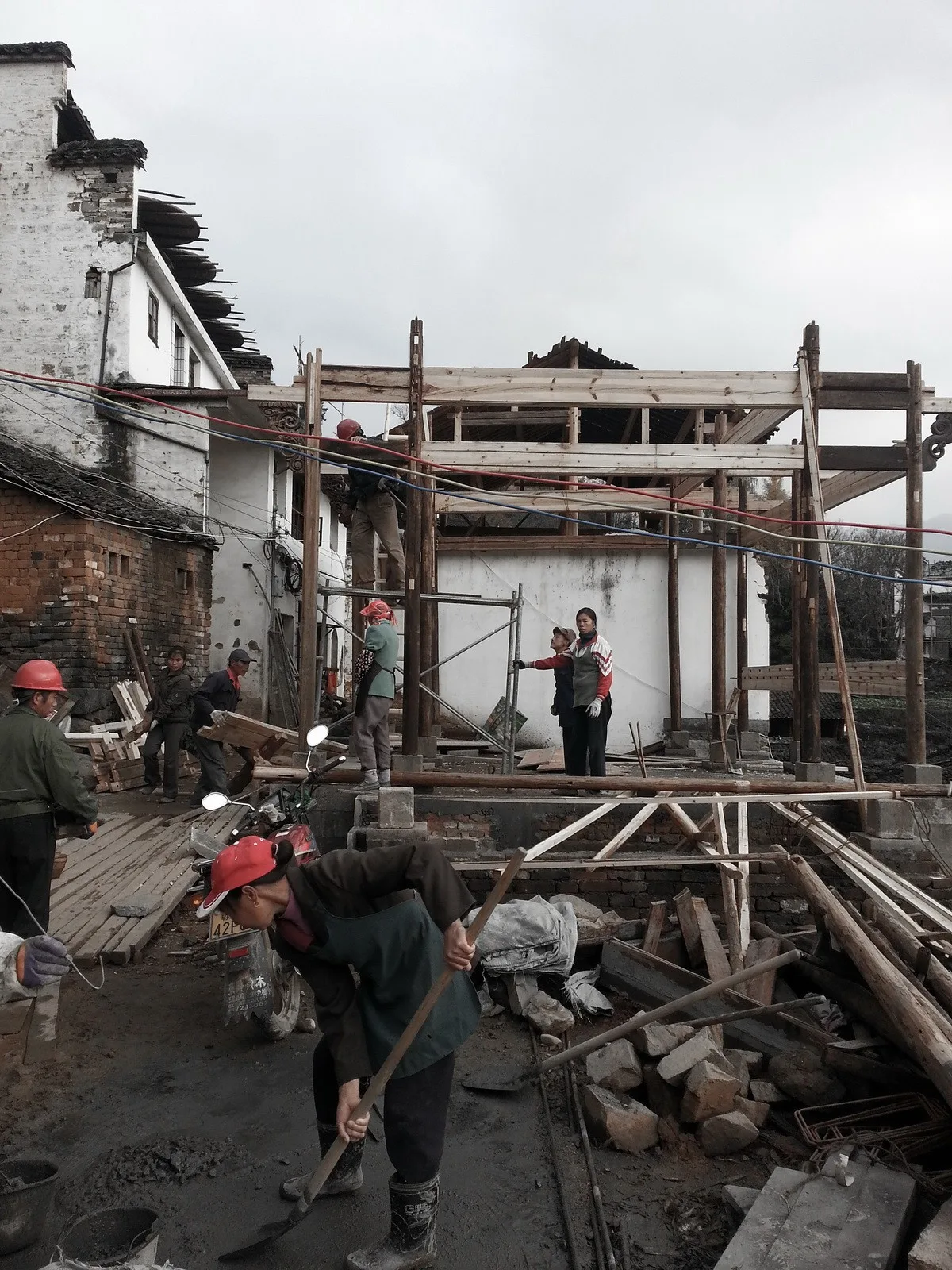
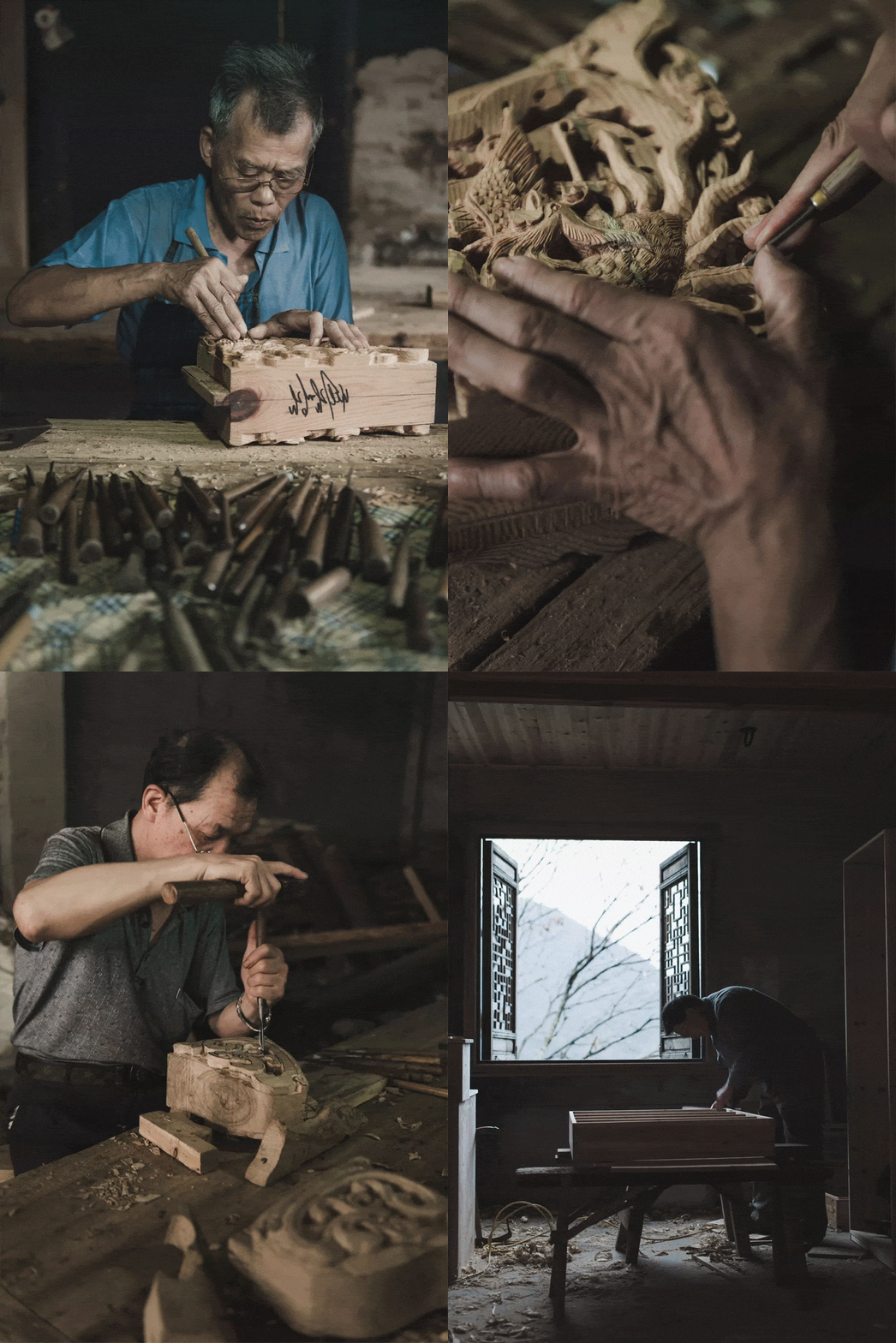
Traditional Huizhou-style residences use brick and wood construction, skillfully reproduced by the village cultural team and local craftsmen © Wuyuan County Village Culture Media Co., Ltd
△ © Wuyuan County Village Culture Media Co., Ltd
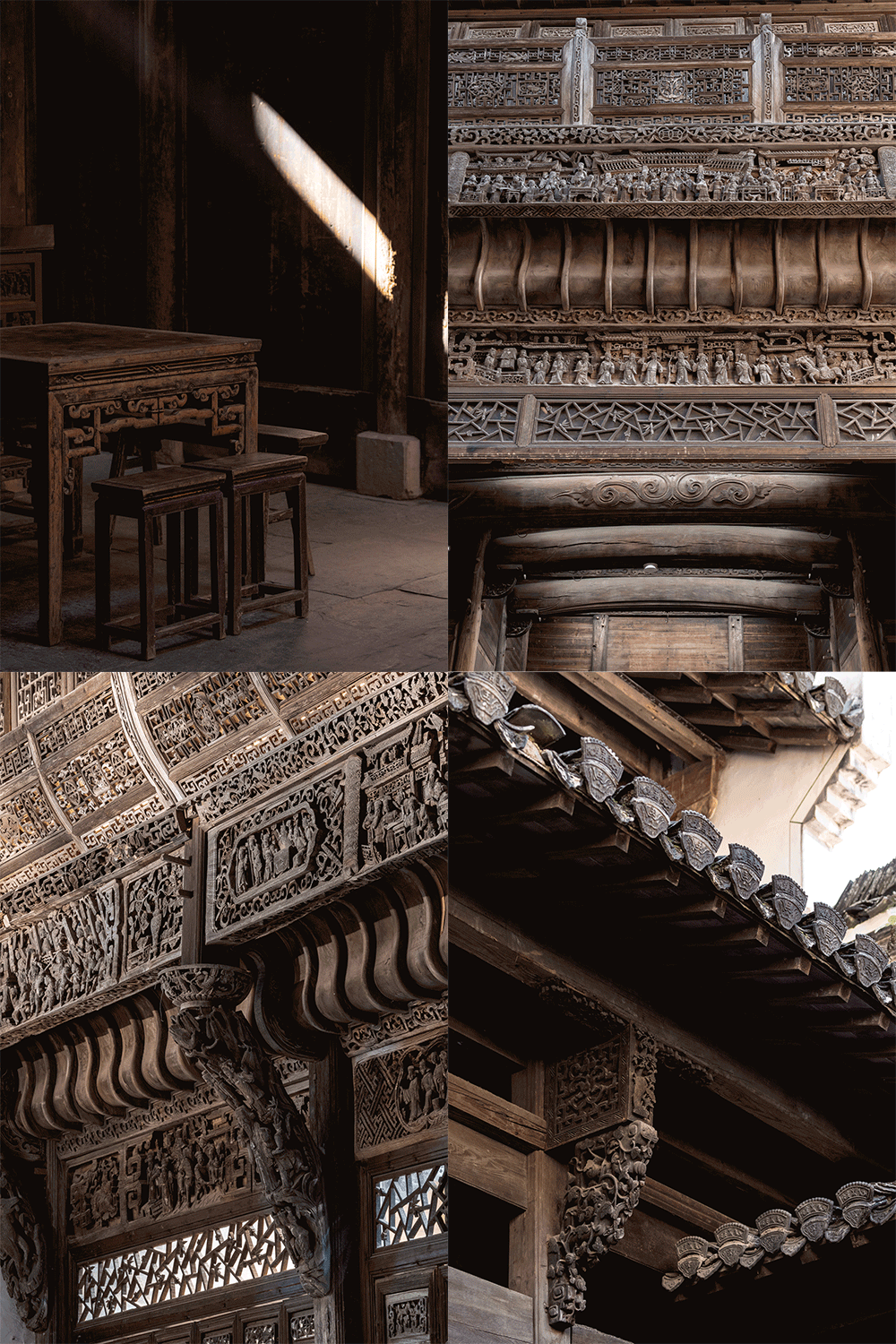
After restoration, the exquisite carvings of ancient Huizhou dwellings have blossomed again, captured by SFAP photography.
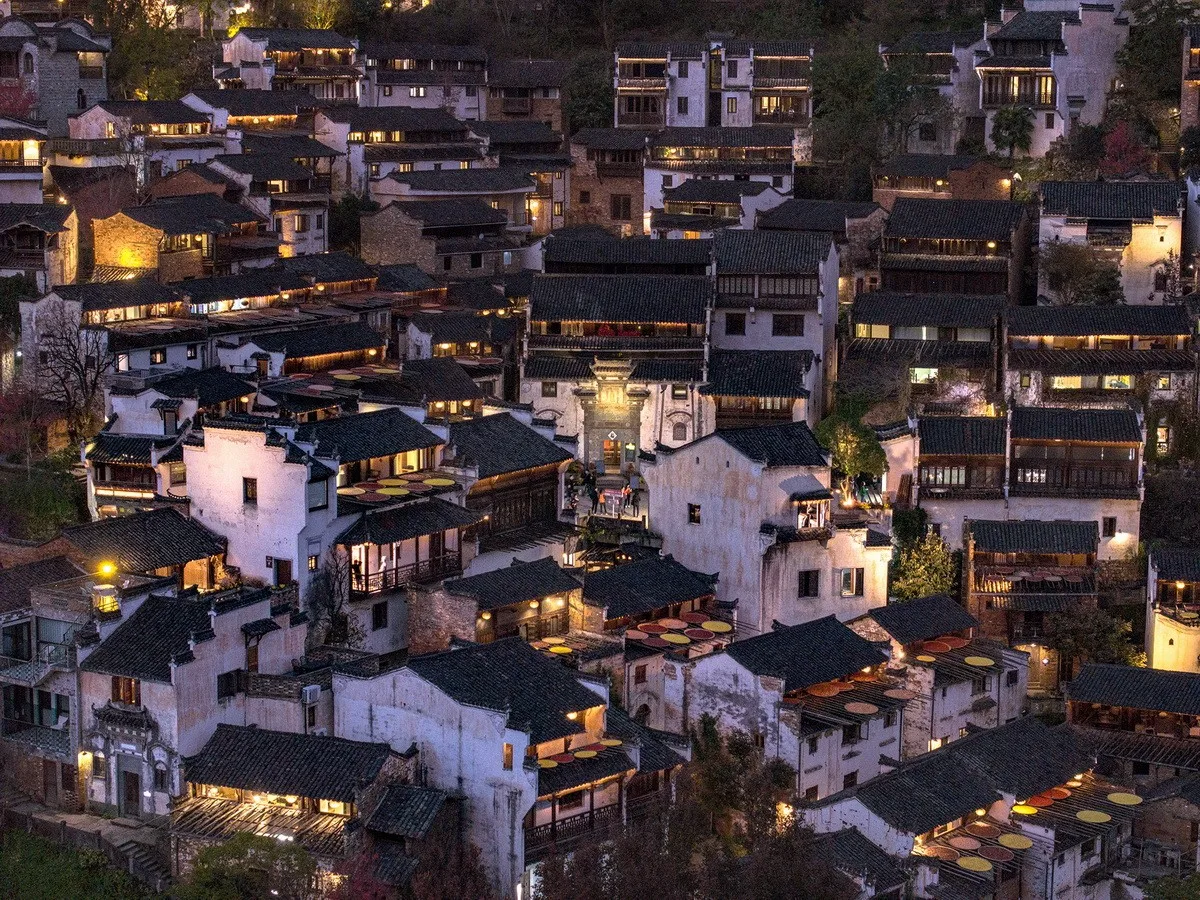
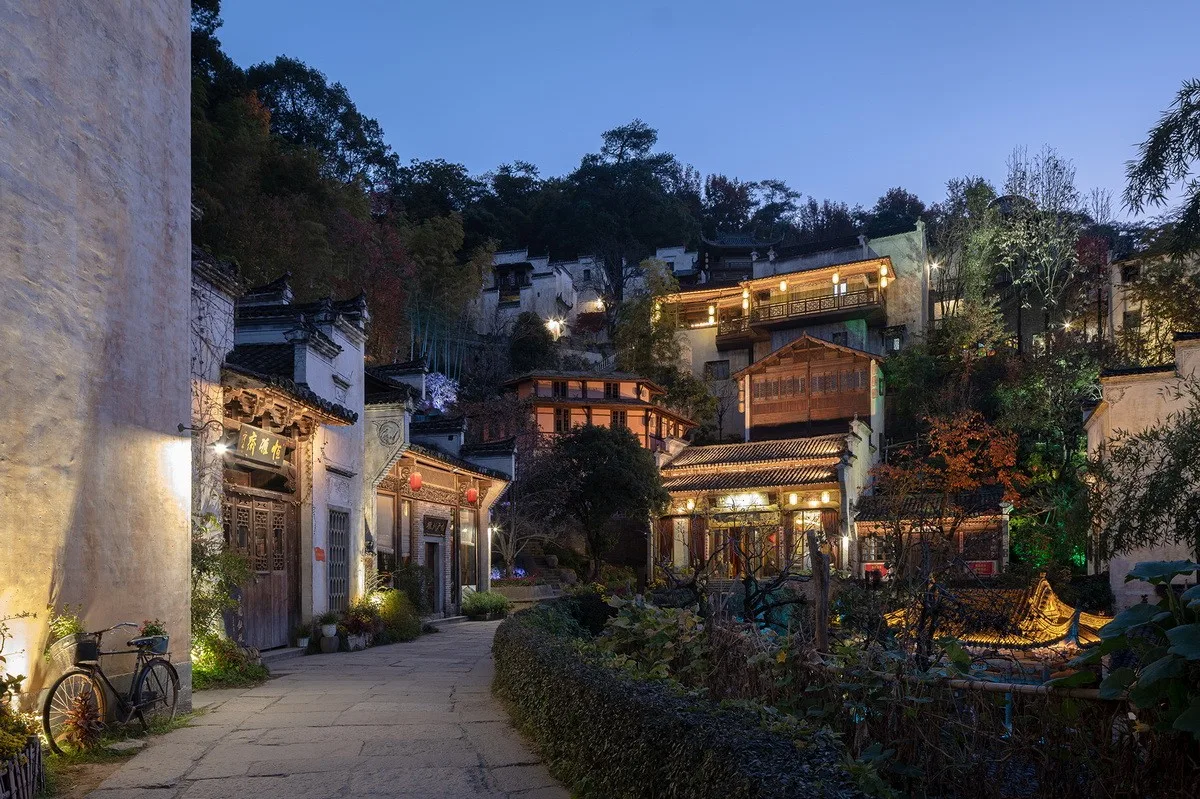
The restored residential and historic buildings are arranged along the terrain, overlapping to create a rich spatial experience that evokes the vibrant daily life of the ancient village along Tianjie Street. Modern lighting design and improved street landscaping blend seamlessly with the environment, crafting a harmonious ancient street.
△ Photography: SFAP
Throughout the restoration process, Wang Wanbin led his team to collaborate closely with local craftsmen, reviving traditional construction techniques and passing down ancestral skills. They combined old and new structures and materials subtly, integrating modern spatial functions, user comfort, and local resource connectivity without compromising historic authenticity.
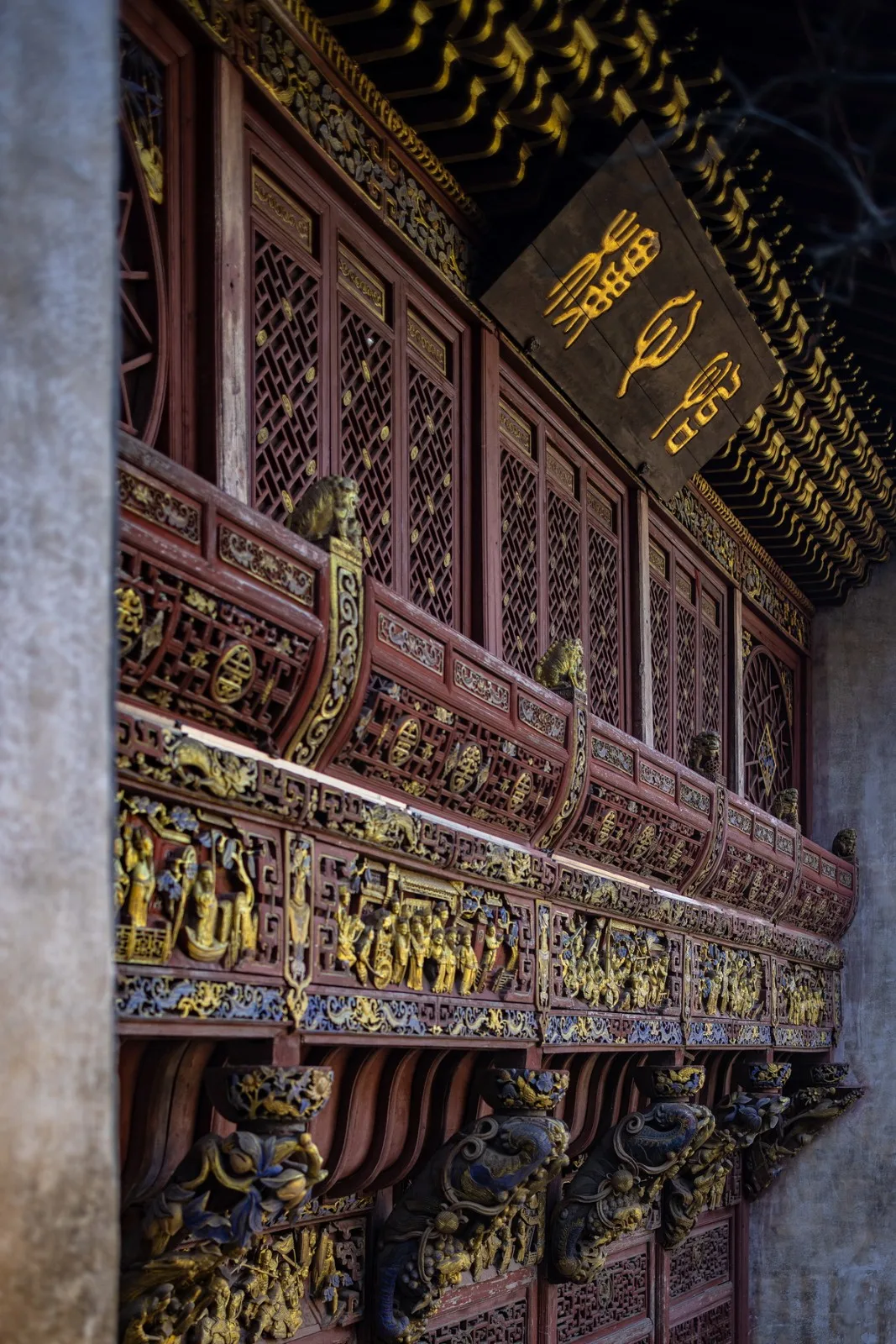
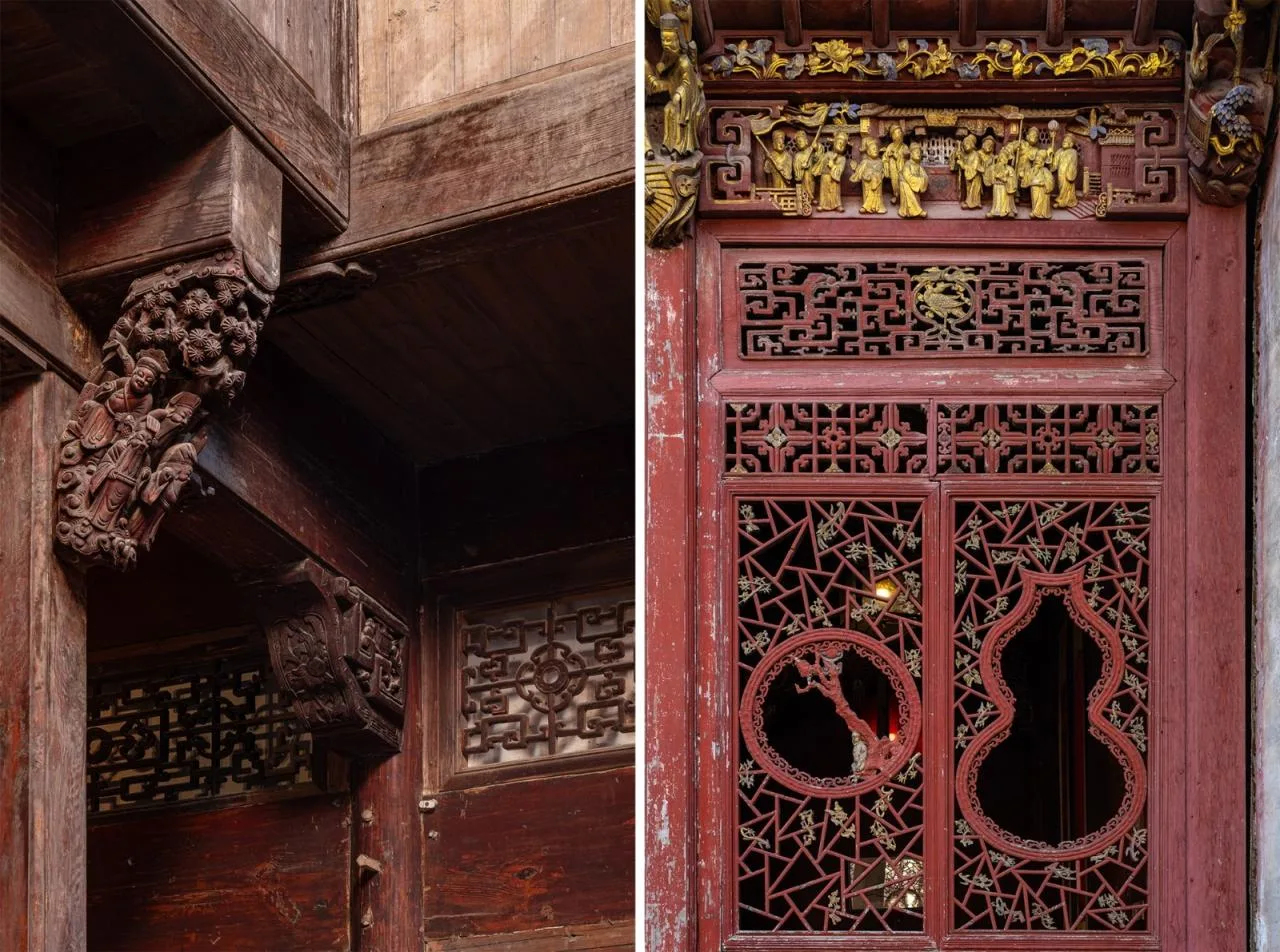
△ Photography: SFAP
Chapter Three
Protect
Built on the Mountain, Ecologically Livable
Huangling Mountain village is nestled on a hillside, surrounded by ancient trees such as Chinese yew, maple, and camphor. While the natural environment is excellent, the village faces risks like drought during dry seasons, flooding in rainy periods, and landslides. Balancing ecological protection and development, while leveraging architectural and landscape advantages, posed a significant challenge.
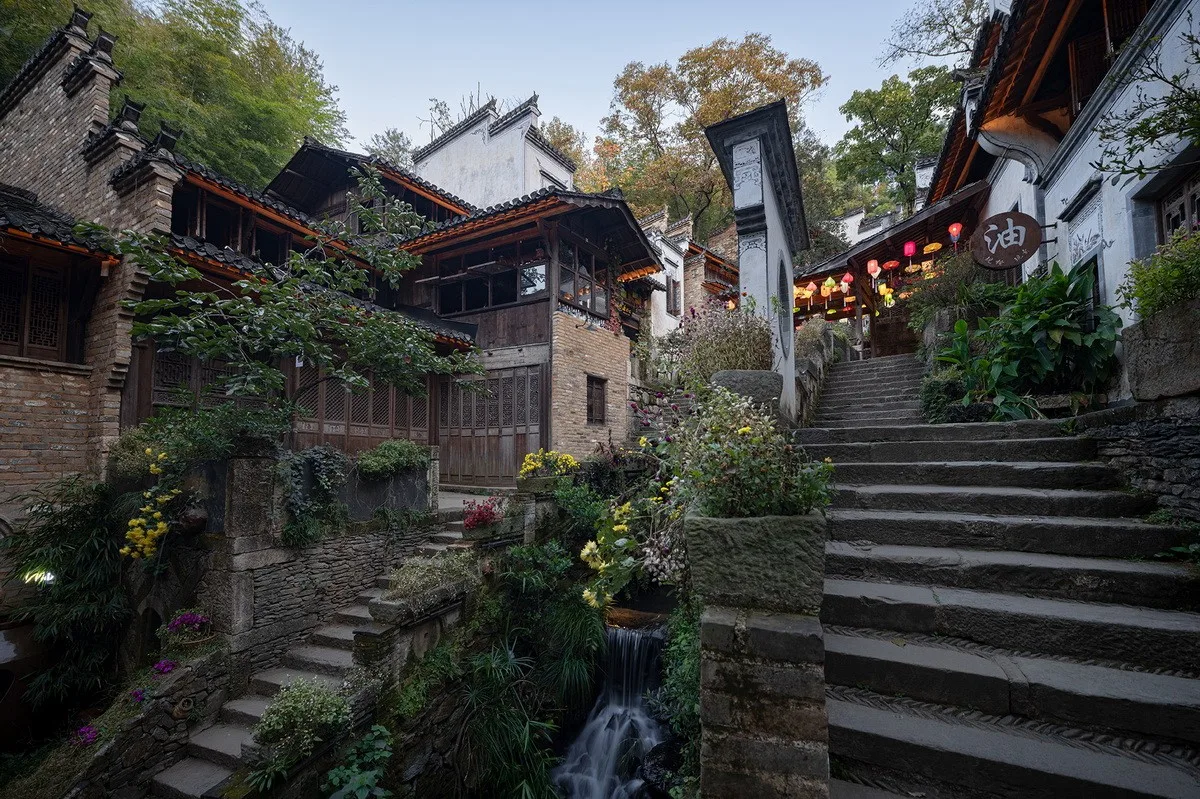
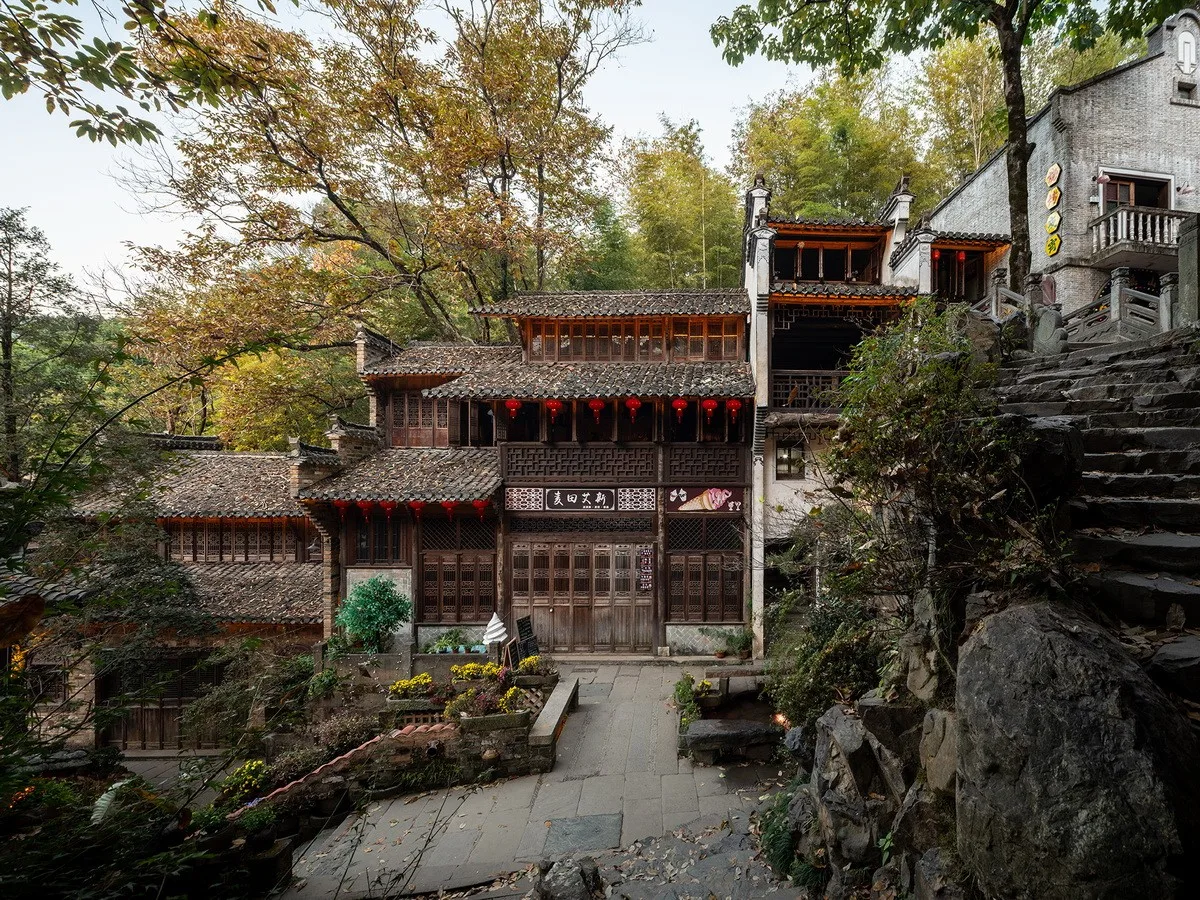
△ Photography: SFAP
In June 2017, Huangling was hit by severe floods that triggered multiple landslides, washing away vast vegetation and causing significant environmental damage. The restoration project included targeted reforestation, waterproofing, water diversion, and infrastructure upgrades.
Geological disasters complicated the transport and construction of loess and gravel in Yongsai Valley. The design team turned these challenges into opportunities by utilizing the altered terrain to create Huangling’s second distinctive street, “Huaxi Water Street.”
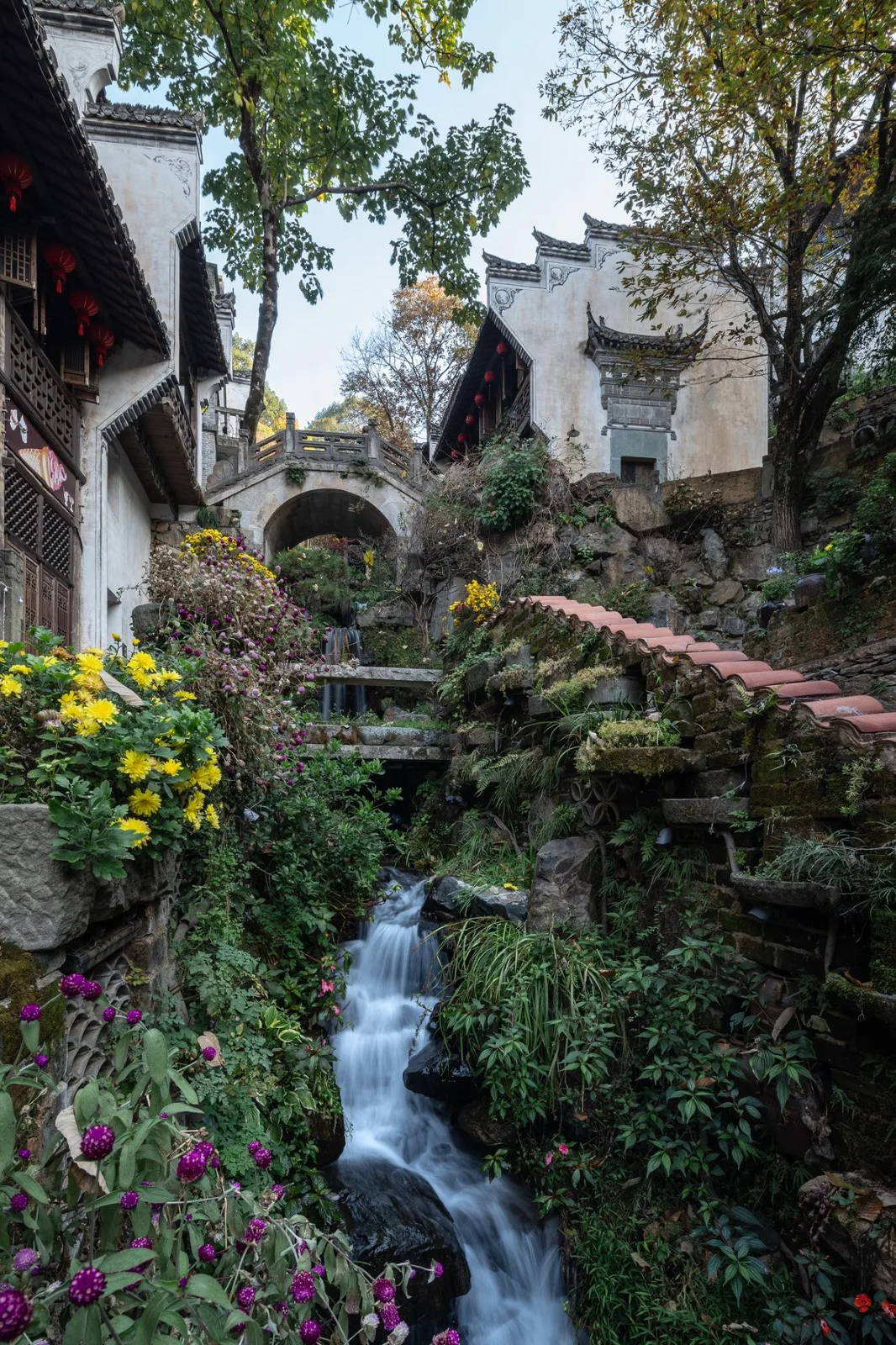
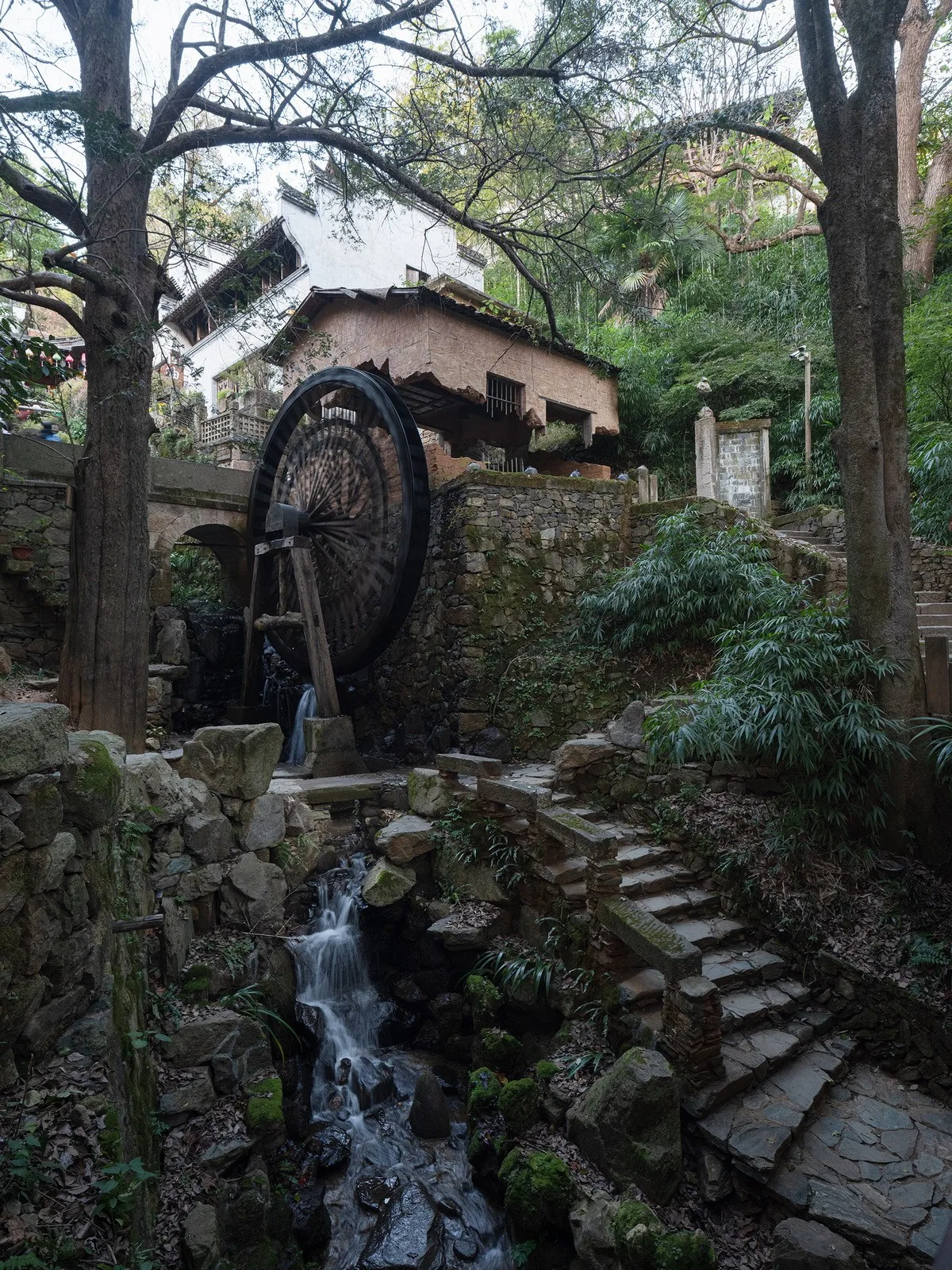
△ Photography: SFAP
To restore vegetation and prevent future damage, the team employed traditional construction methods to reinforce flood control structures, eliminate geological hazards, and divert water through newly built streams. After two years, these efforts fundamentally resolved the village’s long-term geological and water scarcity challenges.
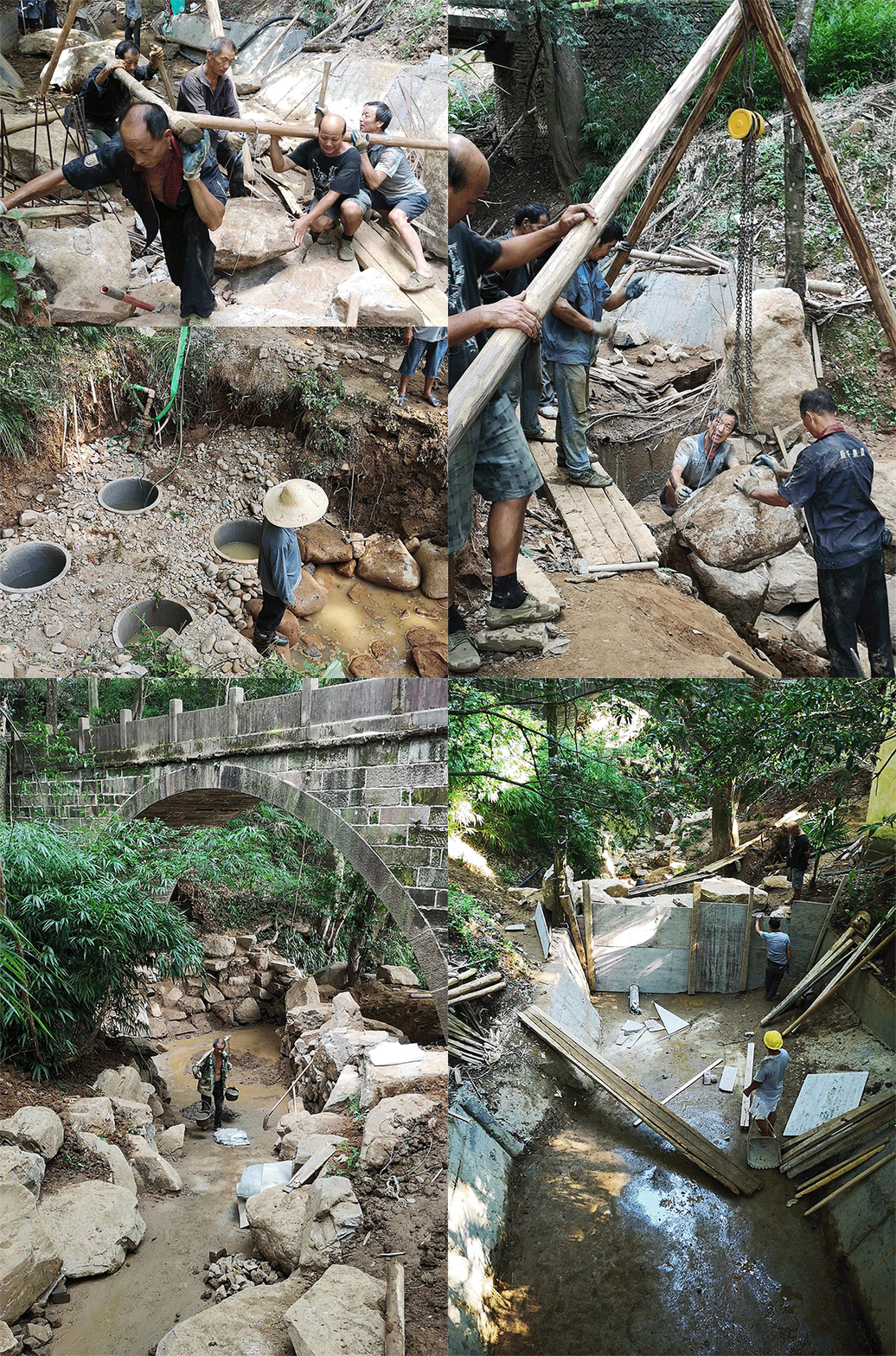
△ © Wuyuan County Village Culture Media Co., Ltd
With the site’s foundation stabilized, the design capitalized on terrain and water flow to create scenic waterfronts, reorganize village traffic scientifically, and arrange houses of varying sizes along Huaxi Street’s slopes. Foundations were manually excavated and poured with cement; pipelines and drainage systems were installed to ensure sustainability.
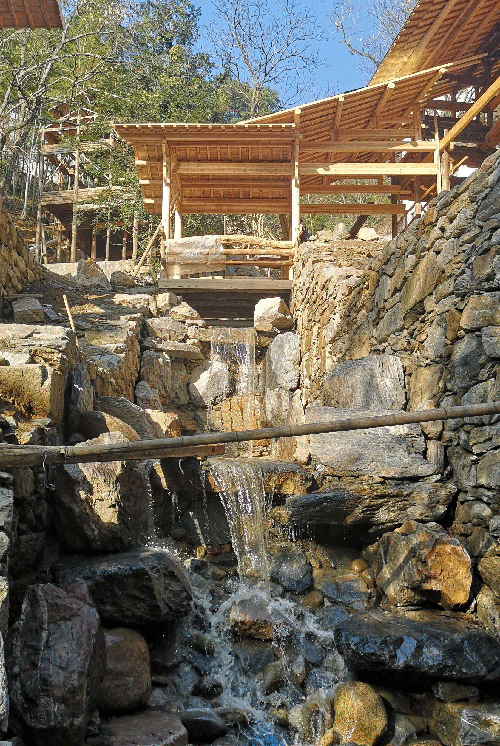
△ © Wuyuan County Village Culture Media Co., Ltd
Adhering to principles of sustainability, the design minimized restoration impact by maximizing environmental friendliness and recycling resources. It made full use of onsite materials like red soil and rubble, combined with traditional architectural techniques to create a charming, layered landscape that harmonizes with the village atmosphere.
The integrated design of landscape, architecture, and indoor-outdoor spaces established a balanced synergy between authentic preservation and dynamic development within the ancient village.
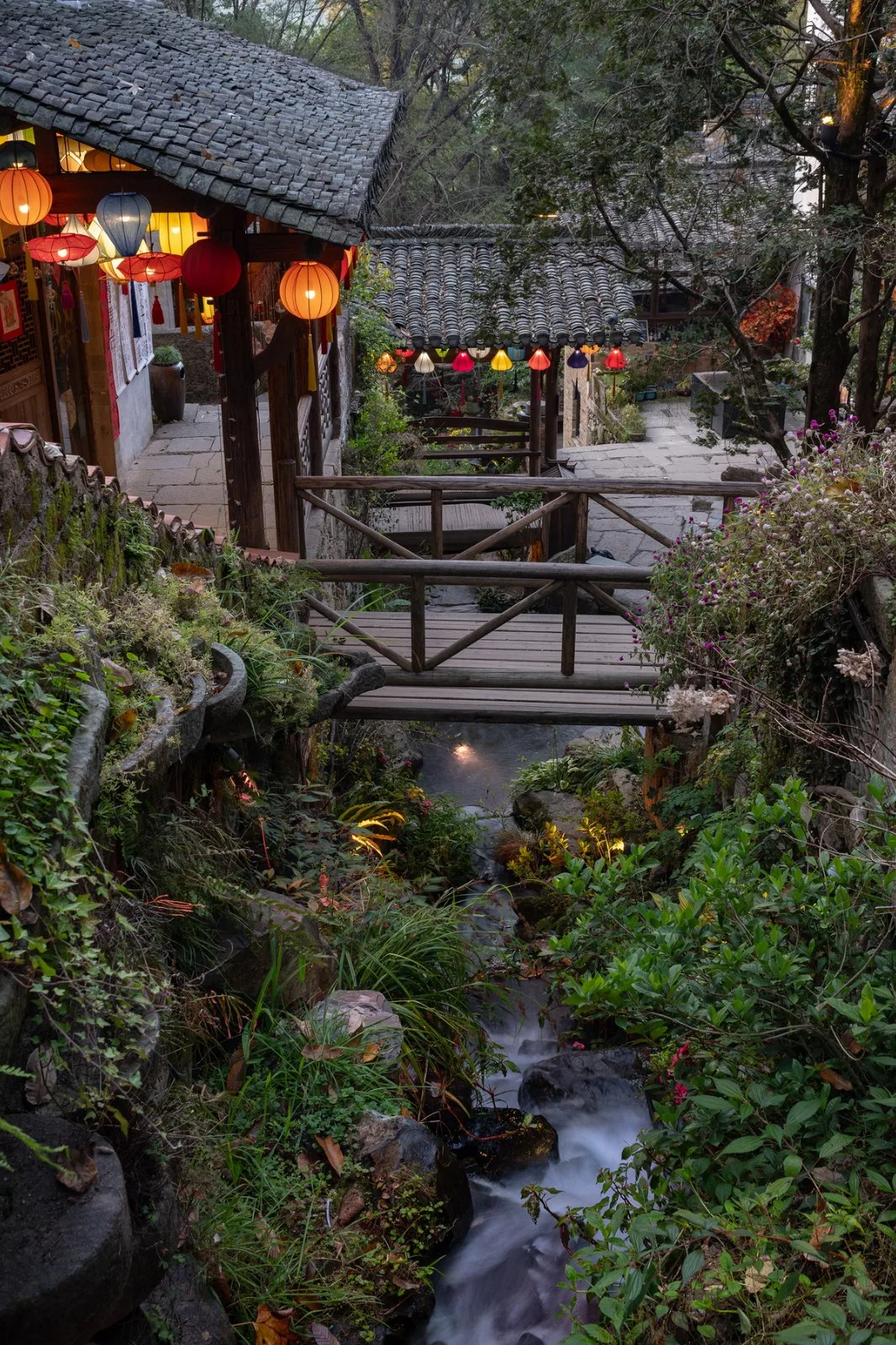
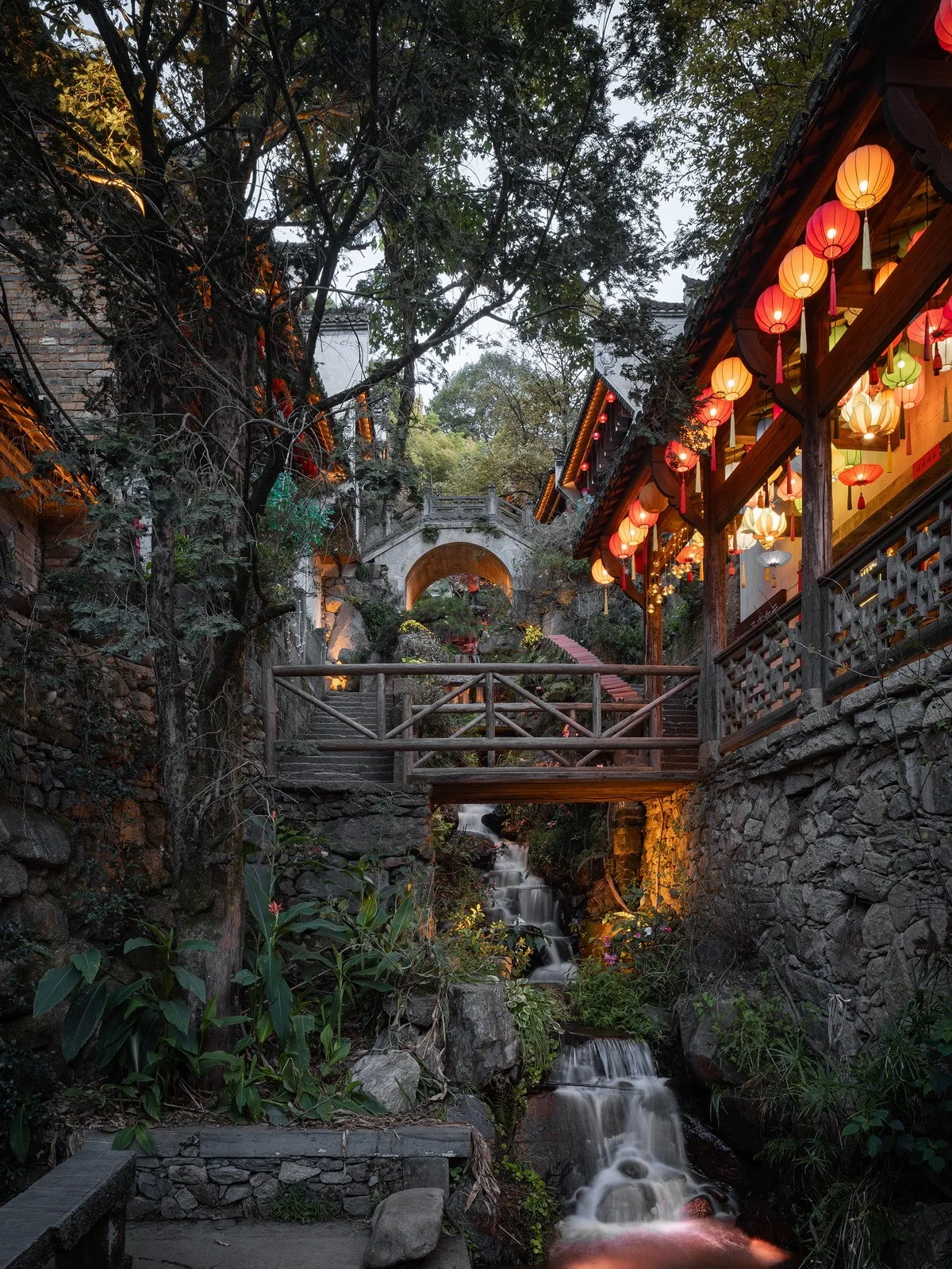
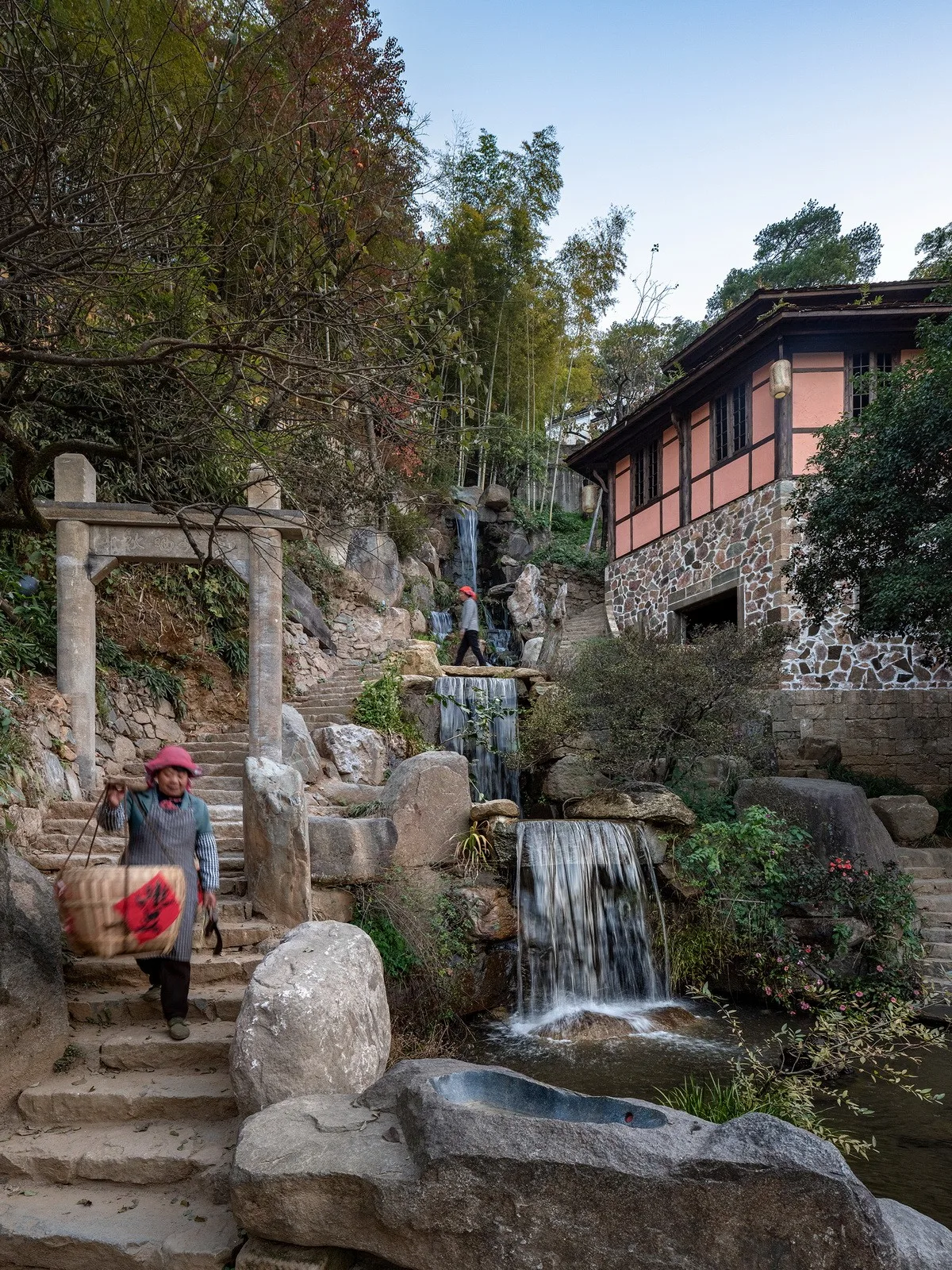
△ Photography: SFAP
Chapter Four
Reproduce
Rediscovering Local Rural Dwellings and Preserving Nostalgia
Recognized as a world-class rural revitalization benchmark, this village culture project not only focuses on protecting and restoring buildings, integrating modern functions, and restoring natural mountain living conditions but also enriches Huangling’s cultural value through deep research, cultural infusion, and business integration. Villagers actively participate in and share the benefits of this revitalization process.
Wang Wanbin, raised in rural Wuyuan, believes that true rural revitalization and tourism development should foster well-being for local communities and help villagers reclaim their identity and cultural confidence.
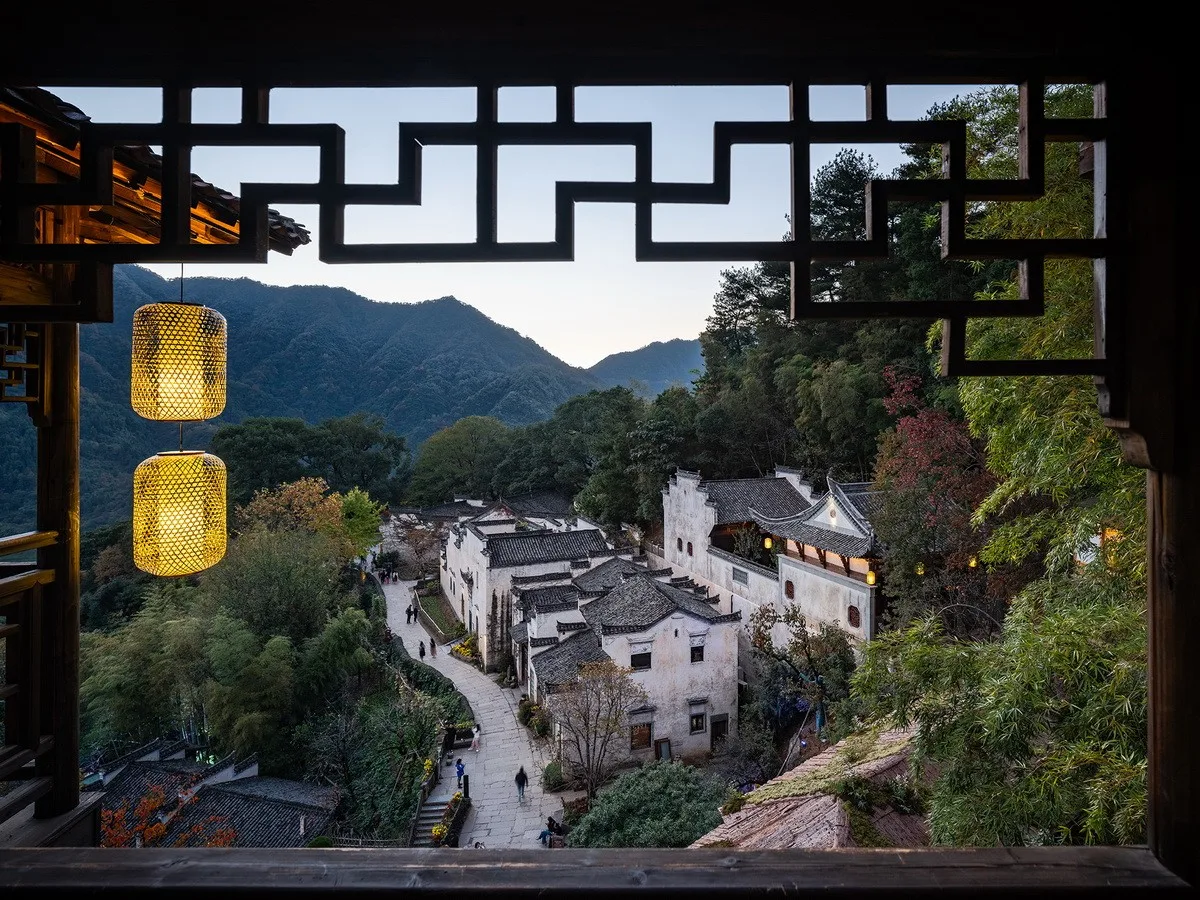
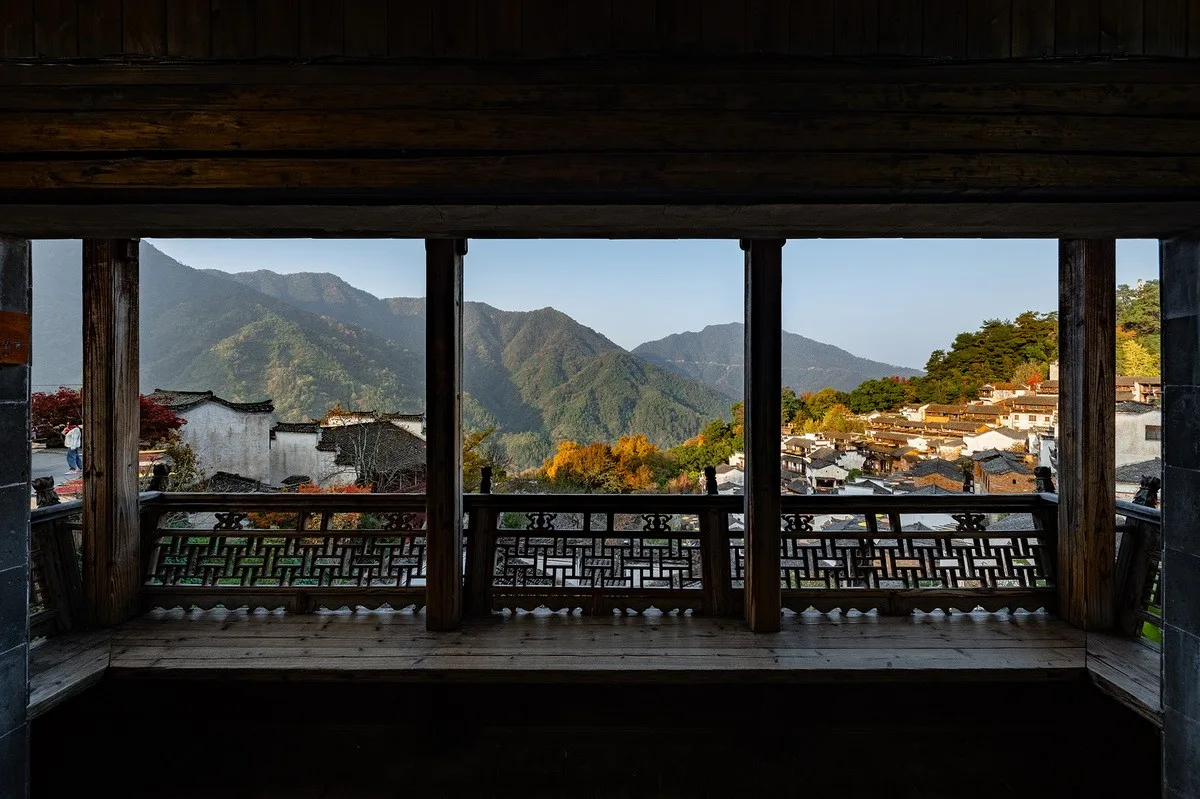
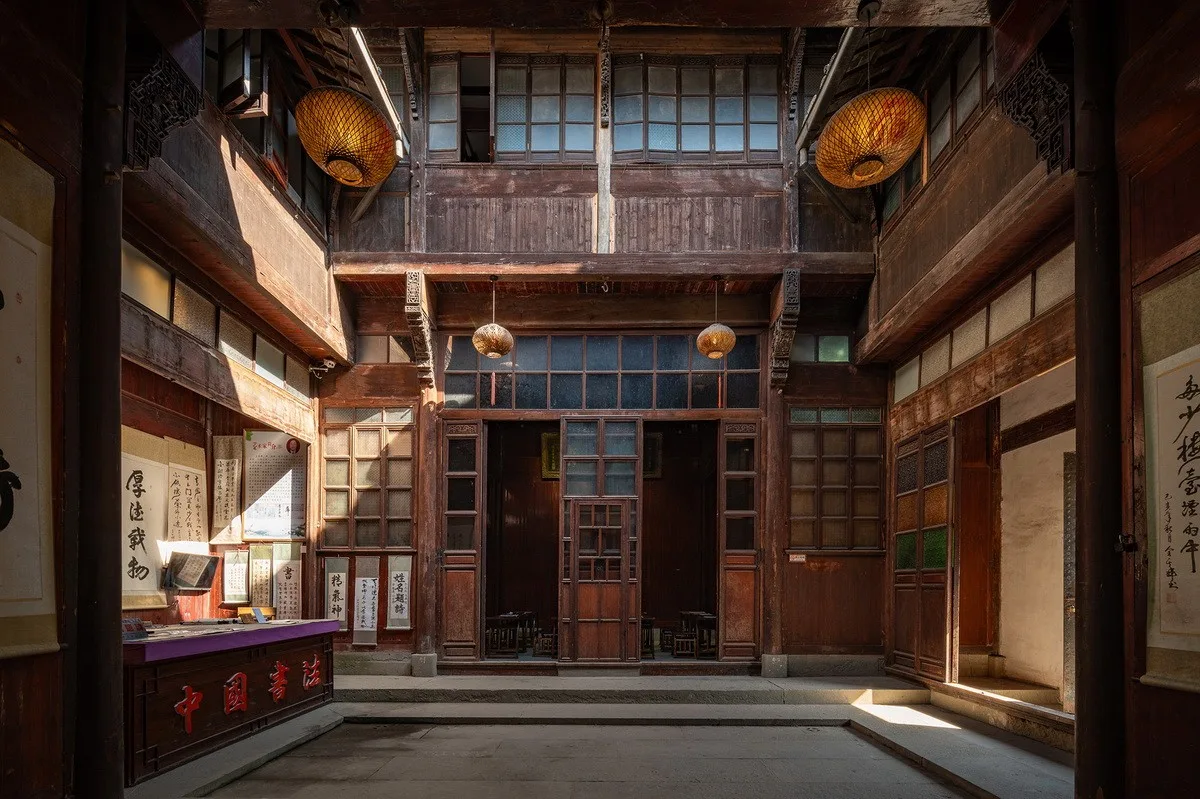
△ Photography: SFAP
Extensive historical and cultural research into Huizhou village culture has driven the team to study traditional residential forms deeply. Restoring old houses across various locations involved overcoming many construction challenges. Collaborating closely with local craftsmen, they explored Huizhou architectural techniques with meticulous craftsmanship, preserving and restoring exquisite brick and wood carvings.
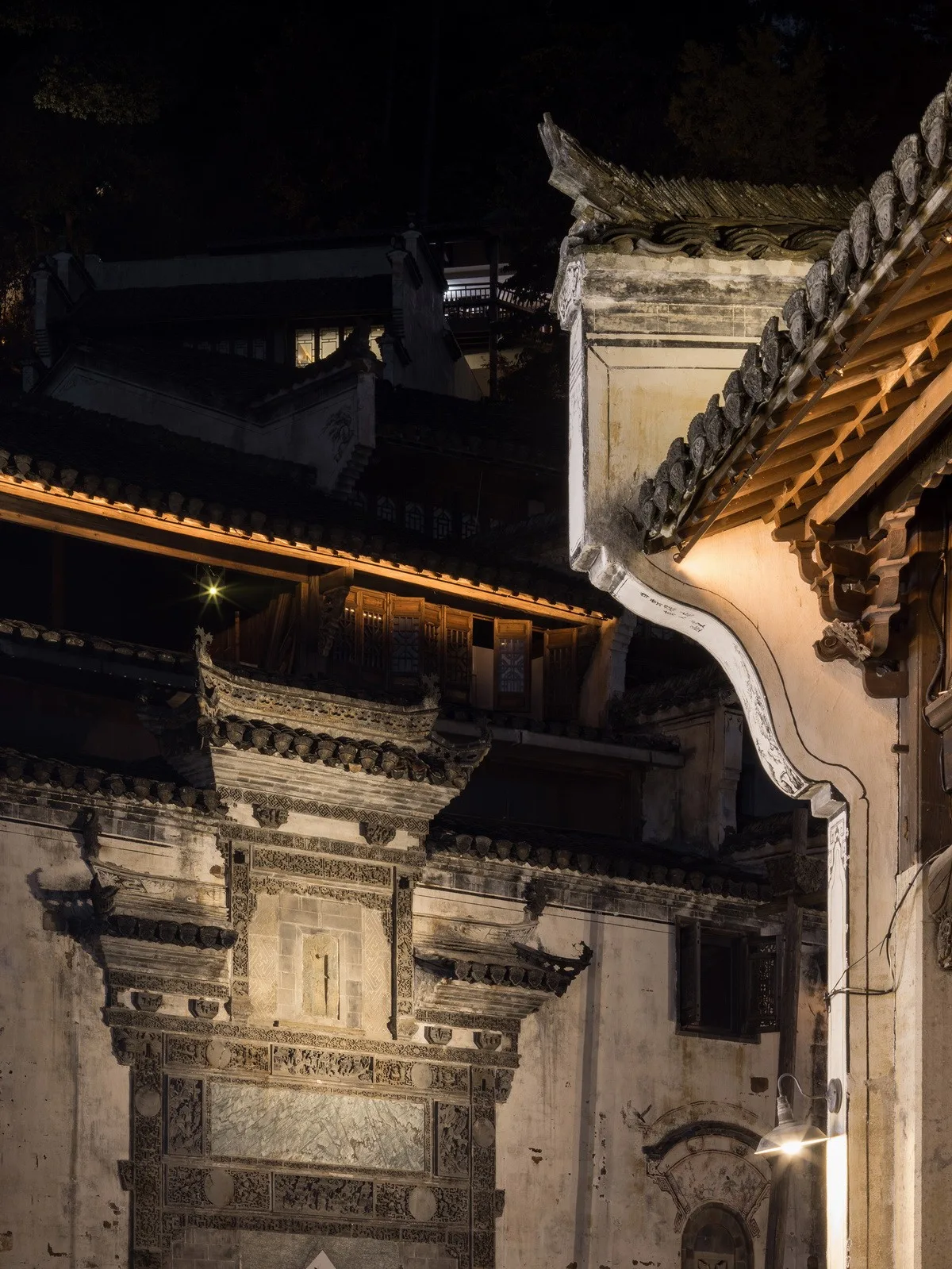
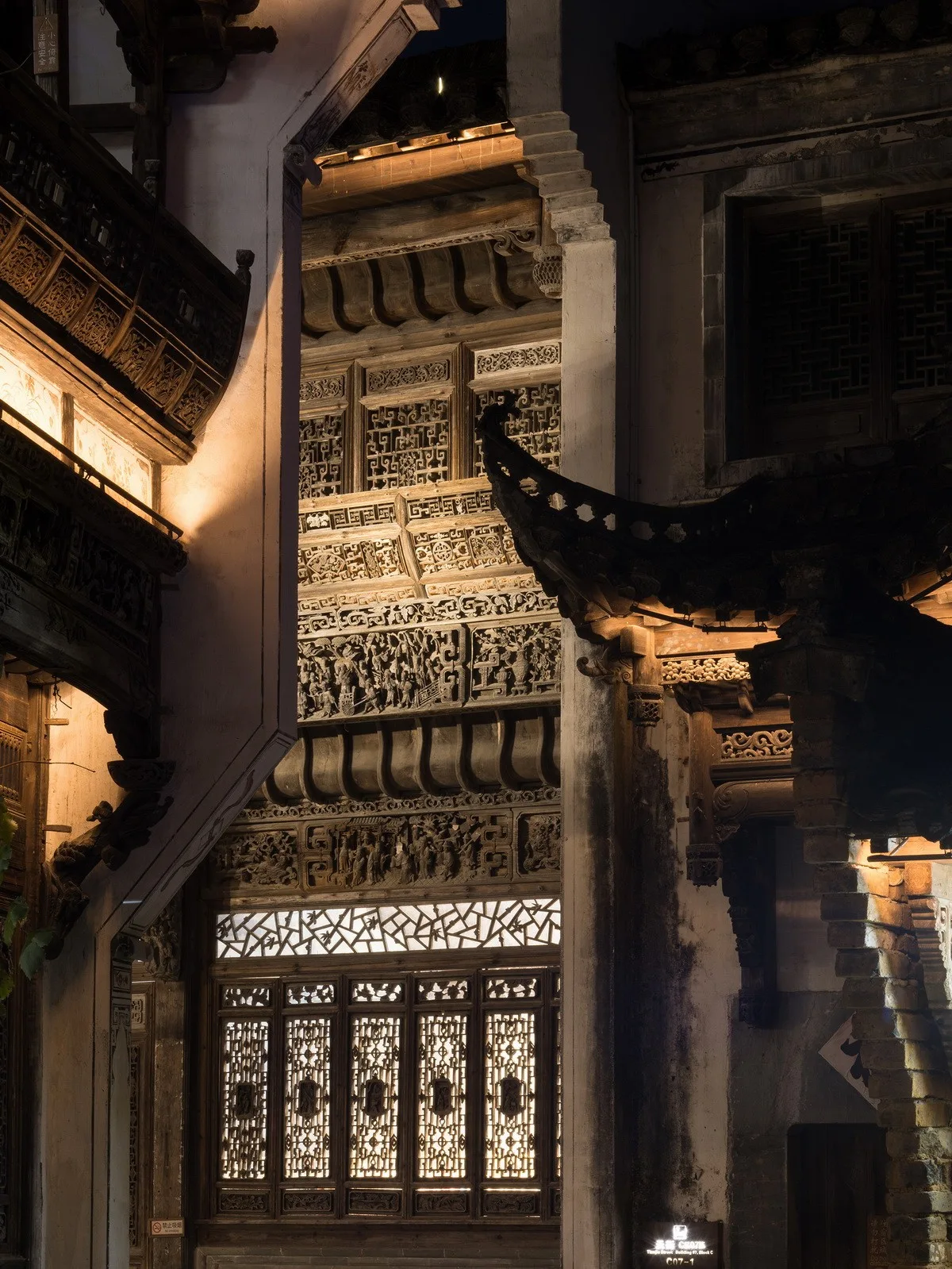
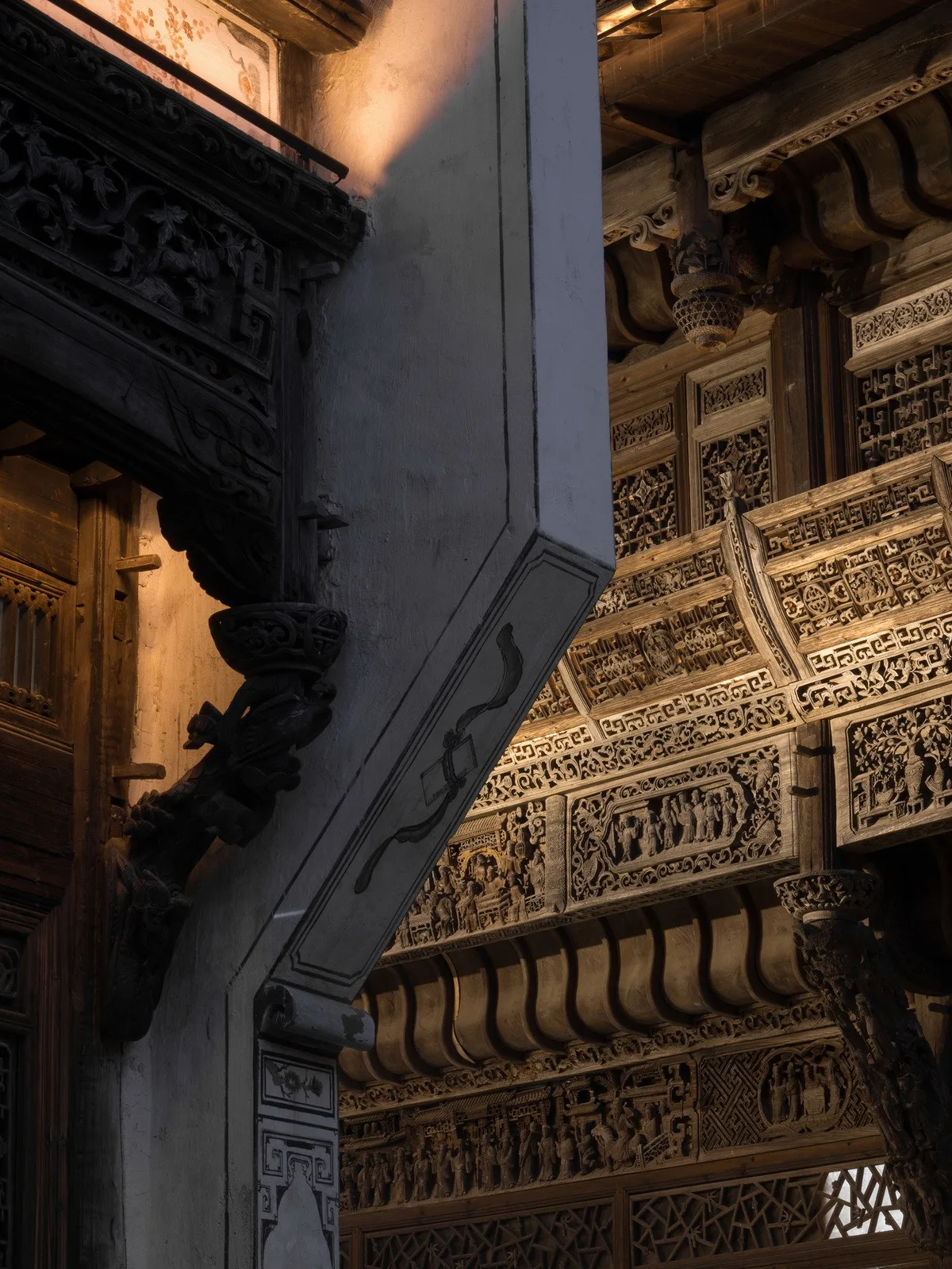
△ Photography: SFAP
Traditional local crafts such as brewing, oil pressing, and bamboo weaving were also excavated and revitalized. Original workshops—like water mills and oil presses—were integrated into experiential visitor routes, creating memorable cultural landmarks and enriching the village’s humanistic appeal. From street design to interior displays, the team has been deeply rooted in local culture, continually understanding, refining, and reproducing it.
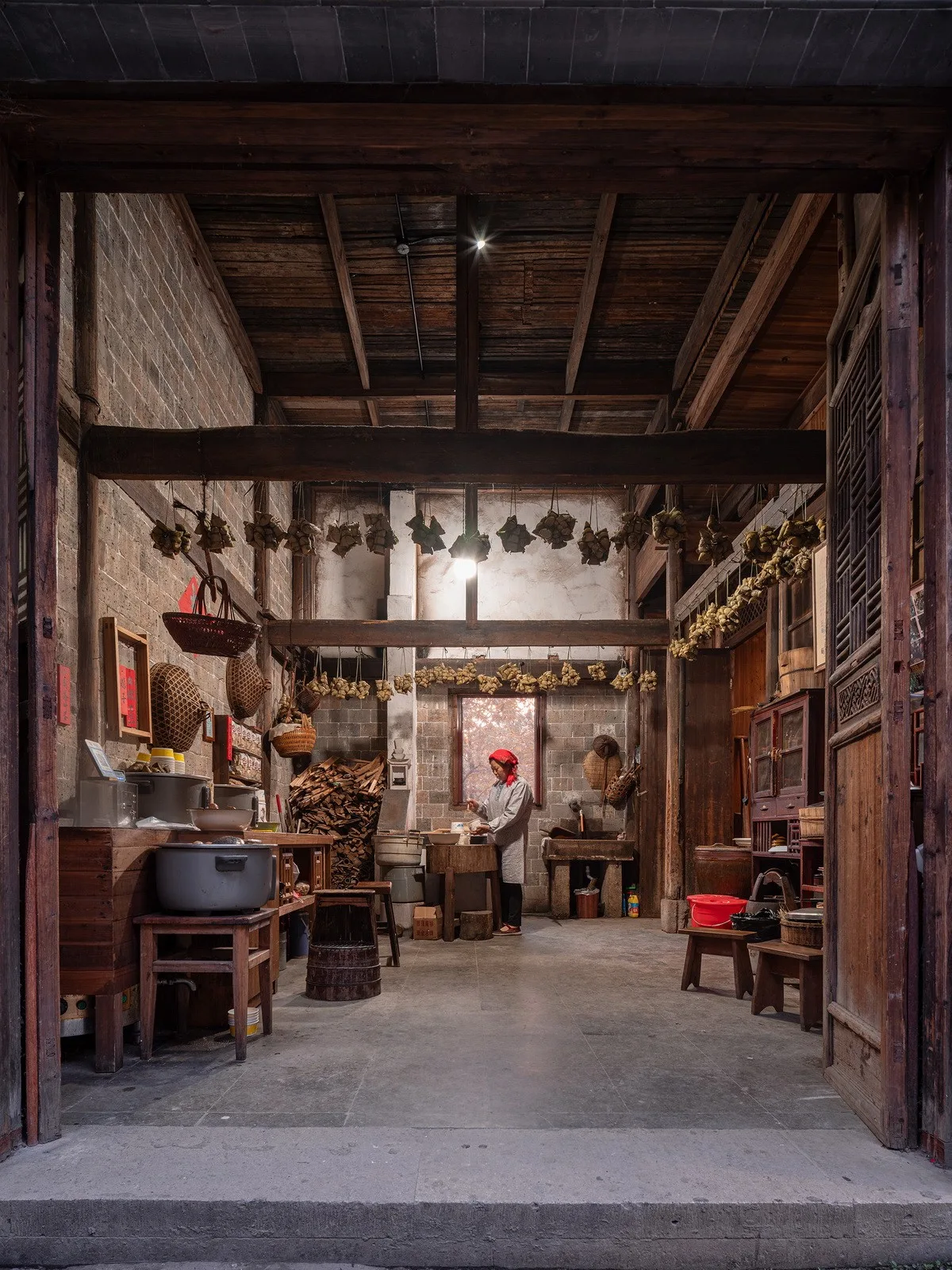
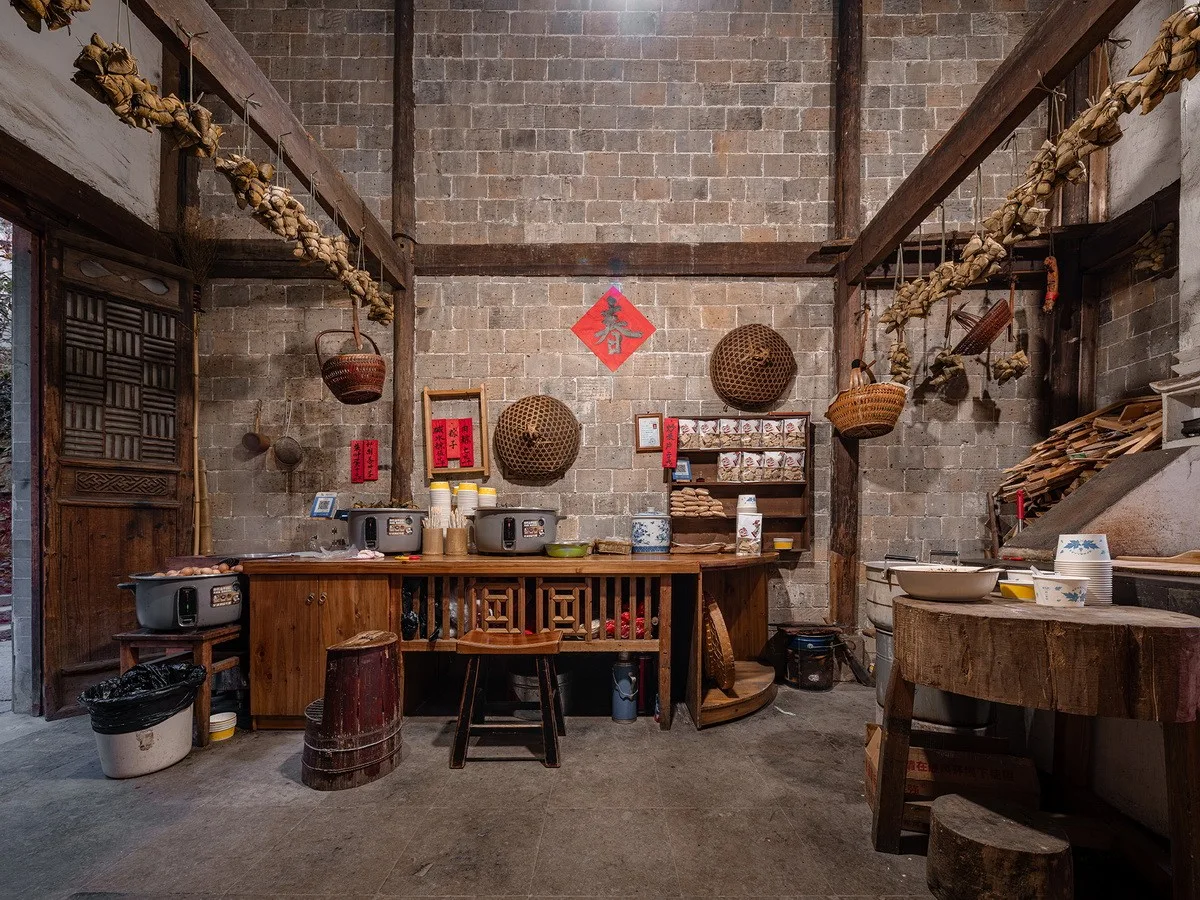
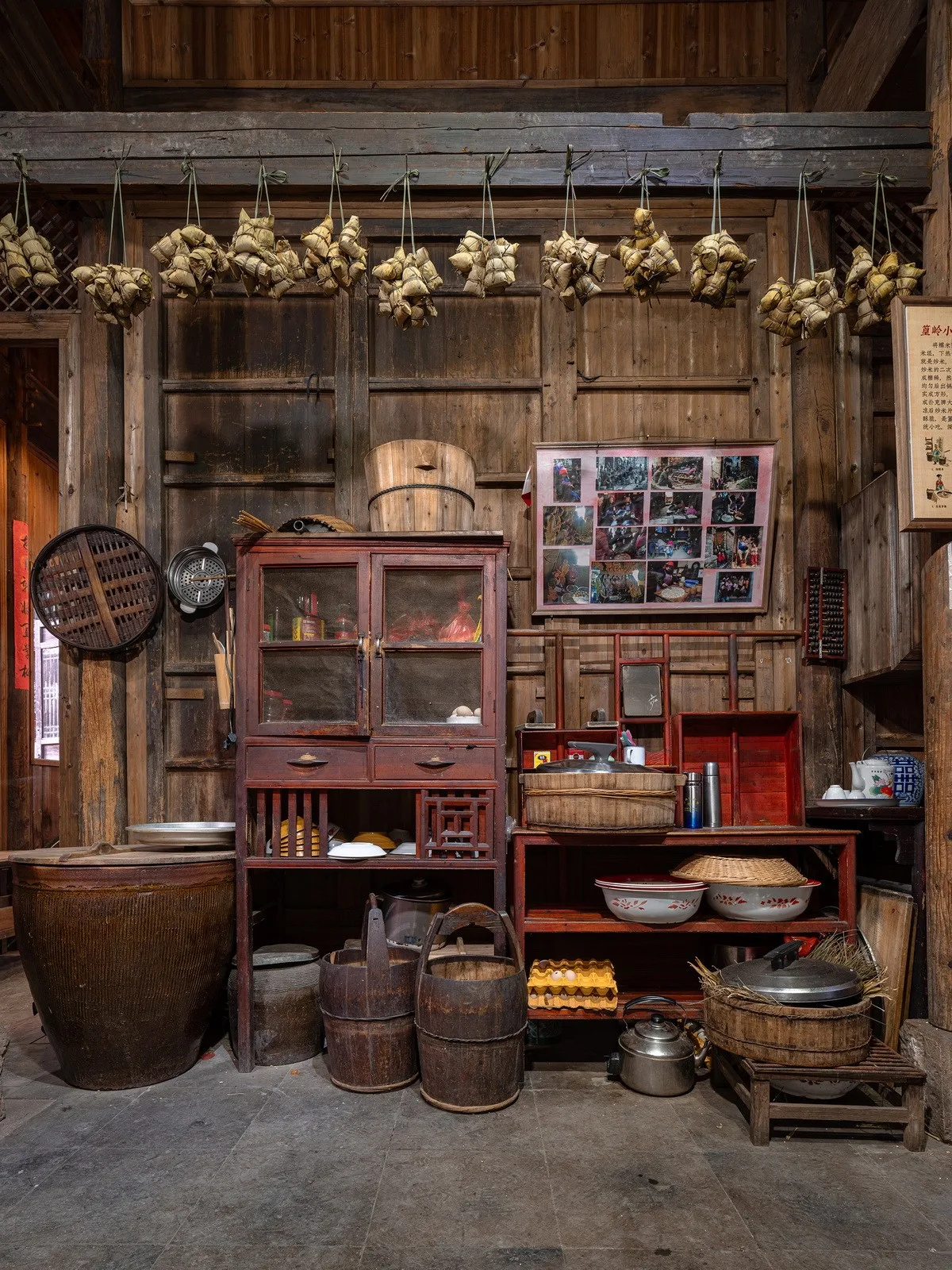
△ Photography: SFAP
The restored residential buildings incorporate ancient village cultural elements, respecting local folk traditions and making full use of idle resources such as materials and tools, thus reviving local customs.
The unique agricultural custom of “sun drying autumn,” prevalent in northern Jiangxi, has become a distinctive feature of Huangling. Combined with traditional mountain village architecture and colorful harvest scenes, this custom supports local industries including agriculture, intangible cultural heritage crafts, and traditional planting. These create new jobs for residents and sustain a stable ecological community.
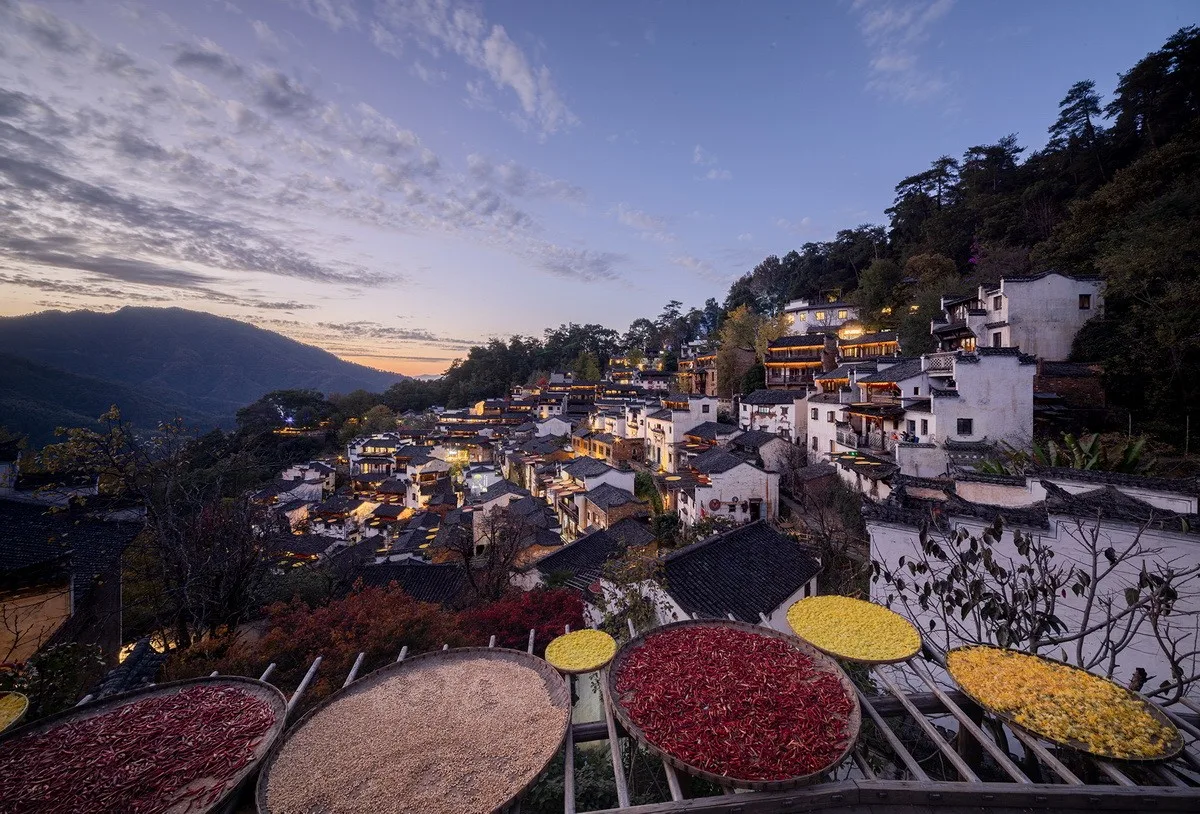
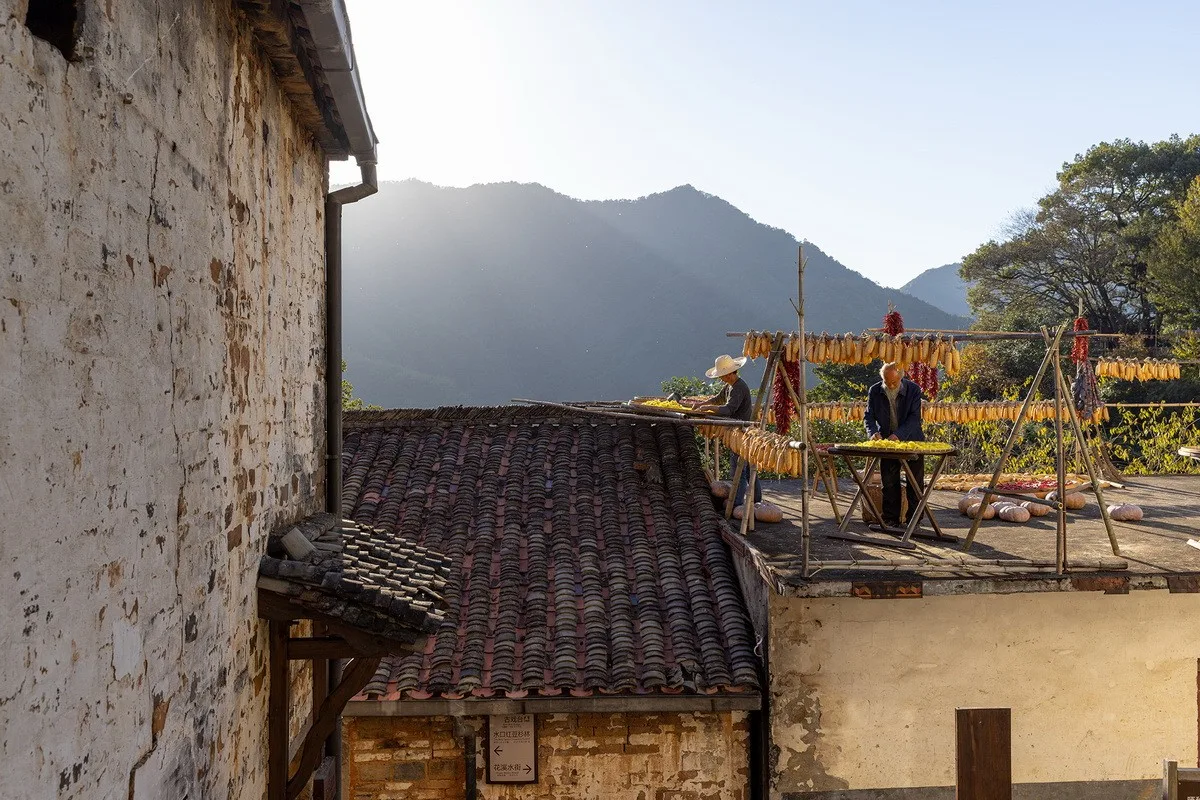
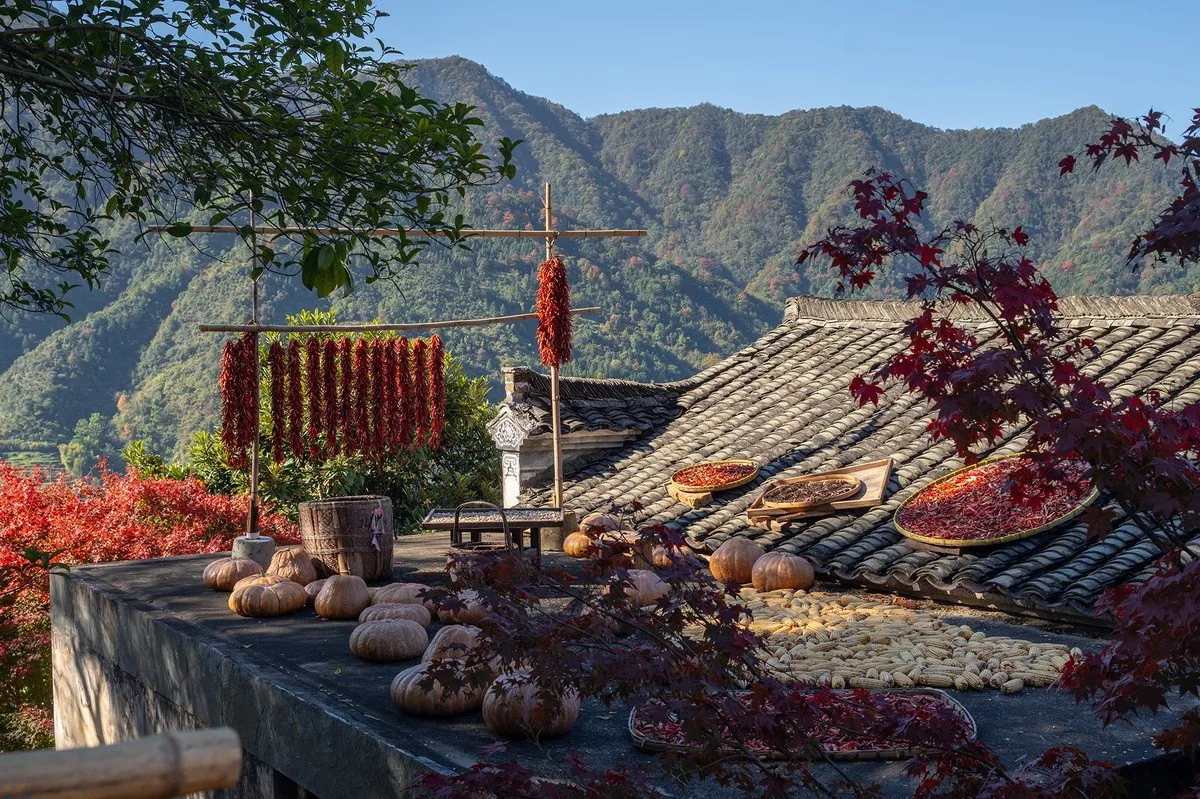
△ Photography: SFAP
Localized language and customs naturally foster distinct identities and deepen connections to tradition and culture. This remembrance of home and forward-looking spirit form a continuous, intrinsic force driving rural construction and development.
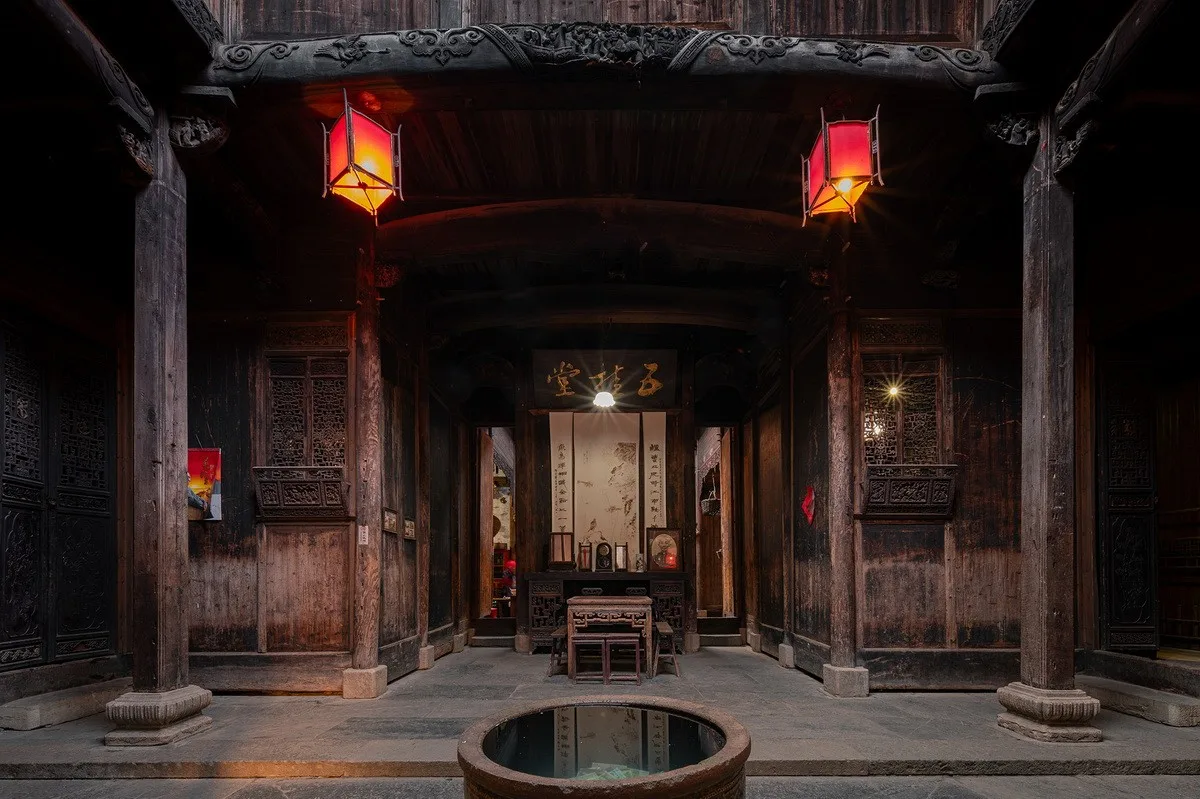
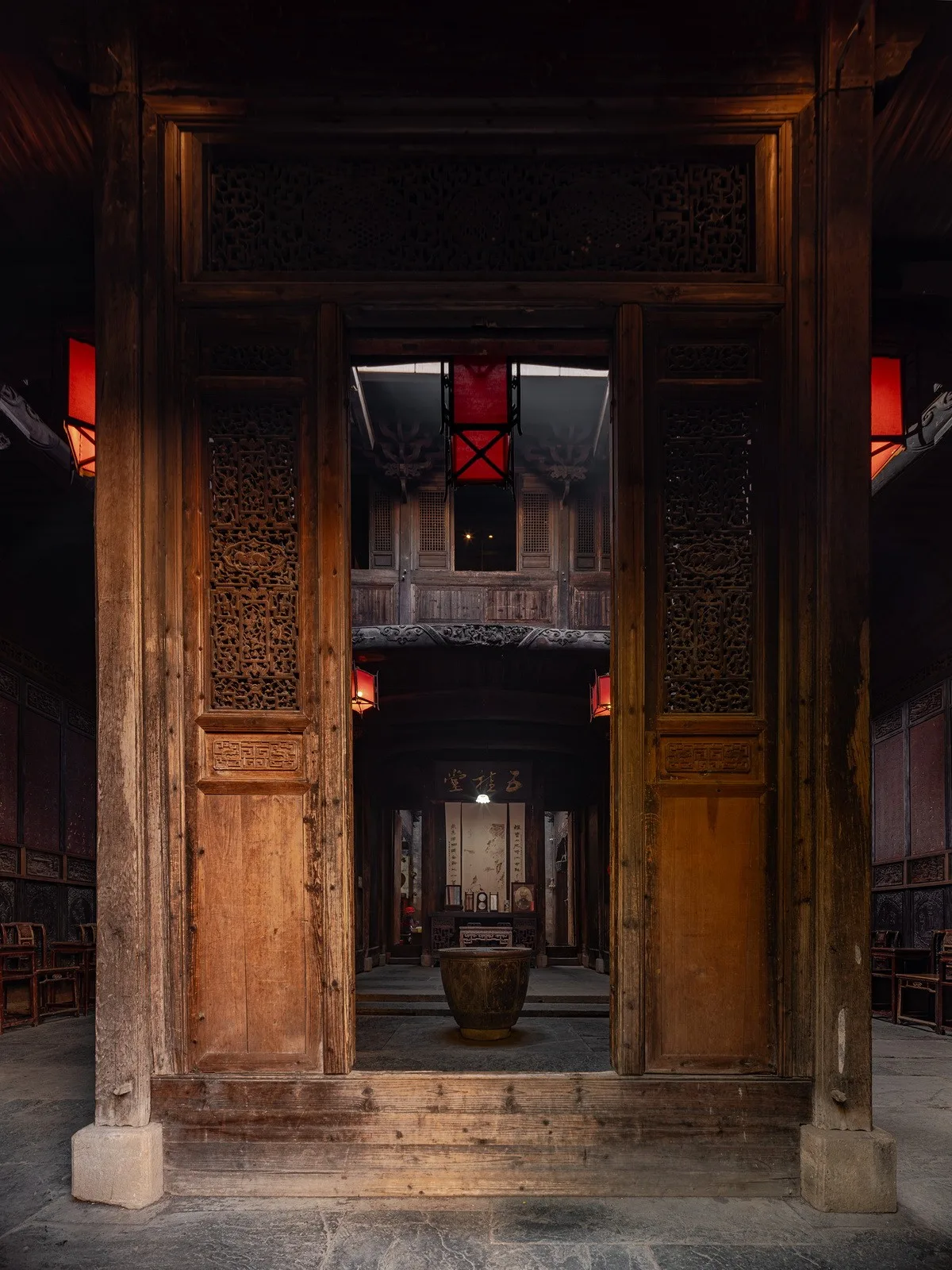
△ Photography: SFAP
From design and construction, inheritance and innovation, to cultural excavation and reproduction, the village culture team has dedicated 15 years to preserving the form of Huangling’s century-old village. Empowered by ancient village values, the soul of traditional local culture lives on. This Huizhou-style village, reborn like a phoenix, offers visitors a profound sense of nostalgia and stands as a vivid global example for rural revitalization and modern traditional village tourism development.
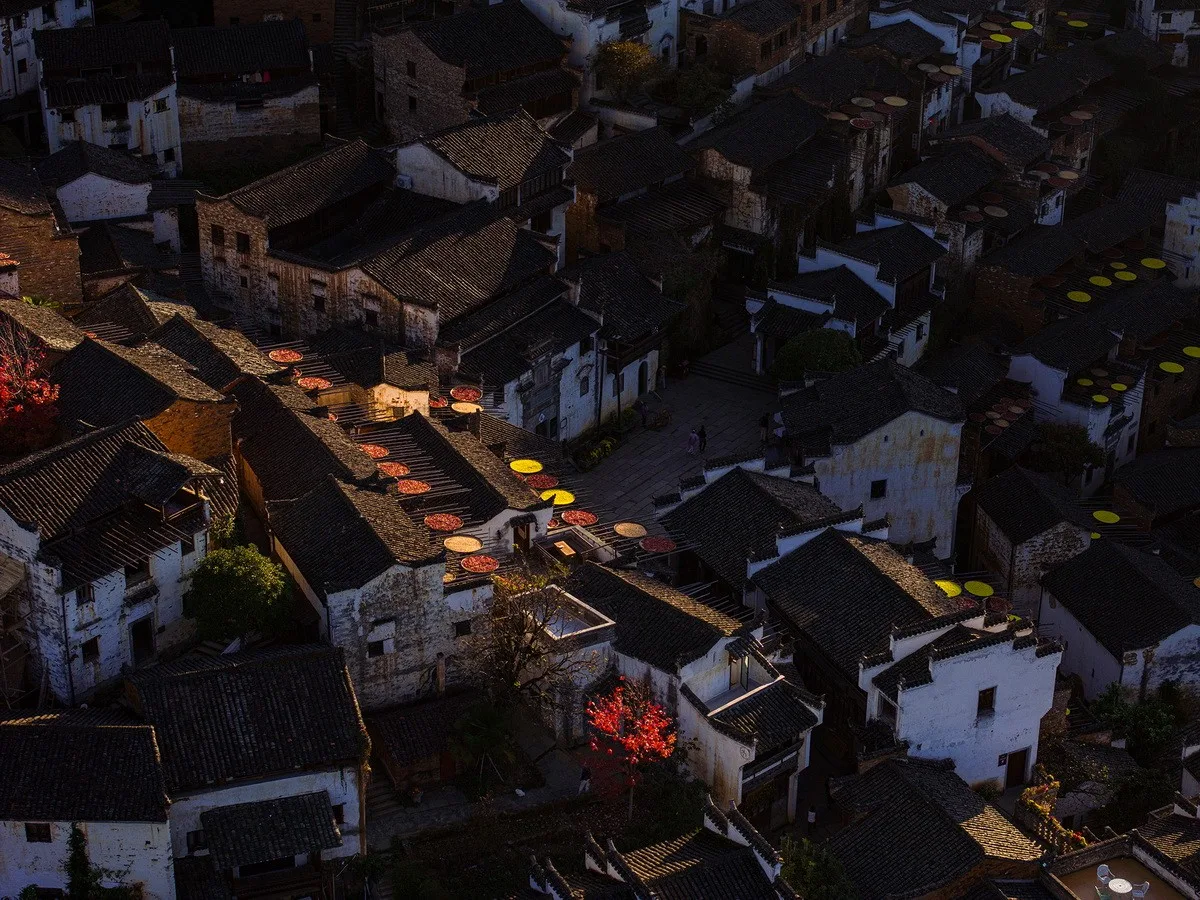
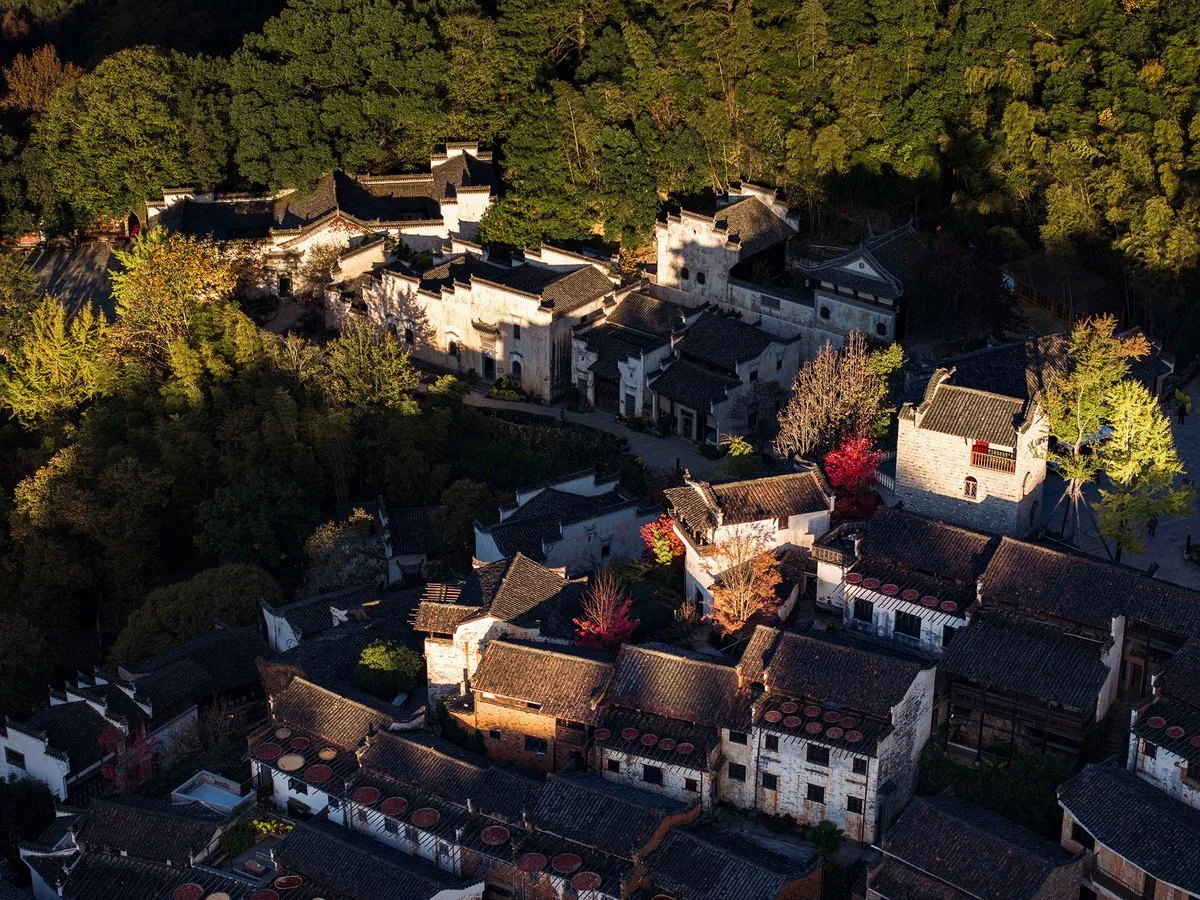
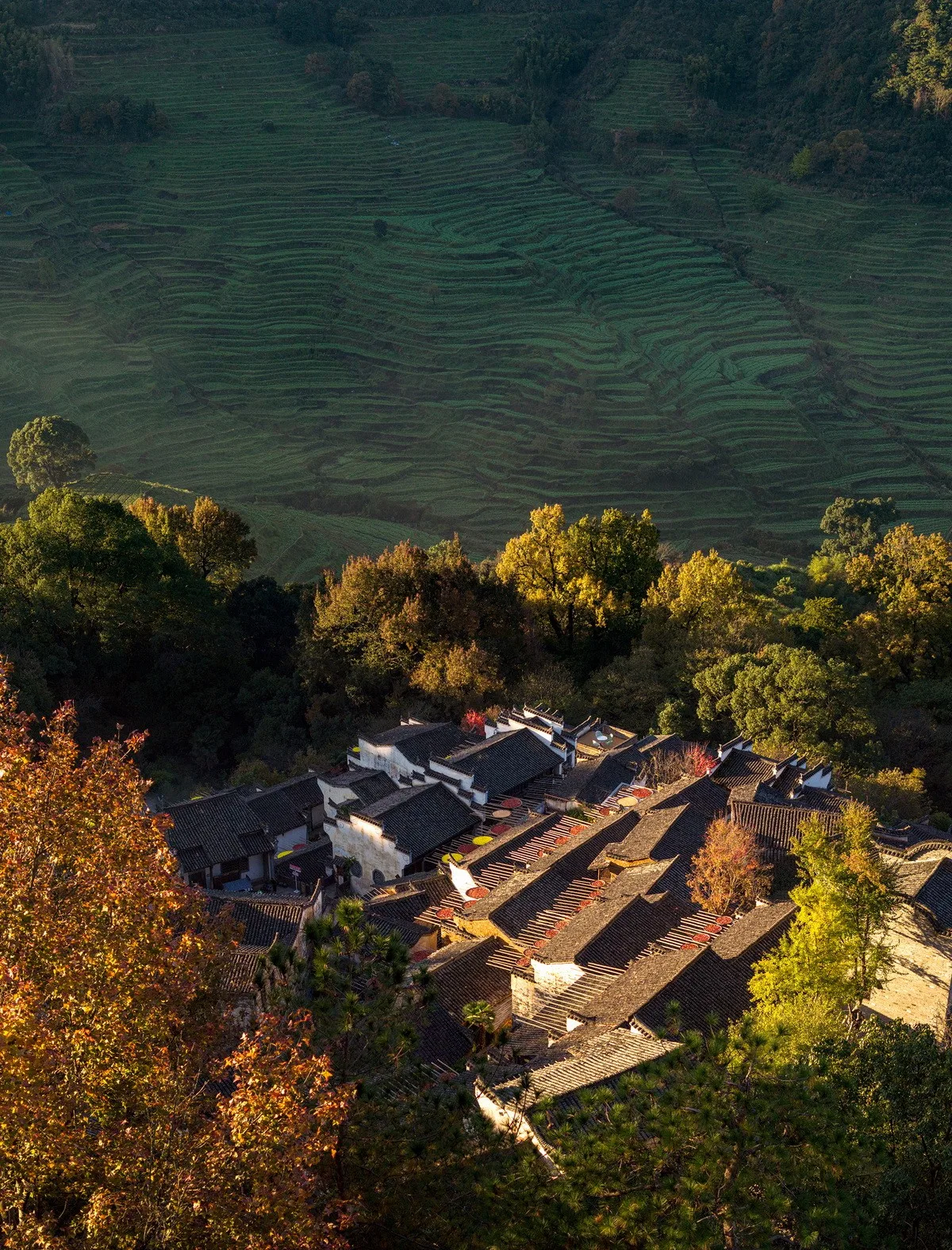
△ Photography: SFAP
Project Information
Project Name: Huangling Ancient Village Renovation
Design Unit: Wuyuan County Village Culture Media Co., Ltd
Project Duration: 2009 to present
Main Creators and Design Team: Wang Wanbin, Hong Ping, Pan Yanxin, Wang Jianhong
Project Address: Huangling Scenic Area, Wuyuan County
Building Area: 26,272.54 m²
Project Photography: SFAP
Project Client: Wuyuan Huangling Cultural and Tourism Co., Ltd














Must log in before commenting!
Sign Up