
The construction team primarily utilizes BIM technology for planning and simulation purposes. This approach helps identify potential issues that might arise during the construction process in advance, allowing for timely adjustments to the plan and ensuring smooth project progression. Additionally, model simulations provide clear and intuitive guidance for construction management personnel at all levels, significantly enhancing overall efficiency.
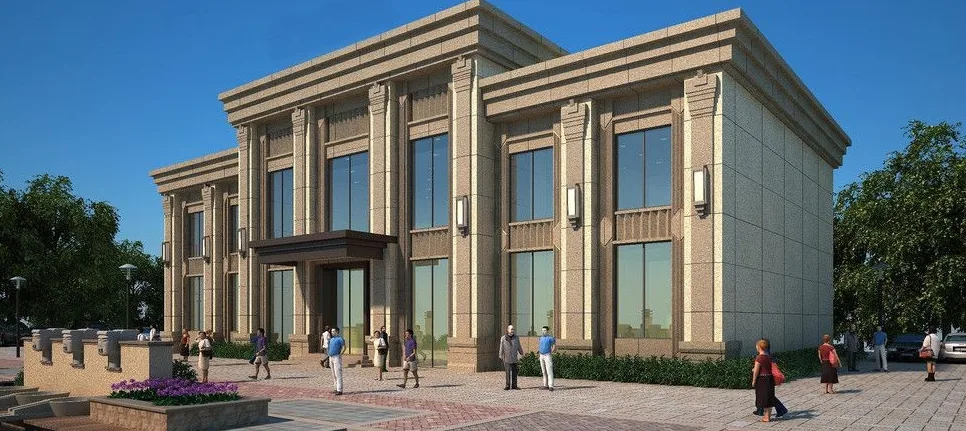
During the actual construction phase, BIM technology is mainly applied for dynamic management and comparative analysis relating to project quality, costs, materials, and more. The key application areas include:
1. Quality Management: On-site personnel use mobile devices to photograph and document quality issues as they arise. These reports are uploaded directly to the BIM model and linked to specific locations. This system allows relevant staff to quickly access and locate problems on their computers, generate detailed quality issue reports, assign personnel for corrective action, and carry out follow-up inspections after fixes. This creates a comprehensive quality management cycle and improves efficiency.
2. Cost Management: Traditional cost management often relies on post-event accounting and analysis due to the large volume of data, limiting proactive cost control. By integrating BIM technology, schedules, lists, and models are connected to track actual data input in real-time during construction. This integration supports accurate cost accounting and analysis at every project stage.
3. Material Management: The construction team extracts material demand plans from the BIM model and continuously tracks actual usage against these plans. This enables effective real-time monitoring and management of construction materials throughout the project.
4. Dynamic Analysis and Multi-Comparison Calculations: BIM technology allows the combination of the model with schedules, lists, planned completion bills of quantities, and actual completion data. Relevant information is collected and input via mobile devices in real time, generating dynamic curves that track progress, costs, and material usage. This dynamic analysis, supported by BIM data, facilitates comparisons between budgeted revenue, target costs, and actual expenses by incorporating data on personnel, materials, and machinery used during construction.
These are the main application points of BIM technology for construction units that we have compiled. We welcome different perspectives and hope this article provides valuable insights to all readers!
















Must log in before commenting!
Sign Up