
Currently, BIM technology has been successfully integrated into the construction phase through informatization applications. By leveraging BIM for construction scheme simulation, schedule management, cost control, safety oversight, design change management, and recording construction process data, a comprehensive BIM as-built model is ultimately created.
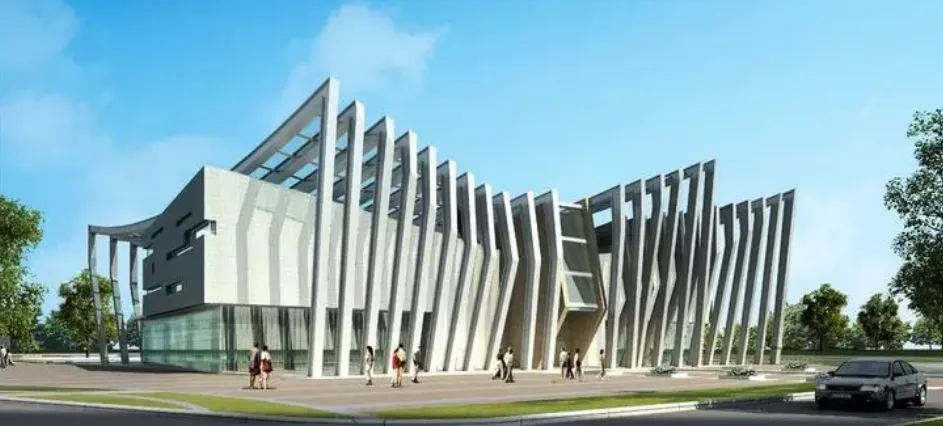
1. Construction Plan Simulation
Before implementing key control points and specialized construction processes, BIM 3D models serve as virtual guides for construction simulation. They illustrate process flows and operational methods, providing visual technical disclosures to construction technicians, managers, and operators.
2. Construction Progress Control
Considering resource constraints and overall project duration, the construction plan, work segment divisions, and construction technology are used to break down the WBS engineering structure. Detailed weekly and monthly progress plans are developed, enabling overlap and coordinated work among subprojects. BIM 4D modeling technology creates visual models of the construction schedule.
The project featured in the image above is Qingdao Wanda Plaza. Starting with CAD drawings, a BIM model is quickly generated, and quantities for each task are extracted. Using historical data, accurate labor hour estimates are determined. The construction schedule is then integrated with the BIM master model through Navisworks software. This 4D schedule model allows for intuitive and clear management by annotating different tasks with distinct visual indicators.
3. Construction Cost Control
Using BIM technology, 5D construction cost simulations provide real-time insights into progress, resources, costs, and funding for any project segment. This multidimensional approach supports progress management, cost analysis, resource allocation, schedule control, measurement and payment, change management, procurement, material supply, cost planning, and accounting.
4. Construction Safety Management
For critical safety areas such as scaffolding, large-span elevated formwork support systems, and deep foundation pit treatments, BIM models enable safety simulations and operational disclosures to ensure secure construction practices.
5. Engineering Change Management
During construction, BIM models link to design changes and facilitate negotiation over construction drawings. In the design phase, BIM enables pre-evaluation of conflicts with approved designs or ongoing construction, along with quantifying the extent of modifications. The BIM model supports engineering quantity analysis, query statistics, and comparative assessments related to design changes.
6. Recording Construction Process Data and Forming a BIM Completion Model
Construction progress is continuously tracked and recorded, with BIM information updated promptly to develop a finalized BIM completion model.
These are the key ways construction teams can utilize BIM technology. Opinions may vary, but I hope this overview proves useful to everyone!
















Must log in before commenting!
Sign Up