
Although BIM technology is rapidly advancing, it remains in its early stages in China. This article summarizes and highlights the key features of BIM technology based on its current characteristics.
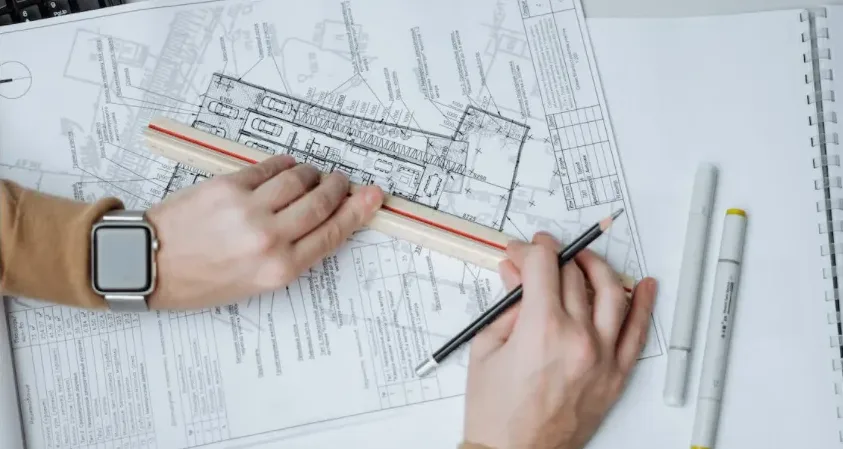
1. Architectural Model Visualization. BIM models are often described as 3D visual information models, making visualization a fundamental aspect of BIM technology. It transforms traditional two-dimensional building representations into three-dimensional geometric information by assembling various 3D components to create a complete building model. Each component carries specific information integrated into the overall model. The more comprehensive the information, the higher the level of visualization. This visualization process spans the entire lifecycle of engineering projects, not only providing a realistic representation of constructed buildings but also facilitating communication, discussion, and coordination among all stakeholders in a visual environment. Visualization is the primary criterion for evaluating the application of BIM technology, and the degree of visualization reflects the depth of information contained in the building information model.
2. Collaborative Cooperation. Collaboration is another key feature and transformative aspect of BIM technology. Successful project delivery depends on multi-party participation, requiring seamless cooperation during both design and construction phases. Traditionally, when issues arose, representatives from different disciplines had to gather, review drawings, identify problems, and then revise plans—a process that was inefficient and often only addressed problems during construction. BIM technology addresses this by enabling early problem detection through construction simulation and the use of BIM-4D models. This proactive approach allows more stakeholders to review and modify plans in advance, reducing costly delays and errors.
3. Construction Simulation. BIM-based simulation integrates design, analysis, and construction planning stages. It not only offers visual simulations of construction plans but also replicates the actual construction process. By analyzing these simulations, project owners can make informed, scientific decisions. BIM simulation has been increasingly applied in various scenarios, such as simulating lighting changes during design, 4D simulations of construction schedules, and 5D simulations of cost management. These methods represent a significant technological advancement over traditional simulation approaches, revolutionizing the construction industry.
4. Drawing Standards. Once the BIM information model is established, construction simulation and analysis are conducted, followed by collision detection and optimization before producing final drawings. This process effectively eliminates common issues such as pipeline collisions and inefficient layouts during construction.
These are the main technical features of BIM technology. Opinions may vary, but I hope this overview proves helpful to everyone!
















Must log in before commenting!
Sign Up