
BIM technology plays a crucial role in the intelligent construction of buildings by leveraging data to enable information-driven and smart processes.
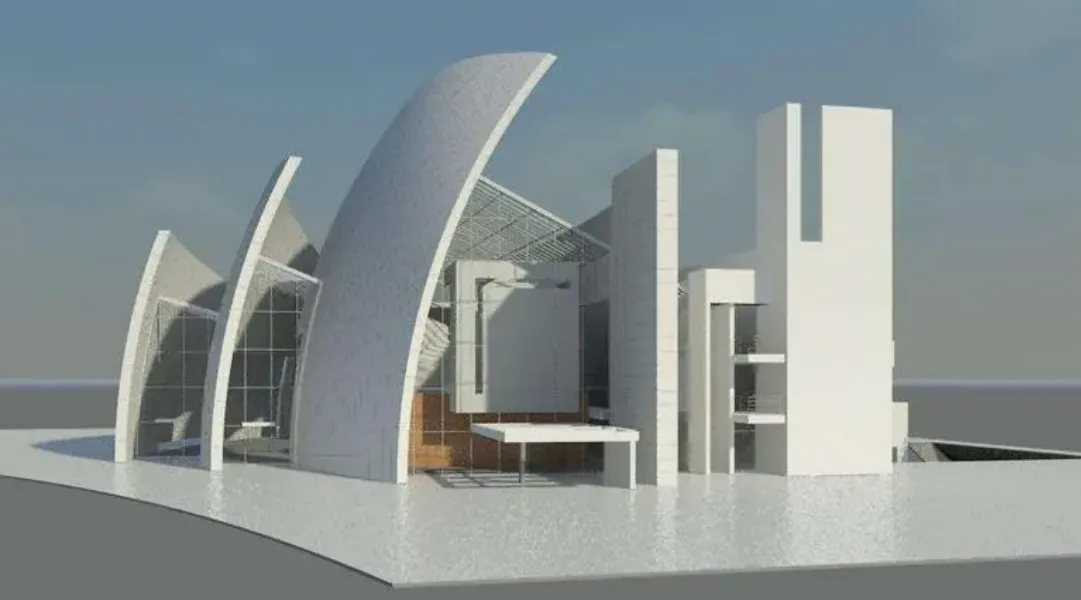
Throughout the construction process, building information is gathered to create a comprehensive database that supports modern architectural requirements through intelligent analysis and calculations. By applying BIM technology, construction becomes more scientific and efficient, significantly reducing material waste and labor demands. This leads to improved productivity and enhanced construction capabilities.
BIM integrates advanced technologies such as big data and cloud computing to address and improve various challenges encountered during construction. It facilitates an intelligent building process that simplifies access to design details for construction workers. Through 3D visualization, workers gain a clear and intuitive understanding of the building’s internal structure, enabling them to optimize the construction workflow. This not only enhances project quality but also shortens construction timelines.
More than just a technology, BIM represents a comprehensive system designed to streamline the entire construction process. Acting as a centralized data hub, BIM collects, analyzes, and organizes diverse construction data to build a detailed digital model of the building. This allows for digital simulations before actual construction, making the process more digitized and three-dimensional.
By implementing multi-layered design strategies, BIM offers various visual models that go beyond traditional 2D designs, providing a richer and more detailed perspective.
That concludes our overview of the intelligent advantages of BIM technology. I hope this article provides valuable insights for everyone!
















Must log in before commenting!
Sign Up